 Image 1 of 1
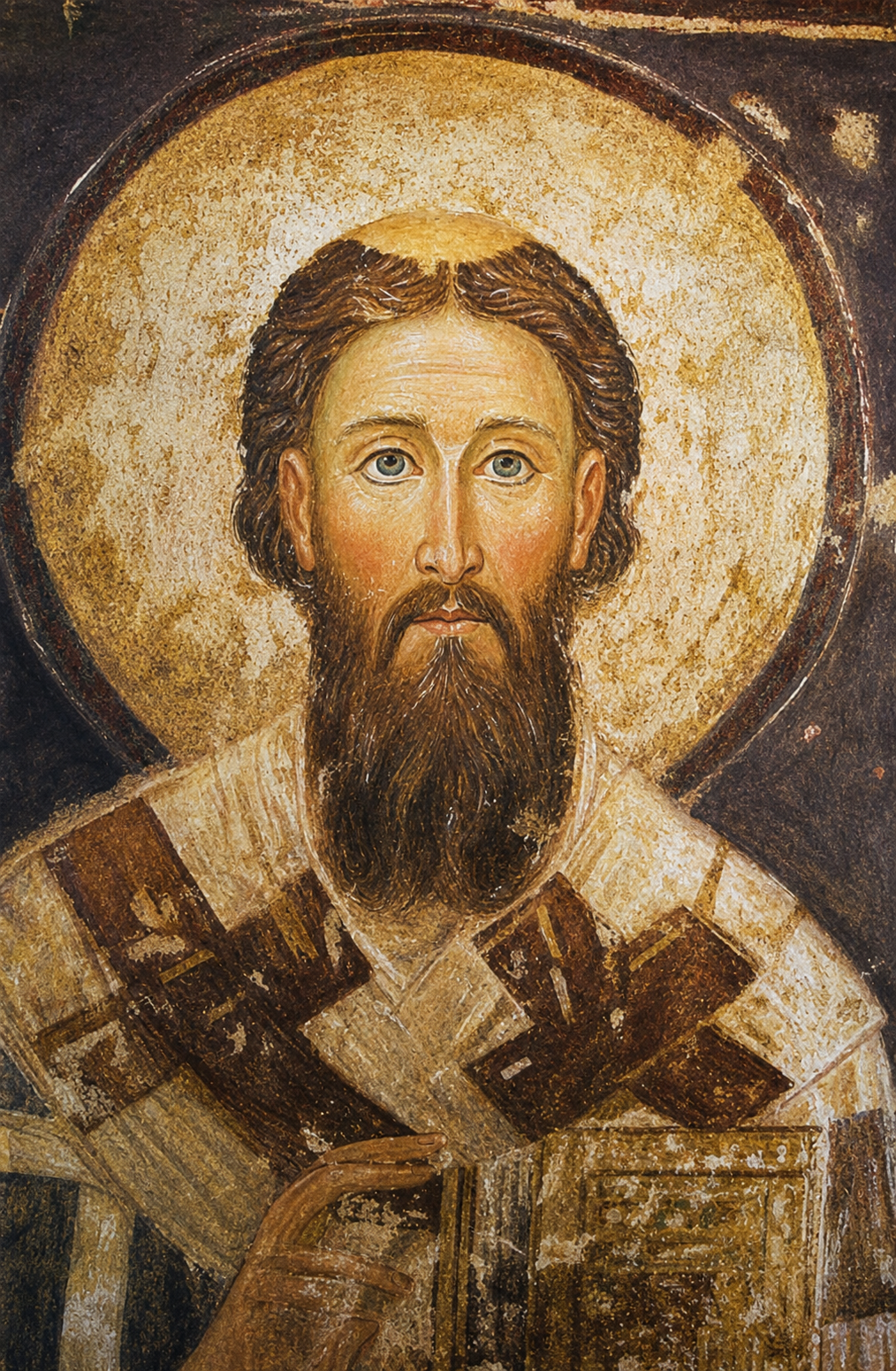
Saint Sava of Serbia Prayer Card - Patron of Students, Schools & Spiritual Leadership
Saint Sava of Serbia, the First Archbishop and Enlightener of the Serbian people, is one of the most important saints in the history of Eastern Orthodoxy. Born as Prince Rastko Nemanjić, he walked away from royal privilege as a young man to become a monk on Mount Athos, later helped establish Hilandar Monastery, became the first Archbishop of the independent Serbian Church, organized monasteries and dioceses, strengthened Christian education, guided rulers, worked for peace, and helped give the Serbian people a spiritual identity that has endured for more than eight centuries.
Saint Sava is especially meaningful for students, schoolchildren, teachers, parents, clergy, seminarians, church leaders, and families trying to preserve their Christian faith across generations. The Serbian Orthodox Church has long honored him as a patron of Serbian schools and schoolchildren, and Saint Sava celebrations remain deeply connected with education, Christian formation, and the responsibility of one generation to pass the faith faithfully to the next.
His life is also powerful for anyone discerning between worldly success and a deeper vocation. Rastko was born into the ruling Nemanjić dynasty and could have pursued political authority, wealth, marriage, and the privileges of a prince, yet while still very young he left the royal court for Mount Athos and received the monastic name Sava, after Saint Sabbas the Sanctified. The prince who could have ruled territory chose first to learn how to rule his own soul.
Yet Saint Sava's retreat from political power did not become an escape from responsibility. God eventually sent him back into the affairs of his people, and his monastic formation gave him the spiritual foundation necessary to organize the Church, educate clergy, establish monasteries, counsel rulers, negotiate peace, and build institutions that would remain long after his death. His life therefore speaks especially strongly to Christians who must carry responsibility without allowing responsibility to consume their spiritual life.
Saint Sava is also a meaningful intercessor for peace and reconciliation. His ministry repeatedly placed him between competing political interests, rulers, churches, and nations, yet the Orthodox tradition remembers him not simply as an administrator but as a spiritual diplomat whose authority came from prayer, humility, and a willingness to seek peace without surrendering the faith.
For Serbian Orthodox families, Saint Sava holds an even deeper place because he is not merely an important medieval bishop. He became the spiritual father and enlightener of an entire Christian people, and his name appears throughout Serbian churches, schools, monasteries, seminaries, family traditions, hymns, and cultural memory. Even centuries after Ottoman authorities burned most of his relics, devotion to Saint Sava only became stronger.
This prayer card is created for students, schoolchildren, teachers, parents, seminarians, priests, deacons, bishops, monastics, church leaders, Serbian Orthodox families, those discerning vocation, Christians seeking peace within divided families or communities, and anyone asking God for wisdom to combine prayer with responsibility. Saint Sava's traditional patronage is especially strong among Serbian schools, schoolchildren, education, and the Serbian Orthodox people, while his life also makes him an especially fitting intercessor for spiritual leadership, vocations, peacemaking, Christian education, preserving faith within families, and anyone trying to build something that will serve the Church beyond his or her own lifetime.
Each card is handmade in Austin, TX and created to order. We do not keep stock, because every prayer card is treated as a unique devotional offering. They are printed on museum-quality photo paper, not cardstock, and every card is made slowly during prayer with intentional reverence for the saint and for the person who will receive it. Names are lifted before Christ, intentions are held carefully, and each piece is handled multiple times in prayerful silence, asking God for mercy and asking the saint to intercede for the soul it is being made for. This is devotional craftsmanship shaped with patience, care, and spiritual responsibility because every soul and every prayer matters.
THE LIFE & STORY
Saint Sava was born Rastko Nemanjić, the youngest son of the Serbian ruler Stefan Nemanja and his wife Ana. Sources differ slightly on the exact year of his birth, with the Serbian Orthodox tradition commonly placing it around 1175. He grew up within the royal household at a time when the Serbian lands were being consolidated politically and when their ecclesiastical future had not yet taken the form it later would under his leadership.
From an early age, Rastko showed an unusual attraction to prayer, churches, icons, and monastic life. When he was about seventeen, he encountered a monk from Mount Athos and became deeply drawn to the Holy Mountain. Rather than treating monasticism as an interesting spiritual possibility for some future stage of life, Rastko acted decisively and left his father's court to travel secretly to Athos.
His family attempted to bring him back, and according to the traditional Life, men were sent after him with instructions to return the prince to Serbia. Rastko instead received monastic tonsure and took the name Sava. He sent his worldly clothing and hair back to his parents, making clear that the prince they expected to recover had chosen another kingdom.
This moment became one of the defining images of Saint Sava's life because he possessed a path toward earthly greatness and willingly walked away from it. Christianity does not understand this simply as contempt for the world, however, because Sava abandoned royal ambition in order to belong completely to Christ. Only later would he discover that God could return him to public responsibility without returning him to worldly ambition.
Saint Sava lived and prayed on Mount Athos, eventually becoming associated especially with Vatopedi and later Hilandar. His father Stefan Nemanja eventually abdicated his throne, received monastic tonsure with the name Simeon, and joined his son on the Holy Mountain. Father and son together established Hilandar Monastery as the great Serbian monastery of Mount Athos, creating a spiritual center that would shape Serbian Orthodoxy for centuries.
Hilandar was not merely a building because a monastery forms people, preserves prayer, safeguards liturgy, protects manuscripts, teaches theology, maintains spiritual discipline, and carries cultural memory across generations. Saint Sava understood that Christian civilization requires institutions capable of preserving what individuals alone cannot preserve. After Saint Simeon's death, his relics became associated with miraculous myrrh-flowing, and Saint Sava later brought his father's relics back to Serbia, where Saint Simeon became known as Saint Simeon the Myrrh-Streaming.
Sava's return to Serbia marked a major change in his vocation because the monk who had left political life now returned as a spiritual father. His work increasingly involved the difficult meeting point between Church, family, society, politics, and national life. He did not abandon the ascetic ideals he had learned on Athos but instead attempted to bring those ideals into the concrete organization of a Christian people.
The decisive moment came in 1219, when Saint Sava traveled to Nicaea, where Byzantine imperial and ecclesiastical authorities were then located after the Fourth Crusade had captured Constantinople. There he received recognition for an independent Serbian ecclesiastical structure and was consecrated as the first Archbishop of the Serbian lands. This became one of the turning points in the history of the Serbian Orthodox Church.
For the first time, the Serbian Church possessed its own archbishop and the ability to develop a stable ecclesiastical life rooted among its own people while remaining within the wider communion of the Orthodox Church. Saint Sava did not seek ecclesiastical independence merely as a political symbol because a functioning local Church required bishops, monasteries, clergy, liturgical order, education, canonical structure, and Christians capable of passing the faith from one generation to the next. He devoted himself to building those foundations.
In 1220, at a national assembly at Žiča Monastery, Sava crowned his older brother Stefan as king. Žiča became the headquarters of the newly organized Serbian Church, and the former prince therefore helped crown a king while remaining a monk and bishop. This is one of the clearest examples of the unusual vocation Saint Sava came to embody because he did not become king himself. His role was to form, counsel, bless, correct, and spiritually guide those who exercised temporal authority.
That distinction remains important for anyone in Christian leadership because the desire to influence something does not always mean that God is calling us to control it. Sometimes spiritual authority serves best when it does not attempt to possess political power. Saint Sava traveled throughout Serbian lands, strengthening monasteries, churches, clergy, and Christian life while shaping a stable religious culture capable of surviving political change.
The tradition associates him with organizing monastic rules according to the great spiritual traditions of Mount Athos and the Holy Land, and his work influenced the canonical life of Slavic Orthodoxy far beyond Serbia. Saint Sava prepared monastic rules, or typika, connected with Hilandar, Studenica, and his cell at Karyes, and he also became associated with the Serbian recension of the Nomocanon, or Zakonopravilo, a collection combining ecclesiastical canons with civil legal material. His canonical legacy later circulated beyond Serbia and influenced the wider Slavic Orthodox world.
This combination of prayer and organization is essential to understanding him because Saint Sava was not holy by avoiding practical work. He prayed, traveled, negotiated, wrote, organized, appointed bishops, established structures, counseled rulers, reformed monasteries, and taught the faith. The inner and outer life were not competitors because prayer formed the man who performed the work.
Saint Sava later made pilgrimages through the Holy Land and the wider Christian East. His travels took him through Jerusalem, Egypt, Sinai, Antioch, Armenia, and other regions, where he visited holy places, monasteries, patriarchs, ascetics, and Christian communities while also forming relationships across political and religious boundaries. These journeys show how much broader Saint Sava's vision was than a narrow nationalism.
He loved his own people intensely, but he formed them by drawing from the spiritual inheritance of the entire Christian East. Mount Athos shaped him, Jerusalem shaped him, Sinai shaped him, and the monastic and patristic traditions of the East shaped the world through which he traveled. Serbian Orthodoxy under Saint Sava did not emerge by isolating itself from the wider Church but by receiving deeply from the wider Church and giving that inheritance a stable home among the Serbian people.
Near the end of his life, Saint Sava appointed Saint Arsenius as his successor and undertook another extensive pilgrimage. While returning through Bulgaria, he fell asleep in the Lord at Tarnovo in the 1230s, with Serbian and Orthodox historical sources differing slightly on the exact year and commonly giving 1235 or nearby dates. His body was later transferred to Mileševa Monastery in Serbia, where the translation of his relics became associated with numerous healings and his tomb became a major center of Serbian Orthodox devotion.
His earthly work was finished, but his influence was only beginning. Over the centuries, Saint Sava became inseparable from Serbian Orthodox identity, education, monastic life, spiritual leadership, and the transmission of faith from one generation to another.
STUDENTS, SCHOOLS & CHRISTIAN EDUCATION
Among Saint Sava's strongest traditional associations is education. The Serbian Orthodox Church explicitly honors him as the patron saint of Serbian schools and schoolchildren, and Saint Sava's feast has long been celebrated in Serbian educational institutions. The connection between his memory, children, learning, and Christian formation remains central to Serbian Orthodox life.
This makes Saint Sava an especially fitting intercessor for students, but his understanding of education is larger than passing examinations. His life asks what education is ultimately for, because a person can become highly trained and still lack wisdom. A culture can produce enormous amounts of information while forgetting what human beings are for, and a school can teach children how to earn a living without teaching them how to live.
Saint Sava represents an older Christian vision in which intellectual formation, moral formation, spiritual formation, and service to the community belong together. For a child beginning school, Saint Sava is therefore a fitting patron not only for good grades but for becoming a good person. For a teenager, he represents the possibility that faith does not have to disappear as education becomes more sophisticated, while for a college student he is a reminder that knowledge without direction can become another form of confusion.
For teachers, his life gives education a sacred seriousness because teachers are not simply transferring information. They help determine what another generation learns to love, believe, pursue, and preserve. Saint Sava understood that if the faith was to survive, people had to be formed, because church buildings alone were not enough if the next generation did not understand what those churches meant.
This prayer card is therefore especially appropriate for the beginning of a school year, graduation, examinations, religious education, seminary study, homeschooling, teaching, or a child's patron saint celebration. It is also meaningful for parents who want to remember that Christian education begins in the home through prayer, example, worship, discipline, forgiveness, and daily life.
SPIRITUAL LEADERSHIP
Saint Sava is one of the strongest Eastern Christian models of leadership because his authority developed only after he had first renounced power. He had been born near a throne but chose a monastery, and later, when responsibility returned to him, he could exercise authority without needing authority to tell him who he was. His identity had already been formed through prayer and monastic obedience.
Many forms of leadership become spiritually dangerous because a person's identity becomes dependent upon being important. Saint Sava knew who he was before anyone called him Archbishop, which makes him especially meaningful for priests, deacons, bishops, abbots, parish council members, ministry leaders, business owners, parents, teachers, and anyone entrusted with responsibility for other people.
Leadership becomes dangerous when authority becomes possession, while Christian leadership is fundamentally stewardship. Saint Sava did not build the Serbian Church so that future generations would remember how impressive Saint Sava was. He built structures intended to continue functioning after he was gone, appointed a successor, wrote rules, formed clergy, established monasteries, gave order to the Church, and prepared others to carry responsibility.
That is one of the clearest marks of mature leadership because a weak leader makes everything dependent upon himself, while a strong leader forms people who can continue without him. Saint Sava's example therefore speaks powerfully to anyone trying to lead without controlling, build without becoming possessive, or serve without making the work primarily about personal recognition.
PEACE, RECONCILIATION & FAMILY DIVISION
Saint Sava's life repeatedly placed him in situations of conflict involving rival rulers, dynastic tension, wars, competing political interests, and ecclesiastical instability. Yet his authority allowed him to act as a peacemaker and negotiator, and the traditional Life remembers him successfully helping bring about peace during serious political threats to Serbia.
This makes Saint Sava especially meaningful for families and communities experiencing division because family conflict is painful precisely because people who belong together can become enemies. Saint Sava belonged to a ruling family where disagreements could become national crises, and he learned that peace requires more than simply telling everyone to stop arguing. Someone must be willing to carry humility into the conflict, value communion more than winning, and speak truth without adding more hatred.
This does not make Saint Sava an officially designated universal patron of family reconciliation, but reconciliation is a natural devotional application of his life. A family experiencing estrangement can therefore seek his intercession, as can divided parishes, clergy and laity who no longer trust one another, or brothers and sisters who have allowed old wounds to harden into years of silence.
Saint Sava's life reminds Christians that peace is not weakness. In many situations, peacemaking requires more courage than fighting because it demands humility, patience, truthfulness, and the willingness to seek restoration rather than victory.
HILANDAR, STUDENICA & BUILDING FOR GENERATIONS
Saint Sava understood that faith needs places where it can be practiced faithfully for generations. Hilandar Monastery on Mount Athos became one such place, founded through the efforts of Saint Sava and his father Saint Simeon, while Studenica became another great center of Serbian Orthodox life.
His connection with monasteries reveals something important about Christian culture because civilizations are not preserved through good intentions alone. Tradition survives because people build structures capable of carrying it, with churches carrying worship, monasteries carrying prayer, schools carrying knowledge, families carrying memory, books carrying teaching, and liturgy carrying faith from one generation to the next.
Saint Sava helped build all of these forms of continuity, which makes him an especially meaningful saint for anyone starting a church ministry, school, nonprofit, monastery, family tradition, Christian business, or other work intended to outlive its founder. His life invites Christians to ask not only what they can accomplish today but what they can faithfully build that will still help people after they are gone.
THE BURNING OF SAINT SAVA'S RELICS
Centuries after Saint Sava's repose, his relics at Mileševa remained a source of enormous spiritual strength for the Serbian people. During Ottoman rule, people continued visiting his tomb for encouragement, healing, and strength amid persecution, and his relics became inseparable from Serbian Orthodox devotion.
In the late sixteenth century, amid Serbian resistance to Ottoman rule, Ottoman authorities removed Saint Sava's relics from Mileševa and burned them on Vračar Hill in Belgrade. The act was intended to weaken Serbian devotion to him and diminish what he represented, but the result was the opposite because the destruction of his body intensified devotion to his memory and strengthened his place within Serbian Orthodox identity.
Saint Sava became even more deeply connected with Serbian perseverance, Orthodox faith, and endurance under persecution. Centuries later, the immense Church of Saint Sava was erected on Vračar in Belgrade near the traditional location associated with the burning of his relics, so an act intended as humiliation eventually became associated with one of the most visible monuments to Serbian Orthodoxy.
The spiritual lesson is difficult to miss because some things cannot be destroyed by burning them. A body can be burned, a monastery can be attacked, a government can suppress religion, and a generation can be persecuted, yet faith can continue living within people who refuse to forget.
For Christians whose family faith has weakened or nearly disappeared, Saint Sava therefore offers a powerful message about beginning again. Teach the child, say the prayer, return to church, keep the feast, tell the story, and place the icon in the home, because what appears almost lost can still be handed forward if someone chooses to preserve it.
PRAYERS
A simple traditional invocation may be prayed often: Holy Hierarch Sava, pray to God for us. This short prayer is especially fitting for students, teachers, clergy, parents, and anyone seeking his intercession for wisdom, faithfulness, and spiritual leadership.
The traditional Orthodox Troparion honors Saint Sava as a rule of faith, image of humility, teacher of abstinence, and holy hierarch, while its petitions ask him to intercede before Christ for the salvation of the faithful. The traditional Kontakion likewise praises him as a teacher and defender of the faith and asks him to pray continually for those who honor his memory.
Students may keep this card beside their books, on a desk, in a school bag, or within a prayer corner and ask Saint Sava's intercession before studying. Teachers may turn to him as the traditional patron of Serbian schools and schoolchildren, asking for wisdom in forming those entrusted to them, while parents may place the card within a family prayer corner as a reminder that educating children in the faith is not limited to religious instruction classes.
Christian formation happens through prayer, worship, example, forgiveness, discipline, hospitality, and the ordinary practices of the home. Clergy and church leaders may invoke Saint Sava as the first Archbishop of Serbia and an organizer of ecclesiastical life, asking for humility strong enough to carry authority without becoming possessed by it.
This prayer card is especially fitting for students, teachers, Serbian Orthodox families, seminarians, clergy, godchildren, homeschool families, parish schools, church offices, classrooms, libraries, dorm rooms, and anyone trying to build a life in which education and faith remain united.
FAQ
Who is Saint Sava of Serbia?
Saint Sava was a medieval Serbian prince who became an Orthodox monk, spiritual teacher, church organizer, diplomat, writer, and the first Archbishop of the Serbian Church. Born Rastko Nemanjić, he left royal life for Mount Athos and later became the foundational spiritual father of Serbian Orthodoxy.
What was Saint Sava's original name?
His birth name was Rastko Nemanjić. He received the name Sava when he became a monk, in honor of Saint Sabbas the Sanctified, whose monastic legacy was deeply respected throughout the Christian East.
Was Saint Sava a prince?
Yes. Rastko was a son of the Serbian ruler Stefan Nemanja and grew up within the ruling Nemanjić dynasty before leaving court life to become a monk. His renunciation of royal privilege became one of the defining moments of his spiritual life.
Why did Saint Sava leave his royal family?
Saint Sava was deeply drawn to monastic life and Mount Athos. As a young man, he left the royal court and received monastic tonsure rather than pursuing the political life available to him as a prince, choosing prayer and asceticism over worldly power.
Is Saint Sava an Orthodox saint?
Yes. Saint Sava is one of the most important saints of the Serbian Orthodox Church and is also venerated throughout Eastern Orthodoxy. He is remembered especially as the first Archbishop and Enlightener of Serbia.
Is Saint Sava Catholic?
Saint Sava lived after the formal rupture between Rome and Constantinople and is specifically a saint of the Eastern Orthodox tradition. He is therefore best identified as Serbian Orthodox, rather than described as a universally venerated pre-schism saint.
What is Saint Sava the patron saint of?
The Serbian Orthodox Church explicitly honors Saint Sava as the patron saint of Serbian schools and schoolchildren. He is also the great national and spiritual patron of the Serbian Orthodox people and is strongly associated with Christian education and spiritual leadership.
Is Saint Sava the patron saint of students?
Yes, particularly within Serbian Orthodox tradition. His longstanding role as patron of Serbian schools and schoolchildren makes him an especially appropriate intercessor for students, teachers, and families concerned with education.
Can I pray to Saint Sava before an exam?
Yes. Because Saint Sava is traditionally associated with schools and students, his intercession is especially appropriate before examinations, important academic decisions, or periods of difficult study. His life also reminds students that wisdom is more important than academic success alone.
Is Saint Sava a good saint for teachers?
Yes. His connection with Christian education and his longstanding patronage of Serbian schools make him especially meaningful for teachers and those entrusted with forming young people. His life emphasizes that education should shape character and faith as well as intellect.
Can I give a Saint Sava prayer card as a school gift?
Yes. It is particularly appropriate for the beginning of a school year, graduation, examination season, religious education, seminary study, homeschooling, or as a gift from a Serbian Orthodox parish to children.
Why is Saint Sava called the Enlightener of Serbia?
Saint Sava helped establish and organize the independent Serbian Church, form its clergy and monasteries, strengthen Christian education, develop canonical structures, and root Orthodox Christian life deeply within the Serbian people. The title recognizes this enormous work of spiritual formation and teaching.
Was Saint Sava the first Serbian Archbishop?
Yes. In 1219 he was consecrated the first Archbishop of the Serbian lands, a decisive event in the establishment of the Serbian Church. His leadership helped create the stable ecclesiastical structures necessary for Serbian Orthodox life to flourish.
Why was 1219 important for the Serbian Orthodox Church?
In 1219 Saint Sava obtained recognition for an independent Serbian ecclesiastical structure and was consecrated its first Archbishop. This provided the Serbian Church with its own stable hierarchy and leadership while remaining within the wider communion of the Orthodox Church.
What is Saint Sava's connection to Mount Athos?
Saint Sava became a monk on Mount Athos and spent formative years there. He and his father, Saint Simeon, established Hilandar Monastery, which remains the Serbian monastery of Mount Athos and one of the great centers of Serbian Orthodox spirituality.
What is Hilandar Monastery?
Hilandar is a Serbian Orthodox monastery on Mount Athos in Greece. Saint Sava and his father Saint Simeon were central to its establishment, and it became one of the great spiritual, liturgical, and cultural centers of Serbian Orthodoxy.
Who was Saint Sava's father?
His father was the Serbian ruler Stefan Nemanja, who later became a monk named Simeon and is venerated as Saint Simeon the Myrrh-Streaming. Father and son together became foundational figures in Serbian Orthodox history.
Did Saint Sava write books or church rules?
Yes. Saint Sava is associated with monastic typika and important canonical work, including the Serbian recension of the Nomocanon or Zakonopravilo. His writings and ecclesiastical work became influential beyond Serbia within the wider Slavic Orthodox world.
Was Saint Sava a peacemaker?
Yes. His traditional Life describes him serving in diplomatic and peacemaking roles during serious political conflicts. His spiritual authority allowed him to work across political boundaries while protecting the interests and faith of his people.
Can I pray to Saint Sava for family reconciliation?
Yes. Family reconciliation is best described as a devotional application of his life rather than a formal universal patronage. His work as a peacemaker and spiritual father makes him a fitting intercessor when families are divided or relationships have become deeply strained.
Can I pray to Saint Sava for church leadership?
Yes. As the first Archbishop of Serbia and organizer of Serbian ecclesiastical life, he is especially fitting for bishops, priests, deacons, seminarians, monastics, parish leaders, and others carrying responsibility within the Church.
Can I give this card to a seminarian or priest?
Yes. Saint Sava's combination of monastic spirituality, episcopal leadership, theological formation, diplomacy, and pastoral responsibility makes this a particularly appropriate gift for clergy and seminarians.
Where did Saint Sava die?
Saint Sava reposed in Tarnovo, Bulgaria, while returning from extensive pilgrimage and diplomatic travels through the Christian East. His body was later brought back to Serbia and enshrined at Mileševa Monastery.
When did Saint Sava die?
Orthodox historical sources differ slightly concerning the exact year, commonly placing his repose in the mid-1230s. Serbian Orthodox sources commonly give 1235, while other ecclesiastical accounts preserve nearby dates.
Where were Saint Sava's relics kept?
After initially being buried in Tarnovo, his relics were transferred to Mileševa Monastery in Serbia. His tomb became a major center of devotion and was associated with healings and miracles.
What happened to Saint Sava's relics?
During Ottoman rule, most of Saint Sava's relics were removed from Mileševa and publicly burned on Vračar Hill in Belgrade in the late sixteenth century. The act was intended to weaken Serbian devotion to him, but his veneration became even stronger.
Why were Saint Sava's relics burned?
Saint Sava had become a powerful symbol of Serbian Orthodox identity and perseverance during Ottoman rule. Ottoman authorities burned his relics amid a period of Serbian resistance in an attempt to break the people's attachment to him and what he represented.
Is the Church of Saint Sava in Belgrade connected to the burning of his relics?
Yes. The great Saint Sava Memorial Church in Belgrade was built on Vračar in connection with the traditional location where his relics were burned. The site transformed an act intended to erase his influence into one of the most visible monuments to Serbian Orthodox faith.
When is Saint Sava's feast day?
Saint Sava is commemorated liturgically on January 14. Because the Serbian Orthodox Church traditionally follows the Julian calendar for this feast, January 14 on that church calendar currently falls on January 27 on the civil Gregorian calendar, which is why Saint Sava Day is widely celebrated by Serbs on January 27.
Why do I see both January 14 and January 27 for Saint Sava?
They represent the same traditional feast date expressed through different calendars. Churches using the revised or Gregorian calendar commemorate him on January 14 civil time, while the Serbian Orthodox Church's January 14 Julian-calendar observance presently corresponds to January 27 on the Gregorian civil calendar.
Is Saint Sava especially important to Serbian children?
Yes. Saint Sava is deeply associated with Serbian schools, schoolchildren, religious education, and the transmission of Serbian Orthodox faith and culture to younger generations. His feast is one of the most important educational and cultural celebrations in Serbian Orthodox life.
Can I give this prayer card to someone who is not Serbian?
Yes. Although Saint Sava holds a unique place within Serbian Orthodoxy, his life belongs to the wider Orthodox Church. His example of monastic devotion, education, leadership, peace, and faithful service has meaning for Christians of any background.
What does Saint Sava teach about vocation?
Saint Sava teaches that vocation is not necessarily the path of greatest worldly opportunity. He walked away from royal privilege for monastic life and then discovered that obedience to God eventually required him to carry enormous responsibility for the Church and his people.
What does Saint Sava teach about leadership?
His life teaches that the strongest authority grows from spiritual formation rather than ambition. Saint Sava learned obedience before exercising authority, renounced royal power before receiving ecclesiastical responsibility, and built institutions capable of continuing after him.
What does Saint Sava teach parents?
Saint Sava's legacy emphasizes the importance of forming the next generation rather than assuming faith will simply preserve itself. Prayer, education, worship, example, family tradition, and intentional Christian formation are necessary if children are to inherit more than a cultural label.
What is the main message of Saint Sava's life?
Saint Sava's life teaches that holiness can build something larger than one lifetime. A prince became a monk, the monk became an archbishop, and the archbishop helped form a Church and Christian culture that endured for centuries. He reminds students to seek wisdom, leaders to seek humility, families to preserve the faith, divided people to seek peace, and every Christian to ask not only what can be accomplished today, but what can be faithfully handed to the generations that come after us.
Saint Sava of Serbia, the First Archbishop and Enlightener of the Serbian people, is one of the most important saints in the history of Eastern Orthodoxy. Born as Prince Rastko Nemanjić, he walked away from royal privilege as a young man to become a monk on Mount Athos, later helped establish Hilandar Monastery, became the first Archbishop of the independent Serbian Church, organized monasteries and dioceses, strengthened Christian education, guided rulers, worked for peace, and helped give the Serbian people a spiritual identity that has endured for more than eight centuries.
Saint Sava is especially meaningful for students, schoolchildren, teachers, parents, clergy, seminarians, church leaders, and families trying to preserve their Christian faith across generations. The Serbian Orthodox Church has long honored him as a patron of Serbian schools and schoolchildren, and Saint Sava celebrations remain deeply connected with education, Christian formation, and the responsibility of one generation to pass the faith faithfully to the next.
His life is also powerful for anyone discerning between worldly success and a deeper vocation. Rastko was born into the ruling Nemanjić dynasty and could have pursued political authority, wealth, marriage, and the privileges of a prince, yet while still very young he left the royal court for Mount Athos and received the monastic name Sava, after Saint Sabbas the Sanctified. The prince who could have ruled territory chose first to learn how to rule his own soul.
Yet Saint Sava's retreat from political power did not become an escape from responsibility. God eventually sent him back into the affairs of his people, and his monastic formation gave him the spiritual foundation necessary to organize the Church, educate clergy, establish monasteries, counsel rulers, negotiate peace, and build institutions that would remain long after his death. His life therefore speaks especially strongly to Christians who must carry responsibility without allowing responsibility to consume their spiritual life.
Saint Sava is also a meaningful intercessor for peace and reconciliation. His ministry repeatedly placed him between competing political interests, rulers, churches, and nations, yet the Orthodox tradition remembers him not simply as an administrator but as a spiritual diplomat whose authority came from prayer, humility, and a willingness to seek peace without surrendering the faith.
For Serbian Orthodox families, Saint Sava holds an even deeper place because he is not merely an important medieval bishop. He became the spiritual father and enlightener of an entire Christian people, and his name appears throughout Serbian churches, schools, monasteries, seminaries, family traditions, hymns, and cultural memory. Even centuries after Ottoman authorities burned most of his relics, devotion to Saint Sava only became stronger.
This prayer card is created for students, schoolchildren, teachers, parents, seminarians, priests, deacons, bishops, monastics, church leaders, Serbian Orthodox families, those discerning vocation, Christians seeking peace within divided families or communities, and anyone asking God for wisdom to combine prayer with responsibility. Saint Sava's traditional patronage is especially strong among Serbian schools, schoolchildren, education, and the Serbian Orthodox people, while his life also makes him an especially fitting intercessor for spiritual leadership, vocations, peacemaking, Christian education, preserving faith within families, and anyone trying to build something that will serve the Church beyond his or her own lifetime.
Each card is handmade in Austin, TX and created to order. We do not keep stock, because every prayer card is treated as a unique devotional offering. They are printed on museum-quality photo paper, not cardstock, and every card is made slowly during prayer with intentional reverence for the saint and for the person who will receive it. Names are lifted before Christ, intentions are held carefully, and each piece is handled multiple times in prayerful silence, asking God for mercy and asking the saint to intercede for the soul it is being made for. This is devotional craftsmanship shaped with patience, care, and spiritual responsibility because every soul and every prayer matters.
THE LIFE & STORY
Saint Sava was born Rastko Nemanjić, the youngest son of the Serbian ruler Stefan Nemanja and his wife Ana. Sources differ slightly on the exact year of his birth, with the Serbian Orthodox tradition commonly placing it around 1175. He grew up within the royal household at a time when the Serbian lands were being consolidated politically and when their ecclesiastical future had not yet taken the form it later would under his leadership.
From an early age, Rastko showed an unusual attraction to prayer, churches, icons, and monastic life. When he was about seventeen, he encountered a monk from Mount Athos and became deeply drawn to the Holy Mountain. Rather than treating monasticism as an interesting spiritual possibility for some future stage of life, Rastko acted decisively and left his father's court to travel secretly to Athos.
His family attempted to bring him back, and according to the traditional Life, men were sent after him with instructions to return the prince to Serbia. Rastko instead received monastic tonsure and took the name Sava. He sent his worldly clothing and hair back to his parents, making clear that the prince they expected to recover had chosen another kingdom.
This moment became one of the defining images of Saint Sava's life because he possessed a path toward earthly greatness and willingly walked away from it. Christianity does not understand this simply as contempt for the world, however, because Sava abandoned royal ambition in order to belong completely to Christ. Only later would he discover that God could return him to public responsibility without returning him to worldly ambition.
Saint Sava lived and prayed on Mount Athos, eventually becoming associated especially with Vatopedi and later Hilandar. His father Stefan Nemanja eventually abdicated his throne, received monastic tonsure with the name Simeon, and joined his son on the Holy Mountain. Father and son together established Hilandar Monastery as the great Serbian monastery of Mount Athos, creating a spiritual center that would shape Serbian Orthodoxy for centuries.
Hilandar was not merely a building because a monastery forms people, preserves prayer, safeguards liturgy, protects manuscripts, teaches theology, maintains spiritual discipline, and carries cultural memory across generations. Saint Sava understood that Christian civilization requires institutions capable of preserving what individuals alone cannot preserve. After Saint Simeon's death, his relics became associated with miraculous myrrh-flowing, and Saint Sava later brought his father's relics back to Serbia, where Saint Simeon became known as Saint Simeon the Myrrh-Streaming.
Sava's return to Serbia marked a major change in his vocation because the monk who had left political life now returned as a spiritual father. His work increasingly involved the difficult meeting point between Church, family, society, politics, and national life. He did not abandon the ascetic ideals he had learned on Athos but instead attempted to bring those ideals into the concrete organization of a Christian people.
The decisive moment came in 1219, when Saint Sava traveled to Nicaea, where Byzantine imperial and ecclesiastical authorities were then located after the Fourth Crusade had captured Constantinople. There he received recognition for an independent Serbian ecclesiastical structure and was consecrated as the first Archbishop of the Serbian lands. This became one of the turning points in the history of the Serbian Orthodox Church.
For the first time, the Serbian Church possessed its own archbishop and the ability to develop a stable ecclesiastical life rooted among its own people while remaining within the wider communion of the Orthodox Church. Saint Sava did not seek ecclesiastical independence merely as a political symbol because a functioning local Church required bishops, monasteries, clergy, liturgical order, education, canonical structure, and Christians capable of passing the faith from one generation to the next. He devoted himself to building those foundations.
In 1220, at a national assembly at Žiča Monastery, Sava crowned his older brother Stefan as king. Žiča became the headquarters of the newly organized Serbian Church, and the former prince therefore helped crown a king while remaining a monk and bishop. This is one of the clearest examples of the unusual vocation Saint Sava came to embody because he did not become king himself. His role was to form, counsel, bless, correct, and spiritually guide those who exercised temporal authority.
That distinction remains important for anyone in Christian leadership because the desire to influence something does not always mean that God is calling us to control it. Sometimes spiritual authority serves best when it does not attempt to possess political power. Saint Sava traveled throughout Serbian lands, strengthening monasteries, churches, clergy, and Christian life while shaping a stable religious culture capable of surviving political change.
The tradition associates him with organizing monastic rules according to the great spiritual traditions of Mount Athos and the Holy Land, and his work influenced the canonical life of Slavic Orthodoxy far beyond Serbia. Saint Sava prepared monastic rules, or typika, connected with Hilandar, Studenica, and his cell at Karyes, and he also became associated with the Serbian recension of the Nomocanon, or Zakonopravilo, a collection combining ecclesiastical canons with civil legal material. His canonical legacy later circulated beyond Serbia and influenced the wider Slavic Orthodox world.
This combination of prayer and organization is essential to understanding him because Saint Sava was not holy by avoiding practical work. He prayed, traveled, negotiated, wrote, organized, appointed bishops, established structures, counseled rulers, reformed monasteries, and taught the faith. The inner and outer life were not competitors because prayer formed the man who performed the work.
Saint Sava later made pilgrimages through the Holy Land and the wider Christian East. His travels took him through Jerusalem, Egypt, Sinai, Antioch, Armenia, and other regions, where he visited holy places, monasteries, patriarchs, ascetics, and Christian communities while also forming relationships across political and religious boundaries. These journeys show how much broader Saint Sava's vision was than a narrow nationalism.
He loved his own people intensely, but he formed them by drawing from the spiritual inheritance of the entire Christian East. Mount Athos shaped him, Jerusalem shaped him, Sinai shaped him, and the monastic and patristic traditions of the East shaped the world through which he traveled. Serbian Orthodoxy under Saint Sava did not emerge by isolating itself from the wider Church but by receiving deeply from the wider Church and giving that inheritance a stable home among the Serbian people.
Near the end of his life, Saint Sava appointed Saint Arsenius as his successor and undertook another extensive pilgrimage. While returning through Bulgaria, he fell asleep in the Lord at Tarnovo in the 1230s, with Serbian and Orthodox historical sources differing slightly on the exact year and commonly giving 1235 or nearby dates. His body was later transferred to Mileševa Monastery in Serbia, where the translation of his relics became associated with numerous healings and his tomb became a major center of Serbian Orthodox devotion.
His earthly work was finished, but his influence was only beginning. Over the centuries, Saint Sava became inseparable from Serbian Orthodox identity, education, monastic life, spiritual leadership, and the transmission of faith from one generation to another.
STUDENTS, SCHOOLS & CHRISTIAN EDUCATION
Among Saint Sava's strongest traditional associations is education. The Serbian Orthodox Church explicitly honors him as the patron saint of Serbian schools and schoolchildren, and Saint Sava's feast has long been celebrated in Serbian educational institutions. The connection between his memory, children, learning, and Christian formation remains central to Serbian Orthodox life.
This makes Saint Sava an especially fitting intercessor for students, but his understanding of education is larger than passing examinations. His life asks what education is ultimately for, because a person can become highly trained and still lack wisdom. A culture can produce enormous amounts of information while forgetting what human beings are for, and a school can teach children how to earn a living without teaching them how to live.
Saint Sava represents an older Christian vision in which intellectual formation, moral formation, spiritual formation, and service to the community belong together. For a child beginning school, Saint Sava is therefore a fitting patron not only for good grades but for becoming a good person. For a teenager, he represents the possibility that faith does not have to disappear as education becomes more sophisticated, while for a college student he is a reminder that knowledge without direction can become another form of confusion.
For teachers, his life gives education a sacred seriousness because teachers are not simply transferring information. They help determine what another generation learns to love, believe, pursue, and preserve. Saint Sava understood that if the faith was to survive, people had to be formed, because church buildings alone were not enough if the next generation did not understand what those churches meant.
This prayer card is therefore especially appropriate for the beginning of a school year, graduation, examinations, religious education, seminary study, homeschooling, teaching, or a child's patron saint celebration. It is also meaningful for parents who want to remember that Christian education begins in the home through prayer, example, worship, discipline, forgiveness, and daily life.
SPIRITUAL LEADERSHIP
Saint Sava is one of the strongest Eastern Christian models of leadership because his authority developed only after he had first renounced power. He had been born near a throne but chose a monastery, and later, when responsibility returned to him, he could exercise authority without needing authority to tell him who he was. His identity had already been formed through prayer and monastic obedience.
Many forms of leadership become spiritually dangerous because a person's identity becomes dependent upon being important. Saint Sava knew who he was before anyone called him Archbishop, which makes him especially meaningful for priests, deacons, bishops, abbots, parish council members, ministry leaders, business owners, parents, teachers, and anyone entrusted with responsibility for other people.
Leadership becomes dangerous when authority becomes possession, while Christian leadership is fundamentally stewardship. Saint Sava did not build the Serbian Church so that future generations would remember how impressive Saint Sava was. He built structures intended to continue functioning after he was gone, appointed a successor, wrote rules, formed clergy, established monasteries, gave order to the Church, and prepared others to carry responsibility.
That is one of the clearest marks of mature leadership because a weak leader makes everything dependent upon himself, while a strong leader forms people who can continue without him. Saint Sava's example therefore speaks powerfully to anyone trying to lead without controlling, build without becoming possessive, or serve without making the work primarily about personal recognition.
PEACE, RECONCILIATION & FAMILY DIVISION
Saint Sava's life repeatedly placed him in situations of conflict involving rival rulers, dynastic tension, wars, competing political interests, and ecclesiastical instability. Yet his authority allowed him to act as a peacemaker and negotiator, and the traditional Life remembers him successfully helping bring about peace during serious political threats to Serbia.
This makes Saint Sava especially meaningful for families and communities experiencing division because family conflict is painful precisely because people who belong together can become enemies. Saint Sava belonged to a ruling family where disagreements could become national crises, and he learned that peace requires more than simply telling everyone to stop arguing. Someone must be willing to carry humility into the conflict, value communion more than winning, and speak truth without adding more hatred.
This does not make Saint Sava an officially designated universal patron of family reconciliation, but reconciliation is a natural devotional application of his life. A family experiencing estrangement can therefore seek his intercession, as can divided parishes, clergy and laity who no longer trust one another, or brothers and sisters who have allowed old wounds to harden into years of silence.
Saint Sava's life reminds Christians that peace is not weakness. In many situations, peacemaking requires more courage than fighting because it demands humility, patience, truthfulness, and the willingness to seek restoration rather than victory.
HILANDAR, STUDENICA & BUILDING FOR GENERATIONS
Saint Sava understood that faith needs places where it can be practiced faithfully for generations. Hilandar Monastery on Mount Athos became one such place, founded through the efforts of Saint Sava and his father Saint Simeon, while Studenica became another great center of Serbian Orthodox life.
His connection with monasteries reveals something important about Christian culture because civilizations are not preserved through good intentions alone. Tradition survives because people build structures capable of carrying it, with churches carrying worship, monasteries carrying prayer, schools carrying knowledge, families carrying memory, books carrying teaching, and liturgy carrying faith from one generation to the next.
Saint Sava helped build all of these forms of continuity, which makes him an especially meaningful saint for anyone starting a church ministry, school, nonprofit, monastery, family tradition, Christian business, or other work intended to outlive its founder. His life invites Christians to ask not only what they can accomplish today but what they can faithfully build that will still help people after they are gone.
THE BURNING OF SAINT SAVA'S RELICS
Centuries after Saint Sava's repose, his relics at Mileševa remained a source of enormous spiritual strength for the Serbian people. During Ottoman rule, people continued visiting his tomb for encouragement, healing, and strength amid persecution, and his relics became inseparable from Serbian Orthodox devotion.
In the late sixteenth century, amid Serbian resistance to Ottoman rule, Ottoman authorities removed Saint Sava's relics from Mileševa and burned them on Vračar Hill in Belgrade. The act was intended to weaken Serbian devotion to him and diminish what he represented, but the result was the opposite because the destruction of his body intensified devotion to his memory and strengthened his place within Serbian Orthodox identity.
Saint Sava became even more deeply connected with Serbian perseverance, Orthodox faith, and endurance under persecution. Centuries later, the immense Church of Saint Sava was erected on Vračar in Belgrade near the traditional location associated with the burning of his relics, so an act intended as humiliation eventually became associated with one of the most visible monuments to Serbian Orthodoxy.
The spiritual lesson is difficult to miss because some things cannot be destroyed by burning them. A body can be burned, a monastery can be attacked, a government can suppress religion, and a generation can be persecuted, yet faith can continue living within people who refuse to forget.
For Christians whose family faith has weakened or nearly disappeared, Saint Sava therefore offers a powerful message about beginning again. Teach the child, say the prayer, return to church, keep the feast, tell the story, and place the icon in the home, because what appears almost lost can still be handed forward if someone chooses to preserve it.
PRAYERS
A simple traditional invocation may be prayed often: Holy Hierarch Sava, pray to God for us. This short prayer is especially fitting for students, teachers, clergy, parents, and anyone seeking his intercession for wisdom, faithfulness, and spiritual leadership.
The traditional Orthodox Troparion honors Saint Sava as a rule of faith, image of humility, teacher of abstinence, and holy hierarch, while its petitions ask him to intercede before Christ for the salvation of the faithful. The traditional Kontakion likewise praises him as a teacher and defender of the faith and asks him to pray continually for those who honor his memory.
Students may keep this card beside their books, on a desk, in a school bag, or within a prayer corner and ask Saint Sava's intercession before studying. Teachers may turn to him as the traditional patron of Serbian schools and schoolchildren, asking for wisdom in forming those entrusted to them, while parents may place the card within a family prayer corner as a reminder that educating children in the faith is not limited to religious instruction classes.
Christian formation happens through prayer, worship, example, forgiveness, discipline, hospitality, and the ordinary practices of the home. Clergy and church leaders may invoke Saint Sava as the first Archbishop of Serbia and an organizer of ecclesiastical life, asking for humility strong enough to carry authority without becoming possessed by it.
This prayer card is especially fitting for students, teachers, Serbian Orthodox families, seminarians, clergy, godchildren, homeschool families, parish schools, church offices, classrooms, libraries, dorm rooms, and anyone trying to build a life in which education and faith remain united.
FAQ
Who is Saint Sava of Serbia?
Saint Sava was a medieval Serbian prince who became an Orthodox monk, spiritual teacher, church organizer, diplomat, writer, and the first Archbishop of the Serbian Church. Born Rastko Nemanjić, he left royal life for Mount Athos and later became the foundational spiritual father of Serbian Orthodoxy.
What was Saint Sava's original name?
His birth name was Rastko Nemanjić. He received the name Sava when he became a monk, in honor of Saint Sabbas the Sanctified, whose monastic legacy was deeply respected throughout the Christian East.
Was Saint Sava a prince?
Yes. Rastko was a son of the Serbian ruler Stefan Nemanja and grew up within the ruling Nemanjić dynasty before leaving court life to become a monk. His renunciation of royal privilege became one of the defining moments of his spiritual life.
Why did Saint Sava leave his royal family?
Saint Sava was deeply drawn to monastic life and Mount Athos. As a young man, he left the royal court and received monastic tonsure rather than pursuing the political life available to him as a prince, choosing prayer and asceticism over worldly power.
Is Saint Sava an Orthodox saint?
Yes. Saint Sava is one of the most important saints of the Serbian Orthodox Church and is also venerated throughout Eastern Orthodoxy. He is remembered especially as the first Archbishop and Enlightener of Serbia.
Is Saint Sava Catholic?
Saint Sava lived after the formal rupture between Rome and Constantinople and is specifically a saint of the Eastern Orthodox tradition. He is therefore best identified as Serbian Orthodox, rather than described as a universally venerated pre-schism saint.
What is Saint Sava the patron saint of?
The Serbian Orthodox Church explicitly honors Saint Sava as the patron saint of Serbian schools and schoolchildren. He is also the great national and spiritual patron of the Serbian Orthodox people and is strongly associated with Christian education and spiritual leadership.
Is Saint Sava the patron saint of students?
Yes, particularly within Serbian Orthodox tradition. His longstanding role as patron of Serbian schools and schoolchildren makes him an especially appropriate intercessor for students, teachers, and families concerned with education.
Can I pray to Saint Sava before an exam?
Yes. Because Saint Sava is traditionally associated with schools and students, his intercession is especially appropriate before examinations, important academic decisions, or periods of difficult study. His life also reminds students that wisdom is more important than academic success alone.
Is Saint Sava a good saint for teachers?
Yes. His connection with Christian education and his longstanding patronage of Serbian schools make him especially meaningful for teachers and those entrusted with forming young people. His life emphasizes that education should shape character and faith as well as intellect.
Can I give a Saint Sava prayer card as a school gift?
Yes. It is particularly appropriate for the beginning of a school year, graduation, examination season, religious education, seminary study, homeschooling, or as a gift from a Serbian Orthodox parish to children.
Why is Saint Sava called the Enlightener of Serbia?
Saint Sava helped establish and organize the independent Serbian Church, form its clergy and monasteries, strengthen Christian education, develop canonical structures, and root Orthodox Christian life deeply within the Serbian people. The title recognizes this enormous work of spiritual formation and teaching.
Was Saint Sava the first Serbian Archbishop?
Yes. In 1219 he was consecrated the first Archbishop of the Serbian lands, a decisive event in the establishment of the Serbian Church. His leadership helped create the stable ecclesiastical structures necessary for Serbian Orthodox life to flourish.
Why was 1219 important for the Serbian Orthodox Church?
In 1219 Saint Sava obtained recognition for an independent Serbian ecclesiastical structure and was consecrated its first Archbishop. This provided the Serbian Church with its own stable hierarchy and leadership while remaining within the wider communion of the Orthodox Church.
What is Saint Sava's connection to Mount Athos?
Saint Sava became a monk on Mount Athos and spent formative years there. He and his father, Saint Simeon, established Hilandar Monastery, which remains the Serbian monastery of Mount Athos and one of the great centers of Serbian Orthodox spirituality.
What is Hilandar Monastery?
Hilandar is a Serbian Orthodox monastery on Mount Athos in Greece. Saint Sava and his father Saint Simeon were central to its establishment, and it became one of the great spiritual, liturgical, and cultural centers of Serbian Orthodoxy.
Who was Saint Sava's father?
His father was the Serbian ruler Stefan Nemanja, who later became a monk named Simeon and is venerated as Saint Simeon the Myrrh-Streaming. Father and son together became foundational figures in Serbian Orthodox history.
Did Saint Sava write books or church rules?
Yes. Saint Sava is associated with monastic typika and important canonical work, including the Serbian recension of the Nomocanon or Zakonopravilo. His writings and ecclesiastical work became influential beyond Serbia within the wider Slavic Orthodox world.
Was Saint Sava a peacemaker?
Yes. His traditional Life describes him serving in diplomatic and peacemaking roles during serious political conflicts. His spiritual authority allowed him to work across political boundaries while protecting the interests and faith of his people.
Can I pray to Saint Sava for family reconciliation?
Yes. Family reconciliation is best described as a devotional application of his life rather than a formal universal patronage. His work as a peacemaker and spiritual father makes him a fitting intercessor when families are divided or relationships have become deeply strained.
Can I pray to Saint Sava for church leadership?
Yes. As the first Archbishop of Serbia and organizer of Serbian ecclesiastical life, he is especially fitting for bishops, priests, deacons, seminarians, monastics, parish leaders, and others carrying responsibility within the Church.
Can I give this card to a seminarian or priest?
Yes. Saint Sava's combination of monastic spirituality, episcopal leadership, theological formation, diplomacy, and pastoral responsibility makes this a particularly appropriate gift for clergy and seminarians.
Where did Saint Sava die?
Saint Sava reposed in Tarnovo, Bulgaria, while returning from extensive pilgrimage and diplomatic travels through the Christian East. His body was later brought back to Serbia and enshrined at Mileševa Monastery.
When did Saint Sava die?
Orthodox historical sources differ slightly concerning the exact year, commonly placing his repose in the mid-1230s. Serbian Orthodox sources commonly give 1235, while other ecclesiastical accounts preserve nearby dates.
Where were Saint Sava's relics kept?
After initially being buried in Tarnovo, his relics were transferred to Mileševa Monastery in Serbia. His tomb became a major center of devotion and was associated with healings and miracles.
What happened to Saint Sava's relics?
During Ottoman rule, most of Saint Sava's relics were removed from Mileševa and publicly burned on Vračar Hill in Belgrade in the late sixteenth century. The act was intended to weaken Serbian devotion to him, but his veneration became even stronger.
Why were Saint Sava's relics burned?
Saint Sava had become a powerful symbol of Serbian Orthodox identity and perseverance during Ottoman rule. Ottoman authorities burned his relics amid a period of Serbian resistance in an attempt to break the people's attachment to him and what he represented.
Is the Church of Saint Sava in Belgrade connected to the burning of his relics?
Yes. The great Saint Sava Memorial Church in Belgrade was built on Vračar in connection with the traditional location where his relics were burned. The site transformed an act intended to erase his influence into one of the most visible monuments to Serbian Orthodox faith.
When is Saint Sava's feast day?
Saint Sava is commemorated liturgically on January 14. Because the Serbian Orthodox Church traditionally follows the Julian calendar for this feast, January 14 on that church calendar currently falls on January 27 on the civil Gregorian calendar, which is why Saint Sava Day is widely celebrated by Serbs on January 27.
Why do I see both January 14 and January 27 for Saint Sava?
They represent the same traditional feast date expressed through different calendars. Churches using the revised or Gregorian calendar commemorate him on January 14 civil time, while the Serbian Orthodox Church's January 14 Julian-calendar observance presently corresponds to January 27 on the Gregorian civil calendar.
Is Saint Sava especially important to Serbian children?
Yes. Saint Sava is deeply associated with Serbian schools, schoolchildren, religious education, and the transmission of Serbian Orthodox faith and culture to younger generations. His feast is one of the most important educational and cultural celebrations in Serbian Orthodox life.
Can I give this prayer card to someone who is not Serbian?
Yes. Although Saint Sava holds a unique place within Serbian Orthodoxy, his life belongs to the wider Orthodox Church. His example of monastic devotion, education, leadership, peace, and faithful service has meaning for Christians of any background.
What does Saint Sava teach about vocation?
Saint Sava teaches that vocation is not necessarily the path of greatest worldly opportunity. He walked away from royal privilege for monastic life and then discovered that obedience to God eventually required him to carry enormous responsibility for the Church and his people.
What does Saint Sava teach about leadership?
His life teaches that the strongest authority grows from spiritual formation rather than ambition. Saint Sava learned obedience before exercising authority, renounced royal power before receiving ecclesiastical responsibility, and built institutions capable of continuing after him.
What does Saint Sava teach parents?
Saint Sava's legacy emphasizes the importance of forming the next generation rather than assuming faith will simply preserve itself. Prayer, education, worship, example, family tradition, and intentional Christian formation are necessary if children are to inherit more than a cultural label.
What is the main message of Saint Sava's life?
Saint Sava's life teaches that holiness can build something larger than one lifetime. A prince became a monk, the monk became an archbishop, and the archbishop helped form a Church and Christian culture that endured for centuries. He reminds students to seek wisdom, leaders to seek humility, families to preserve the faith, divided people to seek peace, and every Christian to ask not only what can be accomplished today, but what can be faithfully handed to the generations that come after us.