 Image 1 of 1
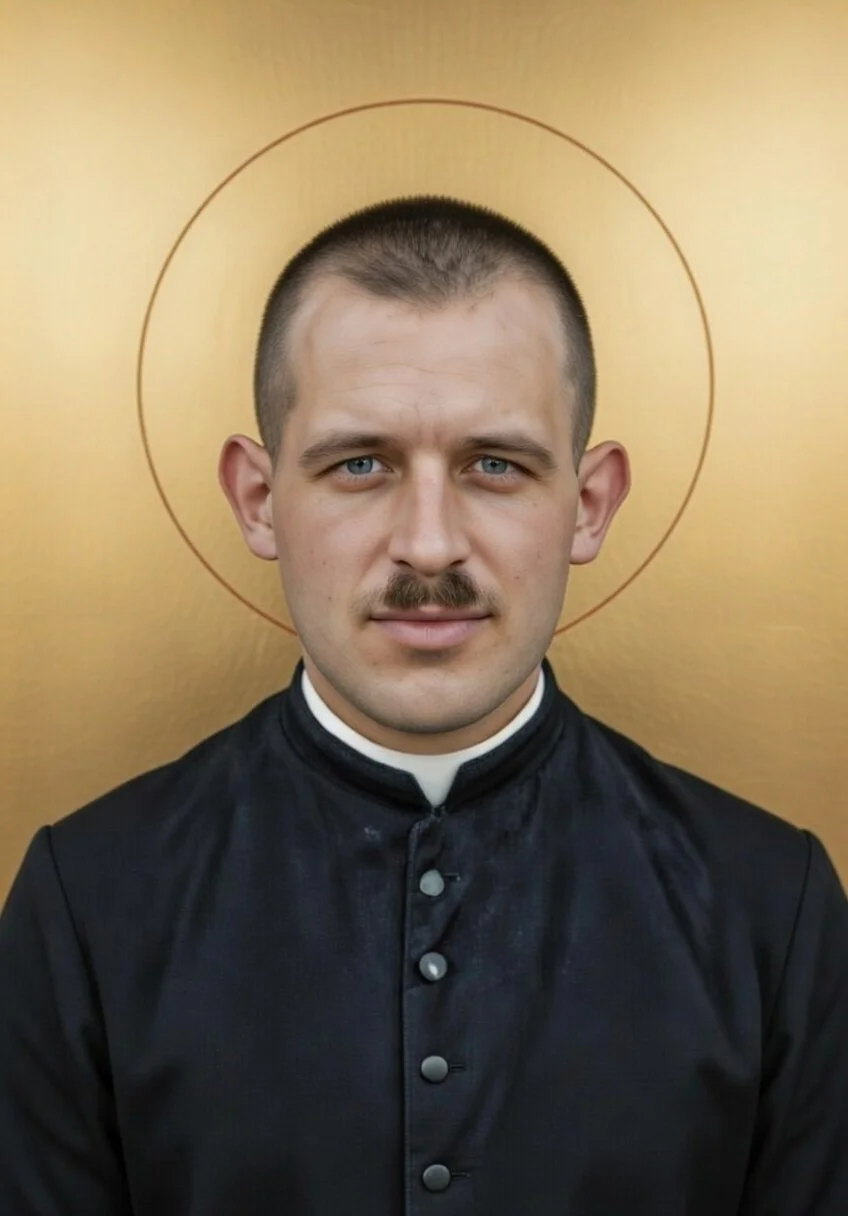
Saint Hilaria lived in the fifth century and was born into the imperial family of the Eastern Roman Empire, traditionally said to be the daughter of Emperor Zeno. Raised in wealth, influence, and privilege, she had every opportunity for a life of comfort, yet her heart was drawn toward something deeper.
She did not desire power.
She desired God.
Her feast is traditionally observed on January 5 in Eastern Orthodox and Eastern Catholic traditions.
She belongs to the early desert ascetical tradition of the Church and is especially venerated within the Eastern Christian world, where her life is remembered as a witness to renunciation, hidden devotion, and complete surrender to Christ.
People turn to Saint Hilaria when they feel called away from the expectations placed on them, when they are searching for clarity in their vocation, and when they desire a deeper life rooted in prayer rather than recognition.
If you feel pulled between what your life looks like and what your soul is longing for, if you sense that God is calling you into something quieter and more hidden, or if you are seeking the courage to follow that call, Saint Hilaria speaks directly into that place.
She teaches that calling often requires leaving everything behind.
She teaches that identity in God is greater than identity in the world.
She teaches that holiness is often formed in silence.
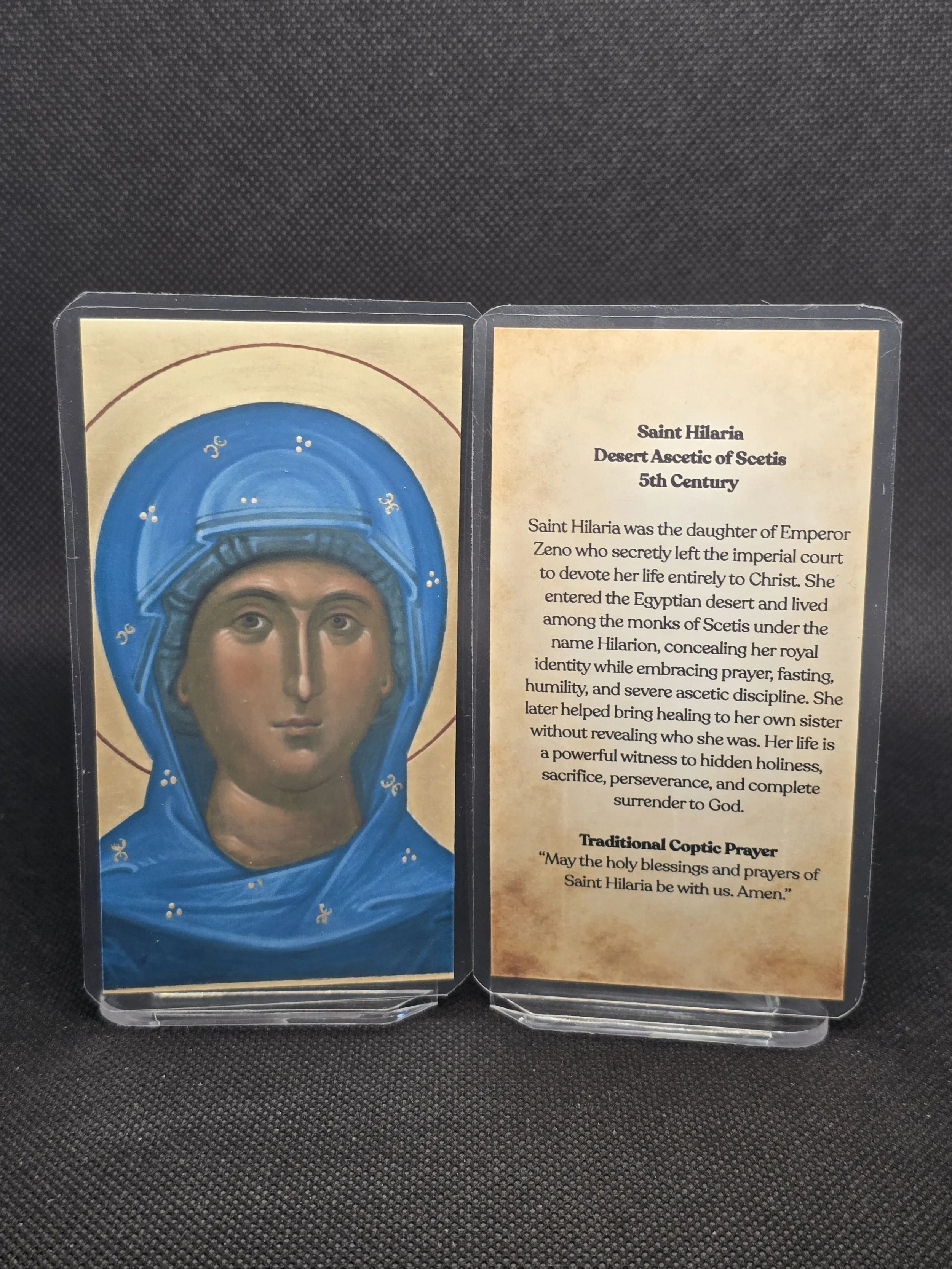
This prayer card is created as a spiritual heirloom. It is meant to accompany seasons of discernment, surrender, and hidden spiritual growth, reminding the heart that God meets those who seek Him with sincerity and courage.
Each card is handmade and created to order. We do not keep stock, because every prayer card is treated as a unique devotional offering. They are printed on museum-quality photo paper, not cardstock. Every card is made slowly, during prayer, with intentional reverence for the saint or holy image and for the person who will receive it. Names are lifted before Christ. Intentions are held carefully. Each piece is handled multiple times in prayerful silence, asking God for mercy and asking the saint to intercede for the soul it is being made for. This is not production work. It is devotional craftsmanship shaped with patience, care, and spiritual responsibility, because every soul and every prayer matters.
Hilaria was born into the highest level of society, traditionally identified as a daughter of Emperor Zeno. Her life was surrounded by privilege, protection, and expectation. Yet from a young age, she felt drawn to something far removed from the life she had been given.
She desired solitude.
She desired prayer.
She desired God.
Rather than accept the path laid out before her, she made a radical decision. Leaving behind her family and status, she traveled to Egypt, seeking out the desert where the great ascetics had lived.
There, she embraced a life of renunciation.
Like several other women of deep conviction in that time, Hilaria entered monastic life in disguise, taking on the identity of a monk. She lived among the desert fathers in secrecy, committing herself fully to prayer, fasting, and spiritual discipline.
She did not seek recognition.
She sought transformation.
Her life remained hidden for many years. She became known only for her devotion and discipline, with no one aware of her true identity.
Her story takes a profound turn when her sister became afflicted, described in tradition as being tormented in a way that required spiritual intervention. The imperial family sought help, and unknowingly, the one who would provide it was Hilaria herself.
Still hidden, she was brought to minister to her sister.
Through prayer, care, and spiritual authority, healing came.
Yet even in this moment, she did not reveal herself.
She chose to remain hidden.
Only near the end of her life was her identity made known. By then, her path had already been completed. She had fully renounced the world and lived entirely for God.
Her life was not about recognition.
It was about surrender.
Tradition associates Saint Hilaria with healing, particularly in cases of spiritual affliction, as seen in her care for her sister.
Her life is associated with:
discernment of vocation
renunciation of worldly life
hidden devotion and humility
spiritual healing through prayer
She is especially meaningful for those who:
feel called away from worldly expectations
are seeking clarity in their spiritual path
desire a deeper life of prayer and solitude
are praying for the healing of loved ones
Her life teaches that God works powerfully through those who choose to remain hidden.
Prayer to Saint Hilaria
O Lord Jesus Christ, who called Saint Hilaria to leave behind the world and follow You in hidden devotion, through her intercession grant us the courage to answer Your call with faith and humility. Help us to seek You above all things, to trust You in silence, and to live in complete surrender to Your will.
Amen.
Who was Saint Hilaria?
Saint Hilaria was a noblewoman, traditionally the daughter of Emperor Zeno, who left her life of privilege to live as a monk in the Egyptian desert, dedicating herself fully to prayer and asceticism.
What is Saint Hilaria known for?
She is known for her hidden life of devotion, her complete renunciation of worldly life, and her role in bringing healing through prayer.
Is Saint Hilaria the patron saint of anything?
While not formally assigned a universal patronage, she is often associated with vocation, discernment, and spiritual healing.
When is Saint Hilaria’s feast day?
Her feast day is celebrated on January 5 in Eastern Orthodox and Eastern Catholic traditions.
Why do people pray to Saint Hilaria?
People seek her intercession when discerning their calling, seeking a deeper spiritual life, or praying for healing and guidance.
Saint Hilaria lived in the fifth century and was born into the imperial family of the Eastern Roman Empire, traditionally said to be the daughter of Emperor Zeno. Raised in wealth, influence, and privilege, she had every opportunity for a life of comfort, yet her heart was drawn toward something deeper.
She did not desire power.
She desired God.
Her feast is traditionally observed on January 5 in Eastern Orthodox and Eastern Catholic traditions.
She belongs to the early desert ascetical tradition of the Church and is especially venerated within the Eastern Christian world, where her life is remembered as a witness to renunciation, hidden devotion, and complete surrender to Christ.
People turn to Saint Hilaria when they feel called away from the expectations placed on them, when they are searching for clarity in their vocation, and when they desire a deeper life rooted in prayer rather than recognition.
If you feel pulled between what your life looks like and what your soul is longing for, if you sense that God is calling you into something quieter and more hidden, or if you are seeking the courage to follow that call, Saint Hilaria speaks directly into that place.
She teaches that calling often requires leaving everything behind.
She teaches that identity in God is greater than identity in the world.
She teaches that holiness is often formed in silence.
This prayer card is created as a spiritual heirloom. It is meant to accompany seasons of discernment, surrender, and hidden spiritual growth, reminding the heart that God meets those who seek Him with sincerity and courage.
Each card is handmade and created to order. We do not keep stock, because every prayer card is treated as a unique devotional offering. They are printed on museum-quality photo paper, not cardstock. Every card is made slowly, during prayer, with intentional reverence for the saint or holy image and for the person who will receive it. Names are lifted before Christ. Intentions are held carefully. Each piece is handled multiple times in prayerful silence, asking God for mercy and asking the saint to intercede for the soul it is being made for. This is not production work. It is devotional craftsmanship shaped with patience, care, and spiritual responsibility, because every soul and every prayer matters.
Hilaria was born into the highest level of society, traditionally identified as a daughter of Emperor Zeno. Her life was surrounded by privilege, protection, and expectation. Yet from a young age, she felt drawn to something far removed from the life she had been given.
She desired solitude.
She desired prayer.
She desired God.
Rather than accept the path laid out before her, she made a radical decision. Leaving behind her family and status, she traveled to Egypt, seeking out the desert where the great ascetics had lived.
There, she embraced a life of renunciation.
Like several other women of deep conviction in that time, Hilaria entered monastic life in disguise, taking on the identity of a monk. She lived among the desert fathers in secrecy, committing herself fully to prayer, fasting, and spiritual discipline.
She did not seek recognition.
She sought transformation.
Her life remained hidden for many years. She became known only for her devotion and discipline, with no one aware of her true identity.
Her story takes a profound turn when her sister became afflicted, described in tradition as being tormented in a way that required spiritual intervention. The imperial family sought help, and unknowingly, the one who would provide it was Hilaria herself.
Still hidden, she was brought to minister to her sister.
Through prayer, care, and spiritual authority, healing came.
Yet even in this moment, she did not reveal herself.
She chose to remain hidden.
Only near the end of her life was her identity made known. By then, her path had already been completed. She had fully renounced the world and lived entirely for God.
Her life was not about recognition.
It was about surrender.
Tradition associates Saint Hilaria with healing, particularly in cases of spiritual affliction, as seen in her care for her sister.
Her life is associated with:
discernment of vocation
renunciation of worldly life
hidden devotion and humility
spiritual healing through prayer
She is especially meaningful for those who:
feel called away from worldly expectations
are seeking clarity in their spiritual path
desire a deeper life of prayer and solitude
are praying for the healing of loved ones
Her life teaches that God works powerfully through those who choose to remain hidden.
Prayer to Saint Hilaria
O Lord Jesus Christ, who called Saint Hilaria to leave behind the world and follow You in hidden devotion, through her intercession grant us the courage to answer Your call with faith and humility. Help us to seek You above all things, to trust You in silence, and to live in complete surrender to Your will.
Amen.
Who was Saint Hilaria?
Saint Hilaria was a noblewoman, traditionally the daughter of Emperor Zeno, who left her life of privilege to live as a monk in the Egyptian desert, dedicating herself fully to prayer and asceticism.
What is Saint Hilaria known for?
She is known for her hidden life of devotion, her complete renunciation of worldly life, and her role in bringing healing through prayer.
Is Saint Hilaria the patron saint of anything?
While not formally assigned a universal patronage, she is often associated with vocation, discernment, and spiritual healing.
When is Saint Hilaria’s feast day?
Her feast day is celebrated on January 5 in Eastern Orthodox and Eastern Catholic traditions.
Why do people pray to Saint Hilaria?
People seek her intercession when discerning their calling, seeking a deeper spiritual life, or praying for healing and guidance.