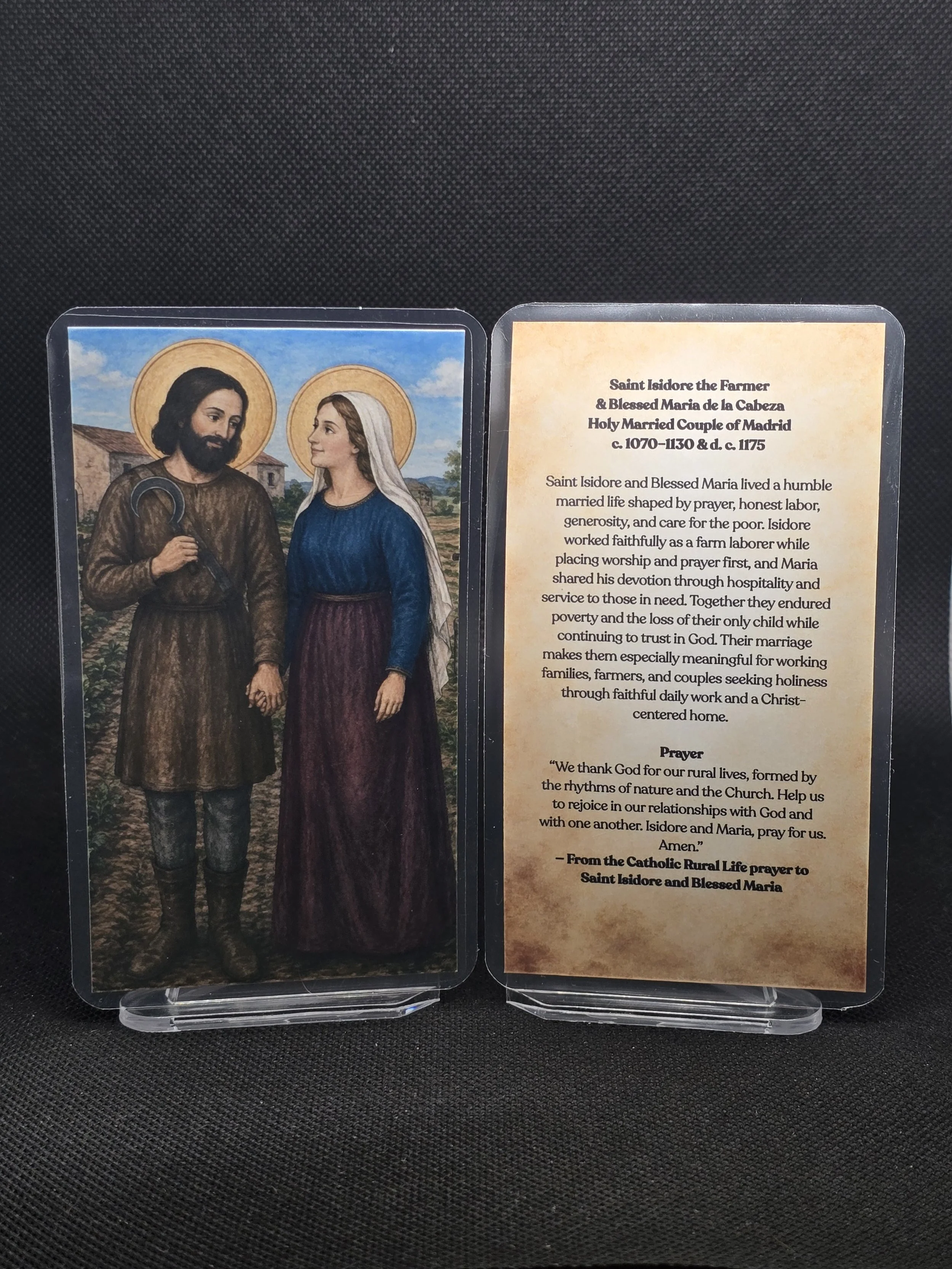
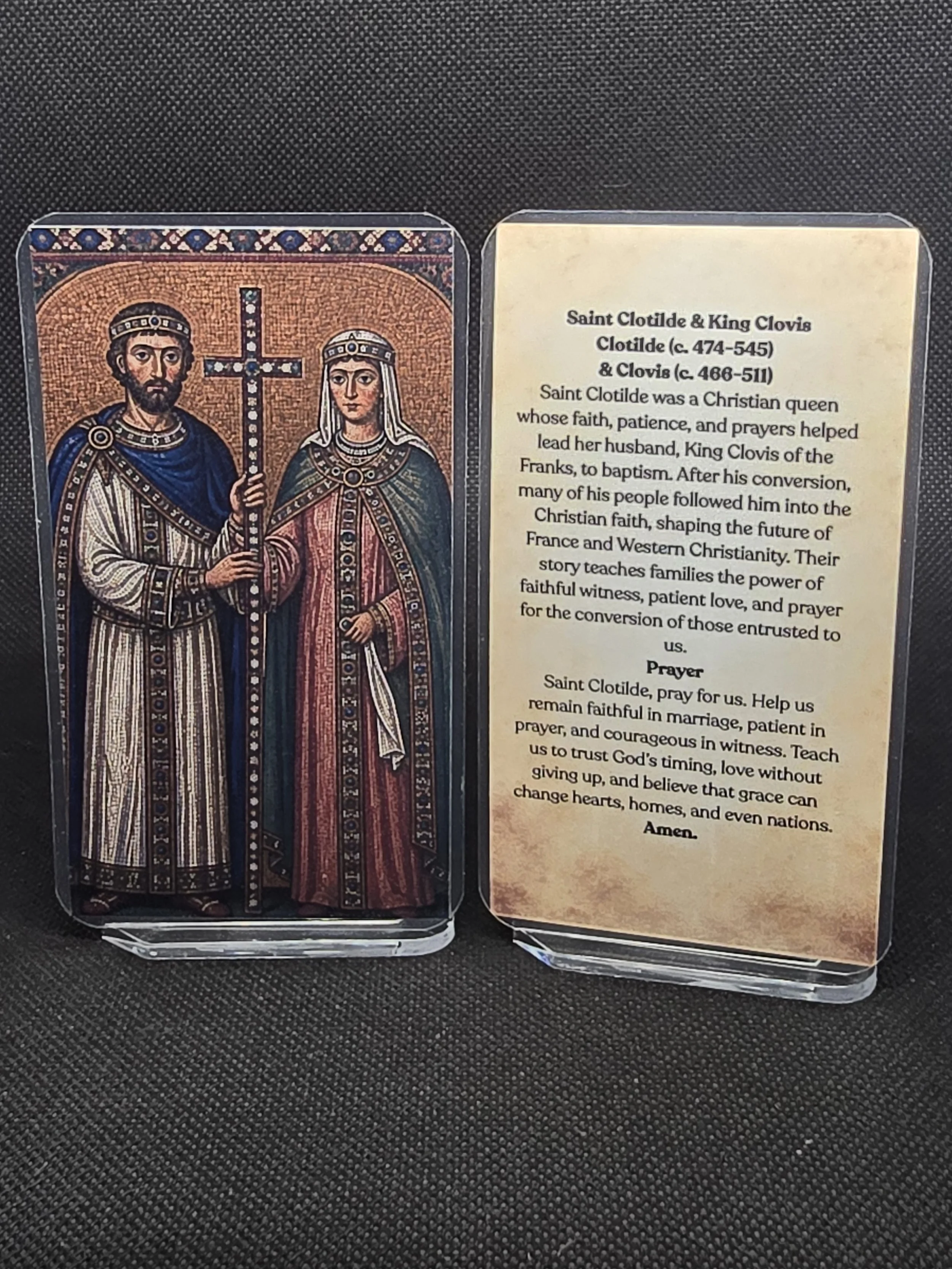
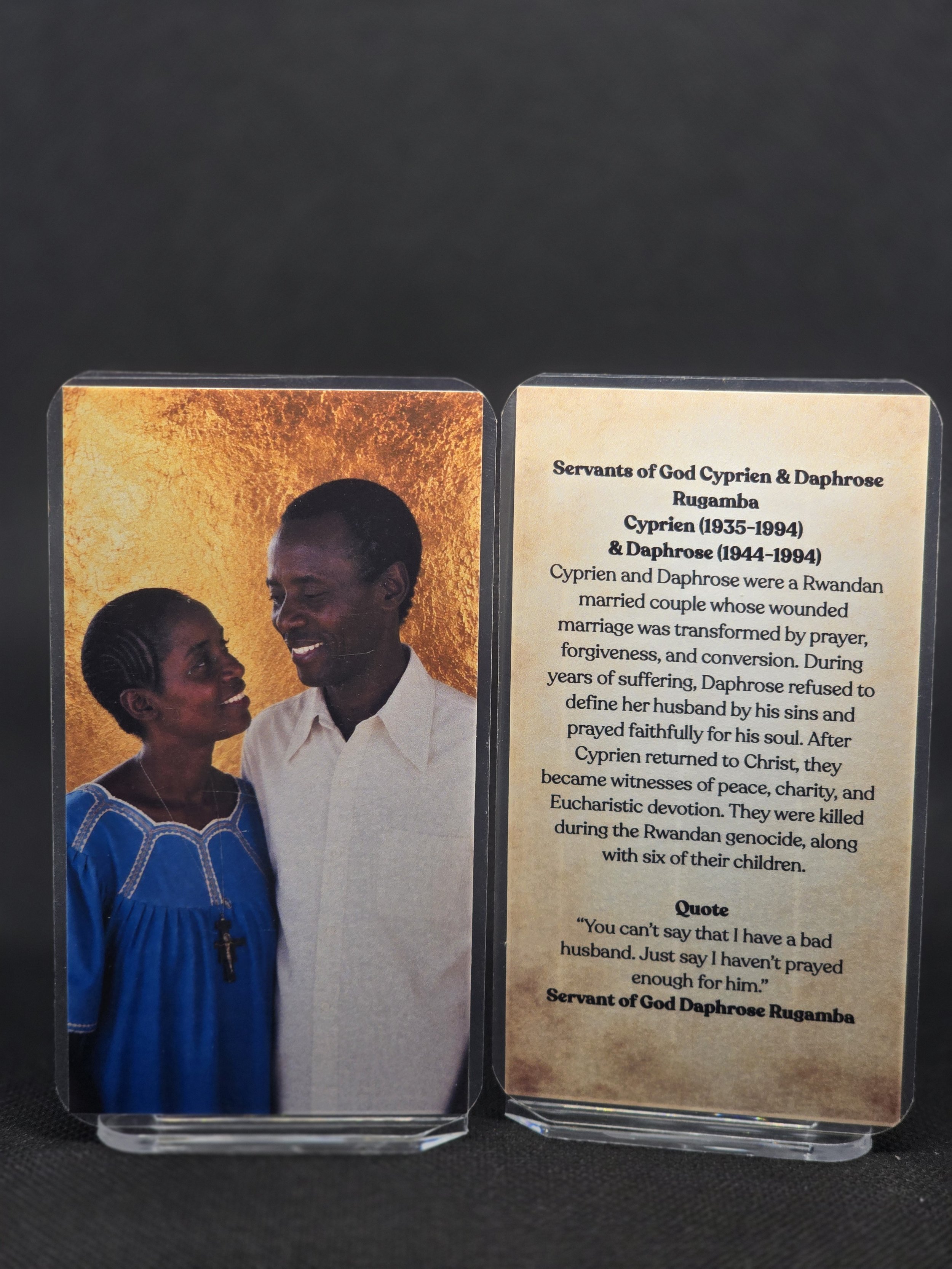
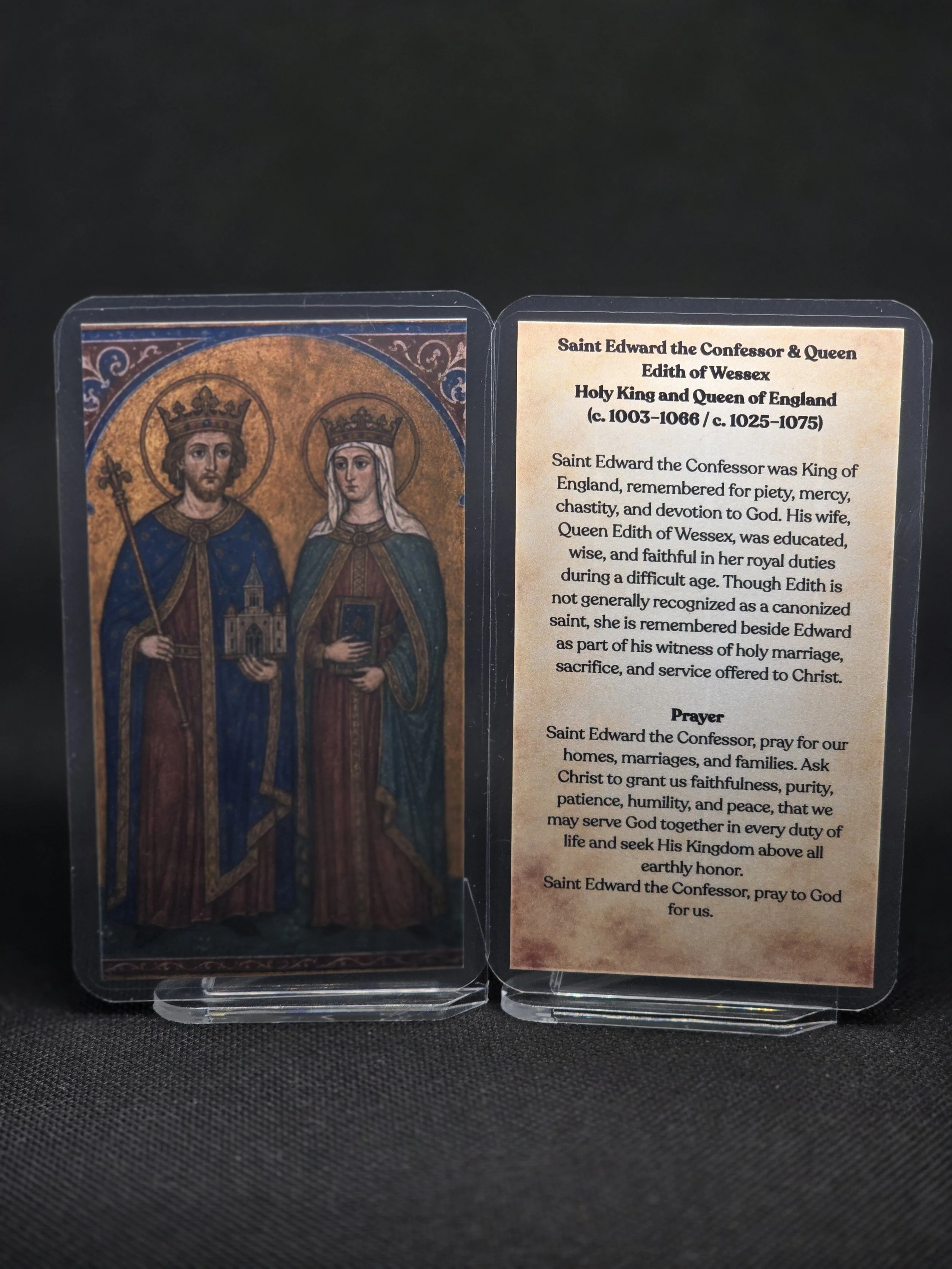
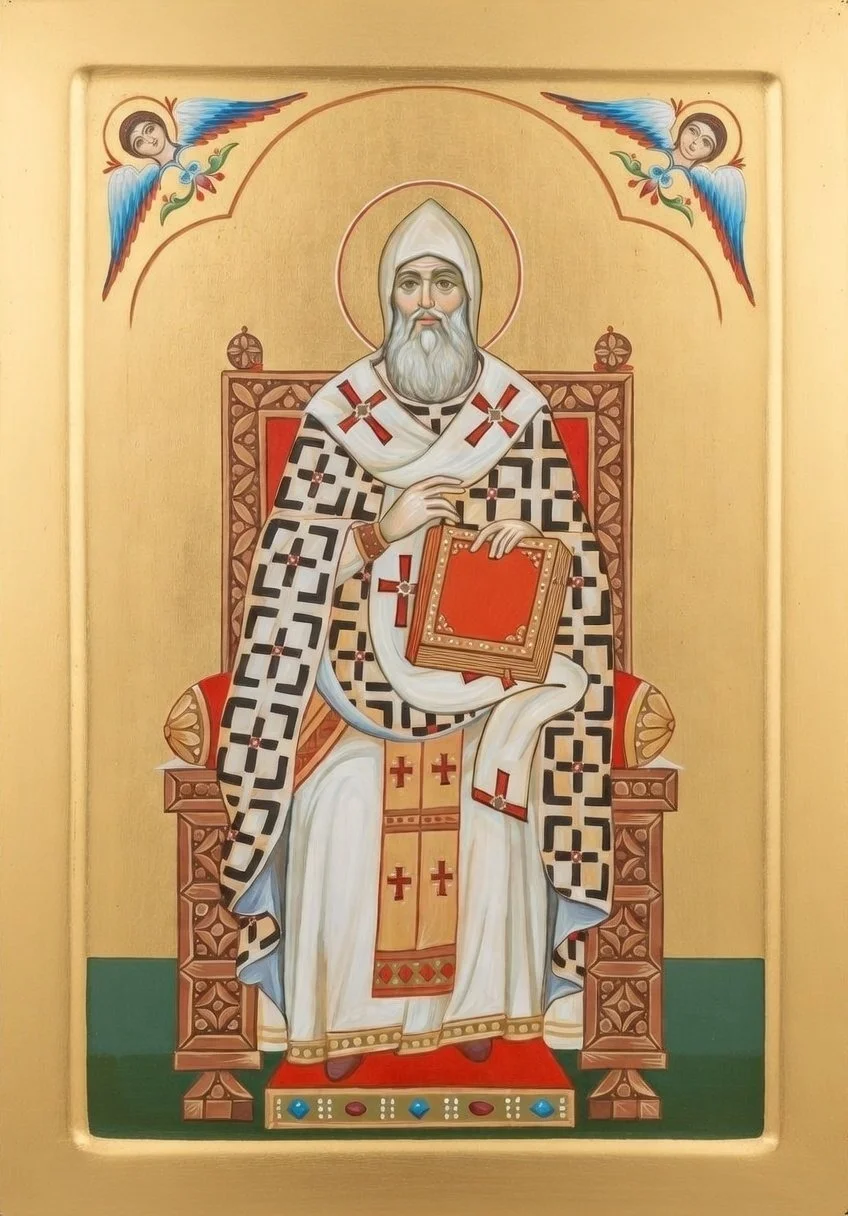
Bring the sacred beauty of the Maronite Catholic faith into your home, prayer corner, or church with this comprehensive 21-card handmade collection. Each card is created with prayer, reverence, and precision — honoring the saints, martyrs, history, and traditions of the Maronite Church from the 5th century to the present day.
Every card is made to order and crafted by hand in Austin, Texas, prayed over, and venerated through every step of the process. From design to printing to finishing, each one is made as a small act of prayer and devotion for the person who will receive it.
What's Inside the 21-Card Maronite Collection
THE FOUNDATIONAL SAINTS:
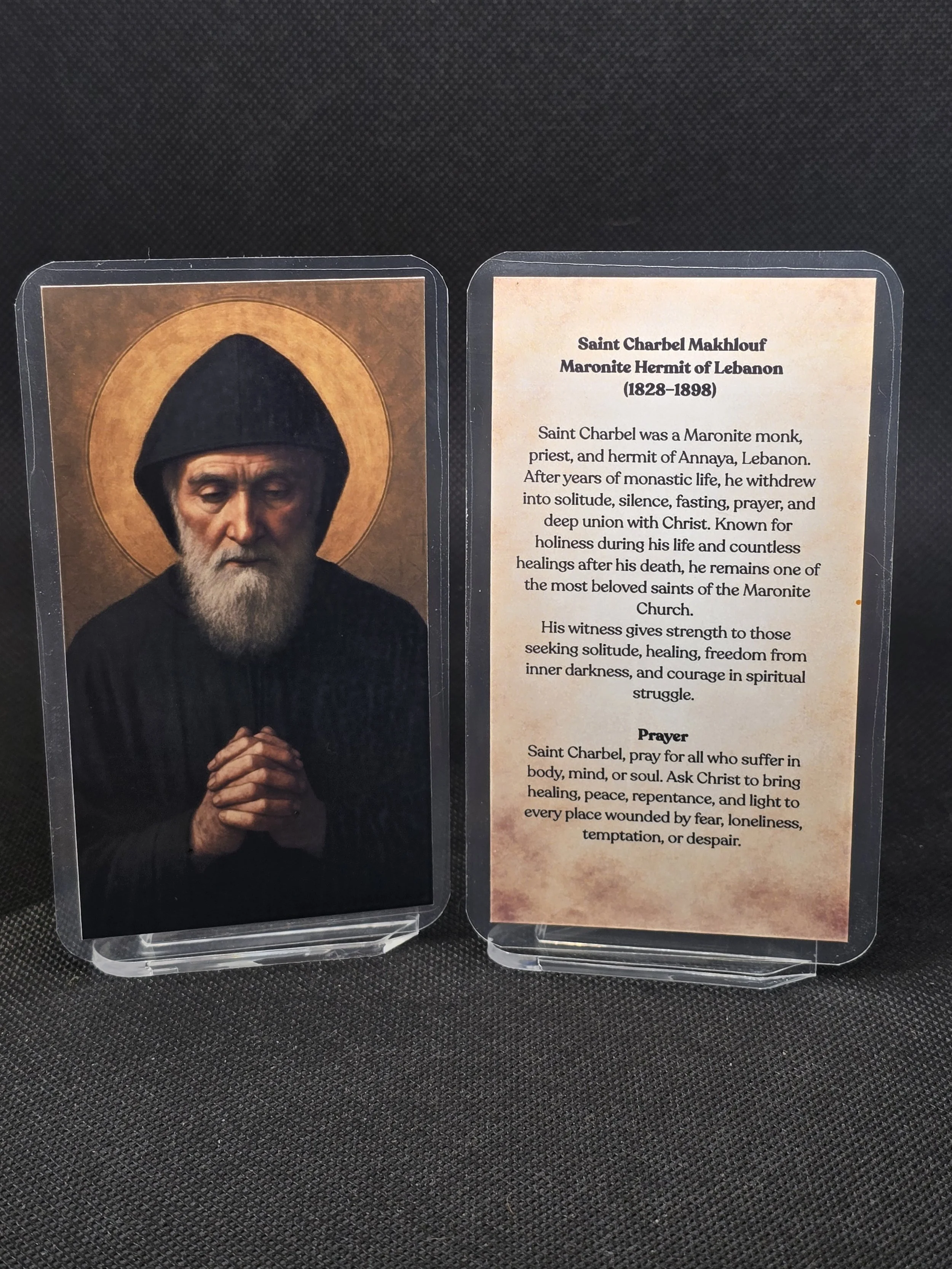
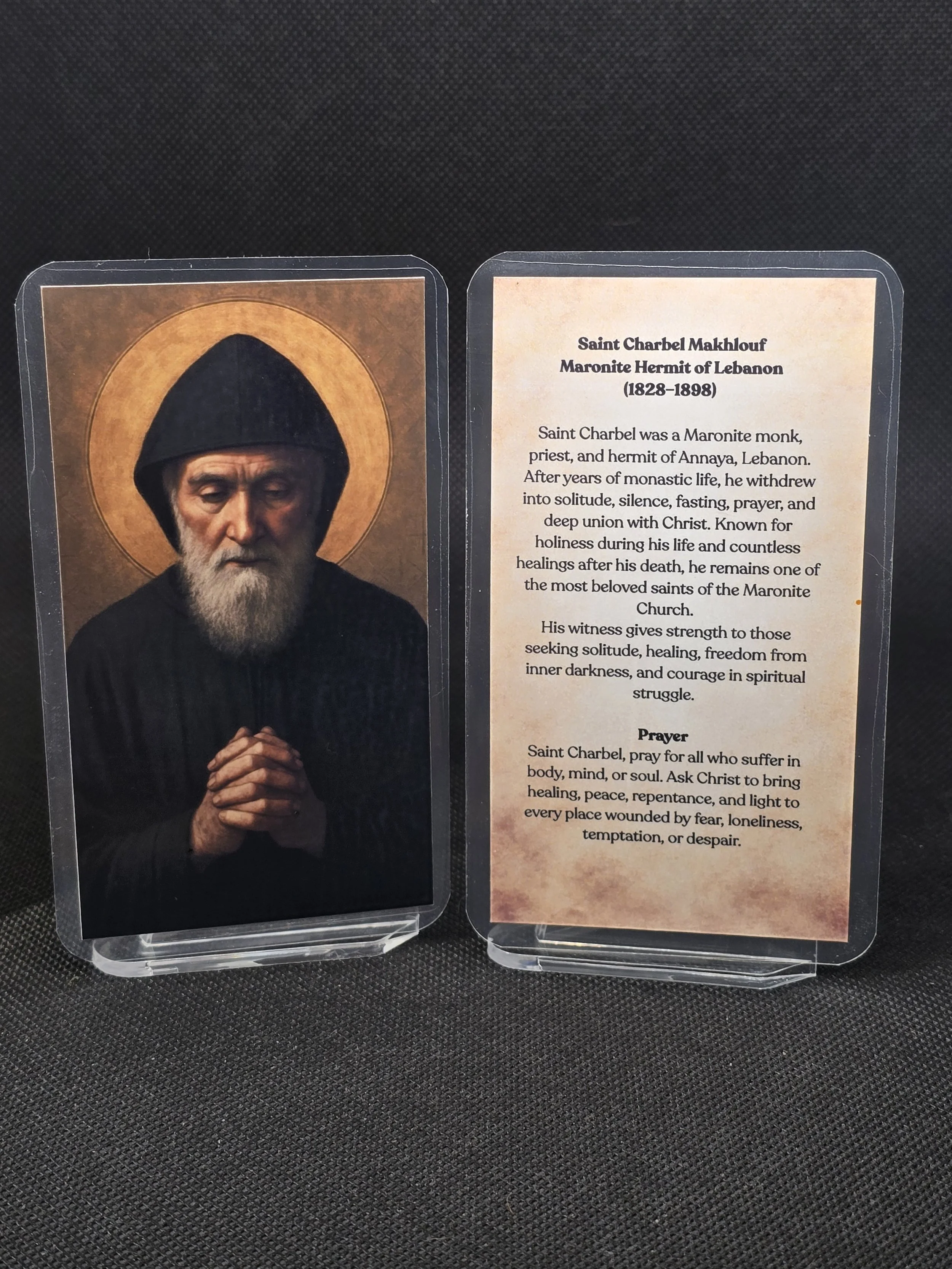
Saint Charbel Makhlouf — The Wonderworker of Lebanon. The Maronite hermit-monk whose tomb emitted light for forty-five days after his death and whose body was found incorrupt. Over 33,000 healing accounts were submitted to the Vatican during his canonization. Canonized 1977.
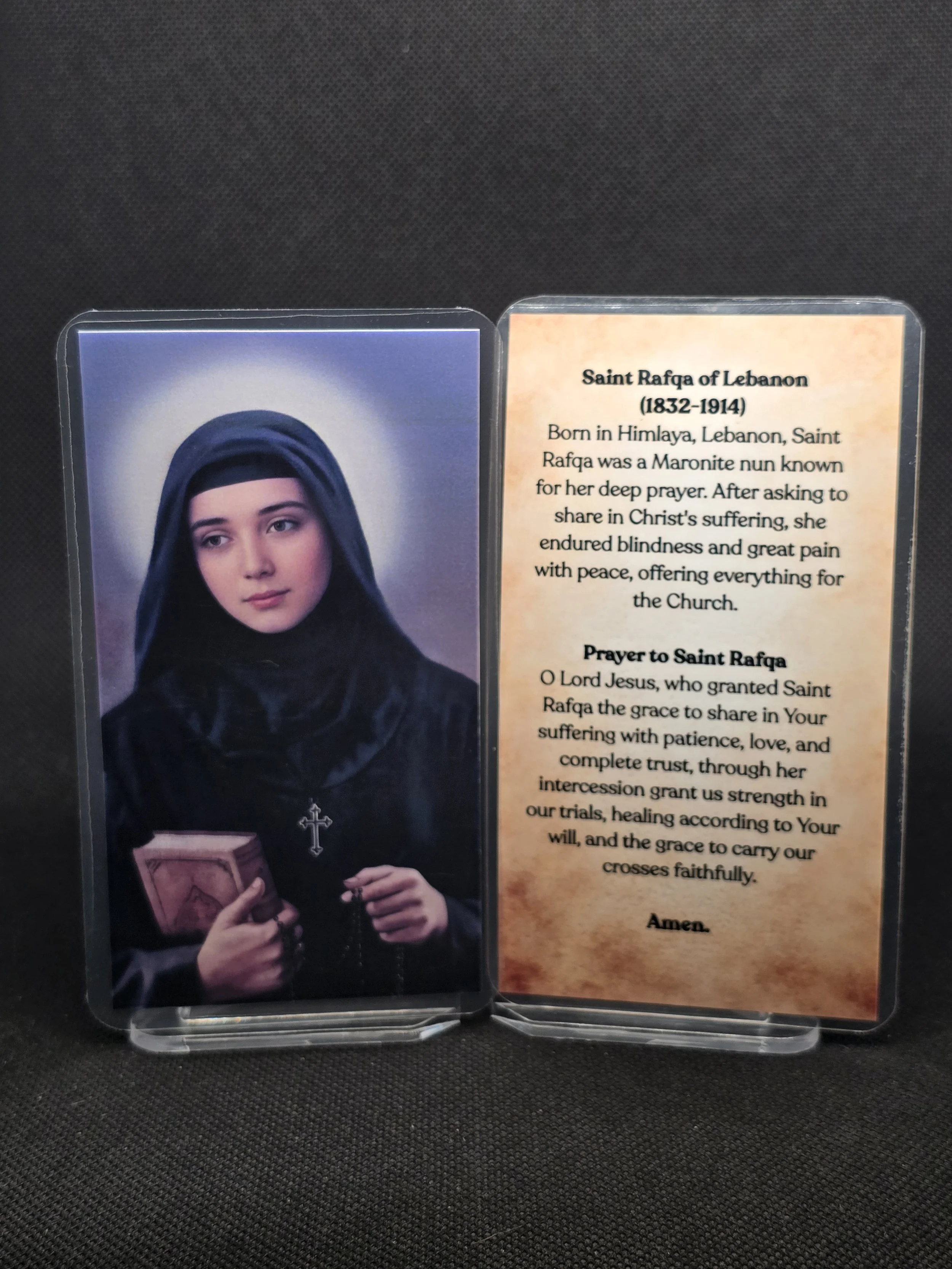
Saint Rafqa of Lebanon — The Suffering Servant of Christ. At 53, she prayed to share in the sufferings of Christ and bore 29 years of progressive blindness and physical incapacity with extraordinary peace. Canonized 2001.
Saint Nimatullah Al-Hardini — The Saint of Obedience. A Lebanese Maronite monk and teacher known for his humility and total obedience to religious authority. Canonized 2004.
Saint Maron — Father of the Maronite Church. The 4th-5th century Syriac hermit whose disciples founded the monastic movement that became the Maronite Church, gathering in the mountains around his memory after his death.
Saint John Maron — First Patriarch of the Maronites. The 7th-century leader who formally organized the Maronite Church as the Byzantine Empire's authority in the region weakened, establishing the patriarchal line that continues today.
Saint Awtel — A 6th-century Maronite monk and wonderworker, among the earliest generation of monastics who carried forward Saint Maron's ascetic tradition in the mountains of Lebanon.
Saint Nohra — A Maronite saint specifically invoked as patron for eye ailments and vision-related suffering.
Saint Marina the Monk — One of the most unusual and beloved saints of the Eastern tradition. Raised as a boy in a monastery to protect her from the outside world, she lived her entire monastic life disguised as a man, bearing false accusation and hardship with silent humility that was only revealed after her death.
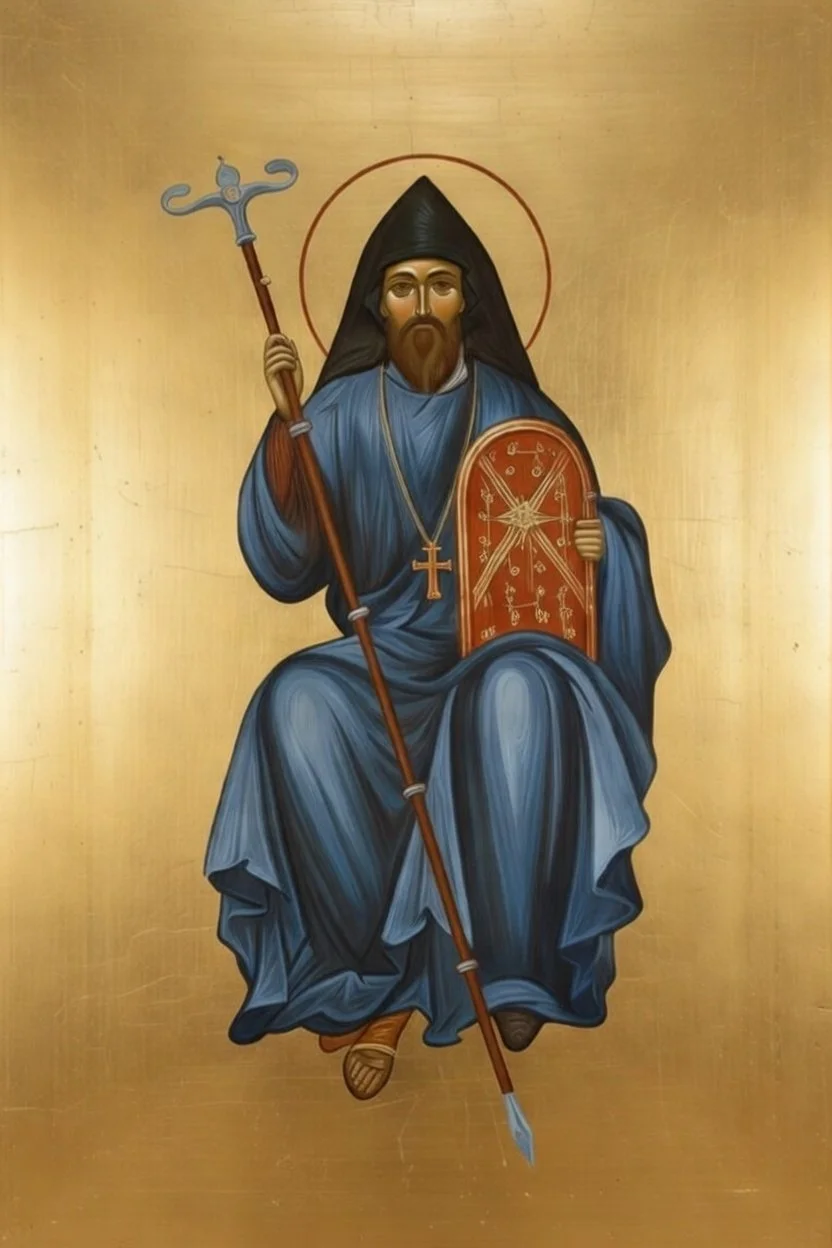
Saint Simeon Stylites the Elder — The 5th-century Syriac ascetic who spent 37 years living atop a pillar in prayer, becoming one of the most famous holy men of the ancient Christian world. His monastery near Aleppo stands close to where the 350 Maronite Martyrs would later be killed, and he is honored with his own feast day in the Maronite calendar.
Saints Simeon Stylites the Younger and Elder — A second card depicting both stylite saints together, honoring the unbroken lineage of pillar-ascetics whose extreme devotion shaped early Syriac Christian spirituality in the region that gave rise to the Maronite Church.
THE MODERN BLESSEDS:
Blessed Estephan Nehmé — The Hidden Worker of Holiness, known as the "Smiling Saint." A Lebanese Maronite monk who bore suffering throughout his life sustained by one phrase: "God sees me." Beatified 2010.
Blessed Estephan El-Douaihy — Called "The Father of Maronite History." Patriarch of the Maronite Church from 1670 to 1704, and the most significant scholar-patriarch in Maronite history, who organized the Church's liturgy, history, and ecclesiastical rites. Beatified 2024 — the first Maronite patriarch ever beatified.
Blessed Leonard Melki — A Maronite Franciscan priest and martyr of the Ottoman persecution of Christians in 1915. Beatified 2022.
Blessed Thomas Saleh — A Maronite Franciscan missionary and martyr, beatified together with Blessed Leonard Melki in 2022, honoring their shared witness during the Ottoman persecution.
Blessed Abouna Yaacoub — Father Jacques Haddad, a Lebanese Capuchin priest who founded the Franciscan Sisters of the Cross and built hospitals, schools, and the first psychiatric hospital in the Middle East, dedicating his life entirely to Lebanon's poor and suffering. Beatified 2008.
Blessed Elias Peter Hoayek — Known as "the Father of Greater Lebanon." Maronite Patriarch from 1899 to 1931, who led the Church for over thirty years and fought for Lebanese independence during some of the nation's most difficult years. Beatified July 2026.
THE MARTYRS:
The Massabki Brothers — Maronite laymen martyred in Damascus in 1860 for refusing to renounce their Christian faith during anti-Christian violence, honored together as martyrs of the Maronite Church.
The 350 Martyrs of Saint Maron — A group of Maronite monks killed in 517 near the Church of Saint Simeon Stylites for upholding Chalcedonian Christian doctrine against a Monophysite army. Venerated as the first martyrs of the Maronite Church.
MARIAN DEVOTIONS & SACRED TRADITIONS:
Our Lady of Lebanon — Patroness and protector of the Maronite people, honored at the great shrine in Harissa overlooking Beirut, one of the most important Marian pilgrimage sites in the Middle East.
Our Lady of Ilige — Honoring the historic Monastery of Our Lady of Ilige near Mayfouk, the third seat of the Maronite Patriarchate from 1120 to 1440, home to one of the oldest Maronite icons in Lebanon.
The Maronite Crowning Ceremony — A symbol of love as worship, depicting the ancient Maronite wedding tradition in which the bride and groom are crowned, echoing the martyr's crown as a sign that married love is itself a form of witness.
Handmade with Prayer and Purpose
These are not mass-produced cards. Each one is individually made, prayed over, and venerated before shipping — a tradition maintained to ensure your cards are not just art pieces, but sacred keepsakes. Every card is a devotional work, created slowly and reverently, asking God to bless the person who will hold it. These cards are made in a far superior way than commercial prayer cards. Commercial prayer cards are made of cardboard; ours are made of high-quality photo paper and laminated to double thickness, making the card not only beautiful but strong enough to last a lifetime.
Details:
21 unique cards (front and back designs)
Each card includes a prayer, scripture, or reflection tied to the saint, martyr, or tradition depicted
Suitable for gifting, parish groups, home altars, or daily reflection
Handmade to order in Austin, Texas
Why People Love These Cards:
Deeply rooted in authentic Maronite history and devotion
Handmade to order, not printed by a factory
A perfect spiritual gift for priests, catechists, or families of Lebanese heritage
Made with intentional prayer, not automation
Bring the sacred beauty of the Maronite Catholic faith into your home, prayer corner, or church with this comprehensive 21-card handmade collection. Each card is created with prayer, reverence, and precision — honoring the saints, martyrs, history, and traditions of the Maronite Church from the 5th century to the present day.
Every card is made to order and crafted by hand in Austin, Texas, prayed over, and venerated through every step of the process. From design to printing to finishing, each one is made as a small act of prayer and devotion for the person who will receive it.
What's Inside the 21-Card Maronite Collection
THE FOUNDATIONAL SAINTS:
Saint Charbel Makhlouf — The Wonderworker of Lebanon. The Maronite hermit-monk whose tomb emitted light for forty-five days after his death and whose body was found incorrupt. Over 33,000 healing accounts were submitted to the Vatican during his canonization. Canonized 1977.
Saint Rafqa of Lebanon — The Suffering Servant of Christ. At 53, she prayed to share in the sufferings of Christ and bore 29 years of progressive blindness and physical incapacity with extraordinary peace. Canonized 2001.
Saint Nimatullah Al-Hardini — The Saint of Obedience. A Lebanese Maronite monk and teacher known for his humility and total obedience to religious authority. Canonized 2004.
Saint Maron — Father of the Maronite Church. The 4th-5th century Syriac hermit whose disciples founded the monastic movement that became the Maronite Church, gathering in the mountains around his memory after his death.
Saint John Maron — First Patriarch of the Maronites. The 7th-century leader who formally organized the Maronite Church as the Byzantine Empire's authority in the region weakened, establishing the patriarchal line that continues today.
Saint Awtel — A 6th-century Maronite monk and wonderworker, among the earliest generation of monastics who carried forward Saint Maron's ascetic tradition in the mountains of Lebanon.
Saint Nohra — A Maronite saint specifically invoked as patron for eye ailments and vision-related suffering.
Saint Marina the Monk — One of the most unusual and beloved saints of the Eastern tradition. Raised as a boy in a monastery to protect her from the outside world, she lived her entire monastic life disguised as a man, bearing false accusation and hardship with silent humility that was only revealed after her death.
Saint Simeon Stylites the Elder — The 5th-century Syriac ascetic who spent 37 years living atop a pillar in prayer, becoming one of the most famous holy men of the ancient Christian world. His monastery near Aleppo stands close to where the 350 Maronite Martyrs would later be killed, and he is honored with his own feast day in the Maronite calendar.
Saints Simeon Stylites the Younger and Elder — A second card depicting both stylite saints together, honoring the unbroken lineage of pillar-ascetics whose extreme devotion shaped early Syriac Christian spirituality in the region that gave rise to the Maronite Church.
THE MODERN BLESSEDS:
Blessed Estephan Nehmé — The Hidden Worker of Holiness, known as the "Smiling Saint." A Lebanese Maronite monk who bore suffering throughout his life sustained by one phrase: "God sees me." Beatified 2010.
Blessed Estephan El-Douaihy — Called "The Father of Maronite History." Patriarch of the Maronite Church from 1670 to 1704, and the most significant scholar-patriarch in Maronite history, who organized the Church's liturgy, history, and ecclesiastical rites. Beatified 2024 — the first Maronite patriarch ever beatified.
Blessed Leonard Melki — A Maronite Franciscan priest and martyr of the Ottoman persecution of Christians in 1915. Beatified 2022.
Blessed Thomas Saleh — A Maronite Franciscan missionary and martyr, beatified together with Blessed Leonard Melki in 2022, honoring their shared witness during the Ottoman persecution.
Blessed Abouna Yaacoub — Father Jacques Haddad, a Lebanese Capuchin priest who founded the Franciscan Sisters of the Cross and built hospitals, schools, and the first psychiatric hospital in the Middle East, dedicating his life entirely to Lebanon's poor and suffering. Beatified 2008.
Blessed Elias Peter Hoayek — Known as "the Father of Greater Lebanon." Maronite Patriarch from 1899 to 1931, who led the Church for over thirty years and fought for Lebanese independence during some of the nation's most difficult years. Beatified July 2026.
THE MARTYRS:
The Massabki Brothers — Maronite laymen martyred in Damascus in 1860 for refusing to renounce their Christian faith during anti-Christian violence, honored together as martyrs of the Maronite Church.
The 350 Martyrs of Saint Maron — A group of Maronite monks killed in 517 near the Church of Saint Simeon Stylites for upholding Chalcedonian Christian doctrine against a Monophysite army. Venerated as the first martyrs of the Maronite Church.
MARIAN DEVOTIONS & SACRED TRADITIONS:
Our Lady of Lebanon — Patroness and protector of the Maronite people, honored at the great shrine in Harissa overlooking Beirut, one of the most important Marian pilgrimage sites in the Middle East.
Our Lady of Ilige — Honoring the historic Monastery of Our Lady of Ilige near Mayfouk, the third seat of the Maronite Patriarchate from 1120 to 1440, home to one of the oldest Maronite icons in Lebanon.
The Maronite Crowning Ceremony — A symbol of love as worship, depicting the ancient Maronite wedding tradition in which the bride and groom are crowned, echoing the martyr's crown as a sign that married love is itself a form of witness.
Handmade with Prayer and Purpose
These are not mass-produced cards. Each one is individually made, prayed over, and venerated before shipping — a tradition maintained to ensure your cards are not just art pieces, but sacred keepsakes. Every card is a devotional work, created slowly and reverently, asking God to bless the person who will hold it. These cards are made in a far superior way than commercial prayer cards. Commercial prayer cards are made of cardboard; ours are made of high-quality photo paper and laminated to double thickness, making the card not only beautiful but strong enough to last a lifetime.
Details:
21 unique cards (front and back designs)
Each card includes a prayer, scripture, or reflection tied to the saint, martyr, or tradition depicted
Suitable for gifting, parish groups, home altars, or daily reflection
Handmade to order in Austin, Texas
Why People Love These Cards:
Deeply rooted in authentic Maronite history and devotion
Handmade to order, not printed by a factory
A perfect spiritual gift for priests, catechists, or families of Lebanese heritage
Made with intentional prayer, not automation
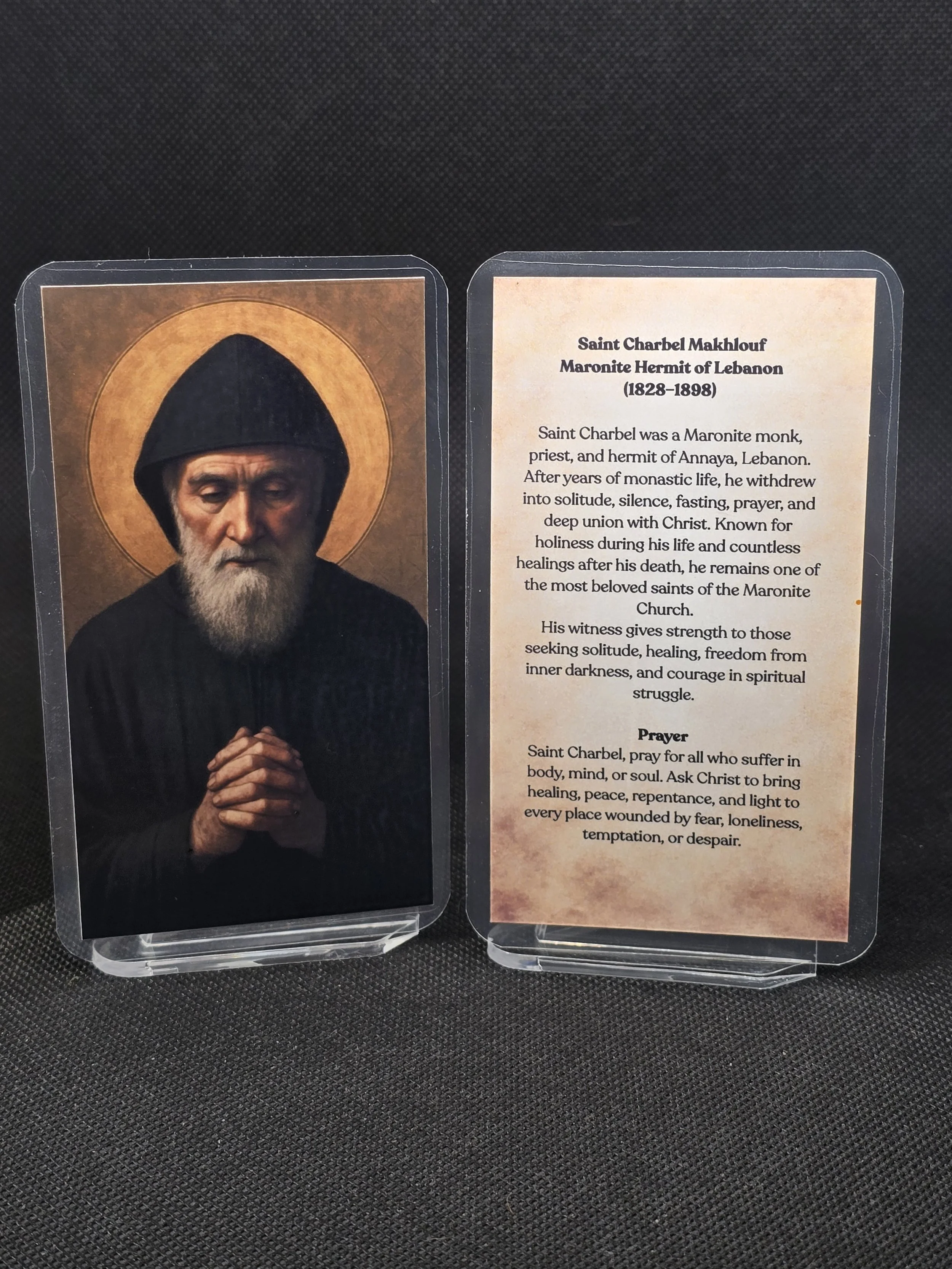 Image 1 of 21
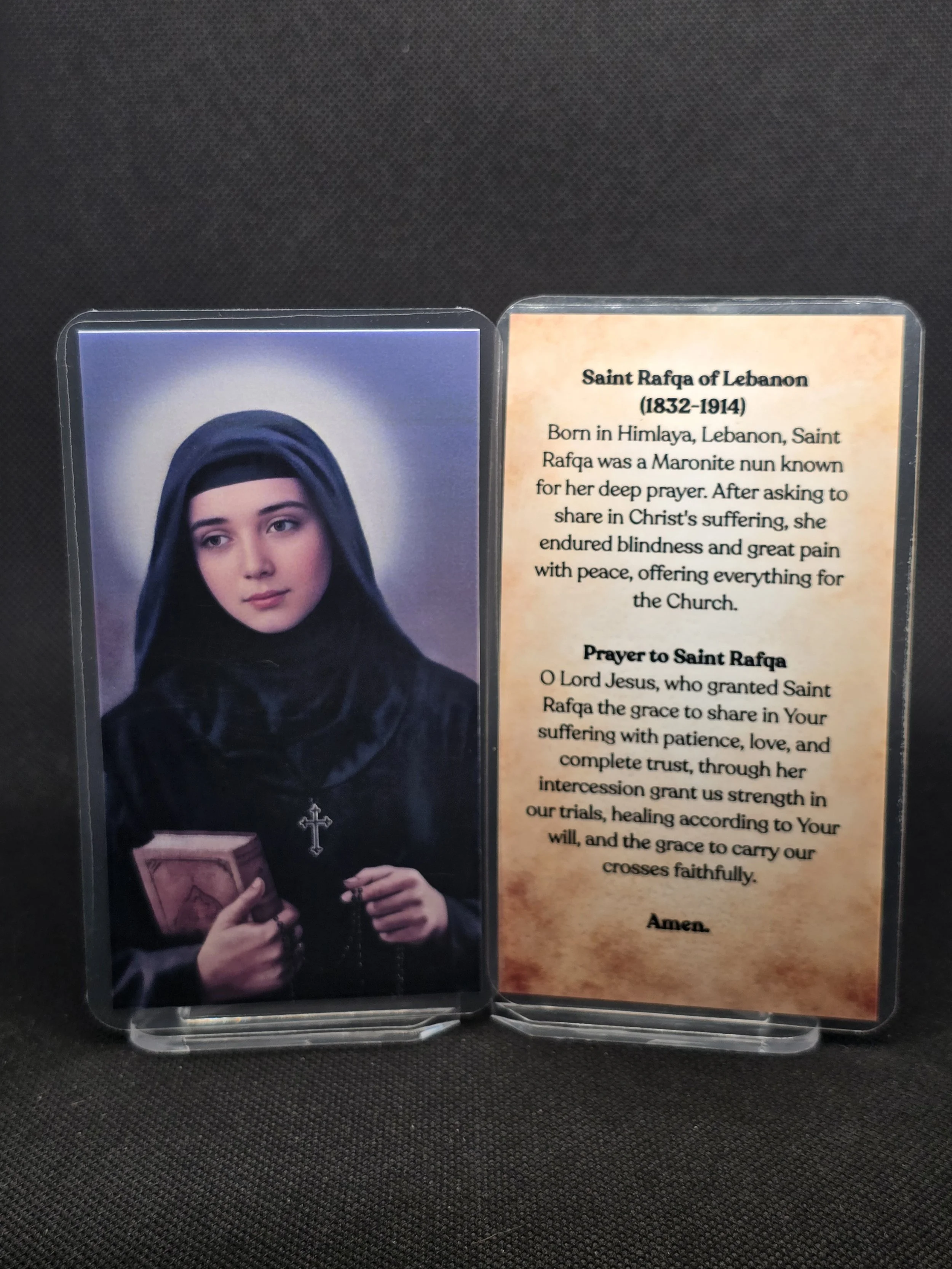 Image 2 of 21
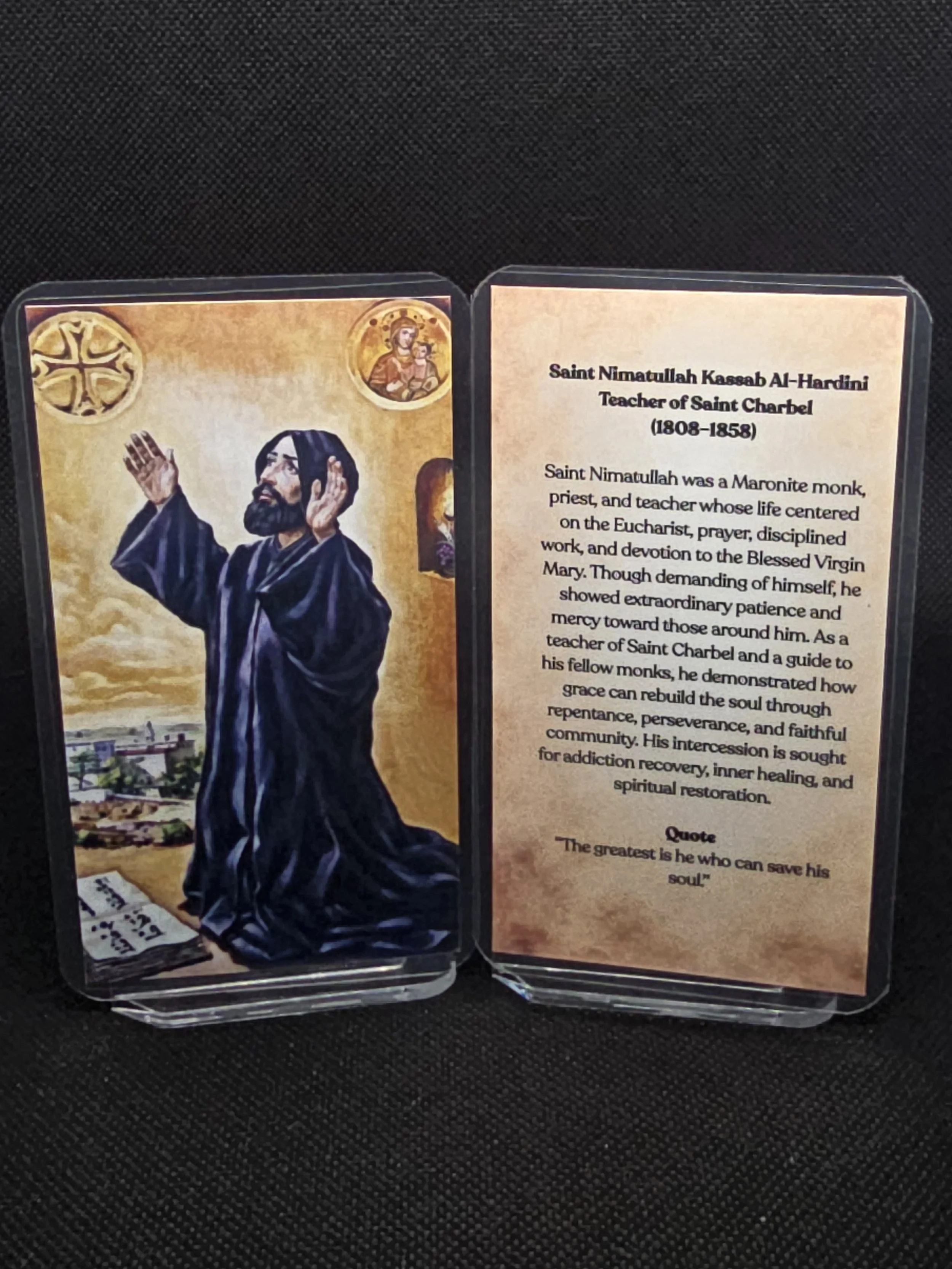 Image 3 of 21
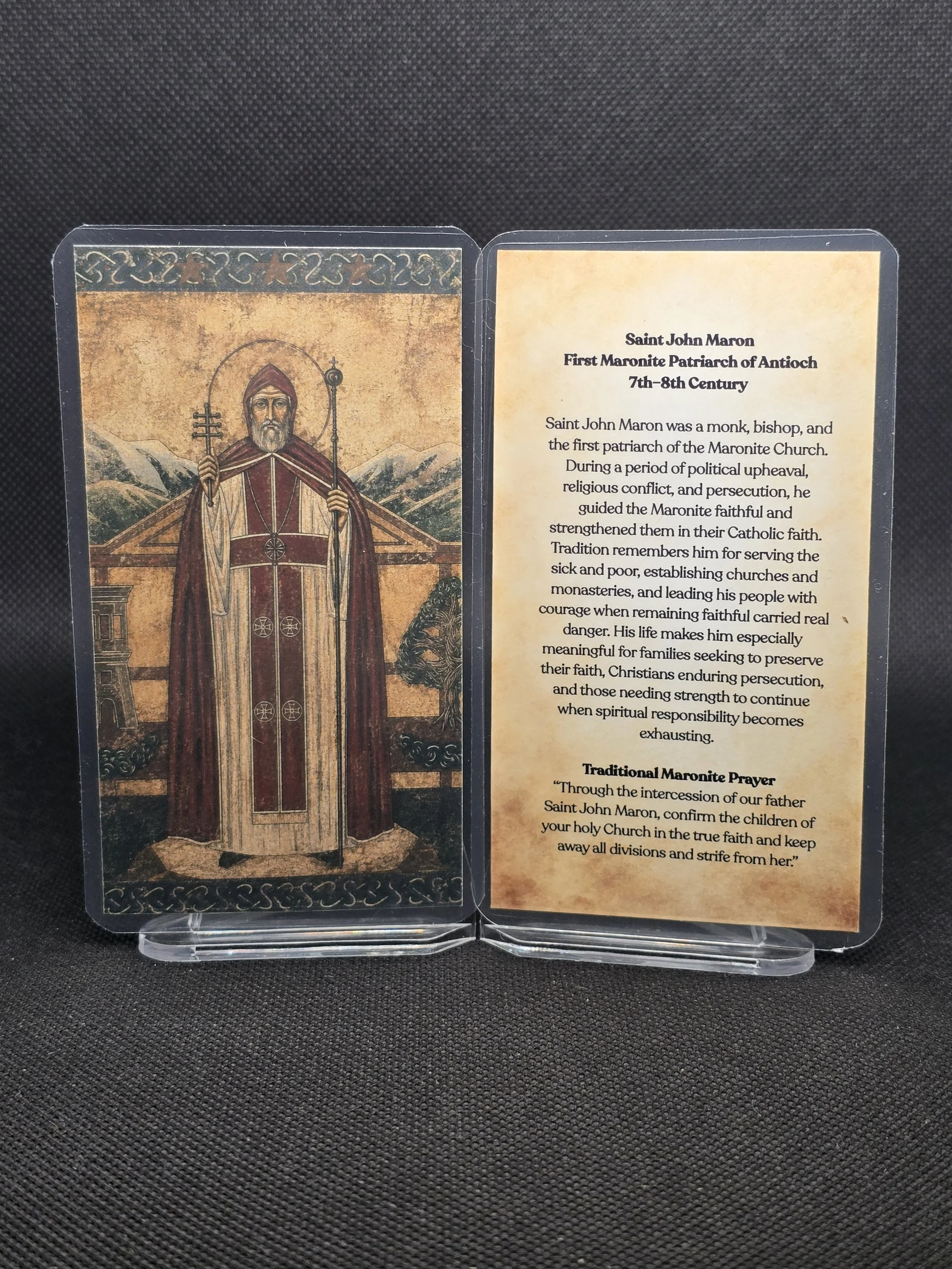 Image 4 of 21
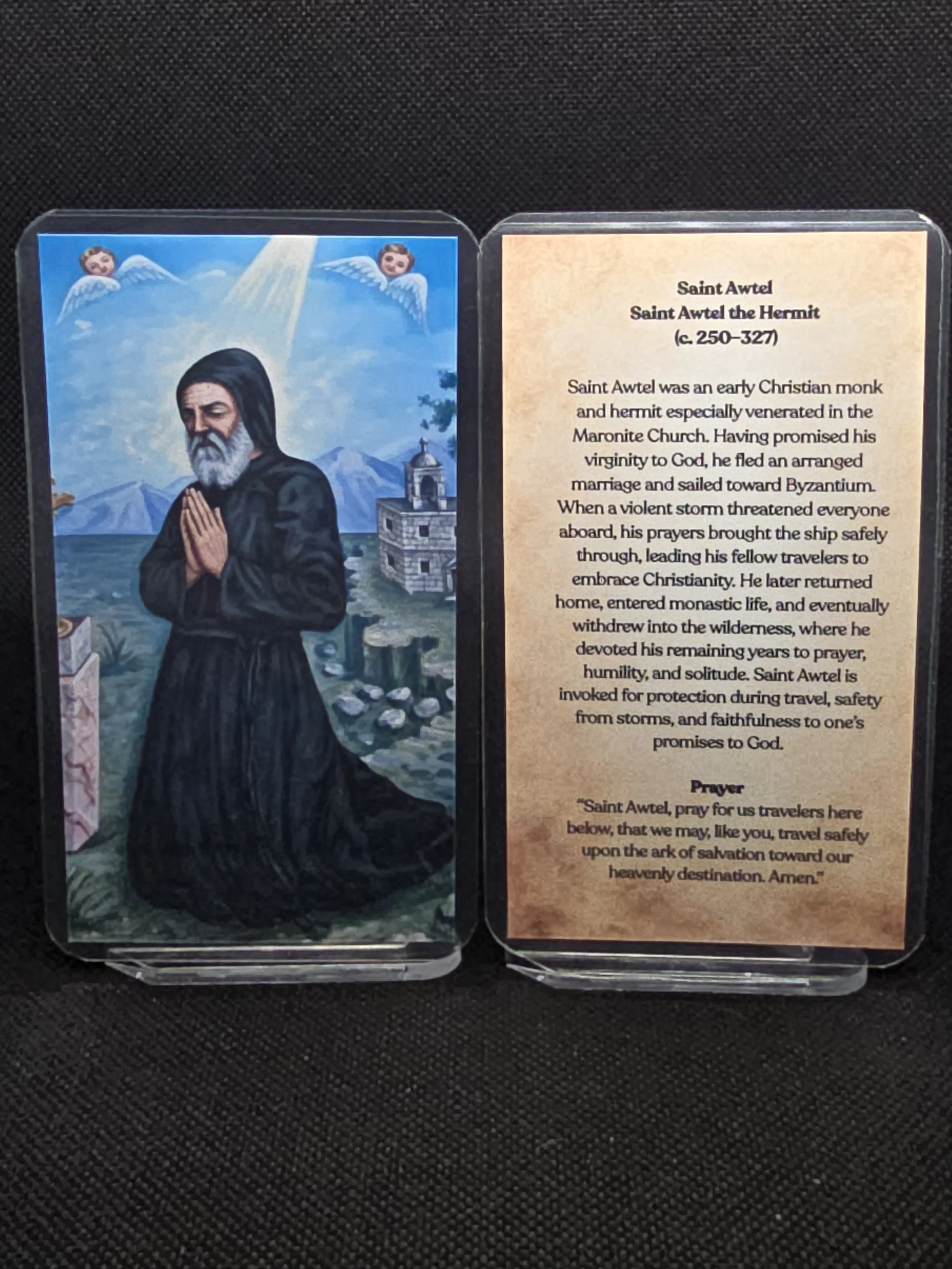 Image 5 of 21
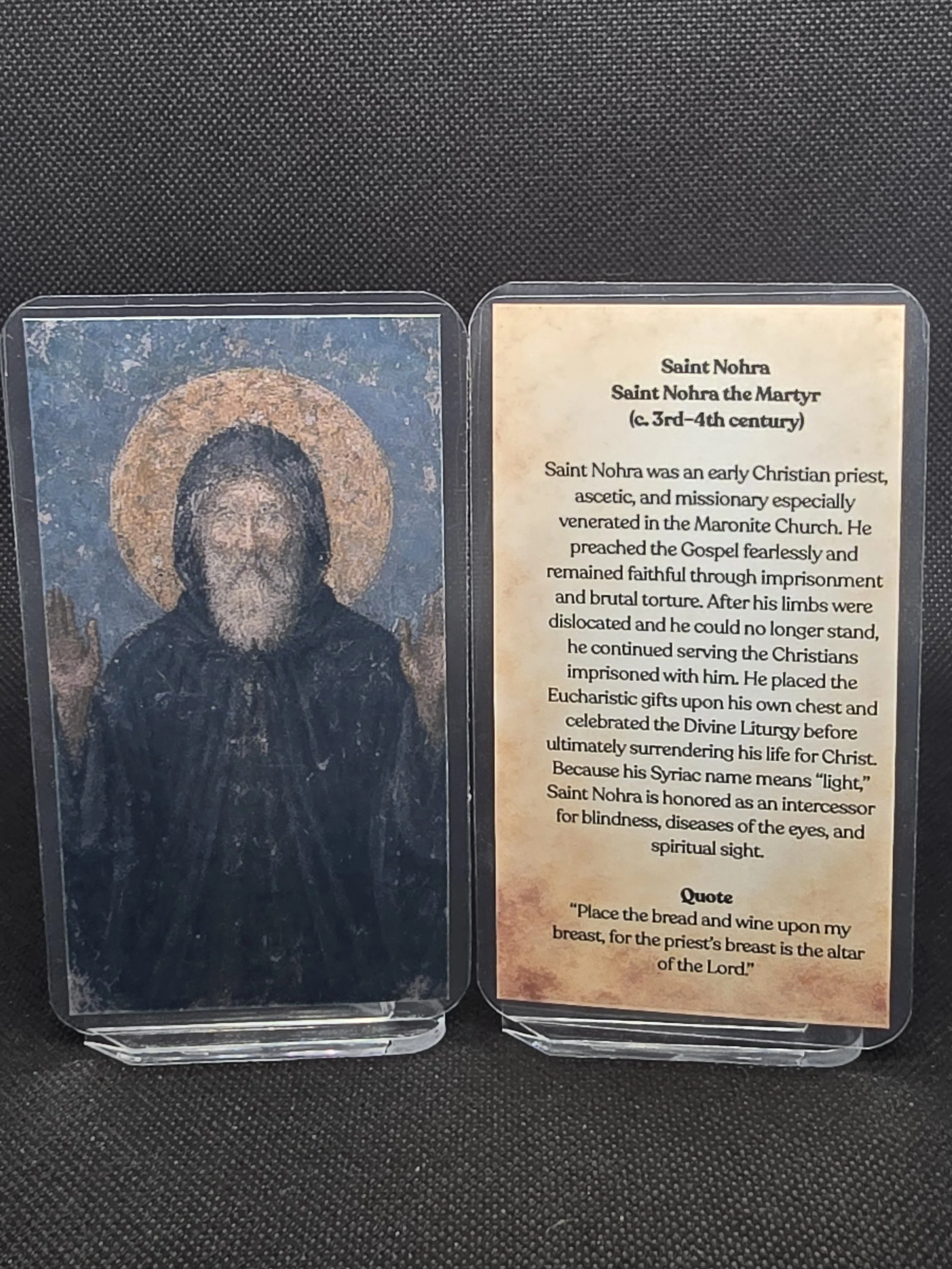 Image 6 of 21
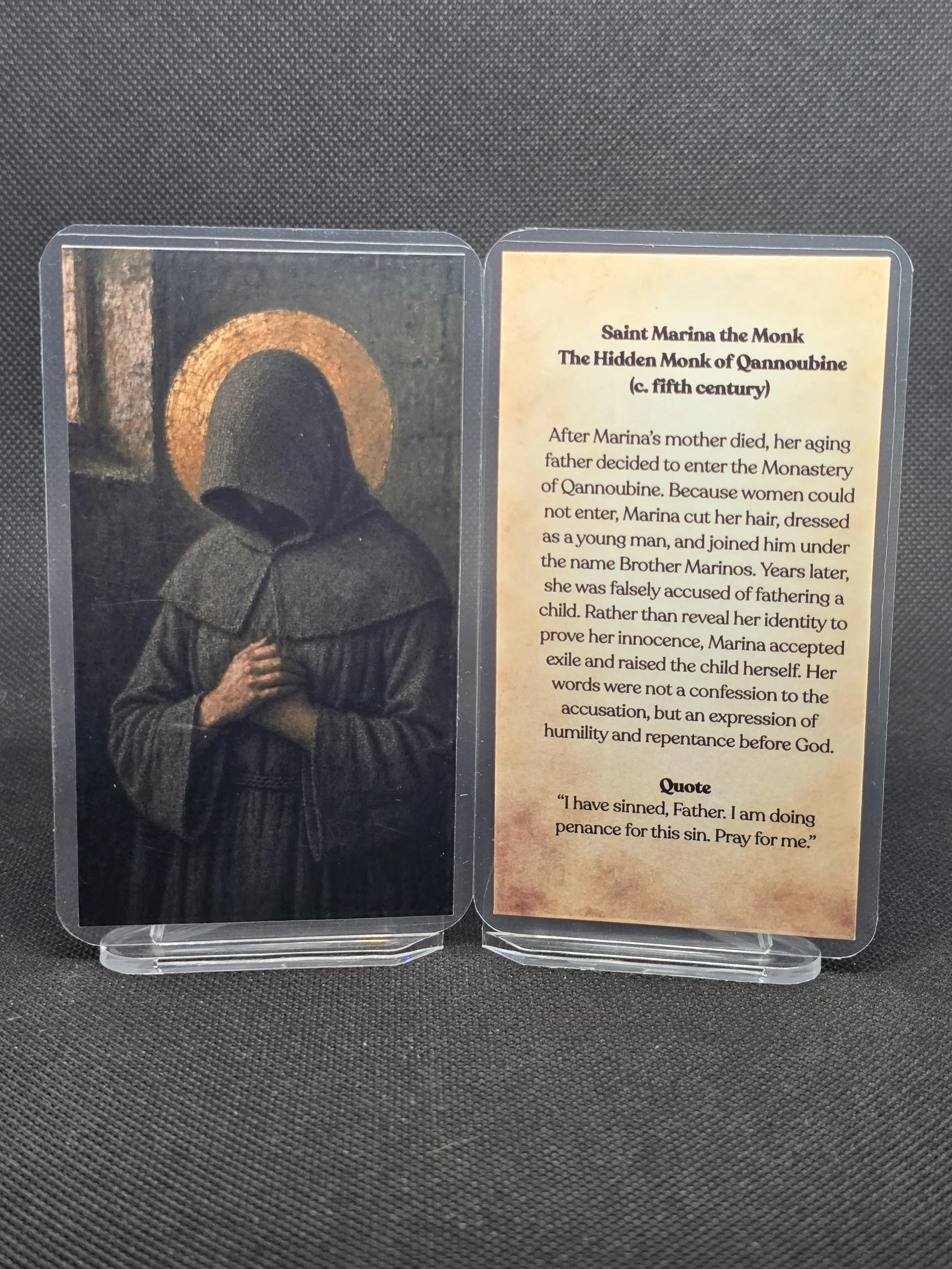 Image 7 of 21
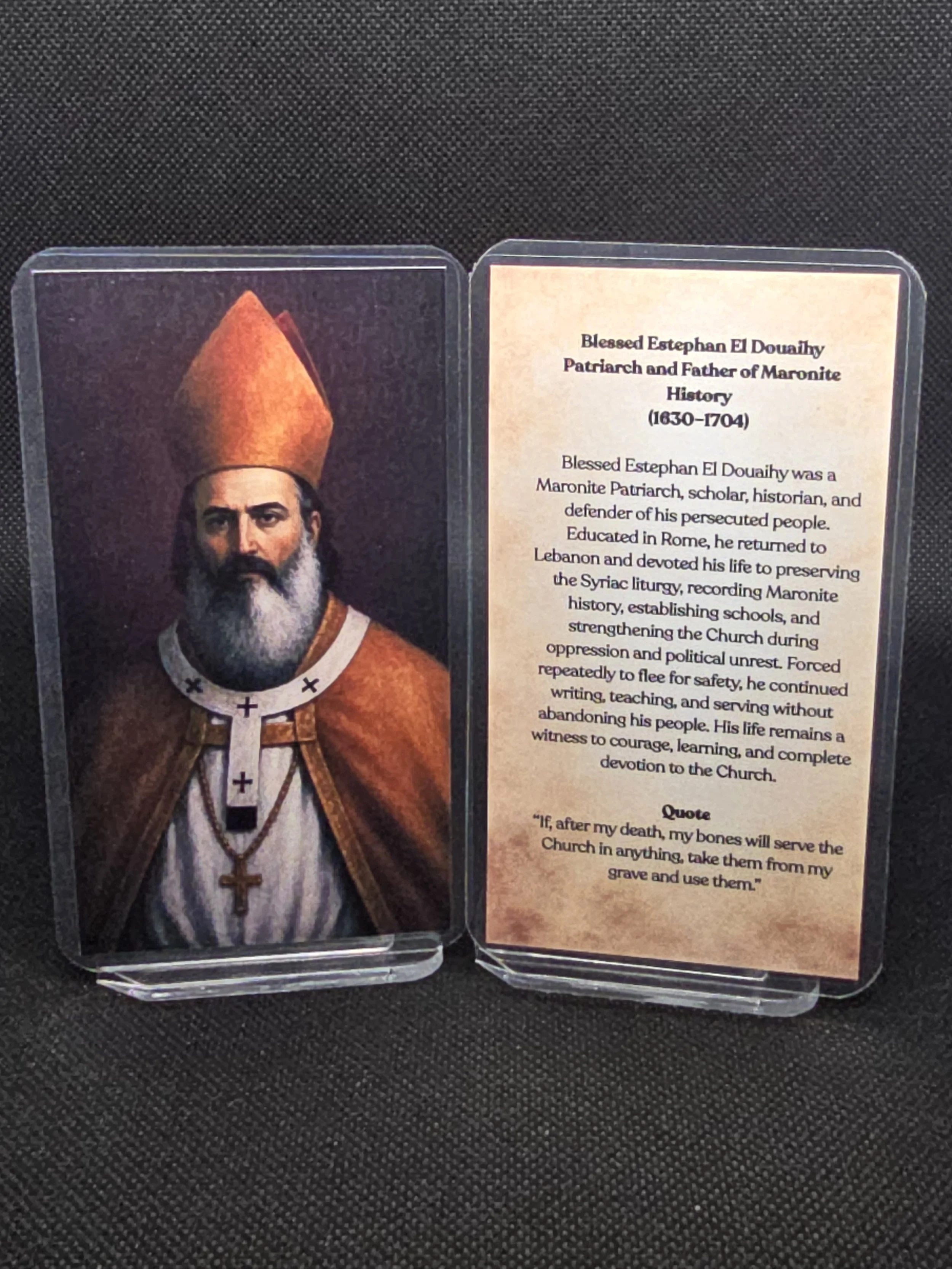 Image 8 of 21
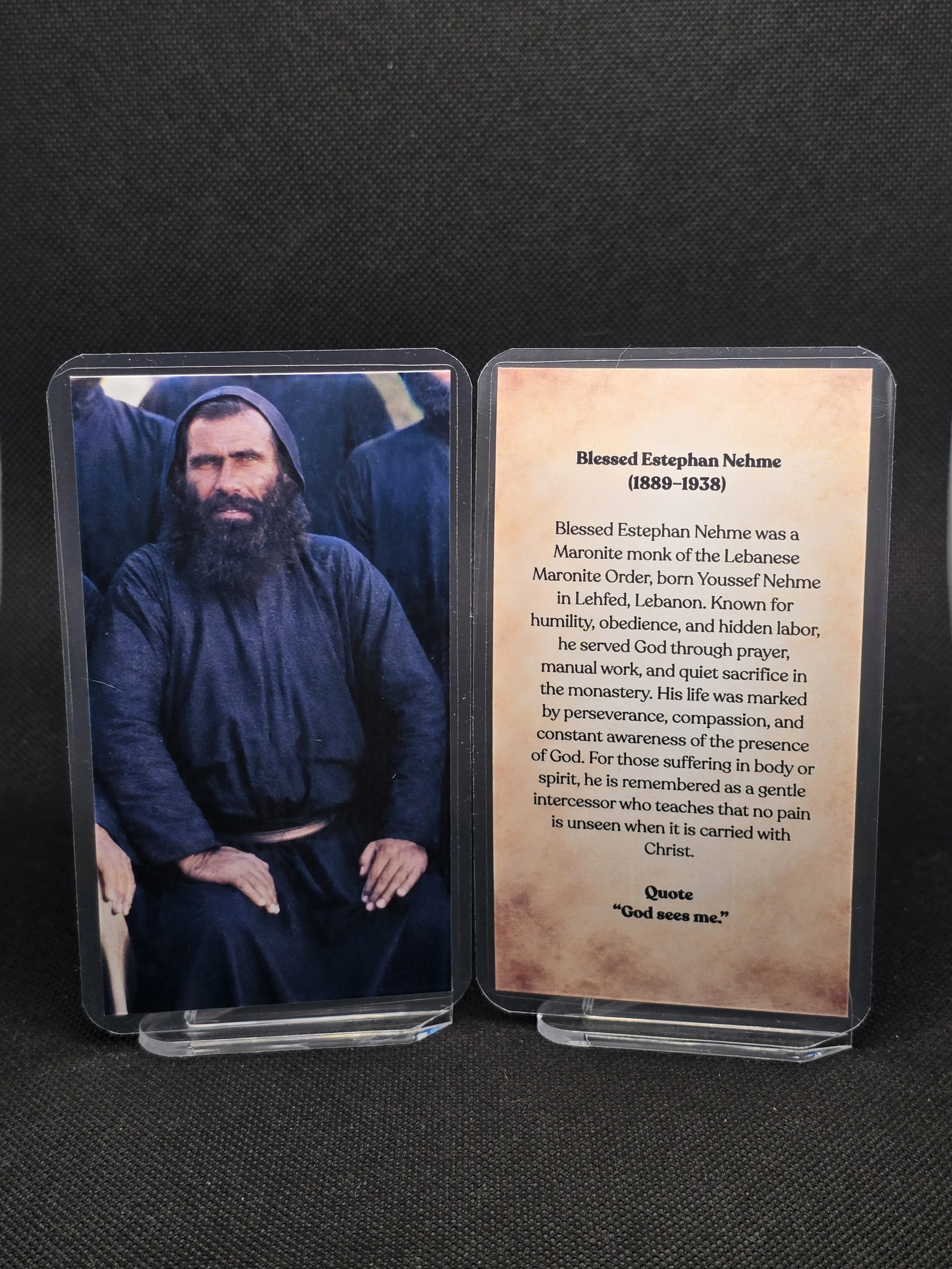 Image 9 of 21
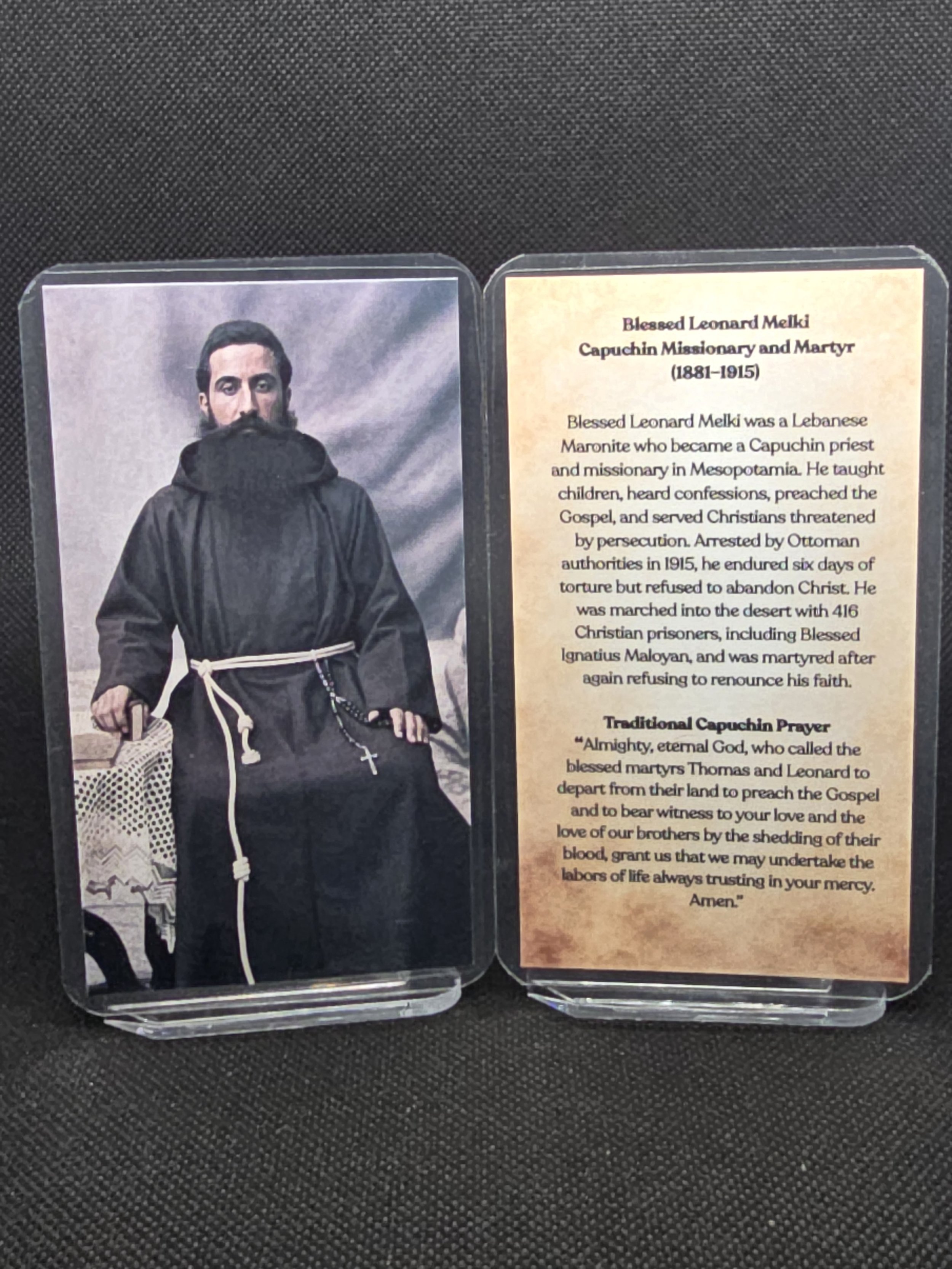 Image 10 of 21
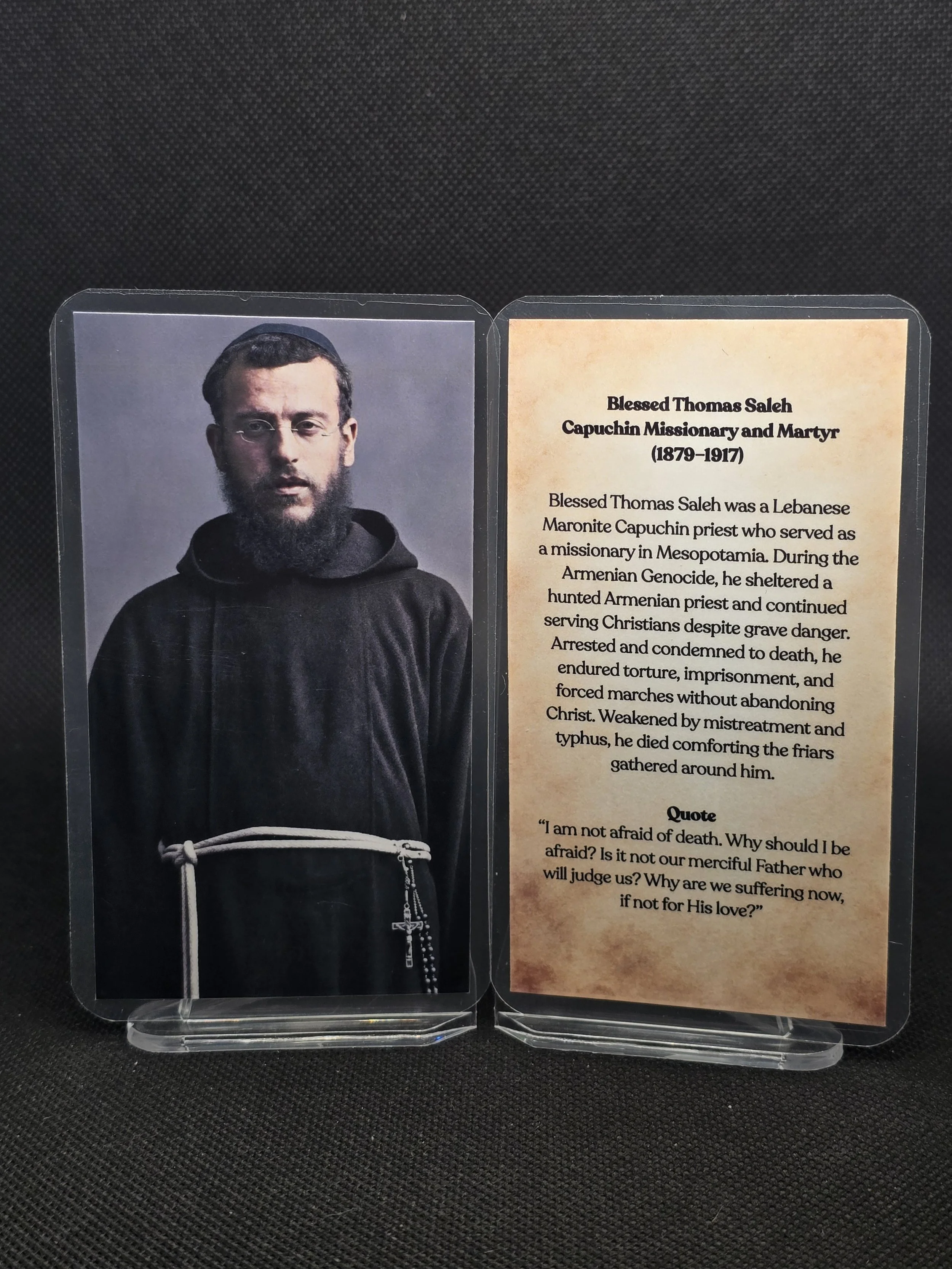 Image 11 of 21
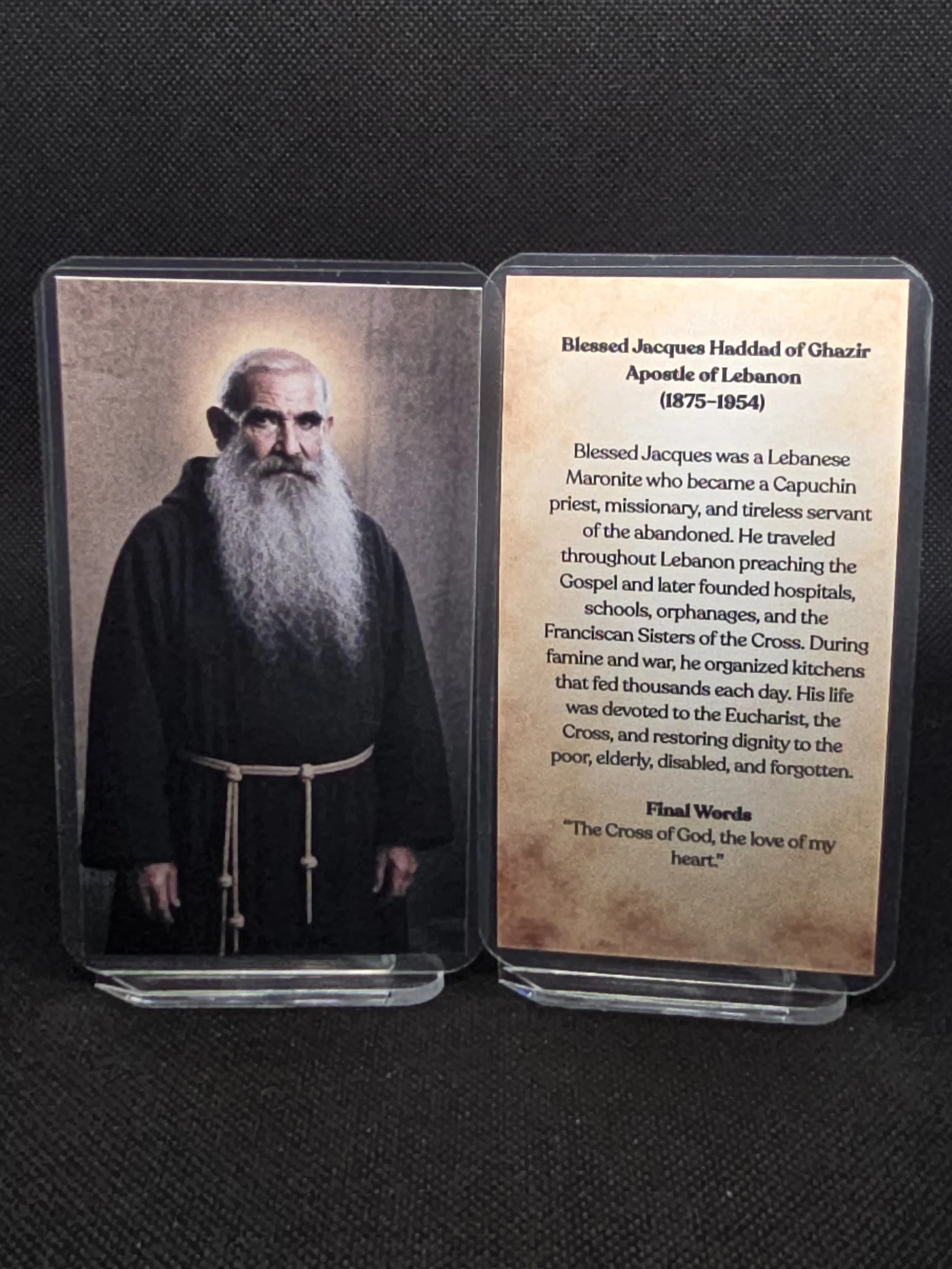 Image 12 of 21
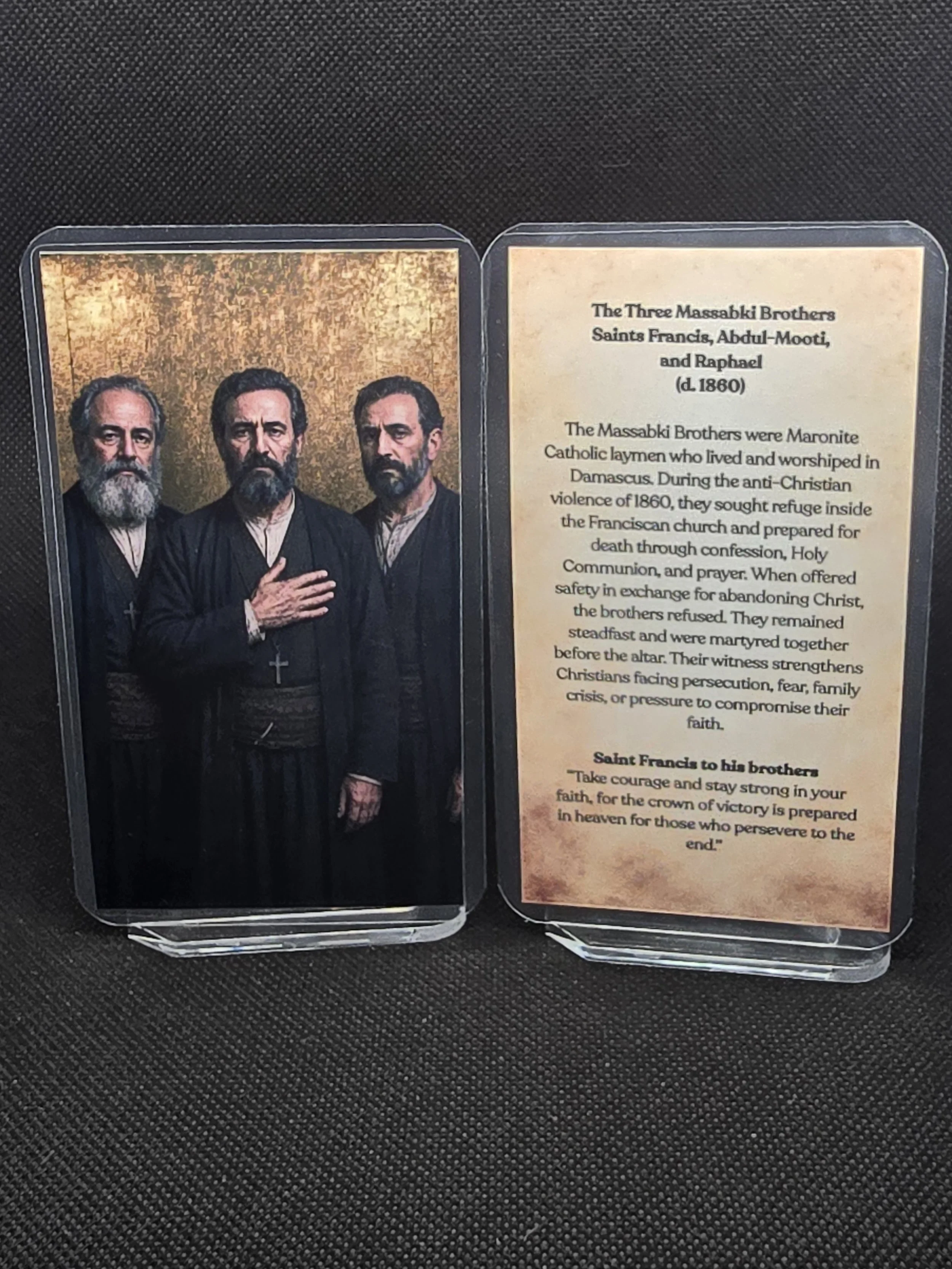 Image 13 of 21
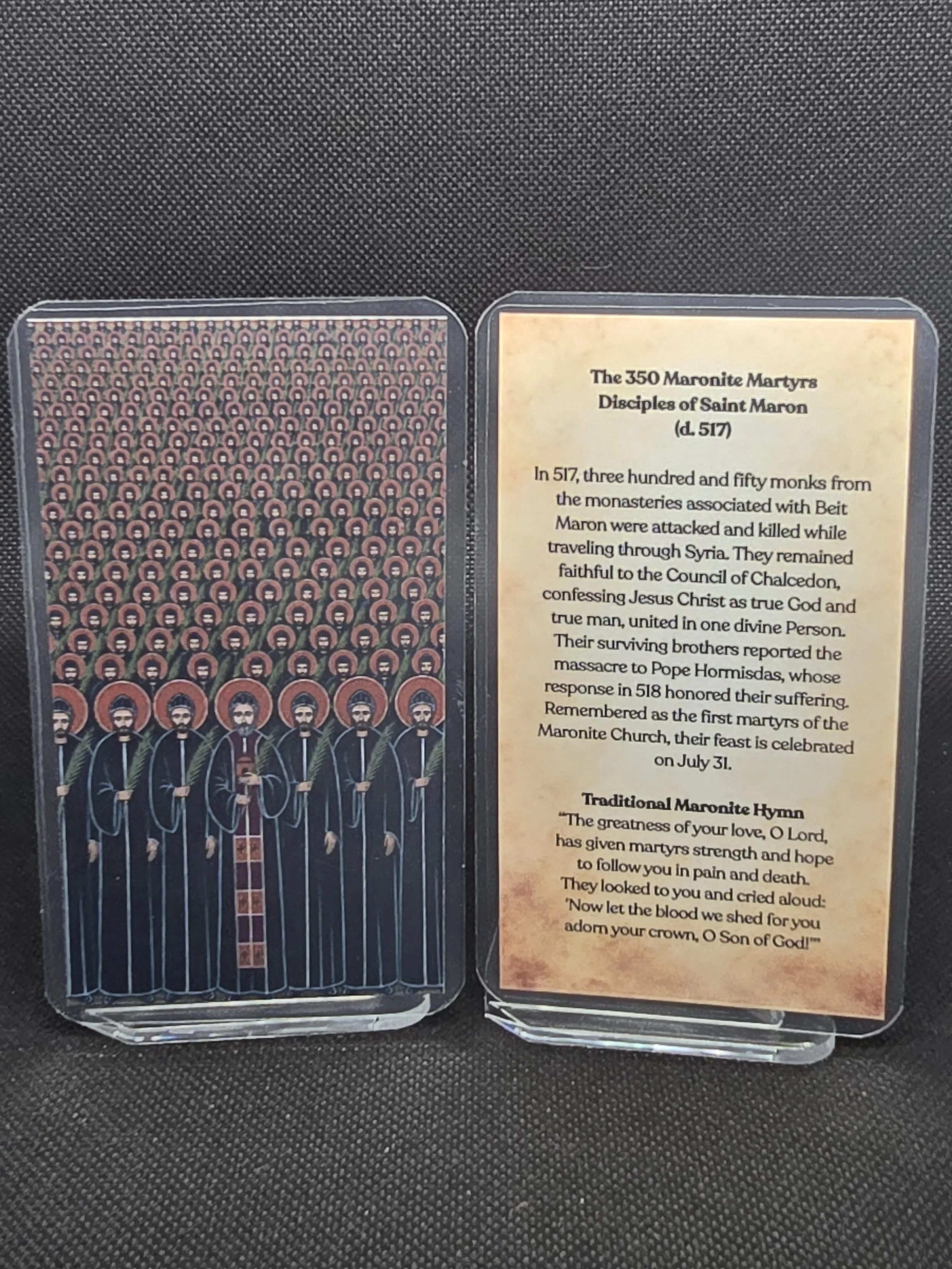 Image 14 of 21
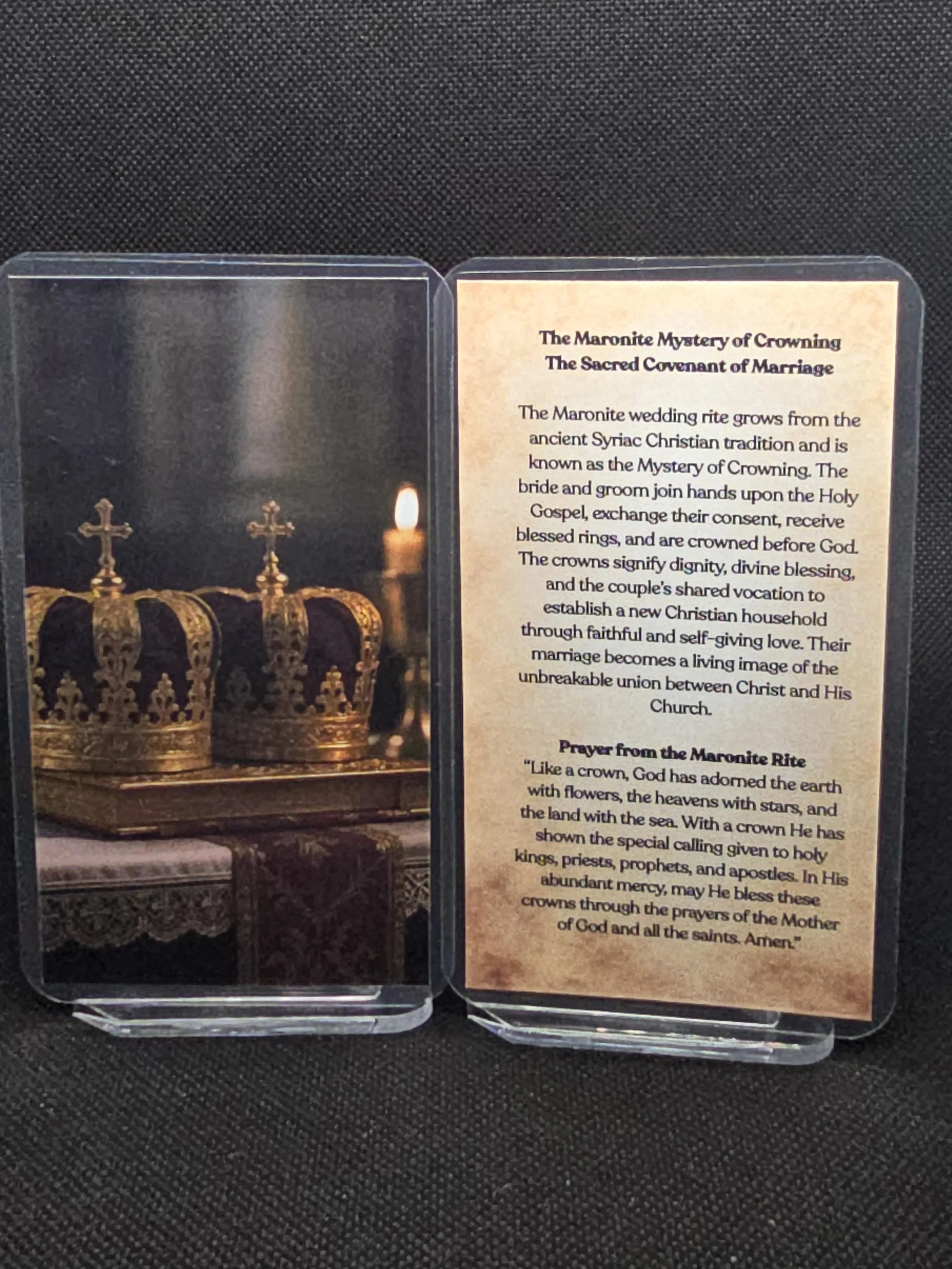 Image 15 of 21
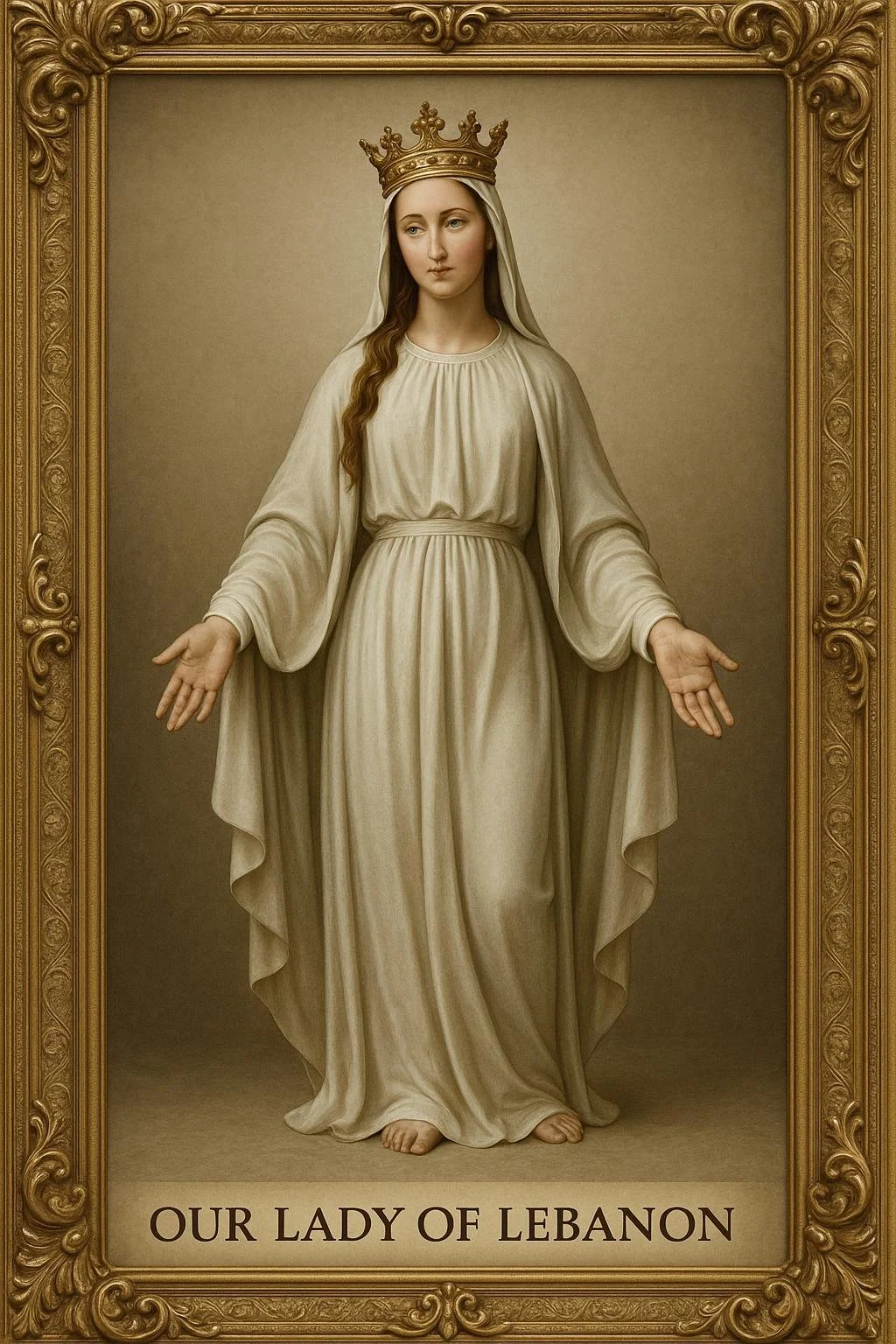 Image 16 of 21
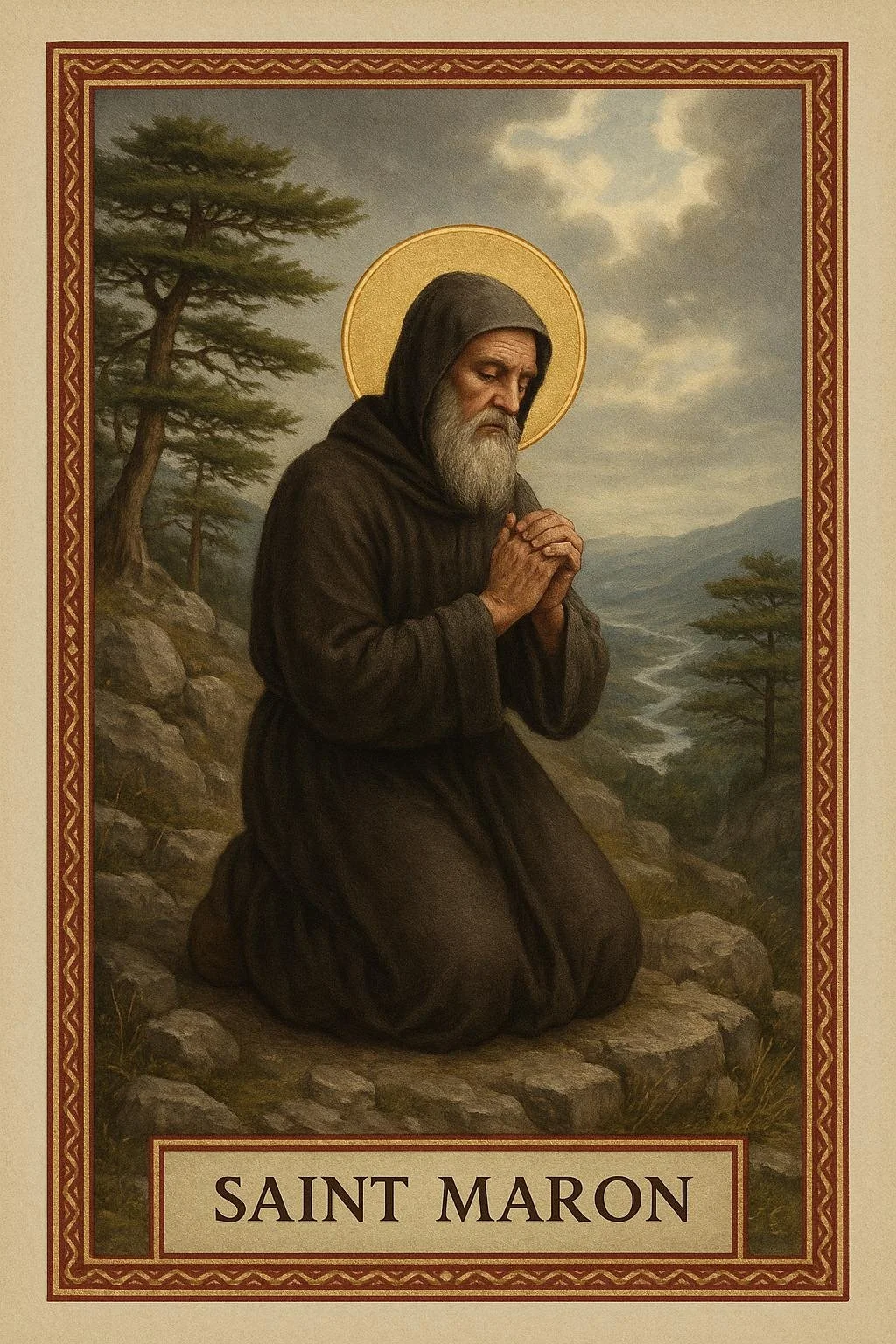 Image 17 of 21
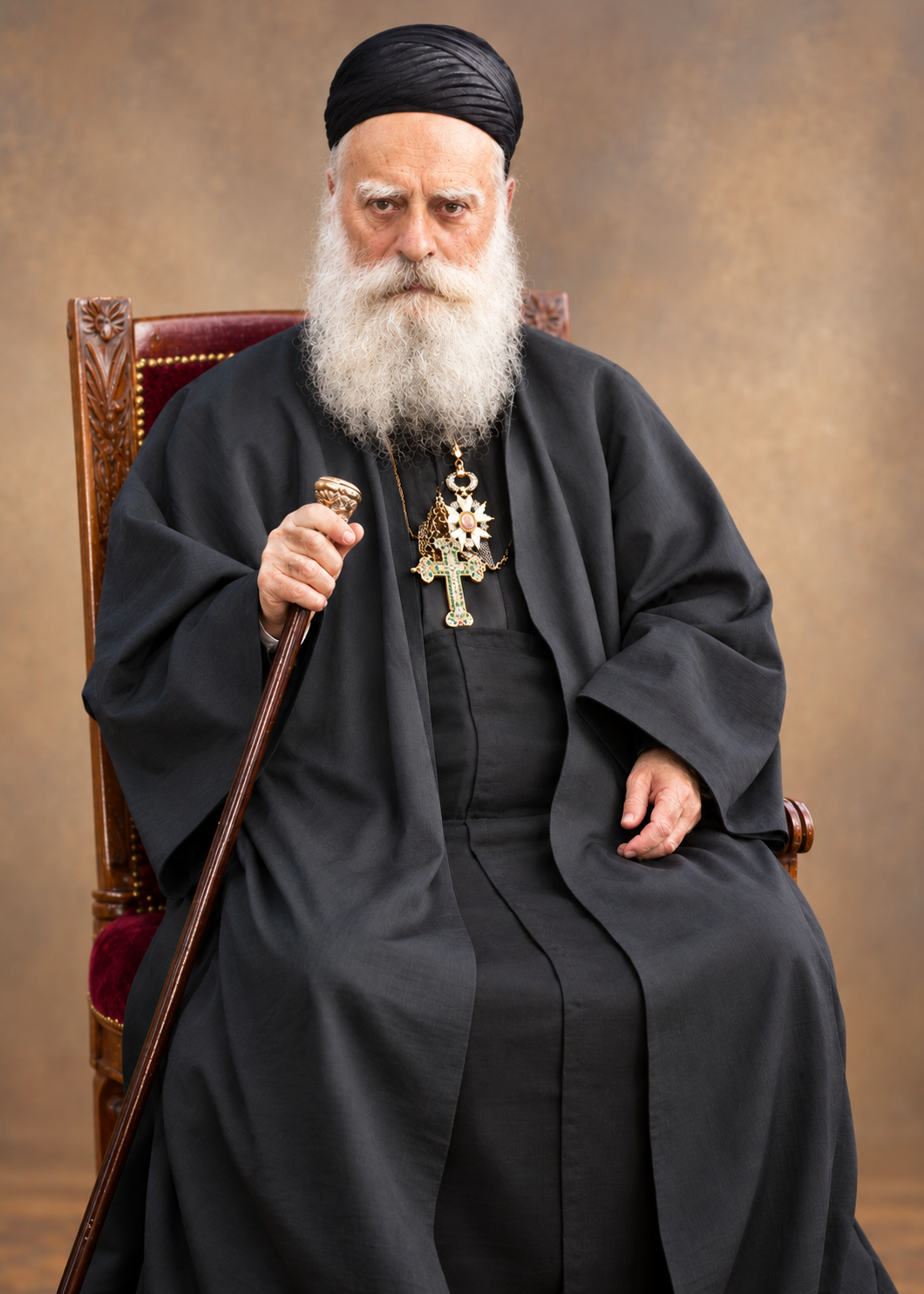 Image 18 of 21
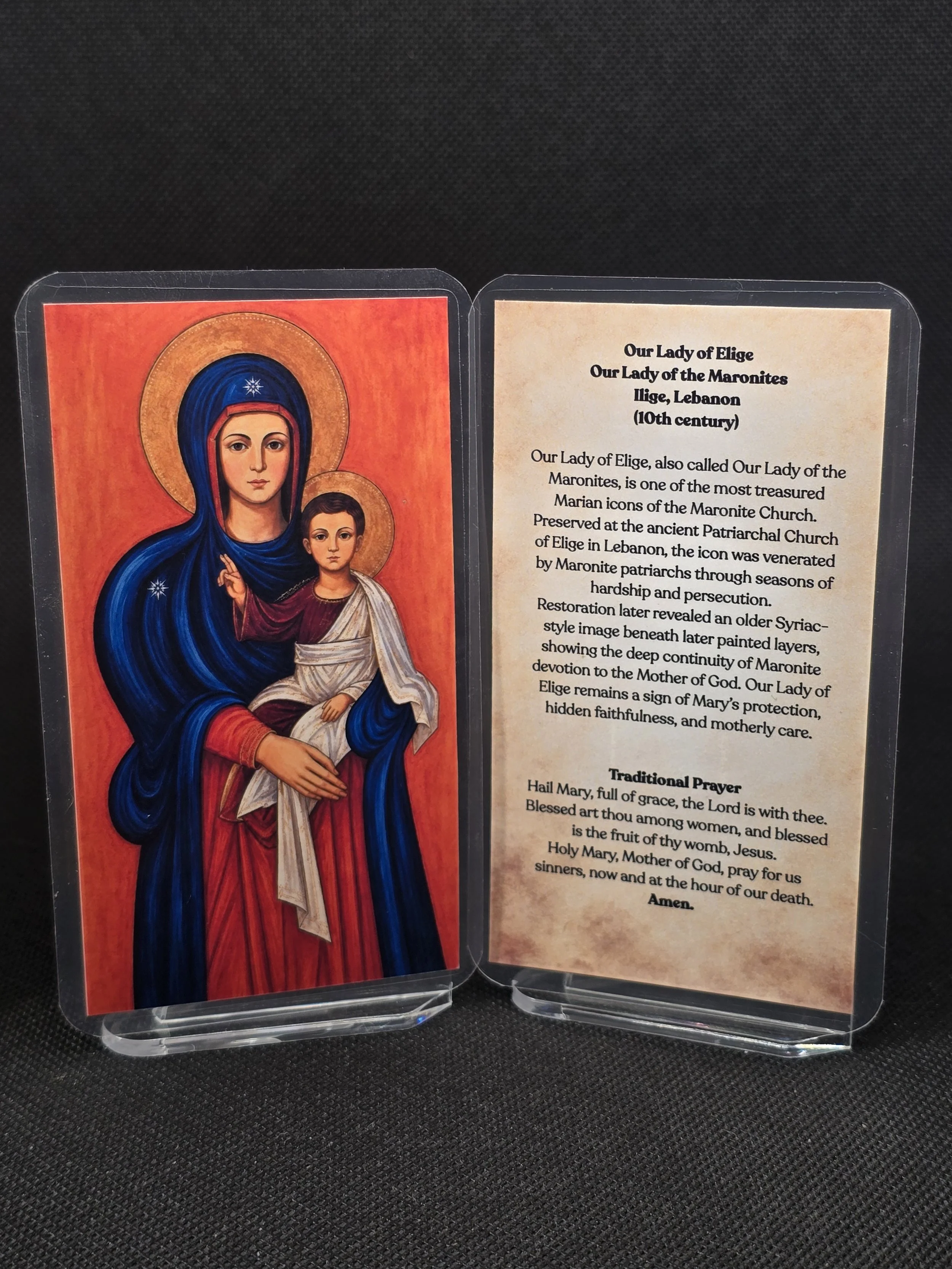 Image 19 of 21
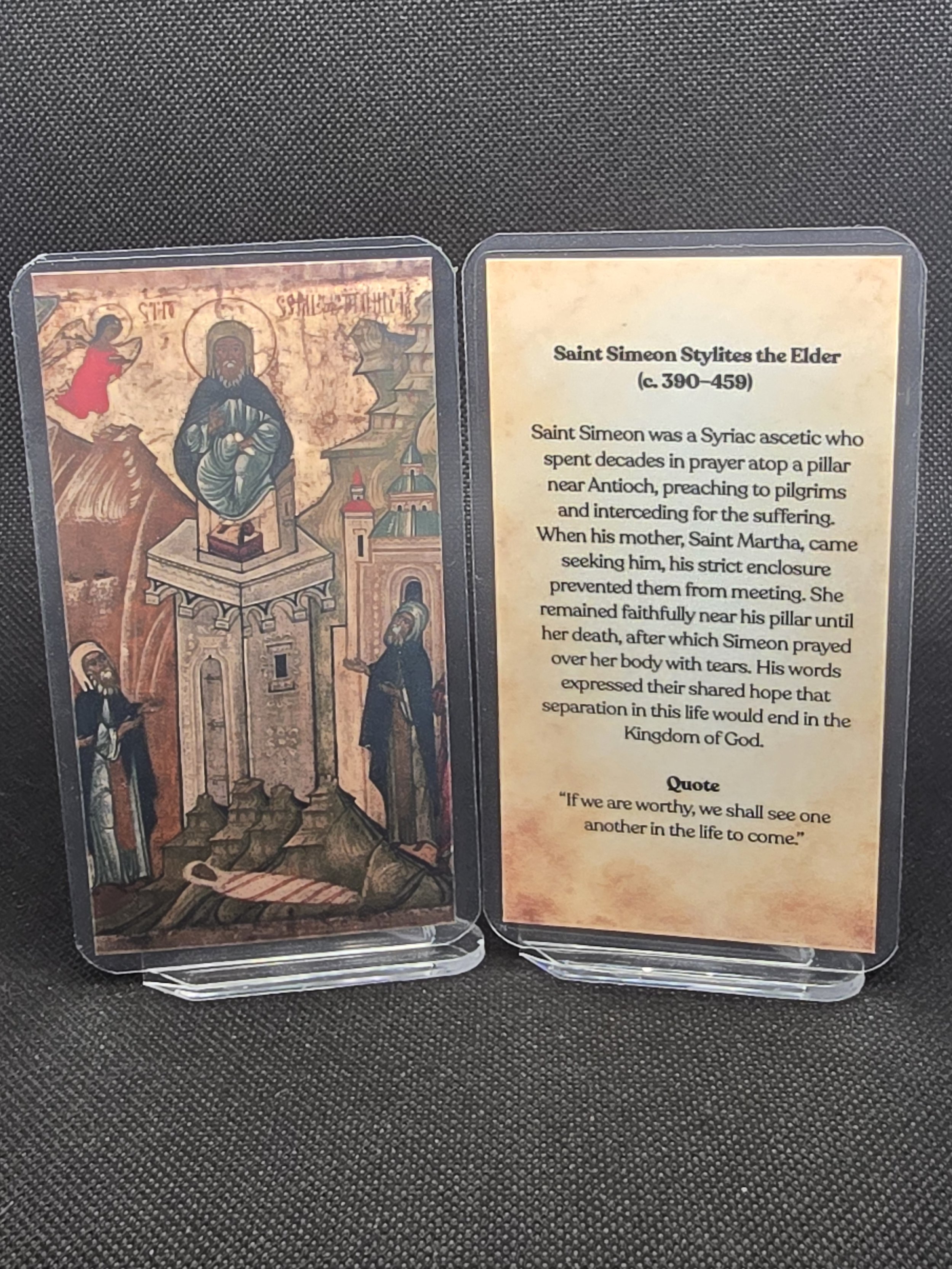 Image 20 of 21
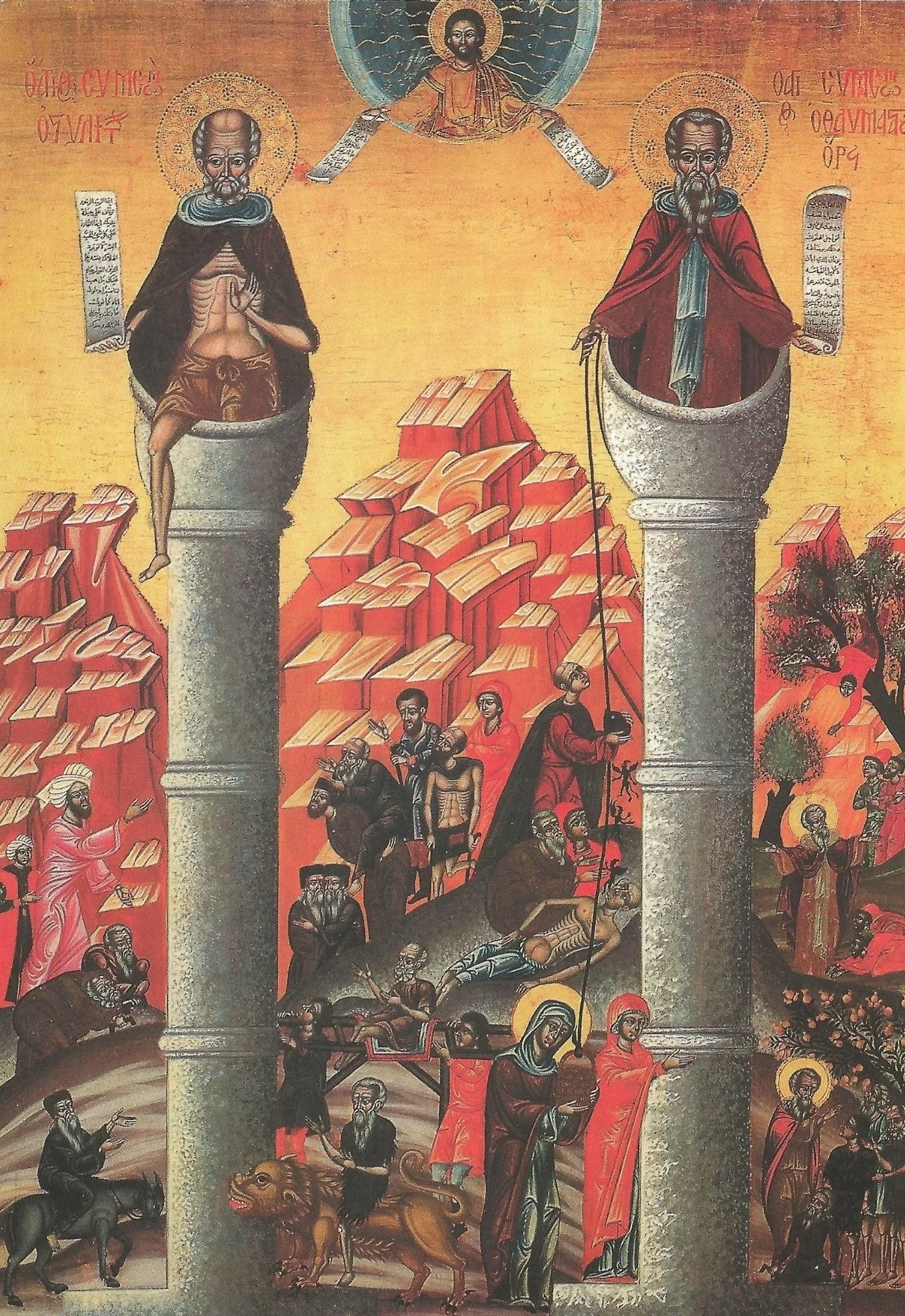 Image 21 of 21