 Image 1 of 1
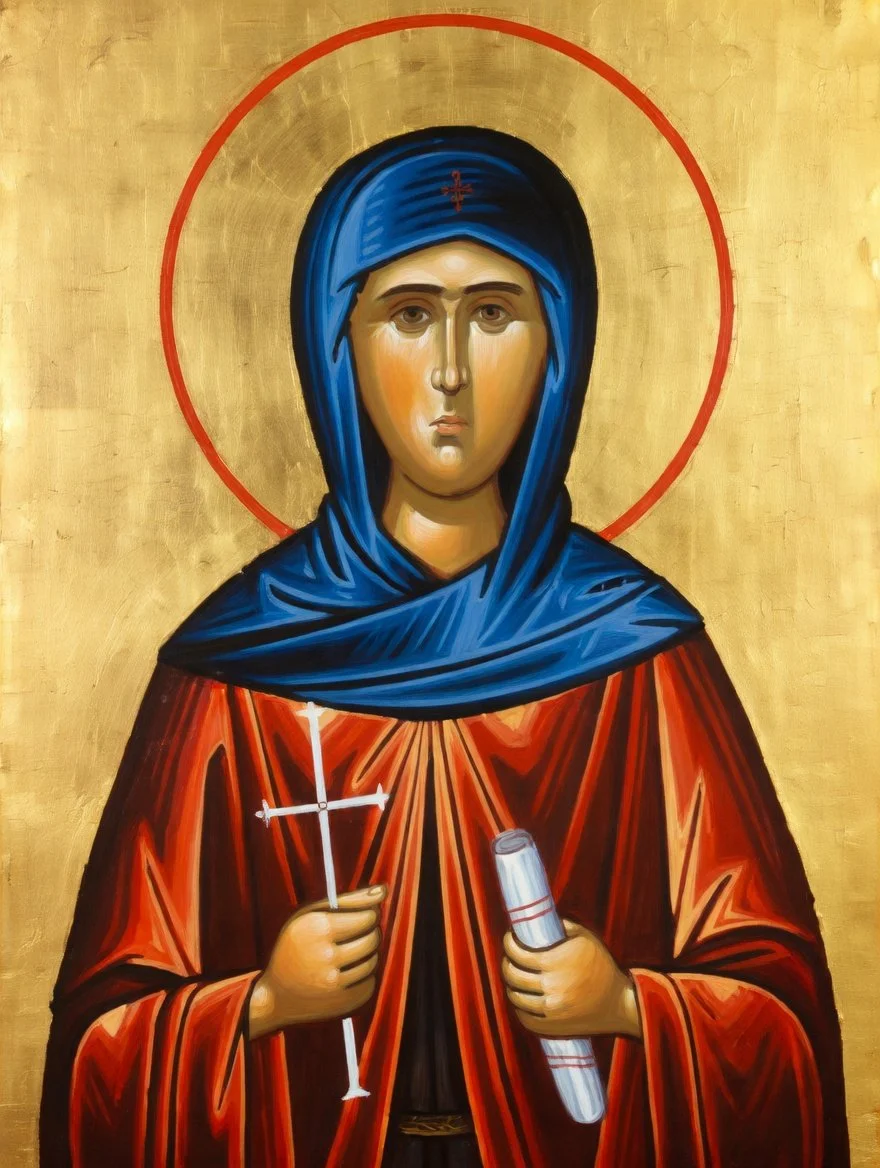
Saint Anastasia lived in the sixth century in Constantinople and was part of the imperial court, holding the status of a patrician. She lived among wealth, influence, and power, yet her heart was drawn toward something far greater than the world could offer.
She did not desire status.
She desired God.
Her feast is traditionally observed on March 10 in Eastern Orthodox and Eastern Catholic traditions.
She belongs to the early Byzantine ascetical tradition of the Church and is especially venerated within the Eastern Christian world, where her life is remembered as a witness to renunciation, humility, and hidden devotion.
People turn to Saint Anastasia when they feel overwhelmed by worldly pressures, when they desire to step away from distraction and temptation, and when they seek a deeper life rooted in prayer and quiet surrender.
If you feel surrounded by noise, influence, or expectations that pull you away from God, if you are searching for stillness in a demanding world, or if you sense a call to something deeper, Saint Anastasia speaks directly into that place.
She teaches that leaving the world is sometimes necessary.
She teaches that safety is found in God, not in status.
She teaches that holiness grows in hidden places.
This prayer card is created as a spiritual heirloom. It is meant to accompany seasons of withdrawal, discernment, and deeper prayer, reminding the heart that God meets those who step away from the world to seek Him fully.
Each card is handmade and created to order. We do not keep stock, because every prayer card is treated as a unique devotional offering. They are printed on museum-quality photo paper, not cardstock. Every card is made slowly, during prayer, with intentional reverence for the saint or holy image and for the person who will receive it. Names are lifted before Christ. Intentions are held carefully. Each piece is handled multiple times in prayerful silence, asking God for mercy and asking the saint to intercede for the soul it is being made for. This is not production work. It is devotional craftsmanship shaped with patience, care, and spiritual responsibility, because every soul and every prayer matters.
Anastasia lived in Constantinople as a woman of high rank, closely connected to the imperial court. Tradition holds that after the death of Emperor Justinian’s wife, Empress Theodora, Anastasia’s beauty and status drew unwanted attention from the emperor himself.
She recognized the danger.
Not only to her safety, but to her soul.
Rather than remain in a position of temptation and pressure, she made a radical decision.
She fled.
Leaving behind her wealth, position, and identity, she traveled to Egypt and sought refuge among the desert monastics. There, under the guidance of holy elders, she entered into a life of prayer, fasting, and complete renunciation.
She lived in solitude.
She lived in silence.
She lived hidden from the world she had left behind.
For years, she remained in the desert, growing in humility and spiritual discipline. Her past identity was set aside, and she became known only for her devotion and ascetic life.
Her holiness was not public.
It was formed in isolation.
According to tradition, her presence became known to other monks, who recognized her spiritual depth. Yet she continued to live in humility, avoiding recognition and maintaining a life focused entirely on God.
She remained in the desert until her death, having completely separated herself from the world she once knew.
Her life was not about reforming her environment.
It was about leaving it.
Her witness is one of total renunciation.
No widely recorded public miracles are associated with her life, as she lived in solitude and concealment. Her life itself is the testimony.
She is often associated with:
renunciation of worldly life
escape from temptation and dangerous circumstances
hidden prayer and ascetic devotion
discernment and courage in difficult decisions
She is especially meaningful for those who:
feel trapped in unhealthy environments
are facing pressure that threatens their spiritual life
desire to step away from worldly influence
seek a deeper, quieter relationship with God
Her life teaches that sometimes the holiest decision is to leave.
Prayer to Saint Anastasia the Patrician
O Lord Jesus Christ, who called Saint Anastasia to leave behind the world and seek You in silence and humility, through her intercession grant us the wisdom to recognize what draws us away from You and the courage to turn from it. Lead us into a deeper life of prayer, protect us from temptation, and help us to seek You above all things.
Amen.
Who was Saint Anastasia the Patrician?
Saint Anastasia was a noblewoman of Constantinople who left her life of wealth and influence to live in the Egyptian desert, dedicating herself fully to prayer and asceticism.
What is Saint Anastasia known for?
She is known for her complete renunciation of worldly life, her escape from temptation, and her hidden life of devotion in the desert.
Is Saint Anastasia the patron saint of anything?
While not formally assigned a universal patronage, she is often associated with leaving harmful situations, discernment, and spiritual protection.
When is Saint Anastasia’s feast day?
Her feast day is celebrated on March 10 in Eastern Orthodox and Eastern Catholic traditions.
Why do people pray to Saint Anastasia?
People seek her intercession when they need courage to leave difficult environments, resist temptation, and pursue a deeper relationship with God.
Saint Anastasia lived in the sixth century in Constantinople and was part of the imperial court, holding the status of a patrician. She lived among wealth, influence, and power, yet her heart was drawn toward something far greater than the world could offer.
She did not desire status.
She desired God.
Her feast is traditionally observed on March 10 in Eastern Orthodox and Eastern Catholic traditions.
She belongs to the early Byzantine ascetical tradition of the Church and is especially venerated within the Eastern Christian world, where her life is remembered as a witness to renunciation, humility, and hidden devotion.
People turn to Saint Anastasia when they feel overwhelmed by worldly pressures, when they desire to step away from distraction and temptation, and when they seek a deeper life rooted in prayer and quiet surrender.
If you feel surrounded by noise, influence, or expectations that pull you away from God, if you are searching for stillness in a demanding world, or if you sense a call to something deeper, Saint Anastasia speaks directly into that place.
She teaches that leaving the world is sometimes necessary.
She teaches that safety is found in God, not in status.
She teaches that holiness grows in hidden places.
This prayer card is created as a spiritual heirloom. It is meant to accompany seasons of withdrawal, discernment, and deeper prayer, reminding the heart that God meets those who step away from the world to seek Him fully.
Each card is handmade and created to order. We do not keep stock, because every prayer card is treated as a unique devotional offering. They are printed on museum-quality photo paper, not cardstock. Every card is made slowly, during prayer, with intentional reverence for the saint or holy image and for the person who will receive it. Names are lifted before Christ. Intentions are held carefully. Each piece is handled multiple times in prayerful silence, asking God for mercy and asking the saint to intercede for the soul it is being made for. This is not production work. It is devotional craftsmanship shaped with patience, care, and spiritual responsibility, because every soul and every prayer matters.
Anastasia lived in Constantinople as a woman of high rank, closely connected to the imperial court. Tradition holds that after the death of Emperor Justinian’s wife, Empress Theodora, Anastasia’s beauty and status drew unwanted attention from the emperor himself.
She recognized the danger.
Not only to her safety, but to her soul.
Rather than remain in a position of temptation and pressure, she made a radical decision.
She fled.
Leaving behind her wealth, position, and identity, she traveled to Egypt and sought refuge among the desert monastics. There, under the guidance of holy elders, she entered into a life of prayer, fasting, and complete renunciation.
She lived in solitude.
She lived in silence.
She lived hidden from the world she had left behind.
For years, she remained in the desert, growing in humility and spiritual discipline. Her past identity was set aside, and she became known only for her devotion and ascetic life.
Her holiness was not public.
It was formed in isolation.
According to tradition, her presence became known to other monks, who recognized her spiritual depth. Yet she continued to live in humility, avoiding recognition and maintaining a life focused entirely on God.
She remained in the desert until her death, having completely separated herself from the world she once knew.
Her life was not about reforming her environment.
It was about leaving it.
Her witness is one of total renunciation.
No widely recorded public miracles are associated with her life, as she lived in solitude and concealment. Her life itself is the testimony.
She is often associated with:
renunciation of worldly life
escape from temptation and dangerous circumstances
hidden prayer and ascetic devotion
discernment and courage in difficult decisions
She is especially meaningful for those who:
feel trapped in unhealthy environments
are facing pressure that threatens their spiritual life
desire to step away from worldly influence
seek a deeper, quieter relationship with God
Her life teaches that sometimes the holiest decision is to leave.
Prayer to Saint Anastasia the Patrician
O Lord Jesus Christ, who called Saint Anastasia to leave behind the world and seek You in silence and humility, through her intercession grant us the wisdom to recognize what draws us away from You and the courage to turn from it. Lead us into a deeper life of prayer, protect us from temptation, and help us to seek You above all things.
Amen.
Who was Saint Anastasia the Patrician?
Saint Anastasia was a noblewoman of Constantinople who left her life of wealth and influence to live in the Egyptian desert, dedicating herself fully to prayer and asceticism.
What is Saint Anastasia known for?
She is known for her complete renunciation of worldly life, her escape from temptation, and her hidden life of devotion in the desert.
Is Saint Anastasia the patron saint of anything?
While not formally assigned a universal patronage, she is often associated with leaving harmful situations, discernment, and spiritual protection.
When is Saint Anastasia’s feast day?
Her feast day is celebrated on March 10 in Eastern Orthodox and Eastern Catholic traditions.
Why do people pray to Saint Anastasia?
People seek her intercession when they need courage to leave difficult environments, resist temptation, and pursue a deeper relationship with God.