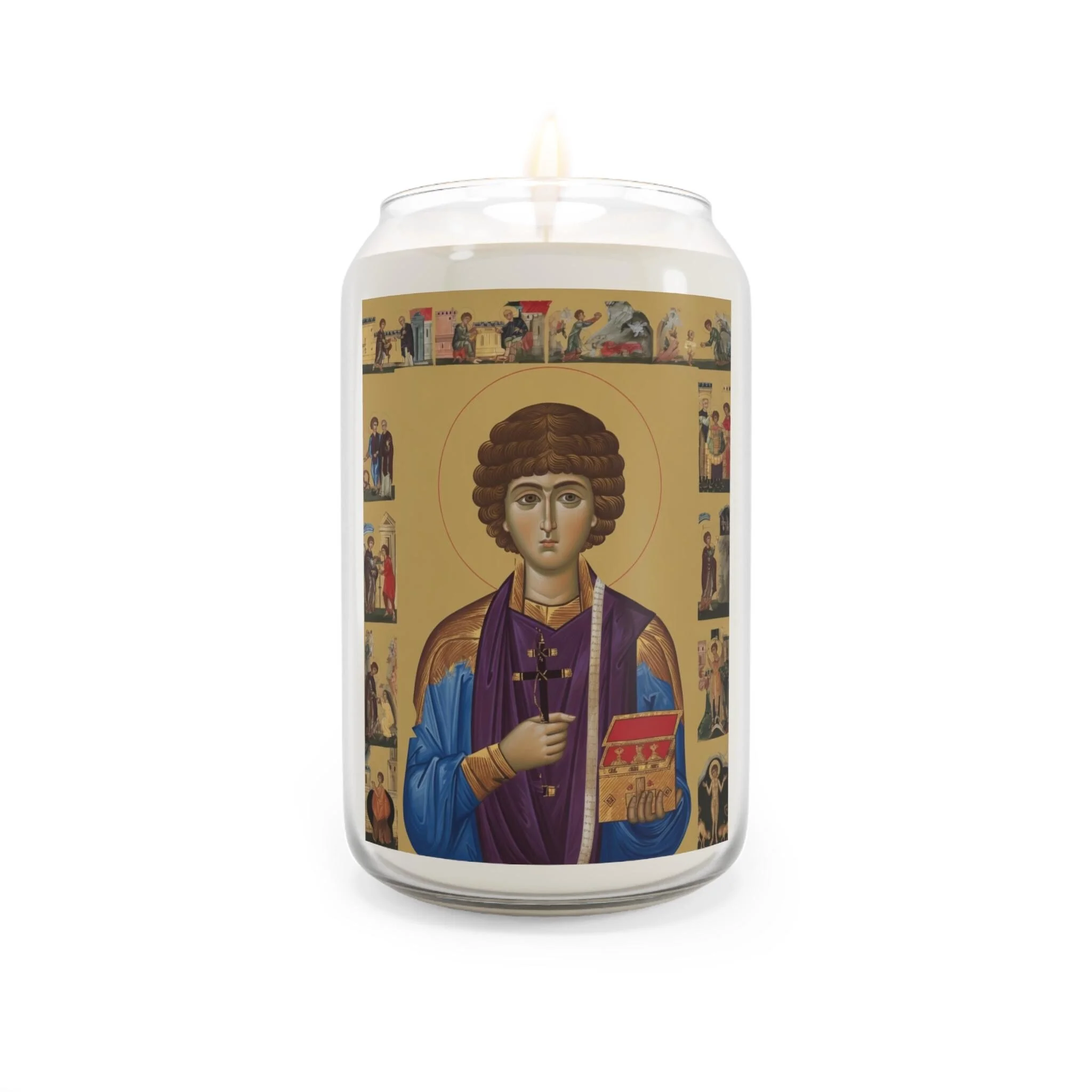
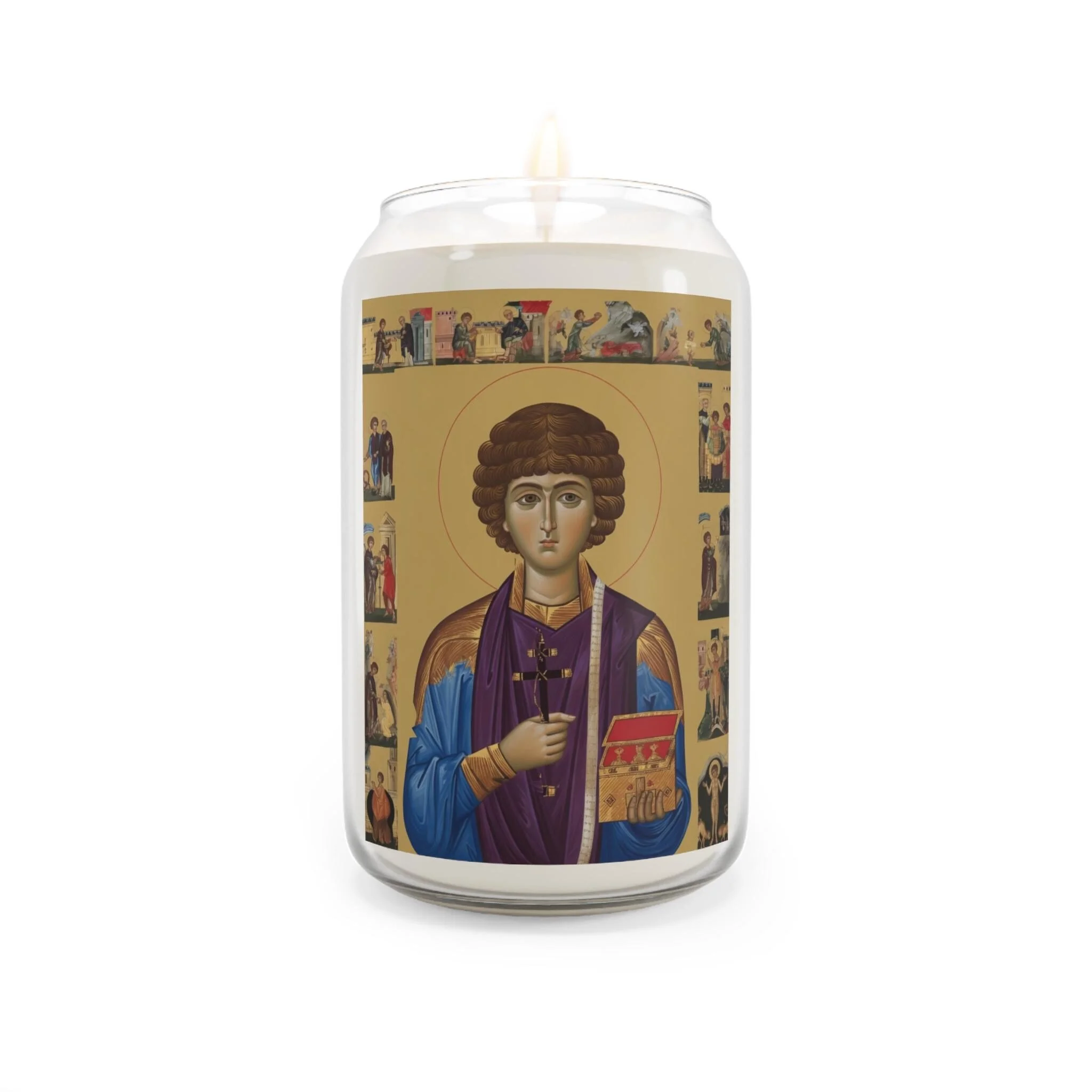
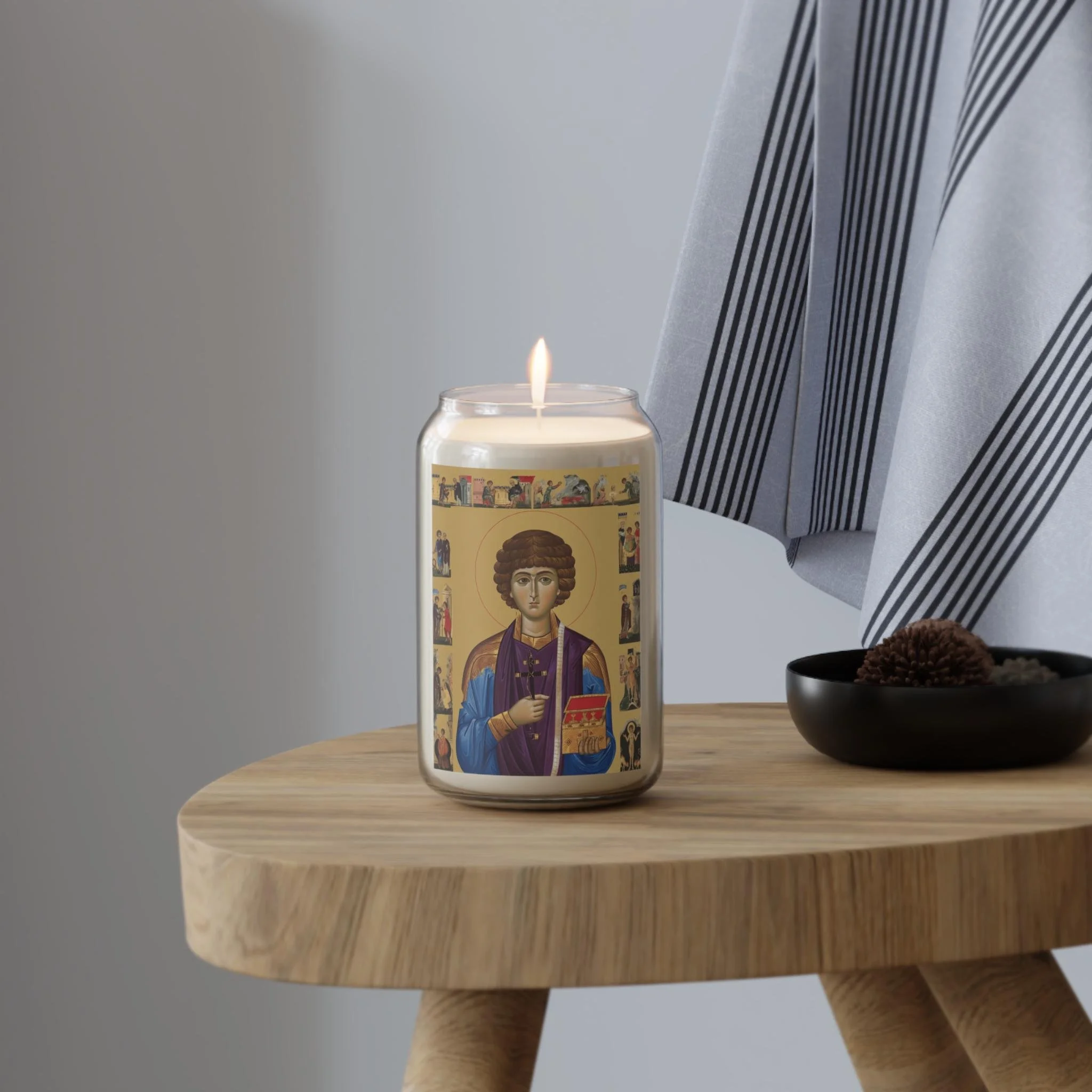
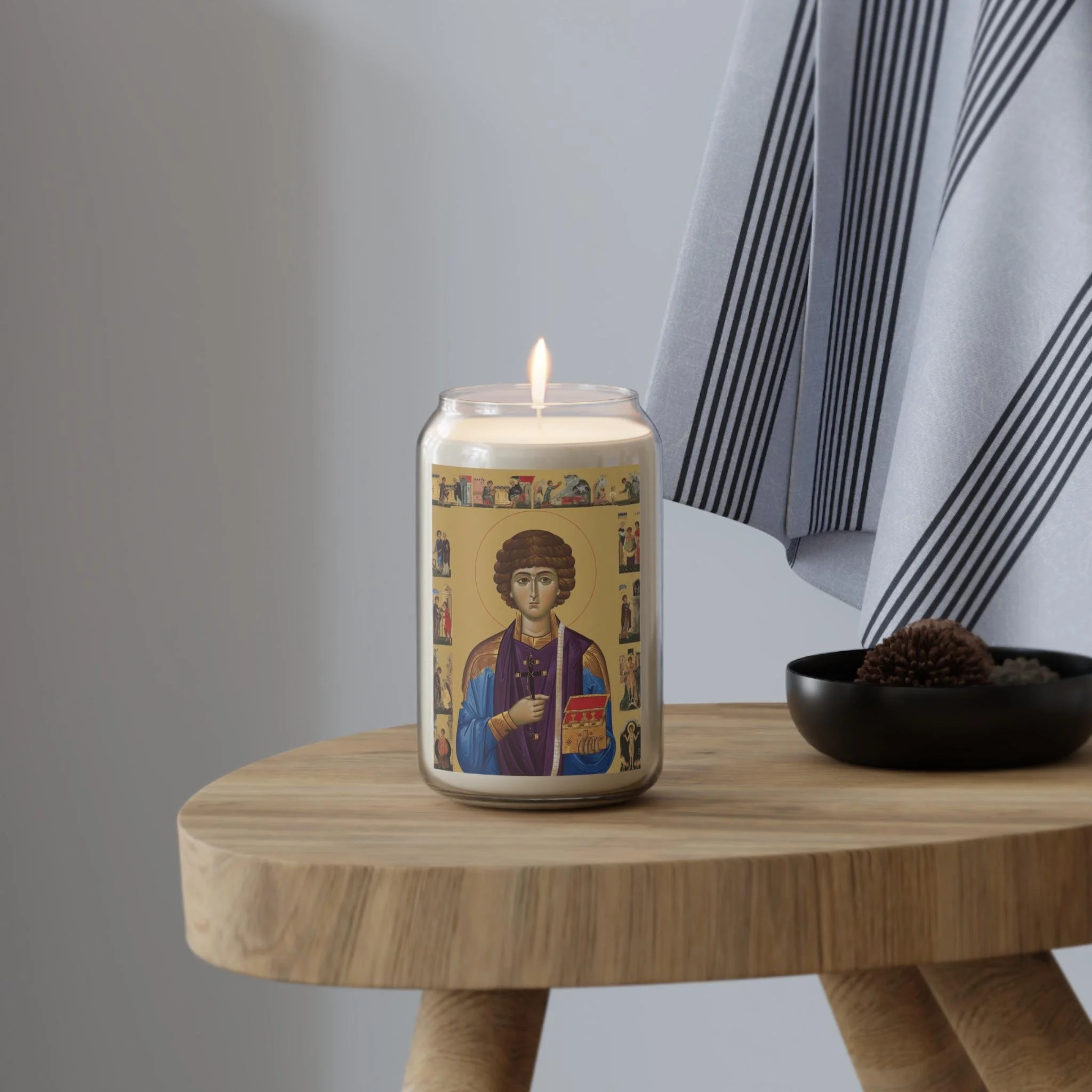
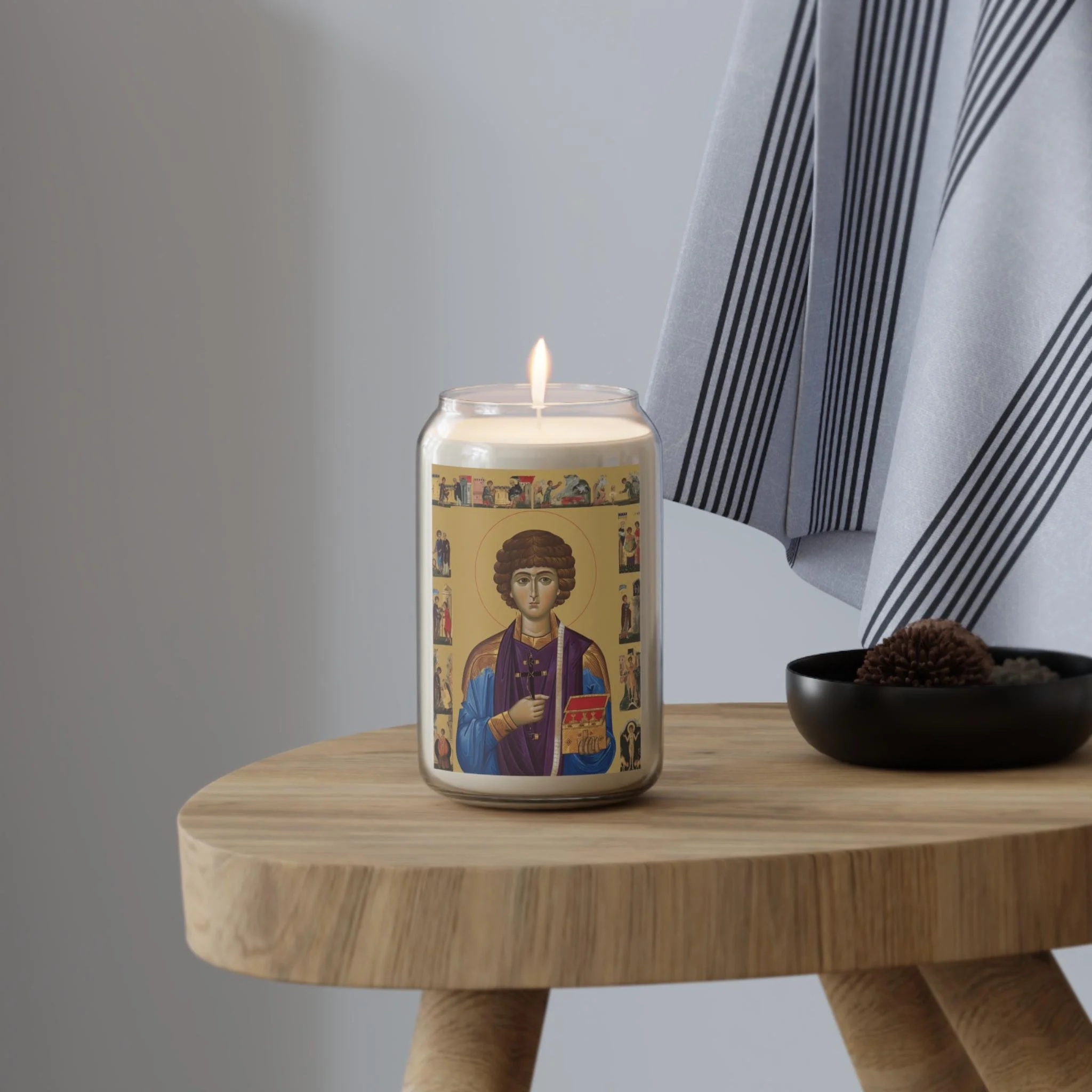
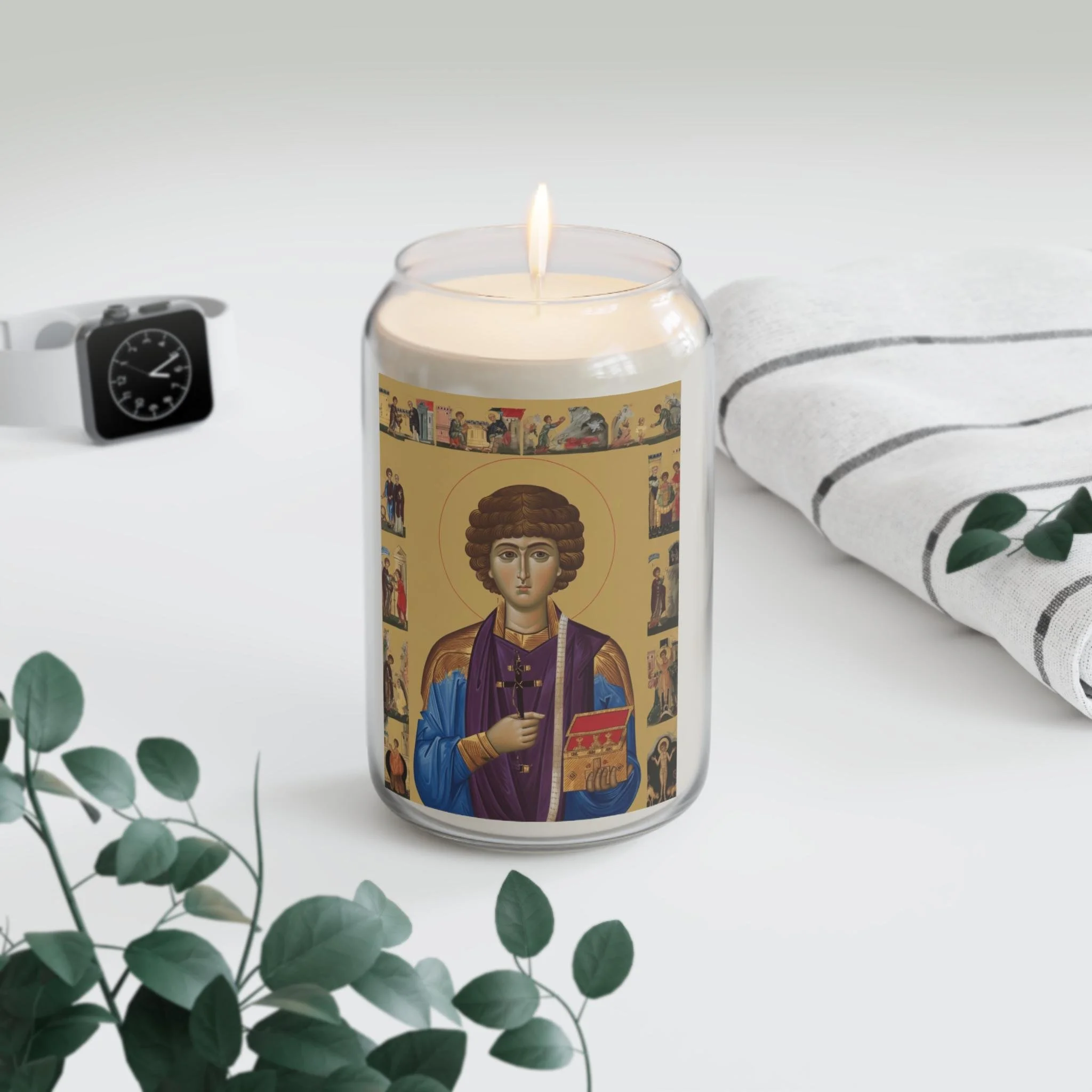
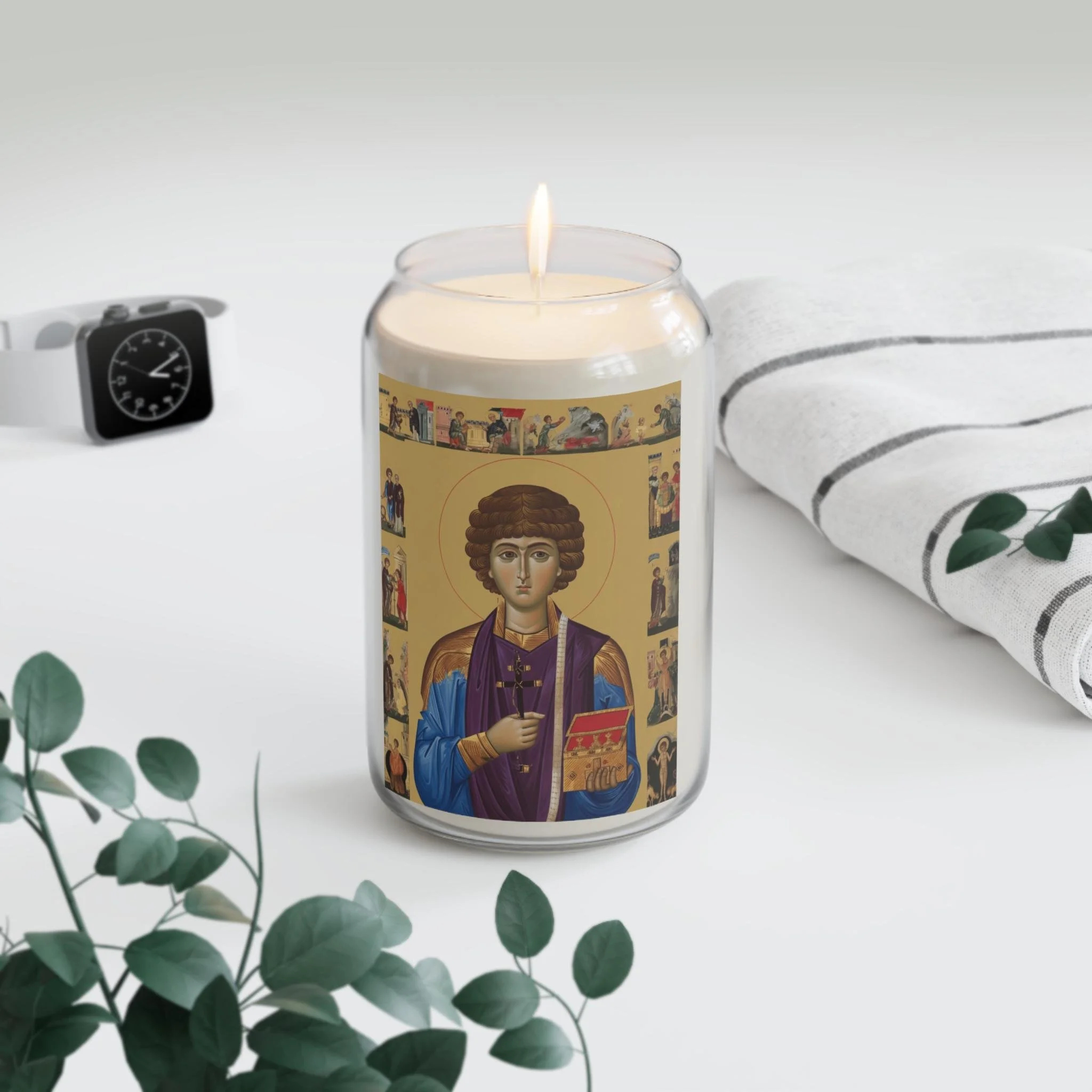
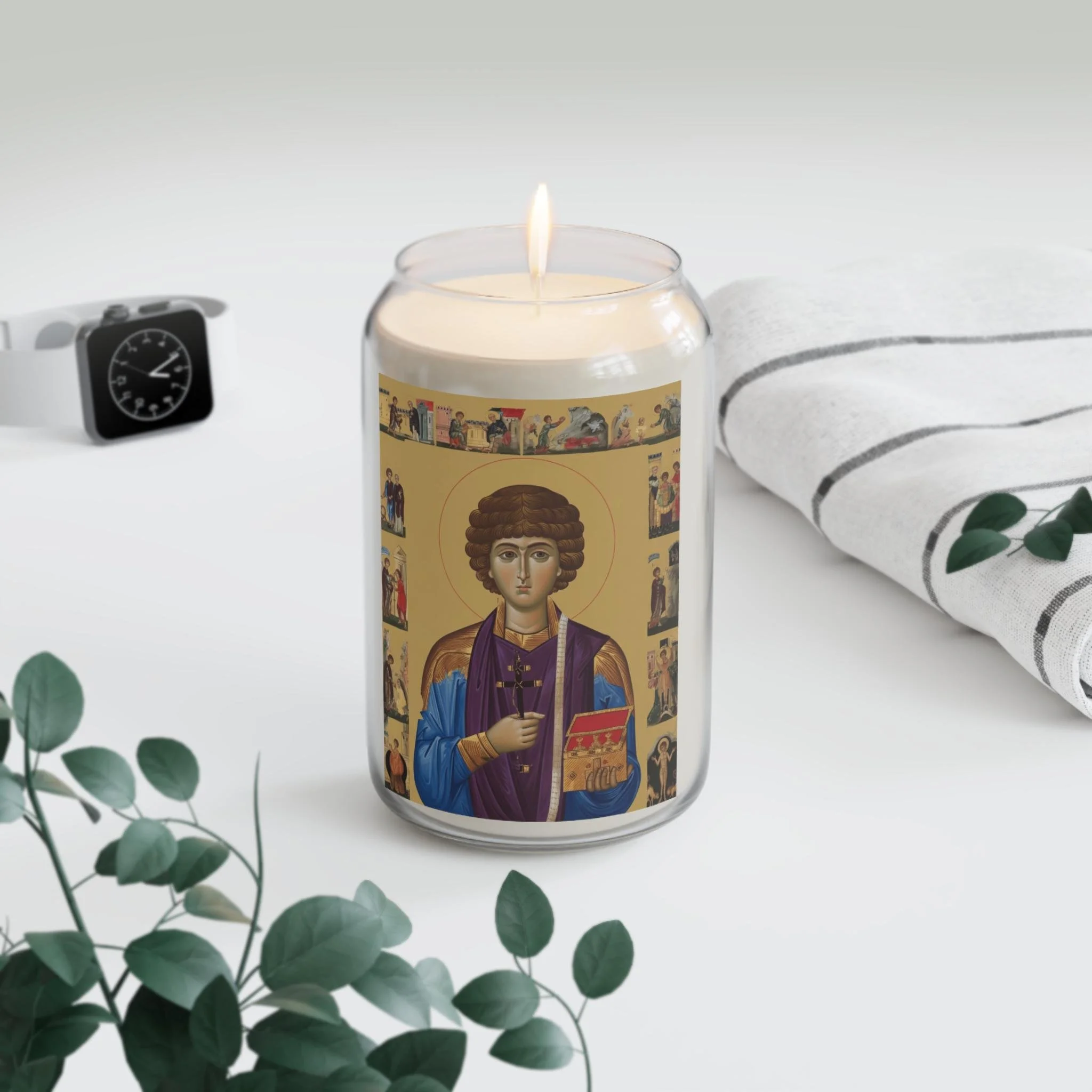
 Image 1 of 1
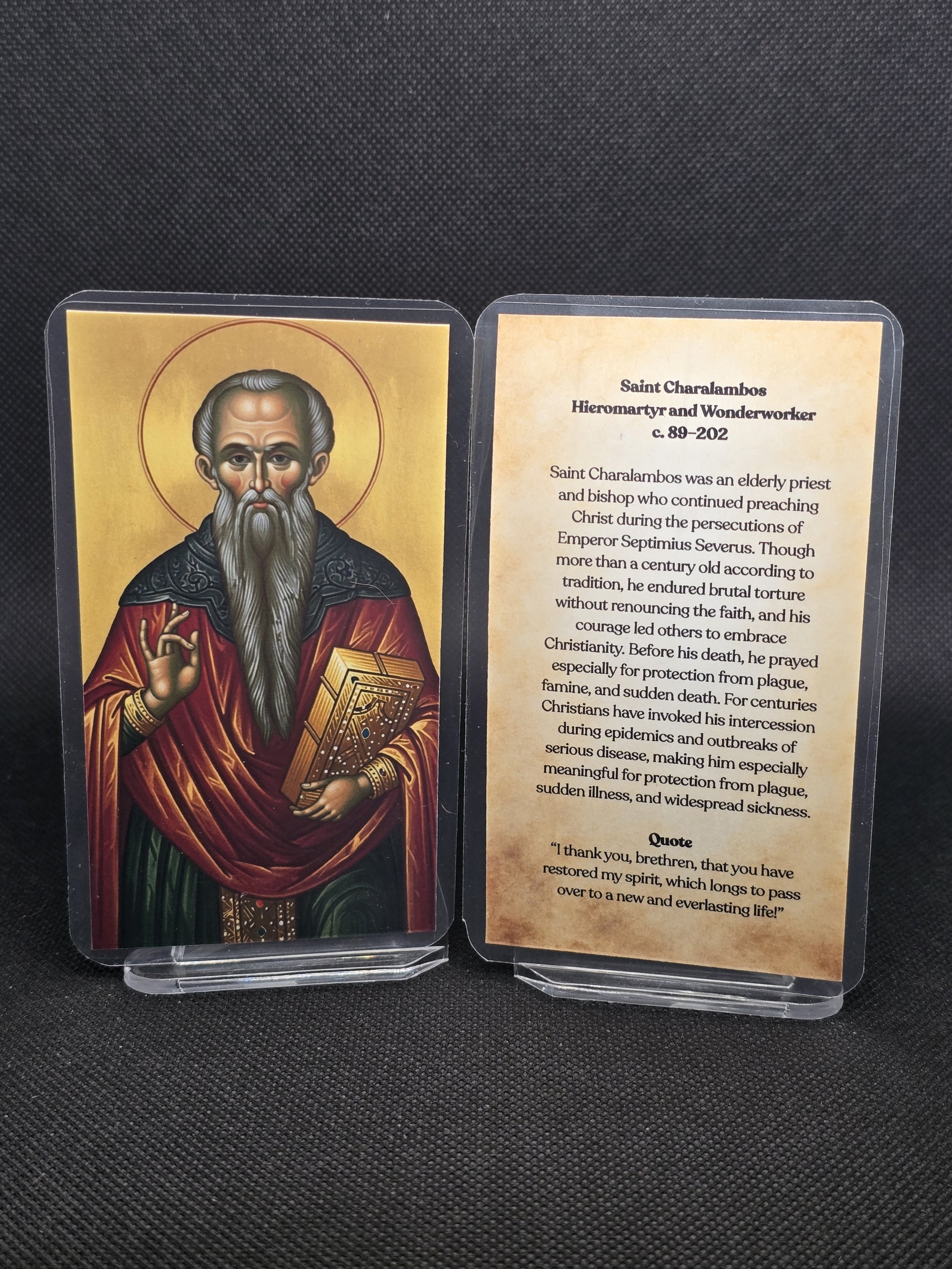
Saint Charalambos Prayer Card – Patron for Protection from Plague, Sudden Illness & Epidemics
-
A Priest in an Age of Persecution
Saint Charalambos served as a priest and spiritual father in Magnesia of Asia Minor during the late second century. Christianity was illegal. Public worship could cost one’s life.
Yet Charalambos continued preaching openly.
He strengthened believers, converted pagans, and refused to temper his proclamation of Christ.
When the Roman authorities learned of his activities, he was arrested and brought before the proconsul Lucian. Ordered to sacrifice to pagan gods, Charalambos calmly refused.
The Torture That Converted Executioners
Charalambos was subjected to savage tortures. His body was flayed with iron hooks. Flesh was torn from his bones.
Yet he did not cry out.
Instead, he prayed.
Tradition recounts that two of his torturers were so shaken by the saint’s endurance and the visible grace surrounding him that they declared themselves Christians on the spot. They were immediately executed.
Charalambos continued to endure suffering without bitterness.
Miracles Before Emperors
As news of his miracles spread, even imperial authorities took notice. Some accounts describe the emperor himself summoning Charalambos, witnessing miraculous healings, and observing signs of divine power.
In one account, a dead man was restored to life through the saint’s prayer, causing many witnesses to believe.
Despite the opportunity to save himself, Charalambos refused to renounce Christ.
Before his execution, he prayed that God would grant him authority over disease, asking that those who invoked his name with faith would be delivered from plagues and epidemics.
He was beheaded around the year 202.
His prayer was granted.
-
Saint Charalambos is especially invoked in times of widespread illness and sudden medical crisis.
Patron Saint Of:
Protection from plague and epidemics
Healing from sudden or life-threatening illness
Deliverance during outbreaks of disease
Physicians and caregivers
Communities facing public health crisis
Those suffering infectious diseases
Families praying for protection
Miracles During and After His Life
During his martyrdom, miracles accompanied him:
Executioners converted by witnessing divine grace
Reports of physical healing in the presence of authorities
Resurrection accounts in early tradition
After his death, countless communities in Greece and the Balkans invoked Saint Charalambos during outbreaks of plague. Historical records describe towns spared after public processions with his icon and relics.
Modern faithful continue to testify to:
recovery from severe infections
protection during viral outbreaks
unexpected stabilization during medical emergencies
peace amid health-related fear
Saint Charalambos is especially invoked when illness spreads rapidly and feels beyond human control.
His intercession is not abstract.
It is protective.
-
Traditional Troparion (Tone 4)
As a pillar of the Church and an unshakable champion, you were adorned with sacred vestments, O wise Charalambos. You silenced the arrogance of tyrants and were glorified by Christ God. Intercede that our souls may be saved.
Personal Prayer
Holy Hieromartyr Charalambos, fearless servant of Christ, pray for me.
Stand beside me in times of illness and fear. Intercede for protection over my family and community when disease spreads. Ask the Lord to restrain every plague, infection, and unseen threat.
Grant healing to the sick, strength to the weak, and courage to those facing medical uncertainty. Calm anxious hearts and steady trembling minds.
You who endured torture without hatred, teach me trust in suffering and peace in uncertainty.
By your powerful intercession, may my body be strengthened, my soul preserved, and my home protected under the mercy of Christ. Amen.
-
Q: What is Saint Charalambos known for?
Saint Charalambos is known as a martyr-priest who endured brutal torture and was granted authority to protect people from plagues and epidemics. He is especially invoked for protection from sudden illness and infectious disease.Q: When is Saint Charalambos’ feast day?
Saint Charalambos is commemorated on February 10.Q: Which Christian traditions venerate Saint Charalambos?
Saint Charalambos is venerated in the Eastern Orthodox Church and is widely honored in Greek and Balkan Christian tradition.Q: Why is Saint Charalambos depicted holding a Gospel book?
The Gospel symbolizes his priesthood and unwavering proclamation of Christ even under torture. It represents truth that cannot be silenced by violence.