 Image 1 of 1
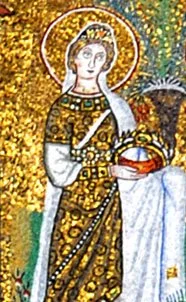
Saint Eugenia lived in the third century and was born into a noble Roman family. Her father served as a high-ranking official, and she was raised with privilege, education, and influence. Yet even within that life, she felt drawn to something deeper than status or recognition.
She did not desire power.
She desired truth.
Her feast is traditionally observed on December 24 in the Eastern Orthodox Church and December 25 in the Roman Catholic Church.
She belongs to the early martyr tradition of the Church and is venerated in both Eastern and Western Christianity, where her life is remembered as a witness to conversion, courage, and unwavering faith.
People turn to Saint Eugenia when they feel called to leave behind what is comfortable, when they are searching for clarity in their faith, and when they need courage to remain faithful under pressure.
If you feel drawn toward something deeper than the life you are currently living, if you are questioning the direction you have been given, or if you are seeking the strength to follow Christ despite opposition, Saint Eugenia speaks directly into that place.
She teaches that truth is worth pursuing.
She teaches that identity is found in Christ, not in the world.
She teaches that faith requires courage.
This prayer card is created as a spiritual heirloom. It is meant to accompany seasons of conversion, discernment, and bold faith, reminding the heart that following Christ often requires leaving something behind.
Each card is handmade and created to order. We do not keep stock, because every prayer card is treated as a unique devotional offering. They are printed on museum-quality photo paper, not cardstock. Every card is made slowly, during prayer, with intentional reverence for the saint or holy image and for the person who will receive it. Names are lifted before Christ. Intentions are held carefully. Each piece is handled multiple times in prayerful silence, asking God for mercy and asking the saint to intercede for the soul it is being made for. This is not production work. It is devotional craftsmanship shaped with patience, care, and spiritual responsibility, because every soul and every prayer matters.
Eugenia was born into a prominent Roman household. Her father, Philip, served as a governor under the Roman Empire, and she was raised in a world of wealth, learning, and expectation.
But something within her was unsettled.
She encountered the teachings of Christianity and was drawn to them with intensity. The message of Christ stirred something deeper than anything her upbringing had offered.
She chose to follow it.
In order to pursue this calling, Eugenia made a radical decision. Disguising herself as a man, she left her family and entered a monastery under the name “Eugenius.” There, she lived among the monks, dedicating herself to prayer, study, and ascetic discipline.
She did not seek recognition.
She sought transformation.
Over time, her wisdom and holiness became evident, and she was entrusted with leadership within the community. Yet her hidden identity would eventually become the center of a severe trial.
A woman falsely accused her of wrongdoing.
Eugenia did not immediately defend herself.
The accusation led to public scrutiny and judgment. Only when the situation reached a critical point did she reveal her true identity, proving her innocence and exposing the false claim.
The truth came at a cost.
Her identity as a Christian became known.
During a time of persecution, this placed her directly in danger.
Eugenia returned to her family, who were themselves brought to faith through her witness. But the peace did not last. She was eventually arrested for her Christian faith and brought before authorities.
She did not deny Christ.
She did not retreat.
She remained faithful.
She was ultimately martyred, sealing her life with the same conviction that had first led her to leave everything behind.
Her story is not only about conversion.
It is about courage.
Tradition records that Saint Eugenia was granted the gift of healing during her monastic life, caring for the sick and those in need through prayer and compassion.
Her life is associated with:
conversion and turning toward Christ
discernment of vocation
courage in the face of false accusation
endurance under persecution
She is especially meaningful for those who:
feel called to leave behind their current path
are seeking truth in the midst of confusion
need courage to remain faithful under pressure
are dealing with false accusations or misunderstanding
Her life teaches that truth may be challenged, but it cannot be destroyed.
Prayer to Saint Eugenia of Rome
O Lord Jesus Christ, who called Saint Eugenia to leave behind all things and follow You with courage and faith, through her intercession grant us the strength to seek truth and remain faithful in every trial. Help us to stand firm in our convictions, to trust in Your justice, and to follow You without fear.
Amen.
Who was Saint Eugenia of Rome?
Saint Eugenia was a noblewoman who converted to Christianity, entered monastic life in disguise, and was later martyred for her faith.
What is Saint Eugenia known for?
She is known for her conversion, her hidden life as a monk, her endurance under false accusation, and her martyrdom.
Is Saint Eugenia the patron saint of anything?
While not formally assigned a universal patronage, she is often associated with conversion, vocation, and courage in the face of adversity.
When is Saint Eugenia’s feast day?
Her feast day is celebrated on December 24 in the Eastern Orthodox Church and December 25 in the Roman Catholic Church.
Why do people pray to Saint Eugenia?
People seek her intercession when discerning their path, seeking truth, or needing strength to remain faithful in difficult situations.
Saint Eugenia lived in the third century and was born into a noble Roman family. Her father served as a high-ranking official, and she was raised with privilege, education, and influence. Yet even within that life, she felt drawn to something deeper than status or recognition.
She did not desire power.
She desired truth.
Her feast is traditionally observed on December 24 in the Eastern Orthodox Church and December 25 in the Roman Catholic Church.
She belongs to the early martyr tradition of the Church and is venerated in both Eastern and Western Christianity, where her life is remembered as a witness to conversion, courage, and unwavering faith.
People turn to Saint Eugenia when they feel called to leave behind what is comfortable, when they are searching for clarity in their faith, and when they need courage to remain faithful under pressure.
If you feel drawn toward something deeper than the life you are currently living, if you are questioning the direction you have been given, or if you are seeking the strength to follow Christ despite opposition, Saint Eugenia speaks directly into that place.
She teaches that truth is worth pursuing.
She teaches that identity is found in Christ, not in the world.
She teaches that faith requires courage.
This prayer card is created as a spiritual heirloom. It is meant to accompany seasons of conversion, discernment, and bold faith, reminding the heart that following Christ often requires leaving something behind.
Each card is handmade and created to order. We do not keep stock, because every prayer card is treated as a unique devotional offering. They are printed on museum-quality photo paper, not cardstock. Every card is made slowly, during prayer, with intentional reverence for the saint or holy image and for the person who will receive it. Names are lifted before Christ. Intentions are held carefully. Each piece is handled multiple times in prayerful silence, asking God for mercy and asking the saint to intercede for the soul it is being made for. This is not production work. It is devotional craftsmanship shaped with patience, care, and spiritual responsibility, because every soul and every prayer matters.
Eugenia was born into a prominent Roman household. Her father, Philip, served as a governor under the Roman Empire, and she was raised in a world of wealth, learning, and expectation.
But something within her was unsettled.
She encountered the teachings of Christianity and was drawn to them with intensity. The message of Christ stirred something deeper than anything her upbringing had offered.
She chose to follow it.
In order to pursue this calling, Eugenia made a radical decision. Disguising herself as a man, she left her family and entered a monastery under the name “Eugenius.” There, she lived among the monks, dedicating herself to prayer, study, and ascetic discipline.
She did not seek recognition.
She sought transformation.
Over time, her wisdom and holiness became evident, and she was entrusted with leadership within the community. Yet her hidden identity would eventually become the center of a severe trial.
A woman falsely accused her of wrongdoing.
Eugenia did not immediately defend herself.
The accusation led to public scrutiny and judgment. Only when the situation reached a critical point did she reveal her true identity, proving her innocence and exposing the false claim.
The truth came at a cost.
Her identity as a Christian became known.
During a time of persecution, this placed her directly in danger.
Eugenia returned to her family, who were themselves brought to faith through her witness. But the peace did not last. She was eventually arrested for her Christian faith and brought before authorities.
She did not deny Christ.
She did not retreat.
She remained faithful.
She was ultimately martyred, sealing her life with the same conviction that had first led her to leave everything behind.
Her story is not only about conversion.
It is about courage.
Tradition records that Saint Eugenia was granted the gift of healing during her monastic life, caring for the sick and those in need through prayer and compassion.
Her life is associated with:
conversion and turning toward Christ
discernment of vocation
courage in the face of false accusation
endurance under persecution
She is especially meaningful for those who:
feel called to leave behind their current path
are seeking truth in the midst of confusion
need courage to remain faithful under pressure
are dealing with false accusations or misunderstanding
Her life teaches that truth may be challenged, but it cannot be destroyed.
Prayer to Saint Eugenia of Rome
O Lord Jesus Christ, who called Saint Eugenia to leave behind all things and follow You with courage and faith, through her intercession grant us the strength to seek truth and remain faithful in every trial. Help us to stand firm in our convictions, to trust in Your justice, and to follow You without fear.
Amen.
Who was Saint Eugenia of Rome?
Saint Eugenia was a noblewoman who converted to Christianity, entered monastic life in disguise, and was later martyred for her faith.
What is Saint Eugenia known for?
She is known for her conversion, her hidden life as a monk, her endurance under false accusation, and her martyrdom.
Is Saint Eugenia the patron saint of anything?
While not formally assigned a universal patronage, she is often associated with conversion, vocation, and courage in the face of adversity.
When is Saint Eugenia’s feast day?
Her feast day is celebrated on December 24 in the Eastern Orthodox Church and December 25 in the Roman Catholic Church.
Why do people pray to Saint Eugenia?
People seek her intercession when discerning their path, seeking truth, or needing strength to remain faithful in difficult situations.