 Image 1 of 1
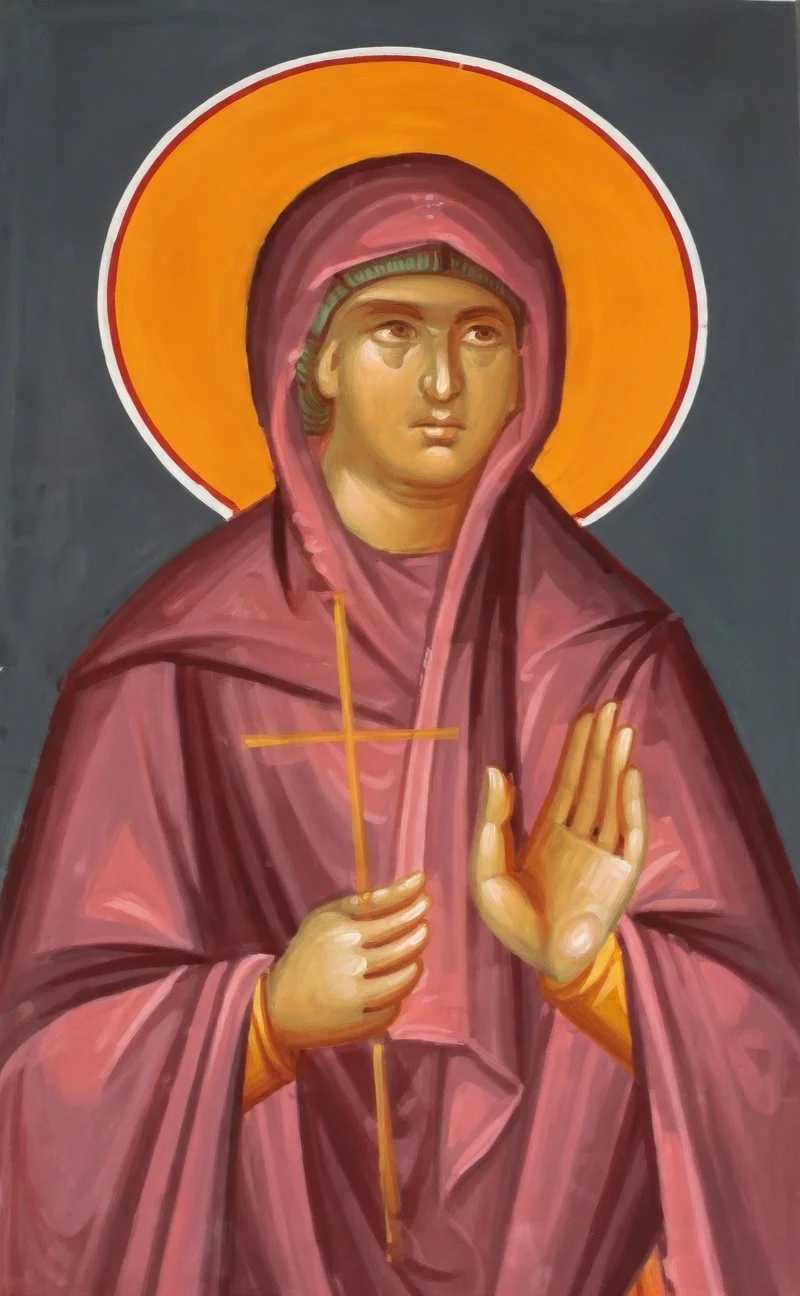
Saint Euphrosyne lived in the fifth century in Alexandria, Egypt, a city known for its wealth, influence, and intellectual life. Born into a noble Christian family, she was raised with comfort and opportunity, yet felt a deep and growing desire for something the world could not give.
She did not want status.
She wanted God.
Her feast is traditionally observed on September 25 in both Eastern Orthodox and Eastern Catholic traditions.
She belongs to the early ascetical tradition of the Church and is especially venerated within the Eastern Christian world, where her life is remembered as a powerful witness to hidden devotion, renunciation, and total commitment to Christ.
People turn to Saint Euphrosyne when they feel called away from the distractions of the world, when they struggle to hear God clearly, and when they desire a deeper life of prayer beyond surface-level faith.
If you feel pulled between comfort and calling, if you sense that God is asking for more than you are currently giving, or if you are searching for silence in a noisy life, Saint Euphrosyne speaks directly into that place.
She teaches that calling is not always visible.
She teaches that devotion often requires leaving something behind.
She teaches that intimacy with God is found in hidden places.
This prayer card is created as a spiritual heirloom. It is meant to accompany seasons of discernment, surrender, and deeper prayer, reminding the heart that God meets those who seek Him with sincerity and courage.
Each card is handmade and created to order. We do not keep stock, because every prayer card is treated as a unique devotional offering. They are printed on museum-quality photo paper, not cardstock. Every card is made slowly, during prayer, with intentional reverence for the saint or holy image and for the person who will receive it. Names are lifted before Christ. Intentions are held carefully. Each piece is handled multiple times in prayerful silence, asking God for mercy and asking the saint to intercede for the soul it is being made for. This is not production work. It is devotional craftsmanship shaped with patience, care, and spiritual responsibility, because every soul and every prayer matters.
Euphrosyne was born into a wealthy Christian household in Alexandria. Her father, Paphnutius, was a devout man who intended for her to marry and live a life consistent with her social standing.
But Euphrosyne desired something different.
From a young age, she was drawn to prayer, solitude, and the monastic life. The expectations placed on her did not align with the longing in her heart.
When her father arranged a marriage for her, she made a radical decision.
She left everything behind.
Disguising herself as a man, she entered a monastery under the name “Smaragdus.” There, she lived among the monks in secrecy, committing herself fully to a life of prayer, fasting, obedience, and hidden devotion.
She did not seek recognition.
She sought God.
Years passed, and her spiritual life deepened in silence. No one knew her true identity, and she remained faithful to her calling without revealing herself.
In time, her father, grieving her disappearance, unknowingly came to the monastery seeking spiritual guidance. He met “Smaragdus,” not realizing he was speaking to his own daughter.
Euphrosyne guided him.
She comforted him.
She led him closer to God.
Yet she never revealed who she was.
Only at the end of her life did she disclose the truth. Her father remained with her in her final days and, after her death, chose to remain in the monastery himself, dedicating his life to God.
Her life was hidden.
Her devotion was real.
Her calling was fulfilled in silence.
No major public miracles are recorded during her life, as she lived in concealment and prayer. Her life itself is the testimony.
She is often associated with:
discernment of vocation
renouncing worldly attachments
hidden prayer and interior devotion
courage to follow God’s call despite expectations
She is especially meaningful for those who:
feel called to a deeper spiritual life
struggle between worldly expectations and spiritual desire
seek clarity in moments of life direction
desire intimacy with God in quiet and hidden ways
Her life reminds the soul that God often calls quietly, and those who respond must be willing to listen in silence.
Prayer to Saint Euphrosyne of Alexandria
O Lord Jesus Christ, who called Saint Euphrosyne away from the world and into a life of hidden devotion, through her intercession grant us the grace to hear Your voice clearly and to follow where You lead. Give us courage to let go of what holds us back, humility to seek You in silence, and a heart that desires You above all things.
Amen.
Who was Saint Euphrosyne of Alexandria?
Saint Euphrosyne was a woman from Alexandria who left her wealthy life to enter a monastery disguised as a man. She lived in hidden prayer and asceticism, fully dedicating her life to God.
What is Saint Euphrosyne known for?
She is known for her radical renunciation of worldly life, her hidden identity in the monastery, and her deep commitment to prayer and devotion.
Is Saint Euphrosyne the patron saint of anything?
While not formally assigned a universal patronage, she is often associated with discernment, vocation, and those seeking a deeper spiritual life.
When is Saint Euphrosyne’s feast day?
Her feast day is celebrated on September 25 in Eastern Orthodox and Eastern Catholic traditions.
Why do people pray to Saint Euphrosyne?
People seek her intercession when discerning their life path, seeking clarity in their calling, or desiring a deeper, more focused relationship with God.
Saint Euphrosyne lived in the fifth century in Alexandria, Egypt, a city known for its wealth, influence, and intellectual life. Born into a noble Christian family, she was raised with comfort and opportunity, yet felt a deep and growing desire for something the world could not give.
She did not want status.
She wanted God.
Her feast is traditionally observed on September 25 in both Eastern Orthodox and Eastern Catholic traditions.
She belongs to the early ascetical tradition of the Church and is especially venerated within the Eastern Christian world, where her life is remembered as a powerful witness to hidden devotion, renunciation, and total commitment to Christ.
People turn to Saint Euphrosyne when they feel called away from the distractions of the world, when they struggle to hear God clearly, and when they desire a deeper life of prayer beyond surface-level faith.
If you feel pulled between comfort and calling, if you sense that God is asking for more than you are currently giving, or if you are searching for silence in a noisy life, Saint Euphrosyne speaks directly into that place.
She teaches that calling is not always visible.
She teaches that devotion often requires leaving something behind.
She teaches that intimacy with God is found in hidden places.
This prayer card is created as a spiritual heirloom. It is meant to accompany seasons of discernment, surrender, and deeper prayer, reminding the heart that God meets those who seek Him with sincerity and courage.
Each card is handmade and created to order. We do not keep stock, because every prayer card is treated as a unique devotional offering. They are printed on museum-quality photo paper, not cardstock. Every card is made slowly, during prayer, with intentional reverence for the saint or holy image and for the person who will receive it. Names are lifted before Christ. Intentions are held carefully. Each piece is handled multiple times in prayerful silence, asking God for mercy and asking the saint to intercede for the soul it is being made for. This is not production work. It is devotional craftsmanship shaped with patience, care, and spiritual responsibility, because every soul and every prayer matters.
Euphrosyne was born into a wealthy Christian household in Alexandria. Her father, Paphnutius, was a devout man who intended for her to marry and live a life consistent with her social standing.
But Euphrosyne desired something different.
From a young age, she was drawn to prayer, solitude, and the monastic life. The expectations placed on her did not align with the longing in her heart.
When her father arranged a marriage for her, she made a radical decision.
She left everything behind.
Disguising herself as a man, she entered a monastery under the name “Smaragdus.” There, she lived among the monks in secrecy, committing herself fully to a life of prayer, fasting, obedience, and hidden devotion.
She did not seek recognition.
She sought God.
Years passed, and her spiritual life deepened in silence. No one knew her true identity, and she remained faithful to her calling without revealing herself.
In time, her father, grieving her disappearance, unknowingly came to the monastery seeking spiritual guidance. He met “Smaragdus,” not realizing he was speaking to his own daughter.
Euphrosyne guided him.
She comforted him.
She led him closer to God.
Yet she never revealed who she was.
Only at the end of her life did she disclose the truth. Her father remained with her in her final days and, after her death, chose to remain in the monastery himself, dedicating his life to God.
Her life was hidden.
Her devotion was real.
Her calling was fulfilled in silence.
No major public miracles are recorded during her life, as she lived in concealment and prayer. Her life itself is the testimony.
She is often associated with:
discernment of vocation
renouncing worldly attachments
hidden prayer and interior devotion
courage to follow God’s call despite expectations
She is especially meaningful for those who:
feel called to a deeper spiritual life
struggle between worldly expectations and spiritual desire
seek clarity in moments of life direction
desire intimacy with God in quiet and hidden ways
Her life reminds the soul that God often calls quietly, and those who respond must be willing to listen in silence.
Prayer to Saint Euphrosyne of Alexandria
O Lord Jesus Christ, who called Saint Euphrosyne away from the world and into a life of hidden devotion, through her intercession grant us the grace to hear Your voice clearly and to follow where You lead. Give us courage to let go of what holds us back, humility to seek You in silence, and a heart that desires You above all things.
Amen.
Who was Saint Euphrosyne of Alexandria?
Saint Euphrosyne was a woman from Alexandria who left her wealthy life to enter a monastery disguised as a man. She lived in hidden prayer and asceticism, fully dedicating her life to God.
What is Saint Euphrosyne known for?
She is known for her radical renunciation of worldly life, her hidden identity in the monastery, and her deep commitment to prayer and devotion.
Is Saint Euphrosyne the patron saint of anything?
While not formally assigned a universal patronage, she is often associated with discernment, vocation, and those seeking a deeper spiritual life.
When is Saint Euphrosyne’s feast day?
Her feast day is celebrated on September 25 in Eastern Orthodox and Eastern Catholic traditions.
Why do people pray to Saint Euphrosyne?
People seek her intercession when discerning their life path, seeking clarity in their calling, or desiring a deeper, more focused relationship with God.