 Image 1 of 2
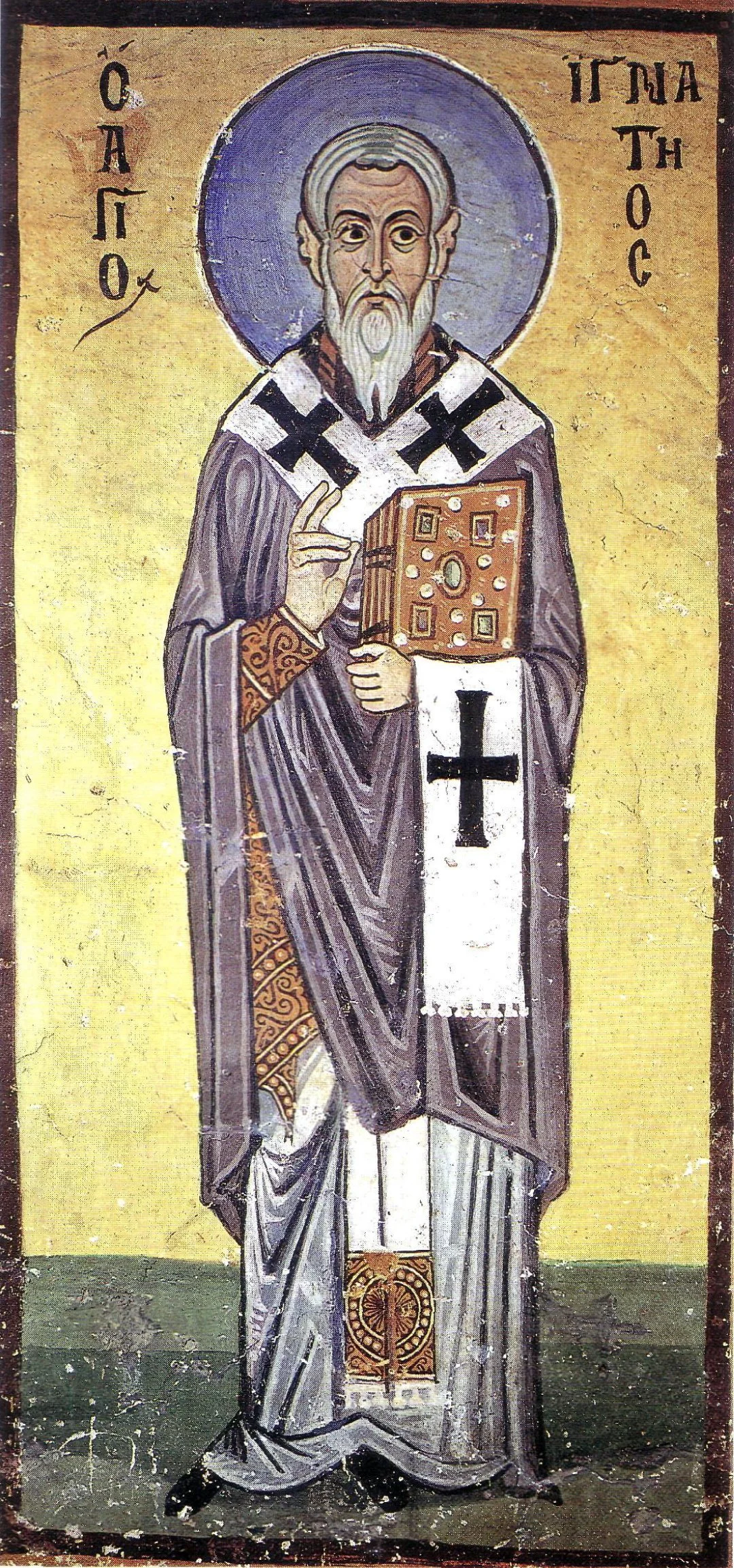 Image 2 of 2
-
THE LIFE & STORY
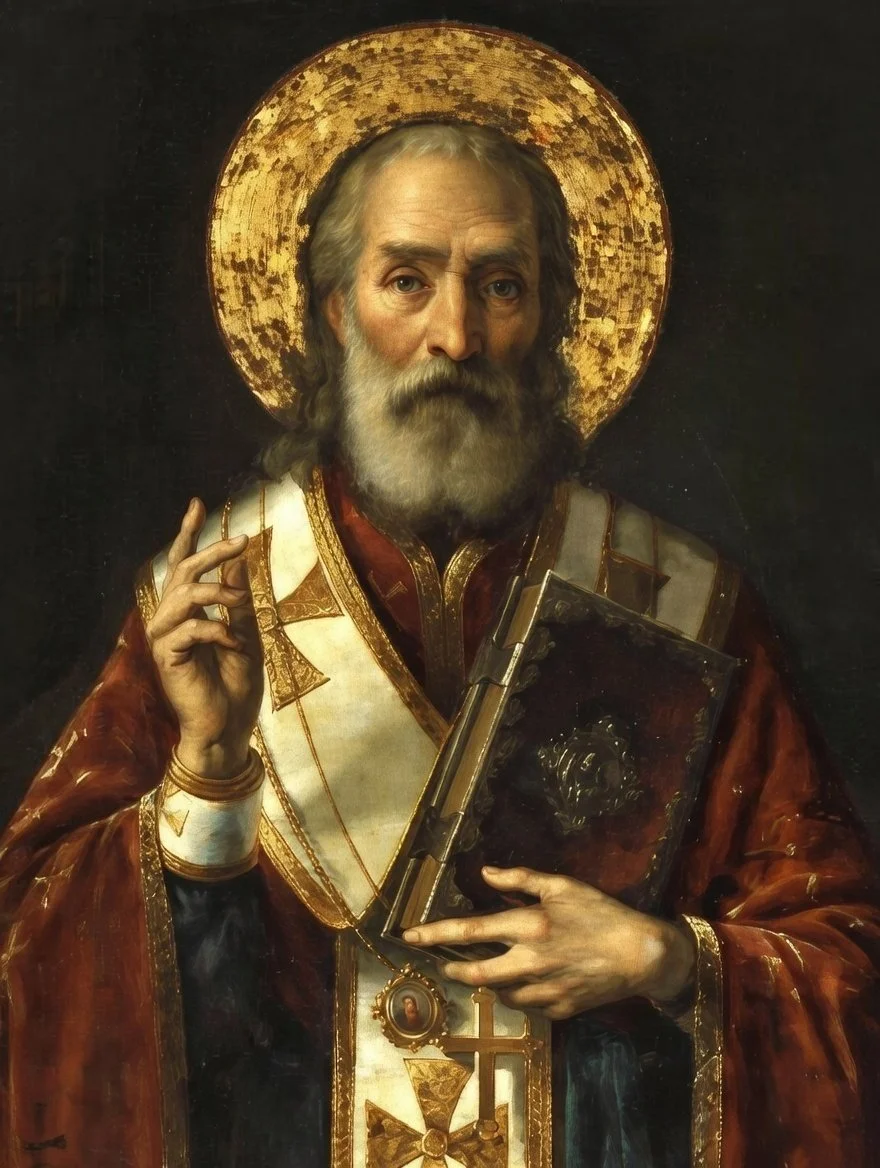
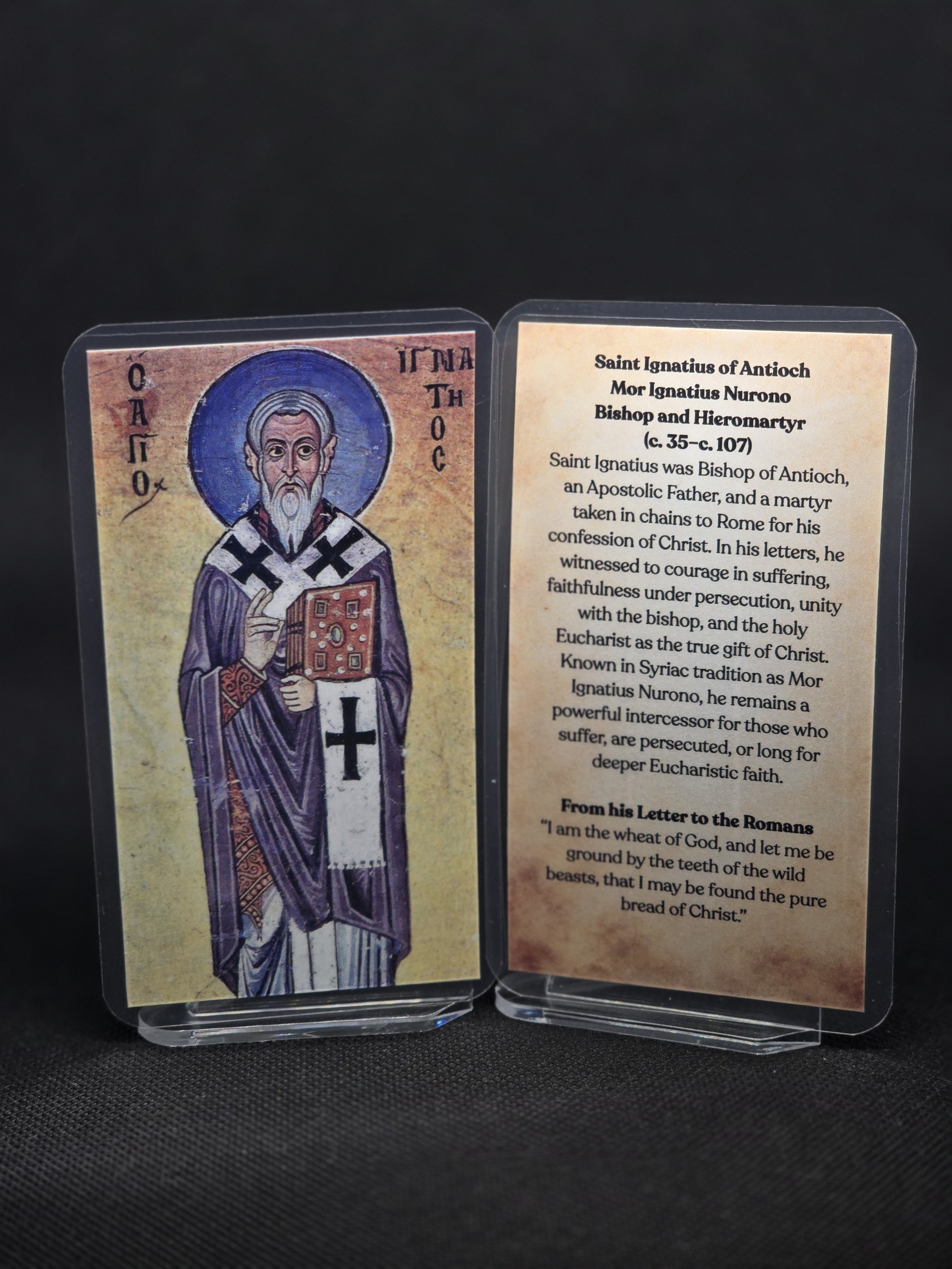
Ignatius was bishop of Antioch, one of the most significant Christian centers of the first century. Antioch was where believers were first called Christians. It was a city of cultural collision, theological debate, and growing persecution.
As bishop, Ignatius shepherded a young Church still forming its identity.
During Emperor Trajan’s reign, local authorities arrested Ignatius for refusing to renounce Christ. Instead of executing him locally, they sent him to Rome to face death in the arena, likely as public spectacle.
Under military guard, he traveled through Asia Minor. Christian communities came out to meet him along the way. In Smyrna and Troas, he wrote letters to the Ephesians, Magnesians, Trallians, Romans, Philadelphians, Smyrnaeans, and to Polycarp.
These letters reveal a soul already detached from fear.
Ignatius wrote about unity around the bishop as a safeguard of truth. He spoke clearly about the Eucharist as the true Body of Christ. He warned against early heresies that denied Christ’s real humanity. He pleaded with believers to remain unified and obedient in love.
Most strikingly, in his Letter to the Romans, he asked the Church not to rescue him. He described himself as “God’s wheat” to be ground by the teeth of wild beasts so that he might become “pure bread of Christ.”
This was not morbid longing.
It was mystical surrender.
In Rome, Ignatius was thrown to wild animals in the arena, sealing his witness in blood.
His death strengthened the Church.
His letters became foundational texts for understanding early ecclesiology and Eucharistic theology.
He remains one of the clearest voices from the generation immediately after the apostles.
-
MIRACLES & PATRONAGE
Patron Saint Of:
Courage during persecution or suffering
Strength when facing unavoidable hardship
Deep Eucharistic devotion
Unity within the Church
Perseverance in faith under pressure
Saint Ignatius is remembered less for posthumous healing miracles and more for the enduring spiritual power of his letters.
During his lifetime, his words strengthened communities shaken by fear. His theological clarity helped guard early Christianity from doctrinal confusion. His martyrdom became a rallying testimony for believers facing similar threats.
After his death, devotion to Ignatius spread rapidly throughout East and West. His intercession is sought especially by those preparing for difficult trials, those facing hostility toward their faith, and those seeking deeper reverence for the Eucharist.
His miracles often appear as strengthened resolve, renewed clarity about Church unity, and peace in the face of suffering.
He remains a companion to those walking toward difficult obedience.
-
PRAYERS
(Authentic words from Saint Ignatius)
From the Letter to the Romans
“I am God’s wheat, and I am ground by the teeth of wild beasts that I may be found pure bread of Christ.
Allow me to become food for the beasts, through whom it is possible to attain to God.
I desire Him who died for us. I seek Him who rose again for our sake.
It is better for me to die in Christ Jesus than to reign over the ends of the earth.”
These words are preserved in his authentic epistles and remain among the most powerful early Christian expressions of martyrdom and Eucharistic union.
-
FAQ
What is Saint Ignatius Nurono known for?
He is known as an Apostolic Father, bishop of Antioch, and martyr who wrote influential letters on Church unity and the Eucharist while on his way to execution in Rome.When is his feast day?
October 17 in the Roman Catholic calendar, December 20 in the Eastern Orthodox calendar, with corresponding commemorations in the Syriac tradition.Which Christian traditions venerate Saint Ignatius?
He is venerated by the Syriac Orthodox Church, the Eastern Orthodox Church, and the Universal Catholic Church.Why do people pray to Saint Ignatius for courage and Eucharistic faith?
Because his letters show fearless surrender to Christ and deep reverence for the Eucharist as the true Body of the Lord. He is invoked by those seeking strength in suffering and clarity in Church unity.