 Image 1 of 1
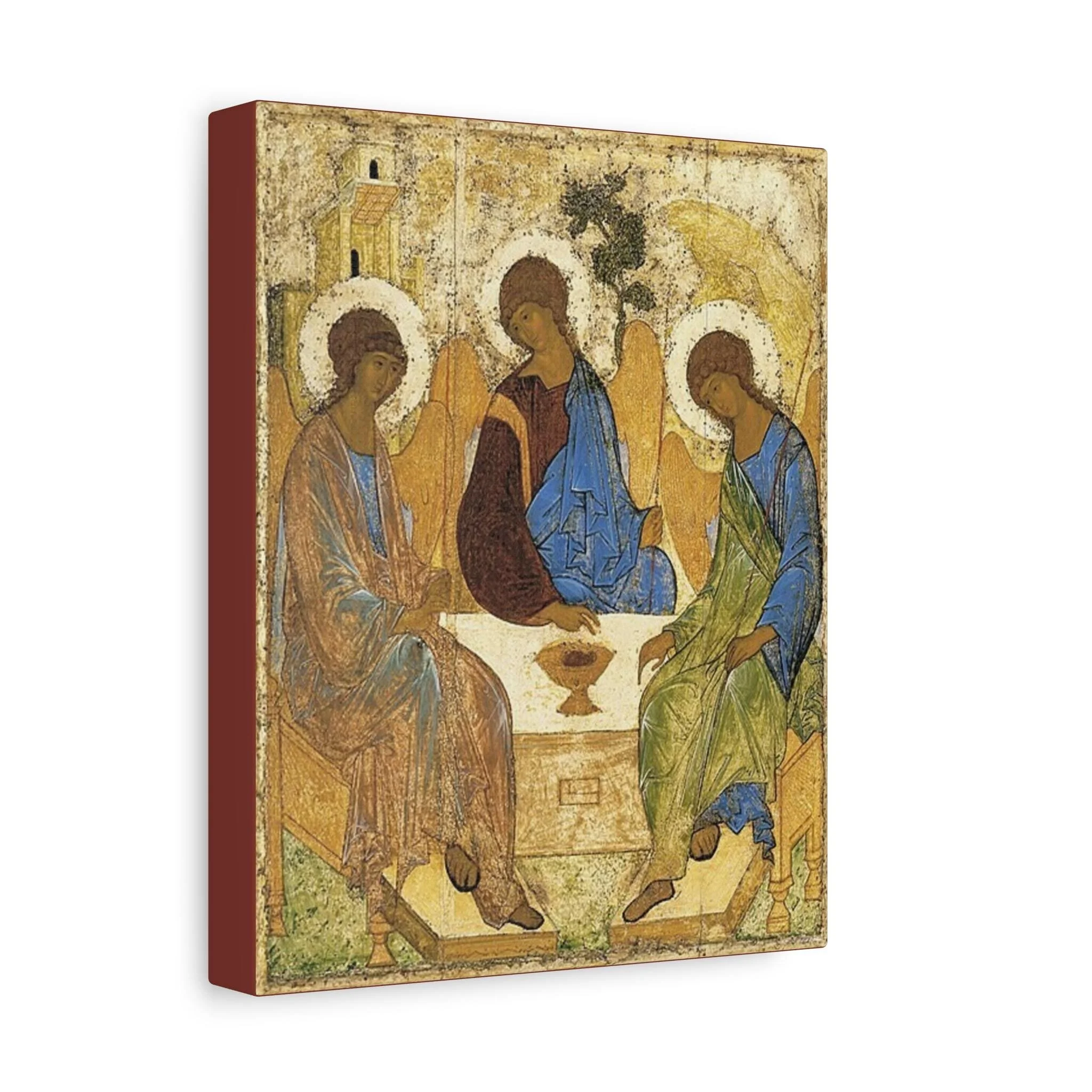
Saint Job the Much-Suffering Prayer Card – Patron for Extreme Trials, Financial Loss & Endurance Through Suffering
-
A Righteous Man Suddenly Reduced to Nothing
Saint Job lived in the land of Uz and was described in Scripture as “blameless and upright, fearing God and turning away from evil.” He was prosperous, respected, and deeply devoted to prayer, regularly offering sacrifices on behalf of his children.
He was a man of spiritual responsibility.
Then everything fell apart.
In rapid succession:
Raiders stole his livestock
Fire destroyed his property
A storm killed all his children
His body became covered in painful sores
He went from honored patriarch to broken sufferer almost overnight.
Job tore his garments, shaved his head, and fell to the ground in worship.
Not denial.
Worship.
Abandoned by Comfort, Surrounded by Accusation
Job’s friends arrived intending to comfort him. Instead, they accused him. They insisted his suffering must be punishment for hidden sin. They pressured him to confess crimes he had not committed.
Even his wife urged him to curse God and die.
Job did not pretend strength.
He cried out in anguish. He questioned. He lamented. He poured out grief with raw honesty.
Yet he never abandoned God.
His famous declaration still echoes through centuries:
“Though He slay me, yet will I trust Him.”
Job teaches that faith does not require emotional numbness. It requires refusal to let go of God when everything else is gone.
God Speaks from the Whirlwind
After prolonged silence, God answered Job, not with explanations, but with revelation.
He reminded Job of the vastness of creation, the mystery of providence, and the limits of human understanding. Job responded with humility, repentance, and awe.
Then restoration came.
Job’s health was renewed.
His fortunes were doubled.
Children were born again into his household.
But Scripture makes something clear: Job’s righteousness existed before restoration.
His sanctity was proven in loss.
-
Saint Job is especially invoked by those experiencing overwhelming collapse and prolonged trials.
Patron Saint Of:
Sudden financial loss and bankruptcy
Unexplained suffering and long-term hardship
Endurance during extreme trials
Those facing business failure
Families grieving multiple losses
People suffering without clear cause
Anyone tempted to despair
Miracles and Ongoing Intercession
Saint Job’s miracles are often interior before they are external.
Faithful testify to:
supernatural peace during financial ruin
strength to endure when everything feels lost
restored hope after devastating diagnoses
renewed trust after betrayal or abandonment
eventual material restoration after prolonged hardship
Some experience direct improvement in circumstances.
Others receive something equally powerful: the grace to survive without bitterness.
Saint Job specializes in sustaining souls through storms that do not end quickly.
He teaches how to remain faithful when restoration is delayed.
-
Traditional Troparion (Tone 4)
You persevered in righteousness, O much-suffering Job, and were crowned with glory. You endured trials with patience and received double blessings from God. Intercede for us who honor your holy memory.
Personal Prayer
Holy Saint Job the Much-Suffering, companion of the broken and witness of faithful endurance, pray for me.
Intercede when loss surrounds me and answers are absent. Strengthen me in financial hardship, emotional collapse, and seasons of suffering that feel endless.
Teach me how to lament without losing faith, how to grieve without cursing God, and how to wait when restoration is slow.
Pray for those who have lost income, family, health, or dignity. Obtain perseverance for weary souls and hope for those standing in ashes.
You who trusted God when everything was taken, help me cling to Him when nothing makes sense.
By your prayers, may despair be defeated and faith preserved. Amen.
-
Common Questions (FAQ)
Q: What is Saint Job the Much-Suffering known for?
Saint Job is known for remaining faithful to God after losing his wealth, children, health, and social standing. He is especially invoked for financial collapse, unexplained suffering, and endurance through extreme trials.Q: When is Saint Job’s feast day?
Saint Job the Much-Suffering is commemorated on May 6.Q: Which Christian traditions venerate Saint Job?
Saint Job is venerated in both the Eastern Orthodox Church and the Catholic Church as a model of patience and faithful endurance.Q: Why is Saint Job depicted seated on ashes in icons?
The ashes symbolize mourning, humility, and repentance. They represent Job’s complete surrender to God after losing everything, while still refusing to abandon faith.