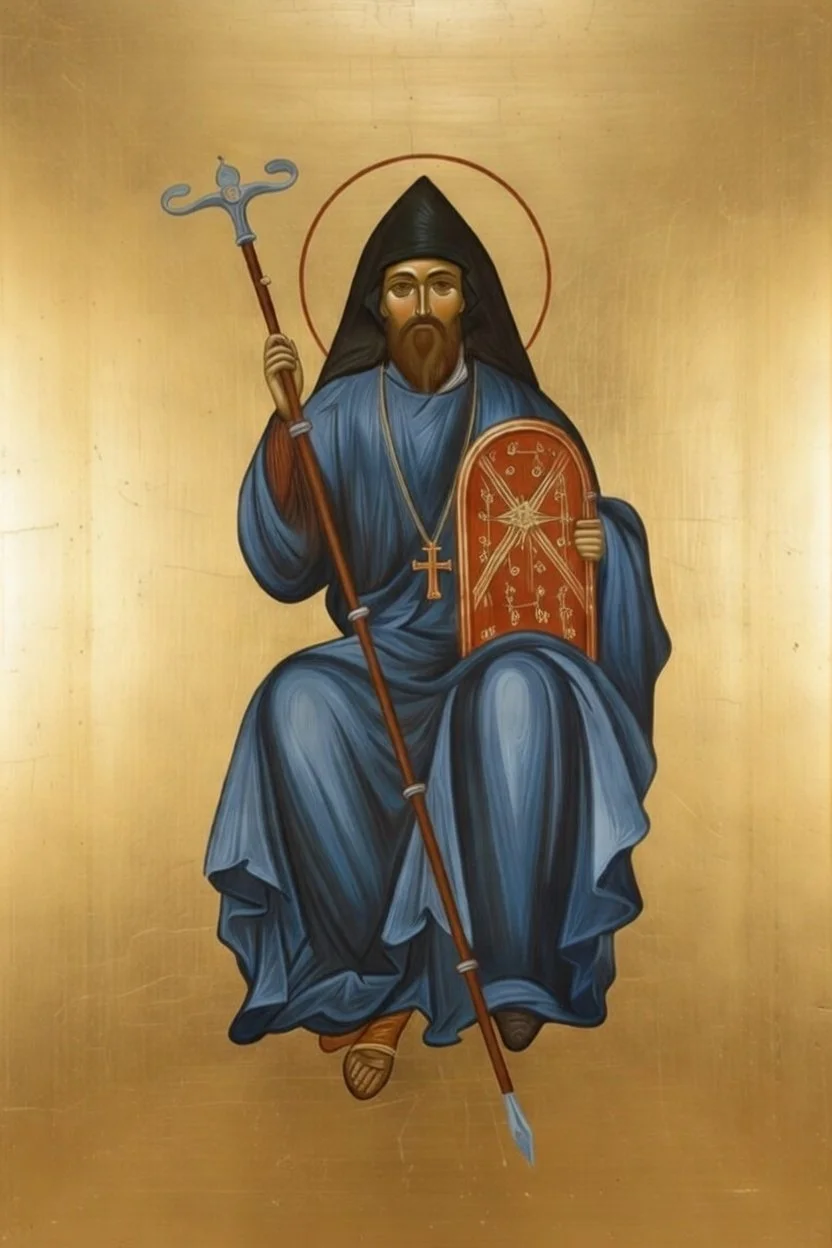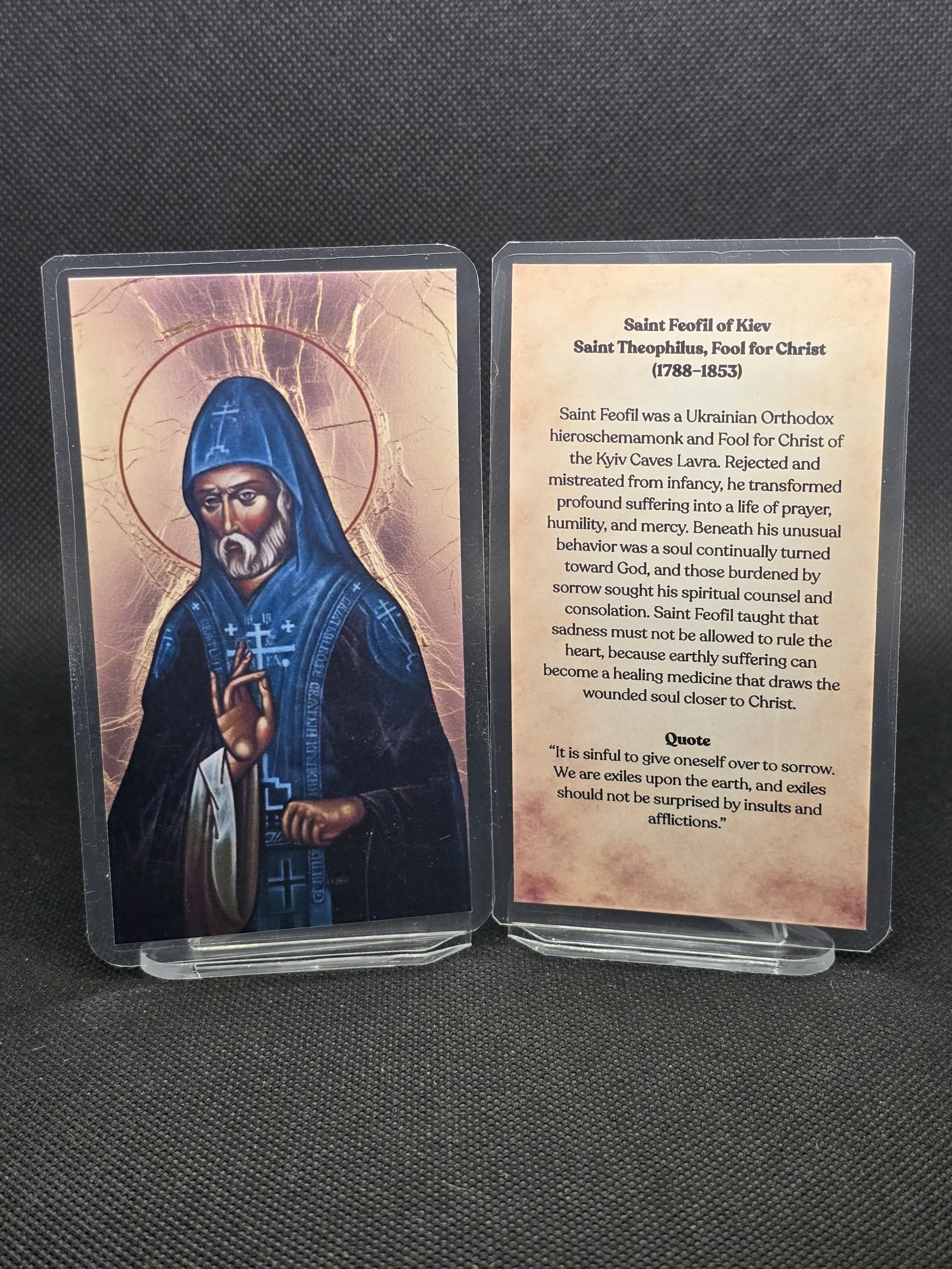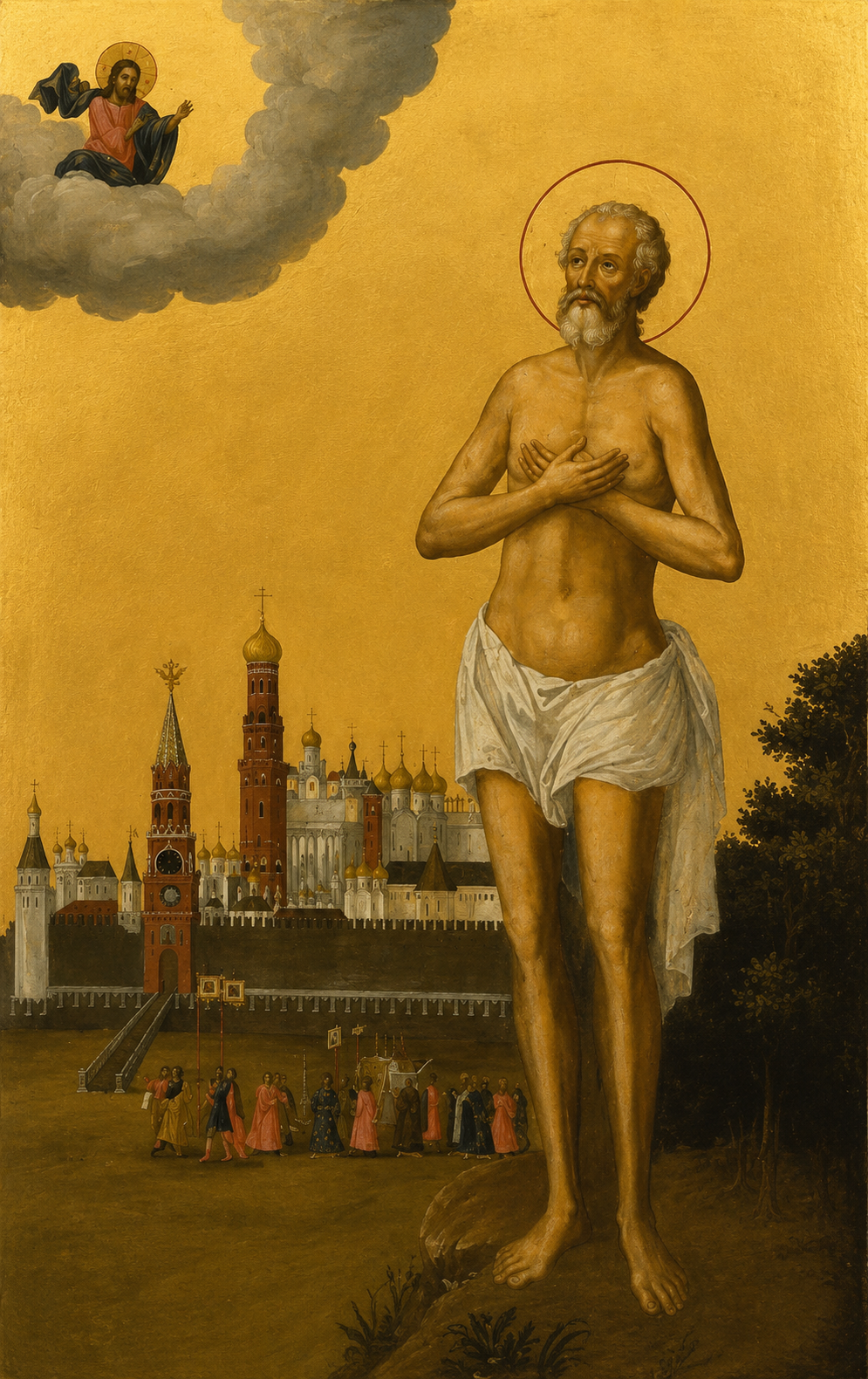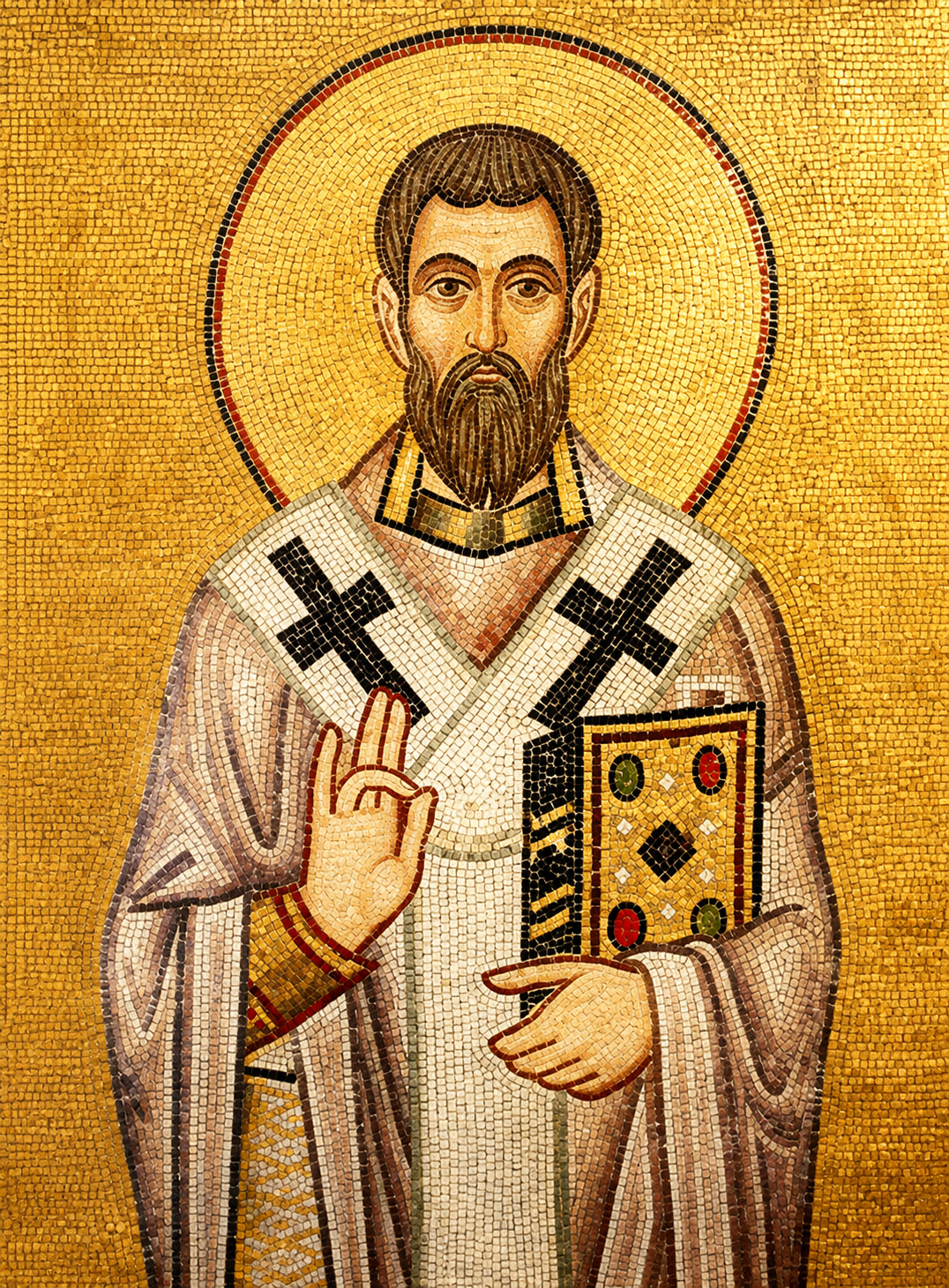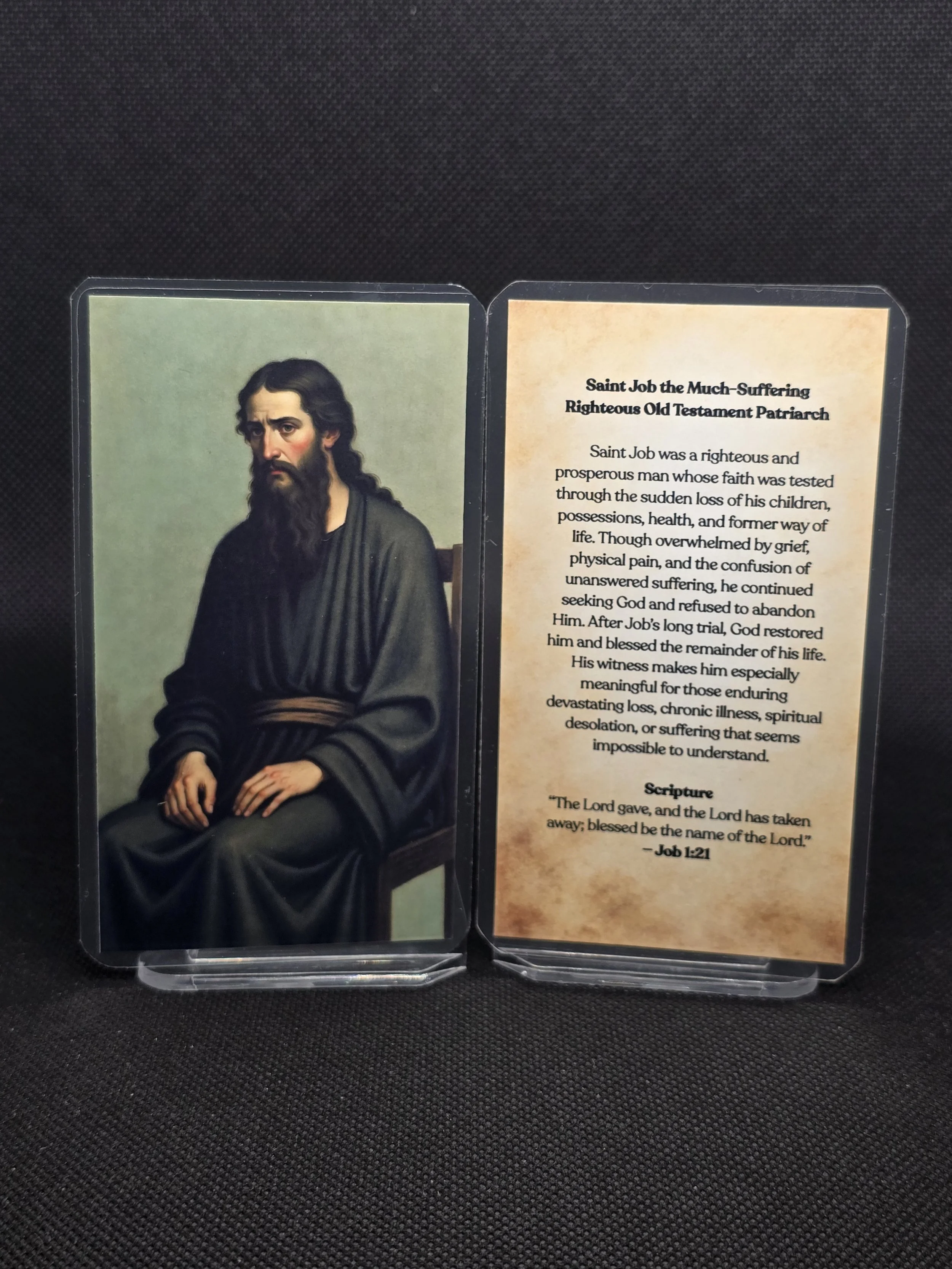
Saint Job the Much-Suffering Prayer Card – Patron for Endurance in Suffering, Persecution for Faith & Strength During Long Trials
$3.00

Saint Job the Much-Suffering is one of Eastern Christianity’s quiet giants, venerated in the Eastern Orthodox Church and deeply honored by Eastern Catholics who look to him as a model of unbreakable faith under relentless pressure. His feast day is celebrated on October 28, with some local traditions also commemorating him on May 10.

Saint Job did not suffer once.

He suffered for decades.

Born into Orthodox Christian life in sixteenth-century Volhynia, Job entered monasticism as a young man and quickly discovered that devotion to Christ would cost him everything familiar. He endured repeated attacks on his monastery, political persecution, betrayal by fellow Christians, and constant pressure from authorities attempting to force him into religious compromise.

He was beaten.
He was slandered.
He was driven from his home.
He watched sacred spaces desecrated.

And still he prayed.

Job became abbot of the Pochaev Monastery during one of the most violent religious conflicts in Eastern Europe, when Orthodox believers were being coerced into abandoning their faith. Armed groups raided monasteries. Clergy were threatened. Communities fractured.

Job stood unmoved.

He rebuilt what was destroyed. He restored what was burned. He strengthened monks who were afraid. He taught Scripture in secret when it was forbidden. He fasted while enemies plotted. He forgave when bitterness would have been justified.

Today, Saint Job is prayed to by people enduring prolonged hardship, unjust treatment, spiritual attacks, and seasons of suffering that feel endless. He is especially sought by those facing persecution for their faith, emotional exhaustion from ongoing trials, and the quiet despair that comes when relief does not arrive quickly.

This prayer card honors his holy stubbornness and patient endurance.

Each card is handmade in Austin and created to order. We do not keep stock, because every prayer card is treated as a unique devotional offering. They are printed on museum-quality photo paper, not cardstock, and each one is made during prayer. The saints are venerated throughout the entire process, and prayers are intentionally offered for the person who will receive the card. These are not mass-produced items. They are created slowly, reverently, and with spiritual intention, because every soul and every prayer matters.

Saint Job the Much-Suffering is one of Eastern Christianity’s quiet giants, venerated in the Eastern Orthodox Church and deeply honored by Eastern Catholics who look to him as a model of unbreakable faith under relentless pressure. His feast day is celebrated on October 28, with some local traditions also commemorating him on May 10.

Saint Job did not suffer once.

He suffered for decades.

Born into Orthodox Christian life in sixteenth-century Volhynia, Job entered monasticism as a young man and quickly discovered that devotion to Christ would cost him everything familiar. He endured repeated attacks on his monastery, political persecution, betrayal by fellow Christians, and constant pressure from authorities attempting to force him into religious compromise.

He was beaten.
He was slandered.
He was driven from his home.
He watched sacred spaces desecrated.

And still he prayed.

Job became abbot of the Pochaev Monastery during one of the most violent religious conflicts in Eastern Europe, when Orthodox believers were being coerced into abandoning their faith. Armed groups raided monasteries. Clergy were threatened. Communities fractured.

Job stood unmoved.

He rebuilt what was destroyed. He restored what was burned. He strengthened monks who were afraid. He taught Scripture in secret when it was forbidden. He fasted while enemies plotted. He forgave when bitterness would have been justified.

Today, Saint Job is prayed to by people enduring prolonged hardship, unjust treatment, spiritual attacks, and seasons of suffering that feel endless. He is especially sought by those facing persecution for their faith, emotional exhaustion from ongoing trials, and the quiet despair that comes when relief does not arrive quickly.

This prayer card honors his holy stubbornness and patient endurance.

Each card is handmade in Austin and created to order. We do not keep stock, because every prayer card is treated as a unique devotional offering. They are printed on museum-quality photo paper, not cardstock, and each one is made during prayer. The saints are venerated throughout the entire process, and prayers are intentionally offered for the person who will receive the card. These are not mass-produced items. They are created slowly, reverently, and with spiritual intention, because every soul and every prayer matters.

Sizes:
Rublev Holy Trinity Icon Canvas | Orthodox Christian Art Rublev Holy Trinity Icon Canvas | Orthodox Christian Art Rublev Holy Trinity Icon Canvas | Orthodox Christian Art Rublev Holy Trinity Icon Canvas | Orthodox Christian Art Rublev Holy Trinity Icon Canvas | Orthodox Christian Art Rublev Holy Trinity Icon Canvas | Orthodox Christian Art Rublev Holy Trinity Icon Canvas | Orthodox Christian Art Rublev Holy Trinity Icon Canvas | Orthodox Christian Art Rublev Holy Trinity Icon Canvas | Orthodox Christian Art Rublev Holy Trinity Icon Canvas | Orthodox Christian Art Rublev Holy Trinity Icon Canvas | Orthodox Christian Art Rublev Holy Trinity Icon Canvas | Orthodox Christian Art
Sizes:
  • Saint Job was born around 1551 into a deeply Orthodox family in what is now western Ukraine. Drawn early to prayer and silence, he entered monastic life while still young, seeking nothing but closeness to God.

    His spiritual formation happened quickly.

    So did opposition.

    By his early adulthood, Job was already living under pressure from political and religious forces attempting to dismantle Orthodox communities. When he became abbot of Pochaev Monastery, he inherited not peace, but crisis.

    The region was engulfed in religious conflict. Armed groups repeatedly invaded the monastery. Sacred books were destroyed. Monks were beaten. Orthodox believers were pressured to submit to union with Rome under threat of violence.

    Job refused.

    He defended Orthodoxy not with weapons, but with prayer, teaching, and quiet courage. He copied manuscripts by hand, preserved theological writings, and strengthened believers who were losing hope. When the monastery was seized, he endured displacement. When it was returned, he rebuilt it.

    Again and again.

    He also faced betrayal from within, including legal attacks from those who sought control of the monastery lands. Even some who claimed Christ worked against him.

    Job bore it all.

    He became known for long nights of prayer, severe fasting, and unshakable calm. He lived simply, slept little, and carried the weight of his people silently.

    In his later years, he withdrew into deeper solitude, praying constantly for the Church while continuing to guide his monks. He reposed peacefully around 1651 after a lifetime of endurance.

    Years later, when his relics were uncovered, they were found incorrupt.

    His suffering had sanctified him.

  • Saint Job is remembered as a protector of the faithful during prolonged trials.

    He is especially beloved by those who feel worn down by hardship.

    Patron Saint Of:

    • Endurance in long-term suffering

    • Persecution for faith

    • Emotional exhaustion from ongoing trials

    • Spiritual attacks and opposition

    • Unjust treatment and betrayal

    • Perseverance when answers delay

    • Rebuilding life after repeated loss

    Miracles and Ongoing Intercession

    After his repose, miracles were reported at Pochaev, including physical healings and deep interior consolation for those overwhelmed by suffering. Many who prayed near his relics spoke of renewed strength after seasons of despair.

    Believers continue to testify to clarity during spiritual confusion, courage returning after burnout, and peace settling into hearts exhausted by prolonged struggle.

    His miracles arrive quietly.

    They come as stamina returning.
    They come as patience rediscovered.
    They come as faith holding steady when circumstances do not change.

    Saint Job teaches that holiness often looks like simply not giving up.

  • Traditional Prayer

    Holy Father Job, much-suffering confessor of Christ, pray for us. Obtain for us patience in trials, courage in persecution, and steadfast faith in every hardship. Amen.

    Personal Prayer

    Holy Saint Job, steadfast witness of endurance, pray for me.

    You know what it means to suffer slowly.
    You understand pressure that does not lift.
    You remained faithful when everything around you collapsed.

    I bring you my weariness.

    If trials feel endless, strengthen me.
    If injustice weighs on my heart, steady me.
    If spiritual opposition surrounds me, cover me in prayer.

    Intercede for my life.

    Teach me how to remain faithful when answers delay.
    Teach me patience when exhaustion rises.
    Teach me courage when hope feels fragile.

    Saint Job, you rebuilt what was destroyed.

    Help me rebuild what suffering has taken from me.

    Stand beside me in discouragement.
    Stand beside me in quiet perseverance.
    Stand beside me while healing unfolds slowly.

    By your intercession, may Christ grant endurance to my body, peace to my mind, and unshakable trust to my soul.

    Amen.

  • Q: What is Saint Job the Much-Suffering known for?
    He is known for enduring decades of persecution, violence, and betrayal while defending Orthodox Christianity and strengthening believers through prayer and perseverance.

    Q: When is Saint Job’s feast day?
    He is commemorated on October 28, with some traditions also observing him on May 10.

    Q: Which Christian traditions venerate Saint Job the Much-Suffering?
    He is honored primarily in Eastern Orthodoxy and deeply respected by Eastern Catholics for his witness of endurance and faith under persecution.

    Q: Why do people pray to Saint Job for long-term suffering or persecution?
    Because he personally endured relentless hardship without losing faith. Many seek his intercession when trials persist, injustice feels overwhelming, or strength seems depleted.