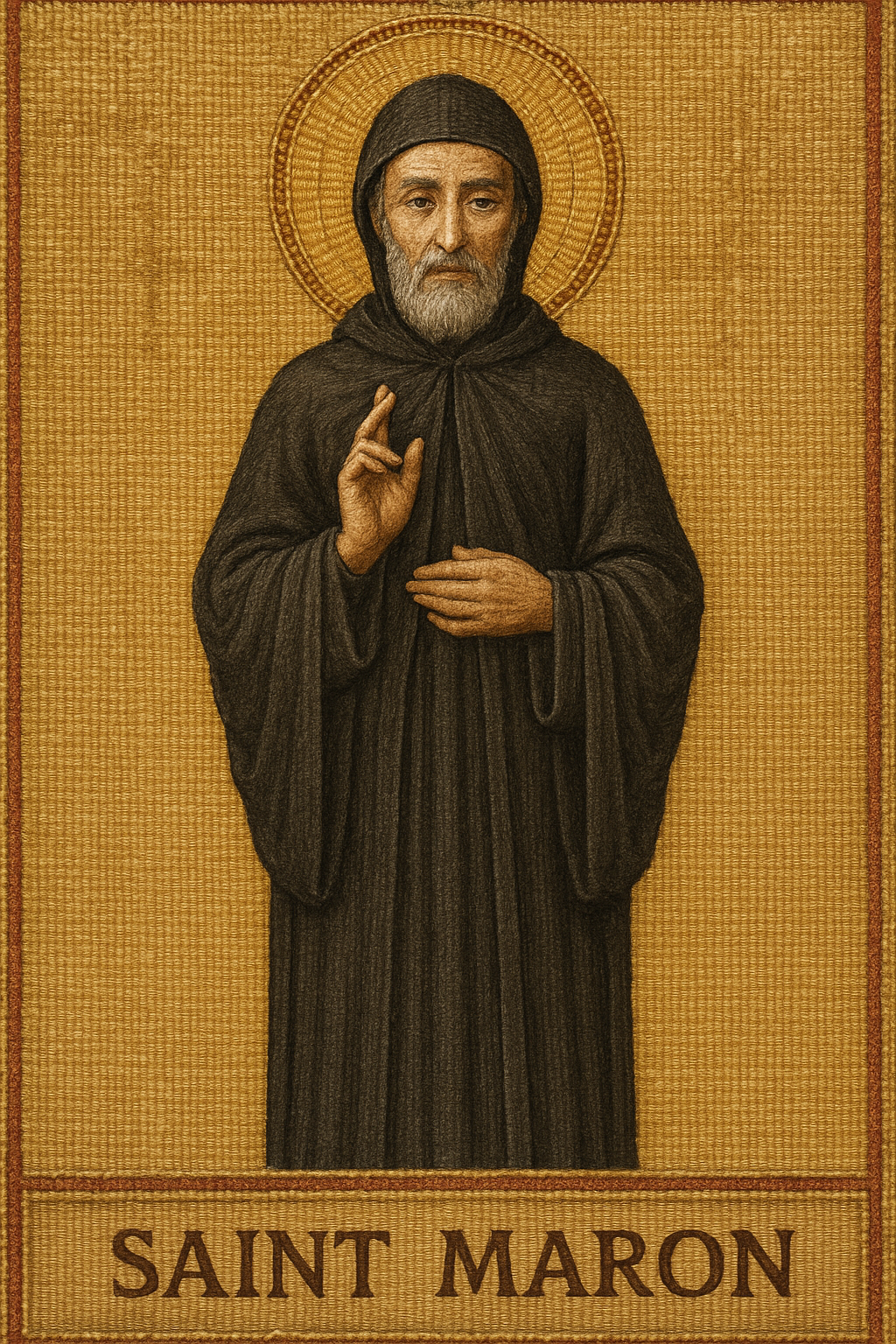
Saint Maron Prayer Card – Patron for Spiritual Renewal, Physical Healing & Unity in Division
$3.00

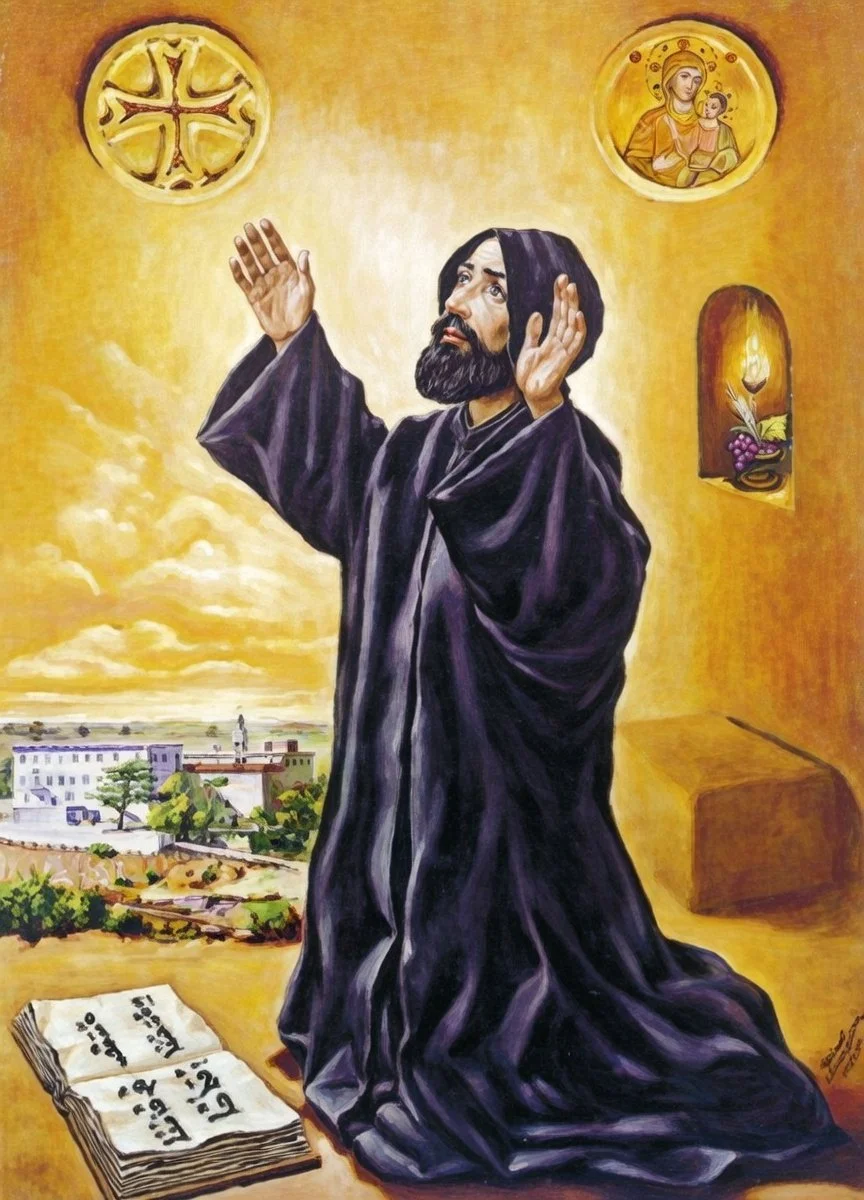
Saint Maron was a fourth to fifth century Syriac monk and hermit whose hidden life of prayer ignited a movement that still shapes Eastern Christianity today. Venerated in the Maronite Catholic Church as its spiritual father and honored throughout the Syriac tradition, he is remembered not for grand institutions but for fierce solitude, deep asceticism, and extraordinary miracles of healing. His feast is celebrated on February 9 in the Maronite Church and on various nearby dates in other Eastern calendars.

People pray to Saint Maron when they long for spiritual renewal after dryness, when chronic illness feels relentless, and when division within families, churches, or communities threatens unity. He is sought by those who feel spiritually numb and need awakening, by those carrying persistent physical weakness, and by believers grieved by conflict inside the Body of Christ. His life speaks to anyone who feels called to deeper prayer while surrounded by noise, distraction, and tension.

Saint Maron chose to live exposed to the elements on a mountain near Cyrrhus in Syria, embracing harsh weather and physical discomfort as a form of offering to God. Yet his severity toward himself was matched by tenderness toward the suffering. The sick climbed mountains to reach him. The possessed were brought for prayer. The divided sought counsel. From his isolation flowed healing.

Today, he is remembered as a father of unity and a source of healing strength. His intercession is sought when faith feels weakened, when the body feels fragile, and when the Church feels fractured. This prayer card honors the hermit whose silence thundered across centuries and whose hidden life continues to restore hearts.

Each card is handmade in Austin and created to order. We do not keep stock, because every prayer card is treated as a unique devotional offering. They are printed on museum-quality photo paper, not cardstock, and each one is made during prayer. The saints are venerated throughout the entire process, and prayers are intentionally offered for the person who will receive the card. These are not mass-produced items. They are created slowly, reverently, and with spiritual intention, because every soul and every prayer matters.

Saint Maron was a fourth to fifth century Syriac monk and hermit whose hidden life of prayer ignited a movement that still shapes Eastern Christianity today. Venerated in the Maronite Catholic Church as its spiritual father and honored throughout the Syriac tradition, he is remembered not for grand institutions but for fierce solitude, deep asceticism, and extraordinary miracles of healing. His feast is celebrated on February 9 in the Maronite Church and on various nearby dates in other Eastern calendars.

People pray to Saint Maron when they long for spiritual renewal after dryness, when chronic illness feels relentless, and when division within families, churches, or communities threatens unity. He is sought by those who feel spiritually numb and need awakening, by those carrying persistent physical weakness, and by believers grieved by conflict inside the Body of Christ. His life speaks to anyone who feels called to deeper prayer while surrounded by noise, distraction, and tension.

Saint Maron chose to live exposed to the elements on a mountain near Cyrrhus in Syria, embracing harsh weather and physical discomfort as a form of offering to God. Yet his severity toward himself was matched by tenderness toward the suffering. The sick climbed mountains to reach him. The possessed were brought for prayer. The divided sought counsel. From his isolation flowed healing.

Today, he is remembered as a father of unity and a source of healing strength. His intercession is sought when faith feels weakened, when the body feels fragile, and when the Church feels fractured. This prayer card honors the hermit whose silence thundered across centuries and whose hidden life continues to restore hearts.

Each card is handmade in Austin and created to order. We do not keep stock, because every prayer card is treated as a unique devotional offering. They are printed on museum-quality photo paper, not cardstock, and each one is made during prayer. The saints are venerated throughout the entire process, and prayers are intentionally offered for the person who will receive the card. These are not mass-produced items. They are created slowly, reverently, and with spiritual intention, because every soul and every prayer matters.

Sizes:
Divine Mercy Christ Icon Canvas | Byzantine Catholic Art Divine Mercy Christ Icon Canvas | Byzantine Catholic Art Divine Mercy Christ Icon Canvas | Byzantine Catholic Art Divine Mercy Christ Icon Canvas | Byzantine Catholic Art Divine Mercy Christ Icon Canvas | Byzantine Catholic Art Divine Mercy Christ Icon Canvas | Byzantine Catholic Art Divine Mercy Christ Icon Canvas | Byzantine Catholic Art
Sizes:
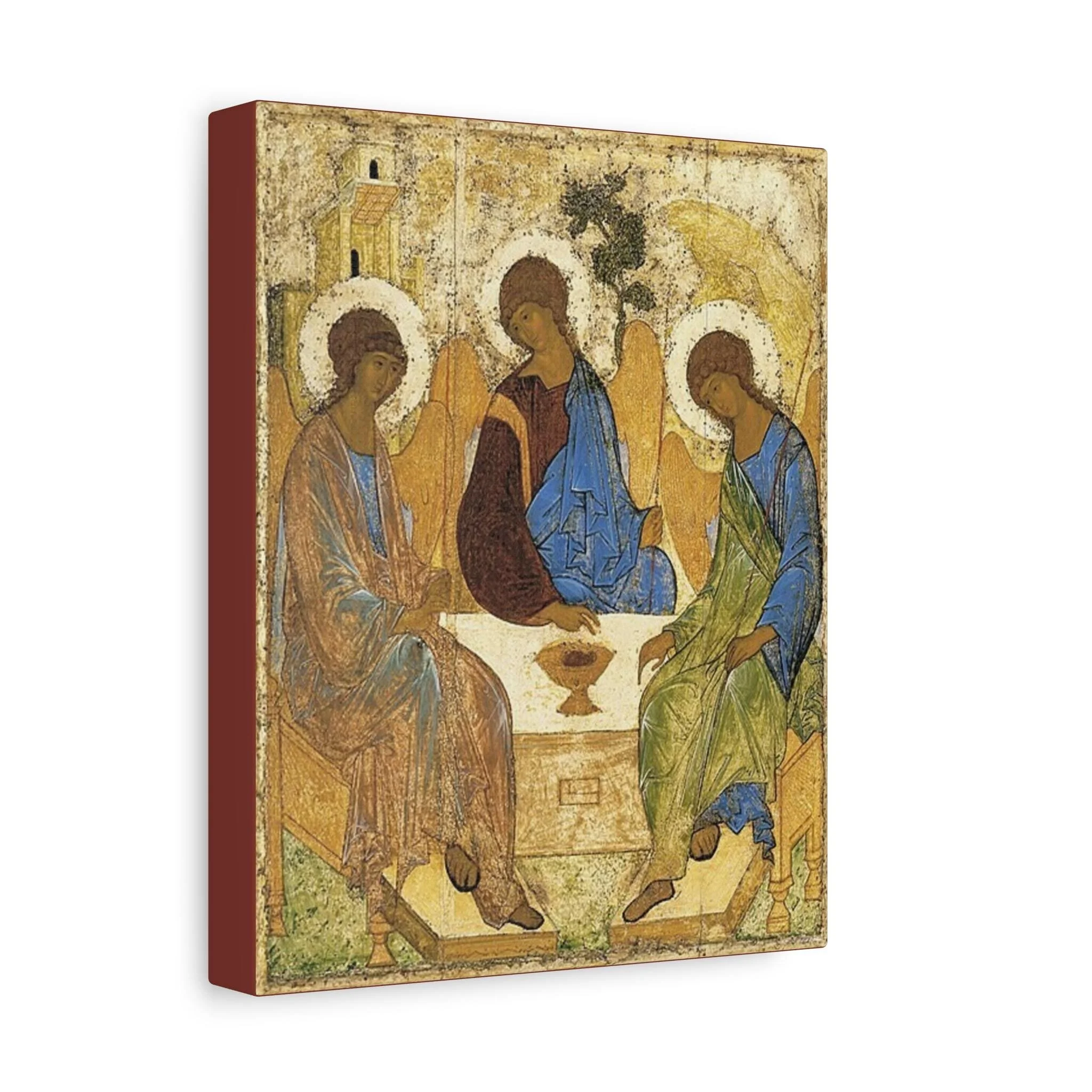
Rublev Holy Trinity Icon Canvas | Orthodox Christian Art Rublev Holy Trinity Icon Canvas | Orthodox Christian Art Rublev Holy Trinity Icon Canvas | Orthodox Christian Art Rublev Holy Trinity Icon Canvas | Orthodox Christian Art Rublev Holy Trinity Icon Canvas | Orthodox Christian Art Rublev Holy Trinity Icon Canvas | Orthodox Christian Art Rublev Holy Trinity Icon Canvas | Orthodox Christian Art Rublev Holy Trinity Icon Canvas | Orthodox Christian Art Rublev Holy Trinity Icon Canvas | Orthodox Christian Art Rublev Holy Trinity Icon Canvas | Orthodox Christian Art Rublev Holy Trinity Icon Canvas | Orthodox Christian Art Rublev Holy Trinity Icon Canvas | Orthodox Christian Art
Sizes:
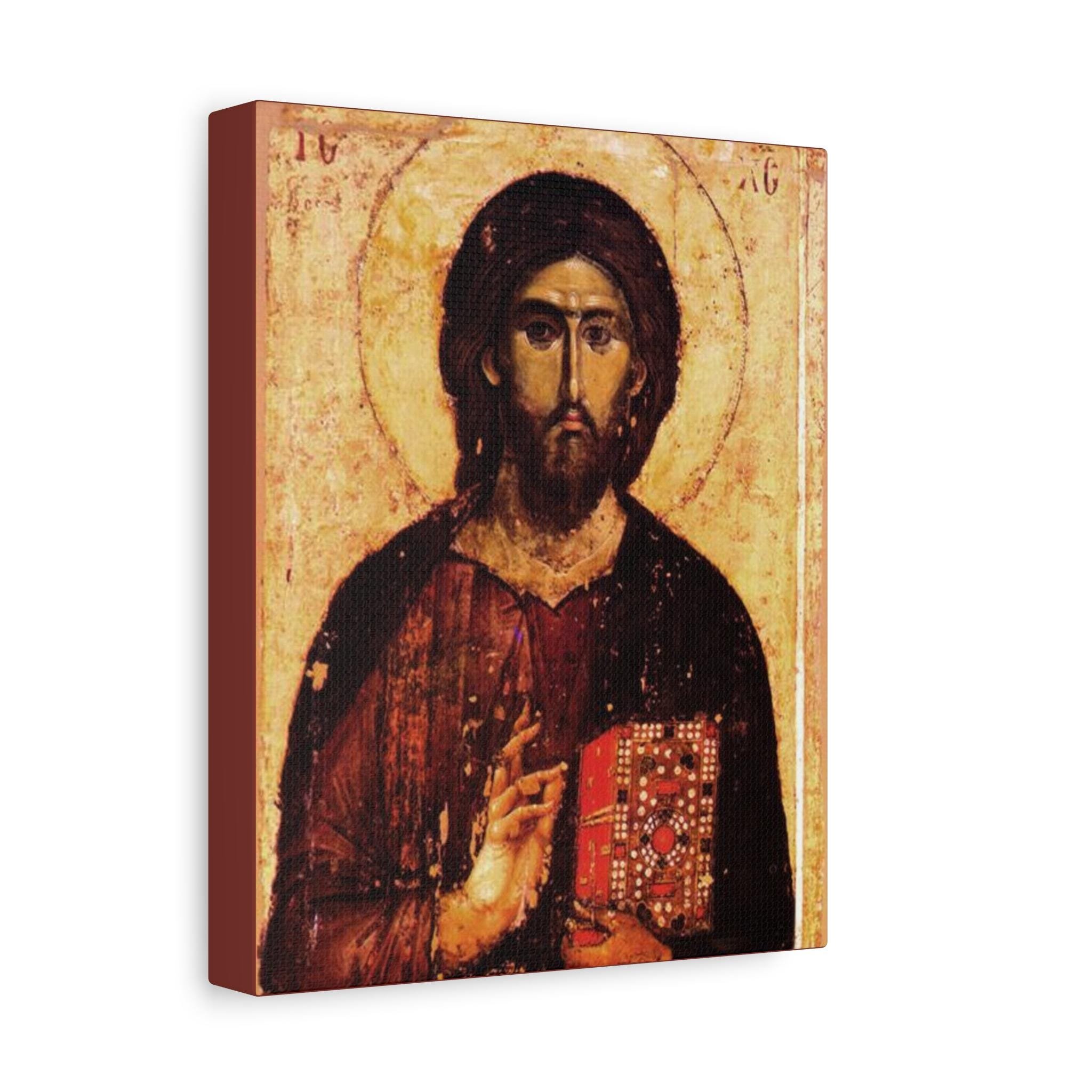
Christ Pantokrator Icon Canvas | Byzantine Orthodox Wall Art Christ Pantokrator Icon Canvas | Byzantine Orthodox Wall Art Christ Pantokrator Icon Canvas | Byzantine Orthodox Wall Art Christ Pantokrator Icon Canvas | Byzantine Orthodox Wall Art Christ Pantokrator Icon Canvas | Byzantine Orthodox Wall Art Christ Pantokrator Icon Canvas | Byzantine Orthodox Wall Art Christ Pantokrator Icon Canvas | Byzantine Orthodox Wall Art Christ Pantokrator Icon Canvas | Byzantine Orthodox Wall Art Christ Pantokrator Icon Canvas | Byzantine Orthodox Wall Art Christ Pantokrator Icon Canvas | Byzantine Orthodox Wall Art Christ Pantokrator Icon Canvas | Byzantine Orthodox Wall Art Christ Pantokrator Icon Canvas | Byzantine Orthodox Wall Art
Sizes:
  • The Life & Story

    Saint Maron lived during a turbulent era in the fourth century, when the Church was emerging from persecution yet wrestling with theological disputes and political tension. Born in the region of Syria, he was drawn early to a life of prayer and renunciation. Rather than entering a large monastic community, he chose radical solitude, settling on a mountain near the city of Cyrrhus.

    His dwelling was not a building but open sky.

    He transformed the ruins of a pagan temple into a place of Christian prayer, not by constructing walls but by sanctifying the ground with ascetic struggle. Winter winds, scorching sun, and isolation became his companions. His body endured hardship willingly, yet this severity was not rooted in hatred of the world. It was born of love for Christ and longing for uninterrupted communion.

    His turning point was not a dramatic event but a decision to remain hidden.

    In an age when influence could be gained through teaching in cities, Maron chose obscurity. Yet obscurity did not remain silent. People discovered him. Word spread that a holy man lived on the mountain whose prayers healed illness and whose counsel restored broken spirits.

    Those suffering from chronic illness climbed steep paths to kneel before him. Those tormented by spiritual confusion sought clarity in his presence. Those divided by conflict found peace in his gentle wisdom. He did not build a movement intentionally. He built interior fire.

    His interior struggle was profound. Solitude exposes fear, temptation, and the restless mind. Maron faced physical weakness, the constant pressure of nature, and the subtle temptation to abandon his calling. Yet he remained steadfast, surrendering his fragility to God. His prayer deepened, becoming intercession not only for individuals but for the unity of the Church.

    Over time, disciples gathered around him, inspired by his holiness. After his repose around 410 AD, these disciples carried forward his way of life. Communities formed that preserved his Syriac spirituality, fidelity to Christ, and love of ascetic discipline. These communities eventually became the Maronite Church, which still honors him as father and protector.

    When he died, believers fought over his body, each community longing to keep his relics close. A monastery was built in his honor, and miracles continued at his tomb. Healing flowed not only during his life but through centuries.

    Saint Maron’s legacy is not architecture or writings.

    It is spiritual renewal in times of division.

  • Miracles & Patronage

    Saint Maron became known as a powerful intercessor for physical healing and spiritual awakening.

    His life continues to speak into modern struggles.

    Patron Saint Of:

    • Spiritual renewal after dryness

    • Chronic illness and physical weakness

    • Unity during church division

    • Strength during persecution

    • Perseverance in solitude

    • Restoration of faith after spiritual numbness

    Miracles and Ongoing Intercession

    During his lifetime, numerous healings were attributed to his prayer. The sick left strengthened. Those suffering mental torment experienced calm. Entire villages testified to relief from afflictions after his intercession.

    After his death, miracles intensified. Pilgrims visiting his tomb reported physical cures and deliverance from despair. The monastery built in his name became a center of prayer and healing.

    Today, many Maronite Christians seek his intercession when illness lingers without relief. Others pray to him when the Church feels fractured or when family tensions threaten unity. His prayers are believed to bring clarity where confusion reigns and perseverance where exhaustion dominates.

    His miracles are rarely dramatic spectacles.

    They are steady restorations.

    They are the quiet rebuilding of faith.

  • Prayers & Traditional Devotion

    Traditional Maronite Prayer

    O Saint Maron, holy father and faithful servant of Christ, pray for us and for the Church that bears your name. Strengthen us in faith, heal our weaknesses, and guide us into unity. Amen.

    Personal Prayer

    Saint Maron, father of silence and flame of the mountain, pray for me.

    When my faith feels dry, awaken it.
    When my body feels weak, strengthen it.
    When division surrounds me, bring peace.

    You chose solitude so that others could be healed. You embraced hardship so that others could be restored. Teach me how to endure discomfort without bitterness and how to remain faithful when the world feels unstable.

    If chronic illness has worn me down, intercede for my healing. If spiritual numbness has dimmed my prayer, reignite my heart. If conflict has entered my home or church, help me become a peacemaker.

    Holy father, you prayed beneath open sky, trusting God in every season. Teach me that same trust. Help me stand firm when winds of doubt blow strong.

    By your intercession, may Christ restore my strength, renew my spirit, and gather divided hearts into unity.

    Amen.

  • Common Questions (FAQ)

    Q: What is Saint Maron known for?
    He is known as the father of the Maronite Church, a hermit and miracle worker who brought physical healing and spiritual renewal through intense prayer and ascetic life.

    Q: When is Saint Maron’s feast day?
    He is celebrated on February 9 in the Maronite Church, with nearby commemorations in other Eastern calendars.

    Q: Which Christian traditions venerate Saint Maron?
    He is especially venerated in the Maronite Catholic Church and honored within the broader Syriac and Eastern Christian tradition.

    Q: Why do people pray to Saint Maron for spiritual renewal or chronic illness?
    Because his life was marked by healing miracles and unwavering prayer during hardship. Many seek his intercession when facing long-term illness, spiritual dryness, or division within families and communities.