 Image 1 of 1
Saint Maximus of Totma Prayer Card – Patron for Endurance in Poverty, Hidden Faithfulness & Trusting God Through Obscurity
-
A Saint Who Vanished Into Humility
Saint Maximus lived in Tot’ma during the sixteenth century, a harsh northern region shaped by long winters, poverty, and spiritual endurance. Very little survives about his early life, and this itself reveals something essential about his calling.
Maximus did not seek memory.
He sought disappearance.
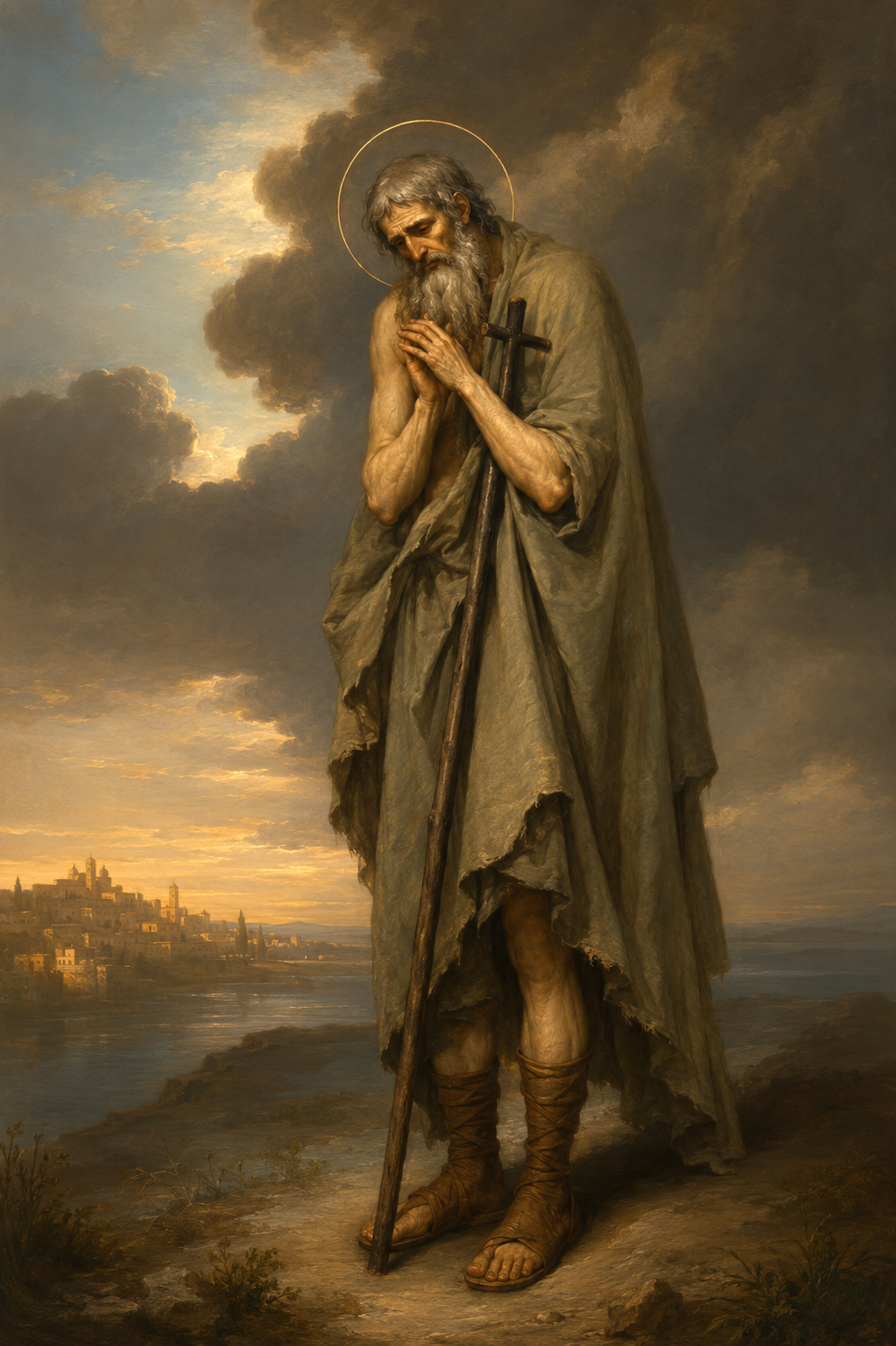
He abandoned ordinary life and embraced the radical path of holy foolishness, choosing to live without shelter, reputation, or possessions. He wandered the streets in worn clothing, slept wherever he could, and survived on scraps offered by strangers.
Many ignored him.
Some mocked him.
Few recognized him.
Yet Maximus had chosen this life deliberately.
He desired to belong entirely to God.
Holy Foolishness and Hidden Intercession
Saint Maximus lived among ordinary people while remaining inwardly in continual prayer. He spoke little, often appearing withdrawn or childlike. Yet those who approached him sincerely discovered unexpected clarity and peace.
He carried the sorrows of families silently.
He prayed over struggling households.
He gave away food meant for himself.
He withdrew at night to hidden places, standing for hours in prayer for Tot’ma and its people.
His entire life became one quiet offering.
Though outwardly homeless, he became a spiritual shelter for others.
Comforter of the Poor and Broken
Saint Maximus had special compassion for those crushed by financial hardship or emotional despair. Widows, beggars, and desperate families gradually began seeking him out.
Many testified that after receiving his blessing, help arrived unexpectedly: food appeared, debts eased, or strangers offered assistance at precisely the right moment.
Those suffering anxiety or deep sadness felt calm simply standing near him.
He did not preach.
He did not instruct.
He absorbed suffering and carried it to God.
A Life Without a Face
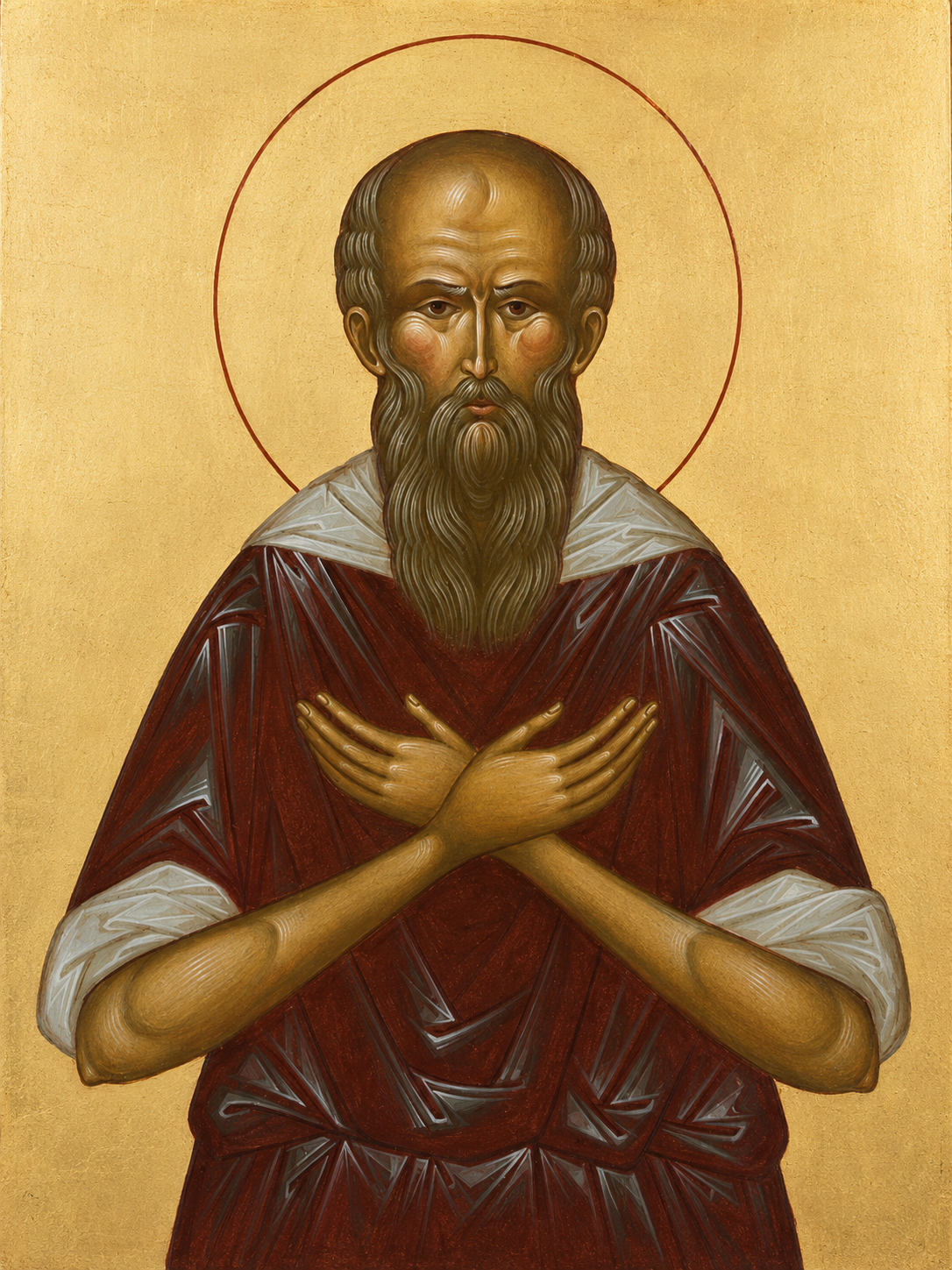
Because Saint Maximus lived deliberately unseen, no historical icons or physical descriptions of him survive.
For this reason, this prayer card intentionally uses a softened, indistinct image.
Rather than inventing his likeness, we chose to preserve the mystery of his hidden life. In this way, the saint is present without claiming his earthly appearance, allowing veneration to remain focused on his spiritual witness rather than his physical features.
The gentle blur reflects how Maximus himself disappeared from recognition, offering everything to God while remaining unseen by the world.
Saint Maximus eventually reposed quietly, leaving behind no writings, only living testimonies of mercy and answered prayer.
His legacy endures in the quiet places where desperate hearts still call upon his intercession.
-
Saint Maximus of Tot’ma is especially sought by those facing material ruin, emotional exhaustion, and fear for their homes.
Patron Saint Of:
Financial desperation and sudden poverty
Protection of the home and family during unstable times
Peace during emotional and spiritual collapse
The poor and homeless
Families in crisis
Souls battling despair
Those seeking repentance and mercy
Recorded Intercessions and Spiritual Help
Local tradition preserves many accounts of families receiving unexpected provision after praying through Saint Maximus’ intercession.
Some testify that looming hunger or eviction was suddenly averted through help arriving from unlikely sources.
Others speak of emotional peace returning after seasons of anxiety or hopelessness.
There are stories of households spared from misfortune after prayers offered in his name.
His miracles are quiet and deeply personal: empty cupboards filled, fear softened, hearts steadied when everything felt lost.
Saint Maximus does not work through spectacle.
He works through mercy.
-
Personal Prayer
Holy Saint Maximus of Tot’ma, humble Fool-for-Christ and hidden comforter of the poor, pray for me. Intercede for my financial struggles, the safety of my home, and the heaviness within my heart. Bring provision where there is lack and peace where there is fear. Teach me humility and trust in God’s mercy. By thy prayers, may despair give way to hope and weakness be clothed with grace through Christ our Lord. Amen.
-
Q: What is Saint Maximus of Tot’ma known for?
Saint Maximus is known as a Fool-for-Christ who lived in radical poverty and hidden prayer. He is especially remembered for helping those in financial desperation, protecting homes through intercession, and bringing peace during emotional and spiritual collapse.
Q: When is Saint Maximus’ feast day?
Saint Maximus of Tot’ma is commemorated on January 29 (Old Style) / February 11 (New Style).
Q: Which Christian traditions venerate Saint Maximus of Tot’ma?
Saint Maximus is venerated within the Eastern Orthodox Church, particularly in Russian spiritual tradition centered around Tot’ma.
Q: What makes Saint Maximus spiritually unique?
Saint Maximus deliberately erased himself from recognition. Unlike many saints remembered through vivid stories or icons, his holiness lived almost entirely in silence. He teaches that God often works most powerfully through those who vanish from attention, carrying the suffering of others in hidden prayer.