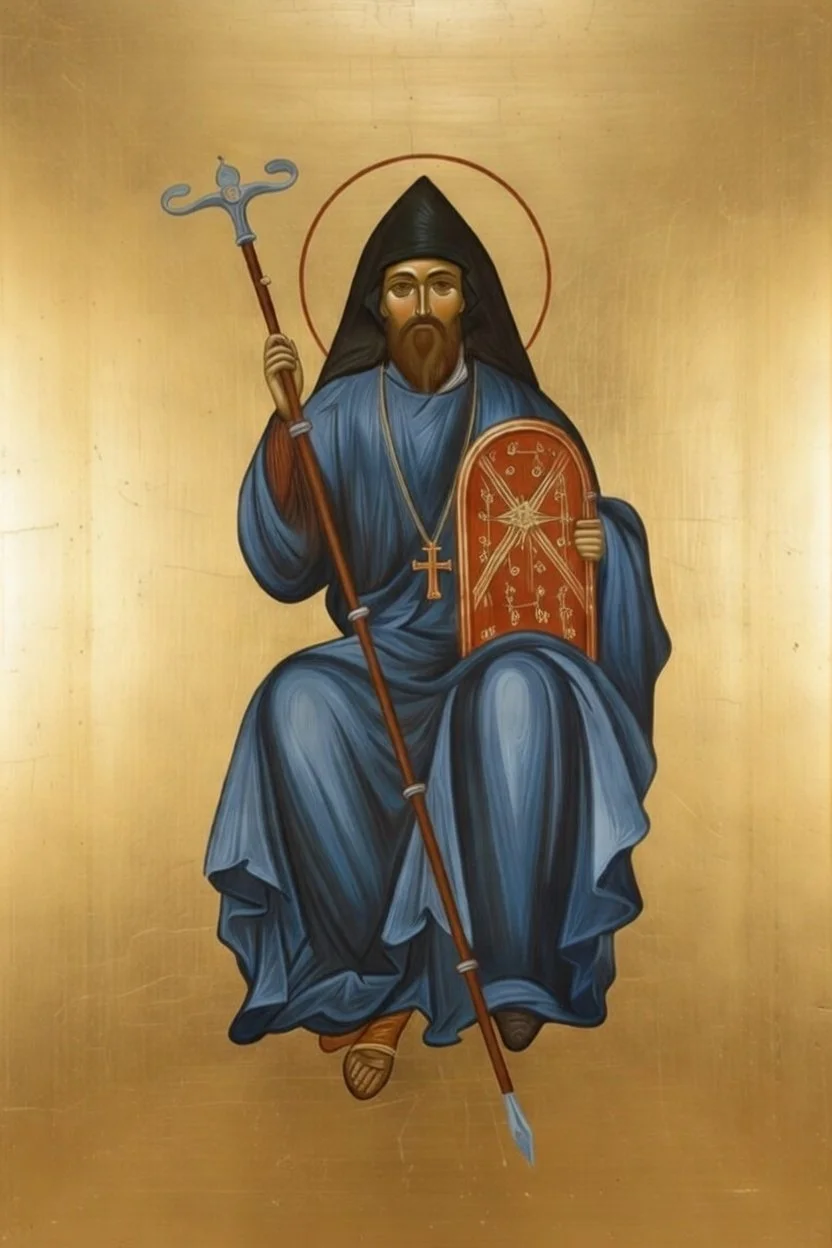
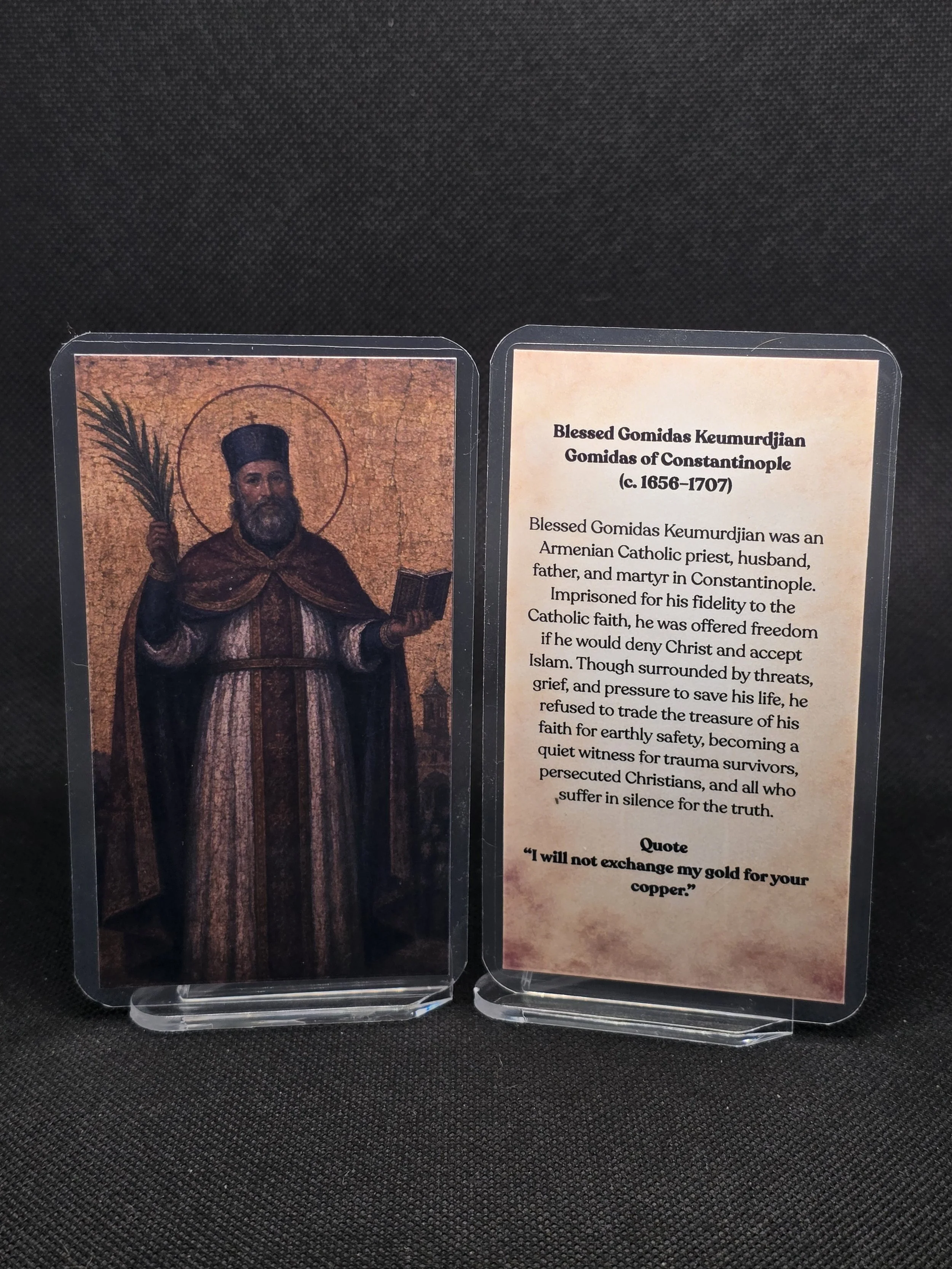
Saint Nerses the Great is one of the most beloved saints of the Armenian Church, especially sought by those praying for compassion toward others, healing for the suffering, and strength to serve in times of great need.
He lived in the 4th century during a time when Christianity in Armenia was still young and being shaped. As Catholicos of Armenia, Nerses did not lead with power or authority alone. He led with mercy. He saw the wounds of his people and responded with action, becoming known not only as a bishop, but as a servant of the poor.
Saint Nerses established hospitals, shelters, and charitable institutions throughout Armenia, caring for the sick, the orphaned, and the forgotten. He worked to reform the Church, calling both clergy and leaders to live lives worthy of the Gospel, not in comfort, but in sacrifice and service.
He was not always welcomed for this. His boldness in correcting injustice and calling for holiness often brought opposition, even from those in authority. Yet he remained faithful, choosing compassion over silence and truth over approval.
His feast is commemorated in the Armenian Church among the great fathers who shaped both the faith and the life of the nation.
People turn to Saint Nerses the Great when they feel called to care for others, when they are overwhelmed by the suffering around them, or when they seek the strength to serve with humility and love. He reminds us that holiness is not found in isolation, but in mercy lived out.
This handmade prayer card honors his compassion and courage with museum-quality craftsmanship, created for prayer in moments of service, healing, and selfless love. It is not merely devotional art. It is a call to live the Gospel.Saint Nerses the Great is one of the most beloved saints of the Armenian Church, especially sought by those praying for compassion toward others, healing for the suffering, and strength to serve in times of great need.
He lived in the 4th century during a time when Christianity in Armenia was still young and being shaped. As Catholicos of Armenia, Nerses did not lead with power or authority alone. He led with mercy. He saw the wounds of his people and responded with action, becoming known not only as a bishop, but as a servant of the poor.
Saint Nerses established hospitals, shelters, and charitable institutions throughout Armenia, caring for the sick, the orphaned, and the forgotten. He worked to reform the Church, calling both clergy and leaders to live lives worthy of the Gospel, not in comfort, but in sacrifice and service.
He was not always welcomed for this. His boldness in correcting injustice and calling for holiness often brought opposition, even from those in authority. Yet he remained faithful, choosing compassion over silence and truth over approval.
His feast is commemorated in the Armenian Church among the great fathers who shaped both the faith and the life of the nation.
People turn to Saint Nerses the Great when they feel called to care for others, when they are overwhelmed by the suffering around them, or when they seek the strength to serve with humility and love. He reminds us that holiness is not found in isolation, but in mercy lived out.
This handmade prayer card honors his compassion and courage with museum-quality craftsmanship, created for prayer in moments of service, healing, and selfless love. It is not merely devotional art. It is a call to live the Gospel.
Saint Nerses the Great is one of the most beloved saints of the Armenian Church, especially sought by those praying for compassion toward others, healing for the suffering, and strength to serve in times of great need.
He lived in the 4th century during a time when Christianity in Armenia was still young and being shaped. As Catholicos of Armenia, Nerses did not lead with power or authority alone. He led with mercy. He saw the wounds of his people and responded with action, becoming known not only as a bishop, but as a servant of the poor.
Saint Nerses established hospitals, shelters, and charitable institutions throughout Armenia, caring for the sick, the orphaned, and the forgotten. He worked to reform the Church, calling both clergy and leaders to live lives worthy of the Gospel, not in comfort, but in sacrifice and service.
He was not always welcomed for this. His boldness in correcting injustice and calling for holiness often brought opposition, even from those in authority. Yet he remained faithful, choosing compassion over silence and truth over approval.
His feast is commemorated in the Armenian Church among the great fathers who shaped both the faith and the life of the nation.
People turn to Saint Nerses the Great when they feel called to care for others, when they are overwhelmed by the suffering around them, or when they seek the strength to serve with humility and love. He reminds us that holiness is not found in isolation, but in mercy lived out.
This handmade prayer card honors his compassion and courage with museum-quality craftsmanship, created for prayer in moments of service, healing, and selfless love. It is not merely devotional art. It is a call to live the Gospel.Saint Nerses the Great is one of the most beloved saints of the Armenian Church, especially sought by those praying for compassion toward others, healing for the suffering, and strength to serve in times of great need.
He lived in the 4th century during a time when Christianity in Armenia was still young and being shaped. As Catholicos of Armenia, Nerses did not lead with power or authority alone. He led with mercy. He saw the wounds of his people and responded with action, becoming known not only as a bishop, but as a servant of the poor.
Saint Nerses established hospitals, shelters, and charitable institutions throughout Armenia, caring for the sick, the orphaned, and the forgotten. He worked to reform the Church, calling both clergy and leaders to live lives worthy of the Gospel, not in comfort, but in sacrifice and service.
He was not always welcomed for this. His boldness in correcting injustice and calling for holiness often brought opposition, even from those in authority. Yet he remained faithful, choosing compassion over silence and truth over approval.
His feast is commemorated in the Armenian Church among the great fathers who shaped both the faith and the life of the nation.
People turn to Saint Nerses the Great when they feel called to care for others, when they are overwhelmed by the suffering around them, or when they seek the strength to serve with humility and love. He reminds us that holiness is not found in isolation, but in mercy lived out.
This handmade prayer card honors his compassion and courage with museum-quality craftsmanship, created for prayer in moments of service, healing, and selfless love. It is not merely devotional art. It is a call to live the Gospel.
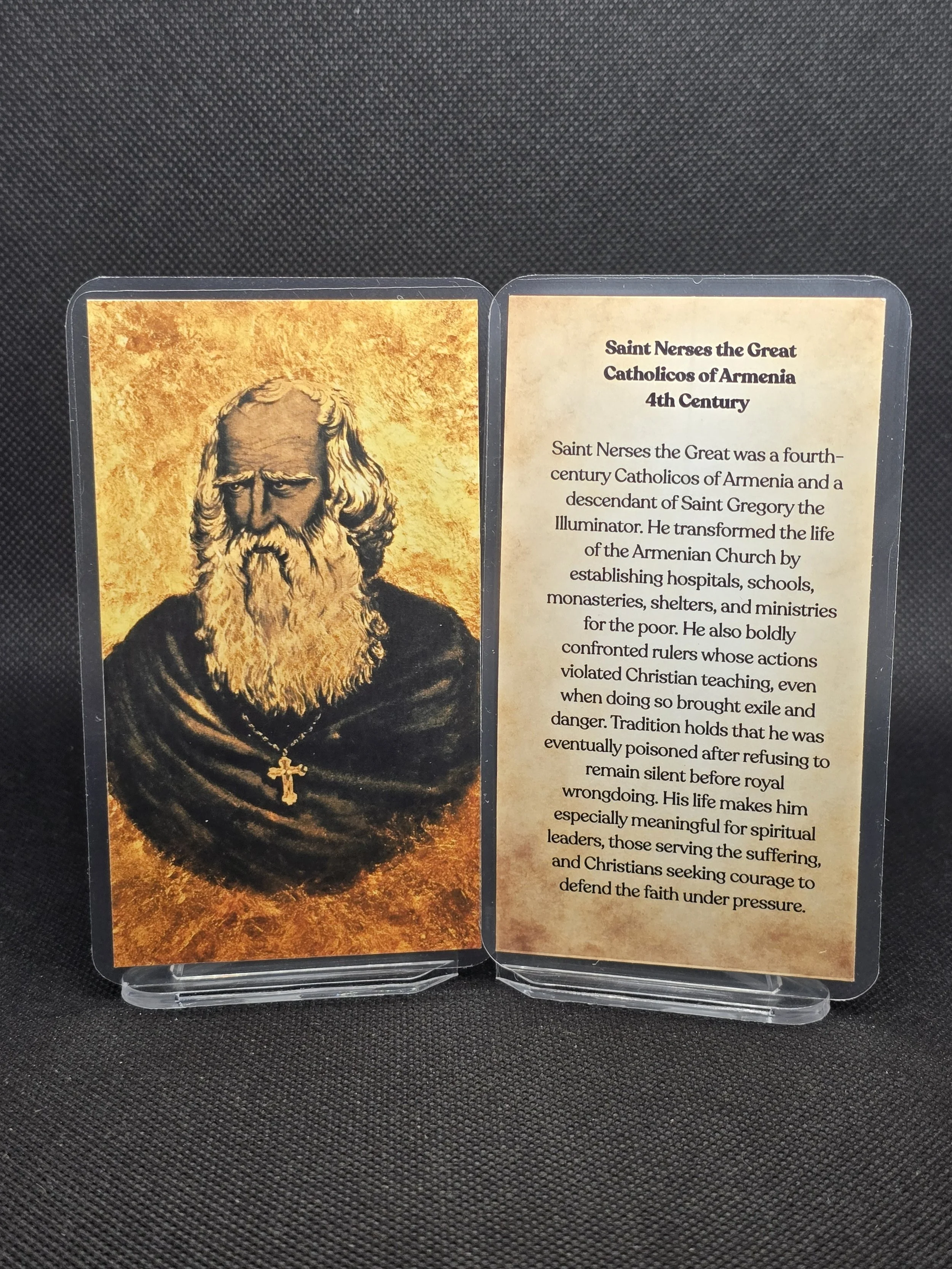 Image 1 of 1