 Image 1 of 1
-
THE LIFE & STORY
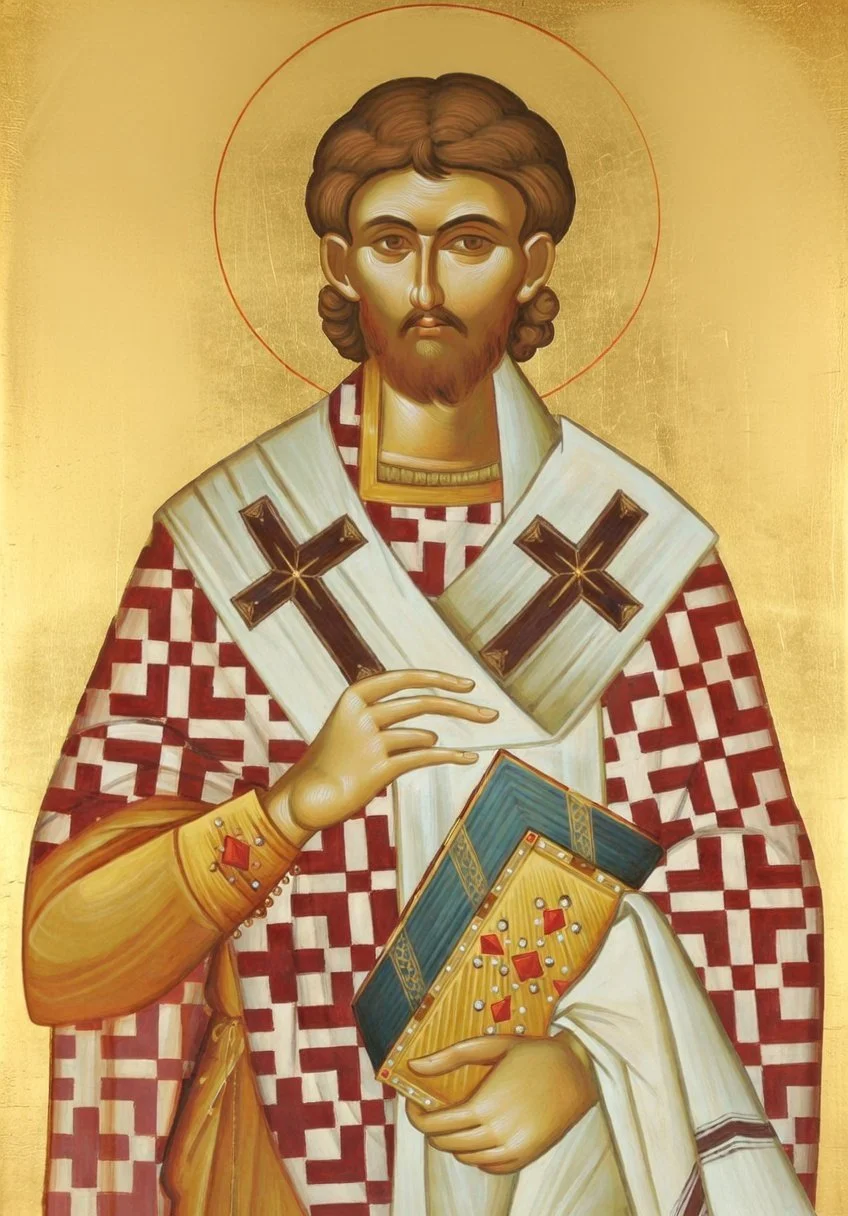
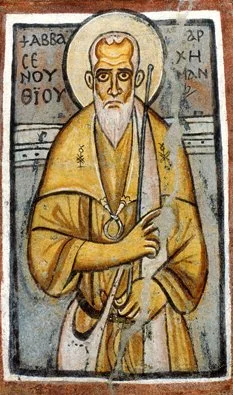
Shenouda was born in Upper Egypt into a deeply Christian family. From an early age, he showed unusual spiritual seriousness. His uncle, a monk, recognized this calling and brought the young Shenouda into the monastic life while he was still a boy.
He did not enter the desert seeking comfort.
He entered seeking purification.
His early formation was marked by strict ascetic discipline. He practiced prolonged fasting, silence, and intense prayer. These were not symbolic gestures. They were the tools through which his interior life was forged.
Over time, Shenouda’s spiritual authority became evident. He was appointed archimandrite, meaning chief spiritual father, over a large federation of monasteries centered around the White Monastery near Sohag. Under his leadership, thousands of monks and nuns lived according to a unified rule emphasizing repentance, obedience, manual labor, and constant prayer.
But Shenouda was not only a monk.
He was also a fierce shepherd of souls.
He preached openly against moral corruption, exploitation of the poor, and compromise within the Church. He confronted abusive landowners, defended vulnerable villagers, and challenged clergy who neglected their responsibilities. His sermons were direct, uncompromising, and rooted in Scripture.
He believed that holiness must touch real life.
During his lifetime, Egypt was undergoing enormous social change. Pagan practices still lingered. Christian communities struggled with syncretism. Theological tensions following the Council of Chalcedon created deep fractures within the wider Christian world.
Shenouda stood firmly within the Alexandrian theological tradition and remained loyal to the Coptic confession. He opposed teachings he believed compromised the unity of Christ and worked tirelessly to preserve doctrinal clarity among his people.
He also carried immense pastoral burdens.
He mediated disputes.
He disciplined monks who fell into sin.
He comforted grieving families.
He organized care for the poor.His writings, preserved in Coptic, reveal a man deeply aware of human weakness. He wrote extensively about repentance, humility, vigilance over thoughts, and the dangers of spiritual pride. He understood that the mind itself becomes a battlefield, and that healing requires patience.
Late in life, Shenouda became blind.
Even then, he continued teaching from memory, guiding his communities through spoken instruction. His physical sight faded, but his spiritual vision remained sharp.
He died peacefully around AD 466 after more than eighty years of ascetic struggle and pastoral leadership.
He left behind not monuments, but transformed lives.
To this day, he is remembered as a father who demanded holiness while offering mercy, who confronted darkness while guarding fragile souls.
-
MIRACLES & PATRONAGE
Patron Saint Of:
Inner strength during prolonged spiritual struggle
Mental and emotional endurance
Spiritual protection against corruption and temptation
Clarity of mind during confusion or distress
Perseverance for those carrying leadership or family burdens
Saint Shenouda’s miracle tradition centers primarily on spiritual restoration rather than dramatic physical signs.
During his lifetime, many testified to experiencing repentance, inner peace, and renewed faith after receiving his counsel. His sermons were known to soften hardened hearts and awaken consciences. Monks under his care often spoke of liberation from destructive habits and intrusive thoughts through obedience and prayer.
After his death, devotion to Shenouda spread throughout Egypt. Believers sought his intercession for protection, emotional stability, and strength during spiritual oppression. His monastery became a place of pilgrimage, and stories circulated of peace returning to troubled minds and courage rising in weary souls.
He remains especially close to those who feel spiritually surrounded, mentally exhausted, or morally overwhelmed by the world around them.
Saint Shenouda’s miracles often arrive quietly, as restored resolve, steadied thoughts, and renewed commitment to Christ.
-
PRAYERS
Short Traditional Invocation
Saint Shenouda the Archimandrite, vigilant father of souls, pray for us.
Personal Devotional Prayer
Saint Shenouda, strong shepherd and guardian of discipline,
you who carried the burdens of thousands while guarding your own heart,
I come to you with the weight I do not know how to release.You understand spiritual exhaustion.
You understand mental struggle.
You understand how heavy responsibility can become.Stand beside me now.
Intercede for me when my thoughts feel scattered.
Intercede for me when inner strength feels thin.
Intercede for me when spiritual pressure rises quietly in my life.Ask Christ to steady my mind.
Ask Him to guard my heart.
Ask Him to give me endurance rooted in humility.Teach me how to repent without despair.
Teach me how to persevere without bitterness.
Teach me how to remain faithful when the road feels long.Saint Shenouda, you believed that holiness grows through obedience and mercy.
Help me surrender what I cannot control.
Help me trust God in the slow work of healing.Carry my intentions before the throne of mercy.
Hold my name in your prayer.
Protect my spirit and strengthen my resolve.May your witness remind me that discipline can heal,
that repentance opens doors,
and that God never abandons those who seek Him sincerely.Amen.
-
FAQ
What is Saint Shenouda the Archimandrite known for?
He is known as the great reformer of Coptic monasticism and a powerful preacher of repentance, moral clarity, and spiritual discipline. He led thousands of monks and nuns and defended the vulnerable while preserving doctrinal faithfulness.When is his feast day?
July 20 in the Coptic calendar.Which Christian traditions venerate Saint Shenouda?
He is venerated within the Oriental Orthodox tradition, especially by the Coptic Orthodox Church.Why do people pray to Saint Shenouda for inner strength and spiritual protection?
Because he endured decades of spiritual warfare, leadership burdens, and personal suffering while remaining faithful. His intercession is sought by those facing mental exhaustion, spiritual pressure, or prolonged responsibility.