 Image 1 of 1
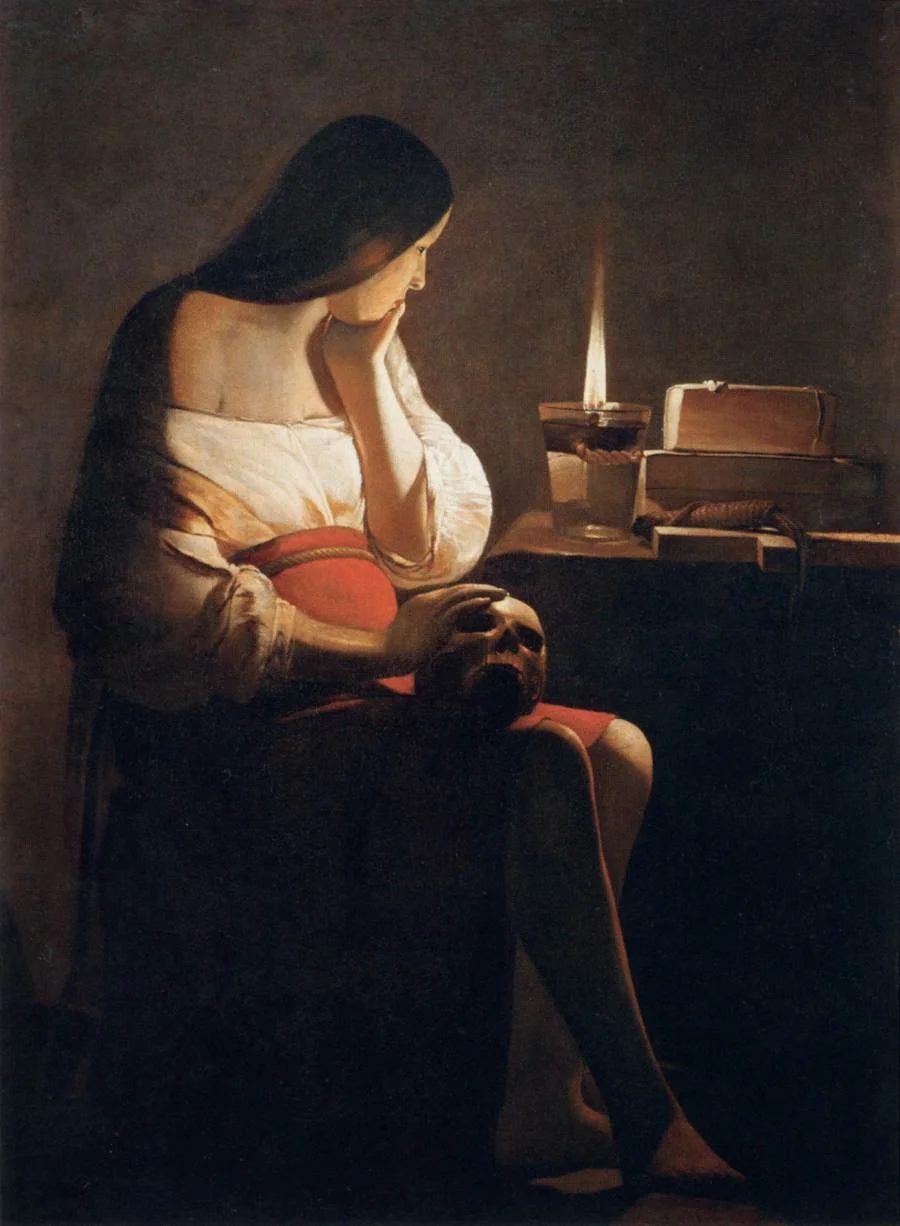
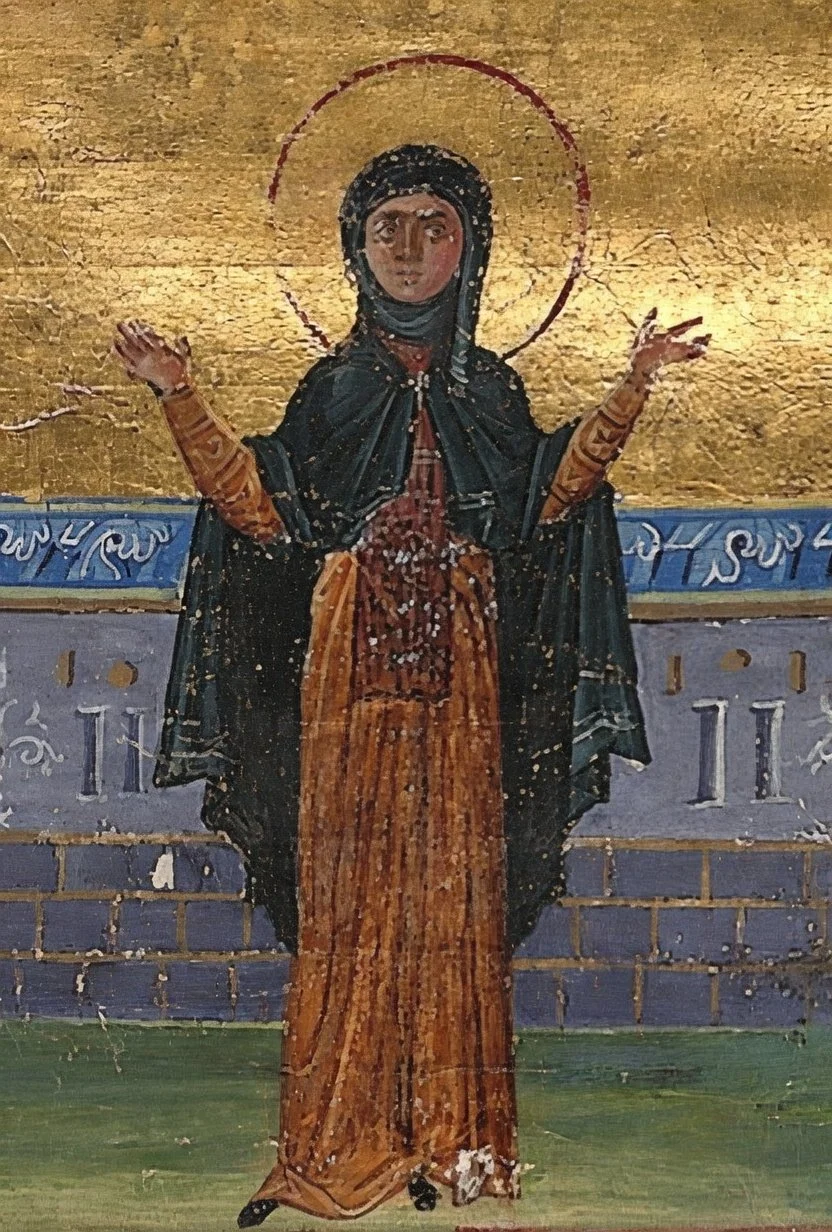
Saint Theodora lived in the fourth or fifth century in Alexandria, Egypt, a city known for its learning, wealth, and complexity. She was married and lived a respectable life, but fell into grave sin through adultery, a moment that would define the rest of her life.
She did not excuse it.
She did not hide from it.
She chose repentance.
Her feast is traditionally observed on September 11 in both Eastern Orthodox and Eastern Catholic traditions.
She belongs to the early ascetical tradition of the Church and is especially venerated within the Eastern Christian world, where her story has been preserved as a witness to repentance, humility, and hidden holiness.
People turn to Saint Theodora when they are burdened by guilt, when they feel they have permanently damaged their life through sin, and when they are searching for a way back to God after failure.
If you feel trapped by something you regret, if your past feels like it cannot be undone, or if you are struggling to believe that God could still receive you, Saint Theodora speaks directly into that place.
She teaches that repentance is not words.
She teaches that humility is not visible.
She teaches that transformation happens in secret.
This prayer card is created as a spiritual heirloom. It is meant to accompany seasons of repentance, restoration, and quiet spiritual rebuilding, reminding the heart that God sees what is hidden and honors the soul that returns to Him.
Each card is handmade in Austin, TX and created to order. We do not keep stock, because every prayer card is treated as a unique devotional offering. They are printed on museum-quality photo paper, not cardstock. Every card is made slowly, during prayer, with intentional reverence for the saint or holy image and for the person who will receive it. Names are lifted before Christ. Intentions are held carefully. Each piece is handled multiple times in prayerful silence, asking God for mercy and asking the saint to intercede for the soul it is being made for. This is not production work. It is devotional craftsmanship shaped with patience, care, and spiritual responsibility, because every soul and every prayer matters.
Theodora lived in Alexandria as a married woman. According to tradition, she was led into adultery after being deceived and pressured, a fall that deeply wounded her conscience.
Unlike many who justify or minimize sin, Theodora saw it clearly.
She saw the weight of what she had done.
And she chose a path few would consider.
She left her life entirely.
Disguising herself as a man, she entered a monastery under a false identity, taking the name “Theodore.” There, she lived among the monks in complete humility, hiding her identity and embracing a life of strict asceticism, prayer, fasting, and obedience.
She did not seek recognition.
She sought repentance.
Years passed, and her holiness grew quietly, unseen by those around her. But her humility was tested in a way that would define her story.
A young woman became pregnant and falsely accused “Theodore” of being responsible.
Theodora did not defend herself.
She accepted the accusation.
She accepted the shame.
She accepted the punishment.
She was expelled from the monastery and forced to live outside, caring for the child that was not hers. She endured poverty, rejection, and humiliation without revealing the truth.
She chose to carry a burden she did not deserve.
After years of suffering, she was eventually allowed to return to the monastery, still without revealing her identity.
Only after her death was the truth discovered.
The monks realized that the one they had judged, expelled, and misunderstood was in fact a woman who had lived a life of extraordinary repentance and humility.
Her holiness had been completely hidden.
Her transformation had been real.
Her repentance had been accepted by God long before it was understood by others.
No major public miracles are recorded during her life, as she lived in concealment and humility. Her life itself is the witness.
Her story has been preserved as a powerful example of:
repentance after serious sin
humility in the face of false accusation
enduring injustice without retaliation
hidden holiness and spiritual transformation
She is often turned to by those who:
struggle with guilt and shame
feel misunderstood or falsely judged
are carrying burdens that are not fully seen by others
are seeking a path back to God through humility and repentance
Her life teaches that God sees beyond appearances and receives the heart that returns to Him, even when the world does not understand.
Prayer to Saint Theodora of Alexandria
O Lord Jesus Christ, who received the repentance of Saint Theodora and strengthened her to endure suffering with humility and patience, through her intercession grant us the grace to turn away from sin and to accept correction with a humble heart. Help us to bear our burdens without complaint, to trust in Your justice, and to seek transformation in the hidden places of our lives.
Amen.
Who was Saint Theodora of Alexandria?
Saint Theodora was a woman from Alexandria who, after falling into serious sin, repented completely and entered a monastery disguised as a man. She lived a life of hidden asceticism, humility, and endurance.
What is Saint Theodora known for?
She is known for her extraordinary repentance, her hidden life of holiness, and her willingness to accept false accusations and suffering without defending herself.
Is Saint Theodora the patron saint of anything?
While not formally assigned a universal patronage, she is often associated with repentance, humility, and those who suffer unjust accusations.
When is Saint Theodora’s feast day?
Her feast day is celebrated on September 11 in Eastern Orthodox and Eastern Catholic traditions.
Why do people pray to Saint Theodora?
People seek her intercession when they are dealing with guilt, shame, or injustice, and when they desire the strength to live humbly and return fully to God.
Saint Theodora lived in the fourth or fifth century in Alexandria, Egypt, a city known for its learning, wealth, and complexity. She was married and lived a respectable life, but fell into grave sin through adultery, a moment that would define the rest of her life.
She did not excuse it.
She did not hide from it.
She chose repentance.
Her feast is traditionally observed on September 11 in both Eastern Orthodox and Eastern Catholic traditions.
She belongs to the early ascetical tradition of the Church and is especially venerated within the Eastern Christian world, where her story has been preserved as a witness to repentance, humility, and hidden holiness.
People turn to Saint Theodora when they are burdened by guilt, when they feel they have permanently damaged their life through sin, and when they are searching for a way back to God after failure.
If you feel trapped by something you regret, if your past feels like it cannot be undone, or if you are struggling to believe that God could still receive you, Saint Theodora speaks directly into that place.
She teaches that repentance is not words.
She teaches that humility is not visible.
She teaches that transformation happens in secret.
This prayer card is created as a spiritual heirloom. It is meant to accompany seasons of repentance, restoration, and quiet spiritual rebuilding, reminding the heart that God sees what is hidden and honors the soul that returns to Him.
Each card is handmade in Austin, TX and created to order. We do not keep stock, because every prayer card is treated as a unique devotional offering. They are printed on museum-quality photo paper, not cardstock. Every card is made slowly, during prayer, with intentional reverence for the saint or holy image and for the person who will receive it. Names are lifted before Christ. Intentions are held carefully. Each piece is handled multiple times in prayerful silence, asking God for mercy and asking the saint to intercede for the soul it is being made for. This is not production work. It is devotional craftsmanship shaped with patience, care, and spiritual responsibility, because every soul and every prayer matters.
Theodora lived in Alexandria as a married woman. According to tradition, she was led into adultery after being deceived and pressured, a fall that deeply wounded her conscience.
Unlike many who justify or minimize sin, Theodora saw it clearly.
She saw the weight of what she had done.
And she chose a path few would consider.
She left her life entirely.
Disguising herself as a man, she entered a monastery under a false identity, taking the name “Theodore.” There, she lived among the monks in complete humility, hiding her identity and embracing a life of strict asceticism, prayer, fasting, and obedience.
She did not seek recognition.
She sought repentance.
Years passed, and her holiness grew quietly, unseen by those around her. But her humility was tested in a way that would define her story.
A young woman became pregnant and falsely accused “Theodore” of being responsible.
Theodora did not defend herself.
She accepted the accusation.
She accepted the shame.
She accepted the punishment.
She was expelled from the monastery and forced to live outside, caring for the child that was not hers. She endured poverty, rejection, and humiliation without revealing the truth.
She chose to carry a burden she did not deserve.
After years of suffering, she was eventually allowed to return to the monastery, still without revealing her identity.
Only after her death was the truth discovered.
The monks realized that the one they had judged, expelled, and misunderstood was in fact a woman who had lived a life of extraordinary repentance and humility.
Her holiness had been completely hidden.
Her transformation had been real.
Her repentance had been accepted by God long before it was understood by others.
No major public miracles are recorded during her life, as she lived in concealment and humility. Her life itself is the witness.
Her story has been preserved as a powerful example of:
repentance after serious sin
humility in the face of false accusation
enduring injustice without retaliation
hidden holiness and spiritual transformation
She is often turned to by those who:
struggle with guilt and shame
feel misunderstood or falsely judged
are carrying burdens that are not fully seen by others
are seeking a path back to God through humility and repentance
Her life teaches that God sees beyond appearances and receives the heart that returns to Him, even when the world does not understand.
Prayer to Saint Theodora of Alexandria
O Lord Jesus Christ, who received the repentance of Saint Theodora and strengthened her to endure suffering with humility and patience, through her intercession grant us the grace to turn away from sin and to accept correction with a humble heart. Help us to bear our burdens without complaint, to trust in Your justice, and to seek transformation in the hidden places of our lives.
Amen.
Who was Saint Theodora of Alexandria?
Saint Theodora was a woman from Alexandria who, after falling into serious sin, repented completely and entered a monastery disguised as a man. She lived a life of hidden asceticism, humility, and endurance.
What is Saint Theodora known for?
She is known for her extraordinary repentance, her hidden life of holiness, and her willingness to accept false accusations and suffering without defending herself.
Is Saint Theodora the patron saint of anything?
While not formally assigned a universal patronage, she is often associated with repentance, humility, and those who suffer unjust accusations.
When is Saint Theodora’s feast day?
Her feast day is celebrated on September 11 in Eastern Orthodox and Eastern Catholic traditions.
Why do people pray to Saint Theodora?
People seek her intercession when they are dealing with guilt, shame, or injustice, and when they desire the strength to live humbly and return fully to God.