Why Orthodox and Eastern Catholics Kiss Icons: Veneration, Not Idolatry
Orthodox Christians kiss icons as an act of veneration, not worship, honoring the person depicted rather than the material object itself.
This practice affirms the Incarnation, emphasizing that God became visible in Christ, making sacred images a reminder of divine reality.
Common misconceptions, often from Protestant perspectives, equate veneration with idolatry, but Church teachings clearly distinguish between reverence (dulia) for saints and icons and true worship (latria) reserved for God alone.
Historical councils like Nicaea II (787 AD) and Trent (1563) affirm icons as legitimate aids to faith, rejecting iconoclasm while condemning any misuse.
Icons serve as "visual Scripture," teaching biblical stories and theology, especially valuable in eras of low literacy.
Understanding Veneration of Icons
In Orthodox and Eastern Catholic traditions, kissing an icon is a profound gesture of love and respect, akin to kissing a cherished family photo. The honor passes to the "prototype"—the saint or Christ represented—not the wood or paint. This practice, rooted in early Christianity, celebrates the Incarnation: God's entry into the material world allows sacred images to point believers toward heavenly realities.


Key Theological Distinctions
The Church draws a clear line between veneration (dulia) and worship (latria). Dulia is reverent honor given to saints, relics, and icons, while latria is adoration due only to God. Hyperdulia, a heightened form of dulia, is reserved for the Virgin Mary. These distinctions, upheld by ecumenical councils, prevent any confusion with idolatry.
Historical Context and Affirmation
Early Christians used images to teach the faith amid illiteracy. The Seventh Ecumenical Council (Nicaea II) in 787 AD definitively approved icon veneration, stating that honor to the image refers to its prototype. Later, the Council of Trent in 1563 echoed this for Catholics, mandating respectful use of sacred images while prohibiting superstition.
Practical Role in Worship
Icons adorn churches as "windows to heaven," aiding prayer and meditation. Believers often bow, cross themselves, and kiss icons upon entering a church, fostering a bodily expression of faith. In homes, icons create prayer corners, integrating spirituality into daily life.
Icons—sacred images depicting Christ, the Mother of God, saints, and biblical scenes—hold a central place in Orthodox and Eastern Catholic worship, serving as profound tools for spiritual connection and education. To many outside these traditions, particularly Protestants, the practice of kissing or bowing before icons may appear strange or even idolatrous. However, centuries of Church teaching, rooted in Scripture and Tradition, clarify that this is veneration, not worship. This comprehensive guide explores the history, theology, practices, and common misconceptions surrounding icons, offering valuable insights for those curious about why Orthodox Christians kiss icons, the biblical basis for icon veneration, and how icons function as visual Scripture in Christianity.


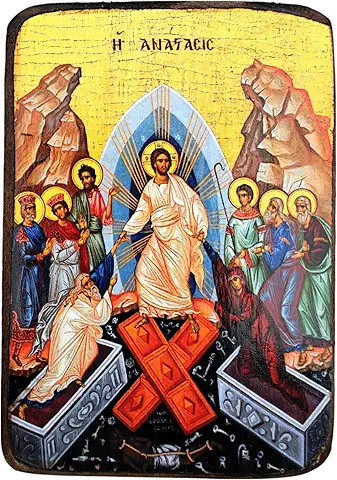
The Origins and Evolution of Icons in Christianity
The use of sacred images traces back to the earliest days of Christianity, evolving from simple symbols to intricate theological expressions. In the catacombs of Rome, second-century Christians etched fish, anchors, and Chi-Rho symbols as covert representations of faith amid persecution. As Christianity spread, images became educational tools, especially in illiterate societies.
By the fourth century, with Constantine's legalization of Christianity, icons proliferated in churches. Basil the Great (c. 330–379) praised images as silent teachers: "What the word communicates by sound, the painting shows silently by representation." This view aligned with Pope Gregory the Great's (c. 540–604) description of images as "books for the illiterate," allowing the faithful to "read" Gospel stories through visuals.
The Iconoclastic Controversy (726–843 AD) marked a pivotal challenge. Byzantine Emperor Leo III banned icons, fearing idolatry, leading to widespread destruction. Defenders like John of Damascus argued that the Incarnation—God becoming flesh—sanctified matter, making images permissible. The Seventh Ecumenical Council (Nicaea II, 787 AD) resolved the debate, affirming: "The honor paid to the image passes to the prototype." This decision, binding for Orthodox and Eastern Catholics, emphasized icons as incarnational affirmations, not idols.
In the West, the Council of Trent (1545–1563) addressed similar Protestant critiques during the Reformation. Trent upheld images' legitimacy, stating they should receive "due honor and veneration," but warned against superstition. Eastern Catholics, in full communion with Rome, maintain robust icon traditions, blending Byzantine styles with Latin influences.
Today, icons remain vibrant, with modern iconographers preserving ancient techniques while adapting to contemporary contexts. In diaspora communities, like those in Austin, Texas, icons bridge cultural gaps, fostering devotion amid diverse societies.

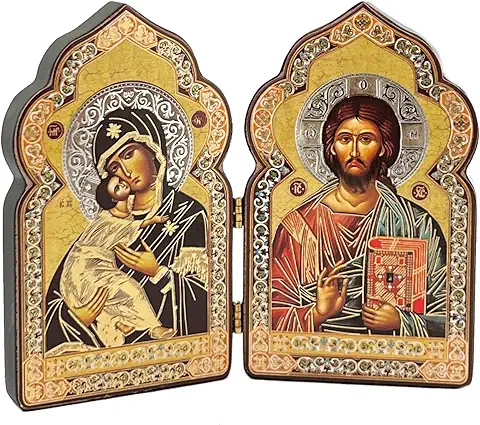

Theological Foundations: Veneration vs. Worship Explained
At the heart of icon use is the distinction between veneration (dulia) and worship (latria). Latria is absolute adoration reserved for God alone, as in the Eucharist or prayer to the Trinity. Dulia is respectful honor given to created beings or objects, like saints or icons. Hyperdulia, a special form of dulia, honors Mary as the Mother of God.
This framework prevents idolatry. As Nicaea II clarified, "The honor shown to the image passes to the one depicted." Kissing an icon of Christ honors Christ Himself, not the material. John of Damascus reinforced: "I do not worship matter; I worship the Creator of matter who became matter for my sake."
Biblically, icons align with God's commands for sacred images. In Exodus 25:18–22, God instructs cherubim statues for the Ark of the Covenant. Solomon's Temple featured carved angels and pomegranates (1 Kings 6:23–35). These prefigure New Testament realities, where Christ's Incarnation (John 1:14) sanctifies the visible world. Paul calls Christ "the image (eikon) of the invisible God" (Colossians 1:15), underscoring icons as reflections of divine truth.
Icons also embody the communion of saints (Hebrews 12:1), inviting intercession. Venerating a saint's icon is like asking a living friend for prayers—communal, not idolatrous.
| Term | Meaning | Example |
|---|---|---|
| Latria | Worship/adoration due to God alone | Eucharistic adoration, prayer to the Trinity |
| Dulia | Honor/reverence for saints and holy objects | Bowing before an icon, lighting candles |
| Hyperdulia | Special honor for Mary | Venerating icons of the Theotokos (Mother of God) |
Icons as Visual Scripture: Teaching the Faith Through Art
Icons are more than decorations; they are theological statements. Often called "visual Scripture," they convey doctrines accessibly. The Pantocrator icon, showing Christ with an open Gospel and blessing hand, symbolizes His dual nature—divine and human—echoing Chalcedon (451 AD).
In illiterate eras, icons narrated salvation history. Gregory the Great noted: "What writing presents to readers, this picture presents to the unlearned." Stained-glass windows in Western cathedrals served similarly, but Eastern icons emphasize mystery over realism, using inverse perspective to draw viewers into eternity.
Modern applications include home icon corners for family prayer, reinforcing biblical literacy. In Eastern Catholic rites, icons integrate into liturgies, enhancing Scripture readings.
Why Do Orthodox and Eastern Catholics Kiss Icons? Practices and Etiquette
Kissing icons is a bodily expression of faith, engaging senses in prayer. Upon entering a church, believers typically:
Make the sign of the cross.
Bow twice.
Kiss the icon (usually the hand or feet, avoiding the face as a sign of humility).
Bow once more.
This ritual affirms the Incarnation—God in flesh—and requests intercession. At home, icons create prayer spaces, often with lamps or candles symbolizing divine light.
Eastern Catholics, like Byzantines or Melkites, follow similar practices, blending Eastern iconography with Roman elements. Trent encouraged veneration, leading to increased icon use in Latin churches post-Vatican II.
Addressing Common Misconceptions: Is Kissing Icons Idolatry?
A frequent Protestant critique labels icon veneration as idolatry, citing Exodus 20:4–5. However, this misunderstands the distinction: idols are false gods; icons point to the true God.
Misconception: Icons are worshiped like pagan statues. Reality: Honor passes to the prototype; no divinity is ascribed to the image.
Misconception: Icons violate the Second Commandment. Reality: God commanded images (e.g., cherubim), prohibiting only false worship.
Misconception: Only Eastern Orthodox use icons. Reality: Eastern Catholics venerate them robustly, and Trent affirmed images for all Catholics.
These clarifications bridge ecumenical divides, showing icons as unifying rather than divisive.
Famous Icons and Their Spiritual Significance
Theotokos of Vladimir: A 12th-century Byzantine icon, symbolizing Mary's tenderness, revered for miracles.
Christ Pantocrator (Sinai): Sixth-century, depicting Christ's authority and mercy.
Our Lady of Perpetual Help: Eastern Catholic favorite, emphasizing Mary's intercession.
These icons inspire devotion, with feasts like the Sunday of Orthodoxy commemorating icon restoration.
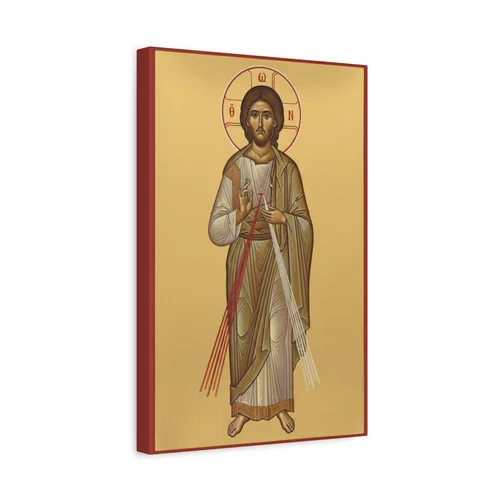


Icons in Daily Life: Home Altars and Personal Devotion
Beyond churches, icons sanctify homes. An "icon corner" faces east, with family icons, lamps, and Scriptures. Daily veneration fosters spiritual discipline, teaching children faith through visuals.
In modern contexts, like Southeast Texas, icons blend with local culture—hugs in greetings parallel reverent kisses.
Ecumenical Perspectives: Icons in Protestant and Western Views
While Protestants often reject icons, some Anglicans and Lutherans appreciate sacred art. Trent's reforms influenced Baroque art, prioritizing clarity over excess.
Eastern Catholics exemplify unity, venerating icons while in communion with Rome.
In conclusion, icons enrich faith, embodying theology in art. Far from idolatry, kissing icons is a loving act drawing believers closer to God and saints. This tradition, affirmed by councils and Scripture, offers timeless spiritual value.