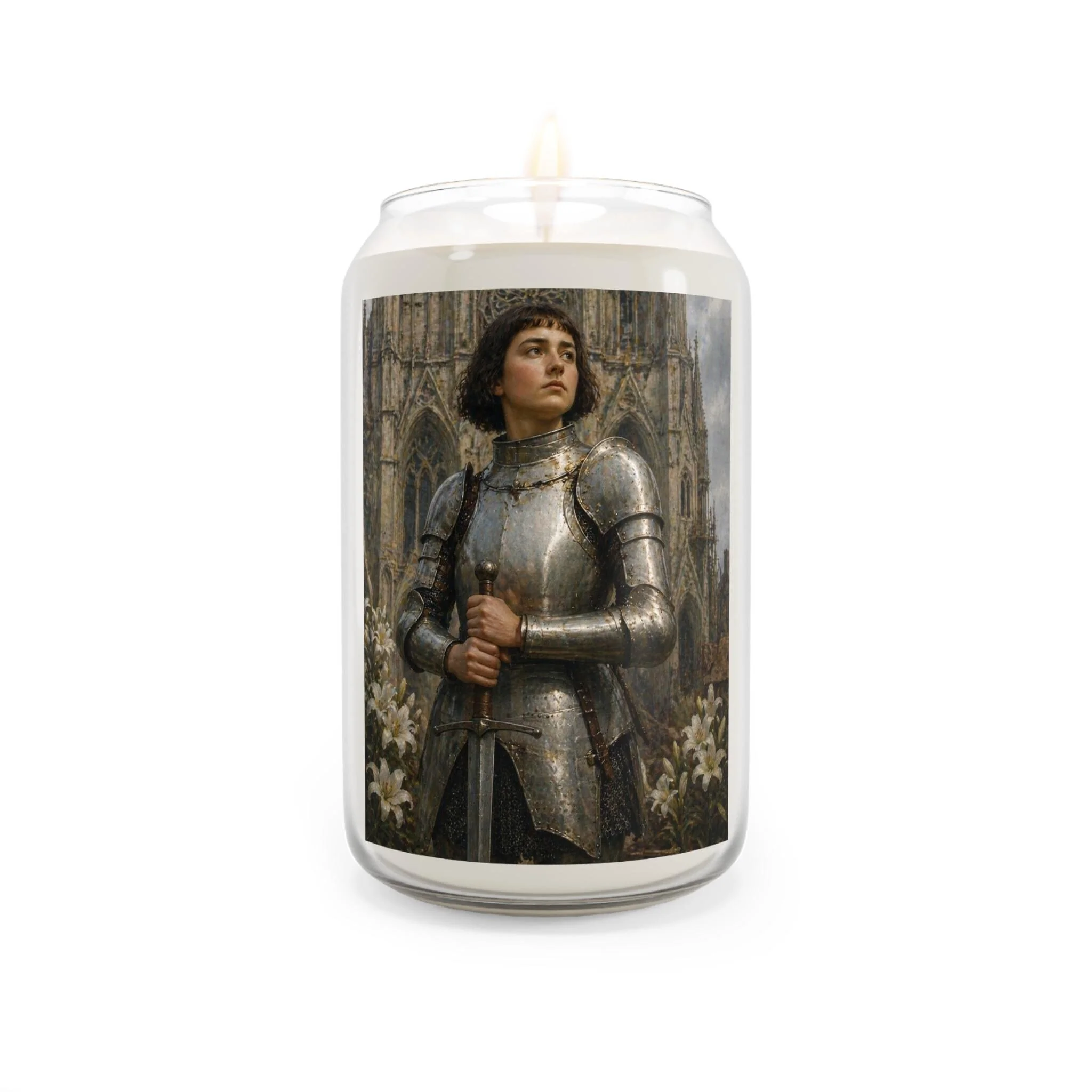
Image 1 of 2
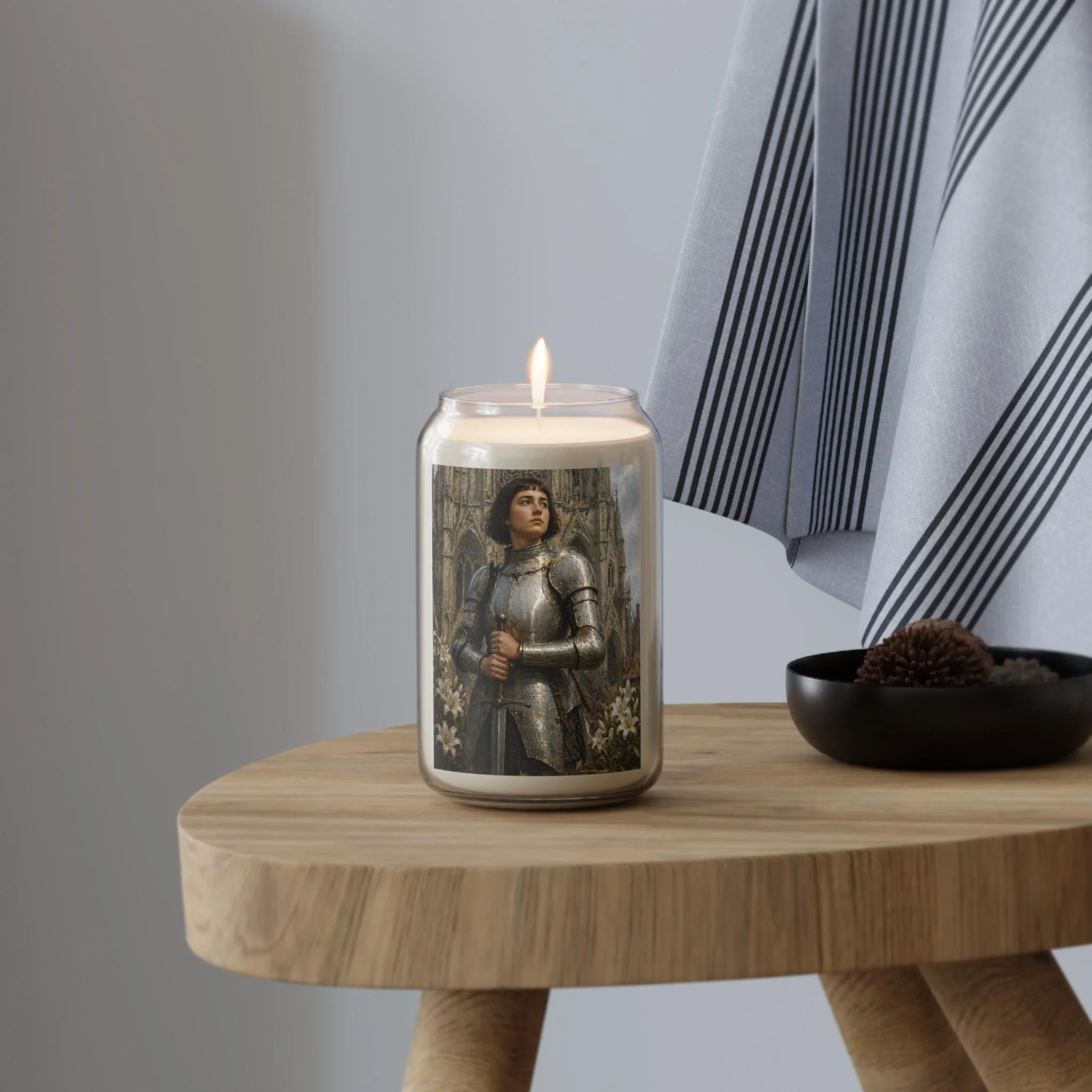
 Image 2 of 2
Blessed Estephan Nehmé Prayer Card – Patron for Chronic Illness, Hidden Suffering & Quiet Endurance
-
Blessed Estephan Nehmé was born in 1889 in Lebanon into a devout Christian family. From childhood, he showed gentleness, humility, and a deep love for prayer. As a young man, he entered the Lebanese Maronite Order, seeking a life hidden with Christ.
Monastic life did not bring ease.
Not long after professing vows, Estephan became gravely ill. His condition limited his physical abilities and caused ongoing pain. While other monks worked in fields or kitchens, Estephan was often confined to lighter duties or rest.
But he never withdrew spiritually.
He prayed constantly.
He obeyed without resistance.
He accepted every assignment with gratitude.Those who lived with him testified that he never complained, never demanded comfort, and never sought attention. His suffering was quiet. His faith was steady.
He became known among the monks for profound humility and interior peace. Even when pain intensified, he maintained gentle speech and unwavering trust in God. He treated illness not as an interruption of vocation, but as the vocation itself.
His life became a continuous offering.
He died in 1938 at only forty-nine years old, having spent much of his adult life physically weakened yet spiritually luminous. After his burial, devotion grew quickly. Many who prayed at his grave experienced healing, peace, and renewed strength.
The monk who suffered silently began speaking loudly through grace.
-
Blessed Estephan Nehmé is remembered as a powerful intercessor for those living with long-term illness and hidden suffering.
He is especially beloved by people who endure quietly.
Patron Of:
Chronic illness and long-term pain
Hidden suffering
Emotional exhaustion
Spiritual dryness
Perseverance through weakness
Quiet obedience
Endurance without recognition
Miracles and Ongoing Intercession
After his death, numerous healings were reported through Blessed Estephan’s intercession, particularly involving chronic conditions and unexplained pain. Many testified to sudden physical improvement, emotional relief, and renewed spiritual strength.
Some experience peace after years of anxiety.
Others find strength returning during exhausting seasons.
Many describe feeling seen by God after praying through him.His miracles arrive gently.
They come as comfort replacing despair.
They come as strength in fragile bodies.
They come as Christ drawing close in weakness.Blessed Estephan teaches that God works powerfully through lives that appear small.
-
Prayers & Traditional Devotion
Traditional Prayer
Blessed Estephan Nehmé, humble monk and faithful servant of God, pray for us. Intercede for the sick, strengthen those who suffer, and obtain for us patience and peace in every trial. Amen.
Personal Prayer
Blessed Estephan Nehmé, gentle soul and companion of suffering, pray for me.
You carried illness without bitterness.
You endured weakness without complaint.
You turned pain into prayer.I bring you my fatigue.
If my body hurts, comfort me.
If my spirit feels worn, renew me.
If my suffering feels unseen, remind me that God is near.Teach me how to endure quietly.
Teach me how to trust when healing delays.
Teach me how to offer weakness to Christ.Stand beside those living with chronic pain.
Stand beside anyone exhausted from long battles.
Stand beside souls who suffer in silence.Blessed Estephan, you remained faithful in weakness.
By your intercession, may Christ strengthen my body, steady my heart, and help me persevere with peace.
Amen.
-
Q: What is Blessed Estephan Nehmé known for?
He is known as a Maronite monk who endured chronic illness with extraordinary patience and humility, becoming a model of quiet perseverance.Q: When is Blessed Estephan Nehmé’s feast day?
He is commemorated on August 30 in the Maronite Catholic calendar.Q: Which Christian traditions venerate Blessed Estephan Nehmé?
He is honored primarily in the Maronite Catholic Church and Eastern Catholic devotion.Q: Why do people pray to Blessed Estephan Nehmé for illness or endurance?
Because he personally lived with long-term physical suffering and offered it faithfully to God. Many seek his intercession when facing chronic pain, exhaustion, or hidden struggles.