 Image 1 of 1
-
A Hidden Saint in the Egyptian Desert
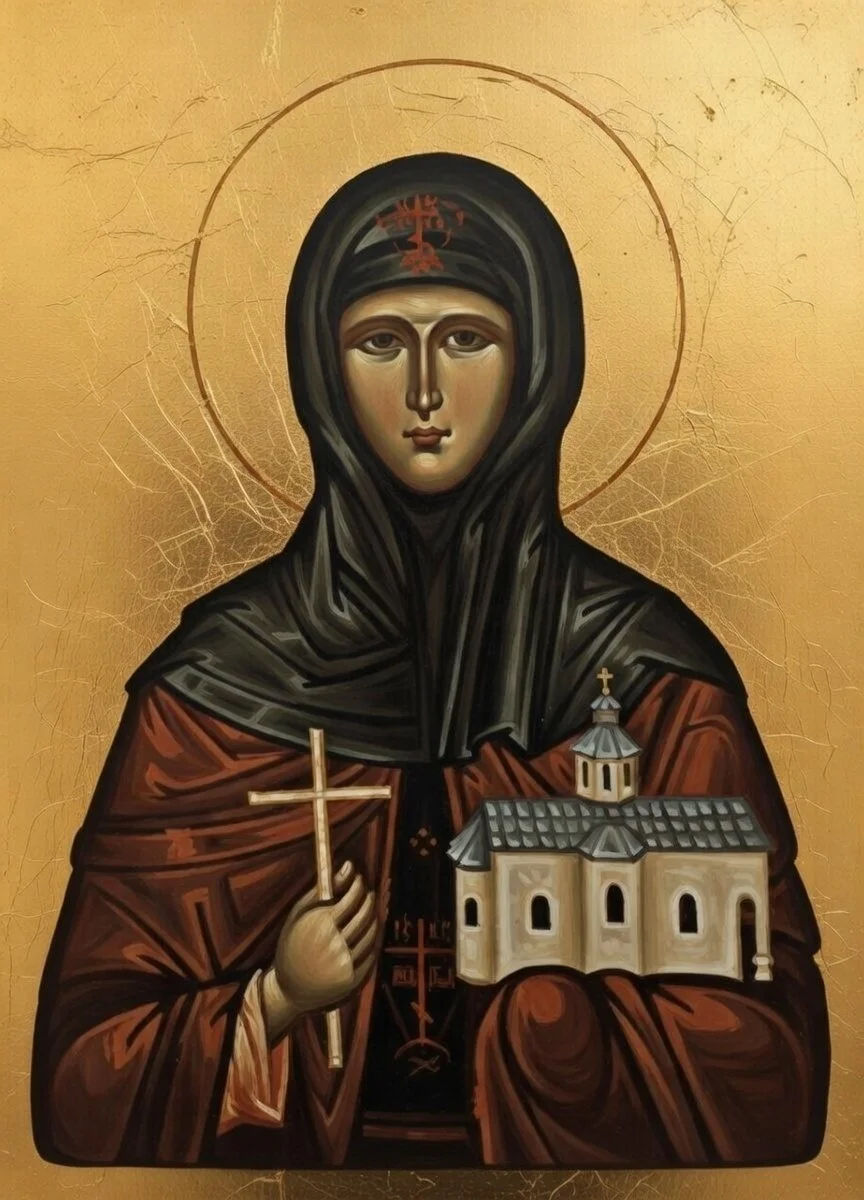
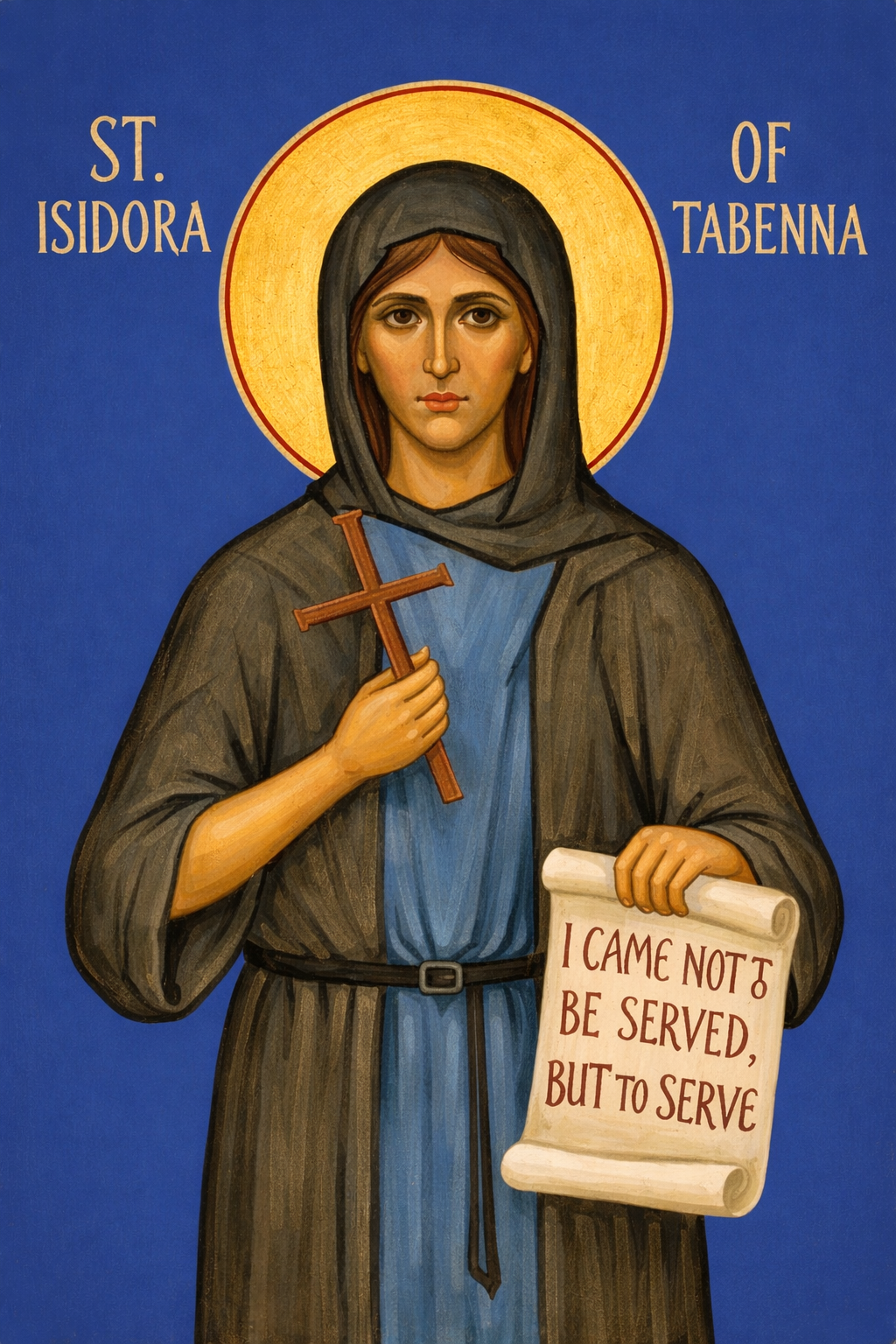
Saint Isidora lived in fourth-century Egypt at the women’s monastery of Tabenna, part of the great cenobitic monastic movement founded by Saint Pachomius.
From the outside, Isidora appeared broken.
She dressed in filthy rags. She wore a dishcloth wrapped around her head. She avoided conversation. She performed the lowest tasks in the monastery, cleaning refuse, washing dishes, serving food, and absorbing insults.
The other sisters treated her with contempt.
They mocked her.
They shouted at her.
They blamed her for mistakes she did not make.
Some struck her.
She never defended herself.
She never explained.
She simply bowed her head and continued serving.
What no one realized was that Isidora had chosen this path intentionally.
She had embraced holy foolishness.
The Voluntary Cross of Humiliation
Saint Isidora deliberately took upon herself the role of the despised one. In an environment dedicated to holiness, she chose the lowest place.
She accepted mockery as prayer.
She accepted rejection as worship.
She accepted invisibility as communion with Christ.
Her entire life became a silent offering.
She fasted constantly. She prayed ceaselessly in her heart. She bore injustice with joy. She never complained.
To her sisters, she appeared mentally unstable.
To heaven, she was luminous.
Her life mirrored Christ Himself: rejected, misunderstood, and silent before accusation.
Heaven Reveals Her Holiness
God did not allow her sanctity to remain hidden forever.
One day, a holy monk named Saint Pitirim received a divine revelation instructing him to go to the women’s monastery and seek out a particular holy ascetic.
When he arrived, he asked to meet the nuns.
They proudly presented their most disciplined sisters.
Pitirim shook his head.
“No,” he said. “Bring me the one called Isidora.”
The sisters laughed.
They tried to dissuade him.
“She is mad,” they said. “She is useless.”
Pitirim insisted.
When Isidora was finally brought before him, he immediately fell to the ground and bowed before her.
The nuns were stunned.
Pitirim proclaimed:
“This woman is greater than both of us. You are righteous outwardly, but she is righteous inwardly. You have labored visibly. She has labored invisibly.”
Only then did they realize what they had done.
They fell at Isidora’s feet in tears, begging forgiveness.
But Isidora fled.
She left the monastery quietly and disappeared into solitude, unwilling to accept honor.
Soon after, she reposed peacefully, having completed her hidden martyrdom of love.
-
Saint Isidora is especially sought by those suffering silently under emotional pain, rejection, or mistreatment.
Patron Saint Of:
Healing from emotional trauma and inner wounds
Deliverance from humiliation, abuse, or mistreatment
Inner peace after long seasons of rejection
Those misunderstood or falsely judged
Souls battling despair
Hidden servants and caregivers
People learning humility and forgiveness
Spiritual Miracles and Intercessions
Saint Isidora’s miracles are primarily interior and transformative.
Many who pray to her report sudden peace after years of emotional heaviness.
Those carrying shame or memories of mistreatment describe feeling released from bitterness.
Some testify that praying with Saint Isidora’s icon helped them forgive those who wounded them deeply.
Others speak of strength returning after seasons of spiritual exhaustion or loneliness.
Her greatest miracle is the healing of the heart: teaching wounded souls that God sees every tear and that no suffering offered in love is wasted.
-
Personal Prayer
Holy Mother Isidora of Tabenna, hidden jewel of Christ and silent bearer of humiliation, pray for me. Heal the wounds within my heart. Deliver me from bitterness, shame, and despair. Teach me humility, patience, and forgiveness. Help me trust that God sees what others overlook. By thy prayers, may my suffering be transformed into peace, and my weakness into strength through Christ our Lord. Amen.
-
Q: What is Saint Isidora of Tabenna known for?
Saint Isidora is known for embracing holy foolishness and enduring humiliation inside a monastery without protest. She is remembered for teaching radical humility and for helping those suffering emotional wounds, rejection, or hidden pain.
Q: When is Saint Isidora’s feast day?
Saint Isidora of Tabenna is commemorated on May 1.
Q: Which Christian traditions venerate Saint Isidora?
Saint Isidora is venerated in the Eastern Orthodox Church and within Coptic Christian tradition, especially among those devoted to the Desert Mothers of Egypt.
Q: Why did Saint Isidora allow herself to be treated so harshly?
Saint Isidora willingly accepted mistreatment as a spiritual discipline. She desired to imitate Christ’s humility and bear reproach in silence, offering every insult as prayer. Her life teaches that holiness does not require recognition, only surrender.