 Image 1 of 1
-
The Life & Story
A Young Man Who Chose Obscurity
Saint Nimatullah Hardini was born in Hardine, Lebanon, in 1808. From early childhood he showed unusual seriousness toward prayer and discipline. While others pursued ordinary ambitions, Nimatullah felt drawn to silence and repentance.
At age twenty, he entered the Lebanese Maronite Order, embracing monastic life with total commitment.
He did not seek recognition.
He sought purification.
His days were marked by:
long fasts
sleep on bare boards
extended night vigils
manual labor
unceasing prayerHe obeyed every instruction without complaint, even when given the lowest tasks.
A Life of Interior Warfare
Nimatullah’s sanctity was forged in hidden struggle.
He battled temptation, exhaustion, and physical weakness. He imposed strict discipline on his body to heal his soul. He spent hours in confession and spiritual direction, cultivating humility and self-knowledge.
Those who lived beside him noticed something rare:
he carried deep stillness.
Young monks sought his counsel. Troubled souls gravitated toward him. Without dramatic words, he brought clarity and peace.
He later served as novice master, forming younger monks in repentance, obedience, and prayer. His guidance emphasized interior transformation rather than external success.
Death That Revealed Holiness
Saint Nimatullah died quietly in 1858.
Almost immediately, devotion spread.
His tomb became a place of pilgrimage. People reported healings of addiction, emotional trauma, and physical illness. Families testified to restored peace. Priests spoke of renewed vocations after praying at his grave.
His incorrupt body was later discovered, confirming what the faithful already believed: this hidden monk had become a vessel of grace.
He was canonized by the Catholic Church in 2004.
-
Miracles & Patronage
Saint Nimatullah Hardini is especially invoked for healing that begins inside the soul.
Patron Saint Of:
Inner healing from emotional trauma
Freedom from addiction and destructive habits
Spiritual renewal after long dryness
Those in recovery
People battling compulsions
Souls returning to confession after years away
Anyone seeking peace after inner chaos
Miracles and Ongoing Intercession
Numerous miracles are attributed to Saint Nimatullah’s intercession, particularly involving:
release from substance addiction
healing of anxiety and depression
restoration of family relationships
renewed faith after spiritual collapse
physical healings accompanying interior conversion
Modern devotees often report:
sudden clarity during prayer
strength to resist relapse
peace replacing agitation
desire for confession after long absence
emotional wounds finally softening
Saint Nimatullah’s miracles frequently arrive quietly:
renewed resolve
calm hearts
freedom from compulsions
return to GodHe specializes in rebuilding people from the inside out.
-
Traditional Maronite Invocation
O Saint Nimatullah Hardini, faithful monk and lover of repentance, pray for us. Obtain healing for wounded hearts, strength for those enslaved by habits, and renewal for weary souls.
Personal Prayer
Holy Saint Nimatullah Hardini, gentle healer of broken hearts, pray for me.
Intercede for inner healing where wounds still ache. Obtain freedom from addictions and habits that enslave me. Restore peace where anxiety lives, and hope where discouragement has taken root.
Teach me perseverance in repentance and patience in recovery. Help me return to God when I fall, and remain humble when I rise.
You who lived hidden yet burned with love for Christ, guide me back to prayer, confession, and quiet trust.
By your intercession, may my soul be restored and my life renewed in God. Amen.
-
Q: What is Saint Nimatullah Hardini known for?
Saint Nimatullah Hardini is known for deep ascetic holiness and powerful intercession for inner healing, addiction recovery, and spiritual renewal. Many testify to emotional and spiritual restoration through his prayers.Q: When is Saint Nimatullah Hardini’s feast day?
Saint Nimatullah Hardini is commemorated on May 14.Q: Which Christian traditions venerate Saint Nimatullah Hardini?
Saint Nimatullah Hardini is venerated in the Maronite Catholic Church and throughout the wider Catholic world, especially among those seeking interior healing.Q: Why is Saint Nimatullah often shown in a simple black monastic habit?
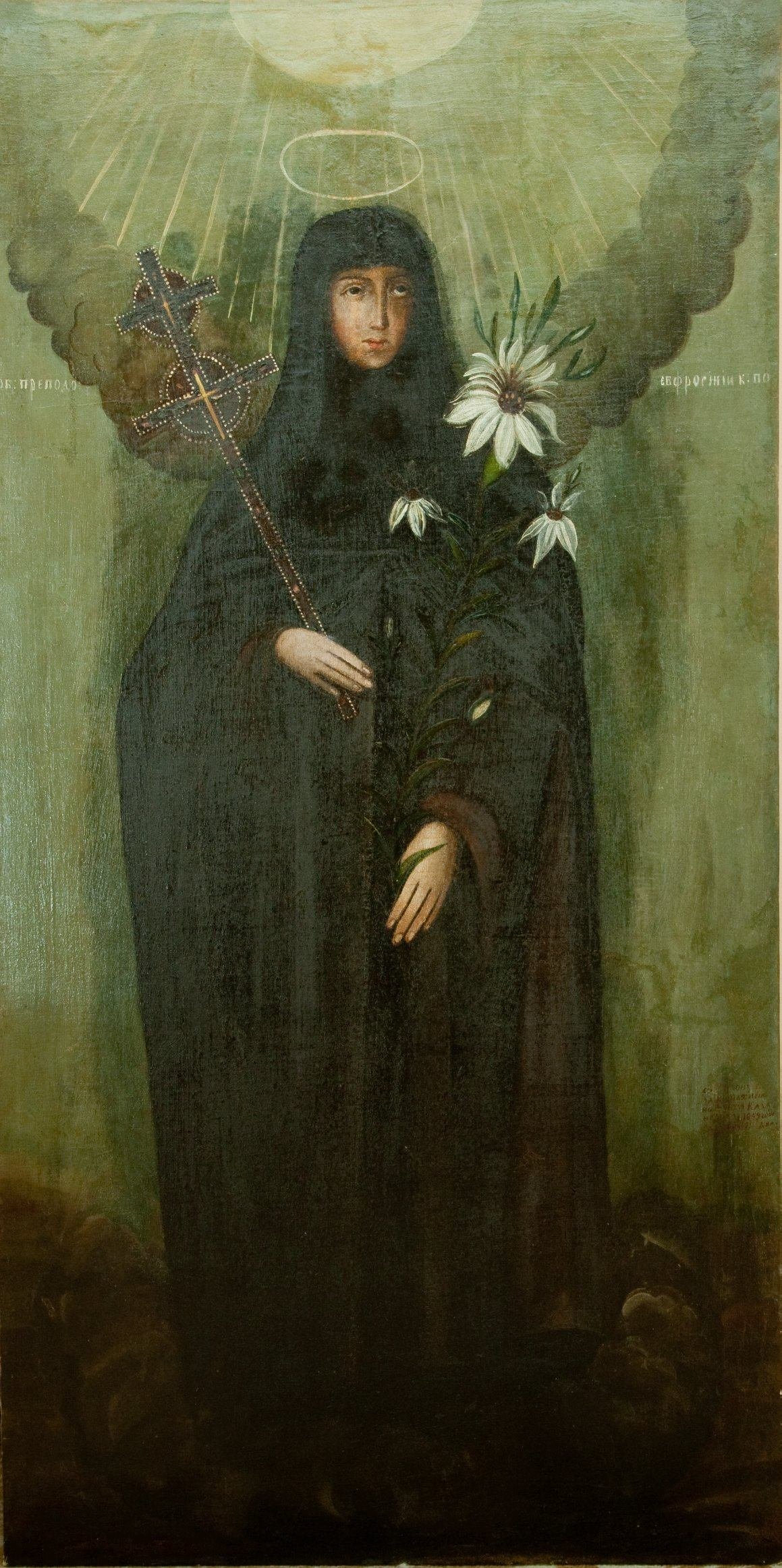
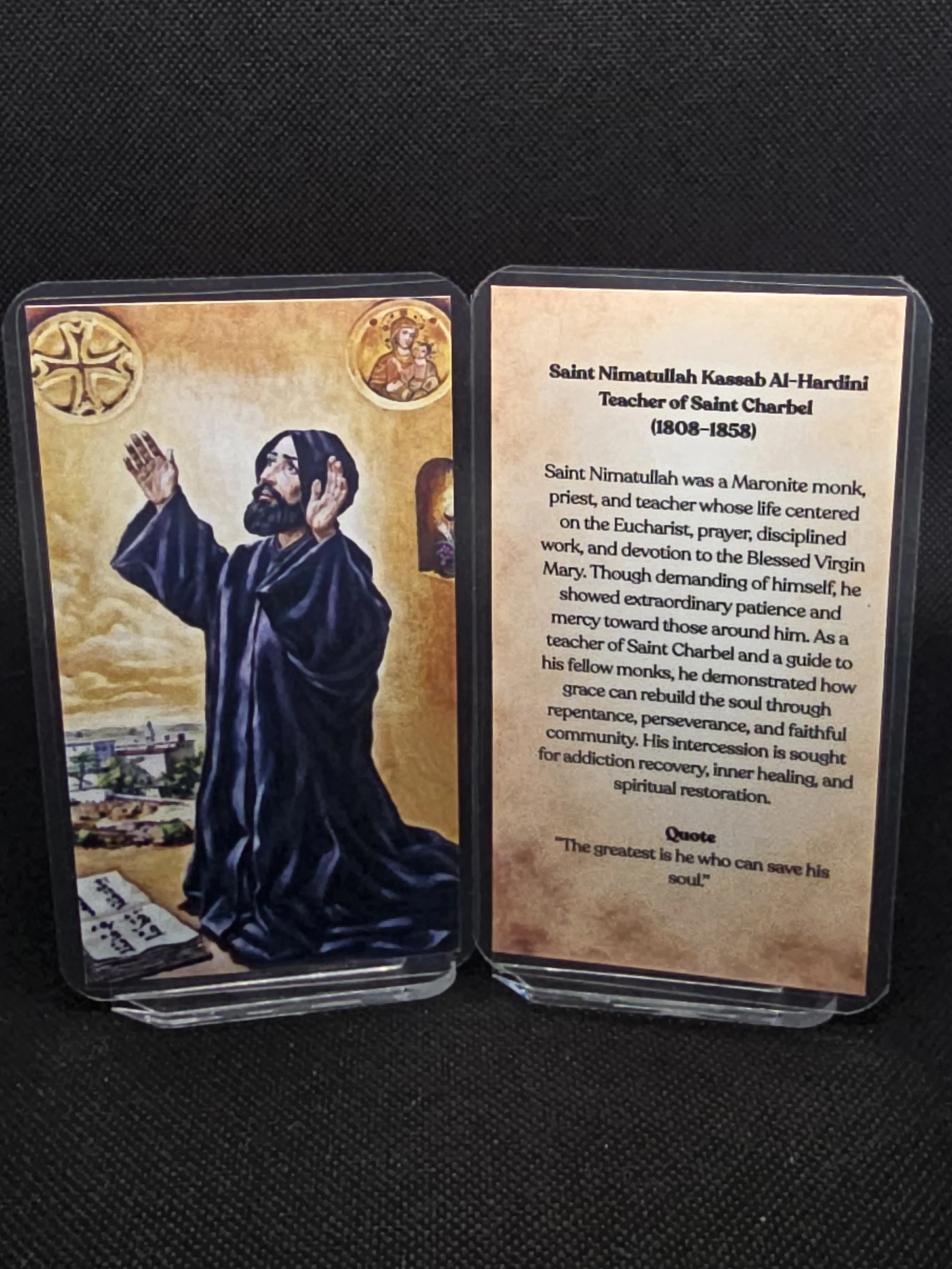
The habit reflects his life of radical poverty, obedience, and hidden prayer, symbolizing his complete surrender to God and rejection of worldly recognition.