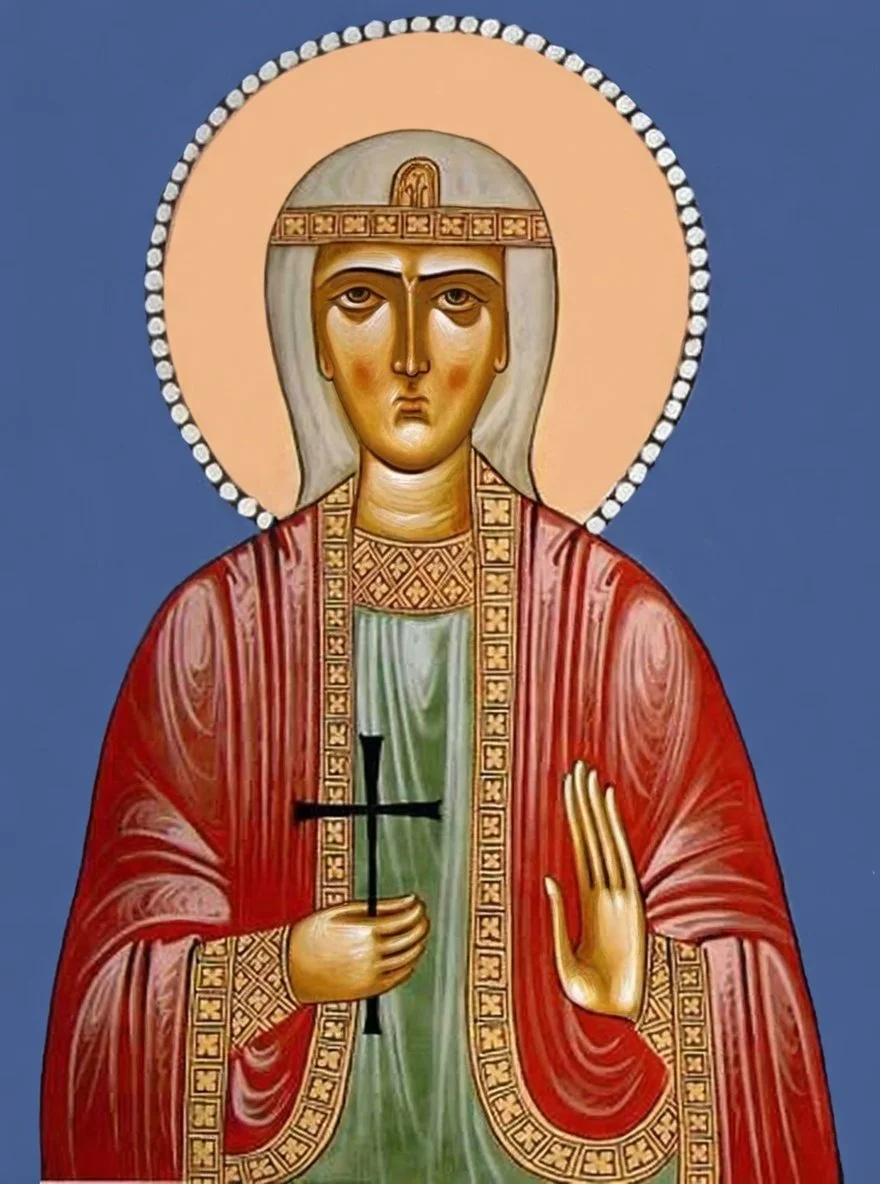
Saint Rafqa Prayer Card – Patron for Chronic Pain, Physical Suffering & Trusting God Through Long Illness

$3.00

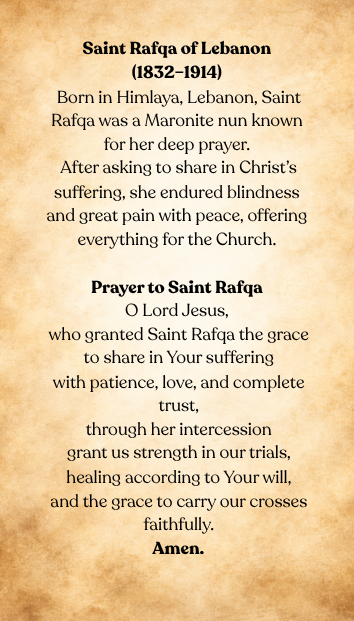
Saint Rafqa was a Maronite Catholic nun whose sanctity was formed almost entirely through prolonged physical suffering, blindness, and decades of immobilizing pain. She is honored in the Eastern Catholic tradition as a hidden mystic who embraced illness not as punishment, but as participation in Christ’s own suffering. Her feast day is commemorated on March 23.

People come to Saint Rafqa when pain becomes permanent. They come when diagnoses multiply, when mobility fades, and when prayer feels harder than the body’s weakness. They come when chronic illness isolates them from normal life and when hope must survive inside limitations they never asked for.

Rafqa understands this kind of suffering because it became her daily companion.

Born in 1832 in Lebanon, she entered religious life young, seeking a quiet union with Christ. Instead, she was led into a path marked by physical agony. A medical procedure left her blind in one eye, followed by gradual blindness in the other. Later, severe arthritis and paralysis confined her to bed for years, leaving her unable to move without assistance.

Yet she did not complain.

She accepted every loss with prayer.

She offered her pain for the salvation of souls.

Her room became a sanctuary. Her silence became worship. Her suffering became intercession.

Today, Saint Rafqa is prayed to by those living with chronic illness, autoimmune disorders, degenerative disease, blindness, and long-term disability. She is especially sought by people learning how to trust God when healing does not come quickly and by anyone trying to carry physical pain without losing spiritual peace.

This prayer card honors a saint who teaches that holiness can flourish even when the body collapses.

Each card is handmade in Austin and created to order. We do not keep stock, because every prayer card is treated as a unique devotional offering. They are printed on museum-quality photo paper, not cardstock, and each one is made during prayer. The saints are venerated throughout the entire process, and prayers are intentionally offered for the person who will receive the card. These are not mass-produced items. They are created slowly, reverently, and with spiritual intention, because every soul and every prayer matters.

Saint Rafqa was a Maronite Catholic nun whose sanctity was formed almost entirely through prolonged physical suffering, blindness, and decades of immobilizing pain. She is honored in the Eastern Catholic tradition as a hidden mystic who embraced illness not as punishment, but as participation in Christ’s own suffering. Her feast day is commemorated on March 23.

People come to Saint Rafqa when pain becomes permanent. They come when diagnoses multiply, when mobility fades, and when prayer feels harder than the body’s weakness. They come when chronic illness isolates them from normal life and when hope must survive inside limitations they never asked for.

Rafqa understands this kind of suffering because it became her daily companion.

Born in 1832 in Lebanon, she entered religious life young, seeking a quiet union with Christ. Instead, she was led into a path marked by physical agony. A medical procedure left her blind in one eye, followed by gradual blindness in the other. Later, severe arthritis and paralysis confined her to bed for years, leaving her unable to move without assistance.

Yet she did not complain.

She accepted every loss with prayer.

She offered her pain for the salvation of souls.

Her room became a sanctuary. Her silence became worship. Her suffering became intercession.

Today, Saint Rafqa is prayed to by those living with chronic illness, autoimmune disorders, degenerative disease, blindness, and long-term disability. She is especially sought by people learning how to trust God when healing does not come quickly and by anyone trying to carry physical pain without losing spiritual peace.

This prayer card honors a saint who teaches that holiness can flourish even when the body collapses.

Each card is handmade in Austin and created to order. We do not keep stock, because every prayer card is treated as a unique devotional offering. They are printed on museum-quality photo paper, not cardstock, and each one is made during prayer. The saints are venerated throughout the entire process, and prayers are intentionally offered for the person who will receive the card. These are not mass-produced items. They are created slowly, reverently, and with spiritual intention, because every soul and every prayer matters.

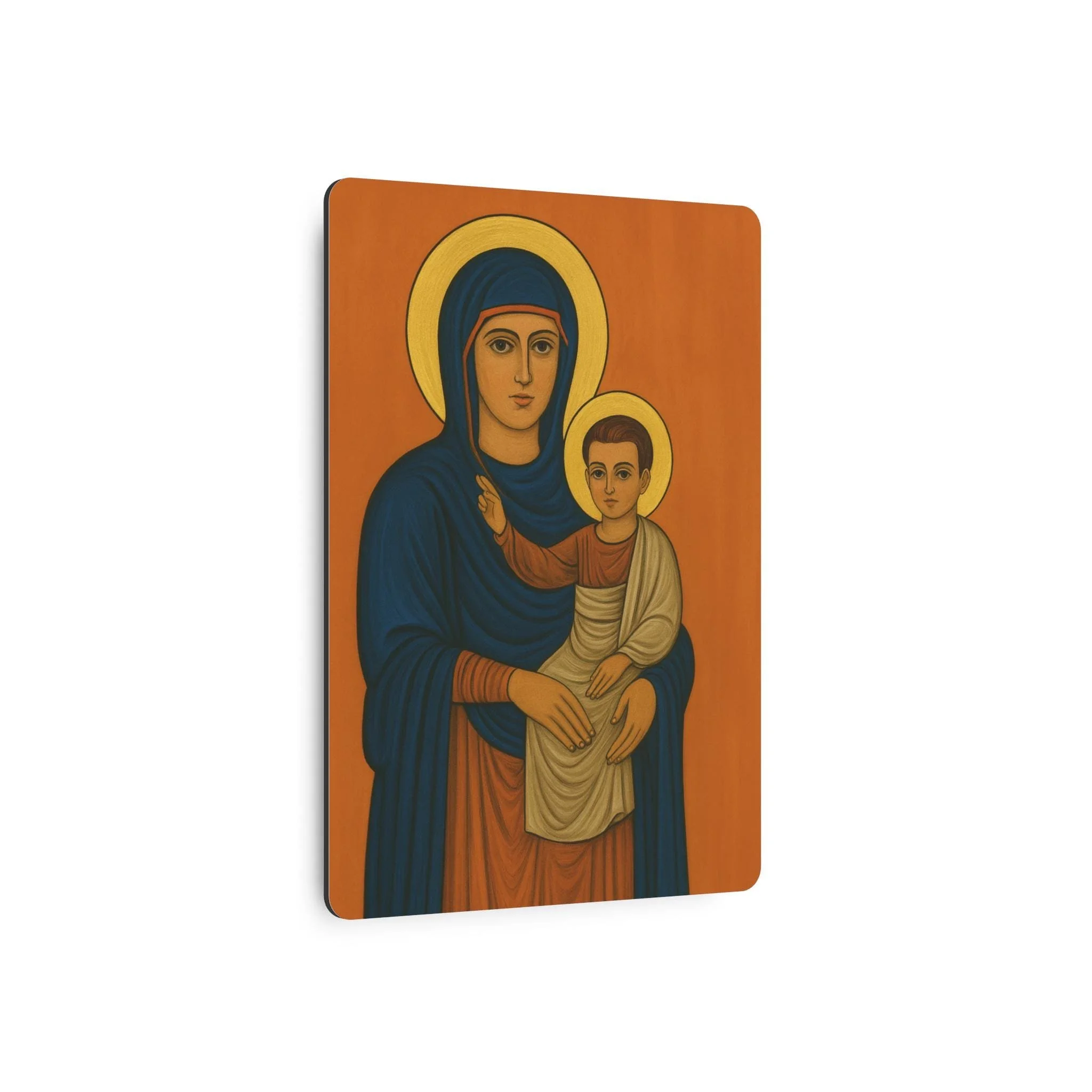
Our Lady of Elige Icon Canvas | Maronite Virgin Mary Art Our Lady of Elige Icon Canvas | Maronite Virgin Mary Art Our Lady of Elige Icon Canvas | Maronite Virgin Mary Art Our Lady of Elige Icon Canvas | Maronite Virgin Mary Art Our Lady of Elige Icon Canvas | Maronite Virgin Mary Art Our Lady of Elige Icon Canvas | Maronite Virgin Mary Art Our Lady of Elige Icon Canvas | Maronite Virgin Mary Art
Sizes:
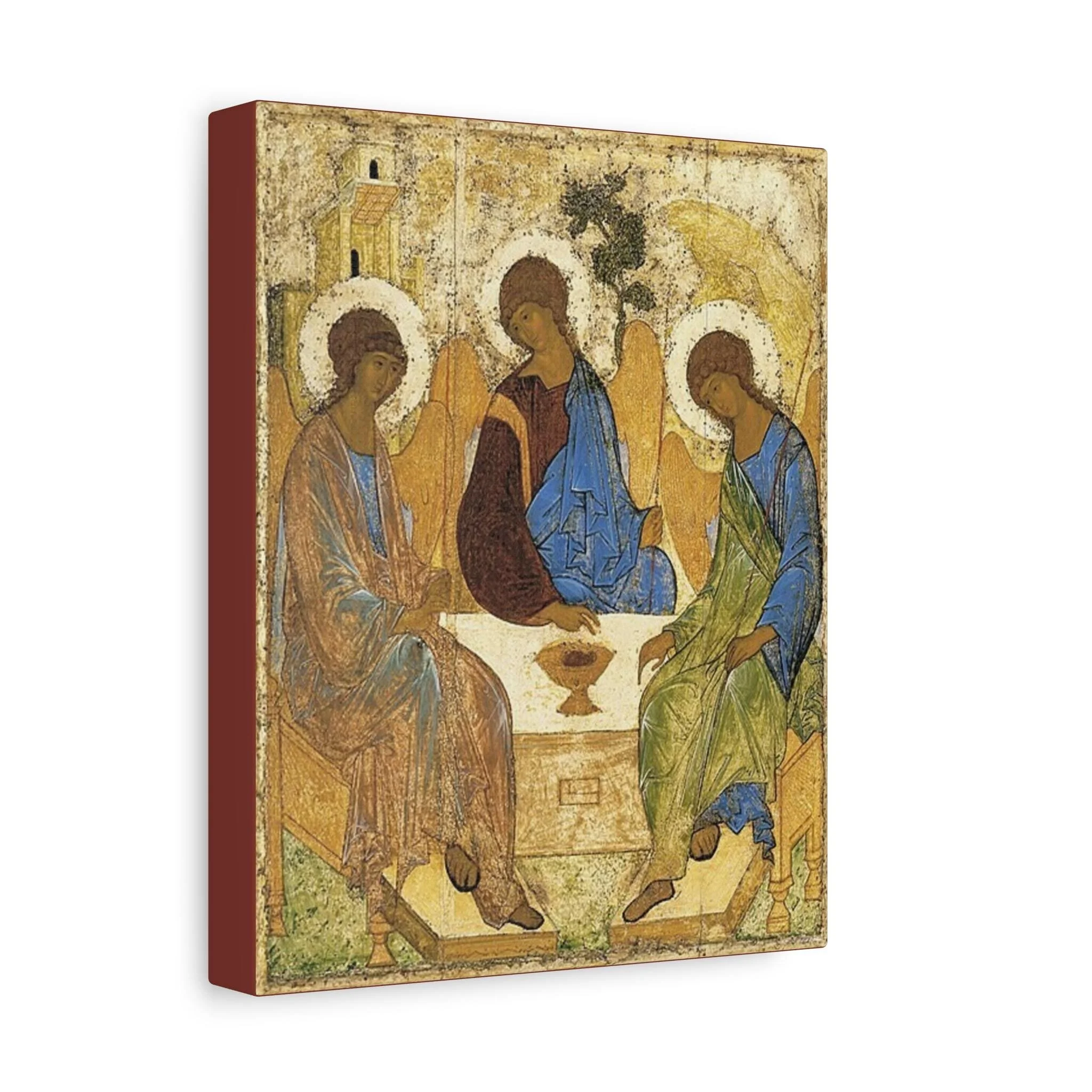
Rublev Holy Trinity Icon Canvas | Orthodox Christian Art Rublev Holy Trinity Icon Canvas | Orthodox Christian Art Rublev Holy Trinity Icon Canvas | Orthodox Christian Art Rublev Holy Trinity Icon Canvas | Orthodox Christian Art Rublev Holy Trinity Icon Canvas | Orthodox Christian Art Rublev Holy Trinity Icon Canvas | Orthodox Christian Art Rublev Holy Trinity Icon Canvas | Orthodox Christian Art Rublev Holy Trinity Icon Canvas | Orthodox Christian Art Rublev Holy Trinity Icon Canvas | Orthodox Christian Art Rublev Holy Trinity Icon Canvas | Orthodox Christian Art Rublev Holy Trinity Icon Canvas | Orthodox Christian Art Rublev Holy Trinity Icon Canvas | Orthodox Christian Art
Sizes:
Size:
  • Saint Rafqa was born in 1832 in Himlaya, Lebanon, into a Maronite Catholic family. Orphaned young, she experienced hardship early, which formed a quiet resilience within her. Drawn to religious life, she entered a convent as a young woman, seeking simplicity and deep prayer rather than recognition or comfort.

    Her early years in the convent were marked by discipline and service, but her true vocation unfolded through suffering.

    During a medical procedure meant to relieve pain in her eyes, she lost her vision. Over time, complete blindness followed. Later, severe arthritis and neurological complications left her progressively paralyzed, confining her to bed for nearly thirty years.

    Her body weakened.

    Her spirit deepened.

    Rafqa accepted every new limitation as an offering to Christ. She prayed constantly, even when pain surged through her joints and muscles. She fasted when able. She thanked God for suffering, believing it united her more closely with the Cross.

    Visitors were struck not by her illness, but by her peace.

    She rarely spoke about her pain. Instead, she encouraged others, reminding them that God never abandons those who suffer quietly. Her room became a place of pilgrimage long before her death, as people sought comfort beside a woman whose life embodied endurance.

    She died in 1914 after decades of immobilization, leaving behind a legacy not of outward accomplishments, but of interior victory.

  • Saint Rafqa is remembered as a powerful intercessor for those enduring long-term physical suffering and spiritual fatigue caused by chronic illness.

    She is especially beloved by people whose bodies no longer cooperate with daily life.

    Patron Saint Of:

    • Chronic pain and long illness

    • Blindness and vision disorders

    • Autoimmune and degenerative disease

    • Physical disability

    • Perseverance in prolonged suffering

    • Trusting God when healing is delayed

    • Interior peace during bodily weakness

    Miracles and Ongoing Intercession

    After her death, numerous healings were reported through Saint Rafqa’s intercession, particularly involving chronic pain, paralysis, and vision problems. Her incorrupt body strengthened devotion among the faithful, especially within Maronite communities.

    Some experience physical relief after years of discomfort. Others describe emotional peace returning after long battles with illness. Many speak of renewed courage to continue living faithfully despite permanent limitations.

    Her miracles arrive quietly.

    They come as strength inside weakened bodies.
    They come as peace beneath persistent pain.
    They come as Christ standing beside hospital beds and silent rooms.

    Saint Rafqa teaches that suffering does not block holiness. It refines it.

  • Traditional Prayer

    Holy Saint Rafqa, faithful servant of Christ and companion of the suffering, pray for us. Intercede for the sick, strengthen us in weakness, and help us trust God in every trial. Amen.

    Personal Prayer

    Saint Rafqa, gentle nun of endurance and hidden holiness, pray for me.

    You lived with blindness and paralysis without bitterness. You carried pain without complaint. You trusted Christ when your body failed.

    I bring you my suffering.

    If illness limits me, give patience.
    If pain overwhelms me, grant peace.
    If healing feels distant, restore hope.

    Teach me how to offer weakness without despair. Teach me how to pray when energy is gone. Teach me how to trust God when progress feels invisible.

    Stand beside those living with chronic disease.
    Stand beside anyone confined by disability.
    Stand beside all who feel forgotten inside their pain.

    Saint Rafqa, you transformed suffering into prayer.

    By your intercession, may Christ comfort my body, quiet my heart, and teach me how to remain faithful through every season of weakness.

    Amen.

  • Q: What is Saint Rafqa known for?
    She is known for enduring decades of blindness, paralysis, and chronic pain while remaining peaceful, prayerful, and united to Christ.

    Q: When is Saint Rafqa’s feast day?
    She is commemorated on March 23 in the Maronite Catholic calendar.

    Q: Which Christian traditions venerate Saint Rafqa?
    She is honored primarily within the Maronite Catholic Church and Eastern Catholic tradition.

    Q: Why do people pray to Saint Rafqa for illness or endurance?
    Because she personally lived with long-term physical suffering and accepted it with faith. Many seek her intercession when facing chronic disease, disability, or spiritual exhaustion caused by ongoing pain.