Becoming Maronite: A Guide for Inquirers
A Complete Guide • The Syriac Tradition • Eastern Catholic Formation
Becoming Maronite: A Guide for Inquirers
Why do Maronite priests assign a Ukrainian catechism? What does it mean to enter a Syriac Christian tradition? And what should you actually read, pray, and do as you discern the Maronite Church?
At a Glance
- Tradition
- Maronite Catholic Church — Syriac Rite, in full communion with Rome
- Theological Root
- Syriac Christianity; spiritual lineage of St. Maron and the early monks of Syria
- Catechetical Text
- Christ — Our Pascha (Ukrainian Greek Catholic); frequently recommended by Maronite priests
- Why That Text?
- Shared Eastern theology; mystagogical method; accessible to Western inquirers
- Formation Style
- Personal, pastoral, and liturgical — not a standardized classroom program
- Primary Liturgy
- The Qurbono (Divine Liturgy of the Maronite Church)
- Calendar & Fasting
- Distinct Syriac liturgical year; formation through the rhythm of feasting and fasting
- Key Insight
- You are not being asked to become Ukrainian. You are being invited to become Eastern.
For many people discerning the Maronite Church, the journey does not begin with certainty. It begins with a sense that something is missing — often after years spent in Western Christianity, where the faith may feel intellectually rich but spiritually fragmented, or structured but disconnected from the lived rhythm of prayer.
If you are considering becoming Maronite, you may already sense that you are being drawn not simply to a denomination, but to an ancient way of living the Christian faith. That attraction often comes with questions, confusion, and a surprising lack of clear resources tailored specifically to Maronites.
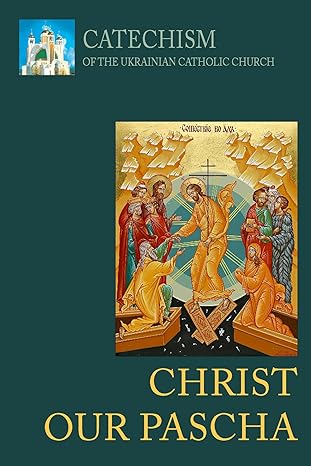
One of the first surprises many inquirers encounter is this: there is no single, universally used Maronite catechism. Instead, priests frequently recommend catechetical texts from other Eastern Catholic Churches — especially the Ukrainian Greek Catholic catechism, Christ — Our Pascha. For some inquirers, this raises questions. Why would a Maronite priest recommend a Ukrainian catechism? Is something missing in Maronite formation?
This article exists to answer those questions carefully, honestly, and historically.

What It Means to Become Maronite
To become Maronite is not merely to change parishes or ritual styles. It is to enter into a Syriac Christian tradition that traces its spiritual lineage to St. Maron, the early monks of Syria, and the Aramaic-speaking world in which Christianity first took root.
The Maronite Church is fully Catholic and in full communion with Rome, entirely Eastern in its theology, spirituality, and liturgy, rooted in the Syriac tradition rather than the Greek or Latin traditions, and historically monastic in character. This combination — full Catholic communion with a profoundly Eastern spiritual identity — is what makes the Maronite Church unusual and what makes the formation path genuinely distinctive.
Unlike many Western paths of conversion, becoming Maronite often does not involve a standardized classroom program with a fixed textbook. Formation is typically personal, pastoral, and experiential — guided by the priest, the liturgy, and the rhythm of the Church year. You learn by attending the Qurbono. You learn by fasting in the Syriac tradition. You learn by exposure to hymnography that has been prayed in the mountains of Lebanon for fifteen hundred years. This is both a gift and a challenge for modern Western inquirers accustomed to curriculum-based formation.
Why There Is No Single Maronite Catechism
The absence of a single, formal Maronite catechism is not an oversight or a failure. It is the result of history. The Maronite Church developed for centuries in relative isolation in the mountains of Lebanon, and its theology was preserved not primarily through scholastic manuals but through liturgical poetry, hymnography, scriptural proclamation, monastic spirituality, and the Syriac patristic tradition.
Much of Maronite theology is embedded in the Qurbono, the prayers of the Divine Office, and the symbolic language of Syriac Christianity. These are not easily reduced to a systematic, question-and-answer format. When Maronites later entered closer contact with the Latin Church, catechetical materials were often imported rather than organically developed. In recent decades there has been renewed interest in reclaiming authentic Syriac theology — but comprehensive catechetical texts in English remain relatively rare.
The Qurbono — The Divine Liturgy is the primary theological textbook of the Maronite tradition. What the Church believes is expressed first in what the Church prays.
Syriac Hymnography — The poetic and musical tradition of Syriac Christianity carries theological content that is irreducible to propositions. Formation happens through the ear and the heart as much as through the intellect.
The Liturgical Year — Fasting, feasting, and the rhythms of the Maronite calendar shape a theological worldview that no catechism can fully replace.
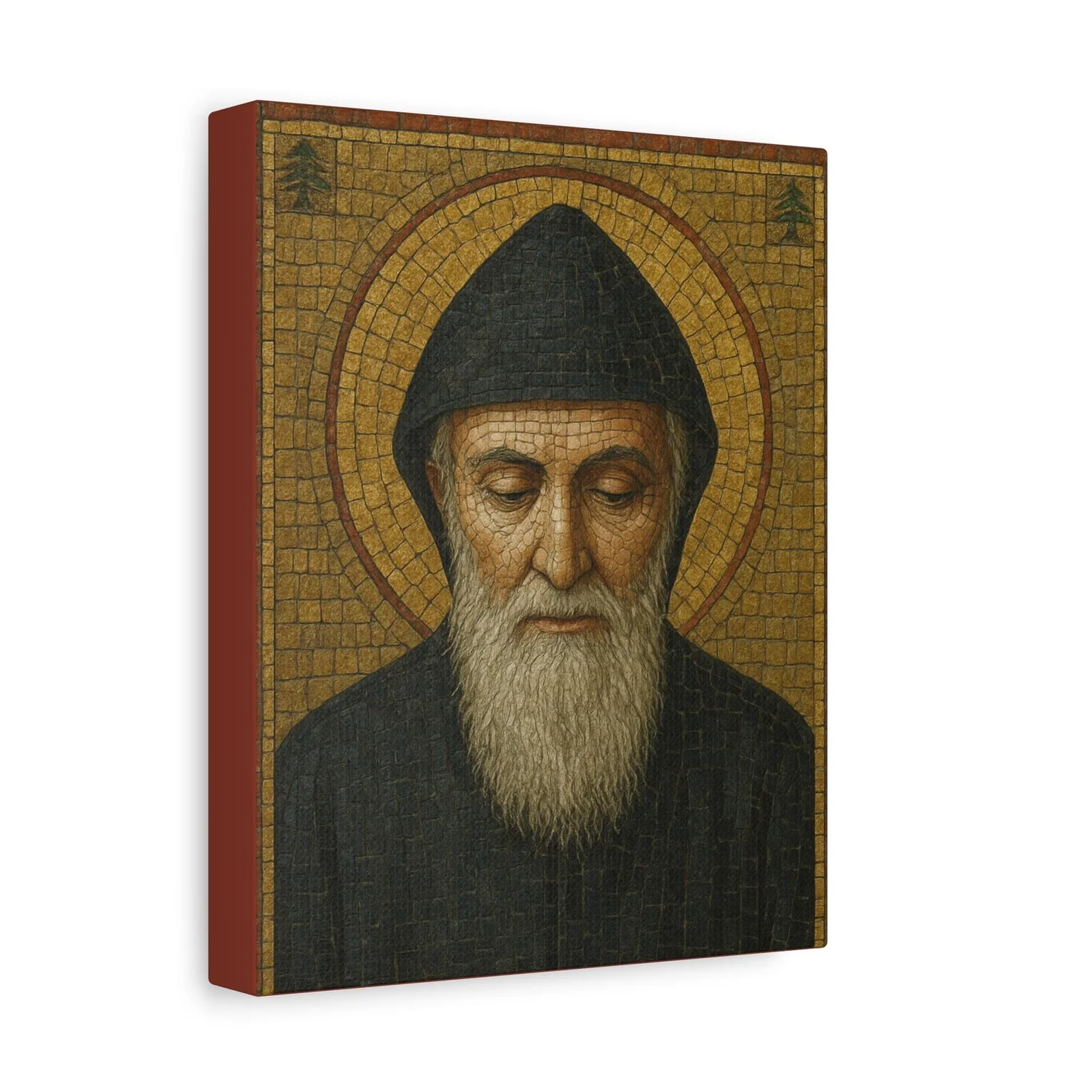
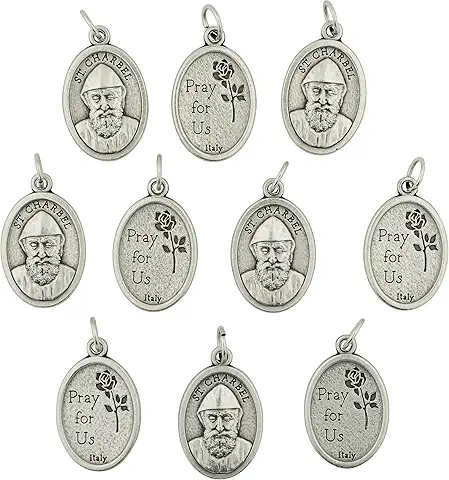
Monastic Spirituality — The Maronite tradition is fundamentally ascetic. Saints like Charbel Makhlouf did not learn theology from books. They learned it from the desert.
This is where Christ — Our Pascha enters the picture: not as a replacement for the living Maronite tradition, but as a companion for those coming from Western Christianity who need help reorienting their theological imagination before they can fully enter that tradition.


What Christ — Our Pascha Actually Is
Christ — Our Pascha is the official catechism of the Ukrainian Greek Catholic Church, a Byzantine-rite Eastern Catholic Church in full communion with Rome. It was promulgated in the early 21st century after decades of theological work, drawing deeply from Scripture, the Church Fathers, Byzantine liturgy, Eastern Christian anthropology, and sacramental theology rooted in theosis.
Unlike the Roman Catholic Catechism, Christ — Our Pascha is not structured as a legal or philosophical summary of doctrine. It is mystagogical. It teaches the faith by continually returning to Christ's Paschal mystery, the liturgy, and the lived experience of salvation. Although it is not a Maronite text, it is unambiguously Eastern in its worldview — and that is precisely why Maronite priests reach for it.
Structure: Not a legal-doctrinal summary. Not organized like the Catechism of the Catholic Church. It returns again and again to the Paschal mystery as the center of all Christian life and doctrine.
Theological language: Salvation is theosis — participation in divine life — not merely legal justification. Sacraments are encounters with divine mystery, not mechanical channels of grace.
Tone: Poetic and patristic rather than scholastic. The Church Fathers are not footnotes; they are the primary theological voices.
For Maronite inquirers: This means it does exactly what a Maronite formation text needs to do — it rewires the theological imagination before the inquirer encounters the Syriac tradition's own distinctive expression of these same truths.
Why Maronite Priests Recommend a Ukrainian Catechism
At first glance, the recommendation may seem strange. The Maronite Church is Syriac, not Byzantine. The Ukrainian Church is Byzantine, not Syriac. Why would a Maronite priest recommend this catechism? The answer lies in shared Eastern theology, not ritual uniformity.
Eastern Catholic Churches Share a Common Theological Mindset
While rites differ, Eastern Catholic Churches share a theological vision that is distinct from Latin scholasticism. This includes salvation as participation in divine life rather than merely legal justification; sacraments as encounters with divine mystery rather than mechanical channels of grace; Scripture interpreted through liturgy and the Fathers; and theology expressed poetically and symbolically rather than abstractly. Christ — Our Pascha articulates this Eastern vision with clarity and depth, and for a Maronite priest forming someone coming from a Western background, it often does a better job than Latin catechisms at reorienting the mind and heart.
It Bridges East and West Without Distorting the East
One of the challenges for Maronite catechesis today is that many inquirers come from Roman Catholic or Protestant backgrounds. They are accustomed to Western theological language. Christ — Our Pascha speaks in a way that is fully Catholic, fully Eastern, and accessible to Western readers — introducing Eastern theology without polemics, without rejecting Catholic communion, and without assuming prior familiarity with Eastern concepts. This makes it pastorally effective in a way that more technically Syriac texts would not be for most Western inquirers.
It Was Written for a Church That Also Preserved Its Identity Under Pressure
The Ukrainian Greek Catholic Church, like the Maronite Church, has a long history of persecution, marginalization, and pressure to conform to Western norms. Its catechism reflects a conscious effort to reclaim authentic Eastern theology while remaining Catholic — mirroring the Maronite experience more closely than most Latin texts ever could. When a Maronite priest reaches for this book, he is drawing from a sister church that has walked the same road.
How Christ — Our Pascha Aligns With Maronite Theology
Although written in a Byzantine context, the catechism aligns remarkably well with core Maronite theological themes. This is not coincidental — it reflects the deep shared heritage of all Eastern Christian churches, rooted in the same Fathers, the same Scripture, and the same experience of salvation as transformation.
The Centrality of the Paschal Mystery
Maronite liturgy is saturated with resurrection theology. Christ's victory over death is not confined to Easter Sunday — it is the lens through which all Christian life is understood, every Sunday, every prayer, every fast. Christ — Our Pascha places the Paschal mystery at the center of doctrine, morality, prayer, and sacramental life. For a Maronite inquirer encountering the Qurbono for the first time, the catechism's Paschal framework will feel deeply consonant with what the liturgy is doing.
Sacramental Life as Transformation
In the Maronite tradition, sacraments are not primarily juridical acts. They are transformative encounters. Baptism, Chrismation, Eucharist, and Reconciliation are understood as ongoing participation in divine life — a process of becoming what we were created to be. The catechism presents sacraments in precisely this way, using the language of mystery and encounter that Maronite liturgy uses naturally.
Salvation as Healing and Deification
Syriac Christianity has always emphasized healing, restoration, and illumination rather than legal acquittal. Sin is understood as sickness and exile; salvation as return and healing. The great Maronite saints — Charbel, Sharbel, Rafqa — are miracle-workers, healers, intercessors. Their sanctity is expressed in the healing of bodies as well as souls, because in Syriac theology salvation is the restoration of the whole person. Christ — Our Pascha consistently presents salvation in these terms, using the language of transformation rather than courtroom imagery.

How Catechesis Actually Works in the Maronite Church
Maronite formation is rarely confined to a book. It unfolds through attendance at the Qurbono, participation in the liturgical year, learning the rhythm of fasting and feasting, exposure to Syriac hymnody and prayer, and personal guidance from a priest. A catechism like Christ — Our Pascha functions as a companion to that lived formation — not a replacement for it.
The goal is not to complete a book. The goal is to become a Christian shaped by the mystery of Christ's life, death, and resurrection — which is what it has always meant to be Maronite.
Attend the Qurbono regularly. The liturgy is your primary catechism. Go even when you don't understand everything. You will understand more each time.
Read Christ — Our Pascha slowly. One chapter at a time. Let the Paschal mystery framework settle into your thinking. This will take months, not weeks.
Fast in the Maronite tradition. The Syriac fasting tradition is a theological act, not merely a discipline. You learn what you believe partly through what you abstain from and why.
Ask your priest for personal guidance. Maronite formation is pastoral. Your priest knows your specific background, your specific obstacles, and your specific path. No article or catechism replaces that relationship.
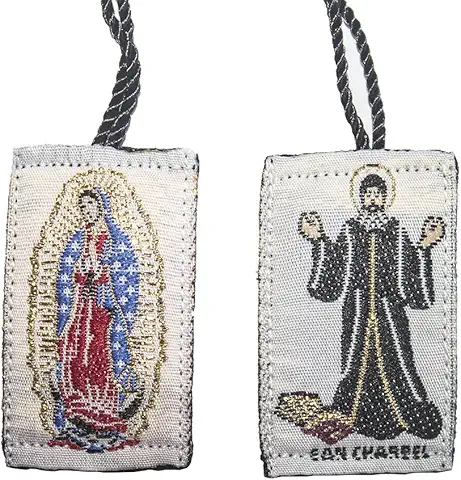
Pray with the saints of the tradition. Saint Charbel, Saint Rafqa, Saint Sharbel Makhluf — these are not merely devotional figures. They are models of what the Maronite spiritual tradition looks like fully lived. Their lives are catechesis.
Frequently Asked Questions
The Goal Is Not to Complete a Book
If you are discerning the Maronite Church, do not be discouraged by the lack of a single official catechism bearing the Maronite name. What you are entering is older than modern catechetical systems — older than the Roman scholastic tradition, older than the Byzantine theological synthesis, rooted in the Aramaic-speaking world where the Gospel was first preached.
Read Christ — Our Pascha slowly. Pray as you read. Let the liturgy interpret the text, and let the text illuminate the liturgy. The goal is not to complete a book. The goal is to become a Christian shaped by the mystery of Christ's life, death, and resurrection.
That is what it has always meant to be Maronite.
Shop Saint Charbel Devotional Items →As an Amazon Associate, The Eastern Church earns from qualifying purchases.