Eastern Catholic Hesychasm: Inner Stillness, the Jesus Prayer, and Living Theosis in the Catholic Church
Hesychasm as a Living Tradition in the Eastern Catholic Churches
Hesychasm is not exclusively Orthodox, and it is not something Catholics have only recently “rediscovered.” It has been continuously practiced within the Eastern Catholic Churches for centuries as part of their inherited spiritual life. Long before modern interest in contemplative prayer emerged in the West, Eastern Catholics were already living the same interior tradition of stillness, continual prayer, and transformation of the heart that developed in the Christian East.
The Eastern Catholic Churches preserved their ancient spiritual inheritance while remaining in full communion with Rome. These Churches retained their Byzantine, Syriac, and other Eastern liturgical and theological traditions, including the Hesychastic understanding of prayer and spiritual growth. Union with Rome did not require abandoning this interior way of life. Instead, Eastern Catholics continued to pray as they always had, through the Jesus Prayer, watchfulness of thoughts, sacramental participation, fasting cycles, and the gradual movement of prayer from the lips into the heart.
This continuity matters because it shows that Hesychasm is not a borrowed Orthodox practice added onto Catholicism from the outside. It is part of Catholic Christianity itself as lived in the Eastern rites. The same path of purification, illumination, and union with God found in Orthodox Hesychasm has remained alive within Eastern Catholic communities through monasteries, parish life, and personal devotion. While terminology may vary, the substance of the spiritual journey has remained consistent: repentance, interior stillness, continual remembrance of God, and participation in divine life through grace.
Eastern Catholic Hesychasm is therefore not a historical curiosity or a niche spirituality reserved for monks. It is a living tradition that continues today among clergy and laypeople alike. Parents, teachers, healthcare workers, tradespeople, and retirees quietly practice inward prayer alongside the rhythms of ordinary life. Most do not advertise this practice, and many would not even use the word “Hesychasm” to describe it, yet the essential elements remain present wherever believers cultivate inner silence and turn continually toward Christ.
This page exists to present Eastern Catholic Hesychasm clearly, thoroughly, and responsibly. It will explore the historical development of Hesychastic prayer within Eastern Catholic Christianity, explain its theological foundations, introduce key saints and spiritual influences, describe practical prayer methods, and show how this ancient tradition continues to shape everyday faith today. The goal is not to romanticize Eastern spirituality or to blur distinctions between traditions, but to offer a grounded and complete resource for anyone seeking to understand how Hesychasm lives within the Catholic Church.
Whether you are encountering Hesychasm for the first time or returning to it with deeper questions, this guide is meant to provide historical clarity, theological context, and practical insight. Eastern Catholic Hesychasm represents one of Christianity’s most profound approaches to interior transformation, and understanding it requires patience, accuracy, and respect for the tradition as it has actually been lived.
What follows is an in-depth exploration of that living inheritance.
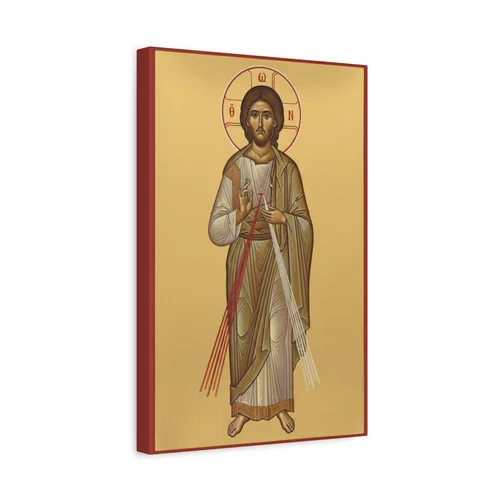


What Is Hesychasm in Eastern Catholic Christianity?
In Eastern Catholic Christianity, Hesychasm is understood as interior stillness joined to continual prayer, leading toward theosis, or participation in divine life. It is not a separate spirituality layered on top of the faith, and it is not an optional mystical path reserved for monks or spiritual specialists. Hesychasm expresses the ordinary Eastern Christian understanding of salvation as transformation of the whole human person through grace, prayer, and sacramental life.
At its heart, Hesychasm describes how the soul learns to remain attentively turned toward God. Through repentance, watchfulness over thoughts, and repeated invocation of Christ’s name, prayer gradually moves from external words into interior awareness. This process is traditionally described in Eastern Christianity through three interrelated movements: purification, illumination, and union. These are not stages to conquer or achievements to unlock. They describe how grace naturally unfolds in a person who remains faithful to prayer over time.
Purification refers to the gradual healing of disordered desires, habitual thoughts, and emotional reactions that obscure the heart. Illumination describes the increasing clarity that comes as interior noise settles and spiritual perception deepens. Union refers to communion with God, not as absorption or loss of identity, but as loving participation in divine life. Eastern Catholic theology receives this same Hesychastic framework found in Orthodoxy, because it developed long before any division between East and West and continues to shape Eastern Catholic spirituality today.
Eastern Catholics did not abandon Hesychasm when they entered or restored communion with Rome. They preserved their spiritual inheritance alongside their liturgical, theological, and canonical traditions. Byzantine, Syriac, and other Eastern Catholic Churches retained their understanding of prayer, interior stillness, fasting cycles, sacramental rhythm, and watchfulness of the heart. Union with Rome did not replace this spiritual worldview with Western categories. Instead, Eastern Catholics continued to live Christianity through the same contemplative lens that had formed their communities for centuries.
Central to this vision is theosis. In Eastern Catholic theology, salvation is not understood primarily as legal acquittal or moral improvement, but as real participation in God’s life through grace. This does not mean becoming divine by nature, but becoming filled with divine life by communion. The sacraments, especially the Eucharist and confession, are not treated as isolated rituals but as ongoing sources of transformation that support Hesychastic prayer. Divine Liturgy nourishes interior prayer. Repentance clears the heart. Fasting trains desire. Prayer gathers attention. Together, these form a unified spiritual ecology in which theosis becomes possible.
Hesychasm therefore cannot be separated from sacramental life. It is not an inward technique practiced apart from the Church. Eastern Catholic Hesychasm assumes regular participation in the mysteries, obedience to the rhythm of the liturgical year, and humility expressed through repentance. Interior prayer grows within this framework, not outside it. The Jesus Prayer, watchfulness, and stillness are never replacements for sacramental grace. They are ways of cooperating with it.
For this reason, Hesychasm is not presented in Eastern Catholic Christianity as mystical exceptionalism. It is lived Christianity. It is how prayer matures. It is how grace reshapes the heart. It is how believers learn to carry awareness of God into ordinary life. While monks may devote more hours to silence, the same interior path is open to laypeople raising families, working jobs, and serving their communities.
Eastern Catholic Hesychasm teaches that communion with God is not reserved for extraordinary circumstances. It unfolds quietly through fidelity to prayer, participation in the sacraments, and daily repentance. The soul learns to become still, not by escaping life, but by allowing Christ to inhabit it more fully.
Seen this way, Hesychasm is simply Eastern Catholic Christianity lived from the inside.
Hesychia and the Eastern Catholic Understanding of the Heart
In Eastern Catholic spirituality, hesychia does not mean emotional calm, relaxation, or the absence of stress. It refers to inner stillness and attentive silence, a state in which the soul becomes receptive to God’s presence. Hesychia is not something manufactured through technique. It emerges gradually as the heart learns to turn away from distraction and remain quietly oriented toward Christ.
Eastern Christianity has always understood the heart as the spiritual center of the human person. The heart is not merely the seat of emotion. It is where intellect, desire, conscience, and will converge. It is the deepest place of personal encounter with God. When Eastern Catholics speak about prayer descending into the heart, they are describing a real interior movement in which awareness shifts from scattered mental activity into this inner center.
Modern life works against this movement. The contemporary person is fragmented internally, pulled constantly between memories, worries, impulses, and digital stimulation. Even in moments of outward quiet, the mind often remains restless. Eastern Catholic Hesychasm recognizes this condition as a spiritual problem rather than simply a psychological one. The soul becomes divided, and prayer remains superficial because attention is dispersed.
Hesychia addresses this fragmentation through recollection. Recollection means gathering the wandering mind back into the heart. It is not forceful concentration and not suppression of thoughts. Instead, it is a gentle return of attention to God, usually through short prayer or interior invocation. Each return is an act of healing. Over time, this steady reorientation restores unity within the person. The mind becomes less scattered. The heart becomes more attentive. Prayer grows quieter and more natural.
Eastern Catholic tradition teaches that interior silence is not emptiness. It is awareness. It is listening. It is standing before God with openness rather than filling space with words or analysis. This silence prepares the soul for divine communion. It creates room for grace to act. It allows prayer to deepen beyond discursive thinking into simple presence.
This is why hesychia is never treated as psychological relaxation. Eastern Catholic Hesychasm does not aim at stress reduction or emotional comfort, even though peace often follows. Its purpose is transformation. Stillness is cultivated so the heart can receive God more fully. Silence is embraced so the soul can become responsive. The goal is not calmness for its own sake but communion with Christ.
As the mind learns to settle into the heart, prayer changes. Instead of remaining an activity performed at set times, it becomes an interior posture carried throughout the day. Even while working or speaking, there remains a quiet awareness beneath the surface. This is the beginning of continual prayer, where the heart remembers God naturally.
Eastern Catholic spirituality emphasizes that this interior work unfolds slowly. Hesychia develops through patience, repentance, sacramental participation, and fidelity to simple prayer. It cannot be rushed and cannot be engineered. The soul learns stillness by returning again and again to God, allowing grace to reshape attention over time.
In this way, hesychia becomes the foundation for theosis. The heart grows receptive. The mind becomes attentive. The person becomes unified. Interior silence prepares the ground where divine life can take root, not as an abstract idea, but as lived communion.
This is the Eastern Catholic understanding of hesychia: not escape from life, not emotional anesthesia, but the gradual gathering of the whole person into the presence of God.


The Jesus Prayer in Eastern Catholic Life
At the center of Eastern Catholic Hesychasm stands the Jesus Prayer. While its most familiar form is:
Lord Jesus Christ, Son of God, have mercy on me, a sinner.
this prayer exists in several variations across Eastern Catholic traditions. Some omit “a sinner,” others shorten the invocation to “Lord Jesus Christ, have mercy on me,” and still others use brief phrases such as “Jesus, Son of God, have mercy.” The precise wording differs by culture, language, and spiritual guidance, but the purpose remains the same: to turn the heart continually toward Christ in humility and trust.
The prayer itself contains a complete confession of faith. It acknowledges Jesus as Lord and Son of God, affirming His divinity. It places the person praying in honest awareness of their need for mercy. It expresses dependence on grace rather than self-sufficiency. In a single invocation, it unites theology, repentance, and relationship.
Eastern Catholic tradition understands this prayer not as a formula but as a living appeal to a living Person. The repetition is not meant to induce altered states or emotional effects. It serves a practical spiritual purpose: it gathers the scattered mind, softens the heart, and anchors attention in Christ. Each repetition is a small act of return, drawing the soul back from distraction into presence.
Within Eastern Catholic life, the Jesus Prayer exists alongside the Divine Liturgy, the Hours, fasting cycles, and sacramental participation. It does not replace communal worship but supports it. Liturgical prayer shapes the soul corporately, while the Jesus Prayer continues that orientation privately and throughout daily activity. Many Eastern Catholics pray the Jesus Prayer quietly before icons, during moments of silence after Communion, or as part of personal prayer at home.
Beyond formal prayer times, the Jesus Prayer accompanies ordinary life. It is whispered internally while walking, driving, cooking, or working. Parents pray it while caring for children. Workers repeat it inwardly during routine tasks. Elderly faithful carry it through long hours of stillness. In this way, prayer becomes portable, woven into the fabric of daily existence rather than confined to designated spiritual moments.
Eastern Catholic spirituality has always emphasized that continual prayer must be simple enough to accompany real life. Long verbal prayers cannot be sustained all day, but short invocations can. The Jesus Prayer fulfills this need by remaining brief, direct, and deeply personal. When attention wanders, the prayer provides a gentle way back. When anxiety rises, it offers grounding. When fatigue sets in, it continues quietly beneath conscious effort.
Over time, as the prayer is repeated with attentiveness, it begins to move inward. What starts as spoken words gradually becomes interior remembrance. The heart learns to return to Christ naturally. Even when the mind is occupied with responsibilities or conversation, there remains a subtle awareness of God beneath the surface. This is what Eastern Christian tradition describes as prayer moving from the lips into the heart.
Eastern Catholics also use short invocations beyond the full Jesus Prayer. Simple phrases such as “Lord, have mercy,” “Jesus, help me,” or silent interior calling upon Christ serve the same Hesychastic purpose. These brief prayers maintain recollection and keep the soul oriented toward God. They are not substitutes for the Jesus Prayer but expressions of the same interior movement.
Importantly, Eastern Catholic teaching consistently stresses that the value of the prayer does not lie in mechanical repetition. Without humility and repentance, words become empty. The prayer bears fruit only when it is joined to sacramental life, confession, fasting, and sincere effort to live according to the Gospel. The Jesus Prayer is never practiced in isolation from the Church. It grows within the rhythm of liturgy and the ongoing work of conversion.
For this reason, Eastern Catholic Hesychasm treats the Jesus Prayer as lived Christianity rather than specialized devotion. It is not reserved for monasteries, even though monastic communities preserve its deepest rhythms. Laypeople are equally encouraged to carry the prayer into everyday life, allowing it to reshape attention and soften the heart over time.
Although wording varies across Eastern Catholic traditions, the purpose remains constant. The Jesus Prayer exists to restore interior unity, cultivate humility, and deepen communion with Christ. It teaches the soul to remain present, not by escaping the world, but by inviting God into every part of it.
In Eastern Catholic life, the Jesus Prayer is not an accessory to faith.
It is one of the primary ways faith becomes interior.
And through that interiorization, grace quietly transforms the whole person.
Biblical Foundations of Eastern Catholic Hesychasm
Eastern Catholic Hesychasm does not begin in monasteries or mystical writings. It begins in Scripture. The practice of continual prayer and interior stillness grows directly out of the Gospel and the apostolic teaching, which Eastern Catholics have always understood in a practical, lived way rather than as abstract ideals.
One of the clearest biblical roots appears in the account of the blind man of Jericho, who cries out repeatedly to Jesus, “Jesus, Son of David, have mercy on me.” He does not offer a polished prayer or theological reflection. He simply calls on Christ with persistence and trust until he is heard. Eastern Catholic spirituality sees in this moment a pattern for inner prayer: humble invocation, repeated with faith, directed personally toward Jesus. This cry for mercy becomes the spiritual ancestor of the Jesus Prayer, showing that continual calling upon Christ is not a later invention but part of the Gospel itself.
A similar foundation appears in Christ’s parable of the tax collector, who stands at a distance and prays, “God, be merciful to me, a sinner.” The tax collector offers no explanation of himself and no defense of his life. His prayer is short, direct, and rooted in repentance. Eastern Catholic tradition has always recognized this posture as essential to Hesychasm. Interior prayer begins with humility, not spiritual achievement. The soul approaches God honestly, aware of its need for mercy, and this simplicity becomes the doorway to transformation.
These Gospel examples are reinforced by the teaching of Paul the Apostle, who instructs believers to “pray without ceasing.” Eastern Catholics have never treated this command as symbolic or poetic. From the earliest centuries, it was understood as a literal spiritual calling. Christians were expected to shape their lives in such a way that prayer could continue beneath ordinary activity. The question was not whether continual prayer was possible, but how it could be lived.
The answer emerged organically in early Christian communities through short prayers, repeated invocations, and constant remembrance of God. Rather than limiting prayer to set times alone, believers learned to carry prayer into work, travel, and daily responsibilities. Simple phrases such as “Lord, have mercy” or the name of Jesus were used to maintain interior attention. This practical approach allowed prayer to accompany every moment without interrupting ordinary life.
Eastern Catholics inherited this biblical realism. Prayer was never meant to exist only in formal settings. The Divine Liturgy shaped communal worship, but interior prayer extended that worship into the rest of the day. Early Christians structured their lives around this rhythm, gathering for sacramental prayer while maintaining personal remembrance of God through continual invocation. Over time, this pattern matured into Hesychastic practice, but its foundation remained firmly rooted in Scripture.
The New Testament also emphasizes watchfulness, sobriety of mind, and guarding the heart, themes that Eastern Catholic Hesychasm continues to emphasize today. Believers are repeatedly urged to remain spiritually awake, to resist distraction, and to keep their attention oriented toward God. These exhortations form the biblical basis for Hesychastic attentiveness. Prayer is not passive drifting but conscious presence before Christ.
Eastern Catholic interpretation of these passages has always been practical rather than theoretical. “Pray without ceasing” means organizing one’s interior life around prayer. “Lord, have mercy” becomes a constant refrain. Repentance becomes ongoing rather than occasional. Awareness of God becomes habitual rather than intermittent. Scripture is not merely read; it is embodied.
For this reason, Eastern Catholic Hesychasm understands itself not as a specialized mystical tradition but as a direct continuation of biblical Christianity. The Jesus Prayer grows out of the blind man’s cry. Prayer of the heart grows out of the tax collector’s humility. Continual remembrance of God grows out of the apostolic command to pray always.
What later generations would articulate through Hesychastic theology began simply with believers taking Christ and the apostles at their word.
Prayer was meant to be continuous.
Mercy was meant to be sought personally.
And communion with God was meant to shape every moment of life.
Eastern Catholic Hesychasm remains faithful to this original biblical vision, preserving a way of prayer that flows directly from the Gospel into the heart.
Development of Hesychasm in the Eastern Catholic World
Hesychastic prayer did not emerge suddenly as a formal spiritual system. It developed organically within early Christian monasticism and matured over centuries of lived practice. What later came to be called Hesychasm began with the desert ascetics of Egypt, Palestine, and Syria, whose emphasis on continual prayer, watchfulness, repentance, and interior stillness gradually shaped the spiritual culture of Byzantine Christianity. As monastic communities formed and expanded, these interior disciplines were carried forward through direct spiritual mentorship, elder-to-disciple transmission, and the daily rhythm of prayer and labor.
By the time Christianity became firmly established in the Byzantine world, Hesychastic spirituality had already become embedded in monastic life and theological reflection. Monasteries functioned as living centers of prayer where silence, short invocations, fasting, and sacramental participation formed an integrated way of life. These communities did not treat Hesychasm as a specialized mystical practice. It was simply how prayer was lived. Interior stillness, the invocation of Christ’s name, and vigilance over thoughts were understood as ordinary elements of spiritual growth.
As Byzantine Christianity spread across Eastern Europe and the Middle East, this contemplative inheritance moved with it. Hesychastic prayer became part of the fabric of parish life as well as monastic formation. While monks devoted more hours to silence and solitude, lay believers also practiced continual prayer through short invocations, household devotions, and participation in the liturgical cycle. Families learned to carry prayer into daily routines. Clergy were formed within this spiritual environment. The distinction between monastic and lay practice existed in intensity, not in essence.
When various Eastern Christian communities later entered or restored communion with Rome, they did not abandon this interior tradition. Eastern Catholic Churches retained their Byzantine, Syriac, and related spiritual frameworks, including their approach to prayer, ascetic discipline, and theological anthropology. Union with Rome addressed questions of ecclesial authority, not spiritual identity. Eastern Catholics continued to worship according to their own rites and to cultivate the same Hesychastic orientation that had shaped their communities for generations.
This continuity was preserved most visibly through monasteries, which remained centers of interior prayer and spiritual formation. Eastern Catholic monastic communities continued to teach the Jesus Prayer, emphasize watchfulness, and transmit Hesychastic wisdom through lived example. At the same time, parish life sustained these practices in quieter ways. Short prayers, fasting cycles, icon veneration, and sacramental rhythms reinforced the same inward posture among ordinary believers. Hesychasm was not isolated within cloisters. It flowed naturally into family life, pastoral care, and personal devotion.
What is important to understand is that Eastern Catholic Hesychasm did not require reinvention after communion with Rome. There was no moment when Eastern Catholics decided to “recover” Hesychastic prayer. It simply continued. The language of prayer, the understanding of the heart, the emphasis on repentance, and the expectation of interior transformation remained intact because they were already integral to Eastern Christian identity.
Over time, historical pressures such as political upheaval, migration, and cultural assimilation sometimes weakened visible expressions of Eastern spirituality, particularly in diaspora communities. Yet even in these contexts, Hesychastic elements survived through devotional habits, monastic witness, and quiet personal prayer. Many Eastern Catholics may not have used the technical term “Hesychasm,” but they continued to live its substance whenever they practiced continual remembrance of God and cultivated interior stillness.
This historical continuity makes it clear that Eastern Catholic Hesychasm is not a modern synthesis or borrowed tradition. It is the uninterrupted inheritance of Eastern Christianity carried within the Catholic Church. The same prayer that arose in the desert, matured in Byzantium, and was articulated by Hesychastic theologians has remained alive through Eastern Catholic worship, monastic life, and everyday faith.
Rather than representing a rediscovery, Eastern Catholic Hesychasm represents fidelity. It is the preservation of a spiritual way of life that understands salvation as transformation, prayer as continual, and communion with God as the heart of Christian existence.
In this sense, Hesychasm in the Eastern Catholic world is not a revival movement.
It is simply Christianity remembered from within.
The Desert Fathers and Mothers: Shared Catholic Origins
The spiritual roots of Hesychasm reach back to the earliest centuries of Christianity, long before any division between East and West. In the deserts of Egypt, Palestine, and Syria during the third and fourth centuries, men and women withdrew from ordinary society to seek God with undivided attention. These ascetics, later known as the Desert Fathers and Mothers, were not Orthodox in any modern sense. They were members of the undivided Catholic Church, living out the Gospel in radical simplicity.
Figures such as Anthony the Great and Macarius of Egypt became formative witnesses to this way of life. They entered the wilderness not to escape humanity, but to confront the deeper realities of the heart. In silence and solitude, they discovered that external quiet does not automatically produce interior peace. Thoughts multiply. Memories surface. Passions emerge. Old wounds reappear. The desert revealed that the primary arena of spiritual struggle is not the world outside but the world within.
From this experience emerged a profound Christian understanding of interior warfare. The Desert Fathers observed that thoughts arrive in stages, first as suggestions, then as emotional engagement, and finally as actions if left unchecked. They taught that freedom begins with awareness. Rather than battling thoughts aggressively, they practiced watchfulness, learning to notice mental movements at their earliest appearance and gently return attention to God through prayer.
This approach formed the foundation of Hesychastic spirituality.
Watchfulness was paired with continual prayer. Short invocations such as “Lord, have mercy” or calling upon the name of Jesus became practical tools for maintaining interior awareness throughout the day. Long verbal prayers could not be sustained constantly, but brief prayers could accompany walking, working, and resting. Through this rhythm, prayer became woven into ordinary life rather than confined to isolated moments.
Repentance also stood at the center of desert spirituality. The Desert Fathers did not pursue mystical experiences. They sought purity of heart. They believed that humility, confession of sin, and sincere turning toward God opened the soul to grace. Any spiritual insight that did not produce greater love, patience, and compassion was treated with suspicion. This moral realism remains one of the defining marks of Hesychasm.
Eastern Catholicism receives this desert heritage fully because it predates every later ecclesial distinction. The spiritual DNA of Hesychasm was already established when Christianity was still one. Interior stillness, watchfulness of thoughts, continual prayer, fasting, and sacramental participation formed a unified way of life that Eastern Catholic Churches inherited along with their liturgies and theology.
As desert spirituality spread into organized monastic communities, its essential practices were preserved and transmitted through elder-disciple relationships. These teachings flowed naturally into Byzantine Christianity and from there into the Eastern Catholic Churches. Even after entering or restoring communion with Rome, Eastern Catholics continued to live this interior tradition because it was already embedded in their spiritual identity.
This continuity explains why Hesychasm within Eastern Catholicism is not a borrowed Orthodox practice and not a later innovation. It is the same prayerful inheritance that began in the deserts of North Africa and the Middle East, matured in Byzantine monastic life, and continues today through Eastern Catholic worship, family devotion, and personal prayer.
Interior warfare, watchfulness, and continual remembrance of God remain foundational because they address the same human condition across every generation. The heart still fragments. Thoughts still wander. Passions still arise. The desert wisdom remains relevant precisely because it speaks to this universal interior struggle.
For Eastern Catholics, the Desert Fathers and Mothers are not distant historical figures. They are spiritual ancestors whose lived experience continues to shape how prayer is understood and practiced. Their legacy affirms that Hesychasm is not mystical elitism but ordinary Christianity lived attentively, where the soul learns to return to God again and again until prayer becomes the quiet center of life.
In this sense, the desert is not a place on a map.
It is a spiritual posture that Eastern Catholicism has carried forward for centuries, preserving the heart of Hesychasm as part of its Catholic inheritance.

From the Desert to Constantinople to the Eastern Catholic Churches
The Hesychastic way of prayer did not spread through books or institutions first. It was transmitted primarily through living relationships, from elder to disciple, within monastic communities that served as spiritual schools for the Church. What began in the deserts of Egypt, Palestine, and Syria was carried forward by monks who had been formed personally by experienced spiritual fathers and mothers. This pattern of transmission ensured that Hesychasm remained a lived practice rather than a theoretical system.
As desert monasticism matured, communities formed around places such as Sinai and Palestine, where prayer, fasting, silence, and continual remembrance of God became structured within stable communal life. Monasteries preserved the essential elements of Hesychastic spirituality: short invocations of Christ’s name, vigilance over thoughts, repentance, and the gradual cultivation of interior stillness. These were not treated as specialized techniques but as ordinary Christian discipline.
Over time, this contemplative inheritance moved into the heart of Byzantine Christianity, particularly through the spiritual life of Constantinople. The imperial capital became a major center for theological reflection and monastic formation, but the spiritual bloodstream that flowed through it came directly from the desert. Monks trained in Hesychastic prayer influenced clergy, bishops, and lay communities, embedding interior prayer into the broader life of the Church.
This transmission remained personal and experiential. Younger monks learned by watching older monks pray. Disciples absorbed interior discipline through daily rhythm rather than abstract instruction. Prayer was passed on through shared silence, communal worship, and countless quiet moments of guidance. This elder-to-disciple formation preserved Hesychasm across generations, even as political and cultural conditions changed.
When Eastern Christian communities later entered or restored communion with Rome, they did not leave this spiritual heritage behind. Eastern Catholic Churches inherited not only Byzantine liturgy and theology, but also this deeply ingrained contemplative way of life. Their monasteries continued to teach the Jesus Prayer. Their clergy remained shaped by traditions of watchfulness and interior recollection. Their faithful carried short invocations into ordinary routines, often without naming the practice explicitly.
What passed into the Eastern Catholic Churches was not merely a set of devotional habits but an entire spiritual worldview. Prayer was understood as continual. Salvation was understood as transformation. The heart was understood as the center of spiritual life. Repentance was understood as ongoing. These convictions had already been formed through centuries of Hesychastic living before any ecclesial reunions occurred.
This continuity is visible in how prayer practices persisted across time. The same short invocations used in desert solitude were prayed in Byzantine monasteries. The same attentiveness taught by early elders shaped parish spirituality. The same understanding of interior stillness continued in Eastern Catholic family life, even when historical pressures made monastic expression more difficult. While external circumstances shifted, the inner orientation remained.
Rather than representing a revival or recovery, Eastern Catholic Hesychasm represents unbroken inheritance. The spiritual bloodstream that began in desert caves flowed through Byzantine monasteries and into Eastern Catholic communities without interruption. It remained alive because it was carried in people rather than preserved only in texts.
Through monasteries, parishes, and personal devotion, Eastern Catholics continued to live the same essential pattern of prayer that arose in early Christianity. The language of Hesychasm may not always have been explicit, but the substance remained present wherever believers practiced continual remembrance of God and cultivated interior stillness.
This is why Eastern Catholic Hesychasm cannot be understood as a modern development.
It is the quiet continuation of an ancient Christian way of life, passed hand to hand and heart to heart across centuries, preserving the same prayerful posture that first took root in the desert and continues today within the Catholic Church.
Mount Athos and Its Influence on Eastern Catholic Hesychasm
Within Byzantine Christianity, Mount Athos came to serve as the most concentrated spiritual center of Hesychastic life. From the early medieval period onward, Athos developed into a vast monastic republic dedicated almost entirely to prayer, ascetic discipline, and the cultivation of interior stillness. While Hesychasm did not originate on Athos, the Holy Mountain became its most enduring stronghold, preserving and refining the desert tradition through centuries of uninterrupted monastic practice.
Athonite monasteries carried forward the same spiritual inheritance that began in Egypt, Palestine, and Syria: continual invocation of Christ’s name, watchfulness over thoughts, repentance, fasting, and the gradual descent of prayer into the heart. What distinguished Athos was not innovation but fidelity. Monks there organized their entire lives around silence, liturgical prayer, manual labor, and spiritual obedience, creating an environment where Hesychastic prayer could mature deeply and systematically. The Holy Mountain functioned as a living laboratory of inner prayer, where generations of monks learned directly from elders who had themselves been formed in the same tradition.
Through Athos, Hesychasm gained theological clarity as well as spiritual depth. The experiential knowledge of prayer that had been transmitted orally from elder to disciple was articulated more formally in Byzantine theology, particularly in defense of interior prayer as genuine communion with God rather than psychological illusion. Athonite spirituality emphasized that divine grace is encountered through humble repentance and faithful prayer, not through intellectual speculation or emotional pursuit. Prayer of the heart was treated as a fruit of long obedience and sacramental life, never as something to be forced or manufactured.
Although Eastern Catholic Churches later found themselves separated jurisdictionally from Athos, the spiritual influence of the Holy Mountain did not disappear. Eastern Catholic monks, theologians, and clergy continued to draw from the same Byzantine spiritual sources that Athos preserved. Hesychastic writings circulated throughout Eastern Christian lands, shaping formation in monasteries and seminaries alike. The theological vocabulary of interior stillness, watchfulness, and theosis remained part of Eastern Catholic consciousness because it had already been absorbed into their spiritual culture long before ecclesial realignments occurred.
Eastern Catholic communities inherited Athonite spirituality indirectly through the broader Byzantine tradition. Prayer practices emphasized on Athos, such as the Jesus Prayer, attentiveness to thoughts, fasting disciplines, and sacramental-centered asceticism, were already embedded in Eastern Christian life. Even after entering communion with Rome, Eastern Catholics retained these elements because they were not peripheral devotions but foundational expressions of how prayer was understood.
Monastic communities within Eastern Catholic Churches continued to model this Hesychastic orientation, maintaining rhythms of silence and interior prayer that echoed Athonite life. Clergy trained in Byzantine spirituality carried these sensibilities into parish ministry. Lay faithful absorbed them quietly through devotional habits, household prayer, and participation in the liturgical year. In many cases, believers practiced Hesychastic prayer without ever using the term itself, simply because it had long been part of how Eastern Christianity lived its faith.
What Athos provided was continuity. Through political upheaval, cultural change, and ecclesial division, the Holy Mountain safeguarded the core practices of Hesychasm and ensured their transmission across generations. Eastern Catholic spirituality benefited from this preservation because it shared the same roots and drew from the same well of contemplative theology.
In this sense, Mount Athos influenced Eastern Catholic Hesychasm not through institutional control, but through spiritual inheritance. The prayerful wisdom cultivated on Athos flowed outward into the wider Byzantine world, shaping how Eastern Christians understood the heart, repentance, and continual prayer. Eastern Catholic Churches received this inheritance as part of their own tradition and carried it forward in communion with the Catholic Church.
Rather than representing a separate stream, Athonite spirituality forms part of the same living river that nourishes Eastern Catholic Hesychasm today. The interior prayer preserved on the Holy Mountain continues to echo in Eastern Catholic monasteries, parishes, and personal devotion, reminding believers that Hesychasm is not bound to a place or jurisdiction, but lives wherever the heart is trained to remain before God.
The Philokalia and Eastern Catholic Spiritual Formation
One of the most important textual witnesses to Hesychastic spirituality is the Philokalia, a vast collection of ascetic and contemplative writings spanning roughly a thousand years of Christian spiritual experience. Rather than being the work of a single author, the Philokalia gathers voices from across centuries, including desert ascetics, Byzantine monks, spiritual elders, and theologians who lived and taught within the undivided Eastern Christian world.
The word “Philokalia” itself means “love of the beautiful” or “love of the good,” referring not to aesthetic beauty but to the soul’s attraction to divine goodness. The collection was assembled to preserve practical spiritual wisdom rather than abstract theology. Its purpose has always been formation, guiding believers toward repentance, interior stillness, and continual prayer through lived experience.
The writings contained in the Philokalia consistently emphasize a small number of central themes. Repentance is presented as the foundation of spiritual life, not as a single event but as an ongoing turning of the heart toward God. Humility is treated as essential protection against spiritual pride. Watchfulness is taught as careful attention to thoughts, allowing the believer to recognize temptation early and gently return to prayer. Simplicity of prayer is preferred over elaborate techniques, with short invocations and interior remembrance taking precedence over lengthy verbal expression.
One of the most striking features of the Philokalia is its caution regarding spiritual experiences. The authors repeatedly warn against seeking visions, feelings, or extraordinary states. Any experience that inflates the ego or distracts from repentance is considered spiritually dangerous. True progress is measured not by mystical phenomena but by increased love, patience, gentleness, and freedom from destructive passions. The saints represented in the Philokalia consistently teach that grace manifests quietly, reshaping character rather than producing dramatic sensations.
Love stands as the ultimate criterion of growth. Prayer that does not produce compassion is incomplete. Ascetic discipline that does not soften the heart has missed its purpose. Interior stillness is not an end in itself but a condition that allows divine love to move more freely through the soul.
Eastern Catholics received this spiritual inheritance as part of their Byzantine and Eastern Christian formation long before modern publication of the Philokalia. The principles it contains were already embedded in monastic life, parish spirituality, and household devotion. Monasteries preserved its teachings through elder-disciple relationships, while clergy absorbed its orientation through formation rooted in Eastern theology. Lay believers encountered the same spirit through short prayers, fasting cycles, icon veneration, and sacramental rhythms that reflected Philokalic priorities even when the text itself was not directly accessible.
In more recent centuries, Eastern Catholic readers have increasingly engaged the Philokalia directly, using it as a guide for interior prayer and spiritual discernment. Its emphasis on humility and repentance resonates deeply within Eastern Catholic theology, which understands salvation as transformation rather than legal acquittal. The Philokalia supports this vision by presenting prayer as a gradual healing of the heart rather than a technique for achieving spiritual states.
Eastern Catholic spiritual formation continues to reflect Philokalic wisdom wherever believers practice continual remembrance of God, guard their thoughts, approach confession regularly, and measure spiritual progress by love rather than experience. The collection does not offer shortcuts or formulas. It invites patience, perseverance, and trust in grace, reminding readers that God works slowly and gently within willing hearts.
For Eastern Catholics today, the Philokalia serves as both historical witness and living guide. It confirms that Hesychasm is not an isolated monastic curiosity but a comprehensive spiritual path rooted in repentance, sustained by prayer, and fulfilled in love. Its teachings continue to shape Eastern Catholic understanding of interior life, reinforcing the ancient conviction that holiness grows quietly through faithful attention to God.
Rather than introducing something new, the Philokalia preserves what Eastern Catholic spirituality has always known: that the heart becomes whole through humility, that prayer matures through simplicity, and that true communion with God reveals itself not through spectacle, but through transformed living.
Saint Gregory Palamas and Eastern Catholic Theology
The theological foundation of Hesychasm was articulated most clearly by Saint Gregory Palamas, a fourteenth-century Byzantine bishop and monk whose teaching clarified how human beings truly participate in God without reducing Him to a created experience. Palamas did not invent Hesychasm. He gave formal language to what generations of praying Christians had already lived: that God is genuinely encountered through prayer while remaining infinitely beyond human comprehension.
At the heart of Palamas’ theology is the distinction between God’s essence and God’s energies. God’s essence refers to what God is in Himself, which remains forever unknowable to created minds. No human intellect, mystical experience, or spiritual practice can penetrate the divine essence. At the same time, Palamas taught that God truly communicates Himself through His uncreated energies, which are not symbols, metaphors, or created effects, but God Himself as He is present and active in the world.
This distinction safeguards two essential truths simultaneously. It preserves God’s absolute transcendence while affirming real communion between God and humanity. Eastern Christian spirituality does not teach that people merely think about God or imagine His presence. It teaches that believers genuinely participate in divine life through grace. The light experienced by the saints, the peace arising in deep prayer, and the transformation of the heart are understood as encounters with God’s uncreated energies, not psychological states or created spiritual phenomena.
Eastern Catholic Churches fully receive this theology because it belongs to the shared Byzantine patrimony that predates divisions of jurisdiction. When Eastern Catholic communities entered or restored communion with Rome, they did not abandon their spiritual or theological inheritance. The essence–energies distinction remains part of their lived theology, their liturgical texts, and their understanding of salvation as participation in divine life.
For Eastern Catholics, this teaching explains how theosis is possible. Salvation is not understood merely as forgiveness of sins or moral improvement, although both are essential. It is understood as real transformation through grace, whereby the human person becomes increasingly permeated by God’s life. Through the sacraments, prayer, repentance, and interior stillness, believers are gradually drawn into communion with God’s energies, allowing divine life to reshape the soul.
This is why Hesychasm is not optional mysticism within Eastern Catholicism. It expresses the very logic of salvation itself. If God truly shares His life with humanity, then prayer must be more than symbolic remembrance. Interior stillness must be more than emotional calm. The heart must become capable of receiving divine presence. Hesychastic prayer arises naturally from this theological vision because continual remembrance of God prepares the soul to receive grace more fully.
Eastern Catholics accept Saint Gregory Palamas not merely as a historical figure but as an authoritative witness to this spiritual reality. His teaching confirms that inner prayer is not self-generated spirituality, and that grace is not an abstract concept. Divine energies make genuine communion possible while preserving God’s transcendence, allowing believers to encounter God personally without collapsing Him into human experience.
Importantly, Eastern Catholic reception of Palamas does not place them outside Catholic unity. Rather, it reflects the Church’s legitimate diversity of theological expression. Eastern Catholic theology articulates participation in God using Palamite language, while Western Catholic theology often expresses the same mystery through different conceptual frameworks. Both affirm that grace is real, that transformation is possible, and that union with God stands at the center of Christian life.
Through Saint Gregory Palamas, Eastern Catholic Hesychasm remains firmly grounded in dogmatic theology rather than spiritual technique. Prayer is not pursued for experiences. Stillness is not cultivated for its own sake. Everything flows from the conviction that God truly shares His life with humanity, and that the human heart can become a dwelling place for divine presence through repentance, humility, and continual prayer.
In this way, Palamas provides Eastern Catholicism with a theological anchor for Hesychasm, confirming that interior prayer is not peripheral devotion but a direct expression of what it means to be saved: to participate, by grace, in the living God.
Church Councils and the Catholic Reception of Hesychasm
The Hesychastic understanding of prayer and divine communion did not remain a private monastic tradition. In the fourteenth century, it was formally examined and affirmed through a series of Byzantine Church councils held in Constantinople. These councils addressed controversies surrounding inner prayer and the experience of divine light, ultimately confirming that Hesychastic theology expressed authentic Christian teaching rather than spiritual illusion or philosophical speculation.
The councils affirmed several core principles that remain foundational for Eastern Christian spirituality. They upheld the reality of inner prayer as genuine communion with God rather than psychological self-reflection. They confirmed the distinction between God’s unknowable essence and His uncreated energies, making clear that while God remains transcendent, He truly gives Himself to humanity through grace. Most importantly, they recognized that participation in divine life, what the Eastern tradition calls theosis, stands at the center of salvation.
These conciliar affirmations did not create Hesychasm. They protected it. The councils gave doctrinal clarity to what monks, clergy, and lay believers had already been living through repentance, continual prayer, and interior stillness. Hesychasm was acknowledged not as experimental mysticism but as Orthodox theology expressed through prayer.
Eastern Catholic Churches inherit these conciliar teachings as part of their Byzantine patrimony. When Eastern Catholic communities entered communion with Rome, they did not surrender the theological framework that shaped their spiritual life. The councils that affirmed Hesychasm belong to their historical memory, their liturgical consciousness, and their understanding of salvation. As Eastern Catholics, they continue to profess that God is truly encountered through grace, that inner prayer is real participation in divine life, and that the human heart is called to become a dwelling place for God.
This is why Eastern Catholic theology speaks naturally of purification, illumination, and union, and why theosis remains central to its vision of Christian life. These are not imported concepts or modern recoveries. They are inherited truths, received through centuries of prayer and safeguarded by the Church’s doctrinal discernment.
Within Catholic unity, Eastern theology expresses these realities using its own spiritual language. Western Catholic theology often articulates the same mystery through different terms such as sanctifying grace, infused contemplation, and union with God. The expressions differ, but the substance remains the same: salvation is not merely juridical or moral. It is transformative. It involves real participation in God’s life.
For Eastern Catholics, the conciliar affirmation of Hesychasm confirms that inner prayer is not peripheral devotion. It belongs to the Church’s understanding of redemption itself. Continual prayer is not a private spiritual preference. It flows directly from the Church’s teaching that grace truly changes the human person from within.
These councils also established an important boundary. They made clear that authentic Hesychasm must always remain rooted in humility, repentance, sacramental life, and obedience to the Church. Inner prayer divorced from ecclesial life becomes self-directed spirituality. Hesychasm, as received by Eastern Catholics, remains inseparable from the Eucharist, confession, fasting, and communal worship. The heart is purified through prayer, but it is sustained through the sacramental life of the Church.
Because of this, Eastern Catholic Hesychasm is not an alternative spirituality running alongside Catholic doctrine. It is a fully Catholic expression of how doctrine becomes lived experience. The councils ensured that theosis would never be separated from repentance, that interior prayer would never be detached from humility, and that mystical communion would never replace faithfulness to the Church.
Through this conciliar inheritance, Eastern Catholics continue to live Hesychasm not as a rediscovered practice, but as an unbroken spiritual lineage. Inner prayer, watchfulness, and participation in divine life remain part of Catholic doctrine as received through Eastern theology, quietly shaping generations of believers who learn to encounter God in stillness while remaining fully rooted in the sacramental life of the Church.
In this way, the Catholic reception of Hesychasm stands as a witness to unity in diversity. The Eastern Churches preserve the language of theosis and inner stillness, while remaining fully Catholic. What emerges is not contradiction, but complementarity, showing that the Church has always held space for multiple theological expressions of the same transforming grace.
Eastern Catholic Saints and Hesychastic Spirituality
Later section to include saints from Melkite, Maronite, Ukrainian, Ruthenian, and other Eastern Catholic traditions. Show how they lived interior prayer, humility, and continual remembrance of God.
Hesychasm in Daily Eastern Catholic Life Today
Hesychasm within Eastern Catholic Christianity has never been confined to monasteries, even though monastic communities continue to preserve its deepest expressions. Today, as in past centuries, Hesychastic prayer lives quietly in ordinary homes, workplaces, and parishes across the Eastern Catholic world. Parents pray inwardly while caring for children. Teachers carry the Jesus Prayer through long days in classrooms. Nurses whisper invocations of mercy between patients. Tradespeople repeat short prayers while working with their hands. Elderly faithful sit in silence before icons, allowing remembrance of God to accompany their breathing.
Most of this happens invisibly.
Eastern Catholic Hesychasm does not organize itself into movements or public identities. It spreads through personal discipline, spiritual inheritance, and lived example. Many who practice interior prayer would never describe themselves as Hesychasts. They simply know that turning the heart toward Christ throughout the day brings peace, clarity, and strength. Prayer becomes woven into daily routines, rising quietly beneath responsibilities rather than interrupting them.
This creates what might be called a silent fellowship of prayer, not a formal community, but a spiritual reality shared by countless Eastern Catholics across continents and cultures. They are not connected by institutions or labels. They are connected by inward remembrance of God. Some learned this practice from grandparents. Others discovered it through parish life, monasteries, or spiritual reading. Many simply began repeating short prayers during moments of stress and gradually found that prayer remained with them.
The outward forms differ widely. Some use the full Jesus Prayer. Others rely on brief invocations such as “Lord, have mercy,” or “Jesus, help me.” Some coordinate prayer with breathing. Others simply return attention to Christ whenever they notice distraction. Some practice formal periods of silent prayer each morning or evening, while others integrate continual remembrance into busy schedules. What unites them is not technique but intention: a desire to remain inwardly present before God.
Eastern Catholic spirituality has always understood that Hesychasm is not a special activity added onto life. It is a way of living life itself. Interior stillness is carried into family meals, commutes, financial stress, illness, and joy. The person learns not to wait for perfect conditions before praying. Prayer accompanies imperfection. It lives alongside fatigue. It continues through uncertainty.
This is also why Eastern Catholic mysticism looks remarkably ordinary.
There are no spiritual titles to claim and no identities to perform. Authentic Hesychastic life produces humility rather than self-definition. Those who walk this path rarely speak about it, not because it is secret, but because it is intimate. Prayer of the heart becomes something shared between the soul and God, not something displayed publicly.
In Eastern Catholic understanding, mysticism does not mean dramatic experiences or spiritual distinction. It means fidelity. It means showing up to prayer when distracted. It means returning to Christ when the mind wanders. It means allowing repentance to soften the heart over time. It means letting God work quietly beneath the surface of everyday life.
Many Eastern Catholics who practice interior prayer would not recognize themselves as mystics at all. They see themselves simply as Christians trying to remain attentive to God. Yet this is precisely what Hesychasm has always been: ordinary people learning to live from the heart, guided by prayer rather than impulse.
This daily, hidden faithfulness is how Hesychasm continues today.
Not through visibility, but through perseverance.
Not through spiritual ambition, but through humility.
Not through extraordinary lives, but through ordinary lives quietly surrendered to God.
Eastern Catholic Hesychasm remains alive because it is lived where life actually happens. It grows in kitchens and hospital corridors, in workshops and classrooms, in parish pews and family homes. It continues through people who have discovered that prayer does not remove them from responsibility, but gives them the interior strength to meet responsibility with peace.
And in this quiet continuity, the ancient path of Hesychasm carries forward, shaping souls not by force or spectacle, but by steady remembrance of Christ in the midst of daily life.
How to Begin Eastern Catholic Hesychastic Prayer
Beginning Hesychastic prayer within Eastern Catholic life does not require special techniques, mystical knowledge, or dramatic lifestyle changes. It begins with something far simpler and far more demanding: showing up consistently before God with humility. Eastern Catholic tradition has always taught that interior prayer grows out of sacramental life, repentance, and obedience, not isolated spiritual experimentation. Hesychasm is never practiced apart from the Church. It is nourished by confession, sustained by the Divine Liturgy, shaped by fasting cycles, and safeguarded through spiritual guidance.
A simple way to begin is by setting aside a small, regular time each day for quiet prayer. Choose a place that allows a measure of stillness, perhaps near an icon corner or in a quiet room. Sit comfortably but attentively, keeping your body relaxed and your posture upright. The goal is not perfect physical stillness but inward attentiveness. Allow your breathing to settle naturally, and gently turn your awareness toward Christ.
Begin praying the Jesus Prayer slowly and reverently:
Lord Jesus Christ, Son of God, have mercy on me, a sinner.
Say the words softly or silently in your heart. Do not rush. Let each phrase carry meaning. This is not recitation for its own sake. It is a personal turning toward Christ. Some Eastern Catholics choose to coordinate the prayer with breathing, quietly saying “Lord Jesus Christ, Son of God” while inhaling and “have mercy on me, a sinner” while exhaling. This can help stabilize attention, but it is not required. The tradition consistently emphasizes that breathing techniques are secondary. What matters is humility and remembrance of God.
Distraction will come almost immediately. Thoughts will arise. Memories will surface. Plans and worries will compete for attention. This is normal and expected. Hesychasm does not teach suppression of thoughts through force. Instead, it teaches gentle return. When you notice that your mind has wandered, do not criticize yourself and do not analyze the distraction. Simply return to the prayer. Each return is already prayer. Over time, this repeated turning back to Christ becomes the heart of the practice.
At first, prayer may feel mechanical or dry. This does not mean you are doing it wrong. Eastern Catholic spirituality understands that prayer matures slowly. Interior stillness develops over months and years, not days. Faithfulness matters far more than spiritual sensation. Some days will feel peaceful. Other days will feel scattered. Both belong to the journey. Hesychasm teaches perseverance rather than performance.
Outside formal prayer time, many Eastern Catholics begin carrying short invocations throughout the day. This may be the full Jesus Prayer, or simpler phrases such as “Lord, have mercy” or “Jesus, help me.” These quiet invocations accompany work, travel, conversations, and responsibilities. Gradually, prayer becomes less confined to specific moments and more integrated into daily life. This is how continual prayer begins to take root.
Eastern Catholic Hesychasm is never separated from sacramental life. Regular participation in the Divine Liturgy anchors prayer in the Eucharistic mystery. Confession purifies the heart and restores humility. The fasting seasons of the Church train both body and soul in restraint and attentiveness. These rhythms are not optional additions. They form the soil in which interior prayer grows safely. Hesychasm practiced apart from the sacramental life of the Church risks becoming self-directed spirituality rather than communion with God.
Equally important is humility and obedience. Eastern Catholic tradition strongly emphasizes guidance from spiritual fathers or trusted clergy when available. Hesychasm is not a solitary experiment. It is received within spiritual relationship. A priest, monastic elder, or experienced spiritual guide helps guard against self-deception and encourages balance. Even when formal guidance is limited, humility itself becomes a safeguard. The goal is not personal mastery of prayer, but surrender to God’s work within the heart.
Consistency matters more than technique. Five or ten minutes daily, practiced faithfully, bears more fruit than occasional long sessions. The tradition teaches that prayer reshapes the soul gradually, often invisibly. What changes first is not spiritual experience but character. Patience increases. Reactivity softens. Compassion grows. The heart becomes more receptive to grace.
Eastern Catholic Hesychasm also emphasizes repentance as a way of life. This does not mean living in guilt, but remaining honest before God. Interior prayer naturally reveals weaknesses, distractions, and attachments. These are not failures. They become invitations to humility. Each recognition of limitation becomes another opportunity to return to Christ.
Over time, many practitioners notice that prayer begins to accompany them even when they are not consciously repeating it. The remembrance of God becomes quieter and more continuous. This is what the tradition calls prayer of the heart. It arises not through effort, but through faithful presence. It is received, not produced.
Beginning Hesychastic prayer is therefore simple, but not shallow. It asks for patience, surrender, and trust in the Church’s wisdom. It invites the soul into a lifelong process of healing and communion. Eastern Catholic Hesychasm teaches that God works slowly, gently, and deeply, drawing each person forward according to their capacity.
You do not need to become extraordinary to begin this path.
You only need to begin.
Eastern Catholic Hesychasm Is Not Meditation or Technique
Eastern Catholic Hesychasm is often misunderstood by modern readers because it superficially resembles forms of meditation found in secular spirituality or Eastern religions. Both involve stillness. Both involve attention. Both may include repetition of words or phrases. Yet beneath these surface similarities lies a profound difference in purpose, theology, and spiritual orientation.
Hesychasm is not a technique for calming the nervous system, improving focus, or achieving altered states of consciousness. It is not self-development, mindfulness training, or interior psychology. Eastern Catholic Hesychasm is fundamentally relational. It is prayer directed toward a living God, rooted in repentance, sustained by grace, and ordered toward communion with Christ.
In secular meditation, the goal is often awareness itself. The practitioner observes thoughts, sensations, or breath in order to cultivate neutrality, detachment, or inner balance. Consciousness becomes the focal point. The self remains at the center of the process, even when the aim is self-transcendence.
Hesychasm moves in an entirely different direction.
Eastern Catholic prayer never turns inward for its own sake. Interior stillness exists only to make space for God. Silence is not cultivated as an end in itself, but as preparation for encounter. Attention is not trained to achieve mental clarity, but to remain present before Christ. The heart is gathered not to experience emptiness, but to become receptive to divine mercy.
The Jesus Prayer makes this distinction unmistakable. Its words are explicitly personal and Christ-centered: “Lord Jesus Christ, Son of God, have mercy on me, a sinner.” This is not a neutral phrase repeated for concentration. It is a confession of faith, an acknowledgment of weakness, and an appeal for grace. Every repetition places the person in a posture of humility before God.
Eastern Catholic Hesychasm therefore emphasizes communion over consciousness. The aim is not awareness of awareness, but relationship. The practitioner is not observing reality from a distance, but standing before God in trust. Prayer remains dialogue, even when it becomes silent. Stillness becomes listening. Repetition becomes surrender.
This is also why Hesychasm refuses to measure spiritual progress by experiences. Peace, warmth, light, or interior sweetness may appear at times, but Eastern Catholic tradition treats these cautiously. They are never pursued. They are never trusted as proof of holiness. The Church consistently teaches that genuine spiritual growth is recognized through repentance, patience, humility, increased love for others, and freedom from destructive passions.
Experience is not the measure.
Transformation is.
Secular meditation often seeks mastery of the mind. Hesychasm seeks healing of the heart. Meditation techniques aim to control thought patterns. Hesychastic prayer aims to offer the whole person to God. Meditation encourages self-regulation. Hesychasm cultivates dependence on divine mercy.
Eastern Catholic spirituality also insists that Hesychasm must remain integrated within sacramental life. Interior prayer does not replace confession, Eucharist, fasting, or obedience to spiritual authority. These are not optional supports. They are essential safeguards. Prayer outside the life of the Church risks becoming self-directed spirituality. Hesychasm within the Church remains grounded in grace.
Humility stands at the center of everything.
Hesychasm teaches that you do not reach God by refining technique. You are drawn to God through surrender. You do not purify yourself by mastering inner silence. You are purified by repentance and divine action. You do not attain prayer of the heart through effort alone. It emerges through faithfulness and God’s timing.
This is why Eastern Catholic Hesychasm resists systematization. There is no formula that guarantees results. There is only returning to Christ again and again. There is only learning to remain present before Him through distraction, fatigue, dryness, and joy. There is only allowing grace to reshape the soul slowly.
At its deepest level, Hesychasm is not about becoming spiritually skilled.
It is about becoming spiritually honest.
It teaches the soul to stand before God without defenses, without performance, and without control. It replaces technique with trust. It replaces ambition with repentance. It replaces spiritual curiosity with love.
Eastern Catholic Hesychasm therefore remains unmistakably Christian. It is anchored in the Incarnation. It is sustained by the sacraments. It is guided by the Church. It is oriented toward theosis, participation in divine life, not through human effort, but through grace received in humility.
Stillness is not the goal.
Christ is.
Union With God in Eastern Catholic Theology
Eastern Catholic Hesychasm ultimately exists for one purpose: union with God. This union is not symbolic, emotional, or merely moral. Eastern Catholic theology speaks clearly of theosis, participation in divine life, as the goal of human existence. This teaching is not borrowed from Orthodoxy nor added later as mystical speculation. It belongs to the original spiritual inheritance of the Eastern Churches and remains fully embraced within Catholic communion.
Theosis does not mean becoming divine by nature. It means being drawn into God’s life by grace. Through Christ, humanity is invited to share in what God is by gift. Eastern Catholic theology understands salvation not only as forgiveness of sins, but as transformation of the entire human person. The heart, mind, body, and will are gradually healed and restored through grace until the soul becomes capable of deeper communion with God.
This transformation unfolds through both prayer and sacramental life. Hesychasm does not replace the sacraments, nor does it function independently from them. On the contrary, Hesychastic prayer presupposes sacramental participation. Baptism plants divine life in the soul. Chrismation seals the gift of the Holy Spirit. The Divine Liturgy nourishes that life through the Eucharist. Confession restores it when it is weakened by sin. Fasting disciplines the body so it can cooperate with grace. Hesychasm lives within this sacramental rhythm, not outside of it.
Eastern Catholic tradition therefore understands prayer of the heart as cooperation with sacramental grace. Interior stillness prepares the soul to receive what God is already offering. Continual prayer keeps the heart receptive to divine action. Watchfulness guards that gift from distraction and spiritual negligence. None of this generates holiness by human effort. It simply allows grace to work more freely.
Theosis is not achieved through technique. It unfolds through relationship.
Grace remains central at every stage. Eastern Catholic theology teaches that divine energies, God’s real presence and activity, are communicated to the human person through prayer and sacraments. This is not metaphorical participation. It is actual transformation. As prayer deepens, the soul becomes increasingly sensitive to God’s presence. As repentance continues, attachments loosen. As humility grows, love expands. The person begins to live less from fear or impulse and more from communion.
Hesychasm supports this process by cultivating interior attentiveness. The Jesus Prayer draws the heart repeatedly back to Christ. Watchfulness interrupts destructive thoughts before they mature. Silence creates space for divine grace to move. Over time, this steady practice aligns the inner life with sacramental reality. The Eucharist ceases to feel like a weekly obligation and becomes the center of existence. Confession becomes less about legal accounting and more about healing. Fasting becomes less about discipline and more about freedom.
Eastern Catholic spirituality understands sanctification as synergistic. God acts first. God sustains. God completes. Yet the human person is invited to cooperate through prayer, repentance, obedience, and faithfulness. Hesychasm provides a concrete way to live that cooperation in everyday life.
Union with God does not erase personality or individuality. It perfects it. The soul does not dissolve into God. It becomes fully itself in God. Eastern Catholic theology insists that communion deepens personhood rather than replacing it. As divine life fills the heart, compassion increases, patience matures, and love becomes more natural. Holiness appears not as withdrawal from humanity, but as deeper participation in it.
This is why Eastern Catholic Hesychasm cannot be separated from love of neighbor. Interior prayer that does not soften the heart is incomplete. Stillness that does not produce mercy has missed its purpose. Authentic union with God always manifests outwardly through humility, forgiveness, and service.
Theosis is therefore not a private mystical achievement. It is the gradual restoration of the human person within the life of the Church. Hesychasm simply provides the interior structure that allows this restoration to unfold.
Eastern Catholic tradition teaches that God desires this union for every believer, not only monks or mystics. Through prayer, sacraments, repentance, and grace, each person is invited into deeper communion. Hesychasm exists to support that calling by teaching the soul how to remain present before God.
Union is not reached by striving upward.
It is received by staying open.
And through that openness, God quietly reshapes the heart, drawing it into divine life one moment at a time.
Frequently Asked Questions About Eastern Catholic Hesychasm
What is Hesychasm in Eastern Catholic terms?
In Eastern Catholic Christianity, Hesychasm refers to a way of life centered on interior stillness, continual prayer, repentance, and participation in divine life. It is not a specialized spiritual hobby or a mystical technique reserved for advanced practitioners. Hesychasm describes how prayer gradually moves from being something we do into something we live. Through repeated invocation of Christ’s name, watchfulness over thoughts, and sacramental faithfulness, the heart becomes more receptive to grace and the soul grows toward theosis, real communion with God.
Eastern Catholics understand Hesychasm as lived Christianity. It expresses the Church’s ancient teaching that salvation is not only forgiveness of sins but transformation of the whole person through grace.
Is this fully Catholic?
Yes. Eastern Catholic Hesychasm is fully Catholic.
Eastern Catholic Churches preserved Byzantine, Syriac, and other Eastern spiritual traditions while remaining in communion with Rome. They did not abandon Hesychastic theology during reunion. The teachings on theosis, prayer of the heart, divine energies, and interior stillness continue to be lived and taught within Eastern Catholic life. Hesychasm belongs to Catholic tradition through its Eastern expressions, just as Western Catholicism expresses contemplation through different language.
Practicing Hesychasm as an Eastern Catholic means living the fullness of Catholic faith through Eastern spiritual inheritance, always grounded in the sacraments and ecclesial obedience.
Is the Jesus Prayer Eastern Catholic?
Yes. The Jesus Prayer belongs fully to Eastern Catholic spirituality.
Eastern Catholics have prayed the Jesus Prayer for centuries within monastic life, parish devotion, and personal prayer. While wording may vary slightly across traditions, the core invocation remains the same: calling upon Jesus Christ with humility and trust in divine mercy. Many Eastern Catholics also use shorter invocations such as “Lord, have mercy” or silently repeat the holy name of Jesus throughout the day.
The Jesus Prayer is not foreign to Eastern Catholic life. It is one of its spiritual foundations.
What is prayer of the heart?
Prayer of the heart refers to the stage in which prayer becomes interiorized and continuous. At first, prayer is spoken with the lips or formed deliberately in the mind. Over time, through faithful repetition and attentiveness, prayer begins to arise quietly within the heart itself. The person becomes aware of God’s presence even while engaged in ordinary activity.
This is not emotional excitement or mystical trance. It is a steady interior remembrance of Christ. The heart remains oriented toward God beneath thoughts, conversations, and responsibilities. Eastern Catholic tradition understands this as a gift of grace that unfolds gradually through humility and perseverance.
Do I need a prayer rope?
No. A prayer rope can be helpful, but it is not required.
Some Eastern Catholics use a prayer rope to maintain focus or count repetitions of the Jesus Prayer. Others pray without any physical aid. The rope itself has no spiritual power. It simply supports attention. What matters is the posture of the heart, not the tool in the hand.
Hesychasm emphasizes simplicity. If a prayer rope helps, it may be used. If it becomes a distraction or source of attachment, it may be set aside.

Can beginners practice Hesychasm?
Yes. Hesychasm is for beginners, because everyone begins somewhere.
Eastern Catholic spirituality teaches that interior prayer grows through consistency, not expertise. Beginners are encouraged to start simply, with a few minutes of quiet prayer each day, repeating the Jesus Prayer or a short invocation and gently returning attention to Christ whenever distraction arises. There is no requirement to feel peaceful or focused. The practice itself gradually teaches the heart.
Hesychasm does not require advanced knowledge. It requires humility and faithfulness.
How long should I pray?
There is no fixed rule.
Many begin with five or ten minutes daily and slowly increase as prayer becomes more natural. Eastern Catholic tradition emphasizes regularity over duration. Short, consistent prayer is far more beneficial than occasional long sessions. Over time, prayer naturally extends into daily life through silent remembrance and brief invocations.
The goal is not to accumulate minutes, but to cultivate continual awareness of God.
Is this safe?
Yes, when practiced within the life of the Church.
Eastern Catholic Hesychasm is grounded in sacramental participation, confession, fasting, humility, and spiritual guidance. These provide stability and protection against self-deception. Problems arise only when people attempt to practice interior prayer in isolation from ecclesial life or treat it as a psychological experiment.
Within Eastern Catholic tradition, Hesychasm is lived under obedience, nourished by the Divine Liturgy, and guided by repentance. In this context, it is not only safe, it is spiritually healing.
Is this meditation?
No, not in the secular sense.
Eastern Catholic Hesychasm is prayer, not meditation. It is personal communion with Christ, not observation of consciousness or mental states. While stillness and repetition may resemble meditation externally, the purpose is entirely different. Hesychasm seeks relationship rather than awareness, communion rather than technique, humility rather than experience.
The Jesus Prayer is addressed to a living Person. Stillness exists to make room for God. Progress is measured by repentance, love, and transformation, not by altered states of consciousness.
Eastern Catholic Hesychasm remains unmistakably Christian. It is rooted in the Incarnation, sustained by the sacraments, guided by the Church, and ordered toward union with God through grace.
Offer a Dedication
If this page was meaningful to you, you’re welcome to dedicate this or any educational page in memory of a loved one, for a prayer intention, or in gratitude for blessings received.
Each dedication quietly supports the continued sharing of Eastern Christian history, prayer, and the lives of the saints.