Roman Catholic Hesychasm: Inner Stillness, Contemplative Prayer, and the Catholic Path of the Heart
The Catholic Path of Interior Prayer • Desert Fathers to Carmelites • Contemplative Tradition
Roman Catholic Hesychasm: Inner Stillness, Contemplative Prayer, and the Catholic Path of the Heart
What the Christian East calls Hesychasm, the West has always known as recollection, mental prayer, and prayer of the heart. It is not an import — it is the Church’s own ancient inheritance, preserved in monasteries, lived by saints, and offered to every soul seeking union with God.
At a Glance
- Tradition
- Roman Catholic contemplative prayer — rooted in the undivided Church and preserved in the West
- Theological Root
- Desert Fathers, Benedictine monasticism, Carmelite mysticism, and the universal call to interior union
- Key Practice
- Recollection, short aspirations, prayer of the heart, and continual remembrance of God
- Core Movement
- From vocal prayer → interior stillness → prayer of the heart → living communion with Christ
- Historical Home
- Egyptian desert, Benedictine cloisters, Carmelite monasteries — fully Catholic, fully Western
- Goal
- Not technique or experience, but loving surrender: the heart remaining with God in all of life
- Essential Companion
- The Jesus Prayer, aspirations, lectio divina, and the sacraments
- Key Insight
- Roman Catholic Hesychasm is not “Eastern mysticism.” It is Christianity lived from the inside out.
Roman Catholic Hesychasm is often misunderstood, largely because the word itself comes from Greek and is most commonly associated with Eastern Orthodoxy. Yet the spiritual reality Hesychasm describes has always existed within the Roman Catholic Church, preserved through contemplative prayer, monastic tradition, and the writings of Catholic mystics. What the Christian East names Hesychasm, the West historically expressed through terms such as recollection, mental prayer, infused contemplation, prayer of simplicity, and interior silence. The vocabulary developed differently, but the interior goal remained the same: a living, personal relationship with God cultivated through stillness, humility, repentance, and continual prayer.
This page exists to clarify that Roman Catholic Hesychasm is not an imported Eastern practice, nor a modern spiritual trend. It is the Catholic Church’s own contemplative inheritance, rooted in the Desert Fathers, carried forward through Benedictine monasticism, articulated by medieval spiritual writers, and refined by saints who mapped the interior journey with remarkable theological precision. Long before Christianity became divided by culture and language, the foundations of inner prayer were already firmly established in the universal Church. Roman Catholic spirituality did not lose Hesychasm; it preserved it under a different expression.
At its heart, Catholic Hesychasm refers to the gradual movement from external prayer toward interior communion with God. It is the gathering of the scattered mind, the softening of the heart, and the slow healing of the whole human person through grace. This journey unfolds through repentance, attentiveness, and faithful prayer, leading the soul from vocal prayer into deeper recollection and eventually into contemplative rest. Catholic theology understands this process as sanctification and participation in divine life, a transformation made possible by grace and sustained through perseverance.
This article is intended to serve as a complete and authoritative resource for understanding Roman Catholic Hesychasm. It will explore the historical roots of interior prayer, trace its development through Catholic monasticism and mysticism, examine the theological foundations of contemplative life, introduce key saints who embodied this path, and offer practical guidance for those who wish to begin. Whether you are encountering these ideas for the first time or seeking deeper clarity within Catholic tradition, the goal here is to present Hesychasm not as abstract theology but as lived Christianity, quietly practiced in the heart of the Church for centuries.
Roman Catholic Hesychasm is ultimately not about techniques or spiritual achievement. It is about learning to remain with God in stillness, allowing grace to reshape the interior world, and discovering that prayer is not something added to life but something that slowly becomes life itself.

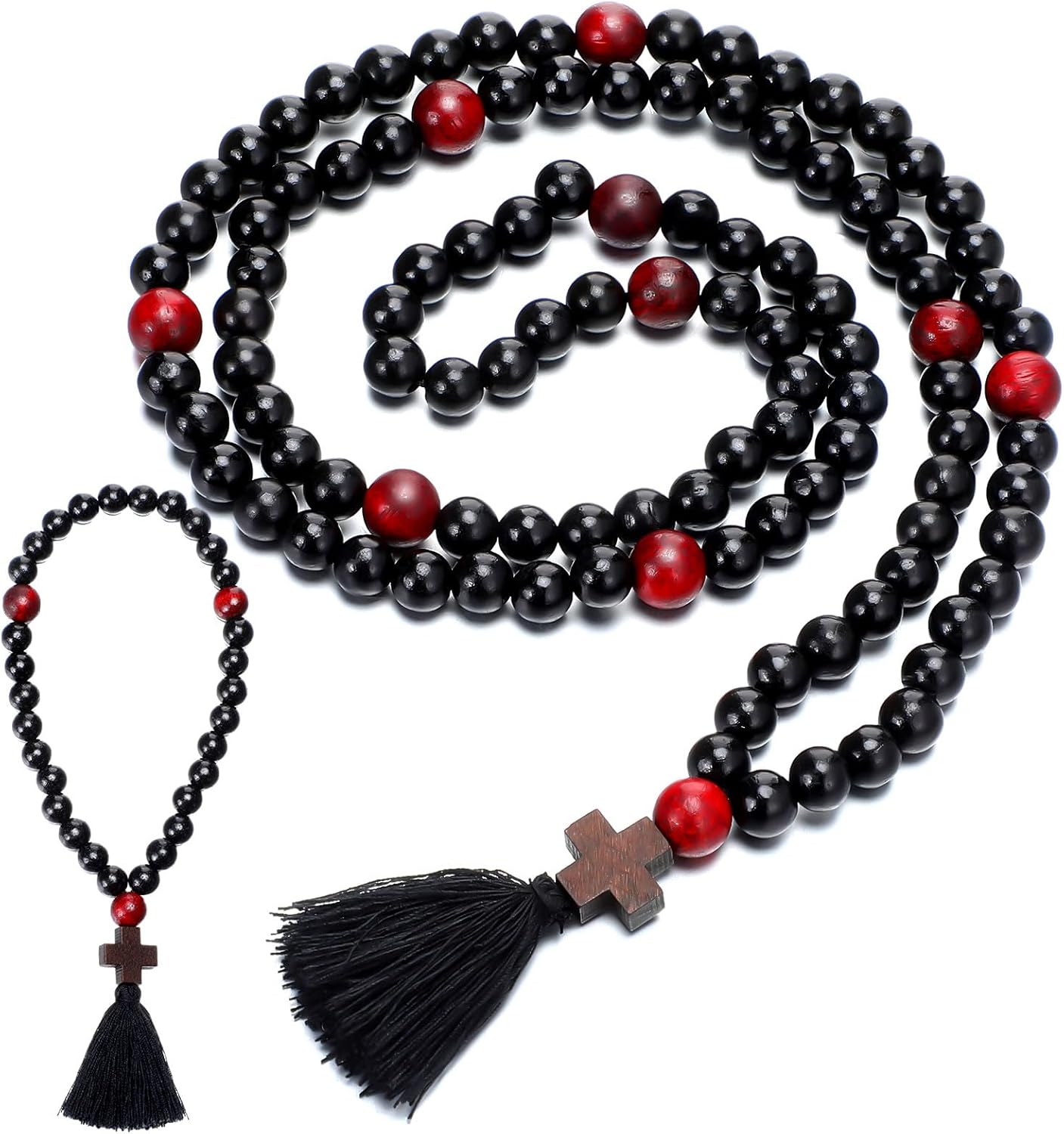

What Is Hesychasm in Roman Catholic Christianity?
In Roman Catholic Christianity, Hesychasm can be understood as the path of interior stillness and continual prayer that leads the soul into deeper union with God. Although the term itself comes from the Greek hesychia, meaning inner quiet or stillness, the spiritual reality it describes has always existed within Catholic life. Hesychasm is not a foreign import from Orthodoxy, nor is it a specialized mystical technique reserved for a spiritual elite. It is simply the Church’s ancient way of naming the gradual inward journey by which a person moves from scattered attention toward recollected prayer, and from external religious practice toward living communion with God.
Catholic spirituality has traditionally expressed this same journey using different language. Western writers speak of recollection, mental prayer, infused contemplation, the prayer of simplicity, and interior silence. These are not alternate systems but parallel expressions of the same interior movement. Whether one says Hesychasm or contemplative prayer, the aim remains identical: the healing of the human person through grace and the restoration of the heart to God.
Within Catholic theology, this process is often described through the framework of justification, purification, illumination, and union. Justification marks the soul’s entry into divine life through grace. Purification involves the slow removal of disordered attachments, habitual sin, and interior fragmentation. Illumination follows as the mind becomes clearer, the heart more sensitive to God’s presence, and prayer more interior. Union is the deepening communion between the soul and God, not as absorption or loss of identity, but as loving participation in divine life. Hesychasm corresponds directly to this structure, describing how prayer gradually moves from the lips into the heart and reshapes the whole person from within.
At its core, Catholic Hesychasm is about sanctification. It is the lived experience of becoming holy through sustained prayer, repentance, humility, and attentiveness to God. It recognizes that salvation is not merely a legal declaration but an ongoing transformation of the entire human being. The mind is healed from distraction, the heart is softened from hardness, and the will is slowly aligned with divine love. Prayer becomes less something one performs and more something one inhabits.
It is important to understand that Hesychasm is already practiced throughout the Eastern Catholic Churches, where this tradition has remained continuous and explicit. Byzantine, Melkite, Maronite, Ukrainian, Ruthenian, and other Eastern Catholic communities have preserved Hesychastic spirituality within full communion with Rome for centuries. For many Roman Catholics, the language of Hesychasm may feel unfamiliar, but the practice itself is profoundly Catholic. It belongs to the universal Church, predating later cultural divisions between East and West. What may feel “new” to Roman Catholics today is simply a rediscovery of an ancient inheritance that never disappeared.
Roman Catholic Hesychasm does not replace sacramental life, moral theology, or Church doctrine. Instead, it deepens them. Interior prayer strengthens participation in the sacraments. Stillness sharpens repentance. Continual remembrance of God transforms ordinary obedience into living relationship. Hesychasm integrates seamlessly with Catholic teaching on grace, virtue, and sanctification, offering a practical way to live what the Church already proclaims.
Most importantly, Hesychasm in Catholic Christianity is not about achieving mystical states or extraordinary experiences. It is about healing. It addresses the fragmentation of the modern soul by gathering attention back into the heart and anchoring life in God’s presence. Through steady prayer, the person becomes more whole, more peaceful, and more capable of love. This is why Catholic Hesychasm is not optional mysticism. It is simply Christianity lived inwardly, allowing grace to restore what has been scattered and draw the soul steadily toward union with God.


Hesychia and Catholic Interior Stillness
In Catholic spirituality, hesychia refers not to emotional calm or psychological relaxation, but to interior silence and recollection, the quiet gathering of the whole person before God. It is the state in which the mind ceases its restless wandering and the heart becomes attentive to divine presence. This stillness is not emptiness. It is awareness. It is the soul learning to stand before God without distraction, pretense, or resistance.
Catholic tradition has long described this same reality using the language of recollection, simplicity of prayer, and interior silence. Saints and spiritual writers consistently taught that prayer matures when attention moves inward, when scattered thoughts are gently drawn back toward the heart, and when the soul learns to rest in God rather than constantly producing words or images. This movement from external prayer toward interior prayer is not a departure from Catholic spirituality but one of its central pillars.
Recollection, as understood in Catholic contemplative theology, is the gradual training of attention. The mind learns to disengage from unnecessary mental noise and return repeatedly to God’s presence. Over time, this practice gathers the faculties of the soul, intellect, memory, imagination, and will, into a unified orientation toward God. Prayer becomes simpler. Words become fewer. Awareness deepens. The heart becomes the center of spiritual life rather than the surface activity of the mind.
This inward turning is especially important in the modern world, where interior fragmentation has become almost universal. Most people live divided lives, pulled in countless directions by constant stimulation, digital noise, unresolved emotional wounds, and habitual mental activity. Even when physically still, the inner world remains restless. Memories intrude. Anxieties compete for attention. Desires and fears create a continual background hum that makes sustained prayer feel nearly impossible.
Catholic contemplative practice recognizes this fragmentation as a spiritual wound, not merely a psychological inconvenience. The scattered mind weakens spiritual perception. A divided heart struggles to love deeply. Hesychia addresses this condition directly by inviting the soul back into unity. Through gentle recollection and simple prayer, attention is slowly gathered inward. The person learns to return to God again and again, not by force, but by fidelity.
Interior stillness emerges gradually through this process. It does not arrive suddenly, and it cannot be manufactured. It grows as the soul repeatedly chooses presence over distraction and prayer over rumination. Over time, this faithful returning produces profound healing. The mind becomes quieter. Emotional reactions soften. The heart grows more receptive. What once felt chaotic begins to feel ordered. Prayer becomes less effortful and more natural.
Catholic spirituality emphasizes this interior silence because it is the soil in which grace works most deeply. Without stillness, repentance remains superficial. Without recollection, love struggles to mature. Without interior quiet, the voice of God is easily drowned out by competing thoughts. Hesychia creates space for divine action, allowing God to reshape the soul from within rather than merely modifying external behavior.
This gathering of the mind into the heart marks a decisive shift in spiritual life. Prayer ceases to be something performed at set moments and begins to inform the entire day. God becomes present not only during formal devotion but in ordinary activity. Work, conversation, and rest all unfold against a background of quiet awareness. The person begins to live from the inside out rather than reacting endlessly to external pressures.
In this way, hesychia represents not withdrawal from life but deeper participation in it. Interior stillness makes room for compassion. Recollection strengthens patience. Simplicity of prayer cultivates humility. Catholic Hesychasm restores coherence to the human person by drawing every part of life back into communion with God. What emerges is not spiritual detachment but spiritual integration, a unified heart capable of loving God and neighbor with increasing freedom.
Shared Roots: The Desert Fathers and Early Catholic Monasticism
The spiritual foundations of Hesychasm do not belong exclusively to the Christian East. They arise from the earliest centuries of Christianity, long before any division between East and West, and therefore belong fully to the Catholic Church as part of her original inheritance. The Desert Fathers and Mothers, who withdrew into the wilderness of Egypt, Palestine, and Syria during the third and fourth centuries, were not Orthodox in any modern sense. They were simply Christians living within the undivided Catholic Church, seeking radical fidelity to the Gospel through silence, prayer, and repentance.
Figures such as Anthony the Great, often called the father of monasticism, embodied this early contemplative spirit. These men and women entered the desert not to escape the world, but to confront the deeper realities of the human heart. In solitude they discovered what every serious Christian eventually encounters: even when external noise disappears, interior noise remains. Thoughts multiply, passions surface, memories intrude, and hidden wounds emerge. The desert revealed that the true battleground of spiritual life is internal.
This is where the early Christian understanding of interior warfare took shape. The Desert Fathers observed that thoughts are not neutral and that unchecked mental activity gradually shapes desire and behavior. They learned to meet intrusive thoughts not with argument or suppression, but with prayerful attention and humble return to God. Short invocations, continual remembrance of Christ, fasting, silence, and watchfulness became their primary tools. Their goal was purity of heart, not spiritual experience. Prayer was not pursued for consolation but for transformation.
These desert teachings formed the earliest framework of Christian contemplative life. What later Eastern Christianity would call Hesychasm, the West would express through recollection, custody of the heart, and continual prayer. The substance remained the same even as language developed differently.
The practice of Hesychasm as a distinct spiritual path developed most fully in the Christian East, especially among monks on Mount Athos. By the 14th century it received profound theological articulation from St. Gregory Palamas, who defended the reality of uncreated divine light and the possibility of direct communion with God through inner prayer. Yet its foundations — silence, watchfulness, continual invocation of the name of Jesus, and the movement of prayer from the mind into the heart — were already present in the undivided Church centuries earlier.
Crucially, this desert spirituality did not remain isolated in the East. Through travel, correspondence, and the movement of monks across the Mediterranean world, these teachings entered Western Christianity and became embedded in early Catholic monastic life. Writers such as John Cassian carried the wisdom of the Egyptian desert into Gaul, where it directly shaped Latin monastic theology. Cassian’s Conferences and Institutes preserved the desert emphasis on inner vigilance, simplicity of prayer, and purification of the heart, making these principles accessible to Western monks.
This transmission reached its most enduring expression through Benedict of Nursia, whose Rule would become the backbone of Western monasticism. Benedict did not invent a new spirituality. He distilled centuries of desert wisdom into a balanced Catholic form suitable for communal life. His emphasis on silence, humility, continual prayer, and attentiveness to God reflects the same interior orientation found in Hesychastic tradition. Benedictine spirituality teaches monks to live in constant awareness of God’s presence, to restrain wandering thoughts, to cultivate interior quiet, and to allow prayer to permeate daily labor.
In this way, desert Hesychasm became Western contemplative Catholicism.
Benedictine Spirituality and the Preservation of Inner Prayer
As desert spirituality moved westward into Europe, its inner disciplines found their most enduring Catholic expression through Benedictine monasticism. What the Desert Fathers had lived in caves and remote wilderness, the Benedictines translated into stable community life, creating a spiritual structure capable of preserving contemplative prayer across centuries. This transition was not a departure from Hesychastic principles but an adaptation of them, allowing inner stillness and continual prayer to survive within organized Western Christianity.
At the center of this development stands Benedict of Nursia, whose Rule became the foundation of Western monastic life. Benedict did not attempt to systematize mystical theology or define stages of contemplation. Instead, he focused on shaping an environment where the heart could remain oriented toward God throughout ordinary daily rhythms. His genius was practical rather than speculative. He created conditions where interior prayer could quietly flourish without requiring dramatic asceticism or extreme solitude.
Benedictine spirituality carried forward the same core Hesychastic principles found in the desert: silence, attentiveness, humility, and continual remembrance of God. Silence was not imposed merely as discipline but cultivated as protection for interior awareness. External quiet created space for inward listening. Speech was restrained so the heart could remain recollected. The monastery itself became a kind of spiritual desert, structured to minimize distraction and foster stability of mind.
Lectio divina played a central role in this process. Rather than treating Scripture as material for academic analysis, Benedictines approached it prayerfully and slowly, allowing the Word of God to descend from intellect into the heart. This meditative reading mirrors Hesychastic interiorization, where divine truth is not merely understood but absorbed through repetition and contemplation. Over time, Scripture became woven into consciousness, much like the Jesus Prayer in Eastern tradition, forming a continuous undercurrent of remembrance.
Stability, one of Benedict’s most distinctive vows, also reflects deep Hesychastic insight. By committing monks to remain in one place rather than wandering from monastery to monastery, Benedict addressed interior restlessness directly. The monk learns to face himself rather than flee discomfort. This stability trains the heart to remain present, preventing spiritual escapism and encouraging deep interior work. Just as Hesychasm teaches stillness within life rather than escape from it, Benedictine stability teaches rootedness as a path to transformation.
Obedience in Benedictine life serves a similar purpose. It is not mere institutional compliance but a spiritual discipline that softens the ego and cultivates humility. By surrendering personal preference, the monk learns inner receptivity. This echoes Hesychastic emphasis on repentance and self-emptying as prerequisites for true prayer. Without humility, stillness becomes self-absorption. Benedict understood this intuitively, embedding obedience into daily life so that prayer would remain grounded in surrender.
Interior recollection was preserved through the monastery’s rhythm of prayer and labor. The Benedictine pattern of alternating communal worship with manual work ensured that prayer did not remain confined to the chapel. The monk was trained to carry awareness of God into gardening, cooking, copying manuscripts, and caring for guests. This mirrors the Hesychastic goal of continual prayer, where remembrance of God accompanies every activity. Work itself became prayerful, and prayer extended into work.
Importantly, all of this developed long before scholastic theology attempted to define spiritual life through philosophical categories. Benedictine monasticism preserved prayer of the heart experientially rather than conceptually. The monks were not debating divine energies or mapping mystical stages. They were practicing stillness, guarding their thoughts, submitting to humility, and allowing prayer to reshape their interior lives. The heart was being trained long before the mind began to analyze.
Through Benedictine monasteries, this contemplative inheritance quietly shaped Western Christianity for over a millennium. Monks preserved manuscripts, educated clergy, served the poor, and evangelized Europe, all while carrying forward a spirituality rooted in inner silence and continual prayer. Even when theological emphasis later shifted toward intellectual frameworks, the Benedictine current ensured that experiential prayer never disappeared from Catholic life.
This is why Catholic Hesychasm does not need to be imported from the East. It already exists in the Church’s own monastic bloodstream. Benedictine spirituality safeguarded the same inner orientation found in desert Hesychasm, translating it into a Western form capable of enduring cultural change, political upheaval, and theological development.
The silence of Benedictine cloisters carried the same heartbeat as the silence of the Egyptian desert.
The Jesus Prayer and Catholic Forms of Continual Prayer
Although the Jesus Prayer is most commonly associated with Eastern Christianity, the spiritual reality it expresses has always existed within Catholic life under different language and devotional forms. Catholics have long practiced continual prayer through short invocations, aspirations, and interior acts of love that serve the same purpose as the Jesus Prayer: gathering the mind, humbling the heart, and maintaining conscious presence before God throughout the day.
From the earliest centuries, Western Christians used brief prayers to remain spiritually attentive while working, traveling, or resting. Simple phrases such as “Lord, have mercy,” “Jesus, help me,” or “My God, I love You” functioned exactly as the Jesus Prayer does in Hesychastic tradition. These invocations were never meant to be repeated mechanically. They were living appeals, spoken quietly from the heart, designed to re-center awareness on Christ whenever attention drifted.
The traditional form of the Jesus Prayer is: “Lord Jesus Christ, Son of God, have mercy on me, a sinner.” For many in the Roman Rite who may feel more comfortable with a prayer that is already deeply familiar, the short aspiration from the Divine Mercy image — “Jesus, I trust in You” — serves the exact same purpose.
Both prayers can have the same essential intention — to offer love, trust, and worship to Jesus Christ. It is not the specific words that matter most, but the heart’s desire to create a prayer of the heart so that we remain in a state of constant prayer.
With consistent practice and time, this prayer moves from becoming a prayer of the mind — something we consciously repeat — to a prayer of the heart. If God blesses you with this grace, you may actually feel the prayer physically moving from your head down into your heart, where it continues almost on its own, gently and continuously.
This practice became especially visible in Catholic devotion to the Holy Name of Jesus. Long before modern prayer formulas emerged, Western Christians believed deeply in the sanctifying power of Christ’s name. Medieval preachers encouraged frequent invocation of Jesus as a way of purifying thought and strengthening faith. Saints taught that the name of Jesus carried grace precisely because it was not merely a word, but a direct turning of the soul toward a living Person.
Later Catholic spirituality formalized these short invocations through what became known as aspirations, brief prayers offered silently throughout daily life. These included phrases such as “Lord, have mercy,” “Jesus, I trust in You,” “Sacred Heart of Jesus, I place my confidence in You,” and countless similar expressions. The purpose was never quantity for its own sake. Aspirations existed to maintain recollection, allowing prayer to continue beneath ordinary activity.
This interior invocation is deeply aligned with Hesychastic practice. Both traditions recognize that the human mind wanders constantly and that continual prayer must be simple enough to accompany every moment. Whether one repeats “Lord Jesus Christ, Son of God, have mercy on me, a sinner” or quietly whispers “Jesus, I trust in You,” the spiritual mechanism is the same. The soul is being gently recalled from distraction into relationship.
Catholic mystics consistently emphasized that repetition without interior attention is empty, while even a single heartfelt invocation can open the heart to grace. Prayer is not a technique to master but a relationship to nurture. The words serve only as vessels. What matters is the inward turning toward Christ.
This understanding appears clearly in the Carmelite tradition, especially in the teachings of Teresa of Avila and John of the Cross. Teresa taught that mental prayer is simply “a friendly conversation with Him who we know loves us,” and she encouraged frequent, simple remembrance of God throughout the day. John emphasized silent loving awareness over elaborate verbal prayer, pointing toward interior communion rather than external form. Both saints describe prayer gradually becoming more quiet, more interior, and less dependent on words as the soul matures.
Catholic theology later named this progression prayer of simplicity or infused contemplation, but the lived reality mirrors what Hesychasm calls prayer of the heart. In both traditions, continual prayer eventually moves beneath conscious effort. The invocation becomes quieter. Awareness of God deepens. The heart learns remembrance.
Even modern Catholic devotional expressions reflect this ancient practice. The phrase “Jesus, I trust in You,” popularized through Divine Mercy devotion, functions exactly as an interior invocation meant to be repeated gently throughout the day. Silent acts of surrender, brief interior glances toward God, and whispered pleas for mercy all serve the same Hesychastic purpose: maintaining communion in the midst of ordinary life.
What unites all these Catholic forms of continual prayer is their simplicity. They do not require special posture, extended silence, or withdrawal from responsibility. They exist precisely so prayer can accompany work, parenting, fatigue, conversation, and suffering. The heart remains oriented toward Christ while the body remains fully engaged in life.
In this way, Catholic continual prayer and Orthodox Hesychasm meet at the same spiritual center. Both understand that transformation happens not through occasional intense prayer, but through persistent interior remembrance. Both teach that short invocations gradually recollect the scattered mind. Both insist that humility and repentance are essential. Both aim toward union with God through loving attention.
The difference is largely linguistic, not theological.
Catholicism has always possessed Hesychasm’s essence, even when it spoke of recollection instead of hesychia, aspirations instead of the Jesus Prayer, and infused contemplation instead of prayer of the heart. The Church preserved this contemplative inheritance quietly, passing it from saint to saint, monastery to monastery, generation to generation.
At its core, continual prayer in Catholic life has always meant the same thing Hesychasm teaches: return to Jesus, again and again, until the heart learns to remain with Him.
Catholic Mysticism as Western Hesychasm
When viewed through the lens of lived experience rather than terminology, Catholic mysticism reveals itself as Western Hesychasm. The language may differ, but the inward journey described by Catholic contemplatives mirrors the same movement found in Eastern tradition: gathering the scattered mind, surrendering the heart to God, and allowing divine grace to accomplish what human effort cannot.
Rather than speaking of hesychia, Catholic mystics speak of recollection, interior silence, mental prayer, infused contemplation, and abandonment to God. Rather than emphasizing the Jesus Prayer explicitly, they teach continual interior remembrance through loving attention. Yet the spiritual anatomy is identical. Both traditions describe a gradual purification of the inner life, a deepening stillness, and an increasing awareness of God’s presence that unfolds through humility and perseverance.
This continuity becomes especially clear in the teachings of Teresa of Avila. Teresa did not present prayer as a technique or structured method. She described it as a living relationship, famously defining mental prayer as “nothing else than a close sharing between friends.” Her Interior Castle maps the soul’s movement inward through progressive stages of recollection, purification, and surrender, leading ultimately to spiritual union. What Hesychasm calls the descent of prayer into the heart, Teresa describes as entering the inner chambers of the soul, where God already dwells.
Teresa repeatedly emphasizes that true prayer becomes quieter over time. Early stages involve active meditation and reflection, but mature prayer moves beyond words into silent awareness. The soul learns to remain gently attentive while God acts within. She warns against forcing spiritual experiences and stresses that growth happens through humility, patience, and fidelity, not emotional intensity. This is pure Hesychastic wisdom expressed in Catholic language.
Alongside Teresa stands John of the Cross, whose writings offer one of the most precise descriptions of interior purification in Christian history. John teaches that the soul must be stripped of attachments, including attachment to spiritual consolation, in order to be fully united with God. His doctrine of the “dark night” is not psychological depression or divine punishment. It is the necessary emptying of self-will and sensory dependence so that God alone may become the soul’s center.
John’s emphasis on detachment from thoughts, desires, and images parallels Hesychastic watchfulness. He explains that God leads the soul beyond discursive thinking into silent loving awareness, where prayer becomes less something the person does and more something God accomplishes. This corresponds directly to what Hesychasm calls prayer of the heart, where interior remembrance continues without conscious effort and the soul rests in divine presence.
Both Teresa and John insist that authentic contemplation cannot be manufactured. It is received. Human effort prepares the ground through repentance and recollection, but transformation belongs to grace. This aligns precisely with Hesychastic teaching, which warns against chasing spiritual experiences and instead calls the practitioner to humility and steady prayer.
The same contemplative current appears in medieval Western spirituality, particularly in the anonymous English mystical text The Cloud of Unknowing. This work instructs the reader to let go of thoughts, concepts, and images, entering prayer through a “cloud of forgetting” beneath which the soul reaches toward God with a simple act of love. Rather than analyzing God, the contemplative is encouraged to surrender understanding and rest in silent longing.
This approach mirrors Hesychastic stillness almost exactly. The Cloud teaches that God is encountered not through intellectual effort but through humble, wordless desire. The practitioner is told to abandon mental complexity and remain inwardly attentive, using a single short word or prayer to gather the heart. This is functionally indistinguishable from the use of the Jesus Prayer as a means of recollection.
Across these Catholic traditions, the same pattern emerges again and again. Prayer begins actively and becomes receptive. The mind learns to quiet. The heart learns to surrender. Attachments fall away. Interior silence deepens. God becomes increasingly central, not as an idea, but as lived presence.
What Hesychasm names purification, illumination, and union, Catholic mysticism describes through justification, detachment, infused contemplation, and spiritual marriage. The vocabulary differs, but the interior journey remains the same. Both traditions recognize that salvation is not merely moral improvement or intellectual assent. It is transformation of the whole person through communion with God.
Catholic mystics consistently teach that holiness unfolds from within. They emphasize that God works in hidden ways, reshaping the soul quietly through fidelity to prayer. Progress is measured not by spiritual phenomena but by humility, patience, and love. The deeper one goes inward, the less dramatic spirituality becomes.
This is why Catholic Hesychasm is not exotic or foreign. It is already embedded in the Church’s contemplative heritage. From the desert ascetics to the Carmelites, from medieval English mystics to modern practitioners of recollection, Catholic spirituality has always known the path of interior stillness.
Western Hesychasm simply learned to speak Latin.
How to Begin Catholic Hesychastic Prayer
Beginning Catholic Hesychastic prayer does not require special equipment, advanced knowledge, or dramatic changes to daily life. It begins with a simple willingness to turn toward God regularly and honestly. Everything else grows from that.
Start by setting aside a small, consistent time each day. Even five or ten minutes is enough at first. Choose a quiet place where you can sit comfortably without being disturbed. Sit upright but relaxed, allowing your body to be still without tension. Close your eyes if that helps you focus inwardly. The goal is not to force silence but to create space for attention.
Begin with a short prayer to place yourself consciously before God. You might simply say, “Lord, I am here,” or make the Sign of the Cross slowly and reverently. Then introduce a short invocation that you will return to gently throughout the prayer. This may be the Jesus Prayer (“Lord Jesus Christ, Son of God, have mercy on me, a sinner”), or a Catholic aspiration such as “Jesus, I trust in You,” “Lord, have mercy,” or any brief phrase that naturally draws your heart toward Christ.
Say the prayer quietly, either aloud or silently. Do not rush. Let the words be slow and simple. You are not trying to produce a spiritual state. You are placing yourself in God’s presence.
Distraction will come quickly, especially in the beginning. Thoughts will arise about responsibilities, memories, plans, or worries. This is normal. Do not argue with these thoughts and do not criticize yourself for them. Simply notice that your attention has drifted and gently return to your prayer. Every return is already prayer. Every turning back toward Christ is an act of love.
Some people find it helpful to coordinate the prayer with breathing, saying part of the invocation while inhaling and the rest while exhaling. This is optional. Breathing is not the focus of Catholic Hesychasm, and it should never become a technique. If it helps you remain attentive, you may use it lightly. If it feels distracting or artificial, simply let your breathing remain natural.
Over time, you may notice the prayer becoming quieter. Words may fade into silent awareness. This is not something to force. If silence arises naturally, rest in it. If not, continue with your simple invocation. The rhythm of prayer will change on its own as God leads.
What matters most is consistency.
Do not measure progress by feelings, peace, or spiritual experiences. Measure it by faithfulness. Show up each day. Begin again after missed days. Return after discouragement. Hesychastic prayer grows through perseverance, not intensity.
Just as importantly, Catholic Hesychasm must always be grounded in sacramental life. Interior prayer cannot be separated from the Church. Regular reception of the Eucharist nourishes the soul and anchors prayer in Christ’s real presence. Frequent confession clears away interior obstacles, softens the heart, and restores humility. Without repentance, contemplative prayer slowly becomes self-centered. With repentance, it becomes transformative.
Humility is essential at every stage. Do not seek mystical experiences. Do not compare yourself to others. Do not form spiritual identities around prayer. Simply remain small before God. Catholic tradition teaches that God gives contemplation to the humble, not to those who grasp for it.
Daily life itself becomes part of the prayer. Short invocations can accompany work, driving, walking, cooking, and waiting. Whisper the prayer inwardly during moments of stress. Return to it when emotions rise. Allow it to become a quiet companion throughout the day. This is how continual prayer slowly develops, not by constant verbal repetition, but by habitual remembrance.
Above all, remember that Catholic Hesychastic prayer is not something you accomplish.
It is something you consent to.
You bring your attention. God brings the grace.
You offer your heart. God does the healing.
Remain faithful to simple prayer, rooted in the sacraments, shaped by humility, and carried into ordinary life. Over time, the scattered interior world begins to gather. The heart learns stillness. Awareness deepens. Love becomes quieter and stronger.
This is how Catholic Hesychasm begins.
Not with mastery.
With surrender.
Frequently Asked Questions About Roman Catholic Hesychasm
The Goal Is Not Technique — It Is Communion
Roman Catholic Hesychasm is ultimately not about techniques or spiritual achievement. It is about learning to remain with God in stillness, allowing grace to reshape the interior world, and discovering that prayer is not something added to life but something that slowly becomes life itself.
Read slowly. Pray simply. Return to Christ again and again. The heart that learns to rest in Him will find the peace the world cannot give.
Download The Way of Mystical Christian Prayer — Free eBook →As an Amazon Associate, The Eastern Church earns from qualifying purchases.