Icon CornerOrthodox Home PrayerIcon Canvas ArtChrist PantocratorTheotokos IconsDesert FathersMaronite SaintsEastern Catholic Home
Home & Devotion • Orthodox & Eastern Catholic Tradition • A Complete Guide
How to Build an Icon Corner: A Complete Guide to Orthodox & Catholic Icon Canvas Wall Art
Long before "prayer corner" became a design trend, Orthodox and Eastern Catholic households were setting aside a real, dedicated space for exactly this: an icon of Christ, an icon of His Mother, and the saints a family calls on by name. This guide walks through the tradition itself and every icon available to help you build one.
In Orthodox and Eastern Catholic homes across the world, there is often one corner set apart from the rest of the house, traditionally facing east, holding icons rather than decor. Russian tradition calls it the krasny ugol, the "beautiful corner" or "red corner," a space reserved for the family's daily prayer, the place a household actually turns to face when it prays together. It is not a design choice. It is a spiritual habit made physical: a fixed point in a home where the sacred is deliberately, visibly present.
This guide exists to help you build one, whether you're starting from nothing or adding to a space you already have. Below, you'll find the traditional structure of an icon corner, how to think about which icons belong where, and a complete guide to every icon canvas available in our store, organized by theme so you can find the saint, the tradition, or the meaning that fits your home.
The Traditional Structure
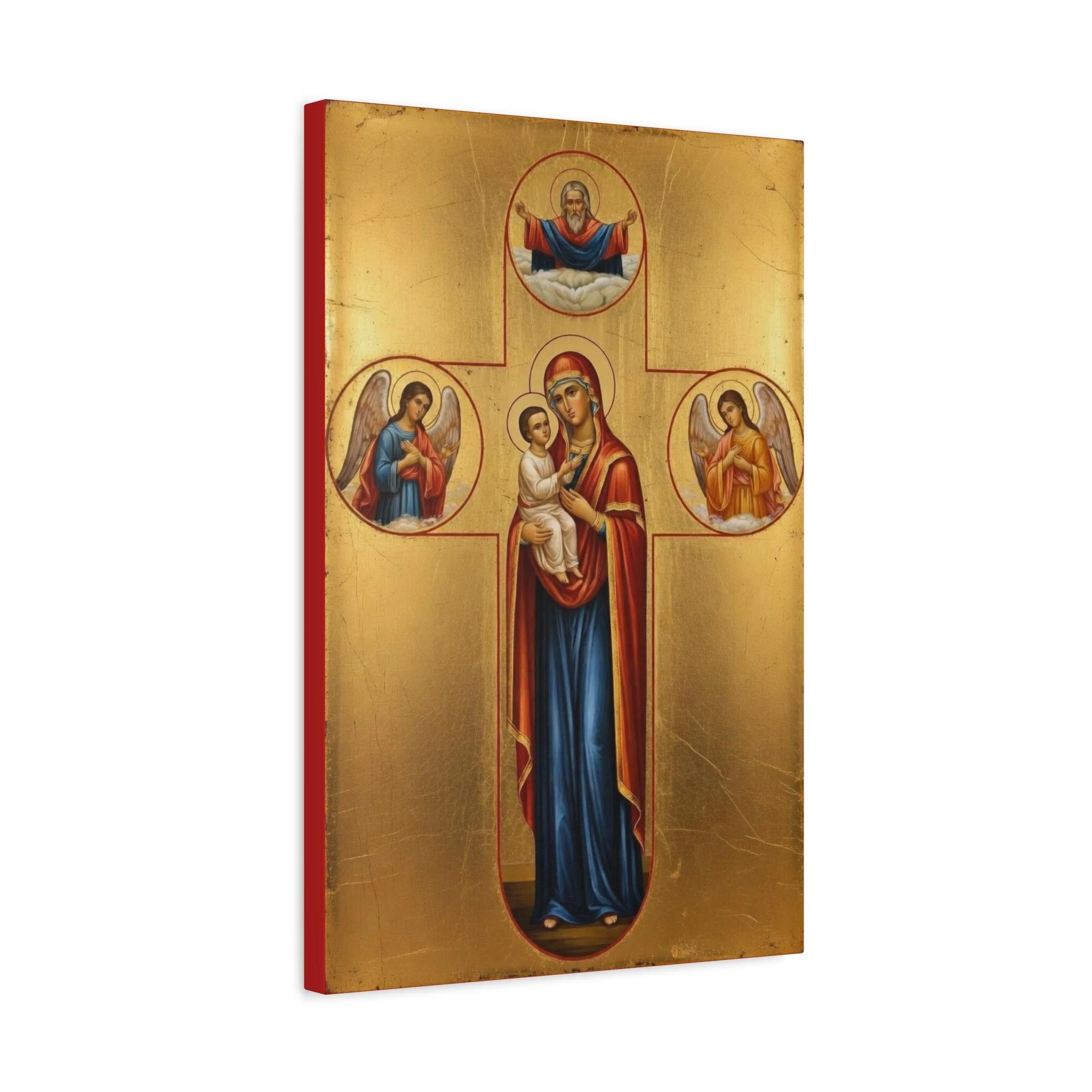
Christ's icon, most often the Pantocrator, holds the place of highest honor, traditionally centered or to the right as you face the corner. The Theotokos is placed immediately beside Him. From there, a household adds what speaks to its own story: patron saints, saints of a particular heritage, saints connected to a specific need, or simply the saints a family has grown to love.
Section I
The Icon of Christ
The Center of Every Icon Corner
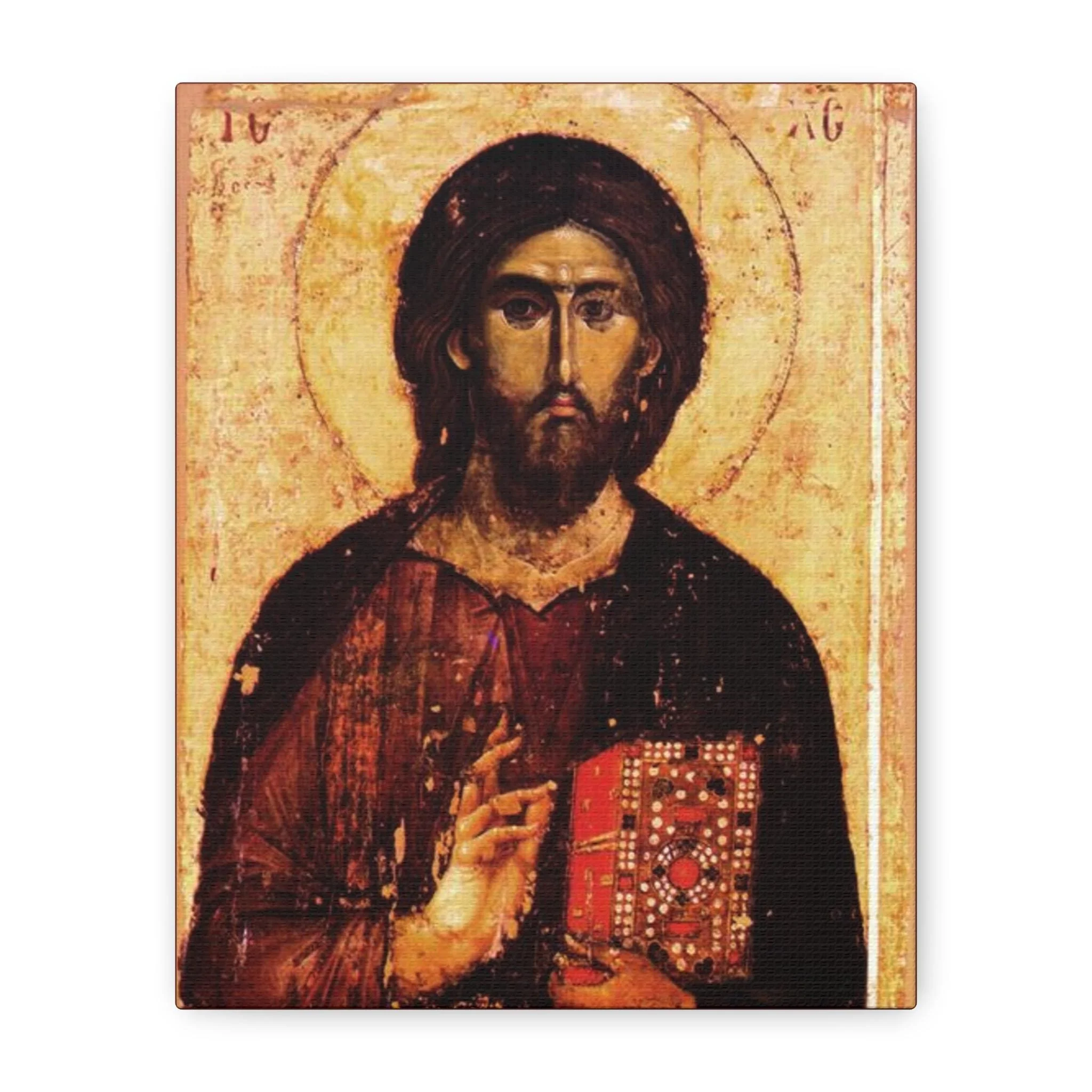
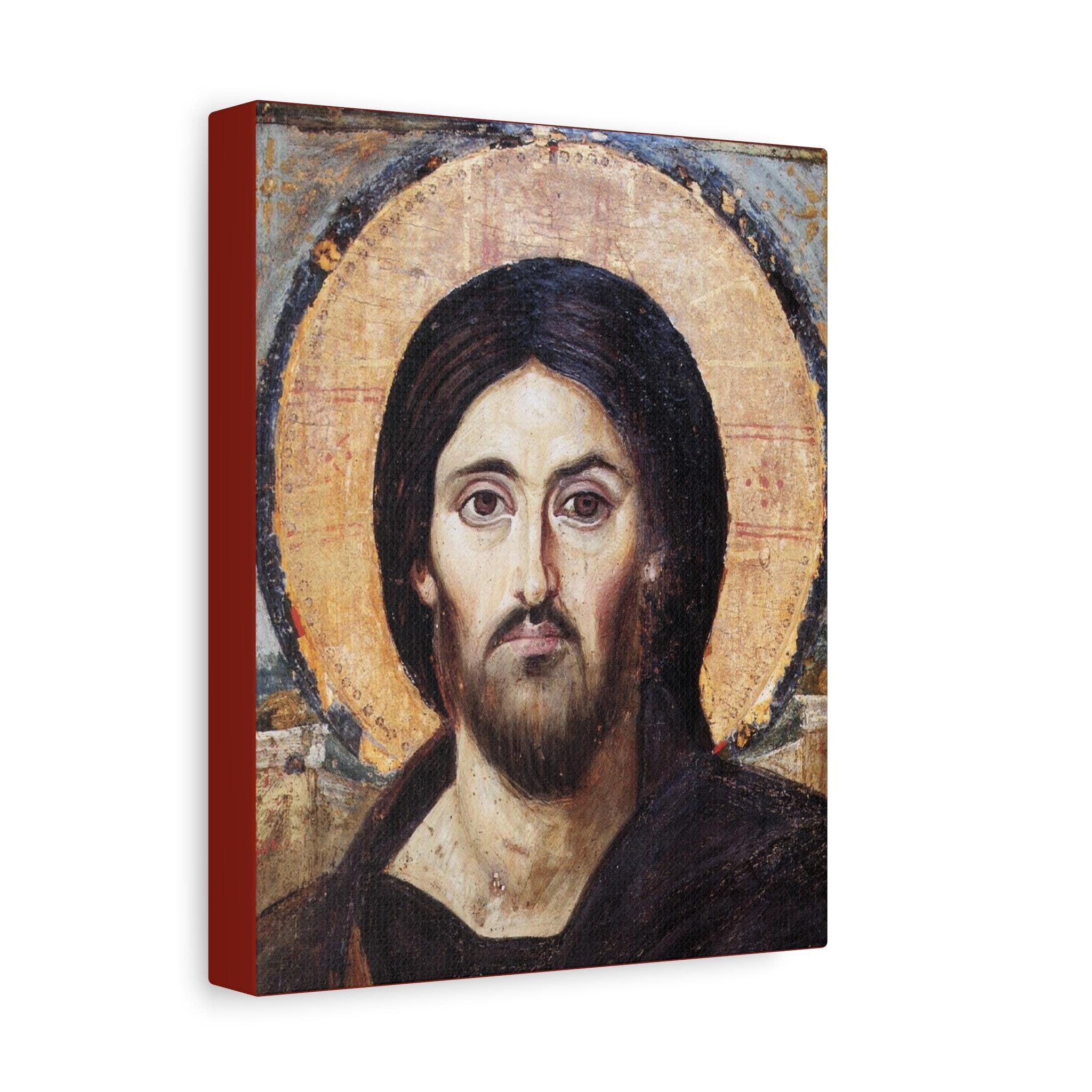
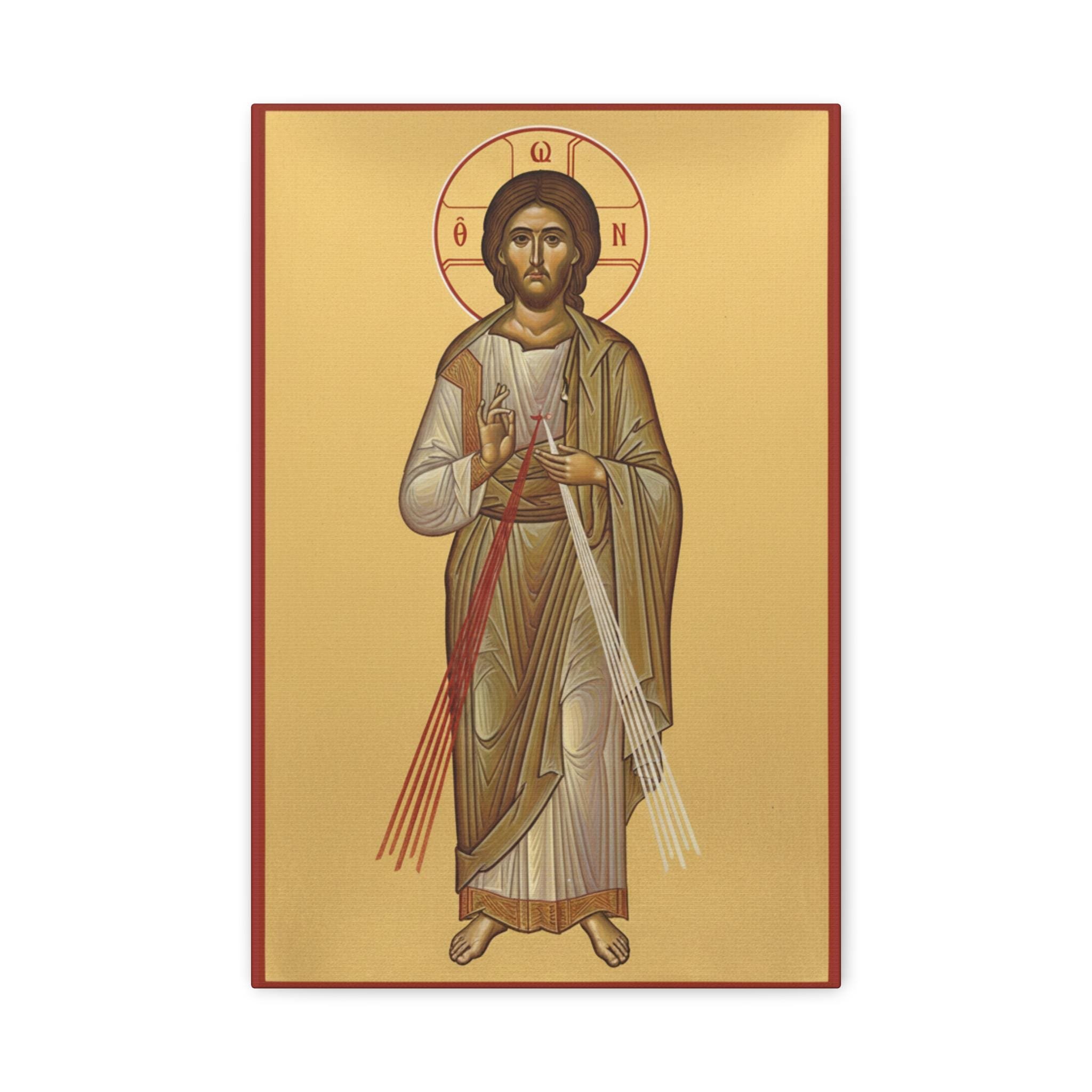
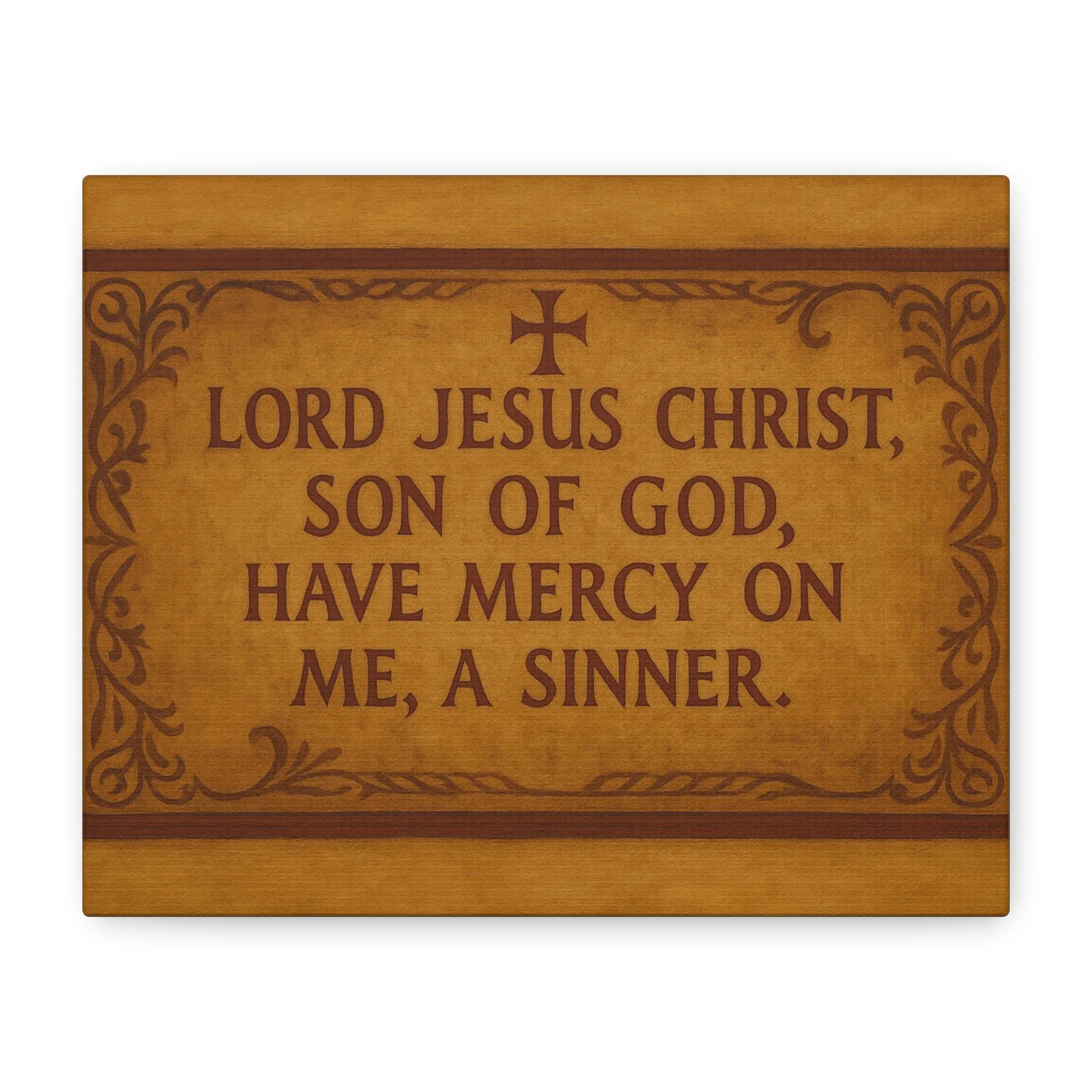
Every icon corner begins here. The Pantocrator, "Ruler of All," shows Christ in majesty, one hand raised in blessing, the Gospel in the other, and is traditionally the first icon placed and the one given the position of highest honor. The Divine Mercy image adds a more recent devotional layer, Christ's own words to Saint Faustina Kowalska, "Jesus, I Trust in You." A Jesus Prayer canvas keeps the words of the heart's constant prayer visibly present in the room.
Christ Pantokrator Icon Canvas
"Ruler of All," the traditional central icon of every Orthodox and Eastern Catholic prayer corner.
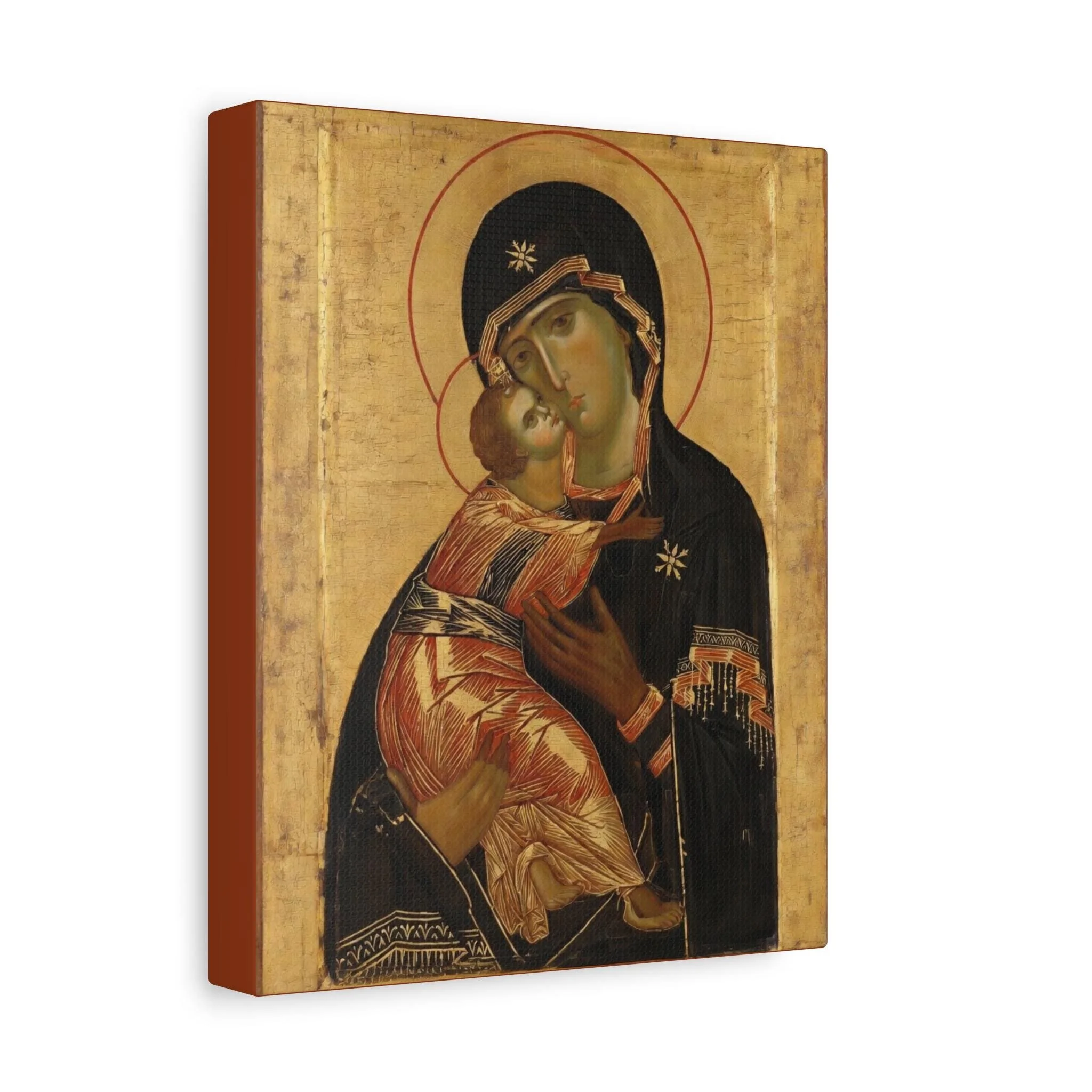
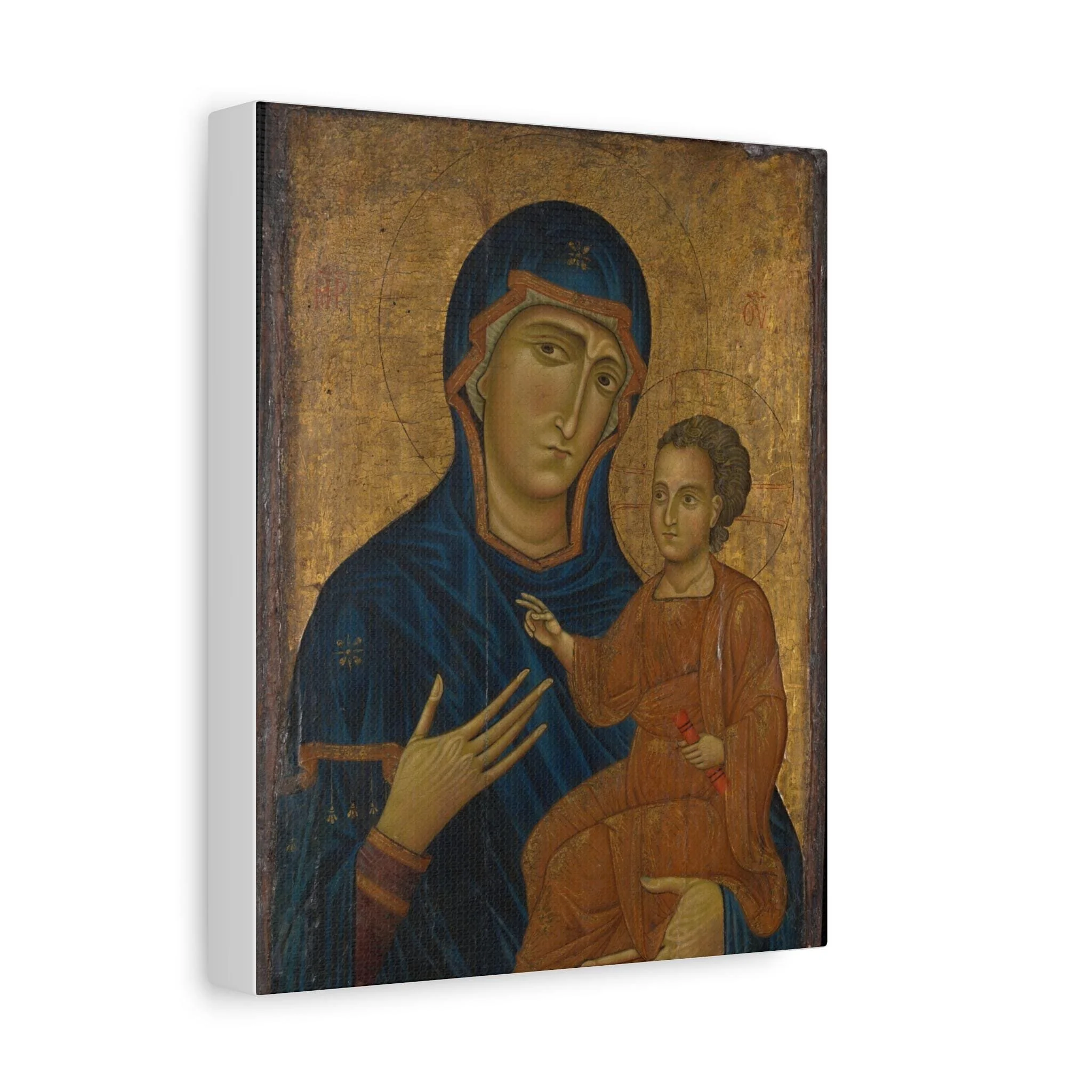
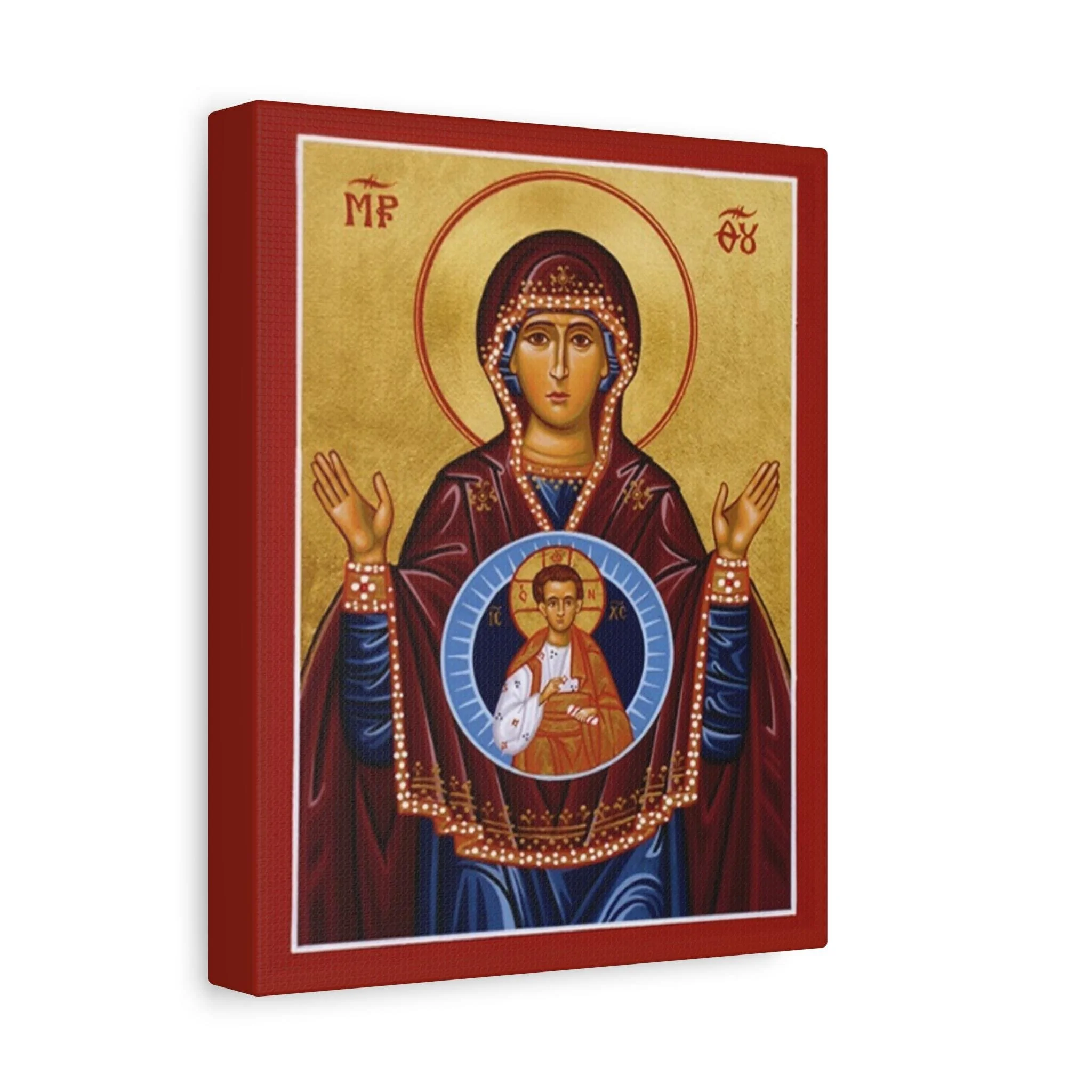
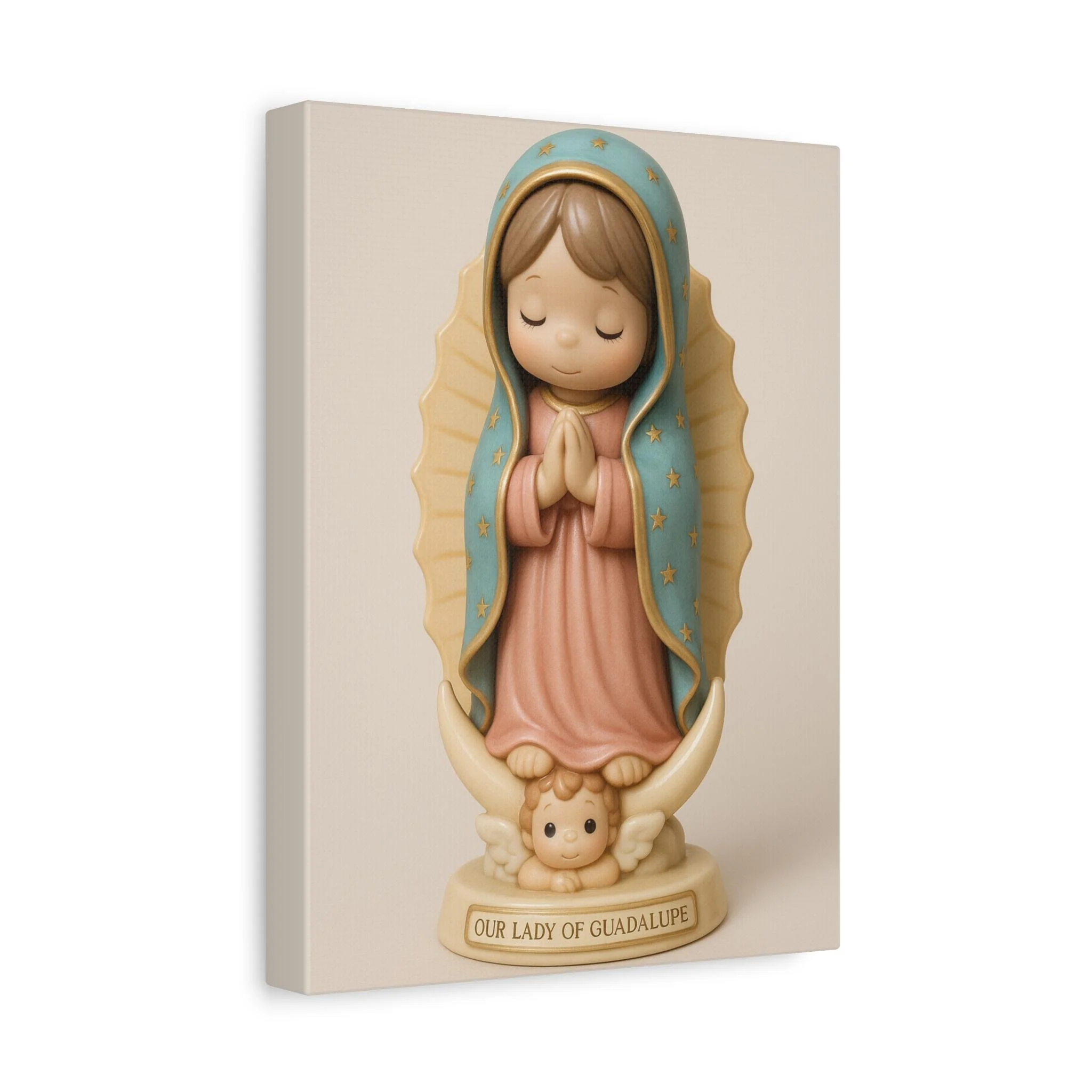
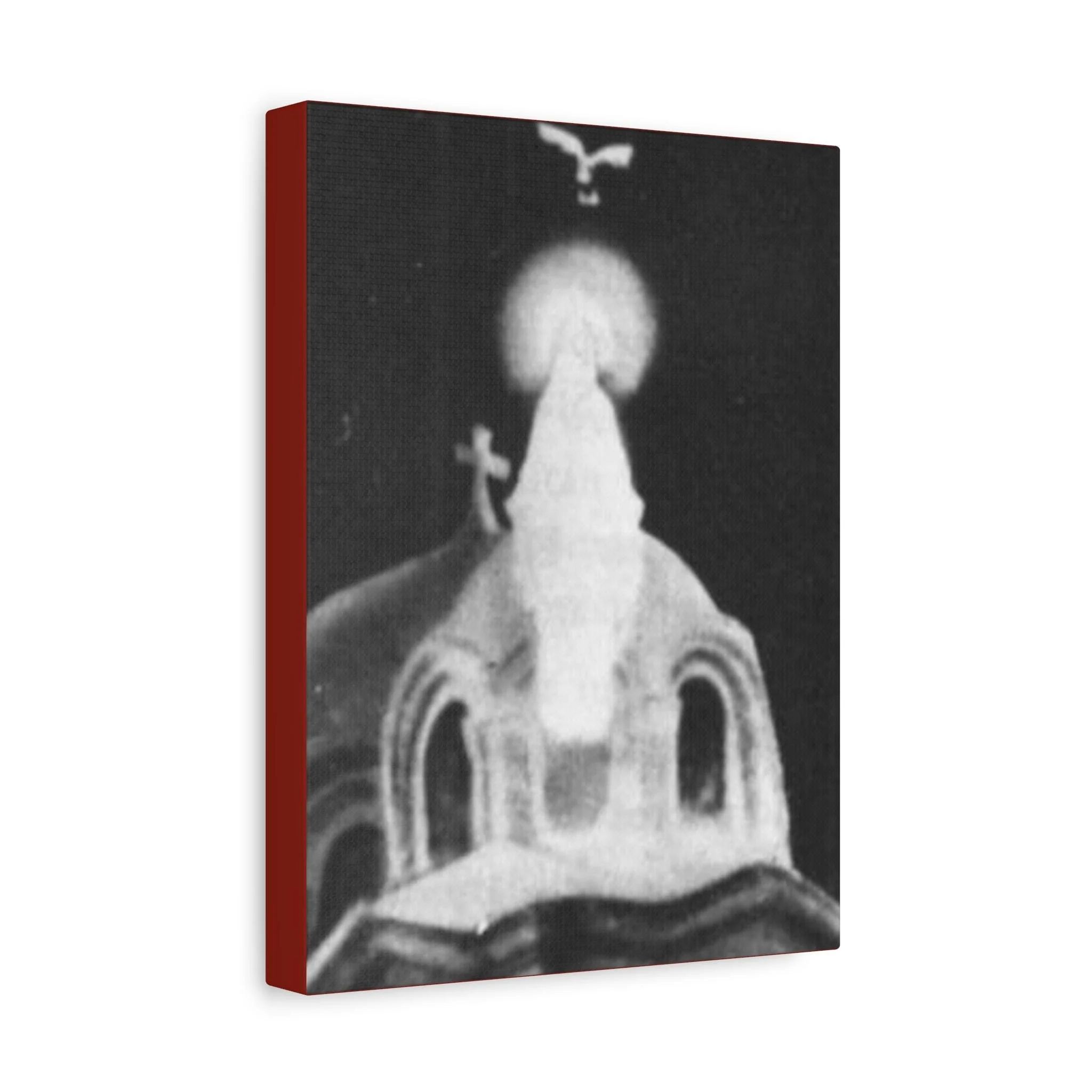
Traditionally the second icon placed in any corner, right beside Christ's. Each Marian icon type carries its own story: the Vladimir icon's tender cheek-to-cheek embrace, the Hodegetria "showing the way" toward her Son, Our Lady of the Sign with arms raised in prayer, Guadalupe's 1531 apparition in Mexico, Zeitoun's 1968 apparition over Cairo, and the Kupyatitskaya and Zhirovitskaya icons, both tied to specific miraculous appearances in Belarusian Orthodox history.
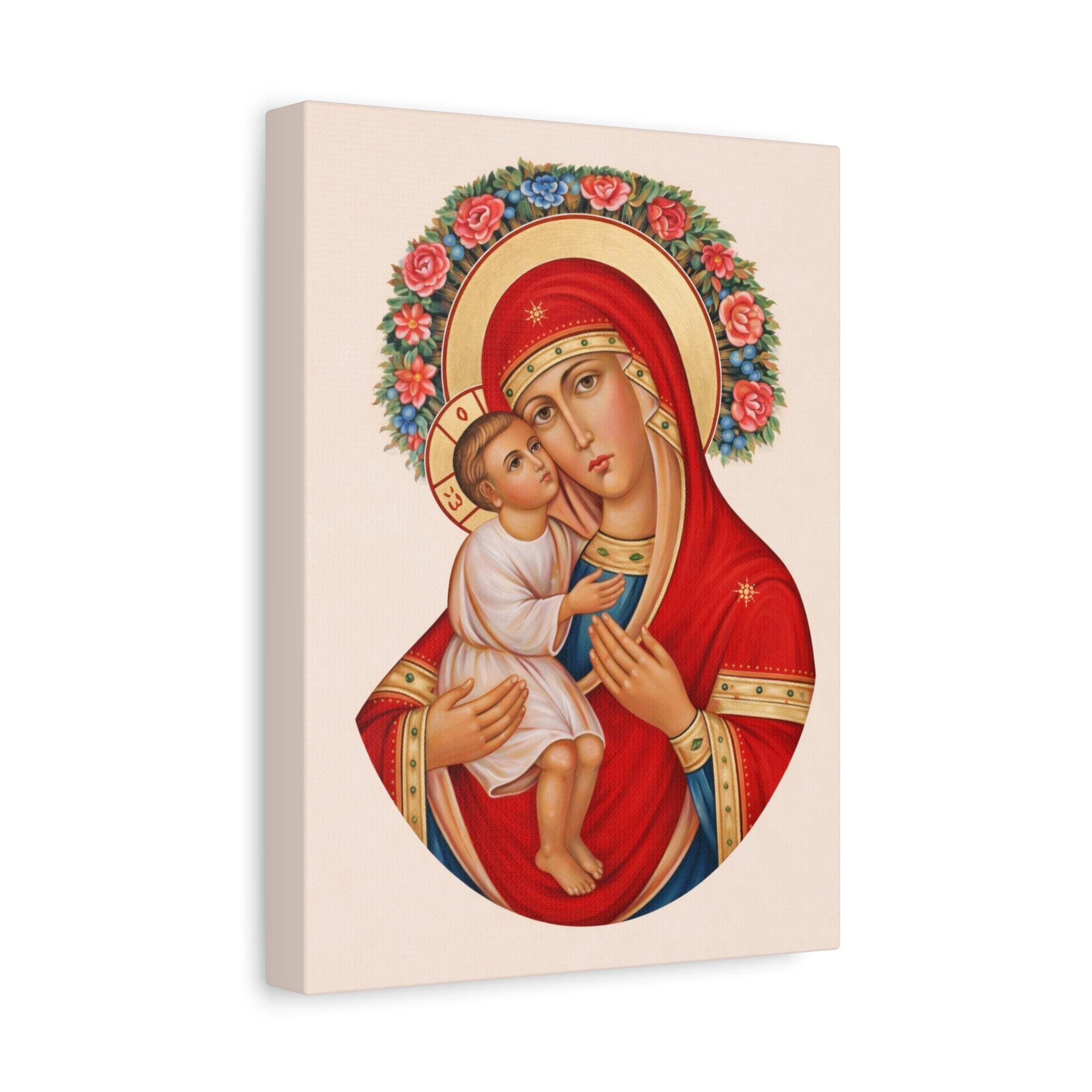
Theotokos of Vladimir
One of the most beloved Marian icon types, Christ and His Mother in tender embrace.
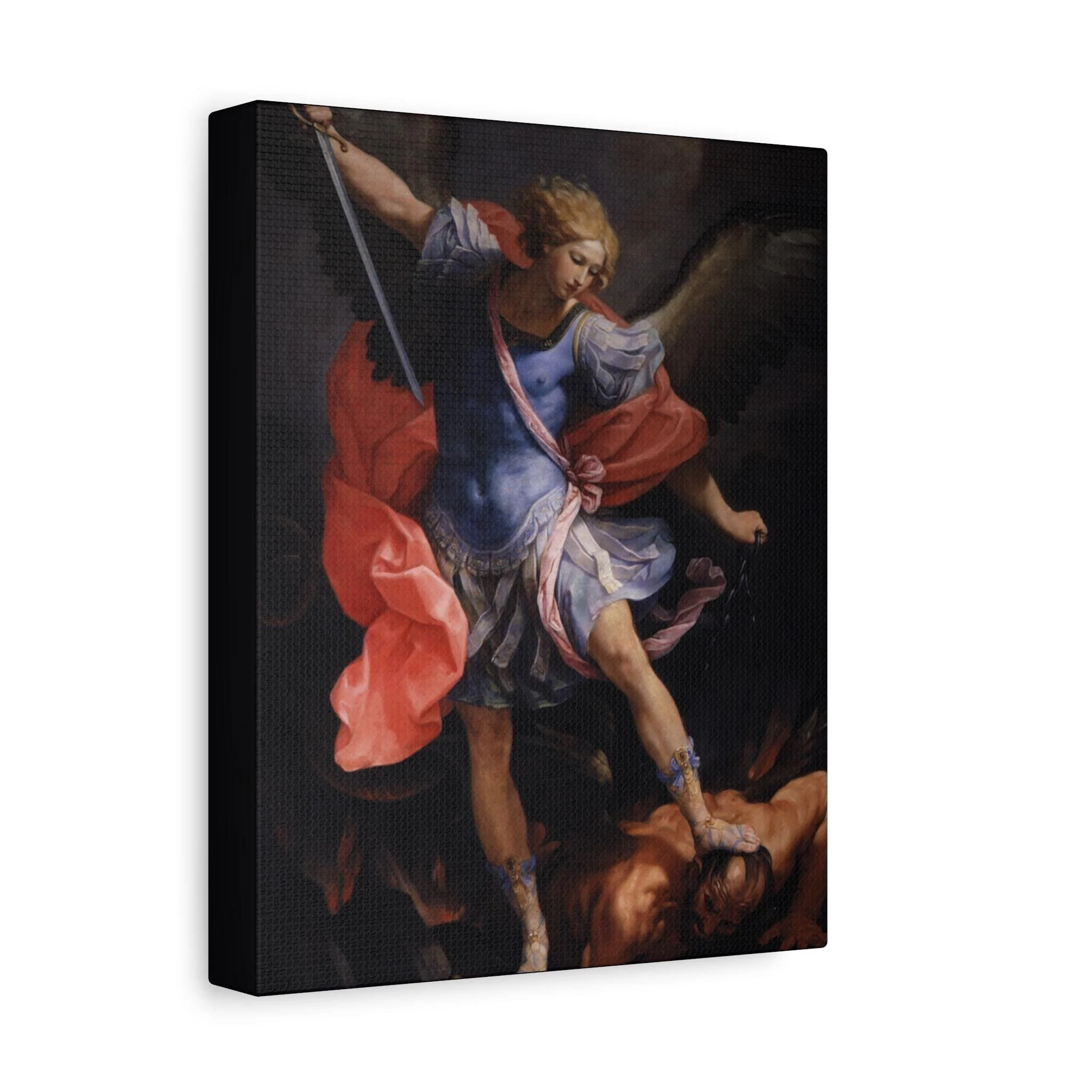
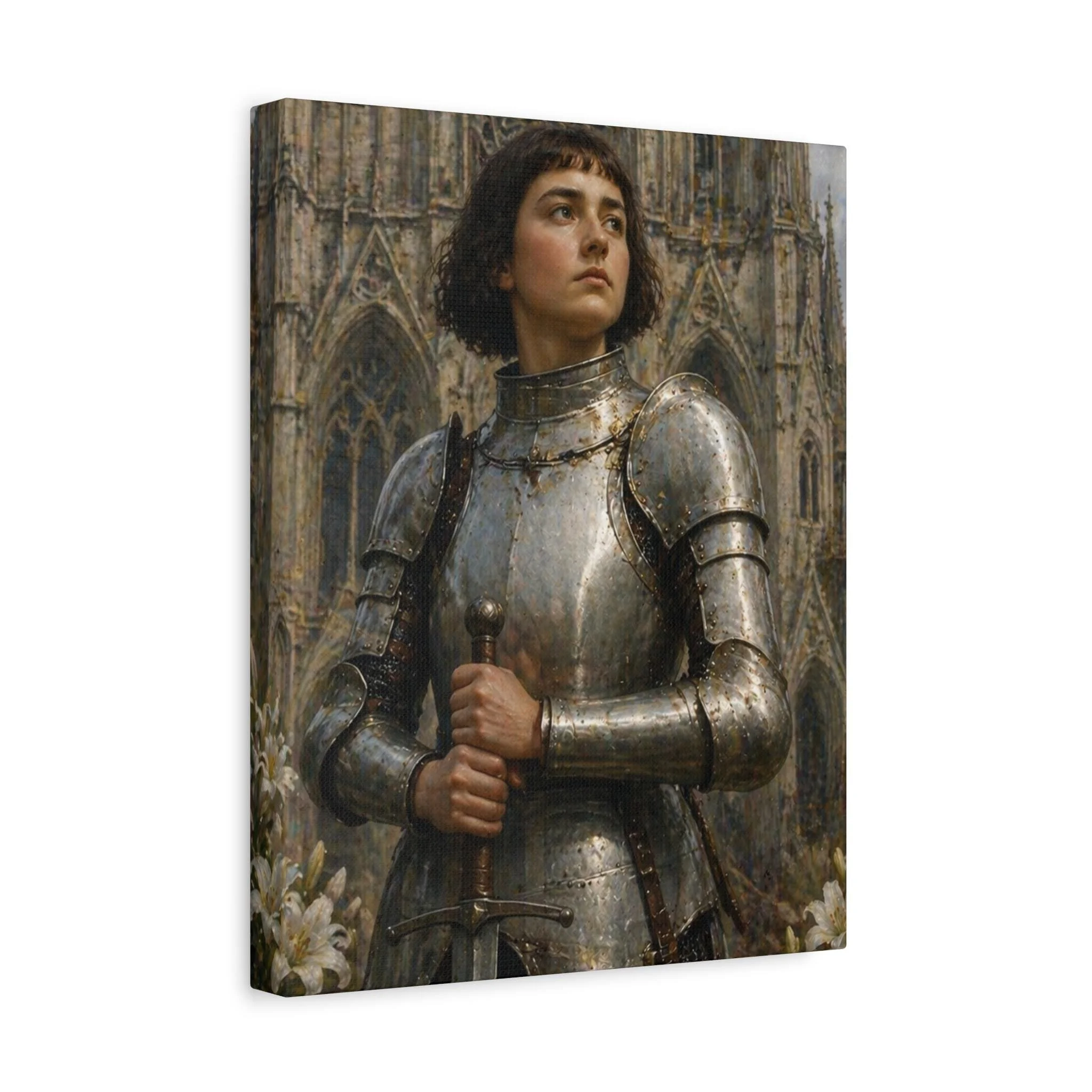
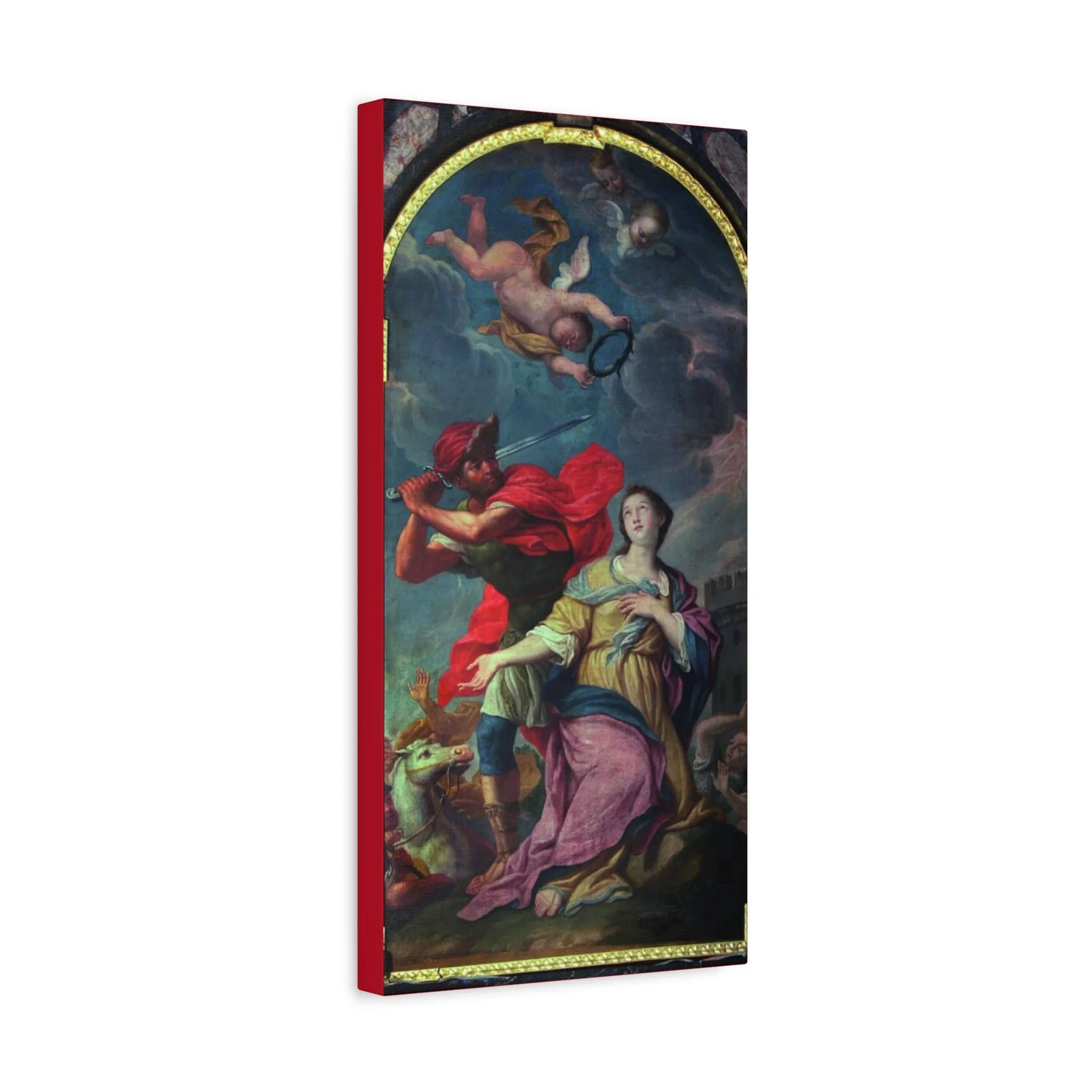
Many households add a guardian to their corner, a saint invoked specifically for protection over the home. Saint Michael the Archangel, commander of the heavenly host, is the most traditional choice. Joan of Arc's fierce, youthful faith and Saint Barbara's ancient patronage of protection round out this category.
Saint Michael the Archangel
The commander of the heavenly host, shown slaying Satan, invoked for protection over the home.
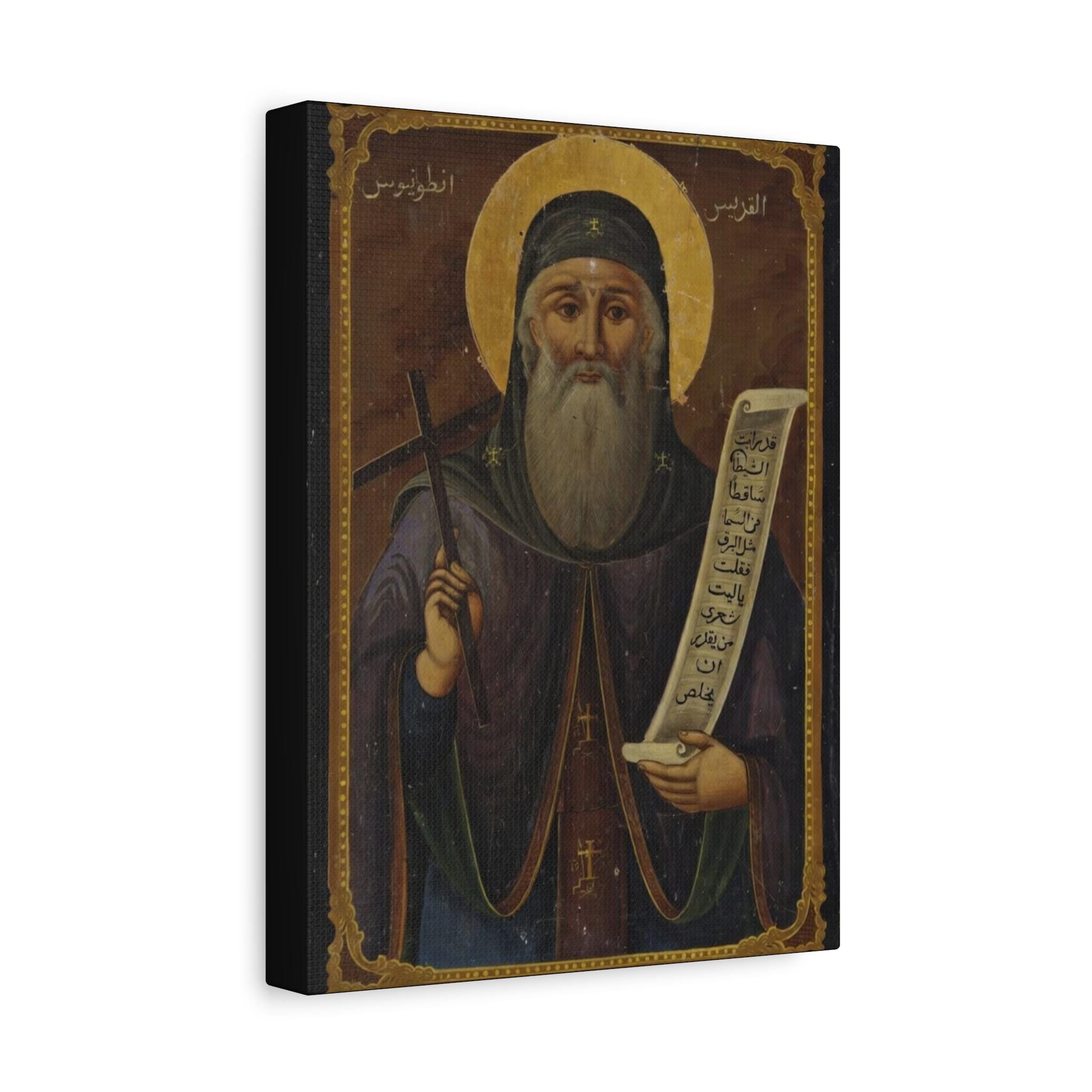
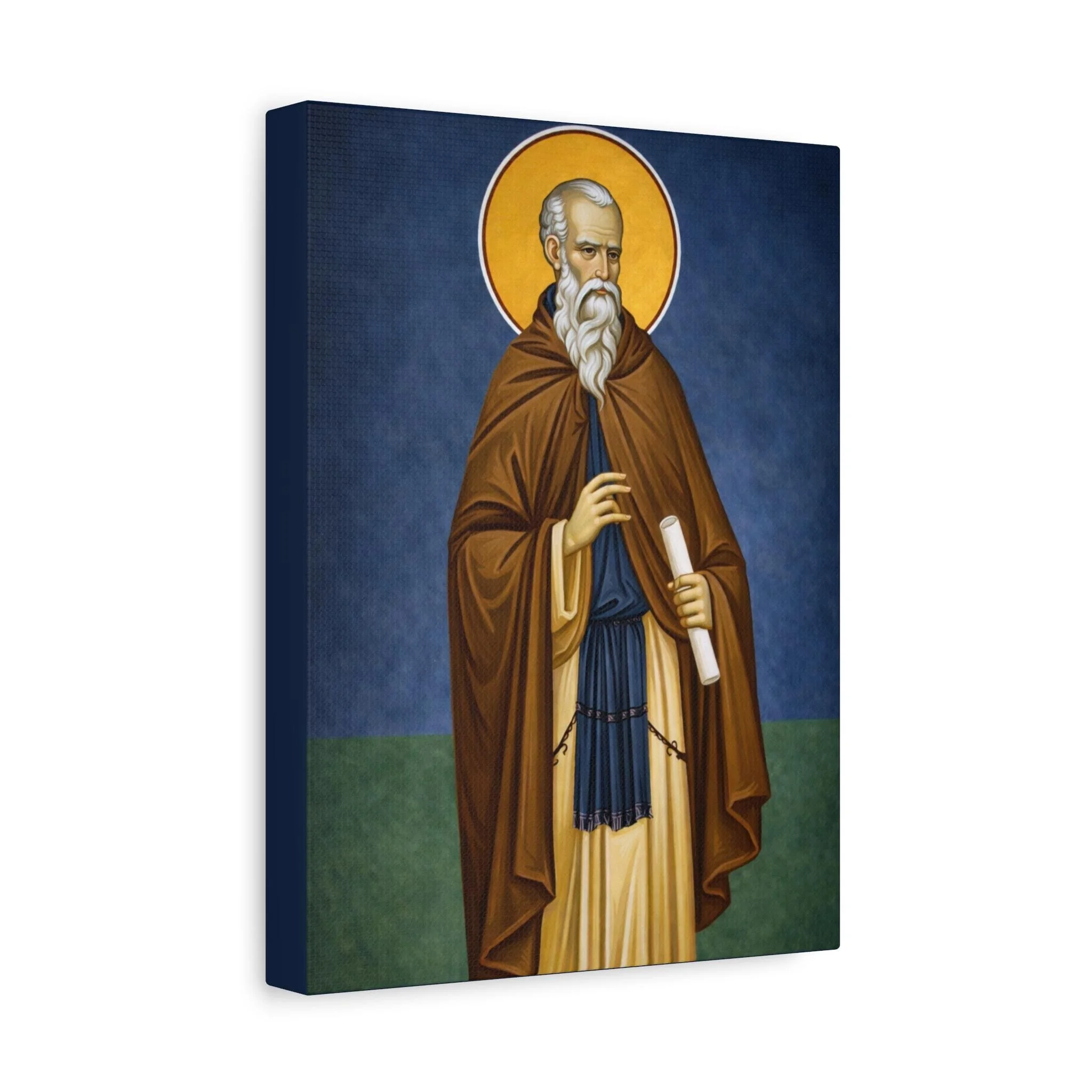
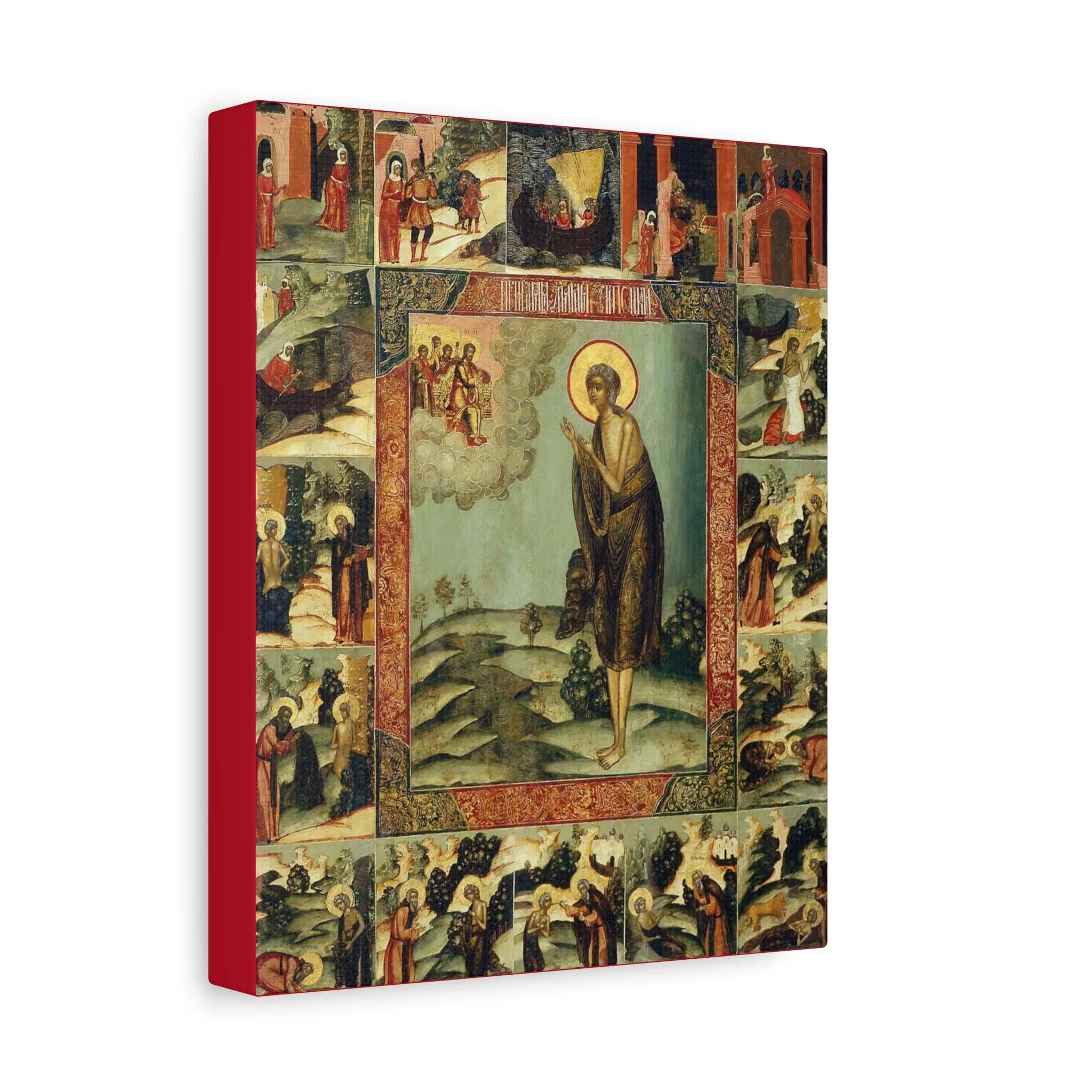
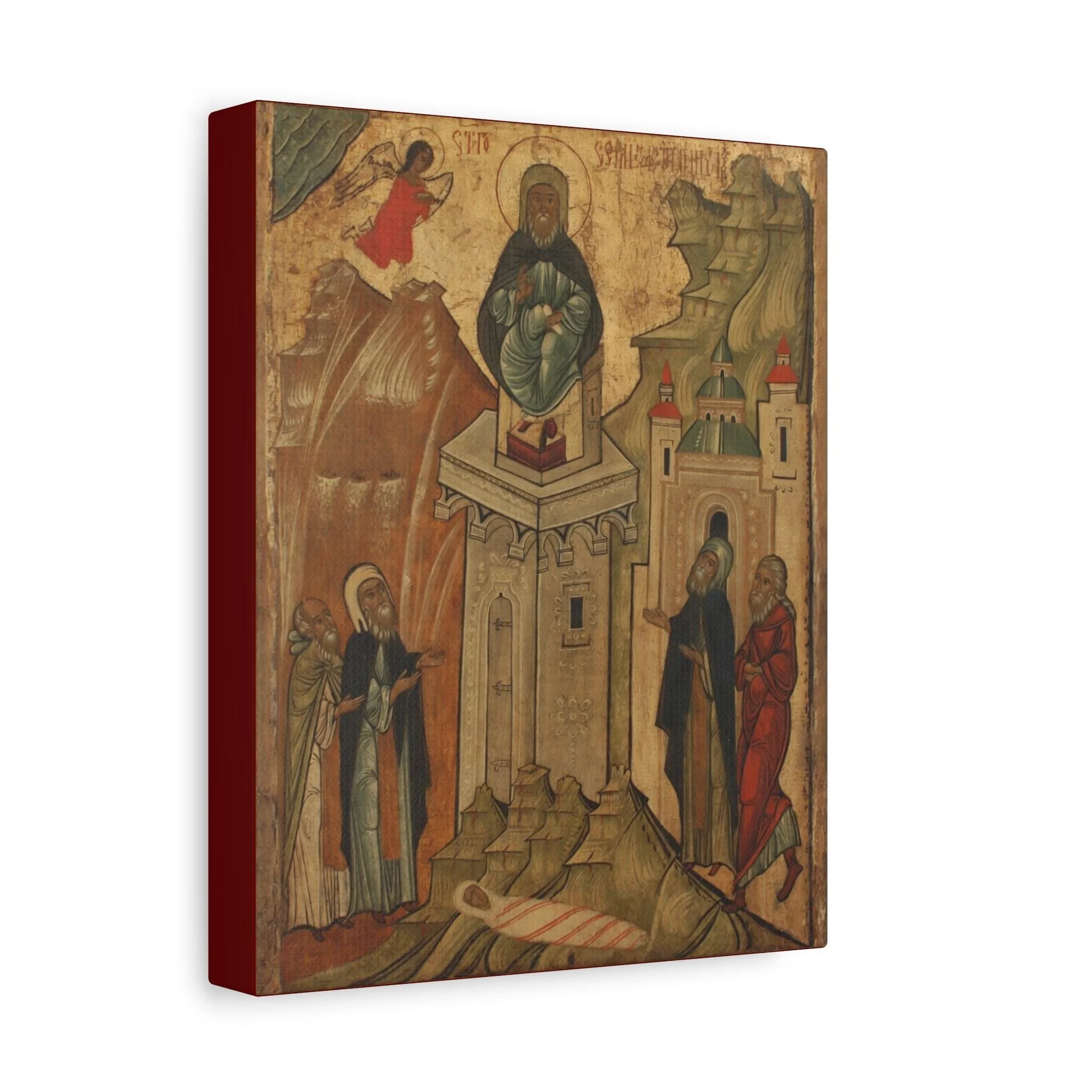
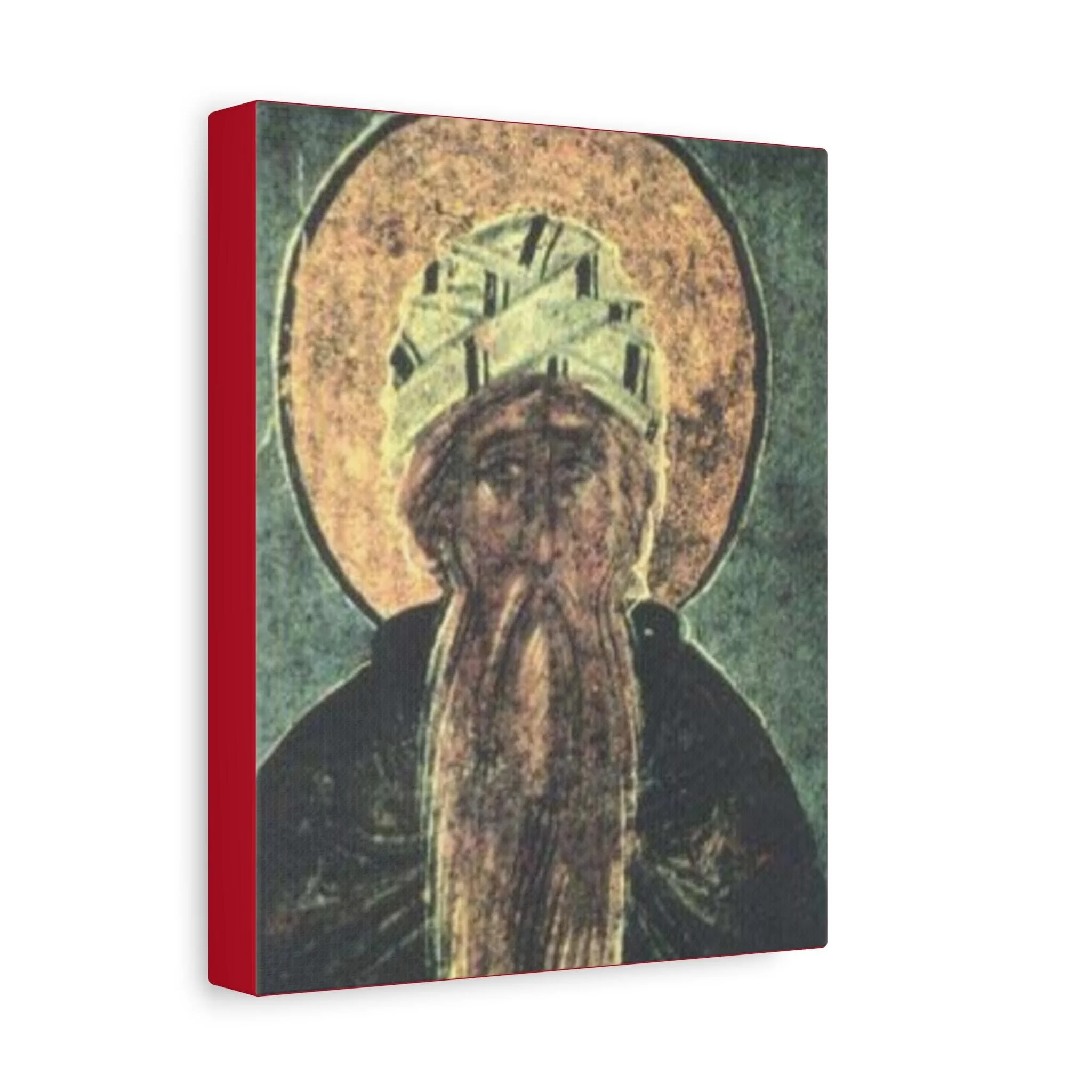
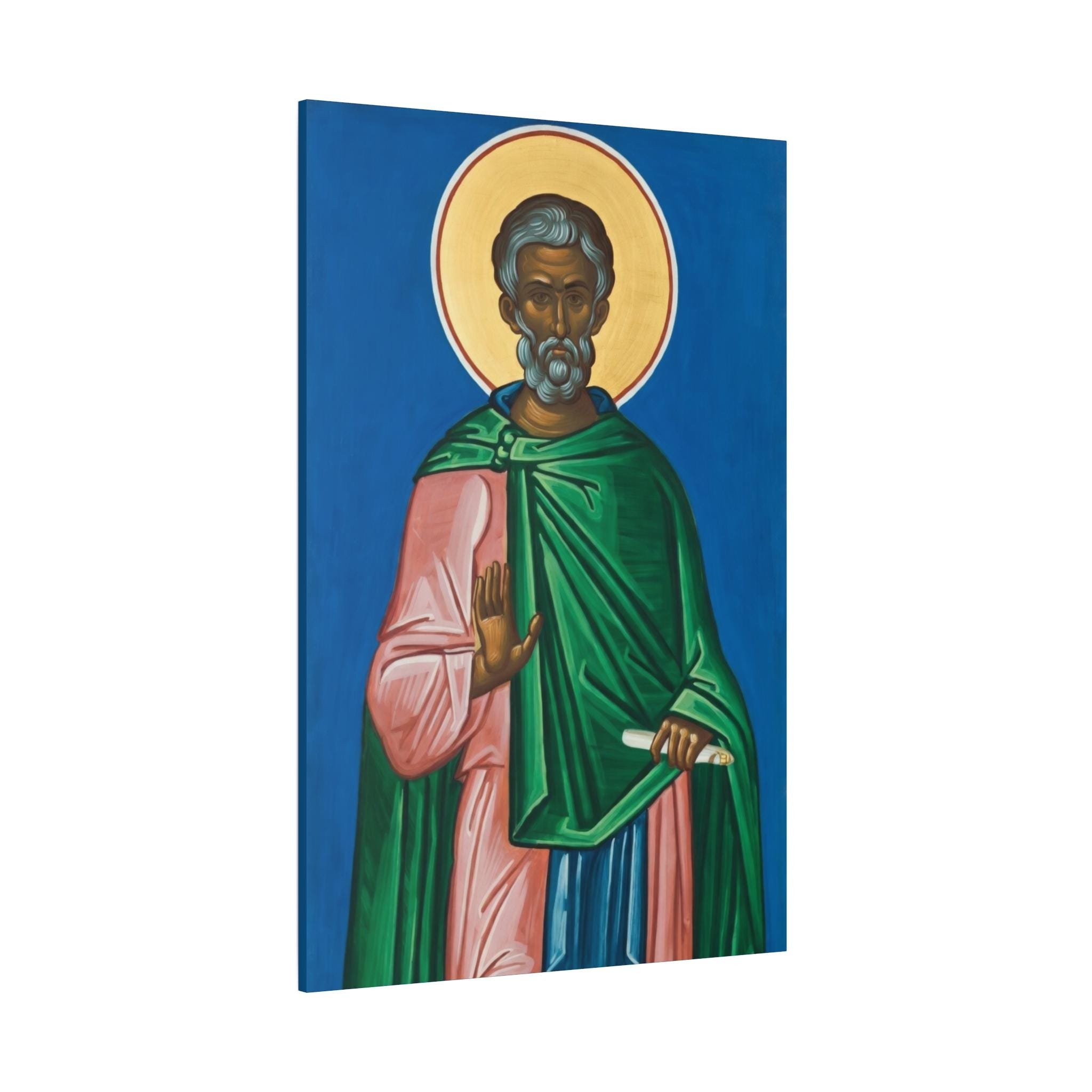
Every monastic tradition in Christianity traces back to the Egyptian and Syrian deserts of the third and fourth centuries. Saint Anthony the Great is remembered as the father of Christian monasticism. Abba Poemen the Great was among the most quoted of the Desert Fathers in the beloved Sayings collection. Saint Mary of Egypt's decades of solitary repentance make her a model for Great Lent. Saint Simeon Stylites lived atop a pillar for 37 years. Saint Isaac the Syrian's writings on mercy and stillness remain deeply influential in Orthodox spirituality today.
Saint Anthony the Great
The father of Christian monasticism, the desert hermit whose withdrawal began a movement.
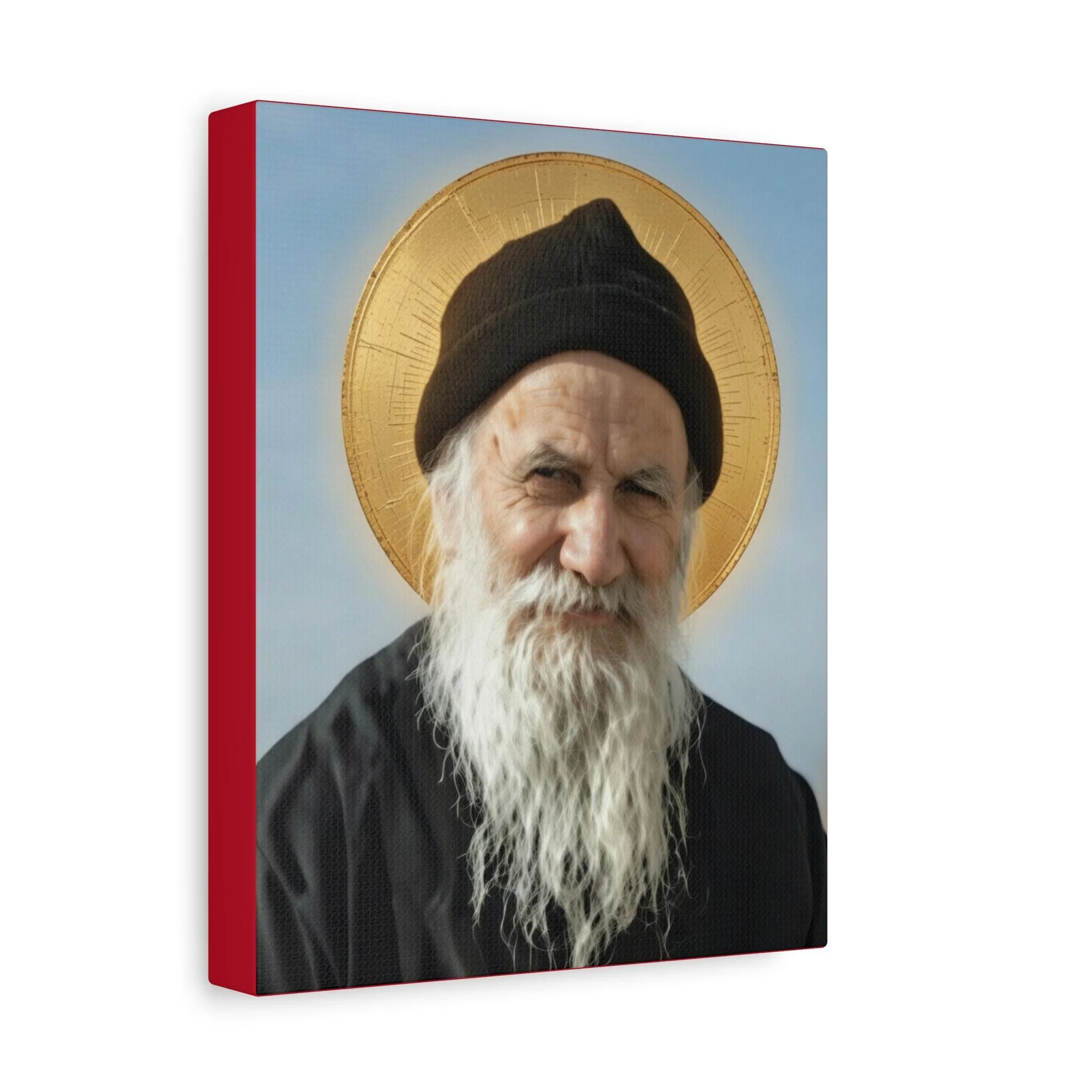
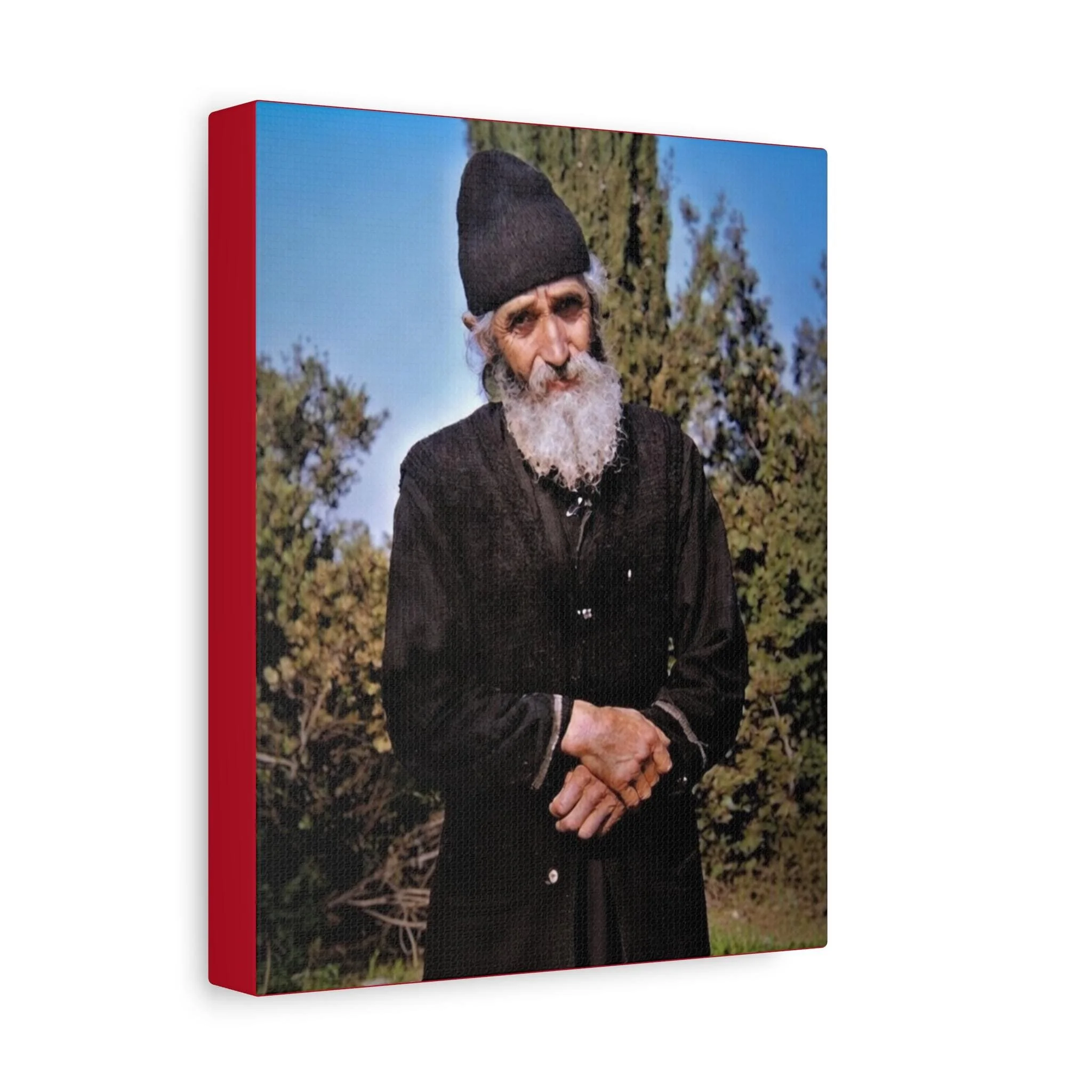
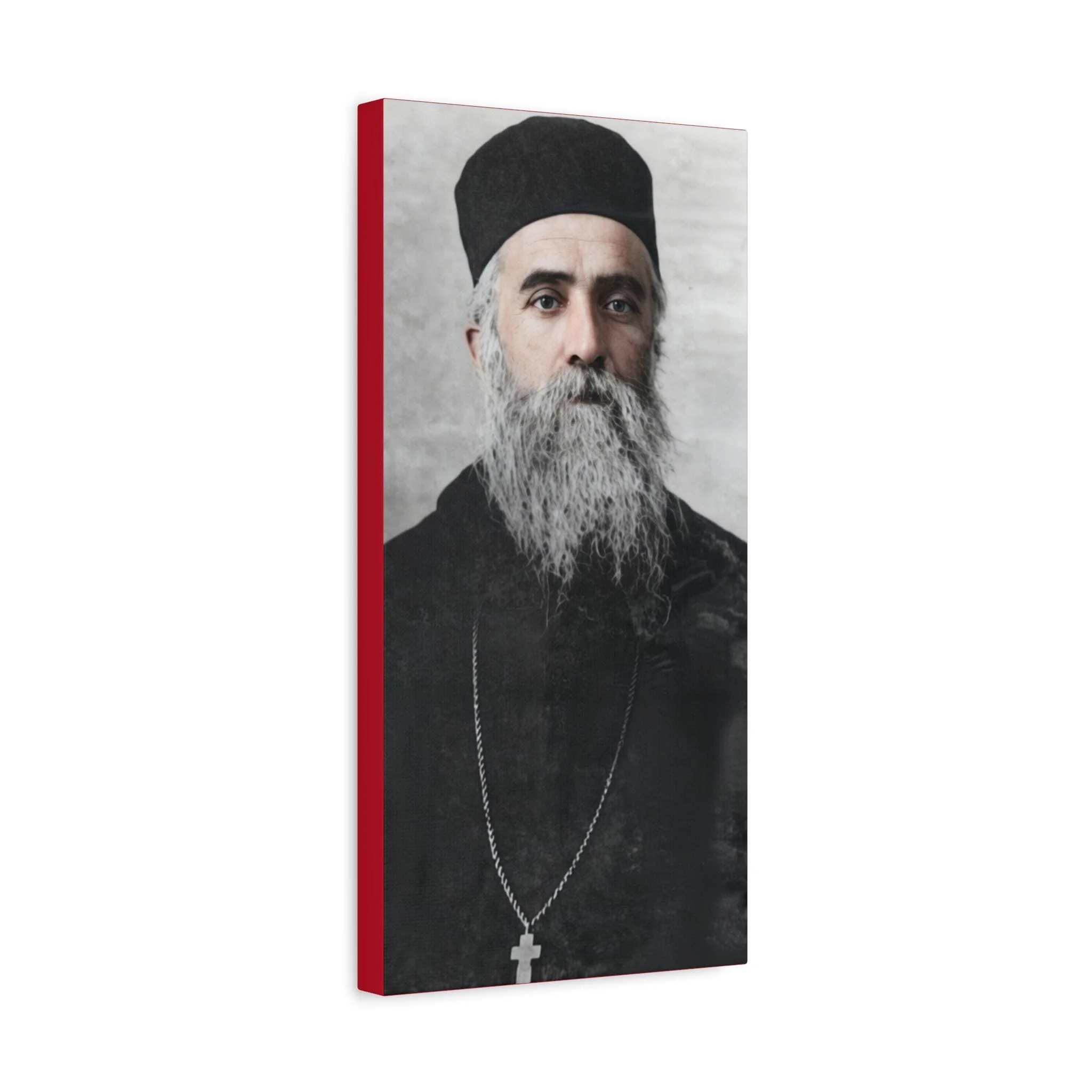
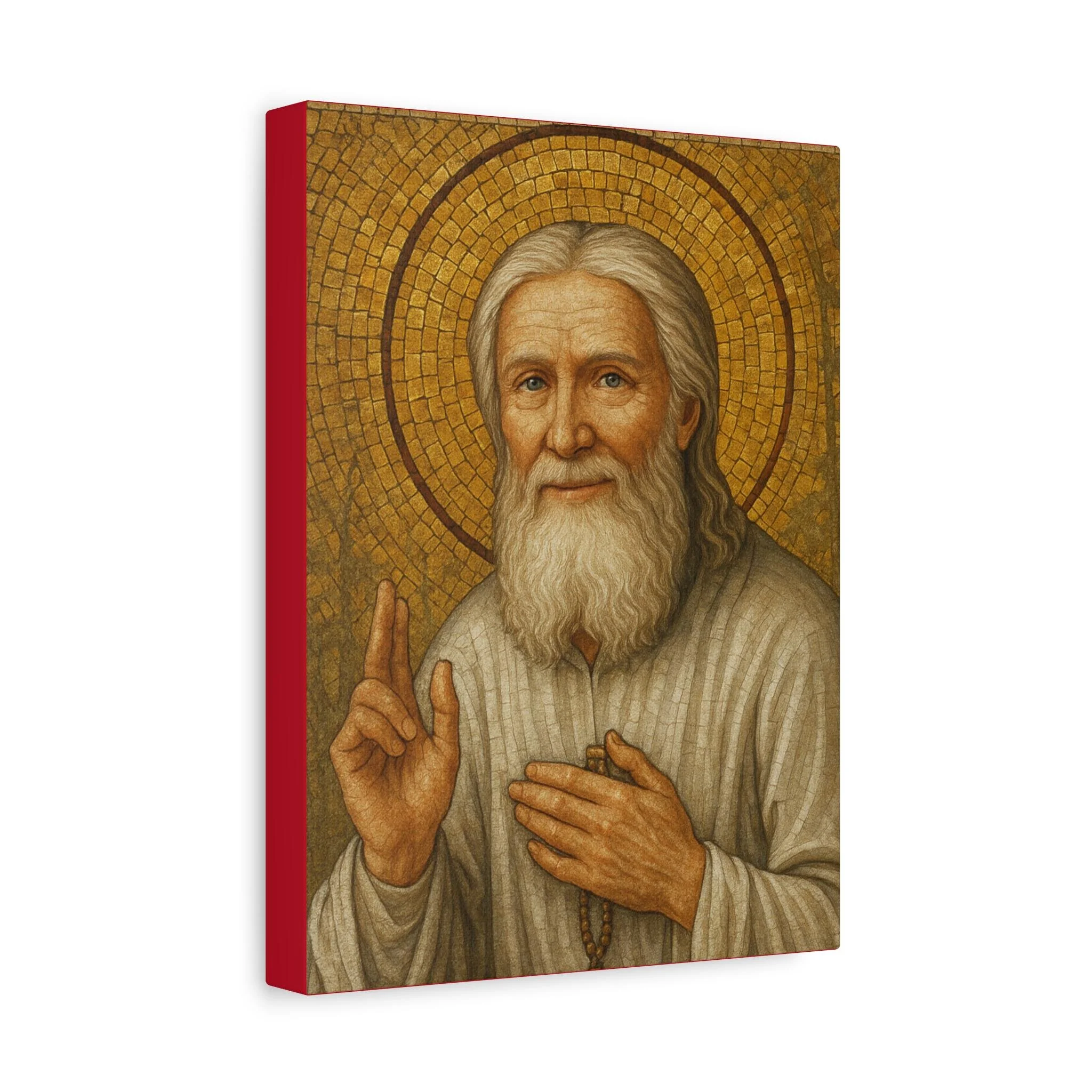
Some saints in this collection lived recently enough that people who knew them are still alive today. Saint Porphyrios and Saint Paisios the Athonite were both 20th-century monks of Mount Athos whose direct, practical spiritual counsel continues shaping Orthodox life worldwide. Saint Nektarios of Aegina remains one of the most beloved modern Greek saints, invoked especially by cancer patients. Saint Seraphim of Sarov, though from the 19th century, belongs in this same spirit of accessible, living sanctity.
Saint Porphyrios of Kavsokalyvia
A modern Greek elder known for spiritual gifts and warm, practical counsel.
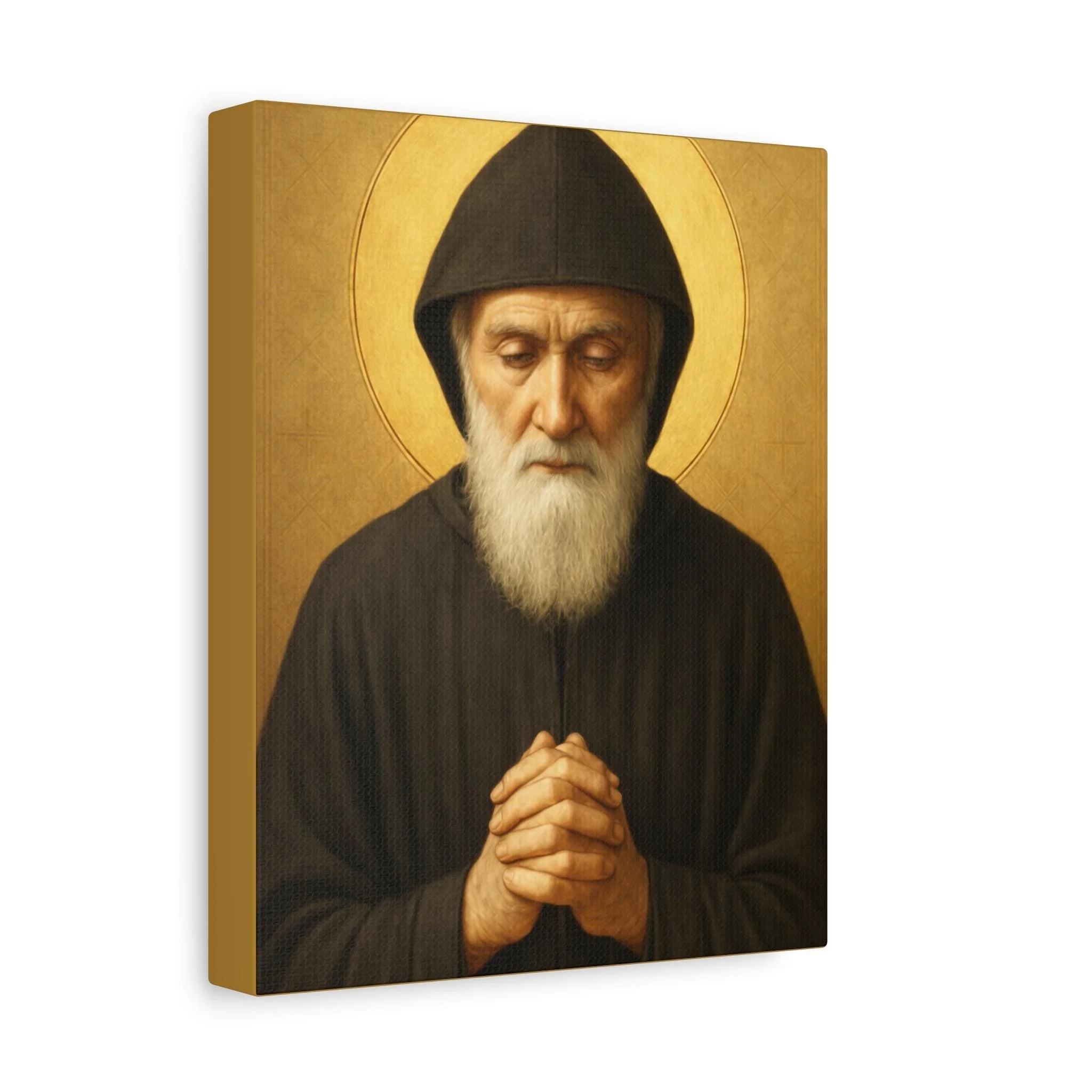
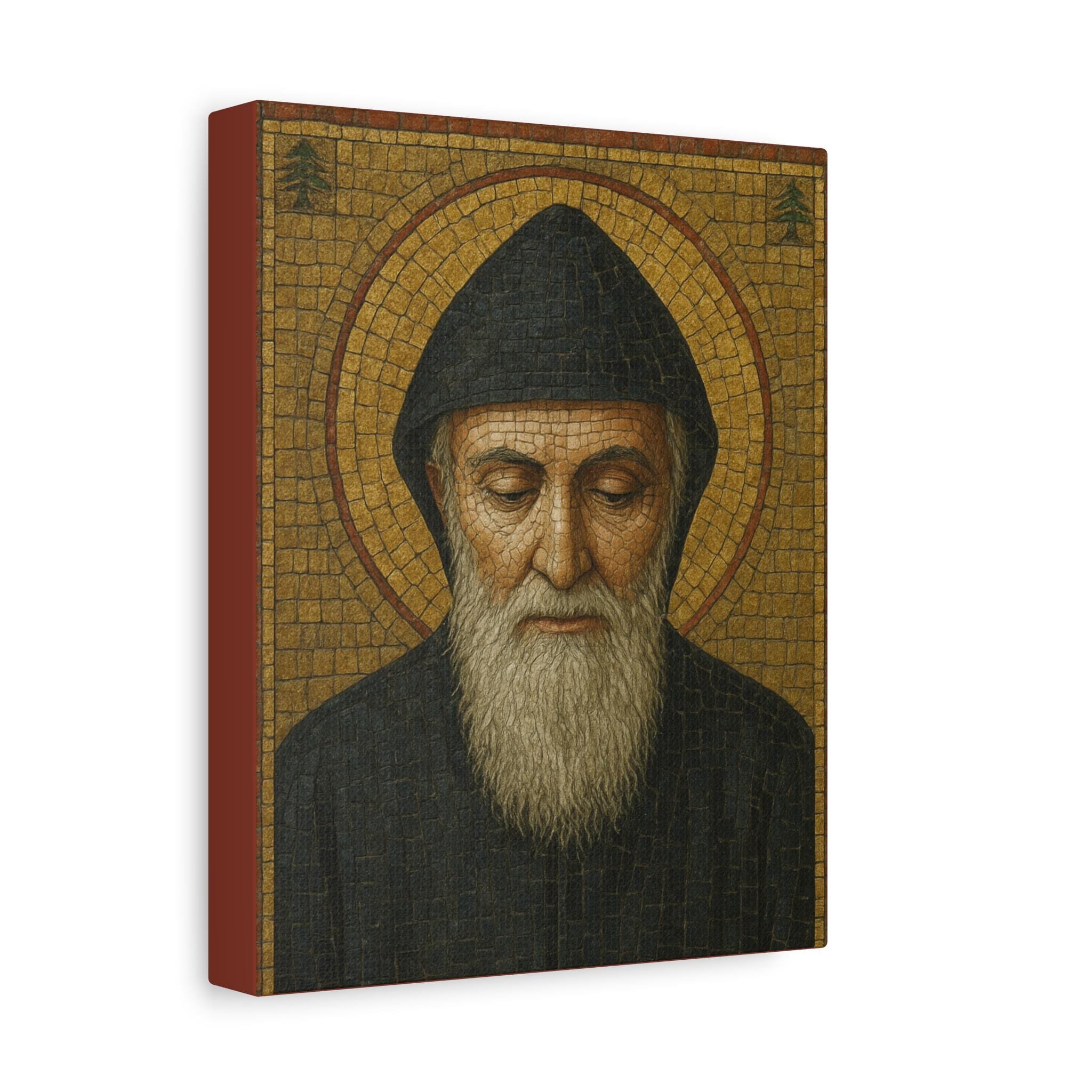
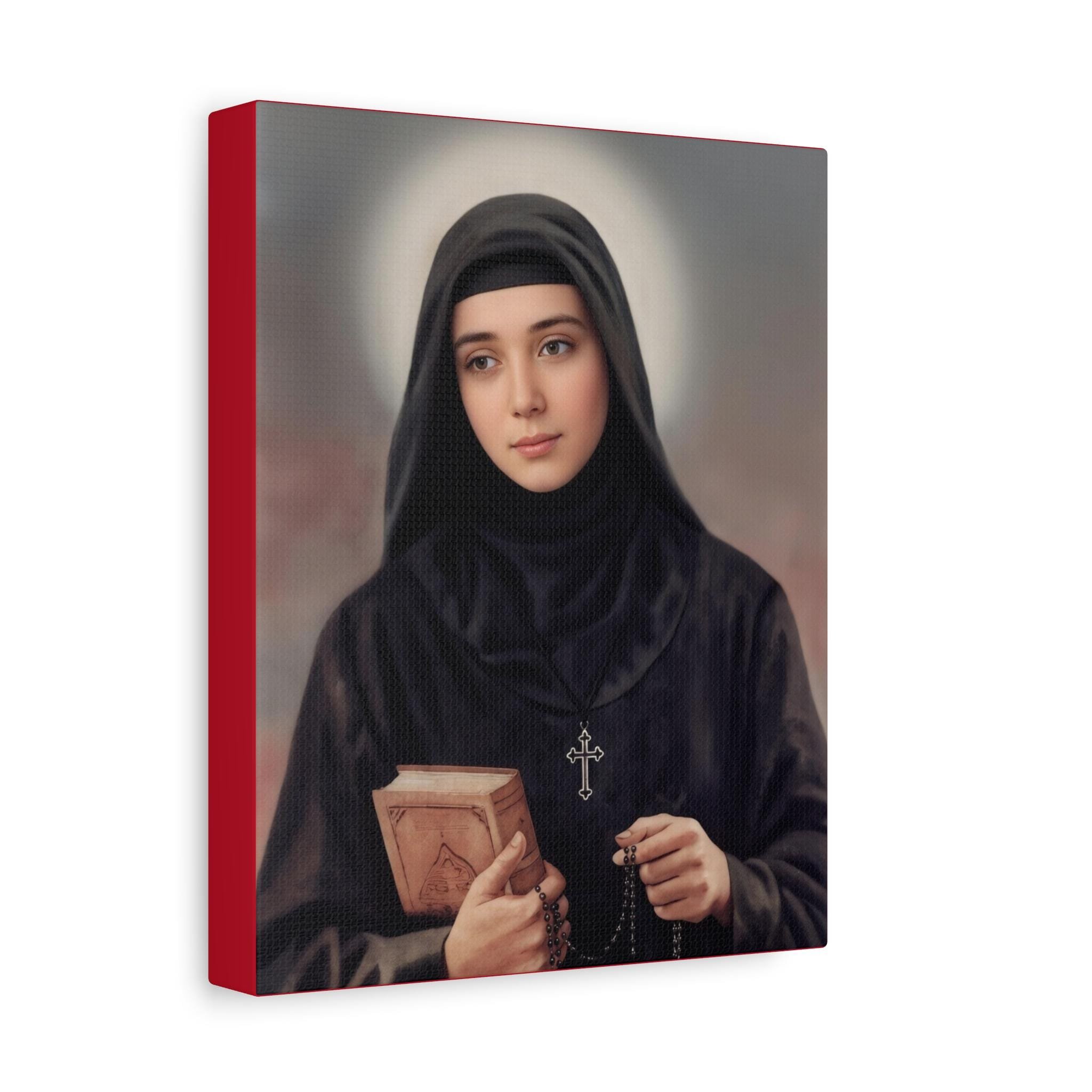
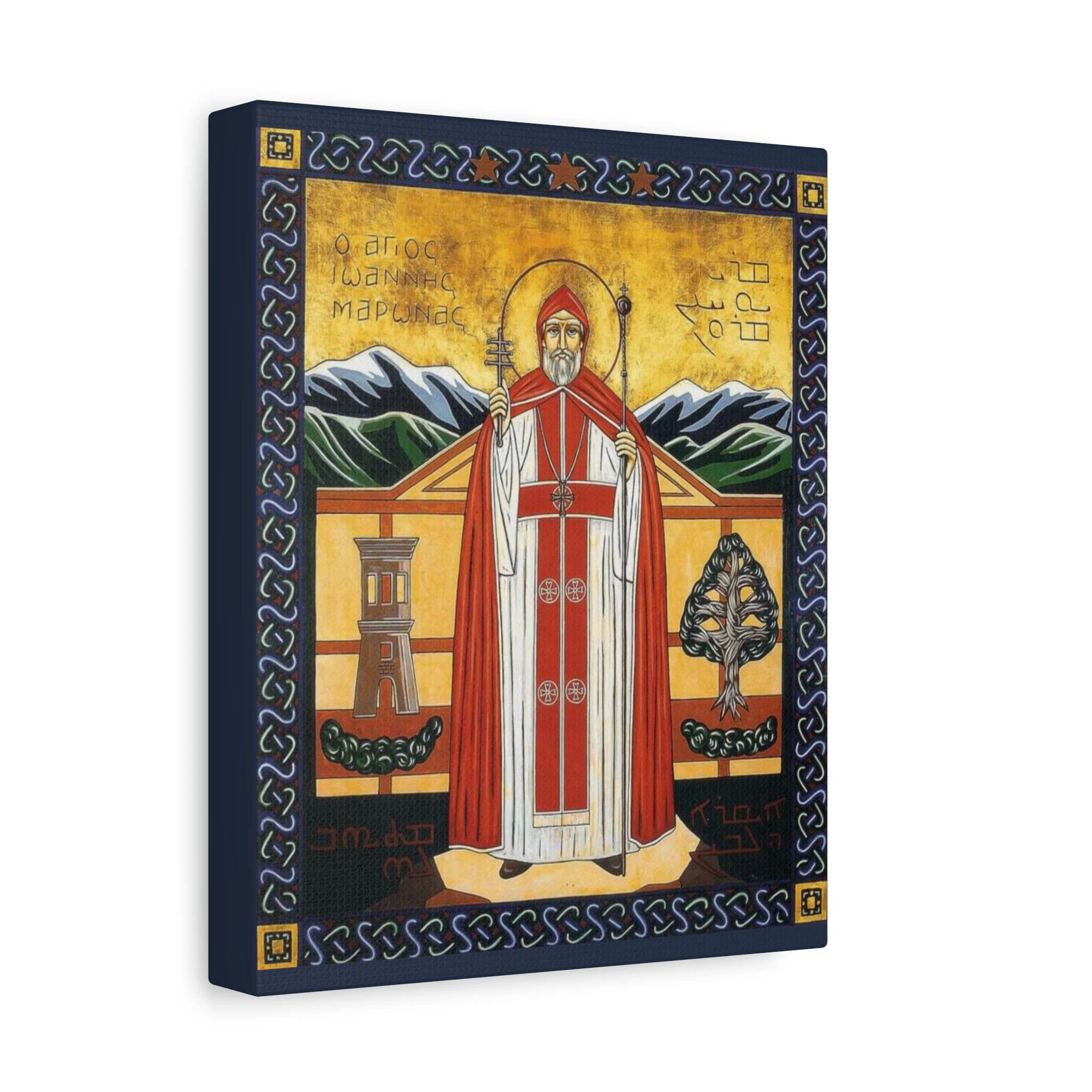
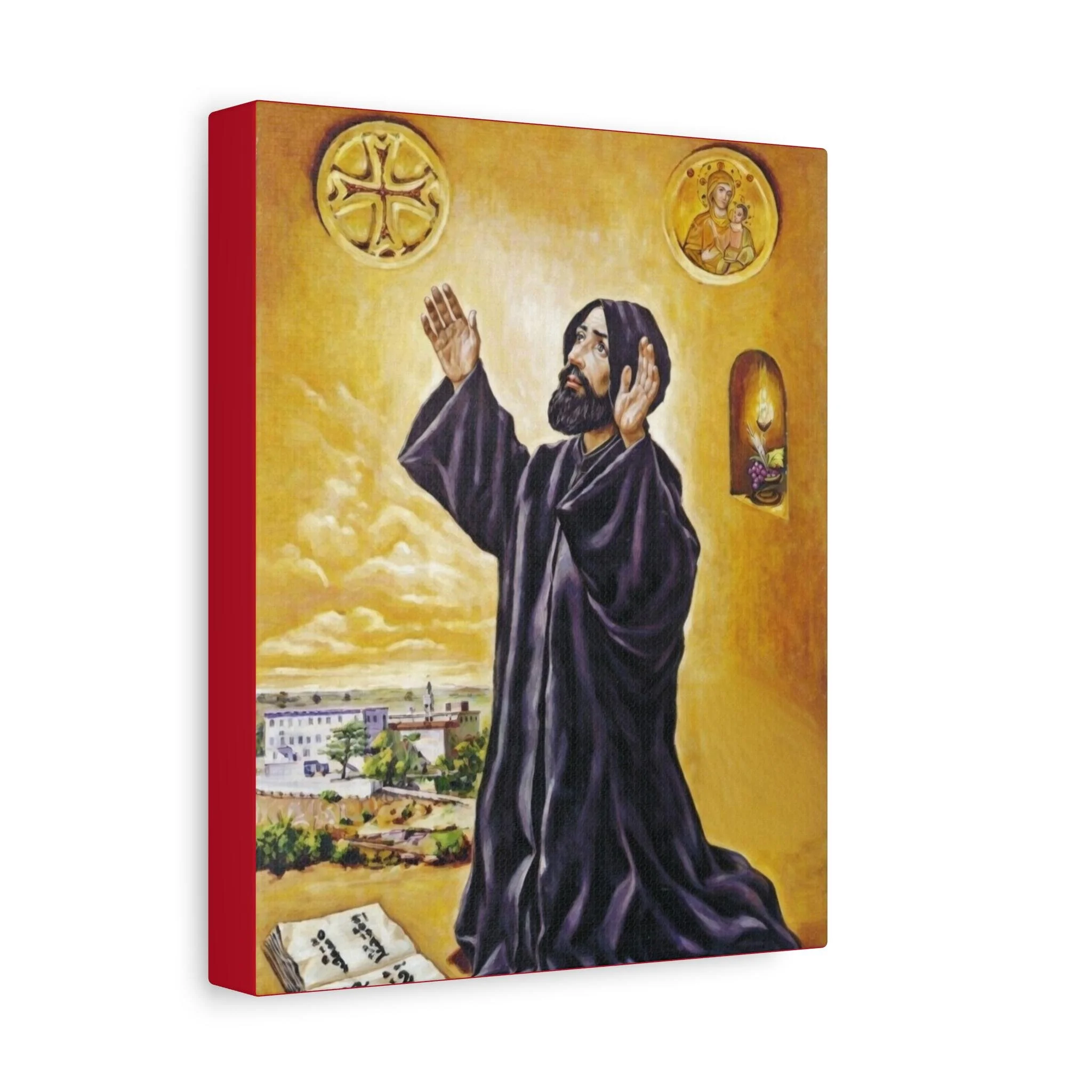
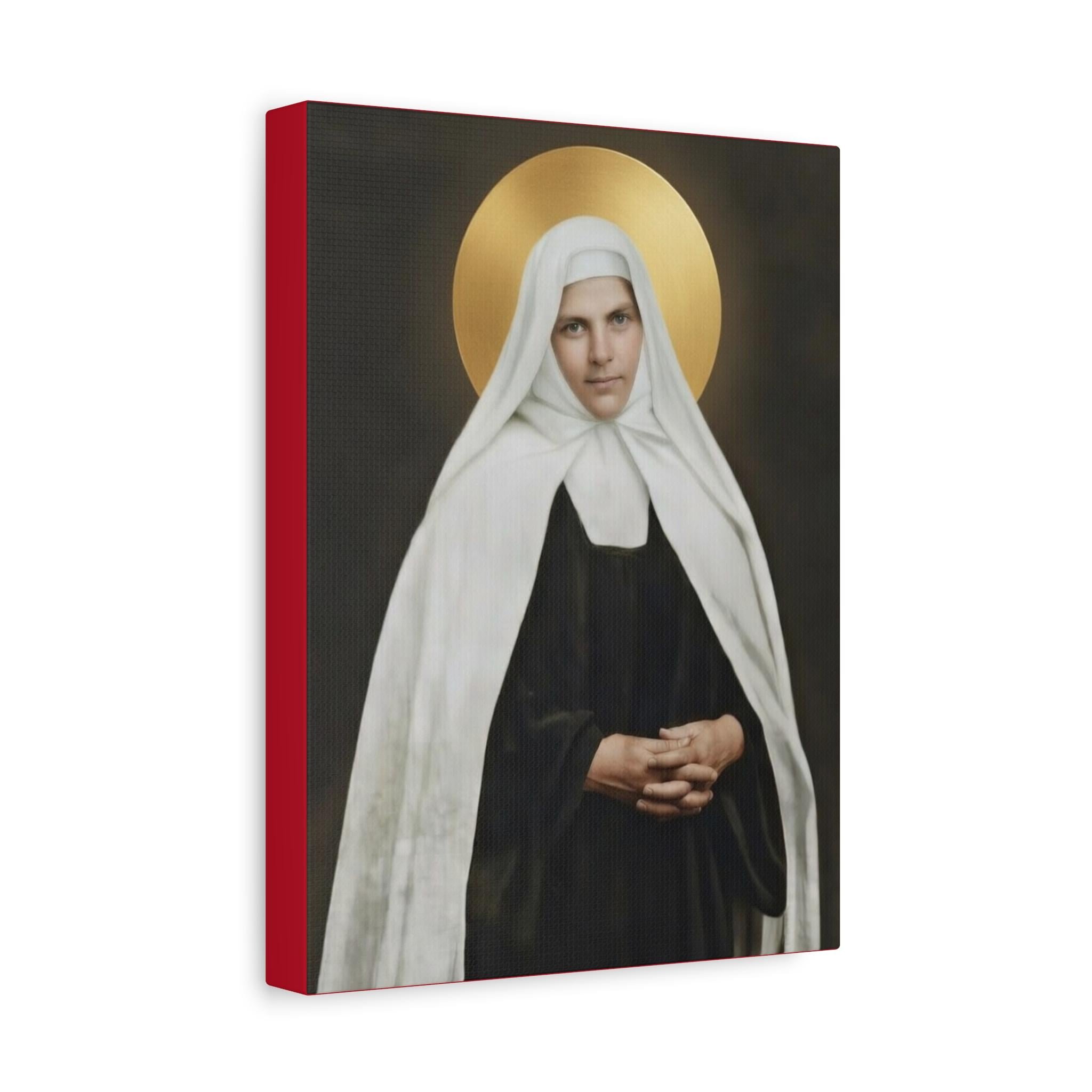
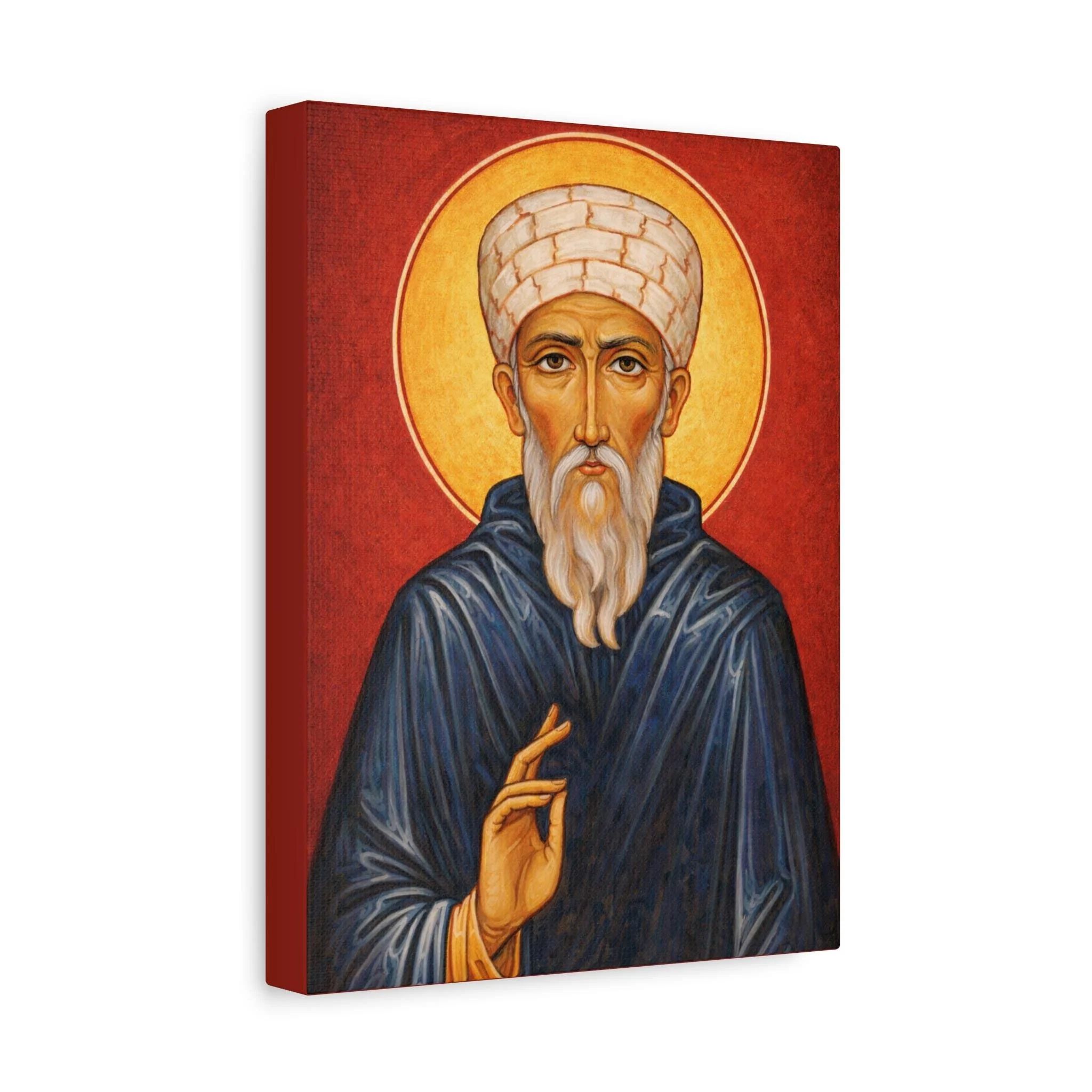
For Maronite Catholic households, or anyone drawn to Lebanon's remarkable Christian heritage, this collection includes the tradition's most beloved figures. Saint Charbel Makhlouf, available in two distinct designs, remains the most visited pilgrimage saint in the Middle East. Saint Rafqa bore decades of blindness with radical peace. Saint John Maron founded the Maronite Patriarchate itself, and Saint Nimatullah al-Hardini rounds out the trio of great 19th-century Lebanese monastics.
Saint Charbel, Portrait Style
The Miracle Monk of Lebanon, the most visited pilgrimage saint in the Middle East.
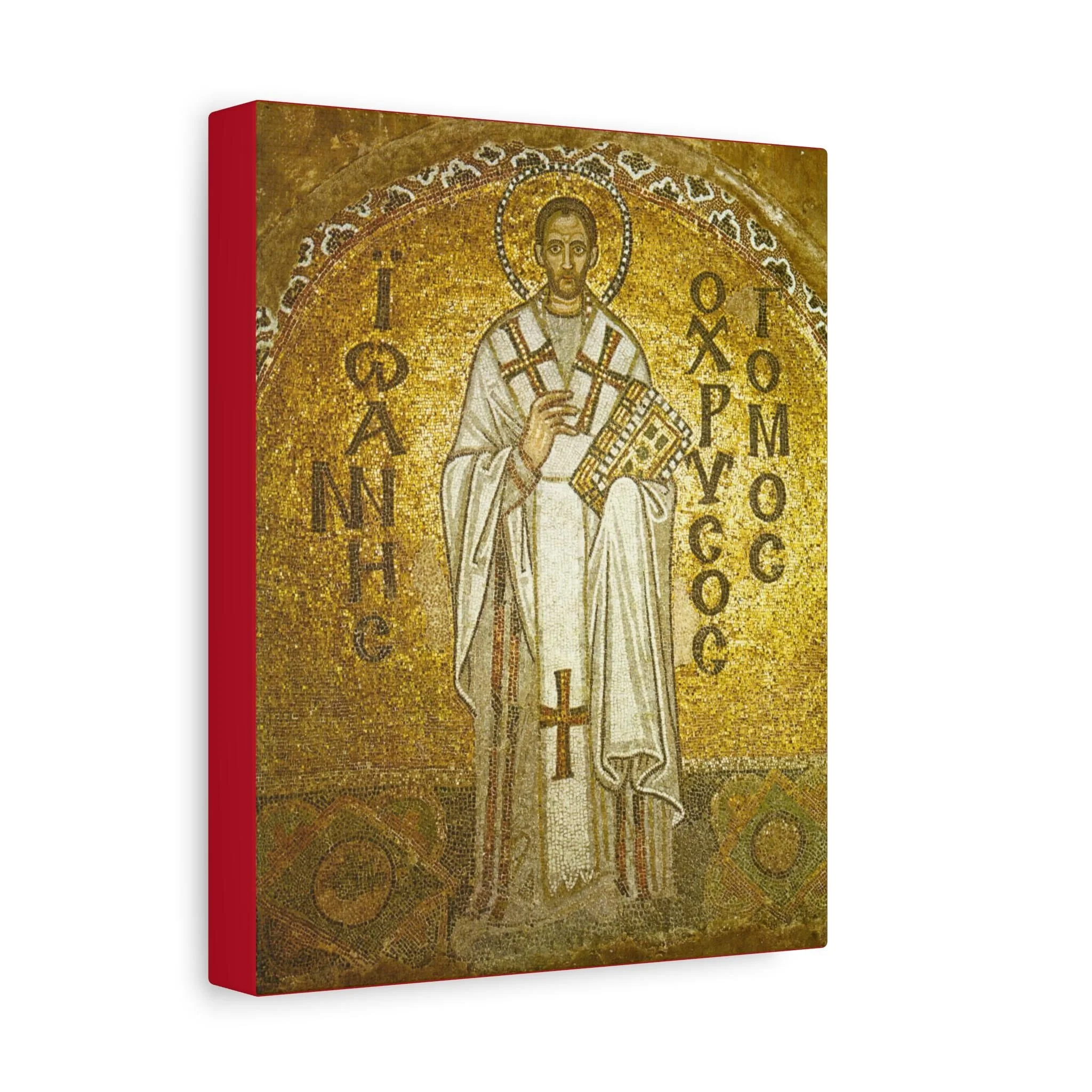
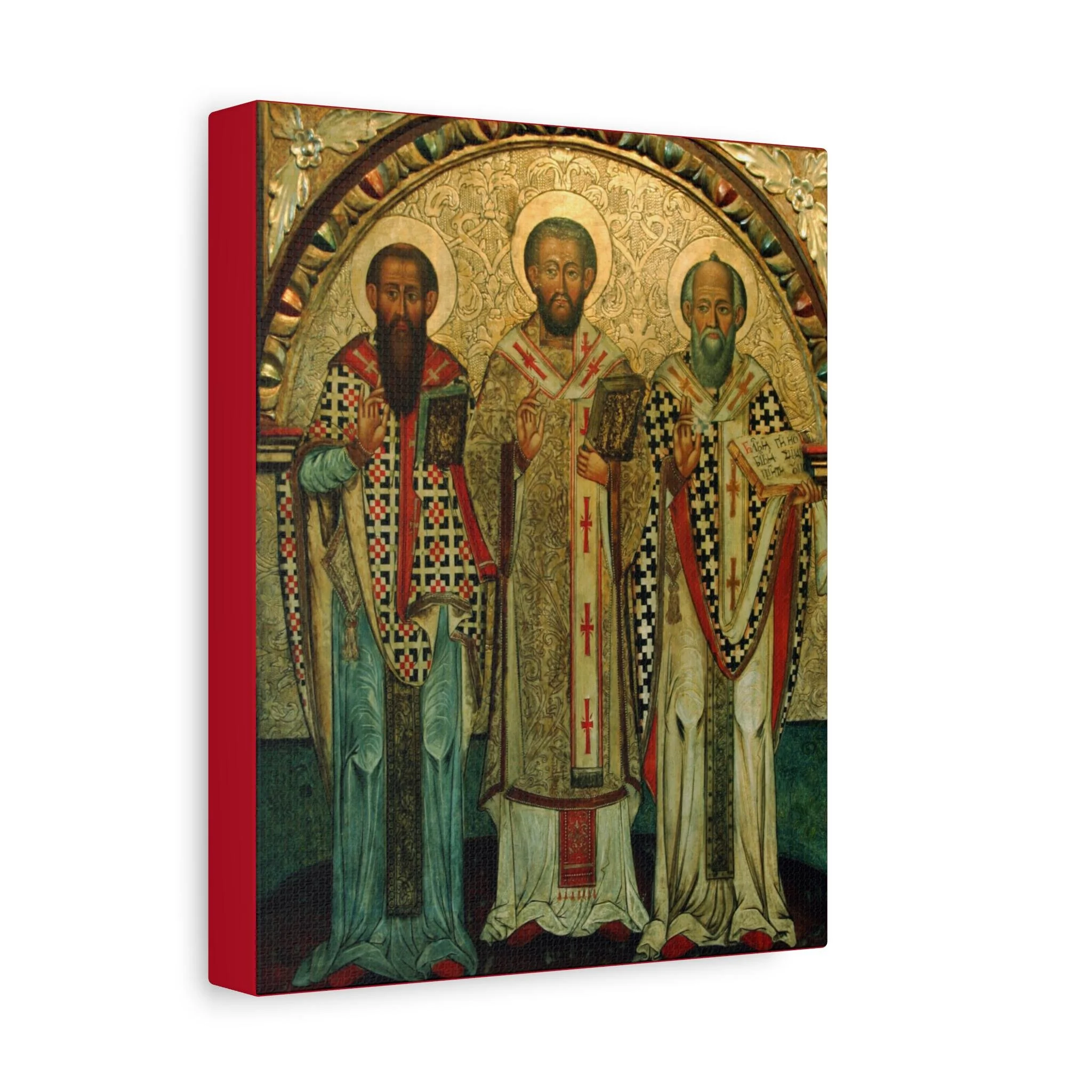
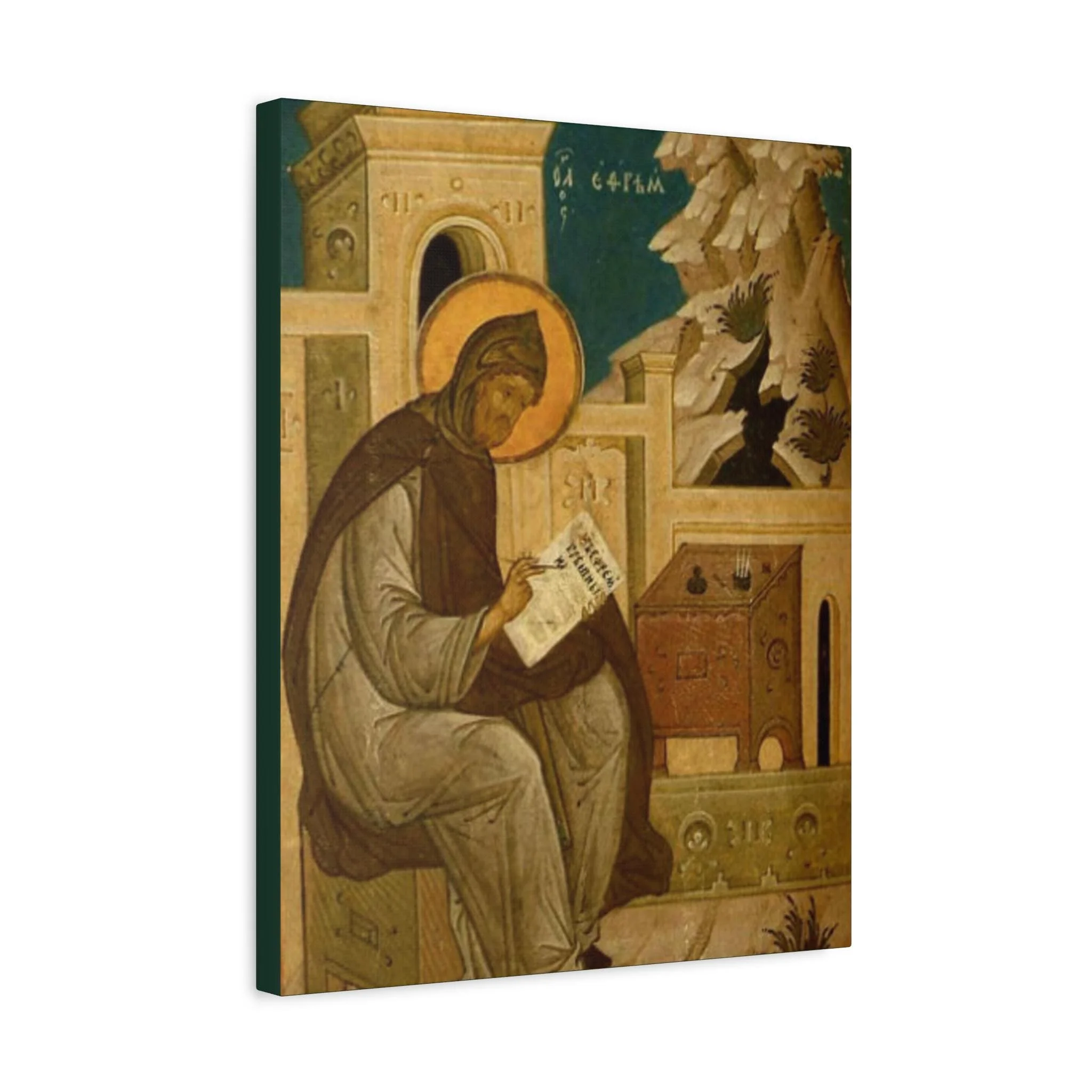
Saint John Chrysostom, "Golden Mouth," remains one of the most quoted preachers in Christian history. The Three Holy Hierarchs icon honors him together with Basil the Great and Gregory the Theologian, the towering figures of 4th-century Trinitarian theology. Saint Ephrem the Syrian, a Doctor of the Church and prolific hymn writer, represents the rich Syriac theological tradition alongside them.
Saint John Chrysostom
"Golden Mouth," one of the most quoted preachers in Christian history.
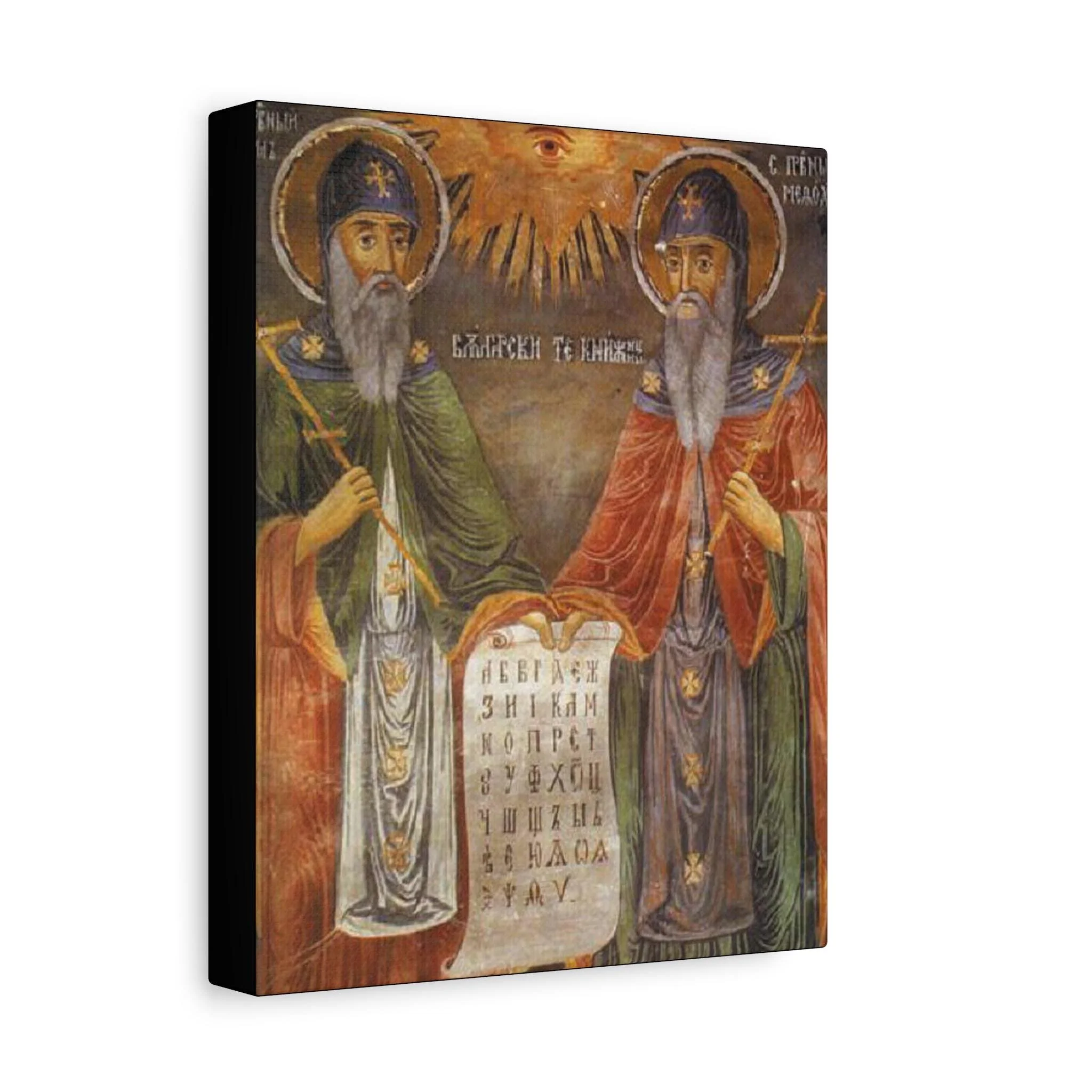
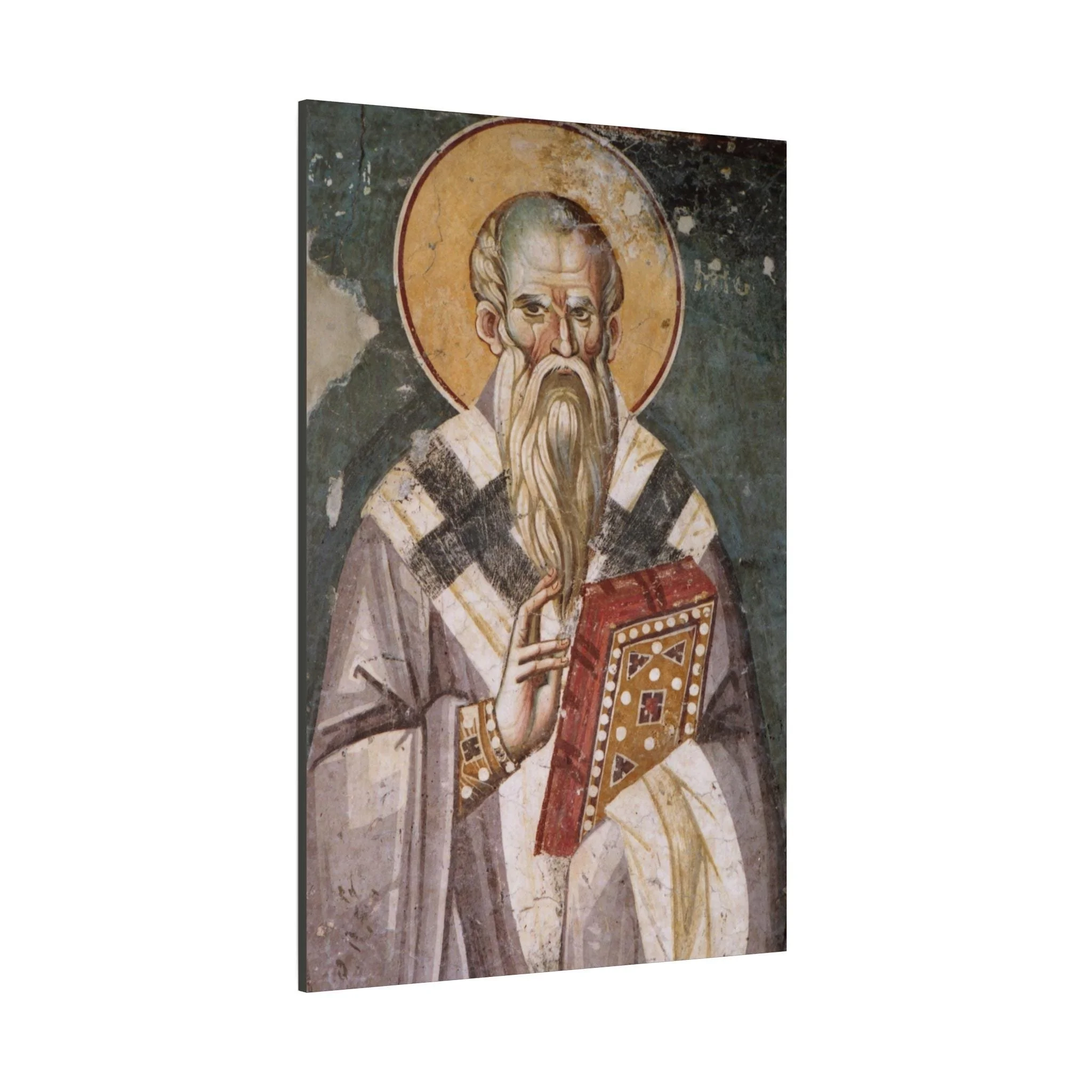
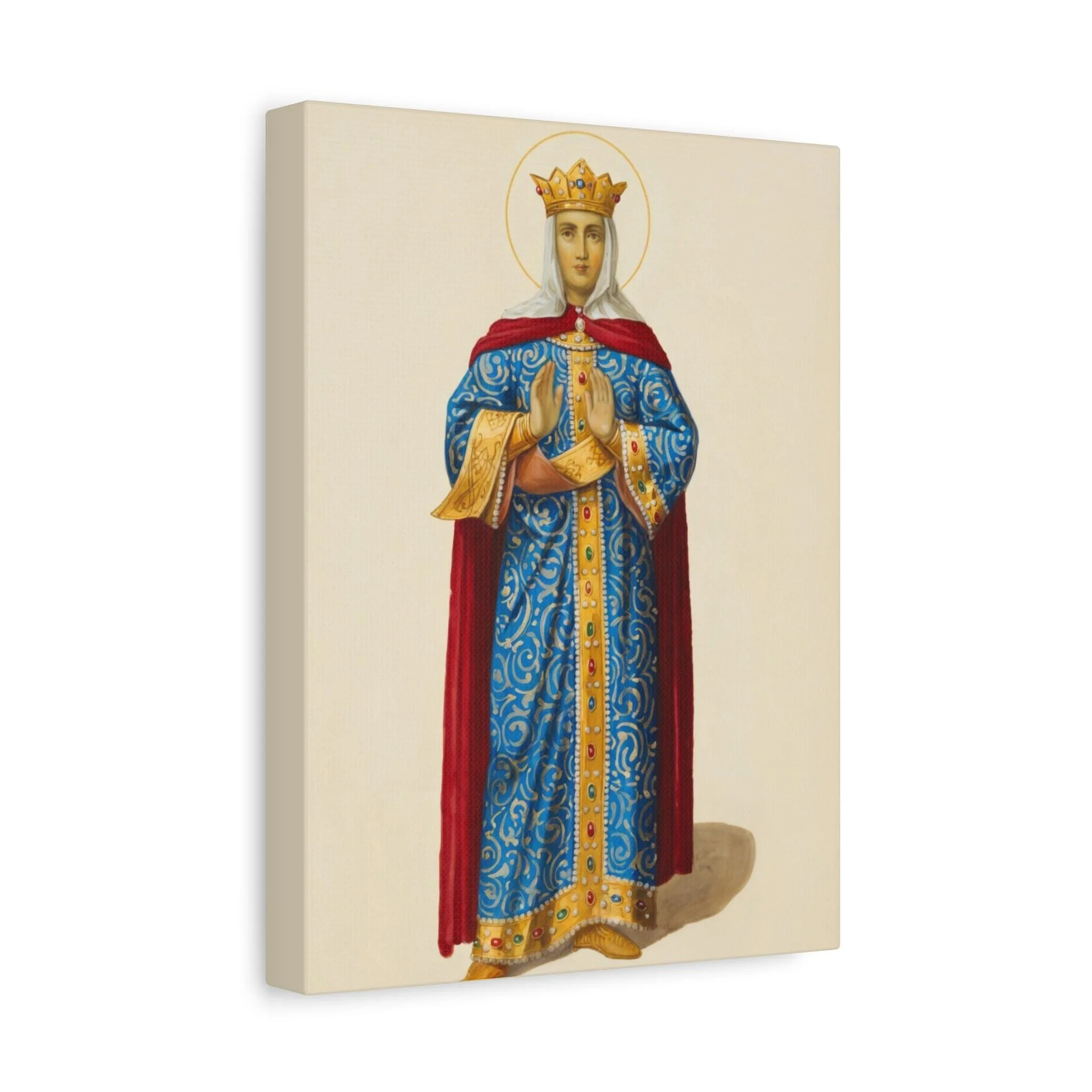
Saints Cyril and Methodius invented an alphabet to bring the Gospel to the Slavic peoples, work later carried on by their disciple Saint Clement of Ohrid. Saint Olga of Kiev, "Equal to the Apostles," was the first ruler of Kievan Rus to embrace Christianity, opening the path her grandson Vladimir would later complete.
Saints Cyril & Methodius
Invented an alphabet to bring the Gospel to the Slavic peoples, now patron saints of Europe.
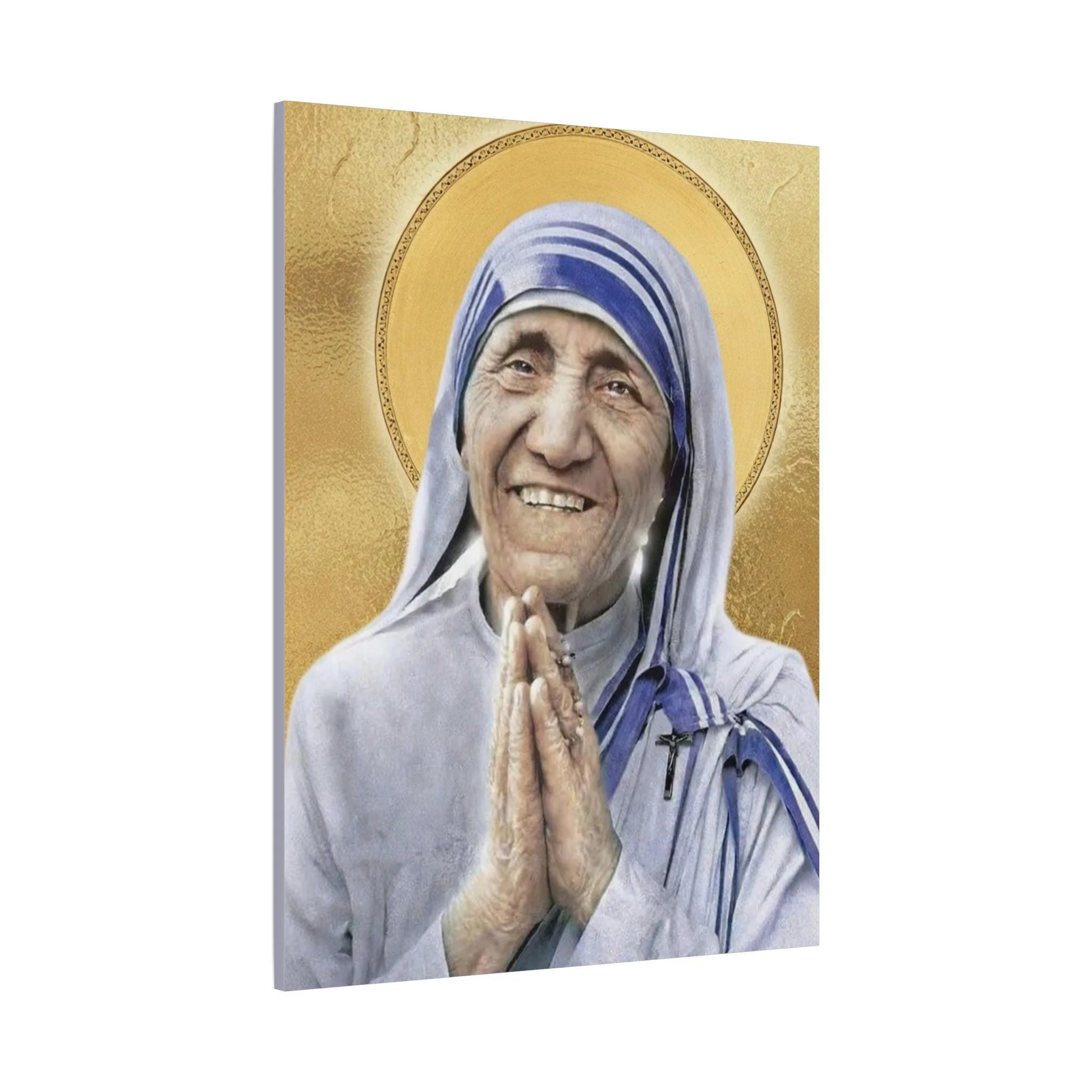
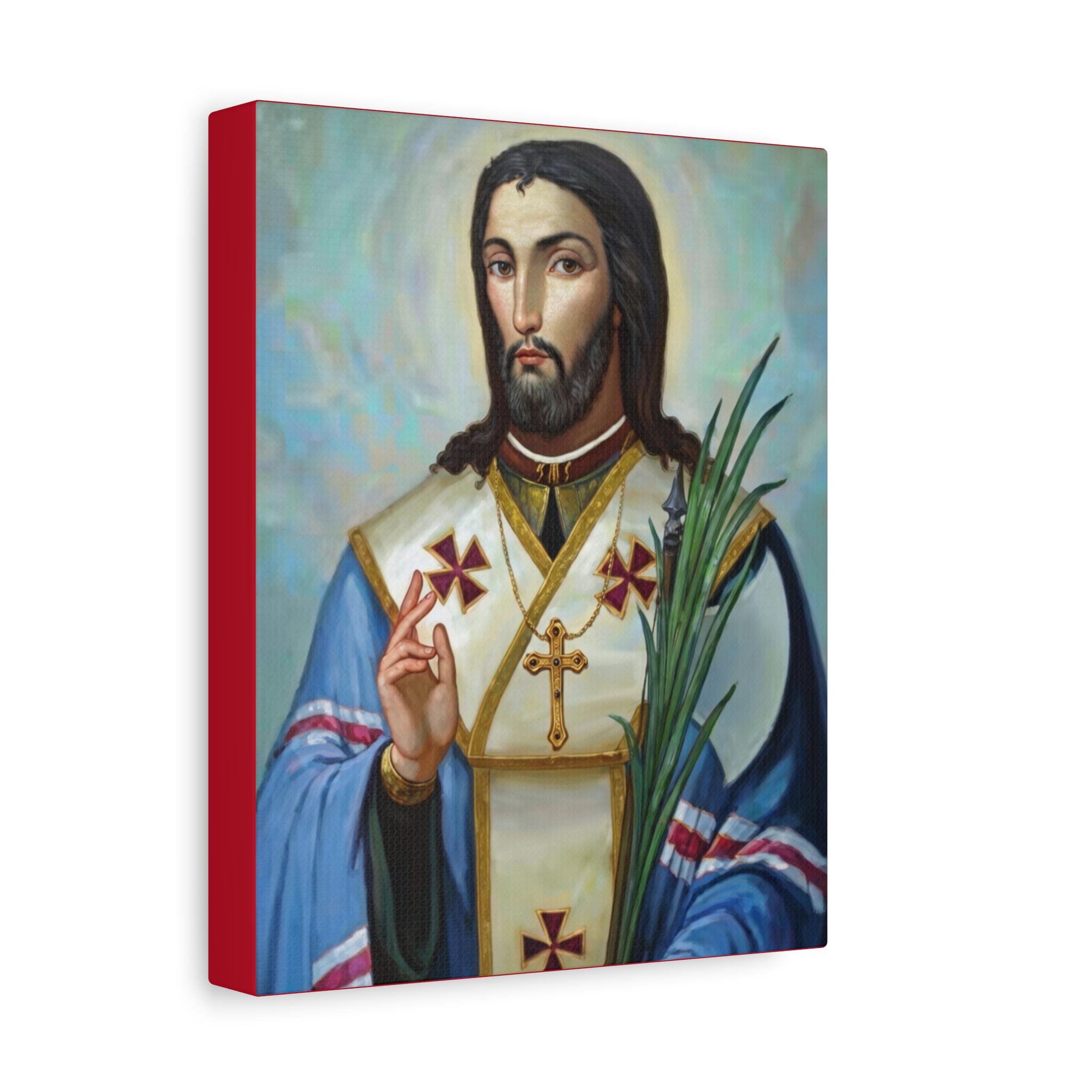
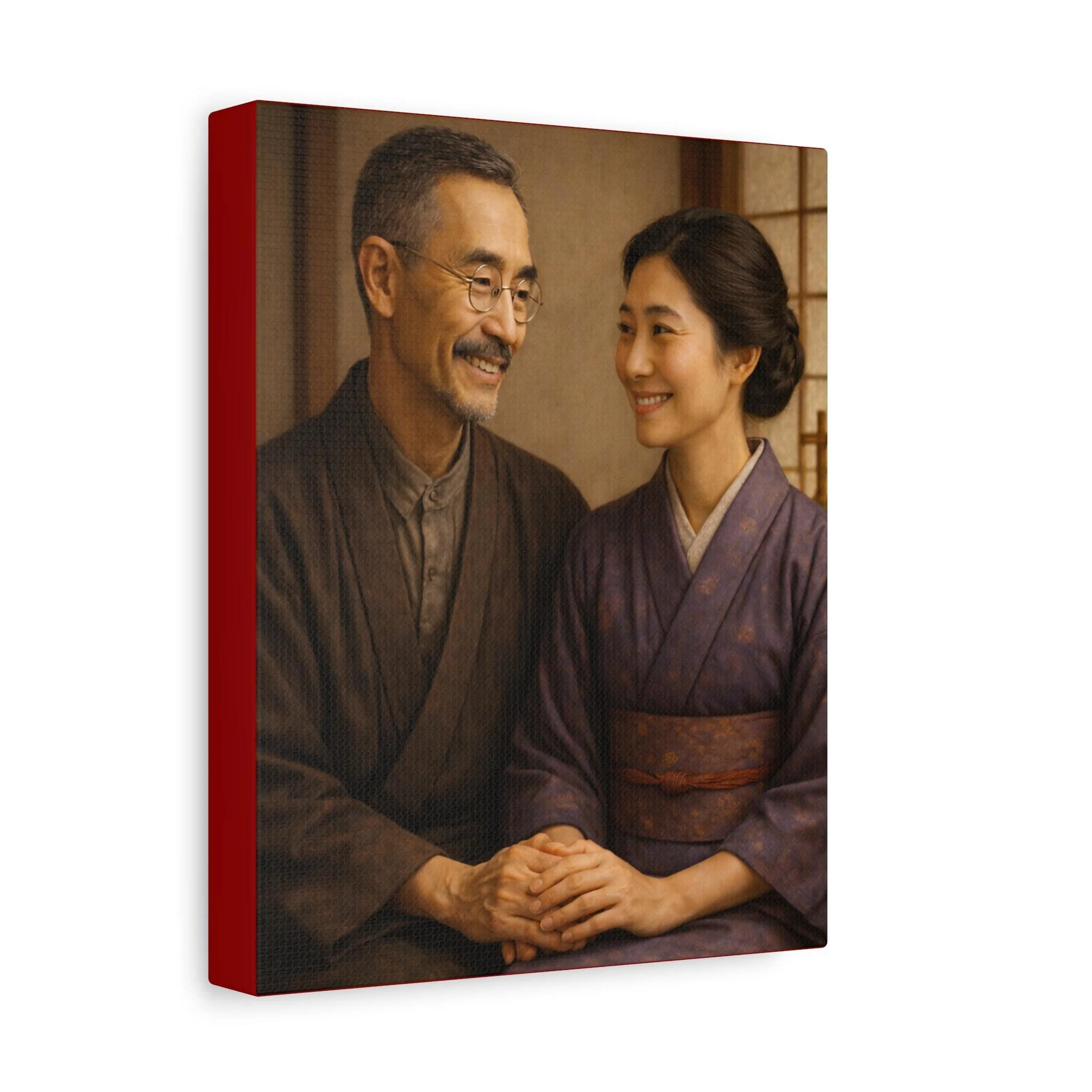
These saints and figures lived close enough to the present that their causes for canonization drew on photographs, letters, and living witnesses. Mother Teresa of Calcutta needs little introduction. Saint Josaphat Kuntsevych died a martyr for Church unity. Venerable Takashi and Midori Nagai's story includes surviving the Nagasaki atomic bombing. Saint Mariam Baouardy, the "Little Arab," was a Palestinian Carmelite mystic canonized in 2015.
Mother Teresa of Calcutta
The saint of charity, beloved and recognized around the world regardless of faith background.
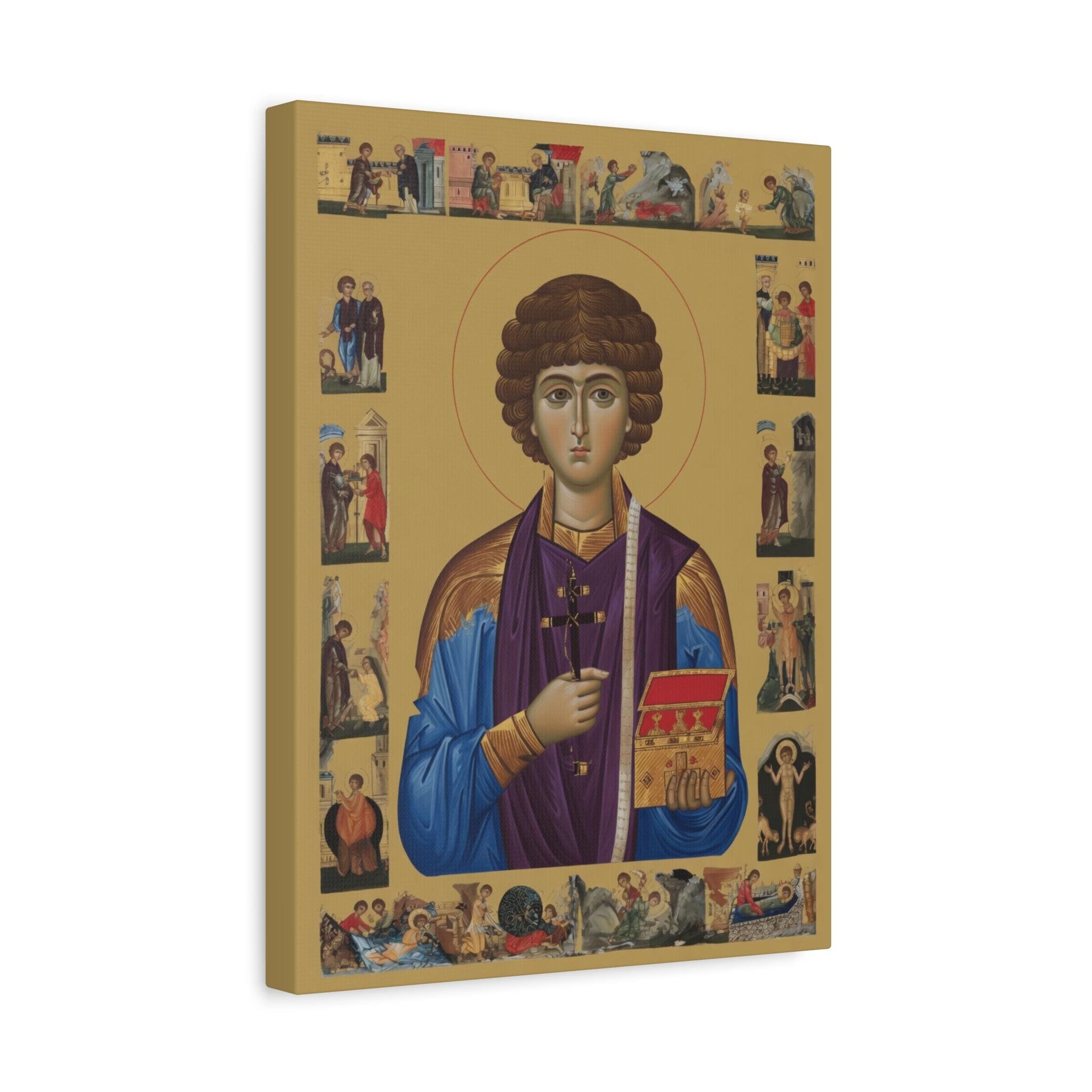
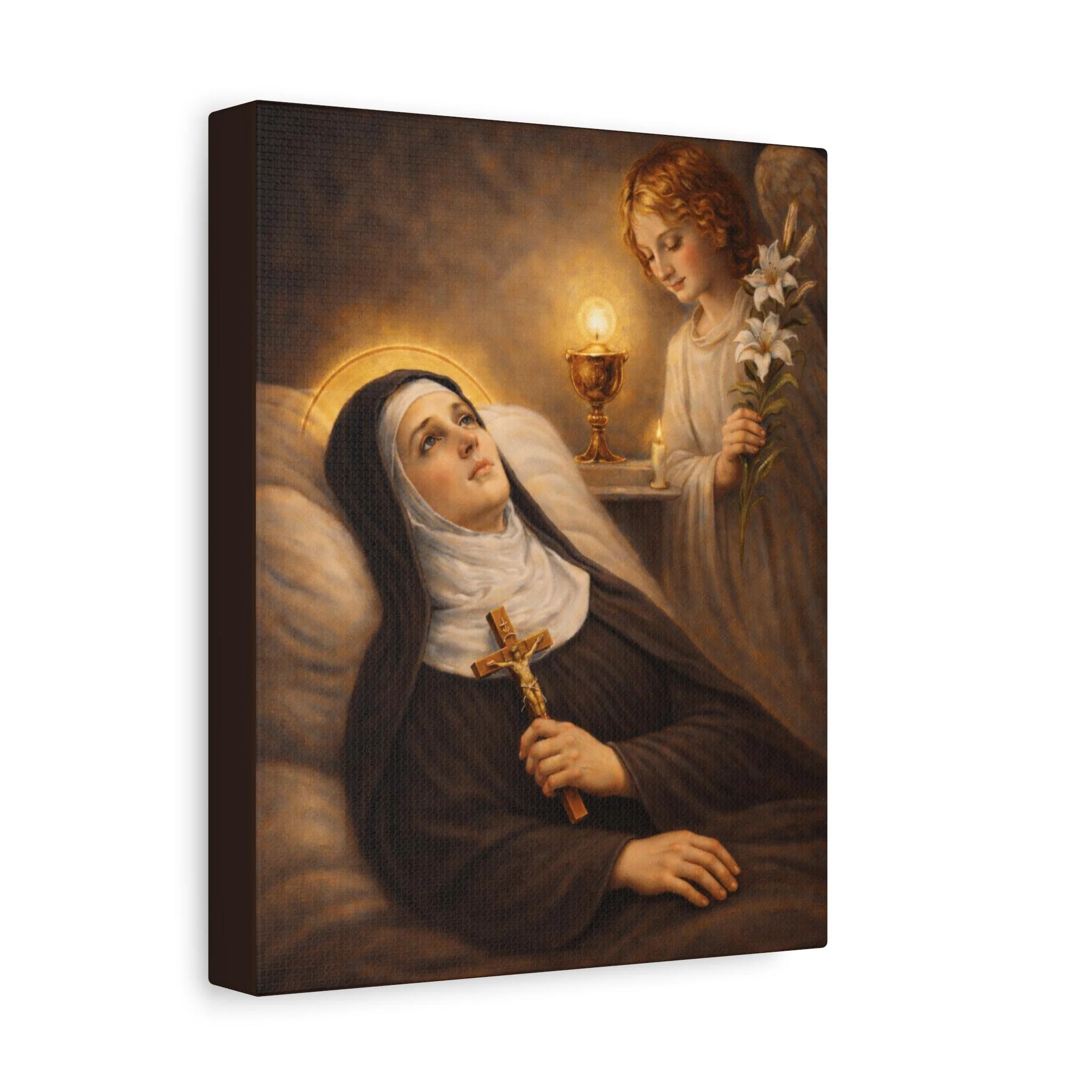
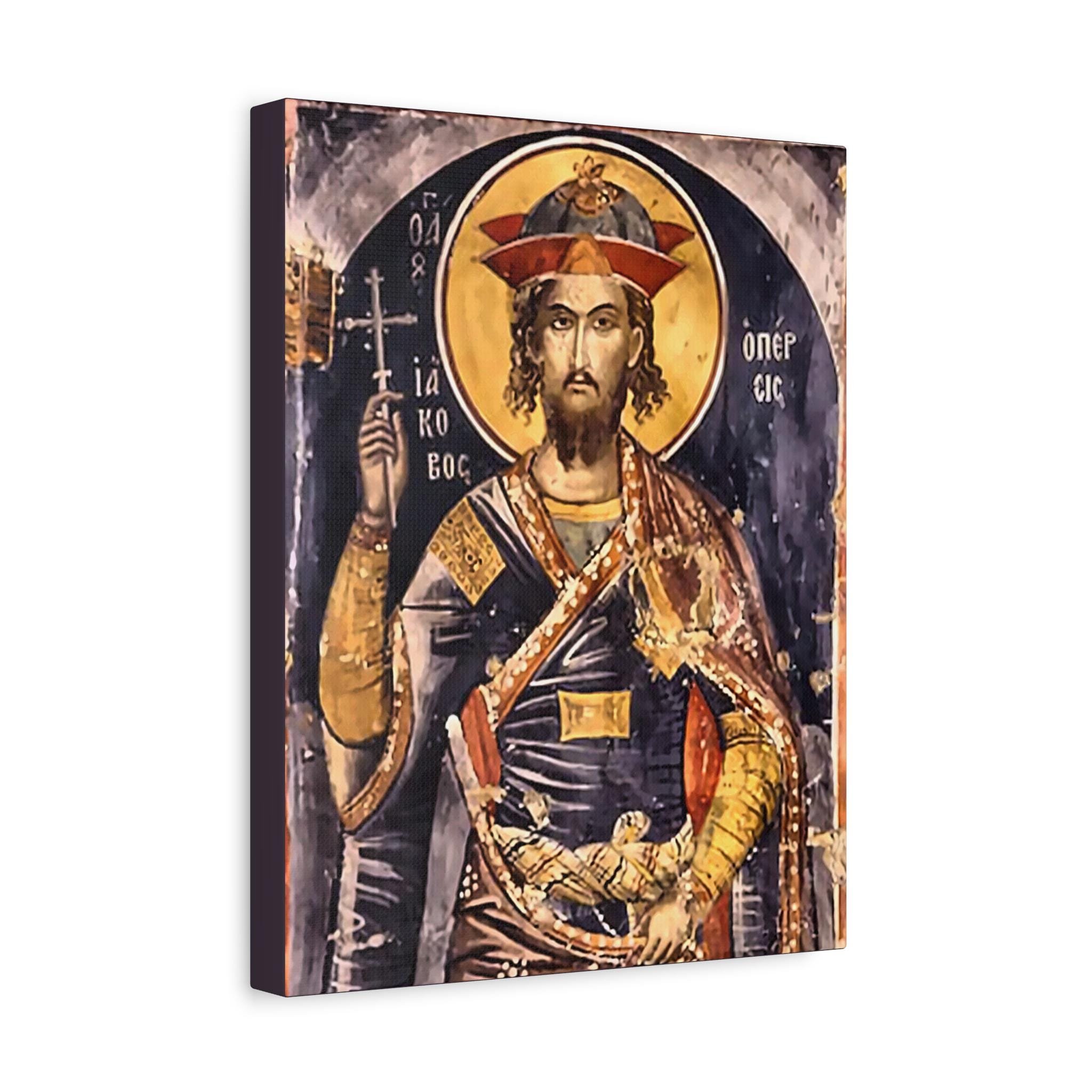
Some households add a saint connected to a specific ongoing need. Saint Panteleimon is the patron most invoked by doctors, physicians, and midwives. Saint Lidwina, patron of chronic illness and chronic pain, offers a companion for those carrying long-term suffering. Saint James Intercisus, an early Persian martyr, rounds out this collection of saints whose lives speak directly into hardship.
Saint Panteleimon
The healing saint most invoked by doctors, physicians, and midwives.
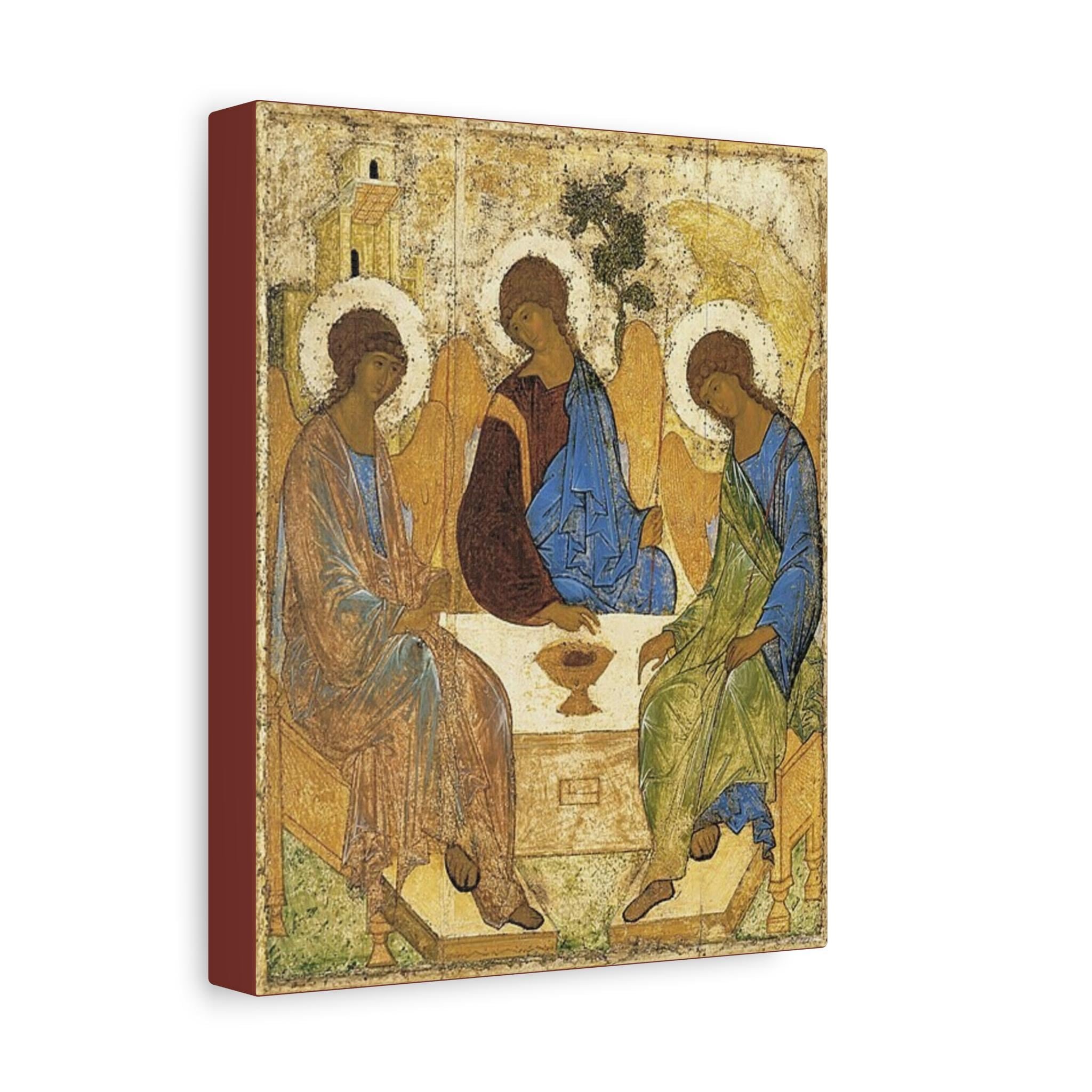
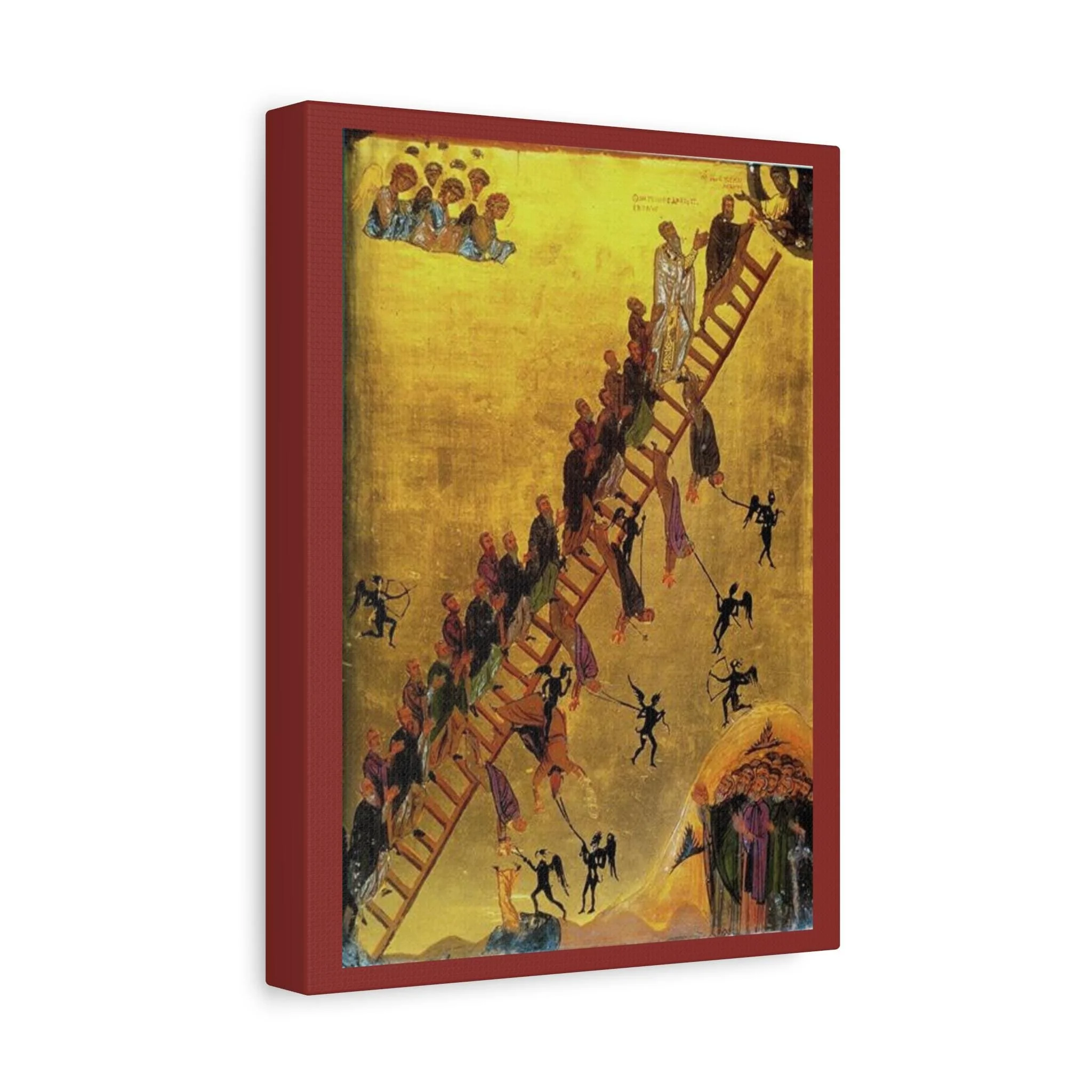
Two designs move past a single saint into the deeper structure of the faith itself. Andrei Rublev's Holy Trinity icon remains the most theologically celebrated depiction of the Trinity in Christian art. The Ladder of Divine Ascent, from Saint John Climacus's classic text, shows the real spiritual struggle behind every step of growth toward Christ.
Rublev Holy Trinity
The most theologically celebrated depiction of the Trinity in all of Christian art.
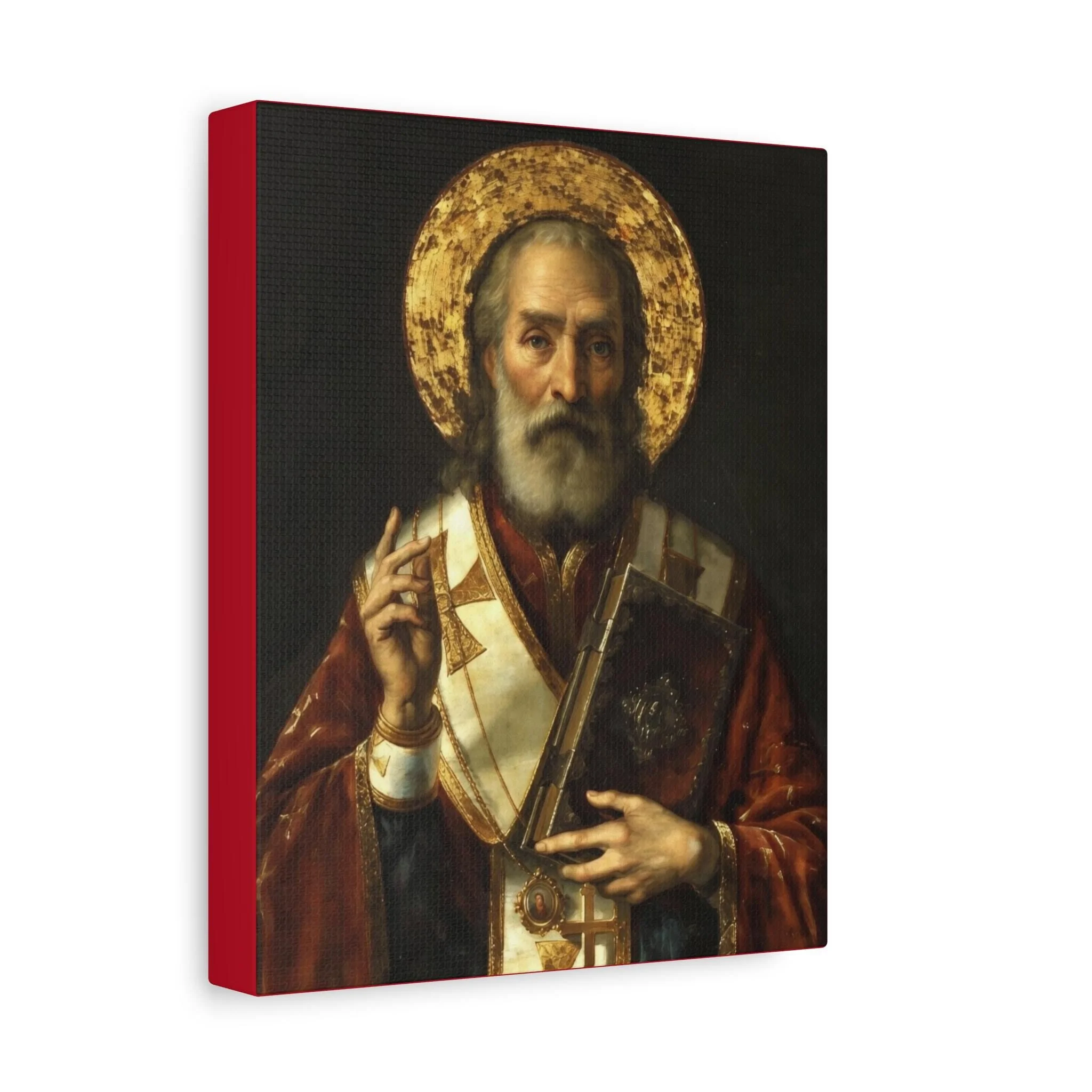
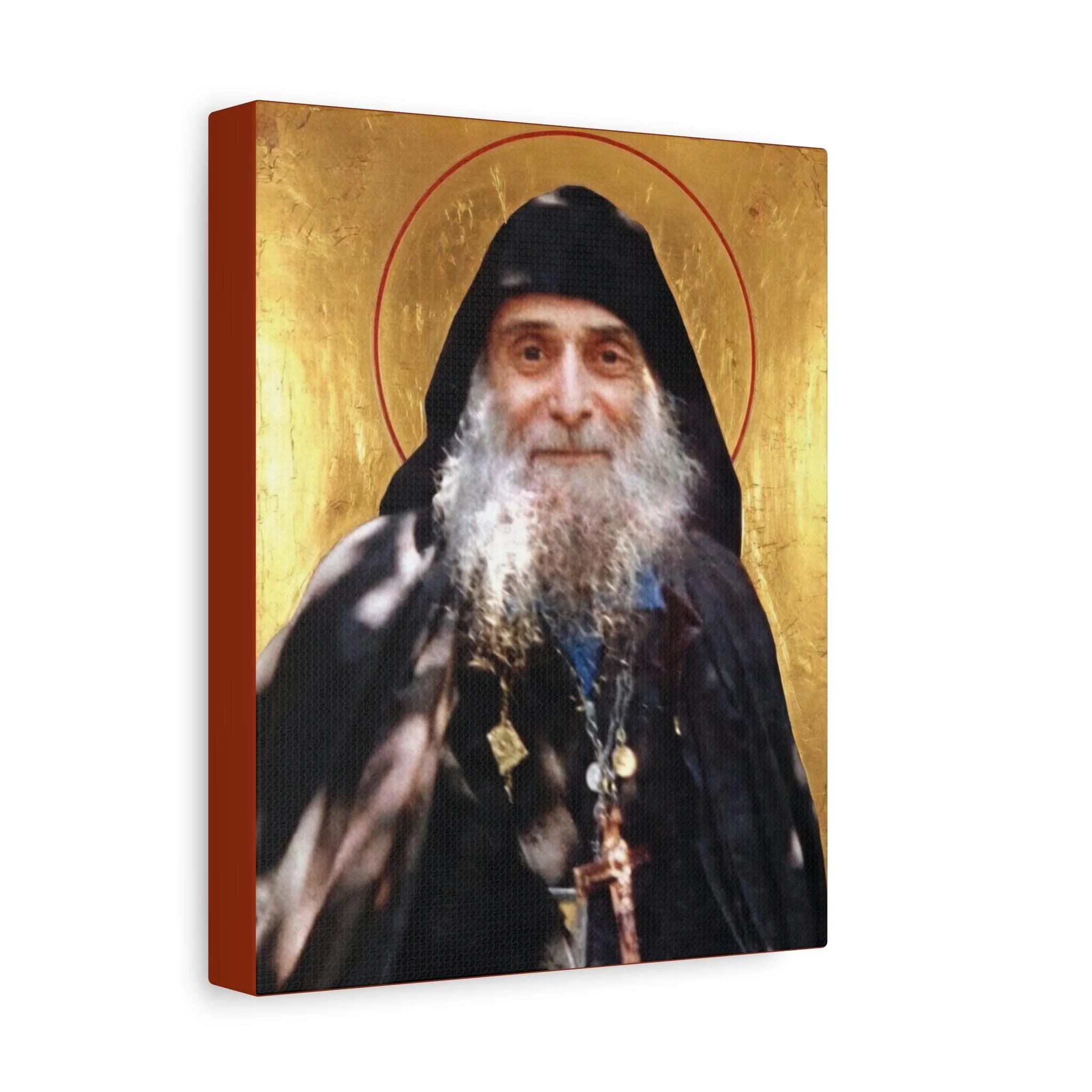
Two final beloved figures round out the collection. Saint Nicholas the Wonderworker, the real bishop of Myra behind the Christmas legend, is patron of children and one of the most universally loved saints in Christianity. Saint Gabriel the Fool for Christ, a modern Georgian saint, belongs to the ancient and often misunderstood tradition of holy foolishness.
Saint Nicholas the Wonderworker
The real bishop of Myra, patron of children, one of the most universally loved saints.
An icon corner, sometimes called a "beautiful corner" or krasny ugol in Russian tradition, is a dedicated space in an Orthodox or Eastern Catholic home set aside for prayer, typically featuring an icon of Christ, an icon of the Theotokos, and often additional icons of patron or favorite saints. Traditionally placed in a home's east-facing corner, it serves as a focal point for daily prayer and is often where a family gathers for morning and evening prayers.
The icon of Christ, most traditionally the Pantocrator ("Ruler of All"), is placed at the center or place of highest honor in an icon corner. An icon of the Theotokos is customarily placed immediately beside it, most often to the icon of Christ's left as you face it. Additional icons of patron saints, favorite saints, or feast days can be arranged around these two central icons.
Yes. Eastern Catholic traditions, including Maronite, Melkite, Ukrainian Greek Catholic, and other sui iuris churches, share the same icon-centered devotional culture as Eastern Orthodoxy, since both traditions descend from the same ancient Christian East. A Maronite or Melkite household icon corner might feature saints specific to that tradition, such as Saint Charbel or Saint Rafqa, alongside the icon of Christ and the Theotokos.
Traditional iconography holds hand-painted icons in special regard, often blessed by a priest, but a printed reproduction of a real icon is a legitimate and widely used way to bring devotional art into a home, particularly for those beginning to build a prayer space or unable to commission a hand-painted icon. Many people have their printed icons blessed by a priest after acquiring them.
Beyond Christ and the Theotokos, families often include icons of their own patron saints (the saints they or their children are named after), the patron saint of their parish, and saints connected to their particular ethnic or liturgical heritage, such as Maronite, Slavic, Greek, or Syriac saints. Many households also add icons of saints associated with specific needs, such as healing or protection.
An icon corner isn't decoration. It's a standing invitation to stop and pray, placed somewhere your eyes will actually land. Whichever icons speak to your own story, your heritage, or the saints your family already calls on by name, they belong on your wall where you'll actually see them.
The work here is about bringing little-known saints to light, so their holiness can stand as an example for the whole world. If you'd like to support this mission, please consider purchasing a prayer card. This site was never just about the cards themselves — they're the way I help fund the research and documentation of saints both known and forgotten.
If buying a card to support the work isn't possible for you right now, could I ask you for something else instead? A prayer. I love our Heavenly Father, and I would only ask that you pray I might love Him more.
Lord Jesus Christ, Son of God, please have mercy on me, a horrible sinner.