A Visitor's Guide to the Maronite Divine Liturgy: how the Syriac–Maronite Mass differs from the Roman‑Catholic Mass

Many Roman‑Catholic visitors are both curious and anxious when they attend a Maronite (Syriac Maronite Catholic) Divine Liturgy for the first time. They wonder whether they will understand the prayers, when to stand or sit, and whether they are even allowed to receive the Eucharist. The Maronite Church is an Eastern Catholic church of the Antiochene tradition that has always been in full communion with the Bishop of Rome. Its liturgy, known as the Qurbono ("Offering" in Syriac), reflects the ancient worship of Antioch, the monastic spirit of St Maron, and centuries of interaction with Rome and the surrounding cultures. Because both the Maronite and the Roman (Latin) churches are fully Catholic, Roman Catholics may attend Maronite services and receive Holy Communion, and vice‑versa. Yet the two traditions differ markedly in language, structure, gestures, spiritual emphases and sacramental disciplines.

This guide seeks to take the terror out of sitting in the wrong place or missing a response by explaining what is different and why it is different. It surveys historical influences on the Maronite liturgy, explains the symbolic meaning behind gestures and prayers, and contrasts Maronite practices with those of the Roman Rite. The aim is not to prioritise one tradition over another but to highlight the richness of Catholic diversity so that both Maronites and Latins can appreciate their heritage.

Historical Context and Latinisation: How the Maronite Liturgy Was Shaped, Altered, and Reclaimed


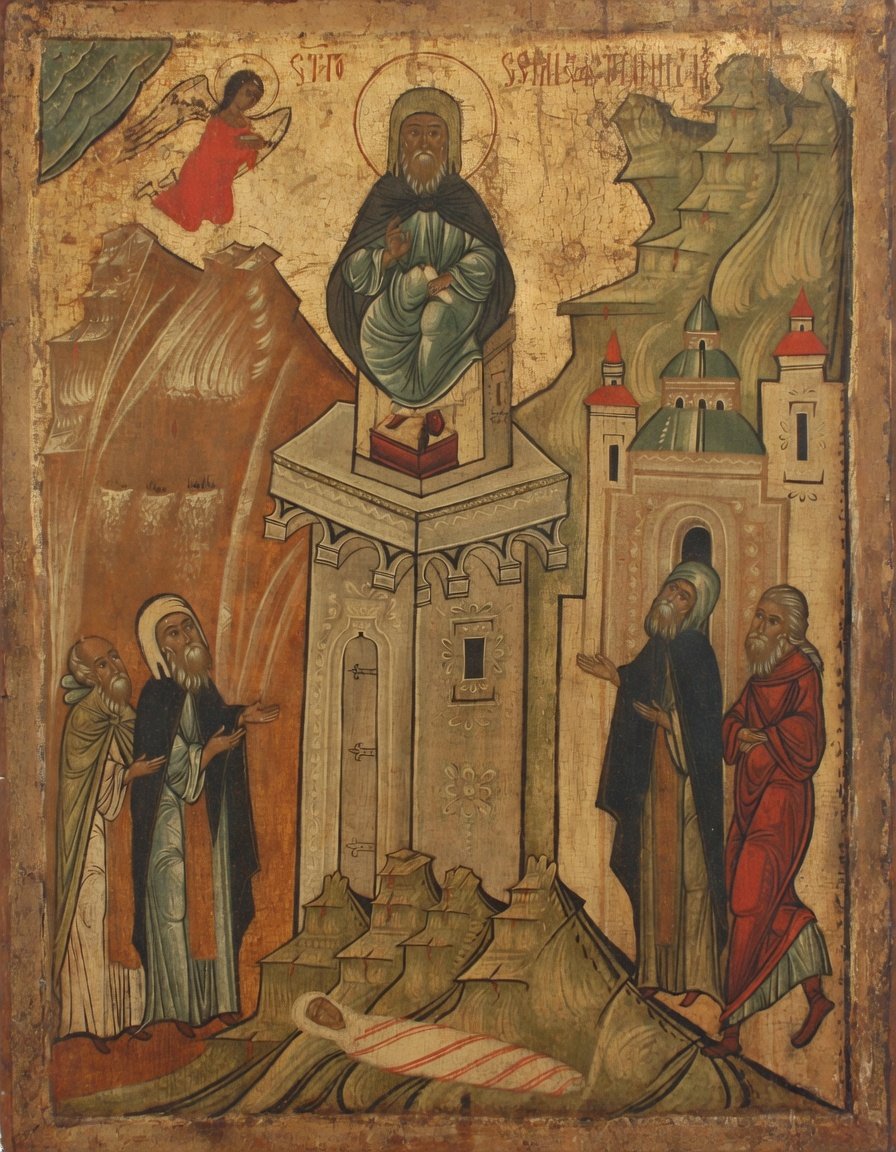
The Maronite Church did not originate as a parish-based institution in the way modern Catholics typically imagine Church life. It began as a monastic movement centered around the spiritual legacy of Saint Maron, a fourth century Syrian hermit whose life of ascetic prayer attracted disciples seeking radical communion with God. These early followers formed communities shaped not by Roman legal structures, but by Syriac spirituality, Scripture soaked hymnody, and an intensely incarnational understanding of worship. Their faith was forged in solitude, fasting, chant, and ceaseless prayer long before formal ecclesiastical systems emerged.

As these communities gradually organized themselves into what would become the Maronite Church, their liturgical life developed from the West Syriac tradition, particularly the Liturgy of Saint James. This was not merely a set of prayers but an entire spiritual worldview expressed through poetic theology, symbolic gestures, and Semitic patterns of thought. Syriac Christianity does not think in juridical categories first. It thinks in images, paradox, and mystery. Salvation is not primarily framed as legal justification but as healing, illumination, and participation in divine life.

Much of this theological texture came through the hymnographic genius of Saint Ephrem the Syrian, whose poetic theology became foundational for Maronite worship. Ephrem did not write systematic treatises. He taught doctrine through music, metaphor, and biblical imagery. His hymns embedded Christology, anthropology, and sacramental theology directly into communal prayer. This means that from the very beginning, Maronite theology lived inside chant and symbol rather than textbooks and definitions.

This is critical to understand: Maronite worship was never constructed as a didactic performance for spectators. It was formed as an immersive spiritual environment meant to transform those participating in it.

Everything changed in the medieval period.

When Crusader armies entered the Levant in the 12th century, the Maronites encountered Western Christianity in an unprecedented way. Until this point, the Maronite Church had lived largely isolated in the mountains of Lebanon, preserving ancient Syriac practices while remaining in communion with Rome through complex historical circumstances. The Crusades introduced sustained contact with Latin clergy, Roman liturgical norms, and Western ecclesiastical assumptions.

This encounter was not neutral.

Western missionaries and bishops often approached Eastern Christians with the presumption that Latin practice represented theological maturity and liturgical correctness. Over time, this produced what scholars call Latinisation: the gradual replacement of Eastern forms with Western ones, not through overt coercion in most cases, but through cultural pressure, clerical formation, and a mistaken belief that uniformity meant unity.

As a result, numerous Latin elements entered Maronite life:

Roman devotional practices such as the Rosary were promoted and eventually normalized. Western feast days and calendars displaced portions of the Syriac cycle. Altars were remodeled to resemble Latin high altars. Confessional practices shifted toward Roman juridical forms. Latin sacramental formulas were introduced. Statues began replacing icons. Gregorian chant influenced Syriac melody. Kneeling postures replaced standing prayer. Even theological language increasingly reflected scholastic categories rather than Semitic symbolism.

Perhaps most significantly, Eucharistic practice was altered.

In 1736, the Maronite Synod of Mount Lebanon formally mandated the exclusive use of unleavened bread in the Eucharist. The synod claimed this practice existed “from time out of mind,” but historical evidence suggests a more complex reality, shaped heavily by Latin influence. This decision aligned Maronite practice with Roman norms while obscuring older Syriac symbolism that associated leavened bread with resurrection and living sacrifice.

This synod also reorganized diocesan structures along Western lines and further integrated Latin canonical assumptions into Maronite governance.

The cumulative effect was profound. Over several centuries, the Maronite Church increasingly appeared externally Roman Catholic while internally retaining fragments of its Syriac soul. Many faithful came to believe that these Latin elements were original to Maronite tradition. Entire generations grew up assuming kneeling was ancient, statues were normal, and Roman sacramental language was universal.

What was lost was not merely aesthetic diversity. Something far deeper was obscured.

Syriac Christianity carries a distinct theological accent. It emphasizes Christ as Physician, the Church as hospital, the Eucharist as medicine of immortality, and salvation as restoration rather than acquittal. When Latin categories replaced Syriac ones, Maronite spirituality slowly drifted toward Western legalism and away from its native mystical orientation.

This began to change in the twentieth century.

The Second Vatican Council, particularly through its Eastern Catholic directives, explicitly called Eastern Churches to reclaim their authentic traditions. Second Vatican Council rejected the idea that Latin practice represented a higher or purer form of Catholicism and affirmed that Eastern Churches possess equal dignity, equal sacramental validity, and their own legitimate theological expressions.

This was not a call to invent something new. It was a call to recover what had been buried.

Since Vatican II, the Maronite Church has undertaken a deliberate process of restoration. Syriac hymnody has been reintroduced. Multiple ancient anaphoras have returned to use. Vernacular languages have replaced imposed Latin texts. Iconography is being recovered. Semitic prayer structures are being taught again. The Trisagion is once more addressed directly to Christ. The epiclesis has regained its prominence. Architectural orientation is being reconsidered. Even fasting disciplines and lectionary patterns are being realigned with older Antiochene sources.

This process is ongoing and uneven across parishes, but the direction is clear.

Modern Maronite liturgy is not an exotic variant of the Roman Mass. It is a restored expression of one of Christianity’s most ancient living traditions, reconnecting worship with its Syriac roots and re-centering theology around mystery, incarnation, and divine communion.

Understanding this history matters because many of the differences a Roman Catholic visitor encounters today are not simply cultural preferences. They are remnants of a much older spiritual grammar, one that predates medieval Europe and carries within it the worldview of the earliest Christians of Antioch.

The Maronite Divine Liturgy does not represent an alternative Catholicism.

It represents Catholicism as it was lived in the Near East before the West learned to systematize it.

And what you experience today inside a Maronite church is not a departure from Catholic unity. It is a window into Christianity’s original breath.

Catechism: Christ Our Pascha
The official catechism of the Ukrainian Catholic Church, widely used across Eastern Catholic parishes for its clear Byzantine theological expression.
View on Amazon
The Maronites: Origins of an Antiochene Church
A respected historical study tracing the Maronite Church from its Syriac Antiochene roots through its distinct Catholic identity.
View on Amazon
Book of Offering (Maronite Rite)
The official Book of Offering of the Antiochene Syriac Maronite Church, containing the prayers and structure of the Holy Qurbana.
View on Amazon

Structure of the liturgy

Service of the Word: Preparation of the Soul Before Encounter With God

Like the Roman Catholic Mass, the Maronite Divine Liturgy (Qurbono) is structured in two major movements: the Service of the Word and the Eucharistic Service. While this surface similarity exists, the purpose and spiritual tone of the Maronite Service of the Word is fundamentally different from its Roman counterpart. In the Roman rite, the Liturgy of the Word primarily emphasizes proclamation, instruction, and reflection. In the Maronite tradition, the Service of the Word functions first as interior preparation, forming the heart before approaching the Eucharistic mystery.

This difference reveals something essential about Syriac spirituality. The Maronite Church does not approach Scripture as information to be absorbed before Communion. It approaches Scripture as a living force that must cleanse, awaken, and reorient the soul. The Service of the Word is therefore not a preliminary teaching segment but a gradual spiritual ascent, guiding the congregation from repentance into praise and finally toward divine encounter.

The service opens with the Hoosoyo, commonly translated as the Prayer of Forgiveness. During this prayer, the priest or deacon incenses the altar while offering an extended plea for mercy, reconciliation, and purification. This is not a brief acknowledgment of sin, as in the Roman Penitential Act. It is a sustained act of communal repentance expressed through words, movement, and sacred smoke. Incense rises visibly through the sanctuary, enveloping both altar and people, reinforcing that worship involves the whole body and the whole space.

In Syriac Christianity, incense carries layered meaning. It represents the ascent of prayer to heaven, the sanctification of sacred space, and the purification of the human heart. The altar is censed because it represents Christ Himself, and the people are censed because they are being prepared to become living temples. Forgiveness is not treated primarily as a legal declaration but as a healing process that unfolds through prayer and embodied participation. Rather than being told they are forgiven, worshipers are slowly drawn into mercy.

Immediately following the Hoosoyo, the congregation chants the Trisagion in Syriac: “Qadeeshat Aloho, Qadeeshat Hayeltono, Qadeeshat Lomoyouto,” meaning “Holy God, Holy Mighty, Holy Immortal.” In most Eastern traditions this hymn is addressed to the Holy Trinity. In the Maronite Church, however, it is addressed directly to Jesus Christ.

This distinction preserves ancient Antiochene Christology by publicly proclaiming Christ Himself as Holy God, Holy Mighty, and Holy Immortal. The entire congregation confesses Christ’s full divinity through chant before any Scripture is read. Theology here is not introduced through explanation but through worship. Christ is encountered first as the Holy One, not analyzed through doctrinal language. This reflects an early Christian worldview in which belief is formed primarily through prayer rather than intellectual argument.

Following the Trisagion, psalms and poetic verses are sung between the readings. These chants are not musical interludes but theological proclamations shaped by the Syriac tradition. Much of this hymnody flows from the legacy of Saint Ephrem the Syrian, whose poetic theology profoundly shaped Maronite spirituality. Ephrem did not write systematic treatises in the Western sense. He taught doctrine through layered imagery, biblical metaphor, and musical prayer.

This poetic approach to theology remains embedded in the Maronite liturgy. Scripture is not merely proclaimed. It is sung, echoed, and contemplated through repeated phrases and symbolic language. Syriac Christianity assumes that divine truth enters the soul not only through reason but through beauty, rhythm, and resonance. This is why the Service of the Word feels musical rather than instructional. It invites worshipers into mystery instead of attempting to explain mystery away.

The Epistle and Gospel are proclaimed with solemn ritual, often accompanied by candles and incense. The Gospel procession itself functions as a living icon, visually representing the entrance of the Living Word into the assembly. In the Syriac worldview, Christ is never separated from His Word. Hearing the Gospel is understood as standing in His presence, not merely listening to a reading. This reinforces the belief that Scripture is sacramental in nature, carrying divine life into the gathered community.

The homily follows the Gospel, as in the Roman rite, but it remains embedded within a continuous stream of chant and prayer. Teaching does not interrupt worship. It arises from worship. The surrounding hymnody ensures that preaching remains spiritual formation rather than intellectual lecture. This reflects the Eastern conviction that doctrine must always be received within liturgical life, not abstracted from it.

Although most of the liturgy today is celebrated in the vernacular, key moments remain in Syriac, particularly the Words of Institution and the Epiclesis, the invocation of the Holy Spirit. Syriac is a dialect of Aramaic, the language spoken by Christ. Its continued use is not sentimental or nostalgic. It anchors Maronite worship to the linguistic world of the Gospel and preserves theological meaning that does not fully translate into modern languages.

When Syriac is sung, the congregation is joined across centuries to the earliest Christian communities. The sound itself becomes a bridge between present worship and apostolic faith. These prayers are preserved in their original language because they carry spiritual depth beyond literal translation, reminding worshipers that the Church did not originate in Europe but in the Semitic world of the Bible.

In contrast to the Roman Catholic Liturgy of the Word, which primarily emphasizes proclamation and moral instruction, the Maronite Service of the Word serves a different spiritual purpose. Its goal is purification before encounter, adoration before explanation, and preparation before sacrifice. The liturgy does not rush toward the Eucharist. It slowly shapes the interior life of the faithful so that they may approach the altar with reverence, humility, and spiritual readiness.

This is why first-time visitors often feel that the Maronite liturgy moves at a different pace. It is not inefficient or ornamental. It is intentional. The Church is teaching the soul how to stand before God before inviting the body to receive Him.

Divine Mercy Christ Icon
A striking Byzantine-style canvas print of the Divine Mercy, perfect for prayer corners and sacred home decor.
View on Site
Jesus Prayer Shirt
A comfortable, high-quality tee featuring the timeless Jesus Prayer: "Lord Jesus Christ, have mercy on me."
View on Site
Jesus Christ Coffee Cup
Keep your faith at the forefront with this durable ceramic mug featuring traditional Orthodox iconography.
View on Site

Preparation of the Gifts and the Rite of Peace: Reconciliation Before Sacrifice

Following the profession of faith, the Maronite Divine Liturgy enters the Service of the Eucharist, known traditionally as the Anaphora. This transition marks a shift from preparation through Word and prayer into preparation for sacrificial offering. While Roman Catholics are accustomed to seeing the gifts prepared directly on the main altar, the Maronite rite begins this phase differently. The bread and wine are first prepared at a side altar, then solemnly carried to the main altar in procession.

This movement is not practical choreography. It is symbolic theology. The gifts do not begin at the altar because they represent the offering of the people. They are brought forward deliberately, visually expressing that what will soon become the Body and Blood of Christ originates from the human world and is being lifted into divine reality. The procession teaches that the Eucharist is not something that simply “appears” on the altar. It is something humanity offers and God transforms.

This moment also reinforces a core Eastern conviction: worship is ascent. The Church does not merely gather around a sacred table. The faithful spiritually ascend toward heaven, carrying with them their lives, struggles, repentance, and gratitude. The movement of the gifts mirrors the interior movement expected of every worshiper.

One of the most striking differences between the Maronite and Roman rites appears immediately after this preparation. In the Maronite liturgy, the Kiss or Sign of Peace takes place before the Anaphora rather than after the Lord’s Prayer, as in the Roman Mass. This placement is not accidental. It reflects a deeply biblical and ancient understanding of reconciliation as a prerequisite for sacrifice.

The priest first touches the altar, receiving peace from Christ Himself, since the altar represents Jesus Christ. He then extends his hands to a deacon or server, who carries that peace outward through the congregation. The faithful pass the peace from person to person by reverently clasping hands, often accompanied by a slight bow, and always without casual speech or gestures.

There is no waving, hugging, or conversational exchange. The peace is not something the congregation generates on its own. It is something received from Christ and transmitted through the body of the Church.

This ritual expresses a theology fundamentally different from the modern Roman experience of the Sign of Peace. In many Roman parishes today, the exchange often becomes social or spontaneous, taking the form of handshakes, embraces, or friendly greetings after the Eucharistic Prayer. While well intentioned, this can subtly shift the focus toward interpersonal warmth rather than sacramental reconciliation.

In the Maronite rite, peace is neither casual nor horizontal. It is sacramental and vertical. It descends from Christ through the altar and flows outward through the community. The faithful do not “offer” peace to one another in a social sense. They receive Christ’s peace and pass it along in humility.

The placement of this rite directly before the Eucharistic offering embodies Christ’s own teaching that reconciliation must come before sacrifice. The Maronite Church preserves this command liturgically, emphasizing that unresolved division has no place at the altar. Worship is not merely about approaching God. It is about being restored to right relationship with both God and neighbor before that approach takes place.

This reflects an Eastern spiritual emphasis on healing rather than legal satisfaction. Forgiveness is not treated as a private interior act alone. It is embodied publicly within the worshiping community. Before the bread and wine are consecrated, the Church insists on visible unity, however imperfect, because the Eucharist is understood as communion not only with Christ but with one another.

The Rite of Peace therefore functions as a spiritual threshold. It marks the boundary between preparation and sacrifice, between gathering and offering. Only after peace has been received and shared does the Church proceed into the Anaphora, where the Holy Spirit will be invoked and the gifts will be transformed.

This ordering reveals something essential about Maronite Eucharistic theology. The Church does not rush toward consecration. It pauses to heal relationships. It insists on reconciliation. It acknowledges that participation in divine life requires restoration of human communion.

For visitors accustomed to the Roman Mass, this difference can feel subtle but powerful. The Maronite liturgy teaches through action that peace is not an optional gesture added near the end of worship. It is a foundational condition for entering the mystery of Christ’s sacrifice.

The Anaphora and Epiclesis: Standing Before God and Calling Down the Holy Spirit

One of the most profound differences between the Maronite Divine Liturgy and the Roman Catholic Mass emerges during the Anaphora, the central Eucharistic prayer in which the Church offers the bread and wine to God and invokes divine transformation. The Maronite tradition preserves more than seventy anaphoras, although only a smaller number are currently in regular use. Each anaphora carries its own theological emphasis, poetic language, and intercessory structure, meaning that the experience of the Divine Liturgy naturally varies from Sunday to Sunday. Roman Catholics are typically familiar with four principal Eucharistic prayers, with a few additional options authorized for special circumstances. In contrast, the Maronite Church inherited a vast treasury of Eucharistic prayers rooted in Syriac spirituality, reflecting centuries of theological reflection expressed through liturgical poetry rather than systematic formulas.

This diversity is not accidental. Syriac Christianity does not seek uniformity of expression but richness of encounter. Each anaphora highlights different dimensions of salvation: incarnation, healing, resurrection, mercy, cosmic restoration, or divine glory. The liturgy therefore resists becoming repetitive or mechanical. Instead, it unfolds like a living tapestry, reminding the faithful that the mystery of Christ cannot be exhausted by a single prayer.

During the Anaphora, Maronites stand. They do not kneel, and they do not genuflect at the moment of consecration. This often surprises Roman Catholic visitors, who may instinctively kneel out of habit and feel uncertain when everyone around them remains standing. In the Maronite tradition, standing is not a sign of casualness or diminished reverence. It is the ancient posture of prayer and resurrection.

Standing is understood as the bodily expression of the risen life. From the earliest centuries, Eastern Christians associated standing in worship with participation in Christ’s Resurrection. To stand before God is to testify that death has been defeated and that humanity now approaches heaven upright, restored, and alive in grace. Kneeling, in Eastern theology, is primarily a posture of repentance and supplication, reserved for penitential moments rather than Eucharistic celebration. Sunday worship, centered on resurrection and divine victory, is therefore marked by standing.

This difference is deeply symbolic. Roman Catholic practice emphasizes kneeling as an act of humility and adoration before Christ’s Real Presence. The Maronite Church emphasizes standing as an act of reverent readiness and resurrected dignity. Both postures express profound theology. Neither is superior. They simply reflect different spiritual grammars. Roman Catholics bow low before mystery. Maronites stand before it.

Visitors should understand that standing during the Anaphora is not irreverence. It is a proclamation with the body that Christ has risen and that His people stand in that victory.

During this sacred prayer, the priest alternates his orientation depending on whom he is addressing. When speaking to the congregation, he faces the people. When addressing God, he turns toward the altar. This movement is deliberate and ancient. It reflects the understanding that the priest acts both as leader of communal prayer and as representative of the people before God. He is not performing for the congregation. He is mediating between heaven and earth, visibly shifting his posture to reflect that sacred role.

Unlike the Roman Mass, the Maronite liturgy does not highlight the Words of Institution as a singular dramatic moment accompanied by genuflections. Instead, the entire Anaphora is treated as a unified act of offering and invocation. The consecration is not isolated to one sentence or gesture. It unfolds within a continuous prayer that culminates in the Epiclesis, the calling down of the Holy Spirit.

After the Words of Institution, the Maronite priest performs a profound Epiclesis. He bows deeply, stretches his hands over the gifts, and implores the Holy Spirit to descend and sanctify the offering. This moment reveals one of the most important theological distinctions between Eastern and Western Eucharistic spirituality.

In the Roman rite, emphasis is placed on Christ’s words, “This is my Body” and “This is my Blood,” followed by genuflection, highlighting adoration of Christ’s sacramental presence. In the Maronite tradition, while Christ’s words are fully affirmed, equal emphasis is placed on the action of the Holy Spirit, who is invoked to complete the transformation of the gifts.

This reflects the Eastern understanding that the Eucharist is not merely a moment of declarative change but a living, dynamic act of divine descent. The Church offers. Christ institutes. The Holy Spirit sanctifies. The entire Trinity is understood to be actively involved in the mystery.

The Epiclesis embodies this theology. The priest does not simply recite it. He physically bows, stretches his hands, and pleads for divine action. The posture communicates dependence, humility, and expectation. The transformation of bread and wine is not treated as automatic or mechanical. It is received as a gift from God in response to prayer.

This emphasis on the Holy Spirit also shapes how Maronites experience the Eucharist. The liturgy teaches that divine life flows into creation through the Spirit, restoring what is broken and sanctifying what is offered. The Eucharist is therefore not only remembrance of Christ’s sacrifice but participation in an ongoing work of divine renewal.

For Roman Catholics attending their first Maronite liturgy, the absence of genuflection and the prominence of the Epiclesis can feel unfamiliar. What may appear outwardly quieter or less dramatic is in fact deeply intentional. The Maronite Church teaches through stillness, posture, and invocation that the Eucharist is a cosmic event, drawing heaven into earth through the Spirit’s power.

The Anaphora thus becomes the heart of the Divine Liturgy, not as a single moment but as a sacred movement. The faithful stand together before God, offering creation back to its Creator, calling down the Holy Spirit, and entering the mystery of Christ’s self-gift. The body, the voice, and the soul all participate, reflecting the Eastern conviction that worship involves the whole person, not merely the mind.

The Way of a Pilgrim
A classic work on prayer and spiritual journeying rooted in Eastern Christian tradition.
View on Site
The Philokalia
A foundational collection of texts on prayer and spiritual practice by the ancient hesychast masters.
View on Site
The Way of Modern Christian Mysticism
An insightful exploration of contemporary Christian mysticism and spiritual growth.
View on Site

Holy Communion and the Post-Communion Rites: Receiving Christ Through Humility and Dependence

Holy Communion in the Maronite Divine Liturgy expresses a theology that is deeply incarnational, communal, and reverent, and it differs in important ways from Roman Catholic practice. Communion is always distributed by intinction. The priest dips the consecrated Host into the Precious Blood and places it directly on the communicant’s tongue. The faithful never receive in the hand, and there are no extraordinary ministers of Holy Communion. This is not a disciplinary preference or local custom. It is a theological statement expressed through ritual.

In the Maronite tradition, Communion is never self-administered. The communicant does not take the Eucharist. Christ is given. This preserves an ancient Christian understanding that the Eucharist is a gift received in humility rather than an object approached through personal initiative. The hands are intentionally removed from the act to emphasize dependence on God and on the priesthood acting in the person of Christ. The faithful approach empty-handed, not as consumers of sacrament, but as recipients of divine mercy.

Roman Catholics are accustomed to receiving either on the tongue or in the hand and may receive under one species. The Maronite Church does neither. Communion is always received under both species together through intinction, and it is always placed on the tongue by the priest. This preserves the unity of Christ’s Body and Blood and avoids any separation of the sacramental elements. It also reflects the Eastern conviction that the Eucharist is not divided for convenience but received as a complete and living mystery.

This method of Communion also eliminates the need for extraordinary ministers. The distribution of the Eucharist belongs exclusively to the ordained priest or his ordained decon, reinforcing the sacramental role of the clergy and the sacredness of the moment. The priest proclaims to each communicant, “The Body and Blood of Christ for the forgiveness of sins and eternal life,” emphasizing that Communion is not merely spiritual nourishment but healing, forgiveness, and participation in divine life.

Before receiving, Maronite communicants bow and cross their arms over their chest. This gesture carries layered meaning and often confuses Roman Catholic visitors. In many Roman parishes, crossed arms signal that a person is not receiving Communion and wishes only a blessing. In the Maronite Church, crossed arms mean exactly the opposite. They indicate readiness to receive.

Historically, this posture reflects humility and surrender. Crossing the arms over the chest mirrors ancient prayer stances and echoes the posture of burial and resurrection. It also recalls the way infants are held, reinforcing spiritual childhood before God. The communicant presents themselves not as someone reaching out to take Christ, but as someone opening their heart to receive Him. The body language teaches that Communion is an act of receptivity rather than grasping.

This posture also carries echoes of early Christian practice, when the faithful approached the Eucharist with hands covered or folded to prevent casual handling of the sacred elements. Over time, this developed into the crossed-arms position seen today. It communicates reverence, vulnerability, and trust. The communicant stands silently, hands folded inward, allowing Christ to be placed upon their tongue by the priest.

For Roman Catholics visiting a Maronite liturgy, this moment can feel unfamiliar or even awkward. Some instinctively extend their hands or hesitate when they see others crossing their arms. Understanding this symbolism helps remove anxiety. Crossing the arms is not refusal. It is consent. It is the body saying yes to Christ.

The act of receiving on the tongue further reinforces this theology. The mouth becomes the place of reception, emphasizing that salvation comes from God toward humanity, not from humanity toward God. The faithful do not handle the Eucharist. They receive it as a gift from heaven. This reflects the Eastern emphasis on divine initiative, where grace descends and humanity responds.

After Communion, the Maronite priest offers a unique and deeply personal farewell to the altar. This prayer is not found in the Roman rite. Standing before the altar, the priest acknowledges his own unworthiness and mortality, thanks God for allowing him to offer the Holy Sacrifice, and entrusts the fruits of the liturgy to divine mercy. This farewell is not theatrical. It is a quiet moment of humility that reveals how seriously the priest understands his role.

The altar is treated not merely as furniture but as a sacred place of encounter with Jesus Christ. The priest’s farewell recognizes that he has stood in holy ground and participated in divine mysteries beyond human deserving. It also reflects the Eastern understanding that every Divine Liturgy is a gift that cannot be presumed upon.

This closing prayer reinforces a key aspect of Maronite spirituality: worship is not routine. Each liturgy is an act of grace, received rather than earned. The priest’s farewell embodies this humility on behalf of the entire community.

Together, these Communion rites teach a coherent theology through movement and posture. The faithful approach with bowed heads and crossed arms. They receive directly from the priest. They do not touch the Eucharist. They do not speak. They do not perform gestures of personal expression. They stand quietly and allow Christ to be placed upon their tongue.

The body learns what the mind may not yet fully grasp. Salvation is received, not seized. Grace descends, not negotiated. The Church stands together in reverent dependence, receiving divine life as a gift of mercy.

Saint Mother Mary and Christ Icon
A premium handmade icon of Mother Mary and the Child Jesus. Crafted in Greece using traditional gold leaf on wood, this icon is a vital spiritual tool for intercession and prayer.
View on Amazon
Our Lady of Guadalupe Statue (14.75")
This Renaissance-style Joseph's Studio statue represents the Virgin Mary as the Patroness of the Americas. Made from high-quality stone resin, it is a comforting addition to any prayer corner or home altar.
View on Amazon
Immaculate Heart of Mary Statue (10")
A detailed devotional statue of the Blessed Mother featuring her radiant heart. It serves as a reminder of her compassion and maternal protection, often used when praying for peace and recovery during illness.
View on Amazon

Language and musical tradition

Aramaic, Syriac Poetry, and Hearing the Words of Christ Himself

One of the most profound and often overlooked distinctions of the Maronite Divine Liturgy is the continued use of Syriac, a dialect of Aramaic, at the most sacred moments of worship. While much of the liturgy today may be celebrated in English or Arabic for pastoral accessibility, the Words of Institution, the Epiclesis, and the Trisagion are preserved in Syriac. This choice is not symbolic nostalgia or cultural preservation. It is a direct connection to the historical and linguistic reality of the Gospel.

Aramaic was the everyday spoken language of Jesus Christ. When the Maronite priest chants the Words of Institution in Syriac, the congregation is not merely hearing an ancient prayer. They are hearing the words Christ Himself would have spoken at the Last Supper, rendered in the same linguistic world in which He lived, taught, and prayed. This is one of the most extraordinary aspects of Maronite worship. The Eucharistic consecration is not only faithful to Christ’s command. It echoes His voice.

For many Roman Catholics, sacred language historically meant Latin. Latin served as a unifying liturgical language across the Western Church and carried immense theological weight. Following the reforms associated with Council of Trent, the Roman rite became increasingly standardized, emphasizing clarity, concision, and doctrinal precision. Even after the adoption of vernacular languages following the Second Vatican Council, the Roman liturgy retained its Western intellectual structure and juridical clarity. Aramaic remains almost entirely absent in the Roman rite, apart from small retained words such as “Amen.”

The Maronite Church followed a different path. Rooted in the Syriac Christian world of Antioch and Edessa, it never abandoned the language environment of early Christianity. Syriac is not simply old. It is the linguistic soil from which the Maronite liturgy grew. Its sounds, rhythms, and patterns of expression shape how theology is experienced in worship. When Syriac is heard during the consecration, the faithful are drawn into the historical moment of Christ’s own speech, collapsing the distance between Scripture and sacrament.

This matters because language forms theology. Latin tends to define and clarify. Syriac tends to reveal and invite. Semitic languages operate through imagery, repetition, and layered meaning rather than strict definition. When Christ’s words are heard in Syriac, they do not sound like legal formulas. They sound like living speech. The Eucharist is experienced not as a juridical act completed by precise wording, but as a sacred moment of encounter, spoken into existence through prayer and invocation.

This same linguistic worldview shapes the poetic character of the Maronite liturgy. The Divine Liturgy is filled with hymns and verses drawn from the Syriac tradition, especially the writings of Saint Ephrem the Syrian. Ephrem taught theology through poetry rather than treatise. He expressed doctrine through symbol, paradox, and biblical imagery. His hymns describe the Cross as the Tree of Life replanted in the world and speak of Mary’s womb as heaven itself, because it bore the One whom heaven cannot contain.

These images are not poetic embellishments added to doctrine. They are doctrine expressed in a different mode. Syriac Christianity assumes that divine mysteries cannot be exhausted by explanation alone. They must be contemplated, sung, and allowed to dwell in the heart. The Maronite liturgy therefore teaches theology by immersing the faithful in sacred language that points beyond itself.

For Roman Catholics encountering this for the first time, the experience can be striking. The words sound unfamiliar, yet deeply reverent. The chant feels ancient, yet alive. What may initially seem inaccessible soon reveals itself as intimate. The faithful are not being distanced from Christ by foreign language. They are being brought closer to Him through it.

When the Words of Institution are sung in Syriac, the congregation is reminded that the Eucharist is not an abstract ritual transmitted through history. It is a living inheritance spoken first in a Semitic tongue, received by the Church, and preserved faithfully across centuries. The Maronite liturgy allows worshipers to hear the Gospel not only proclaimed, but spoken as it was spoken at its source.

This is one of the greatest gifts of the Maronite tradition. It does not merely commemorate Christ’s words. It allows the Church to hear them again in the language He Himself used, uniting worship across time, geography, and culture. In doing so, the Maronite Divine Liturgy bears witness to the depth and universality of the Catholic faith, showing that unity with Rome does not require uniform expression, and that some of the Church’s greatest treasures are those that remain closest to her beginnings.

Christ Our Pascha catechism Ukrainian Greek Catholic Church book cover
Christ — Our Pascha
The official catechism of the Ukrainian Greek Catholic Church, written from an Eastern Christian, liturgical, and patristic perspective. A trusted resource many priests recommend to inquirers seeking a strong foundation in the faith.
View on Amazon

Chant, Sacred Sound, and Visual Theology

Music in the Maronite Divine Liturgy is not treated as an enhancement layered onto worship. It is worship. The liturgy is fundamentally sung, even when celebrated simply. Maronite chant is built on Syriac modal melodies that are intentionally restrained, repetitive, and meditative. These melodies are designed to support prayer rather than performance. While some parishes today may use an organ or keyboard, especially in diaspora communities, the heart of Maronite music remains the human voice, carried by the cantor and answered by the assembly.

This reflects an Eastern Christian understanding that prayer should rise organically from the body. Chant is not meant to impress. It is meant to carry the soul. The simplicity of Syriac melodies allows the faithful to enter into prayer without distraction. The rhythm is steady. The range is modest. The repetition is purposeful. Over time, these chants become internalized, forming spiritual memory and shaping how Scripture and theology are held in the heart.

Roman Catholics are often more familiar with Western sacred music traditions that include polyphonic choral works, structured hymnody, and strong instrumental accompaniment, particularly through the pipe organ. Western liturgical music historically developed alongside cathedral architecture and scholastic theology, emphasizing harmonic complexity and musical progression. These forms are beautiful and deeply rooted in Latin Christianity, but they serve a different spiritual instinct.

Where Western sacred music often moves forward in composition and structure, Syriac chant moves inward. It is cyclical rather than linear. The goal is not musical development but contemplative dwelling. This difference mirrors the broader contrast between Eastern and Western spirituality. The Roman tradition often teaches through clarity and articulation. The Syriac tradition teaches through immersion and atmosphere.

In the Maronite liturgy, nearly everything is sung because singing is understood as the natural language of prayer. Ordinary speech belongs to daily life. Chant belongs to sacred encounter. This is why even dialogues between priest and congregation are frequently chanted. The elevation of voice signals that something otherworldly is taking place. Worship is not informational. It is transformational.

This same theology extends into visual expression. Eastern Christianity has historically emphasized icons rather than statues. Icons are often described as “theology in color,” not because they illustrate doctrine, but because they participate in it. Icons are deliberately flat, stylized, and symbolic. They do not aim for realism. They aim for revelation. Perspective is reversed, drawing the viewer into the image rather than projecting depth outward. Light is internal rather than external. Faces are elongated. Eyes are enlarged. All of this communicates spiritual truth rather than physical detail.

The icon is not religious artwork in the Western sense. It is a window into heaven. It teaches that Christ, the saints, and the heavenly realm are not distant objects to be admired but living realities that look back at us. Icons function liturgically. They are prayed with, kissed, incensed, and venerated. They form part of the worshiping environment, shaping how the faithful understand communion between heaven and earth.

Western Christianity developed a different artistic language. Roman Catholic churches traditionally feature statues and three-dimensional imagery that emphasize physical presence, emotional expression, and narrative realism. These forms invite empathy and contemplation through lifelike representation. Again, this is not inferior, simply different. Western sacred art tends to move toward incarnation through realism. Eastern sacred art moves toward transfiguration through abstraction.

Historically, Maronite churches followed the Eastern iconographic tradition. However, centuries of contact with the Latin world, particularly during and after the Crusades, introduced Western artistic norms into Maronite spaces. Statues became common. Iconography diminished. Many Maronite churches today reflect this Latinized aesthetic, sometimes containing little traditional iconography at all.

This shift was not originally theological. It was cultural and political, shaped by historical circumstances and proximity to Western missionaries. Over time, however, it altered how Maronites experienced their own liturgical identity.

The Second Vatican Council explicitly addressed this issue, calling Eastern Catholic Churches to reclaim their authentic spiritual, liturgical, and artistic heritage. Second Vatican Council urged Eastern Catholics not to imitate Latin practices unnecessarily but to return to their own traditions as equal expressions of Catholic faith. Since then, many Maronite communities have begun restoring Syriac chant, traditional hymnody, and iconography as part of a broader recovery of Eastern identity.

This restoration is not about rejecting the West. It is about remembering who the Maronites have always been.

When chant fills the sanctuary and icons surround the altar, worship becomes immersive. Sound and sight work together. The faithful do not merely attend Mass. They enter sacred space. The liturgy becomes an environment rather than an event. Prayer is no longer something one does for an hour. It becomes something one inhabits.

For Roman Catholics visiting a Maronite Divine Liturgy, this sensory difference can feel subtle at first, but it runs deep. The quieter chant, the absence of musical spectacle, and the presence of sacred imagery invite a slower, more contemplative posture. The Maronite tradition teaches through atmosphere that worship is not primarily about instruction or inspiration. It is about standing in the presence of God and allowing the soul to be shaped by that encounter.

Chant carries theology. Icons proclaim doctrine. Together they form a unified spiritual language that predates medieval Europe and reaches back to the earliest centuries of Christianity. Through sound and image, the Maronite liturgy preserves a way of praying that does not explain heaven but opens a doorway into it.

Sacred space and gestures

Altar orientation and church architecture

Sacred space in the Maronite tradition is not arranged for convenience or visibility. It is arranged theologically. The altar is the undeniable center of the church, both physically and spiritually, because it represents Christ Himself and the meeting place between heaven and earth. Traditional Maronite churches place the altar at the eastern end of the sanctuary, often framed by an apse, echoing the ancient Christian practice of orienting prayer toward the rising sun, a symbol of resurrection and the coming Kingdom.

Unlike the ongoing Western debate between ad orientem (priest and people facing the same direction) and versus populum (priest facing the congregation), Maronite liturgical posture operates on an entirely different theological framework. The priest does not remain fixed in one orientation. Instead, he moves intentionally, and each direction carries meaning.

When the priest turns toward the altar and faces the same direction as the congregation, he is representing the people before God. In that moment, he stands with the faithful, offering their prayers, repentance, and thanksgiving upward. He is not separate from them. He is among them, leading their collective ascent toward heaven. This posture expresses the priest’s role as intercessor, carrying the voice of the Church into the presence of God.

When the priest turns and faces the congregation, he is no longer acting primarily as their representative. He is acting in the person of Christ. He addresses the people as Christ addresses His Church, proclaiming peace, offering blessing, and speaking the words of divine mercy. The change in orientation visually teaches that the priest moves between two sacred roles: standing with the people before God and standing before the people on behalf of Christ.

This dynamic movement is essential to Maronite liturgical theology. The priest is not a performer facing an audience, nor is he permanently turned away from them. He alternates direction because his ministry alternates function. At times he leads humanity toward God. At other times he brings God toward humanity. The congregation does not need to be told this. They see it enacted.

Because of this theology, the Western concept of a fixed high altar with the priest permanently facing away from the people feels foreign to the Maronite ethos. A static ad orientem posture removes the visual language of mediation that is central to Eastern worship. The Maronite liturgy depends on movement and orientation to teach theology through the body. Locking the priest into one direction collapses that symbolic dialogue.

Roman Catholic churches, especially since the reforms associated with Second Vatican Council, often place the altar closer to the congregation, emphasizing visibility and participation. In the Traditional Latin Mass, the priest typically faces east with the people throughout the Eucharistic prayer. In the post-Vatican II Mass, the priest usually faces the congregation. Both forms express valid Roman theology, but neither mirrors the Maronite understanding of priestly mediation through alternating orientation.

In the Maronite Divine Liturgy, sacred space is choreographed. The altar is not merely a table. It is the throne of Christ. The sanctuary is not a stage. It is heaven touching earth. The priest’s movements are not logistical. They are sacramental gestures that communicate who he is at each moment and whom he is representing.

This theology extends beyond orientation into the entire physical language of worship. Bowing, standing, processing, incensing, and approaching the altar are all deliberate acts. The body participates fully in prayer. Worship is not confined to words. It is enacted through posture.

Standing dominates Maronite worship because standing is the posture of resurrection. Bowing expresses humility. Crossing oneself acknowledges dependence on divine mercy. Incense symbolizes prayers rising to heaven and the sanctification of space. Every gesture carries meaning, reinforcing that liturgy is not something observed but something embodied.

For Roman Catholics visiting a Maronite church, these movements can feel unfamiliar at first. Some may wonder why the priest turns so frequently, why there is no fixed orientation, or why the altar feels so central. Understanding this theology helps remove confusion. The Maronite liturgy teaches through motion that Christ stands between God and humanity, and that the priest visibly participates in that sacred exchange.

Sacred space in the Maronite tradition is therefore not organized around sightlines or seating. It is organized around encounter. Heaven and earth meet at the altar. The priest moves between worlds. The faithful stand together as a resurrected people. The entire church becomes a living icon of divine communion.

The Sign of the Cross: Theology in a Single Gesture

Even the simplest gesture in the Maronite Divine Liturgy carries layers of theological meaning. One of the first differences Roman Catholics notice is that Maronites make the Sign of the Cross differently. While both traditions invoke the Father, the Son, and the Holy Spirit, the physical movement and hand configuration reflect distinct theological emphases shaped by centuries of liturgical development.

Maronites hold three fingers together, typically the thumb, index, and middle finger, while the remaining two fingers are bent toward the palm. This hand formation is not arbitrary. The three extended fingers signify the Holy Trinity, three divine Persons united in one essence. The two folded fingers represent the two natures of Christ, divine and human, united in one Person without confusion or division. In this single posture of the hand, the faithful proclaim Trinitarian theology and Christology simultaneously. The gesture becomes a miniature creed expressed through the body.

The cross itself is traced from the forehead to the chest and then from the left shoulder to the right shoulder. Roman Catholics, by contrast, typically move from forehead to chest and then from right shoulder to left. Both movements are ancient, and both carry symbolic interpretations within their respective traditions.

In the Syriac understanding preserved by the Maronites, the movement from left to right carries eschatological meaning. According to the fifth-century bishop Theodoret of Cyrrhus, the motion from left to right reflects Christ’s coming from the east to the west at His second coming. It also symbolizes the movement from darkness into light and from death into life. The left side traditionally represented weakness or fallen humanity, while the right side signified strength and divine glory. By tracing the cross from left to right, the faithful proclaim the transfer of humanity from the realm of death into the realm of salvation.

This movement also reflects the Incarnation itself. The hand first descends from forehead to chest, symbolizing Christ’s descent from heaven to earth. The horizontal motion then expresses the spreading of salvation across humanity. The entire gesture becomes a proclamation of the Gospel narrative: divine descent, sacrificial offering, and victorious transformation.

In Roman Catholic interpretation, moving from right to left has often been associated with Christ seated at the right hand of the Father and the believer’s movement from misery to glory. The symbolism is coherent and beautiful within the Western theological imagination. However, the Maronite direction preserves the older Eastern pattern still used by most Eastern Christian traditions.

The difference is not about correctness. It is about theological language. The body is speaking doctrine. When Maronites cross themselves, they are proclaiming the Trinity with their fingers and the Incarnation with their movement. They are confessing that Christ came down from heaven, embraced humanity, and will come again in glory.

For Roman Catholics visiting a Maronite liturgy, this reversal can feel disorienting. Instinct may lead them to move in the opposite direction of those around them. Understanding the symbolism helps remove anxiety. The Church is not divided by this gesture. Rather, it demonstrates how Catholic unity allows for multiple embodied expressions of the same faith.

The Sign of the Cross in the Maronite tradition also appears frequently throughout the Divine Liturgy. It is not confined to the beginning and end of prayer. The faithful cross themselves at key moments of blessing, invocation, and proclamation. The repetition reinforces that every aspect of life is marked by the Cross. Salvation is not remembered occasionally. It is traced continuously over the body.

In this way, a simple gesture becomes catechesis. The hand confesses what the tongue proclaims. The fingers teach the Trinity. The motion teaches the Incarnation and the hope of the Second Coming. The believer participates physically in the mystery of redemption each time the cross is traced.

What may appear to visitors as a minor directional difference is, in reality, a compact expression of Syriac theology. The Sign of the Cross is not only a prayer. It is a declaration that Christ descended, transformed humanity, and will return in glory, and that the faithful live under that sign from baptism until death.

Catechism: Christ Our Pascha
The official catechism of the Ukrainian Catholic Church, widely used across Eastern Catholic parishes for its clear Byzantine theological expression.
View on Amazon
The Maronites: Origins of an Antiochene Church
A respected historical study tracing the Maronite Church from its Syriac Antiochene roots through its distinct Catholic identity.
View on Amazon
Book of Offering (Maronite Rite)
The official Book of Offering of the Antiochene Syriac Maronite Church, containing the prayers and structure of the Holy Qurbana.
View on Amazon

Standing, Bowing, and the Theology of the Body in Worship

In the Maronite Divine Liturgy, standing is the predominant posture of prayer. The faithful stand for the Trisagion, for the proclamation of the Gospel, and throughout the Anaphora. They bow deeply at sacred moments, but they do not genuflect. Kneeling is rare and generally reserved for penitential services or particular seasons of repentance. For Roman Catholics visiting a Maronite church, this difference is often the most immediately noticeable and the most emotionally confusing.

In the Western tradition, kneeling has become strongly associated with reverence before the Real Presence of Christ. Roman Catholics genuflect upon entering and leaving the pew, kneel during portions of the Eucharistic Prayer, and often kneel after receiving Communion. This posture emphasizes humility, adoration, and personal devotion before the sacramental presence of Christ. It is a powerful bodily expression of submission and awe.

The Maronite tradition, however, preserves a different theological instinct rooted in early Christian practice. Standing is understood as the posture of resurrection. From the earliest centuries, Christians in the East associated standing in prayer with participation in the risen life of Jesus Christ. To stand in worship is to proclaim that Christ has conquered death and that His people stand upright in that victory. It is not a posture of casualness. It is a posture of readiness and eschatological hope.

Maronites reason that Sunday worship, centered on the Resurrection, should reflect the joy and triumph of the risen Lord. Standing anticipates both the Resurrection already accomplished and the Second Coming still awaited. The body becomes a proclamation of expectation. The faithful stand as those who await the return of Christ, not as those bowed down in defeat. The posture communicates vigilance, dignity, and participation in divine life.

Kneeling, within this framework, carries a different emotional and theological tone. It is associated with mourning, supplication, and penitence. It belongs more naturally to Good Friday, Lenten services, and moments of deep repentance. To kneel during the Eucharistic celebration of Sunday would shift the spiritual atmosphere toward sorrow rather than victory. The Maronite liturgy therefore reserves kneeling for contexts where repentance is the central focus.

Instead of genuflecting, Maronites bow. The bow is deliberate and meaningful. It expresses reverence without collapsing into penitential posture. The faithful bow toward the altar, acknowledging Christ’s presence, while remaining upright in resurrection hope. The bow communicates humility while preserving the standing posture that symbolizes eternal life.

This difference is not about greater or lesser reverence. It is about different theological emphases expressed through the body. Roman Catholic posture emphasizes adoration before the divine mystery. Maronite posture emphasizes participation in the divine life already given through Christ’s victory. Both traditions affirm the Real Presence. Both honor the Eucharist. They simply embody that reverence differently.

For visitors, understanding this theology removes anxiety. Standing during the consecration is not irreverence. It is proclamation. It is the Church saying with her body that Christ is risen and that death no longer holds dominion. The absence of genuflection does not imply absence of belief. It reflects a spirituality that sees resurrection as the defining reality of Christian worship.

The Maronite liturgy teaches that the body must preach what the Church believes. If Christ has risen, the faithful stand. If Christ will come again, the faithful remain ready. Worship is not only heard and spoken. It is enacted. Posture becomes doctrine in motion.

The Sign of Peace, Sacred Names, and the Language of Incense

The Maronite Sign of Peace is not a casual greeting exchanged among neighbors. It is a formal liturgical act that begins at the altar and moves outward through the congregation. Peace does not originate from the people. It originates from Christ.

The priest first places his hands upon the altar, receiving peace directly from Christ’s sacrificial presence. He then gathers that blessing into his hands and extends it to the deacon or server, who carries it forward. From there, the peace is passed from person to person throughout the church by reverently clasping folded hands, usually accompanied by a slight bow and always without conversation.

This movement is deliberate and deeply theological. The altar represents Jesus Christ, and the peace flows from Him outward into His Body, the Church. The priest does not invent peace. He receives it. The congregation does not generate peace. They transmit it. The gesture visually teaches that reconciliation and unity come from Christ’s sacrifice, not from human goodwill.

Roman Catholics are more accustomed to exchanging peace through handshakes, embraces, or nods after the Eucharistic Prayer. While meaningful, that form often feels horizontal, moving neighbor to neighbor. The Maronite practice is vertical first, then communal. Peace descends from the altar before it circulates among the faithful.

This reflects a core Eastern conviction: everything in the liturgy flows from Christ. Blessing, forgiveness, unity, and healing are not social expressions. They are divine gifts distributed through sacramental action.

Another deeply rooted Maronite gesture is the profound bow of the head whenever the holy names of Jesus Christ and Mary mother of Jesus are spoken. This bow is instinctive among Maronites and often surprises Roman Catholic visitors. It is not prescribed as a rule so much as absorbed through tradition.

The bow acknowledges holiness not abstractly, but bodily. It teaches that the Name itself carries presence and authority. When the faithful bow at these names, they proclaim with their bodies that Christ and His Mother are not theological concepts but living realities worthy of reverence. This practice preserves an ancient Christian instinct that sacred speech demands physical response.

In the Roman rite, such bows are generally absent or optional, and reverence is more often expressed through kneeling or silence. The Maronite tradition instead emphasizes continual embodied acknowledgement of holiness woven throughout the liturgy.

Incense further amplifies this theology of embodied prayer.

Maronites love incense. It is not occasional or ornamental. It is central.

Incense appears during the Prayer of Forgiveness, the Gospel proclamation, the Anaphora, and other key moments of the Divine Liturgy. The altar is incensed, the Book of the Gospel is incensed, and the people themselves are incensed repeatedly. This reflects the Eastern Christian understanding that not only objects but persons are holy. The congregation is not merely observing worship. They are participating in it as living offerings.

Roman Catholic liturgies typically reserve incense for major feasts or special moments, focusing primarily on the altar and Gospel. In the Maronite tradition, incense envelops the entire worshiping body, teaching that the faithful themselves are temples of the Holy Spirit and that their prayers rise to heaven together.

Incense symbolizes far more than atmosphere. It represents purification, sanctification, and ascent. As smoke rises, so do prayers. As fragrance fills the space, divine presence fills the Church. The repeated incensing of the people reinforces that salvation is communal and that worship involves the whole body, not only spoken words.

Together, these gestures form a coherent spiritual language. Peace flows from Christ through the altar into His people. Sacred names draw the head into reverence. Incense wraps the community in prayer. None of this is accidental. Each movement teaches theology through action.

For Roman Catholics visiting a Maronite Divine Liturgy, these gestures can feel formal, even mysterious. Understanding their meaning transforms confusion into clarity. The Maronite liturgy does not merely say that Christ gives peace, that His Name is holy, or that prayer rises to heaven. It shows these truths through the body of the Church.

This is Eastern Christianity at its heart: doctrine expressed through motion, blessing carried by hands, reverence embodied in bows, and prayer rising visibly in fragrant smoke. Worship is not explained. It is enacted.

Eucharistic elements and communion discipline

Bread and wine

Because of ancient custom and later Latinisation, the Maronite Church uses unleavened bread for the Eucharist. Roman Catholics also use unleavened bread, but most other Eastern Catholic churches use leavened bread to symbolise the Risen Christ. Traditionally the Maronites did not mix water with the wine (another Latin influence) and often celebrated several Masses on the same altar on the same day.

Communion practice and intinction

In the Maronite Divine Liturgy, Holy Communion is always received under both species together through intinction. The priest dips the consecrated Host into the Precious Blood and places the intincted Eucharist directly on the communicant’s tongue. This is not a situational option or pastoral accommodation. It is the normative and universal Maronite practice.

Because Communion is received in this way, Communion in the hand is never used. The faithful do not take the Eucharist for themselves. They receive it. This distinction matters deeply in Eastern theology. The communicant approaches empty-handed, bows in reverence, crosses their arms over their chest, and allows Christ to be given to them by the priest. The body itself teaches dependence. Salvation is received as gift, not handled as object.

Roman Catholic practice allows Communion under one or both species, with reception either on the tongue or in the hand, depending on local norms and personal choice. Intinction exists in the Roman rite but is rare and generally limited to specific circumstances. In contrast, the Maronite Church has preserved intinction as its standard Eucharistic method, reflecting an ancient understanding that the Body and Blood of Christ are inseparable and should be received together as one living mystery.

This practice expresses a holistic Eucharistic theology. Christ is not divided. His Body and Blood are not approached separately. The faithful receive the whole Christ in a single act. The moment of Communion becomes unified rather than segmented, emphasizing that participation in divine life is complete and indivisible.

Another major difference is who distributes Communion. In the Maronite tradition, Holy Communion is given only by the ordained clergy, either the priest or a deacon. Extraordinary ministers are not used. This is not rooted in distrust of the laity but in sacramental theology. The Eucharist is inseparably linked to apostolic priesthood. The same hands that consecrate the Gifts are the hands that distribute them.

This continuity reinforces the sacredness of the act. The priest who called down the Holy Spirit over the bread and wine is the one who now places Christ upon the tongue of the faithful. The flow of sacramental grace remains uninterrupted. The Church teaches visually that Eucharistic life moves through ordained ministry as part of Christ’s design for His Church.

Roman Catholic parishes often rely on extraordinary ministers due to pastoral necessity, especially in large congregations. While valid within Roman discipline, this differs from the Eastern instinct to preserve Eucharistic distribution as an exclusively clerical act whenever possible. The Maronite Church maintains this older pattern to safeguard the sense of awe surrounding Communion and to protect the Eucharist from becoming routine.

Receiving directly on the tongue further reinforces this sacred dynamic. The communicant does not grasp. They open. They do not choose how to receive. They submit to the liturgical form handed down by the Church. The mouth becomes the place of reception, emphasizing humility, vulnerability, and trust.

Taken together, these practices communicate a powerful spiritual lesson. The Eucharist is not something one approaches casually. It is not managed by logistics. It is not adapted to personal preference. It is approached with bowed head, folded arms, and silent reverence, received from consecrated hands as divine mercy.

For Roman Catholics visiting a Maronite Divine Liturgy, this can feel unfamiliar at first. Some instinctively extend their hands or hesitate when approaching. Understanding the theology removes confusion. In the Maronite Church, Communion is not taken. It is bestowed. Christ comes to His people through His priesthood, and the faithful receive Him as children receive nourishment, entirely dependent on grace.

This approach preserves an ancient Christian vision of the Eucharist: not as an individual devotional moment, but as a sacred encounter mediated through the Church, binding heaven and earth together in a single act of communion.

Sacramental differences

The Mysteries of Initiation: Entering Fully Into the Life of Christ From the Beginning

In the Maronite Church, Christian initiation is understood as a single unified entry into divine life, not a sequence of milestones spread across childhood. The three mysteries of initiation, Baptism, Chrismation (Confirmation), and Eucharist, are administered together, usually shortly after birth. This reflects the ancient Christian conviction that a person does not gradually become a member of the Church. They are fully incorporated from the beginning.

When a Maronite infant is baptized, the priest immediately anoints the child with Holy Chrism, conferring Chrismation in the same rite. The child then receives Holy Communion, typically from the consecrated wine. This is not symbolic participation. It is real sacramental communion. Even the smallest child is brought fully into the Eucharistic life of the Church.

This practice preserves the most ancient pattern of Christian initiation, one that predates later Western developments. In the early centuries of Christianity, Baptism, Chrismation, and Eucharist were always celebrated together. Entry into the Church meant immediate participation in the full sacramental life. The Maronite Church never abandoned this understanding.

The theology behind this practice is deeply incarnational. Salvation is not something slowly earned or progressively unlocked. It is given. From the Maronite perspective, withholding Eucharist from baptized children would be spiritually inconsistent. If a child has been cleansed in Baptism and sealed with the Holy Spirit in Chrismation, then they belong fully to the Body of Christ and therefore share fully in His Eucharistic life.

This reveals a fundamentally Eastern view of grace. The sacraments are not rewards for intellectual maturity. They are medicine for human nature. Infants receive Communion not because they understand theology, but because they need divine life just as surely as adults do. The Church does not wait for comprehension before offering healing.

In the Latin Rite, Christian initiation developed differently over time. Baptism is typically administered in infancy, but Confirmation is usually delayed for many years and reserved to the bishop. First Communion is likewise postponed until a child reaches the age of reason. This structure emphasizes catechesis and personal assent, which reflects the Western theological emphasis on conscious participation and doctrinal formation.

Both approaches are valid within Catholic unity, but they express different spiritual instincts. The Maronite Church emphasizes ontological transformation: the child becomes a full member of Christ’s Body immediately. The Latin Church emphasizes gradual formation: the child grows into sacramental participation through instruction and preparation.

Because Maronite children are already chrismated as infants, it is critically important that Latin parishes do not attempt to “re-confirm” them later. A Maronite child attending a Roman Catholic school or parish is already fully initiated. Their Confirmation has already taken place. Any additional confirmation would be sacramentally invalid and theologically incorrect.

This difference often surprises Roman Catholics, who are accustomed to seeing Confirmation as a teenage rite of passage. In the Maronite tradition, there is no such separation. The Holy Spirit is given at Baptism. Eucharistic communion begins immediately. The child enters the Church not partially, but completely.

This practice also reflects the Eastern understanding of family and community in salvation. Faith is not treated as an individual achievement that must wait for personal readiness. Children are carried by the faith of the Church. They are nourished sacramentally from the beginning, growing up already immersed in divine life rather than gradually approaching it.

For visitors and converts, this reveals something essential about Maronite spirituality. The Church does not ration grace. She gives it abundantly. From the first days of life, the faithful are baptized, sealed with the Spirit, and fed with Christ Himself. Salvation is not postponed. Communion begins immediately.

In this way, the Maronite Church preserves a powerful witness from early Christianity: to be baptized is to belong, to be chrismated is to be filled with the Spirit, and to belong is to receive the Eucharist. Initiation is not a journey toward fullness. It is entrance into fullness, followed by a lifetime of growing into what has already been given.

Maronite Psalm 92:12 Laminated Prayer Card – The Righteous Shall Flourish
from $3.00

Confession and Absolution: Mercy Before Judgment

The wording of sacramental absolution in the Maronite Church reveals a distinctly Eastern approach to repentance and healing. Rather than using the juridical Latin formula “I absolve you,” Maronite priests proclaim an indicative declaration such as, “God, through me, has forgiven you.” While both formulas are fully valid within the Catholic Church, they express different theological emphases.

In the Roman tradition, the priest speaks in the first person, emphasizing his sacramental authority to absolve sins in the name of Christ. The language reflects Western legal precision, shaped over centuries by canon law and scholastic theology. Sin is addressed directly, forgiveness is formally pronounced, and the priest acts explicitly as judge and minister of reconciliation.

The Maronite formula places the emphasis elsewhere. The priest does not present himself as the primary actor. Instead, he points immediately to God as the one who forgives, with the priest serving as a visible instrument of divine mercy. The absolution is framed less as a legal verdict and more as a proclamation of healing already flowing from God’s compassion.

This reflects a broader Eastern spiritual worldview. In Maronite theology, confession is not primarily understood as a courtroom encounter but as spiritual medicine. The focus is not on cataloging failures but on restoring communion. Sin is real and taken seriously, but it is approached through the lens of mercy rather than condemnation. The goal is not simply acquittal. The goal is healing.

Maronites tend to speak more about grace than about guilt, more about restoration than about punishment. Confession is experienced less as standing before a judge and more as returning to a physician. The priest listens, offers counsel, and proclaims forgiveness, but the heart of the sacrament is God’s action, not human authority.

This does not minimize sin. It reframes it. Sin is treated as a wound in the soul rather than merely a violation of law. Absolution becomes the application of divine mercy to that wound. The Eastern instinct is therapeutic rather than juridical. The penitent is not primarily a defendant. They are a patient being restored.

This approach aligns closely with how the Maronite Church understands salvation itself. Grace precedes repentance. Mercy invites return. God moves first. The faithful respond. Even confession is shaped by this rhythm of divine initiative.

Despite these differences in expression, the sacrament is fully mutual between East and West. Maronite priests may validly absolve Roman Catholics, and Roman Catholic priests may validly absolve Maronites. The grace of the sacrament is the same. The authority is the same. The Church recognizes both formulas as authentic vehicles of Christ’s forgiveness.

What differs is tone, emphasis, and spiritual imagination.

For Roman Catholics experiencing Maronite confession for the first time, the wording can feel gentler, almost quieter. Instead of hearing “I absolve you,” they hear that God has forgiven them. The shift is subtle but powerful. It places the penitent directly before divine mercy rather than clerical authority.

This reflects one of the defining traits of Maronite spirituality. The Church does not linger on sin. She moves quickly toward grace. Repentance is necessary, but forgiveness is central. The goal is not to dwell in brokenness but to be lifted out of it.

In this way, even the sacrament of Confession becomes an expression of the Maronite heart: God is rich in mercy, quick to forgive, and eager to restore His children. The priest stands not as a gatekeeper of pardon but as a witness to grace already at work.

Marriage and clergy

One of the most visible structural differences between the Maronite Church and the Latin Church concerns the discipline of priestly celibacy. The Maronite tradition permits married men to be ordained to the priesthood, preserving a pattern that reaches back to the apostolic era. Historically, in Lebanon and throughout the Middle East, many Maronite priests were married men who had entered into matrimony before ordination. This practice reflects the broader Eastern Christian understanding that marriage and priesthood are not mutually exclusive vocations when properly ordered.

In contrast, the Latin Church, with limited exceptions, requires priests to remain celibate. Over centuries, celibacy became deeply associated with Roman clerical identity and theological reflection on priesthood as total dedication to Christ and His Church. The discipline is not dogmatic but canonical, and it has shaped the spiritual and pastoral landscape of the West.

The Maronite Church maintains a different discipline, though not a different theology of priesthood. Both East and West affirm the sacrificial nature of priestly ministry and the call to holiness. The difference lies in ecclesial discipline rather than doctrinal disagreement. In the Eastern view, marriage and priesthood can coexist because both are sacraments ordered toward self-giving love. A married priest reflects Christ’s pastoral care within family life, while a celibate priest reflects Christ’s undivided dedication to the Kingdom.
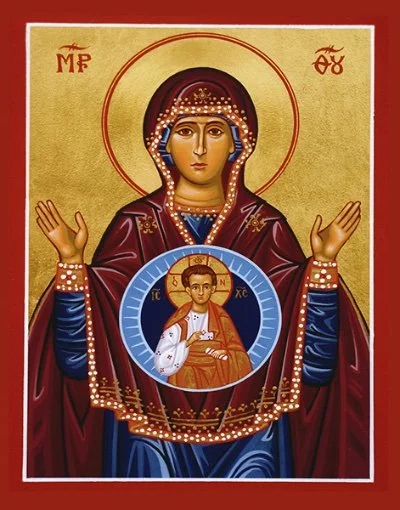
It is important to note that while married clergy have historically been normative in the Maronite homeland, the experience of Maronites in the diaspora has been more complex. In regions such as North America, many Maronite communities adopted celibate clergy for generations, largely in deference to Latin norms and to avoid ecclesial tension. In recent decades, however, Eastern Catholic Churches have been encouraged to reclaim their authentic disciplines where possible, reaffirming that married priesthood is fully legitimate within Catholic communion.

The existence of married clergy often surprises Roman Catholics, but it should not be understood as innovation. The apostolic Church included married priests. Even in the New Testament, Saint Peter himself was married. The Eastern Catholic Churches, including the Maronites, have preserved this continuity as part of their living tradition.

The theology of marriage in the Maronite Church is likewise expressed through a distinctive liturgical rite known as the Crowning. In the Maronite wedding ceremony, flower crowns are placed upon the heads of the bride and groom, symbolizing both martyrdom and kingship. Marriage is understood as a royal vocation of self-sacrificial love. The crowns signify that husband and wife enter into a shared calling to lay down their lives for one another, reflecting Christ’s love for His Church.

The Crowning ceremony includes a procession around the altar, often three times, symbolizing the couple’s journey together in the presence of God. The altar, representing Christ, stands at the center of their life. Their marriage is not simply a legal union. It is a sacramental pilgrimage rooted in divine grace.

Unlike in the Roman Church, where a wedding is ordinarily integrated into the Mass when both parties are Catholic, the Maronite Crowning may be celebrated either within the Divine Liturgy or as a distinct sacramental rite. When celebrated with the Divine Liturgy, the couple may receive Holy Communion. When celebrated without it, the rite still stands fully as a sacrament, complete in its theology and symbolism.

The crowns themselves carry layered meaning. They recall the martyrs, who wore crowns of glory through faithful witness. They also recall Christ’s own crown, transforming suffering into victory. Marriage, in this light, is not romantic idealism but sacred vocation. The couple is crowned not because marriage is easy, but because it is holy.

For Roman Catholics attending a Maronite wedding, the symbolism can feel strikingly different. The visual act of crowning emphasizes that marriage is not merely contractual but sacrificial and royal. It is participation in Christ’s own self-giving love.

Together, the disciplines of married priesthood and the Crowning ceremony reveal something essential about Maronite spirituality. Vocation is not reduced to a single model. Holiness can flourish within family life or celibate ministry. Marriage is elevated as martyrdom in love. Priesthood is preserved as sacrificial service. Both point toward the same ultimate reality: union with Christ.

In this way, the Maronite Church demonstrates that Catholic unity does not require uniform clerical discipline or identical wedding rites. It allows for different expressions of the same sacramental grace, each rooted in ancient Christian tradition and fully recognized within the communion of the universal Church.

Jesus Prayer Shirt | Lord Jesus Christ Have Mercy Tee
from $24.00

Holy unction and anointing of the sick

While both Churches anoint the sick with oil, the Maronite rite often associates the anointing with a communal liturgy that includes readings, litanies and incense. Roman Catholics may anoint individuals privately or within a Mass.

Liturgical year and fasting

Advent and liturgical seasons

The Maronite Church follows a liturgical calendar that differs significantly from the Roman Catholic cycle, revealing another layer of Eastern spirituality: time itself is treated as sacred catechesis. The Maronite liturgical year begins not with Advent, but on the first Sunday of November with the Consecration and Renewal of the Church. This opening immediately establishes the Church as the living Body of Christ and frames the entire year as a journey of continual renewal rather than a simple countdown toward Christmas.

From there, Maronites enter the Season of Announcement, what Roman Catholics would recognize as Advent. Unlike the four-week Roman Advent, the Maronite Season of Announcement lasts six weeks and unfolds as a deliberate meditation on divine revelation entering human history. Each Sunday focuses on a specific biblical announcement: first to Zechariah, then to the Virgin Mary, followed by Elizabeth, Joseph, and finally the genealogy of Christ. Rather than treating Advent primarily as preparation for Christmas, the Maronite tradition treats it as a progressive unveiling of God’s plan, tracing how salvation moves step by step into the world.

This approach emphasizes that the Incarnation was not a single moment but a series of divine interventions touching ordinary lives. God speaks. Humanity responds. The faithful are invited to walk slowly through this process, allowing each announcement to reshape their understanding of obedience, trust, and divine initiative.

Following Christmas, the Maronite calendar moves into a distinct Season of Epiphany, reflecting on Christ’s public manifestation through His baptism, miracles, and early ministry. This flows into Great Lent, which is observed with particular intensity and spiritual seriousness. Lent in the Maronite Church is not merely a period of restraint but a season of interior transformation, marked by fasting, repentance, and increased prayer. The faithful are called not only to give things up but to return their hearts fully to God.

The Season of Resurrection follows Easter and extends the joy of Christ’s victory over death across multiple weeks. This is not treated as a single feast day but as an extended celebration of divine triumph. Resurrection theology permeates Maronite worship, reinforcing the Eastern conviction that Christianity is fundamentally about restored life rather than simply forgiven guilt.

Pentecost then commemorates the descent of the Holy Spirit, followed by the Season of the Holy Cross, which reflects on suffering transformed by glory. The Cross is not presented merely as an instrument of pain but as the Tree of Life, through which resurrection flows. Each season carries its own scriptural focus and spiritual tone, guiding the faithful through a complete theological narrative every year.

Roman Catholics are accustomed to a shorter Advent, a briefer Epiphany season, and a calendar structured differently around Ordinary Time. The Maronite year, by contrast, feels more cyclical and thematic, with fewer “ordinary” periods and more explicitly named seasons that invite reflection on specific dimensions of salvation history.

Another notable difference is how feast days are treated. Maronites generally do not transfer feast days to Sundays for convenience. Feasts are observed on their appointed dates, preserving the ancient rhythm of the Church’s calendar rather than adapting it to modern schedules. This reinforces the sense that sacred time is received rather than rearranged.

Among these feasts, the celebration of Saint Maron on February 9 holds special importance. Saint Maron is honored as the spiritual father of the Maronite people, and his feast is observed as a holy day of obligation. His life of ascetic prayer and devotion shaped the monastic communities from which the Maronite Church emerged, and his feast serves as an annual reminder of the Church’s contemplative roots.

This structure of time reveals something essential about Maronite spirituality. The liturgical year is not merely a schedule of commemorations. It is a spiritual formation process. The faithful are carried through cycles of revelation, repentance, resurrection, and renewal. Scripture is not simply read. It is lived across months.

For Roman Catholics visiting a Maronite parish, this difference can feel subtle at first, but it runs deep. The Maronite Church teaches through seasons that salvation unfolds gradually, that resurrection defines Christian identity, and that sacred time should shape daily life. Worship does not stand apart from the calendar. It orders it.

In this way, the Maronite liturgical year becomes a living icon of redemption. Each season builds upon the last, guiding the faithful through the full mystery of Christ year after year, not as spectators of history, but as participants in it.

Lent and fasting practices

The Maronite approach to Lent reflects a distinctly Eastern understanding of repentance, healing, and spiritual renewal. Rather than beginning Lent on Ash Wednesday as in the Roman Catholic Church, Maronites begin on Ash Monday, immediately following Cana Sunday, which commemorates Christ’s first public miracle at the wedding feast, when Jesus Christ turned water into wine. This transition from celebration to fasting is intentional. The Church moves directly from the joy of divine revelation into a season of purification, teaching that repentance flows naturally from encountering God’s glory.

Although the Maronite Church adopted the use of ashes from the Latin tradition, their placement on Monday rather than Wednesday reflects the internal logic of the Maronite calendar. Two major feast days fall during Lent: Saint Joseph on March 19 and the Annunciation on March 25. Because Maronites do not fast on these solemnities, beginning Lent earlier preserves the full spiritual rhythm of the season without diminishing its intensity. Sacred time is not compressed for convenience. It is carefully preserved.

Historically, Maronite fasting was rigorous and deeply ascetical. The faithful fasted from midnight until noon each day throughout Lent, abstaining not only from meat but also from oil, wine, eggs, and dairy. This discipline was observed widely until the early twentieth century and reflected the Church’s monastic roots. Fasting was not viewed as a temporary hardship but as a way of restoring spiritual clarity. The body was quieted so the soul could listen.

Modern practice has been moderated pastorally, but the underlying theology remains unchanged. Today, Maronites are required to fast and abstain from meat on Ash Monday and Good Friday, and to abstain from meat on all Fridays. This differs from Roman Catholic discipline, where fasting is observed on Ash Wednesday and Good Friday, and abstinence from meat is required on Fridays of Lent, with Friday abstinence outside Lent often optional depending on local norms.

Yet the most important difference is not the calendar or the rules. It is the spiritual intent.

In the Maronite tradition, fasting is not framed as punishment or deprivation. It is framed as transformation. The goal is not to endure suffering for its own sake, nor to emphasize personal unworthiness. The Eastern approach does not dwell in a “woe-is-me” posture. Instead, fasting is understood as medicine for the soul. It clears space for prayer. It weakens distractions. It restores focus. The faithful fast not to prove discipline, but to make room for God.

Lent is therefore experienced less as a season of sorrow and more as a season of return. It is a time to realign one’s heart with divine life. Prayer intensifies. Charity increases. Confession becomes more frequent. The body participates in repentance, but the soul moves toward resurrection.

This reflects a core Eastern conviction: repentance is not about shame. It is about healing. Sin is treated as spiritual illness rather than merely moral failure. Fasting supports that healing by drawing the believer inward, quieting appetites, and awakening hunger for God.

Even the placement of Cana Sunday before Lent carries symbolic weight. The miracle at Cana reveals Christ’s power to transform ordinary elements into signs of divine abundance. Lent then invites the faithful to undergo that same transformation personally. The wine of joy gives way to the discipline of fasting, not as loss, but as preparation for deeper communion.

For Roman Catholics attending Maronite services during Lent, the tone can feel different. There is seriousness, but also hope. There is restraint, but also expectation. The emphasis rests not on guilt but on restoration. The Church does not linger on ashes. She moves toward resurrection.

In this way, Maronite fasting preserves the ancient Christian understanding that repentance is not an end in itself. It is a doorway. Through fasting, prayer, and charity, the faithful prepare to enter once again into the mystery of Christ’s victory over death.

Lent becomes not a season of spiritual heaviness, but a sacred journey toward renewed life.

Spiritual and theological emphases

Mercy and forgiveness

Maronite prayer texts consistently place God’s mercy and compassionate love at the very center of worship. This emphasis is not accidental. It reflects an Eastern Christian worldview in which salvation is understood primarily as restoration of relationship rather than resolution of legal guilt. Throughout the Divine Liturgy, the faithful are repeatedly reminded that God is merciful, patient, and eager to heal His people.

This is especially evident in the Hoosoyo, the Prayer of Forgiveness that opens the Service of the Word. In this prayer, the Church recalls God’s mercy toward humanity across salvation history and then humbly asks that same mercy to be poured out again in the present moment. The Hoosoyo does not dwell on individual failures in detail. Instead, it situates the worshiping community inside a larger story of divine compassion, reminding the faithful that God has always been faithful to His people and remains so now.

Many Maronite anaphoras continue this theme. Rather than emphasizing human unworthiness or enumerating sin, they repeatedly proclaim God’s benevolence, generosity, and healing power. The language leans toward praise of divine goodness rather than self-accusation. God is addressed as physician, shepherd, and loving Father. The faithful approach the altar not primarily as defendants seeking acquittal, but as children returning home for restoration.

This does not mean sin is ignored. Repentance is real, and confession is essential. But the tone is different. In Maronite spirituality, sin is treated more as spiritual illness than legal offense. The goal of prayer is not simply forgiveness in the abstract, but transformation of the heart. The Church invites the faithful to step into God’s mercy first, trusting that repentance flows naturally from encountering divine love.

By contrast, the Roman Missal gives greater structural space to explicit acknowledgment of sin. The opening Penitential Rite asks the congregation to confess their faults and implore forgiveness before proceeding further. Roman liturgical language often balances God’s mercy with strong expressions of human unworthiness. This reflects the Western theological tradition shaped by canon law and scholastic precision, where reconciliation is frequently framed in juridical terms.

Both traditions affirm the same truths: humanity is fallen, God is merciful, and forgiveness is necessary. The difference lies in emphasis and spiritual imagination.

The Maronite Church begins with mercy and moves toward repentance. The Roman Church often begins with repentance and moves toward mercy. Neither is wrong. They are two complementary ways of approaching the same mystery.

In the Maronite liturgy, the faithful are continually reminded that they stand before God as beloved children, not merely as sinners seeking pardon. Prayer language reinforces that identity again and again. The community is invited to trust in divine compassion before examining personal failure. Healing is foregrounded. Condemnation is not.

This approach aligns closely with how Maronites understand the mission of Jesus Christ Himself. Christ is seen first as healer of souls and restorer of communion. Forgiveness is not presented as a cold legal transaction. It is presented as the embrace of a loving God who desires wholeness for His people.

Even when repentance is emphasized, it is framed as return rather than punishment. The faithful are not encouraged to remain fixated on their shortcomings. They are invited to move forward into grace. The spiritual posture is upward and outward, not inward and downward.

For Roman Catholics attending a Maronite Divine Liturgy, this tone can feel noticeably gentler. There is seriousness, but not heaviness. There is repentance, but also confidence. The Church does not ask worshipers to linger in shame. She leads them quickly toward mercy.

This reflects one of the defining characteristics of Eastern Christian spirituality. Salvation is not primarily about being declared innocent. It is about being made whole. Grace is not simply pardon. It is participation in divine life.

In this way, Maronite prayer teaches that God’s mercy is not a response to human misery. It is the starting point. The faithful come before God already loved, already invited, already embraced. From that place of security, they ask for forgiveness, seek healing, and grow into holiness.

The liturgy does not merely tell them they are sinners in need of mercy. It reminds them that they are children of God, continually being restored by His compassion.

The role of the Holy Spirit

The Maronite Divine Liturgy gives extraordinary prominence to the Epiclesis, the solemn invocation of the Holy Spirit. After the Words of Institution, the priest bows deeply, stretches his hands over the offerings, and explicitly calls down the Spirit to transform the bread and wine and to sanctify the faithful. This moment is not treated as secondary or symbolic. It stands at the heart of the Eucharistic mystery.

In Maronite theology, the Eucharist is not completed by spoken words alone. It is completed through divine descent. The Church offers. Christ institutes. The Holy Spirit consecrates. The entire Trinity is understood to be actively involved in the transformation of the gifts and the people.

This reflects the ancient Eastern Christian conviction that salvation is not merely proclaimed. It is enacted through the living presence of the Spirit. The priest does not simply repeat Christ’s words and then genuflect in silent adoration. He pleads. He invokes. He waits upon God. The Epiclesis is an act of dependence, acknowledging that transformation happens only because the Spirit comes.

Maronite prayers and poetry repeatedly return to this imagery. The Holy Spirit is described as hovering over the altar just as He hovered over the waters of creation. He descends like the dove at the Jordan. He overshadows the Church as He once overshadowed the Virgin Mary. These are not poetic flourishes. They are theological claims. The same Spirit who brought creation into being, who descended at Christ’s baptism, and who filled the apostles at Pentecost is now being called upon to sanctify the Eucharist and renew the faithful.

The Maronite liturgy therefore teaches that the Eucharist is not simply a moment of remembrance or verbal declaration. It is a living event in which heaven actively enters earth. The Spirit is not implied. He is invoked by name. His action is visible in the priest’s posture and audible in the chant of the prayer.

By contrast, in the Roman rite, the Epiclesis is present but typically shorter and less emphasized. Roman Eucharistic prayers place strong theological weight on the Words of Institution themselves, with the priest genuflecting after each consecration to adore Christ’s sacramental presence. This reflects a Western theological development that highlights the power of Christ’s spoken command, “This is my Body” and “This is my Blood,” as the decisive moment of consecration.

Both traditions fully affirm the Real Presence of Christ. The difference lies in spiritual emphasis. The Roman rite tends to focus on Christ’s declarative authority. The Maronite rite highlights the Spirit’s transformative action.

This distinction shapes how the faithful experience the Eucharist. In the Maronite Church, consecration feels less like a single instantaneous moment and more like a sacred movement. The prayer builds. The invocation deepens. The Spirit is called down. The altar becomes the place where divine life descends into creation. The faithful stand in expectation, not merely in observation.

This also reflects the broader Eastern understanding of grace. Grace is not something triggered mechanically by precise wording. It is received through prayerful surrender. The Church asks. God responds. The Epiclesis embodies this posture of humility before divine mystery.

For Roman Catholics attending a Maronite Divine Liturgy, this can feel unfamiliar. There is no dramatic pause followed by genuflection signaling “now it has happened.” Instead, there is a flowing prayer culminating in the Spirit’s descent. The emphasis is not on pinpointing a moment but on entering a mystery.

This does not diminish Christ’s words. It completes them. The Maronite Church hears the Words of Institution in Syriac, the language Jesus Christ Himself would have spoken, and then immediately calls upon the Spirit to bring those words into sacramental reality. Word and Spirit work together, just as they do throughout salvation history.

The Epiclesis also extends beyond the gifts. The priest prays that the Spirit sanctify the people as well. Communion is not merely reception of Christ’s Body and Blood. It is participation in divine life. The faithful are not passive recipients. They are being transformed alongside the offerings.

In this way, the Maronite liturgy presents the Eucharist as cosmic renewal. Bread and wine are changed. Hearts are changed. The Church is renewed. The Spirit descends, and creation is lifted toward God.

This emphasis reveals something essential about Maronite spirituality. Worship is not centered on control, precision, or juridical completion. It is centered on divine action. The faithful stand before God and wait for heaven to move.

The Eucharist becomes not only remembrance of Christ’s sacrifice but a present encounter with the Holy Spirit, who continues the work of redemption in every generation.

Marian Devotion and the Communion of Saints: Living With Heaven Nearby

Maronite spirituality is profoundly Marian, not merely in personal devotion but in the very structure of liturgical life. The Mother of God is invoked repeatedly throughout the Divine Liturgy, named in prayers, hymns, and intercessions as the living bridge between heaven and earth. Her role is not sentimentalized. She is honored as Theotokos, the God-bearer, the one through whom divine life entered the world.

In Lebanon, this devotion is visible across the landscape itself. Shrines dedicated to the Mother of God rise from mountainsides, villages, and valleys, forming a sacred geography shaped by centuries of prayer. Marian devotion in the Maronite Church is not confined to church buildings. It is embedded in place, memory, and communal identity. Pilgrimage is natural. Prayer is local. Heaven feels near.

The Maronite Church observes the Dormition and Assumption of Mary mother of Jesus on August 15, and unlike many Roman Catholic dioceses, this feast is kept on its fixed calendar date rather than transferred to the nearest Sunday. Sacred time is not rearranged for convenience. The Church meets the feast where it stands, reinforcing the Eastern instinct that holy days are received rather than managed.

Roman Catholics also honor Mary deeply, through rosaries, Marian consecrations, feast days, and shrines, but Western practice often allows for pastoral flexibility in scheduling major solemnities. The Maronite approach preserves the ancient rhythm more strictly, reinforcing that devotion is shaped by the calendar rather than adapted to it.

Beyond Marian devotion, Maronites maintain an intense living relationship with the saints, especially those who emerged from their own spiritual soil. Figures such as Saint Charbel Makhlouf, Saint Rafqa, and Saint Maron are not treated as distant historical personalities. They are experienced as present intercessors, spiritual companions whose lives continue to bear fruit in the Church today.

Devotion to Saint Charbel in particular is widespread and deeply experiential. Countless faithful testify to healings and answered prayers through his intercession. His hermit life of silence, fasting, and Eucharistic devotion has become a living icon of Maronite holiness. Saint Rafqa’s quiet suffering and total surrender to God offer another model, emphasizing endurance, humility, and trust. Saint Maron stands as the spiritual father of the entire Maronite tradition, his ascetic witness forming the foundation from which the Church itself emerged.

These saints are not admired from afar. They are invoked regularly. Their icons are kissed. Their relics are venerated. Their feast days are celebrated with seriousness. The faithful ask for their prayers as naturally as they ask living friends for support.
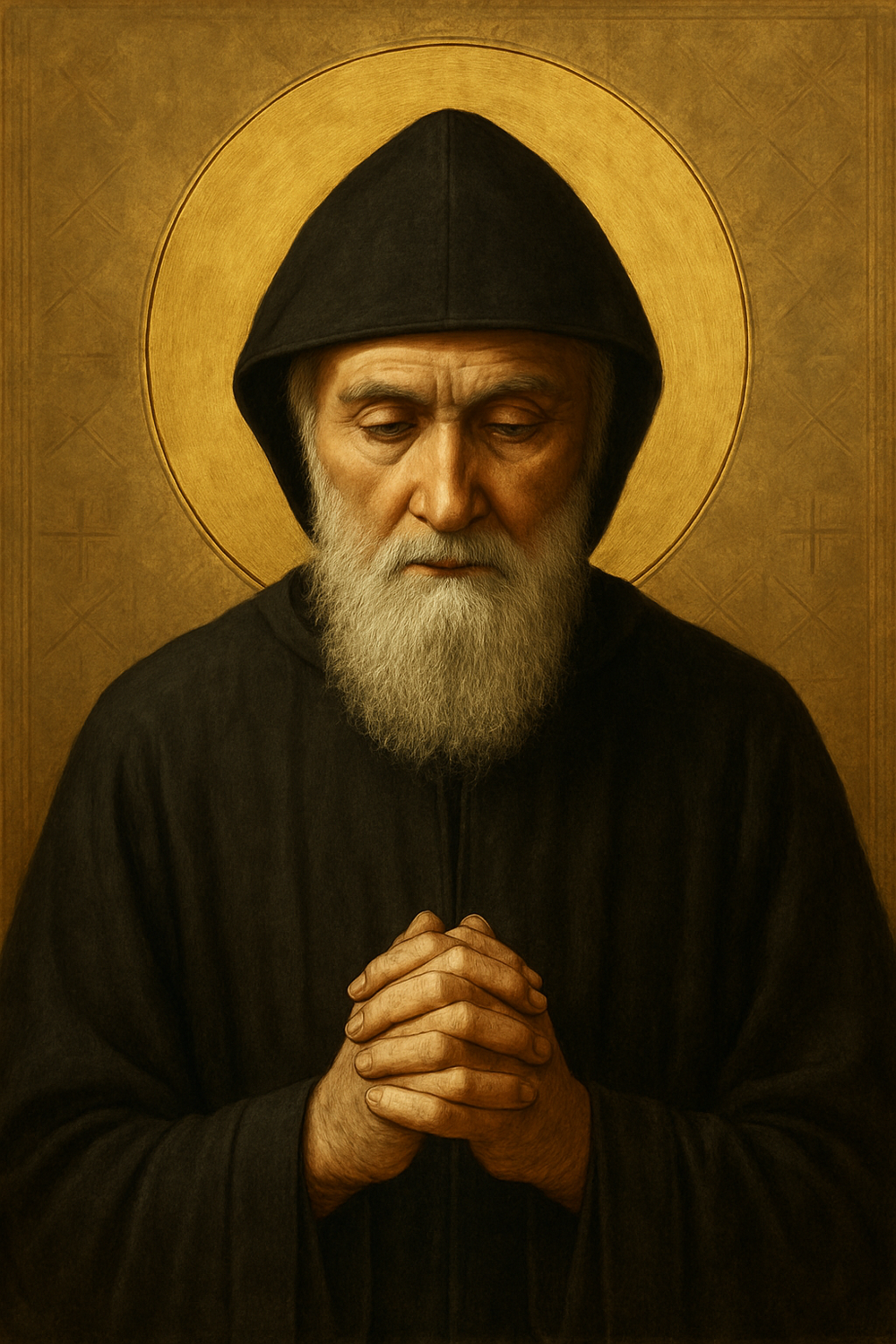
This reflects a deeply Eastern understanding of the communion of saints. Heaven and earth are not separated by an unbridgeable distance. The saints are alive in Christ, actively participating in the life of the Church. Intercession is not theoretical. It is relational.

Roman Catholics also affirm this communion, but Maronite devotion tends to feel more immediate and embodied. Shrines are visited. Oil from lamps is used for blessing. Saints are spoken of in present tense. The spiritual world is not abstract. It is close.

This Marian and saint-centered spirituality reinforces one of the defining characteristics of Maronite faith: Christianity is lived in relationship, not isolation. The faithful walk with Mary. They pray with the saints. They trust that those who have gone before them remain involved in their journey toward God.

The liturgy reflects this constantly. Mary is named. The saints are remembered. Intercession flows naturally alongside Eucharistic worship. Salvation is not treated as an individual endeavor. It unfolds within a vast spiritual family that spans heaven and earth.

For Roman Catholics encountering this for the first time, the intensity of Marian devotion and saintly intercession can feel striking. Yet it reveals something essential about Eastern Christianity. Faith is not merely belief. It is communion. The Church does not walk alone. She walks with the Mother of God and with the saints who have already crossed into glory.

In the Maronite tradition, heaven is not distant. It is near, listening, and involved. The faithful live their lives surrounded by witnesses, upheld by prayer, and guided by the same divine love that carried Mary and the saints into eternal life.

St. Charbel Makhlouf Statue
12" ICE Armor holy figurine of St. Charbel Makhlouf for religious home decoration and devotion.
View on Amazon
St. Charbel Makhlouf Bracelet
Black beaded stretch bracelet with gold accents and St. Charbel medal charm for daily wear and protection.
View on Amazon
St. Charbel Makhlouf Wood Plaque
Wooden home blessing plaque with St. Charbel image and 15 saint scene tiles for wall display and protection.
View on Amazon

Ascetic and monastic spirit

The Maronite liturgy is imbued with the monastic and ascetic spirit of its origins. Silence, incense, bowing and chanting invite interior reflection. The art and music aim to lead to repentance rather than entertainment. As one 10th‑century Syriac monk wrote, ceremonies and music are only worthwhile if they bring about repentance. While Roman Catholic liturgy also encourages penitence and conversion, the Maronite tradition is keenly aware of its monastic roots and often uses simpler melodies and unadorned church architecture.

Icons, Sacred Art, and the Maronite Cross: Seeing Theology

Eastern Christianity has always approached sacred art differently than the West. Maronites inherit this Eastern vision, where images are not decoration but proclamation. Icons are understood as theology expressed visually. They do not aim to reproduce physical realism. They reveal spiritual reality. Every color, gesture, and posture carries meaning. Faces are stylized to reflect transfiguration rather than emotion. Perspective is reversed so that heaven looks outward toward the worshiper. Light comes from within the figures rather than from an external source.

Icons are therefore not religious illustrations. They are windows into heaven. They invite encounter rather than observation. The faithful do not merely look at icons. They pray with them, kiss them, incense them, and stand before them in reverence. Icons teach doctrine without words. They announce the Incarnation, the Resurrection, and the communion between heaven and earth through sacred form.

Western Christianity developed a different artistic vocabulary. Latin churches historically favored three-dimensional statues and realistic imagery. These works emphasize physical presence, emotional expression, and narrative detail. They invite empathy by depicting saints and biblical figures in lifelike poses. This tradition reflects Western theological instincts that emphasize incarnation through realism and storytelling through visual drama.

Neither approach is superior. They express different spiritual imaginations. The West tends toward representation. The East tends toward revelation.

Historically, Maronite churches followed the Eastern iconographic tradition. Sanctuaries were adorned with icons rather than statues, reinforcing the sense that worship takes place within a heavenly realm rather than a historical reenactment. However, centuries of contact with Crusaders and later French missionaries introduced Western artistic norms into Maronite life. Gradually, statues replaced icons in many churches, and Eastern visual theology was partially obscured by Latin influence.

This shift was cultural rather than theological. It happened slowly through proximity and pastoral adaptation, not through formal doctrinal change. As a result, many Maronite churches today display statues in a Western style, sometimes with little traditional iconography remaining.

The Second Vatican Council directly addressed this issue by calling Eastern Catholic Churches to reclaim their authentic liturgical, spiritual, and artistic heritage. Second Vatican Council urged Eastern Catholics not to imitate Latin practices unnecessarily, but to return to their own traditions as equal expressions of Catholic faith. Since then, many Maronite communities have begun restoring icons to their sanctuaries, reintroducing Syriac chant, and recovering Eastern visual theology.

Because this restoration is still ongoing, visitors may encounter both icons and statues in Maronite churches today. This coexistence reflects the Church’s historical journey rather than confusion about identity. Some parishes lean more Eastern. Others retain strong Latin influence. Both exist within legitimate Maronite Catholic life.

The Maronite cross itself expresses this Eastern theological language in a uniquely symbolic way. Unlike the Roman cross, the Maronite cross traditionally features three horizontal bars. These three bars signify the unity of the Holy Trinity, Father, Son, and Holy Spirit. They also symbolize unity within the Church, representing communion between the Maronite patriarch, the bishops, and the pope. In this way, the cross becomes both a Trinitarian confession and an ecclesial statement of unity with Rome.

The ends of the cross are often adorned with small buds or floral shapes. These are not decorative flourishes. They represent life flowing from Christ’s sacrifice. The cross is understood as the Tree of Life, echoing ancient Syriac imagery in which the Cross restores what was lost in Eden. Where the first tree brought death, the Cross brings resurrection. Grace blossoms from suffering. Eternal life springs from Christ’s passion.

This symbolism aligns closely with Maronite spirituality, which consistently presents the Cross not merely as an instrument of pain but as the source of divine life. The faithful do not look upon the Cross primarily as tragedy. They see it as victory. The buds announce resurrection even in the shadow of crucifixion.

Icons, crosses, and sacred images together form a visual catechism. They teach that Jesus Christ has transformed death into life, that heaven remains close, and that the Church stands within a living communion that transcends time.

For Roman Catholics visiting a Maronite church, this visual language can feel unfamiliar. The art may appear flatter. The figures may seem stylized. The cross may look different. Yet beneath these differences lies a coherent spiritual vision. Sacred images are not meant to entertain or emotionally move. They are meant to reveal divine reality and draw the faithful into contemplation.

In the Maronite tradition, worship is not only heard. It is seen. Color teaches doctrine. Shape proclaims resurrection. The Cross blooms. Heaven looks outward. The faithful stand surrounded by visual theology, quietly learning with their eyes what the liturgy proclaims with its voice.

This is Eastern Christianity at work: faith expressed not only through words and gestures, but through sacred beauty that opens a window into eternity.

Quick Reference: Major Differences Between the Maronite Divine Liturgy and the Roman Mass

Liturgical Language

The Maronite Divine Liturgy is celebrated primarily in the local vernacular (English or Arabic), but the Words of Institution, the Epiclesis, and key hymns are chanted in Syriac, a dialect of Aramaic, the language Christ Himself spoke. The Roman Mass is celebrated in the vernacular today (formerly Latin), with little to no Aramaic retained.

Entrance and Penitential Prayer

Maronite worship opens with the Prayer of Forgiveness (Hoosoyo), accompanied by incense and poetic petitions for mercy, followed by the Trisagion addressed directly to Christ. The Roman Mass begins with a Penitential Act such as the Confiteor and Kyrie, emphasizing acknowledgment of sin before proceeding.

Sign of Peace

In the Maronite rite, peace is given before the Anaphora and flows outward from the altar through the congregation by folded hands. Peace originates from Christ’s sacrifice. In the Roman Mass, peace is exchanged after the Our Father, usually by handshakes or embraces among neighbors.

Bread and Holy Communion

Maronites always receive Communion by intinction. The priest dips the consecrated Host into the Precious Blood and places it directly on the tongue. Communion in the hand is never practiced, and extraordinary ministers are not used. Roman Catholics normally receive the Host and Chalice separately and may receive either on the tongue or in the hand.

Standing and Kneeling

Maronites predominantly stand during worship, including the Anaphora, bowing instead of genuflecting. Standing represents resurrection and readiness for Christ’s return. Roman Catholics alternate between standing, sitting, and kneeling, with kneeling emphasizing adoration and humility.

Sign of the Cross

Maronites hold three fingers together to confess the Trinity, bend two fingers for Christ’s two natures, and cross themselves from left to right, symbolizing Christ’s descent and humanity’s movement from death to life. Roman Catholics typically cross right to left.

Sacraments of Initiation

Maronites confer Baptism, Chrismation (Confirmation), and Eucharist together in infancy, and infants receive Communion. In the Roman rite, Baptism is given in infancy, but Confirmation and First Communion are delayed until later childhood or adolescence.

Epiclesis and Consecration

The Maronite liturgy places strong emphasis on the Epiclesis, explicitly calling down the Holy Spirit to transform the gifts and sanctify the faithful. The Roman rite includes an Epiclesis but emphasizes the Words of Institution as the decisive moment of consecration.

Liturgical Year

The Maronite year begins on the first Sunday of November with the Consecration and Renewal of the Church. Advent (Season of Announcement) lasts six weeks. There are distinct seasons of Epiphany, Resurrection, Pentecost, and Holy Cross. The Roman calendar begins with four weeks of Advent and follows the familiar Christmas, Ordinary Time, Lent, and Easter structure.

Fasting Discipline

Maronites fast on Ash Monday and Good Friday and abstain from meat on all Fridays. Historically they abstained from meat, dairy, wine, and oil daily until noon throughout Lent. Roman Catholics fast on Ash Wednesday and Good Friday and abstain from meat on Fridays of Lent, with other Fridays often optional.

Clergy

The Maronite Church allows married men to be ordained priests (before ordination). Roman Catholic priests are ordinarily celibate, with limited exceptions.

Sacred Art

Maronites traditionally prefer icons as visual theology, though many churches display statues due to Latin influence. The Maronite cross features three horizontal bars and budding ends symbolizing the Trinity, Church unity, and life flowing from the Cross. Roman churches commonly feature statues and realistic art with the Latin cross.

Spiritual Emphasis

Maronite spirituality centers on mercy, healing, transformation, poetic prayer, monastic asceticism, and resurrection theology. Roman spirituality tends to emphasize penitence, sacrifice, doctrinal clarity, and systematic theological structure.

Practical tips for Roman‑Catholic visitors

  1. Arrive early and pick up a Qurbono book (if provided). It contains English and Syriac texts and will help you follow the hymns and responses. Expect some texts to be chanted in Syriac. Don’t worry if you cannot pronounce everything; your participation through posture and prayer is enough.

  2. Stand when everyone else stands. In general, stand during the Trisagion, Gospel and anaphora. You will bow when the deacon or priest incenses the congregation or when the names of Jesus and Mary are spoken. Kneeling is rare; if you choose to kneel, be mindful of local custom.

  3. When the Sign of Peace arrives (before the Eucharistic prayer), place your hands together (as if in prayer) and gently receive and pass the peace down the pew. There is no handshake or hugging.

  4. For Communion, approach the priest with your arms crossed over your chest. Tilt your head back slightly and open your mouth. The priest will place the intincted host on your tongue. Do not extend your hands. You may say “Amen” softly.

  5. Feel free to ask questions of the greeters or parishioners. Most Maronite communities are small and hospitable. If you are Catholic, you fulfil your Sunday obligation by attending the Maronite liturgy, and your Communion is valid.

  6. Enjoy the poetry and music. Allow the Syriac melodies to wash over you. Listen for repeated themes of mercy, light and the Holy Spirit. The experience is not meant to be rushed.

The Maronite Divine Liturgy stands as a living bridge between ancient Syriac Christianity and the wider Catholic communion. Its distinct features—incense‑laden prayers for forgiveness, Syriac hymnody, the sign of peace before the Eucharist, multiple anaphoras, intinction, standing posture, and the three‑bar cross—express a theology rooted in mercy, resurrection and the indwelling Holy Spirit. At the same time, it shares the same sacraments, doctrines and apostolic faith as the Roman Church. When Roman Catholics encounter the Maronite liturgy, they discover a different rhythm and vocabulary but the same Christ. By learning the meaning behind the differences, visitors can appreciate the Maronite liturgy’s depth and beauty and experience a fuller sense of the Catholic Church’s unity in diversity.

Offer a Dedication

If this page was meaningful to you, you’re welcome to dedicate this or any educational page in memory of a loved one, for a prayer intention, or in gratitude for blessings received.

Each dedication quietly supports the continued sharing of Eastern Christian history, prayer, and the lives of the saints.

Dedicate a Page
3% Cover the Fee

The world does not need more noise, it needs more holiness. Your support helps us uncover rare and forgotten saints and bring their lives back into the present, so their courage, repentance, and love can help others come closer to God. These Holy men and women still matter, they can still help us, and they are waiting for us to find them. Monthly donors receive a saint spotlight email and new prayer cards mailed each month, so these holy witnesses stay in your hands and in your prayers.

A Servant of God

Lord Jesus Christ, Son of God, please have mercy on me, a horrible sinner.

Previous
Previous

Fools for Christ (Holy Fools): history, meaning and the saints who embraced holy foolishness

Next
Next

The Ultimate Guide to Ba’utha (The Supplication of the Ninevites)