Orthodox Saints • Optina Hermitage • Russia • 1878 to 1910
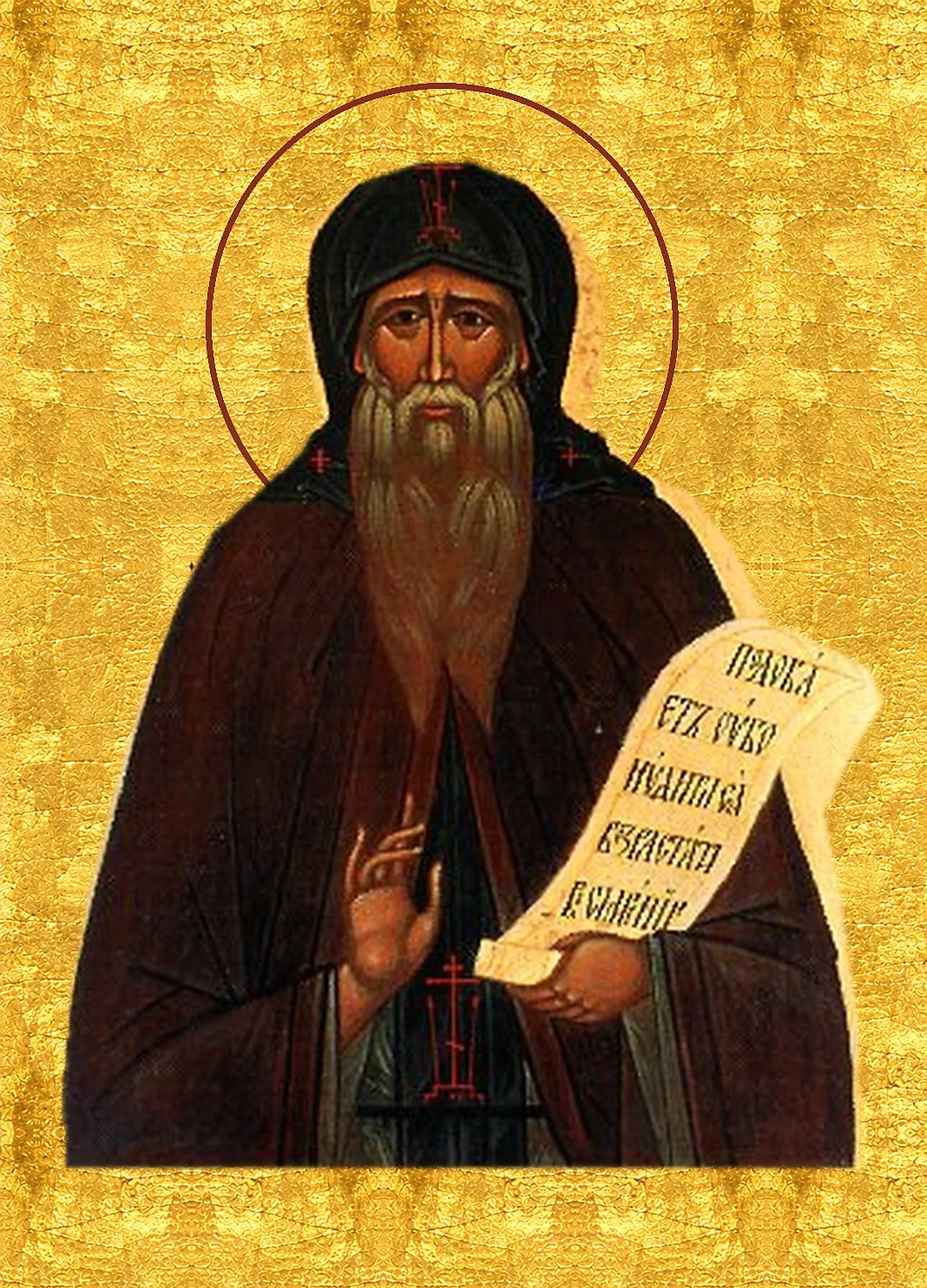
Saint Ambrose of Optina: The Elder Both Dostoevsky and Tolstoy Went to See
Two of the greatest novelists in the world made the same journey to the same monastery, and stood in front of the same elder.
Ambrose of Optina at a Glance
- Who
- Saint Ambrose of Optina (1812 to 1891), elder of the Optina Hermitage, and the writers Fyodor Dostoevsky and Leo Tolstoy
- Where
- Optina Hermitage, near Kozelsk, Russia, and the nearby Shamordino Convent
- Dostoevsky
- Visited in July 1878 with the philosopher Vladimir Solovyov, after the death of his three-year-old son Alyosha
- Tolstoy
- Met Ambrose in 1877, 1881 and 1890 and returned to Optina in 1896 and 1910
- The novel
- Ambrose is the most widely accepted prototype for Father Zosima in The Brothers Karamazov
- The caveat
- Optina sources denied that Zosima resembled Ambrose; scholars also name other models
- Church honors
- Ambrose was glorified in 1988; the Optina Elders were glorified in 2000
Optina and Its Elders
The Optina Hermitage stands in the forest by the Zhizdra River near Kozelsk, in central Russia. In the nineteenth century it became the most visited center of spiritual guidance in the country, and its fame came from its elders, monks who received anyone who came to the door with a question or a grief.
Ambrose, born on November 23, 1812, was cell attendant to Elder Macarius. He was named Macarius's temporary replacement in 1852. When Macarius died in 1860 and no other candidate remained, Ambrose became the monastery's spiritual director, and he held that place until his death on October 10, 1891. In 1884 he founded the Shamordino Convent nearby, open to poor, sickly and blind women.
Part II
A Grieving Father, July 1878
In the spring of 1878 the Dostoevskys lost their youngest son, Alyosha, who was three. Fyodor Dostoevsky was deeply shaken. In July, he traveled to Optina with the philosopher Vladimir Solovyov, and stayed two days.
According to Anna's memoir, he met Elder Ambrose three times, once in a crowd and twice in private. He was profoundly affected. Anna also records that the elder asked whether she was a believer, and that he gave Dostoevsky a blessing and words of comfort for a grieving mother. Those words appear again, in altered form, in the novel Dostoevsky was then writing.
Solovyov remembered the visit differently in one respect: Dostoevsky, he said, did not listen humbly. He argued with the elder, and without noticing it, became a teacher instead of a listener. That is as honest a picture of the novelist as anyone has left.
Part III
Father Zosima
The Brothers Karamazov was published in 1879 and 1880, and its central holy figure is the elder Zosima, who receives pilgrims in a cell outside a monastery and comforts a peasant mother who has lost her small child. Ambrose is the most widely accepted prototype. Zosima's cell and reception room are modeled on his, and the scene with the grieving mother draws on what the elder said to Dostoevsky.
It would be wrong to claim more. Sources at the monastery denied that Ambrose's character and teaching resembled Zosima's and conceded only a physical likeness. Literary scholars have also proposed other models, including Tikhon of Zadonsk. The safest summary is that Ambrose is the principal inspiration among several, and that Dostoevsky did not write a portrait.
Part IV
Tolstoy and the Elder
Leo Tolstoy visited Optina several times. He met Ambrose in 1877 and again in 1881, and for the last time in 1890, about a year before the elder died. That last meeting was strained. Ambrose is reported to have found Tolstoy's pride tiring, and it ended without spiritual resolution.
Tolstoy came back in 1896 at the urging of his sister Maria, a nun at Shamordino, and met another elder, Joseph, whose gentleness gave him a short season of peace.
Part V
The Last Visit, October 1910
In late October 1910 Tolstoy left home. He reached Optina late on October 28 with his physician. The next morning he twice walked to the hermitage and turned back, afraid that he would not be received. On October 29 he visited his sister at Shamordino.
On October 31 he left for the railway, and he died a few days later at Astapovo station. Starets Varsonofy traveled there and asked repeatedly to see him, but was not admitted. The elder's presence had been near him at the end, and it had not reached him.
Part VI
Glorified at Last
Ambrose was forgotten in the Soviet years, when Optina was closed. He was glorified by the Moscow Patriarchate in 1988, in the year marking the millennium of the baptism of Rus, and the Optina Elders were glorified for universal veneration on August 7, 2000.
The picture that remains is of a man who received two of the greatest writers of his century and treated them as he treated everyone, as people who had come with a trouble.
Part VII
Timeline
- 1812Ambrose is born on November 23.
- 1852Ambrose is named temporary replacement for Elder Macarius.
- 1860Macarius dies; Ambrose becomes the monastery's spiritual director.
- 1877Tolstoy first meets Ambrose.
- July 1878Dostoevsky visits Optina with Solovyov after the death of his son Alyosha.
- 1884Ambrose founds the Shamordino Convent.
- 1890Tolstoy meets Ambrose for the last time.
- October 10, 1891Ambrose dies.
- 1988Ambrose is glorified.
- October 1910Tolstoy visits Optina and Shamordino a final time.
The Elder at the Door
Ambrose received whoever came, and the records of those two visits are still read today. If you would like an elder in your home, in prayer, the prayer card is a quiet place to start.
View the Prayer Card →Frequently Asked Questions
