Saints for Depression and Despair: Catholic and Orthodox Champions of Hope
Feeling depressed or trapped in despair can be an overwhelming, lonely experience. In these dark moments, many people of faith turn to the saints – those holy men and women who have gone before us and now intercede in Heaven – for comfort and miraculous help. The Catholic and Eastern Orthodox traditions each offer compassionate patrons specifically invoked for mental anguish, depression, and hopelessness. These saints not only endured great trials themselves, but countless testimonies tell of their powerful intercession bringing light to those in mental darkness.
In this comprehensive guide, we present six saints (three Catholic and three Orthodox) revered for aiding people with depression, anxiety, and despair. For each saint, you’ll learn who they are, why they are patrons for mental and emotional suffering, and specific examples of how their help has brought real relief and miracles. This article is meant to be your definitive resource – a beacon of hope and encouragement – when seeking a saint’s intercession for depression or despair. Take heart: you are not alone in your struggles, and these heavenly friends are ready to walk with you toward peace.
*(Note: While turning to these saints in prayer can provide tremendous comfort and even miracles, depression is a serious condition. Always seek appropriate professional help. The saints themselves would urge us to use every good resource for healing – both spiritual and medical. *)
Catholic Saints for Depression and Despair
The Catholic Church offers many patron saints for those battling mental illness, sorrow, or a sense of hopelessness. The three featured here each address a different facet of depression and despair: St. Dymphna brings healing for mental illness and anxiety, St. Jude offers hope in seemingly impossible situations, and St. John of God exemplifies compassion and healing for the mentally afflicted. These saints have been trusted for centuries by Catholics facing darkness, and their legacies include astonishing accounts of help and intercession.
1. Saint Dymphna – Patroness of Mental Health and Anxiety
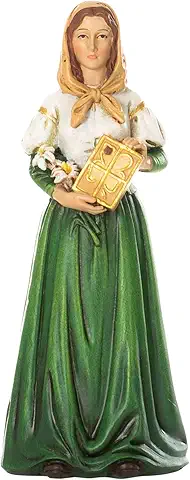
Who She Is: Saint Dymphna is widely venerated as the patron saint of those suffering from mental disorders, depression, anxiety, and emotional distress. A 7th-century Irish princess, Dymphna’s life was marked by trauma and steadfast faith. After her mother died, Dymphna’s pagan father, driven mad by grief, developed an unnatural obsession with his daughter. The devout young Dymphna fled Ireland with her confessor, seeking refuge in what is now Belgium. Unfortunately, her father tracked her down to the town of Geel. When Dymphna refused to return and violated his insane demands, her father’s fury culminated in him tragically beheading his own daughter. Dymphna died a martyr around age 15, protecting her purity and faith. Her feast day is May 15.
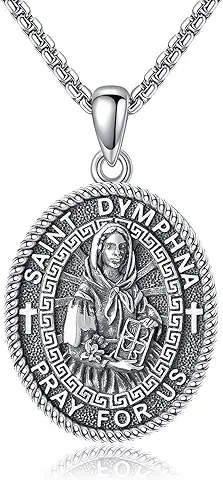
Why She’s Invoked for Depression: The connection between St. Dymphna and mental health comes from her life story and the miracles after her death. Her father’s insanity and Dymphna’s own suffering gave rise to a tradition of seeking her intercession for those afflicted in mind or spirit. She is often called upon by people with depression, anxiety, post-traumatic stress, and other mental illnesses, as well as their loved ones, because she understands traumatic sorrow and the need for mental healing. In sacred art, Dymphna is sometimes depicted holding a sword and the devil chained – symbolizing her role in defeating the evil of mental torment.
How St. Dymphna Has Helped People: The most famous testament to St. Dymphna’s healing power is in the town of Geel (Gheel), Belgium, where she died. In the Middle Ages, a church was built to house St. Dymphna’s relics, and soon pilgrims from all over Europe flocked to Geel seeking cures for mental illness. There are countless accounts of miraculous healings: people suffering unstable moods, “madness,” or severe depression reportedly regained peace and sanity after praying at St. Dymphna’s shrine. So many were healed that Geel became renowned for its care of the mentally ill. Uniquely for that era, the town developed a compassionate “family care” system: patients who came to Geel would live with local families and gently integrate into community life as part of their treatment. This community-based therapy, inspired by St. Dymphna’s legacy, was revolutionary compared to the inhumane asylums elsewhere that chained up the mentally ill. Geel’s tradition, sustained for centuries, stands as a living miracle of St. Dymphna’s intercession – a whole town empowered to treat those with mental illness as neighbors to love, not outcasts to punish.
Today, many continue to experience St. Dymphna’s aid. For example, modern devotees have shared that after saying a novena (nine-day prayer) to St. Dymphna, they felt unexpected calm wash over their anxious minds. Parents of children with severe autism or bipolar disorder have reported improvement and strength after entrusting their child to St. Dymphna’s care. Even those with crippling depression have found a glimmer of hope and the will to keep going, crediting St. Dymphna’s motherly compassion. Her intercession has been a beacon of light for people in dark psychological places.
If you or a loved one suffers from depression or any mental affliction, you can confidently turn to St. Dymphna. Many find it helpful to keep a St. Dymphna medal or holy card nearby, or to pray the traditional Prayer to St. Dymphna. One beautiful line from that prayer addresses her as “great wonder-worker in every affliction of mind and body.” People have placed their troubled thoughts into St. Dymphna’s hands and found relief, as if this teenage saint were a supportive friend listening and praying alongside them. Her life ended in tragedy, but her heavenly mission seems to be bringing emotional healing to the wounded – a true patron saint for depression and mental health in our time.

2. Saint Jude Thaddeus – Apostle of Hope in Hopeless Cases
Who He Is: Saint Jude Thaddeus was one of the Twelve Apostles of Jesus, and he is famously known as the patron saint of hopeless causes and desperate situations. In Scripture, Jude is sometimes called “Thaddeus” to distinguish him from Judas Iscariot. After Pentecost, Jude preached the Gospel bravely (some traditions say as far as Mesopotamia and Persia) and was martyred for the faith. His feast day is October 28 (shared with St. Simon). In art, St. Jude is often shown with a flame above his head (for Pentecost) and holding an image of Christ – symbolizing how he brought Christ’s image to the world.
Why He’s Invoked for Despair: For centuries, Catholics have sought St. Jude’s intercession when circumstances seem beyond hope – including times of profound depression, suicidal thoughts, or any “impossible” case. There’s a pious legend that because his name “Judas” was so similar to the traitor’s, people were initially hesitant to seek his help – and thus Jude became eager to assist anyone who asked, no matter how dire the need, to increase faith and honor to God. Whether or not that legend is true, the Church universally acclaims St. Jude as the friend of all who feel utterly hopeless or desperate. Depression often brings feelings of hopelessness, and so St. Jude has become a natural ally for those in despair. When you feel like saying, “I have tried everything and nothing works – I’m at the end of my rope,” that is exactly when devotees would encourage you: “Pray to St. Jude!” He is patron of “lost causes” – and depression, especially severe or chronic cases, can indeed feel like a lost cause until a breakthrough comes.
How St. Jude Has Helped People: The devotion to St. Jude is one of the most powerful and well-attested in the Catholic world. There are countless modern miracles attributed to him, often published as thank-you notes in newspapers and parish bulletins. These testimonies come from ordinary people who were in impossible predicaments and found help after praying a St. Jude Novena (a series of prayers over 9 days) or even simply crying out, “St. Jude, help me!” Here are a few examples that show the range of St. Jude’s intercession:
Physical Healings: A man from Finland recently shared that he has worn a St. Jude medal for decades. Over the years, he believes St. Jude saved his life multiple times – including surviving two severe accidents unharmed. Most astonishingly, he was diagnosed with an aggressive cancer and initially given a grim outlook. This man refused conventional treatment and prayed fervently to St. Jude instead. Doctors were amazed when, at his next check-up, most of the cancer cells had disappeared and the last tumor had shrunk to a trivial size. He attributes this unexpected remission to St. Jude’s prayers and now even helps run a prayer group dedicated to St. Jude’s intercession for others with serious illnesses.
Desperate Situations Turned Around: A woman from New York recalls a terrible period when she lost her job, was drowning in debt, and faced eviction – all at once. She fell into deep despair and saw no way out. In tears, she remembered hearing about St. Jude. She lit a candle before his statue and prayed with all her heart for a miracle. Within a week, a series of seemingly impossible events unfolded: an old friend reached out with a job offer that perfectly fit her skills, an anonymous donor (through a local charity) covered two months of her rent, and she found the strength to begin tackling her debt. She firmly believes St. Jude orchestrated these rescues just when she was about to lose all hope.
Emotional and Spiritual Healing: Many people struggling with clinical depression or crippling anxiety have found St. Jude to be a source of comfort. For example, a young mother suffering postpartum depression wrote that every day she felt she was drowning in darkness and fears. Medications helped only a little. She started quietly invoking St. Jude each morning, even simply saying, “St. Jude, patron of hopeless cases, please pray for me and give me hope today.” Over time, she noticed her mindset improving. She described it as feeling a hand steadily pulling her out of a pit. In therapy sessions, she started to feel more optimistic and believed St. Jude was obtaining for her the grace of hope. She has since recovered, and she keeps an image of St. Jude on her desk as a reminder that no darkness is too great for God’s light.
Perhaps one of the greatest testaments to St. Jude’s impact is St. Jude Children’s Research Hospital in the United States. The famous entertainer Danny Thomas, in the 1940s when he was a struggling young man, prayed to St. Jude for direction. He promised, “Show me my path in life, and I will build you a shrine.” His career took off shortly after. True to his word, he founded the hospital in St. Jude’s name as a “shrine” of thanksgiving. That hospital has since saved thousands of children from hopeless illness. It stands as a brick-and-mortar miracle owed to St. Jude’s intercession.
Devotion Tips: Devotees often pray the Novena to St. Jude, which includes the memorable line: “St. Jude, helper of the hopeless, please aid me in my distress.” It’s also common to publish a thanks in the newspaper or online after receiving a favor through St. Jude – spreading his name as the patron of hope. If you feel like giving up, try talking to St. Jude. Light a candle or even play the song “Hey Jude” as a lighthearted reminder of his presence (some do this!). St. Jude’s message to everyone in despair is: Never quit trusting in God. The darker it gets, the more ready God is to act. He will carry your plea to Christ, and even the most impossible problems can find solutions. Many whose prayers were answered insist that nothing is truly hopeless when you have a powerful friend in Heaven. St. Jude’s own life ended in martyrdom, but he did not lose faith – and he wants to bolster our faith that we will not be abandoned in our hardest hour.


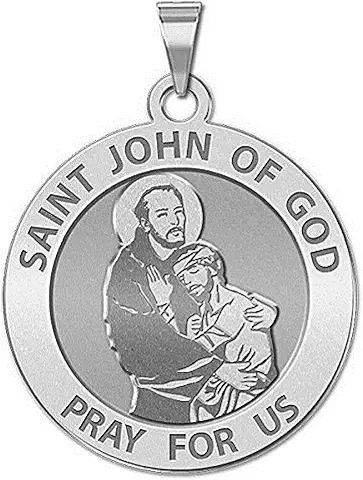
3. Saint John of God – Compassionate Healer of the Mentally Afflicted
Who He Is: Saint John of God (1495–1550) is a Catholic saint who uniquely bridges the gap between personal mental struggle and helping others who suffer. Born in Portugal, John’s early life was full of hardship. As a child he was kidnapped from his home (perhaps by wandering soldiers) and grew up as a homeless orphan in Spain. He spent years as a wandering shepherd and mercenary soldier, experiencing trauma and regretting some of the violent acts he witnessed or took part in. In his 40s, John had a major spiritual conversion – but it came with such sudden, extreme remorse that people thought he had lost his sanity. Upon hearing a powerful sermon about repentance (preached by St. John of Ávila), John of God was so moved that he ran through the streets of Granada weeping, beating his chest, publicly begging forgiveness for his past sins. He even began to punish himself in bizarre ways – throwing himself into mud, tearing out his hair, shouting for God’s mercy. His dramatic grief caused bystanders to assume he was insane, and John of God was forcibly committed to the Royal Hospital mental ward. There, he was subjected to the era’s brutal “treatments” for madness: beatings, chaining, and starvation.
Despite enduring that horrific period, John emerged with a clearer mind and an even stronger faith. Saint John of Ávila visited him in the asylum and counseled him that God wanted deeds of love, not self-harm. Taking that advice, John of God embraced a new mission: he dedicated the rest of his life to serving the sick, the poor, and especially the mentally ill with compassion. He started by carrying an abandoned beggar from the streets into his own small rented room to care for him. Soon, John was gathering all manner of outcasts – the sick, homeless, and mentally disturbed – and personally nursing them. He begged for food to feed his patients and gave up his bed for them while he slept on the floor. His radical love attracted volunteers and donations, allowing him to establish a makeshift hospital and shelter. This was the seed of the Brothers Hospitallers of St. John of God, a religious order founded in 1572 after John’s death, dedicated to hospital work and mental health care. Today, that order operates over 300 hospitals and healthcare centers in more than 50 countries, continuing St. John of God’s mission of compassionate healing.
Why He’s Invoked for Despair and Mental Illness: St. John of God is a patron saint of the mentally ill, the suffering, hospitals, and caregivers. Uniquely, he personally experienced a mental health crisis and the depths of despair, only to recover and channel that experience into helping others. This makes him an incredibly relatable saint for those with depression, severe anxiety, or any mental affliction. He knows what it’s like to be seen as “crazy” or to hate oneself – he went through a breakdown and, by God’s grace, came out the other side with renewed purpose. For anyone who feels broken by life or feels guilt-ridden and hopeless, St. John of God stands as proof that God can rebuild a shattered life into something beautiful and meaningful. Where others see a hopeless case, God saw a saint in the making. John’s life also emphasizes that serving others can be profoundly healing for one’s own psyche – a message of hope for those depressed who feel useless or without purpose.
How St. John of God Has Helped People: St. John of God’s intercession is often experienced in the context of illness and crisis. Here are some ways his presence has been felt:
Rescue from Danger: A dramatic episode from his life shows his fearless love: a fire broke out in the Royal Hospital of Granada, where John had been treated and later volunteered. As flames engulfed the building, John of God rushed into the inferno. He single-handedly carried many sick patients to safety, going back and forth through the flames. At one point, witnesses say he was seen in the burning halls, miraculously not harmed by the fire, trying to save even the smallest items (like mattresses) so the poor wouldn’t lose their few possessions. He saved every person in the hospital. When he finally exited, onlookers saw him collapse on the ground amid the smoke. This act not only exemplified his selflessness, but many consider it a miraculous protection of God – firefighters consider him a patron too! For those who feel “burned” by life or stuck in an emergency, St. John of God is a daring helper who will brave any danger to pull you out.
Healing of the Sick (Body and Mind): During his life, John of God was known to bring many sick or insane people back to health through his care. After his death, people began praying to him for miracles. He was credited with numerous healings that led to his canonization. For example, a story from the 17th century tells of a woman in Spain who had severe mental disturbances – possibly what we’d now call psychosis. Doctors restrained her and considered her hopeless. Her family invoked St. John of God, and the night of his feast day, the woman slept peacefully for the first time in months. She woke lucid, her symptoms inexplicably gone. The family firmly believed it was St. John of God’s doing. In modern times, those who work in healthcare or who have loved ones with mental illness often carry a St. John of God medal or prayer card. A psychiatric nurse shared that on stressful days she asks St. John of God to help her see Christ in each patient. She finds an extra dose of patience and empathy, which she considers a small miracle in a taxing job. Families of patients with Alzheimer’s or severe depression also pray to St. John of God for strength and healing. Some have reported significant improvements in their loved one’s mood or clarity that coincided with their prayers – little bursts of grace that they credit to this saintly caregiver.
Finding Purpose and Hope: Perhaps the most beautiful “miracle” of St. John of God is how he inspires those in despair to find hope by serving others. There are cases where individuals battling addiction or depression say that learning about St. John of God’s life gave them motivation to keep living and to make a difference. For instance, a young man who was suicidal read a biography of St. John of God while in rehab. He was struck by how John turned his self-destructive guilt into love for the needy. It clicked for him that he could do the same. After recovery, that young man started volunteering at a homeless shelter (coincidentally run by a St. John of God charity!). He testifies that in helping others, he found meaning that pulled him out of depression. He no longer sees his life as worthless because he can share kindness just like St. John of God. In this way, the saint indirectly saves lives by prompting people to step into a mission of love.
Invoking St. John of God in prayer, you might ask him to obtain peace of mind, healing for someone’s mental illness, or the strength to carry on in dark times. Because he was a man of action, many also honor him by imitating him: doing a kind deed for someone who is sick or downcast, in his name. Even a simple act of reaching out to a lonely person can be a tribute to St. John of God and will invite his intercession into your situation. His life shouts the message that “God’s love can transform even the most broken soul – and that love is most powerfully felt when we give it to others.” When you feel despair closing in, remember St. John of God’s words: “If we cannot live so as to be happy, let us at least live so as to deserve happiness.” He will help you find the path to deserve and rediscover happiness, often through compassion.
Transition: Just as Catholics have saints like Dymphna, Jude, and John of God to console and assist them in times of mental anguish, the Orthodox Christian tradition likewise has its beloved holy figures known for lifting people from despair. The Eastern Orthodox Church, with its rich spirituality of healing and hope, offers us saints whose lives radiated joy and comfort. Many of these saints endured their own inner battles or showed extraordinary empathy to the sorrowful. Here, we highlight three Orthodox saints to whom people frequently pray when depressed or weighed down by life: St. Seraphim of Sarov, St. Porphyrios of Kafsokalivia, and St. Tikhon of Zadonsk. Their stories and miracles beautifully complement those of the Catholic saints above – all testifying that God’s grace can reach us no matter how deep our valley of tears.


Orthodox Saints for Depression and Despair
4. Saint Seraphim of Sarov – The Saint of Joyful Light
Who He Is: Saint Seraphim of Sarov (1754–1833) is one of the most renowned and loved saints of the Russian Orthodox Church, often called a “Wonderworker” and a bearer of divine joy. In his youth, Seraphim (born Prokhor Moshnin) became a monk and eventually a hermit, living in the forests near Sarov, Russia. Through years of prayer, seclusion, and asceticism – including a famous period when he spent 1,000 days and nights kneeling on a rock in continuous prayer – Seraphim was transformed by the Holy Spirit into a gentle, radiant soul brimming with love. After this intense spiritual preparation, he began receiving visitors seeking guidance. He greeted everyone, rich or poor, with a profound welcome: “Christ is risen, my joy!” and often embraced them. St. Seraphim was known for calling everyone “My joy,” reflecting the love of God he saw in each person. He possessed gifts of healing and prophecy; numerous miracles were reported at his hands even while alive. Unlike some ascetics who remain stern, Seraphim was invariably kind, tender, and full of warmth – a true friend to the weary.
Why He’s Invoked for Depression: Seraphim of Sarov is often associated with overcoming sorrow and radiating spiritual joy. Depression is essentially the loss of joy and hope. St. Seraphim, by contrast, was so filled with heavenly joy that people came from afar just to bask in his peaceful presence. Many who met him described leaving with an indescribable inner lightness, their burdens lifted. He taught that the goal of Christian life is the acquisition of the Holy Spirit, which brings joy, peace, and courage. His most famous saying, “Acquire a peaceful spirit, and thousands around you will be saved,” speaks to how one person’s inner peace can spill over and console many others. Those suffering from depression or despair find in Seraphim a patron who can rekindle joy and peace in their hearts. Importantly, St. Seraphim himself faced dark trials: at one point, he was beaten nearly to death by bandits in the forest and spent years recovering from crippling injuries. He responded by forgiving his attackers and became even more gentle. He knew physical pain and likely emotional pain too in those lonely years. His victory over life’s cruelties with love and joy makes him an inspiring intercessor when we feel crushed by life.
How St. Seraphim Has Helped People: The miracles and help attributed to St. Seraphim both during his life and after his repose are numerous. Here are a few examples, particularly focusing on relieving despair:
Miracle of Inner Healing: A modern testimony comes from a Russian man named Vladimir who had been incarcerated in a harsh prison. He recounts that while in prison, “despair overwhelmed my soul” – the conditions and regrets made him suicidal. Through an Orthodox prison ministry, he received a little cotton ball soaked in oil from a lamp that burns by St. Seraphim’s relics, along with a pamphlet about Seraphim’s life. With nothing to lose, the inmate prayed to St. Seraphim and anointed himself with the holy oil. He later described that as he remembered St. Seraphim praying on the rock for 1000 days (an image of perseverance in trial), he suddenly felt a wave of strength and consolation. His hopelessness ebbed away, and for the first time in ages, he felt God might still care for him. Remarkably, not long after this, Vladimir was released on parole earlier than expected, and he successfully rebuilt his life on the outside, staying away from crime. He credits St. Seraphim’s intercession with giving him the hope to start over, when he otherwise might not have survived his term.
Dispelling Darkness with Joy: Many pilgrims who visit St. Seraphim’s shrine at the Diveyevo convent (where his relics are enshrined) speak of an unexplainable feeling of joy and lightness that fills them, even if they arrived depressed. One young woman struggling with severe depression traveled to Diveyevo as a last resort; she was on the verge of giving up on life. As she stood before the saint’s relics, she suddenly found herself smiling through tears – something she hadn’t done in a long time. She later testified that in that moment she felt “Seraphim embraced me and lifted the weight off my shoulders”. Her depression didn’t vanish overnight, but from that day onward she felt able to fight it, buoyed by hope. Years later, she’s healthy and often returns to thank the saint who “showed me the sun when I saw only darkness.”
Assistance in Addiction and Temptation: Depression often goes hand in hand with addictions or unhealthy escapes. St. Seraphim has helped people break free from these chains too. A well-known modern miracle involves a middle-aged man who was not religious but happened to visit an old church where there was an icon of St. Seraphim. He half-jokingly prayed, “Old man Seraphim, if you’re real, help me get in shape!” This man was struggling with alcoholism and the lethargy that accompanies it. According to his own account, within days he lost all desire for alcohol – something he had tried and failed to do many times before. Freed from that burden, he gained the energy to exercise and rebuild his life, eventually even embracing the Christian faith. He calls it “an ordinary miracle” by St. Seraphim, who gave him the initial push to escape a cycle of self-loathing and despair. This story underscores how Seraphim’s help can come in unexpected forms – here, by removing a crutch that was fueling depression (alcohol) and giving the man motivation to live better. For those stuck in a rut of bad habits and sadness, St. Seraphim is a powerful ally to break the cycle.
Above all, people remember St. Seraphim for his gentleness and the phrase “Joy, my joy!” It’s recommended for those battling depression to read conversations of St. Seraphim (such as his famous dialogue with a disciple, “Acquire the Spirit of Peace”). His words are like balm, emphasizing God’s boundless love and the beauty of creation which we often fail to see in our gloom. Even keeping an icon of St. Seraphim, with his radiant countenance, can be a reminder that joy is possible. Many have said that simply looking at his smiling face in icons and repeating his words “Christ is Risen, my joy” daily helped lift their mood over time. The saint seems to share a sliver of his own hard-won joy with those who ask. In times when you cannot muster any cheer, ask St. Seraphim to pray for you – to kindle a small flame of holy joy in your heart. He will gladly carry your weary prayers to Christ, the source of all joy, and intercede for the “oil of gladness” to soothe your troubled spirit.


5. Saint Porphyrios of Kafsokalivia – Modern Saint and Healer of Hurting Souls
Who He Is: Saint Porphyrios (1906–1991) is a recently canonized Orthodox saint (glorified in 2013) known for his profound spiritual wisdom and gift of healing both psychological and physical illnesses. Born Evangelos Bairaktaris in Greece, he became a monk on Mount Athos at only 14 years old. He spent years in prayer and obedience, but due to serious health problems, he eventually left Athos and served as a simple parish priest in Athens. Don’t let the humble role fool you – Elder Porphyrios (as many call him) was one of the great charismatic elders of the 20th century. He had an extraordinary clairvoyant insight into people’s hearts and problems, which allowed him to guide and heal countless souls. People from all over Greece (and beyond) would seek him out for confession and counsel, because he could often diagnose spiritual and emotional wounds with pinpoint accuracy and offer remedies inspired by God. Importantly, St. Porphyrios was remarkably cheerful, empathetic, and understanding of modern psychological struggles. He lived in our contemporary era, witnessing the rise of technology, changes in society, and modern stressors. He had a particularly gentle touch with young people and those suffering from depression, anxiety, or even suicidal thoughts. Having endured serious illnesses himself (he suffered cancer and was often in pain), he knew how to empathize with both physical and mental pain.
Why He’s Invoked for Depression and Despair: St. Porphyrios often spoke about depression, despair, and mental illness as crosses that can be healed through the love of Christ. He did not dismiss psychological problems as mere lack of faith; rather, he saw the whole person – body and soul – and encouraged people to seek medical help when needed alongside spiritual help. This balanced, compassionate approach makes him a go-to saint for those struggling with mental health in an age where we understand these issues better. Porphyrios believed that many cases of depression could be alleviated by flooding one’s life with the light of Christ’s presence, essentially “chasing out darkness by inviting in the sun.” Instead of focusing on fighting the darkness directly, he advised people to focus on loving Jesus, and the darkness (despair) will melt away on its own. This approach resonates deeply with believers who find that obsessing over their depression often makes it worse – but a shift toward even a small practice of praise or love can start to lift the soul. Because Porphyrios lived so recently, we have many direct quotes and anecdotes of him helping people with their depression, making him a very relatable patron. He is invoked by those with severe depression, those contemplating suicide, people with schizophrenia or bipolar disorder, and by family members desperately seeking help for loved ones in mental anguish. He once said, “Depression is caused by the devil,” not to stigmatize sufferers, but to remind that these oppressive feelings are not your fault – they are like an external attack on the soul, which gentle spiritual remedies and God’s grace can overcome.
How St. Porphyrios Has Helped People: There are numerous documented stories of St. Porphyrios intervening in miraculous ways to save or heal people in despair, both during his life and after his repose. Here are a couple of powerful examples:
Saving a Young Woman from Suicide: One of the most famous miracles involves a teenage girl in Greece (let’s call her Effie) who had become the victim of vicious gossip. In post-war rural Greece, her innocent conversation with a local boy was misinterpreted by her own family as something shameful. Effie was beaten and harshly scolded by her mother over this misunderstanding, leaving her feeling completely alone, humiliated, and without hope. In her despair, Effie decided to commit suicide by drinking a bottle of pesticide late one night. With the bottle hidden in her pocket, she went out to the family garden under the pretense of helping her father. There, in the dark, she moved to carry out her plan. At the very moment she was about to consume the poison, a mysterious priest suddenly appeared out of nowhere in the garden path. The gentle priest addressed her by name, and spoke kindly, “My child, life is a precious gift. Christ is full of light and joy, and He loves you – He has a beautiful life prepared for you. But if you do this, you will only find darkness. Do not throw away your life, which is so valuable to God.” Effie was stunned that this stranger knew exactly what she was hiding (the poison) and what she was about to do. His words pierced her heart, and she immediately threw the bottle away, bursting into tears. She ran to get her father so he could meet this miraculous priest – but when they returned to the path moments later, the man had vanished without a trace. Effie’s despair was gone, replaced by a mix of relief and wonder. She lived on, and some time later, in a completely different setting, she met Father Porphyrios at her godmother’s house. The moment she saw him, she fell at his feet sobbing, “It was you! You are the priest who saved me that night!” Porphyrios smiled and gently confirmed that indeed, through God’s grace he had been mystically present to rescue her. This astounding incident, where St. Porphyrios literally appeared bilocally to prevent a suicide, has inspired many struggling people to pray to him when they feel on the brink. It shows his fatherly care for those in utter despair – he truly goes out of his way to pull them back from the edge.
Healing Through Loving Christ: During his years as a priest-confessor in Athens, Elder Porphyrios guided many individuals out of depression not always by instant miracle, but by gradual spiritual healing. He often prescribed simple, loving practices: for example, he might tell a depressed person to start singing hymns softly each morning or to care for a plant or pet as a way to experience and give love. He recounted one case of a man who was chronically depressed and cynical. Porphyrios didn’t scold him; instead, he invited the man to help him with small errands for sick parishioners. By getting the man to accompany him on visits to those even more unfortunate – hospital patients, the bedridden elderly – Porphyrios subtly opened the man’s heart. The man later realized that in forgetting himself to help others (much like St. John of God’s lesson), his depression had significantly lifted. Porphyrios taught that the soul is cured through love and prayer. There are many who corresponded with him by letters or phone calls (yes, he embraced even telephone ministry!) and found that just hearing his cheerful voice say, “All things will be well. Trust in Christ; I’m praying for you,” was enough to spark hope on a dark day.
After Death – Continued Wonders: Since his repose in 1991, St. Porphyrios has continued to be astonishingly active. People who pray to him report various helps: a sudden relief from panic attacks here, a protected child from self-harm there. One striking posthumous miracle happened to a family in Australia: Their teenage son had fallen into severe depression and was planning to take his life. The distraught parents had been praying to St. Porphyrios for their boy after reading the saint’s biography “Wounded by Love.” One night, the son came to them excited, saying he had a vivid dream where “a kind, glowing old monk” embraced him and told him how precious he was to God. This dream encounter changed the course of the teen’s illness – he opened up about his feelings afterwards and agreed to get help. When shown a picture of St. Porphyrios, the boy identified him as the monk in his dream. Stories like this underline how Porphyrios particularly cares for the young and those in mental pain, continuing to respond from heaven.
To invoke St. Porphyrios, you can simply speak to him as a wise grandfatherly figure who understands modern struggles. He himself once said that in our times, “people need to be dealt with primarily by love and not by criticizing. We must be careful not to traumatize souls.” This is so important for depression – the last thing a depressed person needs is harsh lecture. St. Porphyrios provides the opposite: a compassionate presence that affirms you and gently guides you to the light. Some pray the Apotroparion (hymn) of St. Porphyrios, which calls him “a vessel of divine love”. Even reading his book Wounded by Love can feel like a conversation with him – many have felt comfort just by reading his tender words. If you or someone you love is in a pit of despair, ask St. Porphyrios to spiritually “visit” and heal that wounded soul. As seen with Effie and others, distance is nothing to him – he will come with Christ’s love to wherever you are, to save and console.
6. Saint Tikhon of Zadonsk – Beacon of Hope for the Despondent
Who He Is: Saint Tikhon of Zadonsk (1724–1783) was a Russian Orthodox bishop and ascetic writer often compared to the Western “Father of the Church” figures. In fact, he’s sometimes called the “Russian Chrysostom” for his eloquent spiritual writings. But beyond his theological contributions, St. Tikhon’s legacy includes a very human struggle with what we would now call clinical depression or burnout, and his eventual triumph over it through humility and charity. Born into a poor family as Timofey Sokolov, he knew hardship from childhood (his father died when Timofey was young, leaving the family destitute). Despite poverty, he excelled in seminary and became a monk, taking the name Tikhon. By his forties, Tikhon was made the bishop of a large diocese (Voronezh). He took his responsibilities to heart, tirelessly traveling to reform monasteries, teach the ignorant, and tend to over 800 parishes spread over a vast territory. However, this intense workload and constant stress led to a collapse: St. Tikhon began suffering nervous breakdowns, insomnia, severe mood swings, and physical collapse. At times he was so dizzy and weak he could not even stand through a church service. Today we might say he had a combination of chronic fatigue, depression, and anxiety. Recognizing his state, Tikhon begged to retire from his post. Initially, church authorities refused (they needed him), but eventually the Czarina allowed him to retire to a monastery in Zadonsk.
So at age 43, St. Tikhon stepped away from active ministry, broken in health and heavy in spirit. This was a critical turning point: he found himself in a quiet monastery, with “nothing to do” and a heart full of feelings of failure and melancholy. For a period, he was indeed swallowed by a sense of despondency – a common symptom of depression. He felt he had “labored little” and was now useless, living in monotonous solitude. But Tikhon didn’t stay down. Through prayer and by gradually engaging in simple acts of service around him, he fought off the “spirit of gloom.” He later wrote that this period was one of fierce internal battle with dark thoughts. In the end, he overcame his depression by accepting that God could use him even in stillness and by pouring out love on the people in the vicinity.
In the monastery, Bishop Tikhon became a true saint of the people: he dressed simply like any other monk and would wander in the courtyard to chat with visiting peasants, who didn’t even realize he was the esteemed bishop. They found in this “ordinary monk” a listening ear and kind encourager. If someone was poor, he would secretly send them money after these talks. If a sick or injured traveler arrived at the monastery, Tikhon took them into his own modest lodging, effectively creating a little hospital ward where he personally nursed the ailing. Over time, Tikhon’s health improved, and more importantly, his soul found deep peace and purpose again. He wrote several spiritual classics during this time, including “On True Christianity”, and his personal experience with melancholy gave him profound insight into human sadness. By the time of his death, locals already revered him as a holy man who embodied compassion. Many miracles were reported at his grave, and he was officially canonized a saint in 1861.
Why He’s Invoked for Depression: St. Tikhon of Zadonsk is often lovingly called a “victor over melancholy.” He is a patron for those suffering from depression, spiritual dryness, or a sense of meaninglessness. Unlike some saints who might appear to have always been joyful, St. Tikhon truly walked through the valley of despair himself. He once wrote about feeling such gloom that he was tempted to abandon his monastic life – but persevering through it taught him that these feelings can be overcome by God’s grace. Because of this, people who feel despondent or useless find in Tikhon a reassuring friend who gets it. Also, Tikhon’s method of recovery – humble service and not dwelling on one’s sorrows, but easing the sorrows of others – is a practical roadmap for those with depression. Many therapists today say an antidote to depression is to engage in meaningful activity or helping others; St. Tikhon discovered that in the 18th century via spiritual instinct! Moreover, St. Tikhon’s writings are full of empathy and hope. He didn’t shy away from acknowledging human pain. In one reflection he wrote: “People weep in this life… And you weep, Christian! Weep, and be comforted.” He validated tears as something not shameful – but he always pointed to the comfort God will send after the tears. Who better to intercede for someone who can’t stop crying or who sees no light ahead, than a saint who said “I’ve been there, but trust me, dawn is coming”?
How St. Tikhon Has Helped People: Devotees of St. Tikhon of Zadonsk share both the practical wisdom from his life and miraculous accounts attributed to him:
Guiding through Writings: Many have found reading St. Tikhon’s works to be a turning point in their mental struggles. For instance, a seminarian battling periodic depression found solace in Tikhon’s book A Spiritual Treasure. In it, Tikhon candidly describes the emotional ups and downs of life, encouraging the reader that feelings of abandonment or sadness are not signs that God has truly left. The young seminarian said it was as if Tikhon were mentoring him across time, teaching him coping skills like prayerful journaling, meditation on Christ’s sufferings, and performing small kindnesses even when one feels empty. By following Tikhon’s advice, the seminarian gradually experienced fewer depressive episodes and later became a priest who now recommends Tikhon’s writings to parishioners facing despondency. Tikhon’s famous quote – “When God allows sorrow and sadness to visit us, it is so that we may eventually run to Him and be comforted” – has become a mantra for some, reminding them that even their sadness has a purpose and an end.
Miraculous Healing of Despair: One historical anecdote: Tikhon’s cell-attendant recorded that a former deacon who had served under Bishop Tikhon came to visit him at the monastery, deeply ill and depressed, thinking he was near death. Tikhon embraced his old friend and simply said with heartfelt emotion, “Go now, and God will have mercy on you.” The man later testified that as he left Tikhon’s presence, an unexpected peace and hope filled him. Within days, not only did his outlook improve, but his physical illness also healed against expectation. He recovered completely, attributing it to “the beloved saint’s prayers.” This and similar stories spread, so much so that crowds began coming to St. Tikhon seeking counsel and prayer for both spiritual and mental troubles. He became known as a wonder-worker even before death. After his death, many visited his tomb in Zadonsk and reported relief from ailments. It’s recorded that the mourners at his funeral felt an unusual joy amid the tears, as if Tikhon’s own spirit of consolation was already at work.
Patron for Emotional Balance: In more recent times, Russian Orthodox faithful often pray to St. Tikhon when they or relatives battle depression. A Russian mother shared that her adult son fell into a severe depression after losing his job and fianceé at once. He isolated himself and spoke of life being meaningless. She placed an icon of St. Tikhon in his room (without much comment) and quietly prayed an Akathist (hymn) to St. Tikhon for him every day. Over weeks, her son slowly improved – he agreed to see a counselor and started leaving the house more. One day he asked his mom about the saint in the icon, which opened a gentle conversation about hope and faith. The mother firmly believes St. Tikhon “accompanied” her son in those dark weeks, nudging him back toward the will to live. Eventually, the son regained his footing and found a new job; he keeps St. Tikhon’s icon on his shelf now as a reminder that hope can return.
St. Tikhon’s intercession often manifests as a gradual strengthening of the heart rather than instant deliverance – though miracles do happen – and this makes sense, as he himself recovered gradually. Devotees often pray a troparion (short hymn) to St. Tikhon that calls him “comforter of the sorrowful”. It’s also common to read his diary or letters for inspiration. He wrote things like “Do not despair in the face of your weaknesses, but come to Christ in humility, and He will lift you up.” For someone drowning in self-reproach or apathy, such words from a saint who truly felt those same emotions carry great weight. When you pray to St. Tikhon, you might say, “St. Tikhon, you conquered your melancholy through God’s grace – please pray that I (or my loved one) can conquer mine. Help me find meaning and light again.” His victory proves that even long, seemingly intractable depression can be overcome by divine help.
Finally, consider St. Tikhon’s own life strategy: when you feel despondent, do one small act of service or kindness. It could be as simple as making a cup of tea for someone or donating to charity. Then ask St. Tikhon to bless that act and use it to kindle a spark of joy in you. It worked for him, and through his prayers it can work for you – as he would say, by the mercy of God. St. Tikhon of Zadonsk stands as a beacon of hope precisely because he was once in the pit of despair and, with God’s grace, climbed out to radiance.


Finding Hope and Healing Through the Saints
Depression and despair can make even the most devout person feel abandoned or beyond help. But the lives and miracles of these six saints – St. Dymphna, St. Jude, St. John of God, St. Seraphim, St. Porphyrios, and St. Tikhon – proclaim a resounding truth: no one is beyond God’s reach, and no situation is truly hopeless. These holy men and women came from different cultures and centuries, yet all share a compassion for the brokenhearted and a zeal to lift up those who have fallen into darkness.
When you are looking for a patron saint to help with depression, anxiety, or hopelessness, let this article be your guide and encouragement:
From the Catholic tradition, St. Dymphna offers a motherly heart to heal mental illness and trauma, St. Jude lends miraculous aid when you see no way out, and St. John of God stands ready to rescue and inspire, having walked the path from madness to mercy himself.
From the Orthodox tradition, St. Seraphim brings the warm light of divine joy to dissolve despair, St. Porphyrios lovingly tends to the wounds of modern souls with fatherly care (even intervening dramatically to save lives), and St. Tikhon reaches out as a companion in sorrow, showing by example that through service and faith, depression’s grip can be broken.
Each of these saints demonstrates a different facet of hope: courage, trust, compassion, joy, love, and perseverance. In your journey out of despair, you may find one saint’s approach resonates more with you – that’s okay. You can focus on one or call upon all of them in turn. There is no such thing as too much heavenly help! Many people keep a small “litany” of go-to saints for mental health, and any of these six would be powerful allies.
Remember also that seeking help is not a sign of weak faith. God often works through both prayers and professionals. The saints would be the first to urge someone with severe depression to get appropriate therapy or medication if needed, while also praying. Think of it this way: prayer is a treatment for the soul, and therapy/medicine is a treatment for the mind/brain – when combined, healing can flow more freely. St. Dymphna’s story even inspired humane psychiatric care; St. John of God literally built hospitals. They clearly support holistic healing.
When you pray to these saints, pray with the expectation that change will happen – maybe inside your heart, maybe in external circumstances, maybe suddenly, maybe gradually. As the experiences above show, sometimes the answer is a dramatic miracle, other times it’s a gentle, day-by-day improvement. However God’s help arrives, know that your cries are heard. You are not alone; the Communion of Saints is a family, and they are truly with you.
Consider making a simple routine to invite hope into your life: perhaps every morning you invoke one of these saints and every night you thank one of them. For example, “St. Seraphim, bless my day with a ray of joy,” and at night, “Thank you St. Jude for staying by my side today.” This keeps you consciously connected to hope. When negative thoughts swell, picture St. Porphyrios or St. Tikhon placing a reassuring hand on your shoulder, or recall St. Dymphna’s courageous faith and ask for a share in it.
Finally, hold onto the faith that despair is not from God – hope is. If you are in a dark tunnel, these saints are like windows letting in light from Heaven. Through them, God is whispering to you, “Do not give up. I am with you always, until the end of the age.” Just as Christ spoke to the storm and calmed the seas, He can speak peace to your troubled heart – and He often sends his beloved saints as His messengers of that peace.
Let this article be the beginning of your journey toward healing and not the end. The real “last stop” is when you reach a place of renewed hope, and with the help of these heavenly friends, you will get there. Turn to them often. Open your heart to their friendship. Their intercessions have obtained sanity for the insane, joy for the joyless, and hope for the hopeless. They will gladly do the same for you.
May the peace of God, which surpasses all understanding, guard your heart and mind – and may these six saintly companions guide you gently into the light of that peace. You are worthy of love, you are not forgotten, and there is always hope. Saints Dymphna, Jude, John of God, Seraphim, Porphyrios, and Tikhon – pray for us all, especially those in most need of hope. Amen.
Offer a Dedication
If this page was meaningful to you, you’re welcome to dedicate this or any educational page in memory of a loved one, for a prayer intention, or in gratitude for blessings received.
Each dedication quietly supports the continued sharing of Eastern Christian history, prayer, and the lives of the saints.