The Hidden Monk: How to Live a Monastic Life Without Leaving the World

✦ ✦ ✦

The Hidden Monk: How to Live a Monastic Life Without Leaving the World

You do not have to go to Mount Athos to live before God the way a monk does. The desert is not far away. It is waiting where you are.

Something is happening in the West, and if you have found this article, you probably already feel it. People are converting to Eastern Christianity — Orthodox, Byzantine Catholic, Maronite, Coptic — in numbers not seen in generations. They are reading the Philokalia. They are discovering the Desert Fathers. They are watching documentaries about Mount Athos and feeling something they cannot quite name, something that pulls at them from deep inside.

What they are feeling is a hunger for a life given entirely to God — the kind of life the monks live.

And then they look at their own lives. A family. A mortgage. A job. A city. Children who need feeding and a spouse who needs loving and bills that keep arriving. And almost everyone who feels that hunger draws the same conclusion: That life is not available to me. I cannot live like that. I am too far from the desert.

I drew that conclusion too, for a long time. And then I decided it was wrong.

This article is my attempt to tell you what I found when I stopped waiting for the right conditions and started building the hidden ascetic life I could live — in a city, in a marriage, inside an ordinary American life. I am not a monk. I want to be clear about that. But I have spent years learning what it means to try, and I want to share what that actually looks like — not as a prescription, but as an example of what is possible when you stop believing the lie that holiness requires a different life than the one you already have.

✦ ✦ ✦

Burning the Boats

For a long time before anything changed, I was a person who built small businesses, sold them, and built again. I was reasonably good at it. And somewhere in the middle of that cycle, I started asking a question I could not answer: How do I give my life and my work to God? Not just in the sense of going to church and praying. I mean actually give it — the way a monk gives his life when he is tonsured. Everything. I could not see how that was possible for someone like me.

Then I started a new business, and it began to grow. And I decided that this was the moment. Now or never.

The day I made the decision to delete the website — the day I actually committed to it in my heart — was the best business day I had ever had. Months' worth of business arrived in a single day. More than I had ever seen at once. It almost stopped me. I sat with it for a few days, genuinely uncertain, asking myself whether this sudden success was a sign that I should stay rather than go.

Then the offers to buy the business started coming in.

I want to be honest with you about what I thought in that moment, because I know how it sounds. I came to believe that the enemy was trying to stop me from taking a step I had already decided to take in my heart. That the offers were not a blessing to receive, but a temptation to resist. That conviction might sound crazy. I know that. But I had already made a decision before God, and the sudden appearance of every reason in the world to reverse that decision, arriving at exactly the same moment, did not feel like coincidence to me.

I thanked the people who contacted me. I turned them down. And I deleted the website.

"I had decided to stop building things to sell, and to start building something to give directly to God. That was the whole of it. Everything else followed from that one decision."

What followed was not a season of peace and confirmation. What followed was one of the hardest periods of my life. My wife and I both felt the weight of it — a kind of darkness that we had not known how to name until we started coming across descriptions of the dark night of the soul and recognized ourselves in them. The financial ground became uncertain. Things did not move quickly or smoothly. And there were moments where it would have been very easy to convince myself I had made a terrible mistake.

We stuck to it. Not because it was easy, but because we had long since come to a conclusion that makes difficulty much simpler to endure: eternity is a great deal longer than a hundred years on earth. Whatever this life costs us, we believe something is waiting on the other side of it that makes the cost small. We care far more for what comes after this life than for our comfort within it. That belief does not make the hard seasons pleasant. But it makes them survivable, and it makes the path clear.

On the dark night of the soul

We had not known what the dark night of the soul was until we were inside it. Then the explanations started arriving, and there was a kind of painful comfort in understanding what was happening. If you take a serious step toward giving your life to God and darkness follows, do not assume you have gone the wrong direction. This is often what the path looks like. The saints knew it. You are not alone in it, and it does not last forever.
✦ ✦ ✦

What the Work Actually Looks Like

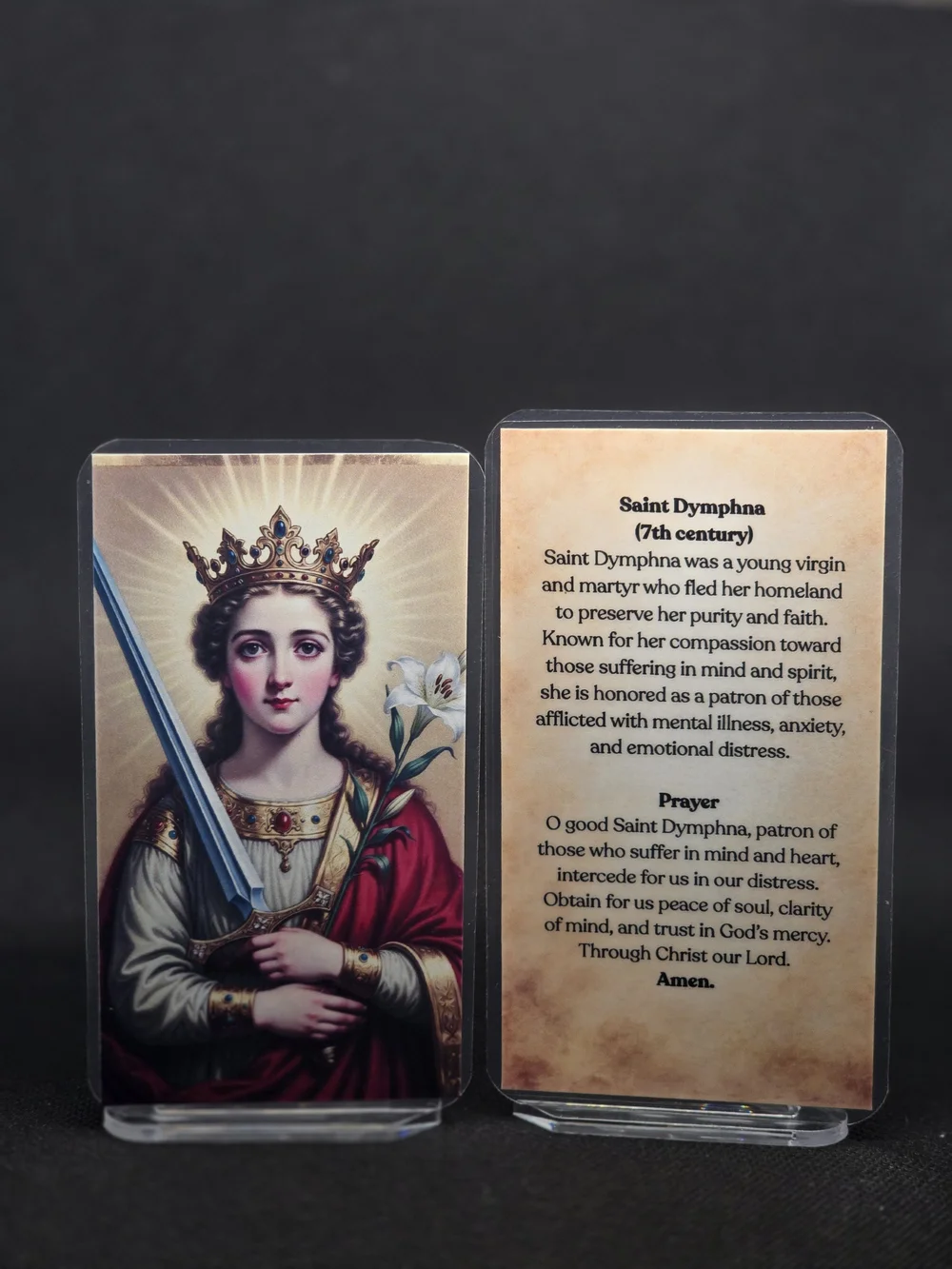
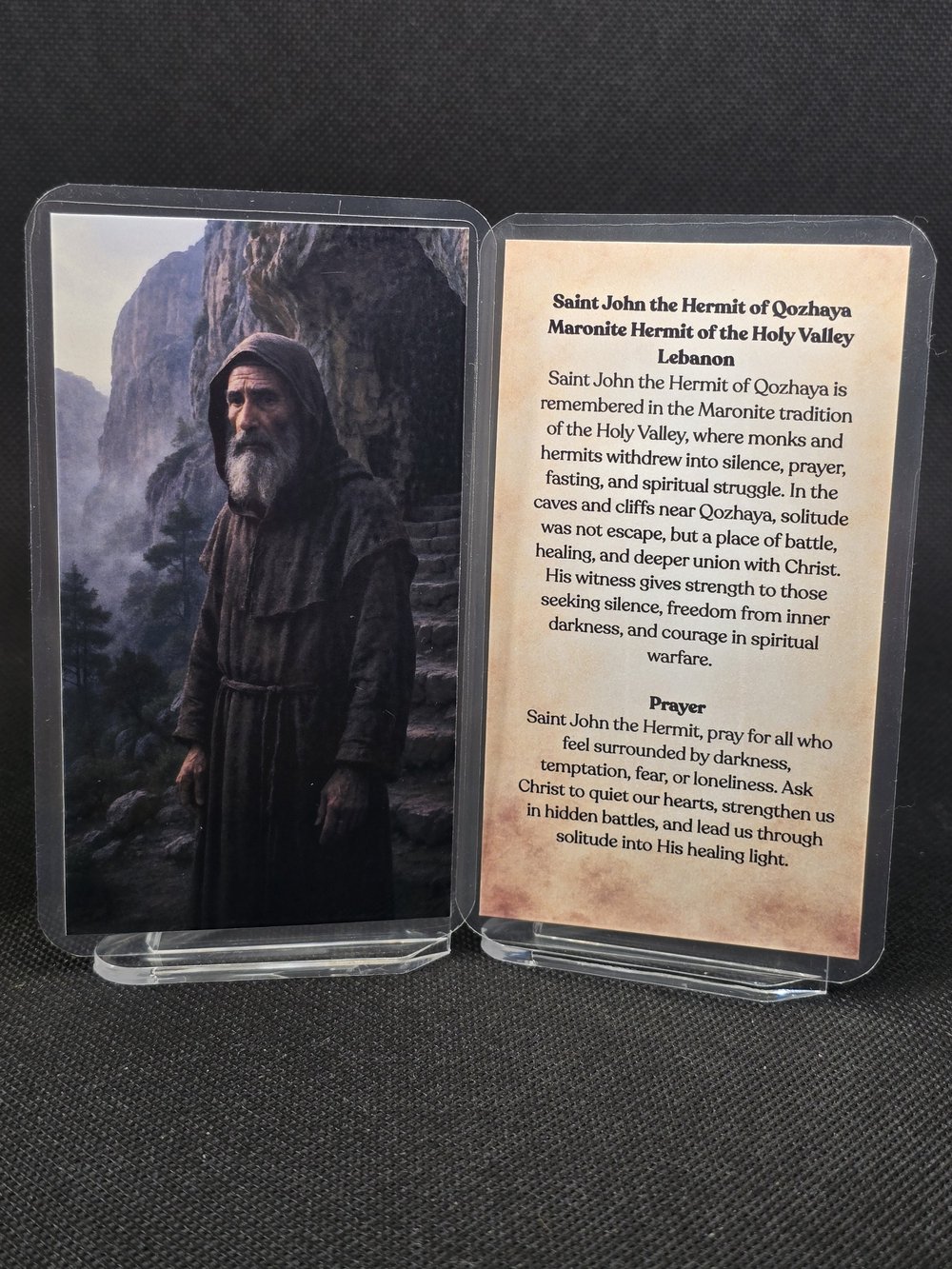
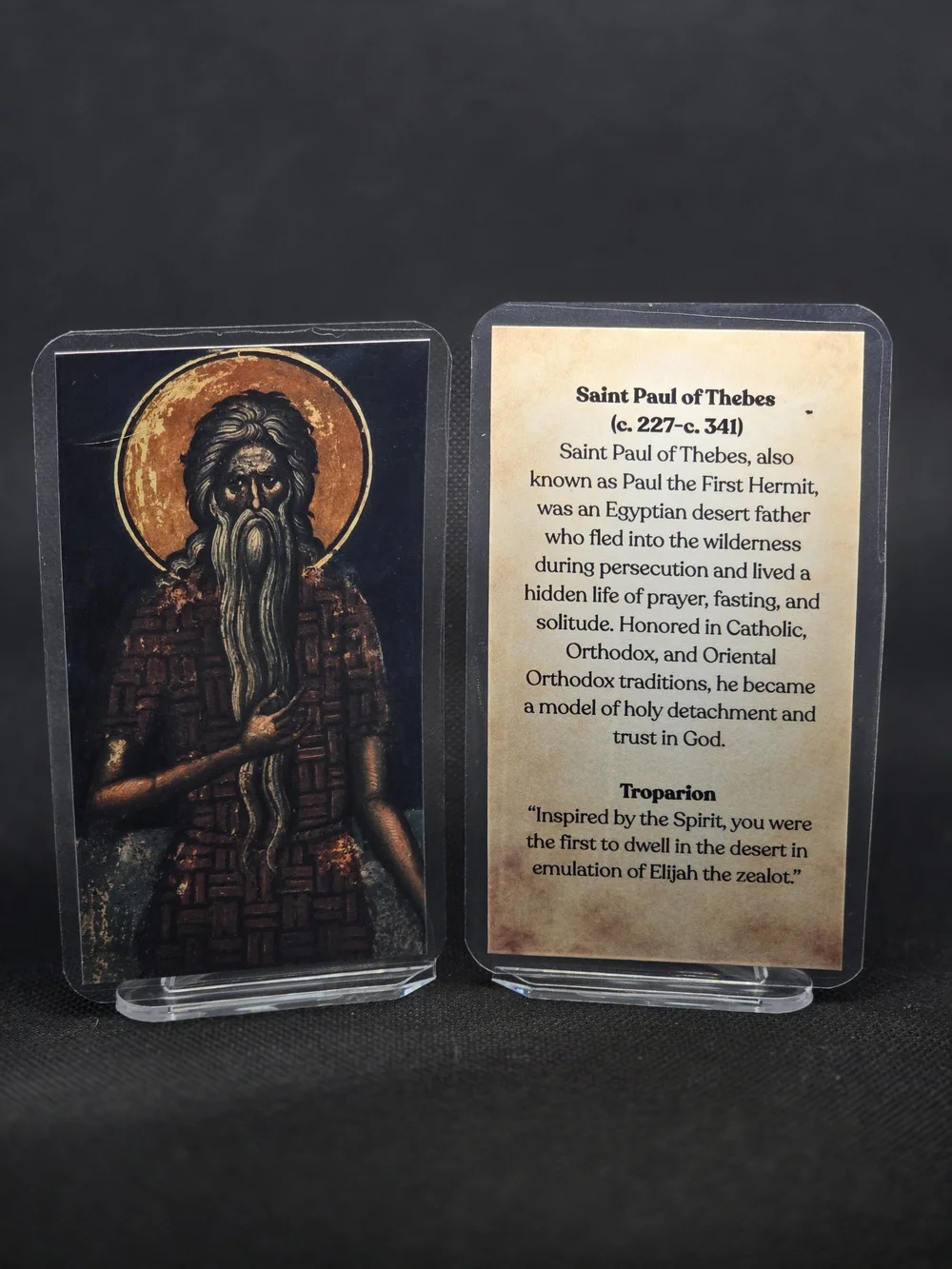
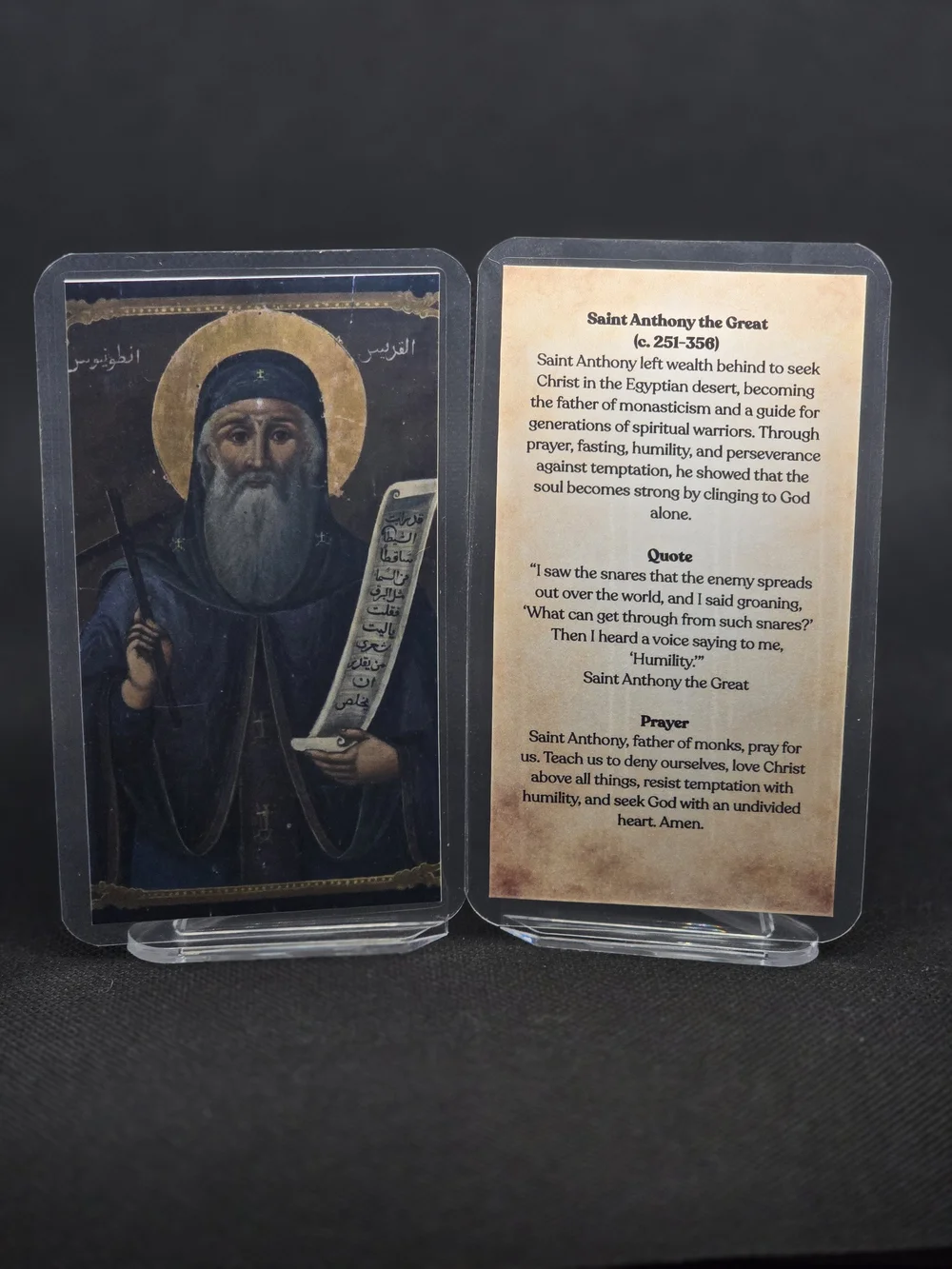
This website exists to do one thing: to make sure that every holy person who has ever lived in an apostolic Christian tradition can be found, learned from, and prayed to.

I care about all of them — Orthodox, Eastern Catholic, Oriental Orthodox, Maronite, Coptic, Syriac. If a disciple of our Lord Jesus Christ began your tradition, then every holy person who followed in that tradition deserves to be remembered. I do not think that when we stand before God at the end of our lives, He will ask which hand we made the sign of the cross with. I think He will ask only one thing: did you love Me with everything you had? And so that is what I am searching for — the people across every century and every apostolic tradition who show us what it looks like to love Jesus as fully as a human being can.

Many of these saints are obscure. Some of them may not have had a prayer offered to them in centuries. A typical day of this work means finding references — perhaps a single paragraph in an old document, a footnote in a scholarly paper, a brief mention in a martyrology — and then spending days or a week tracking down every possible source that refers to that person, piecing their story together from scattered fragments, and bringing them into a form that someone searching for them today can actually find and use.

I hope this work outlasts me. I hope that after my days on earth are over, this will remain as a place where people can find the saints they need — saints who might otherwise be lost entirely. That hope is what makes the work feel like something more than research. It is an act of preservation. An act of love, in a small way, toward people who lived and died for God and deserve not to be forgotten.

There is no great earthly financial reward in this. I want you to know that plainly, because the economics of this kind of work matter when we talk about what it means to give your work to God rather than to your own ambition. The reward is entirely in the doing, in the praying that happens during it, and in whatever God does with it after it leaves my hands.

✦ ✦ ✦

Prayer Cards as Modern Prayer Ropes

To make ends meet, I make prayer cards by hand, one at a time. And I want to tell you what that work is actually like, because I think it is the closest I have come to understanding what the monks of Mount Athos mean when they make prayer ropes.

The monks make prayer ropes — simple knotted cords — by hand, as a form of prayer and as a means of providing for the monastery. Every knot tied is a prayer offered. The work and the prayer are the same thing. They sell the prayer ropes, and the monastery survives.

When I sit down to make a prayer card, I know that someone ordered it and that someone will receive it. While I work, I pray the Jesus Prayer asking God to have mercy on the person who ordered the card and the person who will receive it, if those are different people. I pray to the saint on the card — I ask them, by name, to please pray for the person these cards are going to, because they need you in their life. That is why they ordered this card. Please do not forget them.

Making the cards is always a pleasure. I feel genuinely honored to pray for a person I have never met, who will receive something I made, not knowing that prayers were said for them while it was made. That unknowing is part of what makes it beautiful. The prayer is hidden. The person never needs to know. God knows.

This is my version of the prayer rope. It is not the same thing. But it is as close as I can get from where I am standing, and I believe God accepts the intention behind it.

✦ ✦ ✦

The Theology of the Interior Cell

Before we go further, I want to ground this in the tradition, because what I am describing is not something I invented. It is something very old that I am trying to recover in my own imperfect way.

The Eastern Church has a word: hesychia. It is usually translated as stillness or quietude. Most people, when they hear it, imagine silence — a cave above the sea, no traffic, no phones, no people. That is not what hesychia means.

Hesychia is interior stillness. It is not the absence of noise around you — it is the presence of God within you. A man can have hesychia in rush hour traffic. A woman can have it while raising three children. It is a condition of the soul, not of the environment, and the Eastern fathers have always taught that it is available to anyone who pursues it seriously through prayer and repentance.

The great teachers of hesychasm speak of the interior cell. The monk lives in a cell — a small room, a place of physical withdrawal. But the deeper tradition says that you carry your cell inside you. Your heart is your cell. And wherever you go, you can return to it.

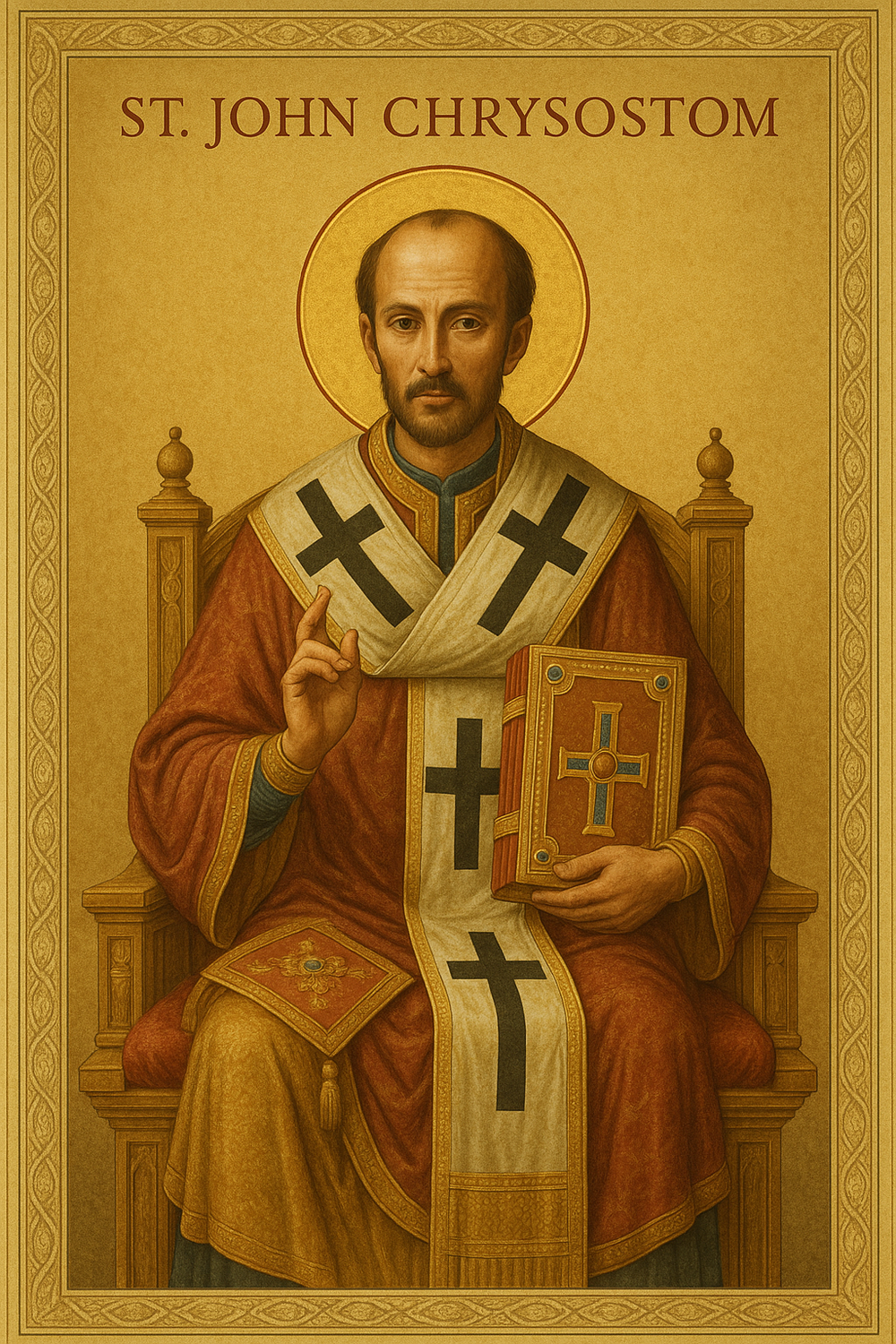
St. John Chrysostom, writing to laypeople in the fourth century, said that the only essential difference between a monk and a layperson is marriage. The pursuit of God — the interior life, the unceasing prayer, the death to self — these belong to every Christian. This is not a modern idea. It is as old as the Church.
The Jesus Prayer

Lord Jesus Christ, Son of God, have mercy on me, a sinner.

This prayer is the engine of Eastern Christian interior life. The Desert Fathers practiced it ceaselessly. The monks of Mount Athos pray it thousands of times each day. A layperson can pray it while driving, while doing manual labor, while running machinery, while filling out paperwork. There is no job on earth that prevents a person from praying internally.

The goal is not mechanical repetition. It is training — training the mind to return to God again and again, until that returning becomes the natural movement of the soul rather than an effort of will.

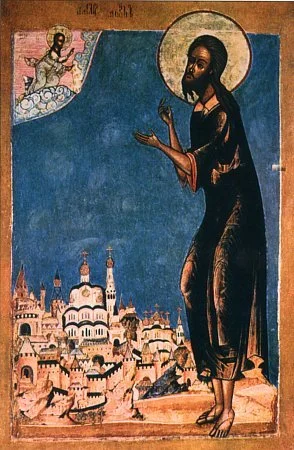
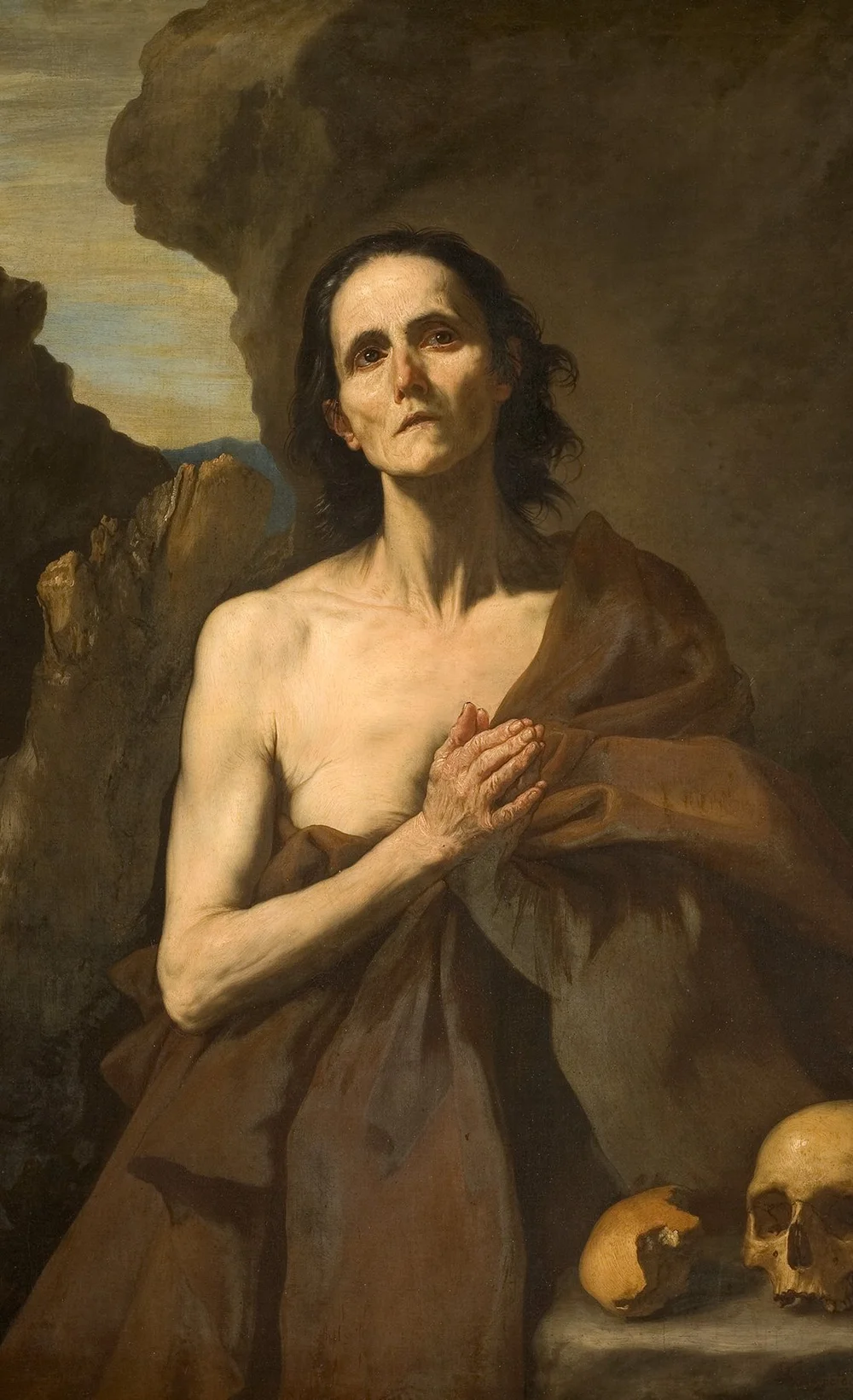
The Russian Orthodox tradition has a name for the people who lived this way across centuries of history: taynozhiteli — the "secret holy ones." Hidden saints who lived in ordinary circumstances, unknown to anyone around them, practicing interior asceticism for decades without recognition. St. Alexis of Rome returned from years of pilgrimage and lived as a beggar under his own family's staircase for seventeen years, unrecognized by everyone, including his parents, in a life of hidden prayer and poverty. He is, in many ways, the patron saint of this idea.
You are not inventing something new if you try to live this way. You are joining a tradition that stretches back to the beginning of the Church.

✦ ✦ ✦

What a Hidden Monk Is — and Is Not

I want to be honest about what I am and am not claiming here, because clarity matters.

I am not a monk. I have not been tonsured. I have made no formal vows. I do not live under obedience to an abbot. I have no right to call myself a monk, and I do not. What I am trying to do is live the spirit of the monastic life as fully as I can from where I am standing. That is a different thing, and keeping that distinction clear protects against the pride that will creep in the moment you start thinking of yourself as more than you are.

The hidden ascetic is a person who has made a decision — in their own heart, before God alone — to order their entire life toward Him. They withdraw inwardly while remaining outwardly present. They turn ordinary life into prayer. They live as though the world and its rewards are not the point, because they have concluded that the world and its rewards are genuinely not the point.

What it is not: a title, an identity, a spiritual aesthetic, or a performance. The moment it becomes any of those things, it has already become something else.

✦ ✦ ✦

The Cost: This Is Not Easier Than You Think

I have seen monks say in interviews that laypeople come to the monastery and tell them it would be so much easier to be holy if they lived in isolation, away from the noise and temptation of the world. And the monks say the same thing in reverse — that it would be so much easier to be holy if they were out there in the world, fighting temptation directly rather than sitting in a cell fighting only their own thoughts.

Both of them are right. Which means the place you are standing — in the world, not protected from it — is the hardest place of all.

A monk is protected from the world. He has a bell schedule, a rule, an abbot, brothers around him, enforced silence. He is shielded from many of the temptations that come at a layperson every hour of every day. You have none of that. You are choosing to fight the world while living inside it, which means you face both the battle the monk faces internally and every temptation of the world at the same time.

"A monk is protected from the world. You are choosing to fight it while standing inside it. That is not the easier path. It is the place where you face both battles at once."

There is no bell that wakes you for Matins. No community that keeps you accountable by their presence. No silence enforced around you. What the monastery provides by structure, you must provide by discipline and desire. If you go into this with romantic ideas about what a holy life feels like, you will quit within a month. Go into it with clear eyes instead: this is hard, the hardness is part of it, and the hardness is not a sign that you are doing it wrong.

✦ ✦ ✦

The Pillars of the Hidden Monastic Life

Pillar One

Prayer Without Ceasing

St. Paul's command to "pray without ceasing" has puzzled people for two thousand years. The monastic tradition has the answer: it means the Jesus Prayer, carried continuously through the day as an interior movement of the heart that gradually becomes as natural as breathing.

If you run machinery, you can say the Jesus Prayer. If you do paperwork, you can say it. If you drive, cook, clean, walk — you can say it. There is no occupation on earth that prevents a person from praying internally. This is not a metaphor or an aspiration. This is what the men of the desert actually did, and it is available to you right now, wherever you are, whatever your work is. It may take time to develop. But the capacity for it is already in you.

Pillar Two

Work as Worship

The monk works. He tends the garden, makes prayer ropes, copies manuscripts. His work is not separate from his prayer — it is his prayer, offered hour by hour to God. The monastery does not distinguish between liturgical time and work time. All of it is sacred. All of it is offered.

The shift that makes ordinary work into worship is this: from building something for yourself to offering something to God. Not as a one-time gesture but as a daily reorientation. Whatever your work is, ask what it would look like to give that work to God rather than to your own ambition, comfort, or financial security. Your workplace is not separate from your spiritual life. It is the arena of it.

Pillar Three

The Home as a Monastic Cell

Your home is not your comfort zone. It is your place of formation.

The monastic cell is small, sparse, and oriented toward prayer. It is not a place of entertainment or accumulation. The hidden ascetic looks at their home with the question the monk asks of his cell: does this serve my life before God, or does it distract from it? My wife and I are always downsizing — always looking for things to sell or donate, always trying to live with less. The goal is not self-deprivation. It is freedom: freedom to pray, to attend, to be present to God rather than to possessions. The home in Austin Texas can become, by slow degrees, a cell on Mount Athos. Not by looking like one. By functioning like one.

Pillar Four

Simplicity and Detachment

Possessions attach the heart. The more you own, the more you have to protect, maintain, worry about, and identify with. Simplicity is not poverty for its own sake — it is freedom. The ongoing practice of letting go, of selling and donating and choosing not to acquire, is a form of asceticism available to anyone in any income bracket. It is not about the amount. It is about the grip.

Ask, before any purchase: does this serve my life before God? If not, pass it by. Do this slowly and consistently over years, and you will find that your life has become lighter in ways that have nothing to do with the number of objects in your house.

Pillar Five

Marriage as the Highest Asceticism

If you are married, this is not a detail — it is central. Your marriage is not an obstacle to this hidden ascetic life. It is the path. The patience required to love one person selflessly over decades, through conflict and tedium and suffering, is a school of holiness that is every bit as demanding as fasting or vigil. Your spouse is not the person who makes this harder. They are the person through whom God is doing the most significant work on your soul.

My wife and I both understand this, and it did not come easily. Our marriage was hard. It was as hard as any earthly marriage is when two people are living primarily for themselves. The years of learning to use our marriage as a form of worship — of learning what that even means in practice — changed everything. That entire journey is documented in the books I have written and made available for free, because if someone else can find what we found without having to take as long to find it, that is worth more than anything I could charge for the books.

If You Are Married, Begin Here

Learning to use your marriage as a path of worship rather than treating it as a distraction from spiritual life is non-negotiable for a married hidden ascetic. These books are completely free to read online. Every one of them. No purchase required, no email required.

Read the Free Marriage Books →
✦ ✦ ✦

Secret Holiness: The Discipline of Being Unseen

This is the pillar I want to spend the most time on, because it is the one most easily lost and the one that, if lost, makes all the others hollow.

This hidden ascetic life is not intended to be seen. It is not a spiritual identity you carry into the world. It is not something you mention in conversation, signal through your choices, or perform for an audience of any kind. The moment it becomes a public thing — the moment you want others to notice your discipline, your prayer, your simplicity — it has already stopped being what it was meant to be and has become something the ego is feeding on instead.

Our Lord said to pray in secret, to fast in a way that no one can see, to give in a way that the left hand does not know what the right hand is doing. This is not modesty as a social courtesy. It is a structural requirement. Hidden holiness stays pure. Displayed holiness feeds pride, and pride is the most dangerous thing that can happen to a person trying to grow in the interior life.

"It is better to pray in a closet where your Father can see you than in front of men. If this life is used as a public display, you can almost guarantee it will not be blessed."

Let me give you a concrete example of how I try to protect this in my own life, not as a prescription but as an illustration of the principle.

Every article on this website must list an author's name. My name is listed as A Servant of God. Not because I am particularly humble — I am not — but because if anything written here is helpful to someone, I do not want their gratitude to land on me. I want it to pass through me and go directly to God. If no one can find my name, no one can thank me. What they feel instead goes somewhere better than me.

My marriage books are all written under pen names, for exactly the same reason. If someone's marriage is helped by one of those books, I do not want to receive credit for it. Let the credit go where it belongs. I only tell you this as an example of how far this principle extends — it is not a single act of humility, it is a structure built to protect against the accumulation of recognition over time.

The Prayer Rope in the Closed Hand

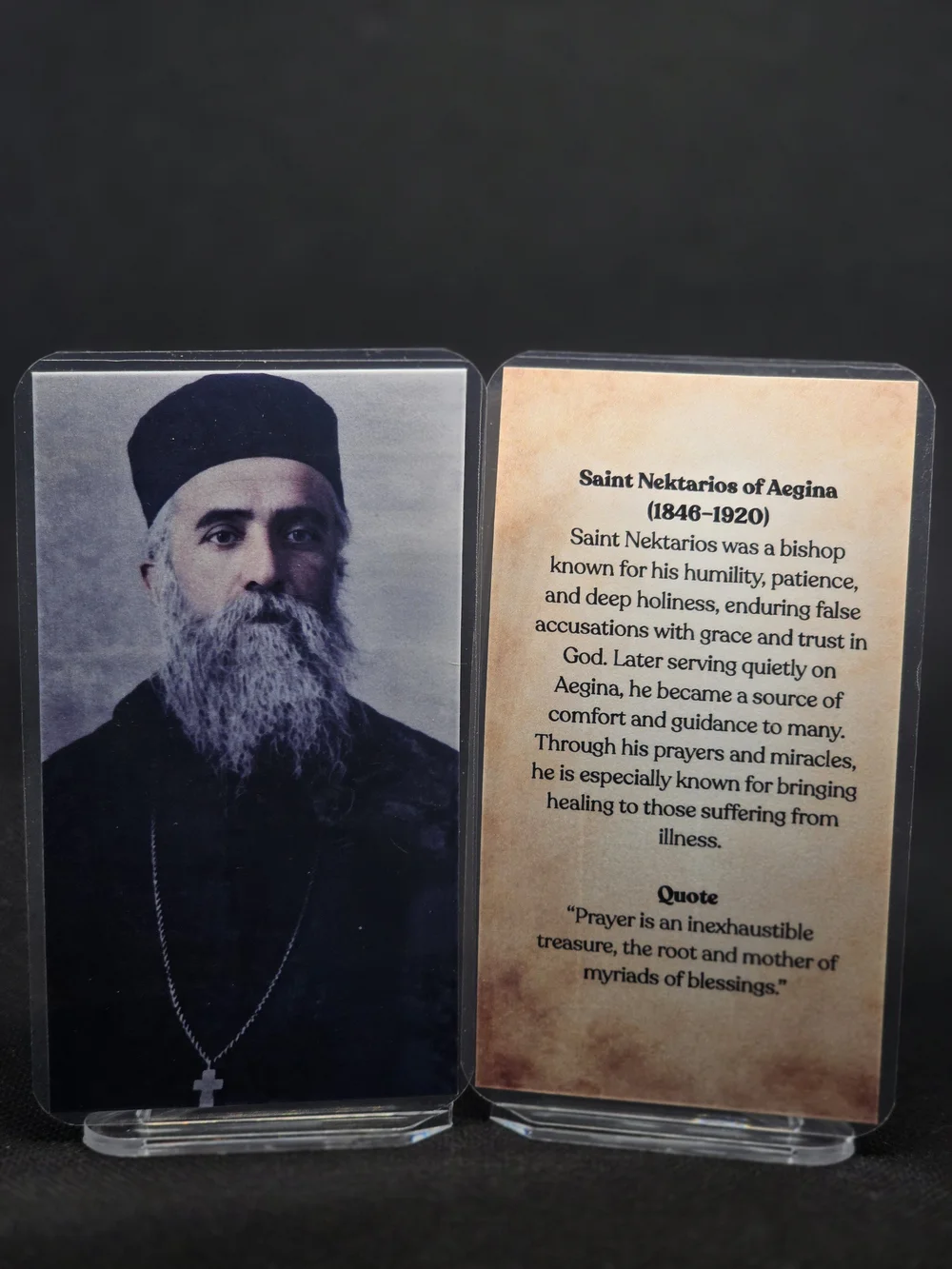
I wear a prayer rope on my wrist at all times. It has 33 knots and a simple red bead — the red for the Blood of Christ, the same reason I wear red shoes and a red shirt on Fridays. To anyone who sees it, it looks like a simple bracelet. That is entirely intentional.

When I use it in public, I hold the bulk of it in a closed palm and move through the knots with one finger. Quietly. Invisibly. In a meeting, standing in line, sitting in traffic — the prayer continues, and no one knows it is happening. Not a coworker. Not a stranger. The prayer is between me and God, which is exactly where prayer belongs.
This is not a clever trick. It is the discipline of hiddenness made physical. And it is more demanding than it sounds, because the temptation is always there to let it be seen — to let the rope show, to let someone ask about it, to have the conversation about what you are doing. Resist that. Every time you resist it, the prayer becomes a little more genuinely yours, a little more purely offered, a little less contaminated by the desire to be seen as holy.

Prayer Ropes for the Hidden Monk

Christian Prayer Rope (Mount Athos Tradition)
Traditional wool prayer rope made in the style preserved by Athonite monks. Designed to support the Jesus Prayer and the practice of inner stillness.
View on Amazon
Christian Prayer Rope (Wool Knots)
A handcrafted wool prayer rope designed for durability and comfort during daily devotions. Perfect for the pursuit of unceasing prayer.
View on Amazon
Christian Prayer Rope from Mount Athos
Handmade in the monastic tradition of Mount Athos. Each knot is tied prayerfully to assist the faithful in focus and spiritual reflection.
View on Amazon
✦ ✦ ✦

Clothing as Intentional Reminder

The body trains the soul. This is the logic behind monastic dress, behind the liturgical calendar's different colors and fasts, behind the prayer rope itself. Physical things interrupt the drift of daily life and return the mind to what matters. The hidden ascetic can use this principle without wearing anything that draws attention.

Every day I wear black pants and a black shirt, with red shoes. On Fridays I wear a red shirt. At church I wear white. None of this is visible to the world as a religious statement — they are ordinary clothes. But each choice carries a meaning that I carry with me.

Black is a reminder of death. This world is not my permanent home. I am going to die. I should be ready to leave this life at any moment, and ready to meet God when I do. Wearing black daily keeps that awareness somewhere near the surface, which changes how I relate to money, status, comfort, and everything else this world offers. The red shoes and red shirt on Fridays — Friday, the day of the Crucifixion — are reminders of the Blood of Christ. The military tradition of wearing red on Fridays to remember the deployed is behind it too: I am remembering someone who gave everything. White at church is for the holiness of the presence we are entering, a reminder before I walk through the door of what this place is and what is happening inside it.

None of this needs to be explained to anyone. The explanations live inside, and that is where they belong.

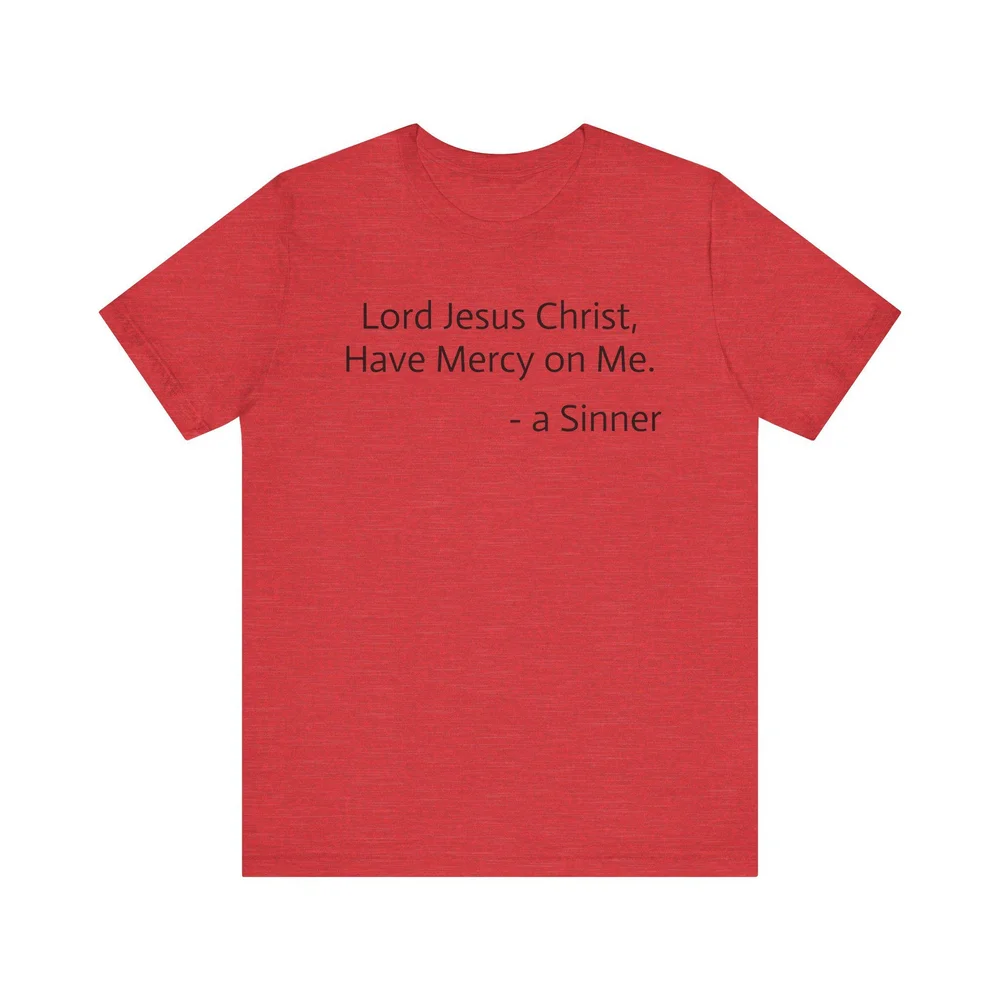
Jesus Prayer shirt — heather red — Orthodox Christian faith apparel

Jesus Prayer Shirt — Red

Worn on Fridays · The Blood of Christ

"Lord Jesus Christ, Son of God, have mercy on me, a sinner." A reminder, worn on the day of the Crucifixion, of what was given and what it cost.

Shop This Shirt
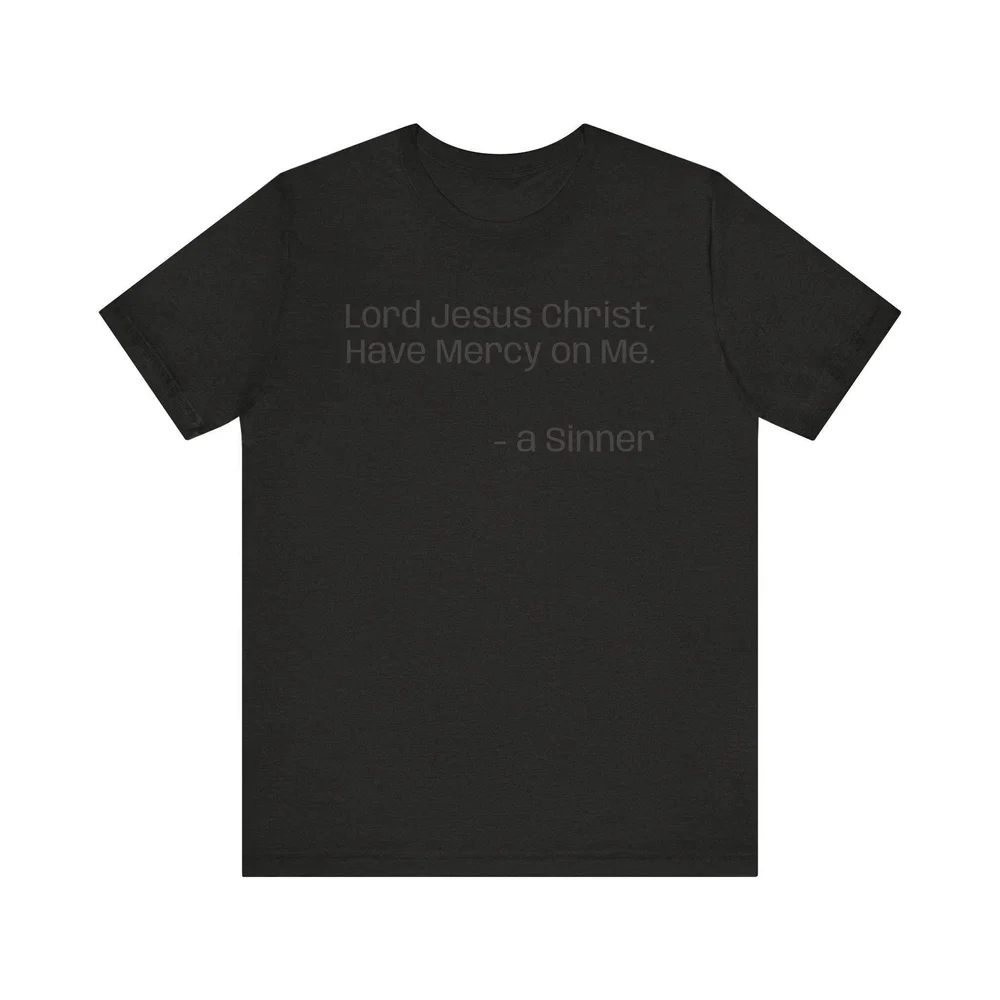
Jesus Prayer shirt — black on black — Orthodox Christian faith apparel

Jesus Prayer Shirt — Black

Worn Daily · Remembrance of Death

"Lord Jesus Christ, Son of God, have mercy on me, a sinner." A daily reminder that this world is not our home and we should be ready to leave it.

Shop This Shirt
✦ ✦ ✦

Forming Your Own Rule of Life

Every monk lives under a rule. Without it, the most sincere intentions will not survive contact with daily life. The world is very loud, very persistent, and very good at filling every available space. Without structure, prayer becomes inconsistent, attention drifts, and the ordinary slowly re-absorbs everything that was given to God.

You need a rule. But I am not going to give you one, and you should be wary of anyone who does.

A rule is not something you borrow. It is something you grow into — built from your specific life, your specific temperament, your specific state of prayer, your specific obligations. A rule that fits a man working from home will not fit a woman working a twelve-hour shift. A rule that fits a person in the early stages of this life will need to change as they deepen. What I can tell you is the shape that any rule must take: it is a rhythm of returning to God throughout the day. Something in the morning before the world enters. Something through the working hours. Something in the evening. Something before sleep. Not boxes to check — anchors placed in the current, so the drift does not carry you entirely away.

Seek a spiritual father. If you are serious about this, talk to a priest. A confessor or spiritual director is not optional decoration on a life like this — it is the guardrail that protects against pride and self-deception, the two things most likely to corrupt an interior spiritual life. Build your rule with their guidance. A rule kept imperfectly is worth far more than a perfect rule abandoned in the third week.

✦ ✦ ✦

Repentance: The Center of Everything

If you take one thing from this article, I want it to be this: this life is not, at its core, about discipline or prayer as a technique or even simplicity as a lifestyle. It is about repentance. Continuous, unhurried, daily repentance. The Jesus Prayer itself — have mercy on me, a sinner — is not a formula you add to your routine. It is an orientation toward God that names exactly who you are and what you need from Him, every single time you say it.

Without repentance at the center, everything else in this article becomes self-improvement dressed up in religious language. And self-improvement is a fine thing, but it is not the same as transformation, and it is not what the Desert Fathers were talking about.

You will fail at this daily. Your prayer will be distracted. Your intentions will collapse. You will go a week without the rule and wonder if you ever really meant any of it. This is normal. The monk in his cell faces the same thing. The difference between the hidden ascetic and everyone else is not perfection — it is the returning. The willingness to come back to God after the failure, without drama and without despair, and to begin again.
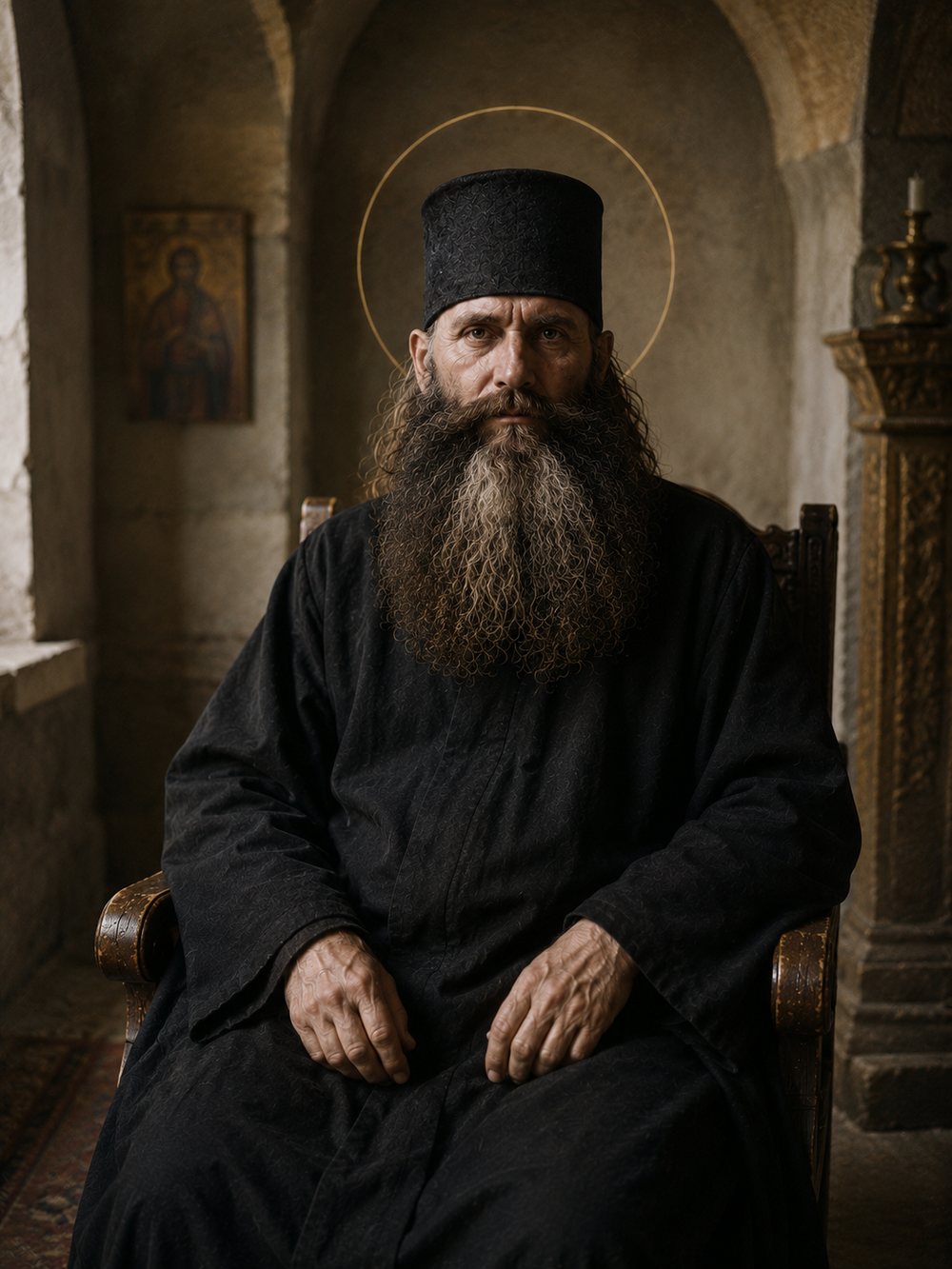
"The hidden ascetic is not the one who does this perfectly. It is the one who returns to God again and again — after every failure, after every drift, after every fall."
✦ ✦ ✦

The Lie That Keeps People From Beginning

There is a thought that sounds humble but is actually an excuse, and it needs to be named directly.

If my life were different, I could be holy. If I weren't married. If I didn't have this job. If I lived somewhere quieter. If I had more money, or less money. If my children were grown. If I had more time.

This is a lie. It is a comfortable lie, because it defers the demands of holiness to a future that never arrives — a future where the conditions are finally right, the noise has finally stopped, and God has finally become convenient to pursue.

The truth is harder and better than the lie: your current life is your path. Not a preparation for a path. Not an obstacle to a path. The path itself, given to you by God, complete with every inconvenient person and circumstance in it. The Desert Fathers did not wait for better conditions. They went into the harshest conditions they could find and discovered that God was already there. He is already in your conditions too. The question is only whether you will look for Him there, or keep waiting for an easier arrangement to arrive.

Your kitchen, your car, and your job are your monastery. You do not need to move to a different life. You need to see the life you already have differently.

✦ ✦ ✦

The Hidden Monk Is Not Isolated

One more thing that must be said clearly: this hidden life is not a private spirituality, and anyone who tells you it is is leading you somewhere dangerous.

Even the Desert Fathers had relationships with elders. Even the hermits of the Thebaid received visitors, gave counsel, and participated in the life of the Church. Total isolation in spiritual matters is not hesychasm — it is a different kind of pride, the pride of needing no one.

The sacramental life of the Church is not optional background to this path. It is the path. Regular confession. Regular reception of the Eucharist. The liturgical calendar as the structure of the year. Church not as an event you attend but as a community you belong to and are accountable within. These are not additions to the interior life — they are what keeps the interior life connected to the Body of Christ rather than spinning off into private fantasy, which is where unguided interior spirituality tends to go.

✦ ✦ ✦

You Can Begin Today

You do not need a new location. You do not need a new job, a different family, or a quieter city. You do not need to wait for a season of life that looks more like a monastery.

You need an intention. You need a structure to protect that intention. And you need a priest to help you build the structure well.

Begin with one thing. One consistent prayer before the day starts. One attempt to offer your work to God rather than to your own ambition. One act of simplification in your home. One honest conversation with a confessor. Start small, start imperfectly, start now. The hidden ascetic is not the person who has designed the perfect rule and is waiting for the perfect moment to begin it. The hidden ascetic is the person who decided to begin, right where they were, with what they had, and kept returning to that beginning every time they fell away from it.

I can tell you from experience that this life is frightening, and uncertain, and sometimes very dark. I can also tell you that eternity is a great deal longer than the time we have here, and that everything we suffer or sacrifice in this life is small compared to what the fathers of our faith have consistently said is waiting for us on the other side of it. That is not wishful thinking. That is why the monks go to the desert in the first place. It is why I deleted the website.

✦ ✦ ✦

The desert is not far away. It has never been far away. It is waiting where you are, in the life you already have, in the person you already are. Begin.

Frequently Asked Questions

Yes. The Eastern Christian tradition has always taught that holiness is not dependent on location or state of life. Marriage is not an obstacle to the monastic spirit — in the Eastern tradition, a holy marriage is itself a form of asceticism, perhaps the most demanding one available to laypeople. Patience, self-denial, and daily sacrifice toward another person over decades is a school of holiness every bit as rigorous as a monastery.
The Jesus Prayer — "Lord Jesus Christ, Son of God, have mercy on me, a sinner" — is the foundational prayer of Eastern Christian monasticism. Laypeople can pray it anywhere: while driving, working, walking, or doing manual labor. The goal is not mechanical repetition but training the mind to return to God continuously throughout the day, so that returning becomes the natural movement of the soul.
A prayer rope (komboskini or chotki) is a knotted cord used to count repetitions of the Jesus Prayer. A small 33-knot prayer rope worn on the wrist looks to everyone around you like a simple bracelet. The hidden practice is to hold the bulk of it in a closed palm and move through the knots with one finger — in a meeting, in traffic, standing in line — so the prayer continues without anyone knowing. This is not secrecy for its own sake. It is protection from the pride that comes from being seen as holy.
Hesychasm comes from the Greek hesychia, meaning interior stillness. It is not the absence of noise around you — it is the presence of God within you. A person can have hesychia in rush hour traffic. The Eastern Church has always taught that this interior stillness is available to anyone who pursues it through prayer, repentance, and the deliberate offering of daily life to God.
The greatest danger is pride — performing holiness for an audience rather than living it in secret before God alone. This is why hiddenness is essential to the whole project. If the discipline becomes something you want others to notice, it has already turned into something else. A spiritual director or confessor is a crucial safeguard. Build your rule of life with a priest, not alone.
The dark night of the soul is a period of spiritual desolation that often follows a major act of faith or renunciation. It is not abandonment by God — it is a purification. Many of the great saints experienced it. It can feel like God has gone silent, like the sacrifice was a mistake, like nothing is working. The path through it is not feeling but decision: the decision that eternity matters more than present comfort, and that the difficulty of the path does not change where it leads.
A spiritual director or confessor is strongly recommended, not optional. Interior spiritual practice without guidance can drift into pride, self-deception, or imbalance. The monastic tradition always includes an elder or abbot for this reason — not as a rule-enforcer, but as a soul's guardian. For laypeople, a trusted priest serves this role. Build your rule of life with their guidance, not from a list you read online.
The spirit of what is described here applies across all apostolic traditions — Orthodox, Eastern Catholic, Oriental Orthodox, and others. If a disciple of our Lord Jesus Christ began your tradition, then every holy person who followed in that tradition deserves to be remembered and learned from. At the final judgment, what will matter is not which hand we made the sign of the cross with. It will be whether we loved God with everything we had.
The Desert Fathers consistently taught that holiness is available to anyone who desires it with their whole heart. Many of their sayings were given directly to laypeople who came seeking counsel. The tradition is not the property of monks. It is a path of transformation open to every baptized Christian willing to pay the price — which is not location or vocation, but the daily death of self-will.
A Servant of God

Lord Jesus Christ, Son of God, please have mercy on me, a horrible sinner.

Previous
Previous

Venerable Takashi & Midori Nagai: The Complete Story of Nagasaki's Witnesses of Faith

Next
Next

The 1282 Maronite Schism: The Story of the Two Patriarchs