The Erasure of the Belarusian Greek Catholic Church
The Third Erasure of the Belarusian Greek Catholic Church
A faith that was once 80% of a nation — suppressed by the Russian Empire in 1839, crushed by the Soviets in 1939, and now legally annihilated by Lukashenko in 2026 — is being erased from the land that created it.
- What Is the Belarusian Greek Catholic Church?
- The Union of Brest (1596): Born in That Very City
- The Golden Age: When 80% of Belarus Was Greek Catholic
- The First Erasure: The Russian Empire Abolishes the Church
- The Second Erasure: Soviet Annexation & Underground Survival
- Resurrection in the 1990s
- Lukashenko and the Long Squeeze
- The 2024 Religion Law: A Legal Trap
- The Final Liquidations: Parish by Parish
- Criminalized Faith: What It Now Means to Pray
- The Arrested Priests and the Expelled
- The Russian Orthodox Church's Role
- The Silence of the Vatican
- Why This Matters Beyond Belarus
What Is the Belarusian Greek Catholic Church?
To understand what is being destroyed, you first need to understand what it is.
The Belarusian Greek Catholic Church is one of 23 Eastern Catholic churches in full communion with the Pope of Rome. That means it is fully Catholic, acknowledges the authority of the Holy Father, and is in every sense part of the universal Church. But it does not look like the Catholicism most Westerners know.
Its liturgy is the ancient Byzantine rite, celebrated in Church Slavonic and Belarusian. Its priests may be married. It uses icons rather than statues. Its calendar follows the Old Julian reckoning for feast days. It does not insert the filioque into the Nicene Creed. Its chant is Eastern, its art is Eastern, its spirituality is Eastern — and yet its theological home is Rome.
This combination — Eastern soul, Catholic communion — is not a compromise or a contradiction. It is the deliberate theological vision of the Union of Brest, signed in 1596 in the very Belarusian city now the site of the church's final legal annihilation. And in Belarus, for two and a half centuries, it was not the minority religion. It was the national faith of the Belarusian people.

The definitive scholarly overview of the Eastern Christian world — covering Byzantine, Coptic, Syriac, Armenian, and Slavic traditions. Essential background for understanding the Greek Catholic story.
View on Amazon →The Union of Brest (1596): A Church Born in That Very City
In October 1596, bishops of the Ruthenian Orthodox Church gathered in the city of Brest-Litovsk — today simply Brest, in western Belarus — and signed one of the most consequential documents in Eastern Christian history. They entered into full communion with the Holy See of Rome while retaining their Byzantine liturgical tradition in its entirety.
The Union was not imposed from outside. The initiative came from the Belarusian and Ukrainian bishops themselves. They had two primary fears: the growing domination of the newly created Moscow Patriarchate (established 1589), and the pressure to abandon their Eastern rite and become Latin Catholics. Union with Rome — on their own terms — offered a third way.
The terms negotiated at Brest were extraordinary. The Ruthenian bishops retained their Byzantine rite, Church Slavonic as the liturgical language, the Julian calendar, married clergy, Eastern canonical discipline, and the right not to insert the filioque into the Nicene Creed. In exchange, they recognized the authority of the Pope.
"The Union of Brest was proposed by the Belarusian and Ukrainian bishops themselves — not imposed by Rome." — Belarusian Greek Catholic Church History, The Eastern Church
The irony that cannot be overstated: Brest — the birthplace of this tradition — is now the city where its practice has been legally banned. The Supreme Court rejected the final appeal from the Brest parish on April 9, 2026. The city where the Union was born is the city where it was killed.
The Golden Age: When 80% of Belarus Was Greek Catholic
The Belarusian Greek Catholic Church was not a minority curiosity or a colonial imposition. It was the dominant faith of the Belarusian nation. At its peak it had roughly 1.6 million faithful, some 2,500 parishes, and a rich cultural output — Belarusian-language hymns, catechisms, prayer books, and a unique synthesis of Eastern spirituality and Western theological precision.
The church also served a critical cultural function: it preserved the Belarusian language and identity during the centuries of increasing Polonization under the Polish-Lithuanian Commonwealth. As scholar Alexander Nadson observed, what the Russian government eventually understood was that "as long as Belarusians remained Uniates, the policy of Russification was doomed to failure."

The Scriptures with extensive commentary rooted in the Church Fathers and Eastern Christian tradition — the same tradition the Greek Catholic Church preserved in Belarus for centuries.
View on Amazon →The First Erasure: The Russian Empire Abolishes the Church (1839)
The partitions of Poland in the late 18th century transferred the Belarusian lands to the Russian Empire. The new power viewed the Greek Catholic Church as a political threat — a bridgehead for Polish influence and a barrier to the Russification of the Belarusian people. The campaign to eliminate the church was gradual but systematic.
- 1826 Under Tsar Nicholas I, the sale of Uniate liturgical books is explicitly prohibited — a direct attack on the church's sacramental life.
- 1831 After the failed November Uprising, the Catholic nobility is removed from all influence in Belarusian society. The church loses its most powerful protectors.
- 1835 A "Secret Committee for the Uniate Confession" devises a formal plan for elimination. Bishop Joseph Semashko — a Russophile Greek Catholic — leads the effort from within.
- Feb 12, 1839 On the Sunday of the Triumph of Orthodoxy, Semashko convenes the Synod of Polotsk. The Union of Brest is declared null and void. 1,607 parishes and 1.2 million faithful are absorbed into the Russian Orthodox Church by imperial decree. Nearly a third of the clergy who refused were exiled to Siberia.
In 1839, the Russian Empire forced the Belarusian Greek Catholic Church out of existence using legal mechanisms, political pressure, loyal insiders who capitulated, and coercive state power. Nearly 200 years later, the Lukashenko government uses almost identical methods: a new legal framework, bureaucratic rejection without explanation, and court-ordered liquidation — with a Russian-aligned Orthodox Church in the background.
History is not merely rhyming. It is repeating with bureaucratic precision.

One of the liquidated Belarusian parishes was dedicated to Saints Cyril and Methodius — the apostles to the Slavic peoples whose missionary work laid the foundation for the entire Eastern Christian tradition in Belarus. Venerate these holy teachers of the faith.
View on Amazon →The Second Erasure: Soviet Annexation and Underground Survival
After the 1905 Edict of Toleration, an estimated 230,000 Belarusians sought to return to Rome — but the Tsar refused to allow them to form a Byzantine-rite community, forcing them into the Latin Church instead. The desire to restore the church remained central to the Belarusian national revival in the early 20th century.
When Belarus was divided after World War I, the western part fell within the reconstituted Polish state. By 1931, the Holy See had appointed an Apostolic Visitor. A Belarusian-language Uniate magazine was published. Some 30,000 people returned to the Eastern rite. There was genuine hope.
Then the Soviets came. In September 1939, the USSR annexed western Belarus. Father Anton Niemancevič — the most important Greek Catholic priest in Belarus — was appointed exarch in May 1940, arrested by Soviet security forces in 1942, and died in a concentration camp. The church was driven underground with virtually no institutional presence left on Belarusian soil. It survived in diaspora: Paris, London, Louvain, Chicago, Minneapolis. The flame was kept alive in exile.
Resurrection in the 1990s: The Church Rebuilds on Borrowed Time
When the Soviet Union collapsed and Belarus declared independence in 1991, the Greek Catholic Church came home. In 1990, Greek Catholics celebrated the first public liturgy in the Belarusian language in Minsk since 1839. Parishes were registered across the country: Minsk, Polotsk, Vitebsk, Brest, Grodno, Mahiliou, and Baranovichi.
By the early 2000s, there were roughly 20 parishes, 16 priests, and several thousand faithful. Small by any measure, but alive, legal, and rebuilding. In 2016, Apostolic Visitor Sergei Gajek consecrated the new facade of the main church in Brest. In 2023, Pope Francis formally erected an Apostolic Administration for Byzantine-rite faithful in Belarus. Then Alexander Lukashenko began closing the doors.
Pray for the Persecuted Church
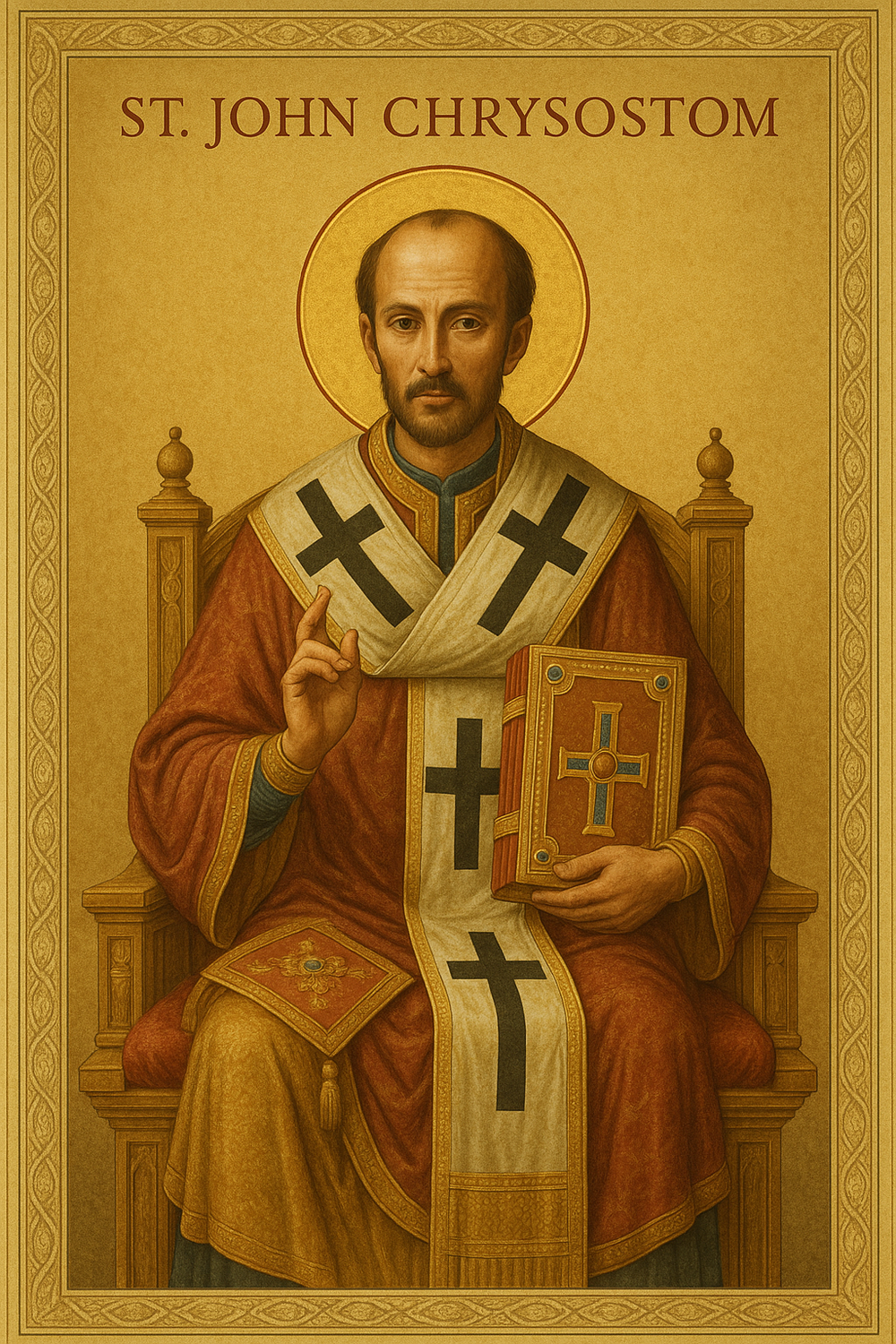
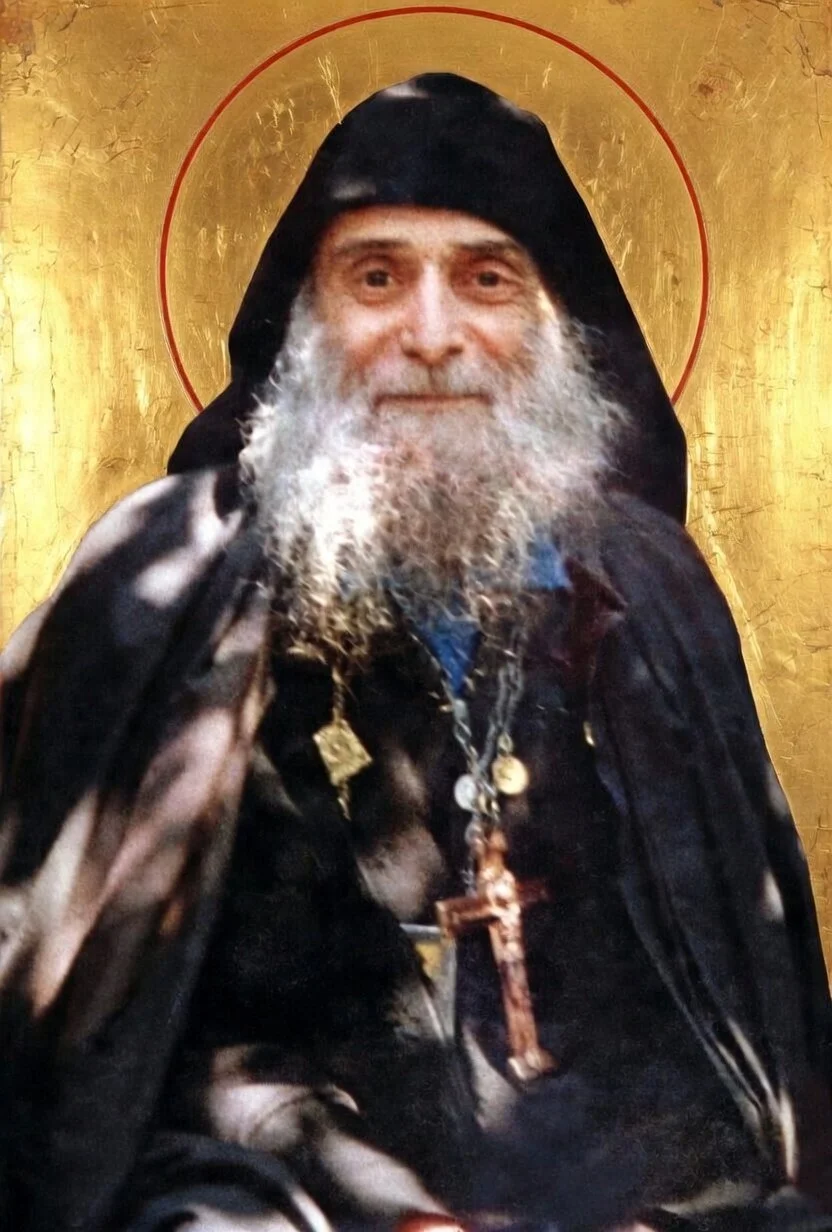
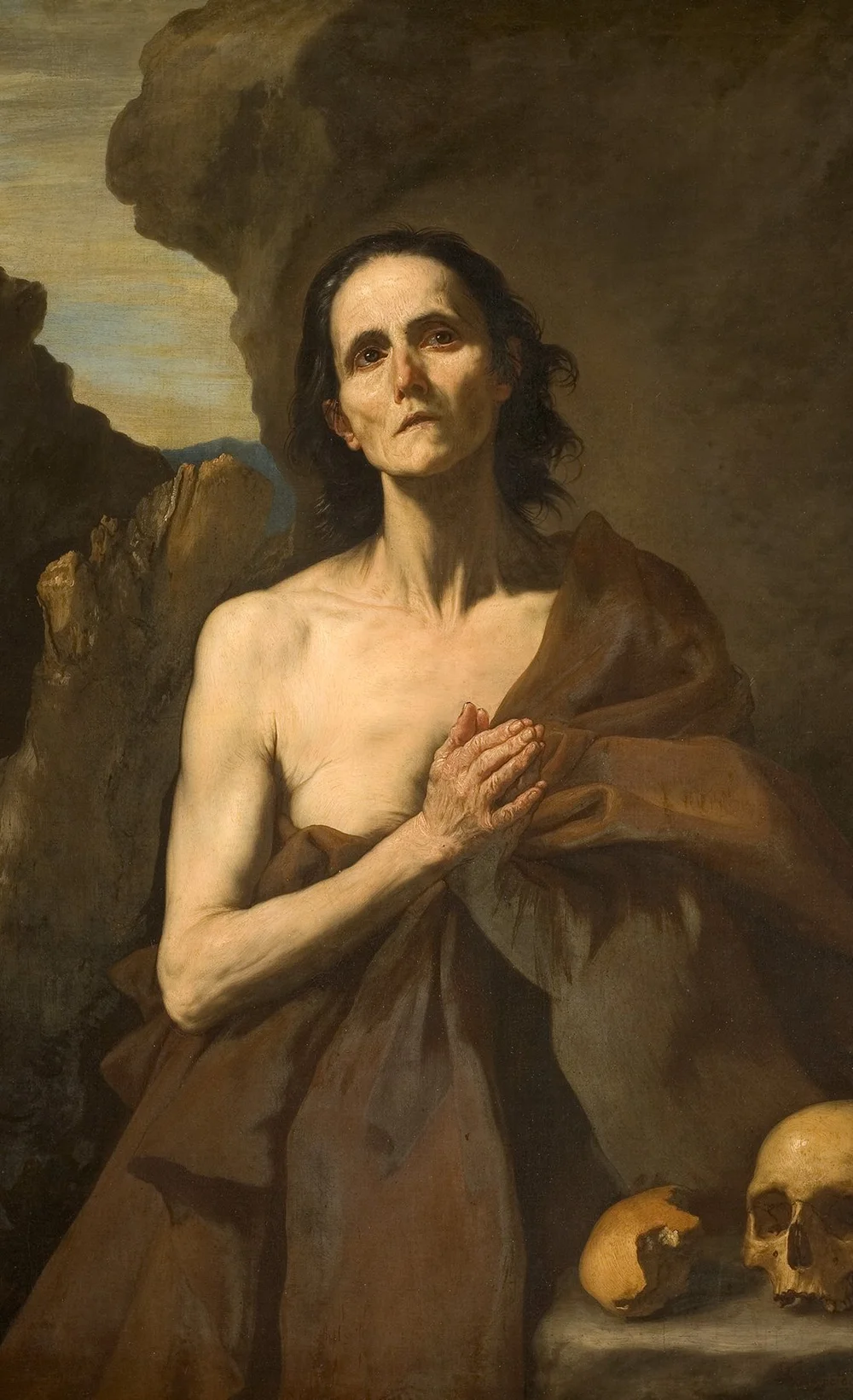
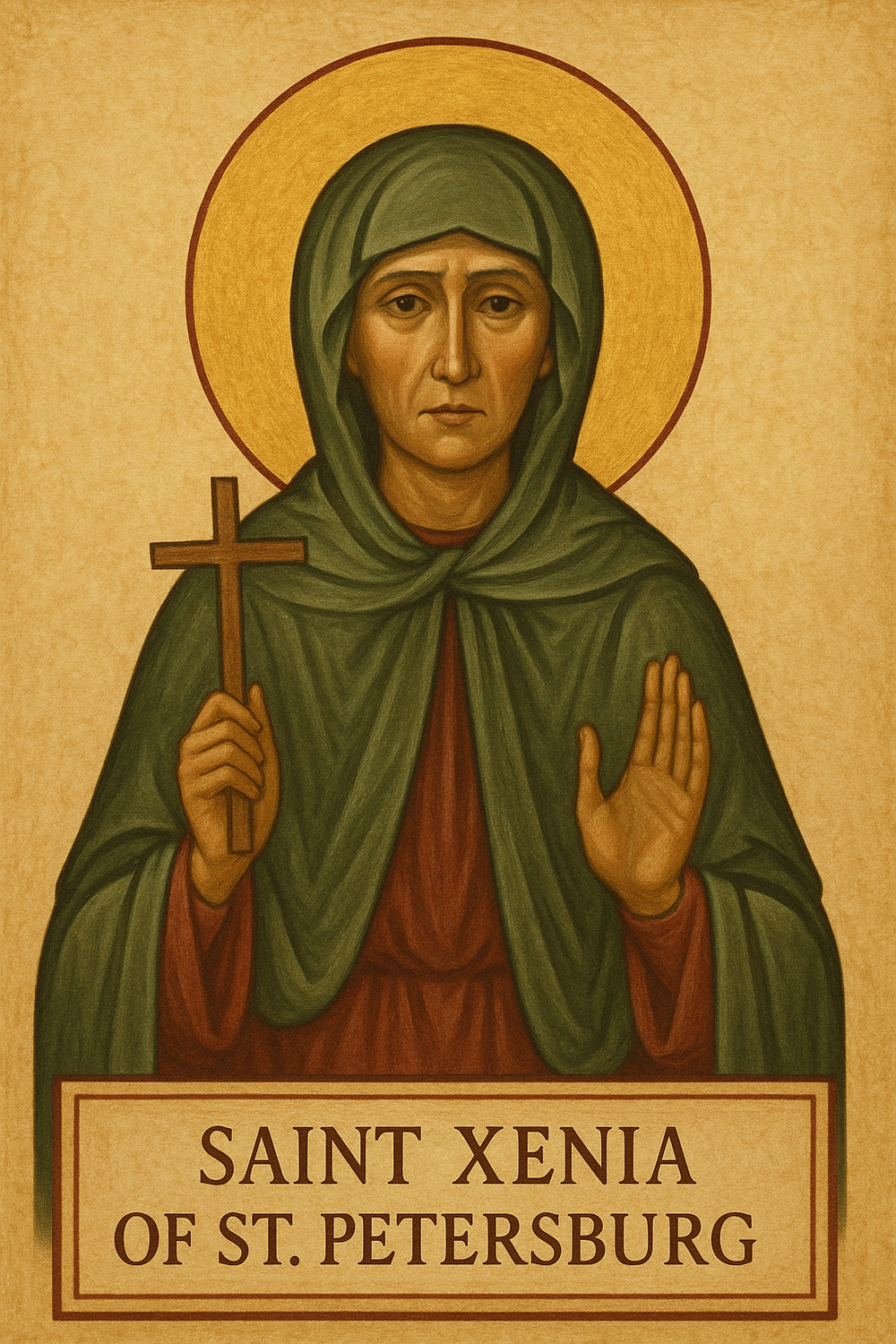
The Greek Catholics of Belarus have entrusted their faithful to the intercession of the saints. Carry these holy ones with you in prayer — Eastern saints who knew suffering, exile, and the faithfulness God asks of us in darkness.
Lukashenko and the Long Squeeze
Alexander Lukashenko has ruled Belarus since 1994, beginning his seventh term in January 2025 after claiming 86.8% of the vote in elections widely condemned as fraudulent. His 2020 re-election triggered the largest protests in Belarusian history and the most savage crackdown. More than half a million citizens fled the country. At least 1,300 political prisoners remain behind bars as of 2026.
The government's approach to Christianity follows a clear logic: the Russian Orthodox Church, tightly aligned with Moscow, is favored and protected. Any religious community perceived as independent, Western-leaning, Polish-affiliated, or distinctly "Belarusian" is targeted. The Greek Catholic Church hits all of those buttons simultaneously. It is in communion with Rome. It has historical ties to Polish culture. It celebrates liturgy in the Belarusian language. Its newspaper Cirkva was already forcibly closed in 2020.

Twice exiled for speaking truth to the powerful. The Eastern Church's greatest voice — and a patron of those silenced for their faith. His sermons on persecution and fidelity are as urgent today as the 4th century.
View on Amazon →The 2024 Religion Law: A Legal Trap
On July 5, 2024, a new Freedom of Conscience and Religious Organizations Law came into force. On its face, a routine administrative measure: all 3,500+ registered religious communities were required to re-register by July 5, 2025. In reality, it was a filter. The law prohibited religious activities deemed to infringe on Belarus's "sovereignty, constitutional system and civil harmony" — language vague enough to justify denying registration to any group the government chose to target.
Between 3 and 13 percent of local religious communities failed re-registration. Among those rejected: every Greek Catholic parish in the Brest Region. No explanation was required, and none was given.
Forum 18 contacted the Head of the Brest Regional Executive Committee's Ideology department. His response: "I can't give you any commentary by phone — unfortunately. Because I'm a state official." Then he hung up. Court Press Secretary Yuliya Lyaskova also refused to answer. No official ever specified what the parishes could have done differently. No reason was ever given.
The Final Liquidations: Parish by Parish
The three Greek Catholic parishes of the Brest Region had all been legally registered since the 1990s. They had operated peacefully for three decades — converting homes into places of worship, holding liturgies, baptizing children, burying their dead. None of this mattered.
| Parish | City | Founded | Status — April 2026 |
|---|---|---|---|
| Parish of the Zhirovitsy Mother of God | Ivatsevichi | 1998 | Liquidated — Dec. 23, 2025 |
| Parish of Saints Cyril and Methodius | Baranovichi | 1998 | Liquidated — Feb. 17, 2026 |
| Parish of the Brother Apostles Saints Peter and Andrew | Brest | 1990s | Liquidated — April 9, 2026 (Supreme Court) |
With no legally registered communities remaining anywhere in Belarus, the Belarusian Greek Catholic Church has lost its status as a recognized religious association entirely. The church that once claimed 80% of the Belarusian population now has no legal standing in its homeland whatsoever.
"We entrust the faithful of the non-re-registered parishes in Brest, Ivatsevichi and Baranovichi to the intercession of the Mother of God and the Belarusian martyrs and the prayers of people of good will." — Carkva Telegram Channel, April 2026
The faithful of these liquidated parishes now gather without a legal church. An icon — a window into heaven — can be the center of a home altar, a place of prayer when no parish exists.
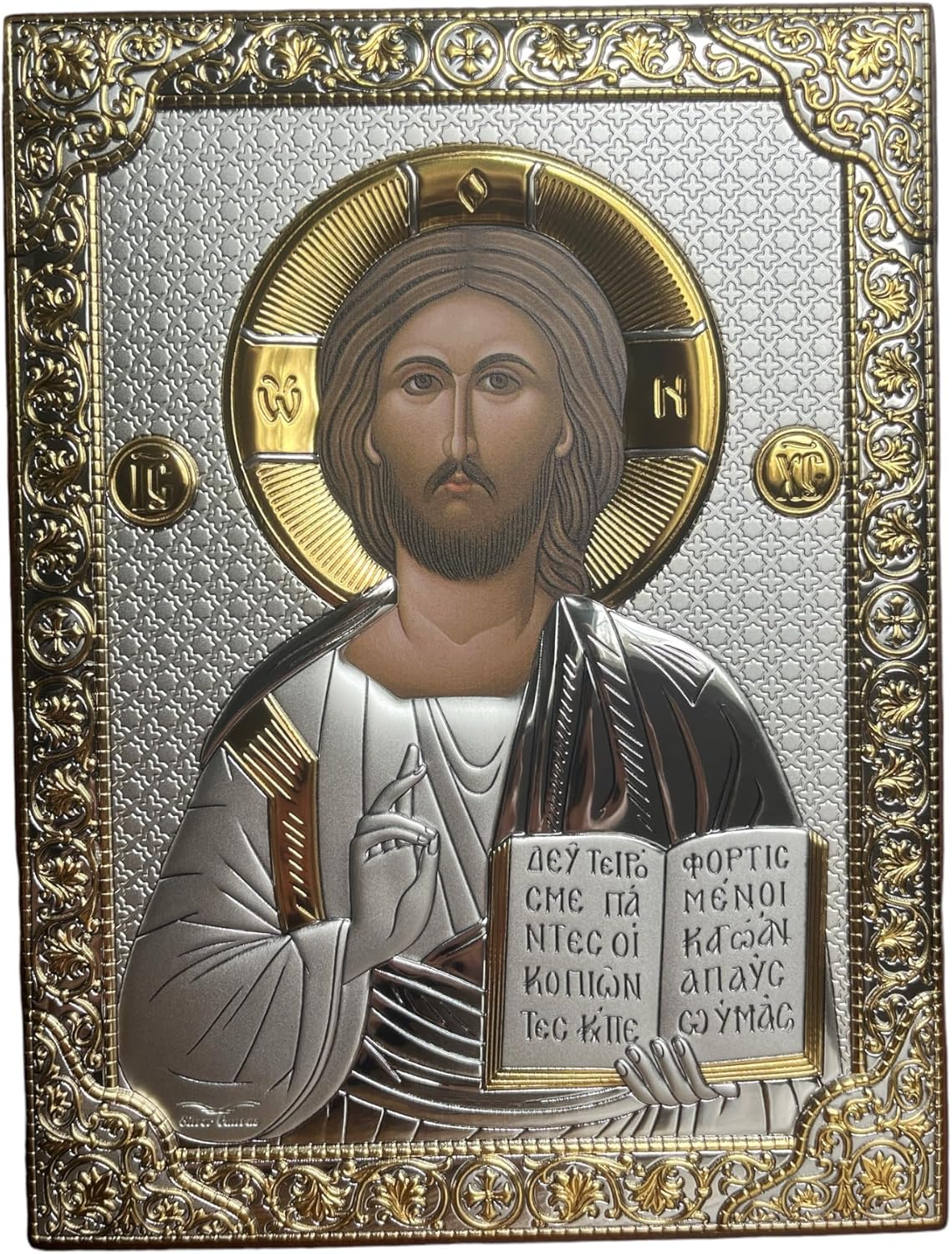
The Lord of all — the image that belongs at the center of every Eastern Christian home altar.
View on Amazon
A beloved Athos reproduction of the classic Pantocrator for your prayer corner.
View on Amazon
The harrowing of Hades — the icon of hope for a persecuted church that has survived before.
View on AmazonCriminalized Faith: What It Now Means to Pray
The liquidations are not merely administrative. They carry immediate criminal consequences for ordinary believers. Under Article 193-1 of the Belarusian Criminal Code, organizing or participating in the activity of an unregistered religious organization is punishable by a fine or up to two years' imprisonment.
If Greek Catholics in Brest gather in someone's living room for the Divine Liturgy, they are committing a crime. If a priest celebrates the Eucharist privately for a handful of people, he is committing a crime. The religion of 1596 — the religion that once defined Belarusian civilization — is now punishable by imprisonment.
The regime has also moved against the information ecosystem: Katolik.life was designated "extremist" in July 2024, its Telegram channel in August 2024, all social media pages in August 2025. Anyone in Belarus who shares, copies, or likes content from such a site faces prosecution. The community is isolated, surveilled, and legally exposed for the simple act of practicing its ancient faith.

The chotki — the Eastern Christian prayer rope — is the instrument for the Jesus Prayer. For those who cannot gather at a parish, personal prayer is the remaining act of resistance. Use this to pray for the Greek Catholics of Belarus.
View on Amazon →The Arrested Priests and the Expelled
At least five Greek Catholic clergy have been arrested in Belarus over the 2020–2026 period. The Catholic clergy has suffered similarly.
A 65-year-old Belarusian-born, Polish-trained priest who grew up an orphan and has served his rural parish since 2007. On March 16, masked KGB officers arrested him, searched his home until evening, sealed his residence, and took the church keys. Sunday Mass was cancelled the following week. As of late April 2026, he has been held for more than a month — through all of Holy Week — with no official charges disclosed, no confirmation of which agency holds him, and no information provided to Church authorities.
Once praised by the Lukashenko regime for using the Belarusian language in his sermons — later sentenced to 11 years in a penal colony for "treason against the state" at a closed-session trial. He spent more than a year in the KGB's notorious "Amerika" prison despite having previously suffered a heart attack, cancer, and stomach surgery. Released in November 2025 following Vatican intervention and immediately flown to Rome. He cannot return to Belarus. Since his release the regime has seized his property to pay "court-ordered debts."
A Polish citizen who had served his community in Belarus for 11 years. After the liquidation of the Greek Catholic parish in Ivatsevichi, he invited the now-homeless Greek Catholic faithful to worship in his Roman Catholic church. The Plenipotentiary denied renewal of his ministry license in direct retaliation. Nothing he did was illegal. He was forced to leave the country after more than a decade of ministry.
Sentenced to 13 years in a penal colony on treason charges, released in November 2025 alongside Fr. Akalatovich in the same Vatican-negotiated pardon. Currently in Rome, unable to return to Belarus. Both priests categorically rejected all accusations against them.
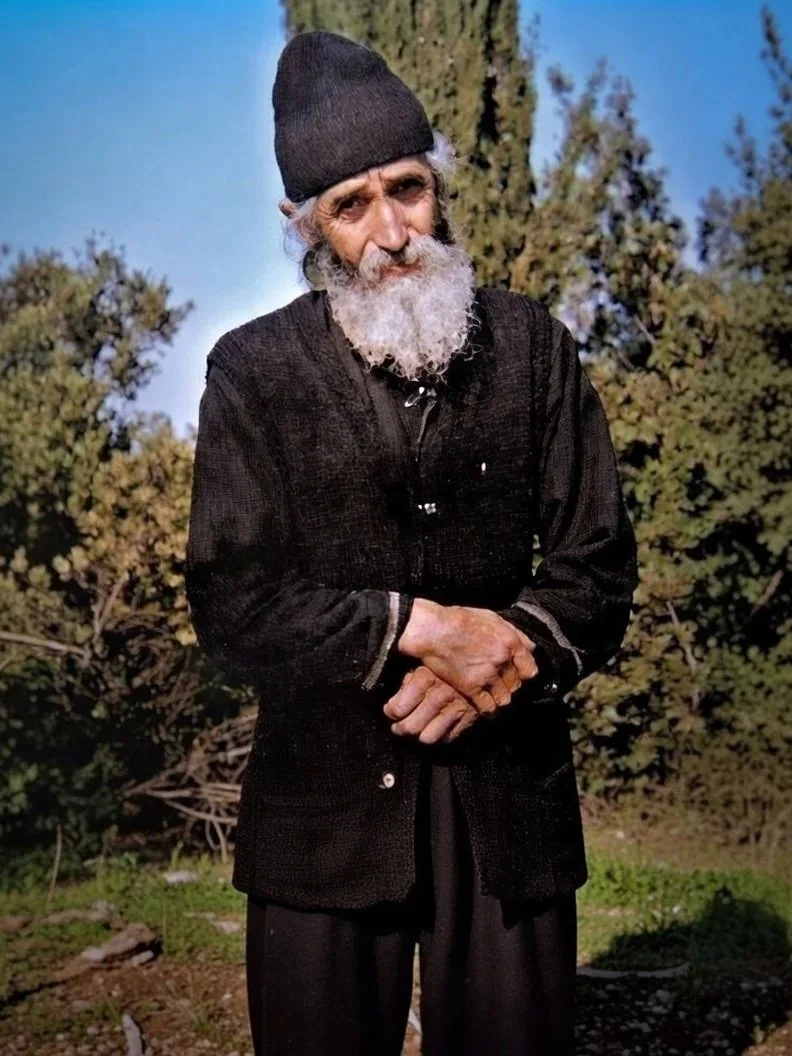
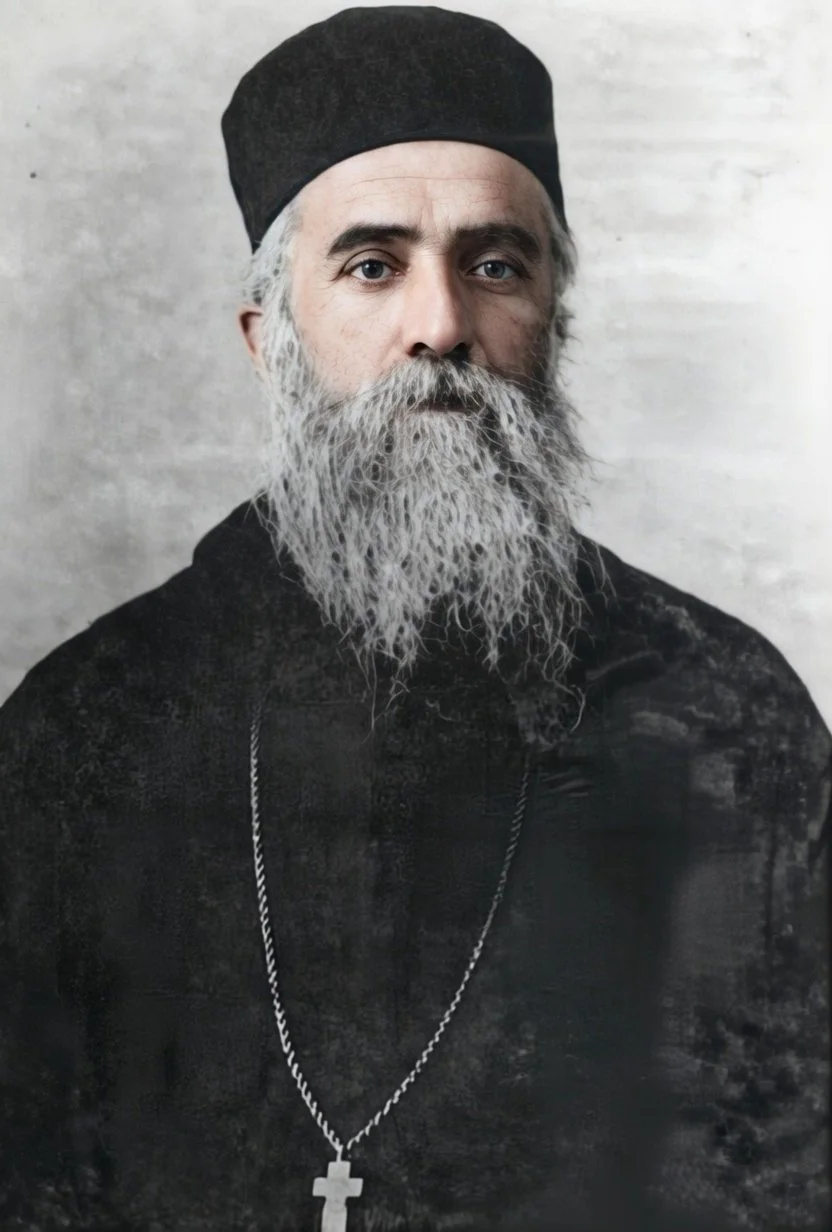
Pray with the saints who knew exile, persecution, and the hidden life of faith.
The Russian Orthodox Church's Role
The Belarusian Orthodox Church — an exarchate under the Moscow Patriarchate — has remained, in the words of Nobel laureate Ales Bialiatski, "very loyal to Lukashenko." In exchange, it is protected and favored. Multiple human rights advocates told OSV News they believe Orthodox Church leaders encouraged action against the Greek Catholic Church, whose existence challenges the narrative of Russian-Orthodox cultural unity in the Slavic world.
The hostility runs centuries deep. The forced dissolution of the church in 1839 was carried out by a Russophile bishop working from within the Greek Catholic ranks. In 2026, no bishop needs to sign anything. A legal bureaucratic procedure does the same work.

The Old Testament as used by the Eastern Church — the Greek Septuagint that the Byzantine tradition has prayed from for two millennia, including the Belarusian Greek Catholics in their centuries of liturgical life.
View on Amazon →The Silence of the Vatican and the Response of the World
The Vatican's characteristic preference for quiet diplomacy has produced some concrete results: in November 2025, two imprisoned priests were released following a visit to Lukashenko by Cardinal Claudio Gugerotti. But critics — including the most prominent Catholic dissident in Belarus — believe the Vatican's silence on the Greek Catholic liquidations has been a failure.
"Our own bishops and priests face harsh conditions, and I'm not judging them for their silence. But Western church leaders and Vatican diplomats should be helping more against current restrictions. Although prisoners rarely hear what's said and done on their behalf, it's supremely important for them to know people remain concerned." — Ales Bialiatski, Nobel Peace Prize Laureate and Catholic dissident, April 2026
Natallia Vasilevich of Christian Vision offered a bleak diagnosis: "It can take one [priest], negotiate terms with the Vatican and then just take another." Meanwhile, the Greek Catholics — too small to generate diplomatic leverage — have watched their legal existence disappear with no public acknowledgment from the Vatican's own Eastern-rite officials.

A New Testament translation rooted in the Byzantine Greek text tradition used by Eastern and Greek Catholic churches — including the Belarusian church whose faithful now meet without a legal parish.
View on Amazon →Why This Matters Beyond Belarus
What is being destroyed in Belarus is not merely a small church. It is the most ancient surviving institutional memory of Belarusian national identity. The Greek Catholic Church was the faith of 80% of the Belarusian people for two centuries. Its destruction in 1839 is identified by scholars as one of the primary reasons Belarusians lost their distinct sense of national identity and were successfully Russified.
More broadly, what is happening in Belarus is the most complete legal annihilation of a Christian church in Europe since the Soviet era. Not harassment, not restriction — legal non-existence, enforced by criminal law. The government of a European country has passed a law making it a crime to attend a specific Christian liturgy in a private home. And no one is stopping it.
1839 — The Russian Empire: Synod of Polotsk. Service books destroyed. Clergy who refused exiled to Siberia. 1.2 million faithful absorbed into Orthodoxy by imperial decree.
1939–1945 — The Soviet Union: Exarch arrested, dies in concentration camp. Church driven underground. All institutional presence eliminated.
2024–2026 — The Lukashenko Regime: Mandatory re-registration used as a filter. Court-ordered liquidation of every registered parish. Criminal penalties for worship. Clergy arrested, expelled, or exiled to Rome.
The church has survived two erasures. Whether it survives a third remains to be seen.
"Being few in number, Greek Catholics are naturally vulnerable, and it's sad and worrying that this whole confession now faces erasure in Belarus, in conditions of fear and instability, surveillance and repression." — Natallia Vasilevich, Christian Vision, April 2026
What You Need to Know
The Belarusian Martyrs Are Listening
For 430 years — through Tsars, Soviets, and now Lukashenko — this church has been forced underground, into exile, into the catacombs. The faithful have always entrusted themselves to the saints. Join your prayers to theirs.
Full History of the Church → Browse Our Store →