How to Build a Home Iconostasis: The Complete Setup Guide
Home & Devotion • Step-by-Step Guide • Icons & Iconography
How to Build a Home Iconostasis: The Complete Setup Guide
In every Orthodox and Eastern Catholic church, the iconostasis stands between the nave and the altar, a screen of icons arranged in a precise and ancient order. Bringing that same order into your home, on a single shelf or a small wall, turns an ordinary room into a place where the household can stand before Christ and His saints every single day. Here is exactly how to build one, tier by tier.
What You'll Need at a Glance
- Minimum icons
- Christ and the Theotokos (two icons)
- Ideal location
- East-facing wall, in a room used daily
- Structure
- Shelf, tiered stand, or small table
- Light source
- Vigil lamp, beeswax candle, or electric lamp
- Texts
- Prayer book and a Bible kept within reach
- Final step
- Priest's blessing of icons and space
What a Home Iconostasis Actually Is
In a church, the iconostasis is the wall of icons separating the nave, where the faithful stand, from the sanctuary, where the altar rests. It is pierced by the Royal Doors at its center, through which the priest and deacon process with the Gospel and the Eucharist. The placement of every icon on that screen follows a fixed, ancient order: Christ to the right of the doors, the Theotokos to the left, the patron saint or feast of the parish nearby, and rows of saints and feast icons rising above.
A home iconostasis is not a literal screen, since most households do not have a sanctuary to separate from a nave. It is, instead, a smaller arrangement that borrows the same theological logic, the same order of placement, the same sense of hierarchy and intention, and brings it down to the scale of a shelf, a small table, or a dedicated wall in a quiet room. This is what distinguishes it from simply gathering a few favorite icons in a corner: a home iconostasis is built, not assembled, with each icon's position chosen on purpose.
Choose the Location
Tradition holds that prayer corners face east, the direction associated with Christ's return and, in the early Church, the direction toward Jerusalem. An east-facing wall is the ideal starting point if your home layout allows it. If it does not, do not let this stop you. A quiet, respected corner that your household actually passes and pauses at matters more than perfect geography.
Choose a spot in a room used daily, a living room, a bedroom, even a hallway nook, rather than a guest room or basement that sees little traffic. The iconostasis is meant to be a living part of the household's rhythm, not a museum piece tucked out of the way. Avoid placing it directly across from a television or in a space dominated by other visual clutter; the icons need room, visually and spiritually, to draw the eye.
Choose Your Shelf or Stand
The structure itself can be as simple as a single floating shelf mounted at eye level, or as developed as a small tiered icon stand with multiple levels for different categories of icons. Many families begin with a simple wooden shelf or a small side table, then grow into a dedicated icon case or multi-tier stand as their collection of icons expands over the years.
What matters more than the furniture itself is stability and reverence. Icons should stand upright where possible, supported by an easel-back frame, a small stand, or leaned securely against the wall, rather than laid flat or stacked on top of one another. If you are storing icons before placing them, always face them inward toward each other rather than stacking them face-down, which protects the painted surface from scratching.
The Correct Order — Right, Left, and the Tiers
This is the heart of building an iconostasis correctly rather than simply decorating with icons. The order is not arbitrary; it mirrors the layout of the Royal Doors on a church iconostasis, and once you understand the logic, you will recognize it in every Orthodox or Eastern Catholic church you ever walk into.
(or central feast icon)
From this central pair, the arrangement builds outward and upward in recognized tiers. Few home setups will include all of these, and that is entirely appropriate; even a single shelf with just Christ and the Theotokos correctly placed is a complete and proper iconostasis. The tiers below are a guide for those who want to grow their setup intentionally over time.
A practical note for small spaces: if your shelf only fits two or three icons, prioritize in this order: Christ, the Theotokos, then your patron saint. Everything else can wait for a second shelf or a larger stand down the road.
Choosing the Icons Themselves
Icons for a home iconostasis can be wood-mounted, canvas, metal, or printed on quality cardstock, and all of these are appropriate for home veneration. What matters more than the medium is that the icon is treated with the dignity its subject deserves: displayed upright, kept clean, and never used as mere decoration disconnected from prayer.
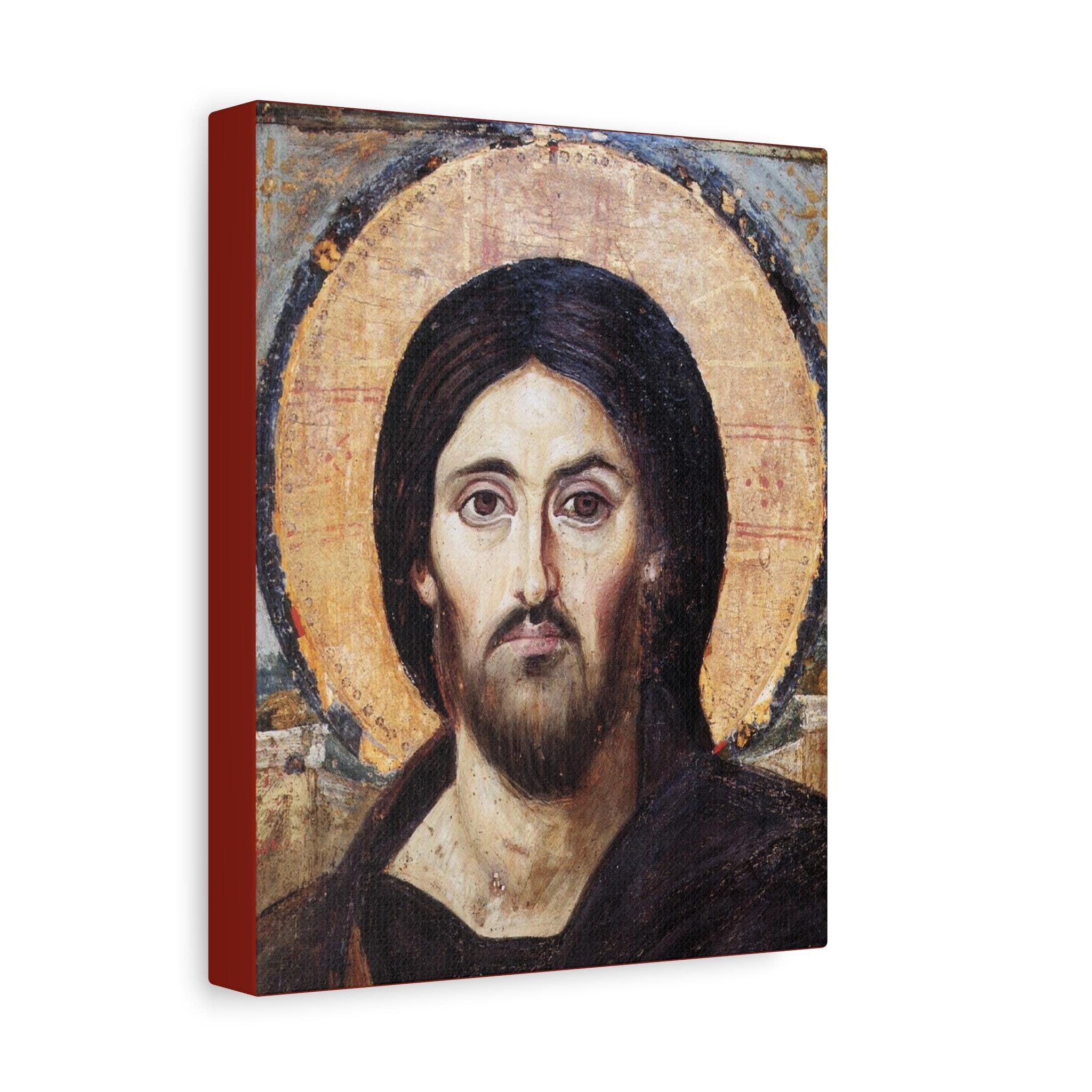
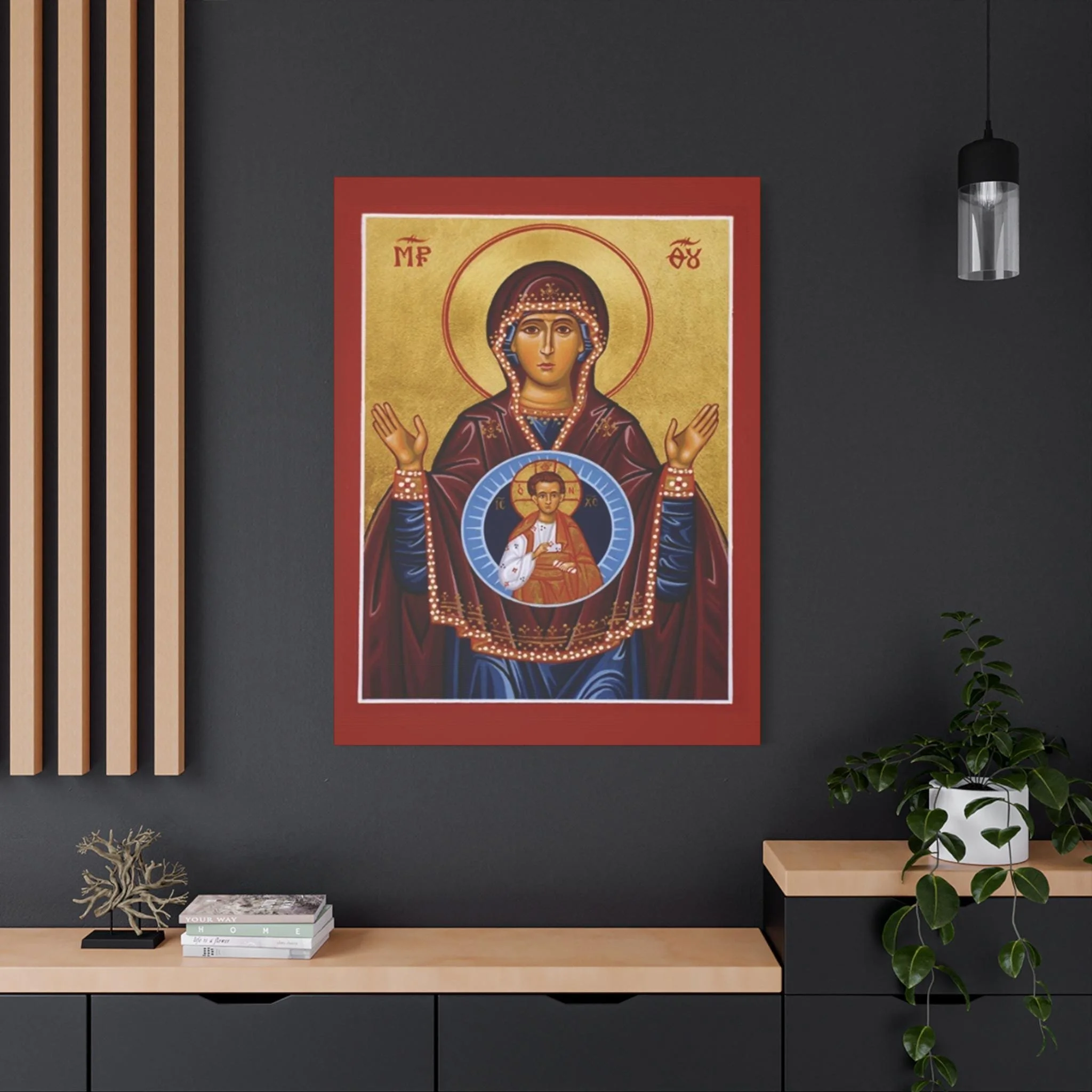
For the central pair, the Christ Pantocrator and an icon of the Theotokos, such as the Vladimir or Hodegetria type, are the most traditional and widely available choices. Below are several well-suited options to anchor your central tier.
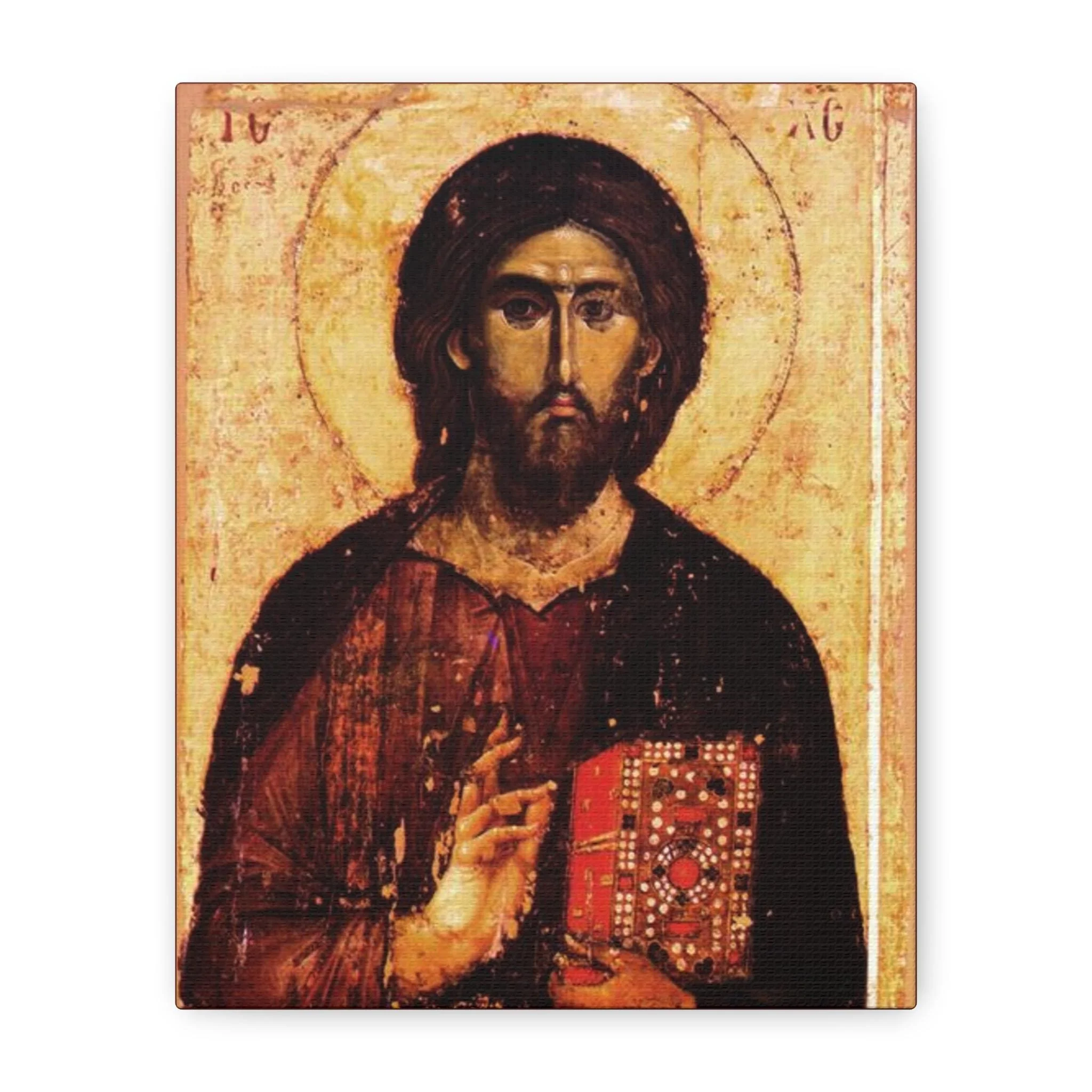
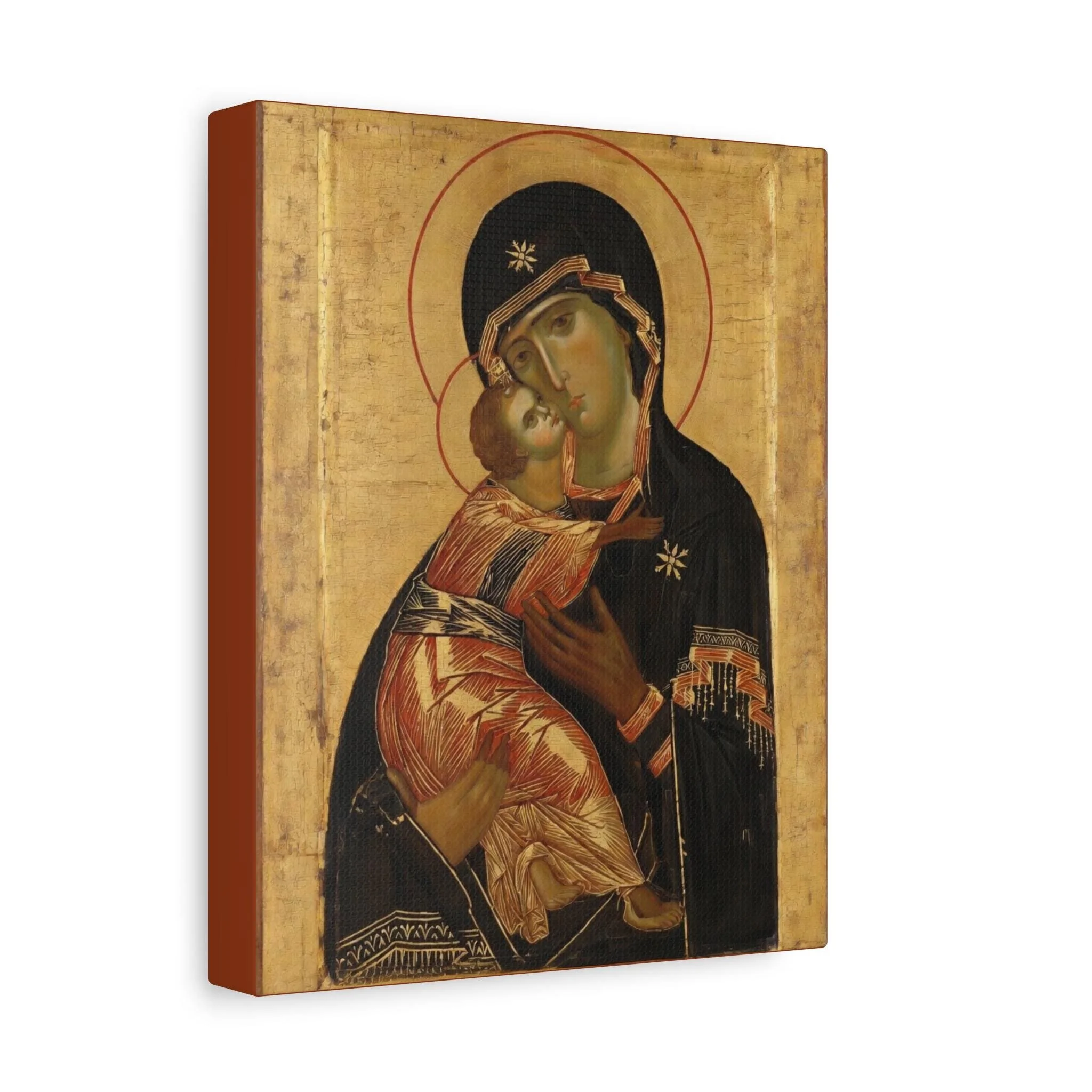
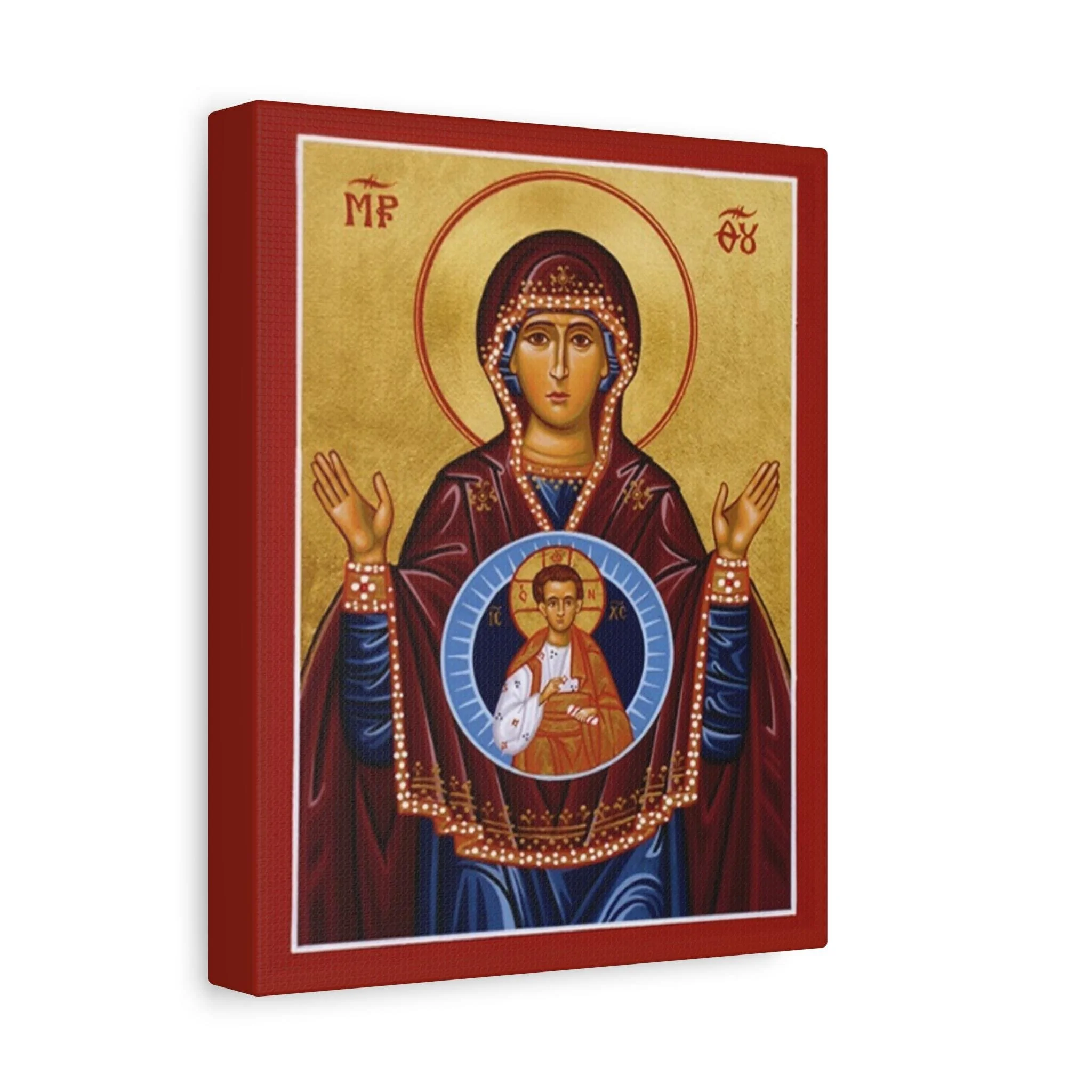
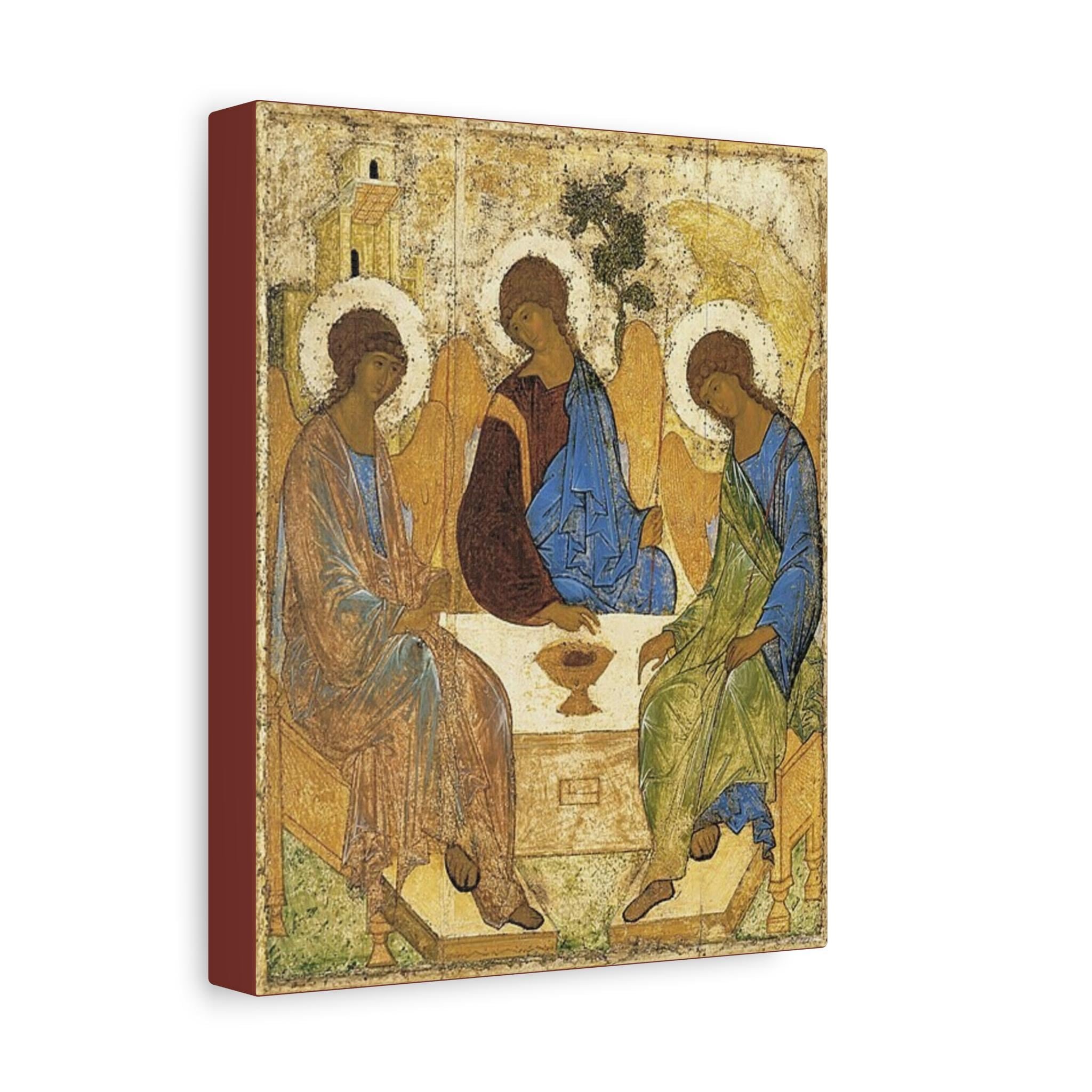
For the feast tier, an icon of the Holy Trinity, such as the Rublev type, makes a beautiful and theologically rich addition above the central pair if your wall space allows it.
If you are still deciding between styles, sizes, and materials, our full Orthodox and Catholic Icon Buyer's Guide walks through wood-mounted, canvas, and silver icon options in depth.
Add Light
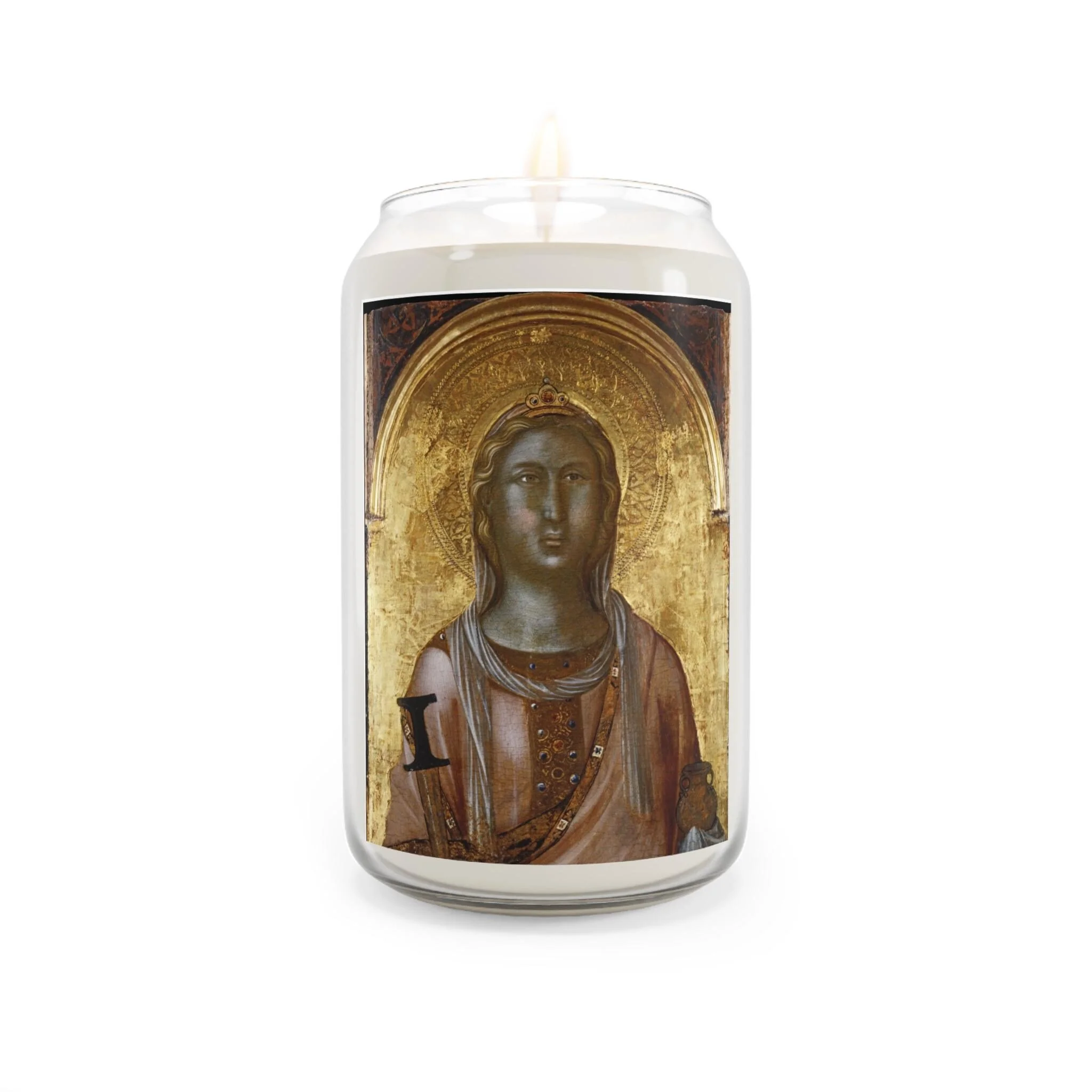
Light is one of the oldest and most consistent symbols in Christian worship, recalling Christ as the light of the world and echoing Psalm 141's image of prayer rising like incense before a lit lamp. Traditionally, an oil vigil lamp or a beeswax candle burns in front of the central icons, often lit at the start of morning and evening prayers and extinguished afterward.
If open flame is a concern, whether because of small children, pets, or simply a busy household where a lamp might be left burning unattended, a small electric vigil lamp is a completely acceptable and widely used alternative. The light itself carries the symbolic weight, not the fuel source. Whatever you choose, place it where it cannot be knocked over and never leave a live flame burning in an empty room.
Prayer Books, Cross, and Holy Items
An iconostasis is not complete as a purely visual arrangement; it is meant to be used. Keep a daily prayer book and a Bible within arm's reach of the space, whether on the shelf itself or on a small table beside it, so that morning and evening prayers can happen right there rather than requiring a search through the house first.
A small blessing cross is a traditional addition as well, often kept on the shelf or hung just above the central icons. Over time, many households also accumulate holy items tied to specific memories: holy water from a house blessing, a relic, blessed oil, a baptismal or wedding candle. These accumulate naturally and should never be rushed; a home iconostasis is meant to grow alongside the life of the household that prays before it.
Recommended Bibles and Prayer Texts


Have It Blessed
Once your icons are in place, it is traditional, and strongly encouraged, to ask your priest to bless the completed iconostasis and the icons within it, ideally with holy water. Many priests will pray special prayers over newly acquired icons specifically, and some parishes will set new icons on the altar during a Divine Liturgy before they are taken home, allowing them to participate in the worship of the Church before they ever enter a household's prayer corner.
House blessings are commonly performed around the feast of Theophany, when priests visit parish homes, and this is an excellent time to have a completed or newly expanded iconostasis blessed if you have not already done so. That said, do not feel you must wait for a formal blessing before beginning to pray there. Setting up the space reverently and beginning to use it is itself an act of faith; the blessing affirms and deepens what is already a holy use of the space.
Living With Your Iconostasis Daily
An iconostasis that is dusted once and never visited again has missed the entire point of building one. The space is meant to anchor a daily rhythm: morning prayers said standing or kneeling before it, the lamp lit and later extinguished, the sign of the cross made on entering and leaving the room. Many families gather there briefly before meals or before bed, even if only for a single Trisagion or the Lord's Prayer.
Let the space grow slowly and honestly rather than trying to complete it all at once. A household that begins with two icons and ten years later has a full multi-tier stand with a dozen saints has not done anything wrong by starting small; that gradual growth mirrors the gradual growth of the spiritual life itself.
Build Yours — Recommended Icons for Every Tier

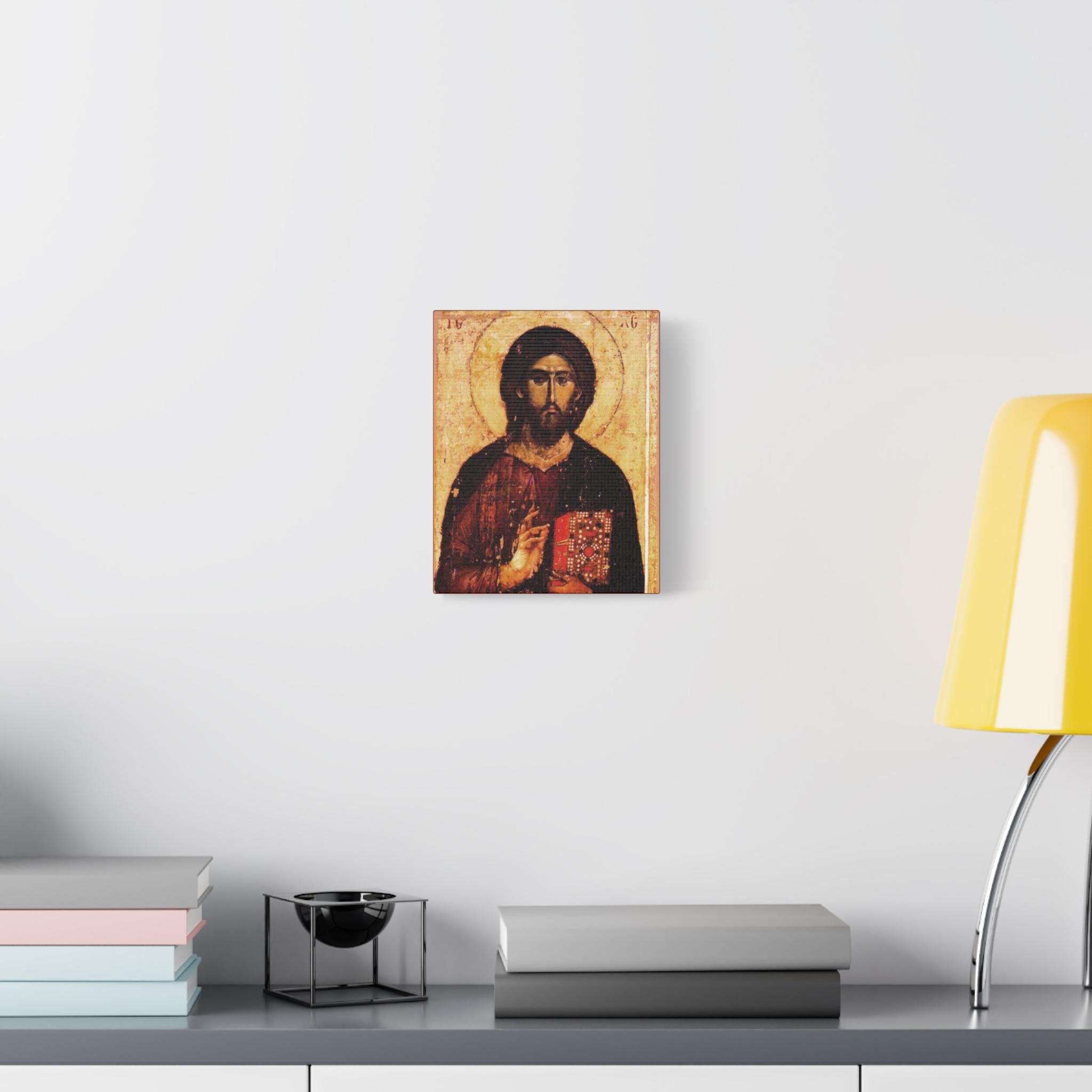
For wood-mounted and sterling silver icon options, including diptychs suited to a central tier, see our curated picks below.
Frequently Asked Questions
A Shelf That Becomes a Sanctuary
You do not need a church-sized icon screen to bring the iconostasis home. Two icons, placed in the right order, in a corner your family actually uses every day, is enough to begin. Everything else, the tiers, the lamp, the prayer books, the saints gathered one by one over years, grows from there.
Shop Icons for Your Iconostasis →