Orthodox Saints for Healing Cancer
History, Theology, and the Living Practice of the Church
Cancer is not a modern word, but it is not a modern fear either. From the earliest centuries of Christianity, believers faced illnesses that wasted the body, brought prolonged suffering, and often ended in death. Long before chemotherapy, radiation, or modern diagnostics, Christians were already asking a question that remains unchanged today:
Where is God when the body is failing?
In the Orthodox Church, the answer has never been abstract. It has always been personal, communal, and embodied. Healing prayer, including prayer for serious and life-threatening illness, developed not as a theory but as a lived response to suffering within the Body of Christ.
Healing in the earliest Church
From the beginning, Christianity understood healing as inseparable from salvation. The Gospels present Christ not only as teacher and redeemer, but explicitly as Physician. Healing miracles are not side stories. They are signs of the Kingdom breaking into a wounded world.
The earliest Christians continued this understanding after Christ’s Ascension. In the Book of Acts, healing occurs through the apostles and through prayer offered in faith. Importantly, these healings are not treated as magic or technique. They are always relational and rooted in communion with God.
As the Church spread, Christians continued to pray for the sick in three interconnected ways:
Directly to Christ
Through the prayers of the gathered Church
Through the intercession of holy men and women who had already finished their earthly race
This third practice did not appear suddenly or as a later addition. It emerged naturally from the Church’s belief that death does not sever communion.
Why Orthodox Christians pray to saints for healing
Orthodox Christianity does not see the saints as distant figures frozen in the past. The saints are alive in Christ. They are members of the same Church, now glorified, still active in love.
This belief rests on several foundations:
Christ is the God of the living, not the dead
The Church is one Body across heaven and earth
Love does not end at death
Prayer is an act of communion, not a transaction
Because of this, asking a saint to pray for someone with cancer is not fundamentally different from asking a fellow Christian to pray. The difference is not in power, but in nearness to God and freedom from earthly limitation.
The saints do not heal. God heals.
The saints intercede.
Serious illness and the rise of healing intercession
As Christianity became more established, patterns began to emerge in how believers prayed during prolonged or incurable illness. Certain holy men and women became known as especially compassionate intercessors for the sick, not because they advertised healing, but because people experienced help when praying with them.
Over time, stories accumulated. Some were dramatic. Some were quiet. Some involved physical healing. Others involved peace, endurance, or unexpected clarity in suffering.
Importantly, the Orthodox Church has never limited healing to the removal of disease alone. Healing also includes:
Strength to endure treatment
Reconciliation within families
Release from fear
Trust in God’s will
A peaceful death when healing does not come as hoped
This wider understanding matters deeply when speaking honestly about cancer.
Cancer and Orthodox prayer before modern medicine
Before the modern era, cancer was rarely diagnosed by name, but it was recognized by experience. Tumors, wasting diseases, unexplained pain, and slow bodily decline were familiar realities.
In these situations, Orthodox Christians relied on:
Prayer services for the sick
Anointing with oil
Fasting and almsgiving offered for the suffering
Pilgrimage to holy places
Prayer before wonderworking icons
Personal devotion to saints known for compassion and healing
These practices were not alternatives to care. They were the care available. Healing was sought not in isolation but within the sacramental and communal life of the Church.
Wonderworking icons and cancer healing
In Orthodox life, icons are not decorations or illustrations. They are windows into the Kingdom of God. Some icons become associated with healing not because of superstition, but because of repeated testimony of answered prayer.
One of the most widely known icons associated with cancer healing is the icon of the Mother of God known as Theotokos Pantanassa, meaning “Queen of All.”
This icon, venerated especially in the Orthodox world, became associated with cancer healing after repeated reports of relief, remission, and strength granted to those who prayed before it with faith. Accounts range from physical healing to unexpected peace during aggressive treatment.
The Orthodox Church does not force belief in miracles. It does not require them. But it does not dismiss testimony either. When prayers are answered repeatedly in the same context, the Church listens.
Modern miracle testimony and living memory
One of the unique strengths of Orthodoxy is its continuity into the modern world. Healing miracles did not end in antiquity. They continue quietly, often without publicity.
In the twentieth and twenty-first centuries, Orthodox Christians have documented numerous cases of:
Unexpected remission after prayer
Tumors shrinking or disappearing
Medical outcomes that doctors could not explain
Profound peace replacing terror during terminal illness
These testimonies are not used as proof or pressure. They are offered as hope.
A recurring pattern in modern Orthodox miracle accounts is humility. Many who experience healing do not publicize it. Many priests and monasteries intentionally avoid sensationalism. This restraint preserves the spiritual integrity of healing prayer.
How Orthodox prayers for cancer are typically offered
Orthodox Christians rarely pray for cancer in a casual or one-time way. The tradition emphasizes faithfulness over intensity.
Common approaches include:
Daily intercessory prayer
A short, repeated prayer offered daily, often before an icon, builds spiritual endurance. This steadiness matters more than eloquence.
Akathists and canons
Longer hymn-prayers addressed to Christ, the Mother of God, or a specific saint help structure prayer when words fail.
Prayer services for the sick
These may be offered privately or in church, especially before surgery or during treatment.
Anointing
Holy Unction is not only for the dying. It is a sacrament of healing and mercy.
Naming the person
Orthodox prayer often names the sick person aloud. Cancer can make someone feel invisible. Naming restores dignity.
What Orthodox healing prayer does and does not promise
Orthodoxy does not promise that every cancer will be cured. It does promise that no suffering is meaningless when united to Christ.
Many prayers explicitly ask not only for healing, but for:
Acceptance of God’s will
Strength to endure
Forgiveness of sins
Peace of soul
Protection from despair
This honesty is one reason Orthodox prayer remains credible to people walking through serious illness.
Why this matters today
Modern medicine has transformed cancer treatment, but it has not removed fear, isolation, or the need for meaning. In fact, the more complex treatment becomes, the more people feel spiritually unmoored.
Orthodox prayer for cancer does not compete with medicine. It accompanies it. It reminds the suffering person that they are not a problem to be solved, but a person to be loved.
The saints stand within that love, praying with the Church, not above it.
Theotokos Pantanassa
Faith tradition: Orthodox Christianity (venerated across jurisdictions)
Why Orthodox Christians pray to her for cancer:
The icon of the Mother of God known as Pantanassa, meaning Queen of All, is one of the most widely known Orthodox devotions connected with cancer healing. This association arose through repeated testimony of answered prayers, including remission, relief from suffering, and unexpected peace during treatment. In Orthodox theology, the Theotokos is the foremost intercessor for humanity, always leading prayers toward Christ.
How Orthodox Christians pray with her:
Praying the Akathist to the Theotokos
Praying before the Pantanassa icon daily, even briefly
Asking for healing, strength during treatment, and trust in Christ
Combining prayer with fasting or almsgiving when possible


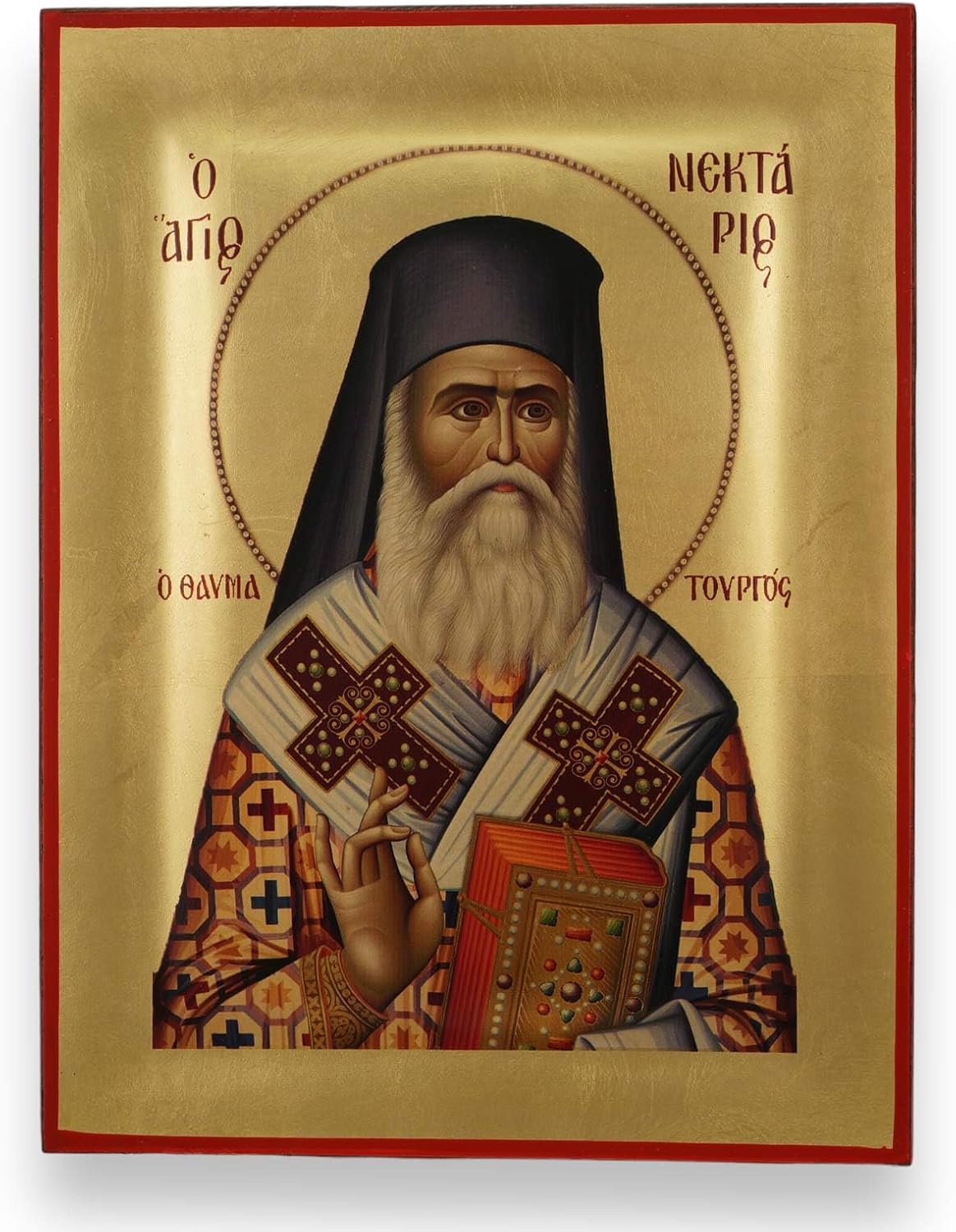
Saint Nektarios of Aegina
Faith tradition: Greek Orthodox
Why Orthodox Christians pray to him for cancer:
Saint Nektarios is one of the most beloved modern Orthodox saints associated with healing. Many faithful turn to him specifically for serious and life-threatening illnesses, including cancer. His life of humility, unjust suffering, and patience has made him a powerful intercessor for those enduring prolonged illness.
How Orthodox Christians pray with him:
Praying an Akathist or Supplicatory Canon to Saint Nektarios
Asking directly for healing and for peace regardless of outcome
Reading his life during treatment to strengthen patience and hope
Asking his prayers for doctors and caregivers as well


Saint Luke of Crimea
Faith tradition: Russian Orthodox
Why Orthodox Christians pray to him for cancer:
Saint Luke was both a bishop and a physician. He suffered persecution while continuing to practice medicine with faith and courage. Because of his medical background and holiness, Orthodox Christians often ask for his intercession during surgeries, chemotherapy, and long treatment cycles.
How Orthodox Christians pray with him:
Asking for wisdom for physicians and surgeons
Asking for steadiness during medical decisions
Praying for unity between faith and medicine
Invoking him before appointments or procedures

Saint Panteleimon
Faith tradition: Orthodox Christianity
Why Orthodox Christians pray to him for cancer:
Saint Panteleimon is one of the Great Unmercenary Healers. He treated the sick freely and was martyred for his faith. While he is not associated exclusively with cancer, he is one of the first saints Orthodox Christians turn to when illness is severe or overwhelming.
How Orthodox Christians pray with him:
Short daily prayers asking for healing of body and soul
Asking for endurance and courage during pain
Praying his Akathist or troparion when available
Asking for mercy even when healing feels distant


Saint Matrona of Moscow
Faith tradition: Russian Orthodox
Why Orthodox Christians pray to her for cancer:
Saint Matrona is deeply loved as a compassionate intercessor. Though blind and physically weak in life, she is remembered for comforting those in distress. Many Orthodox faithful pray to her for serious illness, including cancer, especially when fear and despair feel heavy.
How Orthodox Christians pray with her:
Speaking honestly and simply in prayer
Asking her to carry fear and confusion to Christ
Praying her Akathist or Canon
Asking for peace within the home during illness


Saint John Maximovitch
Faith tradition: Russian Orthodox (ROCOR)
Why Orthodox Christians pray to him for cancer:
Saint John is remembered for tireless pastoral care and intercession for those in suffering. Many faithful pray to him during serious illness because of his reputation as a wonderworker and his deep compassion for the afflicted.
How Orthodox Christians pray with him:
Asking for healing and for a holy outcome
Asking for strength for family members and caregivers
Praying before his icon during times of fear
Asking for trust in God when outcomes are uncertain


Saint Paisios of Mount Athos
Faith tradition: Greek Orthodox (Mount Athos)
Why Orthodox Christians pray to him for cancer:
Saint Paisios himself endured cancer with remarkable faith, patience, and peace. Because he personally walked this path, many people struggling with cancer feel deeply understood when praying to him. His teachings emphasize trust in God without denial of suffering.
How Orthodox Christians pray with him:
Asking for courage to face illness honestly
Asking for peace of heart rather than panic
Reading his words on suffering during treatment
Asking for spiritual clarity during fear


Saint Charalambos
Faith tradition: Orthodox Christianity
Why Orthodox Christians pray to him for cancer:
Saint Charalambos has long been invoked in Orthodox prayer during times of plague, illness, and widespread suffering. Because cancer often feels like a private plague within the body, many faithful turn to him for deliverance and mercy.
How Orthodox Christians pray with him:
Asking for protection from fear and despair
Praying during times of aggressive treatment
Asking for spiritual strength even if healing does not come
Praying his troparion or Akathist

Saint Cosmas and Damian
Faith tradition: Orthodox Christianity
Why Orthodox Christians pray to them for cancer:
The Holy Unmercenaries Cosmas and Damian are prayed to collectively for healing. Many Orthodox Christians invoke them when illness requires long-term medical care, seeing them as companions alongside doctors.
How Orthodox Christians pray with them:
Asking for healing without financial or emotional burden
Asking for compassion in medical environments
Asking for harmony between prayer and treatment
Simple repeated invocation during difficult days


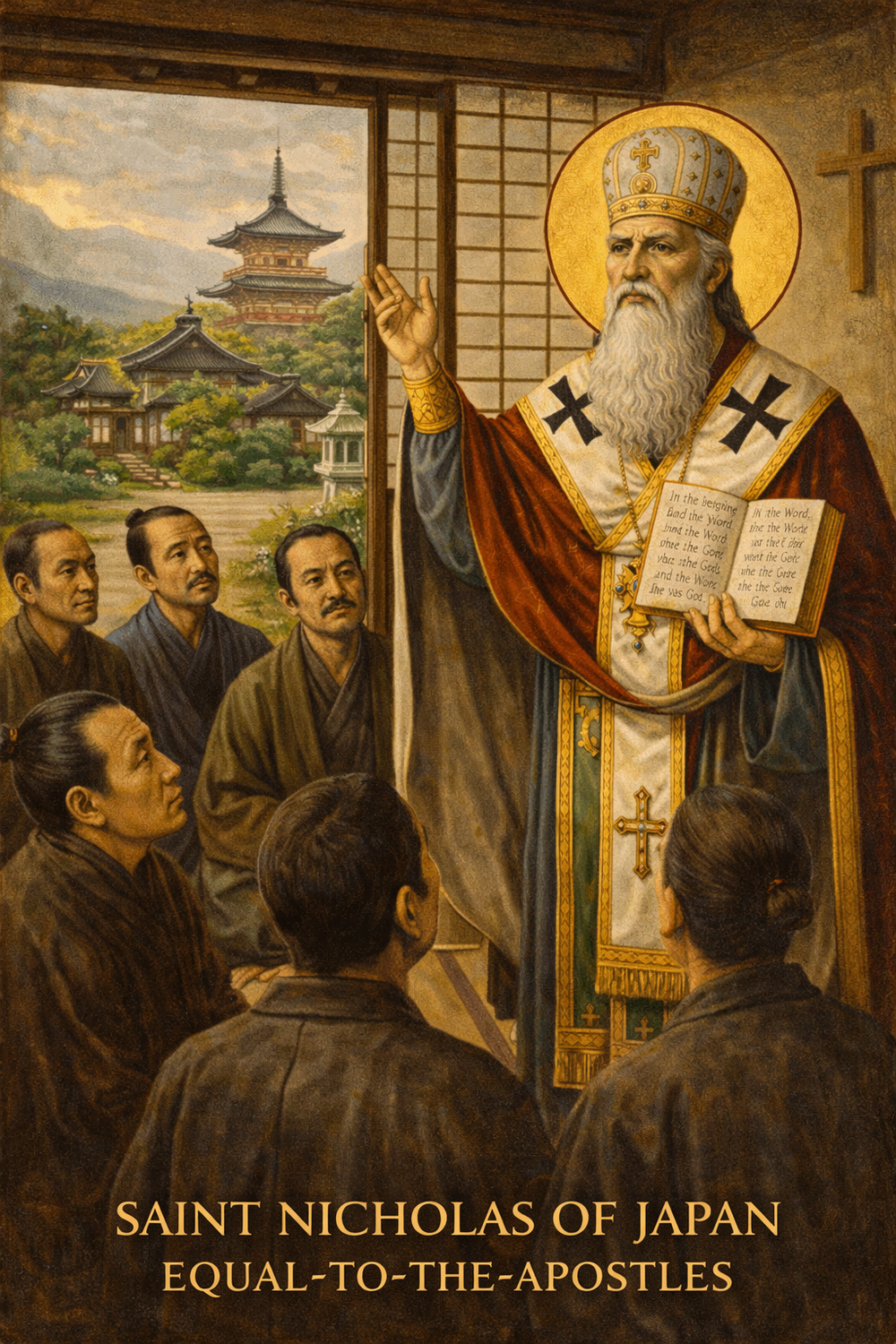
Saint Nicholas of Japan
Faith tradition: Russian Orthodox
Why Orthodox Christians pray to him for cancer:
Saint Nicholas endured loneliness, hardship, and physical weakness while serving faithfully. Some Orthodox Christians turn to him when illness isolates them or makes them feel forgotten.
How Orthodox Christians pray with him:
Asking for strength in isolation
Asking for faith during long recovery
Asking for patience in suffering
Praying for endurance rather than quick answers


How to Choose a Saint to Pray With for Healing
In the Orthodox Church, healing prayer is not about finding the “right” saint or invoking a specific outcome. Healing is always a gift from God, and the saints intercede as loving companions who pray with us and for us.
Very often, a saint chooses you before you choose them. This may come through a quiet sense of peace, familiarity with a saint’s life, or a gentle attraction to an icon, name, or story. These movements are not random. They are invitations into prayer.
A Simple and Faithful Approach
Choose one saint and pray with consistency
Do not move constantly from saint to saint seeking results
Speak honestly, not eloquently
Trust that prayer is heard, even when healing takes time or appears hidden
Many saints are known for interceding for the sick, but no saint replaces another, and no prayer is wasted. What matters most is faithfulness, not urgency.
Healing prayer is not only about the body. It often brings peace, strength, patience, and clarity long before physical healing appears. Consistency in prayer opens the heart to receive whatever healing God knows is needed.
Begin simply. Remain faithful. Let prayer work quietly over time.
A final word for those praying through cancer
Orthodox prayer for cancer is not about controlling outcomes. It is about refusing to suffer alone. The saints stand as witnesses that the path through illness, whether toward healing or toward rest, can still be holy.
Christ remains the Physician.
The saints remain companions.
The Church remains present.
Authors Note: If you made it this far, I just want to tell you, personally from me to you, I understand. I lost a young daughter to osteosarcoma. I just want you to know, I get it. I understand, and I am praying for you.
Offer a Dedication
If this page was meaningful to you, you’re welcome to dedicate this or any educational page in memory of a loved one, for a prayer intention, or in gratitude for blessings received.
Each dedication quietly supports the continued sharing of Eastern Christian history, prayer, and the lives of the saints.