Orthodox Saints for Anxiety and Depression
Healing & Peace in the Orthodox Tradition
Orthodox Saints for Anxiety and Depression
Three saints who knew suffering from the inside — and whose intercession has brought peace, clarity, and renewed hope to countless troubled hearts
Anxiety and depression are among the most misunderstood forms of suffering in the modern world. They are often invisible, difficult to explain, and frequently minimized by others. Yet within the Orthodox Christian tradition, these struggles are neither ignored nor dismissed. The Church has always recognized that deep emotional and mental suffering touches the very core of the human person and must be approached with reverence, patience, and spiritual care.
Orthodoxy does not separate the mind from the soul or the soul from the body. When a person suffers inwardly, the entire person suffers. Fear, panic, despair, and persistent sadness are not treated merely as moods to overcome, but as profound trials that require healing grace, prayer, and compassionate accompaniment. Long before modern psychology, the Church spoke of inner darkness, despondency, and heaviness of heart, and she did so with remarkable realism and mercy.
In the Orthodox understanding, suffering is never romanticized, but neither is it meaningless. Anxiety and depression are crosses, and like every cross, they can become places of encounter with Christ. Healing does not always come as instant relief, but often as gradual restoration, deeper trust, and the quiet return of peace. This journey is never meant to be walked alone.
One of the great consolations of Orthodox Christianity is the living reality of the Communion of Saints. The saints are not distant figures from another age; they are living members of the Church who continue to pray, intercede, and walk with those who suffer. Among them are saints who are especially beloved by those struggling with anxiety, depression, despair, intrusive thoughts, and emotional exhaustion. These saints knew suffering intimately, not in theory but in lived experience.
Among the most trusted and widely venerated Orthodox saints for anxiety and depression are Saint Nektarios of Aegina, Saint Seraphim of Sarov, and Saint Paisios of Mount Athos. Together, they form a powerful spiritual refuge for those seeking peace of mind and healing of heart. For the equivalent tradition among Catholic saints, see our companion guide to Catholic saints for anxiety and depression.
When Anxiety Lives Inside the Marriage
For many people, anxiety and depression are inseparable from the state of their marriage. A disconnected or struggling marriage generates its own chronic stress — the kind that prayer addresses but does not resolve alone, because the wound is relational. The Eastern Christian tradition understands this: prayer in Christian marriage and the spiritual growth of spouses together are not separate from the healing of the whole person.
If this is part of your story, there is dedicated support available. The Eastern Church’s Christian marriage mentorship works one-on-one with husbands and wives in the Eastern Orthodox and Catholic tradition — and all Christian traditions — rooted in Ephesians 5:25, with both Jeremy and Ashley available.
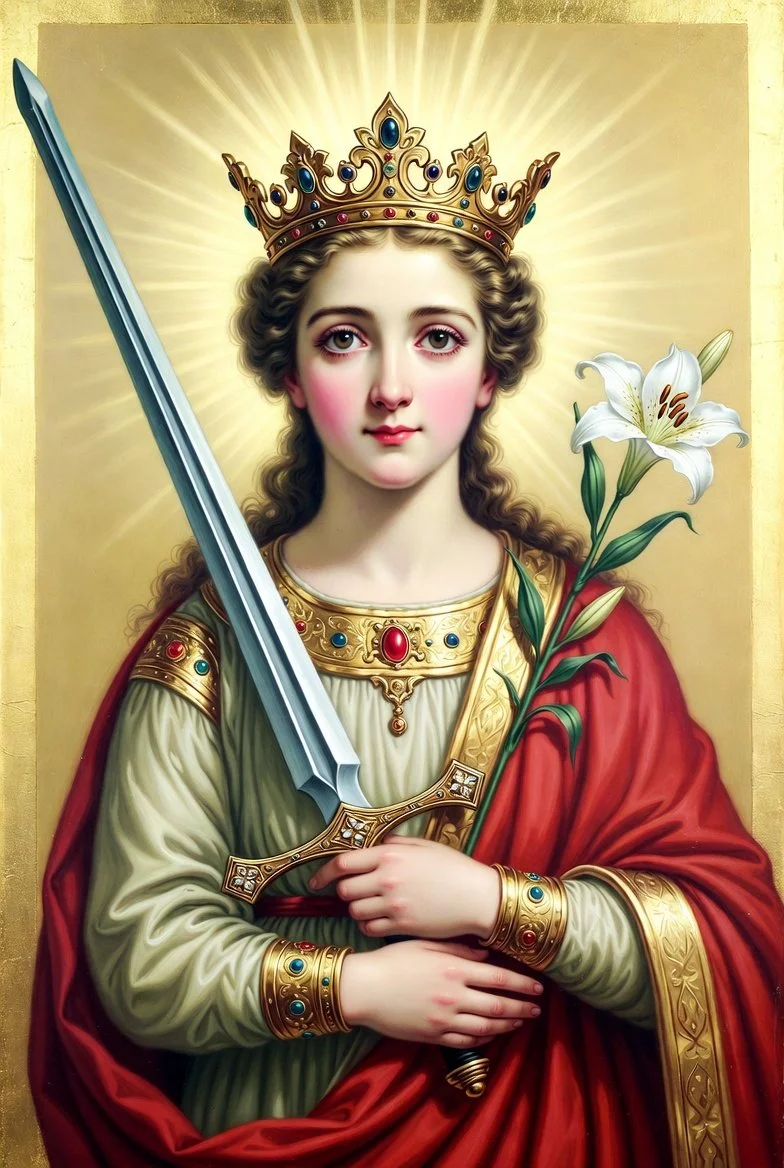
Saints for Anxiety & Mental Health — Prayer Card Bundle
Handmade prayer cards for the saints most prayed to for anxiety, depression, and mental health — Orthodox and Catholic. Printed, cut, and finished by hand in Austin, Texas.
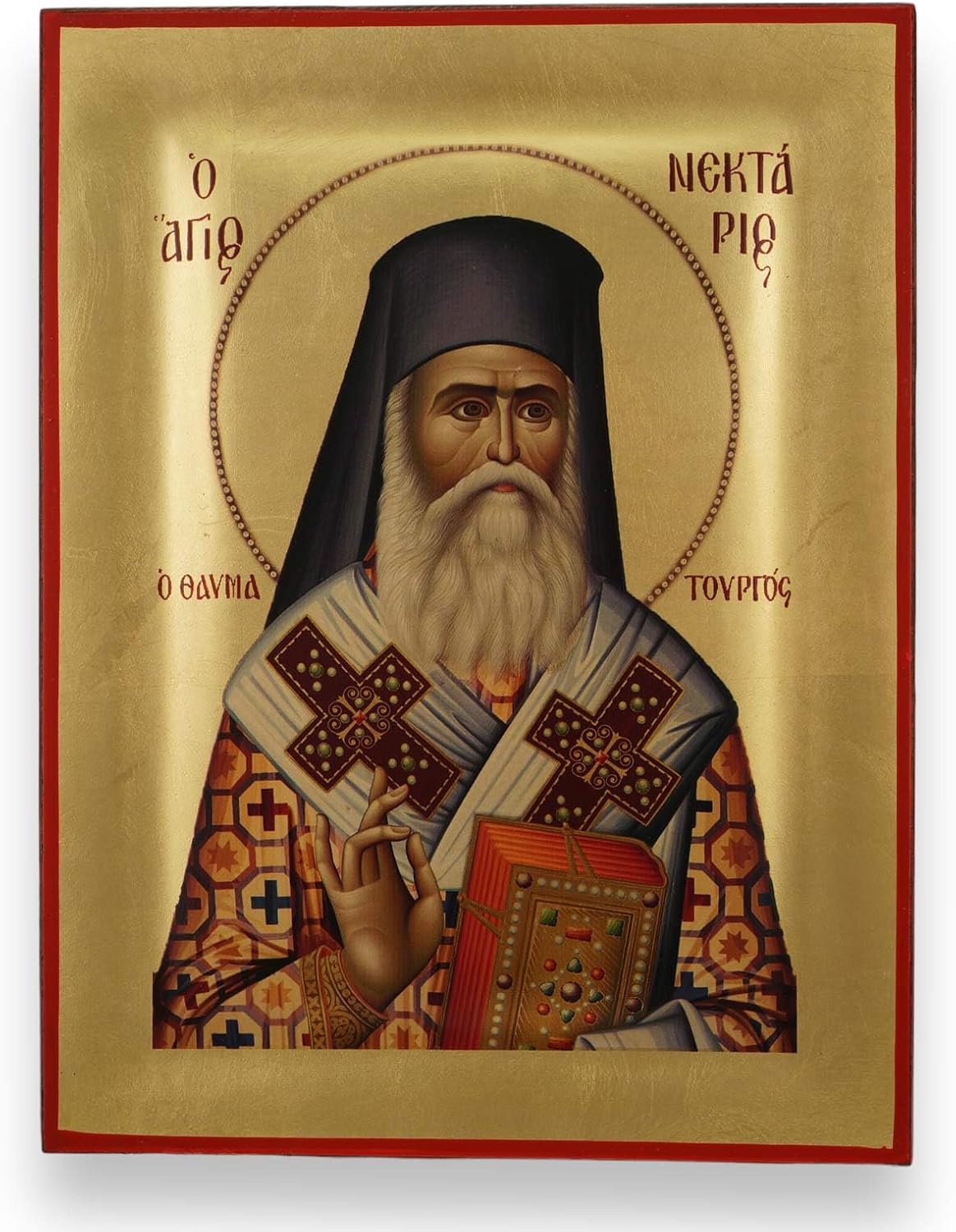
Shop the Bundle →Saint Nektarios of Aegina
A Saint for Hidden Suffering, Injustice, and Inner Pain
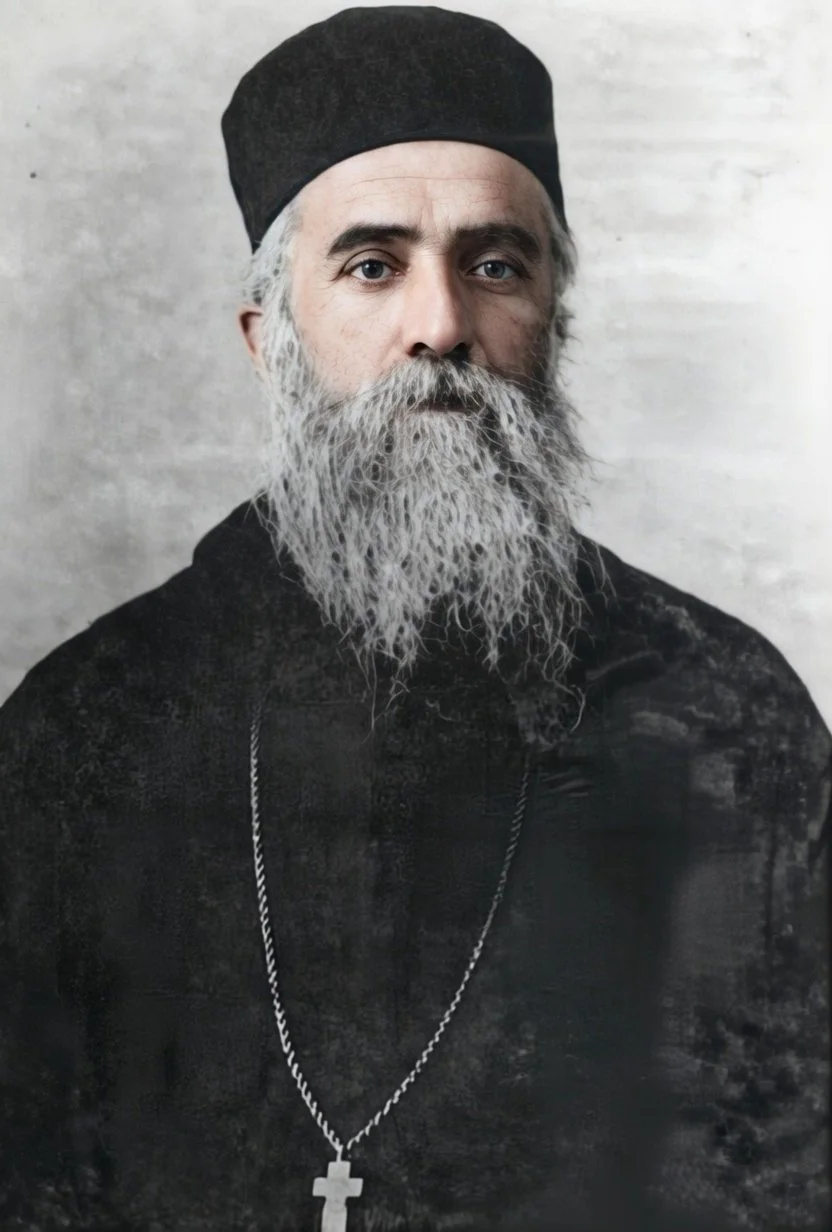
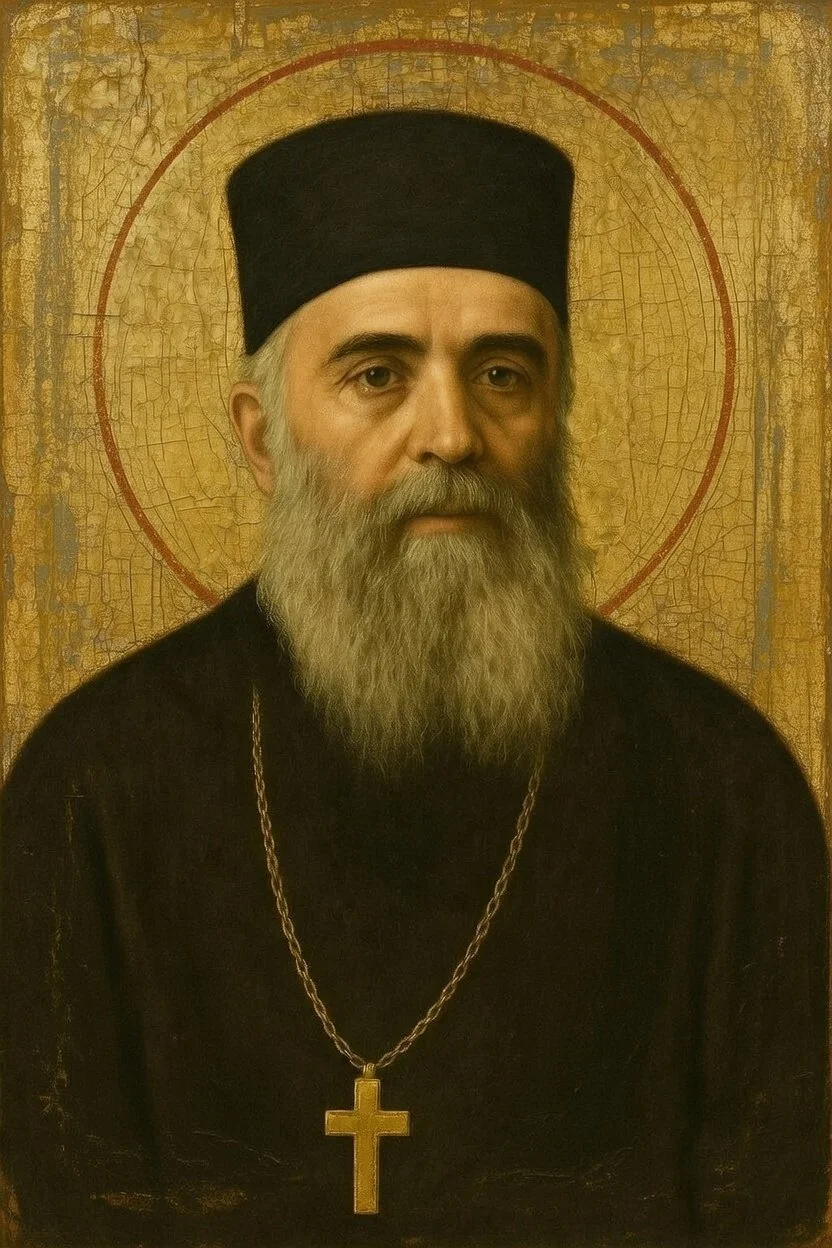
Saint Nektarios of Aegina is one of the most compassionate saints the Orthodox Church has ever known. His life was marked by deep injustice, public humiliation, isolation, and physical illness, yet he responded to all of it with humility, forgiveness, and unwavering trust in God.
As a young bishop, Saint Nektarios was falsely accused, slandered, and removed from his position without trial or explanation. Overnight, he went from being respected to being rejected. He lived in poverty, endured loneliness, and carried the weight of misunderstanding for the rest of his life. These experiences are painfully familiar to those who suffer from anxiety and depression, especially when their pain is unseen or dismissed.
Despite this, Saint Nektarios never allowed bitterness to take root in his heart. He became known as a gentle spiritual father, a patient confessor, and a man of deep prayer. He founded a monastery on the island of Aegina, where he lived simply, laboring with his hands and consoling all who came to him in distress.
Those who knew him testified that he had a rare ability to understand inner suffering. He spoke quietly, listened deeply, and offered words that brought peace to troubled souls. After his repose, miracles began to pour forth, not only healings of the body, but restorations of hope, clarity, and emotional stability.
Many Orthodox Christians struggling with anxiety, panic attacks, trauma, or long-standing depression have turned to Saint Nektarios and found remarkable relief. Some describe overwhelming peace after praying before his icon. Others speak of sudden clarity after years of mental fog. There are countless testimonies of people burdened by despair who felt the weight lift after asking for his intercession.
The Church’s prayers to Saint Nektarios explicitly ask him to drive away inner darkness, despondency, and sorrow. This is not accidental. His life made him a companion to those who suffer silently. He is often invoked by people who feel crushed by injustice, misunderstood by others, or overwhelmed by emotional pain that has no obvious external cause.
For many, Saint Nektarios becomes a steady presence — not dramatic but deeply consoling. His intercession is often experienced as a quiet return of peace rather than a sudden miracle, which mirrors the nature of mental healing itself. For more on his broader healing ministry, see our complete guide to Saint Nektarios healing prayers.


Saint Seraphim of Sarov
Peace, Joy, and Freedom from Fear
Saint Seraphim of Sarov is perhaps the most radiant example of inner peace the Orthodox Church has ever known. Though he lived an austere ascetic life in the forests of Russia, he became known throughout the land as a bearer of joy.
Saint Seraphim greeted every person, regardless of their burden, with the words, “My joy.” This was not poetic language. It was a theological statement. He believed that joy was not dependent on circumstances, but flowed from communion with the Holy Spirit.
Yet Saint Seraphim did not speak of peace as someone unfamiliar with darkness. He openly acknowledged that he himself experienced periods of deep heaviness and sorrow. He warned often about the spirit of despondency, recognizing it as one of the most dangerous and subtle spiritual afflictions.
His wisdom regarding anxiety and depression was profoundly practical. He taught that fear grows when we attempt to control everything ourselves. True peace, he said, is born when we surrender our lives into God’s hands and trust His providence without constant questioning.
Saint Seraphim understood that exhaustion, overwork, and neglect of the body could worsen emotional suffering. He was known to ease strict ascetic practices for those who were struggling emotionally, emphasizing mercy over rigidity. He encouraged balance, rest, and gentleness toward oneself.
People who came to him overwhelmed by grief or despair often left transformed. Widows crushed by loss, monks tormented by inner darkness, and laypeople frozen by fear all found consolation in his presence. He did not analyze their pain. He enveloped it in love.
After his repose, pilgrims continued to experience peace at his relics and holy springs. Even today, Orthodox Christians struggling with anxiety often speak of feeling calm simply by praying before his icon or reading his words. His presence is described as warm, fatherly, and stabilizing.
Saint Seraphim is frequently invoked by those experiencing panic, fear of the future, spiritual heaviness, or a loss of joy. His intercession is sought not to eliminate all hardship, but to restore peace in the midst of it. The teachings of the Philokalia on anxiety — which Saint Seraphim deeply embodied — offer further guidance on this path of inner peace.
Saint Seraphim Taught That Peace Comes When God Is at the Center — Including in Your Marriage
His most repeated teaching — that anxiety loosens its grip when we stop trying to manage everything ourselves and surrender to God’s love — applies as directly to a troubled marriage as it does to any personal struggle. The Eastern Christian tradition has always understood that the home is a small church, and that building unity in marriage is itself a spiritual practice that brings peace to both spouses.
If the peace you are seeking is partly a peace between you and your spouse, the same framework applies: one person decides to love first, as an act of worship, and the marriage begins to change. Loving your spouse as Christ loves the Church is not a platitude. It is a specific, daily practice that brings both the marriage and the person practicing it into deeper peace.
Learn About Christian Marriage Mentorship →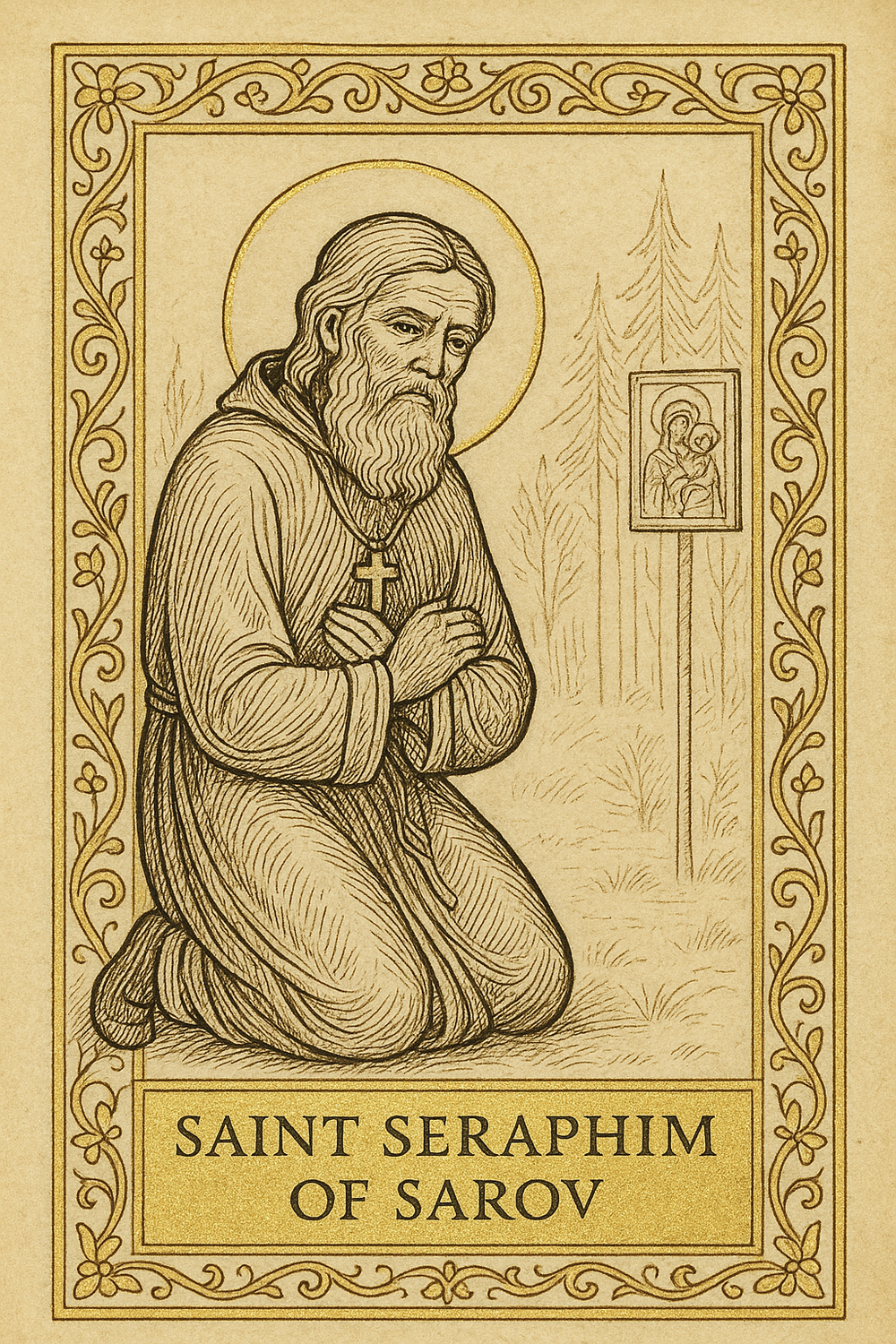


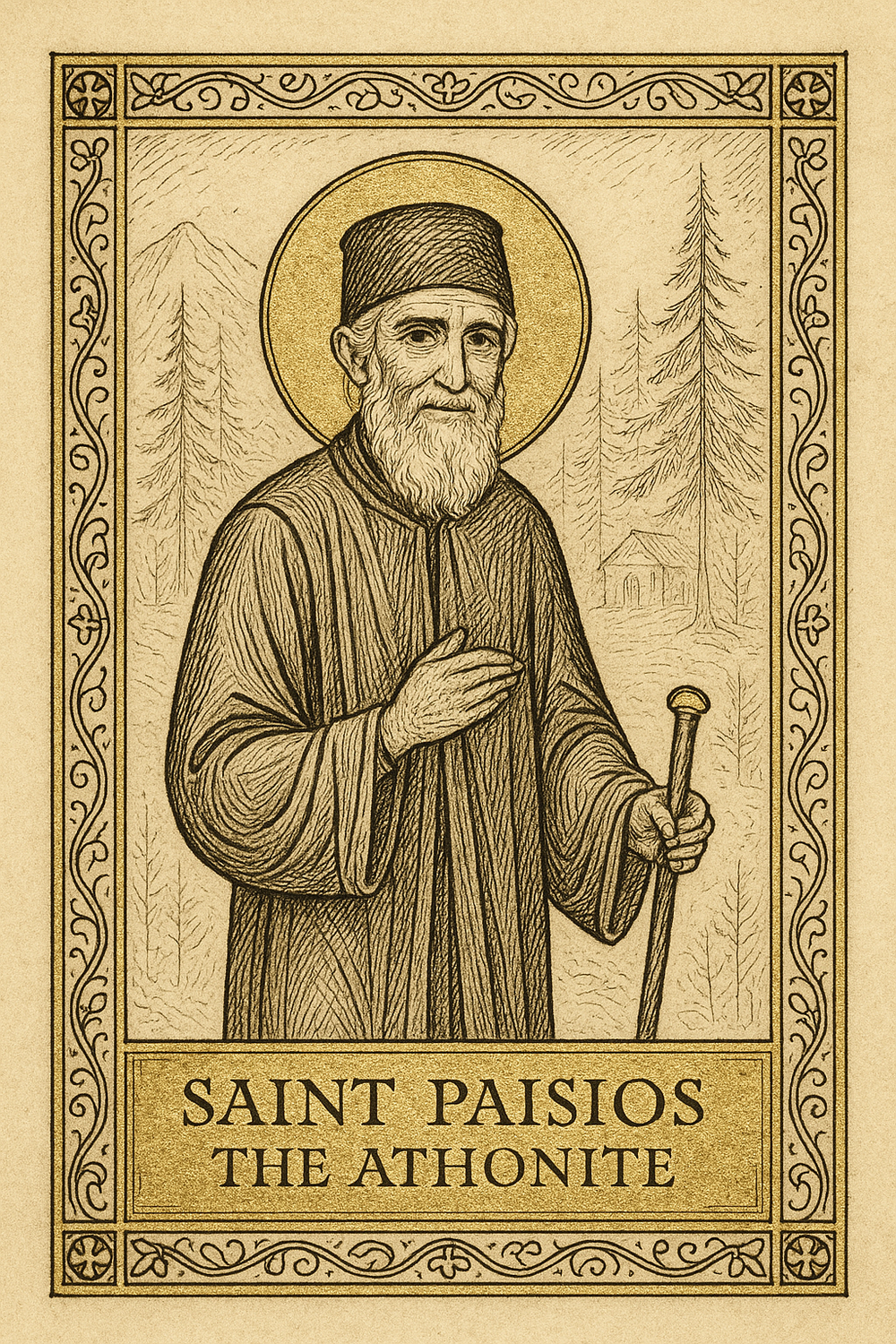
Saint Paisios of Mount Athos
Anxiety, Intrusive Thoughts, and Emotional Overload
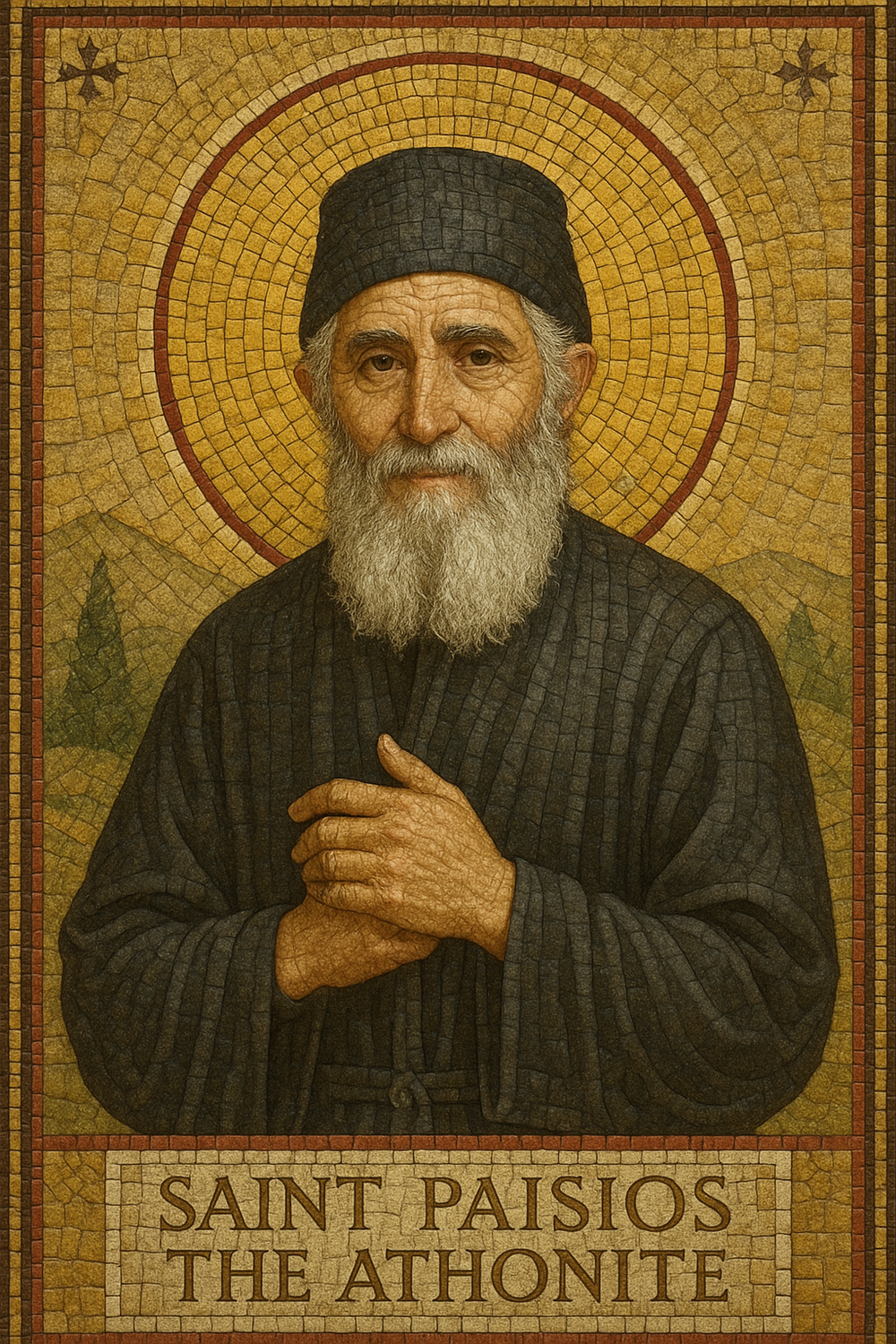
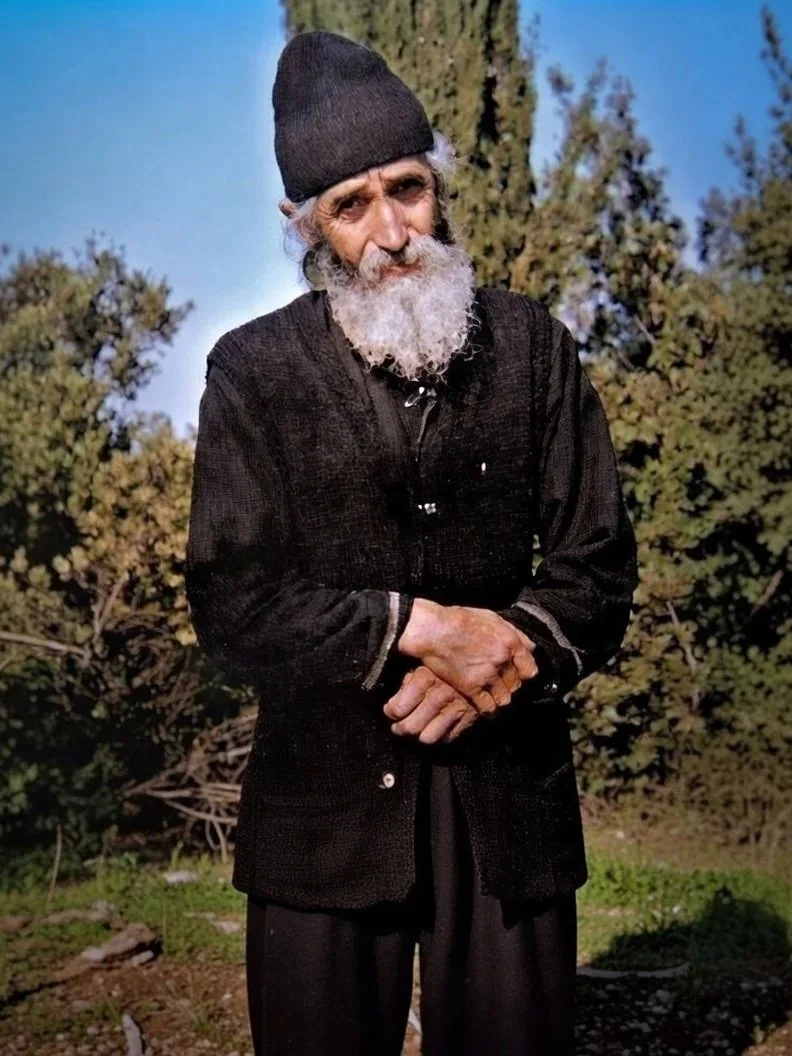
Saint Paisios of Mount Athos is one of the most beloved Orthodox saints of modern times, precisely because he understood the pressures and anxieties of contemporary life.
Having lived through war, displacement, and illness, Saint Paisios recognized how modern rhythms, constant worry, and overstimulation can fragment the soul. He spoke openly about anxiety, negative thoughts, despair, and emotional exhaustion. People traveled from across the world to seek his counsel, often bringing burdens they could not articulate to anyone else.
Saint Paisios had a remarkable gift of empathy. He listened without judgment and responded with both spiritual depth and human warmth. He did not shame people for anxiety or depression. Instead, he gently pointed them back to trust in God and simplicity of life.
He taught that anxiety is often rooted in trying to manage everything without God. When trust is restored, anxiety begins to loosen its grip. He frequently reminded people that God’s love is active and personal, not abstract, and that surrendering to that love brings freedom.
There are many accounts of people on the brink of despair encountering Saint Paisios and experiencing immediate relief. Some came to him with suicidal thoughts and left with renewed hope. Others who were paralyzed by fear found courage simply by being in his presence.
Even after his repose, his intercession has been powerfully experienced. People struggling with intrusive thoughts, chronic anxiety, or depression often report a sense of calm after praying to him. Parents pray to him for children suffering emotionally. Priests invoke him when counseling those overwhelmed by modern life.
Saint Paisios is especially beloved because he feels close. He speaks the language of the present age. His guidance feels personal, direct, and compassionate. For his full story, see our complete biography of Saint Paisios of Mount Athos.



Healing, Christ, and the Communion of Saints
In Orthodox Christianity, the goal of healing is not merely the absence of symptoms, but the restoration of communion with God. Anxiety and depression are not signs of spiritual failure. They are places where grace can enter deeply.
The saints do not replace Christ. They lead us to Him. Their intercession does not bypass healing; it participates in it. When the saints pray for us, they ask Christ to bring peace where fear reigns, light where darkness settles, and hope where despair has taken hold.
Sometimes healing comes as relief. Sometimes it comes as endurance. Sometimes it comes as a gradual softening of the heart. All of it is healing.
The Orthodox Church encourages those struggling with mental health to seek both spiritual and practical care. Prayer, confession, the Eucharist, and pastoral guidance are not opposed to counseling or medical treatment. They work together for the healing of the whole person. For a broader survey, see our full list of Orthodox saints for mental health and our collection of prayer cards for anxiety and mental health.
Saint Nektarios teaches us that hidden suffering is seen by God.
Saint Seraphim teaches us that peace is possible even in hardship.
Saint Paisios teaches us that God’s love meets us in the chaos of modern life.
If you are struggling with anxiety or depression, you are not alone. The saints walk with you. Christ walks with you. Healing may take time, but grace is never absent.
May the prayers of Saint Nektarios of Aegina, Saint Seraphim of Sarov, Saint Paisios of Mount Athos, and all the saints bring peace to troubled hearts, clarity to burdened minds, and rest to weary souls. Amen.
When the Peace You Are Seeking Starts in Your Marriage
The saints described in this article carried their own forms of inner suffering with extraordinary peace. A common thread in all three — Nektarios, Seraphim, Paisios — is that their peace was not a private achievement. It flowed outward into their households and communities, and into the people who came to them. The Eastern Christian theology of marriage teaches that the home is the first place where God’s peace is meant to be visible: a domestic church where the love between spouses is a living icon of Christ’s love for the Church.
When that love is broken, strained, or simply stagnant, the anxiety of the household rarely stays contained to the marriage alone. For married couples who recognize this, the same framework the saints embodied — surrender, sacrifice, love as worship — applies directly to the marriage itself.
The Ephesians 5:25 Marriage Challenge
What the most demanding standard in Scripture actually requires — and what changes when you begin living it.
Read → Marriage • God’s DesignYour Marriage Isn’t Broken — It’s Just Not Yet What God Designed
The four stages of a Christian marriage and what stands between yours and the one God designed.
Read → Marriage • WorshipMarriage as Worship: How Ordinary Days Become Acts of Devotion
Every ordinary act of love toward your spouse is a direct act of worship toward God.
Read →One-on-one marriage mentorship rooted in Ephesians 5:25 — with Jeremy and Ashley Augusta in Austin, TX and online
Free 15-minute discovery call • No commitment • Husbands with Jeremy • Wives with Ashley • Month-to-month
Continue Reading
More resources on prayer, healing, and the saints who walk with those who suffer.
Catholic Saints for Anxiety & Depression
St. Dymphna, St. Thérèse, Padre Pio, and St. John of the Cross — the Catholic tradition’s great intercessors for mental health.
Read the guide →Saints for Depression and Despair
Catholic and Orthodox champions of hope for those in the deepest spiritual and emotional valleys.
Read the guide →Prayer Cards for Mental Health
Handmade prayer cards for the saints most prayed to for anxiety and depression — Catholic and Orthodox.
Browse prayer cards →Orthodox Saints for Mental Health
The broader list of Orthodox saints invoked for mental health, healing, and spiritual recovery.
See the full list →What the Philokalia Teaches About Anxiety
Ancient Eastern Christian wisdom on thoughts, attention, and freedom from mental affliction.
Read the guide →Saint Paisios of Mount Athos
The complete biography of the most beloved modern Orthodox saint for anxiety and the burdens of contemporary life.
Read the biography →You Are Not Carrying This Alone
The saints do not replace Christ — they lead us to Him. In them we find proof that peace is possible, that suffering has meaning, and that grace is never absent from even the darkest night.
Shop Mental Health Prayer Card Bundle → Browse All Prayer Cards →Free Eastern Christian Marriage Resources →
As an Amazon Associate, The Eastern Church earns from qualifying purchases.