Orthodox Saints for Mental Health: Anxiety, Depression & the Darkness Within
The Complete Guide
Orthodox Saints for Mental Health: Anxiety, Depression & the Darkness Within
Seven Eastern Orthodox saints who knew what it was to struggle inside — and left us prayers, wisdom, and intercession for the journey through darkness
The Orthodox Church does not use the language of modern psychology. It speaks instead of logismoi — the thoughts and passions that assail the mind — of acedia, of spiritual darkness, of the demonic temptations that press upon the soul in the night hours. But behind that ancient vocabulary is something unmistakably recognizable to anyone who has known anxiety, depression, panic, or the feeling that the mind has turned against itself: the lived reality of interior suffering, taken seriously by the Church for two thousand years.
The saints in this guide did not simply pray for people in mental anguish from a distance. Many of them were in mental anguish themselves. Saint Silouan spent fifteen years in what could only be described as severe depression before finding the way through it. Saint Tikhon of Zadonsk suffered from episodes of melancholy so intense that those around him feared for his life. Saint Nektarios was stripped of his position, slandered, reduced to poverty, and spent decades carrying the weight of unjust persecution without breaking. These are not saints who offer cheerful reassurance from a place of comfortable immunity. They are saints who went through the dark and came out the other side — and whose intercession carries the weight of genuine experience.
This guide introduces seven Orthodox saints specifically connected to mental health: what their lives were, why their connection to mental suffering is real and not merely symbolic, and how to pray to them when you or someone you love is struggling. It is written for people in genuine need, and with the conviction that the Orthodox tradition's treasury of healing prayer is one of the most underutilized resources in the modern world.
Saint Nektarios of Aegina
1846–1920 · Feast: November 9 · Patron for Healing — Body and Soul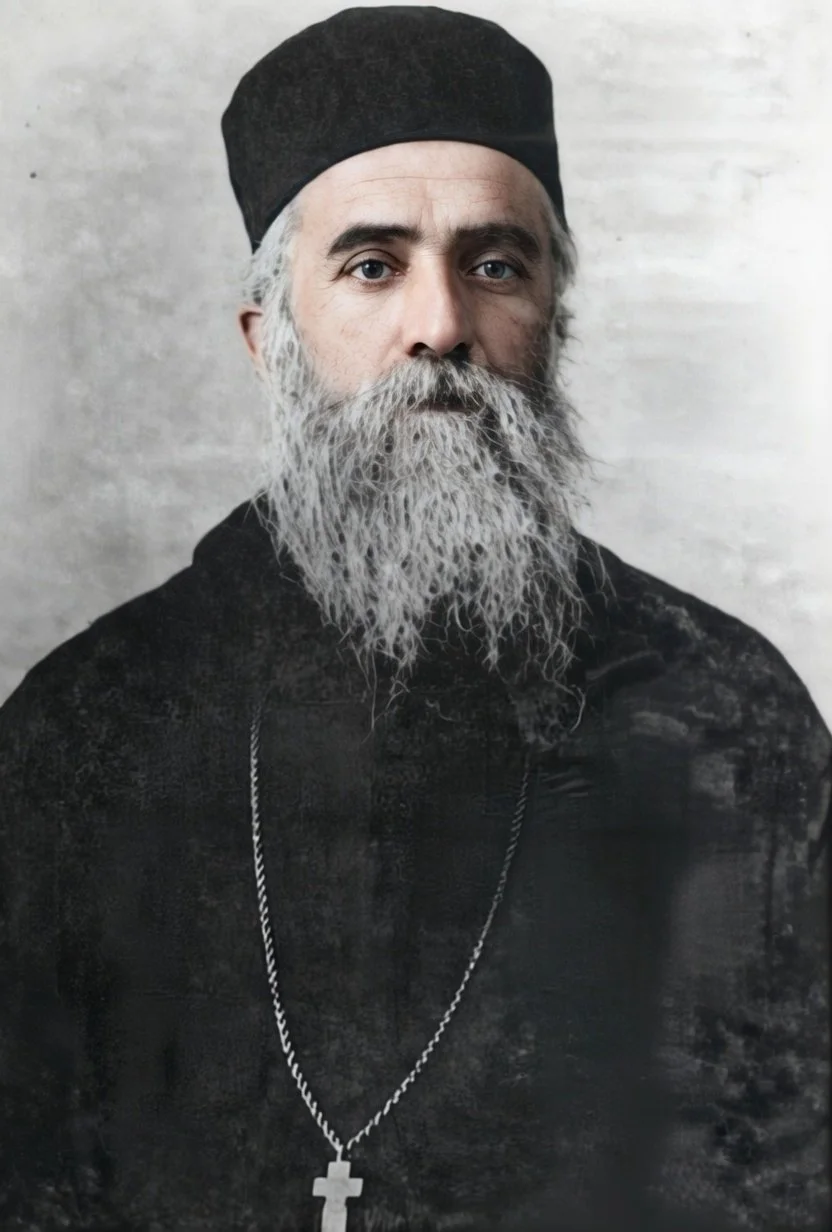
Saint Nektarios is one of the most beloved Orthodox saints of the modern era — and the reason his intercession reaches so deeply into mental and emotional suffering is that his life was a sustained school of unjust pain endured with extraordinary grace.
The Life: Thirty Years of Slander
Born Anastasios Kefalas in 1846 in Silyvria, Thrace, Nektarios came from humble origins and worked through immense hardship — as a laborer, a teacher in a remote village, eventually as a monk — before rising to become Metropolitan of Pentapolis in Egypt under the Patriarchate of Alexandria. At the height of his episcopal ministry, false accusations reached the Patriarch: that Nektarios had ambitions to supplant him, that he was intriguing against the Church, that he was morally suspect. None of it was true. But Nektarios was removed from office without a hearing, stripped of his position, and left to find his own way.
What followed was three decades of humiliation. He could not get the accusations against him officially addressed or cleared. He worked as a preacher and eventually as director of a seminary in Athens, where students loved him but where the cloud of slander never fully lifted. In his later years he founded a small women's monastery on the island of Aegina, where he lived in poverty, doing manual labor alongside the nuns, sleeping on a straw mattress, owning almost nothing. He died in 1920 in a hospital in Athens, where his worn-out cotton undershirt was laid on the bed of a paralyzed man in the next ward — who was immediately healed. His body, when moved to the chapel at Aegina, reportedly gave off a sweet fragrance.
He was canonized in 1961 and is now one of the most venerated saints in the Greek Orthodox world, invoked especially for healing from cancer and serious illness. But the spiritual root of his healing ministry is his biography of thirty years of emotional suffering borne without bitterness, without despair, and without the collapse of interior peace. He is a patron for everyone who carries a wound that cannot be publicly explained or officially vindicated — for those whose suffering is invisible to others, and who must carry it alone before God.
How to Pray to Saint Nektarios for Mental Health
When: When you are carrying unjust suffering, when depression or anxiety feels isolating and unexplainable to those around you, when you have been falsely judged or slandered and the wound has not healed.
A simple prayer: "Holy Saint Nektarios, you bore thirty years of slander with peace in your heart. I bring you my suffering — the weight I carry that no one fully sees. Intercede for me before Christ, that he would heal what is broken inside me and give me the grace to endure what I cannot yet understand. Amen."
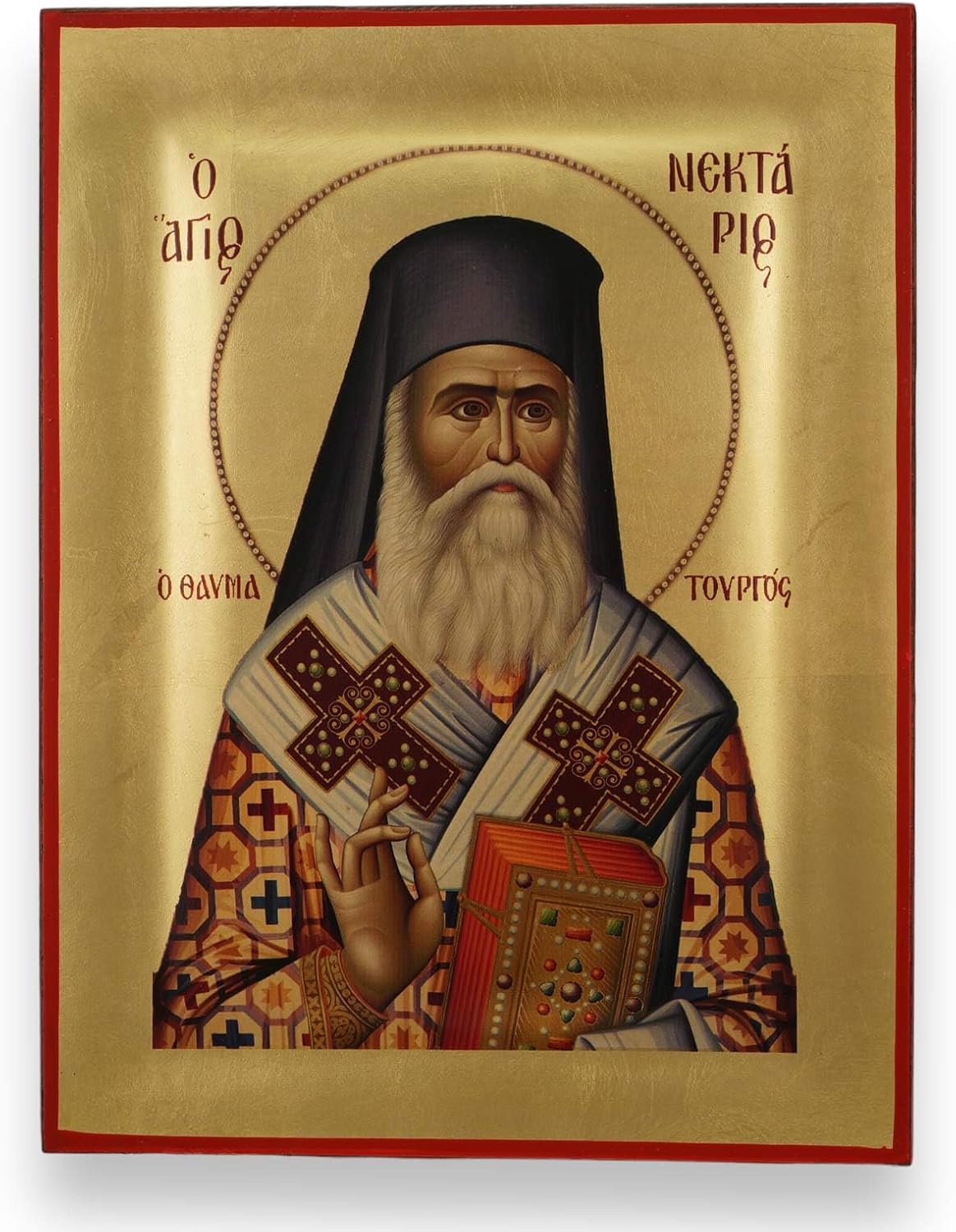
Practice: Many Orthodox Christians place his icon near the bed of the ill, as his undershirt healed a man in the hospital next to where he died. His icon is a natural focus for intercessory prayer over the sick and suffering.

Saint Silouan the Athonite
1866–1938 · Feast: September 24 · Patron for Anxiety, Depression & Spiritual Darkness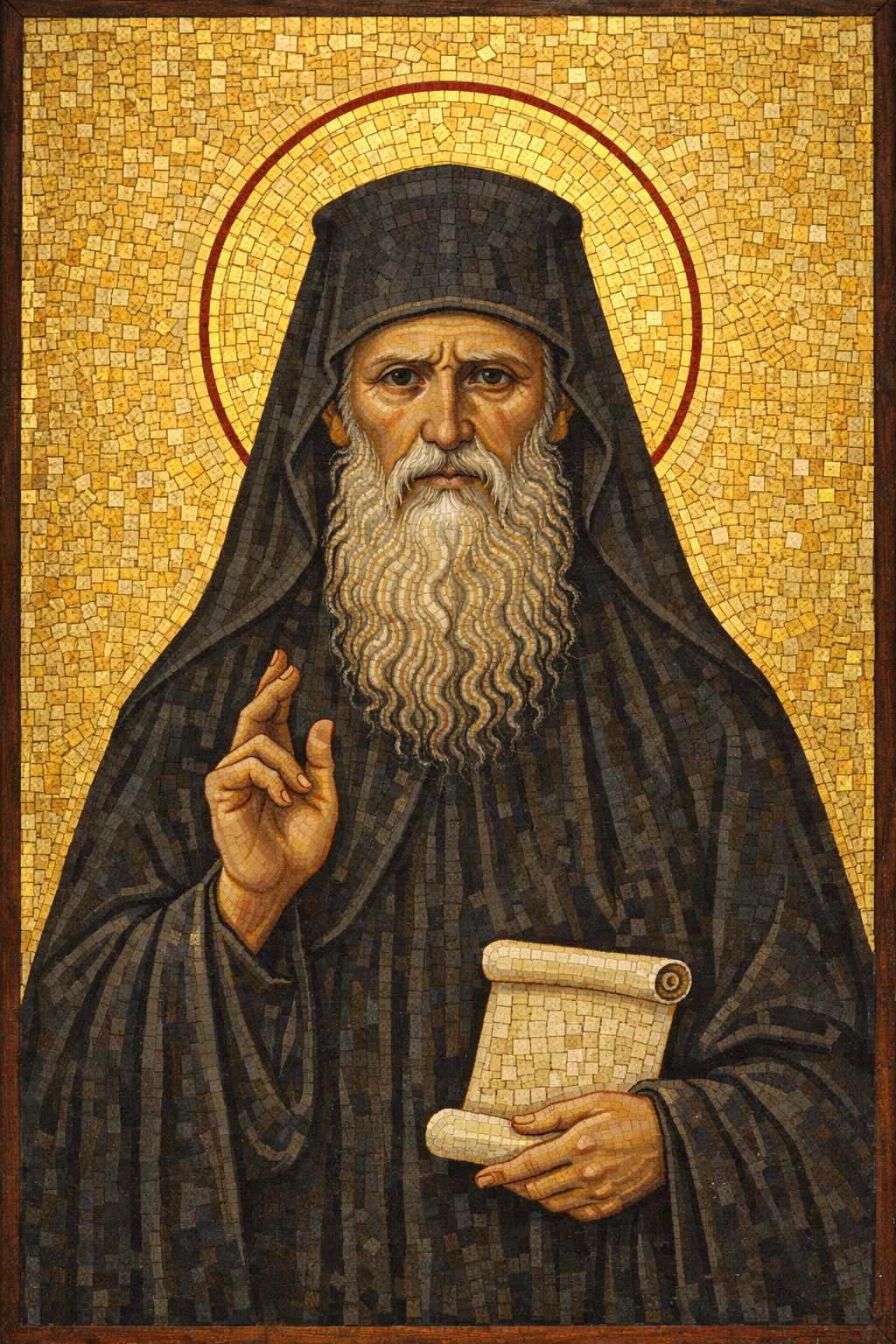
If there is a single Orthodox saint who belongs specifically to the person who has known depression — not spiritual dryness or mild melancholy, but the kind of total darkness that feels like being swallowed alive — it is Saint Silouan the Athonite.
The Life: Fifteen Years in the Dark
Simeon Ivanovich Antonov was born in 1866 in Shovsk, Russia. As a young man he was given to drink and worldly pleasures — and was deeply shaken when he nearly killed another man in a fight. He became a monk on Mount Athos in 1892, taking the name Silouan. In his early months on Athos he received a powerful vision of Christ, an experience of divine light and joy that he later said transformed everything he understood about existence.
Then the darkness came. For fifteen years — fifteen years — Silouan could not recover the sense of God's presence. He struggled with acedia, with despair, with a heaviness that pressed down on his prayer life and his interior world. He wrote later that the demonic temptations were so intense that he sometimes could not distinguish them from his own thoughts. He was in what we would recognize as severe spiritual depression, what modern psychology might call a sustained depressive episode, for a decade and a half.
The resolution came through a word from Christ himself, received in prayer: "Keep your mind in hell and despair not." This paradoxical instruction — go to the darkest place in your imagination, acknowledge the worst possible reality about yourself and your situation, and then refuse to despair — became the theological center of Silouan's entire teaching. It is not the instruction to think positive thoughts or to manufacture hope. It is the instruction to face the darkness completely and to refuse to let it have the last word. The distinction between facing darkness honestly and surrendering to it is what Silouan spent the rest of his life working out and teaching.
His writings, edited and published by his disciple Archimandrite Sophrony after his death in 1938, have become some of the most widely read Orthodox spiritual texts of the twentieth century. He was canonized in 1987.
How to Pray to Saint Silouan for Mental Health
When: When depression feels bottomless. When the darkness will not lift. When you have tried to pray and feel nothing. When the interior voice says there is no hope.
A simple prayer: "Holy Silouan, you walked in darkness for fifteen years and did not give up. I am in my own darkness. Intercede for me that God would give me even one thread of light to hold — and the grace not to despair until the light grows. Amen."
His key teaching for the struggling: "Love your enemies." Silouan taught that the inability to love — including oneself — is the root of spiritual suffering. When interior self-hatred or bitterness takes over, praying for those we resent (beginning with ourselves) is, paradoxically, a path through depression.
Saint Porphyrios of Kavsokalyvia
1906–1991 · Feast: December 2 · Patron for Anxiety, Spiritual Confusion & Depression Healing
Saint Porphyrios is perhaps the most directly relevant of all Orthodox saints to modern struggles with anxiety and depression — because he spoke about them specifically, practically, and with unmistakable psychological insight, drawing on a lifetime of spiritual fatherhood.
The Life: The Child Who Became a Seer
Evangelos Bairaktaris was born in 1906 in a small village in Evia, Greece. At the age of fourteen — without his parents' knowledge — he ran away to Mount Athos and found a monastery willing to receive him as a novice. He was physically fragile and was eventually forced to leave Athos because of illness. But during his time on the Holy Mountain, something had happened in him that no illness could touch: he had received what the Orthodox tradition calls the gift of spiritual sight — a sensitivity to the interior state of souls that went far beyond normal empathy or pastoral experience.
He served as a parish priest in Athens for decades, later as a confessor at a hospital, and finally at a small monastery he founded near Athens. People came to him from across Greece — doctors, intellectuals, working people, the despairing, the addicted, the mentally ill — and consistently described the experience of his counsel as transformative. He could perceive things about a person's interior life that they had never told anyone. He did not produce this awareness by asking clever questions. It simply came to him.
His recorded teachings on mental health are distinctive. He believed that depression and anxiety in a Christian are almost always connected to a focus on sin and self-condemnation rather than on Christ. His most quoted advice on the subject: "Don't think about your passions and sins. Think about Christ, and he will set you free." He taught people to turn their gaze — not away from reality, but away from the loop of self-accusation — and toward the beauty of God. He practiced what we might call an aesthetics of prayer: nature, music, art, the beauty of the created world as doorways into the presence of God that bypassed the spiral of anxious thought.
How to Pray to Saint Porphyrios for Mental Health
When: Anxiety, obsessive thought loops, self-condemnation, spiritual confusion, the feeling of being spiritually stuck or paralyzed.
A simple prayer: "Holy Father Porphyrios, you saw into souls and knew how to guide them from darkness to light. I am caught in my own thoughts and cannot find the way out. Lead me toward Christ's beauty — away from the spiral of fear and self-accusation — and pray for me that God will give me peace. Amen."
His practical recommendation: When anxiety spikes, stop fighting the thought. Instead, turn your attention to something beautiful — a psalm, a piece of sacred music, the view from a window. Then bring the Jesus Prayer: "Lord Jesus Christ, Son of God, have mercy on me, a sinner." This is the antidote he consistently prescribed.

Saint Naum of Ohrid
c. 830–910 AD · Feast: December 23 · Patron for Mental Illness & Nervous Disorders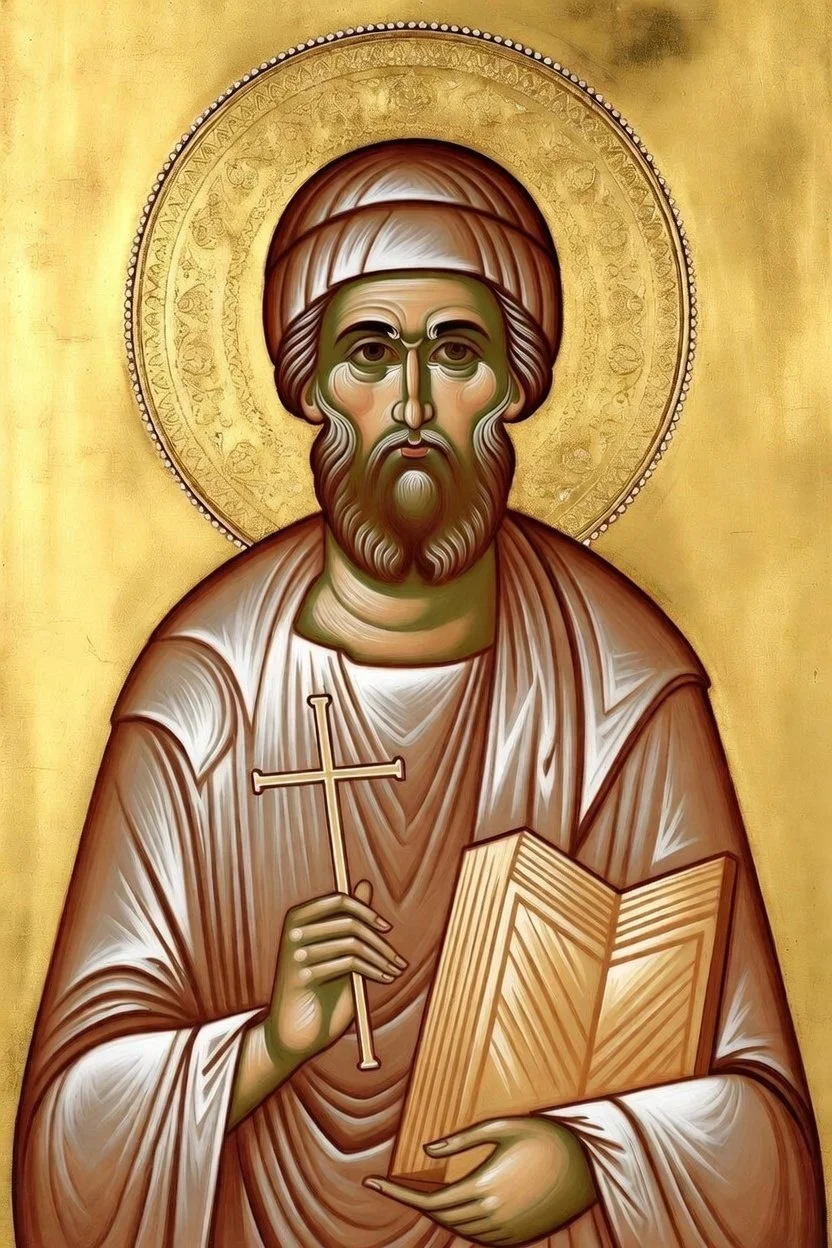
Saint Naum is unique among the saints in this guide: his connection to mental illness is not biographical or theological but directly liturgical and historical. For over a thousand years, the monastery he founded on the shores of Lake Ohrid has been a place where the mentally ill were brought to be healed.
The Life: Apostle to the Slavic Peoples
Naum was one of the disciples of Saints Cyril and Methodius — the great apostles to the Slavic peoples who created the Glagolitic alphabet and translated Scripture and liturgy into Old Church Slavonic. After Cyril and Methodius both died, Naum continued the evangelization of the Slavic lands alongside his fellow disciple Saint Clement of Ohrid. He spent years in Moravia, Pannonia, and eventually settled in what is now North Macedonia, where he founded the Monastery of Saint Naum on the southern shore of Lake Ohrid in 900 AD.
During his lifetime, Naum was known as a healer — performing miracles of physical and spiritual healing that drew pilgrims from across the region. After his death in 910 AD, the monastery continued as a center of healing, and a specific practice developed over subsequent centuries: families would bring relatives suffering from what the sources describe as "madness" — mental illness, severe emotional disturbance, demonic oppression — to the monastery, where they would undergo a period of prayer, fasting, and incubation (sleeping near the saint's relics or tomb). Many returned home well.
This tradition continued without interruption through Byzantine, Ottoman, and modern periods. The Monastery of Saint Naum on Lake Ohrid remains one of the most important pilgrimage sites in the Balkans. Saint Naum is venerated across the Serbian, Bulgarian, Macedonian, and Greek Orthodox churches as a patron for mental illness and nervous disorders — one of the very few saints in the Christian tradition who is specifically, historically, and ecclesiastically connected to the healing of mental illness over more than a thousand years of documented practice.
How to Pray to Saint Naum for Mental Health
When: Mental illness — including psychosis, severe anxiety disorders, nervous breakdowns, and conditions that feel beyond ordinary spiritual support. For families praying for a loved one with serious mental illness.
A simple prayer: "Holy Naum, for over a thousand years the broken and the struggling have come to your monastery and found healing. I cannot travel to Ohrid, but I bring my need before you now. Intercede with Christ for healing of what is broken in my mind — and for the peace that surpasses understanding. Amen."
Historical note: Saint Naum's feast on December 23 is celebrated with special prayers for the mentally ill in many Macedonian and Bulgarian Orthodox communities. If you observe it, include specific prayers for those you know who are struggling with mental health.
Saint Gerasimos of Cephalonia
1505–1579 · Feast: August 16 & October 20 · Patron for Mental Illness & Families in Crisis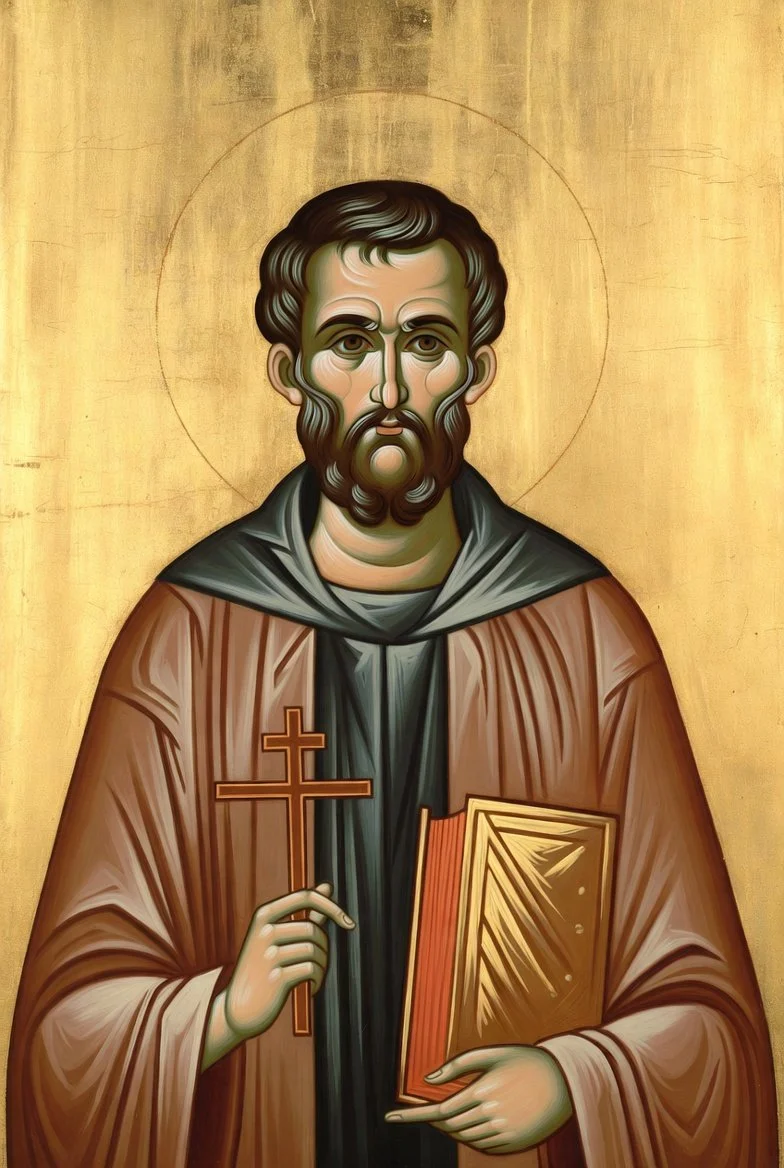
Saint Gerasimos is the patron of the island of Cephalonia (Kefalonia) in the Ionian Sea, and among Greek Orthodox Christians he is the saint most specifically associated with healing mental illness — a tradition with roots in documented miracles from the sixteenth century.
The Life: Pilgrim, Ascetic, Healer
Born in 1505 in the Peloponnese, Gerasimos came from a noble Greek family. He renounced his inheritance and spent years as a pilgrim — traveling to the Holy Land, Jerusalem, Egypt, and Mount Athos, spending extended periods in each place under spiritual direction and in ascetic practice. He eventually settled on Cephalonia, where he lived as a hermit in a cave before founding the Monastery of the New Jerusalem. He served the island as a confessor and spiritual father until his death in 1579.
The specific connection to mental illness came through his miracles. Among the most celebrated accounts from the period of his ministry and immediately after his death is the healing of a woman on Cephalonia who was "possessed and out of her mind" — brought to the saint in a state of severe mental disturbance, she was healed through his prayer and intercession. This account, combined with the ongoing experience of pilgrims at his monastery, established him firmly in Greek Orthodox piety as the saint to invoke for mental illness, psychosis, and severe emotional disturbance.
His relics are incorrupt — preserved without decomposition since the sixteenth century — and are kept at the monastery of Agios Gerasimos on Cephalonia. The monastery remains one of the major pilgrimage centers of the Greek world. On his feast days, thousands of pilgrims come, and the sick — including those with mental illness — are brought for healing prayer. It is common for families with a mentally ill member to travel to Cephalonia specifically to pray at his relics.
How to Pray to Saint Gerasimos for Mental Health
When: Serious mental illness — especially in a family member. Psychosis, severe depression, episodes of mental crisis, and conditions that have not responded to other interventions.
A simple prayer: "Holy Gerasimos, patron of those whose minds are in turmoil, I bring before you [name] who is suffering. You healed those who came to you in Cephalonia — hear this prayer from far away, and intercede with Christ for healing. Cover this suffering soul with your protection and bring peace where there is none. Amen."
For families: Saint Gerasimos is specifically invoked for families in crisis because of a member's mental illness. Praying for him for the family as a whole — not only for the person struggling — is part of the tradition of his intercession.
Saint Tikhon of Zadonsk
1724–1783 · Feast: August 13 · Patron for Anxiety, Depression & Returning to God After Spiritual Collapse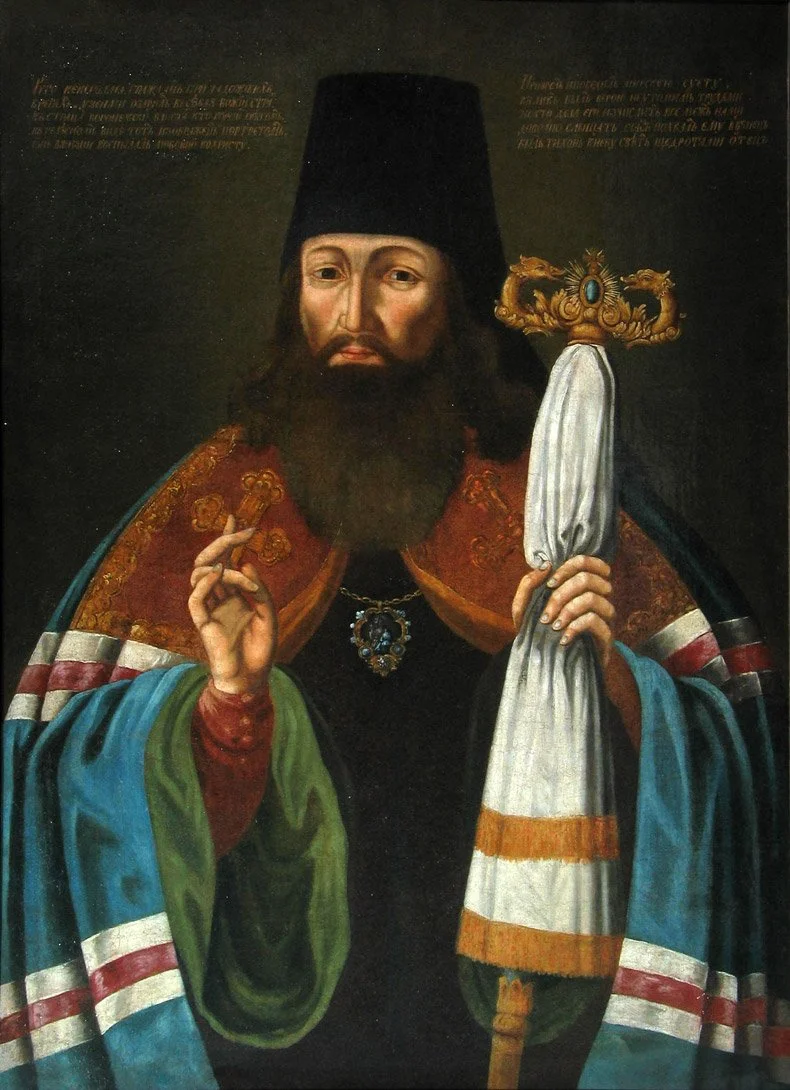
Saint Tikhon of Zadonsk is the saint of those who have collapsed spiritually and are trying to find their way back — the saint of depression that is entangled with guilt, of the person who cannot pray but desperately wants to, of the one who has fallen and cannot find the strength to rise.
The Life: The Bishop Who Retired to Suffer Well
Tikhon Sokolov was born in 1724 in a small Russian village to a poor family. He received a seminary education through patronage and eventually became Bishop of Voronezh and Yelets — one of the more demanding episcopal positions in eighteenth-century Russia. He was a talented and pastorally effective bishop. He was also suffering from severe depression.
In 1767, after only four years as bishop, Tikhon resigned — citing ill health, but in reality experiencing what his biographers describe as a profound nervous breakdown, accompanied by episodes of intense melancholy so severe that those around him feared he might not survive them. He retired to the Zadonsk Monastery in Lipetsk Oblast, where he lived for the remaining sixteen years of his life as a simple monk.
Those sixteen years were not quiet. He continued to suffer from the melancholy that had driven him from his bishopric. But he also wrote — prolifically, deeply, and with a psychological honesty about the interior life that had no real parallel in Russian religious writing before him. His major work, On True Christianity, and his shorter writings describe the spiritual psychology of the fallen soul with an intimacy and precision that clearly came from the inside. He knew the paralysis of depression, the self-contempt that accompanies spiritual failure, the way guilt and anxiety feed each other. And he wrote about how to survive these things — not through willpower or spiritual achievement, but through radical dependence on the mercy of God.
Dostoevsky read Tikhon deeply and modeled both Father Zosima in The Brothers Karamazov and the figure of the Bishop in his later work on Tikhon's character. The Russian writer's profound understanding of guilt, shame, and the possibility of redemption owes an enormous debt to this broken, melancholy bishop who retired to a monastery and wrote his way through the darkness. Tikhon was canonized in 1861.
How to Pray to Saint Tikhon for Mental Health
When: Depression entangled with guilt and shame. The feeling of being too fallen to pray. Spiritual collapse — when you have drifted far from God and cannot find the way back. The exhaustion of someone who has been strong for too long and has nothing left.
A simple prayer: "Holy Tikhon, you suffered the darkness I now carry, and you wrote for people like me — those who know they should pray but cannot, who want to return but have lost the way. Intercede for me that God's mercy would reach into this place where I am, without requiring me to climb out first. Amen."
His recommended remedy: Tikhon taught that when prayer is impossible, the minimum sufficient act is simply to remain in the presence of God — to be honest with God about one's inability to pray. "Lord, I cannot pray" is itself a prayer. He believed that honesty before God in the midst of depression was worth more than performance of devotion that felt hollow.
Saint Anthony the Great
c. 251–356 AD · Feast: January 17 · Father of Monasticism · Patron for Inner Peace & Spiritual Warfare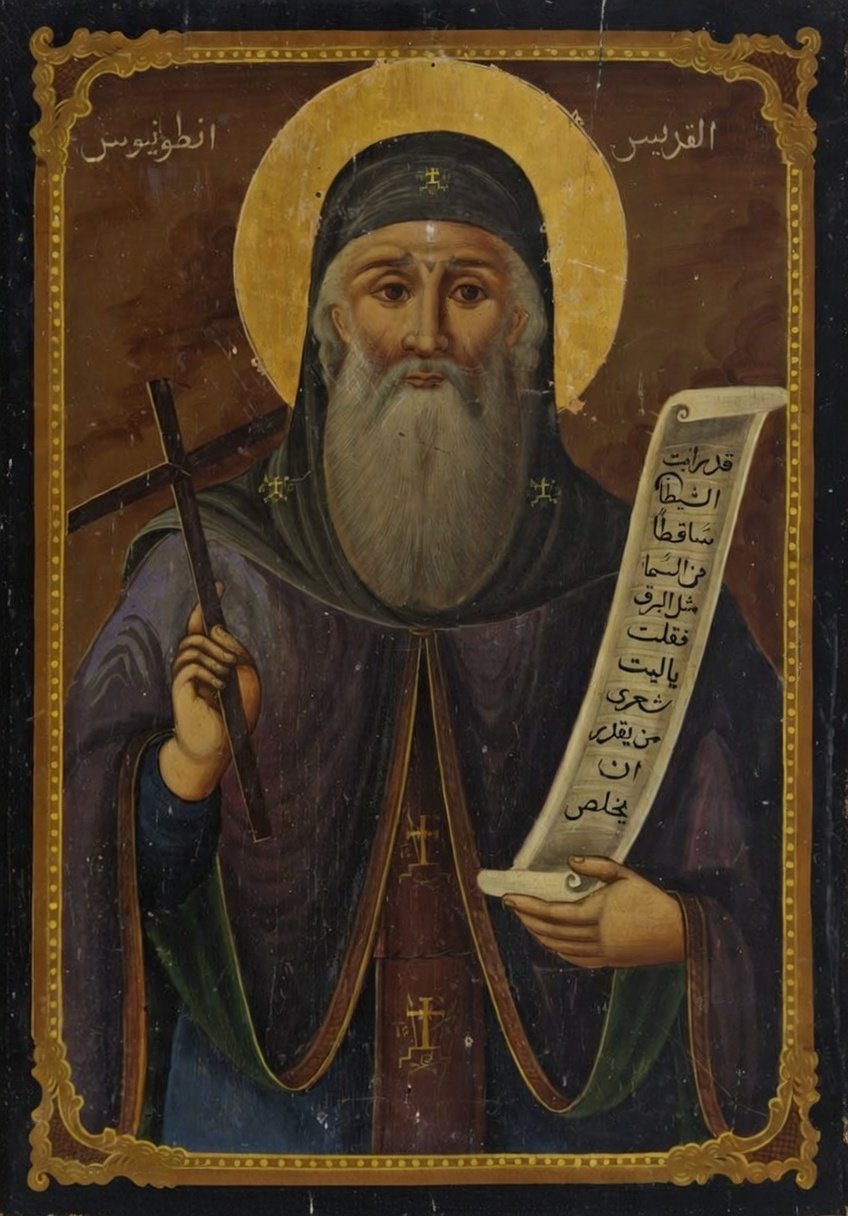
Saint Anthony is the oldest saint in this guide — and in some ways the most important, because the entire Orthodox tradition of understanding mental and spiritual suffering begins with him. The Desert Fathers' approach to the inner life is the oldest continuous Christian psychology in existence, and Anthony is its founder.
The Life: Into the Desert to Fight
Anthony was born around 251 AD in Upper Egypt to a wealthy Christian family. After his parents died, he heard the Gospel read in church — "If you wish to be perfect, go, sell what you possess and give to the poor" — and took it literally. He gave away everything, placed his young sister in the care of devout women, and withdrew into the desert. Over decades, he moved progressively deeper into the Egyptian wilderness, seeking what he called hesychia — interior stillness, the quiet of a soul at peace in God.
What he encountered in the desert was not peace, at least not at first. Saint Athanasius of Alexandria, who knew Anthony personally and wrote his biography, describes in vivid detail the attacks Anthony endured: terror in the night, voices, visions of terrible things, periods of intense spiritual heaviness in which prayer felt impossible and the soul felt abandoned. The demonic temptations that Athanasius describes — particularly the attack known as the "noontide demon" or acedia, a paralyzing listlessness and despair that struck with particular force in the middle of the day — are recognizable to anyone who has experienced depression or anxiety.
Anthony's response to these attacks, preserved in the Desert Father tradition, is the foundation of the Orthodox understanding of spiritual warfare as interior warfare. He taught that the demons attack primarily through thoughts — logismoi — and that the way to resist them is not to fight directly but to refuse to engage, to expose them to the light of Christ's name, and to hold the heart stable rather than being dragged into the drama of the attack. "What would have happened if I had not called on Christ?" is his famous question after a particularly violent spiritual crisis. He knew the answer.
He lived to approximately 105 years old, remaining vigorous until near the end. When he died in 356 AD, the Egyptian desert was populated by thousands of monks who had come to follow the way he had pioneered. His influence on all of Eastern Christian spirituality — and through Athanasius's Life of Anthony, on Western monasticism as well — cannot be overstated. Every Orthodox understanding of how to handle the inner life in its most turbulent states traces back, ultimately, to Anthony in the Egyptian desert in the third century.
How to Pray to Saint Anthony for Mental Health
When: Spiritual warfare — the sense that the mind is under attack. Intrusive thoughts that do not feel like your own. The noontide depression of acedia — meaninglessness, inability to begin, paralysis in the middle of ordinary life. General anxiety and the need for inner peace.
A simple prayer: "Holy Anthony, father of those who fight the inner war, I am being assailed by thoughts I cannot silence. Teach me through your intercession not to wrestle with what assails me, but to hold my heart steady in the name of Christ until the darkness passes. Amen."
The Desert Fathers' teaching for intrusive thoughts: Do not argue with a troubling thought. Do not analyze it. Do not try to defeat it intellectually. Simply bring the Jesus Prayer — "Lord Jesus Christ, have mercy on me" — and hold it. The thought cannot survive sustained contact with the name of Christ. This is the oldest recorded cognitive-spiritual technique in the Christian tradition, and it works.
How to Pray to These Saints: A Complete Approach
Praying to the saints in the Orthodox tradition is not the same as petitioning a divine figure. It is asking a person who is alive in God — and whose life has particular relevance to your situation — to add their prayer to yours before the throne of Christ. The saint is an intercessor, not a source of power. The power is always Christ's. The saint's role is that of a friend with access and experience, asked to pray with you and for you.
The Basic Structure of Intercessory Prayer
A complete prayer to a saint typically has four parts:
1. Address the saint by name. "Holy [name]" or "O holy [name]" — not as a formal incantation but as a genuine address to a living person who can hear you.
2. Acknowledge their specific connection to your need. "You who suffered depression," "you who healed the mentally ill," "you who know what it is to carry unjust suffering." This is not magic — it is an act of faith that the saint's lived experience makes their intercession specifically apt.
3. Bring the specific need. Name it plainly. The saints know your heart already, but naming the need is an act of honesty and trust that matters for your own prayer.
4. Ask for intercession with Christ. "Pray for me before Christ," "intercede for healing," "ask God to send his mercy." The petition flows through the saint to Christ, not the other way around.
The Jesus Prayer as Foundation
Every saint in this guide either practiced the Jesus Prayer themselves or specifically recommended it for mental suffering. The Prayer is: "Lord Jesus Christ, Son of God, have mercy on me, a sinner." It can be shortened to "Lord Jesus Christ, have mercy on me" or even simply to "Lord, have mercy." The Orthodox tradition teaches that this prayer, practiced with attention and regularity, has transformative power over the inner life — not as a mantra or a technique, but as a continuous orientation of the heart toward Christ in every moment, including the dark ones.
The prayer rope (komboskini or chotki) is the traditional tool for counting repetitions of the Jesus Prayer. If you are new to it, start simply: hold the rope, say the Prayer, move to the next knot. Let the physical texture of the rope anchor your attention when the mind wanders. This embodied practice is precisely what saints like Porphyrios and Silouan recommended for anxiety — returning the body and the breath to the Prayer instead of to the loop of anxious thought.
Using Prayer Cards
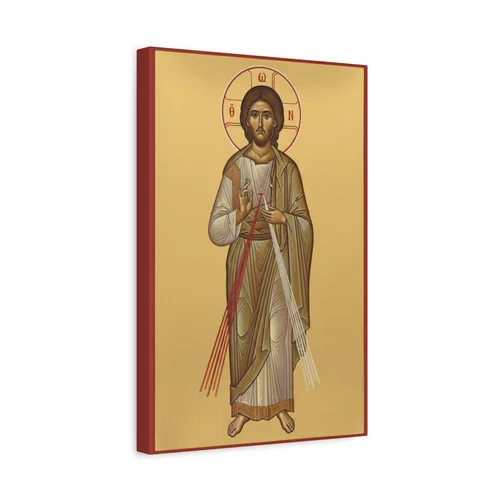
A prayer card with the saint's icon is a natural focus for this kind of prayer. Place it where you pray — bedside, at a desk, in a pocket. When the anxiety comes, look at the face of the saint and say simply: "Holy [name], pray for me." The icon is a window, not a wall — the saint on the other side of it is real and can hear you.

When Mental Health Affects Your Marriage — Free Christian Books for Couples
Mental health struggles rarely stay in one person. They ripple into marriages and families. If anxiety, depression, or emotional pain is affecting your relationship, our free Christian marriage books — written from within the ancient Christian tradition, offered completely free with no email or paywall — may help you and your spouse navigate it together.
Read Free Marriage Books →Frequently Asked Questions
You Are Not Praying Alone
Every saint in this guide has been where you are — in the dark, in the silence, in the place where prayer feels impossible. They are alive in God, and they can hear you. The prayer card is simply the doorway.
Browse All Mental Health Saints →