Saint Raymond Nonnatus: The Saint Who Was Never Born the Ordinary Way
Patron of Pregnant Women, Midwives & Safe Childbirth • Feast Day August 31
Saint Raymond Nonnatus: The Saint Who Was Never Born the Ordinary Way
Known across the Spanish-speaking world as San Ramón Nonato, he entered life by emergency surgery after his mother's death, and has been asked ever since to watch over every birth that does not go the way it was supposed to.
Saint Raymond Nonnatus — At a Glance
- Also Known As
- San Ramón Nonato (Spanish)
- Name Meaning
- Nonnatus / Nonato — “Not Born” (the natural way)
- Born
- Portell, Catalonia, Spain • c. 1200–1204
- Died
- Cardona, Spain • August 31, 1240
- Order
- Mercedarians (Order of Our Lady of Mercy)
- Role
- Second Master General of the Order • Ransomer of captives
- Feast Day
- August 31
- Invoked For
- Pregnant women • Midwives • Safe childbirth • The falsely accused
A Birth That Gave Him His Name
According to Mercedarian tradition, Raymond was born in the town of Portell, in the Segarra region of Catalonia, Spain, in the early years of the thirteenth century, to a family of modest noble standing. His mother died in labor before he could be delivered, and the Viscount of Cardona, present at the birth, made the decision to cut the child from her body rather than lose him as well. The procedure, an early and urgent ancestor of what is known today as a caesarean section, saved the infant's life at the cost of his mother's, and gave him the name history remembers him by: Nonnatus, Latin for “not born,” since he had never passed through ordinary birth at all. In Spanish devotion, where his cult has always run deepest, he is San Ramón Nonato, the same name carried into every language his devotion has traveled to since.
That single detail, the manner of his own entry into the world, is the root of nearly everything that follows in his story. A saint whose own survival depended on an intervention at the most dangerous possible moment of childbirth became, almost inevitably, the saint families turned to when a pregnancy or delivery was not going the way it was supposed to.
Part II
Joining the Ransomers of Captives
As a young man, Raymond herded sheep near a hermitage dedicated to Saint Nicholas, where an image of the Virgin Mary was venerated, and it was there, tradition holds, that his devotion to her began in earnest. His father initially set him to work managing a farm, but eventually permitted him to enter religious life, and Raymond joined the recently founded Mercedarians, the Order of Our Lady of Mercy, in Barcelona, trained personally by its founder, Saint Peter Nolasco. The order existed for a single, specific purpose: to ransom Christian captives held by Muslim rulers across North Africa, and its members took a distinctive fourth vow beyond the usual three, promising to offer themselves as hostages in place of captives if ransom funds ran out.
Raymond was ordained a priest in 1222 and, given his evident zeal, rose to become the order's second Master General, succeeding Nolasco himself in the role of chief ransomer. He carried out his first major redemption in Valencia, freeing well over a hundred Christian captives, before setting out for North Africa to continue the work in earnest.
Part III
Hostage for Twenty-Eight Captives
In Algiers, Raymond ransomed roughly two hundred and fifty more captives. He then traveled on to Tunis, where his funds finally ran out with twenty-eight Christian slaves still unredeemed. Rather than leave them behind, he did what his order's fourth vow required and had trained him to do: he offered himself as a hostage in their place, staying behind in captivity so the last of the captives could go free.
Part IV
The Padlock on His Lips
Captivity did not quiet Raymond. He spent his time among the remaining prisoners comforting and encouraging them, and, according to tradition, went further still, openly preaching the Christian faith to his captors and making converts among them. This was intolerable to the local authorities, who first sentenced him to death by impalement before commuting the sentence in hope of a larger ransom later on. To silence him without killing him, his captors are said to have driven a red-hot iron through his lips and sealed his mouth shut with a padlock, a torment tradition holds he endured for as long as eight months before his own order finally secured his release and brought him back to Spain in 1239.
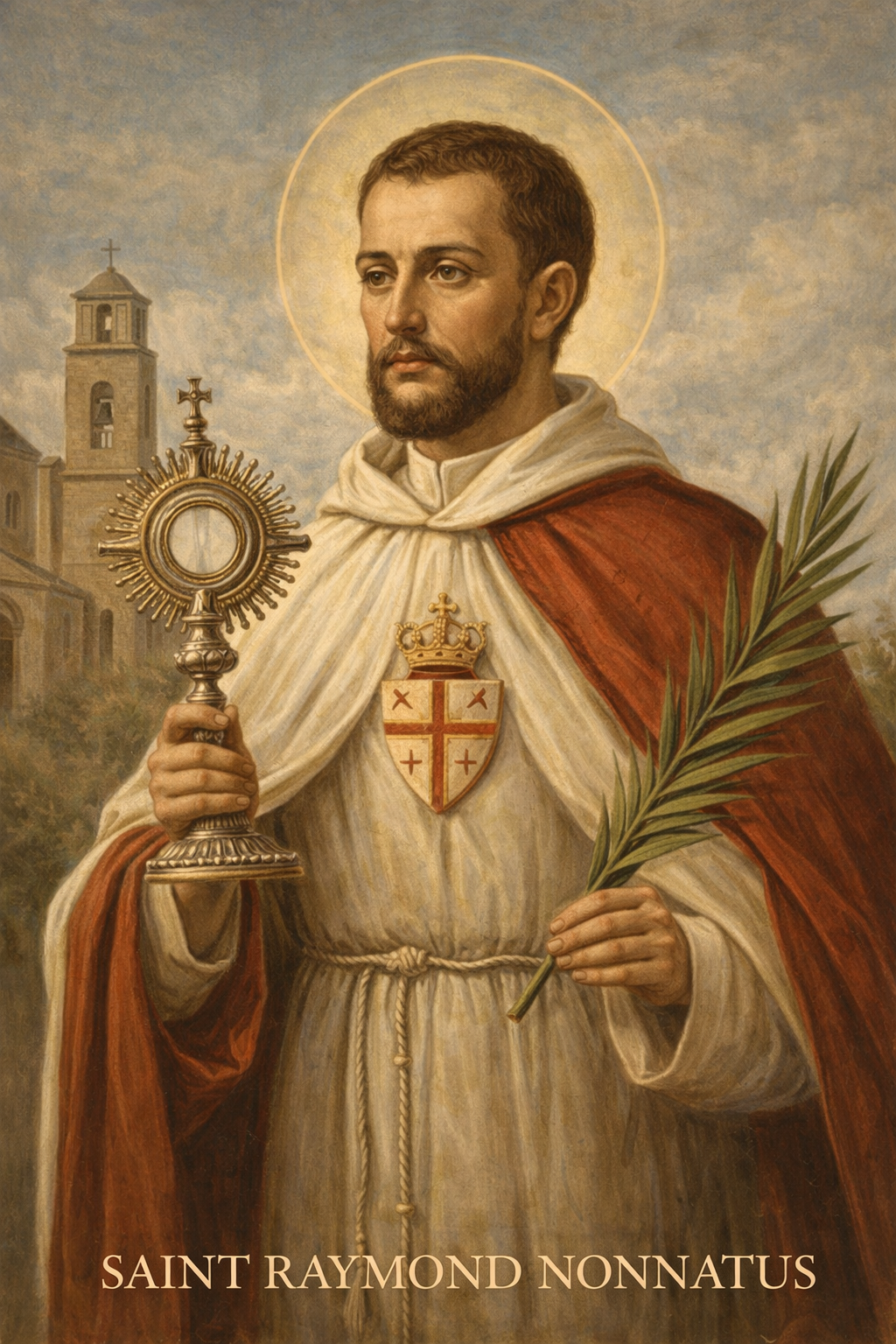
That image, a friar in Mercedarian white with a padlock through his lips, became the standard way Raymond has been depicted in art ever since, and it is the direct source of his patronage over the falsely accused and against gossip and idle talk, a very different but no less devoted following than the one built around his birth.
Part V
Cardinal, and a Journey That Ended Early
Tradition holds that upon his return to Spain in 1239, Pope Gregory IX recognized Raymond's virtue and sacrifice by naming him a cardinal. Summoned to Rome the following year, Raymond set out but died before completing the journey, at the castle of Cardona, roughly six miles from Barcelona. A dispute broke out over where his body should be buried, between the Mercedarians and the local nobility, and tradition holds it was settled when his remains were placed on the back of a blind mule and released; the animal walked, unguided, straight to the chapel of Saint Nicholas where Raymond had tended sheep as a boy, and there he was laid to rest. His name was formally added to the Roman Martyrology in 1657 by Pope Alexander VII. Twentieth-century historical research has raised questions about whether some details of the traditional account may reflect the life of a different Mercedarian friar active a century later, a reminder that medieval hagiography often layers devotion and history together; the devotion itself, in any case, has never wavered.
Part VI
Why He Is Invoked for Pregnancy & Childbirth
Unlike many patronages that developed gradually through centuries of reported answered prayers, Raymond's connection to pregnancy and childbirth is built directly into the facts of his own life. A saint delivered by emergency surgery after his mother's death in labor is, in the most literal sense possible, a survivor of the exact kind of birth crisis families fear most. That has made him one of the most direct and widely invoked patrons for pregnant women, expectant mothers, midwives, and obstetricians across the Spanish-speaking Catholic world in particular, where devotion to San Ramón Nonato remains especially strong, and increasingly among English-speaking Catholics as well.
Families facing a high-risk or medically complicated pregnancy often turn to him specifically, for the same reason his own name has carried through eight centuries: he is proof, to those who ask his intercession, that a birth which does not go the expected way can still end in life.
Part VII
Other Saints for Pregnancy & Motherhood
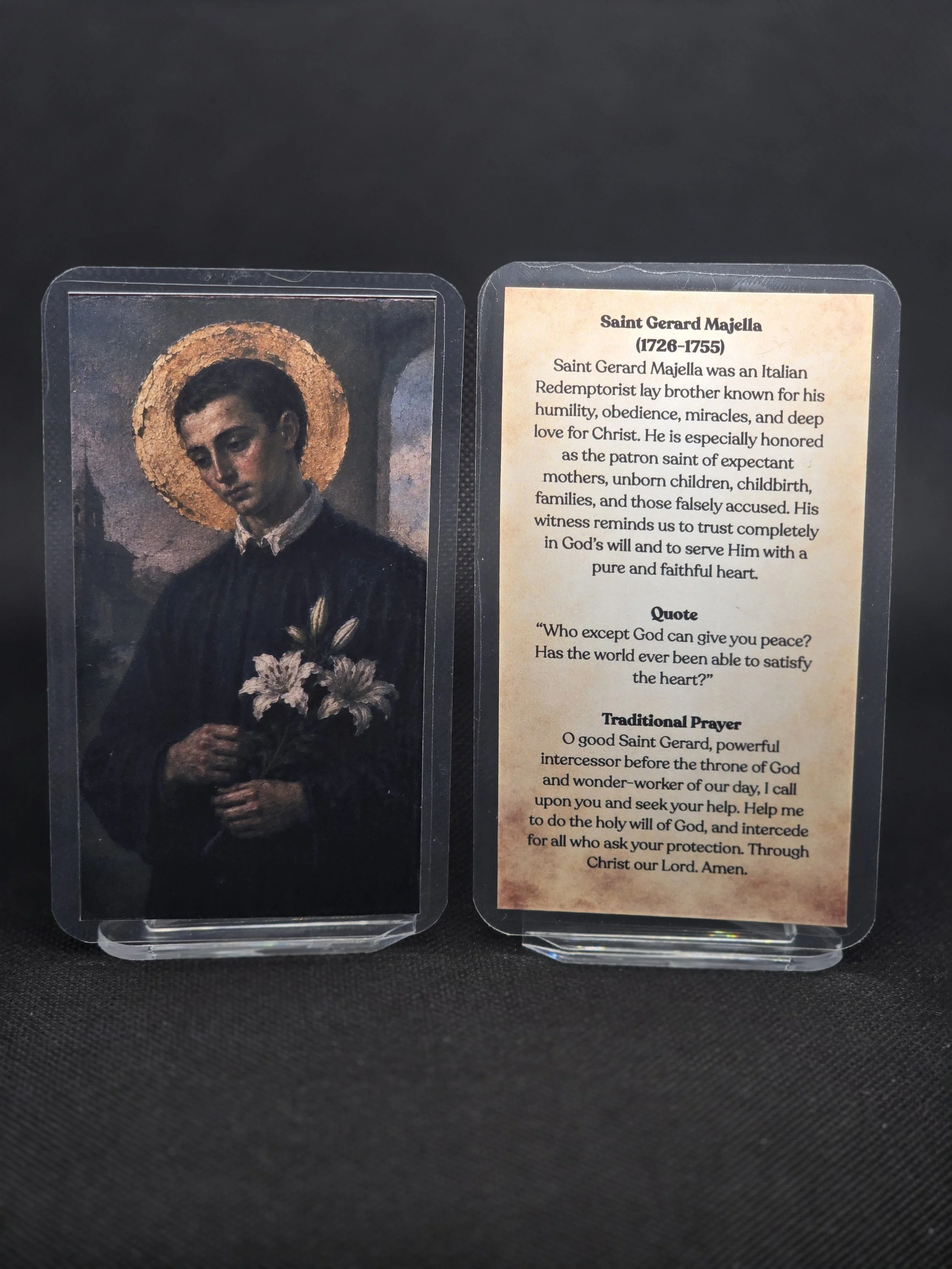
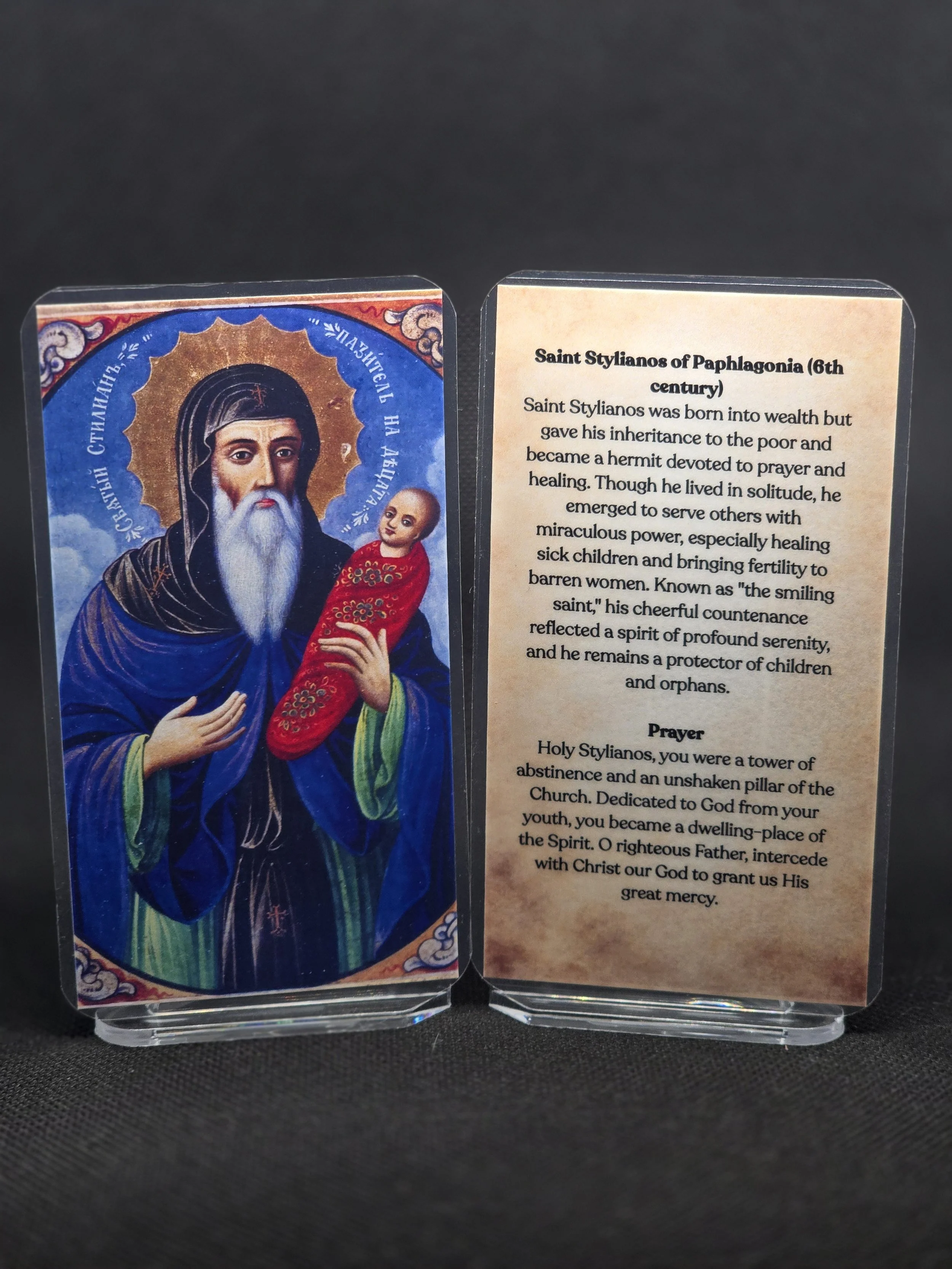
Families building a devotional practice around pregnancy and childbirth often pair San Ramón Nonato with other saints known for the same intercession, each carrying a distinct tradition of care for mothers and children.
FAQ
Frequently Asked Questions
A Saint Whose Whole Life Answers the Same Fear
San Ramón Nonato was never supposed to survive the way he did. Eight centuries later, that single fact is still what families reach for in the hardest hours of pregnancy and delivery: proof that a birth gone wrong is not the end of the story.
Get the Saint Raymond Nonnatus Prayer Card →