Natural Family Planning for Catholics: Methods, Theology, and What It Actually Asks of a Marriage
Natural Family Planning for Catholics: Methods, Theology, and What It Actually Asks of a Marriage
Every Catholic engaged couple hears the phrase in marriage prep. Far fewer are told, clearly and honestly, what NFP requires: the theology behind it, the specific methods available, how effective they actually are, and the very real relational work most couples don't expect until they're already living it. This is the complete guide, method by method, doctrine by doctrine, and marriage by marriage.
Natural Family Planning — At a Glance
- What It Is
- Tracking natural fertility signs to time or avoid conception, no drugs or devices
- Core Church Teaching
- Humanae Vitae, 1968 • Every marital act stays open to life and to union
- Main Methods
- Sympto-Thermal • Creighton Model • Marquette Model
- Method Effectiveness
- 97–99%+ with correct use and certified instruction
- Real-World Effectiveness
- Lower than method effectiveness — depends on training and consistency
- Key Difference from Contraception
- Abstaining from an act vs. acting against an act's fertility
- Learning Curve
- Best learned from a certified instructor, not books or apps alone
- The Hidden Challenge
- Communication, intimacy, and abstinence — not the charting itself
What Natural Family Planning Actually Is
Natural Family Planning, almost universally abbreviated NFP, refers to a family of scientifically developed methods for identifying the fertile and infertile phases of a woman's menstrual cycle through direct observation of the body's own biological signals, rather than through hormonal suppression, physical barriers, surgical sterilization, or any other external intervention. A couple practicing NFP learns to read specific, trackable signs, basal body temperature shifts, changes in cervical mucus, and in some methods, hormonal markers measured by a monitor, to determine with a high degree of confidence which days of the cycle carry a realistic chance of conception and which do not.
Once a couple has this information, they make a decision entirely within their own conscience and marriage: engage in the marital act as normal, achieving the fullest expression of married love with the same openness to life the Church asks of every act of intercourse, or refrain from the marital act during the fertile window if they have a serious reason to postpone pregnancy at this time. This is the entire mechanism of NFP. There is no drug, no device, no procedure, only observation, communication, and, when postponing pregnancy, a period of abstinence during the fertile days of the cycle.
It is worth stating plainly, because so much popular confusion exists on this point: NFP is not the same thing as the older, far less reliable "rhythm method" many people still associate with Catholic teaching, which relied on calendar-based calculation alone without any direct observation of the woman's actual, cycle-specific fertility signs. Modern NFP methods are grounded in decades of reproductive physiology research, taught through structured certification programs, and, when practiced correctly, achieve effectiveness rates that place them among the most reliable methods of family planning available today, a fact that surprises many people encountering this article for the first time.
Part II
The Catholic Theology Behind NFP
To understand why the Catholic Church treats NFP so differently from contraception, it helps to start with the Church's broader theology of marriage itself. Catholic teaching holds that marriage is a sacrament, a visible sign of an invisible grace, in which the total, mutual self-gift of husband and wife images the total self-gift of Christ to His Church. The marital act, in this theology, is not merely a private physical pleasure or a biological function; it is understood as a kind of embodied language, a physical renewal of the wedding vows themselves, in which each spouse says with their body what they said at the altar: total, faithful, fruitful, permanent self-gift.
Pope John Paul II's Theology of the Body, delivered in a lengthy series of papal audiences in the early 1980s, develops this theology at length, arguing that the human body itself has a "nuptial meaning," that our embodied maleness and femaleness are ordered toward this total self-giving communion, and that any deliberate action that closes off either the unitive or procreative dimension of the marital act distorts the very language the body is speaking. Within this framework, NFP is not simply a permitted loophole or a lesser evil compared to contraception; it is presented as a positive good, a discipline that requires and deepens exactly the virtues, self-mastery, communication, patience, and mutual respect for the other spouse's body and fertility, that Catholic marital spirituality holds up as central to a flourishing marriage.
Part III
Humanae Vitae and the Unitive-Procreative Bond
The single most authoritative and most consequential Catholic document on this entire subject is Pope Paul VI's 1968 encyclical Humanae Vitae ("Of Human Life"), issued at the height of the sexual revolution and in the midst of enormous internal Catholic debate following the introduction of the birth control pill. Humanae Vitae reaffirmed, against considerable pressure to change course, the Church's constant teaching that each and every marital act must remain open to the transmission of life, and explicitly reaffirmed that this teaching applied to the newly available hormonal contraceptive pill exactly as it had always applied to older barrier and surgical methods.
The heart of the encyclical's argument is what theologians now commonly call the "inseparable connection," the teaching that the unitive significance and the procreative significance of the marital act are joined by God's own design in such a way that man may not, on his own initiative, break that connection. Humanae Vitae explicitly permits couples to take the natural infertile periods of the cycle into account for a spacing or limiting of births, provided they have a just and serious reason to do so, precisely because doing so does not act against the nature of any individual marital act; it simply chooses which days to engage in the act at all.
Humanae Vitae is also frequently remembered for a series of predictions Pope Paul VI made about the likely social consequences of widespread contraceptive use, predictions many Catholic commentators argue have proven strikingly accurate in the decades since: a general lowering of moral standards, increased marital infidelity, a loss of reverence for women reduced to instruments of male satisfaction, and the risk of governments using contraceptive and population-control technology coercively. Whatever one's view of these specific predictions, the encyclical remains the essential starting point for understanding why the Catholic Church draws such a firm moral line between NFP and contraception.

Part IV
Why NFP Is Not "Catholic Birth Control"
A common objection, raised by both critics and confused Catholics alike, treats NFP as simply "Catholic birth control with extra steps," a technologically low-tech way of achieving the same practical result as the pill or a condom, and therefore no more morally serious or different in kind. Catholic moral theology rejects this framing directly, and the distinction it draws is worth stating with precision, because the entire moral architecture of Church teaching on this subject rests on it.
Contraception involves a couple choosing to engage in the marital act while simultaneously acting, through a drug, device, or procedure, to suppress or block that specific act's natural fruitfulness. The act of intercourse itself is deliberately altered from what it would naturally be. NFP, when used to postpone pregnancy, involves a couple choosing not to engage in the marital act at all during the fertile window. Every act of intercourse that does occur, on the infertile days a couple selects, is left entirely unaltered, fully oriented toward both union and procreation exactly as nature and grace intend it, precisely because nothing was done to interfere with it.
Catholic theologians frequently illustrate this distinction with an analogy to fasting: choosing not to eat is morally and physically entirely different from eating a meal while taking a drug that prevents your body from digesting it. The first is abstinence from a good act; the second is participation in the act while deliberately frustrating its natural purpose. Whatever one makes of the analogy's limits, it captures why Catholic moral theology treats the difference between NFP and contraception as a difference in the nature of the act itself, not merely a difference in how effective or convenient each approach happens to be.
Part V
The Three Main NFP Methods Explained
The Sympto-Thermal Method
The Sympto-Thermal Method is among the most widely taught and longest-established modern NFP approaches, combining daily basal body temperature readings, taken each morning before rising, with observation of cervical mucus changes and, often, secondary signs such as cervical position. The "sympto" in the name refers to these symptomatic mucus and cervical observations, and the "thermal" refers to the temperature tracking; combining both data streams gives couples cross-confirming evidence of ovulation, which many instructors and users consider one of the method's core strengths. Sympto-Thermal instruction is available through several certified teaching organizations, and couples typically learn the method over a series of in-person or virtual sessions with a trained instructor across two to three full cycles.
The Creighton Model FertilityCare System
The Creighton Model, developed specifically with Catholic moral compatibility and medical precision in mind, relies on a single, highly standardized system of daily cervical mucus observation, using a specific charting vocabulary and stamp-based recording system taught by certified FertilityCare Practitioners. Because Creighton was developed alongside NaProTechnology, a broader women's reproductive health medical framework, it is frequently the method of choice for couples also navigating infertility, recurrent miscarriage, or other reproductive health concerns, since Creighton charting data can be used directly by NaPro-trained physicians to diagnose and treat underlying hormonal or reproductive health issues, not simply to time intercourse.
The Marquette Model
The Marquette Model, developed at Marquette University, incorporates a handheld hormonal fertility monitor that measures estrogen and luteinizing hormone metabolites in a woman's urine, providing an additional objective, technology-assisted data point alongside mucus observation. Many couples are drawn to Marquette specifically because the monitor offers a clear, numerical readout rather than relying solely on subjective observation, which some users find reassuring, particularly in the early learning cycles before confidence in mucus observation alone has been built. Marquette instructors are certified through a structured training program and the method has a growing body of published effectiveness research specific to its protocols.
Regardless of which method a couple ultimately chooses, one point deserves emphasis: every major Catholic NFP organization and virtually every Catholic diocese marriage preparation program strongly discourages attempting to learn any of these methods purely from books, apps, or internet research alone. Certified in-person or live virtual instruction, with a real instructor who can review a couple's actual charts and answer specific questions, is consistently associated with both higher effectiveness rates and greater couple confidence and satisfaction with the method.
Part VI
How Effective Is NFP, Really?
One of the most persistent myths about NFP is that it is unreliable, little better than guesswork, a holdover impression from the older calendar-based rhythm method decades ago. Modern, method-specific published research tells a considerably different story. Properly conducted studies of the Sympto-Thermal Method, the Creighton Model, and the Marquette Model have found method effectiveness rates, meaning effectiveness when the method's rules are followed correctly and consistently, in the range of 97 to over 99 percent for avoiding pregnancy, a range that compares favorably to many forms of hormonal contraception.
It is important to distinguish this "method effectiveness" figure from "typical use" or real-world effectiveness, which accounts for couples who do not follow the method's rules perfectly every cycle, whether through incomplete training, inconsistent daily observation, or intentional risk-taking on borderline days. Typical-use effectiveness for NFP, as for any method requiring consistent human behavior, is meaningfully lower than method effectiveness, and the size of that gap depends heavily on the quality of a couple's instruction and their discipline in following the specific method's protocols, which is precisely why certified instruction, rather than self-teaching, makes such a measurable difference in real outcomes.
Effectiveness also varies by which specific method a couple uses and how strictly they interpret the fertile window; some methods and instructors teach a more conservative (wider) fertile window definition specifically to maximize effectiveness for avoiding pregnancy, while couples trying to achieve pregnancy use the same fertility signs to identify the optimal days for intercourse instead. A couple's honest conversation with a certified instructor about their specific goals, whether spacing births, achieving pregnancy, or addressing an underlying fertility concern, should shape exactly how a given method is applied in their particular marriage.
Part VII
Common Myths About NFP, Debunked
Myth: NFP Is Just the Old "Rhythm Method"
As discussed above, the older rhythm method relied purely on calendar calculation based on past cycle history, without any direct observation of a woman's actual, current-cycle fertility signs. Modern NFP methods observe real, daily biological data specific to the cycle in progress, a fundamentally different and far more reliable approach.
Myth: NFP Only Works for Women With Perfectly Regular Cycles
Certified NFP instructors routinely work with women who have irregular cycles, postpartum returning fertility, perimenopausal transitions, and breastfeeding-related fertility changes; the specific charting protocols exist precisely to identify fertility signs even amid cycle irregularity, though these situations do typically require more careful, individualized instruction from a certified teacher.
Myth: NFP Requires Total Abstinence Most of the Month
The length of the fertile window requiring abstinence (for couples avoiding pregnancy) varies by individual cycle and by method, but typically spans roughly one to two weeks per cycle, not the entire month; the remaining days are available for the marital act with the same freedom any couple enjoys.
Myth: Church Teaching Treats NFP as Simply "Permitted," a Grudging Exception
As Part II of this article discusses, Catholic theology, especially since Pope John Paul II's Theology of the Body, presents NFP not as a mere permitted loophole but as a positive spiritual good that cultivates virtues central to a healthy Catholic marriage.
Part VIII
Getting Started: Finding a Certified Instructor
Every major NFP method discussed in this article, Sympto-Thermal, Creighton, and Marquette, maintains its own certified instructor network, typically reachable through the method's own national organization website or through a couple's local Catholic diocese, which frequently maintains a referral list of approved local instructors as part of its marriage preparation ministry. Instruction typically begins with an introductory session explaining the method's basic principles, followed by several cycles of guided charting with regular check-ins, either in person or via video call, during which the instructor reviews the couple's actual charts and answers method-specific questions.
Couples should expect a genuine learning curve of two to three full cycles before feeling confident interpreting their own charts independently, and should not be discouraged if the first cycle or two feels confusing or uncertain; this is a normal, expected part of the learning process every certified instructor anticipates and is trained to walk couples through patiently. Most instructors also emphasize, from the very first session, that NFP is something both spouses learn and practice together, not a task delegated solely to the wife, a point that becomes directly relevant to the relational challenges discussed in the sections that follow.
Part IX
The Communication Challenge Nobody Warns You About
Most Catholic marriage preparation programs cover the theology of NFP thoroughly, and many now include at least a basic introduction to charting methods, but far fewer spend meaningful time preparing couples for the ongoing, day-to-day communication NFP actually requires once the honeymoon season of marriage gives way to the real rhythm of shared life. Successfully practicing NFP over years, not just the first engaged cycle or two, means a couple needs to talk regularly, and honestly, about fertility signs, the length of the current fertile window, whether this particular cycle calls for postponing or is open to conception, and how each spouse is feeling about the abstinence period currently in progress.
In practice, many couples find this ongoing conversation harder than the charting itself. One spouse may feel awkward initiating the conversation, worried it will sound like a complaint. Another may feel a quiet pressure to "perform" enthusiasm about abstinence rather than admit real frustration. Differences in how each spouse processes stress, desire, or disappointment around family planning decisions, especially when a couple disagrees about timing, can surface tension that has little to do with charting accuracy and everything to do with two people learning to be honest with each other about a genuinely vulnerable topic.
None of this reflects a flaw in NFP itself or in a couple's marriage. It reflects the simple reality that NFP asks a married couple to have an unusually direct, recurring conversation about fertility, desire, and family size, a conversation most couples, Catholic or otherwise, were never explicitly taught how to have well.
Part X
Intimacy and Abstinence During the Fertile Window
The abstinence period built into NFP, when a couple is postponing pregnancy, is frequently the single most challenging practical dimension of the method, not because the theology is unclear but because sustained periods of physical restraint within an otherwise healthy, loving marriage can generate real tension if a couple has no intentional plan for staying emotionally and relationally connected during that window. Couples report a range of difficulties here: one spouse feeling rejected or undesired during the fertile window even when both understand intellectually that abstinence is a shared decision, not a personal rejection; irritability or short tempers that neither spouse initially connects to the abstinence period itself; and, especially among newly married couples, genuine surprise at how much more difficult sustained self-mastery is in practice than it sounded in engaged couple classes.
Catholic marriage spirituality generally teaches that this challenge, difficult as it is, is not a design flaw to be minimized but an invitation, an opportunity for a couple to practice and deepen forms of intimacy that do not depend on the marital act itself: extended conversation, shared prayer, physical affection short of intercourse, and intentional dates or rituals that keep a couple emotionally close during the fertile window. Couples who report the most successful long-term experience with NFP consistently describe treating the fertile window not as a relational void to simply endure, but as a season with its own specific intimacy practices, practices most couples have to develop somewhat intentionally, since they are not always modeled or taught explicitly in marriage preparation.
Part XI
NFP as a Spiritual Practice, Not Just a Method
Catholic spiritual writers on marriage frequently describe NFP, when embraced fully rather than merely tolerated, as a genuine ascetical practice comparable in kind, though obviously not in form, to fasting or other traditional Catholic disciplines of self-denial oriented toward spiritual growth. Just as fasting from food is understood in Catholic tradition to cultivate discipline, gratitude, and a right ordering of bodily desire beneath the will and beneath love of God, periodic abstinence within NFP is understood by many Catholic couples and spiritual directors as cultivating parallel virtues within the specific context of married love: patience with one's spouse, honest communication under a small but real form of shared sacrifice, and a growing capacity to love a spouse's whole person rather than treating intimacy as an entitlement owed on demand.
This reframing, from NFP as a burden to be endured toward NFP as a shared spiritual discipline a couple undertakes together, does not eliminate the real difficulty discussed in the two preceding sections, but it does give that difficulty meaning and direction, transforming an otherwise frustrating obstacle into a concrete, repeated opportunity for a couple to practice exactly the sacrificial love their wedding vows called them to. Couples who intentionally bring prayer into their NFP practice, praying together specifically for patience and unity during difficult cycles, or asking the intercession of married saints who lived a similar discipline themselves, frequently report that this spiritual framing changes their entire experience of the method over time.

Part XII
When NFP Feels Like a Burden, Not a Gift
Everything in the two preceding sections is true, and none of it changes the fact that many genuinely faithful, well-catechized Catholic couples still find themselves, months or years into practicing NFP, feeling worn down rather than spiritually strengthened by it. Charting fatigue sets in. One spouse quietly starts to resent the other for how differently they each seem to experience the abstinence period. Conversations about fertility become clipped, transactional, or avoided altogether. A couple who once discussed NFP openly during engagement finds themselves years later barely discussing it at all, simply enduring each cycle silently and separately rather than together.
If any of this sounds familiar, it does not mean a couple is doing NFP wrong, failing at their marriage, or lacking sufficient faith. It means they have run into exactly the relational layer of NFP that charting instruction, however excellent, was never designed to address, because a fertility chart can tell a couple which days are fertile, but it cannot teach two people how to talk to each other honestly about desire, disappointment, and sacrifice without one or both feeling unheard.
You've Mastered the Method. The Marriage Side Is a Different Skill.
Certified NFP instructors are excellent at teaching mucus observation, temperature charting, and hormone monitoring. What they are not typically trained to address is everything this article has just described: the communication strain, the resentment that can quietly build, the loneliness of the fertile window, and the temptation to simply stop talking about it rather than work through it together.
If your marriage is running into any of the following, you are not failing at NFP. You are facing exactly what our marriage coaching exists to help couples work through:
- Difficulty discussing fertility and family planning decisions without shame, blame, or shutting down
- Resentment building around who carries more of the burden of tracking, abstaining, or waiting
- Feeling disconnected or undesired during the fertile window, even when you understand the reasoning intellectually
- Temptation or frustration during abstinence that neither of you feels able to bring up honestly
- A sense that NFP has become a source of ongoing tension rather than the shared spiritual practice you hoped it would be
Jeremy works one-on-one with husbands. Ashley works one-on-one with wives. Together, they help Catholic couples move NFP from a source of quiet strain back into the shared discipline of sacrificial love it was always meant to be.
Learn About Our Marriage Coaching →Part XIII
Patron Saints for Marriage, Fertility, and Family Life
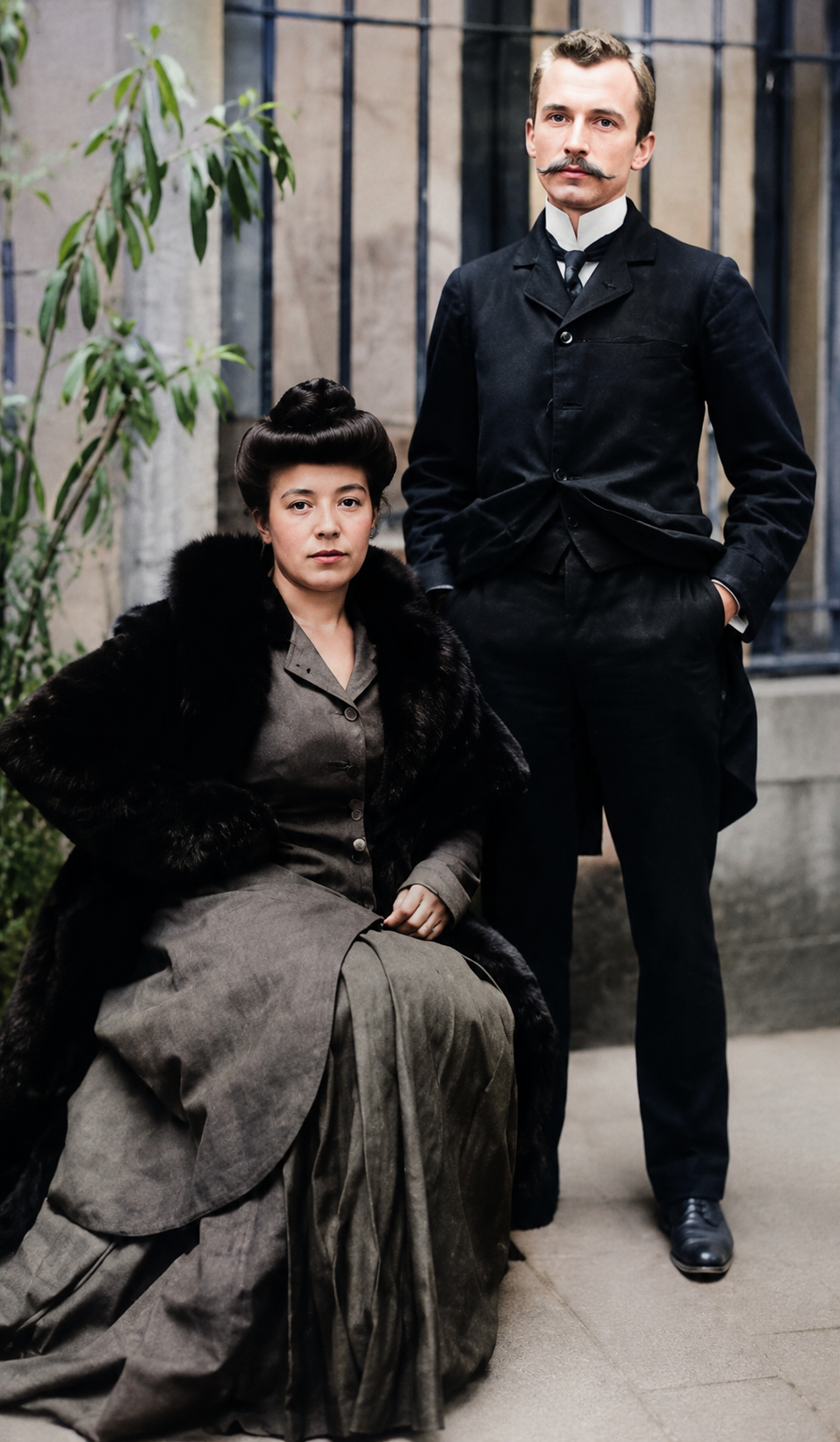
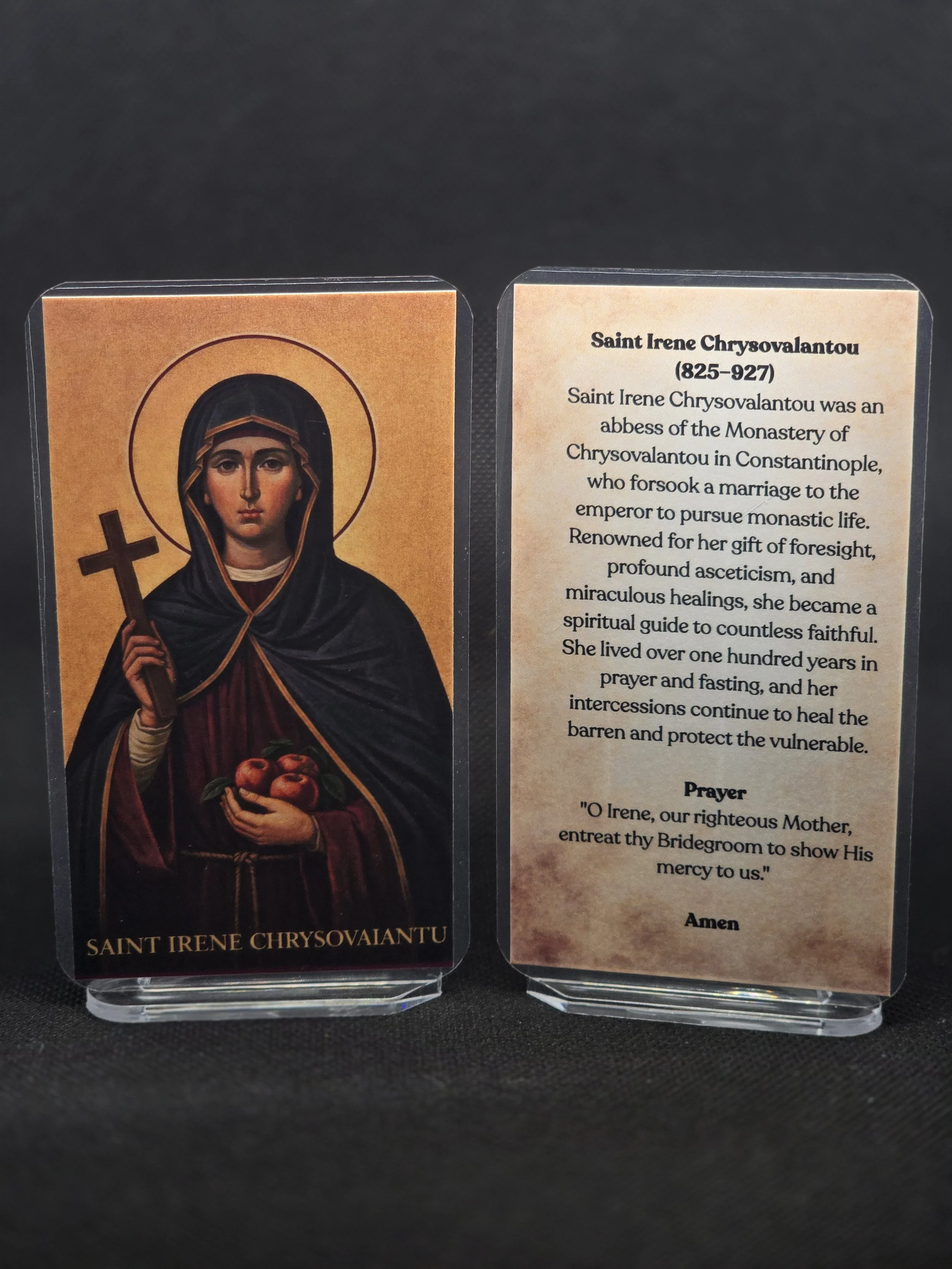
Catholic couples practicing NFP have a particularly rich and directly relevant body of patron saints to turn to in prayer, including, remarkably, one canonized married couple who is known to have practiced periodic abstinence within their own marriage decades before NFP existed in its modern charted form.
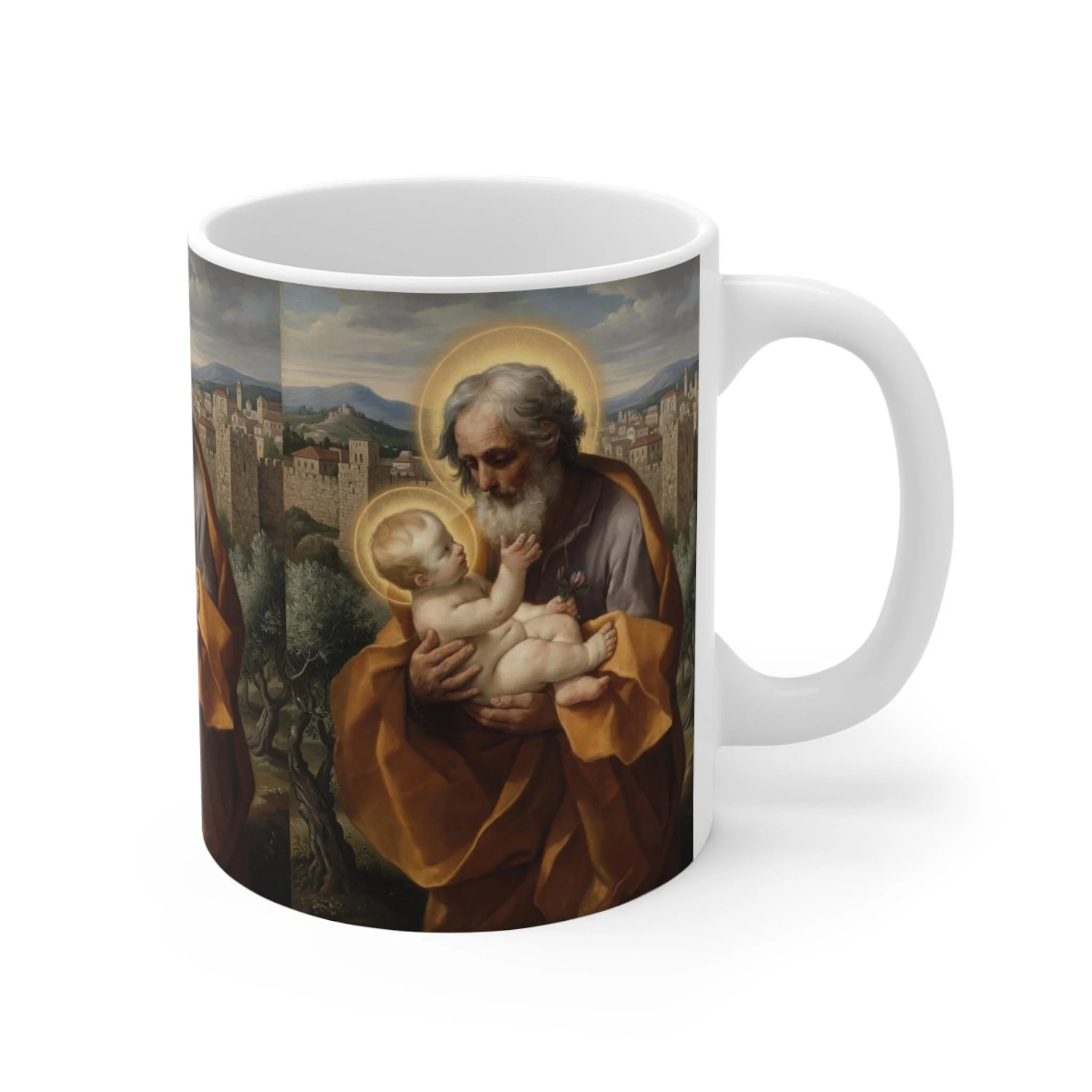
Saint Joseph, foster father of Jesus and patron of husbands, workers, and families, offers another natural devotional companion for the husband's side of this journey, particularly for husbands seeking to grow in the patient, self-sacrificing leadership Catholic marriage spirituality asks of them during difficult seasons of abstinence and shared decision-making.
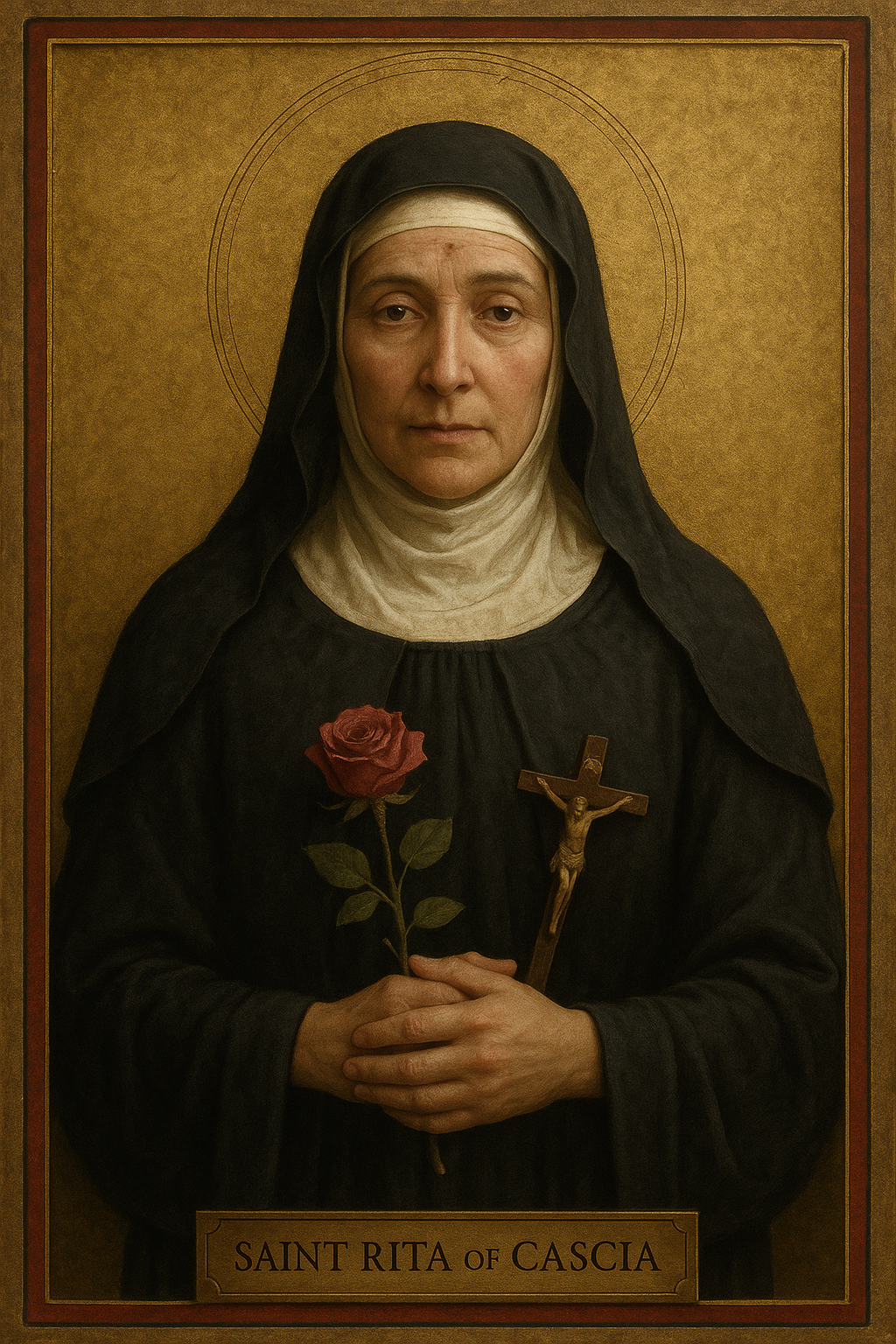
Saint Rita of Cascia, herself a wife and mother who endured an unhappy and difficult marriage for years before her husband's conversion and death, is invoked as patroness of seemingly impossible marriage situations, a fitting intercessor for any couple who feels, in a difficult season of NFP, that their marriage has become harder than they expected it to be.


Part XIV
NFP Methods Comparison Table
| Method | Primary Signs Tracked | Best Suited For |
|---|---|---|
| Sympto-Thermal | Basal body temperature + cervical mucus + secondary signs | Couples wanting cross-confirmed data from two independent sign types |
| Creighton Model | Standardized cervical mucus observation and charting | Couples also addressing infertility or reproductive health via NaProTechnology |
| Marquette Model | Hormonal monitor (estrogen/LH) + mucus observation | Couples wanting objective, monitor-based data alongside natural observation |
| All Methods | — | Best learned through certified in-person or live virtual instruction, not self-teaching |
FAQ
Frequently Asked Questions
A Discipline That Asks More Than Charting
Natural Family Planning is, at its foundation, a matter of theology and biology, a couple learning to read the body's own signs and to honor the inseparable bond between union and procreation that Catholic teaching holds sacred. But living it well, year after year, asks something charts alone can never teach: honest conversation, patient self-mastery, and a willingness to treat even a difficult season of abstinence as an act of love rather than an inconvenience to be endured.
Whether you are just beginning to learn a method, working through a season where NFP feels harder than you expected, or simply looking to deepen the spiritual meaning behind the discipline, you do not have to figure this out alone.
Explore Marriage Coaching →