Orthodox Patron Saints of Protection: The Complete Guide
Orthodox Patron Saints of Protection: The Complete Guide
At A Glance
- Primary Protector, Spiritual Danger
- Saint Michael the Archangel
- Warrior Saint, Thessaloniki
- Saint Demetrios of Thessaloniki
- Warrior Saint, Physical Danger
- Saint George
- Protector Against Sudden Death
- Saint Barbara the Great Martyr
- Unofficial Protector, Spiritual Warfare
- Saint Paisios the Athonite
- Unofficial Protector, Difficult Circumstances
- Saint Xenia of Saint Petersburg
- Tradition
- Eastern Orthodox and Byzantine Catholic
- Liturgical Title
- Great Martyr (for Demetrios, George, Barbara)
Saint Michael the Archangel — Protector Against Evil
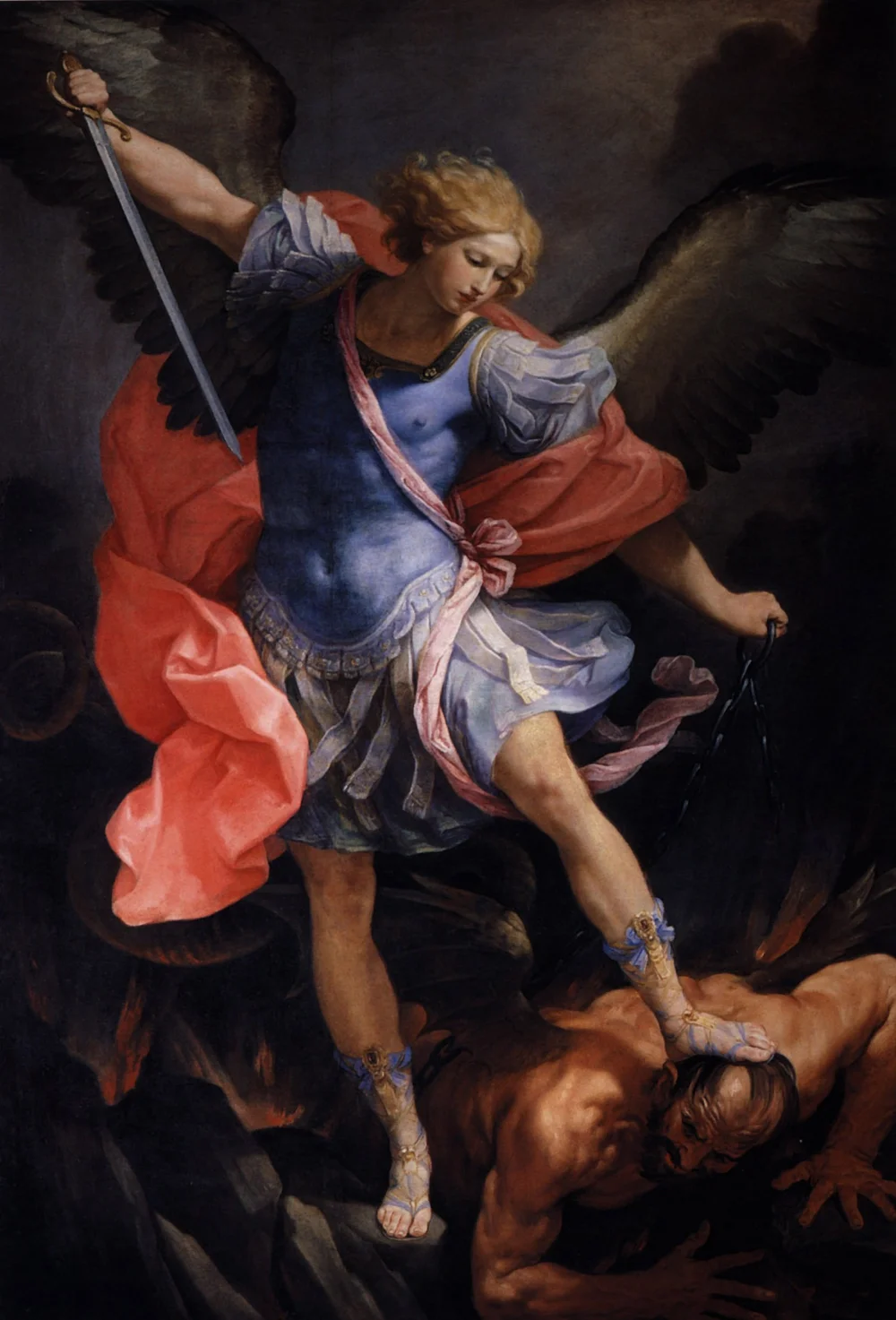
In Orthodox tradition, Saint Michael holds the title Taxiarch, meaning "commander" or "ruler of order," reflecting his role as the leader of the heavenly hosts against the forces of evil. He is named in Scripture as the great prince who defends God's people (Daniel 12:1), the one who contended with the devil over the body of Moses (Jude 1:9), and the commander of the army that casts Satan from heaven (Revelation 12:7-9). The Orthodox Church celebrates the Synaxis of the Archangels Michael and Gabriel and the other bodiless powers on November 8, a major feast honoring the entire angelic protection of the Church.
Orthodox iconography consistently depicts Michael bearing weapons and a fiery sword, trampling the devil underfoot, a visual theology that has shaped Eastern Christian devotion to him as protector for nearly two thousand years. He is invoked in personal prayer, household blessings, and in the rite for the dying, asked to guide the soul safely past the trial of the toll-houses and into the presence of God.
Part II
Saint Demetrios of Thessaloniki — The City's Eternal Defender
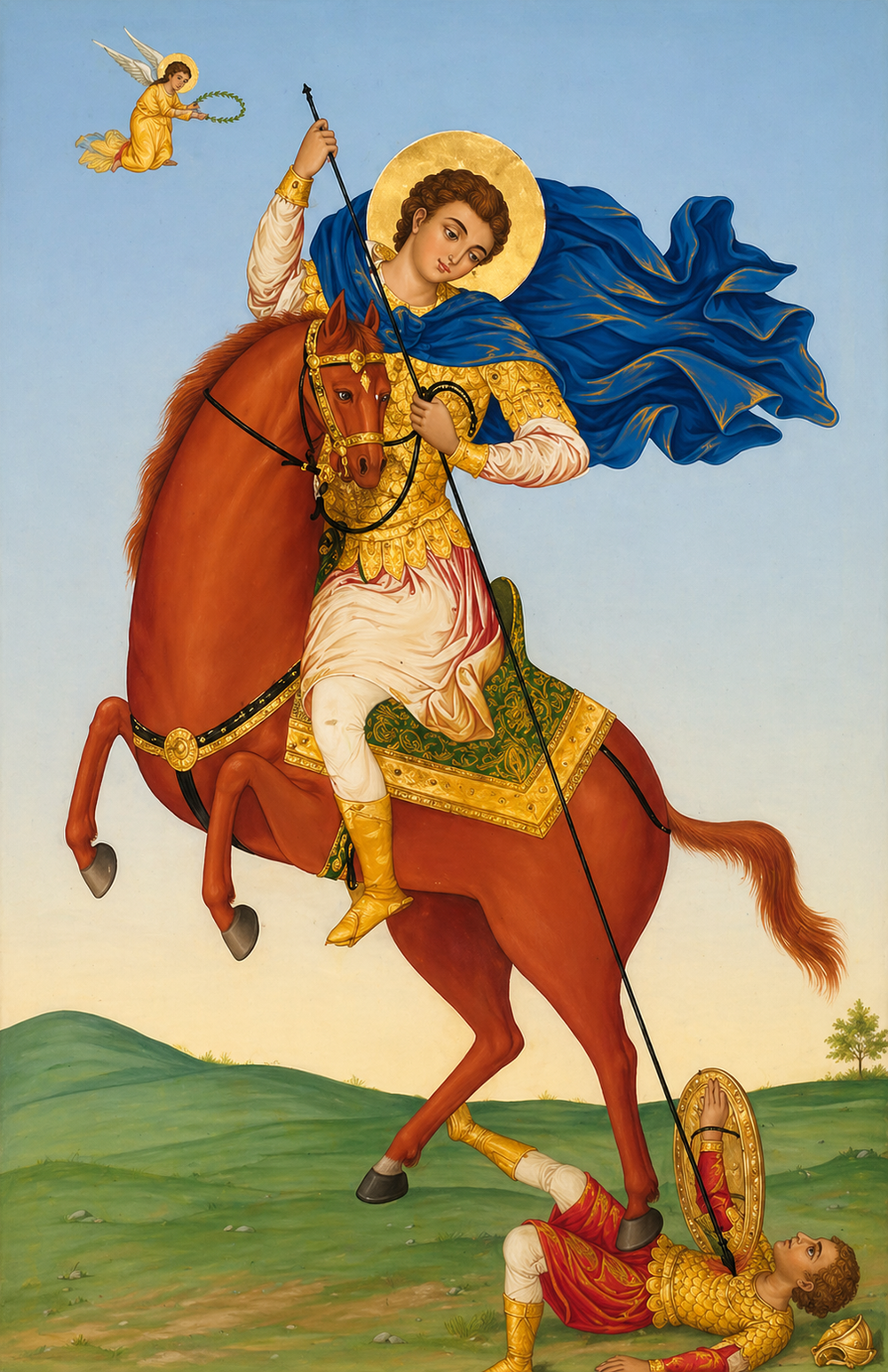
Saint Demetrios was a Roman officer in the city of Thessaloniki, martyred for his Christian faith around 306 AD during the persecution of Emperor Galerius. He is honored with the title Myroblyte, "myrrh-streaming," referring to the fragrant oil traditionally said to flow from his relics, and he holds an extraordinary place in the life of Thessaloniki itself. For centuries, the people of the city credited his intercession with their survival through repeated sieges and invasions, a tradition so deeply embedded that Demetrios is regarded not merely as a personal protector but as the spiritual defender of an entire city.
His basilica in Thessaloniki remains one of the great pilgrimage churches of Orthodoxy, and his image as a mounted warrior saint, often paired iconographically with Saint George, has made him one of the most recognized military martyrs in the Eastern Christian world. Orthodox Christians invoke him for protection in the face of danger, invasion, and the kind of communal threat his own city faced and survived.
Part III
Saint George — Protector Against Physical Danger
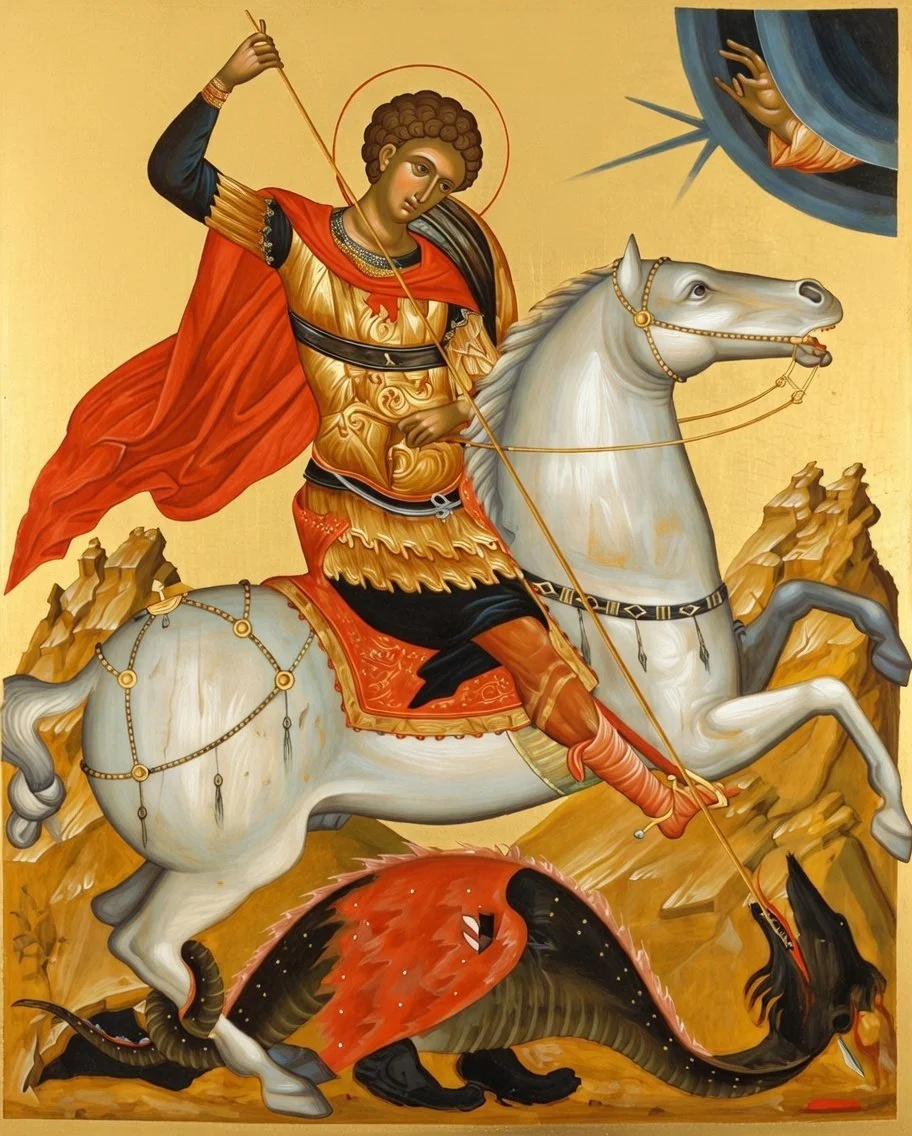
Saint George holds equal standing in Orthodox tradition as one of the great warrior martyrs, venerated alongside Demetrios as a protector against physical harm and danger. Martyred around 303 AD under Diocletian's persecution, George's legendary triumph over a dragon has become, across both Eastern and Western Christianity, a lasting symbol of the Christian's call to face evil directly rather than retreat from it.
Orthodox communities from Greece to Georgia (a nation that takes its name from him in several Western languages, though the connection is debated by linguists) to the Middle East have venerated George for over fifteen centuries. His iconography, almost always depicting him on horseback spearing the dragon, makes him instantly recognizable across Orthodox churches worldwide, and his intercession is sought specifically for protection in moments requiring courage against direct danger.
Part IV
Saint Barbara the Great Martyr — Protector Against Sudden Death
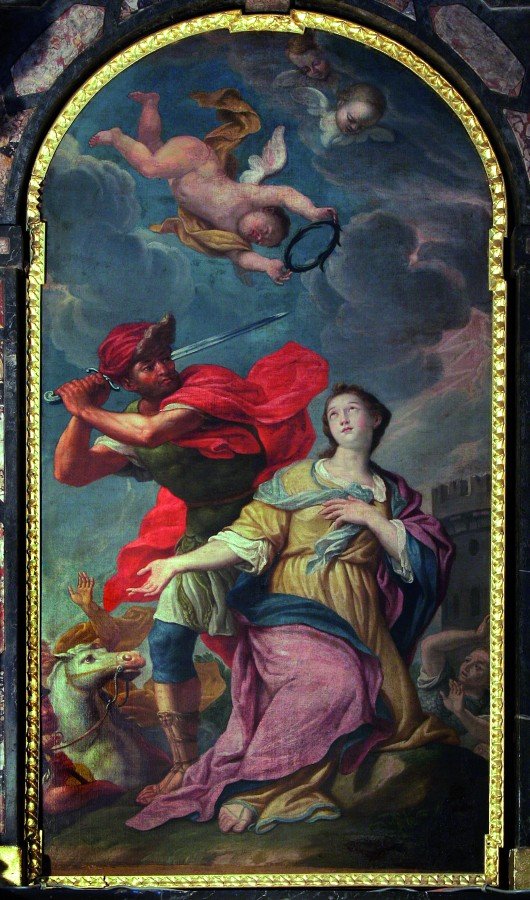
Saint Barbara was martyred for her Christian faith in the early fourth century after her own father reported her conversion to the authorities. Her death is recorded in Orthodox tradition as sudden and violent, and it is precisely because of the manner of her own martyrdom that the faithful have for centuries invoked her protection against sudden, unprepared death, asking that they and their loved ones not depart this life without the chance for repentance and the sacraments.
This association has extended naturally to those in dangerous occupations exposed to the risk of sudden disaster, including miners, artillerymen, and others working with explosives or hazardous materials, a patronage shared across both Orthodox and Catholic devotional tradition. She remains one of the most widely venerated female Great Martyrs in the Orthodox Church, honored every December 4.
Part V
Unofficial Protectors You Can Still Pray To
Orthodox devotional life has never required a formal title before the faithful turn to a saint for protection. Two modern saints in particular have become widely sought for protective intercession, not because of any official decree, but because of the documented circumstances of their lives and their direct teaching on spiritual struggle.
Saint Paisios the Athonite
Saint Paisios, the twentieth-century Athonite elder, taught extensively on spiritual warfare, the reality of demonic temptation, and the protective power of the Jesus Prayer and the sign of the cross against unseen attack. His own life on Mount Athos was marked by direct accounts of confronting demonic disturbance through prayer and fasting. Read more in our full piece on Saint Paisios of Mount Athos. Though he holds no formal patronage title of "protector," his teaching has made him one of the most frequently invoked modern saints for spiritual protection in contemporary Orthodox devotion.
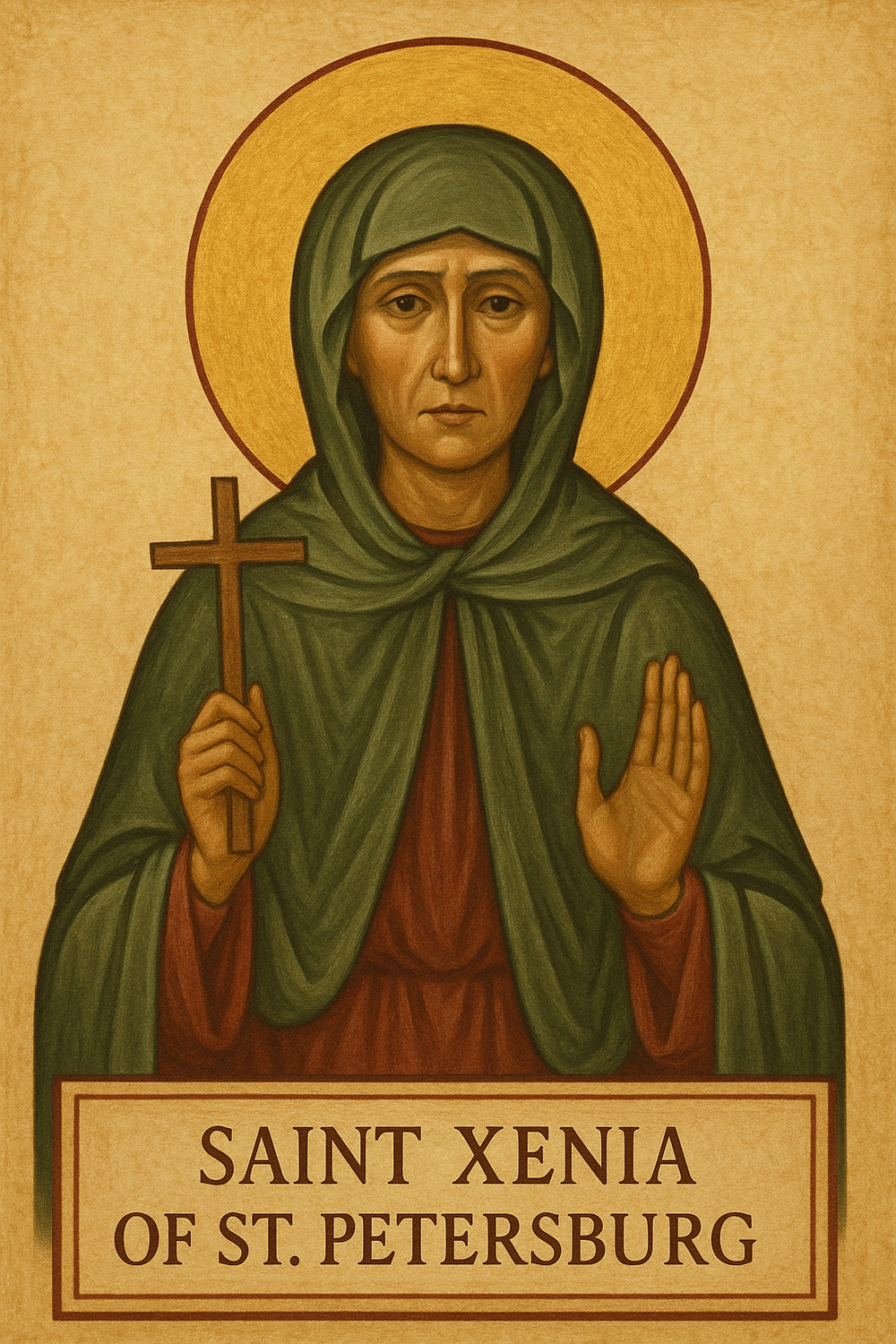
Saint Xenia of Saint Petersburg
Saint Xenia, the holy fool of Saint Petersburg, lived a life of radical self-denial after the sudden death of her husband, wandering the city in his old military coat and giving away everything she owned. Generations of the faithful, particularly in Russia, have turned to her in difficult and desperate circumstances, crediting her intercession with protection through hardship, danger, and need. Her popular veneration developed entirely through lived devotion rather than a formal protective decree.
Part VI
A Prayer to the Holy Great Martyrs
Orthodox households often keep icons of several protector saints together in the home, and many faithful pray to them collectively rather than choosing only one. Below is a short devotional prayer, composed for personal use, that draws on the witness of Saint Michael and the Great Martyrs covered in this guide.
Holy Archangel Michael, commander of the bodiless hosts, defend us against every power of darkness. Holy Great Martyrs Demetrios, George, and Barbara, who did not flee from death but met it with faith, intercede for us in every danger, seen and unseen. Guard our homes, our families, and our souls, and grant us courage to stand firm as you stood firm, trusting in Christ who conquered death itself. Amen.
A devotional prayer composed for personal use, drawing on the witness of these saints. Not an official liturgical text of the Orthodox Church.
A household that keeps these icons, prays for the intercession of the Great Martyrs, and faces hardship together rather than alone is a household with a real spiritual foundation. Couples who want to deepen that foundation, especially through seasons of stress or conflict, often benefit from outside guidance. Our Christian marriage coaching pairs husbands with Jeremy and wives with Ashley for support rooted in Orthodox and Eastern Christian tradition.
Frequently Asked Questions
Common Questions About Orthodox Patron Saints of Protection
The Great Martyrs Did Not Run. Neither Should You Face Danger Alone.
Saint Michael commands the heavenly hosts against the darkness. Demetrios still guards the city that trusted him for centuries. George met death on his feet rather than flee it. Barbara turns the suddenness of her own death into protection for others facing the same fear. And Paisios and Xenia prove that Orthodox devotion has always made room for the saints the people themselves came to trust, decree or no decree.
Keep their icons close, pray for their intercession, and remember that the same courage that carried them through martyrdom is available to you through the same faith.
Get the Saint Michael Prayer Card →