Patron Saints for Lupus: St. Lidwina, Panteleimon, Nektarios & Charbel
Catholic & Orthodox Healing Saints • Autoimmune Intercession • Chronic Illness • Documented Miracles
Patron Saints for Lupus: The Saints Invoked When the Body Turns Against Itself
No single patron saint of lupus exists in the Church’s formal calendar — but four saints carry deep, documented traditions of intercession for those with autoimmune illness, chronic pain, and conditions that medicine struggles to cure. This is who they are, why they are invoked, and the miracles recorded in their names.
The Four Saints Invoked for Lupus — At a Glance
- Saint Lidwina of Schiedam
- Roman Catholic • 1380–1433 • Patron of chronic pain, disability & invisible illness • Her symptoms mirror lupus with striking precision
- Saint Panteleimon
- Eastern Orthodox & Catholic • d. 305 AD • The Great Martyr and Unmercenary Healer • Primary Orthodox patron of all serious illness
- Saint Nektarios of Aegina
- Eastern Orthodox • 1846–1920 • Patron of cancer and incurable disease • Miracles began the moment he died
- Saint Charbel Makhlouf
- Maronite Catholic • 1828–1898 • Over 30,000 documented miracles — more than any saint in modern history
- Why No Single Patron?
- Lupus as a named disease is modern; the Church canonized saints by their suffering, not by medical diagnosis. These four overlap with lupus more than any others.
- Both Catholic & Orthodox
- This guide covers saints venerated across traditions — all four are accessible to Catholic and Orthodox Christians alike
Why There Is No “Official” Patron Saint of Lupus — And Why That’s the Wrong Question
If you searched for a patron saint of lupus and landed here, you are carrying something difficult. Lupus is one of the most exhausting diseases a person can have — unpredictable, invisible to most people around you, capable of attacking your kidneys, your joints, your skin, your heart, and your mind all at once, then retreating just long enough to make people wonder if you were ever really that sick. You are looking for someone in God's presence who has been where you are. The good news is that several of them have.
The Church does not have a single patron saint of lupus for a simple reason: the word “lupus” as a diagnosis for systemic lupus erythematosus is a modern medical category. It was formally described in the nineteenth century and only understood as an autoimmune disease in the twentieth. The saints were canonized for their holiness and their relationship with God — not filed under medical conditions. What the Church does have is saints who suffered from symptoms that closely parallel lupus, saints who were invoked for miraculous healing of chronic and incurable conditions, and saints who left behind documented records of healing that include precisely the kinds of illness lupus causes.
The four saints in this article were not assigned to lupus by committee. They were arrived at by looking at three things: the nature of their own suffering during their lifetimes, the documented miracles attributed to their intercession, and the centuries of tradition that has built up around praying to them in illness. When you take those three criteria and lay them against the reality of lupus — chronic pain, autoimmune inflammation, invisible suffering, photosensitivity, joint involvement, kidney disease, unpredictable flares — four figures emerge above all others.
Asking a saint to intercede is not the same as praying to a saint instead of God. It is asking a holy person, who is alive in God’s presence, to pray on your behalf — exactly what you would ask a trusted friend to do. The difference is that the saints’ prayers flow from direct union with God, which is why the Church’s tradition considers their intercession especially powerful. All healing ultimately comes from Christ. The saints are the channels, not the source.
Part II
Saint Lidwina of Schiedam: The Saint Who Knew Chronic Pain From the Inside
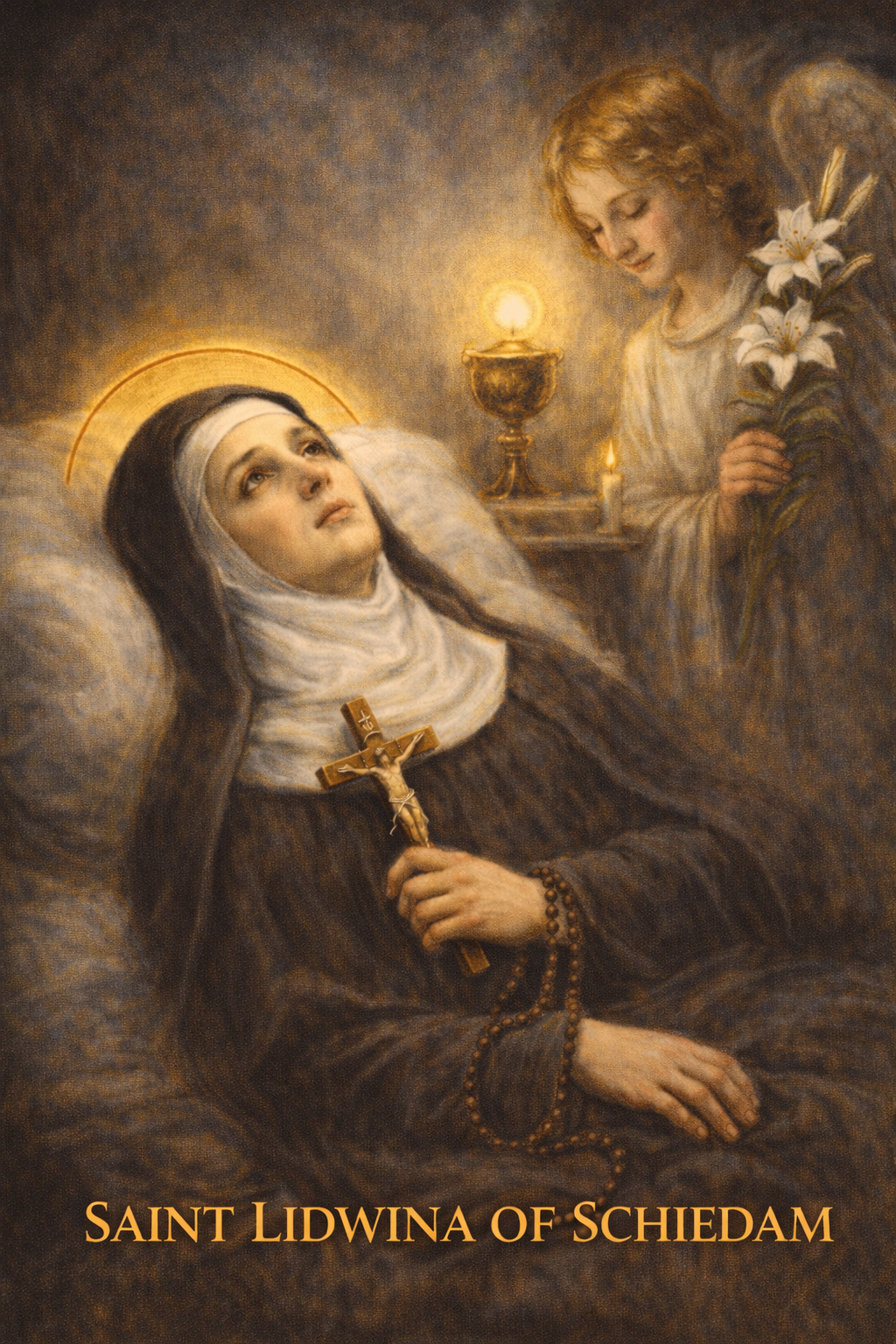
Lidwina suffered thirty-eight years of progressive, relentless illness after a skating accident at age sixteen. She lost the use of half her body, suffered extreme photosensitivity, chronic wounds, exhaustion, paralysis, and what appear to modern observers to be the hallmarks of a severe autoimmune condition — possibly multiple sclerosis, possibly something closer to lupus itself. She offered it all, every day, for thirty-eight years. Beatified by Pope Leo XIII in 1890. Recognized as saint and patron of the chronically ill.
The story of Lidwina begins in the winter of 1395 on a frozen canal in Schiedam in the Netherlands. She was sixteen years old, devout, and had been a healthy girl until that afternoon. She fell while ice skating. A rib broke. And then, rather than healing, her body began to fail in ways that would not stop for the remaining thirty-eight years of her life.
What happened to Lidwina after that fall is one of the most detailed accounts of long-term chronic suffering in the history of Christian hagiography. She developed gangrene in the broken rib wound. Her right side became paralyzed. She developed open lesions on her skin that would not close. She became almost entirely bedridden. She lost sight in one eye. She became extraordinarily sensitive to light — a closed, darkened room was the only tolerable environment. Her body developed abscesses. She lost the ability to eat anything except, by all accounts of those who knew her, the Eucharist.
She died in 1433 at age fifty-three, having spent nearly four decades in this condition. In that same period, she became one of the most visited mystics in all of the Netherlands. Visitors came from across Europe to sit with her, receive her counsel, and ask for her prayers. She reportedly had visions, experienced the stigmata, and was frequently consoled by angels and by Christ himself in her suffering. Her biographers — including Thomas à Kempis, the author of The Imitation of Christ — record these accounts in extraordinary detail.
Why Saint Lidwina Is the Most Fitting Saint for Lupus
Modern physicians who have reviewed historical accounts of Lidwina’s illness have offered various diagnoses: multiple sclerosis is the most commonly proposed, but her symptom profile — the skin involvement, the photosensitivity, the multi-system nature of her illness, the episodic worsening and partial remissions, the joint involvement, the profound fatigue — maps with remarkable precision onto systemic lupus erythematosus. Whether or not Lidwina had what we now call lupus, she experienced what lupus feels like: a body that is destroying itself, in ways that are invisible to everyone around you, without warning, without clear cause, and without a simple medical answer.
This is why she is the most relationally appropriate saint for lupus sufferers. Saint Panteleimon was a physician — he healed people from the outside. Saint Charbel was a hermit — his miracles come from the other side of death. Saint Nektarios suffered injustice and illness at the end of his life. But Lidwina lived inside what you are living inside. She knows it from the inside. Her intercession is not that of someone who healed the sick from a position of health; it is that of someone who was the sick person and offered that condition, every day for thirty-eight years, as a prayer.
Miracles and Documented Phenomena Associated with Lidwina
The phenomena reported around Lidwina during her lifetime and after her death include:
- Sustenance by the Eucharist alone From approximately 1413 to her death in 1433 — a period of about twenty years — multiple witnesses, including her confessor and parish priest, attested that Lidwina consumed no ordinary food or water. She received only the Eucharist. This was examined by Church authorities during her lifetime and judged credible by those who investigated it.
- Stigmata and fragrant wounds Her open wounds, which by all natural expectation should have produced foul odors given their nature and duration, were reported by numerous witnesses to emit a fragrant scent. She also reportedly received the wounds of Christ’s Passion in her body.
- Post-death incorruption reported At her death, witnesses reported that her body, ravaged by thirty-eight years of illness, became peaceful and restored in appearance. The accounts were compelling enough that beatification proceedings were eventually opened.
- Miraculous healing of visitors Multiple accounts describe people who came to her for counsel and left with conditions healed — including at least one account of a woman’s severe physical ailment being resolved after Lidwina prayed with her.
O Blessed Lidwina, you who bore thirty-eight years of suffering with patience and faith, intercede for me in my battle with this illness. You know the weight of a body that turns against itself — the pain that others cannot see, the exhaustion that outlasts the sun, the days when a flare arrives without warning and steals what little was left. Ask Christ our Healer to strengthen my body. Grant me peace in my suffering. And give me the grace, as you had it, to offer what I carry in union with His own. Amen.

Part III
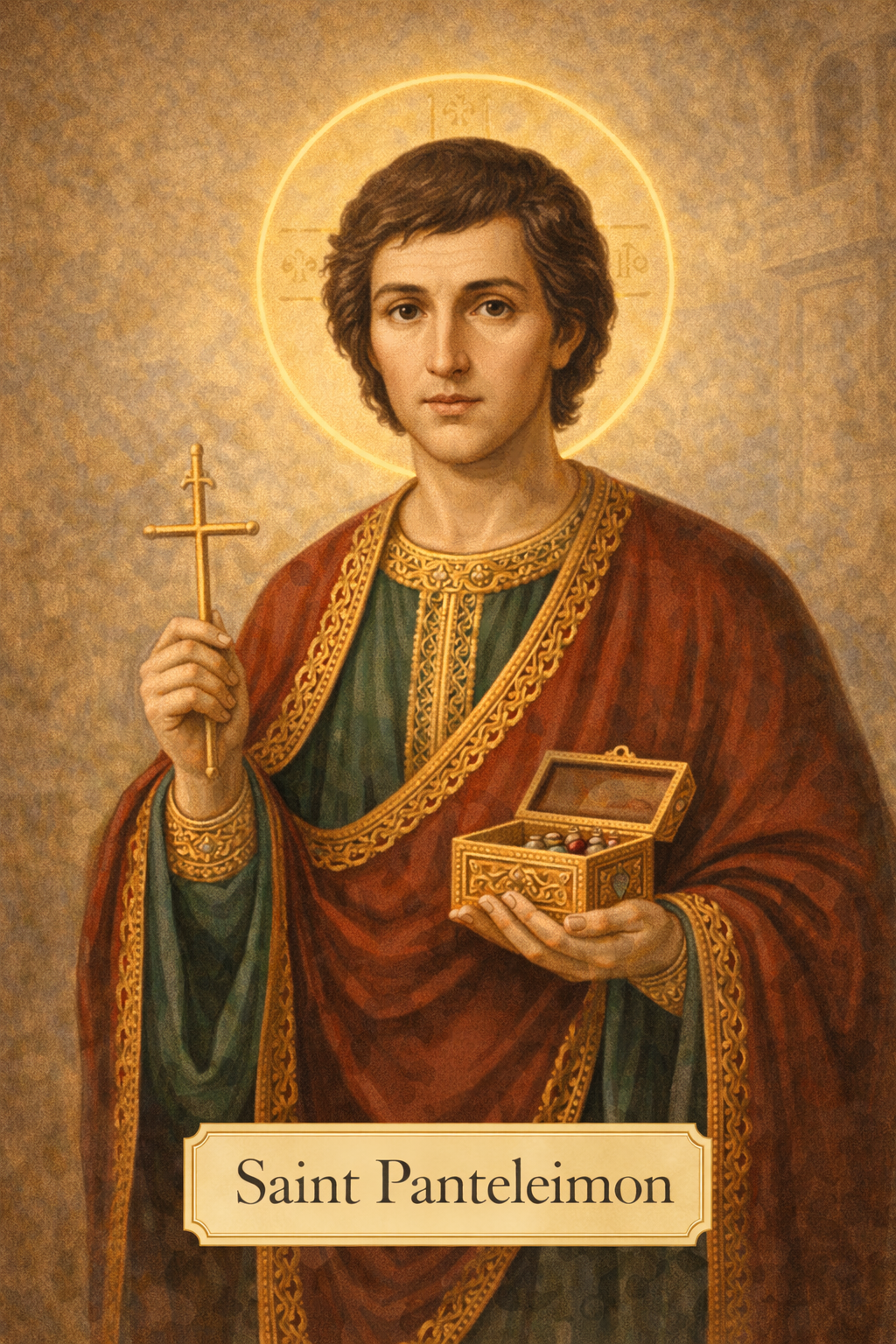
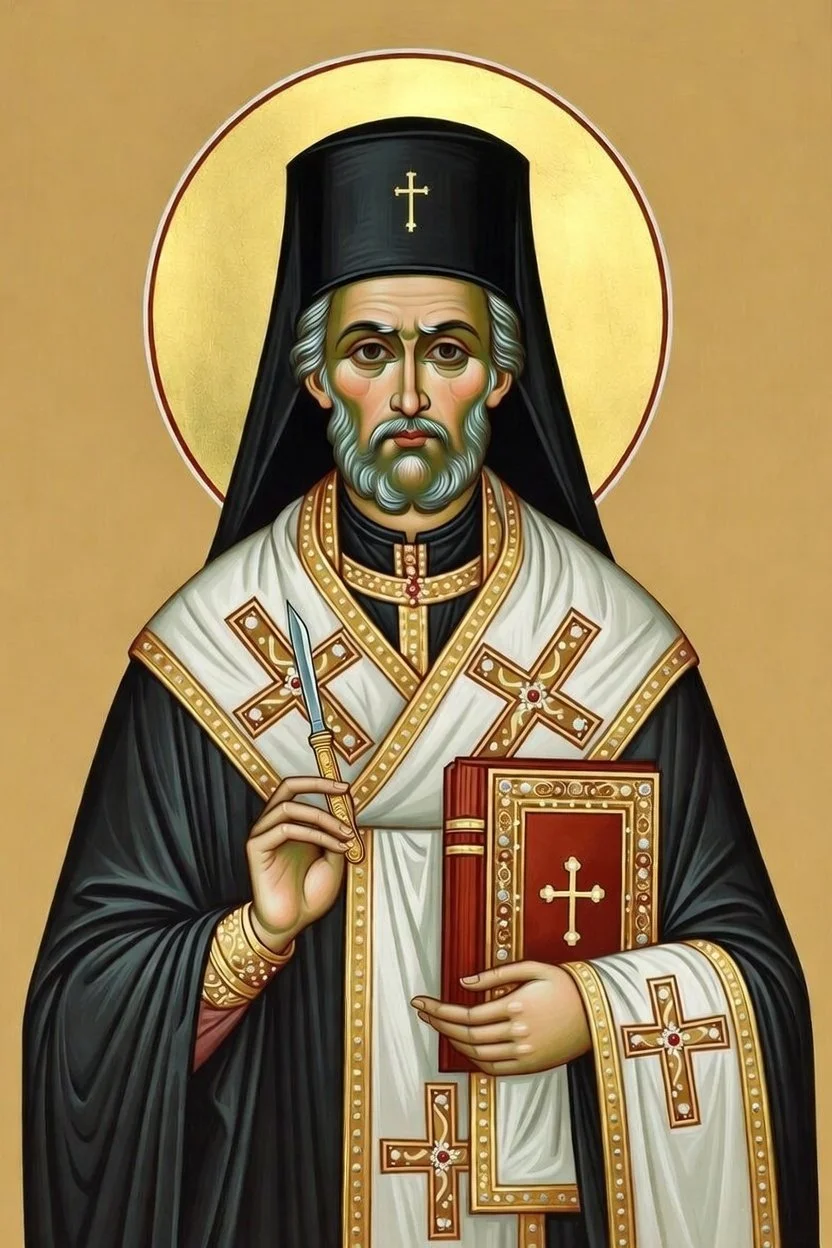
Saint Panteleimon: The Great Martyr and Unmercenary Healer
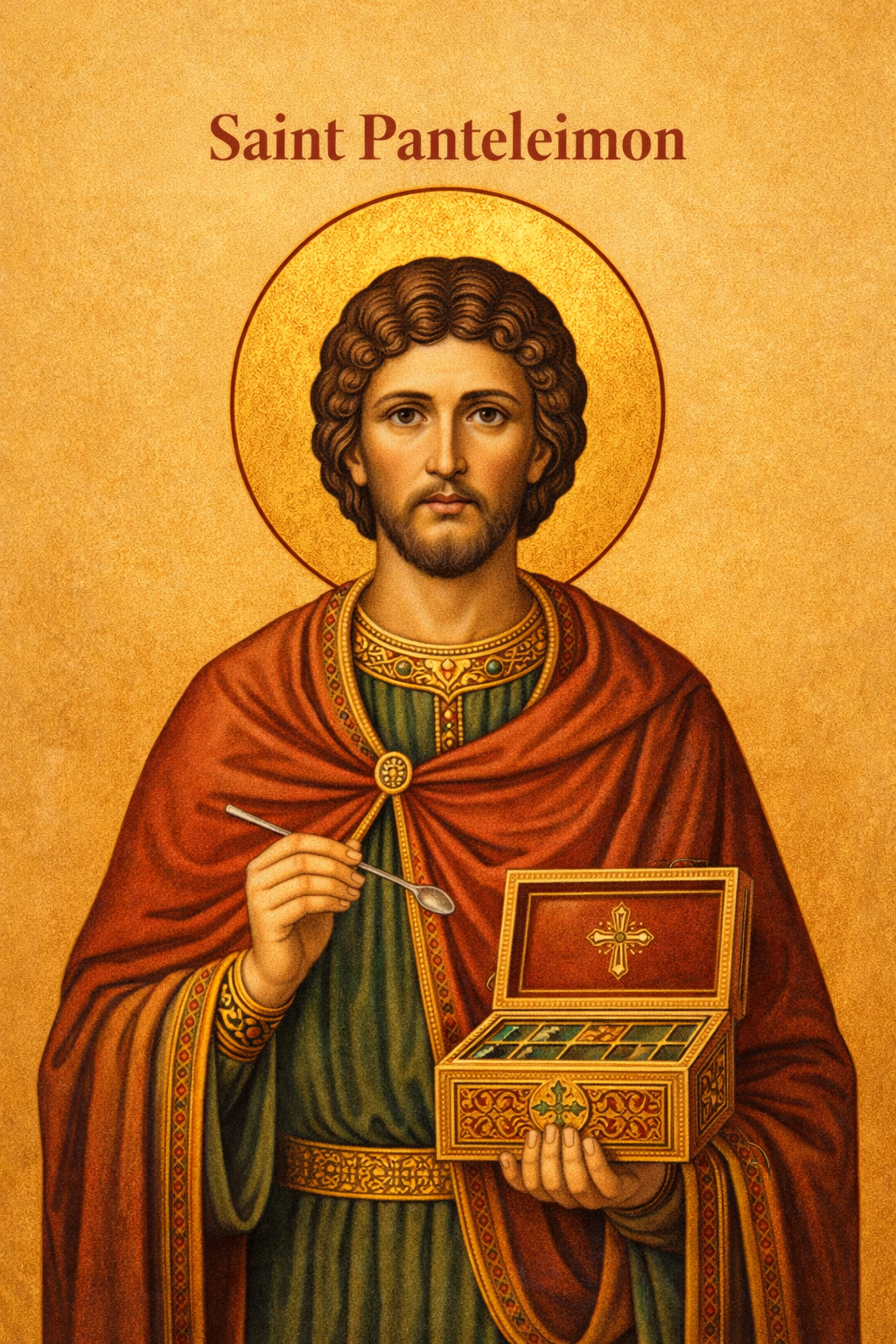
Panteleimon was a physician in Nicomedia who converted to Christianity and began treating patients in the name of Christ — without charge. He was arrested under the Emperor Diocletian and subjected to multiple execution attempts, each of which reportedly failed miraculously, before being finally martyred. He is called “Unmercenary” because he asked no payment for healing — modeling a medicine that flows from love rather than commerce. He is the primary patron of the sick in the Eastern Orthodox tradition and is venerated across Catholic and Orthodox Christianity.
Before Panteleimon became a physician of the soul, he was a physician of the body. Born in Nicomedia around 275 AD, he studied medicine under one of the greatest physicians of his city and became skilled at his craft. His mother was a secret Christian; his father was pagan. After her death, he lived in his father’s world — until he met a Christian priest named Hermolaus who told him about Jesus Christ, the healer who had never charged a fee, who had touched lepers without flinching, and who had asked only faith in return for restored sight and cleansed skin.
The encounter that completed Panteleimon’s conversion was one that has been told and retold for seventeen centuries. He came across a child who had died from a viper’s bite. He knelt beside the body and prayed over the child in Christ’s name. The child reportedly rose. The viper reportedly died. Panteleimon went home, told his father what had happened, and his father converted as well. From that day, Panteleimon practiced medicine as a Christian — treating rich and poor alike, charging the wealthy only what they could freely give, and treating the poor at no cost. This is the meaning of “Unmercenary Healer.” He modeled Christian medicine before Christianity was legal.
When the Diocletianic persecution broke out in 303 AD, Panteleimon was denounced by fellow physicians who were reportedly jealous of his reputation and his practice of treating the poor. He was arrested, examined, and ordered to sacrifice to the Roman gods. He refused. What followed was one of the most elaborate passion narratives in Christian hagiography: Panteleimon survived burning, survived being thrown into the sea with a stone around his neck, survived exposure to wild animals who refused to attack him, survived molten lead, survived being broken on a wheel that reportedly broke instead. Through each ordeal, witnesses reported seeing Christ standing beside him.
He was finally beheaded on July 27, 305 AD. His blood reportedly mixed with milk as it fell. The olive tree to which he was tied for his execution reportedly burst into flower and fruit at the moment of his death.
Why Saint Panteleimon Is Invoked for Lupus
Panteleimon’s intercession for lupus is not based on a specific historical connection to autoimmune disease. It is based on his universal patronage of the sick and his particular relationship to conditions that resist medical treatment. As a physician himself, he is understood to have special sympathy for those in whom medicine has reached its limits. Lupus — a condition that remains incurable, that cycles through periods of activity and remission, and that can attack multiple organ systems — is exactly the category of illness for which the tradition invokes the Unmercenary Healer. His icon is kept in hospitals across Eastern Europe and the Middle East. Russian Orthodox tradition considers him the patron of all those with serious medical conditions. His monastery on Mount Athos — the Russian monastery of Saint Panteleimon — has been a place of pilgrimage for the sick for over a thousand years.
Miracles Associated with Saint Panteleimon
- Healing the blind man One of the miracles that preceded his own conversion: he encountered a blind man and, invoking Christ’s name, restored his sight. The man’s physician reportedly witnessed this and it led to his own examination of Christian claims.
- Raising the child from the viper’s bite The account that completed Panteleimon’s conversion: he prayed over a child killed by a snake bite, and the child reportedly revived while the snake died.
- Healing the paralyzed man In a public healing recorded in his passion narrative, he healed a paralyzed man in front of Roman officials who had brought the man specifically to test his claims — leading to further arrests but also further conversions.
- Surviving multiple martyrdom attempts Seven separate execution methods reportedly failed to kill him: fire, water, wild beasts, molten lead, the wheel, nails, and swords — each failure witnessed by crowds. His survival was considered miraculous and led to the conversion of multiple soldiers assigned to execute him.
- Ongoing healing miracles at Mount Athos The Russian monastery of Saint Panteleimon on Mount Athos maintains continuous records of healing attributed to his intercession, including modern accounts of remissions from serious illness following pilgrimage and prayer.
O Holy Great Martyr and Unmercenary Healer Panteleimon, physician of soul and body, who gave your medical skill freely to those who had nothing to give — hear my prayer. I bring to you an illness that my physicians treat but cannot cure. You who healed the blind and raised the dead in Christ’s name, intercede with Him now on my behalf. Ask the Lord who sustains your relics in fragrance to extend His healing to this suffering body. And whatever His will, give me the grace to endure with the peace you carried to your own martyrdom. Amen.

Part IV
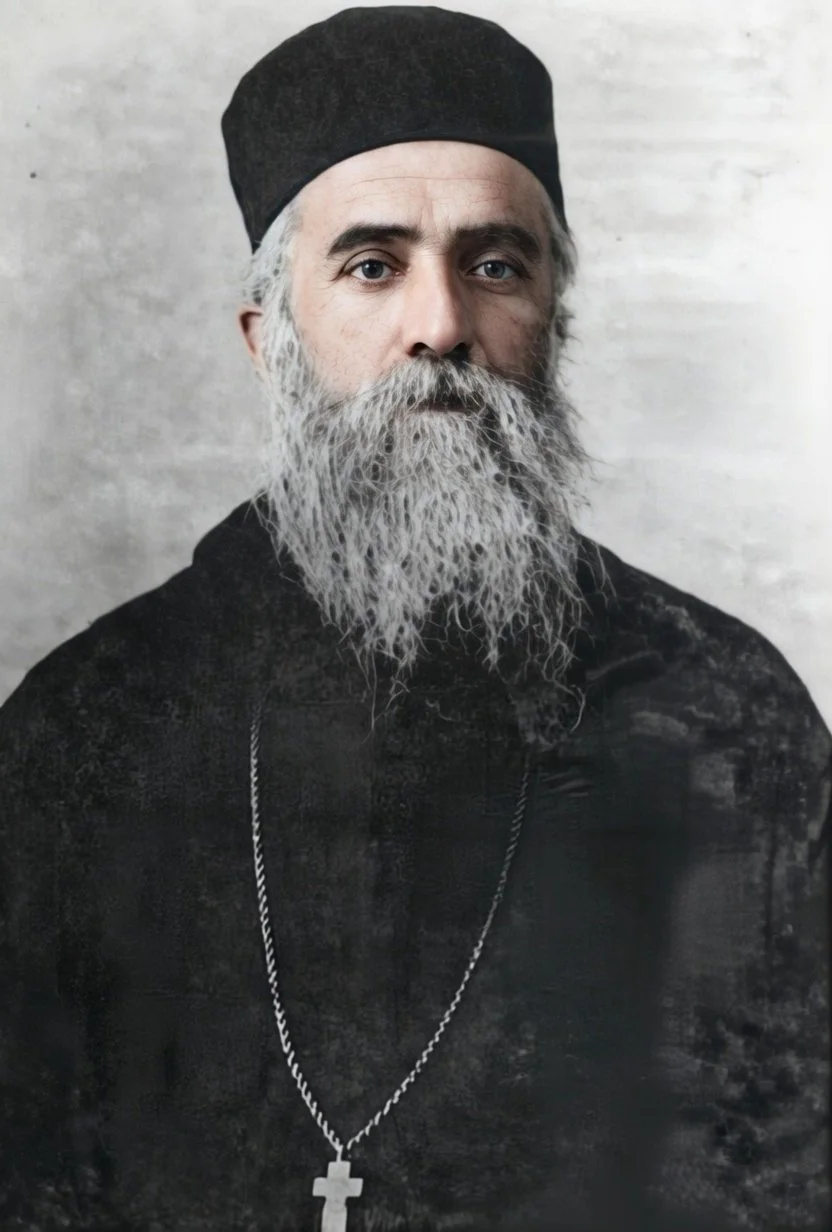
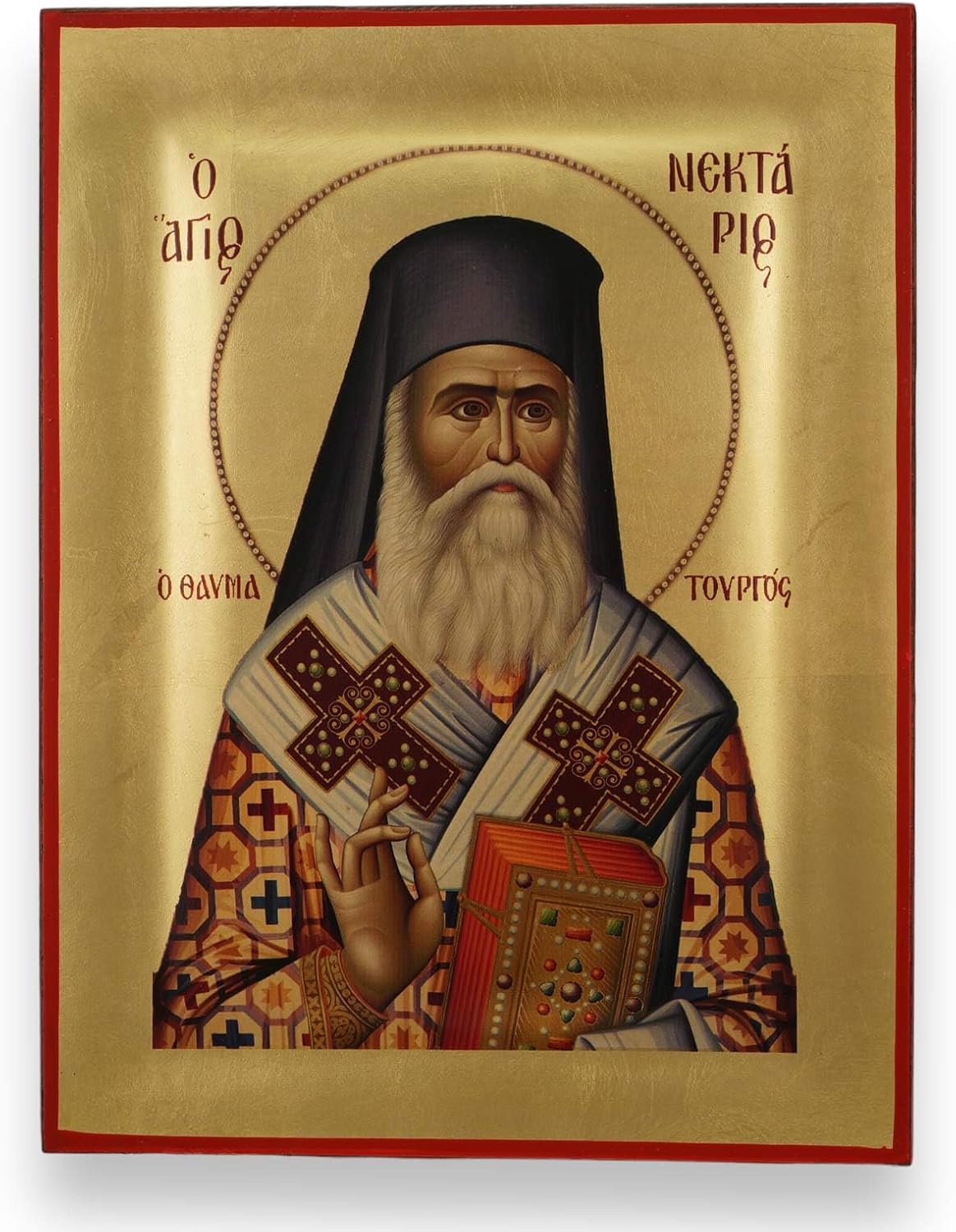
Saint Nektarios of Aegina: The Saint Whose Miracles Began the Moment He Died
Nektarios was a bishop unjustly deposed by ecclesiastical politics, who spent the latter part of his life in poverty, founding a small monastery on the island of Aegina and serving the nuns who gathered there. He died in an Athens hospital in 1920 in the bed next to a patient paralyzed by a serious condition. When the nurses transferred his worn undershirt from his body to change the linens, it fell onto the paralyzed patient. The patient reportedly stood up. That was the first of thousands. He was canonized in 1961 and is today one of the most widely venerated saints in the Orthodox world.
Nektarios Kephalas was born in 1846 in Silyvria, Thrace, into a poor family. He worked as a young man in Constantinople before eventually entering the church, and his intelligence and holiness took him to Alexandria, where he became bishop. What happened next shaped the spiritual character that would eventually produce miracles: false accusations, ecclesiastical intrigue, and sudden, humiliating removal from his position. He was deposed from his bishopric in Alexandria based on slanders that he denied and that were later shown to be fabrications. He returned to Greece in disgrace, unable to serve, ignored by the Church authorities who had believed the lies about him.
He bore it without bitterness. That is what people who knew him say, again and again: that he bore one of the great ecclesiastical injustices of his generation without a single recorded word of resentment. He eventually became director of the Rizarios Ecclesiastical School in Athens and then, in his later years, settled on the island of Aegina where a community of nuns gathered around him. He lived in poverty there, repairing their chapel himself, in physical pain in his final years, until he entered an Athens hospital in 1920 for treatment of a prostate condition. He died there on November 9, 1920.
The Miracle That Began at the Moment of His Death
What happened immediately after Nektarios died has been told by nurses who were present and recorded in the official canonization proceedings. When the nurses moved to change his bed linens, his worn undershirt — the simple garment he had worn against his skin — was transferred and fell onto the man in the adjacent bed, who had been paralyzed by a serious illness and had lain immobile. The paralyzed man immediately recovered movement. He stood up. The nurses who witnessed this reported it to Church authorities. It was the first documented miracle of Saint Nektarios — and it occurred within minutes of his death.
He was canonized by Ecumenical Patriarch Athenagoras in 1961, forty-one years after his death. Since then, his monastery on Aegina and his tomb there have become one of the most visited pilgrimage sites in all of Orthodox Christianity. The accounts of healing attributed to his intercession are extraordinary in both number and specificity — cancer patients in remission, conditions reversed, pain lifted, and in multiple cases, patients who had been given no hope by their physicians reporting complete resolution of their illness following prayer at his tomb.
Why Saint Nektarios Is Especially Relevant for Lupus
The reason Nektarios has become the primary Orthodox saint invoked for cancer — and increasingly for chronic autoimmune conditions — is rooted in the specific character of the miracles documented at his shrine. His healings are not primarily associated with acute conditions that might resolve on their own. They are associated with conditions that medicine has marked as chronic, incurable, or terminal: malignancies, degenerative diseases, conditions where the body’s own processes have turned destructive. Lupus sits precisely in this category: a lifelong, incurable autoimmune condition with no definitive cure, where the goal is management rather than resolution. The people who pray to Nektarios are often people who have been told there is no cure. He is their saint precisely because that is his territory.
Documented Miracles and Healing Accounts Associated with Saint Nektarios
- The paralyzed man — November 9, 1920 Immediately after his death, his undergarment fell onto the paralyzed man in the adjacent hospital bed. The man recovered movement. Multiple nursing staff present at Areteion Hospital in Athens attested to this in the canonization records.
- Cancer remissions at Aegina The pilgrimage records maintained at his monastery on Aegina include multiple accounts of cancer patients, particularly those diagnosed with conditions considered terminal, who reported complete remission following sustained prayer at his tomb and anointing with the oil associated with his relics.
- Myrrh-streaming icon The icon of Saint Nektarios at his monastery on Aegina has reportedly streamed fragrant myrrh on multiple occasions — a phenomenon attested to by pilgrims and the monastic community and consistent with the Eastern Christian tradition of myrrh-streaming icons.
- Appearances to the sick Multiple accounts in the pilgrimage literature of his shrine describe sick people who reported an appearance of Nektarios — recognized from his icon — in their room or in a dream immediately before or after their healing. These accounts, while not part of the formal miracle record, are numerous enough to form a consistent pattern.
O Holy Nektarios, wonderworker and servant of the sick, you who healed a paralyzed man with the garment from your own body — hear my prayer. I carry this illness that does not yield, that the doctors manage but cannot cure, that wears me down in seasons and returns without warning. You know what it is to be deposed from what you expected, to endure what is not fair, and to find God in the middle of it. Intercede with Christ who healed through the hem of His garment — ask Him to extend that same mercy to my body. Amen.

Part V
Saint Charbel Makhlouf: More Documented Miracles Than Any Saint in Modern History
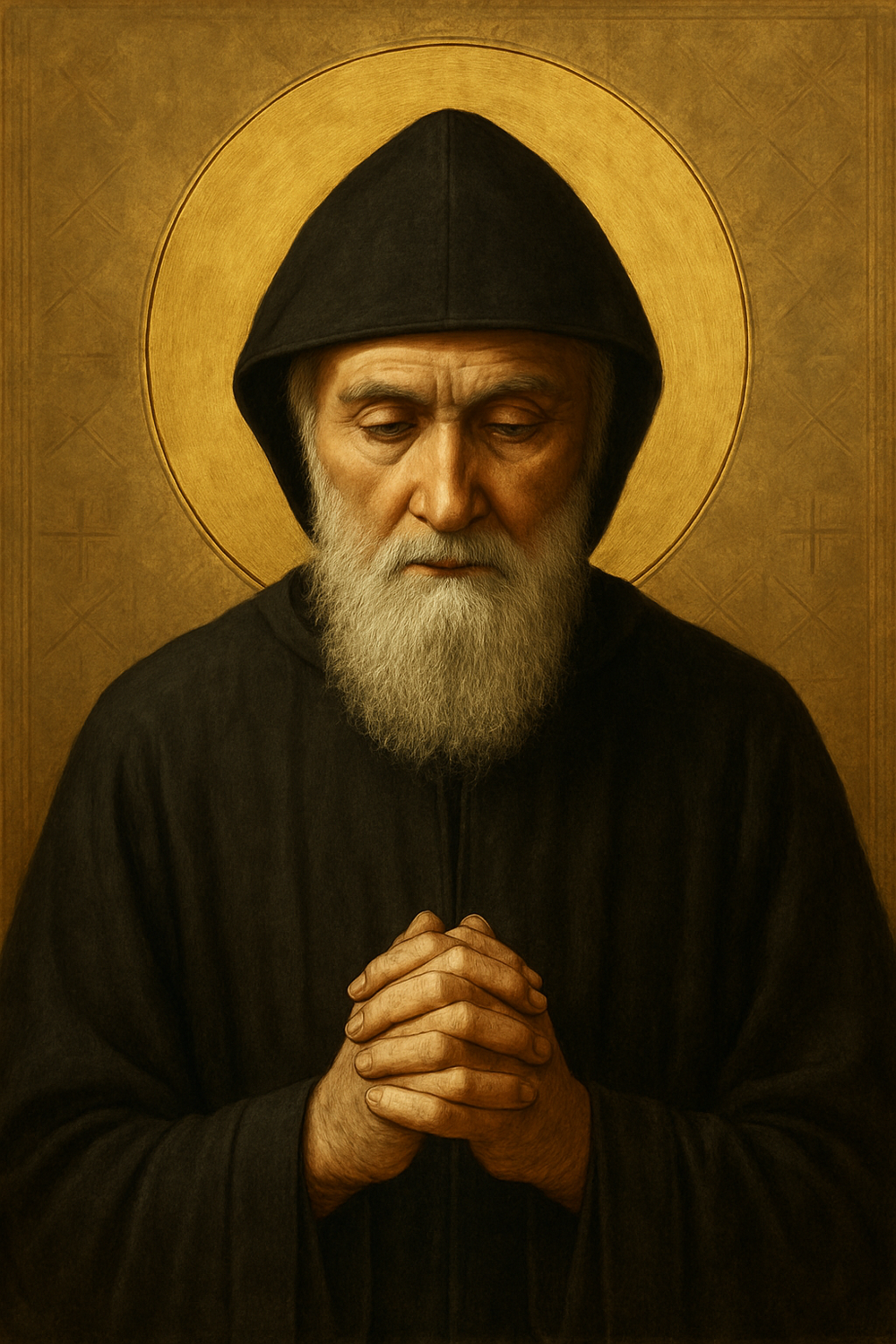
A Maronite monk and hermit from the mountains of Lebanon who lived in near-total silence and solitude for the last twenty-three years of his life. He died Christmas Eve 1898. Forty-five days after his burial, a fragrant light was reported emanating from his tomb. When his grave was opened, his body was found incorrupt — still flexible, still fresh, still producing a fragrant oil. It has not stopped since. He was beatified in 1965 and canonized in 1977. The shrine at Annaya has since recorded over 30,000 miracles and favors — more than any saint in the modern era of Church documentation. Catholics, Orthodox Christians, Muslims, and Druze have all reported healing through his intercession.
Youssef Antoun Makhlouf was born in 1828 in the village of Bqaakaafra in the mountains of Lebanon. His family was poor and devout Maronite Catholic. As a young man he entered the monastery of Saint Maron at Annaya, taking the religious name Charbel after an early Christian martyr of Antioch. He spent his first years as a monk in community life, then was granted permission to live as a hermit in a small hermitage near the monastery. He remained there, alone, in prayer and fasting and silence, for the last twenty-three years of his life.
He died on Christmas Eve 1898. He had suffered a stroke during the celebration of the Divine Liturgy and was brought to his cell, where he died eight days later. He was buried without ceremony in the monastery cemetery. And then, beginning forty-five days after his burial, witnesses began reporting a bright light emanating from his tomb at night. When Church authorities opened the grave in 1899, they found what they described as an incorrupt body — intact, flexible, and producing a fragrant, oily substance from the pores of the skin. Charbel had been dead nearly eight months. His body was moved to a more suitable location within the monastery and continued to produce this oil for years afterward.
The official Church miracle file at Annaya now contains over 30,000 documented cases of healing and supernatural favor attributed to his intercession. This is not a round number or an approximation. The Shrine of Saint Charbel maintains individual case files — names, dates, witnesses, medical documentation where available. No saint in the modern history of Church documentation — not Lourdes in its entirety, not Fatima, not Padre Pio — has a comparable number of individually recorded, named miracle cases. Charbel’s file is sui generis.
The Most Famous Miracles of Saint Charbel
- Nouhad El Chami (1993) — The Miracle of Annaya This is the most famous and most thoroughly documented miracle associated with Saint Charbel. Nouhad El Chami, a Lebanese woman, was paralyzed from serious compression of the spinal cord. Physicians had told her there was no treatment that would restore function. On the night of May 21–22, 1993, she reported that two men appeared in her room — one of whom she identified as Charbel when she later saw his image. She was anointed. She woke the next morning able to move freely. Medical examination confirmed that the physiological cause of her paralysis — compression requiring vertebral fusion — had resolved. She walked to the monastery of Annaya to give thanks. The monthly pilgrimage on the 22nd of each month at Annaya, which draws thousands to this day, commemorates this miracle.
- Cancer healings in Lebanon and abroad Multiple cases of cancer patients who were given terminal prognoses — including cases involving pancreatic cancer and advanced lymphoma — have been recorded at the Annaya shrine as complete remissions following prayer, anointing with Charbel’s oil, or pilgrimage to his tomb. Medical documentation was submitted in many of these cases.
- The incorruption of his body Saint Charbel’s body was examined multiple times over the decades following his death and found each time to remain in an extraordinary state. The oil produced from his body was distributed to the sick and is reported to have been the physical medium of multiple healings. This continuous production of a fragrant, healing substance from an incorrupt body is unique in modern Catholic hagiography in its duration and documentation.
- 2026 healing of an attorney in Indiana In September 2025, attorney Georgianne Walker of South Bend, Indiana — who had undergone abdominal surgery followed by a serious infection requiring six weeks of antibiotic treatment — was visited by a Lebanese friend who brought a vial of oil associated with Saint Charbel’s relics. She applied the oil and prayed. Her wound healed completely, sparing her a second surgery. The healing was officially registered at the Annaya shrine in January 2026.
- Cross-religious veneration One of the most remarkable aspects of Charbel’s miracle record is that it is not limited to Christians. Muslims and Druze from Lebanon and across the Middle East have made pilgrimage to Annaya and have submitted documented accounts of healing. His reputation extends across religious boundaries in a way that is almost unparalleled in the modern saint canon.
Why Saint Charbel Is Invoked for Lupus and Autoimmune Illness
Charbel’s particular relevance for lupus and autoimmune conditions is not based on a specific historical association — it is based on the scale and diversity of his miracle record. When over 30,000 individual healings are documented across more than a century, they cover effectively the full spectrum of human illness, including the autoimmune conditions that modern medicine has increasingly identified. Among the reported miracles at Annaya are accounts of lupus patients, rheumatoid arthritis patients, and patients with other autoimmune conditions who have reported remission following sustained prayer and anointing. The Annaya shrine actively encourages those with chronic and incurable conditions to seek Charbel’s intercession, and the literature distributed there includes testimony from those with conditions that parallel lupus.
O Saint Charbel, hermit and wonderworker, whose body the earth has held incorrupt for over a century, whose intercession has been recorded more than thirty thousand times by those who came to you broken and left whole — look upon me now. I bring to you this illness that lives in my own body: the inflammation that the immune system cannot stop directing at me, the fatigue that does not lift, the pain that wakes me in the night. You know what it is to live in a body, to offer that body to God in silence and discipline. I bring mine to you now, with everything it is doing that I cannot control. Ask Christ the Physician to intervene. Ask Him to quiet this body’s war against itself. And if it is not His will to heal me completely, give me the endurance to carry it as you carried your solitude — without complaint, in peace, in love. Amen.


Part VI
How to Pray to These Saints for Lupus: A Practical Guide
Knowing which saints to invoke is only the beginning. Many people with lupus who approach intercessory prayer for the first time find themselves uncertain about how to do it — how to actually speak to a saint, what to ask for, how to build a sustained prayer practice around their condition. The following is a practical guide drawn from the Catholic and Orthodox traditions that produced the saints in this article.
Speaking Directly and Honestly
The great tradition of intercessory prayer in both East and West is direct, specific, and honest. The prayers of Saint Gregory of Narek — the greatest prayer text in the Eastern Christian tradition — are not polished performances. They are raw, anguished, specific conversations with God in which he says exactly what he is experiencing and exactly what he needs. That is the model. When you pray through Saint Lidwina or Saint Charbel, speak directly: I have lupus. My kidneys are involved. I had a bad flare last month. My doctors are managing it but cannot cure it. Please bring this to God. Ask Him to intervene. The specificity is not unnecessary detail — it is the whole point. The saints in God’s presence know already. Your speaking it is not for their information; it is for your relationship with them and with God.
Using a Prayer Card
A prayer card is a physical anchor for a spiritual relationship. Hold it during prayer. Place it on your nightstand. Carry it to medical appointments. You may tape it to the wall near your bed. You may keep one in your hospital bag. Some people place the card on their body during times of particular pain — following the ancient tradition (most explicit in the case of the Narek and its placement under the pillow of the sick) of a holy object as a physical channel of intercessory grace. The image is not an idol. It is a reminder — this person is real, alive in God’s presence, and available to pray for you right now.
A Nine-Day Novena for Healing from Lupus
A novena is nine days of sustained prayer to a particular saint or to God through a saint’s intercession. You may pray the same prayer each day, or move through a different saint each set of days. A simple structure for those with lupus:
Days 1–2: Saint Lidwina of Schiedam — For the grace of endurance in invisible suffering. Ask her to intercede for your pain, your fatigue, and your need to be understood by those around you.
Days 3–4: Saint Panteleimon — For miraculous healing of body. Ask the Unmercenary Healer to bring Christ’s power into the specific symptoms you are carrying.
Days 5–6: Saint Nektarios of Aegina — For healing of the incurable. Bring your condition as it stands — chronic, resistant to cure — and ask Nektarios to lay it before Christ who raised the dead.
Days 7–8: Saint Charbel Makhlouf — For a miracle. Ask the saint whose miracle file spans 30,000 names to add yours. Be specific. Ask for exactly what you need.
Day 9: All Four Together — Bring all four saints into the room of your prayer and ask them together to intercede with one voice for your healing. Then rest in silence and trust the outcome to God.
The Sacrament of Holy Unction
If you are Catholic or Orthodox, one of the most powerful resources available to those living with chronic illness is the sacrament of Holy Unction (also called Anointing of the Sick in the Catholic tradition). This sacrament — available to any person suffering from serious illness, not only the dying — is the Church’s own medicine: anointing with blessed oil, prayer for healing of body and soul, and the forgiveness of sins. Both the Catholic and Orthodox churches offer this sacrament to those with chronic conditions like lupus. Ask your priest or spiritual director about receiving it, and consider receiving it annually or during particularly difficult flares.
Part VII
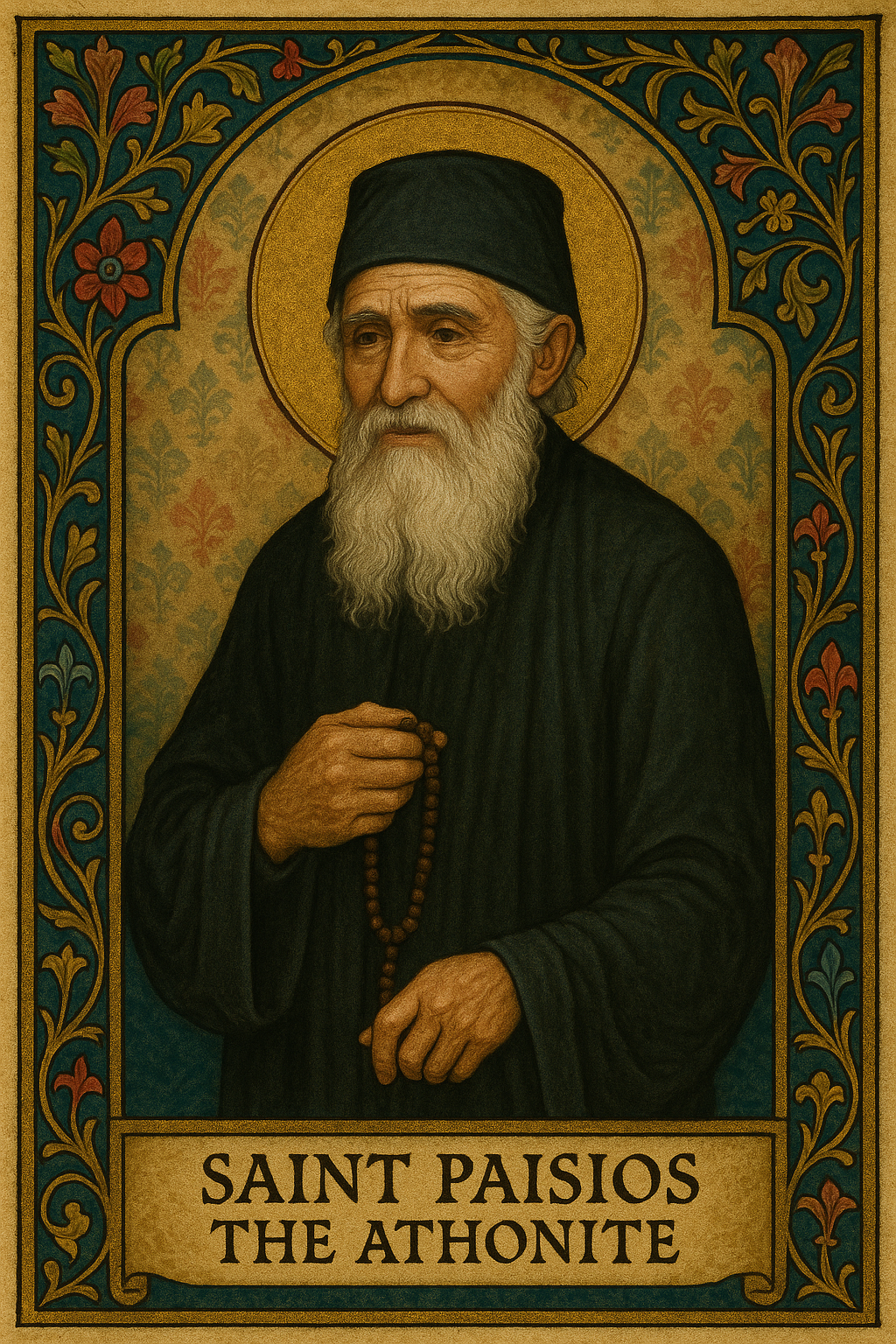
Other Saints Worth Knowing for Autoimmune Illness and Chronic Pain
The four saints above are the primary figures invoked for lupus and autoimmune conditions in both the Catholic and Orthodox traditions. But they are not the only ones. The following saints have strong healing traditions and are frequently invoked for chronic illness alongside the four above.


Part VIII
Setting Up a Healing Prayer Corner: A Practical Guide for Those with Chronic Illness
Both Catholic and Orthodox traditions encourage the creation of a prayer corner or home altar — a dedicated space in your home where icons, prayer cards, and candles create a physical environment that supports sustained prayer. For those with chronic illness like lupus, a healing prayer corner is especially valuable: when a flare makes it difficult to travel, to attend church, or even to sit upright, a prayer corner brings the sacred directly to your bedroom.
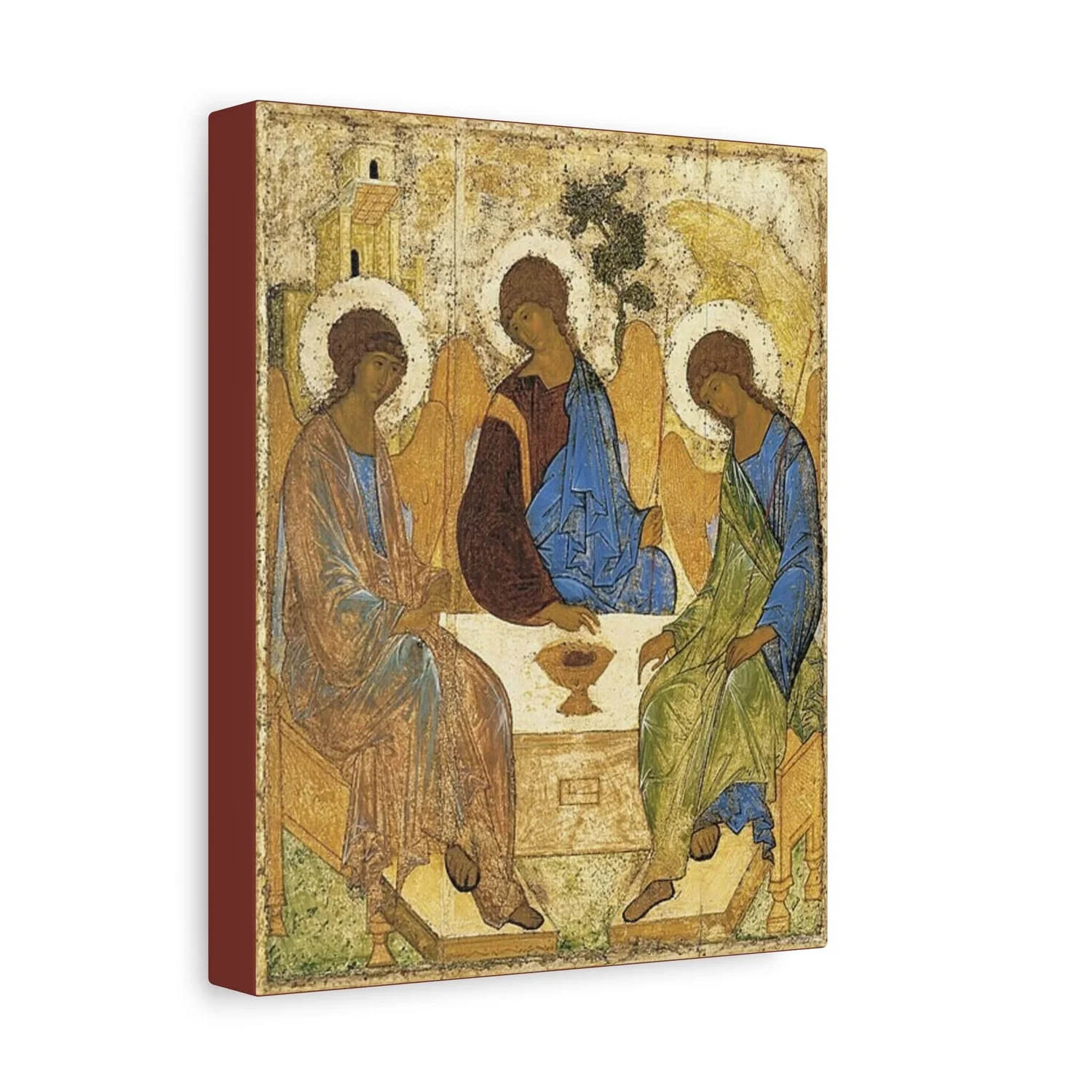
A basic healing prayer corner for someone with lupus might include: an icon or prayer card of Christ or the Theotokos at the center; prayer cards or icons of Saint Lidwina, Saint Panteleimon, Saint Nektarios, and Saint Charbel; a small candle (unlit except during prayer); and if possible a small bottle of blessed oil from a shrine or blessed by your priest. The Rublev Trinity icon below is one of the most beloved and theologically rich starting points for an Orthodox or Eastern Catholic prayer corner — it places the whole healing intercession within the life of the Trinity from whom all healing ultimately comes.
Frequently Asked Questions
Patron Saints for Lupus — Questions & Answers
You Are Not Asking for a Miracle. You Are Asking a Friend.
When you bring your lupus to Saint Lidwina, you are bringing it to someone who carried something similar for thirty-eight years without breaking. When you bring it to Saint Charbel, you are bringing it to the doorstep of a place where thirty thousand others have brought conditions just as serious and left with something changed. When you bring it to Saint Nektarios, you are bringing it to a man whose first miracle was healing a paralyzed stranger the moment he died — a man whose entire ministry was directed at those for whom medicine had run out of answers.
The Church’s tradition has always held that the saints are not historical figures we remember. They are living members of the Body of Christ who intercede actively for those still on earth. You are not asking for a miracle from a library of the dead. You are asking a friend who is standing right now before the God who heals.
Explore All Saints for Chronic Illness →