Orthodox Prayer Cards: The Complete Guide to Collecting, Using, and Gifting Them
As an Amazon Associate, The Eastern Church earns from qualifying purchases.
Orthodox Prayer Cards: The Complete Guide to Collecting, Using, and Gifting Them
What they are, why they matter, and the saints worth carrying with you everywhere — a buyer's guide for the Eastern Christian devotional life
There is something quietly powerful about having a saint in your pocket. Not a memory of one, not a vague sense of their existence — but a small, laminated card with their face, their prayer, and their feast day, small enough to tuck into a wallet and carry into every ordinary moment of the day.
Orthodox prayer cards occupy a unique place in Eastern Christian devotion that most people have never fully considered. They are not quite icons. They are not just bookmarks. They are tools — portable, intimate, and deeply practical — for keeping the saints close in a life that rarely slows down enough to stand at a prayer corner for an hour.
This guide explains what they are, how to use them, and introduces you to more than ten of the finest Orthodox and Eastern Catholic prayer cards available — matched to specific needs, specific struggles, and specific moments in the life of faith. Whether you are new to Eastern Christianity or have been Orthodox your whole life and are just discovering the practice, this is your starting point.
What Is an Orthodox Prayer Card?
An Orthodox prayer card — also called a holy card or saint card — is a small, typically wallet-sized devotional item printed with the image of a saint, the Theotokos, or an archangel on one side, and a prayer, feast day, and brief biography on the other. Most are printed on laminated cardstock, making them durable enough to survive daily use — carried in a wallet, tucked under a car visor, slipped into a child's school bag, or placed at a bedside.
The category overlaps in the Eastern tradition with what Catholic Christians sometimes call "holy cards" — small devotional images of sacred figures, used to support personal prayer outside of formal worship. In the Eastern world, these have historically been less emphasized than icons, but the practice is ancient. Soldiers in the Byzantine army carried small reliquary images. Travelers brought portable devotional objects on long journeys. The instinct to keep sacred images close at hand is as old as Christianity itself.
What makes Eastern Orthodox and Eastern Catholic prayer cards distinct from the Roman Catholic version is their imagery: they draw on the full tradition of Byzantine iconography — gold grounds, frontal presentations, stylized faces, rich theological symbolism. A well-designed Orthodox prayer card is not clip art with a prayer printed underneath. It is a miniaturized icon, carrying the visual grammar of the Eastern tradition in a format that fits in your hand.
What's typically on a prayer card: The saint's icon image on the front; on the back, a prayer addressed to that saint (often the Troparion or a specially composed intercession), the feast day, a one-sentence biography, and the tradition (Greek Orthodox, Melkite, Ukrainian Catholic, etc.).
The Collector's Logic: Why Saint Cards Make Devotional Sense
Think about baseball cards for a moment.
A kid who seriously wants to become a great player doesn't just watch games randomly. He collects cards. Not because the cardboard has magical powers — but because the card focuses his attention. It gives him a face, a name, a number, a set of stats that tell a story. He studies that card. He carries it. He knows why he admires this player, what that player achieved, what makes that person worth emulating. The card is a tangible point of connection between his aspiration and the person who has already achieved it.
Now scale that idea to eternity, and you have Orthodox saint cards. Except here, the players aren't retired legends — they are living persons in heaven, actively praying for anyone who asks them. The Orthodox theology of the saints is not a hall of fame; it is a communion. When you carry a card of Saint Paisios in your wallet, you are not just carrying a memory of a holy man who died in 1994. You are keeping close a man who is alive in Christ and who intercedes, at this moment, for those who call on him.
The card gives you his face, his name, his prayer, his feast day — everything you need to build a real devotional relationship with a real person on the other side of death.
This is why the practice of collecting prayer cards is not a superficial or commercial habit. It is a deeply rational expression of Orthodox theology. The saints are not distant figures behind stained glass. They are present, accessible, and particular. And the more saints you know — the more deeply you enter the specific stories, specific virtues, and specific intercessions of particular holy persons — the richer your prayer life becomes.
A person who knows Saint Xenia of St. Petersburg by name, who has carried her card and read her story, and who calls on her when they are lonely or afraid, has a different kind of prayer than someone who simply says "help me, saints." The Eastern tradition has always understood this. That is why the liturgy names saints individually. That is why every church has patron saints. That is why every Orthodox Christian has a name-day saint who is specifically theirs.
The prayer card collection is just the personal, portable version of the same logic.
Not an Icon — But Not Nothing, Either
A question that sometimes arises in Orthodox circles: are prayer cards appropriate? Are they a Latin import? Are they somehow less serious than icons?
It is worth being precise here. Prayer cards are not icons in the strict theological sense. An icon is a sacred image created according to specific canons — written in egg tempera on wood, blessed by a priest, venerated with prostrations and incense. It is understood in Orthodox theology to be a genuine window between the visible and invisible worlds. The icon is not a picture of the saint; it is a presence.
A prayer card is a printed devotional item on laminated cardstock. It is not written; it is printed. It is not blessed in the same way. It is not venerated with prostrations. It does not carry the same theological weight as a proper icon in your prayer corner.
But — and this is important — it is not nothing, either. The image of a saint, wherever it appears, focuses the eye and the heart toward that saint. The prayer printed on the back places intercession on your lips at exactly the moment you need it: in the car, in the hospital waiting room, before a difficult meeting, in a quiet moment between classes. The saint is not less present because the image is on cardstock rather than linden wood.
Think of it this way: a prayer corner with a full iconostasis is the cathedral version of your devotional life. A prayer card in your wallet is the portable chapel you carry everywhere else. Neither replaces the other. Together, they form a continuous devotional life — one that does not begin and end at the prayer corner but extends into every hour and every place you inhabit.
How to Use Your Orthodox Prayer Cards
The short answer is: however you need them. There is no wrong way to use a devotional tool. But here are the most common and most effective practices:
-
1Carry One in Your Wallet
The original use case. A wallet-sized card of your patron saint, your name-day saint, or whichever saint is most relevant to your current life situation. You see it every time you open your wallet. You can pull it out and hold it when you're anxious or need to pray. You can show it to someone who asks about your faith.
-
2Keep One in Your Car
Tucked under a visor or in the door pocket, a prayer card in the car provides a moment of prayer before you drive, a saint's intercession during a long trip, and a quiet reminder that you are not alone on the road. Saint Christopher is the traditional patron of travelers, but any saint you love belongs in your car.
-
3Place One at a Bedside
Especially for someone who is ill. A prayer card of a healing saint — Saint Nektarios, Saint Luke the Surgeon, the Unmercenary Healers — at the bedside transforms the room into a place of prayer. The sick person can hold the card, read the prayer, and know that a powerful intercessor is with them through the night.
-
4Use It During Personal Prayer
Hold the card in your hand while you pray the printed prayer on the back. The physical object focuses attention in a way that an invisible mental image does not. For people who struggle with distraction in prayer — which is everyone — a tangible focal point makes a measurable difference. If you have a daily prayer rule, prayer cards of your patron saints naturally fit within it.
-
5Give One to Someone Who Needs It
This is perhaps the highest use of a prayer card. When a friend is diagnosed with cancer, hand them a Saint Nektarios card. When a colleague is going through a divorce, give them the card of a married saint who intercedes for broken families. When a child is afraid, a small, laminated saint card is exactly the right size for little hands. Prayer cards are some of the most effective evangelism tools in Eastern Christianity — not because you're proselytizing, but because you're giving a person a living friend when they most need one.
-
6Build a Small Collection
A prayer box or small tray with a rotating collection of saint cards is a beautiful feature of any home prayer space. Some people build a liturgical-season collection: fasting saints for Great Lent, healing saints for Theophany, the Theotokos throughout the Dormition Fast. Others build thematically: all the Desert Fathers, all the married saints, all the modern Greek saints. There is no right answer — only the collection that feeds your prayer life.
Orthodox Prayer Cards for Healing & Illness
The Orthodox tradition has a rich theology of healing — physical illness is never merely a medical problem but a moment of spiritual encounter. These three saints are the most sought-after intercessors for those facing serious illness, cancer, or chronic conditions. Their prayer cards belong in every home, and especially at every bedside.
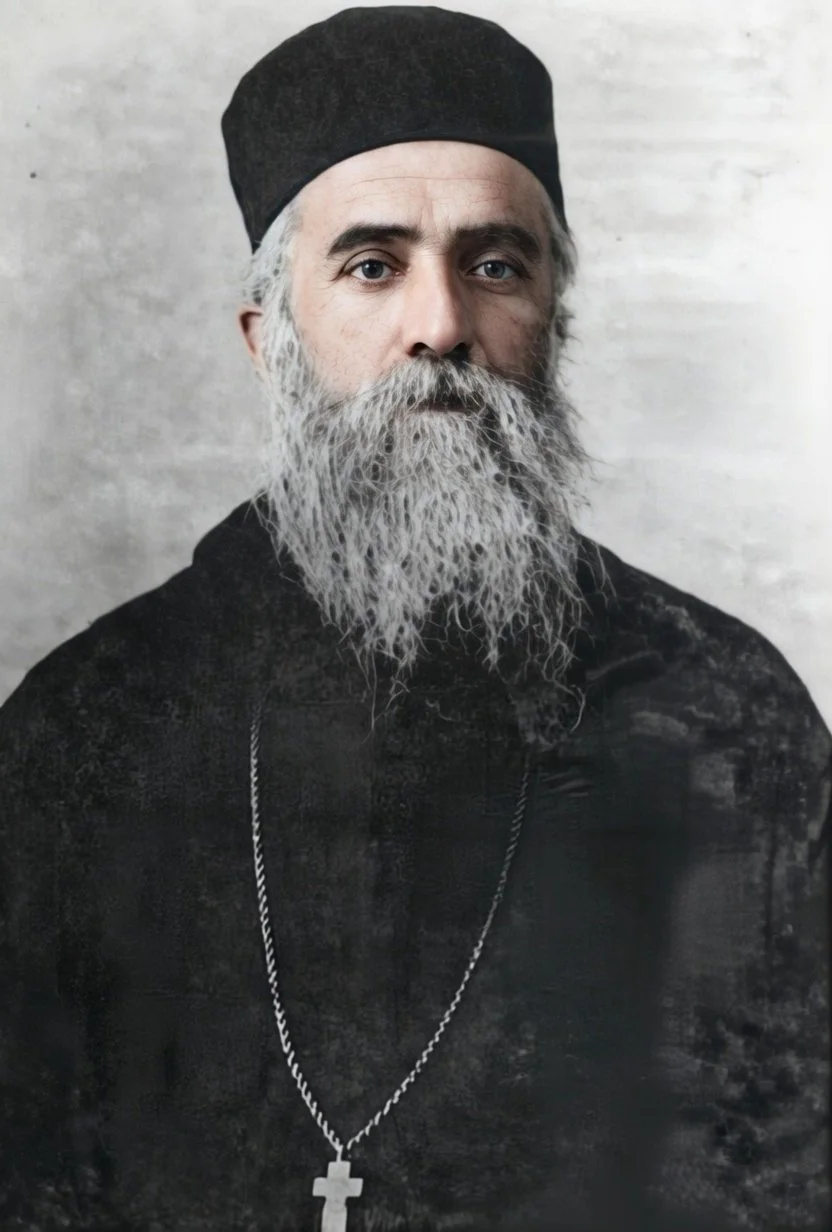
The foremost Orthodox patron of cancer patients. He bore prostate cancer himself and has healed thousands through his intercession since his repose in 1920. His card belongs in every hospital room.
View Prayer Card →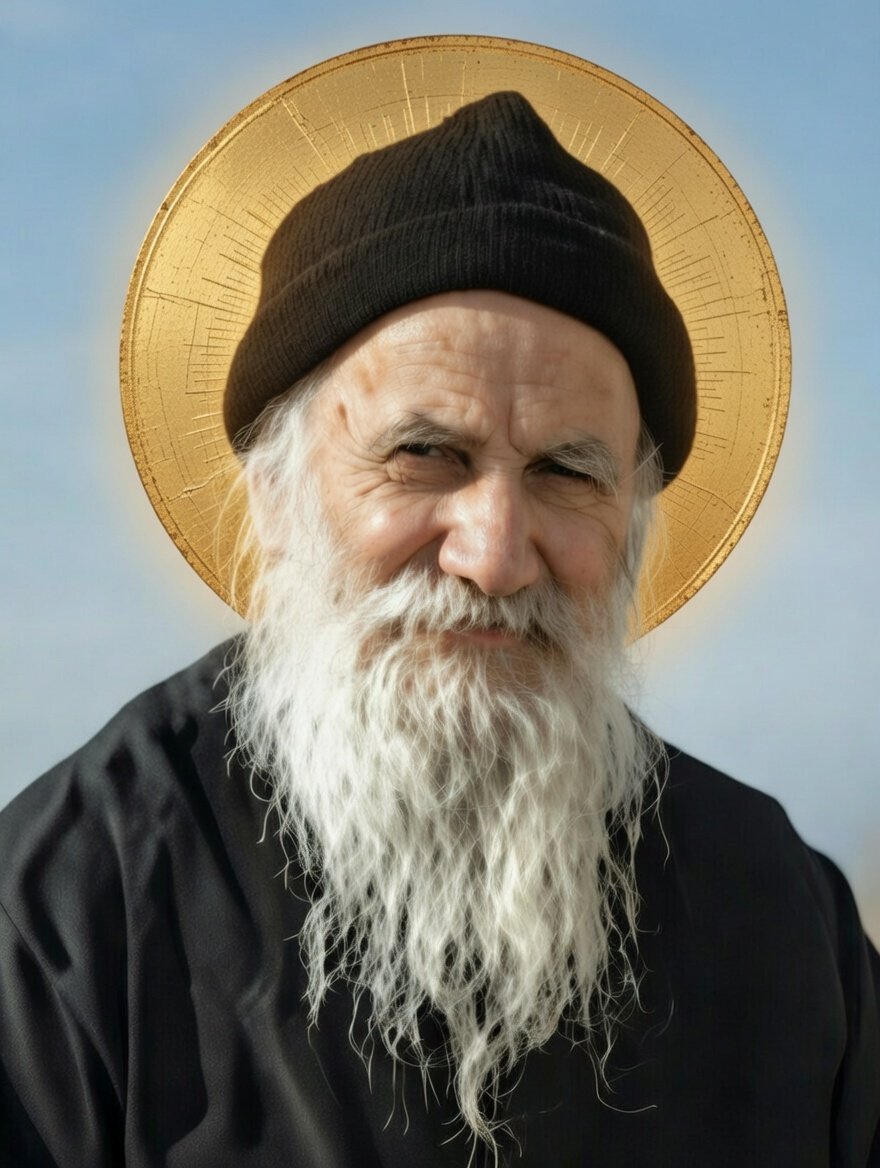
A beloved modern Greek elder canonized in 2013, Saint Porphyrios is venerated for healing of physical and spiritual illness, including anxiety, depression, and chronic pain. Carries a gentle, luminous presence.
View Prayer Card →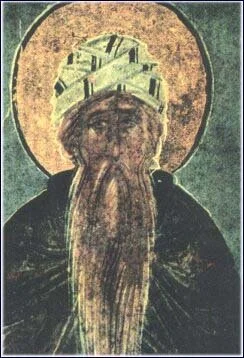
The great 7th-century theologian of prayer, silence, and the interior life. Invoked especially for those struggling with the spiritual desolation that illness can bring — loss of faith, loss of peace, the dark night that accompanies suffering.
View Prayer Card →For the complete collection of saints venerated for healing, see our category: Saints for Healing & Illness →
No prayer card in our collection is requested more often for illness and cancer than this one. Saint Nektarios is the saint of our century — he suffered cancer himself, and thousands have been healed through his intercession. A powerful card to carry, to give, and to place at any bedside.
View Saint Nektarios Prayer Card →Orthodox Prayer Cards for Mental Health & Inner Peace
The Orthodox Church has never separated the healing of the soul from the healing of the body. For centuries, Eastern monasticism has developed the most sophisticated and effective tradition in the world for interior healing — therepaia (therapy) of the passions, the stilling of thoughts, the restoration of peace to an anxious mind. The saints below are the most sought-after intercessors for mental health, anxiety, and emotional suffering. For a fuller treatment, see our guide to Orthodox saints for mental health.
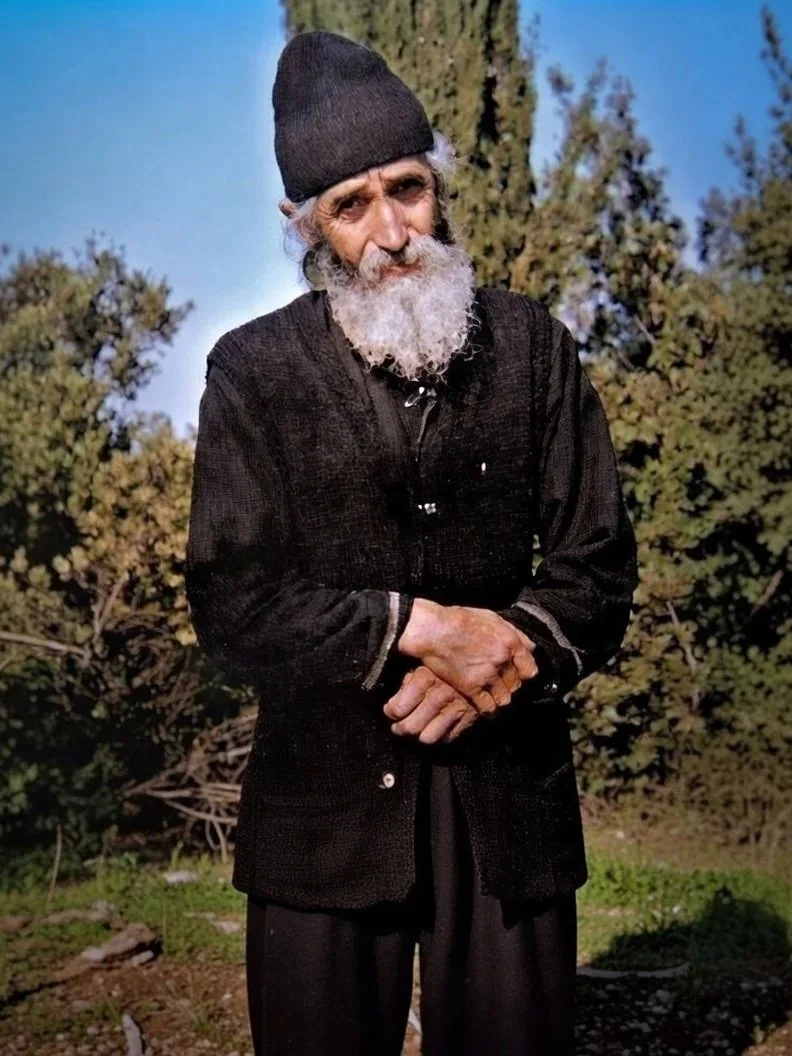
Canonized in 2015 and already beloved across the Orthodox world, Saint Paisios of Mount Athos is the modern elder most associated with healing of the soul — anxiety, depression, spiritual confusion, and loss of faith. His card is among our best-sellers.
View Prayer Card →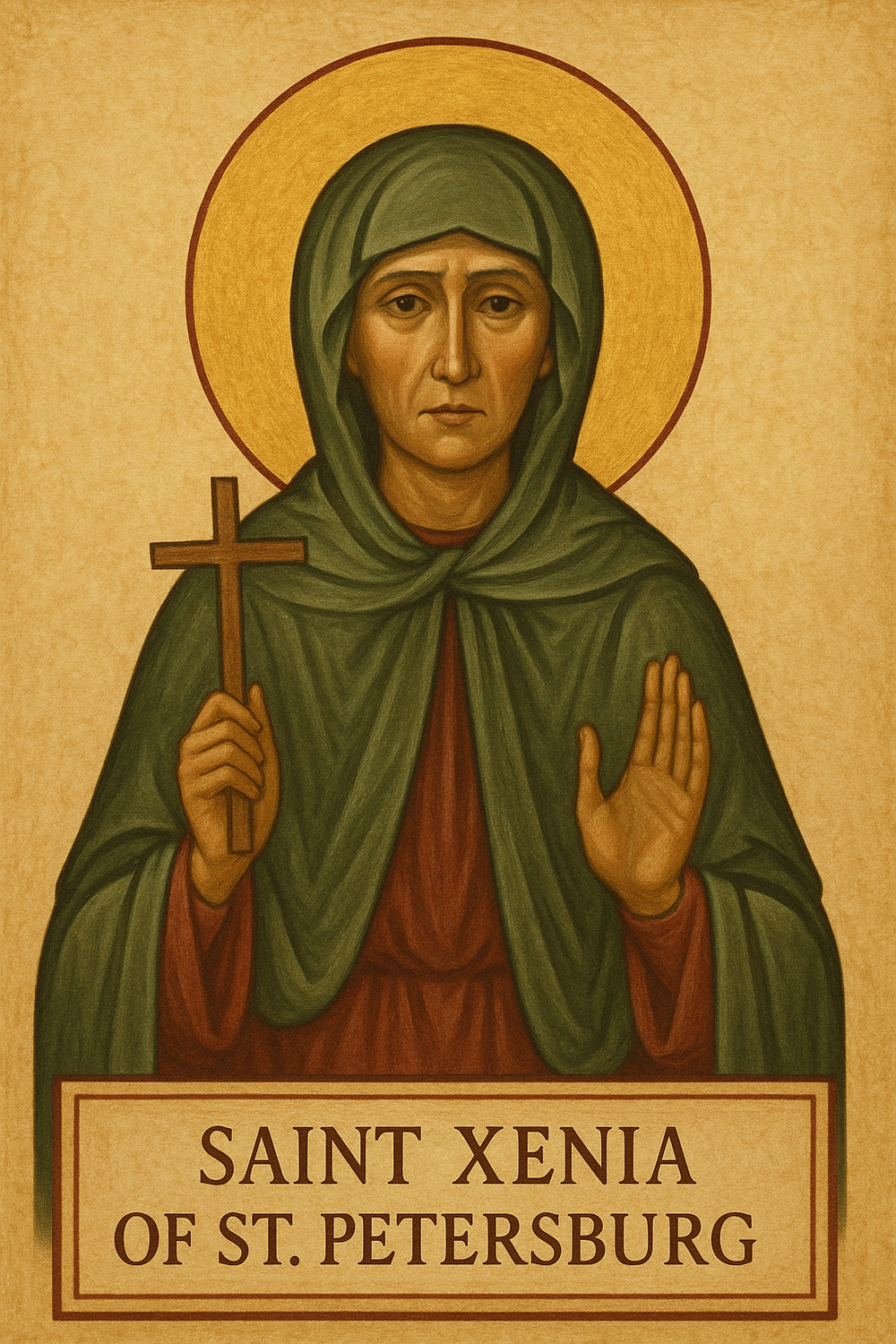
A Fool for Christ who gave away everything after her husband's sudden death and wandered the streets of St. Petersburg for decades in voluntary poverty. She is invoked by those facing grief, mental anguish, loneliness, and loss of identity — one of the most human of all the Orthodox saints.
View Prayer Card →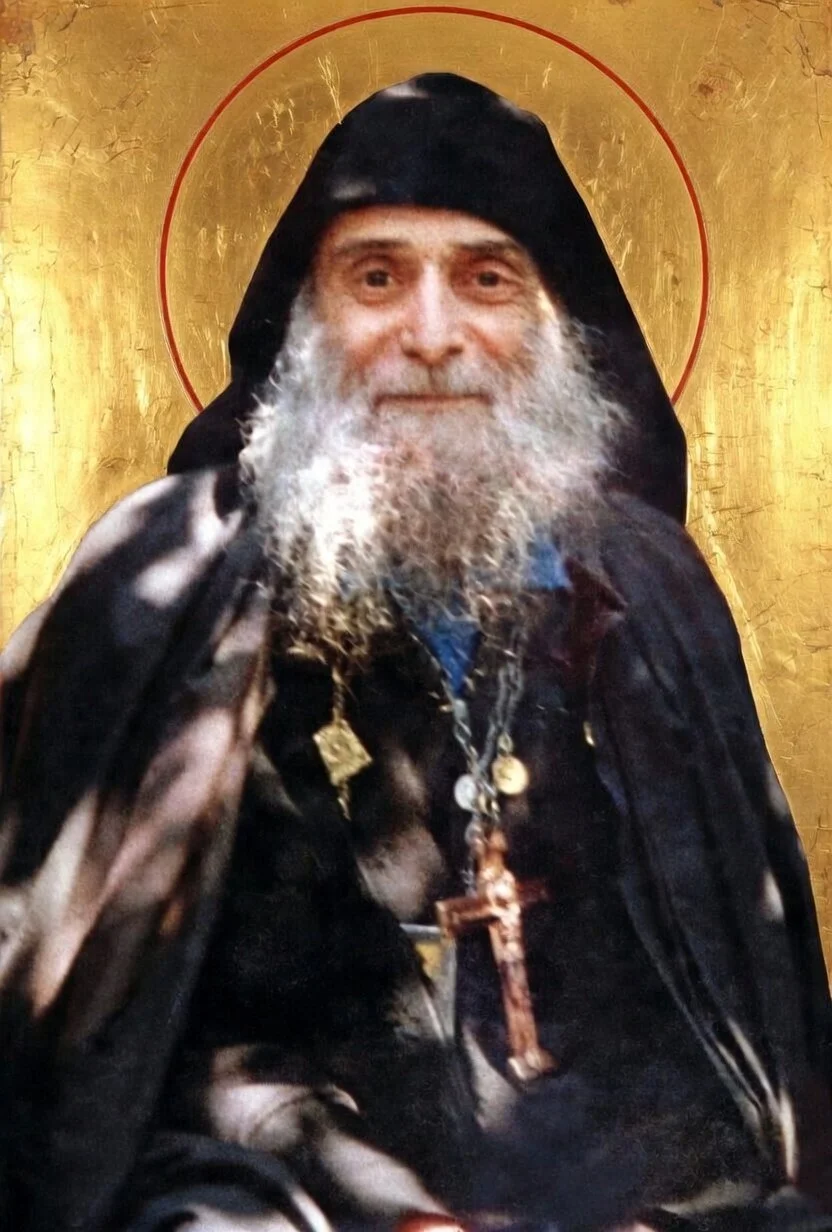
A modern Fool for Christ from Soviet-era Georgia, known for his wild holiness, fearless witness, and miraculous healings. He is a particular patron for those whose minds and hearts have been wounded by the cruelty of the world — misunderstood, mocked, or crushed by circumstances outside their control.
View Prayer Card →For more saints interceding for emotional and mental health struggles, see: Saints for Mental Health category → and Orthodox prayers for anxiety →
Orthodox Prayer Cards for Daily Prayer & Devotion
Not every prayer card is for crisis. Some of the most important saints to carry are the ones who belong in the fabric of ordinary life — the Church Father whose words shape how you think, the penitent mother of the desert whose story you return to again and again, the wonder-working bishop who intercedes for children and travelers alike. These saints are the foundation of any good collection.
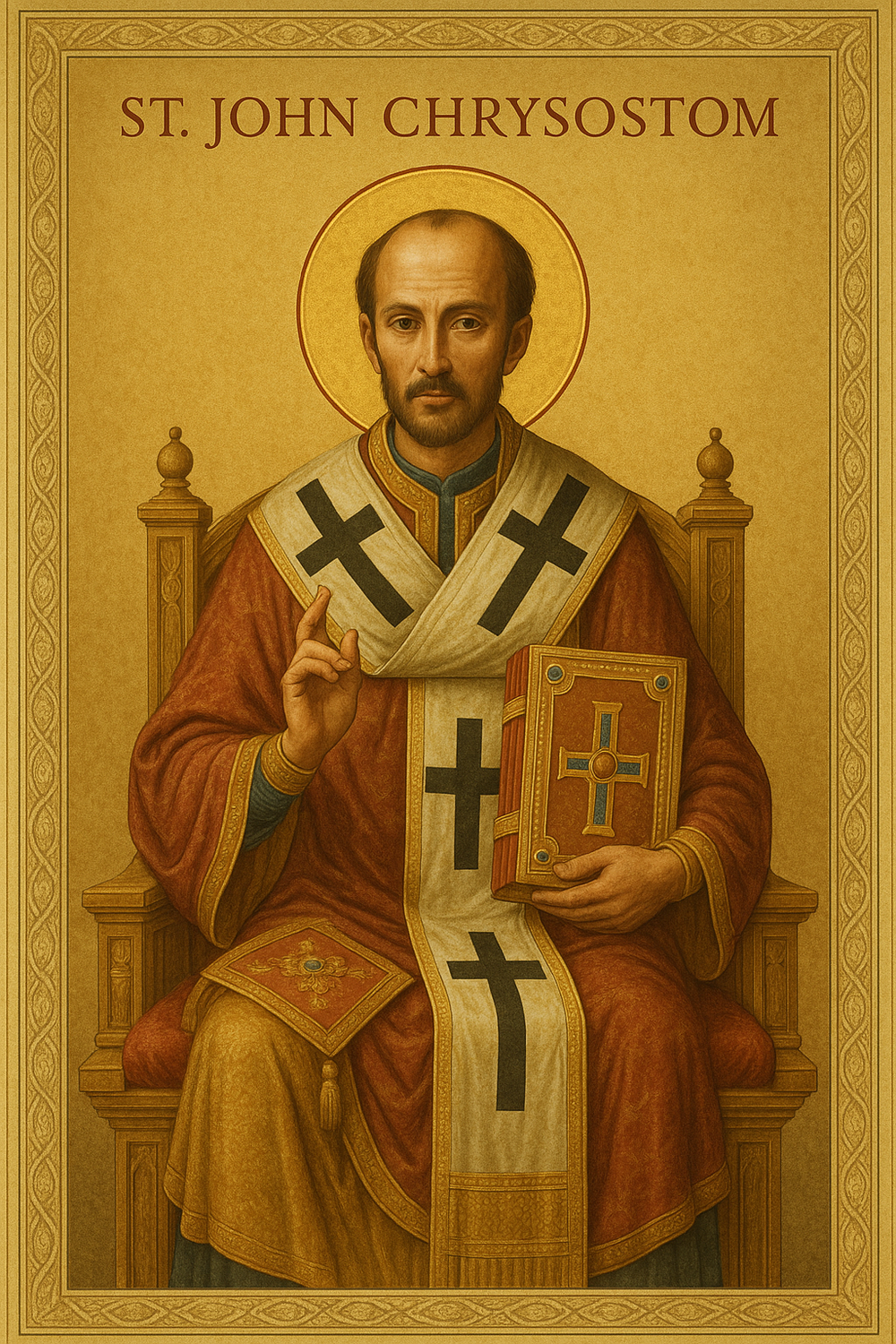
The "Golden-Mouthed" Father of the Church, whose Divine Liturgy is celebrated every Sunday across the Orthodox world. Patron of preachers, teachers, and those called to speak truth with courage. His words on prayer are among the most beautiful in Christian literature.
View Prayer Card →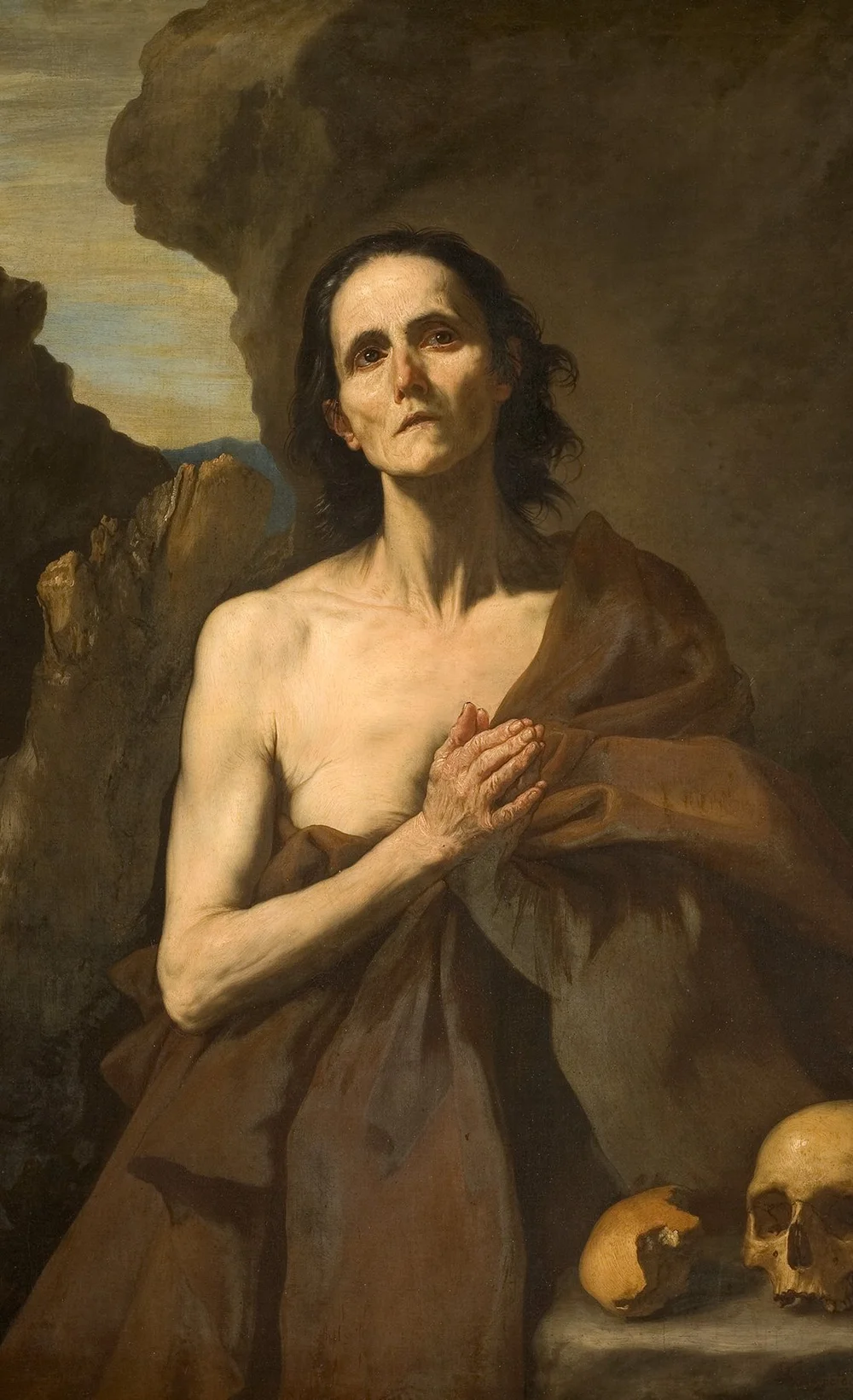
The great patroness of repentance and the model of radical conversion. Commemorated on the Fifth Sunday of Great Lent in the Orthodox calendar. Her card is especially meaningful for those who feel they have gone too far, fallen too deeply, or been away too long to come back.
View Prayer Card →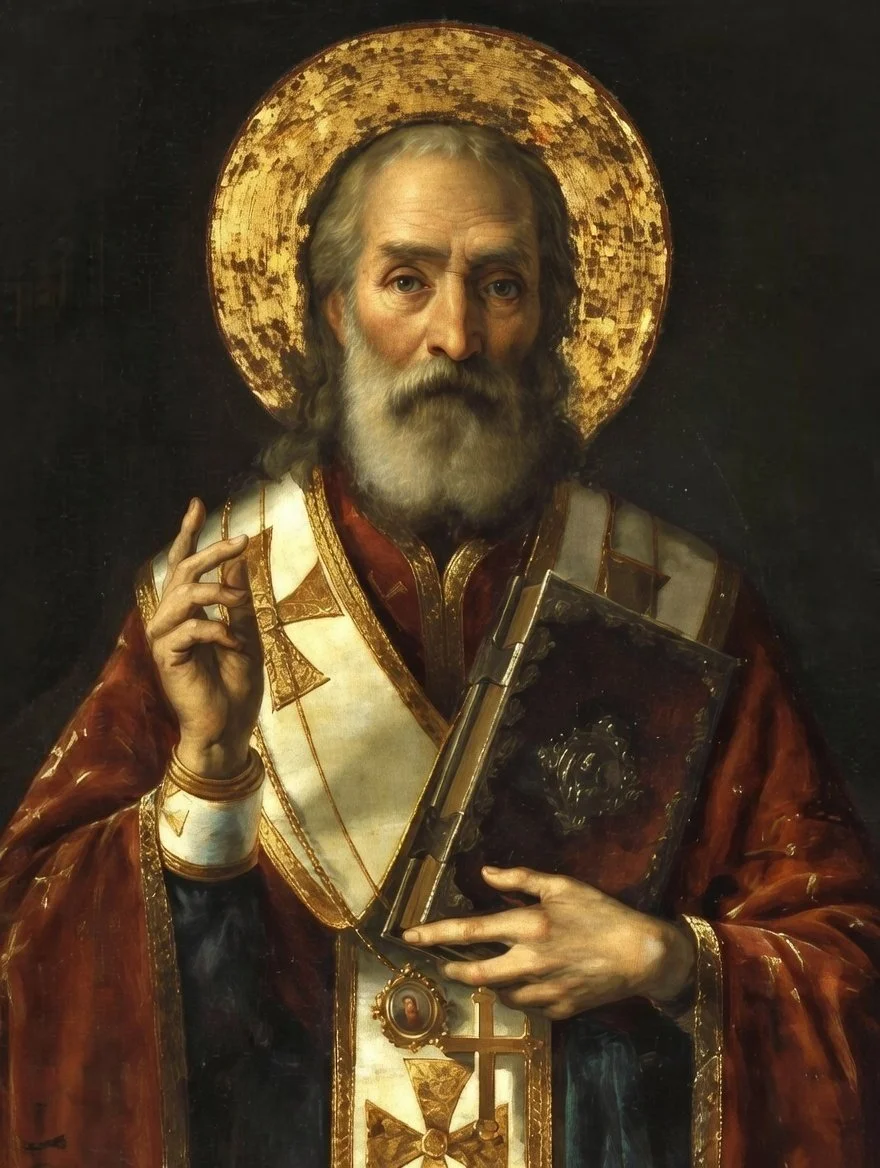
The most beloved saint in the Orthodox calendar — patron of sailors, travelers, children, the poor, and those facing unjust situations. His prayer card is a perennial gift for children learning about the saints, and a steadfast daily companion for any Orthodox household.
View Prayer Card →Orthodox Prayer Cards for Protection & Special Intercession
Some saints are called on not for a specific illness or struggle but for ongoing protection — the guarding of a household, the safety of a child, the warding off of spiritual attacks, or the intercession for a mother carrying a child. These cards are the ones you reach for when something larger than ordinary is at stake.
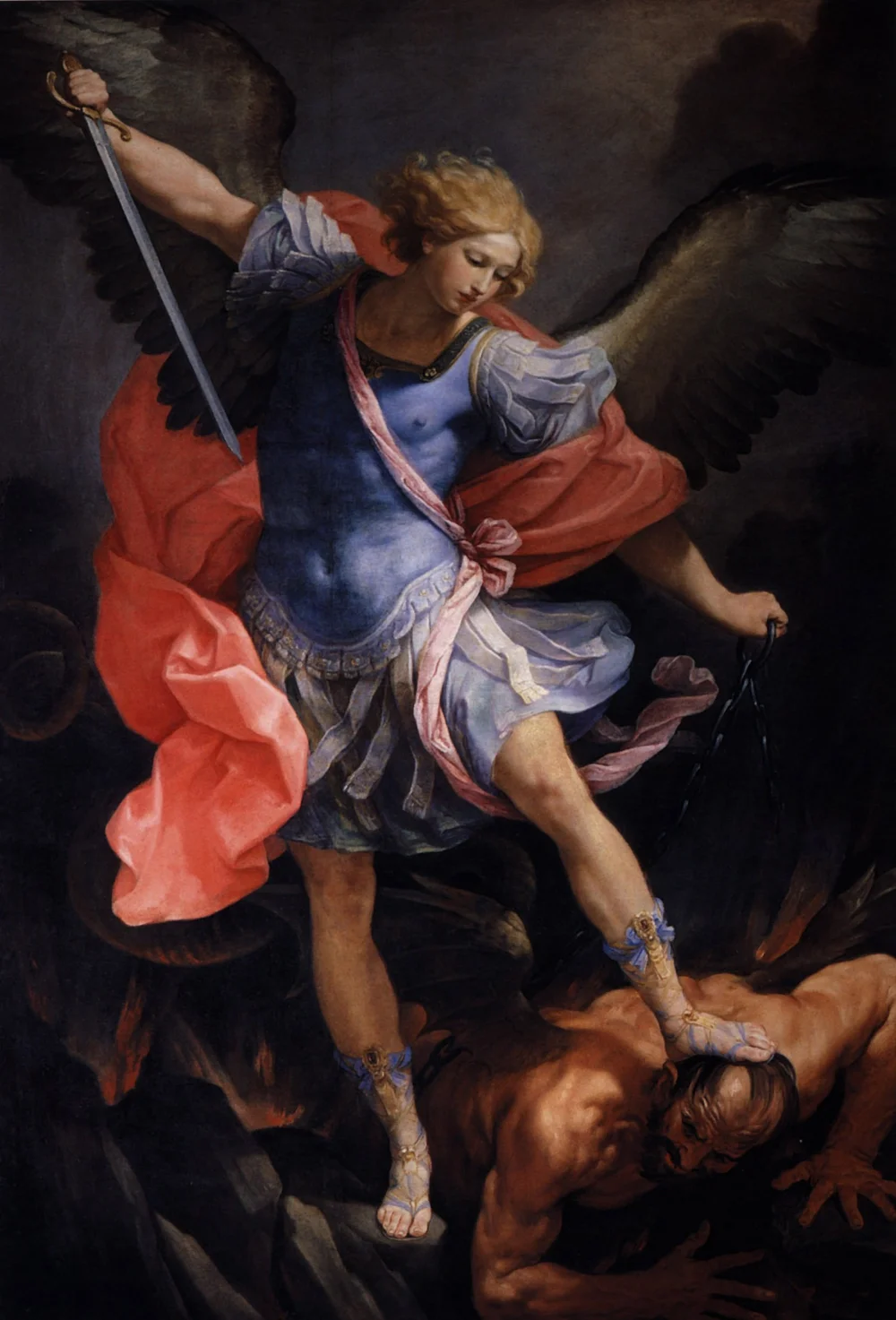
The commander of the heavenly armies, invoked across every Eastern tradition for protection against evil, spiritual attack, and danger. His card is appropriate for anyone who feels spiritually embattled — and for households where spiritual protection is being sought.
View Prayer Card →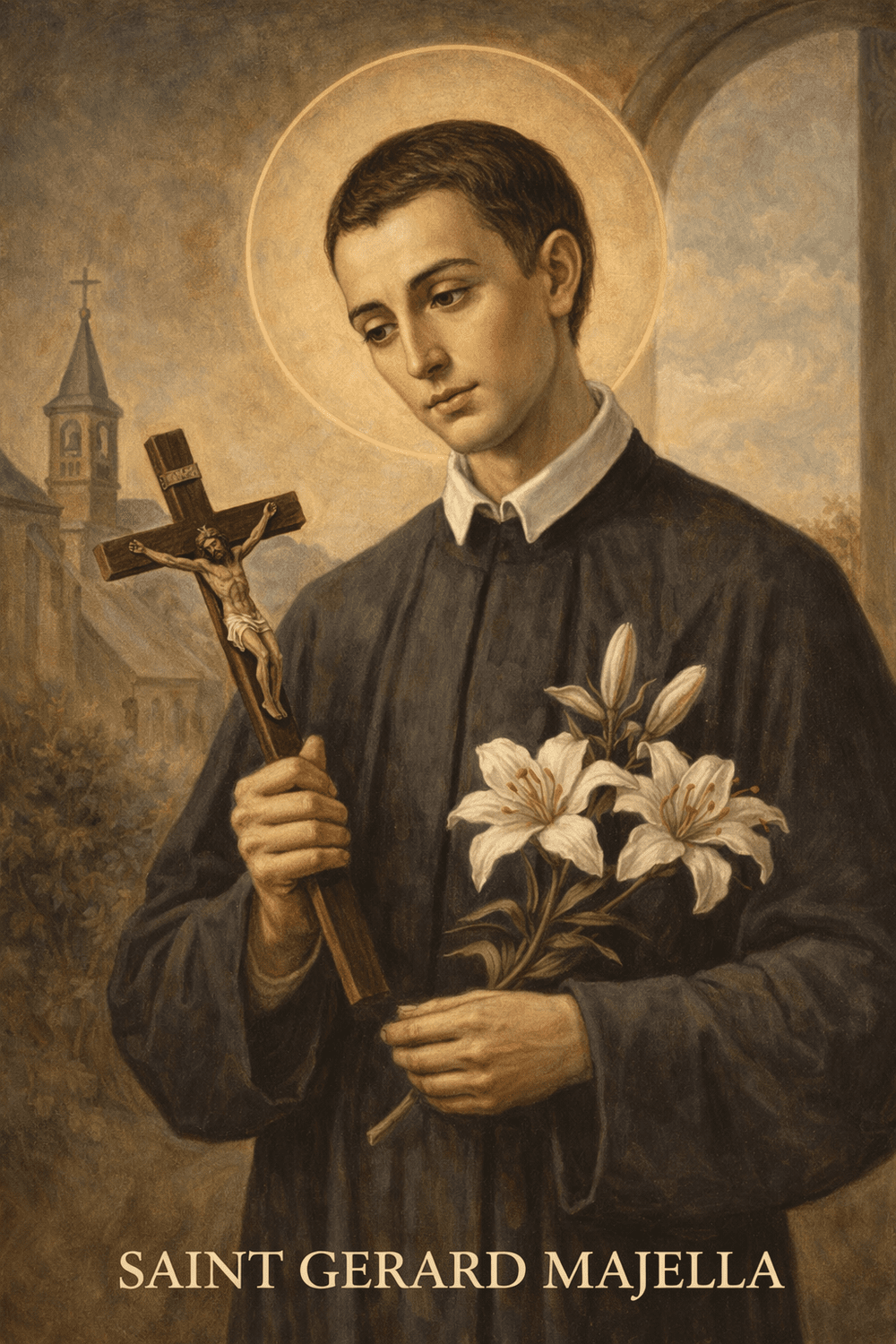
The most widely invoked patron of pregnant mothers and unborn children across both Eastern and Western Christianity. A Redemptorist brother who died at twenty-nine and left behind a legacy of miraculous assistance to mothers in danger. Deeply meaningful as a gift for expecting families.
View Prayer Card →& Childbirth
Thirteen saint cards specifically for safe pregnancy and childbirth — Orthodox and Catholic patrons for mothers, fathers, and unborn children. The largest such collection available online.
Browse Collection →
When someone you love is pregnant — especially in a difficult or high-risk pregnancy — there is perhaps no more meaningful gift you can give than this card. Saint Gerard Majella has been invoked by mothers for over two centuries, and the devotion shows no sign of diminishing. A card that belongs in every expectant mother's wallet, in every baby shower gift bag, and in every prenatal hospital visit.
View Saint Gerard Prayer Card →Giving Prayer Cards as Gifts: The Art of Matching Saint to Person
One of the great lost arts of Eastern Christian devotional culture is the practice of giving someone a saint. Not a candle with a saint's face on it. Not a mug with an icon. A prayer card — specific, thoughtful, and personal — that says: I know what you're going through, and I found someone who has been there before you and can help.
The key is matching the saint to the moment:
- Someone just diagnosed with cancer: Saint Nektarios of Aegina — he bore cancer himself and is the foremost Orthodox patron for it.
- Someone going through depression or anxiety: Saint Paisios the Athonite, whose warmth and wisdom for suffering souls is unparalleled among modern saints.
- Someone who feels lost, directionless, or spiritually dry: Saint Mary of Egypt — the great patron of those who feel they have strayed too far to return.
- A child being bullied or afraid: Saint Nicholas the Wonderworker, the eternal friend of children, or Saint Gabriel of Georgia, the Fool for Christ who was himself misunderstood and mocked.
- An expectant mother, especially in a difficult pregnancy: Saint Gerard Majella — the patron of pregnant mothers across two thousand years of devotion.
- Someone facing injustice or spiritual attack: Saint Michael the Archangel, the commander of heaven's armies.
- A preacher, teacher, writer, or speaker: Saint John Chrysostom, the Golden-Mouthed, patron of anyone called to speak truth.
- Someone lonely or widowed: Saint Xenia of St. Petersburg, who knows grief, loss of self, and the long road of holy solitude.
Prayer cards are inexpensive enough that you can give several at once — a small envelope with two or three saints relevant to the person's current struggle is a profoundly thoughtful gift. It requires you to know the saints, to know the person, and to make a connection between the two.
Gift idea: A laminated prayer card tucked inside a handwritten note explaining why you chose this saint for this person is often more meaningful than any expensive devotional gift. The thought behind it — I was thinking of you, I found someone in heaven who will help — is what makes it land.
Browse the Full Orthodox Prayer Card Collection
The cards featured above are a curated selection from a collection of more than one hundred Orthodox and Eastern Catholic prayer cards available at The Eastern Church store. The collection spans every major Eastern tradition and is organized both by saint and by need. Browse by category below:
Build Your Collection
Browse the complete store — over 100 Orthodox and Eastern Catholic prayer cards, organized by saint, tradition, and need. Every card is a living person in heaven waiting to hear your name.
Browse All Prayer Cards →Orthodox Prayer Cards — Common Questions Answered
What is an Orthodox prayer card?
An Orthodox prayer card is a small, laminated devotional card featuring the image of a saint, the Theotokos (Virgin Mary), or an angel, typically printed alongside a prayer, feast day, and brief description of the saint's life or patronage. They are used for daily private prayer, carried in wallets or pockets, placed in cars, given as gifts, and kept at bedsides — serving as portable reminders of the saint's intercession.
Are prayer cards allowed in Orthodox Christianity?
Yes. Prayer cards are entirely consistent with Orthodox and Eastern Catholic devotional tradition. The veneration of saints through images is a foundational practice rooted in the theology of icons — affirmed definitively at the Seventh Ecumenical Council in 787. Prayer cards are simply a portable, accessible form of this same devotion. They are not icons in the full theological sense, but they serve the same purpose: keeping the saints near in daily life and supporting the habit of prayer.
What is the difference between an Orthodox prayer card and an icon?
An icon is a sacred image created according to specific theological and artistic canons — traditionally written in egg tempera on wood, blessed by a priest, and understood to be a window into heaven. A prayer card is a printed devotional item, typically on laminated cardstock, that serves a practical devotional role. Icons are venerated with bows, kisses, and incense. Prayer cards are used — carried, held, placed, given away. Both draw you toward the same reality: the living presence of the saints in the communion of the Church.
How do you use an Orthodox prayer card?
Orthodox prayer cards can be used in many ways: held during personal prayer, placed in a prayer corner or at a bedside, carried in a wallet or pocket, tucked into a car visor, given to someone facing illness or difficulty, placed in a child's backpack, or handed to someone who needs to know about a particular saint. The prayer printed on the card can be read aloud as part of your prayer rule, or the card can simply serve as a tangible reminder of the saint's presence and intercession throughout the day.
Can you give an Orthodox prayer card as a gift?
Absolutely — prayer cards are one of the most thoughtful and affordable devotional gifts you can give. Matching the saint to the person's situation makes the gift deeply personal: a Saint Nektarios card for someone facing illness, a Saint Paisios card for someone struggling with anxiety, a Saint Gerard Majella card for someone who is pregnant. They are appropriate for baptisms, namesday celebrations, hospital visits, and any difficult moment. A card tucked inside a handwritten note explaining why you chose this saint for this person is often more meaningful than anything expensive.
How many prayer cards should I collect?
There is no limit. Many Eastern Christians build a personal collection over years — much like a library, each card representing a saint who has become meaningful through reading, prayer, or answered intercession. Some people keep one card in their wallet at a time, rotating based on the liturgical season or personal need. Others keep a full collection in a prayer box or on a nightstand. The more saints you know deeply — their stories, their prayers, their patronages — the richer your intercessory network becomes. Start with the saint you need most right now.
Do Orthodox prayer cards need to be blessed by a priest?
They do not require a blessing to be used, though many faithful choose to have devotional objects blessed by a priest as a matter of piety. If you would like your prayer cards blessed, bring them to your priest and ask him to bless them for your use in personal prayer. This is a normal and welcomed request in Orthodox and Eastern Catholic parishes.
Where can I buy Orthodox prayer cards?
The Eastern Church offers one of the most extensive collections of Orthodox and Eastern Catholic prayer cards available online, covering over 100 saints from every Eastern tradition — Greek Orthodox, Antiochian, Maronite, Melkite, Ukrainian Greek Catholic, Ruthenian, Syro-Malabar, and more. Cards are organized by saint, tradition, and by need (healing, mental health, pregnancy, protection, marriage, etc.). Browse the full collection at theeasternchurch.com/eastern-catholic-eastern-orthodox-prayer-cards.
Every Saint Is a Living Person. Give Them to People Who Need Them.
The saints are not decorations. They are not historical curiosities. They are your people — intercessors, companions, friends in a communion that does not end at death.
The great gift of Eastern Christianity to the world is its understanding of what a saint actually is. Not a category of the exceptional but a category of the baptized who have arrived where all baptized persons are called: into the life of God, where they are more alive than we are now and more present to us than we often realize.
A prayer card is one small way of acting on that theology in your ordinary life. Carrying one says: I believe in the communion of saints, not just as a creedal formula, but as a daily reality. I have a friend in heaven who carries my name before God. And I carry their face in my pocket.
Start with the saint you need most. Give a card to someone who is suffering. Build a collection over the years, and watch how the saints begin to shape the texture of your prayer.
Browse the full collection: Eastern Orthodox and Eastern Catholic Prayer Cards →