Armenian Saints Venerated in the Eastern Orthodox Church
The Complete Guide
Armenian Saints Venerated in the Eastern Orthodox Church
The men and women whose holiness predates every ecclesiastical divide — and who still appear in the Byzantine calendar today
In the year 451 AD, at the Council of Chalcedon, the Christian world fractured along a line that still defines Eastern Christianity today. The Council declared that Jesus Christ has two natures — divine and human — united in one person. The Byzantine Church accepted this. The Armenian Church did not, believing the formula risked dividing Christ. From that moment, the Armenian Apostolic Church and the Eastern Orthodox Church became separate communions.
But here is what that rupture cannot undo: the saints who lived and died before it. The martyrs, bishops, warriors, and queens of fourth and fifth century Armenia are forever woven into the spiritual fabric of both traditions. The Eastern Orthodox Menaion — the great liturgical calendar of the Byzantine world — still commemorates Gregory the Illuminator, Hripsime, Gayane, Mesrop Mashtots, and many others. These saints belong to no single church. They belong to every Christian who has ever prayed through tears.
This article gathers the Armenian saints recognized across Eastern Christian traditions — those who appear in the Byzantine Orthodox Synaxarion, those venerated in the Armenian Catholic and Apostolic Churches, and those whose witness spans every boundary the Church has ever drawn. For each saint, we have handcrafted a prayer card you can hold, carry, and pray with — made one at a time by hand in Austin, Texas.
Quick Reference: Armenian Saints in the Eastern Orthodox Calendar
| Saint | Century | Feast Day (Orthodox/Julian) | Recognized By |
|---|---|---|---|
| Saint Bartholomew the Apostle | 1st | June 11 / Aug 25 | Orthodox, Catholic, Armenian, Universal |
| Saint Sandukht | 1st | Sept 15 (Armenian calendar) | Armenian Apostolic, Armenian Catholic |
| Saint Sarkis the Warrior | 4th | Jan 13 (Armenian calendar) | Armenian, Eastern Catholic |
| Saint Gregory the Illuminator | 4th | Sept 30 (Greek Orthodox) | Orthodox, Armenian, Catholic |
| Saint Hripsime | 4th | Sept 30 (Greek Orthodox) | Orthodox, Armenian, Catholic |
| Saint Gayane | 4th | Sept 30 (Greek Orthodox) | Orthodox, Armenian, Catholic |
| Saint Ashkhen | 4th | Dec 23 (Armenian calendar) | Armenian, Eastern Catholic |
| Saint King Tiridates III | 4th | Dec 23 (Armenian calendar) | Armenian, Eastern Catholic |
| Saint Aristakes | 4th–5th | Sept 9 (Armenian calendar) | Armenian, Eastern Catholic |
| Saint Nerses the Great | 4th | Nov 19 (Armenian calendar) | Armenian, Eastern Catholic |
| Saint Sahak Partiev (Isaac the Great) | 5th | Sept 9 (Armenian calendar) | Armenian, Eastern Catholic, some Orthodox |
| Saint Mesrop Mashtots | 5th | Feb 19 (Greek/Russian Orthodox) | Orthodox, Armenian, Catholic |
| Saint Vartan Mamikonian | 5th | Feb 26 (some Orthodox calendars) | Armenian, Eastern Catholic |
| Saint Yeghishe | 5th | May 2 (Armenian calendar) | Armenian, Eastern Catholic |
| Saint Shushanik | 5th | Oct 17 (Georgian Orthodox) | Georgian Orthodox, Armenian, Catholic |
| Saint Blaise of Sebastea | 4th | Feb 11 (Orthodox) | Orthodox, Catholic, Universal |
| Saint David the Invincible | 5th–6th | Armenian calendar | Armenian, Eastern Catholic |
| Saint Movses Khorenatsi | 5th | Armenian calendar | Armenian, Eastern Catholic |
| Saint Gregory of Narek | 10th | Feb 27 (Catholic) | Armenian, Catholic (Doctor of the Church) |
| Saint Nerses IV the Gracious | 12th | Armenian calendar | Armenian, Eastern Catholic |
| Blessed Gomidas Keumurjian | 17th | Armenian Catholic calendar | Armenian Catholic |
| Blessed Ignatius Maloyan | 20th | June 11 | Armenian Catholic |
The Apostolic Era: Armenia's First Martyrs
Armenia's Christian story begins with the apostles themselves. Tradition holds that Bartholomew and Thaddeus brought the Gospel to Armenia in the first century, making it one of the earliest Christian lands on earth — decades before Constantine. The martyrs of this era are venerated across all traditions.
 Orthodox Calendar
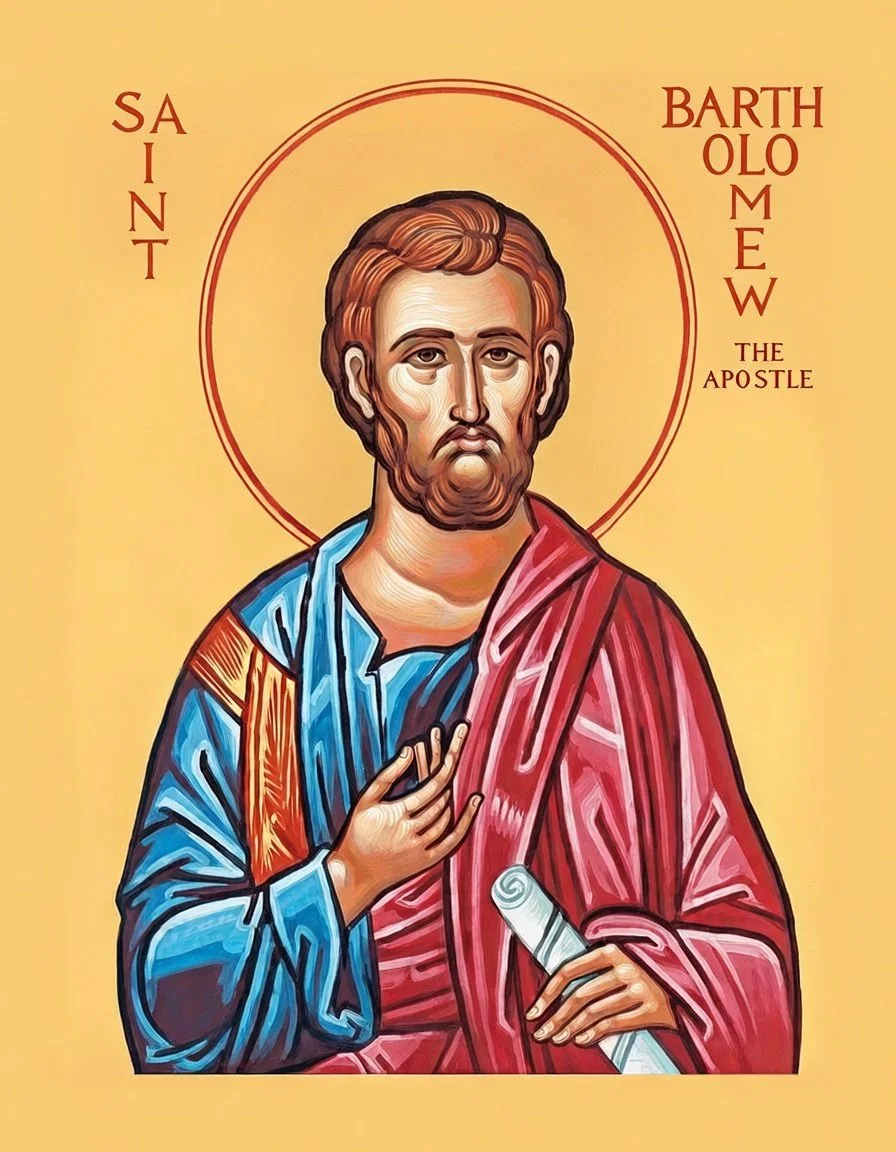
Saint Bartholomew the Apostle
1st Century · Martyr · ApostleOne of Christ's twelve apostles, Bartholomew is widely identified with Nathanael in the Gospel of John. According to both Armenian and Eastern Orthodox tradition, he traveled to Armenia with the Apostle Thaddeus and preached the Gospel there — making Armenia's Christian roots apostolic in the most literal sense. He was martyred in Armenia, likely by flaying, and is venerated by Eastern Orthodox, Armenian Apostolic, Armenian Catholic, and Roman Catholic Christians alike. The Eastern Orthodox Church celebrates his feast on June 11 and August 25. His remains are honored in the Armenian city of Derbent.
Get the Prayer Card →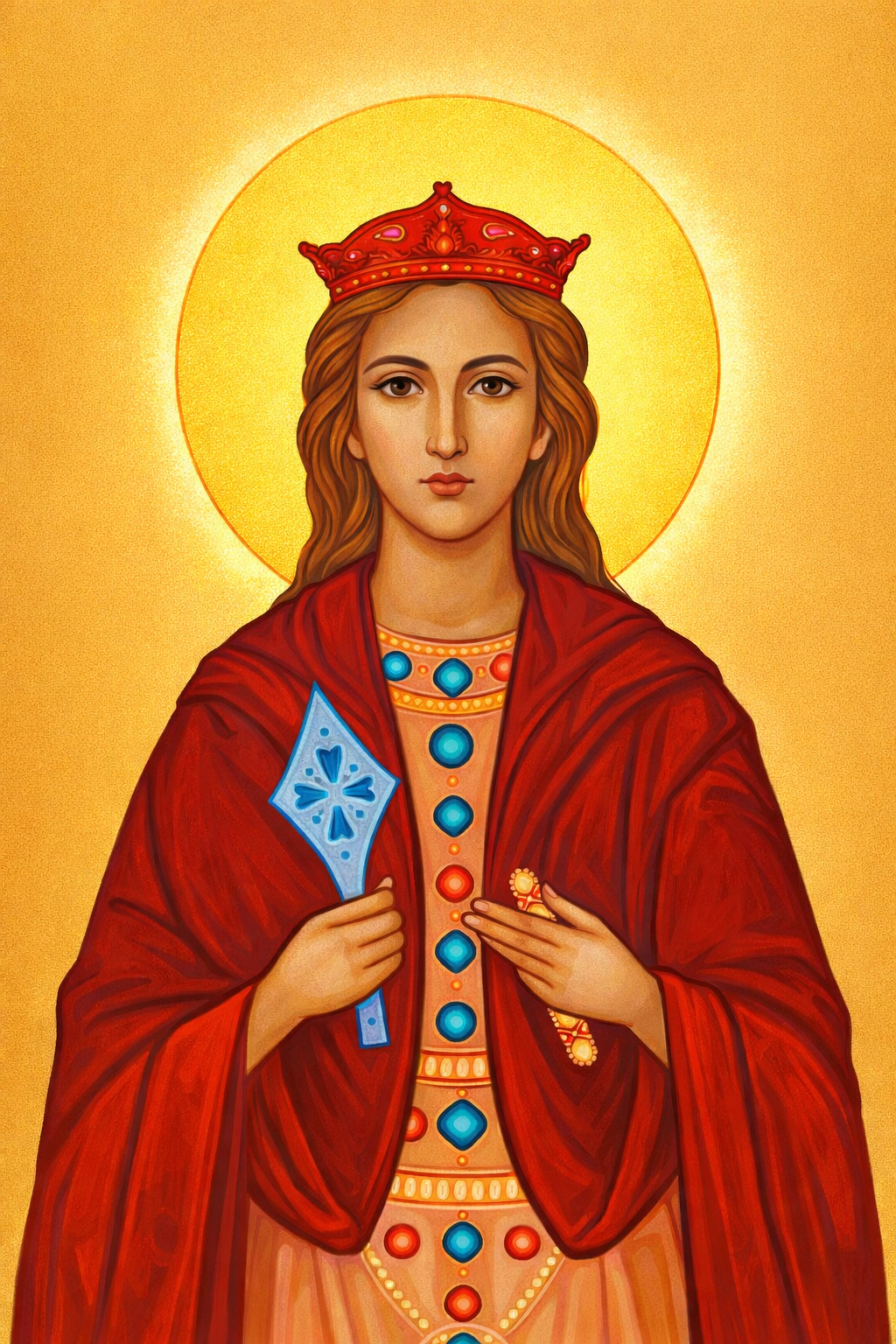 First Armenian Martyr
Saint Sandukht
1st Century · Virgin MartyrSandukht is venerated as Armenia's first female martyr and possibly the first Christian martyr on Armenian soil. According to tradition, she was the daughter of King Sanatrouk, who converted to Christianity after hearing the Apostle Thaddeus preach. When her father demanded she renounce her faith and she refused, he had her executed — making her both a martyr for Christ and a victim of family pressure to conform. She is a patron for young women under pressure to abandon their faith and for those who have chosen Christ at great personal cost. She is honored in the Armenian Apostolic and Armenian Catholic calendars.
Get the Prayer Card →The Illuminators: Armenia's Fourth-Century Saints
In 301 AD — twelve years before Constantine's Edict of Milan — Armenia became the first nation in history to adopt Christianity as its state religion. The saints of this era are among the most celebrated in all of Eastern Christianity, appearing in the Greek Orthodox Synaxarion and venerated from Antioch to Moscow.
 In the Orthodox Menaion
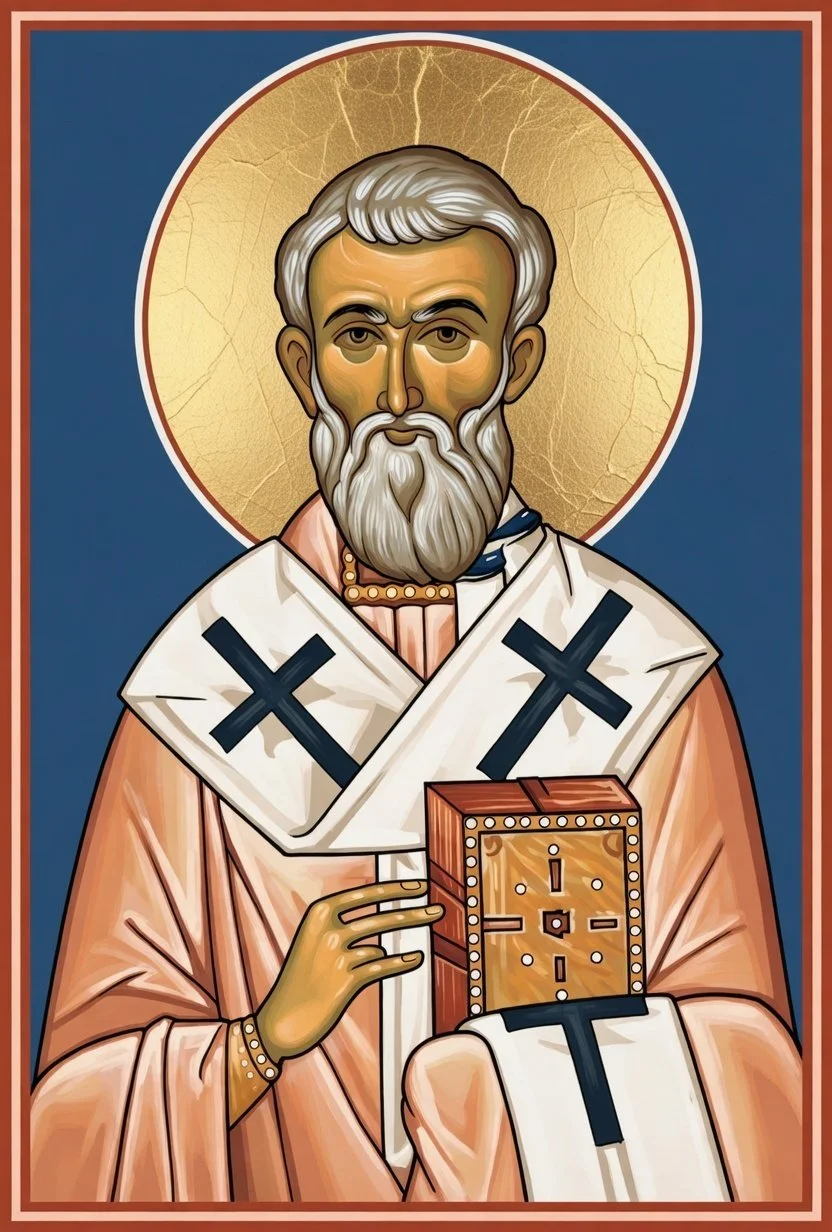
Saint Gregory the Illuminator
c. 257–331 AD · Bishop · ConfessorGregory is one of the great figures of early Christianity. Imprisoned for thirteen years in a pit — the Khor Virap — for refusing to recant his faith, he was kept alive by a Christian widow who secretly fed him. When King Tiridates III fell gravely ill and could not be healed, it was Gregory, freed from the pit, who prayed over him and restored his health. In return, Tiridates converted, and Armenia became the world's first Christian nation. Gregory was consecrated bishop and spent the rest of his life building the Church in Armenia. He is commemorated in the Greek Orthodox Menaion on September 30 and is venerated by Eastern Orthodox, Armenian Apostolic, Armenian Catholic, Coptic, and Roman Catholic Christians — a saint who truly belongs to the whole Church.
Get the Prayer Card →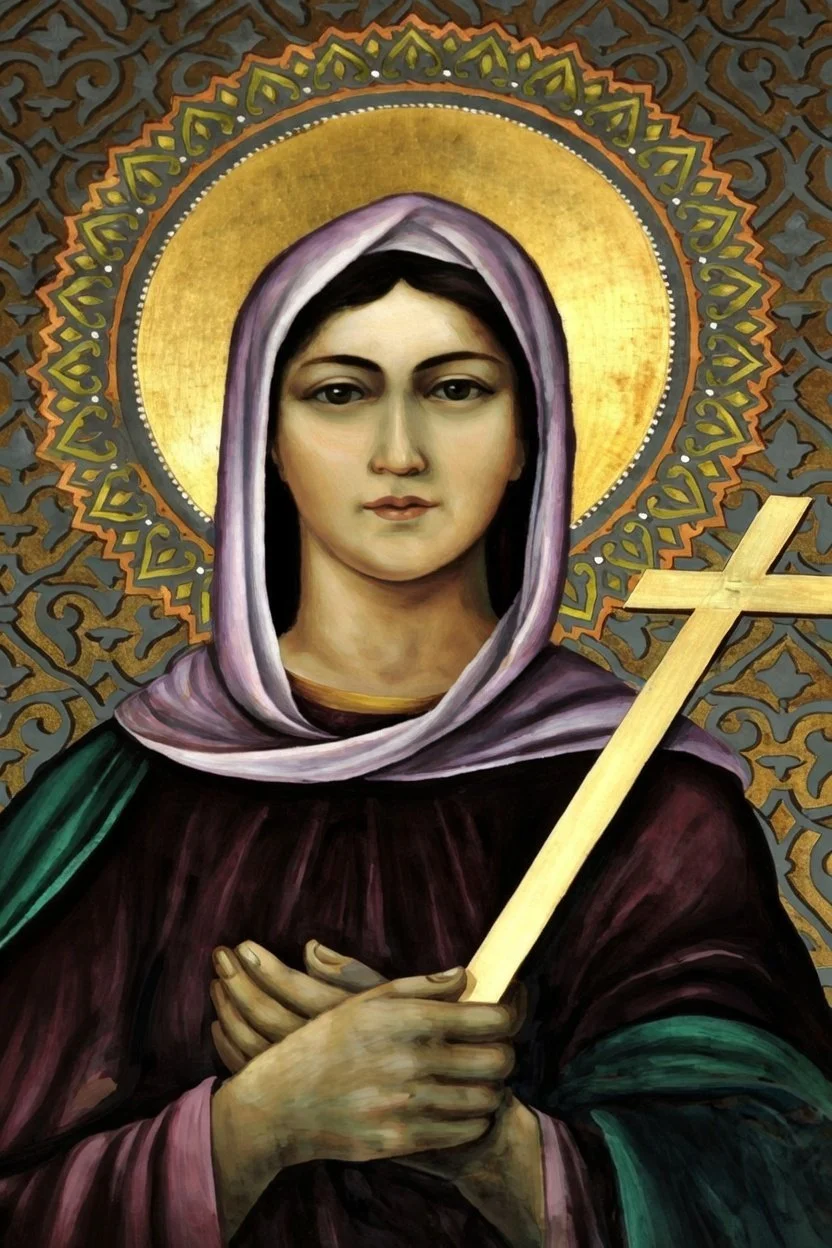 In the Orthodox Menaion
Saint Hripsime
† c. 301 AD · Virgin MartyrHripsime fled Rome with a group of Christian women to escape persecution — and found themselves in Armenia. When King Tiridates tried to force Hripsime to be his bride, she refused, choosing Christ over royal protection. For her refusal, she was tortured and executed. It was her martyrdom — and the martyrdom of her companions — that so disturbed the king that he fell into the illness Gregory the Illuminator would later heal. In this way, Hripsime's death directly led to the conversion of Armenia. She is commemorated in the Greek Orthodox Menaion on September 30 alongside Gregory. A fifth-century basilica bearing her name still stands in Vagharshapat, Armenia, and is a UNESCO World Heritage Site.
Get the Prayer Card →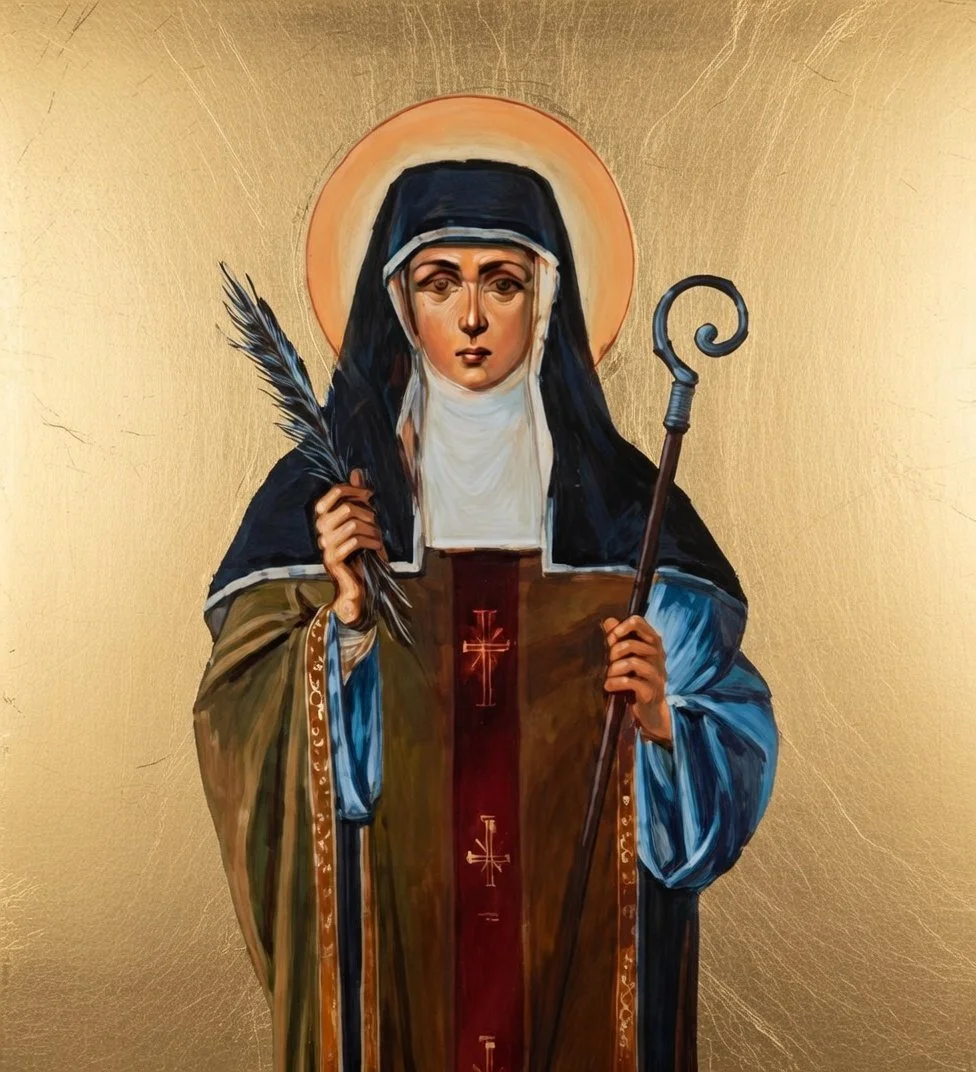 In the Orthodox Menaion
Saint Gayane
† c. 301 AD · Martyr · AbbessGayane was the abbess who led the group of Christian women — including Hripsime — from Rome to Armenia. She was their spiritual mother and protector. When King Tiridates ordered the women killed, Gayane was among those martyred. The Eastern Orthodox Church commemorates her alongside Hripsime and Gregory the Illuminator on September 30 in the Byzantine Menaion, recognizing her martyrdom as part of the single providential event that brought Christianity to Armenia. A fifth-century basilica also bears her name in Vagharshapat, one of the world's oldest surviving Christian churches. She is a patron for spiritual leaders who protect the vulnerable and those who stand against abuses of power.
Get the Prayer Card →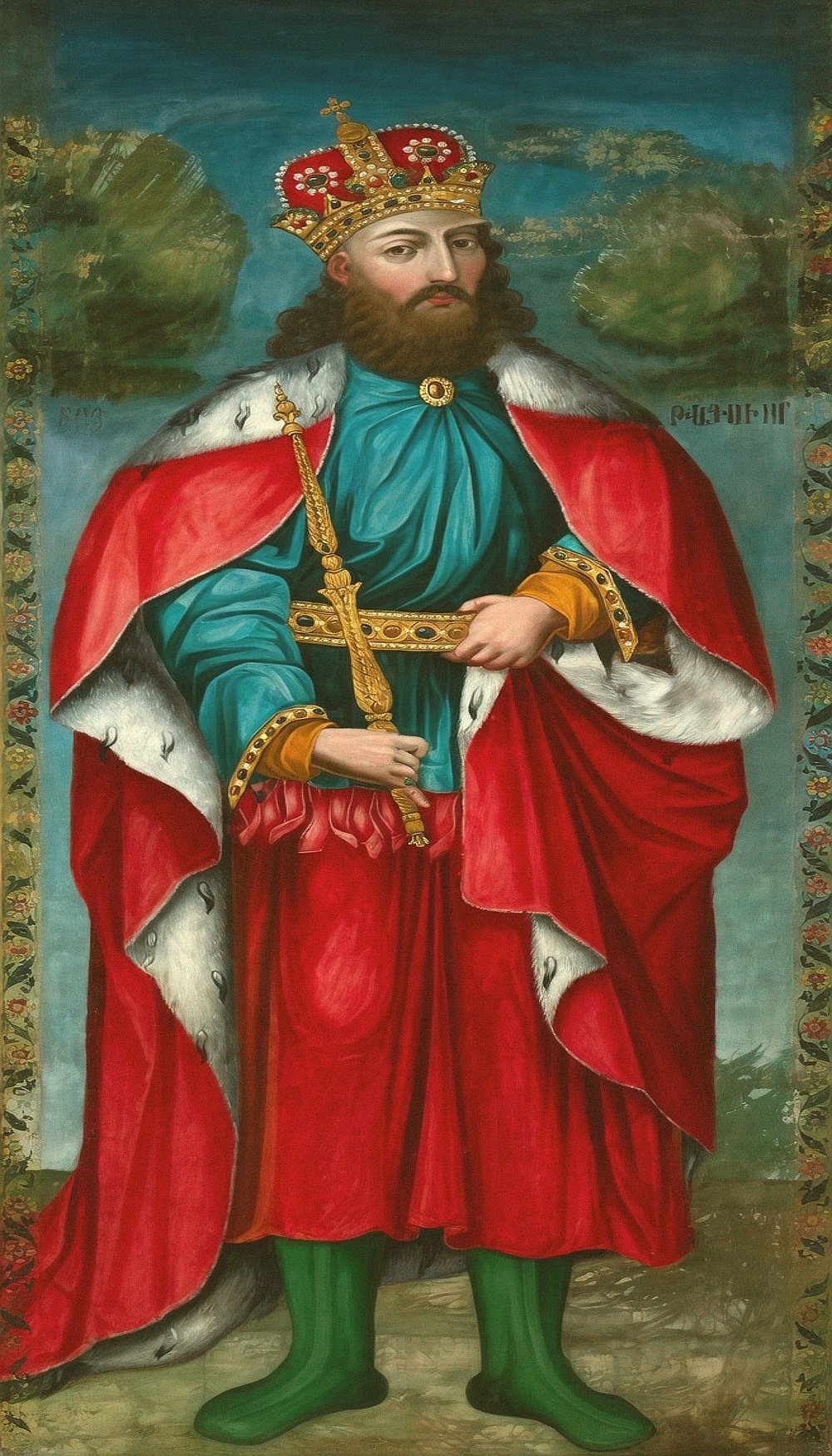
Saint King Tiridates III
c. 250–330 AD · King · ConfessorFew conversions in history have had consequences as vast as Tiridates III's. A brutal and powerful king who had imprisoned Gregory for thirteen years and ordered the killing of the Hripsimian martyrs, he was struck by a severe mental affliction (described in tradition as a kind of madness) that no one could heal. It was Gregory, brought up from the pit, who prayed over him and restored his sanity. The experience shattered Tiridates. He converted publicly, was baptized, and immediately declared Christianity the religion of the entire Armenian nation — in 301 AD. He spent the rest of his reign destroying pagan temples and building churches in their place. He is venerated as a saint in the Armenian Apostolic and Armenian Catholic Churches, remembered as the king whose illness became the door through which an entire nation entered the faith.
Get the Prayer Card →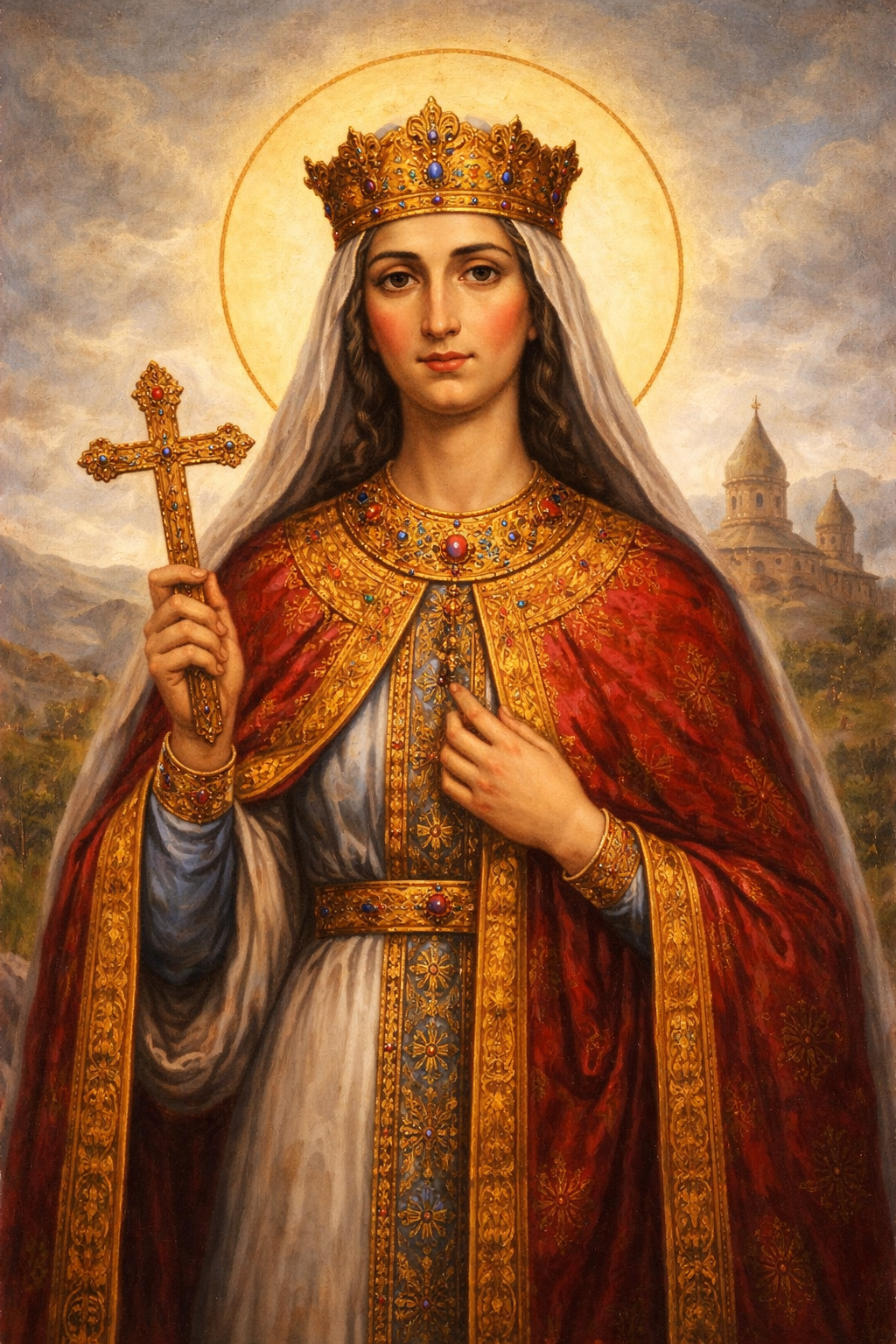
Saint Ashkhen
4th Century · Queen · ConfessorAshkhen was the queen of Armenia and wife of Tiridates III. She is venerated as a saint not only for her own personal faith but for her courage at a moment when her husband was at his worst — and for the faithfulness she maintained through his conversion and the national upheaval that followed. She is commemorated in the Armenian Apostolic and Armenian Catholic calendars on December 23 alongside her husband. She is a patron for those praying for the conversion of a spouse, for families navigating a national or cultural crisis of faith, and for women who hold the household together when everything around them is breaking down.
Get the Prayer Card →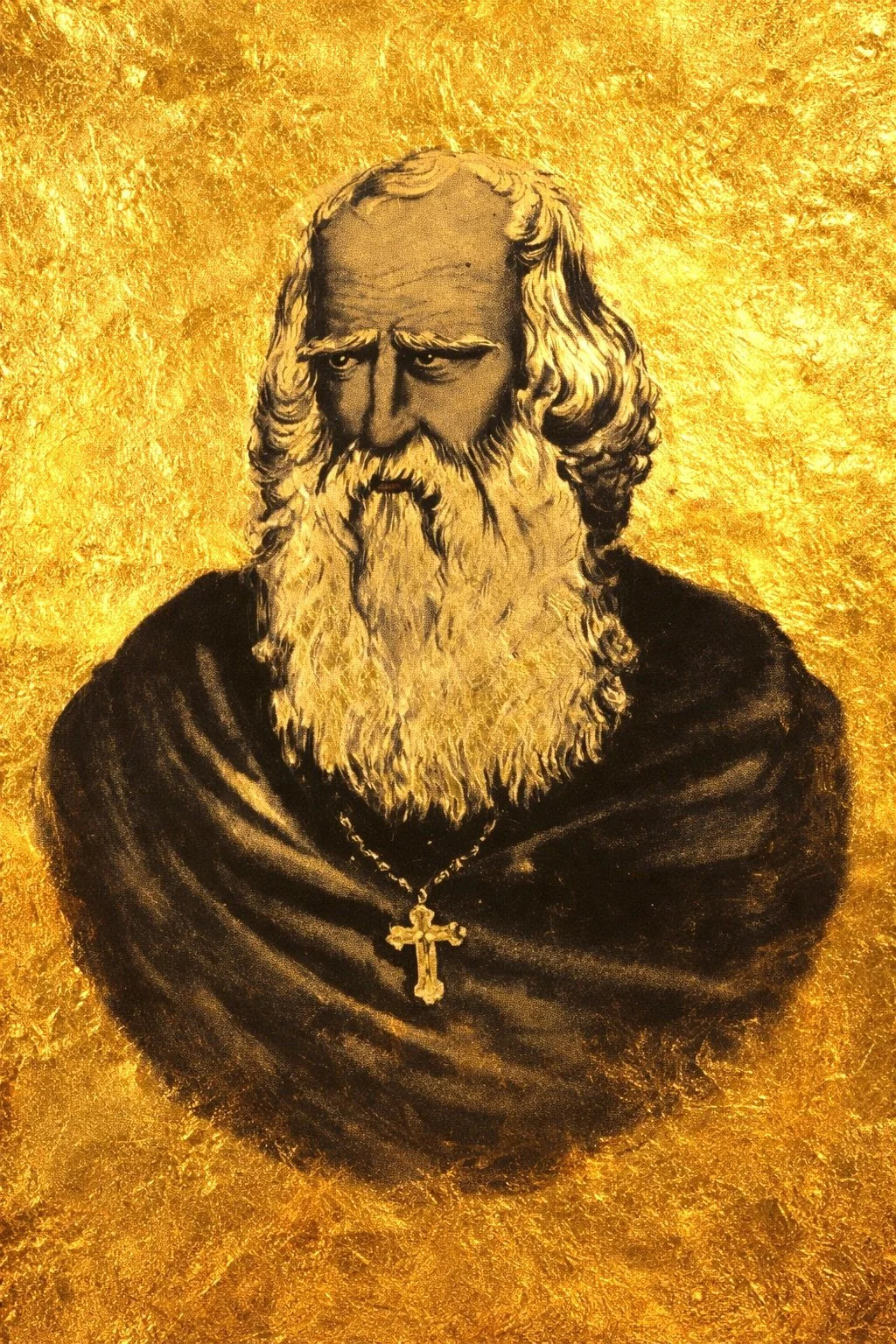
Saint Nerses the Great
c. 333–373 AD · Archbishop · MartyrA great-grandson of Gregory the Illuminator, Nerses became the Catholicos (Patriarch) of Armenia and was one of the most reforming figures in the early Armenian Church. He convened the Council of Ashtishat around 365 AD, establishing monastic life in Armenia, founding hospitals and homes for the poor, and reforming the Church's moral standards at every level. When King Arshak II persecuted the poor and refused to reform his conduct, Nerses excommunicated him — a stunning act of ecclesiastical courage. He was eventually poisoned at the king's orders, making him a martyr. He is venerated as a saint and confessor in the Armenian Apostolic and Armenian Catholic Churches, honored for combining institutional reform with pastoral courage.
Get the Prayer Card →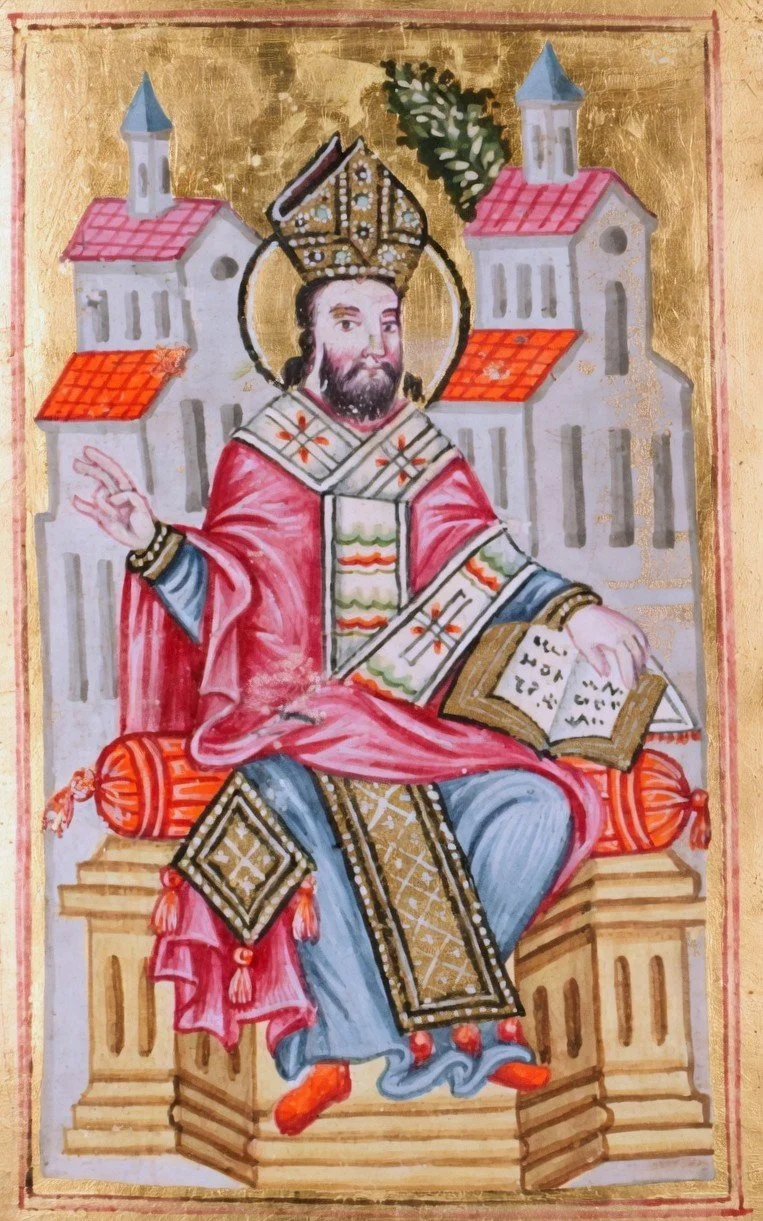
Saint Aristakes
† c. 333 AD · ArchbishopAristakes was the youngest son of Saint Gregory the Illuminator and succeeded his father as Catholicos of Armenia. He is most remarkable for his participation in the First Council of Nicaea in 325 AD — representing the Armenian Church at one of the most decisive moments in Christian history. He returned to Armenia carrying the Nicene Creed, integrating the universal council's definition of faith into the Armenian Church. His legacy is that he kept Armenia's young Christian nation in communion with the wider Church during the turbulent period immediately following Nicaea. He is venerated in the Armenian Apostolic and Armenian Catholic calendars.
Get the Prayer Card →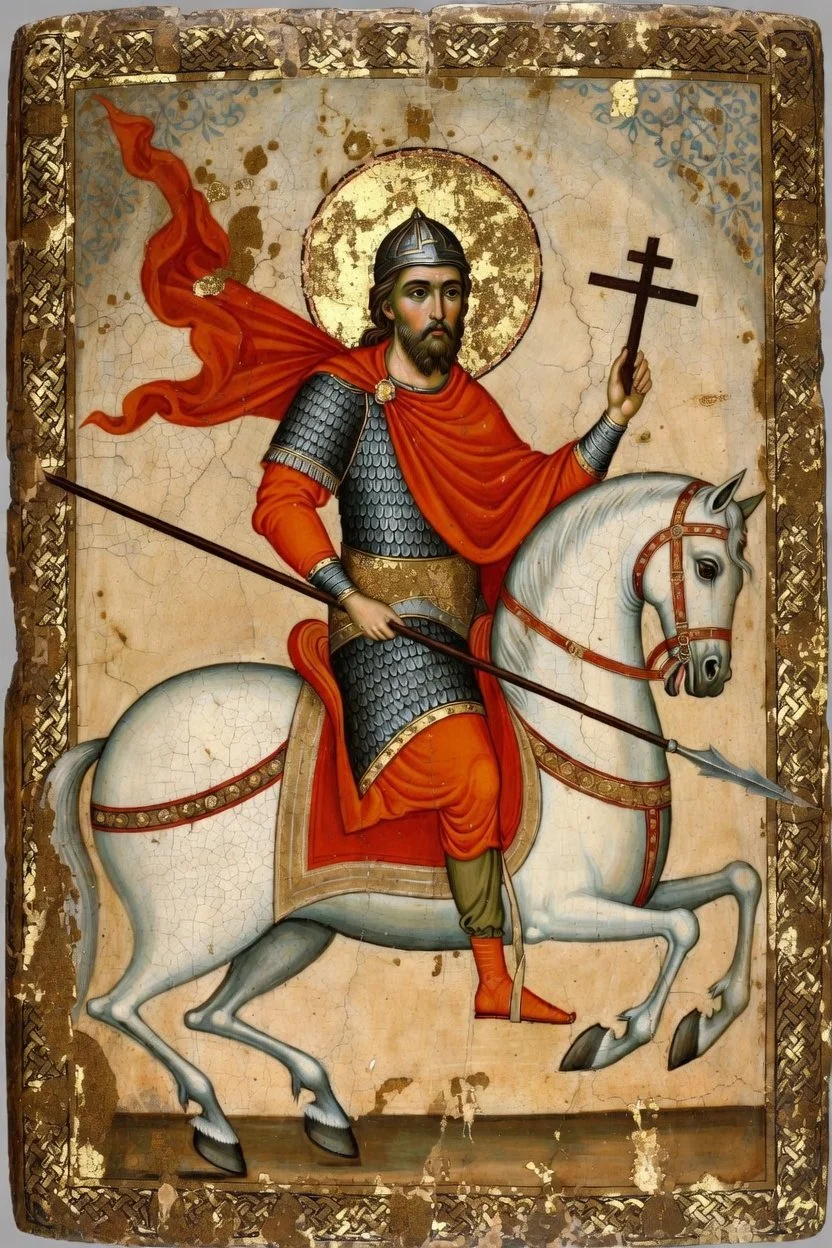
Saint Sarkis the Warrior
† c. 362 AD · Military MartyrSaint Sarkis (Sergius) was a Roman military officer who fled to Armenia with his son Martiros when Emperor Julian the Apostate began persecuting Christians in the empire. They found refuge in Armenia — but the persecution followed them. Both father and son were captured and executed for refusing to renounce their faith. Sarkis is one of the most beloved saints in Armenian Christianity, especially among young people; the feast of Saint Sarkis in late January has long been associated with the hope for marriage and faithful love in the Armenian tradition, somewhat like a Christian Valentine's Day. He is remembered as a warrior who chose eternity over empire.
Get the Prayer Card →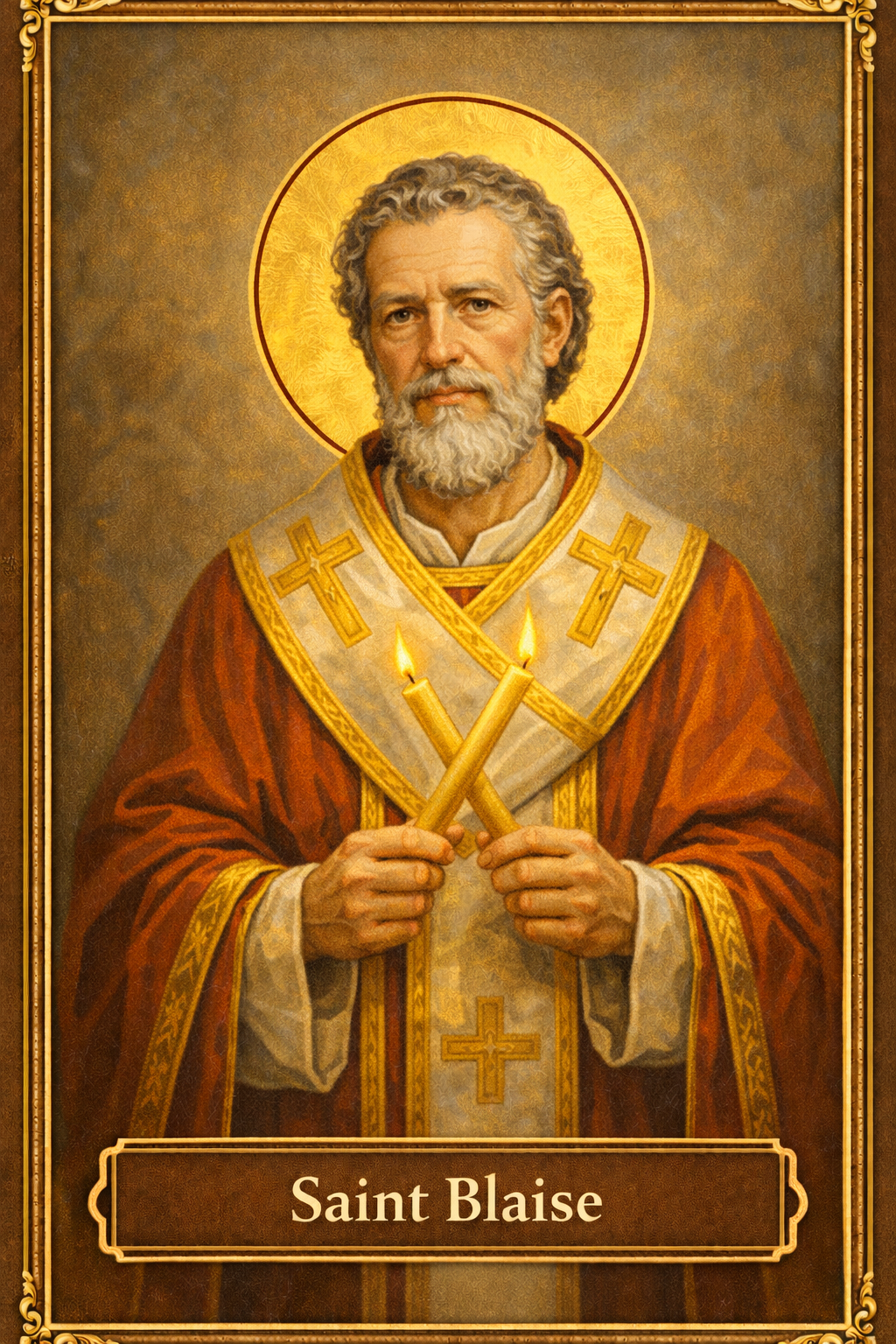 In the Orthodox Menaion
Saint Blaise of Sebastea
† c. 316 AD · Bishop · MartyrBlaise was the Bishop of Sebastea — a city in the Armenian highlands of Asia Minor, in what is now eastern Turkey. He was known for healing the sick and for miraculous works, most famously the healing of a boy choking on a fish bone, which gave rise to the universal practice of the blessing of throats on his feast day. He fled into the mountains during the Diocletianic persecution, where it is said he lived among wild animals that submitted to his blessing before their illnesses. He was eventually captured and martyred. The Eastern Orthodox Church commemorates him on February 11 in the Menaion. He is venerated across the whole Christian world as a bridge between the Armenian tradition and the universal Church.
Get the Prayer Card →The Golden Age: Saints of Faith, War, and Letters
The fifth century was Armenia's golden age — and its crucible. The invention of the Armenian alphabet, the translation of Scripture into Armenian, and the Battle of Avarayr (451 AD) — in which outnumbered Armenian soldiers died rather than convert to Zoroastrianism — all happened within a few decades of each other. The saints of this era are among the most heroic in all of Christian history.

Saint Sahak Partiev (Isaac the Great)
c. 348–439 AD · Catholicos · ConfessorSahak the Great was the son of Saint Nerses the Great and became Catholicos of Armenia — the longest-serving Patriarch in Armenian history. He is best known as the patron and co-creator, with Mesrop Mashtots, of the Armenian alphabet and the first translation of the Bible into Armenian. He also oversaw the translation of the Divine Liturgy and patristic texts from Greek and Syriac into Armenian, effectively founding Armenian Christian literature. He navigated relentless political pressure from both Persian and Byzantine powers while preserving the Armenian Church's independence. He died in 439 AD at approximately 90 years of age, having given the Armenian people their written language and their Scripture. He is venerated as a saint alongside Mesrop Mashtots.
Get the Prayer Card →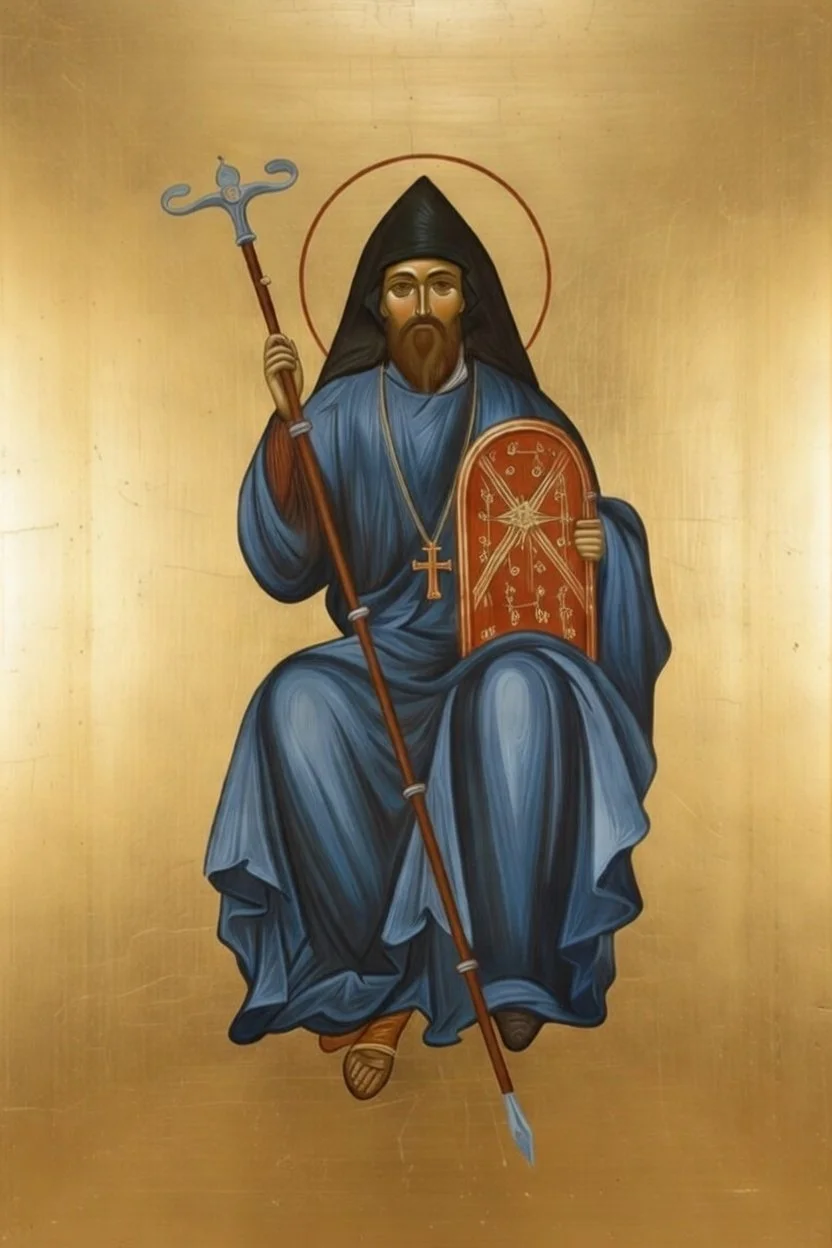 In the Orthodox Menaion
Saint Mesrop Mashtots
c. 362–440 AD · Monk · Linguist · DoctorMesrop Mashtots is one of the most consequential linguists in human history. A monk and missionary who recognized that the Armenian people could not fully receive the Gospel in foreign languages, he spent years searching for the right written form for the Armenian tongue. After a vision, he devised the 36-letter Armenian alphabet around 405 AD — a script still used today, nearly unchanged, sixteen centuries later. He then translated the Bible into Armenian and traveled throughout Armenia establishing schools. He also created the Georgian and Caucasian Albanian alphabets. The Eastern Orthodox Church — including the Russian and Greek — commemorates him on February 19, recognizing his alphabet work as a gift to the whole Church. He is a patron for learning, cultural identity, and passing the faith to the next generation.
Get the Prayer Card →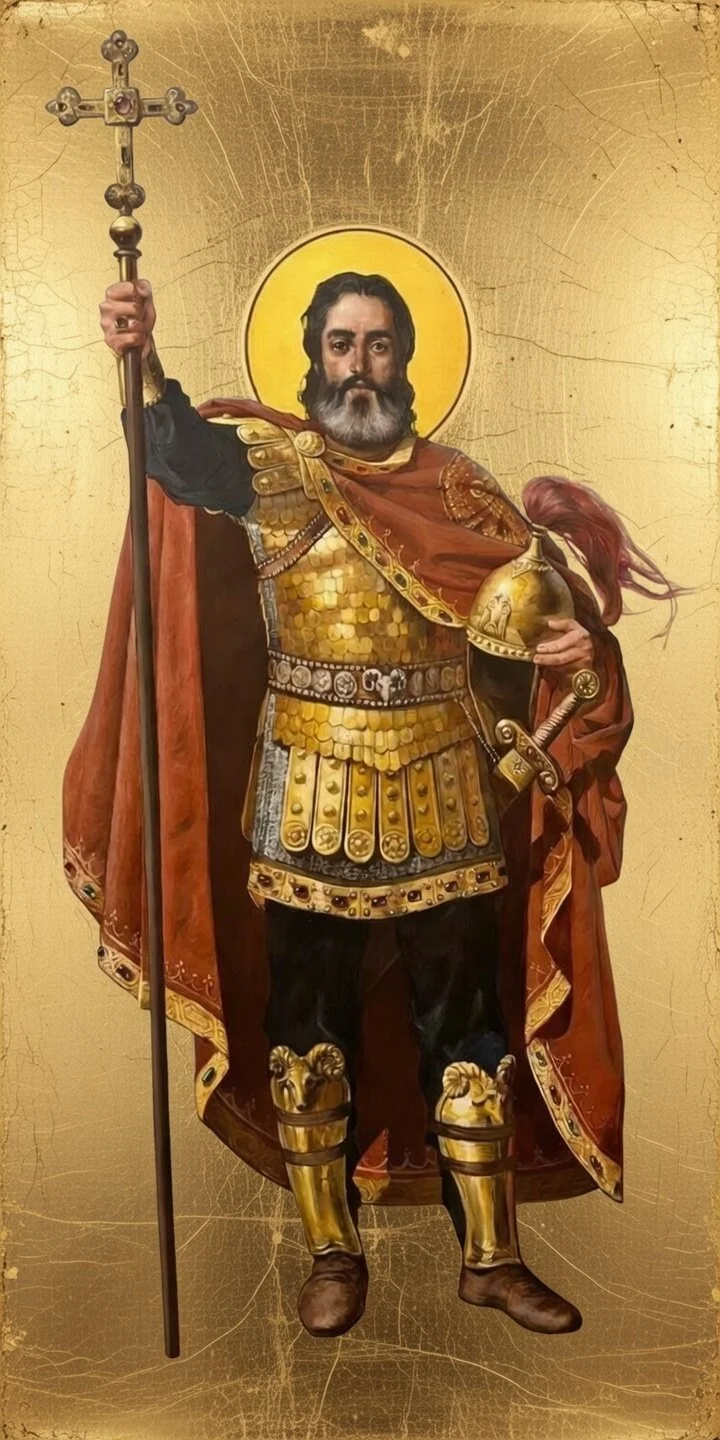
Saint Vartan Mamikonian
† 451 AD · Military Commander · MartyrVartan Mamikonian died on the same day as the Council of Chalcedon — May 26, 451 AD — at the Battle of Avarayr. He commanded an outnumbered Armenian Christian army against the Persian Sassanid Empire, which demanded that Armenia abandon Christianity and convert to Zoroastrianism. The Armenians lost the battle, and Vartan was killed. But the Persians, shaken by the ferocity of the Armenian resistance, never enforced the conversion. Armenia remained Christian. In the Armenian tradition, Vartanants — the feast of Saint Vartan and his companions — is observed on the Thursday before Lent. His sacrifice is the most celebrated military martyrdom in Armenian history. He is the patron for those defending the faith against impossible odds and for all who stand firm under political or state pressure.
Get the Prayer Card →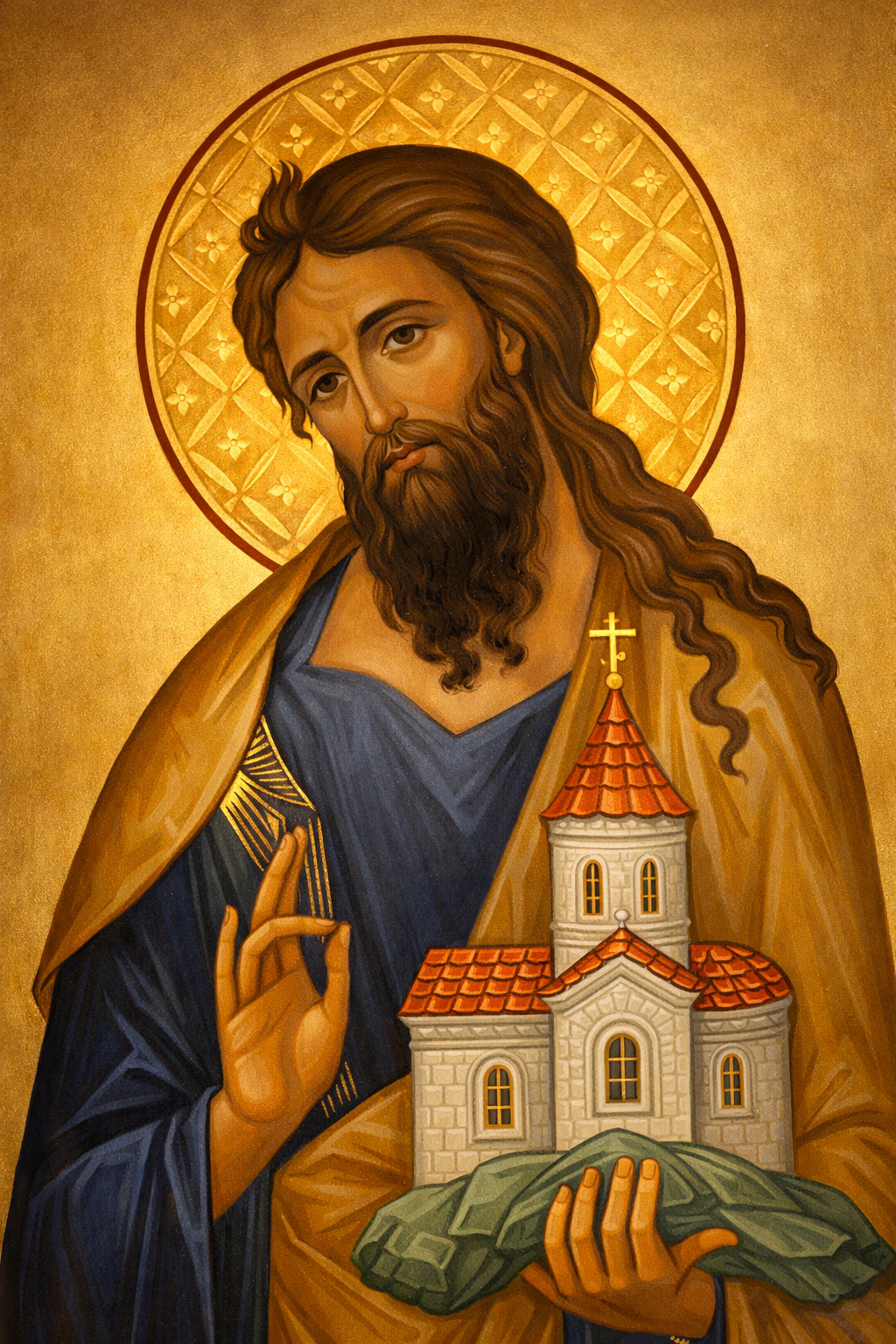
Saint Yeghishe (Elisha)
5th Century · Priest · Historian · MartyrYeghishe was a priest and scholar who served as the secretary to Vartan Mamikonian during the Persian campaign. He was present as a witness to the events leading up to the Battle of Avarayr and wrote the definitive Armenian account of that struggle — On Vardan and the Armenian War — which has shaped Armenian Christian identity for fifteen centuries. His writing is not neutral history; it is a theological reflection on what it means to die for Christ rather than surrender the faith. He is remembered as a martyr of the pen and the witness of the Church, venerated for preserving the truth of what happened so that future generations would know what their ancestors suffered and chose.
Get the Prayer Card →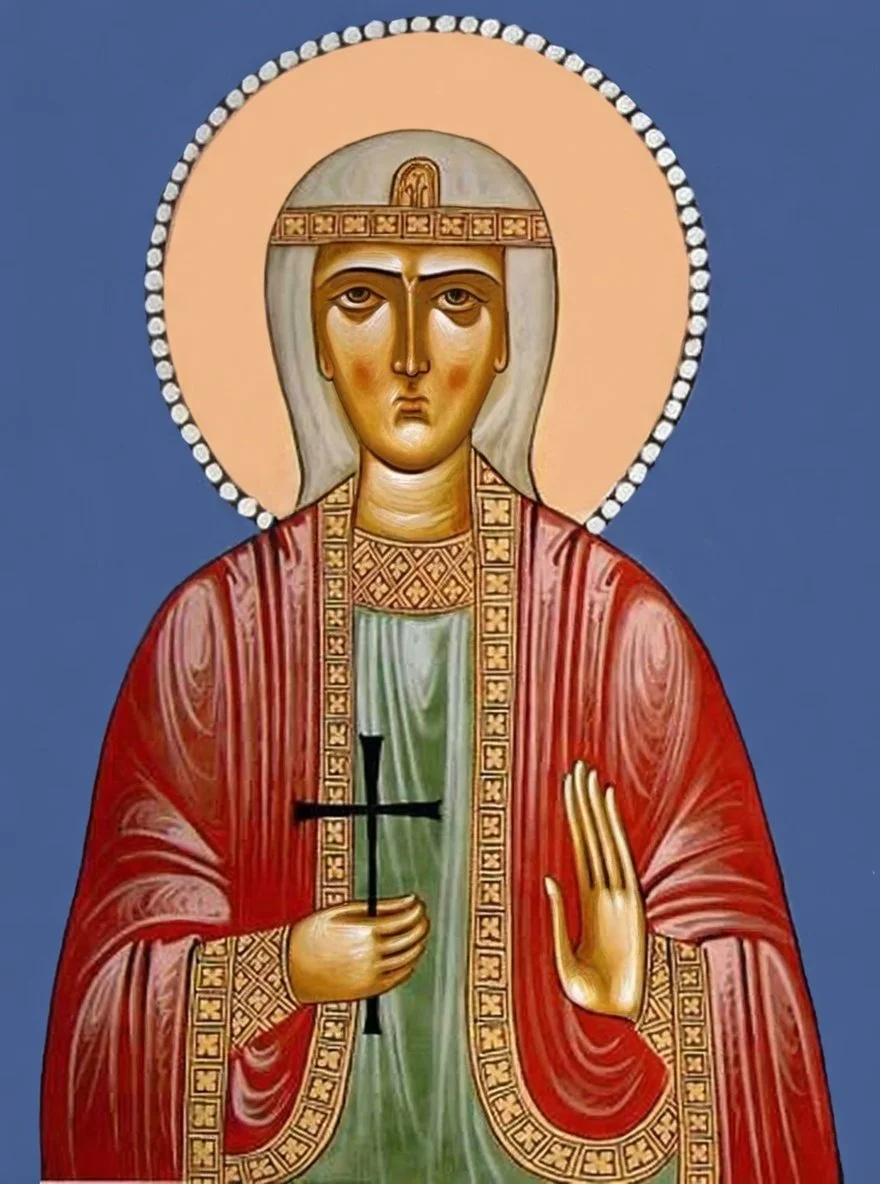 In the Orthodox Calendar
Saint Shushanik
† c. 475–484 AD · Martyr · PrincessShushanik was an Armenian princess, daughter of Vartan Mamikonian, who married a Georgian prince named Varsken. When her husband converted to Zoroastrianism in exchange for political favor from the Persian court and demanded she do the same, she refused. He imprisoned her, tortured her, and subjected her to years of physical abuse. She died from the effects of her mistreatment — but she never renounced her faith. Her story, told in the oldest surviving work of Georgian literature, is one of the most harrowing accounts of domestic religious persecution in Christian history. She is venerated by the Georgian Orthodox Church on October 17 and also by the Armenian Church. She is a patron for survivors of domestic abuse, for those forced to choose between faith and family, and for all who suffer in silence for what they believe.
Get the Prayer Card →Scholars, Philosophers & Mystics
Among Armenia's gifts to the whole Church are its scholars and mystics — thinkers whose writings shaped Eastern Christian theology and whose prayers shaped its spiritual life. Several of these saints are venerated across Eastern traditions despite the Chalcedonian division, because great holiness transcends ecclesiastical borders.
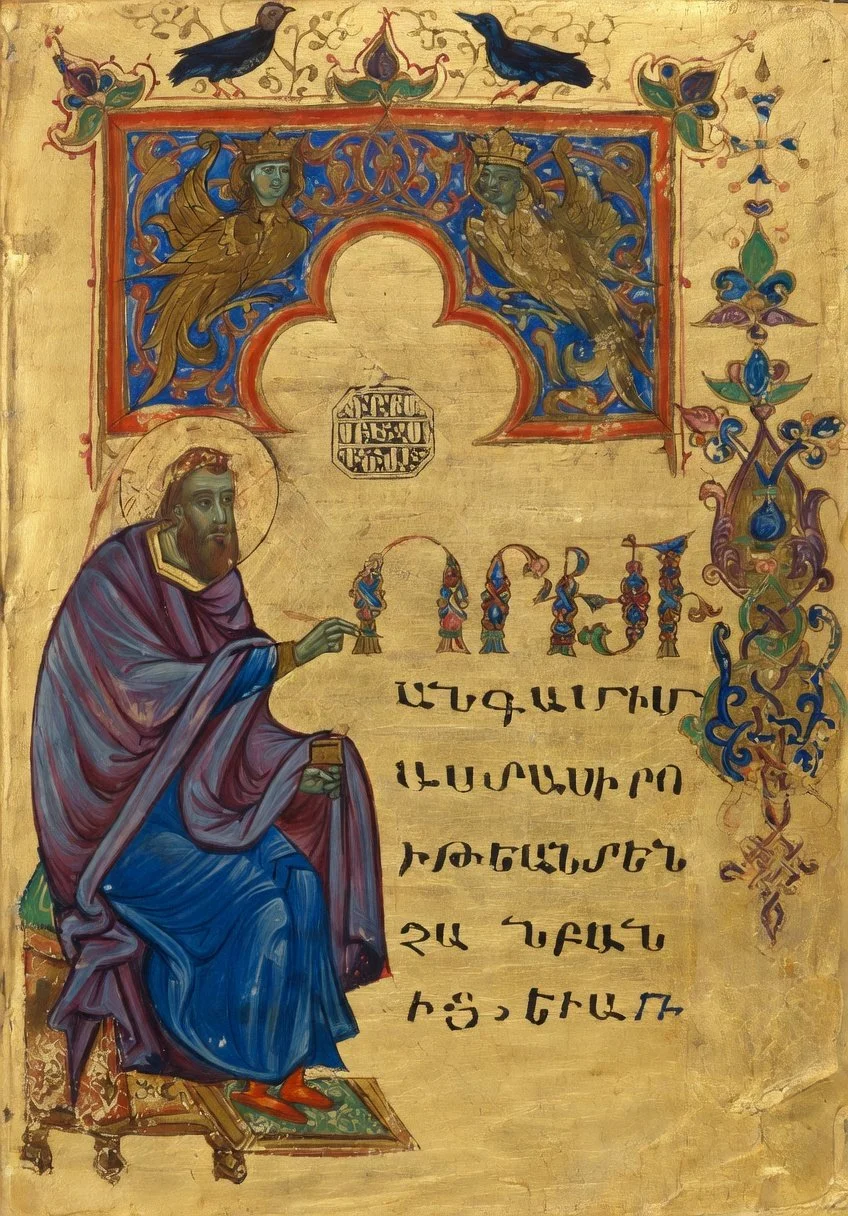
Saint David the Invincible
5th–6th Century · Philosopher · TeacherDavid the Invincible (Anhaght in Armenian) is considered the father of Armenian philosophy and one of the great Christian thinkers of the ancient world. He studied in Alexandria and Athens, engaged with the works of Plato, Aristotle, and the Neoplatonists, and brought that philosophical tradition back to Armenia in the service of Christian theology. His commentaries on Porphyry's Isagoge and on Aristotle's categories were studied throughout the Byzantine world, and several of his works survive in Armenian as primary texts — among the most philosophically sophisticated writings of fifth-century Christianity. He is venerated as a saint and doctor in the Armenian tradition, remembered as a man who proved that deep Christian faith and rigorous intellectual work are not opposites but companions.
Get the Prayer Card →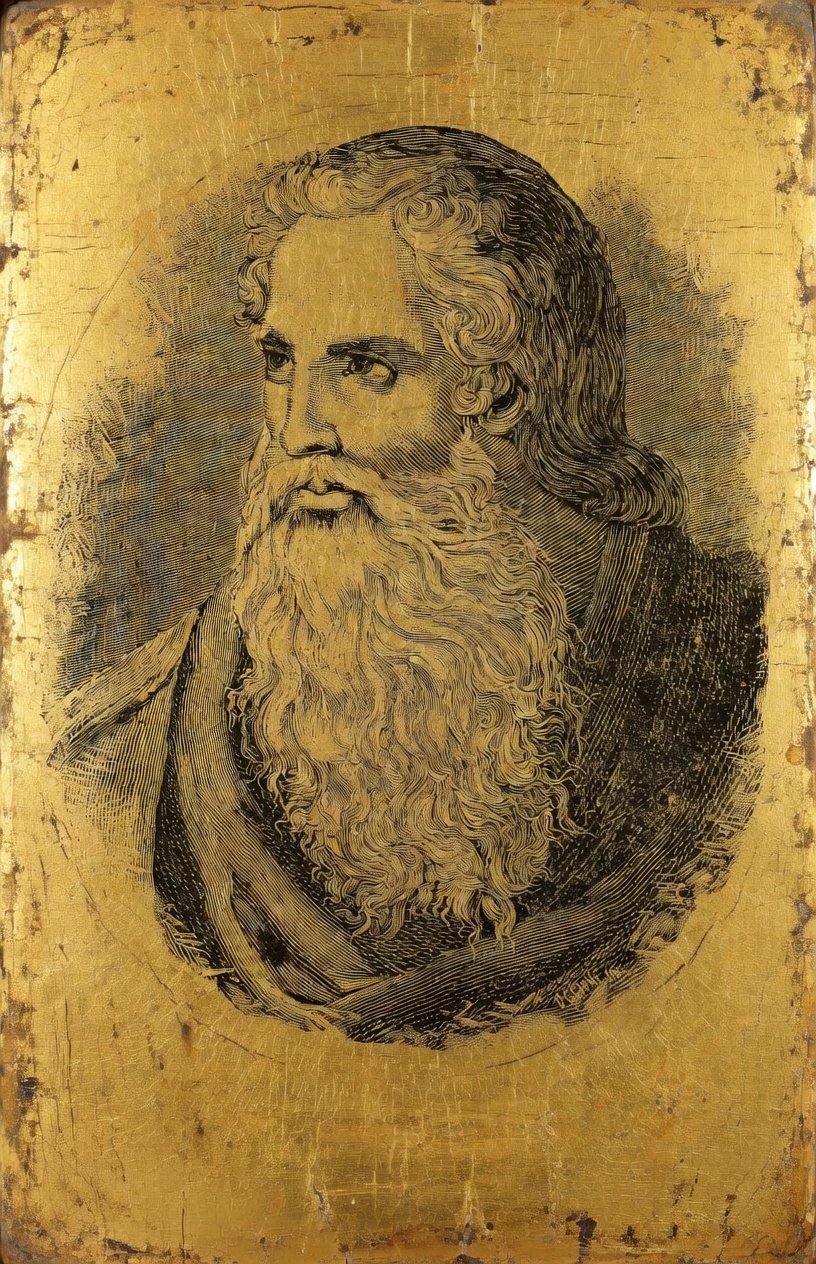
Saint Movses Khorenatsi
5th Century · Historian · PriestMovses Khorenatsi (Moses of Khoren) is called the "Father of Armenian History." A student of Mesrop Mashtots, he studied in Alexandria, Constantinople, and Antioch before returning to Armenia, where he wrote the History of Armenia — the first major work of historical writing in the Armenian language. It traces Armenian history from the earliest origins through the fifth century and remains the foundational text of Armenian historical consciousness. He is also credited with liturgical hymns and theological writings. Movses represents the Armenian conviction that preserving a people's history is itself a spiritual act — that without memory, a people loses its identity and its ability to pass the faith forward. He is venerated as a saint in the Armenian Apostolic and Armenian Catholic Churches.
Get the Prayer Card →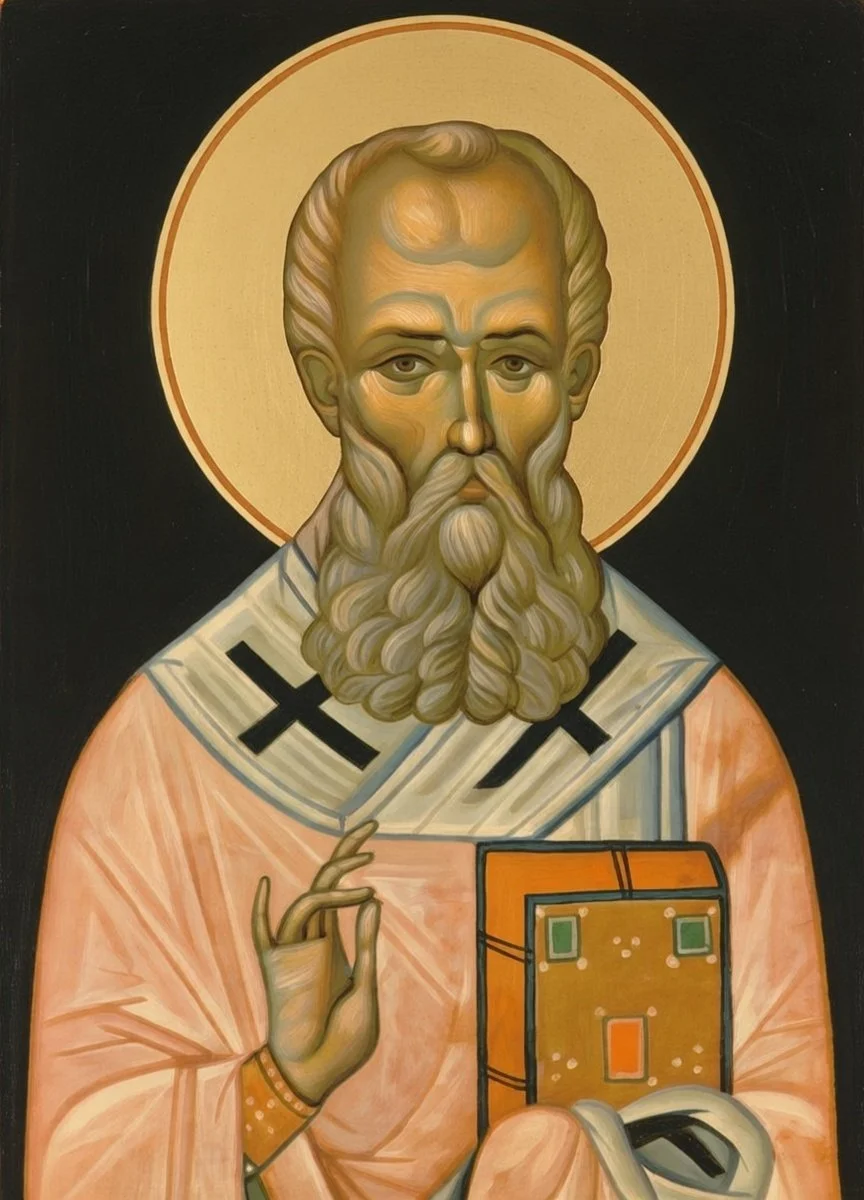
Saint Gregory of Narek
c. 951–1003 AD · Mystic · Doctor of the ChurchGregory of Narek is among the most extraordinary mystics of the entire Christian tradition. A tenth-century Armenian monk, theologian, and poet, he wrote the Book of Lamentations (Matean Voghbergutyan) — a collection of 95 prayer-poems of such depth and beauty that Armenian Christian families have kept a copy beside the Bible in their homes for over a thousand years. In Armenian households, it is said the book is placed under the pillow of the sick because the very presence of his words is considered a healing. Pope Francis declared him a Doctor of the Universal Church in 2015 — only the 36th person in history to receive that title. His patronage for depression, interior darkness, and scrupulosity comes directly from his own writings, which are unflinching about spiritual desolation and yet luminous with hope.
Get the Prayer Card →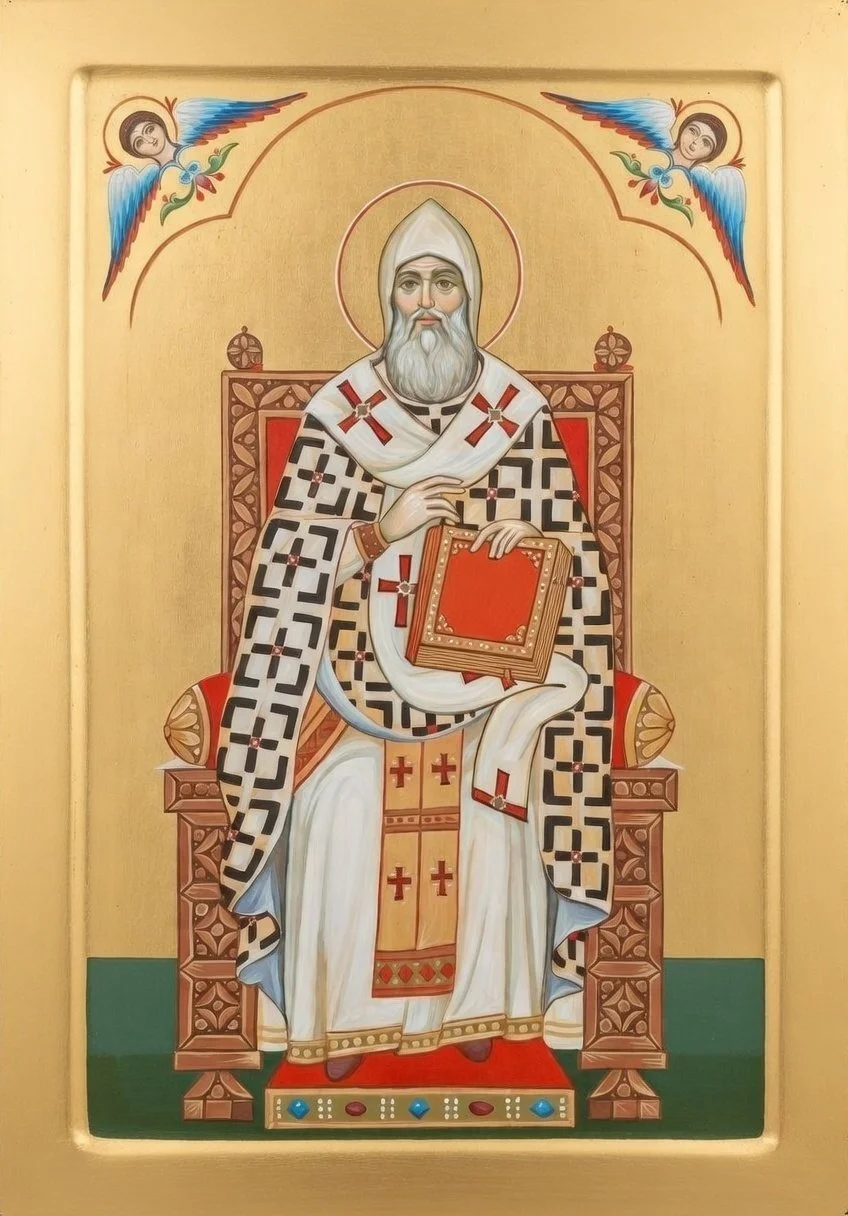
Saint Nerses IV the Gracious
c. 1102–1173 AD · Catholicos · TheologianNerses Shnorhali — "Shnorhali" meaning "the gracious" or "the gifted" — was the Catholicos of the Armenian Church in the twelfth century and one of the most remarkable ecumenists of the medieval Church. He engaged in serious theological dialogue with the Byzantine Church seeking reunion between the Armenian and Eastern Orthodox communions. His letters and theological treatises are sensitive, rigorous, and irenic — the work of a man who genuinely believed that the divisions of the Church wounded the Body of Christ. He was also one of the great hymnographers of the Armenian Church; his theological poem Jesus, Son Only-Begotten is still sung in Armenian liturgies. Pope Francis cited him as a model for Christian unity. He is a patron for church unity, inner peace under spiritual weariness, and those who work for reconciliation across traditions.
Get the Prayer Card →Modern Armenian Martyrs
Armenian martyrdom did not end with the ancient councils. The twentieth century produced its own Armenian martyrs — men who died rather than renounce their faith or their people. These blesseds are formally recognized by the Catholic Church and represent the unbroken thread of Armenian martyrdom running from Sandukht in the first century to the Armenian Genocide in the twentieth.
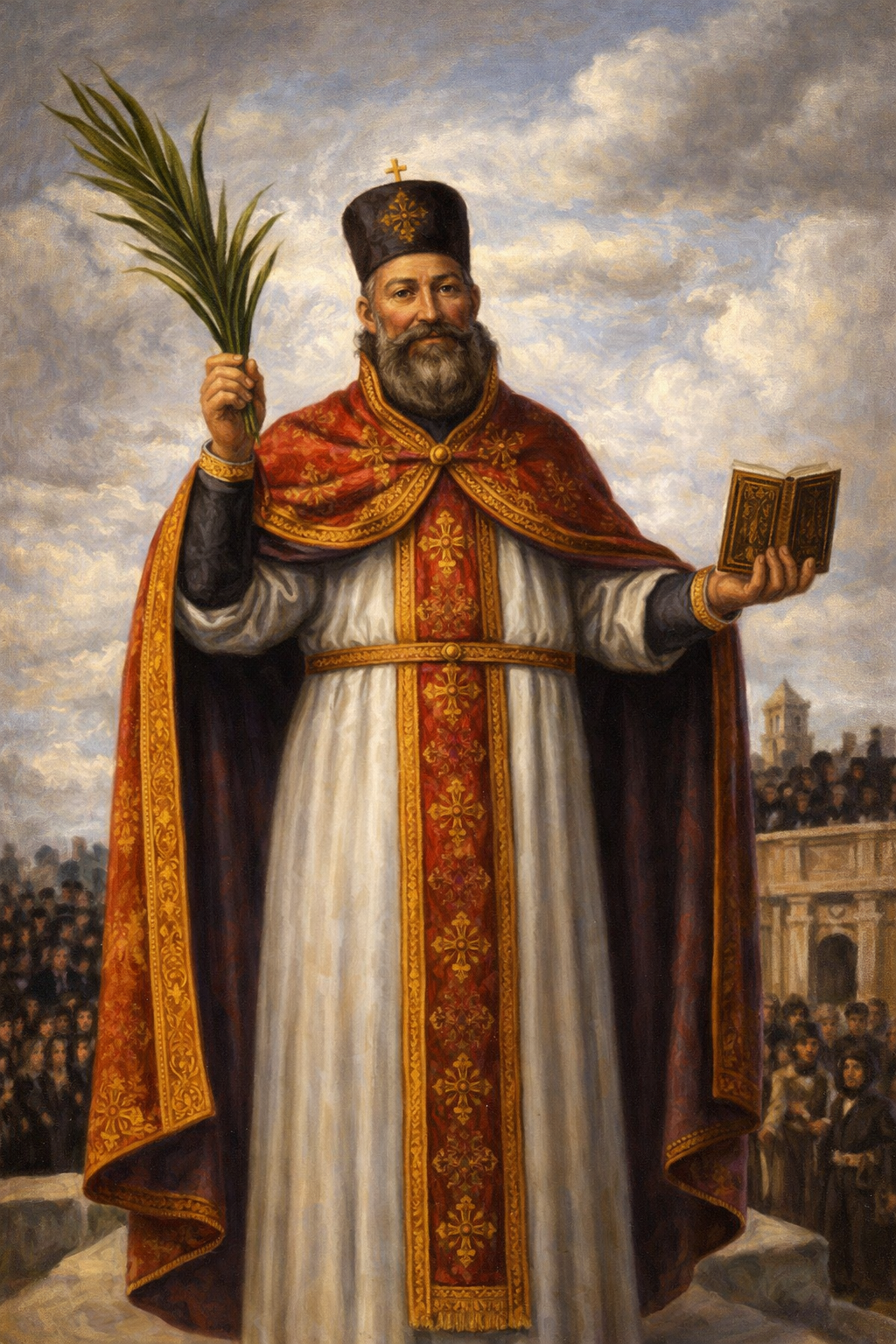
Blessed Gomidas Keumurjian
1656–1707 · Priest · BlessedGomidas Keumurjian was an Armenian Catholic priest in Constantinople who was arrested by Ottoman authorities on charges of converting Muslims — a capital offense under Ottoman law. He was imprisoned, subjected to prolonged psychological torture, repeatedly offered his freedom if he would renounce his priesthood or convert to Islam, and consistently refused. After years of imprisonment, he was executed in 1707. What makes his martyrdom particularly striking is its interior nature — not a dramatic battlefield death but a slow, grinding suffering of soul as he was broken down psychologically over years and refused to break. Pope John Paul II beatified him in 2001. He is a patron for trauma survivors, those enduring psychological abuse, and those who suffer silently for their faith.
Get the Prayer Card →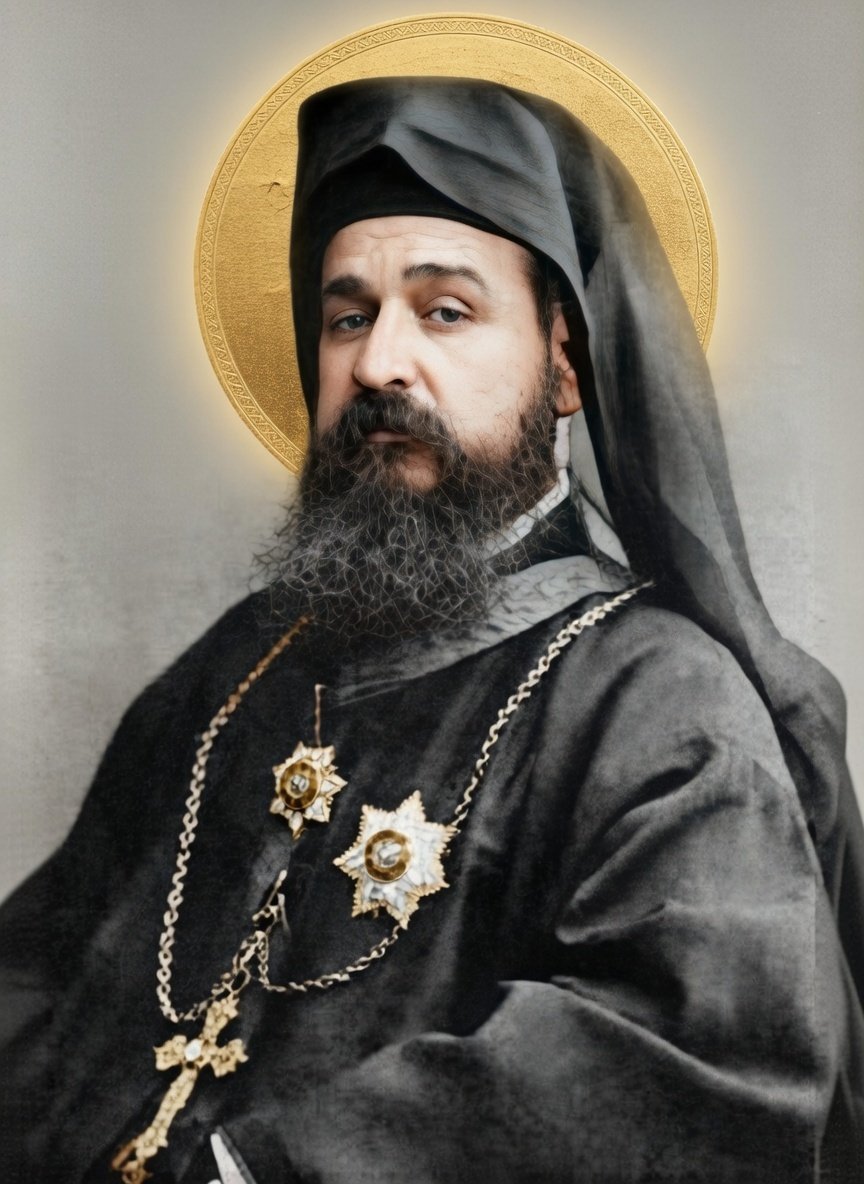
Blessed Ignatius Maloyan
1869–1915 · Archbishop · MartyrIgnatius Maloyan was the Archbishop of Mardin for the Armenian Catholic Church in southeastern Turkey. When the Armenian Genocide began in 1915, he was arrested along with his congregation by Ottoman forces. He was offered his life if he would convert to Islam. He refused. He was marched through the desert with thousands of Armenian Christians and eventually shot — tradition holds that he forgave his executioner and asked God's mercy on him before being killed. He was beatified by Pope John Paul II in 2001 alongside Gomidas Keumurjian. He is a patron for persecuted Christians, those facing execution for their faith, and for all who must choose between physical survival and spiritual integrity.
Get the Prayer Card →Frequently Asked Questions
Carry an Armenian Saint With You
Every card in this collection is cut, finished, and prayed over by hand — one at a time. These are not mass-produced items. They are devotional objects made with intention, for people who take their faith seriously.
Shop Armenian Prayer Cards →