Advance Directives, Hospice and End-of-Life Decisions for a Catholic Parent
Caring for Aging Parents • Catholic & Eastern Catholic • For Families Facing Hard Decisions
Advance Directives, Hospice and End-of-Life Decisions for a Catholic Parent
No one is ready to make these decisions, and the fear of choosing wrongly is its own kind of suffering. The Church is gentler and more sensible than most people fear: she does not ask you to fight death at any cost, and she does not permit you to hasten it.
At a Glance
- Who This Is For
- Adult children and spouses of Catholic and Eastern Catholic parents who are seriously ill or declining
- Never Permitted
- Euthanasia: intending to end life (CCC 2277)
- Permitted
- Refusing or stopping burdensome, disproportionate treatment (CCC 2278)
- Always Owed
- Ordinary care, comfort and pain relief. Palliative care is encouraged (CCC 2279).
- Feeding Tubes
- In principle ordinary care, but not obligatory when ineffective or excessively burdensome (CDF, 2007)
- Most Useful Step
- Choose and brief a trusted health care agent in writing
- Hospice
- Medicare covers comfort care for a terminal illness certified at six months or less. It can be revoked at any time.
- Call the Priest
- Early, for Confession, Anointing and Viaticum
The Conversation Nobody Wants to Have
Somewhere in the last few months, a doctor probably used a phrase like “goals of care” or “comfort measures,” and your stomach dropped. Or a hospital social worker slid a form across a table and asked who will make decisions if your mother cannot. Or you simply realized, driving home from another visit, that someone is going to have to decide things, and that someone is probably you.
No one is ready for this. Not the parent, who may not want to talk about it, and not the grown child who feels that even asking the question is a betrayal. Many Catholic families carry an extra fear on top of the grief: what if I make the wrong choice and it is a sin? What if stopping a treatment means I gave up on her? What if continuing it means I let him suffer for nothing?
Please start here: the Church has thought about these questions for a very long time, and she is gentler and more sensible than most people fear. She does not ask you to fight death at any cost, and she does not permit you to hasten it. Between those two lines lies a wide space of prudent, prayerful, loving decisions, and most of what families face fits inside it.
This article explains that teaching in plain language, walks through the practical pieces (the person who speaks for your parent, the paperwork, hospice and palliative care), and covers the spiritual care that matters most at the end. It is a guide for families and does not replace your priest, your parent’s doctors or an attorney in your state. Where a decision is yours to make, we say so.
Part II
What the Church Actually Teaches
Two ideas hold the whole teaching together. Life is a gift from God and is never ours to end deliberately. And dying is a real part of life, which we are not obliged to postpone by every possible means.
What is never permitted. The Catechism is direct: direct euthanasia, putting an end to the lives of sick or dying persons, is morally unacceptable (CCC 2277). The goal can never be to cause death.
What is permitted, and sometimes wise. The Catechism continues: discontinuing medical procedures that are burdensome, dangerous, extraordinary or disproportionate to the expected outcome can be legitimate, and it is the refusal of “over-zealous” treatment. In that case, “one does not will to cause death; one’s inability to impede it is merely accepted” (CCC 2278). Pope Francis said the same in a 2017 letter: declining or stopping disproportionate measures is avoiding overzealous treatment, which is “completely different from euthanasia, which is always wrong.”
Who decides. The Catechism says the decisions should be made by the patient if he is competent and able or, if not, by those legally entitled to act for the patient, whose reasonable will and legitimate interests must always be respected (CCC 2278). Pope Francis added that judging whether a treatment is proportionate takes careful discernment and that “the patient has the primary role.”
What is always owed. Even if death is thought imminent, the ordinary care owed to a sick person cannot be legitimately interrupted. Painkillers to ease the suffering of the dying may be used, even at the risk of shortening their days, when death is not willed as an end or a means but only foreseen and tolerated as inevitable. And palliative care, the Catechism says, is “a special form of disinterested charity” that “should be encouraged” (CCC 2279).
In 2020 the Vatican’s doctrinal office reaffirmed all of this in the letter Samaritanus Bonus. Its central line may be the most consoling thing you read this week: “Incurable cannot mean that care has come at an end.” It also states that when death is imminent and inevitable, it is lawful to renounce treatments that provide only a precarious or painful extension of life.
Part III
How to Think About Treatments: Benefit and Burden
Moral theologians call the old distinction “ordinary” and “extraordinary” means, and the Church today often speaks of proportionate and disproportionate treatment. You do not need the vocabulary. The question underneath is a human one: for this person, now, does this treatment offer a reasonable hope of real benefit, and is the burden of it reasonable? The burden can be pain, fear, expense, or the sheer weight of what the treatment demands of a frail body. A treatment can be fine for one person and disproportionate for another, or fine at one stage of an illness and not the next.
Notice what this does not say. It does not say that a treatment is optional because the person is old, disabled or “not going to get better.” Value is never the question. The question is whether this particular intervention does good for this particular person at a cost they can reasonably bear. Stopping a treatment for that reason is not abandonment, and neither is refusing to start one.
- What is the goal of this treatment? Cure, longer life, comfort or time for something specific?
- What is the realistic chance it helps, and how would we know?
- What will it ask of my parent? Pain, hospital stays, being restrained, confusion, ambulance rides.
- What happens if we do not do it? And what comfort care would we still have?
- Can we try it for a set period and reassess? Many families find it easier to start a treatment with a clear date to review it.
- What would you do if this were your own mother or father? Doctors are people, and many will answer honestly.
Part IV
Food and Water, Feeding Tubes and the Hardest Question
Feeding tubes cause more anguish in Catholic families than almost any other decision, because food and water feel like the most basic act of love. The Church takes that instinct seriously. In 2007 the Congregation for the Doctrine of the Faith answered that the administration of food and water, even by artificial means, is in principle “an ordinary and proportionate means” of preserving life. It is therefore obligatory to the extent which, and for as long as, it accomplishes its proper purpose, which is to nourish the patient.
The same document recognizes limits. Artificial nutrition and hydration may be excessively burdensome for the patient or may cause significant physical discomfort, and in such cases the obligation ceases. Samaritanus Bonus says similarly that food and water should not be interrupted as long as the body can benefit from them, and that they can become disproportionate when they are no longer effective or create an excessive burden.
What does that mean at a bedside? In plain terms, a person who simply needs help eating should be helped, and a feeding tube may be a reasonable, even obligatory, means of keeping a person alive who can still benefit from it. But when a person is actively dying, or the body can no longer take in nourishment, or the tube itself is causing suffering, withholding or withdrawing it can be morally permissible. Because these decisions are delicate and fact-specific, involve your priest and the medical team early, and consider asking whether your diocese or the hospital has an ethics consultation service. Many Catholic hospitals do.
Part V
Who Speaks for Your Parent: The Health Care Agent and the Paperwork
This section is general information. Rules, names and forms differ from state to state, so treat it as a map and get the actual documents locally.
The most important step is choosing a person. A health care proxy (in many states called a durable power of attorney for health care, or a health care agent) names the person who will decide when your parent cannot. The National Catholic Bioethics Center calls choosing an agent the best approach, because a trusted person can weigh options as circumstances change, and no written document can foresee every medical situation. The designation should be in writing and shared with the doctors, the family and the priest.
Living wills deserve caution. A living will tries to decide in advance, in general terms, what care a person would want. The same Catholic bioethics source warns that these forms try to decide care for situations that have not yet arisen, can limit choices in unreasonable ways, and may not fit what actually happens. If your parent already has one, bring it to the doctor and to the priest, and ask whether it fits Catholic teaching and the situation now.
Be thoughtful with POLST-type forms. These are medical orders, signed by a clinician, that travel with a patient. Some are appropriate, and some Catholic bishops and bioethicists have raised concerns about how the forms are presented and about standing orders that are hard to change. If a hospital or nursing home offers one, ask what it will mean in practice, ask for time, and talk with your priest or your diocese before signing. You are allowed to decline to answer questions on the spot.
Where to get the forms. A hospital social worker or patient advocate can usually provide your state’s standard health care proxy form at no cost. Some state Catholic conferences and dioceses also publish advance directive guidance written with Catholic teaching in mind, so it is worth asking your diocese’s respect life or health care office. An elder law attorney can set up the full package, including financial powers of attorney, which are a separate matter.
Tell the agent what the Church teaches. The most useful thing a parent can do is sit down with the person they have chosen and say, in their own words, what they would want and why, and make sure that person has read the passages in Part II. If your parent can no longer do that, you can still be a faithful agent: your task is to speak for what your parent would reasonably want, not for what you can bear.
Part VI
Palliative Care and Hospice: What They Are, and What They Are Not
Many families hear the word hospice and think it means giving up. In the Church’s view, it is the opposite. Samaritanus Bonus calls palliative care a “precious and crucial instrument” for accompanying patients, and says it should include spiritual assistance for the patient and the family. Palliative care means treating pain and distress, and it can be provided alongside other treatment. Hospice is a particular kind of care for people near the end of life.
Here is how hospice works under Medicare in the United States, according to Medicare’s own information:
- Eligibility. The hospice doctor (and your parent’s regular doctor, if there is one) must certify a life expectancy of six months or less if the illness runs its normal course.
- The trade. The patient accepts comfort care instead of treatment meant to cure the terminal illness, and signs a hospice election statement. Medicare continues to pay for covered care of unrelated health problems.
- It is not a six-month limit. If the patient lives longer, care can continue when the hospice medical director recertifies after a face-to-face visit.
- You can change your mind. Under Medicare rules, the patient or representative may revoke hospice at any time with a signed written statement, and may re-elect hospice later if still eligible.
- Where. Usually wherever your parent lives: at home, in assisted living or in a nursing home, or in an inpatient hospice facility when needed.
- What it does not pay for. Medicare does not cover room and board at home, in a nursing home or in an assisted living, and if your parent lives in a facility you may still owe its room and board. Short respite stays arranged by the hospice are the exception.
On pain medicine. Families sometimes refuse morphine out of fear that it hastens death or is wrong. As the Catechism says, painkillers for the dying may be used, even at the risk of shortening their days, when death is not willed but only foreseen and tolerated (CCC 2279). Good pain control is part of the Church’s idea of ordinary care, so do not let guilt keep your parent in avoidable pain.
Ask the hospice about spiritual care. Most hospices have chaplains and will welcome your own priest. Ask directly: Will you coordinate with our parish? Will you call us if the nurse sees signs that death is near, so we can get the priest? If your parent is Catholic, also ask whether the team understands that your family wants the sacraments and prayers, and that any plan must exclude euthanasia or assisted suicide. Our article on choosing a Catholic or Orthodox care home has more questions to ask a facility.
Part VII
The Sacraments at the End of Life
When the medical decisions are made, the spiritual work remains, and it is the most important. The Church gives the dying three gifts that belong together: Reconciliation (Confession), the Anointing of the Sick, and Viaticum, which is Holy Communion received as food for the journey. If your parent can no longer speak, the priest may still anoint them and pray for them, and he can give the Apostolic Pardon, a blessing at the point of death.
Call the priest early. Families wait until the last hours and then discover that the priest is two hours away or the parish office is closed. Tell the priest your parent is declining, give him the name of the facility and the nurse’s number, and ask what he needs from you. For a full explanation, including what to do if a parent is unconscious or has dementia, read our article on the Anointing of the Sick, and for dementia in particular, praying with a parent whose memory is fading.
Pray the Church’s own prayers. The rites for the sick and dying include a commendation of the dying, a set of prayers that family members can join in at the bedside. Ask your priest for the text. Simple prayers are enough: the Our Father, the Hail Mary, the Sign of the Cross made on your parent’s forehead, the invocation “Jesus, Mary and Joseph,” and the Litany of the Saints.
Part VIII
For Eastern Catholic Families
If your parent belongs to an Eastern Catholic Church, the moral teaching in this article applies to you unchanged, because it is the teaching of the Catholic Church. The Catechism passages, the Vatican letters and the principle of proportionate care are the same. What differs is how the Church prays with the dying.
Ask your own Eastern Catholic priest what his Church provides at the end of life. Your tradition has its own prayers and its own way of celebrating the Anointing and Holy Communion for the dying, and the priest will know what applies. Eastern Catholic families often add what they have always prayed: the Jesus Prayer, the icon at the bedside, a vigil lamp, the hymns and language of childhood. If your priest is far away, a Latin Catholic priest can minister to an Eastern Catholic, and many families ask for both.
Part IX
Being There: What to Say, and What Not to Fear
Much of the guidance on end-of-life care comes down to something simple: stay, and speak. Hospice staff often encourage families to keep talking to a dying person, because hearing is thought to be one of the last senses to fade, and even if no one can be certain what a person perceives, your voice is a gift to you both.
Many hospice chaplains suggest four short sentences that families often find easier to say than to think of in the moment: Please forgive me. I forgive you. Thank you. I love you. You may add a fifth: It is all right to go. Say them to a parent who is awake, drowsy or unconscious.
Please also plan for yourself. Eat. Take turns. Ask the hospice nurse what to expect, because the final days can include changes in breathing and sleep that are frightening if you have not been warned. And if your parent dies when you stepped out for coffee, as happens to so many, you did not fail. Many people seem to die when the room is quiet.

Part X
Guilt, Second-Guessing, and Prayers for the Bedside
Almost every family second-guesses. Should we have tried the other treatment? Did we wait too long to call the priest? Hindsight is unfair, because it sees what no one could see then. If you decided prayerfully, with the best information you had, and without intending to cause death, you did what the Church asks. Take whatever remains to Confession and to God’s mercy, and let the matter rest there.
Lord Jesus, you love my mother (father) more than I do. I place her (him) in your hands. Be with her (him) in every hour that remains. Ease her (his) pain, quiet her (his) fear, and send your angels to guard her (him). Forgive whatever needs forgiving, and bring her (him) at last to the joy of your Heaven.
Jesus, Mary and Joseph, I give you my heart and my soul. Jesus, Mary and Joseph, assist me in my last agony. Jesus, Mary and Joseph, may I breathe forth my soul in peace with you. Amen.
Lord, I do not know what is right, and I am afraid of choosing wrongly. Give me clear eyes and an honest heart. Let me ask what is best for her (him), and not what is easiest for me. Make me brave enough to ask the hard questions and gentle enough to accept the answers. Where I fail, cover my failing with your mercy, and give me peace.
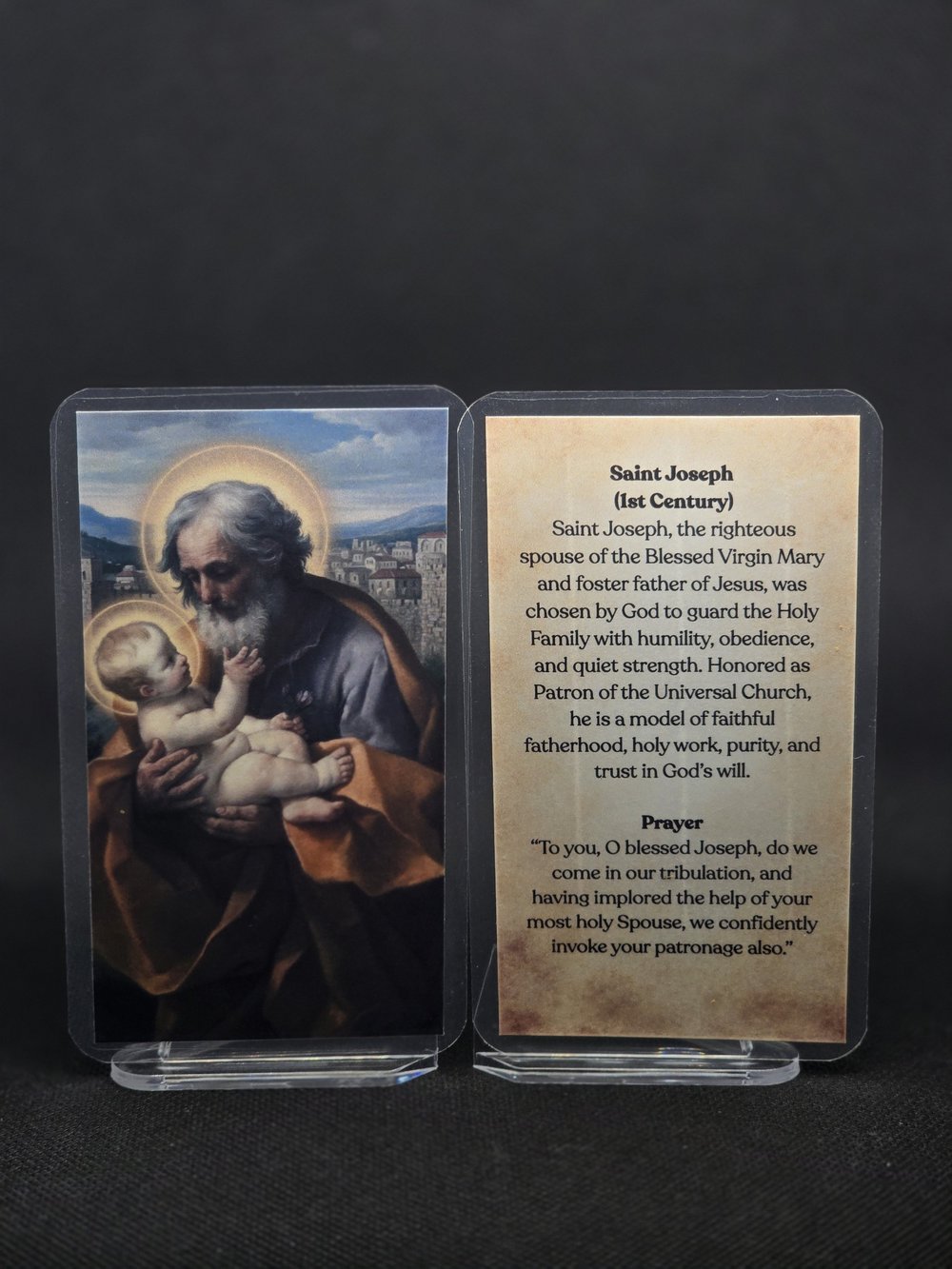
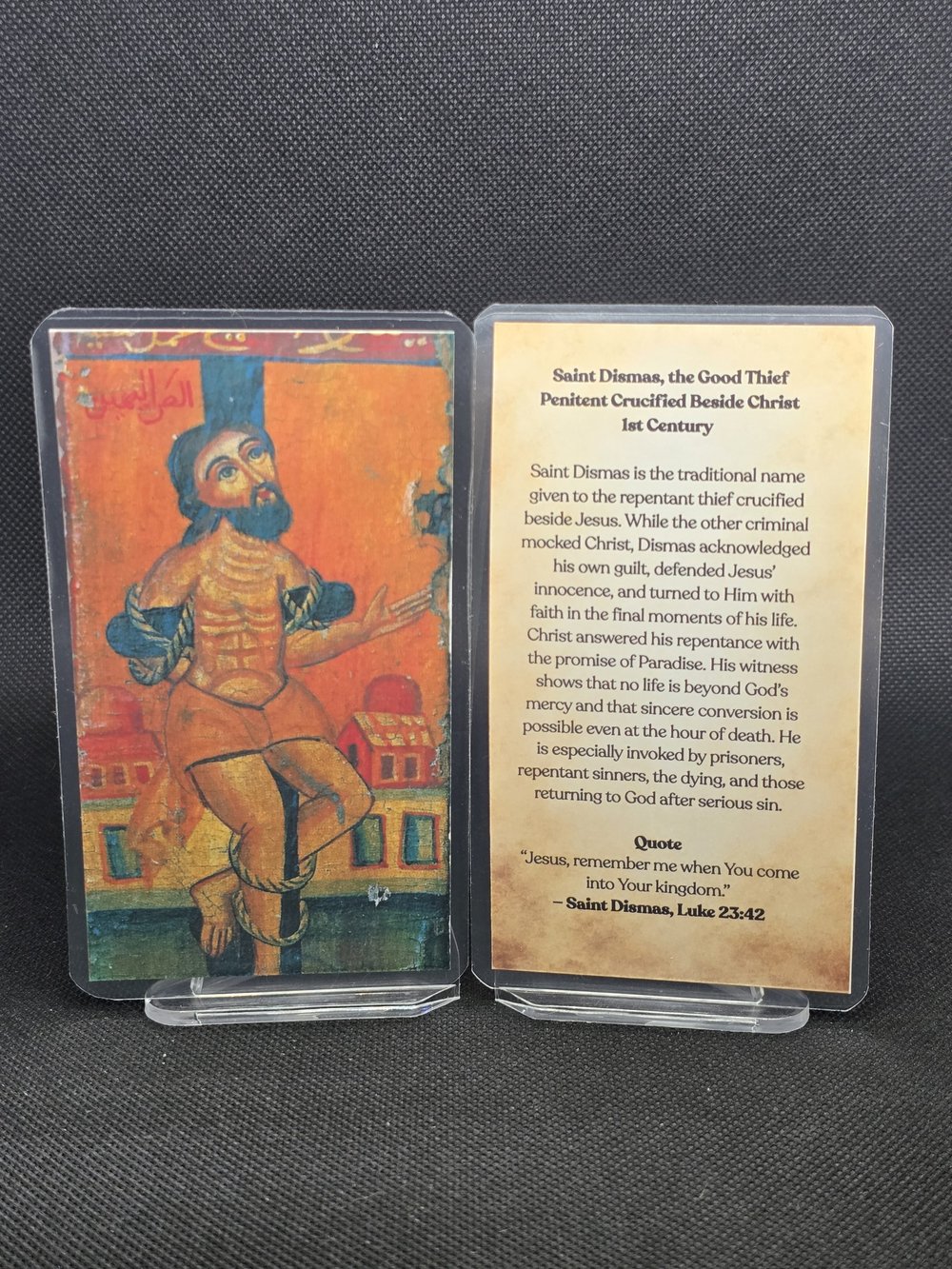
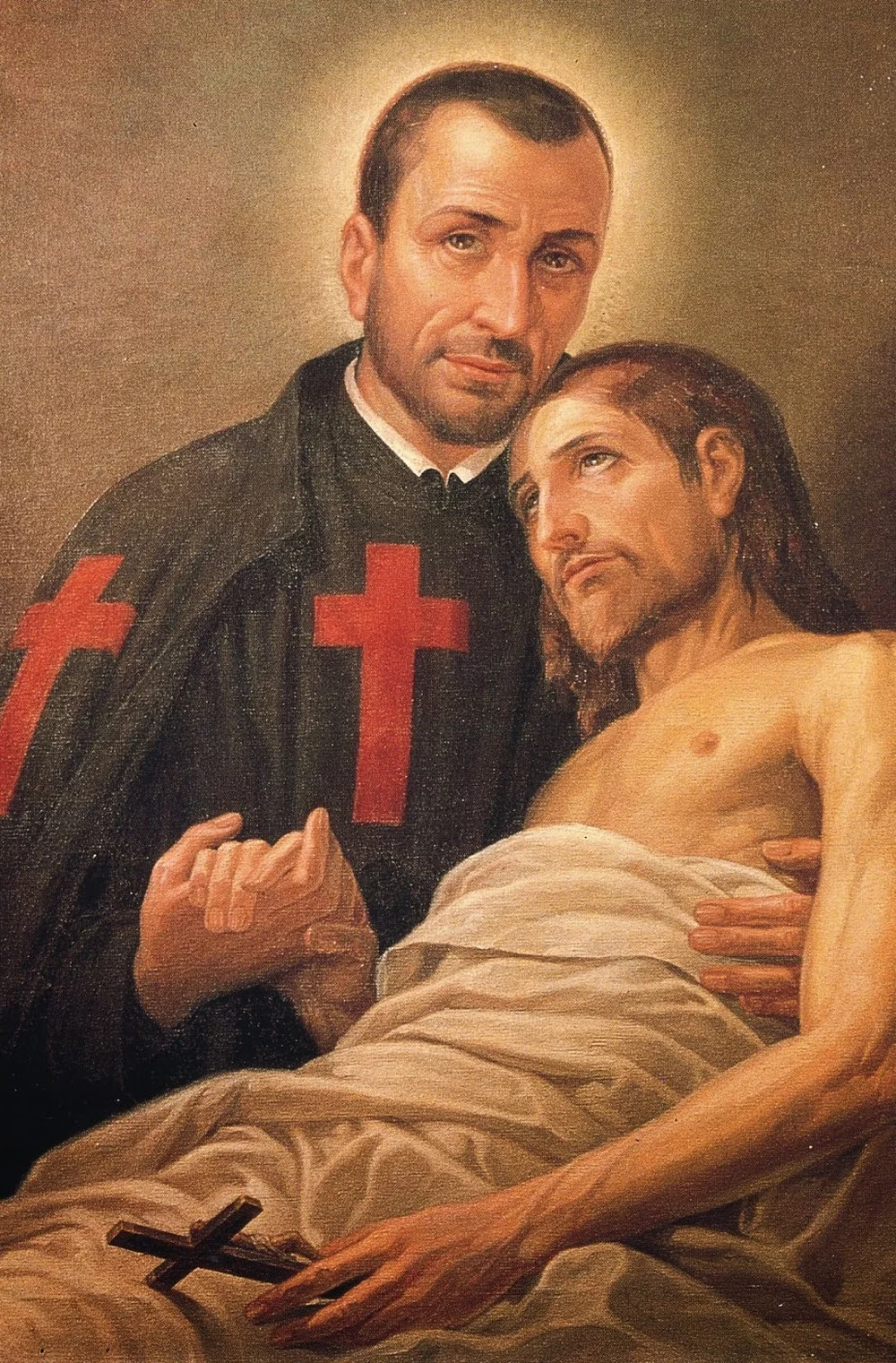
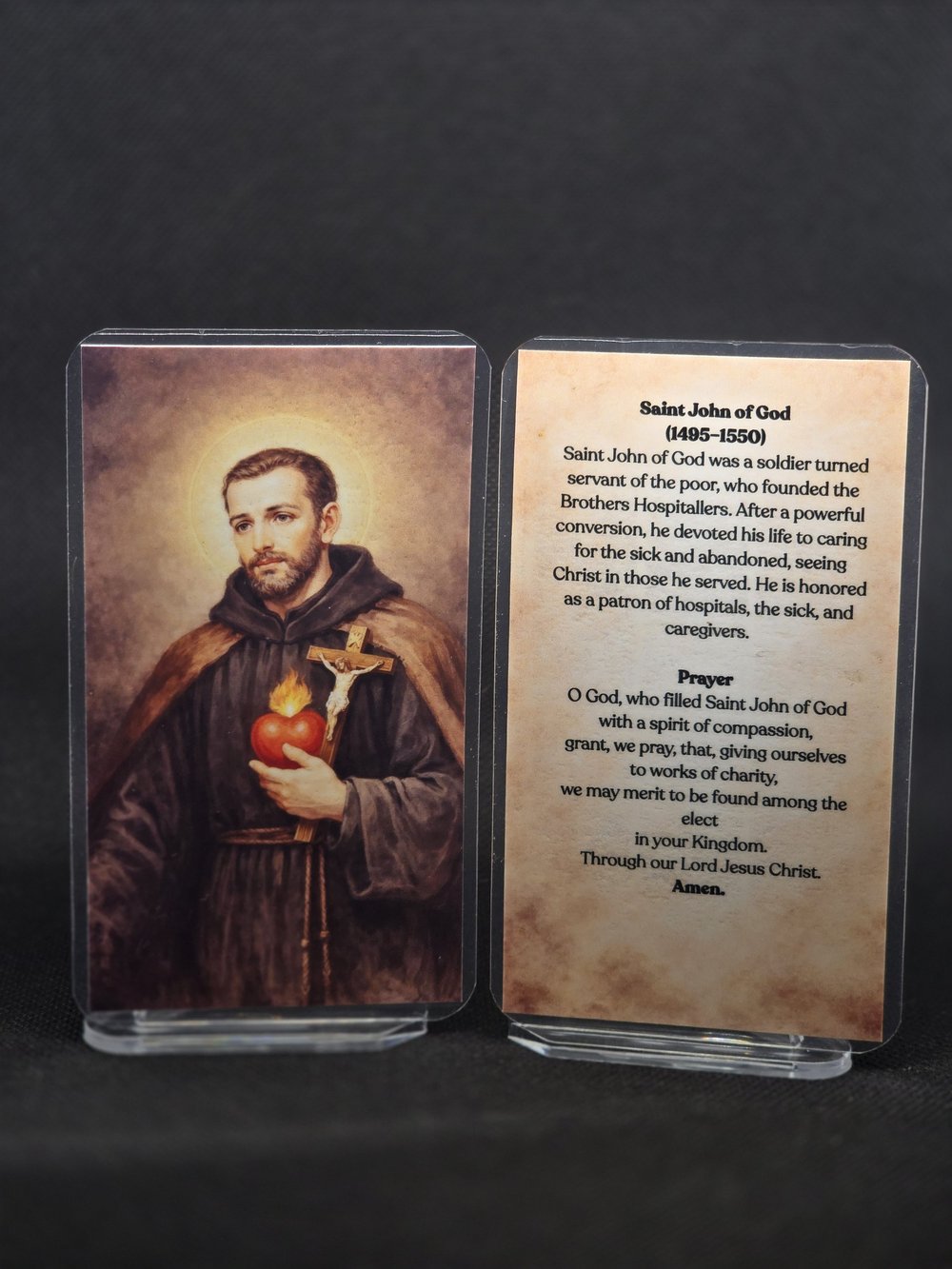
Saint Joseph, patron of a happy death, pray for us. Saint Dismas, pray for us. Saint Camillus, pray for us. Amen.
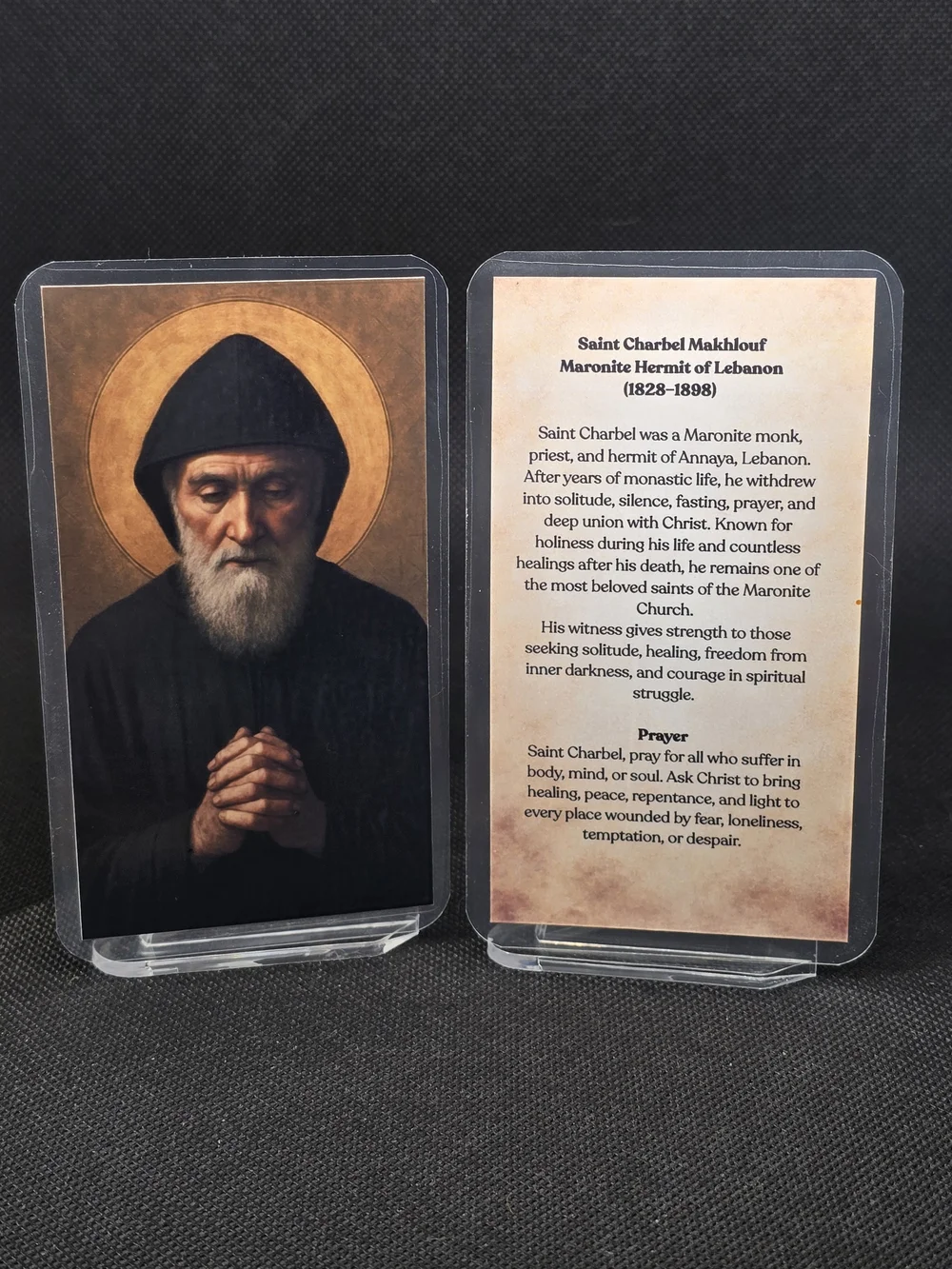
A prayer card is small enough to tuck into a Bible, a wallet, or the frame of a mirror in a hospital room. These are saints Christians have long asked for the sick, the dying and the families who must make hard choices.
You Do Not Have to Be Certain. You Have to Be Faithful.
No one makes these decisions perfectly, and the Church does not ask for perfection. She asks that we never choose death, that we do not abandon the dying, and that we bring them the sacraments and our presence. If you do those things, you have done what love and faith ask.
Call the priest. Choose an agent. Ask the doctors your questions. And stay close, for as long as you are given.
Get the Saint Joseph Prayer Card →