18 Orthodox Saints on Grief & Loss — And How They Carried Their Sorrow
Orthodox Spirituality • Grief & Loss • 18 Saints Who Carried Sorrow
18 Orthodox Saints on Grief & Loss — And How They Carried Their Sorrow
A mother who wept for her son for thirty years. A monk who wrote the most quoted lament in Christian history. A widow who wandered a city for forty-five years in her husband's old coat. These are the saints the Orthodox and Eastern Catholic faithful turn to when grief arrives — together with the prayer card of each one.
This Article at a Glance
- Saints Featured
- 18 Orthodox & Eastern Catholic saints across 16 centuries
- Central Theme
- Grief, loss, bereavement, and the Orthodox response to death
- Key Phrase
- “Memory Eternal” — sung at every Orthodox funeral and memorial
- Grief of a Mother
- St. Monica, who wept and prayed for her son for nearly two decades
- Grief Put Into Words
- St. Gregory of Narek's Book of Lamentations
- Grief of Widowhood
- St. Xenia of St. Petersburg, 45 years in mourning
- Prayer Cards
- All 18 saints available as $3.00 prayer cards in our store
- Related Resource
- Christian marriage coaching for couples grieving together
Grief is not a problem the Orthodox tradition tries to solve quickly. It is treated, instead, as something to be carried honestly, prayed through, and never fully set down — because the Church does not ask the grieving to forget. At the end of every Orthodox funeral, the same phrase is sung: “Memory Eternal.” Not closure. Not moving on. Remembrance, forever. The eighteen saints below each met loss in a different way — some through the slow grief of waiting, some through sudden death, some through the loss of who they once were — and each left behind words or a witness that the grieving still turn to today.
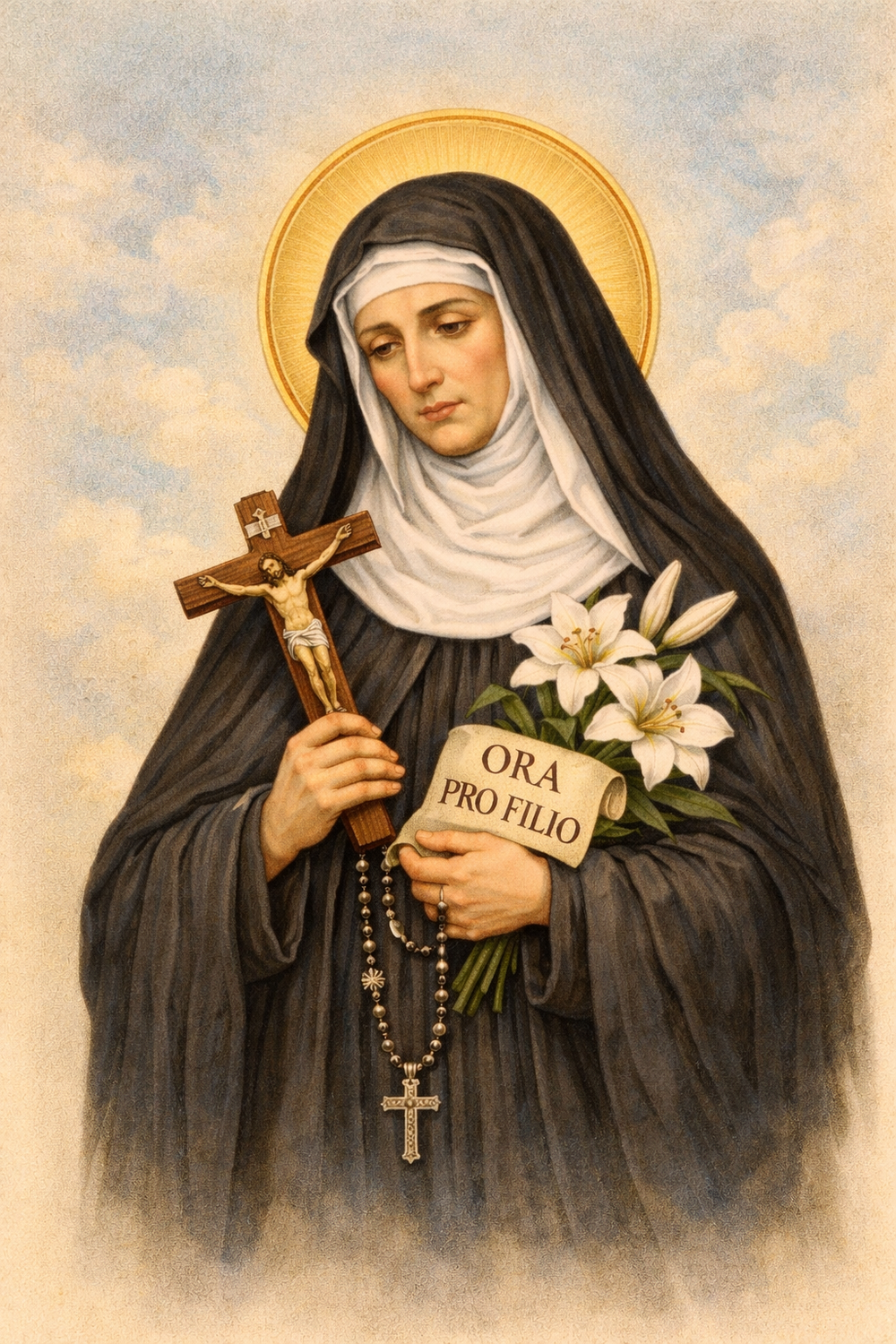
St. Monica
St. Monica spent close to twenty years grieving a loss that had no funeral: the spiritual death of her son, who had wandered far from the faith she raised him in. Her grief was not the grief of a grave but of a long, aching absence — the particular sorrow of loving someone who is still alive but seems lost.
When Augustine finally returned to the faith, Monica told him she had nothing left to ask of life. She died shortly after, at peace, having let go of even her wish to be buried beside her husband in Africa — because, as she said, nowhere is far from God. Her grief had not been wasted; it had simply been long.

St. Mary of Egypt
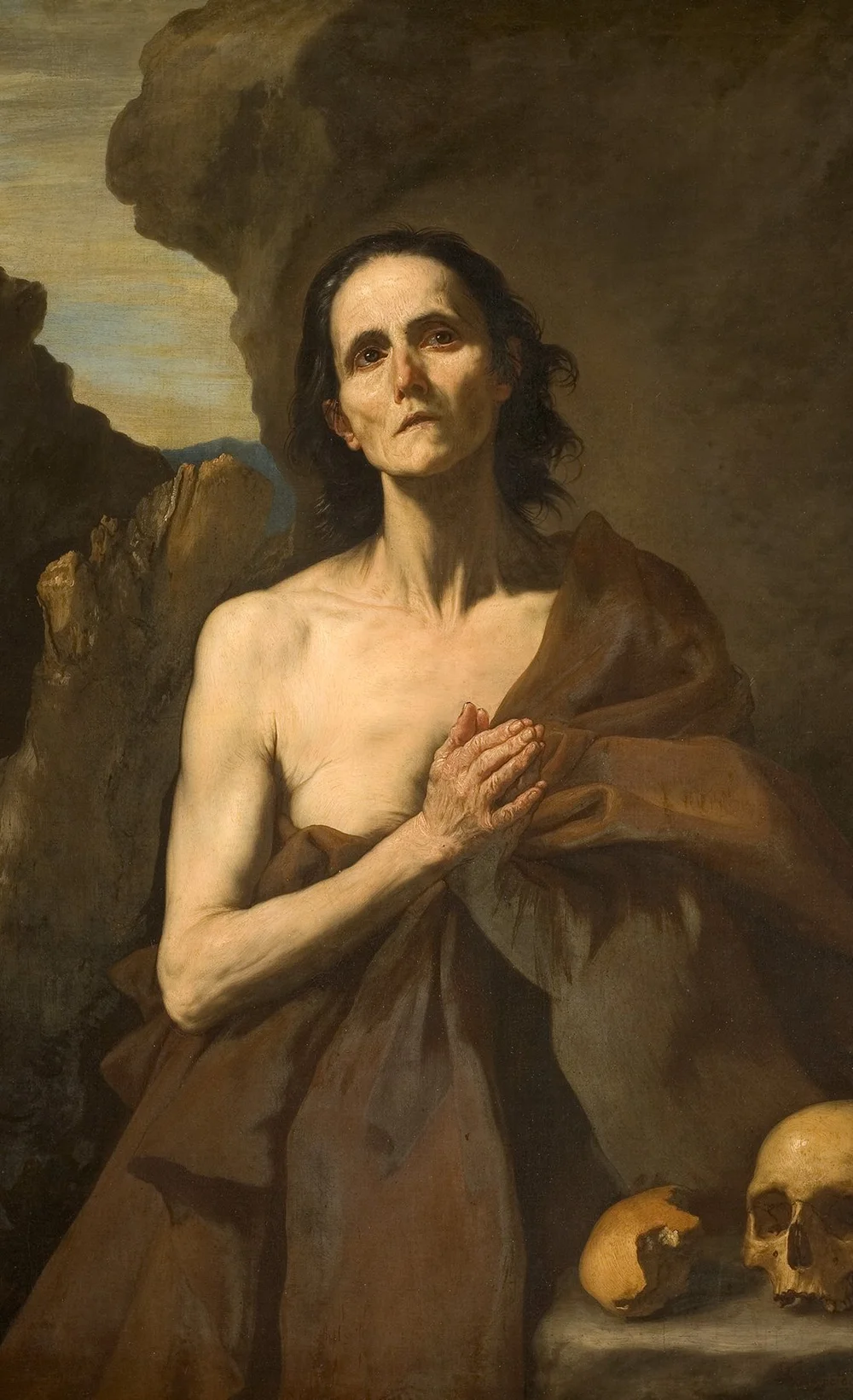
St. Mary of Egypt's grief was unlike the others on this list: she mourned not a person she had lost, but the person she herself had been. Her years of dissolution were, in her own telling, a kind of death she carried with her into the desert, where she spent forty-seven years in solitude grieving and repenting before God.
Her story is read in full during Great Lent precisely because it speaks to a grief many carry silently: mourning who we were, or who we failed to become, or choices that cannot be undone. Mary's witness is that even this grief, carried all the way through, can become a path to total transformation.
St. Gregory of Narek
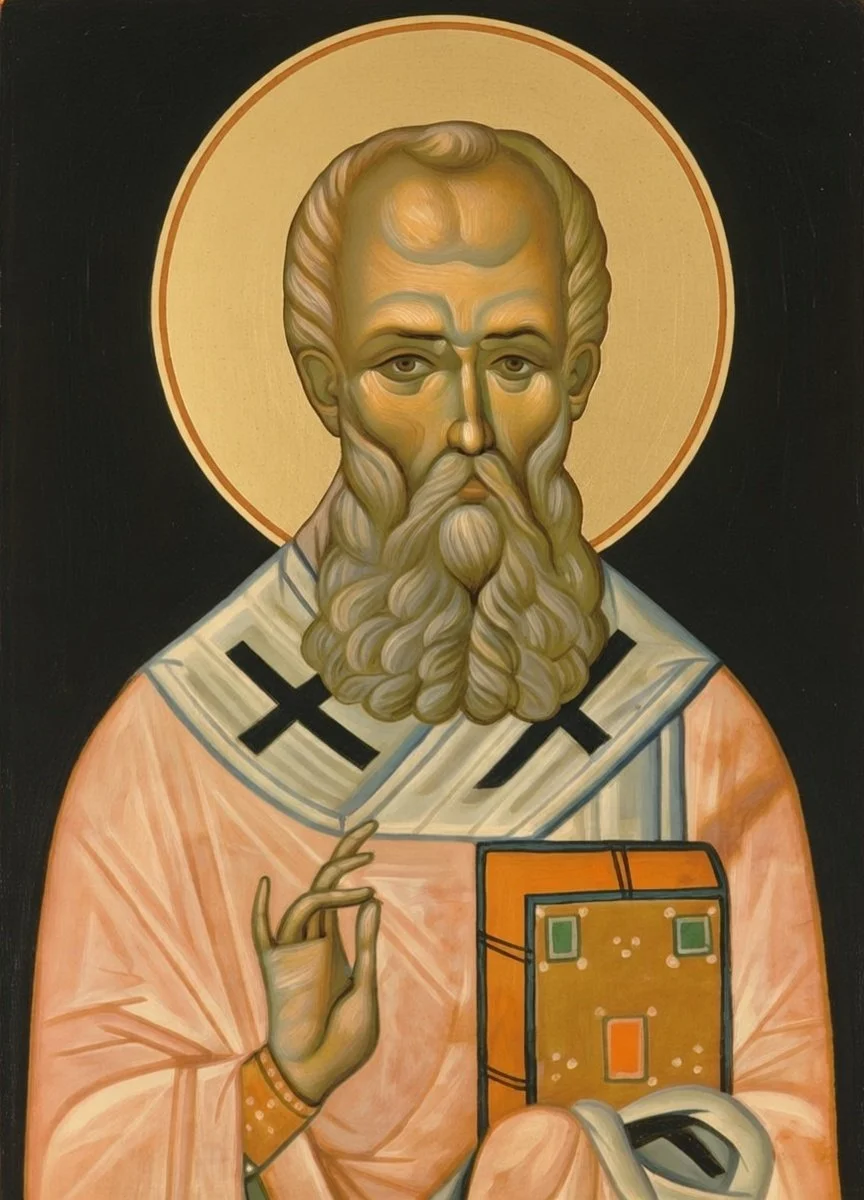
If any single text in Christian history can be called the literature of grief, it is St. Gregory of Narek's Book of Lamentations — ninety-five long prayers written from what he himself called “the depths of the heart,” composed, according to tradition, while he suffered through a long illness.
For a thousand years, Armenian families have placed copies of this book under the pillows of the sick and grieving, believing in its power to comfort. Gregory never minimizes pain or rushes past it — he simply puts language to the wound, which is itself a form of relief for anyone whose own grief has felt too large for words.

St. John Chrysostom
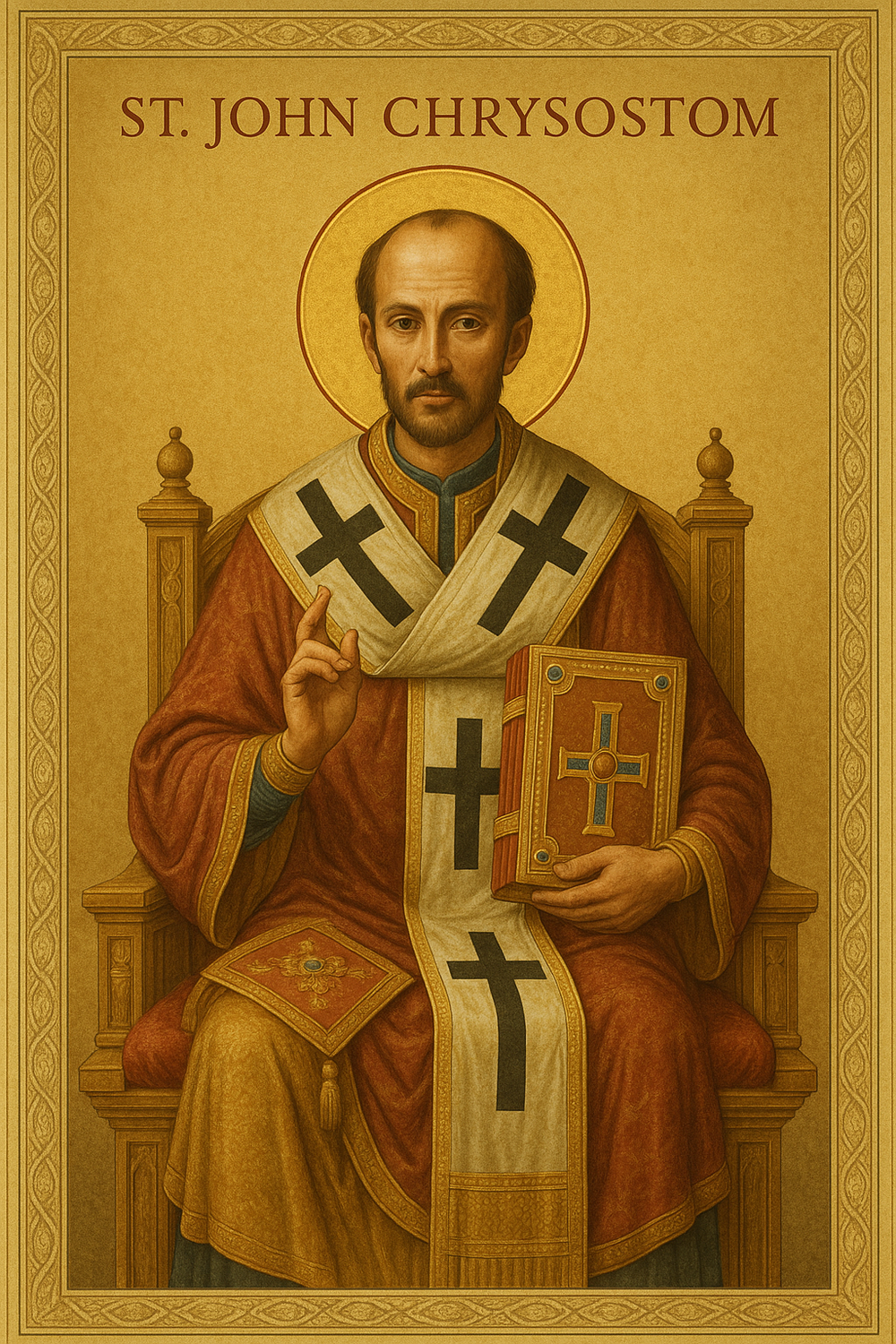
St. John Chrysostom wrote one of the earliest and most tender consolation letters in Christian history to a young widow grieving her husband's sudden death. Rather than rushing her toward comfort, he first let her grieve fully before offering a single word of consolation.
Chrysostom was careful to note something often overlooked: he waited deliberately, giving the widow time to “take her fill of mourning” before offering comfort — an early and strikingly modern recognition that grief cannot be rushed, only accompanied.

St. Seraphim of Sarov
St. Seraphim of Sarov greeted every visitor — even those arriving in the deepest grief — with the same words: “My joy, Christ is risen!” This was not denial of sorrow but a deliberate anchoring of every grief, no matter how heavy, inside the larger truth of the Resurrection.
For those grieving, Seraphim's teaching carries a particular weight: the peace he describes is not the absence of sorrow but a deeper stability underneath it, one that allows a grieving person to become, even in their mourning, a source of comfort to others rather than withdrawing entirely into isolation.

St. Paisios the Athonite
St. Paisios spoke often and plainly to people bringing him grief of every kind — the death of a child, a failed marriage, an unexpected diagnosis. His counsel consistently reframed suffering not as meaningless but as something God could use, without ever minimizing how much it hurt.
Paisios never offered this as a quick fix — he was known to weep alongside the grieving people who visited him. His counsel was meant for the long road of grief, not the first raw days of it, offering a horizon of meaning without ever rushing someone past their pain to get there.
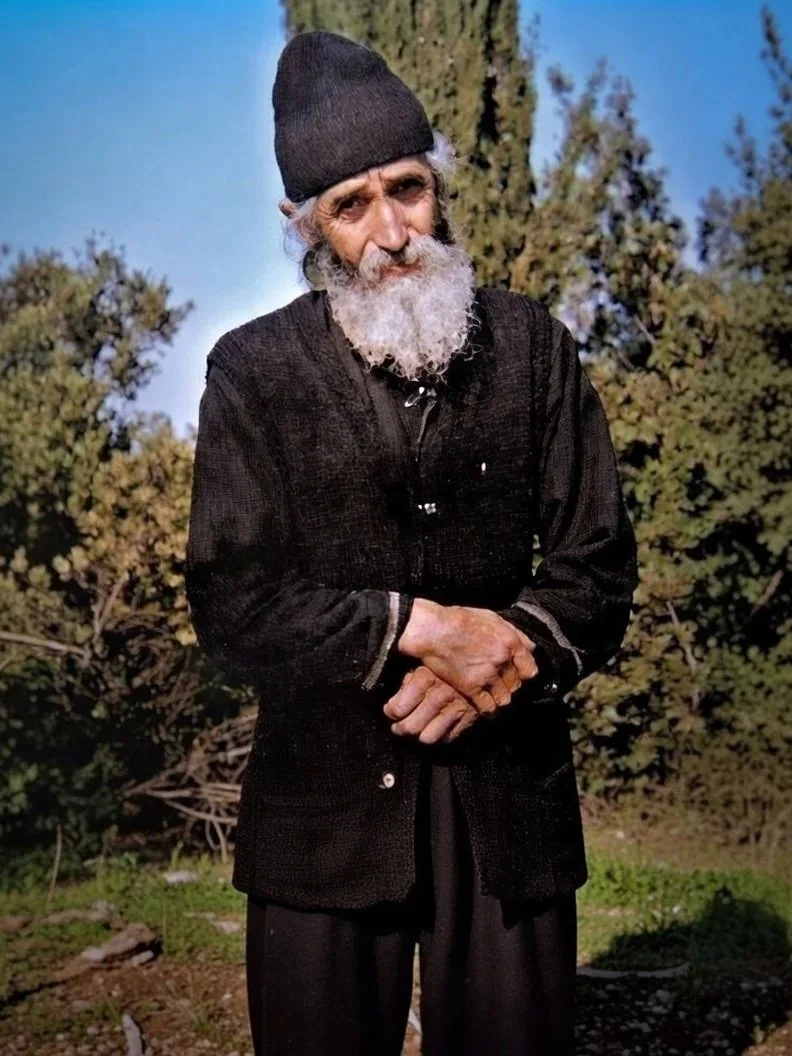

St. Porphyrios
St. Porphyrios suffered chronic, severe illness for most of his adult life, and his teaching on suffering and loss came from direct, sustained personal experience rather than theory. He taught that grief, approached rightly, could become one of the most direct paths to God rather than an obstacle to Him.
This teaching distinguishes between the sadness itself, which Porphyrios never asked anyone to suppress, and the deeper transformation that can happen even while that sadness is present — sainthood was never, for him, a state free of grief, but a way of carrying grief toward God rather than away from Him.
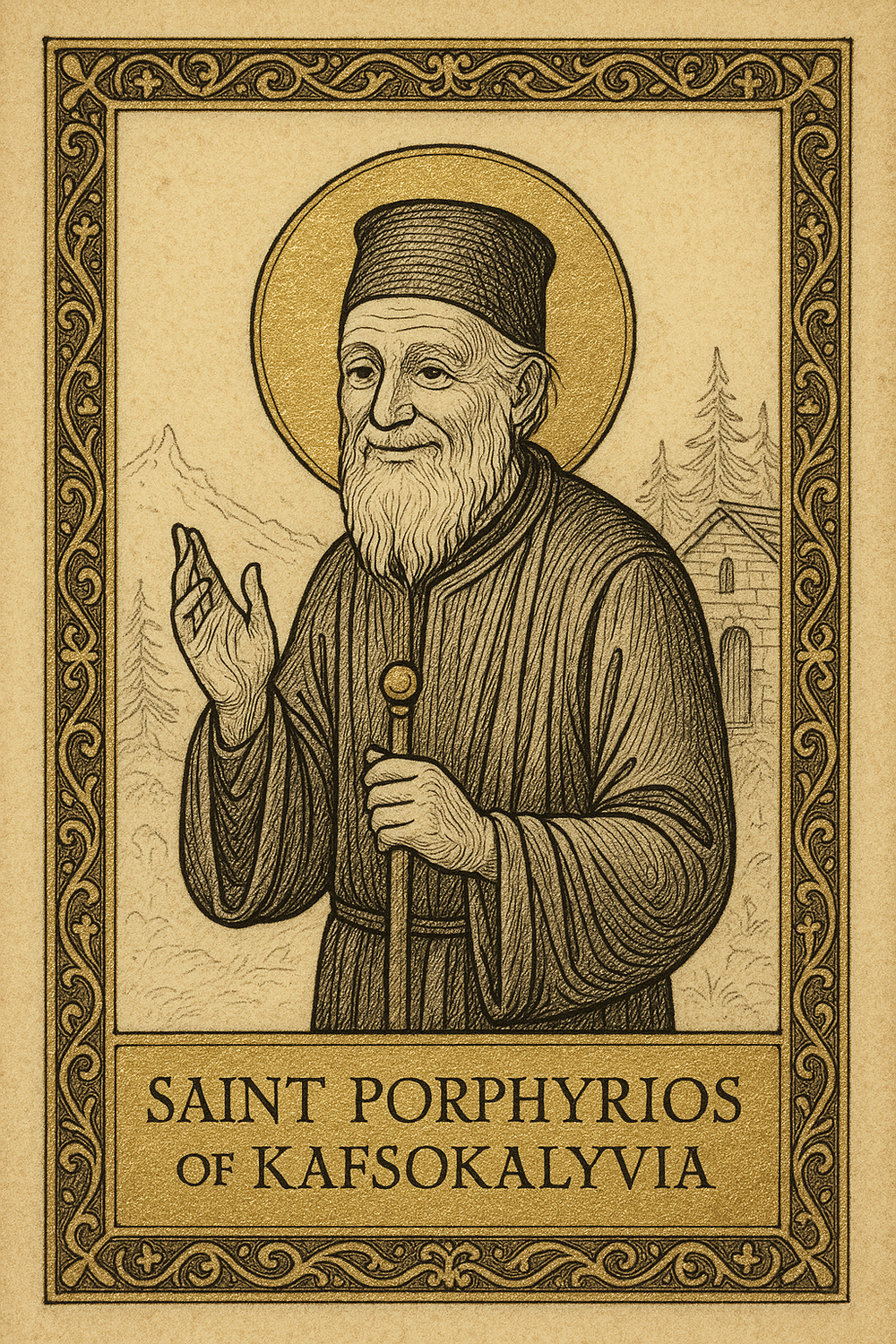

St. Silouan the Athonite
St. Silouan's most famous teaching speaks directly to the darkest moments of grief — the moments when sorrow feels bottomless and despair presses in from every side. He does not deny how dark grief can become; he offers, instead, a way to remain inside that darkness without being destroyed by it.
For the grieving, this teaching is often experienced as an enormous relief: it gives permission to feel the full weight of loss — without requiring false positivity or premature comfort — while still holding, just barely, onto hope. Silouan also taught compassion for all who suffer as the natural overflow of one's own grief once it has been carried honestly.
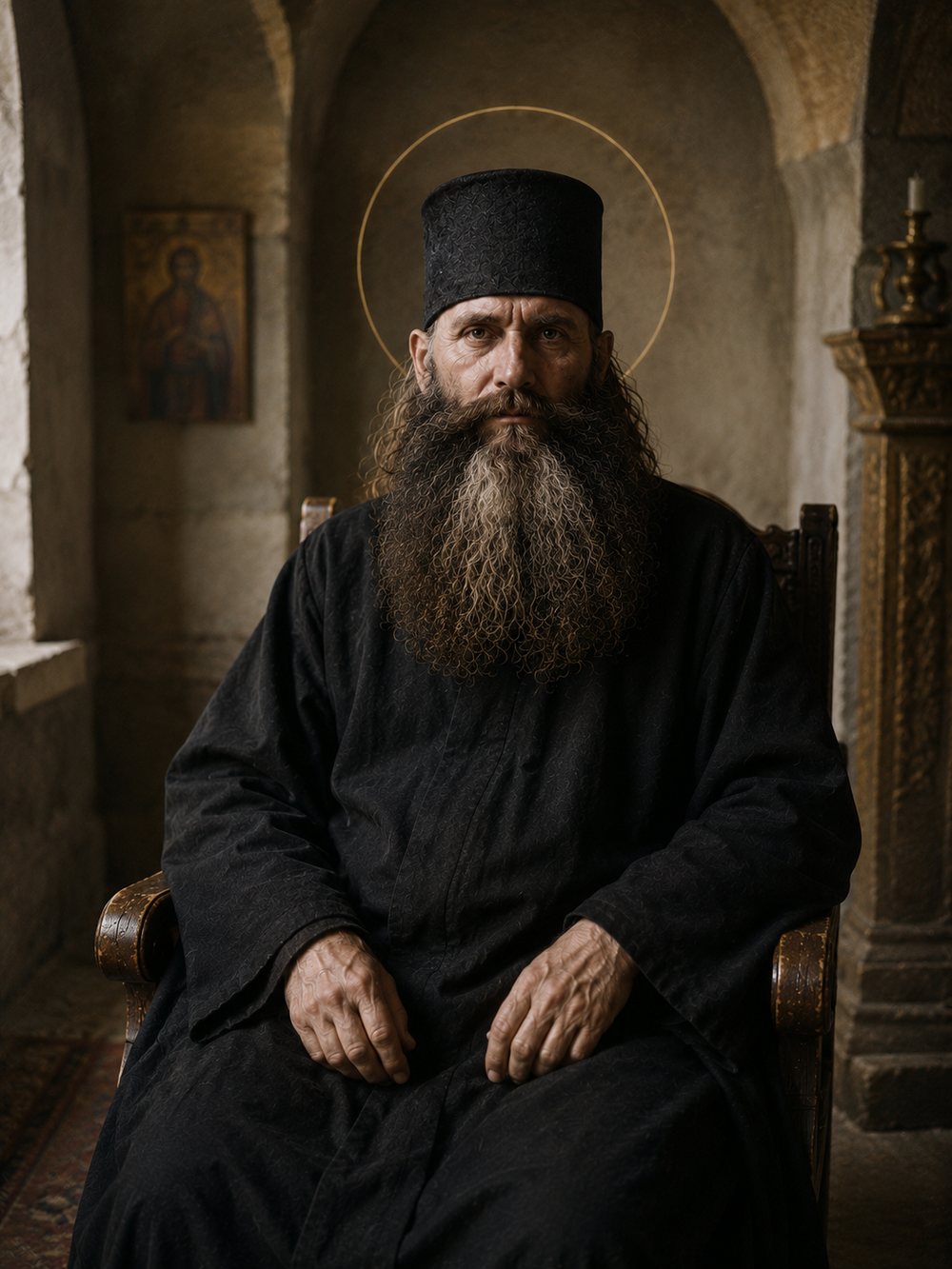

St. Nektarios of Aegina
St. Nektarios endured decades of false accusation, public humiliation, and the loss of his reputation and position before his name was finally cleared. His grief was the particular kind that comes from injustice — loss inflicted by other people's lies rather than by death or circumstance.
What makes Nektarios's witness so significant for grief specifically is that he never let his own losses curdle into bitterness. Today, families bring him their hardest griefs — especially around serious illness and cancer — in part because his own life demonstrated that suffering endured without resentment can be transformed into a source of healing for others.
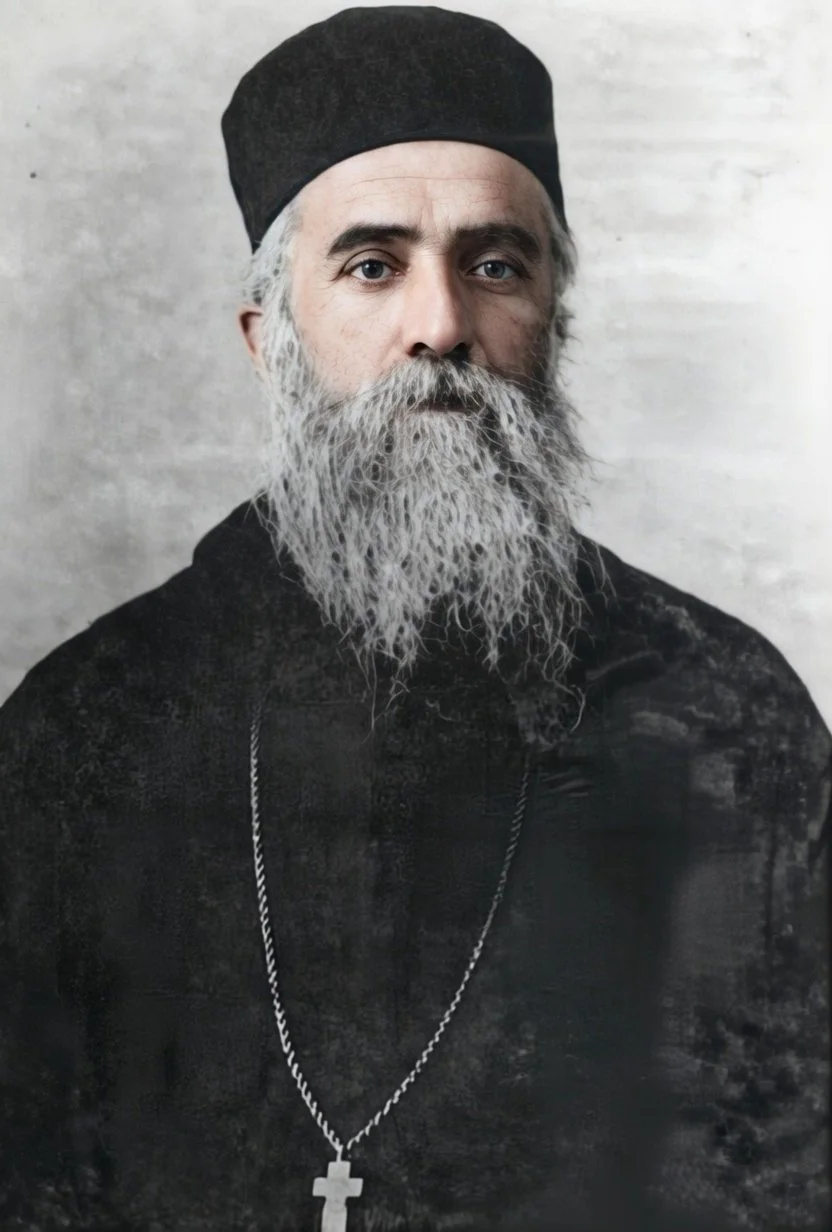
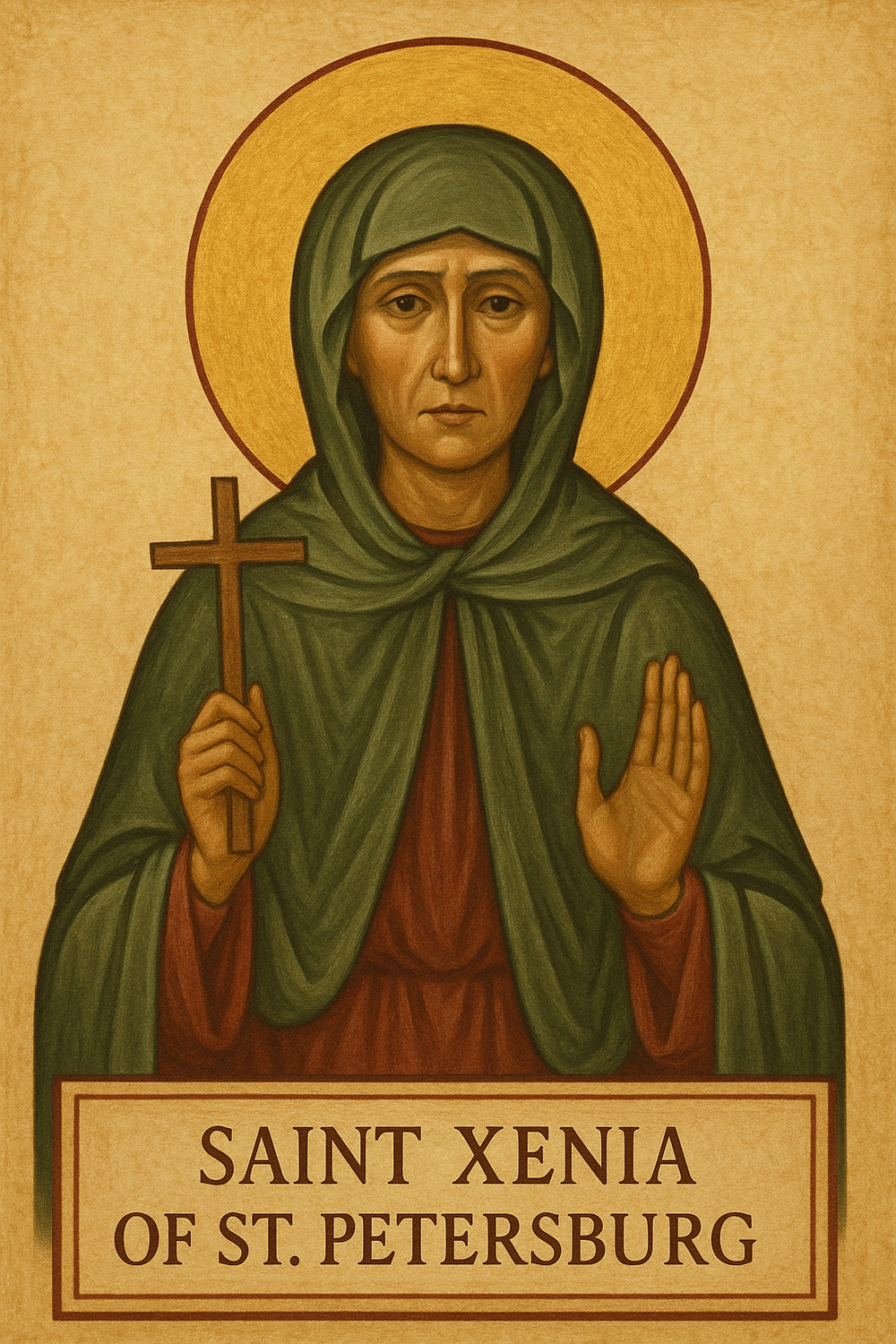
St. Xenia of St. Petersburg
When St. Xenia's husband died suddenly, without time even for last confession, her grief took a form unlike any other saint on this list: she gave away everything she owned, took on her husband's name, and spent the next forty-five years of her life wandering the streets of St. Petersburg in his old military coat, praying through the night for his soul.
Xenia never remarried, never sought comfort in a new life, and never explained herself to those who thought her grief had made her foolish. Russians have venerated her for centuries precisely because her decades of mourning were never wasted grief — they became, through sustained prayer, one of the most powerful intercessory lives in Orthodox history.
The Desert Fathers
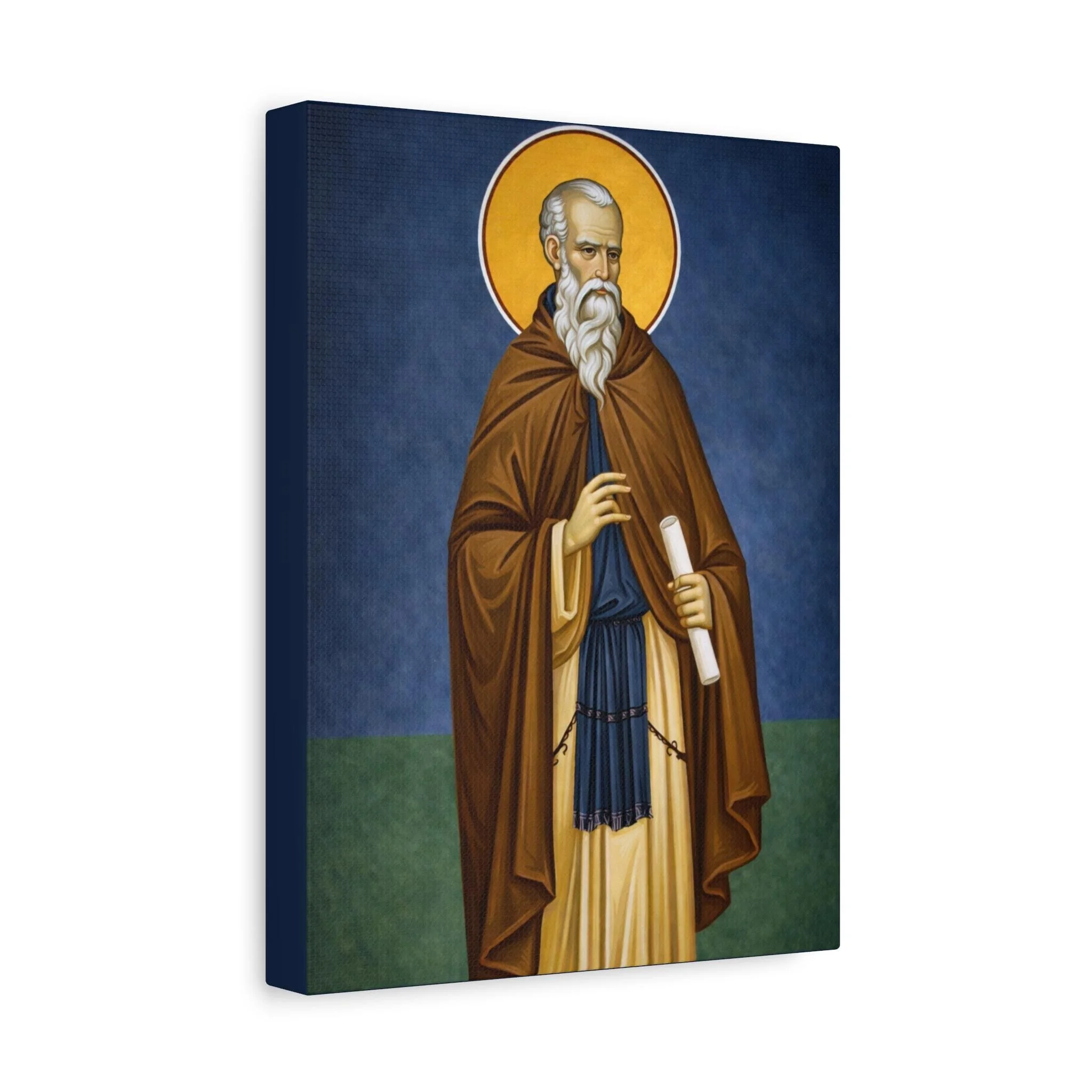
The Desert Fathers and Mothers of fourth-century Egypt lived in a world where death, illness, and hardship were constant companions, and their short sayings on mourning are remarkably direct — free of the sentimentality that often surrounds modern grief advice.
The desert tradition treats mourning — for one's losses, one's sins, and one's mortality — not as a temporary crisis to escape but as an ongoing posture of the heart before God. For those grieving, this offers an unusual permission: there is no schedule by which grief must end, and a heart still mourning years later is not a heart that has failed.
St. Antony the Great
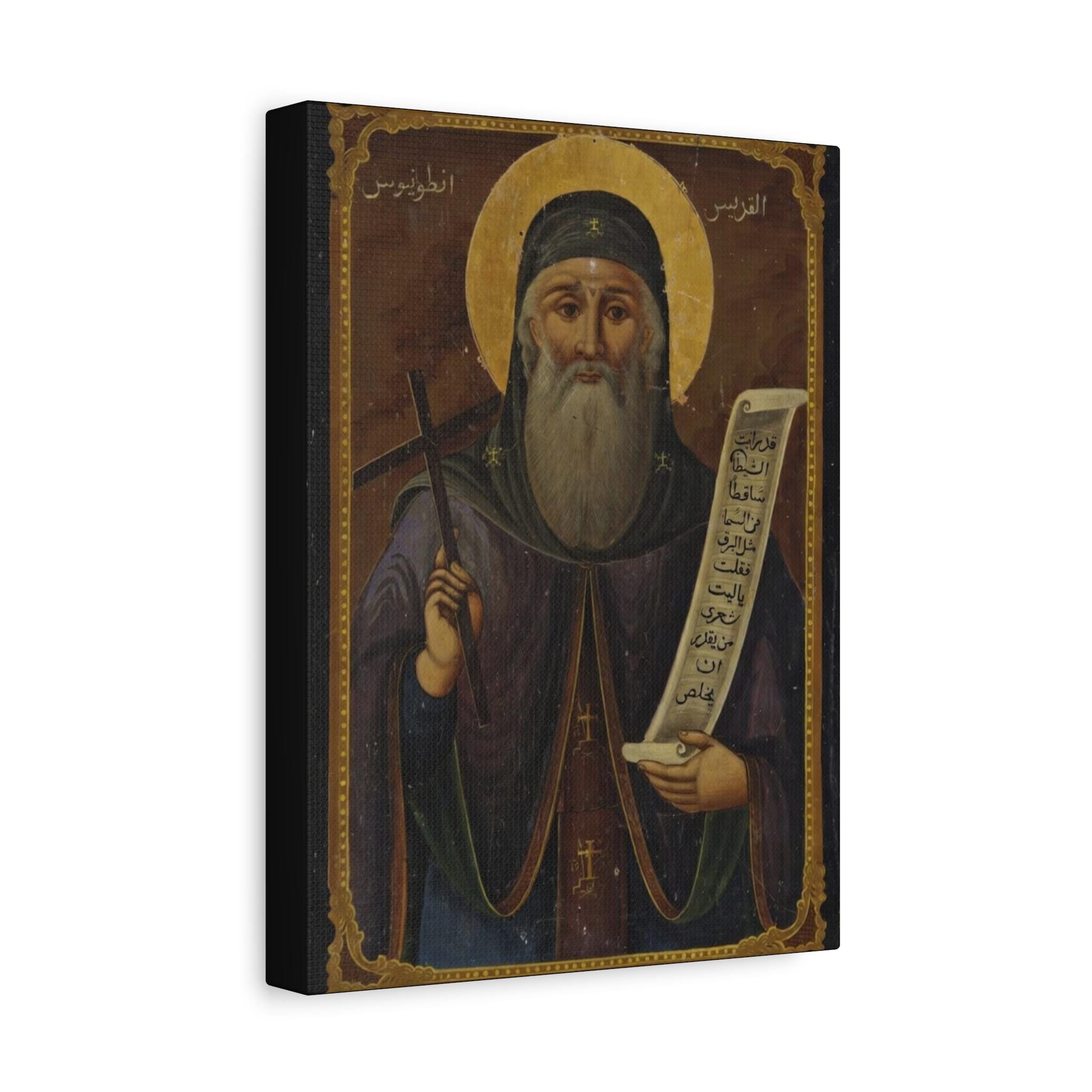
St. Antony the Great's grief came early: he lost both of his parents while still a young man, and his response to that grief reshaped Christian history. Rather than retreating into despair, he sold the family estate, gave the proceeds to the poor, and went into the desert — transforming early loss into the foundation of an entirely new way of life.
Antony's life suggests that the losses that come earliest and hit hardest can, over decades of faithful endurance, become the foundation for an entire life turned toward God rather than the wound that defines someone forever. His grief became, in time, the doorway into the desert that founded Christian monasticism.
St. Gregory Nazianzen
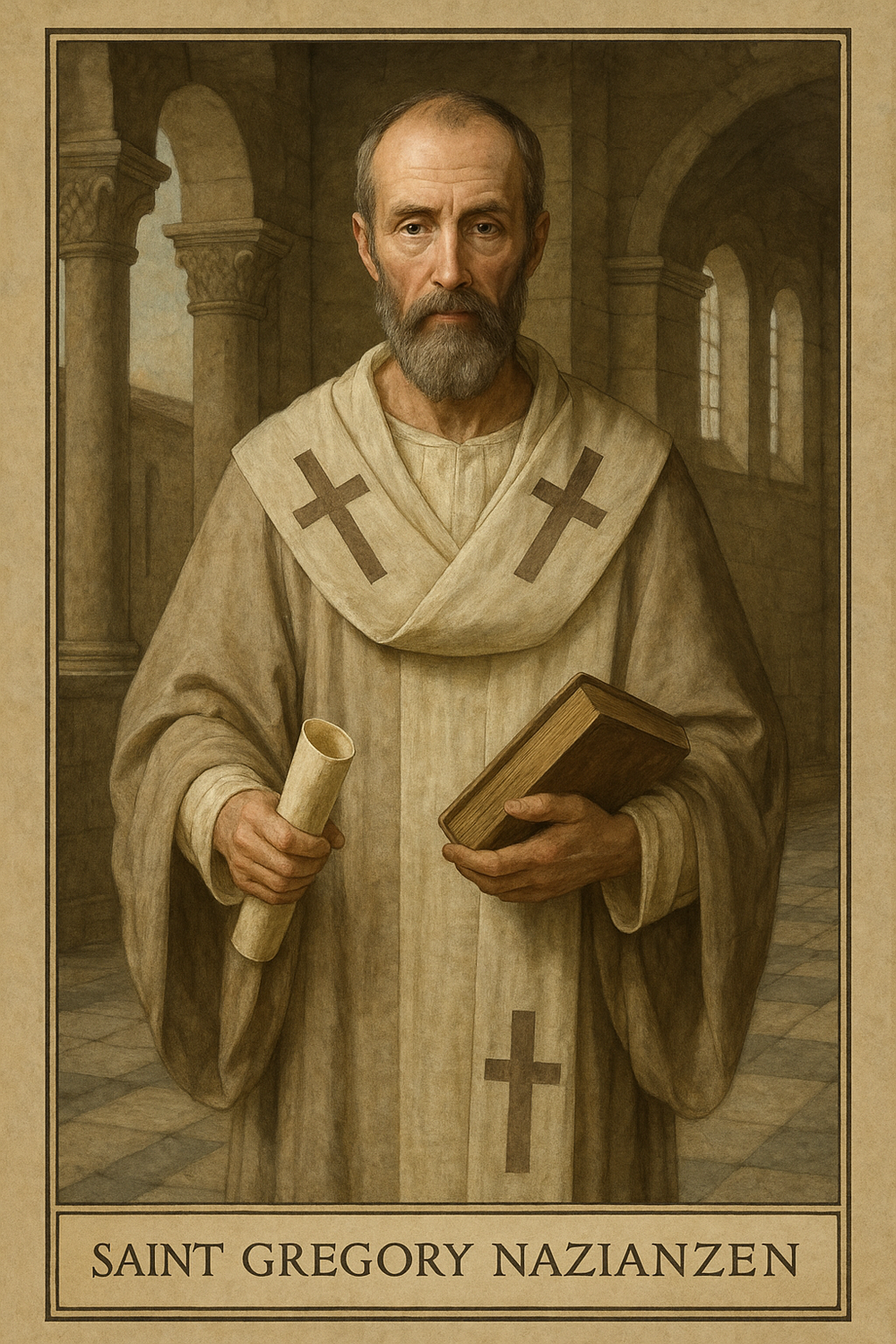
St. Gregory Nazianzen wrote some of the most moving funeral orations in Christian history, including one for his closest friend, St. Basil the Great, whose death left Gregory profoundly grief-stricken despite their long and sometimes complicated friendship. He also delivered the funeral oration for his own brother, Caesarius, and for his sister, Gorgonia.
Gregory's orations are notable for refusing to rush: he names the real loss, describes the real grief, and only then moves toward the consolation of faith. His own writings reveal a man who grieved his closest friend deeply even while believing fully in the resurrection — proof that grief and hope were never, for the Church Fathers, mutually exclusive.

St. Ephrem the Syrian
St. Ephrem the Syrian wrote extensively in hymn form about death, paradise, and the hope of resurrection — not as abstract doctrine, but as vivid, almost physical comfort for those facing mortality and loss. His hymns were sung at funerals across the Syriac Christian world for centuries.
Ephrem's poetic gift was for making the hope of resurrection feel tangible rather than theoretical, which is precisely what grief often needs: not a logical argument against sorrow, but an image vivid enough to hold onto when reason alone cannot reach the heart.
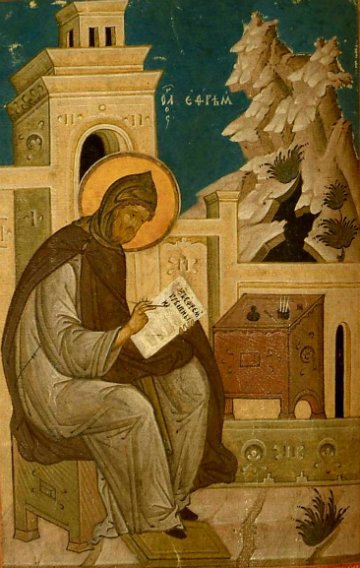

St. John Climacus
St. John Climacus devotes an entire step of The Ladder of Divine Ascent to what he calls “joy-making sorrow” — a startling phrase that captures something the Orthodox tradition holds about grief: that tears, rightly offered, are not the opposite of joy but can become a path toward it.
Climacus treats the capacity to weep — whether for one's own losses or in compassion for someone else's — as spiritually purifying rather than something to be ashamed of or hurried through. For anyone who feels embarrassed by how much they have cried, his teaching offers a different lens entirely: those tears may be doing real spiritual work.
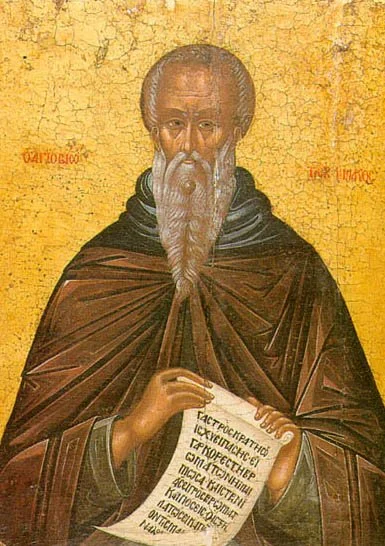

St. Isaac the Syrian
St. Isaac the Syrian wrote some of the most expansive teaching in Christian history on the mercy of God in the face of suffering, insisting that no grief or loss falls outside the reach of divine compassion — a teaching that has comforted readers facing the darkest forms of loss for fourteen centuries.
Isaac's theology of divine mercy was deliberately expansive, never stingy in its scope. For the grieving, this matters: he insisted that the love underneath all suffering is wider and deeper than the suffering itself, however overwhelming that suffering may feel in the moment.
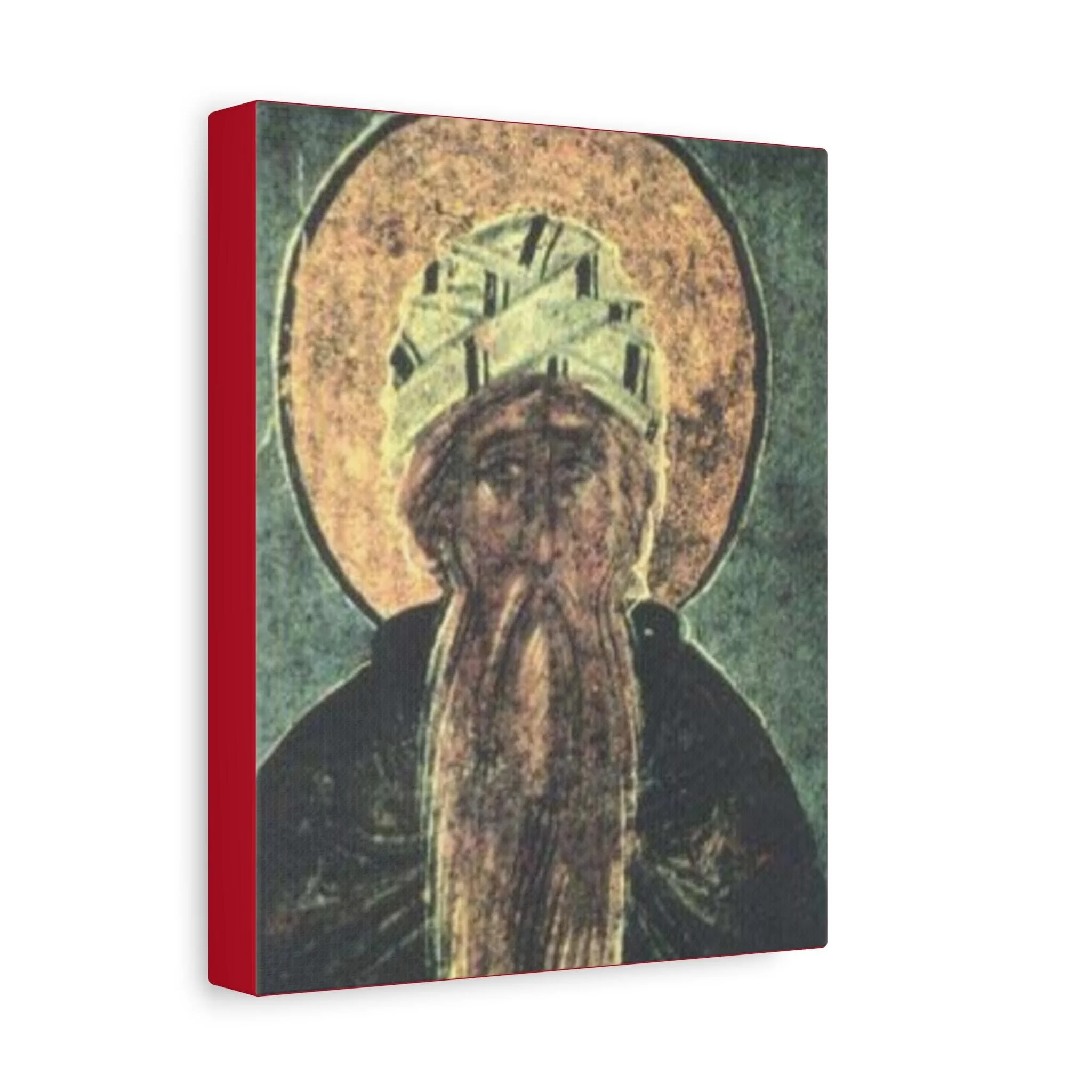

St. Basil the Great
St. Basil the Great is remembered not only for his theology but for founding one of the earliest organized systems of charitable care in Christian history — the Basiliad, a complex that included housing for the poor, care for the sick, and support for those who had lost everything.
Basil understood that grief is rarely only spiritual — it often arrives wrapped in material hardship, displacement, or sudden poverty, and the Church's responsibility includes meeting those practical needs directly, not only offering spiritual consolation from a distance.
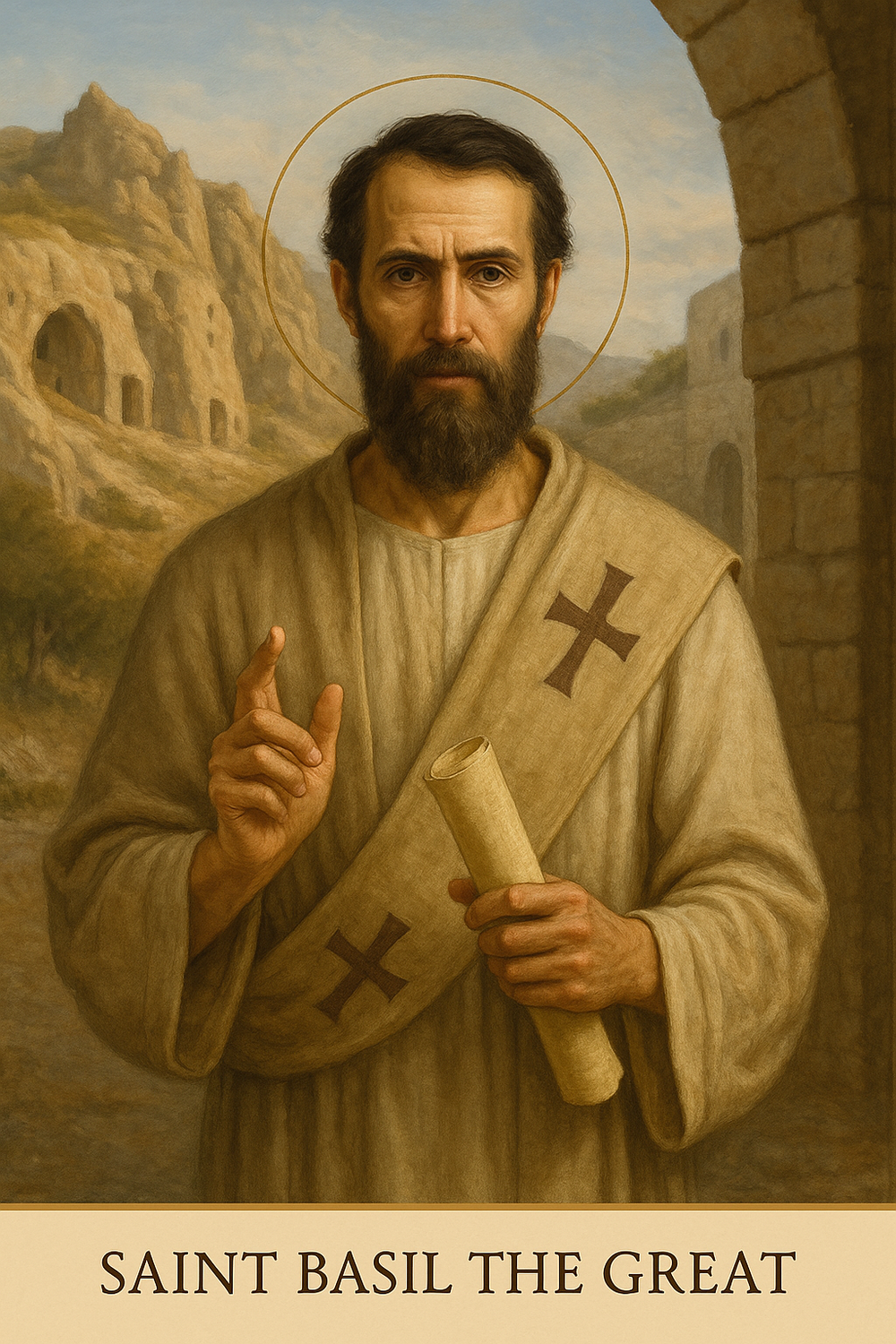

St. Tikhon of Zadonsk
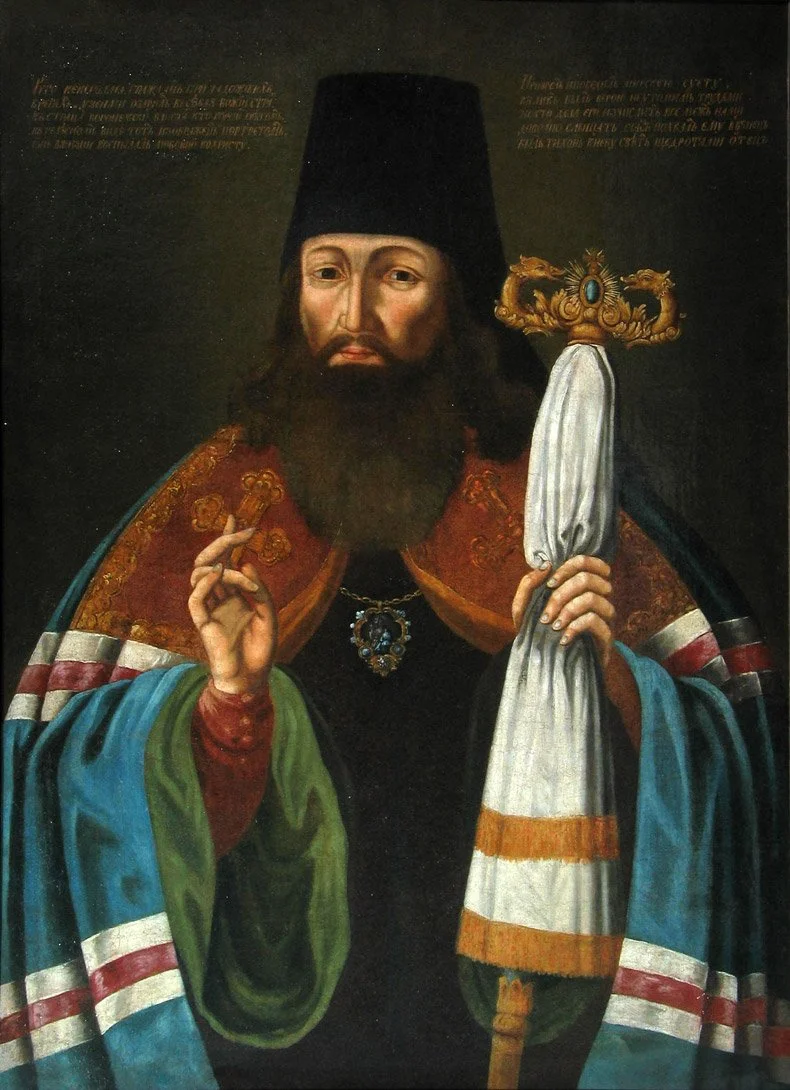
St. Tikhon of Zadonsk resigned his bishopric due to illness and spent his final years in quiet retirement, writing some of the most tender Russian spiritual literature on suffering and the inner life — writing that later shaped the character of Elder Zosima in Dostoevsky's The Brothers Karamazov, a novel deeply concerned with grief and the loss of faith.
Tikhon's quiet, interior emphasis offers a counterpoint to grief that demands immediate explanation or resolution. He suggests instead that grief, left open rather than slammed shut, can become exactly the opening through which God's presence becomes most real — not despite the grief, but through it.
The Orthodox Way of Grieving
Memory Eternal: Why Orthodox Christians Don't Try to “Get Over” Grief
Every Orthodox funeral and memorial service ends with the same sung phrase: “Memory Eternal.” It is not a wish for the bereaved to move on. It is a prayer that the person who died will be remembered — by God, and by the Church — forever. This single phrase summarizes something all eighteen saints above embody in different ways: grief in the Orthodox tradition is not a problem to solve, but a form of love that the Church asks believers to carry forward rather than set down.
“Memory eternal! Memory eternal! Memory eternal, eternal be his/her memory.”
Sung at the close of every Orthodox funeral and memorial service, this short hymn asks that the one who has died be remembered forever — not as a way of denying grief, but as the Church's way of holding it for as long as it needs to be held.
Grieving as a Couple
When Grief Enters a Marriage
Several saints in this article — especially St. Gregory Nazianzen and St. John Chrysostom — wrote directly about grief inside families and marriages, and the Orthodox tradition has long recognized that couples often grieve differently from one another, even when mourning the same loss. Left unaddressed, that difference can become its own source of distance in a marriage already under strain.
Walking Through Grief Together, Not Apart
Jeremy and Ashley offer Christian marriage coaching rooted in this same Eastern Christian tradition — Jeremy works directly with husbands, and Ashley works directly with wives, helping couples grieve a shared loss without losing each other in the process.
Learn About Marriage Coaching →Common Questions
Frequently Asked Questions
Carrying What Cannot Be Set Down
A mother who prayed for nineteen years. A widow who mourned for forty-five. A monk whose lament has comforted the grieving for a thousand years. None of these saints found a way to make grief disappear — they found a way to carry it, faithfully, toward God instead of away from Him.
Choose the saint whose grief most resembles your own, and carry their prayer card with you as a small, constant companion in your mourning.
Browse All Prayer Cards →