18 of the Most Powerful Orthodox Saint Quotes on Prayer
Orthodox Spirituality • Famous Quotes • 18 Saints on Prayer
18 of the Most Powerful Orthodox Saint Quotes on Prayer
From the Desert Fathers of fourth-century Egypt to the Mount Athos elders of the twentieth century, these are the words Orthodox Christians have carried into their prayer corners for centuries — and the saints behind them, each with a prayer card you can carry too.
This Article at a Glance
- Saints Featured
- 18 Orthodox & Eastern Catholic saints, 4th century to the 20th century
- Central Theme
- Prayer, the Jesus Prayer, and unceasing inner stillness
- Most-Quoted Saint
- St. Seraphim of Sarov — “Acquire a peaceful spirit”
- Modern Elders Included
- St. Paisios, St. Porphyrios, St. Silouan the Athonite
- Ancient Teachers Included
- Desert Fathers, St. Antony the Great, St. Mary of Egypt
- Church Fathers Included
- St. John Chrysostom, St. Basil the Great, St. Gregory Nazianzen, St. Ephrem the Syrian
- Prayer Cards
- All 18 saints available as $3.00 prayer cards in our store
- Related Resource
- Christian marriage coaching with Jeremy & Ashley
Every Orthodox saint who left behind words on prayer was, in some way, trying to describe the same thing from a different angle: that prayer is not primarily a technique but a relationship, and that the relationship deepens not through effort alone but through humility, repetition, and a kind of patient surrender. Some of these saints were bishops who preached to thousands. Others were monks who spoke only a handful of recorded words in an entire lifetime. What follows are eighteen of the most quoted, most searched, and most beloved teachings on prayer in the Orthodox and Eastern Catholic tradition — together with the prayer card of each saint, so their words can travel with you the way they were meant to.
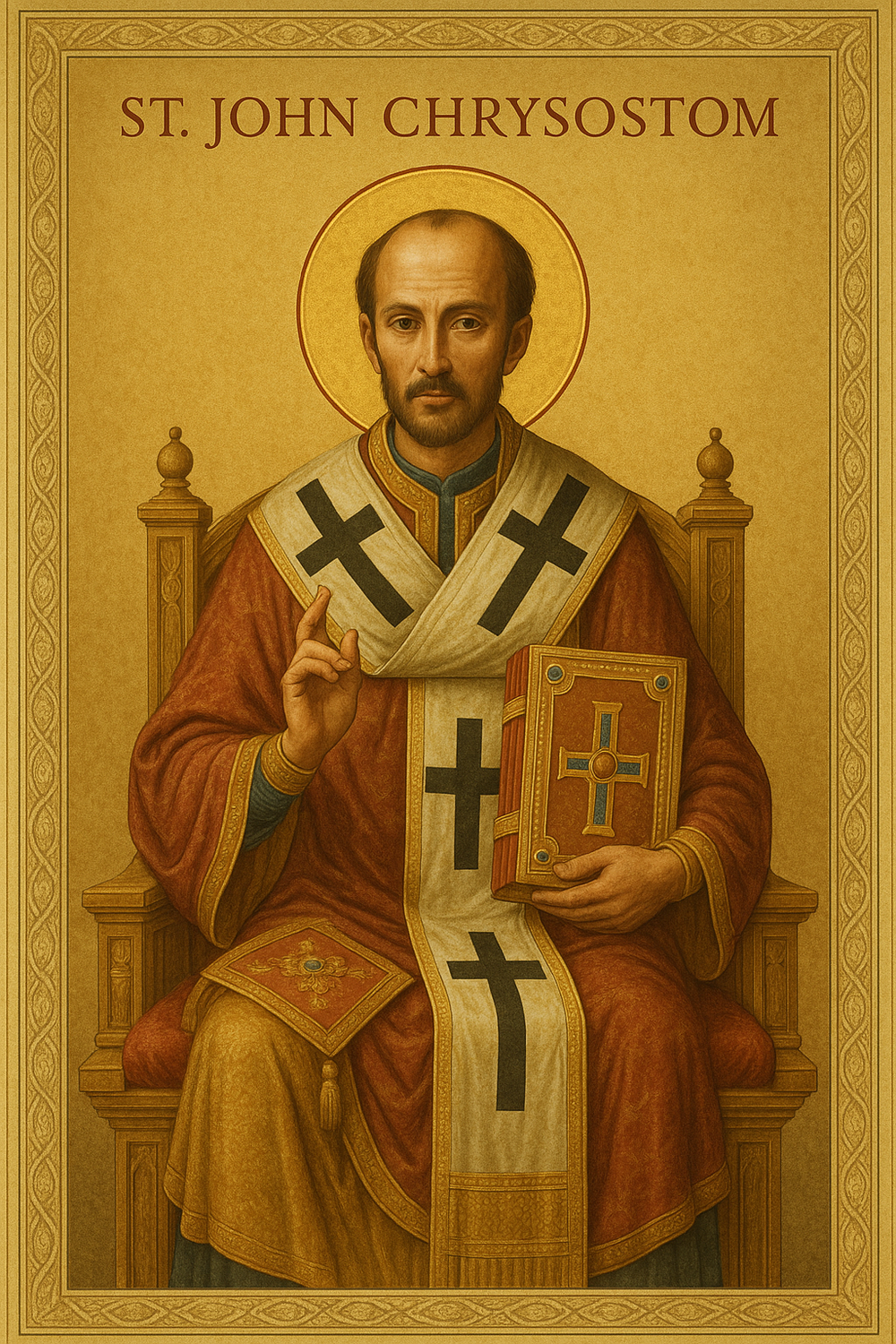
St. John Chrysostom on Prayer
Few figures in Christian history are more associated with the spoken and written word than St. John Chrysostom, whose eloquence earned him the title “Golden Mouth.” His homilies on prayer return again and again to one idea: that prayer is not a scheduled task to complete but the very air the soul breathes, and that a Christian who treats prayer as occasional has misunderstood what prayer is for.
Chrysostom taught that prayer's value is not measured primarily by what is granted, but by the nearness to God that prayer itself creates. For a man exiled twice for confronting the powerful, that nearness was not theoretical — it was the only stability he had left.

St. Seraphim of Sarov on Prayer
If a single sentence could summarize the practical heart of Orthodox spirituality, it would likely be this one, spoken by a Russian forest hermit who spent a thousand nights kneeling on a rock in prayer:
This line is quoted so often — on icon shop walls, in homilies, in spiritual direction — precisely because it reframes prayer entirely. Seraphim is not describing personal serenity as an end in itself. He is describing inner peace, won through prayer, as the most powerful form of evangelism a person can offer. A peaceful soul changes a room without saying a word.

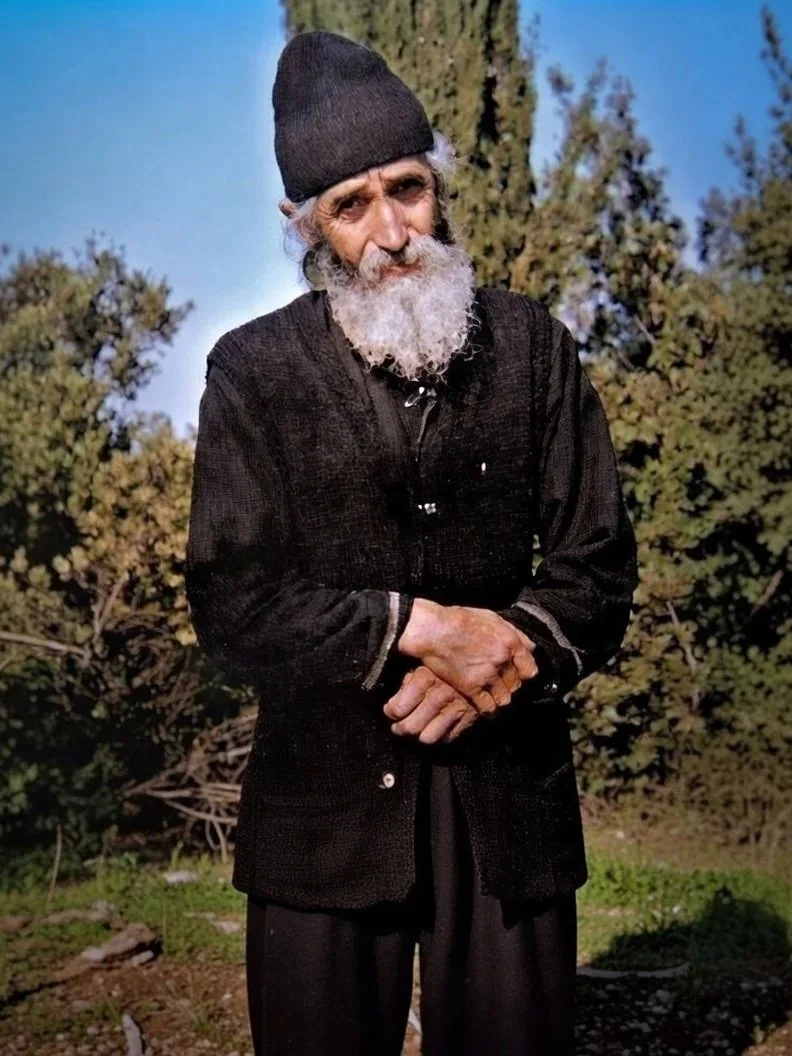
St. Paisios the Athonite on Prayer
St. Paisios died in 1994 and was canonized in 2015, making him one of the most recently recognized saints in this list — and one of the most widely quoted on social media today. His counsel on prayer is disarmingly simple, stripped of theological jargon, aimed directly at ordinary people overwhelmed by modern anxiety.
Paisios consistently redirected people away from over-intellectualizing prayer and toward the heart — the seat of attention in Orthodox spiritual tradition. For a generation raised to analyze everything, his counsel to simply attend rather than dissect has found an unusually wide audience.

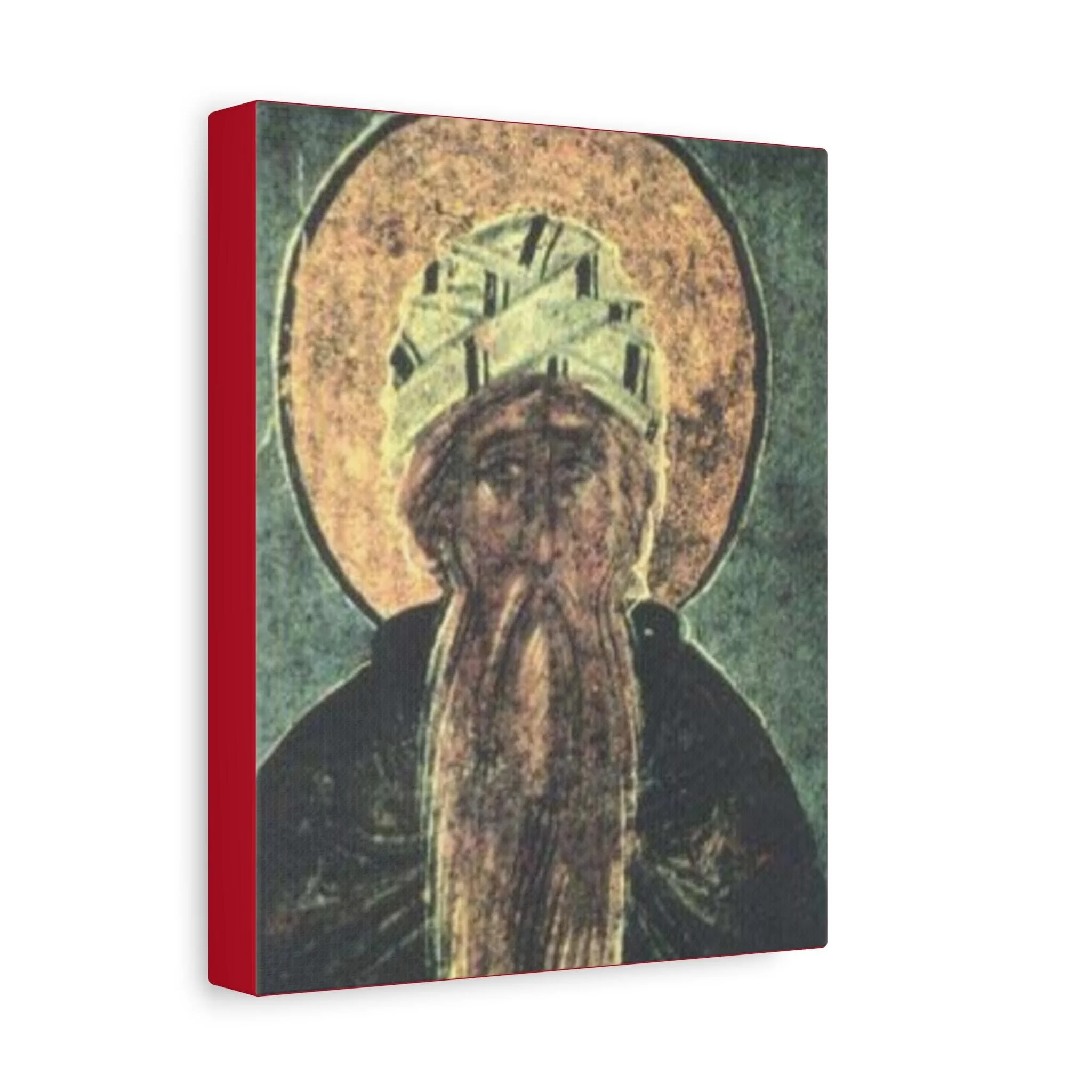
St. Isaac the Syrian on Prayer
St. Isaac the Syrian resigned his bishopric after only five months to return to solitude, and it is from that solitude that his teaching on prayer draws its depth. He treats silence not as the absence of prayer but as prayer's most advanced form.
For Isaac, the goal of a prayer life is to move gradually from many words toward fewer, and finally toward the wordless attention that he believed was the truest form of communion with God — a teaching that profoundly shaped how the Jesus Prayer would later be understood.

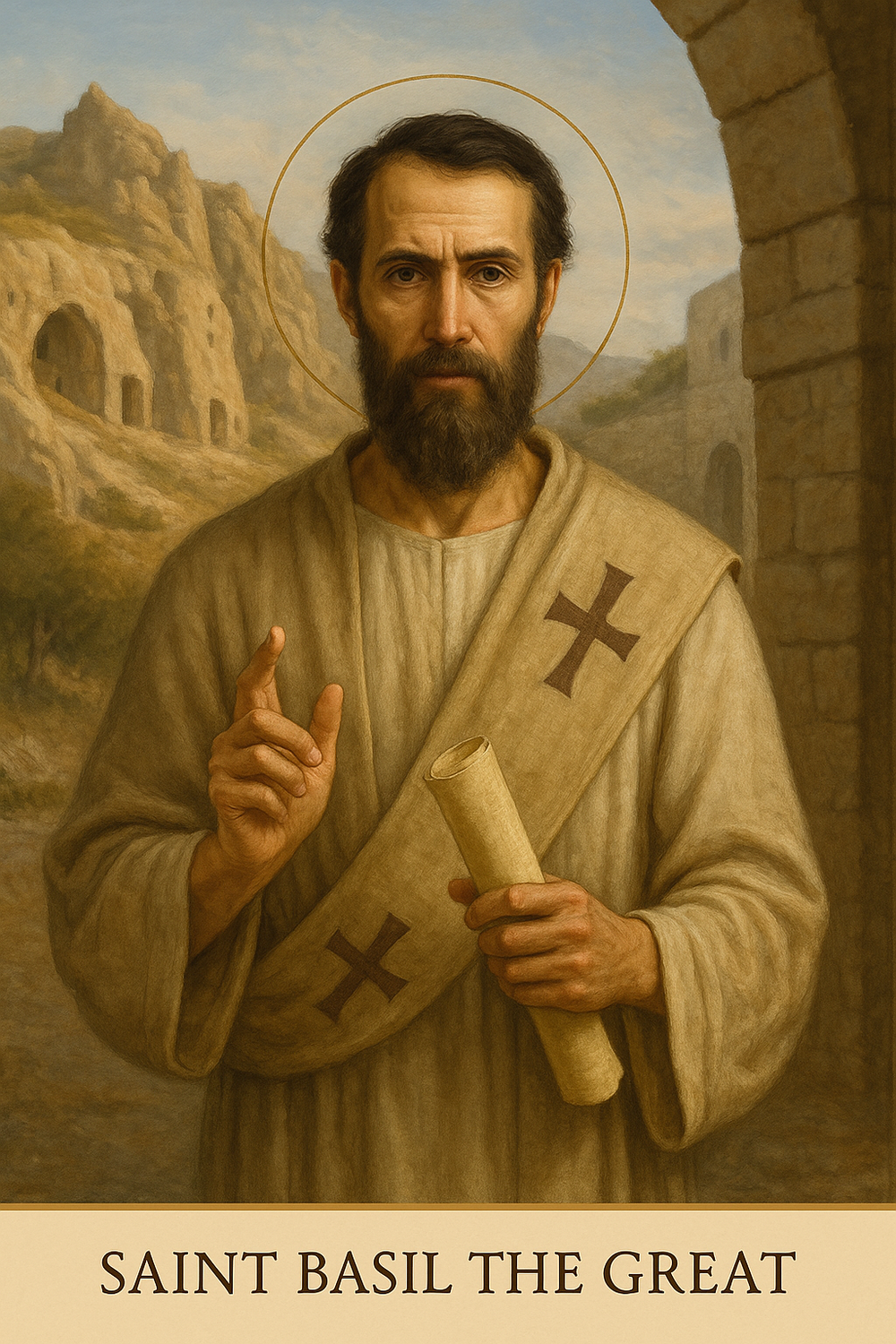
St. Basil the Great on Prayer
St. Basil the Great organized monastic life around a rhythm of regular prayer that still structures Orthodox worship today. His teaching insists that prayer is not reserved for moments of crisis or formal worship, but is meant to run underneath every ordinary action of the day.
This vision — prayer as a continuous undercurrent rather than an interruption of daily tasks — became foundational to Eastern Christian monasticism and remains one of the clearest expressions of what "unceasing prayer" is meant to look like in practice.

St. Gregory Nazianzen on Prayer
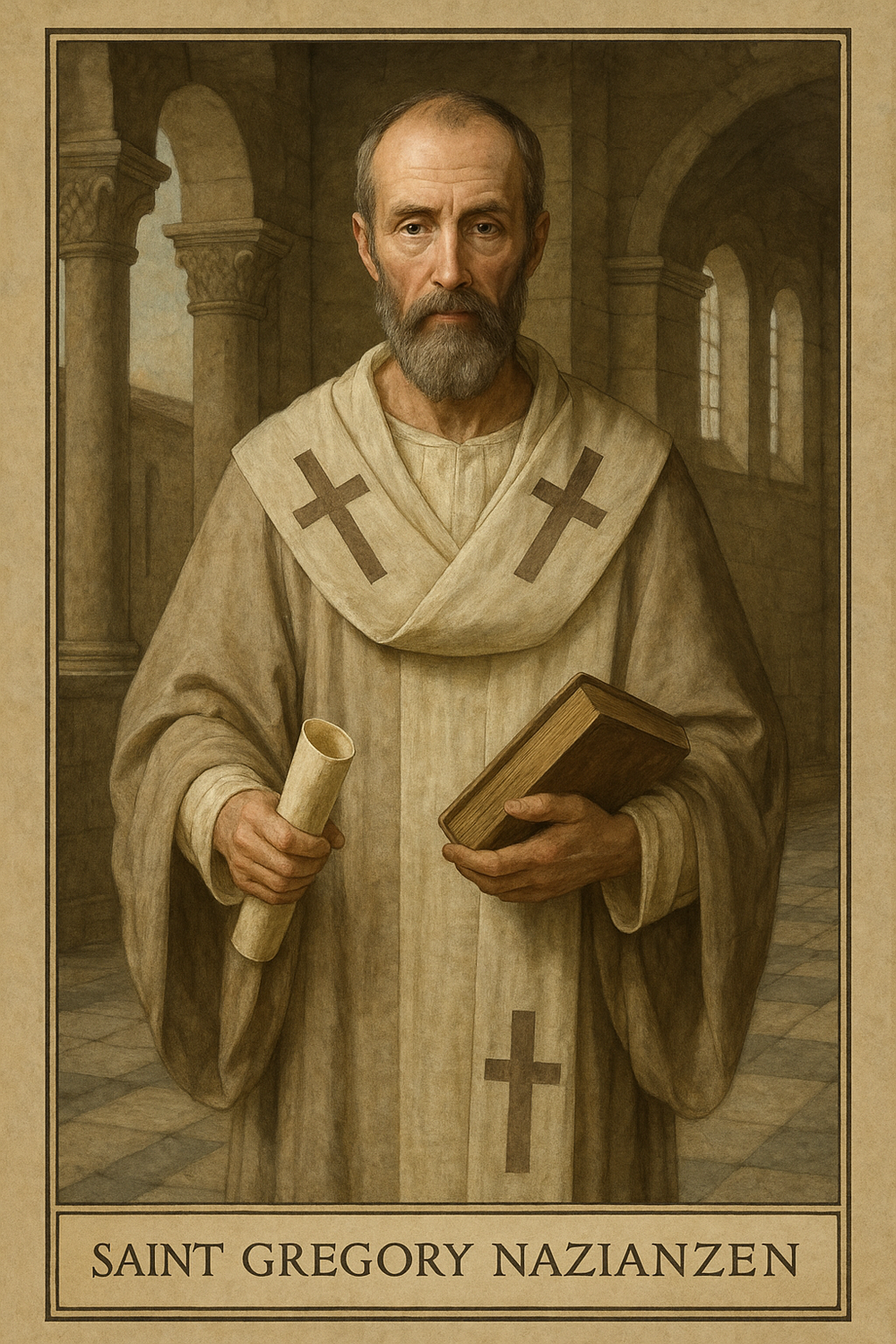
St. Gregory Nazianzen earned the rare title “the Theologian” — shared by only St. John the Evangelist and St. Symeon the New Theologian in the whole Orthodox tradition. His poetic mind produced one of the most quoted single-line definitions of prayer in Christian history.
The line is almost mathematically precise in its demand: breathing happens roughly twenty thousand times a day without conscious effort, and Gregory is asking for something even more constant than that — a remembrance of God so habitual it becomes involuntary.

The Desert Fathers on Prayer
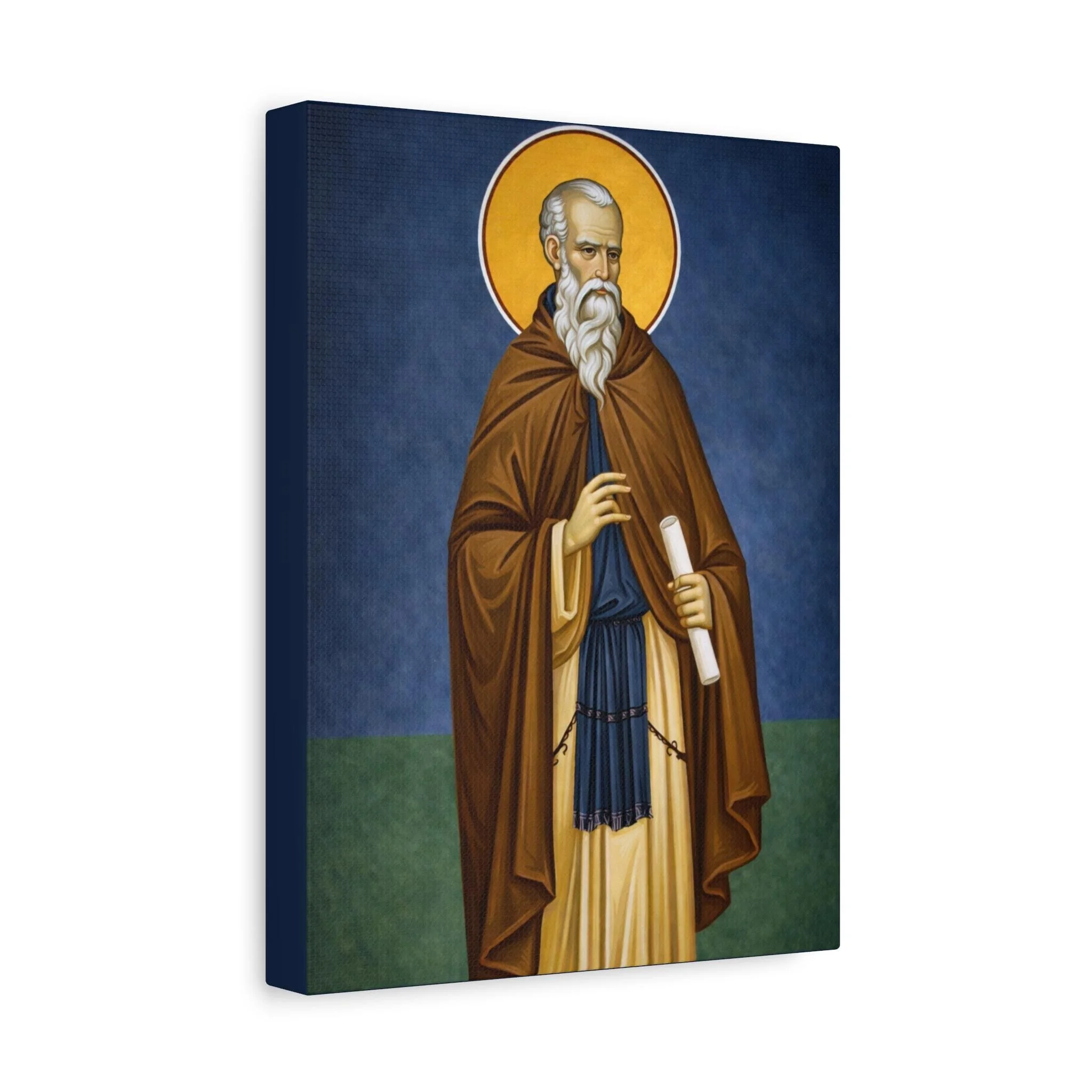
The Desert Fathers and Mothers of fourth-century Egypt left behind no treatises — only short, often blunt sayings, collected over centuries into what is now called the Sayings of the Desert Fathers. Among the most quoted is from Abba Poemen, whose terse counsel on prayer has outlived empires.
The desert tradition treats prayer as inseparable from honesty. A prayer life built on performance rather than truth, the Desert Fathers warned again and again, is no prayer life at all — only a more elaborate form of self-deception.

St. Antony the Great on Prayer
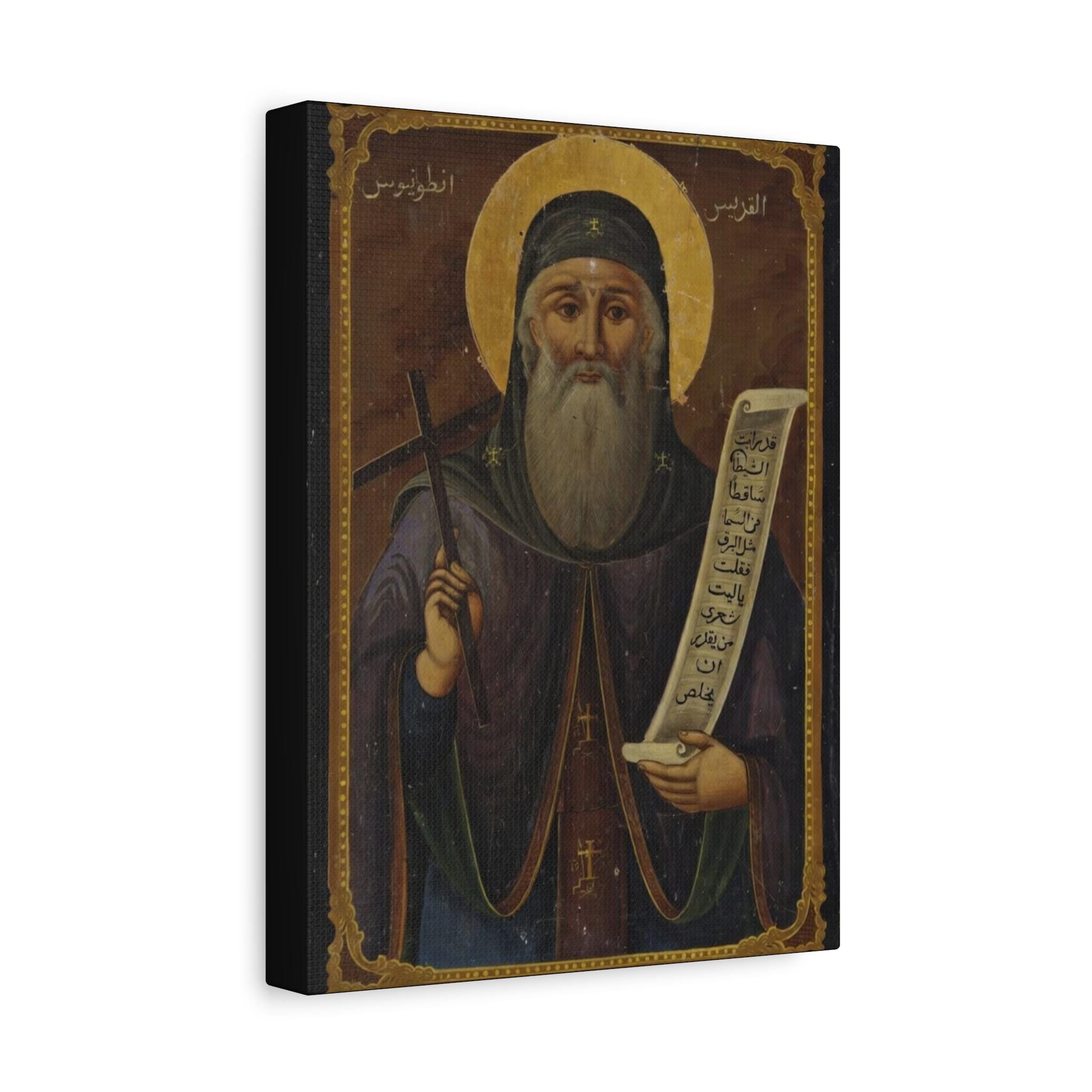
St. Antony the Great is traditionally credited as the founder of Christian monasticism, and his decades alone in the Egyptian desert produced a teaching on prayer inseparable from spiritual warfare. For Antony, prayer was not contemplative leisure — it was combat.
This line marks the destination of the long ascetic struggle Antony underwent: a prayer life that began in fear and discipline but matured, after decades of testing, into pure love — the goal toward which all his other counsel on prayer was aimed.

St. Gregory of Narek on Prayer
St. Gregory of Narek, the Armenian mystic-monk whose Book of Lamentations remains one of the most intimate prayer texts in Christian history, wrote prayer not as formal address to a distant God but as raw, wounded conversation — the kind a person has when there is nothing left to hide.
Pope Francis declared Gregory of Narek a Doctor of the Church in 2015 — an extraordinary honor for a saint from a tradition outside full Catholic communion — precisely because his prayers speak so directly to suffering that millions of readers across traditions have found their own distress named in his words.
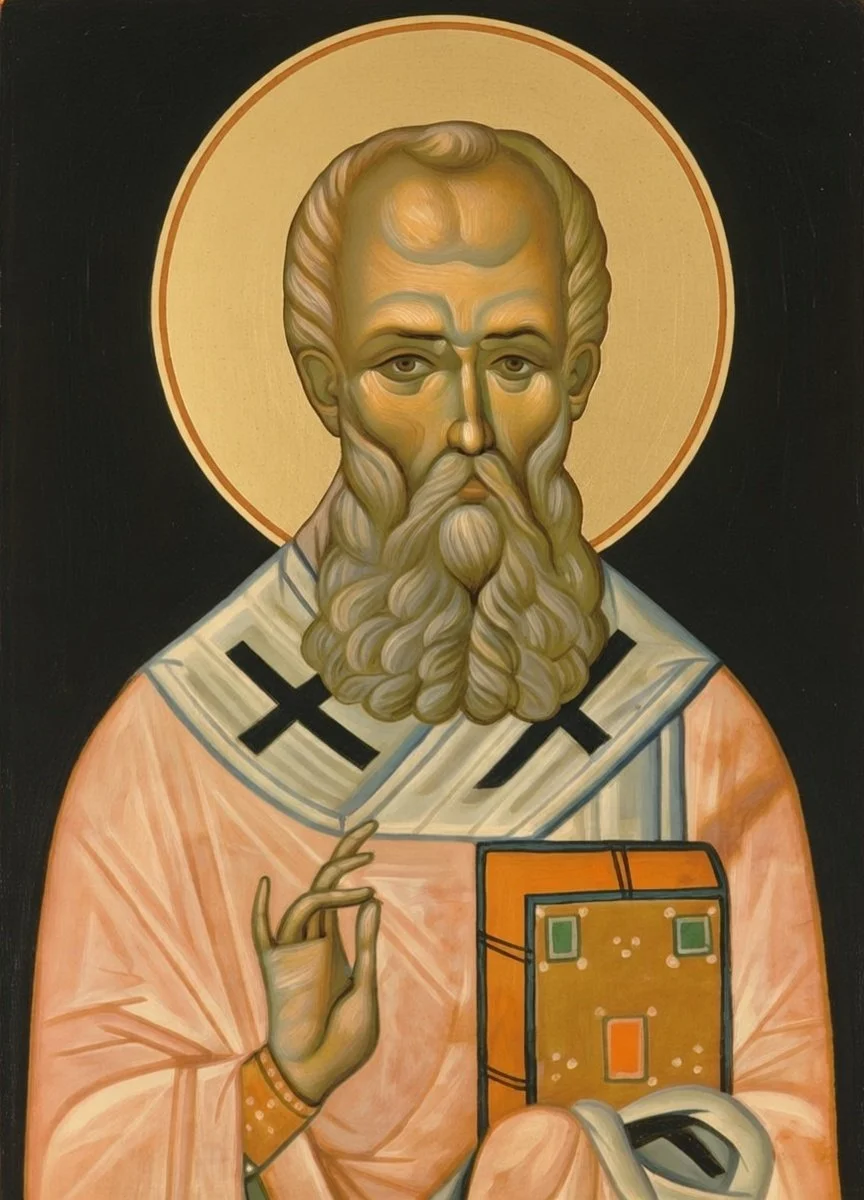
St. Silouan the Athonite on Prayer
St. Silouan the Athonite spent decades on Mount Athos and is remembered for a single revelation that has shaped modern Orthodox spirituality more than almost any other twentieth-century teaching: that genuine prayer for one's own salvation eventually expands into prayer for the whole world, including one's enemies.
This famously paradoxical instruction — words Christ is said to have spoken directly to Silouan — asks the soul to hold total honesty about its own brokenness alongside total trust in God's mercy, without collapsing into either denial or despair. It became, through his disciple Archimandrite Sophrony's writings, one of the most studied teachings on prayer in the modern Orthodox world.
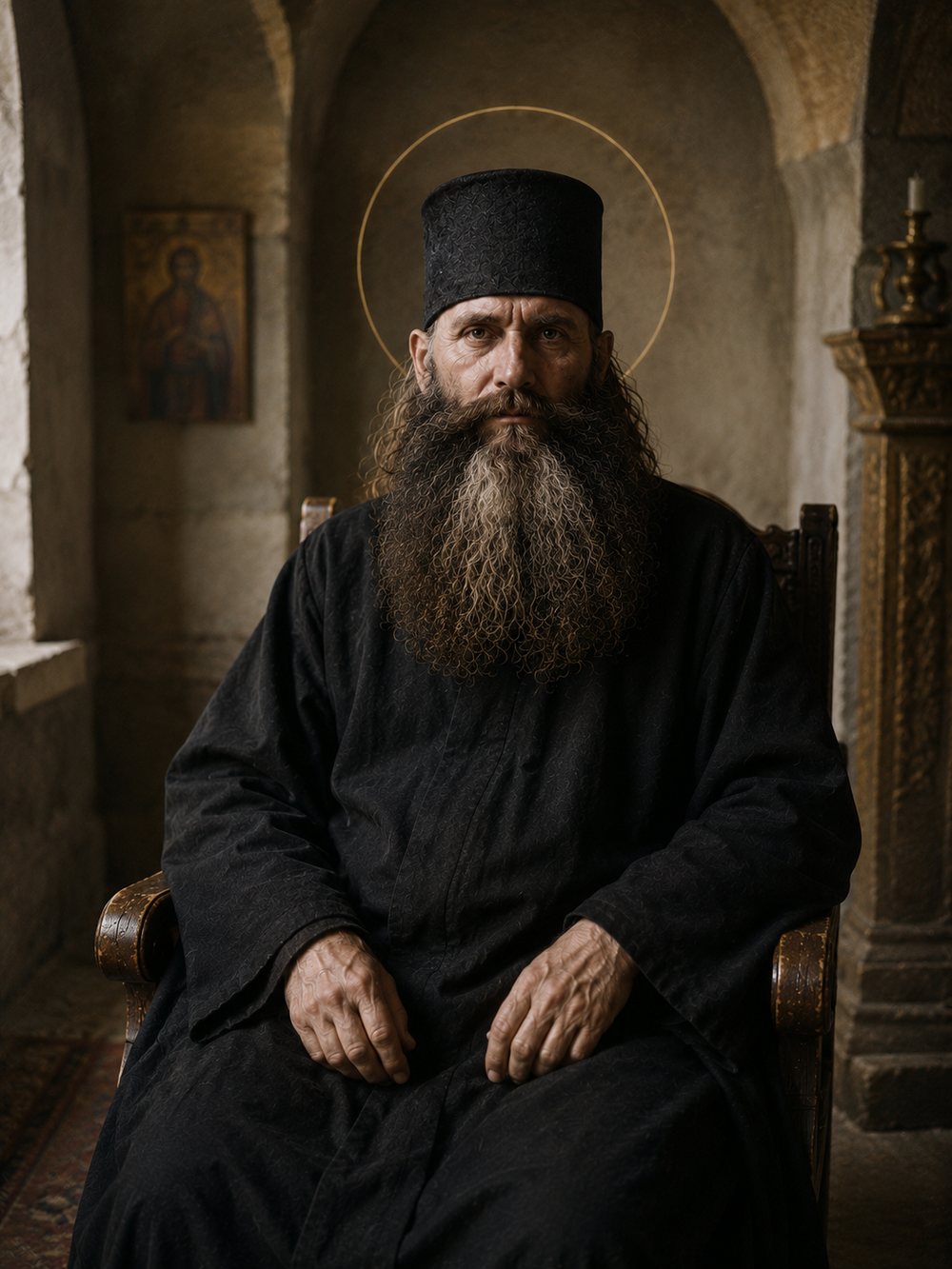

St. Porphyrios on Prayer
St. Porphyrios, canonized in 2013, taught a vision of prayer centered almost entirely on love rather than fear, effort, or technique. His most quoted teaching argues that even spiritual struggle, if approached with anxiety instead of love, misses the point of the Christian life.
Porphyrios consistently warned against turning prayer into one more anxious obligation. For him, the entire spiritual life — including prayer itself — either flows from love or it becomes a burden indistinguishable from any other stressful task.
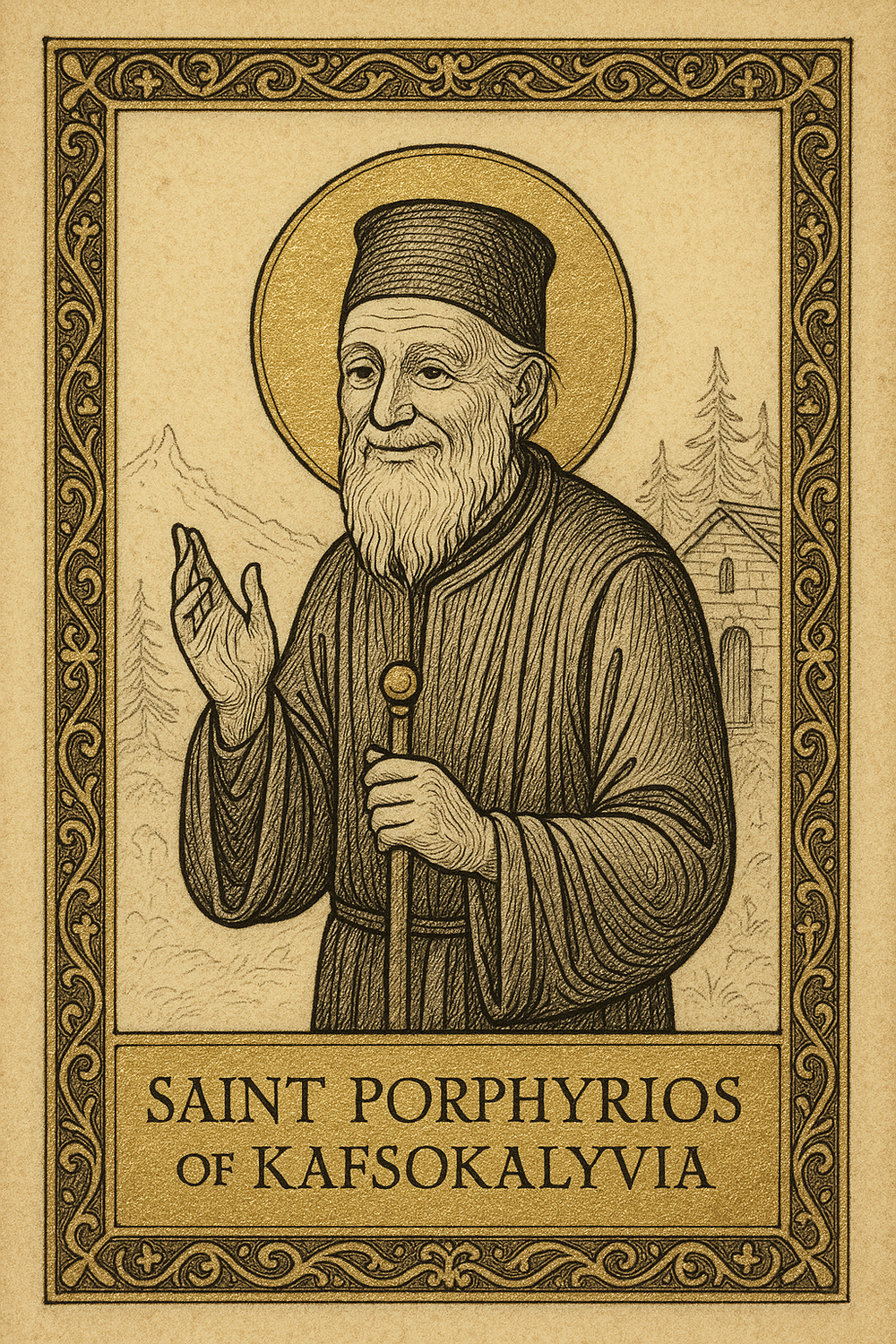

St. John Climacus on Prayer
St. John Climacus wrote The Ladder of Divine Ascent as a thirty-step map of the soul's progress toward God — a text so central to Orthodox spirituality that it is read aloud in monasteries every Great Lent to this day. His teaching on prayer treats it as the summit step, reachable only after the lower rungs of humility have been climbed.
Climacus insisted that prayer cannot be rushed into as a shortcut past the harder work of humility and repentance. The Ladder's structure itself makes this point: prayer appears near the very top, after step upon step of the soul being slowly stripped of pride.
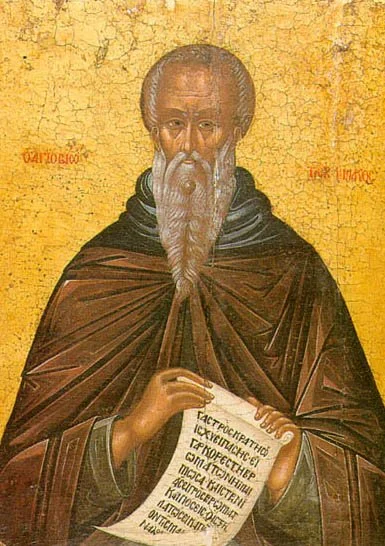

St. Mary of Egypt on Prayer
St. Mary of Egypt's story is one of the most dramatic conversion narratives in Christian history — from a life of dissolution to forty-seven years of solitary prayer in the desert beyond the Jordan. Her witness is less about a single quote and more about the testimony of her transformed life, recorded by St. Sophronius of Jerusalem, who found her deep in prayer, lifted above the ground.
Mary of Egypt is read aloud in Orthodox churches during Great Lent precisely because her life answers a question her words alone could not: what does total, unrelenting prayer and repentance actually look like, sustained for decades, with no audience but God?
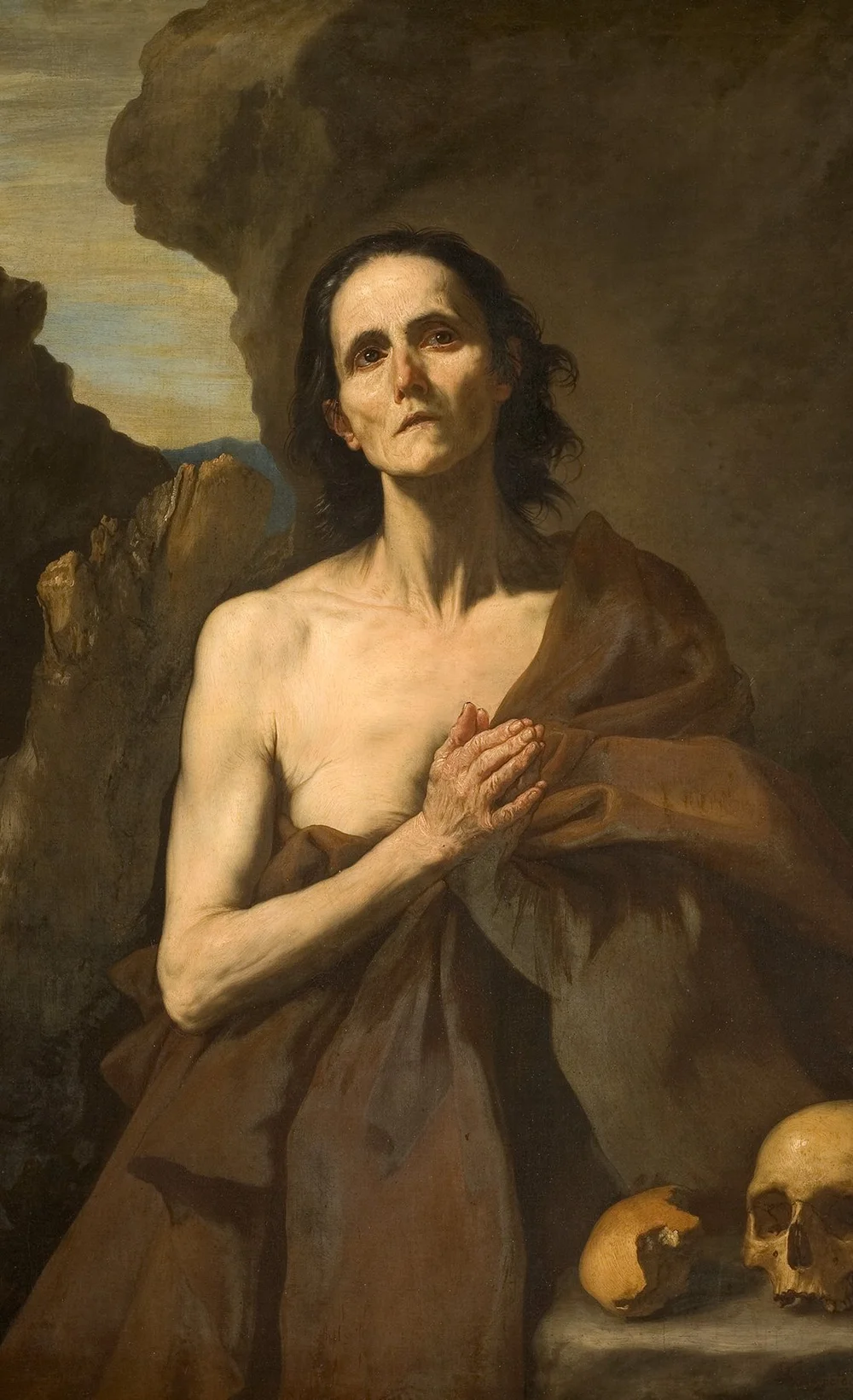
St. Moses the Black on Prayer
St. Moses the Black was a former bandit chief in fourth-century Egypt whose conversion produced one of the most striking witnesses to humility in the Desert Fathers' tradition. When asked to judge a brother who had sinned, he famously refused, demonstrating in a single gesture what years of his prayer life had taught him.
Moses understood, from the inside, the difference between dramatic spiritual feats and the harder, quieter prayer-work of honest self-knowledge — a teaching that continues to resonate with anyone who has had to rebuild a life out of a violent or broken past.
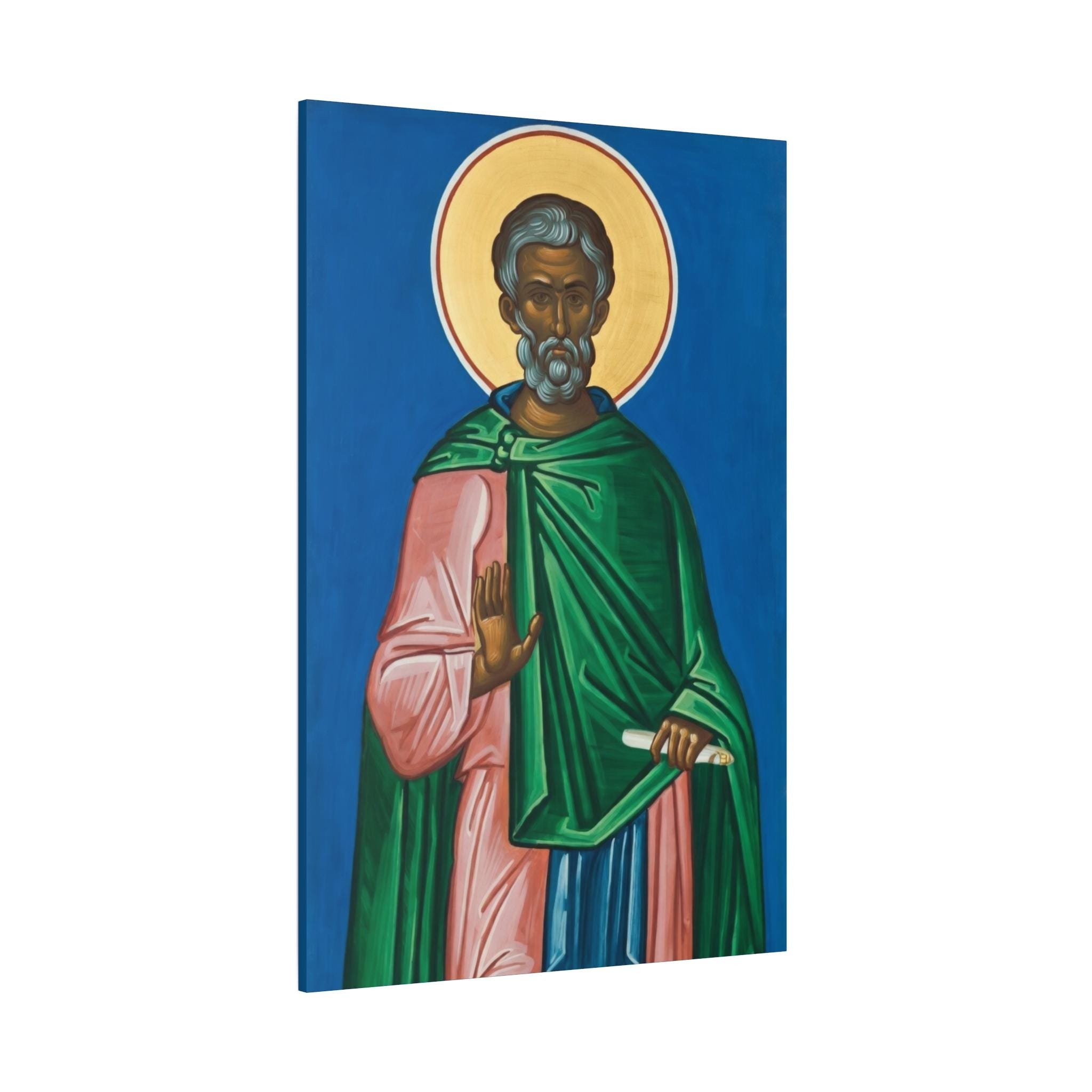
St. Tikhon of Zadonsk on Prayer
St. Tikhon of Zadonsk resigned his bishopric due to illness and spent his remaining years in quiet retirement, where his writing on the inner life of prayer became some of the most influential Russian spiritual literature of the eighteenth century — later echoed directly in the character of Elder Zosima in Dostoevsky's The Brothers Karamazov.
Tikhon's quiet emphasis on interior sincerity over external correctness shaped generations of Russian spiritual writers who followed him, making him one of the most important — if lesser known outside Russia — voices on authentic prayer.
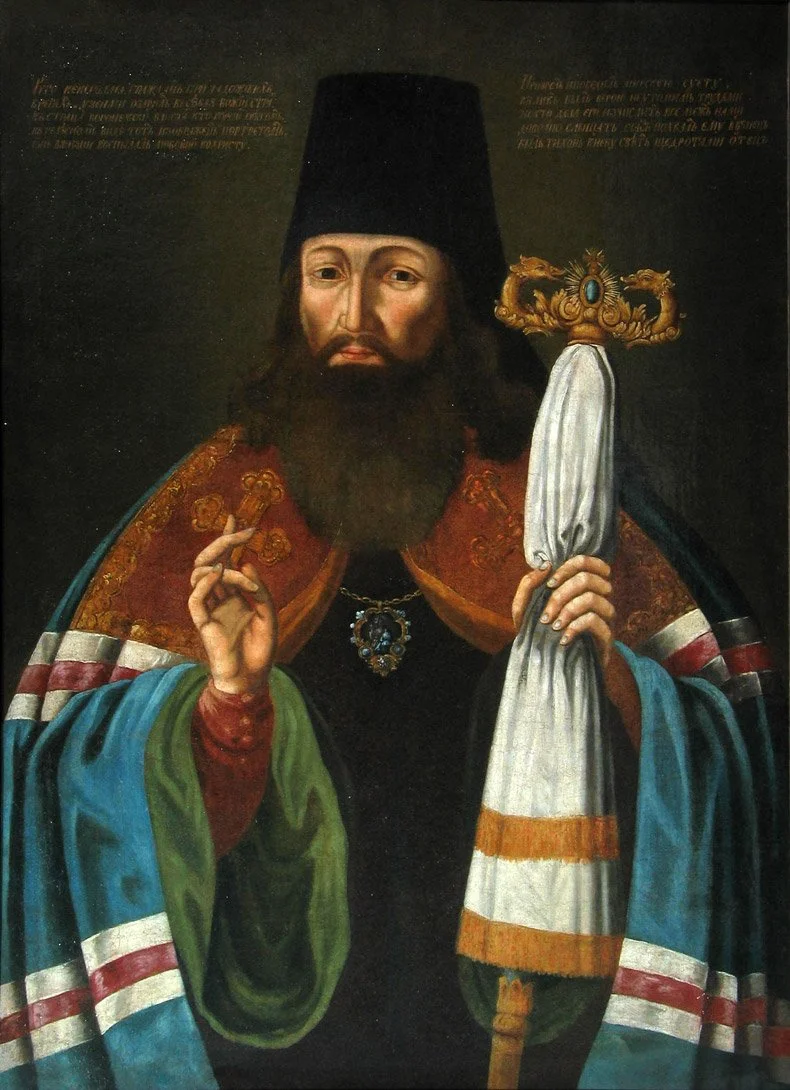
St. Xenia of St. Petersburg on Prayer
After the sudden death of her young husband, St. Xenia of St. Petersburg gave away everything she owned, took on his name, and spent the next forty-five years wandering the city in his old military coat, praying through the night at a construction site that became St. Smolensk Cemetery church. She left almost no recorded words — her entire teaching on prayer was her life.
St. Xenia remains one of the most beloved saints in Russia precisely because she demonstrated that an entire life of prayer can be lived in total obscurity — unseen, unrecorded, and yet, as her enduring popularity shows, anything but forgotten.
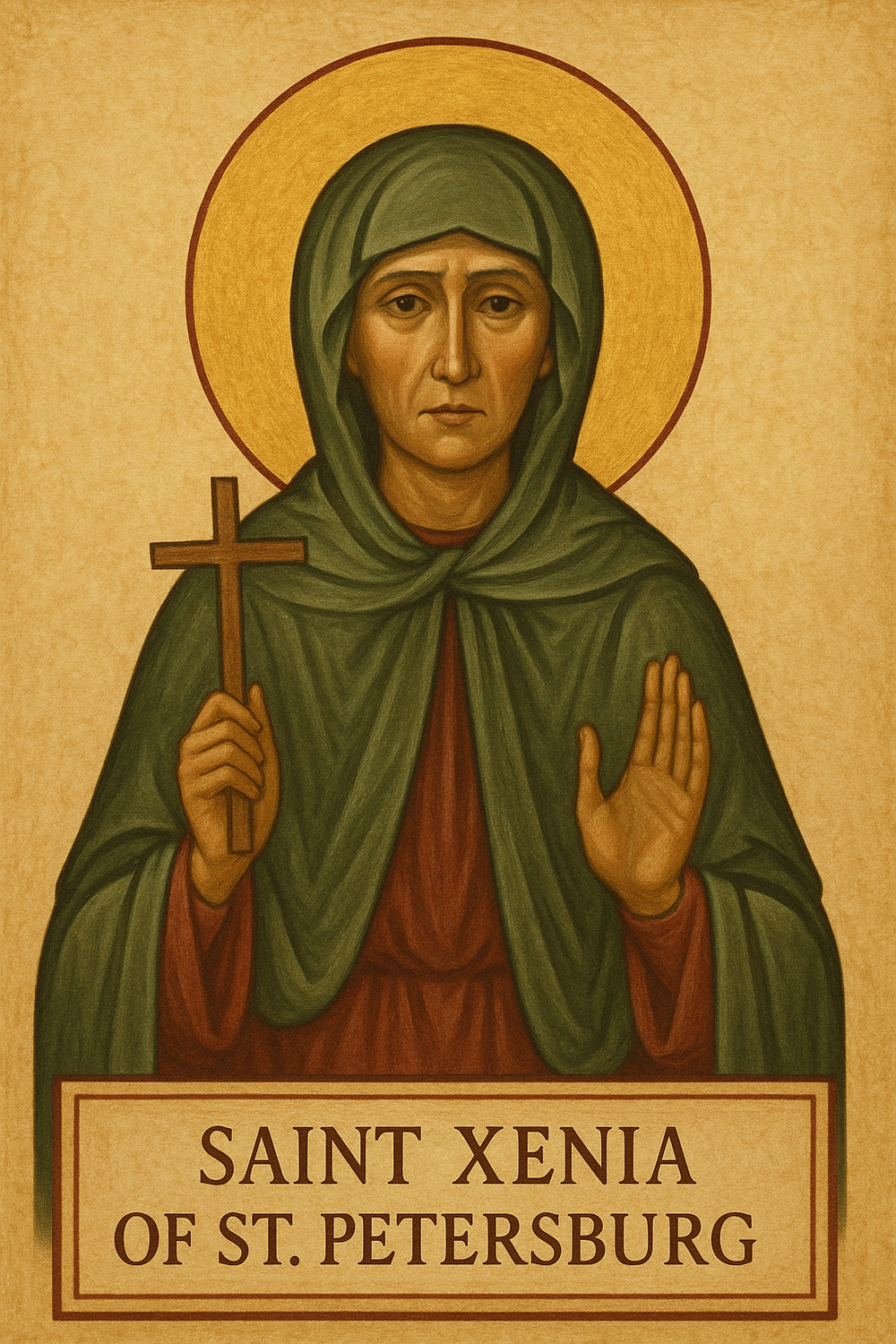
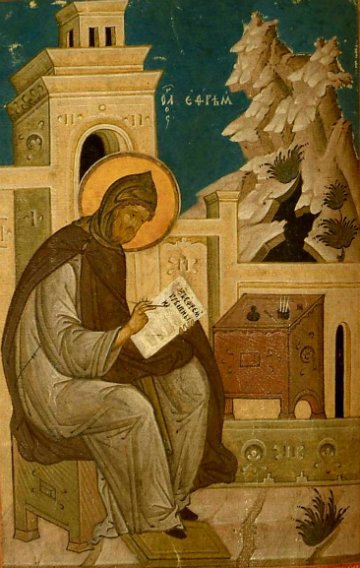
St. Ephrem the Syrian on Prayer
St. Ephrem the Syrian is the author of the single most repeated prayer in all of Eastern Christianity during Great Lent — recited at every Lenten service across the Orthodox and Eastern Catholic world. His hymns earned him the title “Harp of the Holy Spirit.”
This single prayer, recited with full prostrations throughout Great Lent, is arguably St. Ephrem's most lasting legacy: a precise, almost diagnostic naming of the inner obstacles to prayer, paired with a clear request for the virtues that replace them.

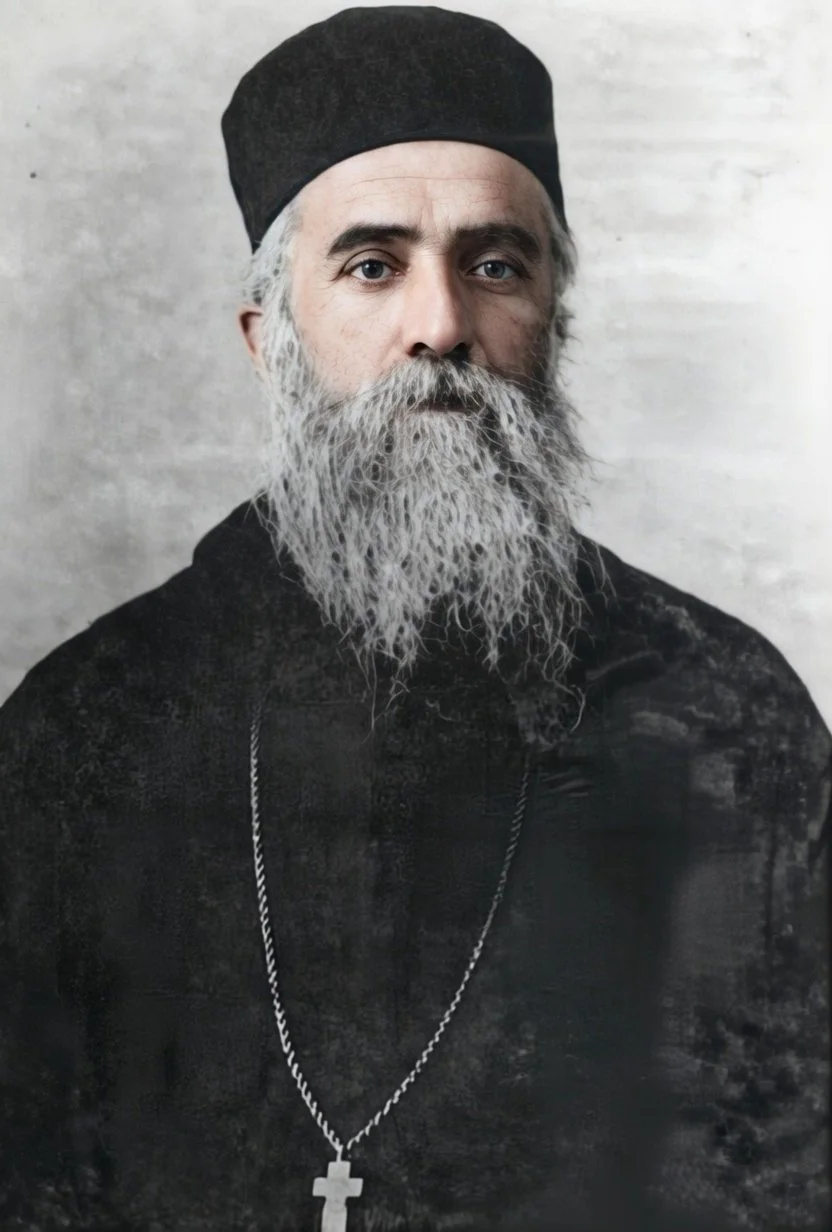
St. Nektarios of Aegina on Prayer
St. Nektarios of Aegina, falsely accused and stripped of his position for decades before his name was cleared, never let bitterness enter his prayer life — a discipline that became the foundation of the gentle, healing reputation that surrounds him today.
Nektarios's own life is the proof behind this short teaching: decades of unjust suffering met with patient endurance and continual prayer, rather than the self-justifying anger that injustice usually provokes — which is part of why so many today bring him their hardest medical and personal struggles.
Carrying These Words With You
From Quote to Practice: The Jesus Prayer & the Prayer Rope
Reading these eighteen teachings is only the first step. Almost every saint above — from the Desert Fathers to St. Paisios — eventually points toward the same practice underneath their different words: the Jesus Prayer, repeated quietly with the help of a prayer rope, as the simplest entry point into the unceasing prayer they all describe.
“Lord Jesus Christ, Son of God, have mercy on me, a sinner.”
Repeated slowly, one phrase per knot on a prayer rope, this single sentence carries the same teaching found in Chrysostom, Climacus, Silouan, and Paisios above: constant, humble, honest address to God, returned to again and again throughout the day.
Prayer Beyond the Self
When Prayer Becomes a Shared Practice: Marriage & Coaching
St. Basil taught that prayer should govern every moment of life — and for married couples, that includes the life shared with a spouse. Several saints in this article, especially St. John Chrysostom, wrote extensively about prayer's place inside marriage, treating the home itself as a kind of small church where husband and wife pray for and with one another.
Bring This Kind of Prayer into Your Marriage
Jeremy and Ashley offer Christian marriage coaching rooted in this same Eastern Christian spiritual tradition — Jeremy works directly with husbands, and Ashley works directly with wives, helping couples build the kind of shared prayer life that Chrysostom and the other saints in this article describe.
Learn About Marriage Coaching →Common Questions
Frequently Asked Questions
Eighteen Voices, One Prayer
From a forest hermit in Russia to an Armenian mystic, a former bandit to a bishop's daughter wandering the streets of St. Petersburg — eighteen radically different lives, all converging on the same quiet, repeated teaching: that prayer is not a task to finish but a relationship to enter, again and again, until it becomes as constant as breath.
Choose the saint whose words spoke to you most, and carry their prayer card with you as a daily return to that teaching.
Browse All Prayer Cards →