What Is Hesychasm? A Beginner's Guide to the Jesus Prayer Tradition
What Is Hesychasm? A Beginner's Guide to the Jesus Prayer Tradition
At A Glance
- Meaning of the Word
- From Greek hesychia, "stillness" or "quiet"
- Core Practice
- The Jesus Prayer, repeated unceasingly
- Origin
- 4th-century Desert Fathers of Egypt
- Theological Defense
- Saint Gregory Palamas, 14th century
- Modern Teachers
- Elder Joseph the Hesychast, Saint Paisios
- Spiritual Center
- Mount Athos, Greece
- Key Tool
- The prayer rope (komboskini)
- Goal
- Theosis, union with God through unceasing prayer
What Hesychasm Actually Means
Hesychasm comes from the Greek word hesychia, meaning stillness, quiet, or rest. But it does not refer simply to the absence of noise. In Orthodox spiritual tradition, hesychia describes an inner state: a heart and mind quieted of distraction, anxiety, and the constant chatter of the passions, so that a person can become fully attentive to the presence of God. The practice most associated with reaching that stillness is unceasing prayer, almost always centered on the Jesus Prayer, repeated quietly and continuously until it becomes, in the words of generations of hesychast teachers, "prayer of the heart" rather than merely prayer of the lips.
The ultimate goal of hesychast practice is theosis, the Orthodox doctrine of union with God, becoming by grace what God is by nature. Hesychasm is not meditation in the sense of emptying the mind into nothingness. It is filling the mind and heart entirely with the name of Christ, repeated so consistently that it becomes as natural and continuous as breathing.
Part II
Where It Began: The Desert Fathers
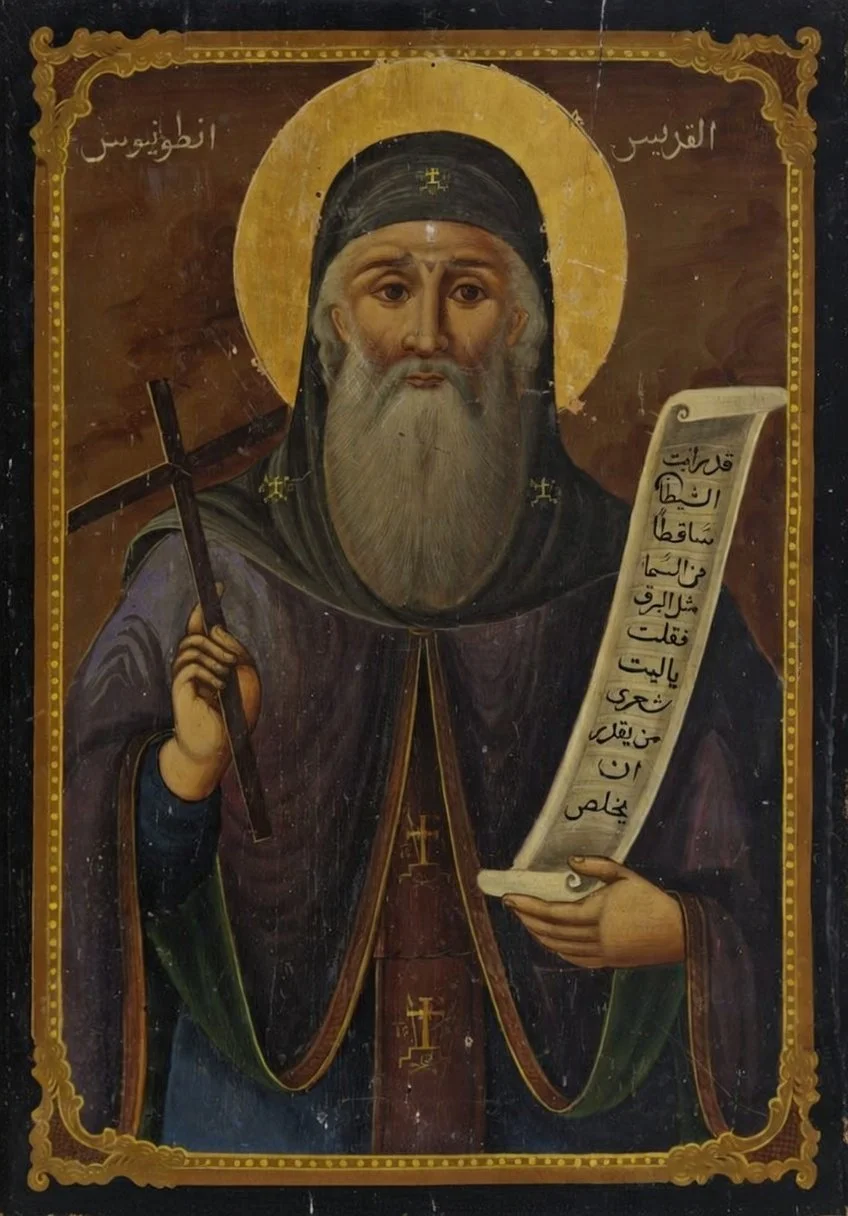
Hesychasm did not begin as a formal movement with a name. It began with individual monks withdrawing into the deserts of Egypt and Palestine in the fourth century, seeking exactly the kind of stillness the word hesychia describes, away from the distractions of city life. Saint Anthony the Great is the most famous of these early desert fathers, and the practical wisdom he and others developed through decades of solitude, fasting, and prayer became the foundation that later hesychast writers built directly upon.
Much of this early teaching was eventually gathered, centuries later, into the Philokalia, the great collection of Orthodox writings on prayer that remains the primary written source for the entire hesychast tradition. If you want to go deeper into that collection itself, see our companion guide, What Is the Philokalia? A Beginner's Guide.
Part III
Saint Gregory Palamas and the Defense of Hesychasm
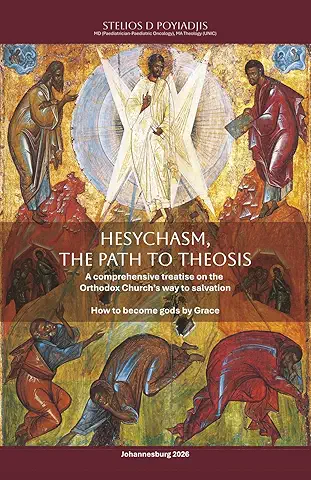
By the fourteenth century, the hesychast practice flourishing on Mount Athos had attracted serious theological criticism, most notably from a scholar named Barlaam of Calabria, who argued that hesychast claims of directly experiencing the light of God in prayer were theologically incoherent. Saint Gregory Palamas, a monk and later Archbishop of Thessaloniki, became the great defender of hesychast theology, articulating the now-foundational Orthodox distinction between God's essence, which remains forever unknowable, and God's energies, through which He can genuinely be experienced and known by created beings.
This distinction allowed Palamas to defend the hesychast claim that monks practicing the Jesus Prayer could truly experience the uncreated light of God, the same light witnessed at Christ's Transfiguration, without claiming to grasp God's essence itself. The controversy was formally settled in favor of Palamas and the hesychasts at a series of councils in Constantinople in the 1340s, and his theology remains the Orthodox Church's official explanation for what happens, theologically, when a person prays the Jesus Prayer in stillness.
Part IV
Modern Hesychast Teachers
Hesychasm is not a historical relic confined to the desert or to fourteenth-century councils. It has continued as a living, practiced tradition on Mount Athos and throughout the Orthodox world into the present day, carried forward by twentieth-century elders whose own letters and teachings remain widely read.
Elder Joseph the Hesychast, a twentieth-century Athonite monk, formed one of the most influential spiritual lineages in modern Orthodox monasticism, and his correspondence offers an unusually direct, practical window into how unceasing prayer is actually lived day to day by someone pursuing it seriously.

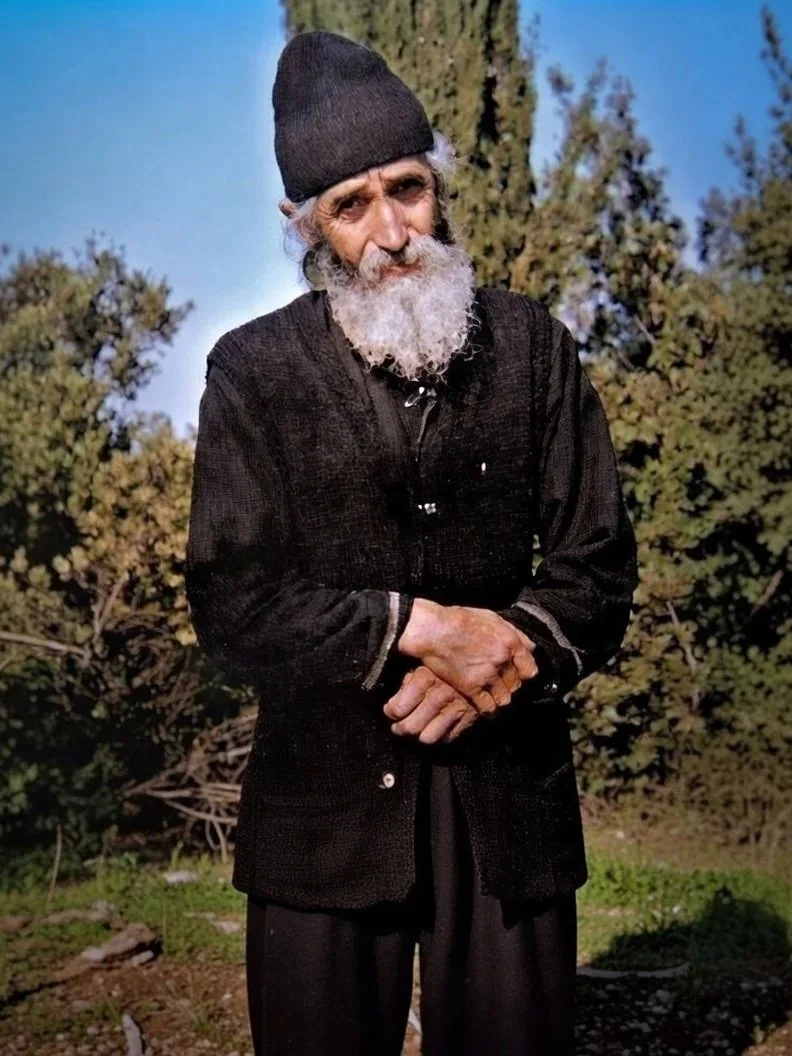
Saint Paisios the Athonite, one of Elder Joseph's spiritual descendants, became one of the best-known hesychast teachers of the twentieth century, with his counsel on the Jesus Prayer, spiritual warfare, and inner stillness read throughout the Orthodox world today. Read his complete biography here.
Part V
How a Beginner Can Start Practicing
The good news for anyone intimidated by talk of theosis and uncreated light is that the actual starting point for hesychast practice is simple: learn the Jesus Prayer, "Lord Jesus Christ, Son of God, have mercy on me," and begin saying it quietly and consistently. For a full introduction to the prayer itself, see What Is the Jesus Prayer? and our complete Jesus Prayer and Prayer Rope Beginner's Guide.
Most beginners use a prayer rope, called a komboskini, to keep a simple physical count and rhythm while praying, rather than tracking repetitions mentally. A well-made prayer rope from Mount Athos itself carries the additional weight of coming from the very monastic tradition that shaped hesychast practice for centuries.

One additional resource worth knowing about is On the Acquisition of the Holy Spirit by Saint Seraphim of Sarov, a recorded conversation in which the beloved Russian elder teaches that prayer, fasting, and good works are only means toward one true goal: acquiring the grace of the Holy Spirit. That same goal, union with God through grace, is exactly what hesychast stillness and the Jesus Prayer are built to pursue.
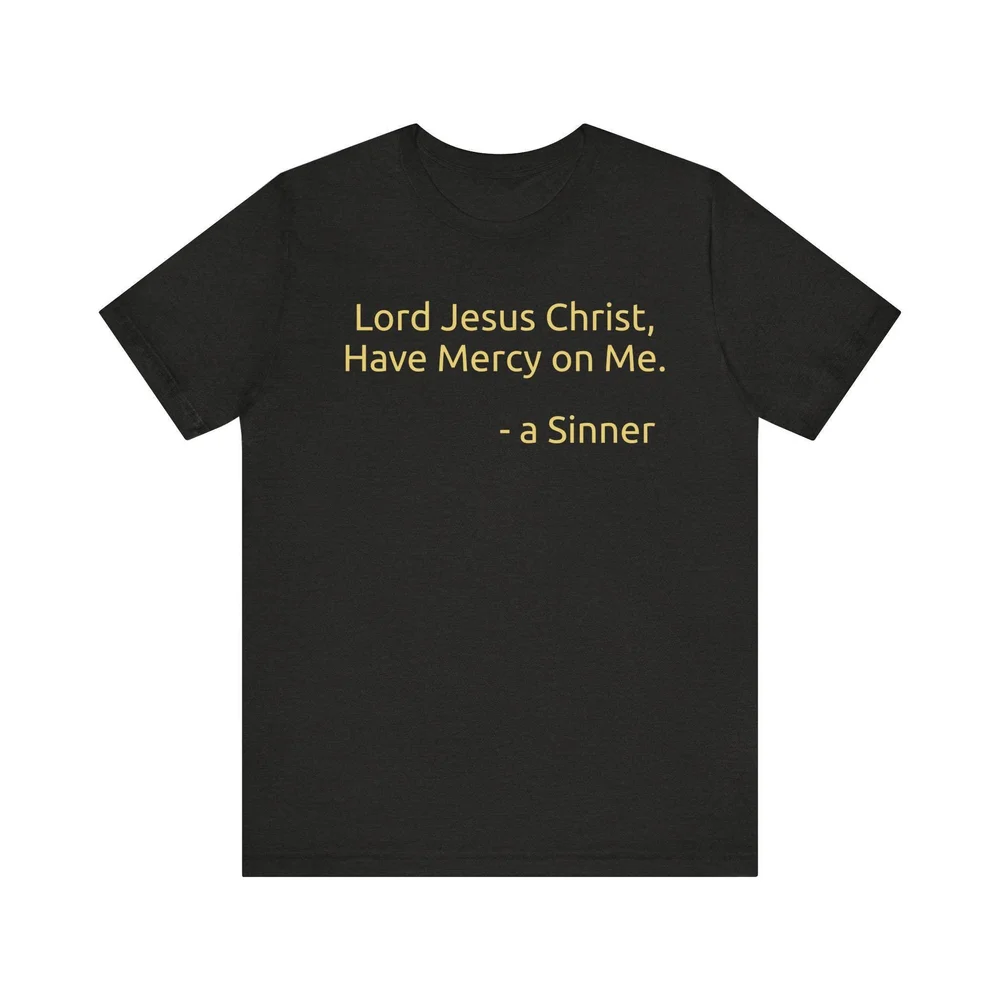
Many people who take up the Jesus Prayer as a daily practice also like a visible, everyday reminder of it beyond the prayer rope itself. Our Jesus Prayer apparel carries the prayer directly, a quiet way to keep "Lord Jesus Christ, have mercy" in view throughout the day.
Couples who set aside even a few quiet minutes together each day to pray the Jesus Prayer, using a shared prayer rope or simply sitting in stillness together, often find it brings a kind of peace to their relationship that busier devotions cannot. If you and your spouse want guidance building that kind of shared practice, our Christian marriage coaching pairs husbands with Jeremy and wives with Ashley for support rooted in this same Eastern Christian tradition of prayer.
Part VI
A Short Hesychast Prayer
There is no better place to end an introduction to Hesychasm than with the prayer itself, the one practice every figure in this guide, from Anthony the Great to Paisios the Athonite, returned to again and again.
Lord Jesus Christ, Son of God, have mercy on me, a sinner.
Traditional Orthodox prayer. Often shortened to "Lord Jesus Christ, have mercy on me" or simply "Lord, have mercy" as practice deepens.
Frequently Asked Questions
Common Questions About Hesychasm
Seventeen Centuries of Stillness, Available to You in One Prayer
From Anthony the Great in the Egyptian desert to Gregory Palamas defending uncreated light before the councils of Constantinople, to Elder Joseph and Paisios on Mount Athos in the twentieth century, Hesychasm has carried one consistent message across seventeen hundred years: stillness is not the absence of God, it is where God is most clearly found. The practice asks almost nothing of you to begin. A few quiet minutes. A simple prayer. A willingness to keep returning to it.
Pick up a prayer rope, learn the words, and start today.
Get a Mount Athos Prayer Rope →