Marian Apparition Prophecies: What Was Predicted, What Has Happened, and What Is Still Awaited
Fatima • La Salette • Kibeho • Akita • Medjugorje • What Has Happened and What Is Awaited
Marian Apparition Prophecies: What Was Predicted, What Has Happened, and What Is Still Awaited
The best-known prophecies attributed to Mary, sorted by what the Church has actually said about each apparition, what the record shows, and what remains open. Where the evidence is documented, we say so. Where it is tradition, devotion, or later interpretation, we say that too.
The Prophecies at a Glance
- Fatima (1917)
- Church-approved • The end of World War I, a worse war, the spread of Russia’s errors, a bishop in white • Most of it read by the Church as past; the final promise of peace is still awaited
- La Salette (1846)
- Church-approved • Famine and a call to repentance • The blight had already begun; Melanie’s expanded 1879 secret was rejected
- Kibeho (1981 to 1989)
- Approved 2001 • A vision of rivers of blood in 1982 • Read after the 1994 genocide as a foreshadowing
- Akita (1973)
- Approved by the local bishop in 1984 • Fire from the sky unless men repent • Conditional, and not fulfilled as written
- Medjugorje (1981)
- Devotion permitted in 2024, no judgment on the apparitions • Ten secrets, never published • Cannot be tested
- How the Church Judges
- The 2024 norms of the Dicastery for the Doctrine of the Faith • Six possible conclusions • Almost never a declaration that an apparition is supernatural
- Binding?
- No. Private revelation may be believed, never required
How to Read an Apparition Prophecy
Before the table, a few principles. They explain why this article sorts prophecies into groups and does not simply say yes or no.
Private revelation is never required belief. The Church teaches that public Revelation ended with Christ and the apostles. Apparitions belong to private revelation, which, in the words of Cardinal Ratzinger’s commentary on Fatima, does not complete Christ’s revelation but helps people live it more fully in a particular period of history. The Church may say an apparition is worthy of belief, and a Catholic may accept it with prudence, but no one is obliged to. The Catechism of the Catholic Church says the same in paragraph 67, and it is the best place to start for the exact wording (this is an affiliate link).
Many warnings are conditional. A prophet in the biblical sense often announces what will happen unless people change. The warning of Nineveh is the model. When the people repent, the judgment does not come, and the warning was not false. For that reason, a warning that has not come to pass cannot automatically be called a failed prophecy, and a warning that seems to have come to pass cannot automatically be called fulfilled.
Timing matters. The strongest evidence for a prophecy is a record made before the event. Many apparition messages were written down years after they were received, sometimes after the events they are said to foretell. We note this each time.
Scripture gives a test. The Old Testament says a prophet whose word does not come to pass has not spoken for God, and the New Testament says not to despise prophecy but to examine it.
“When a prophet speaketh in the name of the LORD, if the thing follow not, nor come to pass, that is the thing which the LORD hath not spoken, but the prophet hath spoken it presumptuously.” (Deuteronomy 18:22, KJV)
“Despise not prophesyings. Prove all things; hold fast that which is good.” (1 Thessalonians 5:20-21, KJV)
Part II
How the Church Judges Apparitions
Until 2024 the Church used a set of norms from 1978. On May 17, 2024, the Dicastery for the Doctrine of the Faith published new norms, which took effect on Pentecost, May 19, 2024. According to Vatican News, the diocesan bishop examines a case and sends his judgment to the Dicastery for approval. As a rule, neither the bishop nor the Dicastery will declare that a phenomenon is of supernatural origin. The norms leave open a special procedure, which the Pope would have to authorize.
The norms replace the old yes-or-no ruling with six conclusions:
- Nihil obstat. Authenticity is not certified, but many signs of the Holy Spirit’s action are recognized, and the bishop may promote devotion and pilgrimages.
- Prae oculis habeatur. There are positive signs, but also confusion or risk, and the bishop must discern carefully.
- Curatur. There are significant concerns, but the devotion is widespread and bears fruit. It is not banned and it is not encouraged.
- Sub mandato. The problems come from misuse by people or groups, and the bishop takes pastoral charge of the place.
- Prohibetur et obstruatur. The risks are judged very serious, and the bishop is asked to explain why the faithful should not take part.
- Declaratio de non supernaturalitate. The bishop is authorized to declare the phenomenon not supernatural, on concrete facts and evidence.
Apparitions approved before 2024 were judged under older language, usually “worthy of belief” or “authentic.” This is why Fatima, La Salette, Kibeho, and Akita carry approvals that use different words.
Part III
The Scorecard
The table gives one line per apparition. “Where it stands” is our reading of the record, not a ruling by the Church, and we explain each line in the sections that follow.
| Apparition | Church status | What was said | Where it stands |
|---|---|---|---|
| Fatima, Portugal, 1917 | Declared worthy of belief by the local bishop in 1930; the children canonized in 2017 | The war would end; a worse one would come; Russia’s errors would spread; a bishop in white would fall; in the end the Immaculate Heart would triumph | The end of World War I fulfilled; the second war and the third secret read by the Church as past; the consecration of Russia debated; the triumph still awaited |
| La Salette, France, 1846 | Declared authentic by the local bishop in 1851 | Crop failure, famine, and a call to repentance; two personal secrets | The potato blight had already begun in 1845; the secrets were not published, and Melanie’s expanded 1879 version was rejected |
| Kibeho, Rwanda, 1981 to 1989 | Three visionaries declared authentic by the local bishop in 2001 | A vision of a river of blood and unburied bodies, reported in 1982 | Read after the 1994 genocide as a foreshadowing; the reading came after the event |
| Akita, Japan, 1973 | Approved by the local bishop in 1984; no written decree from Rome | Fire from the sky unless men repent; division in the Church | Conditional; not fulfilled as written |
| Medjugorje, Bosnia, from 1981 | Devotion permitted by the Vatican on September 19, 2024; no judgment that the apparitions are supernatural | Ten secrets about the future, not published; a permanent sign on the hill | Cannot be tested |
| Garabandal, Spain, 1961 to 1965 | Not recognized as supernatural by the local Church | A Warning, a Miracle, and a chastisement | The Warning and the Miracle have not occurred |
Part IV
Fatima
Three shepherd children, Lucia dos Santos and her cousins Francisco and Jacinta Marto, reported six apparitions of Our Lady at the Cova da Iria in Portugal between May and October 1917. The local bishop declared the apparitions worthy of belief in 1930, and Francisco and Jacinta were canonized in 2017. The secret was revealed on July 13, 1917. Lucia wrote down its first two parts in her Third Memoir on August 31, 1941, and the third part on January 3, 1944, according to the Vatican’s own Message of Fatima. That date matters for judging the prophecies. The first two parts were written in the middle of the war they describe.
The end of World War I
Lucia said Our Lady told the children that the war would end. World War I ended with the armistice of November 11, 1918. The prediction was reported by the children in 1917, but the version we have in writing is from Lucia’s later memoirs, so the strongest case is the testimony of those who heard the children at the time. Status: fulfilled in timing, with the caveat about when it was recorded.
The deaths of Francisco and Jacinta
According to Lucia’s memoirs, Our Lady told the children that Francisco and Jacinta would die young. Francisco died on April 4, 1919, and Jacinta on February 20, 1920. Status: fulfilled, resting on Lucia’s testimony.
The Miracle of the Sun
The children said a sign would be given on October 13, 1917. A very large crowd gathered, and newspaper reports of the day describe an unusual solar phenomenon. The Church has not offered a scientific explanation, and the explanations offered by others differ. Status: a documented event whose interpretation is still discussed.
A worse war
In the second part of the secret, Our Lady warned that if people did not stop offending God, a worse war would break out during the pontificate of Pius XI. World War II began in September 1939, after Pius XI died in February of that year. Defenders point to Lucia’s reading of the northern lights of January 25 and 26, 1938, as the sign she had been told to expect. Critics point to the date and to the 1941 writing. Status: read by the Church as fulfilled in substance, with the dating disputed.
Russia
Our Lady asked for the consecration of Russia to her Immaculate Heart and for Communions of reparation on the first Saturdays. In her 1982 letter Lucia tied the fulfillment of the warning to Russia spreading its errors if the requests were not heard. Pope John Paul II made an Act of Entrustment on March 25, 1984, in union with the bishops of the world, and Pope Francis consecrated Russia and Ukraine on March 25, 2022. Whether the request has been met, since the 1984 act did not name Russia, is still debated by some Catholics. Status: the Church treats the consecration as made; the debate is not settled for everyone.
The bishop in white
The third part, announced on May 13, 2000, describes a vision of an angel with a flaming sword, a bishop dressed in white, a mountain with a cross, and a city in ruins, and the bishop is shot. Cardinal Sodano said, in announcing it, that the vision should be read in a symbolic key. The Vatican’s commentary connected it to the attempt on the life of Pope John Paul II on May 13, 1981, the anniversary of the first apparition. Cardinal Ratzinger wrote that such visions are not a fixed film of the future, and are meant to call people to change. Status: read by the Church as having been fulfilled in 1981.
The triumph of the Immaculate Heart
The second part also promises that in the end the Immaculate Heart of Mary will triumph, Russia will be converted, and a period of peace will be granted to the world. Status: awaited. No one can say when, and the Church has not made a date part of the message.
Part V
La Salette
On September 19, 1846, two children, Melanie Calvat and Maximin Giraud, reported seeing a weeping lady on a mountain near La Salette in the French Alps. Bishop de Bruillard of Grenoble declared the apparition authentic on September 19, 1851. According to the reference article on La Salette, the public message warned of crop failure, of a coming famine, and of spoiled wheat, grapes, and nuts, along with complaints about Sunday work and blasphemy.
Famine. The message is often cited as a prediction of the potato blight. The blight, however, struck Europe in 1845, the year before the apparition, so the failure of the crop in 1846 was already underway when the children spoke. The message is better read as a call to repentance in a time of hardship than as a prediction. Status: no clear fulfillment.
The secrets. Each child said they received a private secret. At the bishop’s advice both wrote their secrets down in 1851 and sent them to Pope Pius IX. The texts were rediscovered in the Vatican Archives in 1999. In 1879 Melanie published a greatly expanded version of her secret, with apocalyptic claims about the Church. The Holy See judged it contrary to the faith, and a Holy Office decree of May 9, 1923 placed it on the Index. Status: the original secrets remain private; the 1879 text was rejected. Treat any circulating version of Melanie’s secret with caution.
Part VI
Kibeho
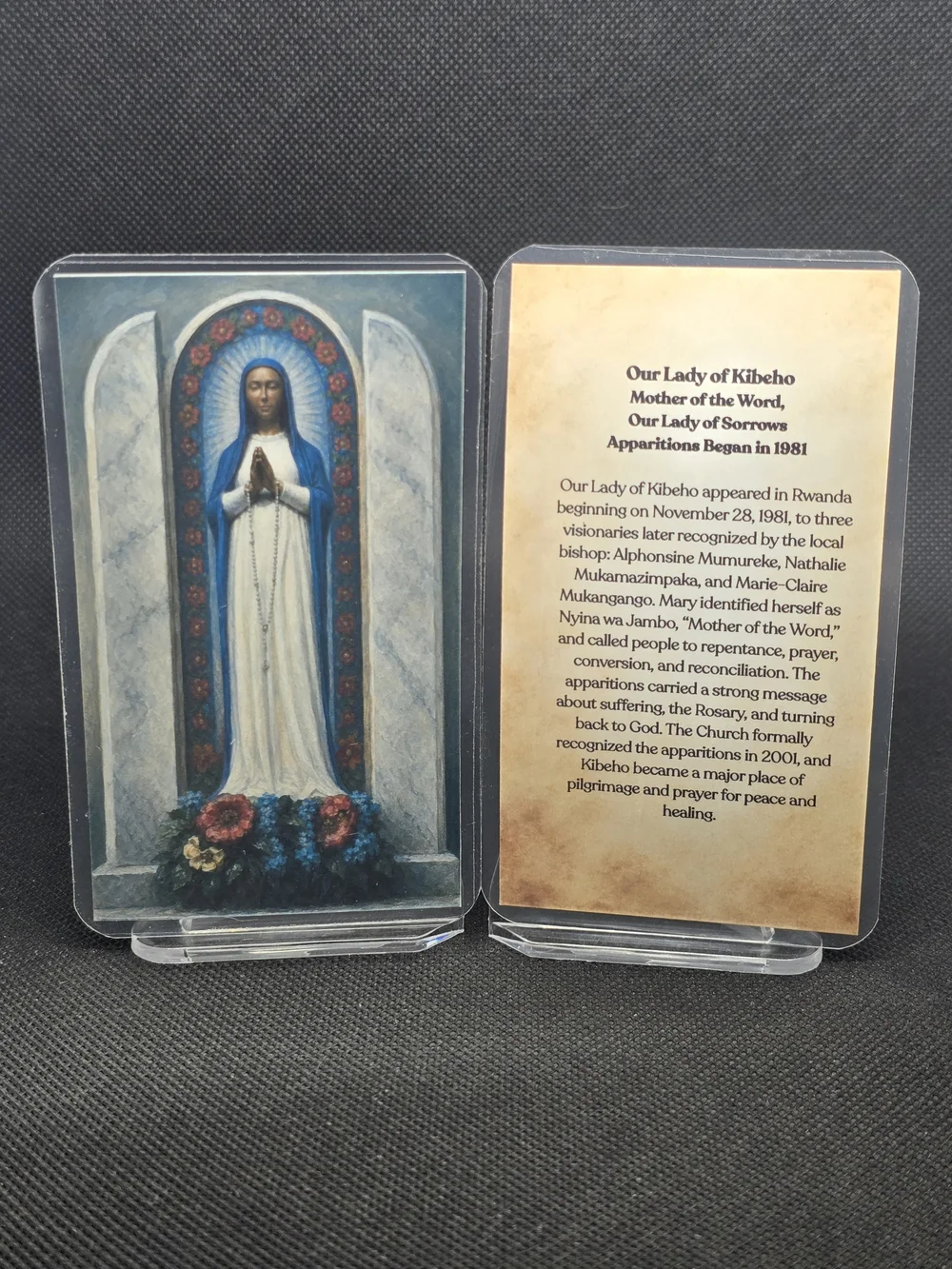
On November 28, 1981, at Kibeho College, a Catholic girls’ boarding school in southwestern Rwanda, a student named Alphonsine Mumureke reported an apparition. Two other young women, Nathalie Mukamazimpaka and Marie Claire Mukangango, soon reported them too. On June 29, 2001, Bishop Augustin Misago of Gikongoro declared the apparitions to these three authentic. According to the reference article, only these three visionaries are approved.
On August 19, 1982, the three reported a vision of a river of blood, people killing one another, and unburied bodies. After the genocide that began on April 6, 1994, in which an estimated 800,000 to over one million Rwandans were killed in 100 days, the vision was read as a prophecy. The reading was made after the event, and so the vision cannot be treated as an independently tested prediction. What can be said is that the visions were reported years before the genocide, and that they were approved by the Church after it. Status: read as a foreshadowing. Our own article on Our Lady of Kibeho tells the whole story.
Part VII
Akita
Sister Agnes Katsuko Sasagawa, a novice of the Handmaids of the Holy Eucharist in Akita, Japan, reported messages in 1973. She died in August 2024. The last message spoken in a living voice, on October 13, 1973, warned that if men did not repent, the Father would send a punishment greater than the flood, that fire would fall from the sky, and that there would be division within the Church. It urged the Rosary. On April 22, 1984, Bishop John Shojiro Ito of Niigata found nothing contrary to faith and morals, recognized the supernatural character of certain events, and permitted veneration in his diocese. The reference article notes that claims of a 1988 endorsement by Cardinal Ratzinger rest on reports and not on a written decree, and that the Holy See has given no definitive judgment, positive or negative.
The warning is explicitly conditional on repentance. Status: not fulfilled as written. The Church has not said it was fulfilled, and it has not said it will not be.
Part VIII
Medjugorje
The apparitions at Medjugorje in Bosnia and Herzegovina began in 1981 and have been the subject of a long Church review. On September 19, 2024, the Dicastery for the Doctrine of the Faith published the “Note About the Spiritual Experience Connected with Medjugorje.” With the approval of Pope Francis, it recognized the abundant and widespread fruits of devotion to Mary, Queen of Peace, and it gave a nihil obstat for public devotion. It did not say the apparitions are supernatural, and it stated that its judgment “does not imply a declaration of the supernatural character of the phenomenon,” according to the report published by the U.S. bishops. Cardinal Fernandez said Pope Francis answered “Not at all” when asked whether he wanted to go further.
The messages. The note found that most of the hundreds of messages it reviewed are positive and orthodox, and that some reflect questionable theology or the seers’ own thoughts. It called some messages misleading, especially those that give orders about specific dates and places, and said it is reasonable not to take those details seriously. An apostolic visitor, Archbishop Aldo Cavalli, has charge of discerning any further messages.
The secrets. The visionaries say they have been given ten secrets about future events, which have not been published, including a permanent sign on the hill of the first apparition. The National Catholic Register notes that the secrets have not been publicly disclosed. Because nothing has been published, there is nothing to test. Status: cannot be tested. Anyone who tells you what the secrets contain, or when they will occur, is not speaking for the Church.
If you want to visit, the Church now allows pilgrimages and devotion. If you do, remember that the Church has permitted the devotion and has not said the apparitions are real.
Part IX
Garabandal and the Unapproved
Garabandal, a village in northern Spain, was the site of reported apparitions to four girls beginning in 1961. The visions were said to include a coming Warning, a Miracle at a stated time, and a chastisement. The local Church has not recognized the apparitions as supernatural, and the Warning and Miracle have not occurred. Many Catholics still follow Garabandal, and the Church has not forbidden private prayer there, but it has not approved it.
The same applies to dozens of other reported apparitions with prophetic messages. A message does not become more reliable because it is dramatic, widely shared, or attached to a well-known site. The Church examines apparitions slowly because it must look at the visionaries, the messages, and the fruits over time. If you read a prophecy online, ask first whether any bishop has examined it, and what he concluded.
Part X
Apparitions Without a Public Prophecy
Not every approved apparition carries a prediction. Some of the best-known have none, and their approval rests on devotion, fruits, and a clear call to prayer and penance.
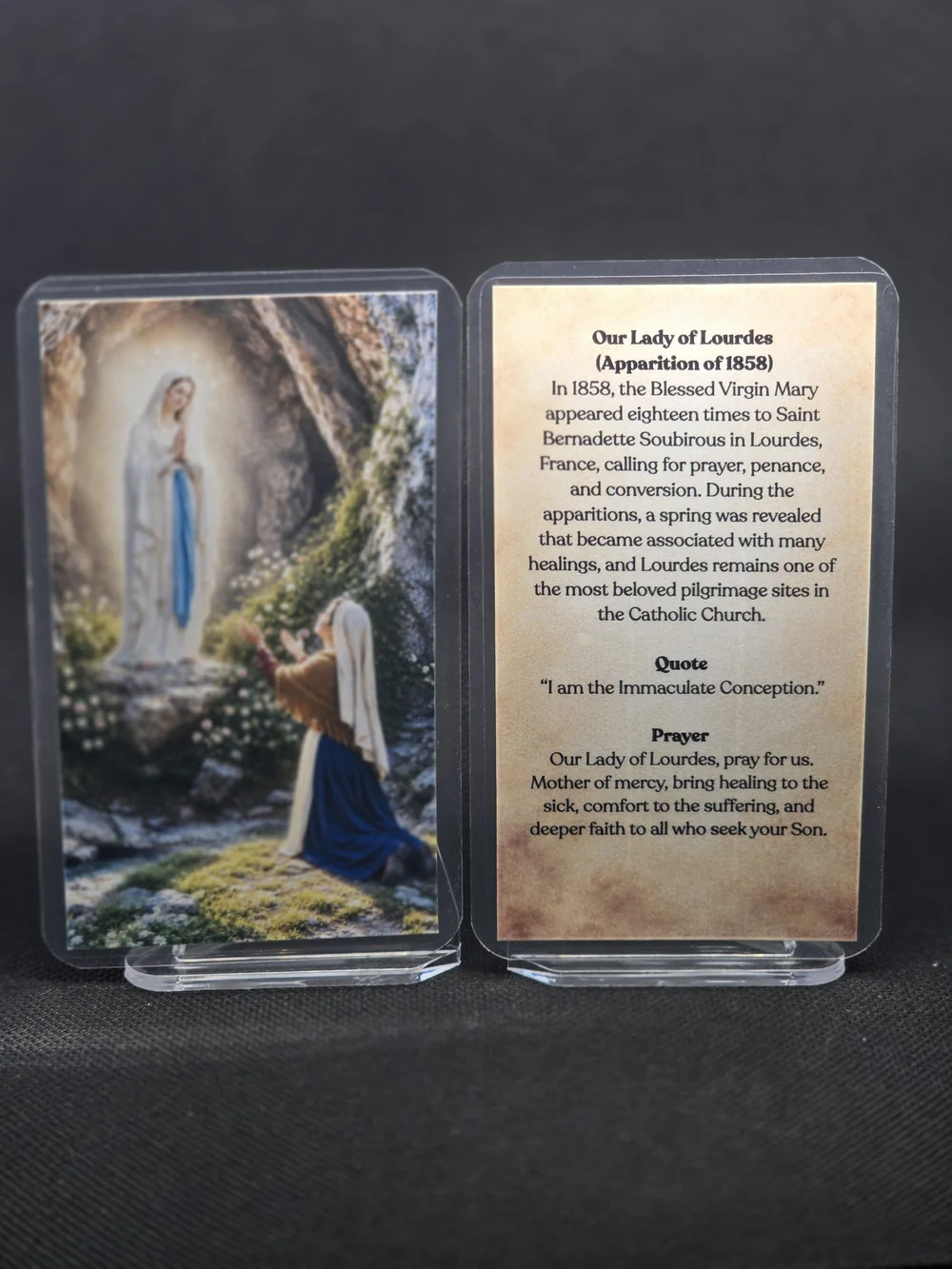
Lourdes (1858). The apparitions to Bernadette Soubirous in the grotto of Massabielle gave a public message of penance and prayer. The place has become a center of pilgrimage and healing. See Our Lady of Lourdes.
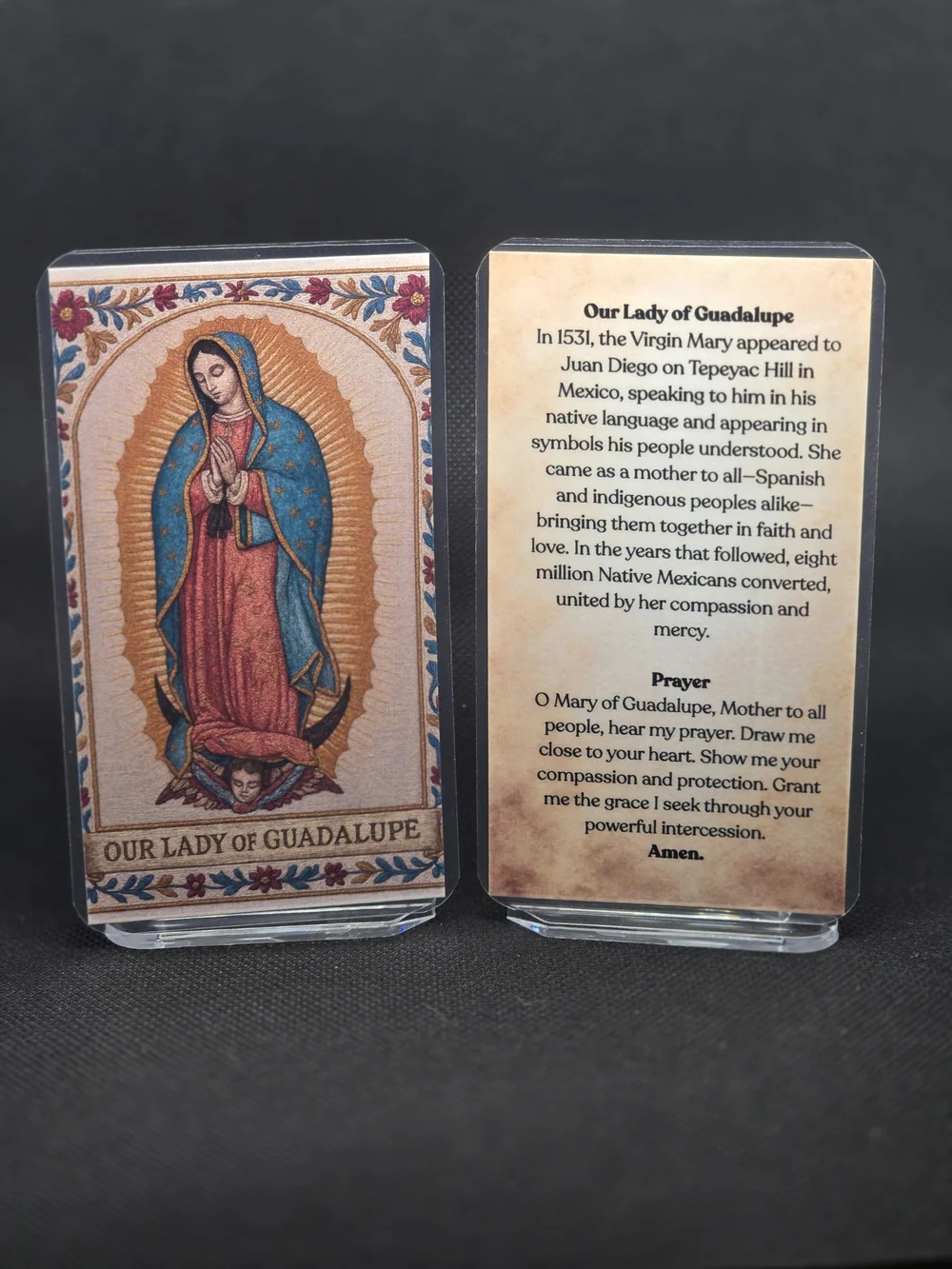
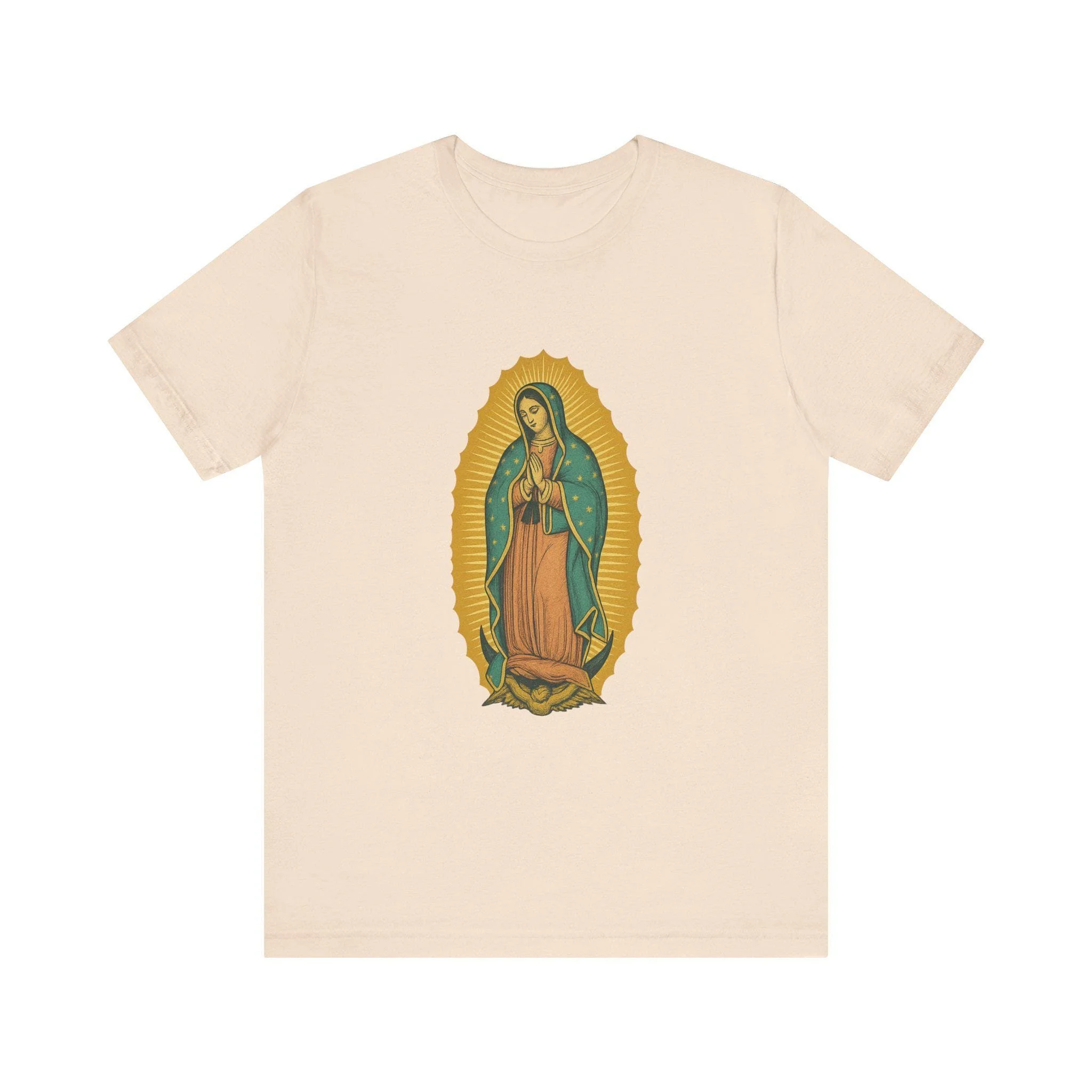
Guadalupe (1531). The apparitions to Juan Diego on the hill of Tepeyac, and the image on his tilma, are the oldest widely honored apparition of the Americas. Its message is traditionally read as Mary’s care for the poor and a call to be one family under her protection.
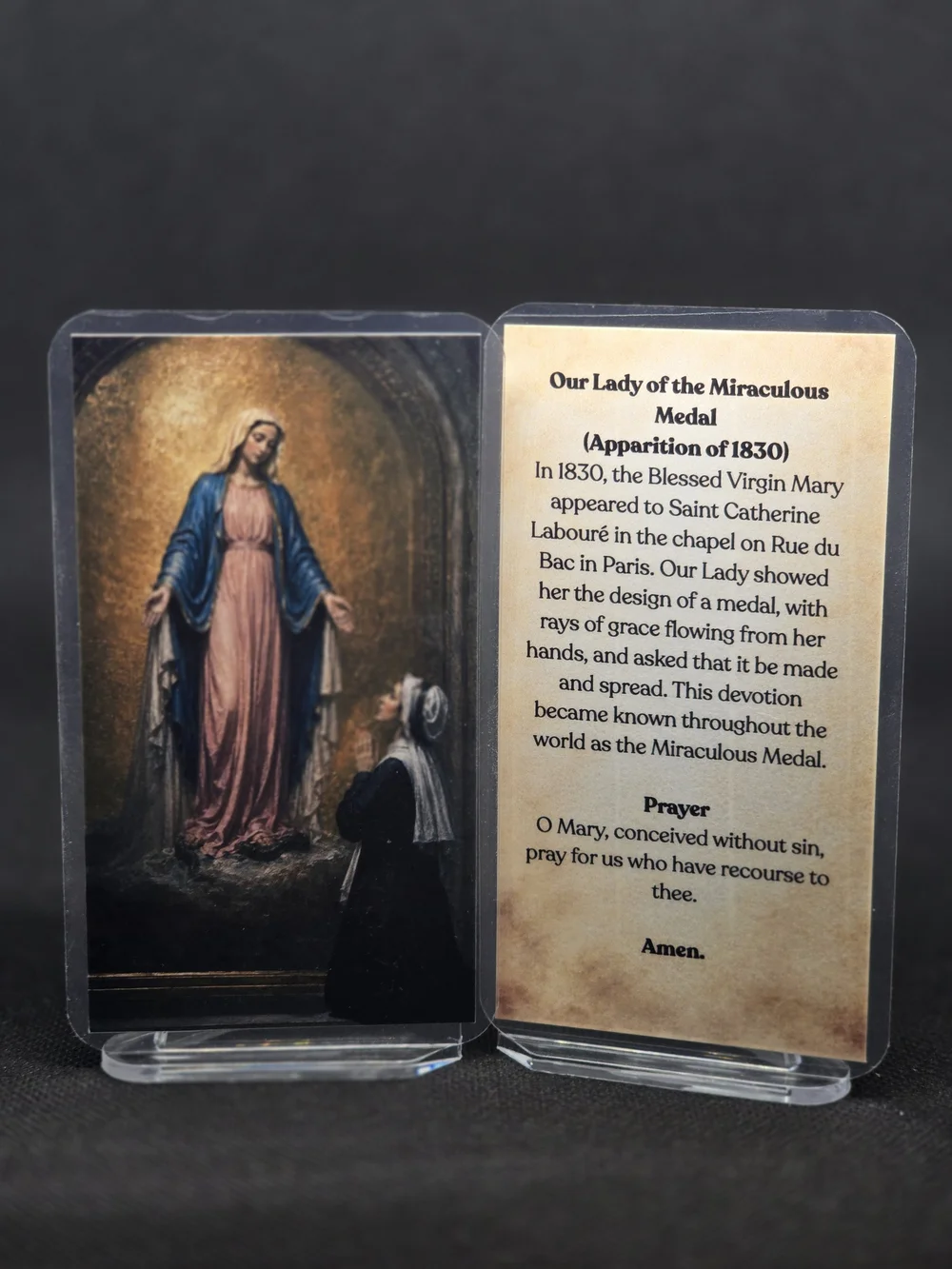
The Miraculous Medal (1830). The apparitions to Saint Catherine Labouré in Paris led to the Medal, which the Church treats as a sacramental. The message is one of grace and devotion.
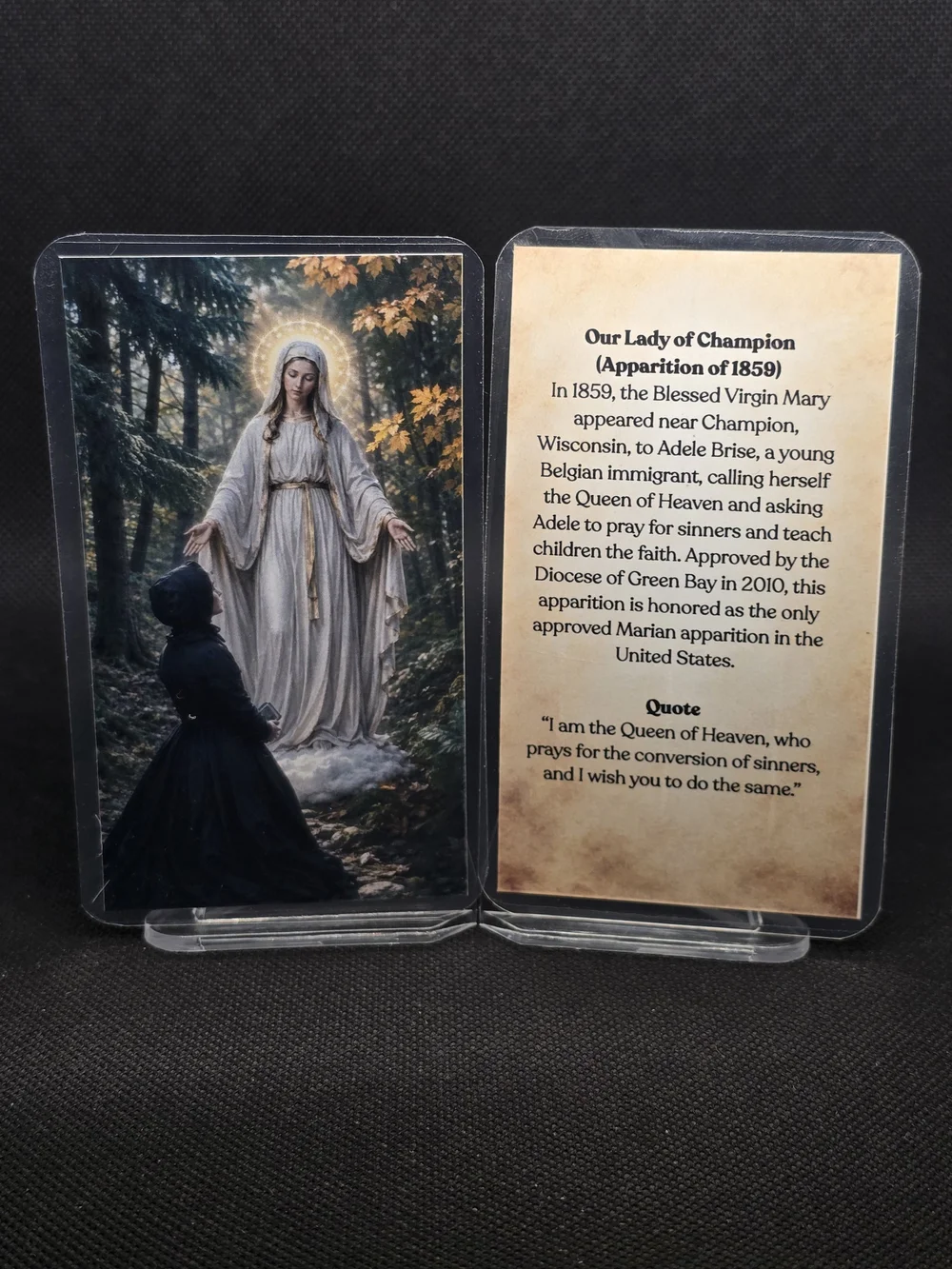
Champion (1859). The apparition to Adele Brise in Wisconsin was approved by Bishop David Ricken in 2010, making it the first approved apparition in the United States. Its message was to teach the faith, especially to children, and to pray for sinners. See Our Lady of Champion.
Knock (1879). The apparition at Knock, Ireland, is remarkable for its silence: no words were spoken. See Our Lady of Knock.
Part XI
The Eastern Churches and Marian Apparitions
The Eastern and Oriental Churches honor Mary with at least as much devotion as the Latin Church, but they tend to do it through icons, hymns, and feast days more than through reports of apparitions. The Orthodox tradition is also cautious about private visions, and warns of spiritual delusion, which the Fathers call prelest. The test is the same as the one in Part I: the fruits, humility, and agreement with the faith of the Church.
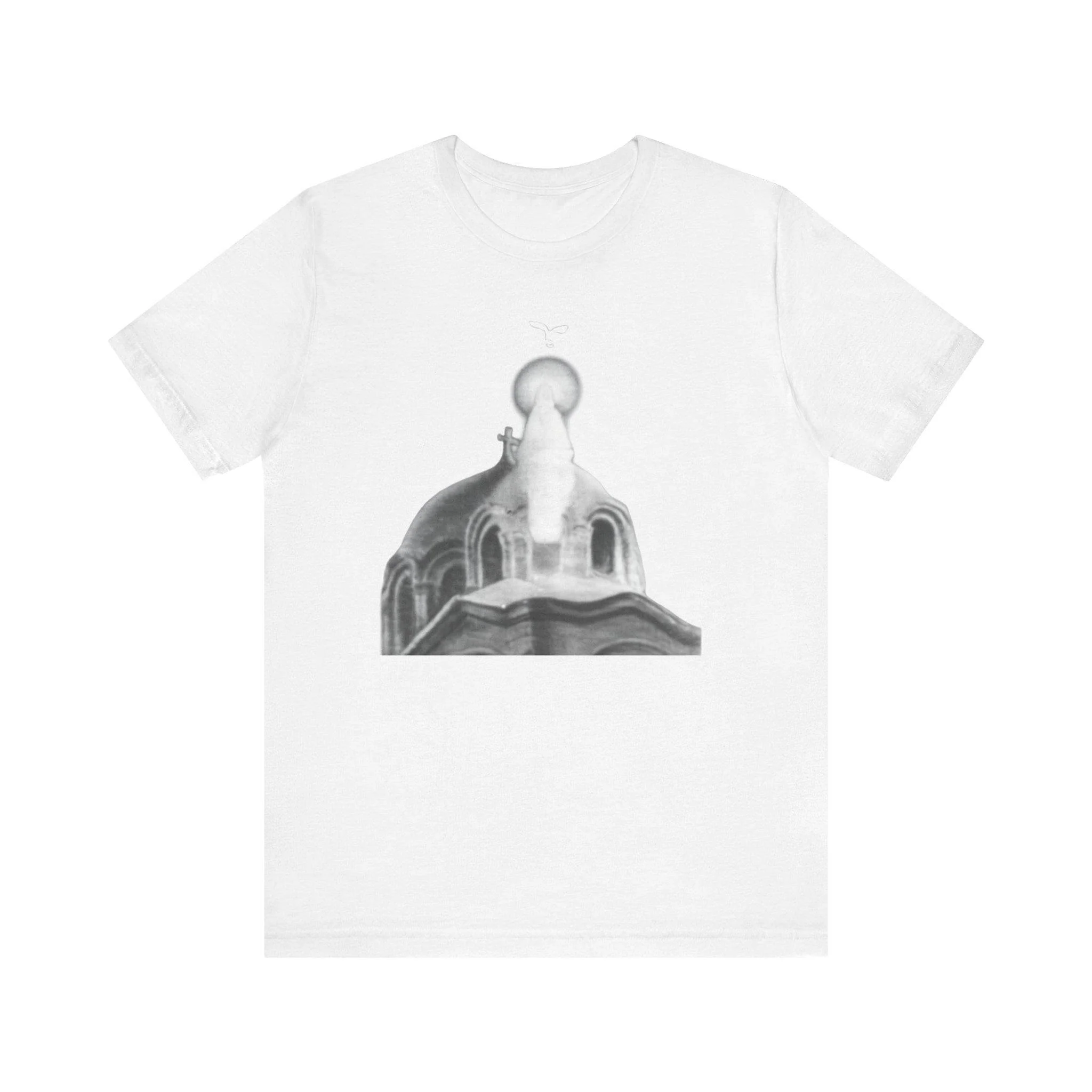
There is one major exception. In April 1968, crowds in Cairo reported seeing Mary above the Coptic Church of Saint Mary in Zeitoun, and the Coptic Orthodox Church affirmed the appearances. They did not come with a prophecy. Our article on Our Lady of Zeitoun tells the story, and our guide to testing a spirit sets out how to weigh signs and wonders from an Eastern Christian perspective.
Part XII
What to Do With a Prophecy
When you meet a prophecy, whether in a book, a video, or a message in your feed, five questions will sort most of what you find.
- Has a bishop examined it? If not, treat it as unproven.
- Was it written down before the event? A record made afterward cannot be tested.
- Is it conditional? A warning that depends on repentance is a call, not a countdown.
- Does it name dates, places, or people? The Dicastery’s 2024 note on Medjugorje said it is reasonable not to take such details seriously.
- Does it lead you to Christ? Cardinal Ratzinger’s commentary on Fatima treats this as the test of any private revelation.
Most apparitions ask for the same few things: prayer, the Rosary, repentance, the sacraments, and care for the poor. Those are available now, and they do not wait for a prophecy to be fulfilled.
“But of that day and hour knoweth no man, no, not the angels of heaven, but my Father only.” (Matthew 24:36, KJV)
Part XIII
Prayers
Hail Mary, full of grace, the Lord is with thee; blessed art thou amongst women, and blessed is the fruit of thy womb, Jesus.
Holy Mary, Mother of God, pray for us sinners, now and at the hour of our death. Amen.
The prayer of the Rosary. The Eastern Churches honor Mary with the Theotokion and the Akathist, which are also good companions to this article.
Lord Jesus Christ, You told us that no one knows the day or the hour. Keep us from fear, and keep us from the hunger for secret knowledge. Give us humility to test every spirit, and the wisdom to hold fast to what is good.
Mother of God, who always points us to your Son, teach us to do whatever He tells us. Where you have warned, help us to repent. Where you have comforted, help us to trust. Lead us to the Holy Eucharist, to the Gospel, and to the poor, and bring us at last to Heaven.
Through your prayers and those of all the saints, have mercy on us and save us. To You be glory, with the Father and the Holy Spirit, now and forever. Amen.
Part XIV
Cards, Shirts, and Books
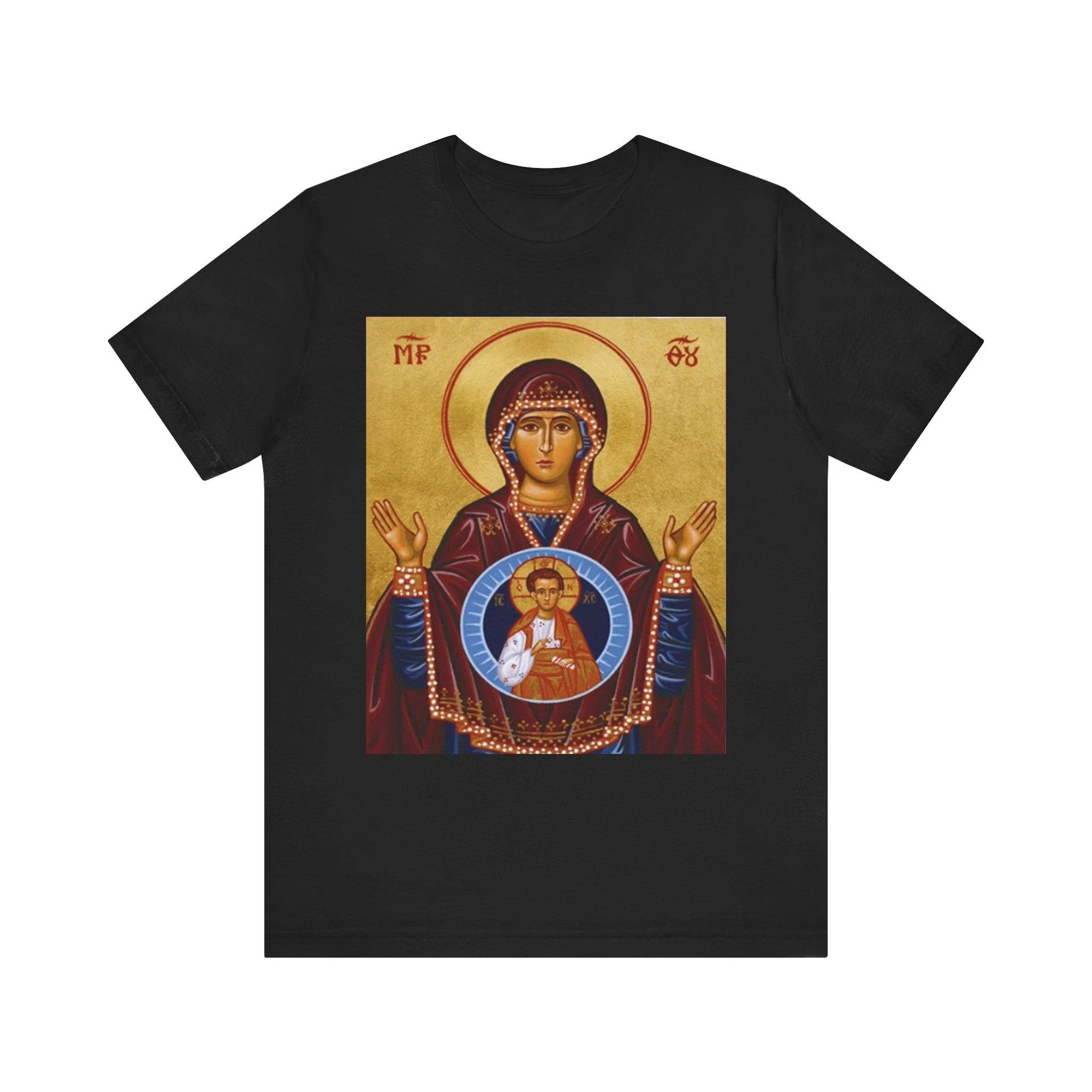
The cards below are for the approved apparitions discussed in this article, and the shirts carry Marian images from both the Latin and Eastern traditions. If you want one book to read alongside this article, make it the Catechism of the Catholic Church (an affiliate link), which sets out what the Church asks you to believe and what it does not.
Three handmade cards for approved apparitions: Kibeho in Rwanda, Lourdes in France, and Champion in Wisconsin.
The Miraculous Medal and Our Lady of Guadalupe, two of the best-known apparitions in the Latin tradition.
Our Lady of Zeitoun, Our Lady of Guadalupe, and Our Lady of the Sign, three apparitions and icons from across the Catholic and Eastern traditions.
The Catechism link on this page is an Amazon affiliate link. If you buy through it we may earn a small commission at no extra cost to you.
Prayer Before Prediction
The Church has never asked anyone to wait for a prophecy before praying, repenting, or loving their neighbor. If you are building a prayer corner with Our Lady at its center, our handmade prayer cards are a good place to begin.
Appendix