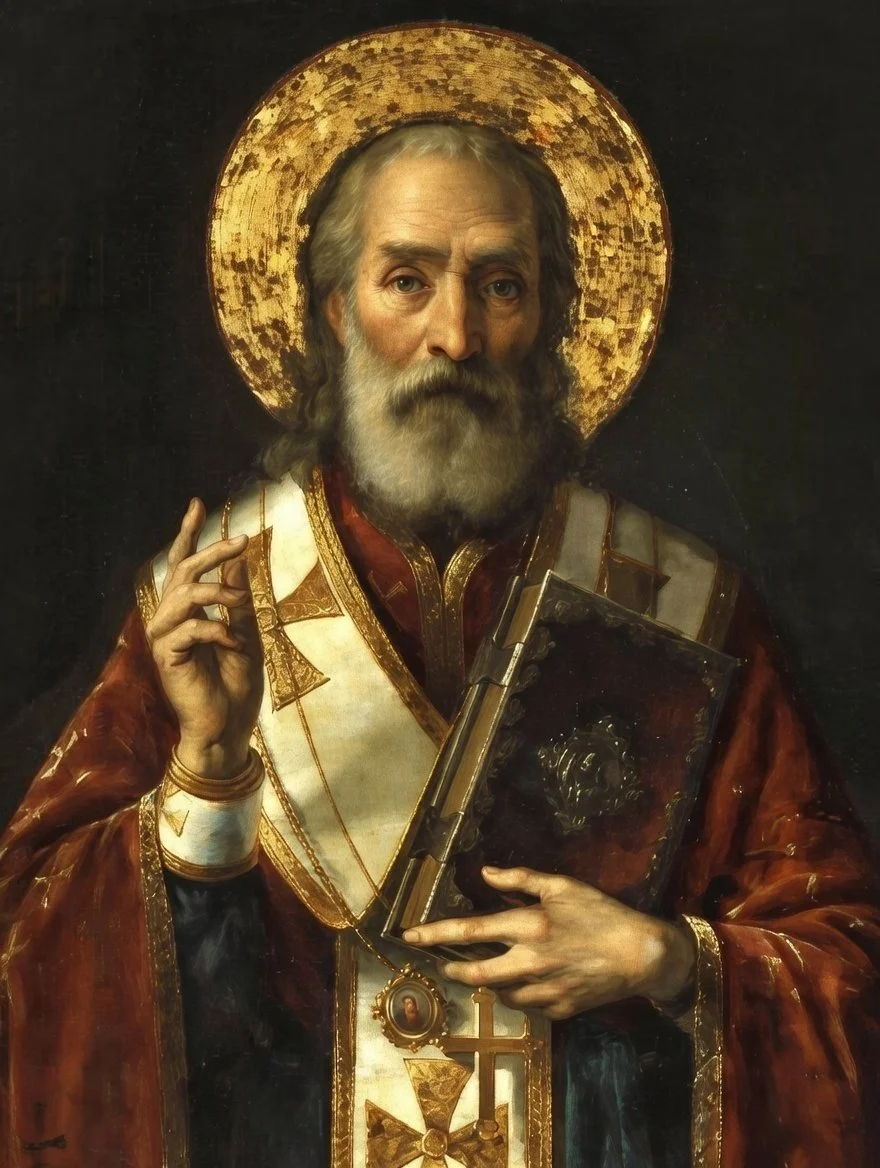
Saint Nicholas the Wonderworker
Discover the true story of Saint Nicholas, the 4th-century bishop and secret giver behind the Santa Claus tradition. Patron of children and sailors. Feast: Dec 6.
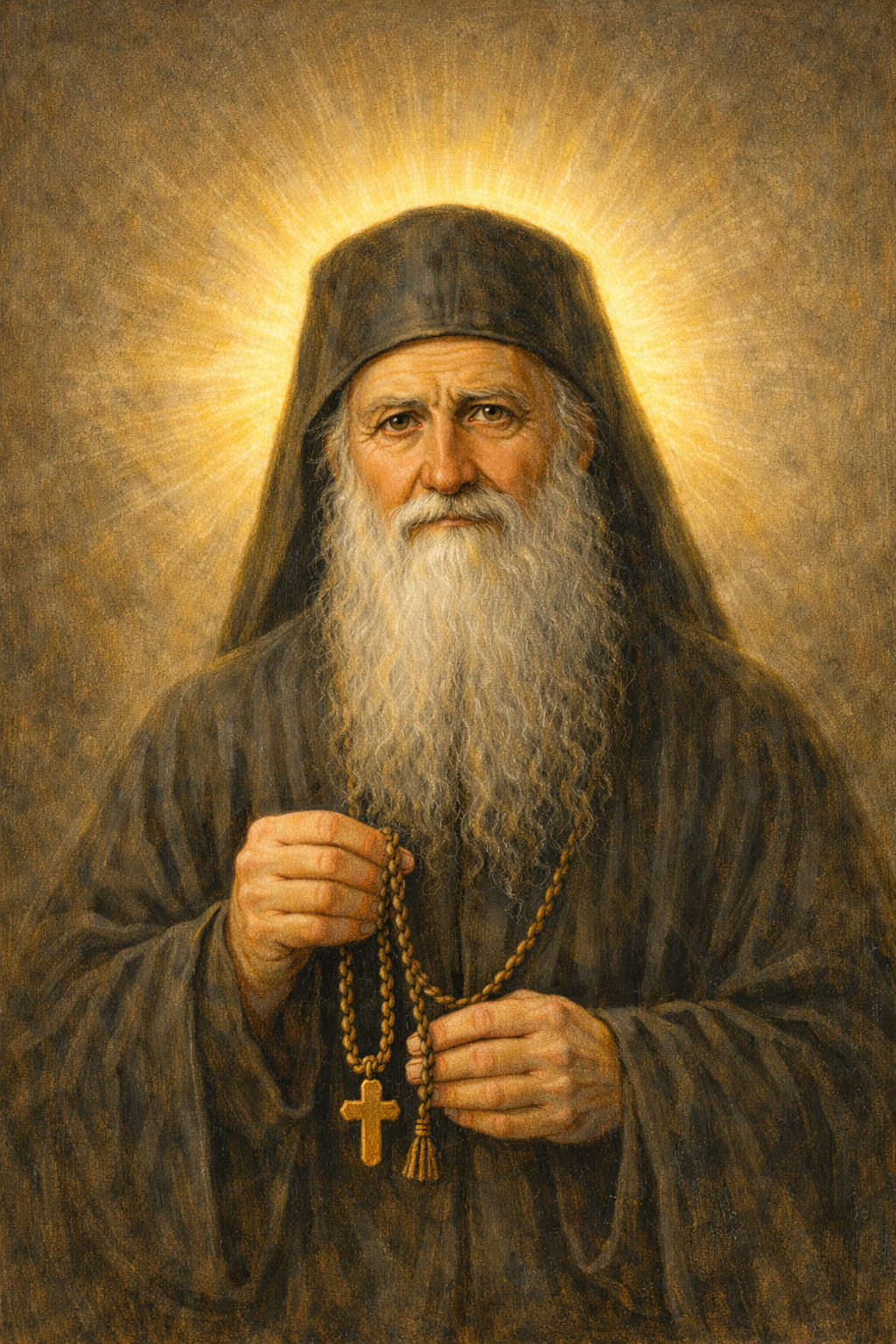
Best Books on Hesychasm, the Jesus Prayer, and Orthodox Inner Prayer for Beginners
Discover the best books on hesychasm, the Jesus Prayer, and Orthodox inner prayer for beginners and serious readers. A practical guide to choosing the right Orthodox spiritual classics.
Speak Life into Your Marriage - Free Book
Transform your relationship with a free 30-day Christian marriage communication challenge. Build daily habits of speaking life, love, and grace to honor God.

The Intentional Marriage - Free Book
Strengthen your relationship with this free 30-day Christian marriage challenge book. Build daily habits of intentional love, service, and faith to honor God together.
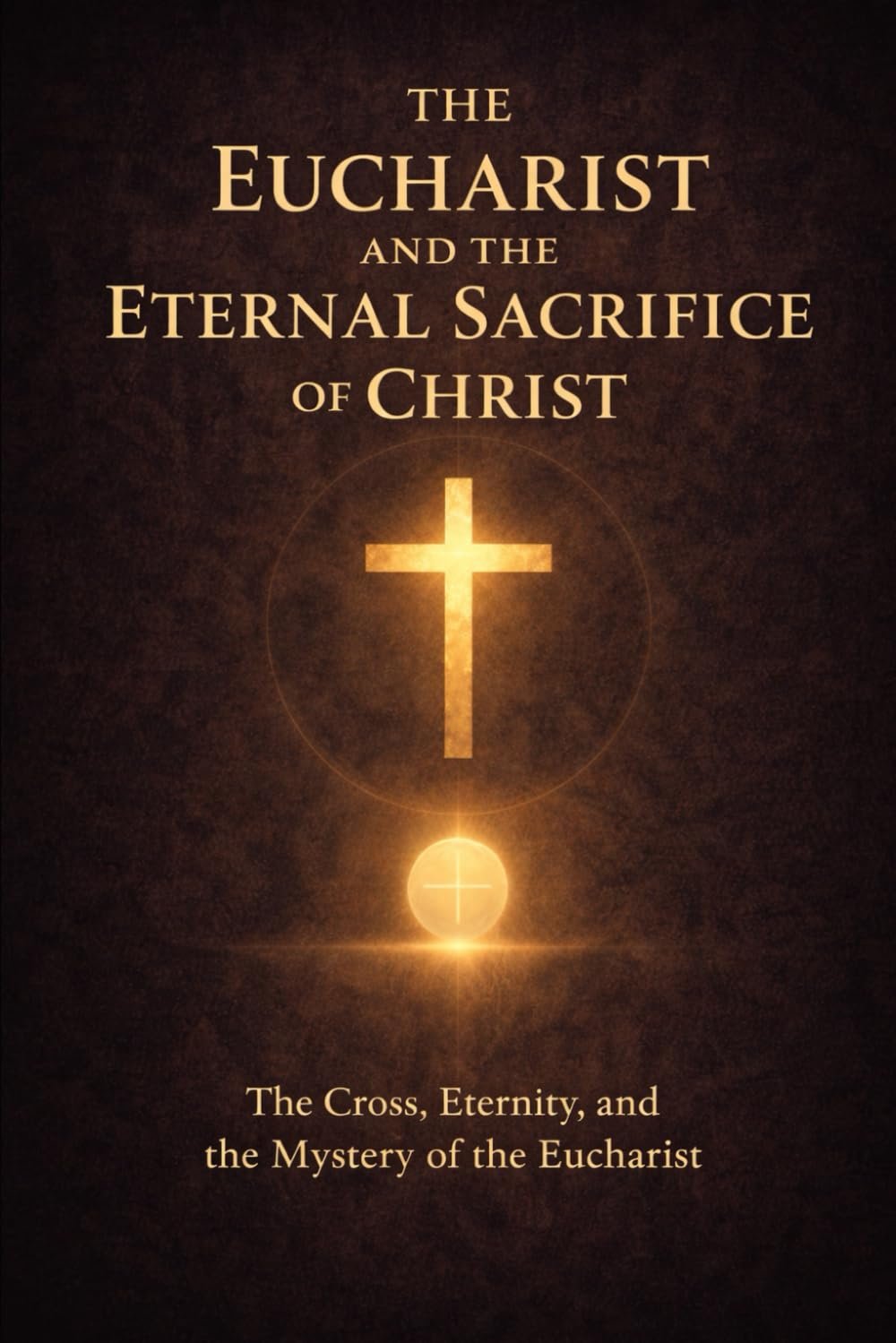
The Eucharist and the Eternal Sacrifice of Christ: The Cross, Eternity, and the Mystery of the Eucharist - Full Book Free
A theological explanation of the Eucharist and the eternal sacrifice of Christ. Discover the real presence through Scripture, early Church Fathers, and historic Christian teaching.

The Marriage Habit - Full Book Free
Read The Marriage Habit free online. This 30-day Christian marriage devotional helps couples build habits of love, faith, service, and deeper connection with God and each other.
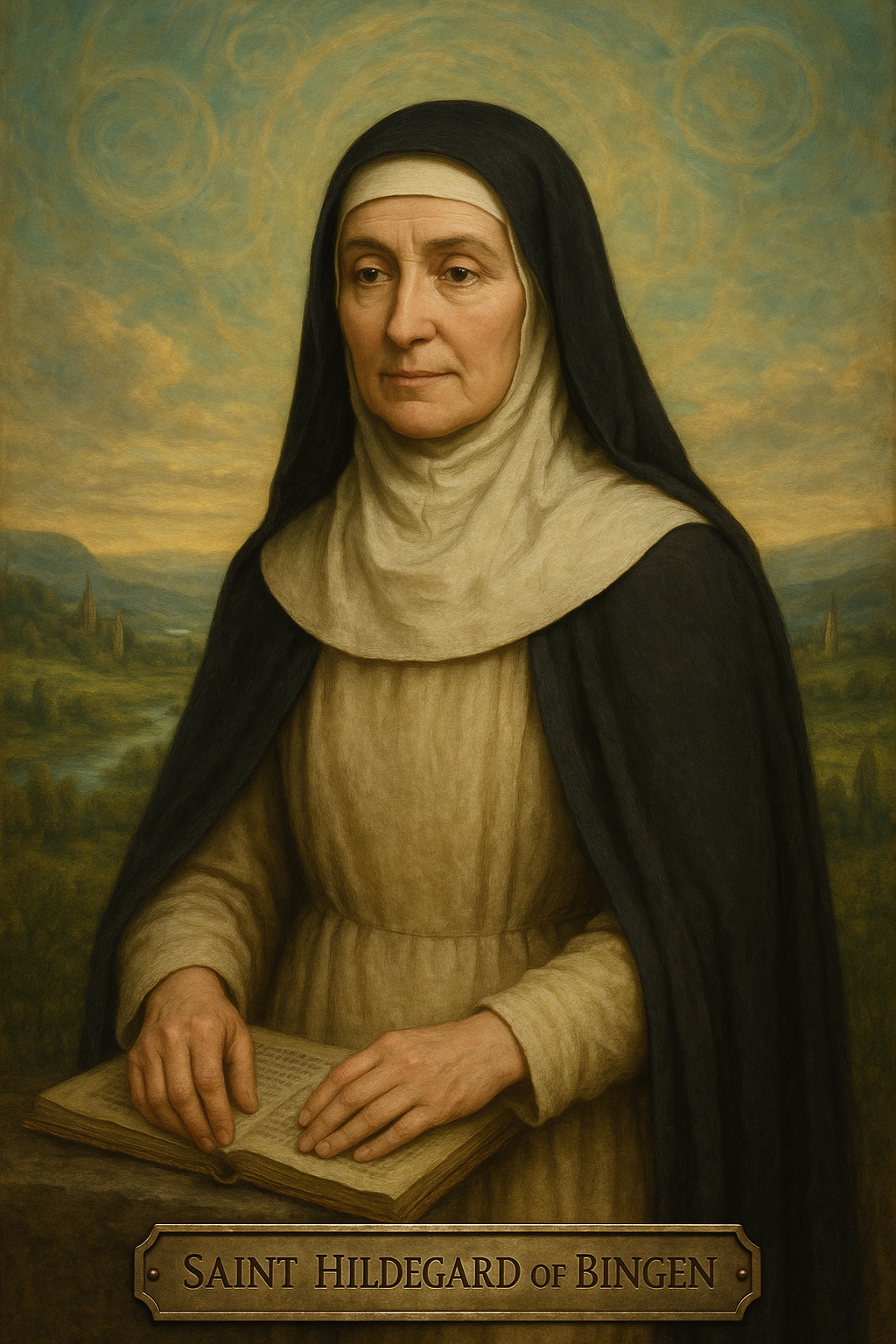
Christian Mysticism Explained: Catholic, Orthodox, and Eastern Christian Paths to Union With God
The most complete guide to Christian mysticism — Catholic, Orthodox & Eastern paths to union with God. Theosis, hesychasm, the Desert Fathers, and the Jesus Prayer all explained.
Intentional Love: The Complete Book
Read the full Christian marriage guide Intentional Love: Using Your Marriage to Worship God online. Learn how loving your spouse can become an act of worship through prayer, unity, and biblical principles.
Why Silence Is Essential for Hearing God
Discover why silence has always been essential for hearing God. Learn how Christian mystics, monks, and the Jesus Prayer use silence for deeper prayer.
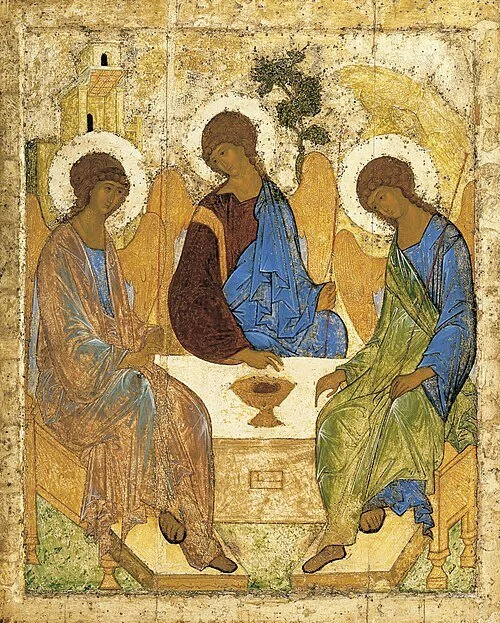
Why Orthodox and Eastern Catholics Kiss Icons: Veneration, Not Idolatry
Why do Orthodox and Eastern Catholic Christians kiss icons? Learn the difference between veneration and worship, the theology of icons, and why sacred images matter in Eastern Christianity.
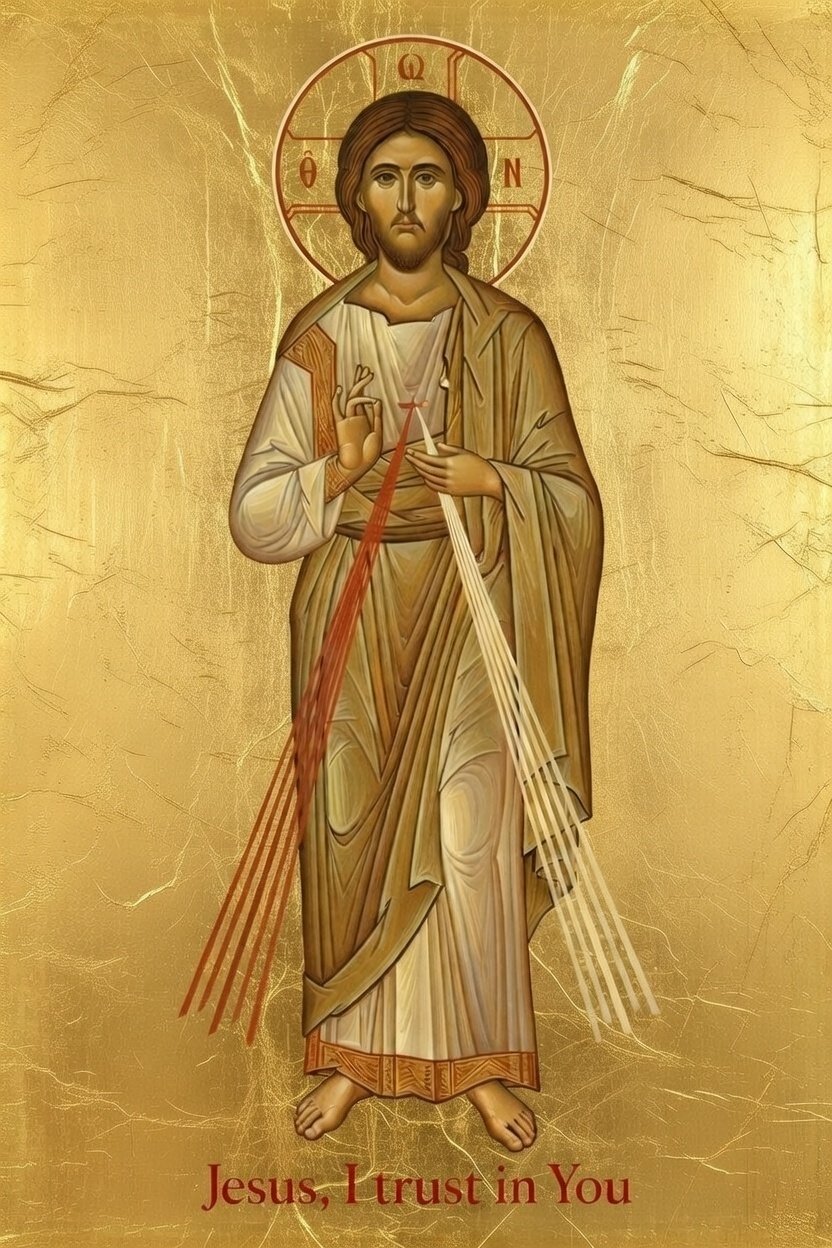
A Beginner’s Guide to the Jesus Prayer and the Prayer Rope.
Learn how to pray the Jesus Prayer step by step. A beginner’s guide to the prayer rope (chotki), its meaning, and how it brings peace and focus.
THE COMPLETE BOOK OF ENOCH
There is obvious spiritual tension in the world right now. Anyone paying attention can feel it. Between global instability, cultural upheaval, and renewed conversations about ancient knowledge, many people are asking deeper questions about God, humanity, and the unseen realms.
Recently, even members of Congress have publicly referenced the Book of Enoch in connection with UAP/UFO disclosure and humanity’s long relationship with the unknown. Whether you approach this from faith, history, curiosity, or discernment, it is clear that people are being drawn back to ancient texts that were once widely read by early Jews and Christians but later removed from mainstream Scripture.
The Book of Enoch is one of those writings.
It speaks directly about spiritual beings, fallen angels, divine judgment, and the hidden structure of creation. It was quoted in the New Testament (Jude), preserved by the Ethiopian Church, and referenced by many early Church Fathers. For centuries it was suppressed, misunderstood, or forgotten, yet its themes continue to surface in modern conversations about consciousness, evil, heaven, and humanity’s purpose.
Because this text is legally distributed free of charge by its translator, and because I believe people should have direct access to original sources instead of filtered summaries, I am sharing the complete Book of Enoch here for anyone who wishes to read it.
No paywalls. No manipulation. Just the text.
Read prayerfully. Read thoughtfully. Compare it with Scripture. Ask questions. Let discernment guide you.
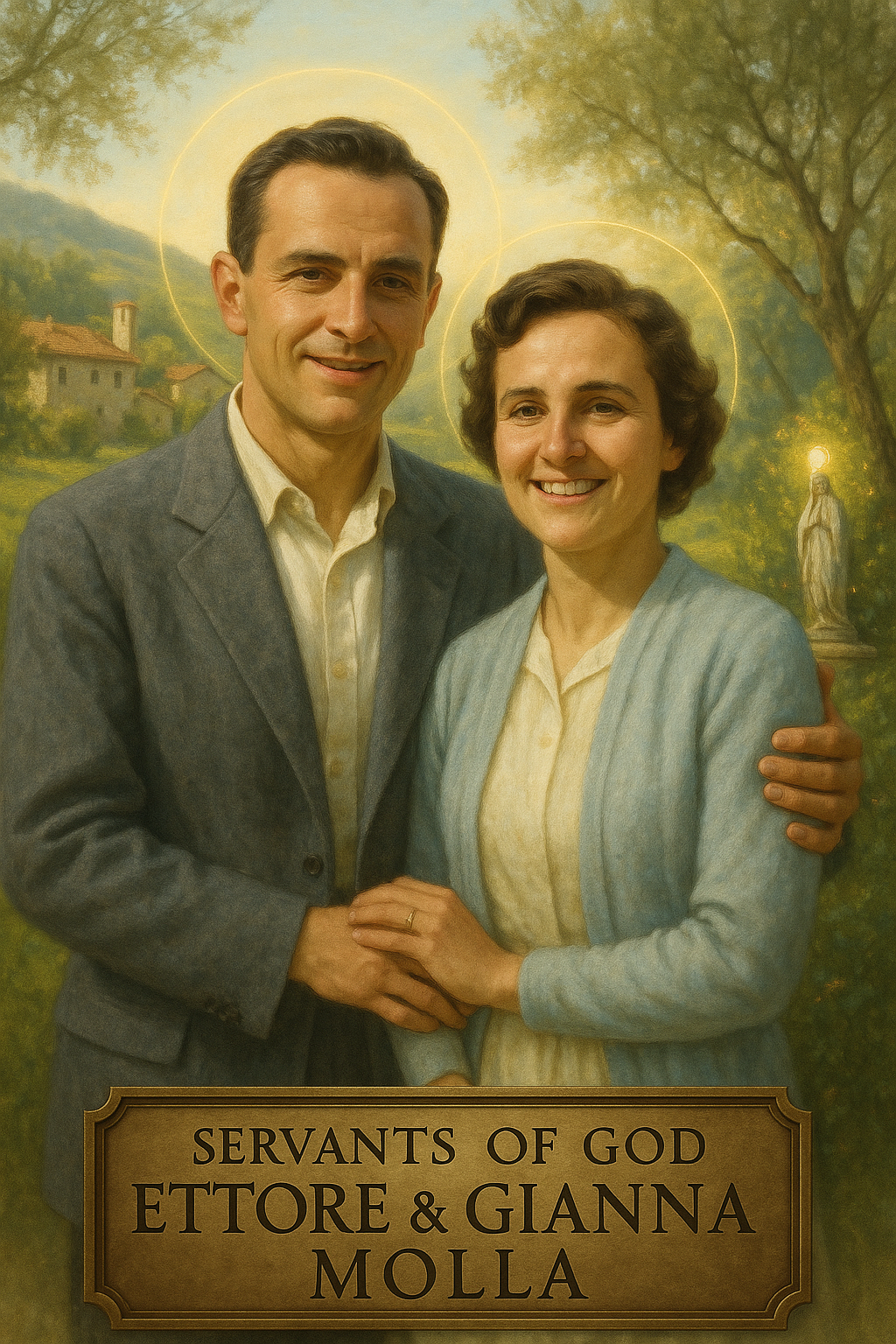
Saints for a Happy Marriage: Models of Love, Faith, and Intercession
Discover Catholic, Orthodox, and pre-schism saints for marriage. Learn who to pray to for unity, infertility, conversion, and healing with real stories and prayers.
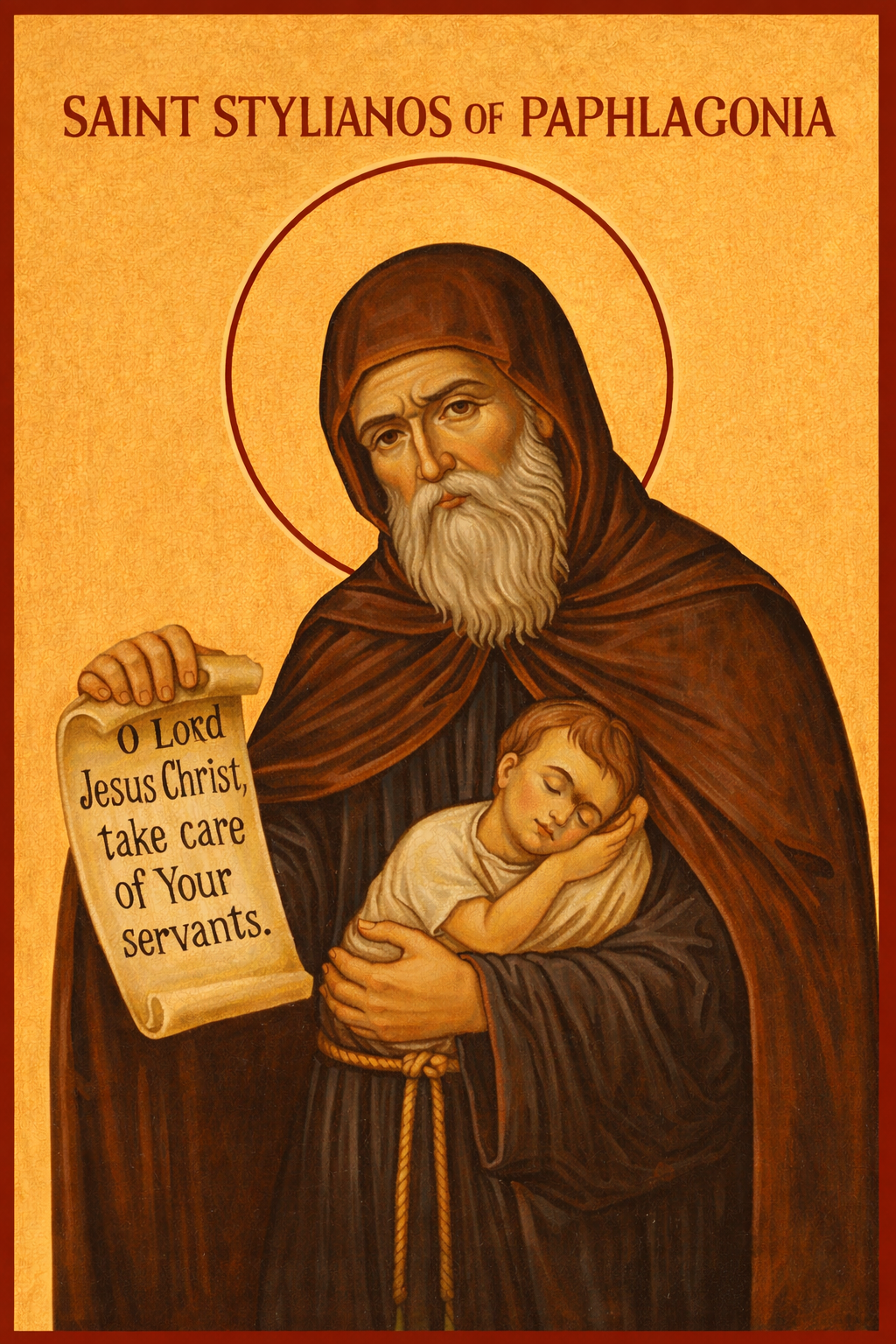
Praying for a Miracle: Saints for Infertility and Safe Childbirth
Discover Catholic and Orthodox saints for infertility and safe childbirth, with real answered prayers, miracles, and powerful devotions for hope.
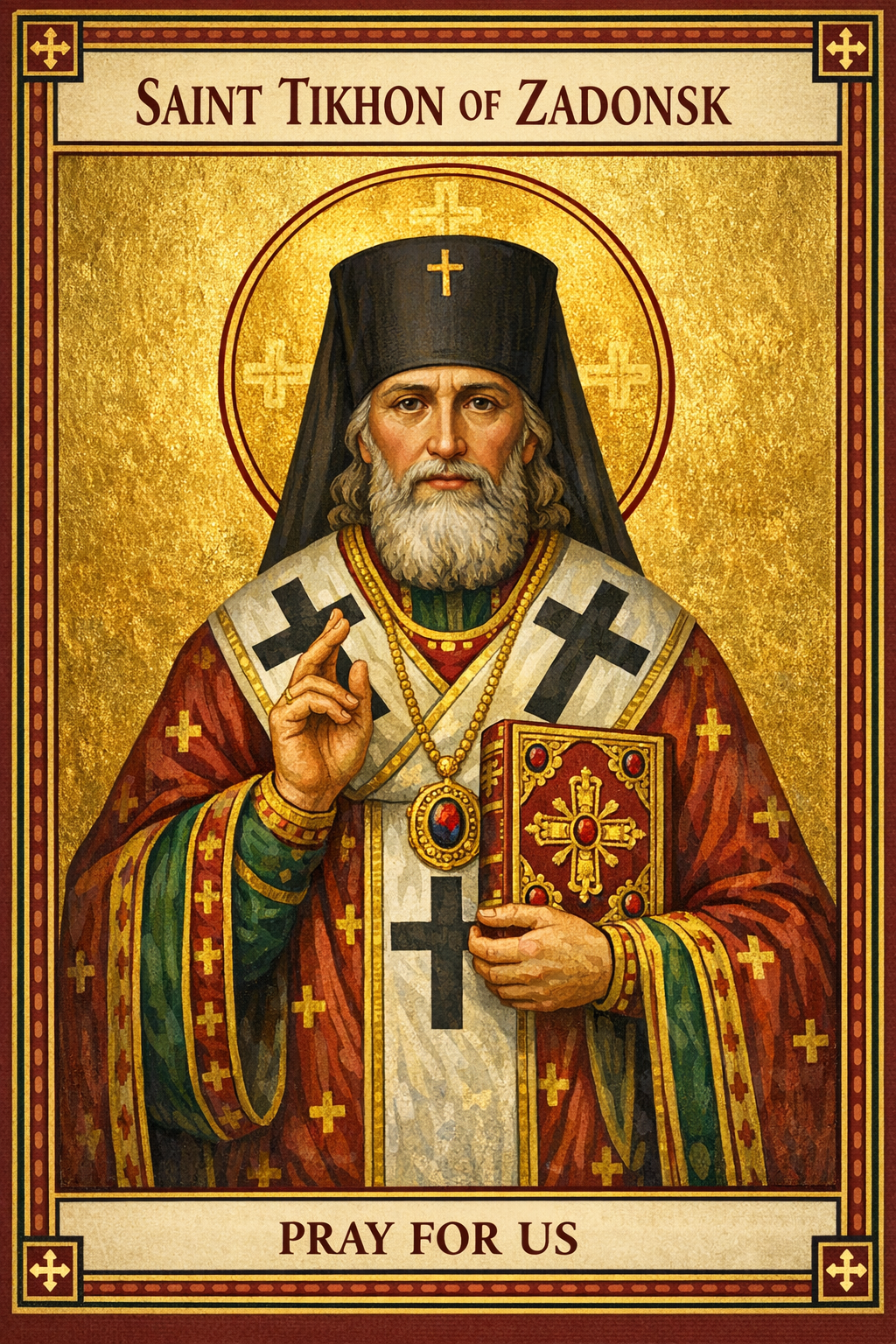
Saints for Depression and Despair: Catholic and Orthodox Champions of Hope
Discover Catholic and Orthodox saints for depression and despair, with real miracles and intercessions that bring hope, healing, and peace.
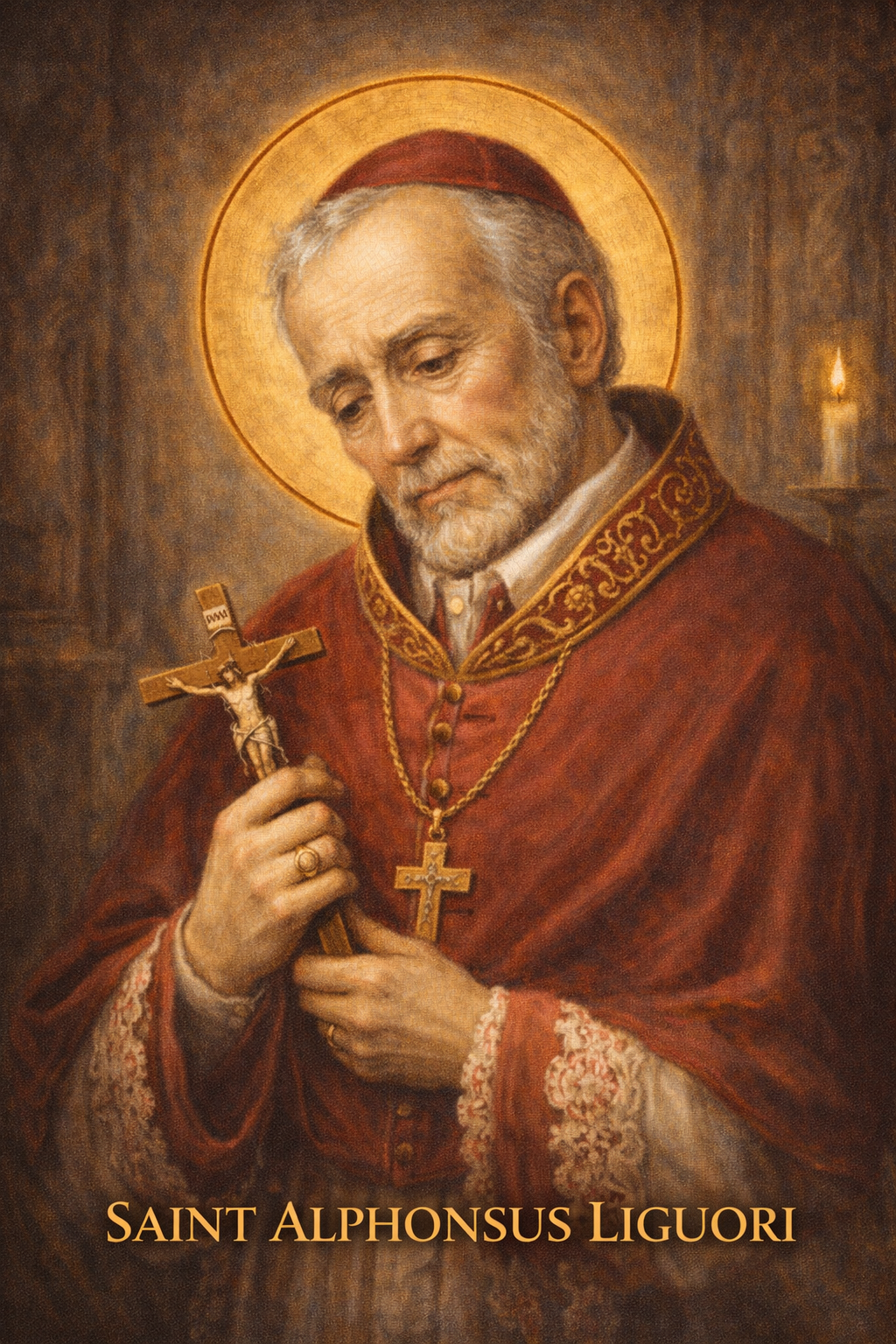
Saints of Healing: Hope and Intercession in the Battle Against Autoimmune Disease
Discover Catholic saints prayed to for autoimmune disease, chronic illness, and invisible suffering. Learn who they are, why they’re invoked, and how Catholics pray for healing.
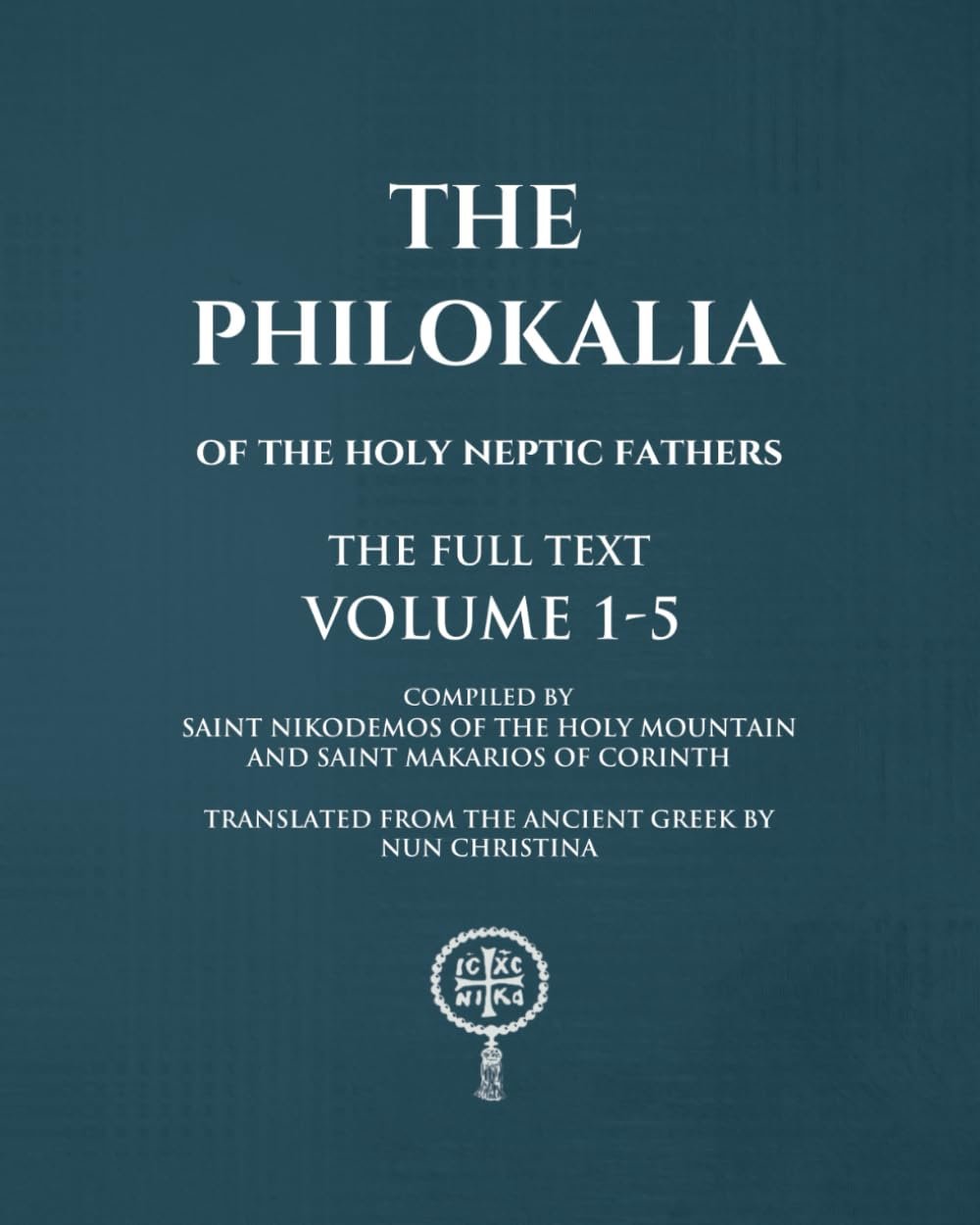
The Philokalia
An accessible guide to The Philokalia, its history, spiritual purpose, and why Orthodox and Eastern Catholics still read it today.
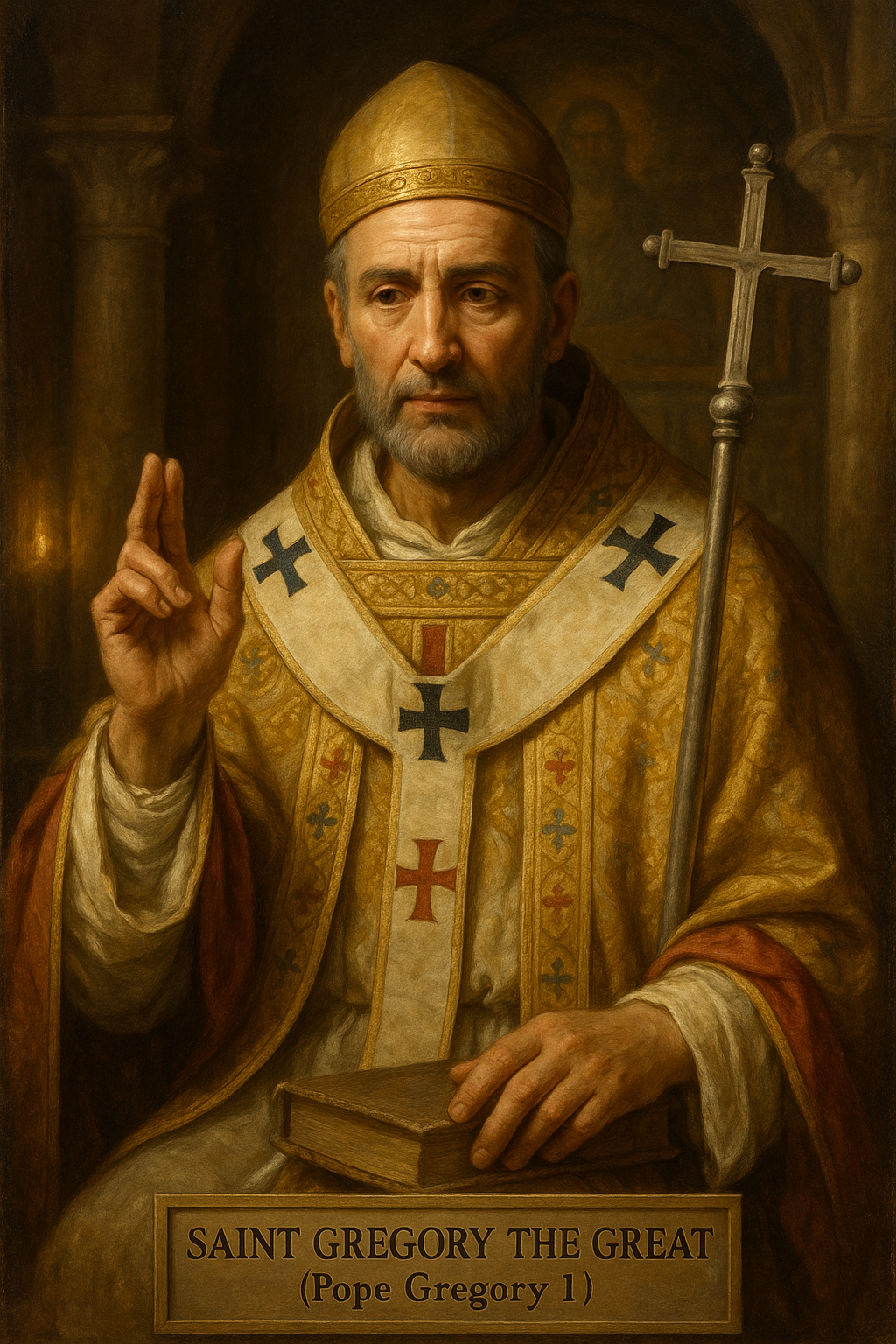
How to Pray with Icons and Spiritual Practices Unique to Eastern Catholicism
Learn how Eastern Catholics pray with icons, including stillness, silence, saints, and embodied prayer rooted in ancient Christian tradition.
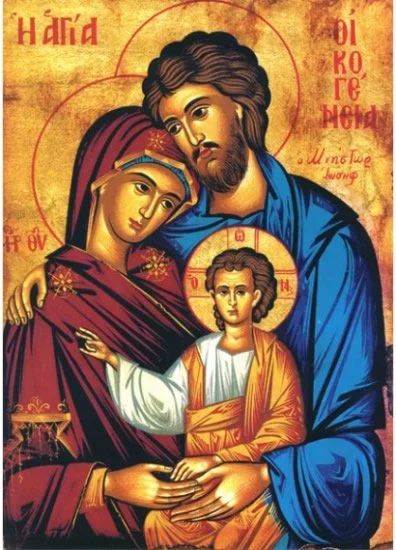
Saint Luke and the Sacred Art: How to Start "Writing" Icons at Home
We often know Saint Luke as the author of the Gospel, the physician, and the companion of Paul. But in the Eastern tradition, he holds another title: The First Iconographer.
Tradition tells us that Saint Luke painted the very first image of the Virgin Mary (the Hodegetria) while she was still living. He didn't just write with ink; he wrote with color.
For centuries, this sacred art was locked behind monastery walls. But today, a revival is happening. Laypeople, artists, and the faithful are discovering that Iconography is a form of prayer. It is a way to silence the noise of the world and focus your hands and heart on the Divine.
You do not need to be a monk to start. You do not need to be a professional artist. You simply need humility, patience, and the right tools.
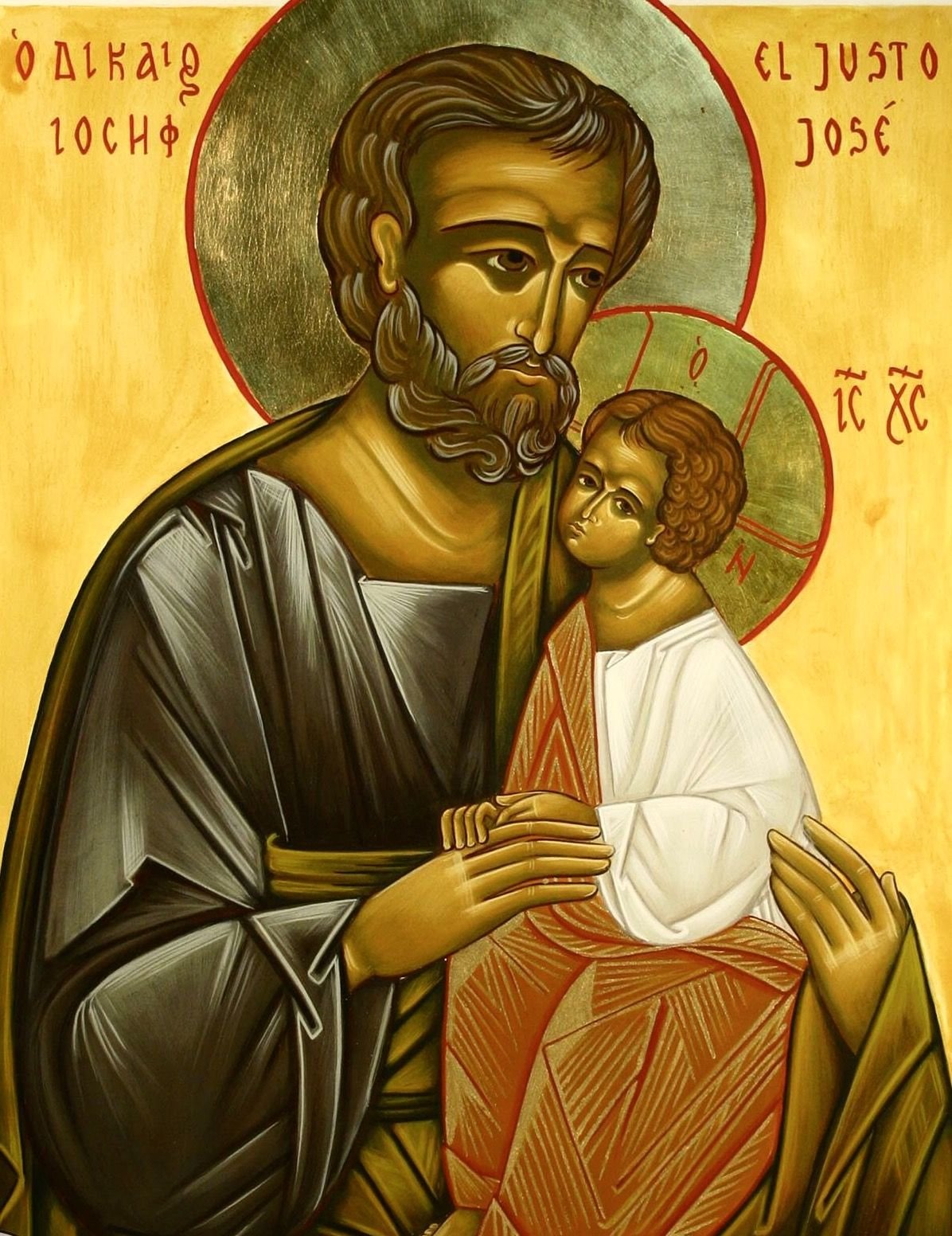
Saint Joseph, Terror of Demons: How to Build a Fortress of Prayer in Your Home
Protect your home with the intercession of Saint Joseph, Terror of Demons. Learn how to set up an Eastern-style icon corner with our curated list of books, beeswax candles, and incense.