How to Become an Orthodox Christian: From Inquirer to Catechumen – The Complete Guide
Eastern Orthodox • Step-by-Step Guide • From Inquirer to Fully Orthodox
How to Become an Orthodox Christian: A Complete Step-by-Step Guide
From your first Sunday visit through the catechumenate to baptism and beyond — everything you need to know about entering the ancient faith, clearly and honestly explained.
At a Glance
- The Path
- Inquirer → Catechumen → Reception → Lifelong Formation
- Timeline
- Typically 6–24 months; priest determines readiness
- Reception Rite
- Baptism (if unbaptized) or Chrismation (if already Trinitarian baptized)
- Key First Step
- Find a parish, attend Divine Liturgy, speak with the priest
- Central Prayer
- The Jesus Prayer — core of Orthodox personal prayer life
- What Orthodoxy Is
- The original Church of the Apostles — not a denomination but a continuation
- Key Sacraments
- Seven Mysteries: Baptism, Chrismation, Eucharist, Confession, Marriage, Ordination, Unction
- Daily Practice
- Prayer rule, fasting (Wed & Fri), weekly Liturgy, regular Confession
If you are reading this, something has already started moving inside you. Maybe you walked into an Orthodox church one Sunday and felt a depth you hadn't experienced before. Maybe you watched a video of the Divine Liturgy and thought: this is what worship should feel like. Or maybe you've been reading the Church Fathers and realized that what you've always believed about Christianity is actually preserved here — in its original form.
This guide is written for people who want the full picture: no shortcuts, no vague encouragement, just clear and thorough information about what the process actually looks like in most Orthodox parishes today. Whether you come from a Protestant, Catholic, non-religious, or mixed background, the path is the same: inquiry → catechumenate → reception → lifelong growth. It usually takes 6–24 months, but every case is individual. The Church does not rush you, nor does it leave you guessing. It simply asks for honesty, consistency, and openness to grace.
Section One
What "Becoming Orthodox" Actually Means
Orthodox Christianity is not a denomination that broke away from something else. It is the direct continuation of the Church founded by Christ and the Apostles — the same Church that wrote the New Testament, defined the Trinity at Nicaea (325 AD), affirmed Christ's two natures at Chalcedon (451 AD), and has preserved the same faith, worship, and sacraments for two thousand years without major alteration.
When you become Orthodox, you are not "switching teams" or adopting a new religion. You are entering the same visible, historical body that baptized the first Christians, canonized Scripture, and has maintained apostolic succession through bishops ever since. The Orthodox Church sees itself as the one, holy, catholic, and apostolic Church confessed in the Nicene Creed — no additions (like the filioque or papal infallibility), no subtractions (like the rejection of Tradition or sacraments in some Protestant groups).
At the center of Orthodox life is theosis — the process of becoming united to God, participating in His divine nature (2 Peter 1:4) while remaining fully human. Salvation is not just forgiveness of past sins (though it includes that); it is healing from sin's effects, transformation of the whole person, and eternal communion with God.
This happens primarily through the seven Mysteries (sacraments): Baptism, Chrismation, Eucharist, Confession, Marriage, Ordination, and Unction — the liturgical life of the Church (fasting, feasts, daily prayers) — and participation in the community of believers. Orthodoxy teaches that grace works through the visible Church, not in spite of it. That is why the process of becoming Orthodox is deliberate and communal. It is not just a personal decision but incorporation into Christ's Body.
For those coming from a Protestant or non-liturgical background, the shift can feel disorienting at first: the worship is ancient, embodied, and slow. For those coming from Catholicism, many things will feel familiar, but the theological emphases — particularly on what separates Orthodoxy from Rome — require careful study. Either way, the parish priest is your guide. Trust the process.
Section Two
Finding a Parish & Your First Visit
Use these official directories to find parishes near you:
Orthodox Church in America (OCA)
oca.org/parishes — often majority-convert, English-speaking; a strong first choice for American inquirers with no ethnic ties to Orthodoxy
Greek Orthodox Archdiocese (GOARCH)
goarch.org/parishes — one of the largest jurisdictions in America; liturgy increasingly in English alongside Greek
Antiochian Orthodox
antiochian.org/parishes — historically very convert-friendly; many parishes are predominantly English-speaking
Other Jurisdictions
ROCOR, Serbian, Romanian, Bulgarian, Ukrainian, and others — each with its own liturgical style and cultural character. All are fully Orthodox.
Your First Sunday Visit
Arrive 10–15 minutes early. Dress modestly — business casual is fine; avoid shorts and tank tops. Women typically cover their heads; if you don't have a veil, most parishes keep a basket of them by the door for visitors.
Stand during the service — there are few pews, and people sit or stand as needed. Do not receive Holy Communion. You are not yet Orthodox, and approaching the chalice before reception is not appropriate. Instead, approach the priest at the end of the service with your arms crossed over your chest to receive a blessing and the antidoron (blessed bread). Stay for coffee hour afterward — this is where people are most approachable, and where the real community reveals itself.
A good opening line: "Hi, I'm new here and just exploring Orthodoxy. What brought you to this parish?" After the service, introduce yourself to the priest: "Father, I'm exploring Orthodoxy and would like to speak with you sometime about what the process involves." Keep in mind that Sunday is often the worst time to have a long conversation with a priest. He has just served the Liturgy and has a hundred parishioners to attend to. Don't be discouraged if he can't sit down with you immediately — he will set a time, and that time will be yours.
Section Three
The Inquiry Phase
This is the longest and most flexible stage. You are welcome to attend services, ask questions, and observe without any formal obligation. The Church is not recruiting you. It is simply present, doing what it has always done, and inviting you to see whether this is where you belong.
What to Do During Inquiry
Attend Divine Liturgy every Sunday you can. Consistency matters more than perfection. Attend Vespers on Saturday evenings when possible — it runs 45–90 minutes, is more contemplative, and is often less overwhelming for newcomers than the full Sunday Liturgy.
Ask questions freely. Priests and parishioners expect them. Common ones include: "Why do you stand so much?" "What do the icons mean?" "Why no instrumental music?" No question is too basic. The Church has had two thousand years to think through them.
Begin small prayer habits at home. The Jesus Prayer — "Lord Jesus Christ, Son of God, have mercy on me, a sinner" — repeated slowly 10–50 times a day is the simplest and most powerful starting point in Orthodox private prayer. You can deepen this practice significantly with the guidance in our beginner's guide to the Jesus Prayer and prayer rope.
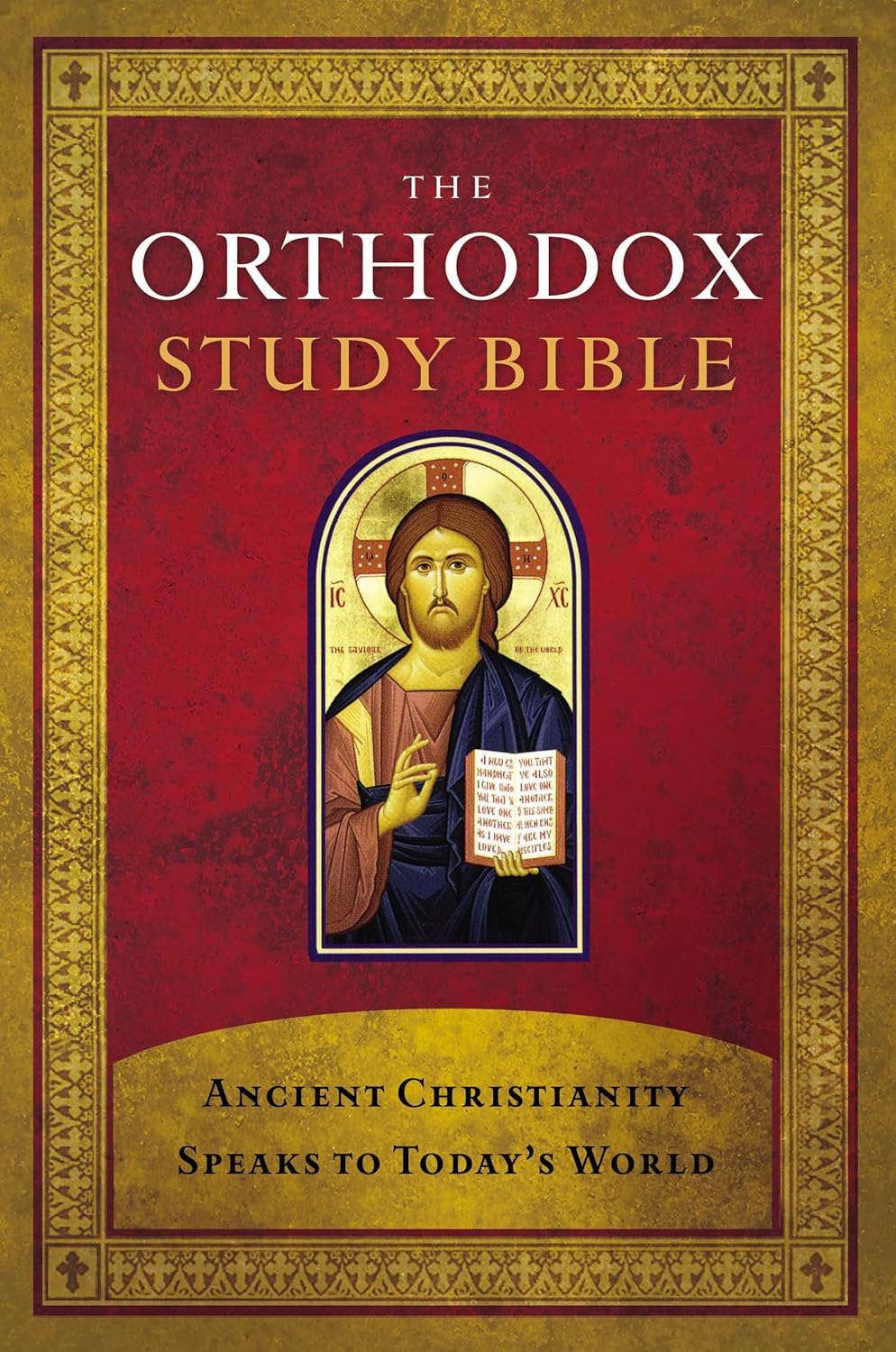
Read broadly but patiently. Start with one book at a time — do not try to master everything at once. Our guide to the best Orthodox study Bibles for beginners and our list of the best Orthodox prayer books for beginners are good starting points.
What Not to Do Yet
Do not impose strict fasting or heavy ascetic rules on yourself without guidance. Do not make major life decisions based on your inquiry alone. Do not pressure yourself to "feel" spiritual highs — many people experience gradual clarity rather than dramatic conversion moments. The inquiry phase ends when you and your priest agree you are ready to move forward: when you can honestly say, "I believe this is the true Church and I want to become part of it."

Section Four
Becoming a Catechumen — The Formal Beginning
Once you are ready, ask the priest to enroll you as a catechumen. He will meet with you to review your understanding of the faith, your life circumstances (previous baptisms, marriages, etc.), and your commitment. This is not an interrogation — it is a pastoral conversation aimed at making sure you understand what you are entering and that the timing is right.
The Rite of Making a Catechumen is a short, powerful service — often conducted after Vespers or during Liturgy:
Prayers of Exorcism
Symbolic commands to evil spirits to depart — a formal claiming of the person for Christ. These are ancient prayers, not dramatic performances.
Renunciation of Satan
You turn literally westward (the direction of darkness in Christian symbolism) and renounce Satan and his works — then turn east to accept Christ.
Profession of the Creed
You affirm the Nicene Creed — the summary of the Apostolic faith that has defined Orthodox Christianity since 381 AD.
The Priest's Prayer
The priest places his stole over your head and prays for your illumination. In some traditions, an anointing with oil accompanies this. You are now formally under the protection of the Church.
After this rite, you are officially a catechumen. You now belong to the Church in a formal sense, even though you are not yet receiving the Eucharist. Many describe it as a deep sense of "coming under the protection of the Church." The Liturgy itself marks this: at a certain point, the deacon dismisses the catechumens before the Liturgy of the Faithful begins — "All catechumens, depart!" You will leave for a period, and then return when it is time for you to receive.
Section Five
The Catechumenate — Living and Learning the Orthodox Life
This is where the real formation happens. The Church wants you to live as an Orthodox Christian before you receive the sacraments, so that the grace of baptism and chrismation has a prepared soul to work on. The catechumenate is not a waiting room — it is the formation itself.
Attendance: Divine Liturgy every Sunday + Vespers and other services when possible.
Daily prayer: Begin a daily prayer rule — morning and evening prayers from an Orthodox prayer book. Start small (5–15 minutes) and let it grow naturally.
Fasting: Wednesdays and Fridays (no meat, dairy, wine, or oil); stricter during Great Lent, the Nativity Fast, the Apostles' Fast, and the Dormition Fast. Your priest will provide guidance if you have health restrictions.
Catechism classes: Weekly or biweekly instruction covering the Creed, sacraments, Church history, lives of saints, prayer, fasting, confession, and marriage.
Sponsor/godparent: Choose a faithful Orthodox Christian who will guide you and stand with you at reception. This is a serious spiritual relationship, not a formality.
Life confession: A written or spoken account of the patterns and significant sins of your life — not for shame, but for healing. This is a one-time general confession made before reception.
Icon corner: Begin setting up a home prayer corner with icons, a candle, and an incense stand. The physical space matters — we are embodied beings, and the body must be engaged in prayer.
The catechumenate is not about earning salvation. It is about letting the Church's rhythm begin to reshape your mind, body, and heart before the great Mysteries are given. By the time you are received, the fasting, the prayer, the standing in Liturgy, the reverence before icons — these should already feel like home.
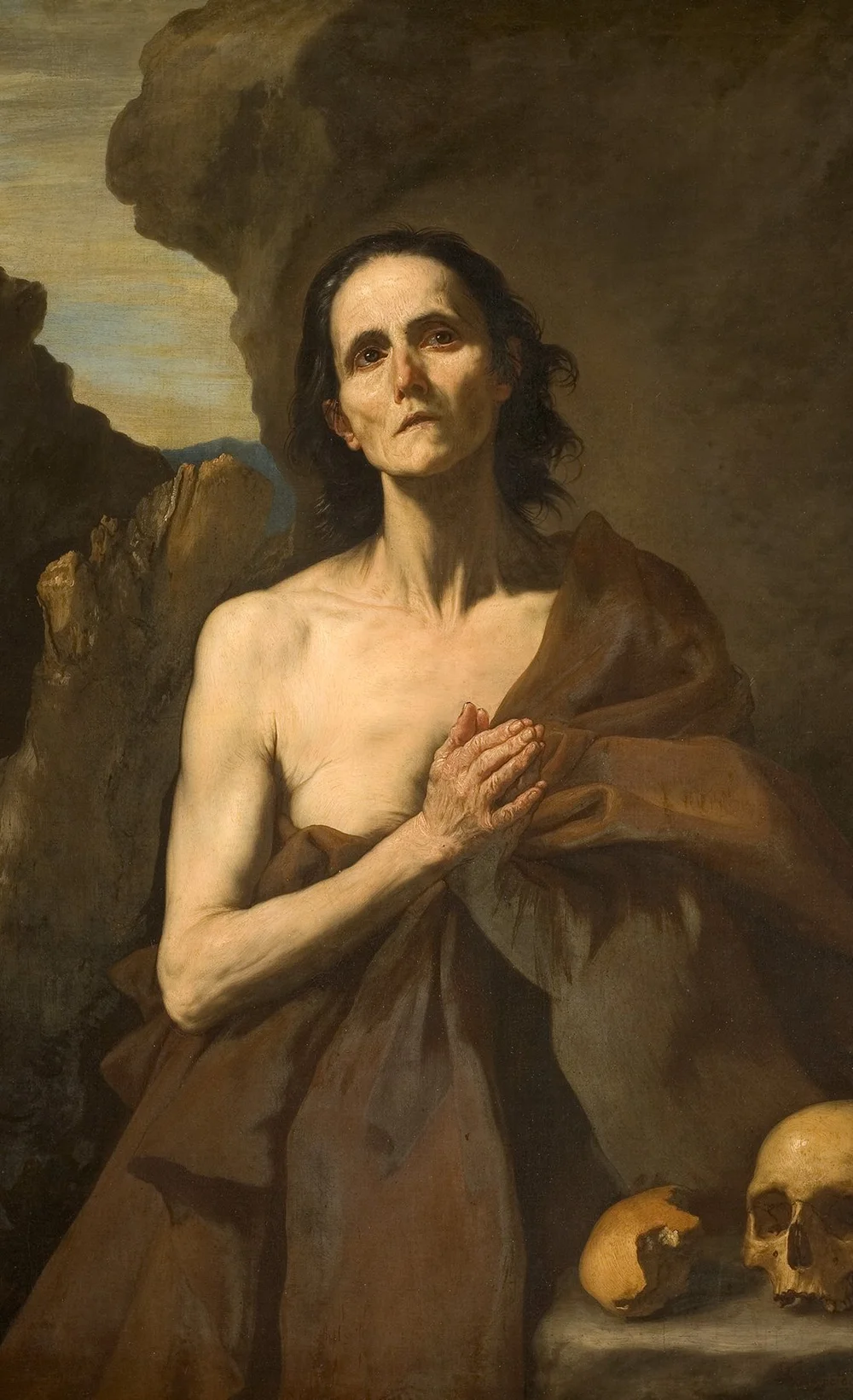
As your catechesis deepens, your reading life should deepen with it. The lives of the saints are essential. Saint Mary of Egypt — the patron saint of converts and penitents — is one of the first saints many catechumens encounter, and her story of radical transformation is among the most powerful in the entire tradition. Saint Paisios of Mount Athos and other modern elders offer accessible wisdom for those navigating the early stages of Orthodox life.
Setting Up Your Home Prayer Corner
The icon corner — the "beautiful corner" of the home — is the physical center of Orthodox family prayer. It transforms a corner of your home into a place of encounter with God and the saints. Most Orthodox homes have one, and the catechumenate is the natural time to begin building yours. It does not need to be elaborate: an icon of Christ, an icon of the Theotokos, a candle, and an incense stand is enough to begin.
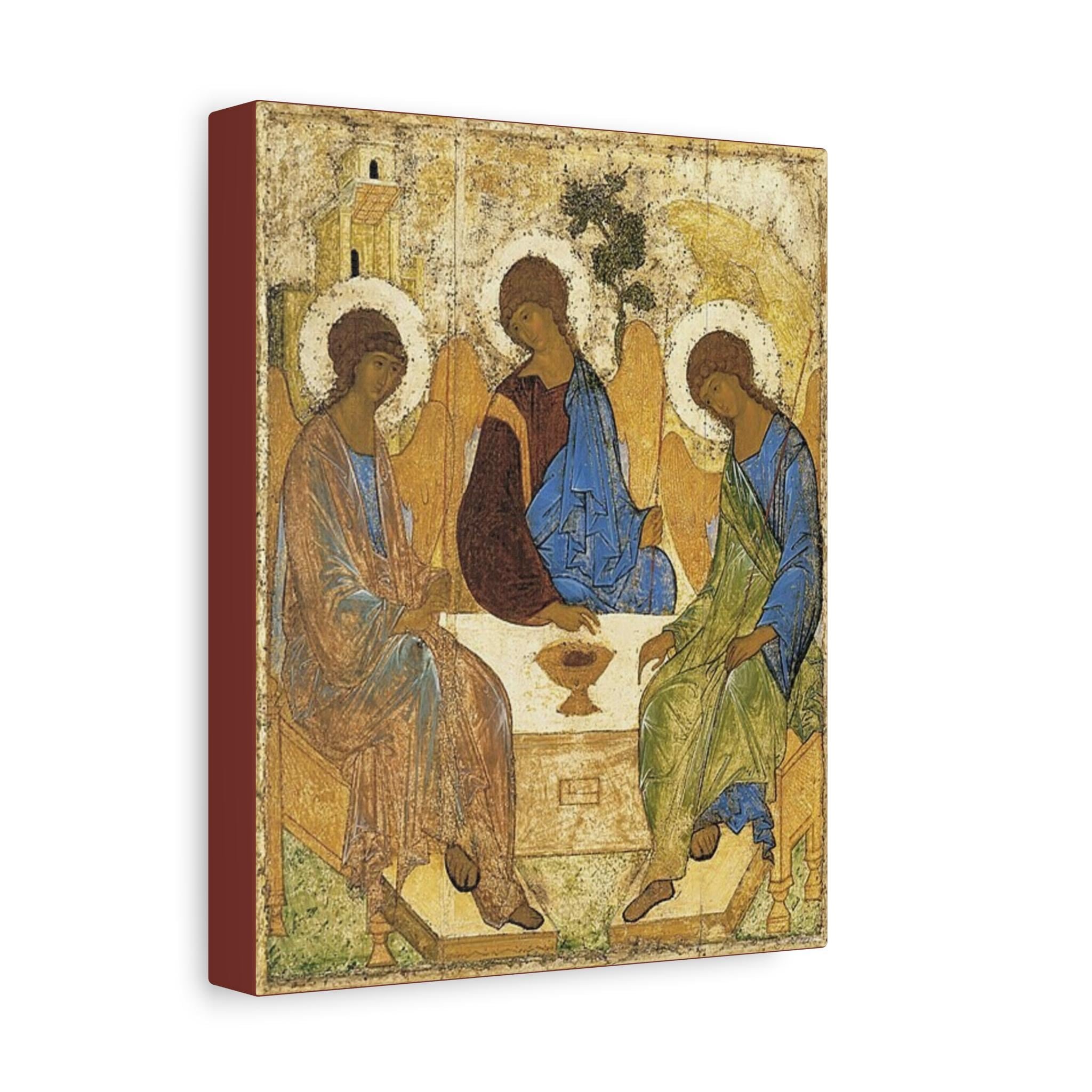
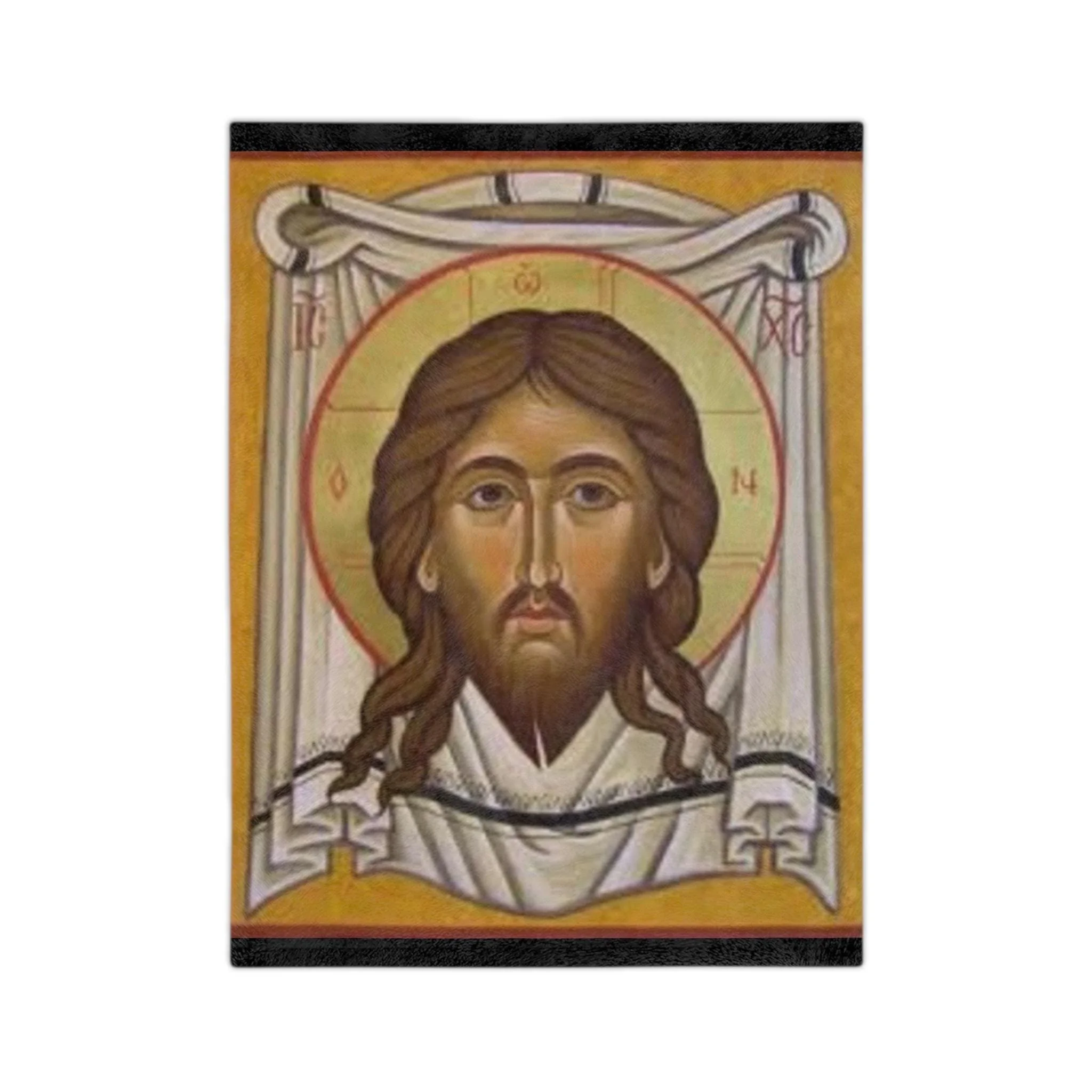
Our complete step-by-step guide walks you through everything you need to set up an Orthodox prayer corner at home — what icons to start with, where to position them, how to use incense, and how to begin praying there daily. Essential reading for catechumens.
Section Six
Reception into the Church — Baptism & Chrismation
When preparation is complete, your priest will set a date — often at the Pascha Vigil (Holy Saturday night), Theophany (January 6), Nativity, Pentecost, or the parish feast day. These are moments of high liturgical gravity. The Church does not receive you casually.
The reception service includes: exorcisms and renunciations (as at the catechumen rite, now with fuller weight); a profession of the Creed; Baptism by triple immersion if you have never been baptized, or if your previous baptism is in doubt; Chrismation (anointing with the holy chrism oil, the seal of the Holy Spirit, applied to the forehead, eyes, nostrils, lips, ears, chest, hands, and feet); and your first Holy Communion.
For most converts from Trinitarian Christian backgrounds — Catholic, Protestant, Anglican — Chrismation alone completes initiation. You are now fully Orthodox, able to receive all the sacraments. Many parishes dress the newly illumined in a white garment symbolizing new life in Christ; it is worn to services for the full Bright Week following Pascha.

Section Seven
The First Year as a Newly Illumined Christian
You are now a full member. The Church calls you "newly illumined" for the first year — a season of particular grace and particular vulnerability. The brightness of reception fades, real life reasserts itself, and the work of actually becoming Orthodox (not just officially being Orthodox) begins.
What to Focus On
Receive Holy Communion weekly, following the midnight fast and a recent Confession. Build a regular rhythm of Confession — monthly is standard for most active Orthodox Christians, more often during Great Lent. Deepen your prayer rule gradually as it becomes natural. Begin learning the Church calendar — the fasts, feasts, and tones that structure the Orthodox year are the skeleton of Orthodox life.
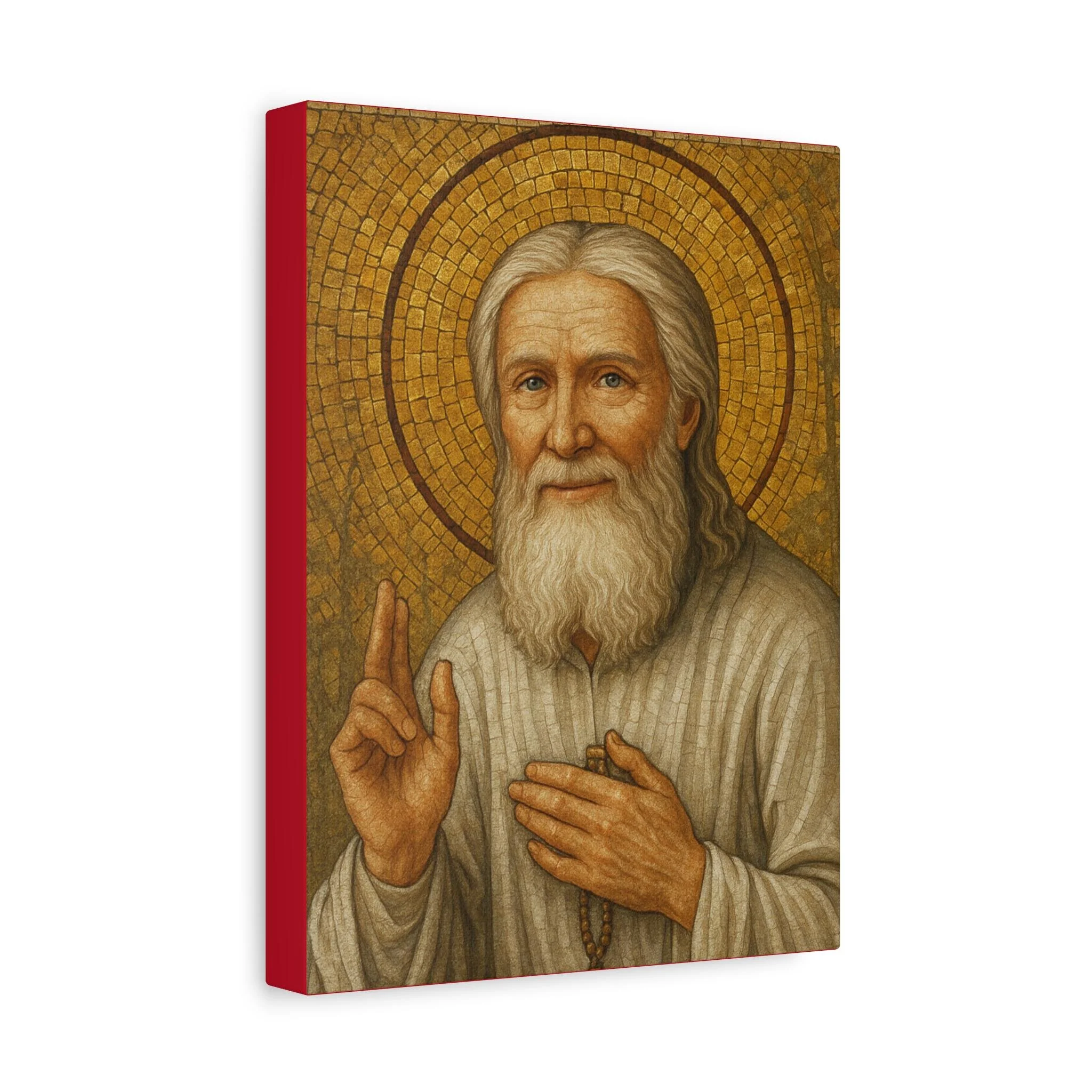
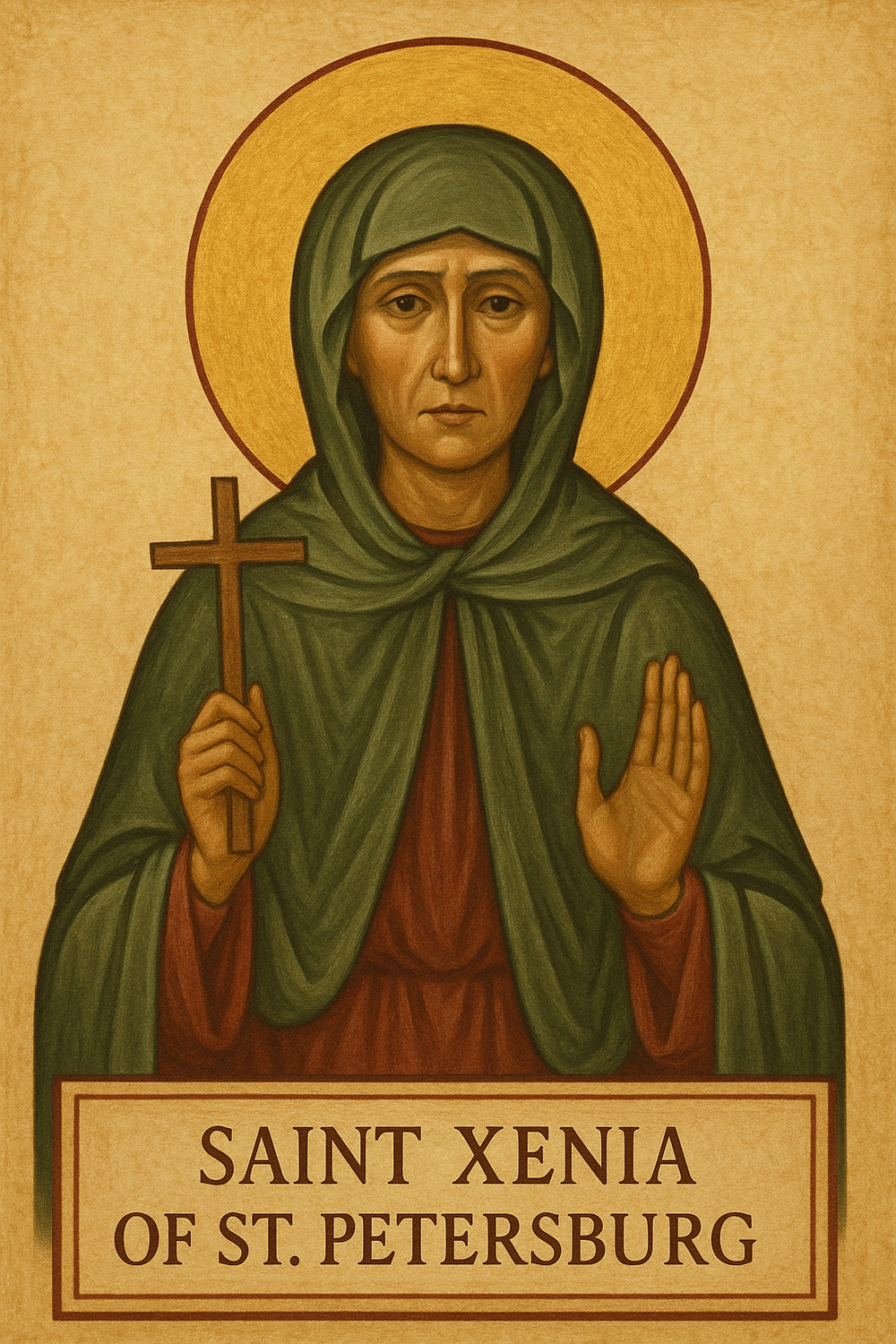
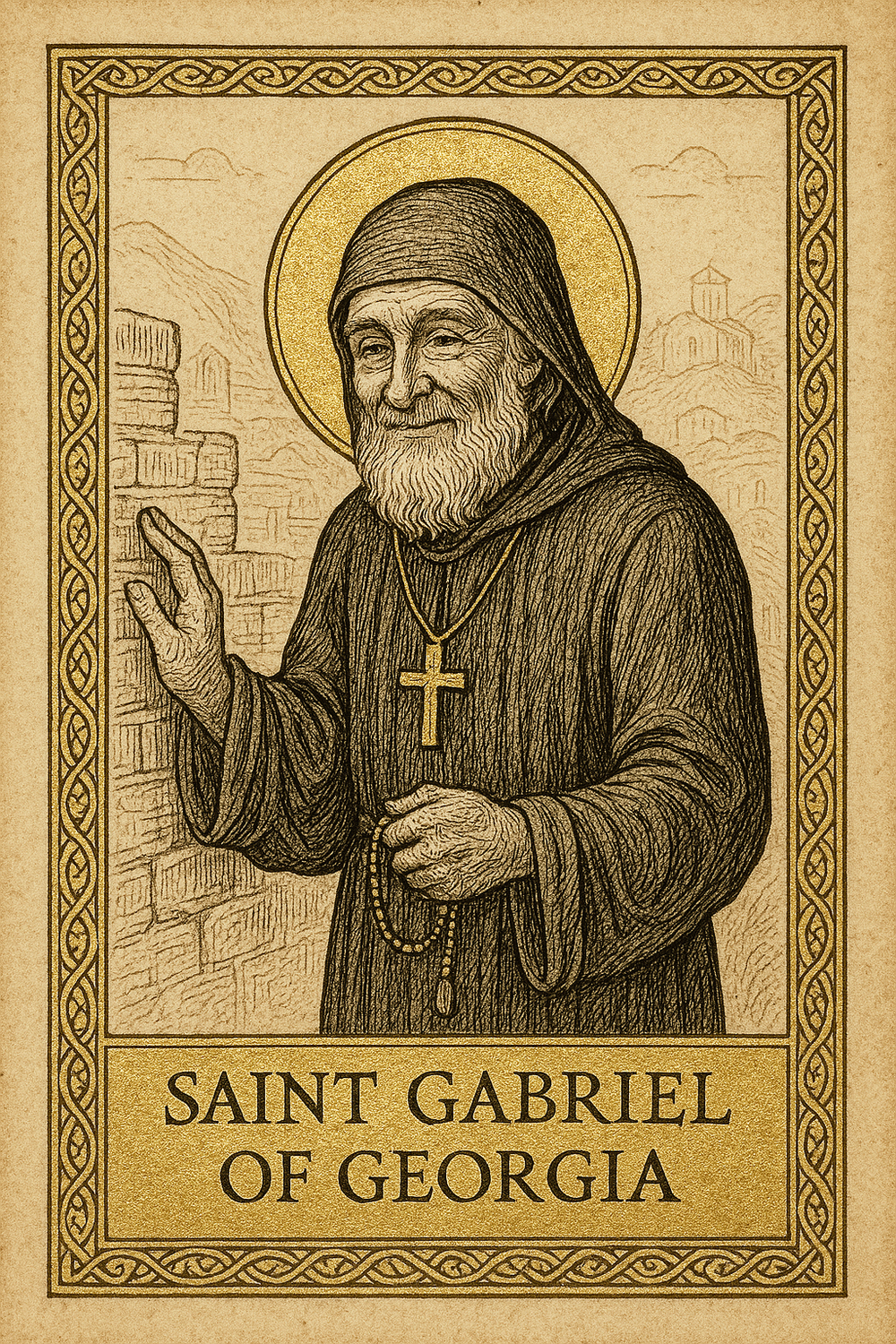
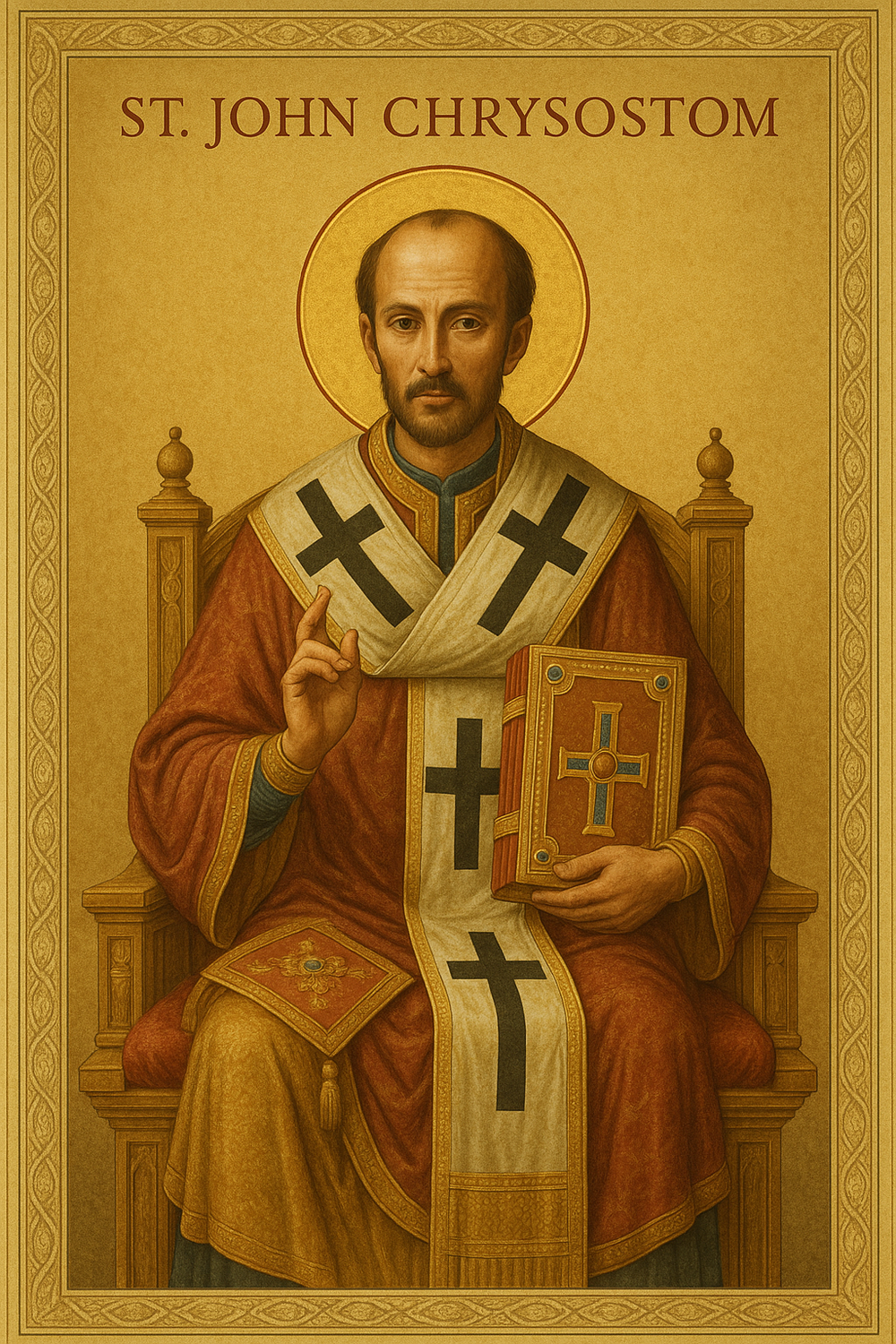
Learn the lives of the saints. The saints are not historical figures to be admired from a distance — they are living members of the Church who are actively interceding for you. Begin with the saints whose feast days fall near yours, or the patron saint whose name you took at reception. Our prayer card collection offers a tactile way to build a relationship with your primary intercessors. Consider our guide to using Orthodox prayer cards for context on this practice.
Common Challenges in the First Year
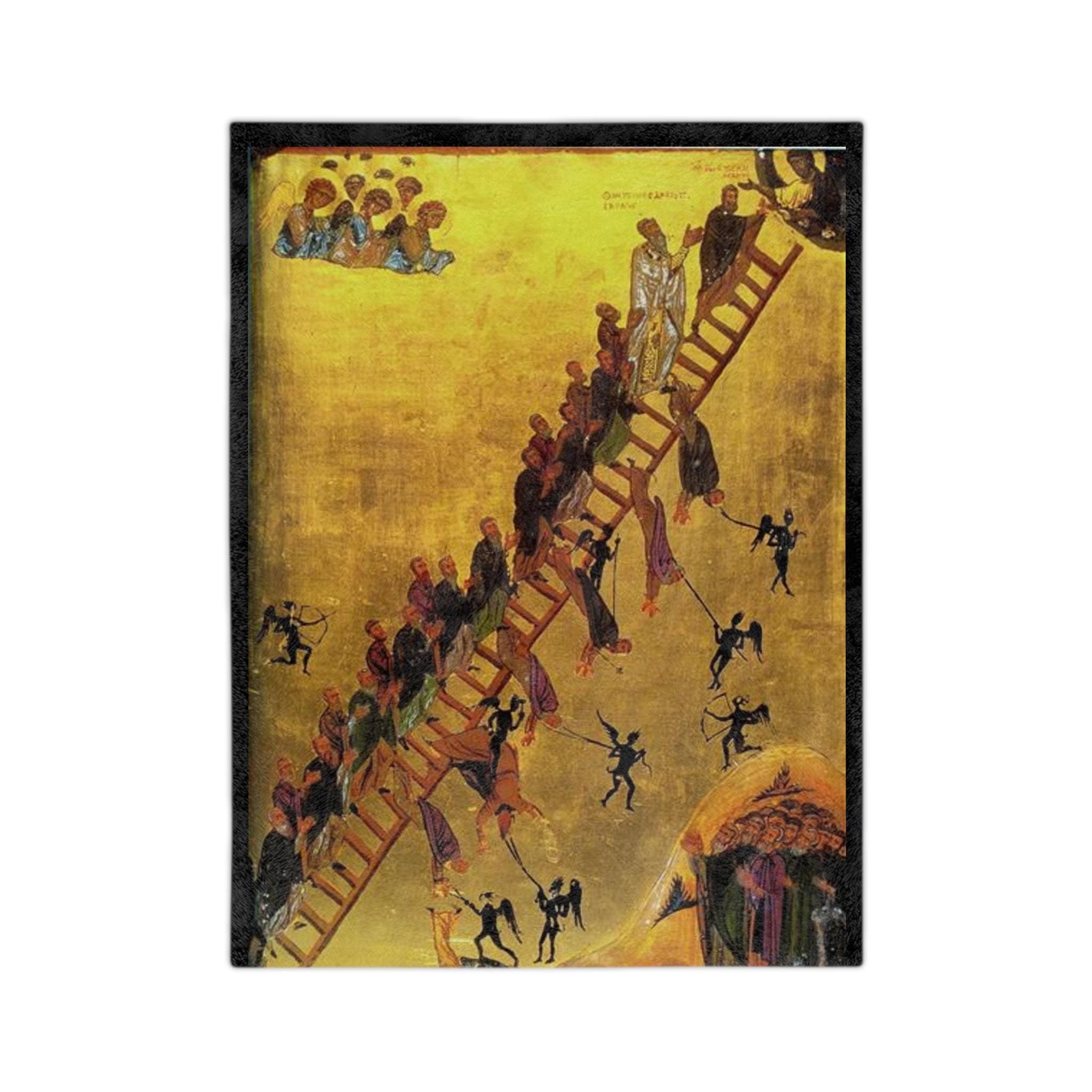
Spiritual dryness after the initial excitement is nearly universal. The honeymoon ends. This is not a sign of failure — it is the normal pattern of the spiritual life, described by every Church Father who ever wrote about it. The response is not to seek more intense experiences but to stay faithful to your rule when nothing feels alive. That faithfulness is itself the prayer.
Family tension is common, especially for converts whose families are not Orthodox. Live the faith with love, not arguments. Invite them to a feast — not a regular Sunday, when Liturgy may be long and unfamiliar, but to Pascha, or to a parish meal. Let them see the community before they evaluate the theology.
The feeling of "not being Orthodox enough" because you are still learning is nearly universal. You will mispronounce saints' names. You will forget which prostrations to do. You will mix up the tones. None of this matters. The Church has welcomed converts for two thousand years and has extensive patience with people who are trying.
Section Eight
Daily & Weekly Rhythm for New Orthodox Christians
Morning: Trisagion Prayers, Psalm 50 (51), the Lord's Prayer, Jesus Prayer (5–15 minutes total). Many people use a prayer rope to count repetitions.
Throughout the day: Jesus Prayer when your mind is free — while driving, walking, waiting. The goal is to bring prayer into the hours between formal prayers.
Evening: Same short rule + thanksgiving. Many Orthodox Christians read from an Orthodox prayer book at both ends of the day. See our guide to the best Orthodox prayer books.
Weekly
Sunday Liturgy + coffee hour. Wednesday and Friday fasting (no meat, dairy, wine, or oil). Confession every 2–4 weeks. Saturday Vespers when possible.
The Major Fasting Seasons
Great Lent (before Pascha, 40 days + Holy Week). Nativity Fast (40 days before Christmas, Nov 15–Dec 24). Apostles' Fast (variable length, after Pentecost). Dormition Fast (Aug 1–14).
The Twelve Great Feasts
Pascha (chief feast), Nativity, Theophany, Transfiguration, Pentecost, Dormition, Annunciation, Palm Sunday, Ascension, Exaltation of the Cross, Nativity of the Theotokos, Entry into the Temple, Presentation of Christ.
Patron Saint Days
Your saint's feast day — the day of the saint whose name you received — is your "name day," celebrated in Orthodoxy with even more solemnity than birthdays in many traditions.
For a thorough guide to beginning and sustaining a daily prayer practice, read our complete guide to Orthodox prayer rules for beginners. For those drawn to the deeper tradition of contemplative prayer, our guide to hesychasm and the prayer of the heart maps that territory carefully.
Frequently Asked Questions
Common Questions About Becoming Orthodox
Browse Orthodox Prayer Cards & Devotional Items
Handcrafted prayer cards of the saints most venerated in the Orthodox world — the Church Fathers, the Desert Mothers, the modern elders. Physical tools for the prayer life you are building.
Browse Orthodox Prayer Cards →The Orthodox Church Has Been Praying for You Since the Day You Were Born.
She has preserved the faith through every century so that when you were ready, the door would be open. You do not need to be holy to begin — you only need to be honest. The next small step is enough: go to Liturgy this Sunday, stay for coffee hour, and tell the priest: "I want to learn more."
Christ is already at work in you. The rest is simply letting Him finish what He has started.
Explore Orthodox Saints & Prayer Cards →As an Amazon Associate, The Eastern Church earns from qualifying purchases.