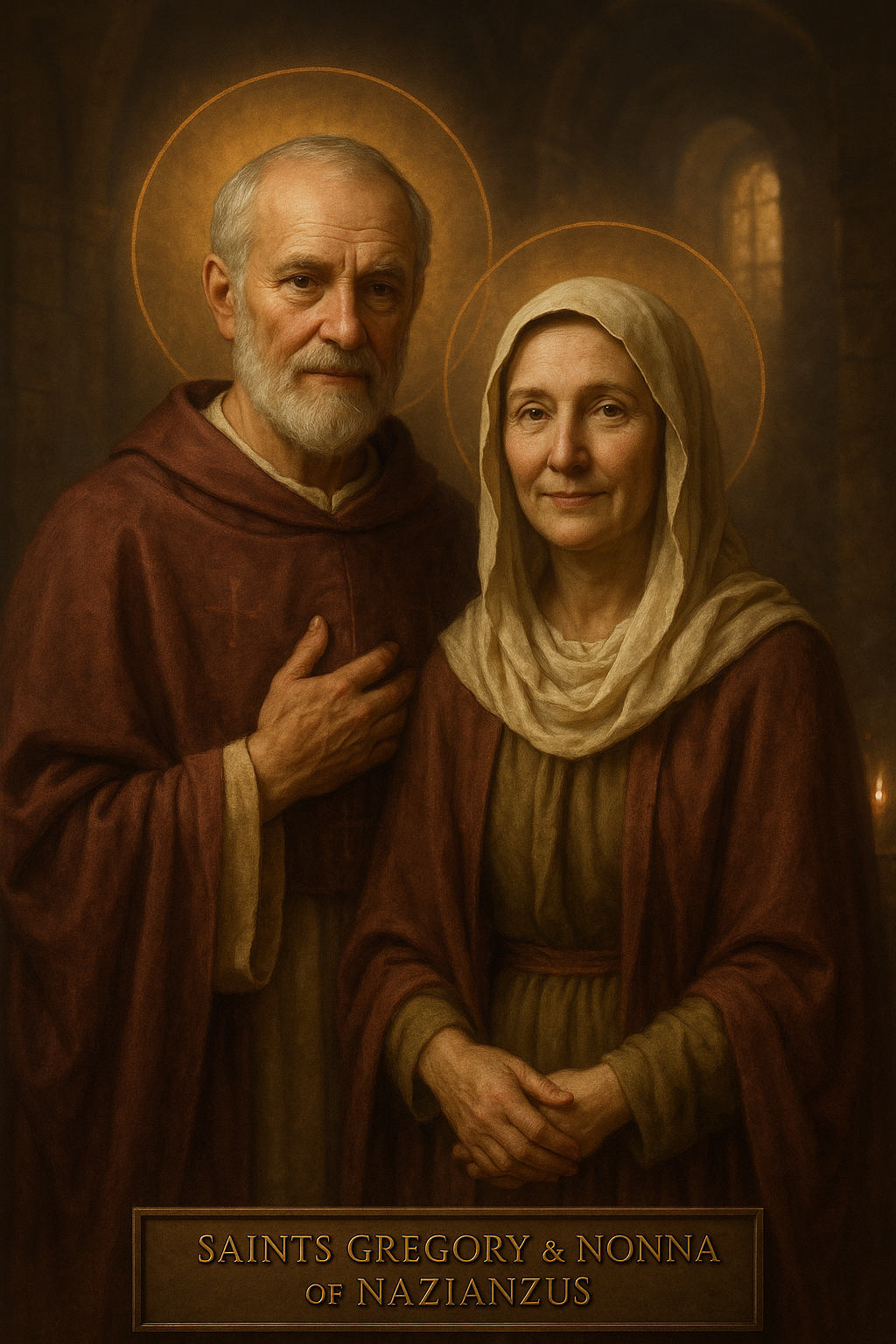
Saints Gregory the Elder and Nonna of Nazianzus: The Bishop and the Wife Who Prayed for His Conversion
Saints Gregory the Elder and Nonna of Nazianzus were a Christian couple of fourth century Cappadocia, the parents of Saint Gregory the Theologian, Saint Gorgonia and Saint Caesarius. This article explains what the sources document, what is uncertain and what belongs to tradition.
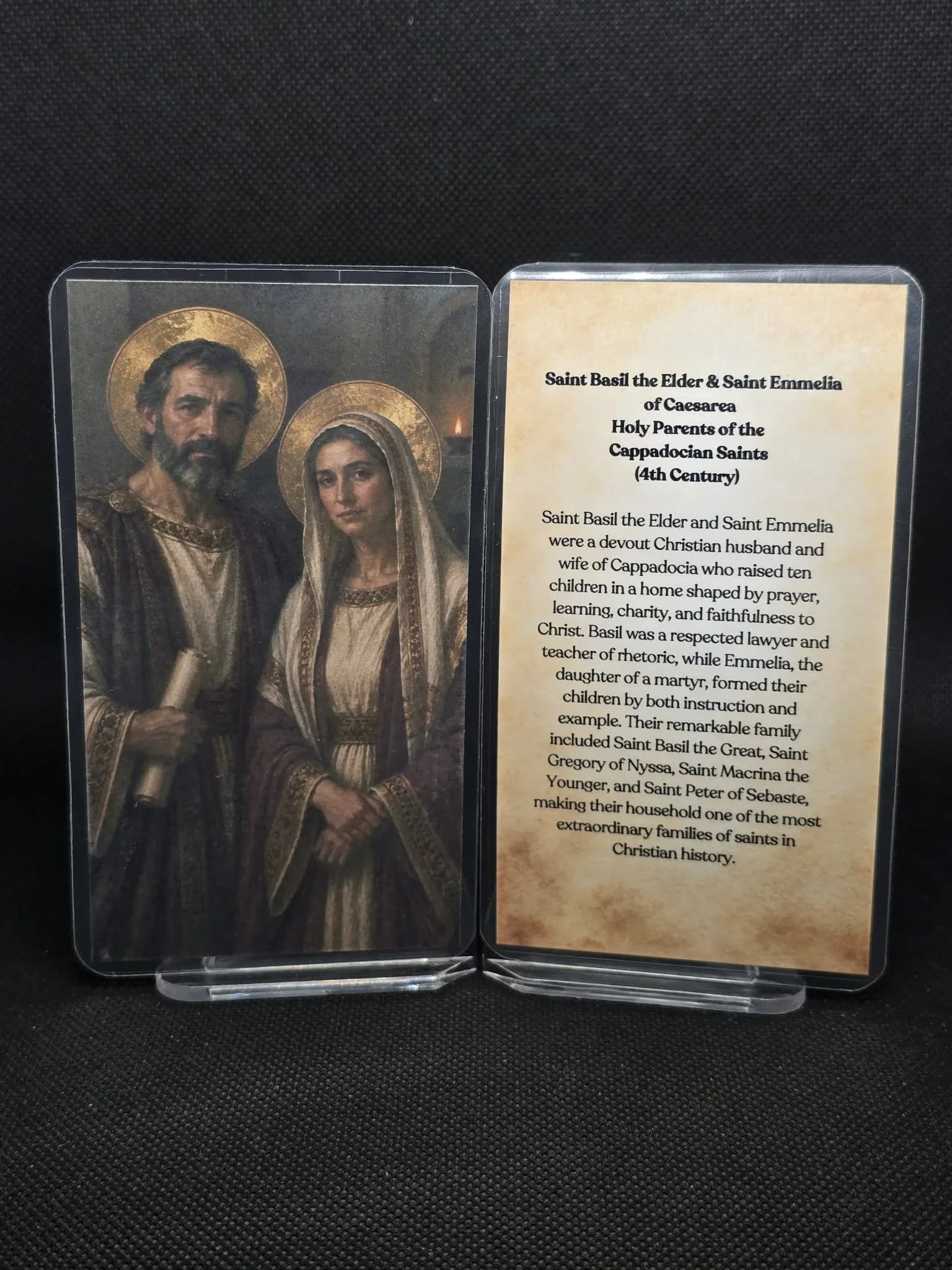
Saints Basil the Elder and Emmelia of Caesarea: The Parents of Basil the Great and the Cappadocian Saints
Saints Basil the Elder and Emmelia of Caesarea were a Christian couple of fourth century Cappadocia and Pontus, the parents of Saint Basil the Great, Saint Gregory of Nyssa, Saint Macrina the Younger and Saint Peter of Sebaste. This article explains what the sources document, what is uncertain and what belongs to tradition.
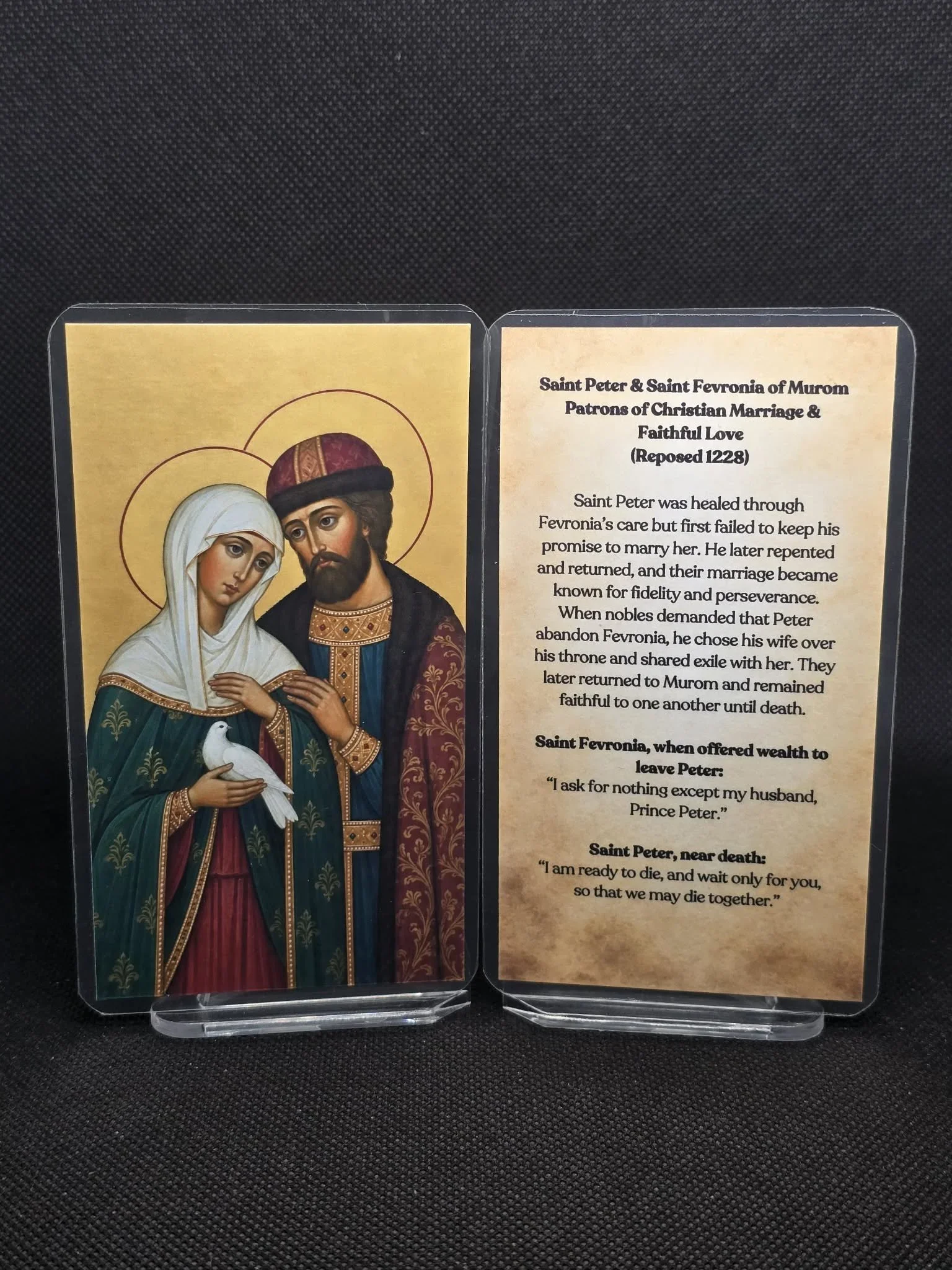
Saints Peter and Fevronia of Murom: The Princely Couple Honored as Models of Marriage
Saints Peter and Fevronia of Murom are Russian Orthodox saints honored as a model of Christian marriage. Their well-known story was written in the sixteenth century and mixes history with folklore. This article explains what is documented, what is uncertain and what belongs to tradition.
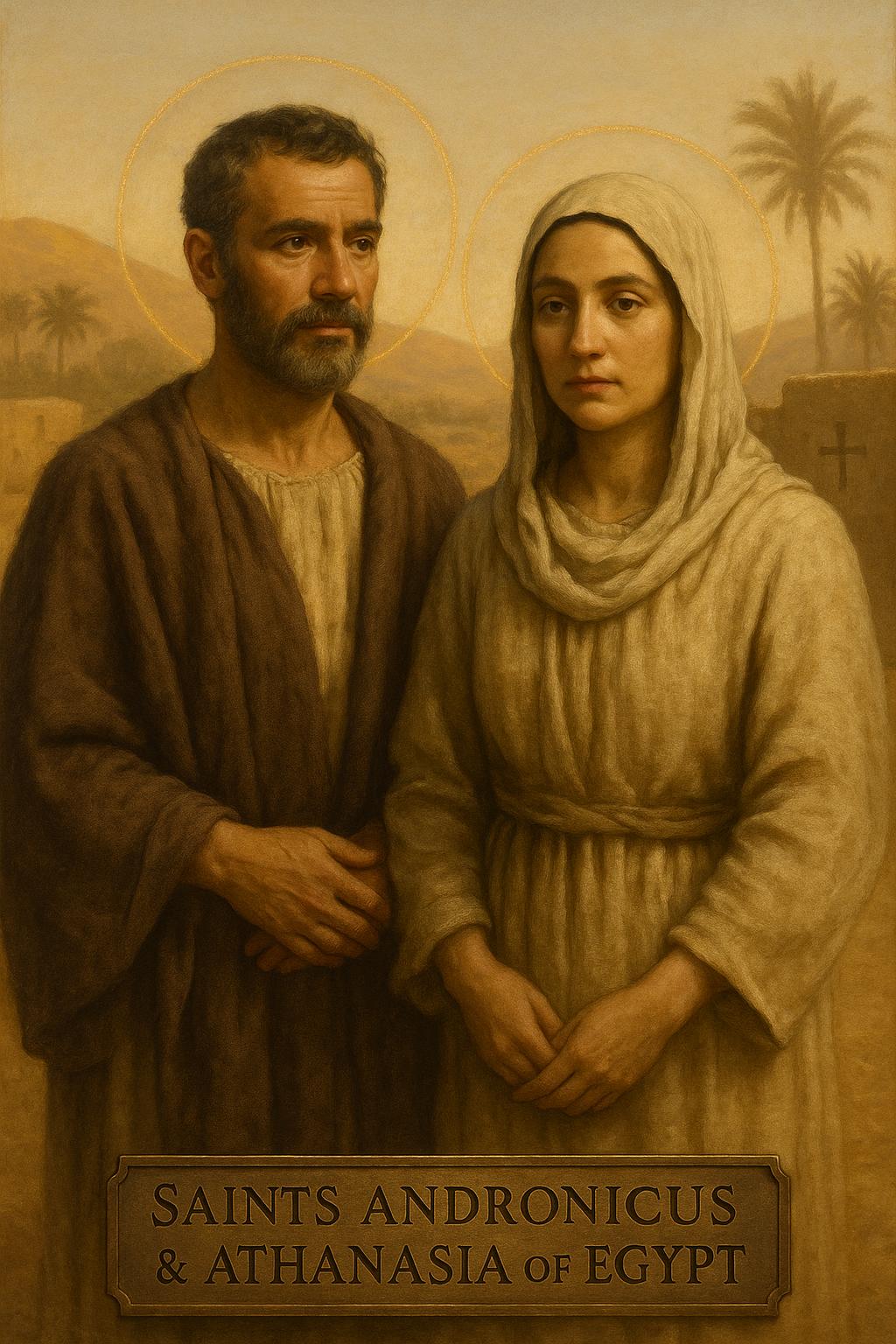
Saints Andronicus and Athanasia of Egypt: A Married Couple Who Became Desert Monastics
Saints Andronicus and Athanasia are remembered as a wealthy married couple of Antioch who became monastics in Egypt after losing their children. Their story comes from a hagiographical Life linked with Abba Daniel of Scetis. This article explains what the sources say and where the details are tradition.
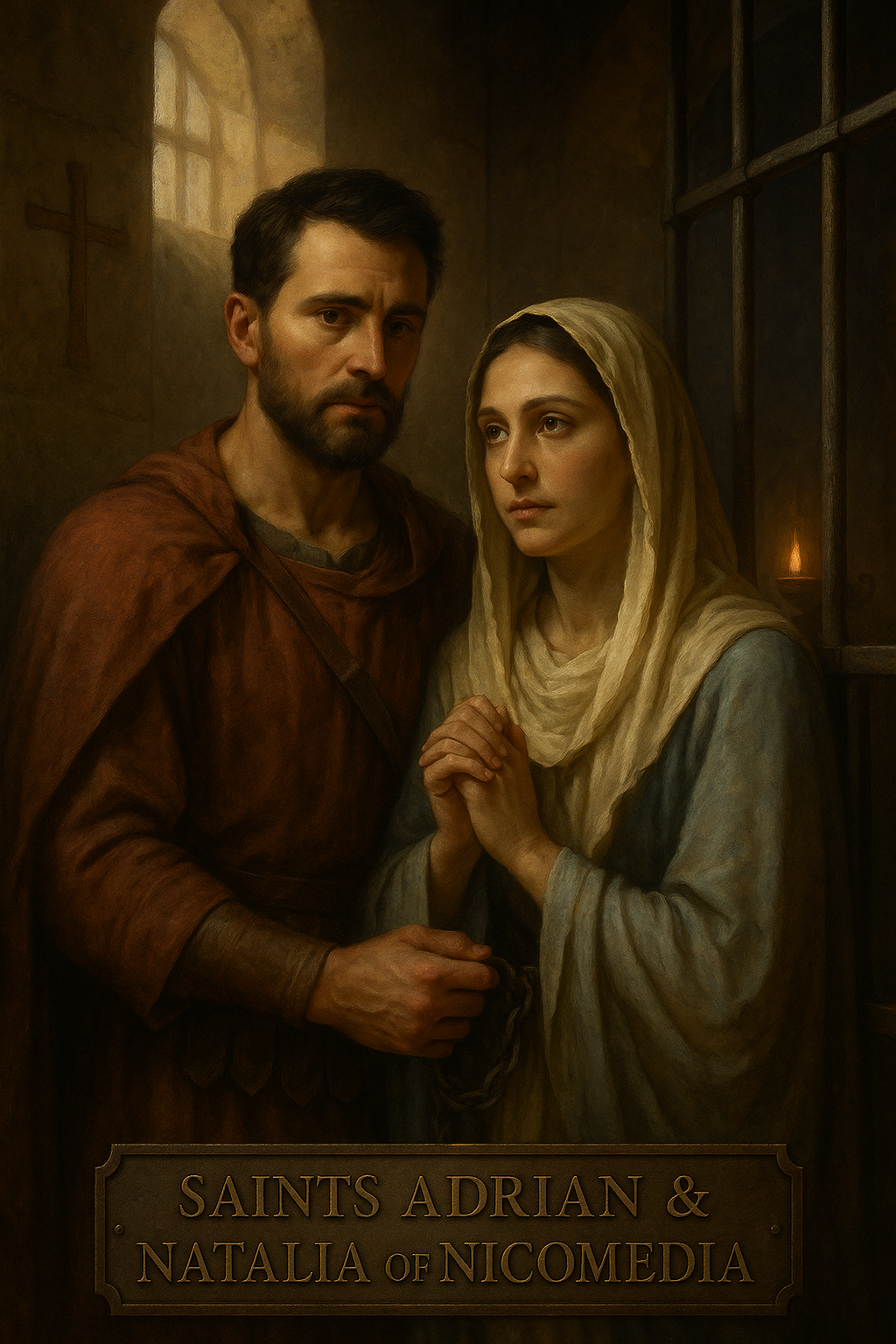
Saints Adrian and Natalia of Nicomedia: The Martyr Husband and the Wife Who Strengthened Him
Saints Adrian and Natalia of Nicomedia are remembered as a married couple of the persecutions of the late third or early fourth century. Their veneration is ancient, but their long Acts contain much legend. This article explains what is known, what is tradition and why they are honored.
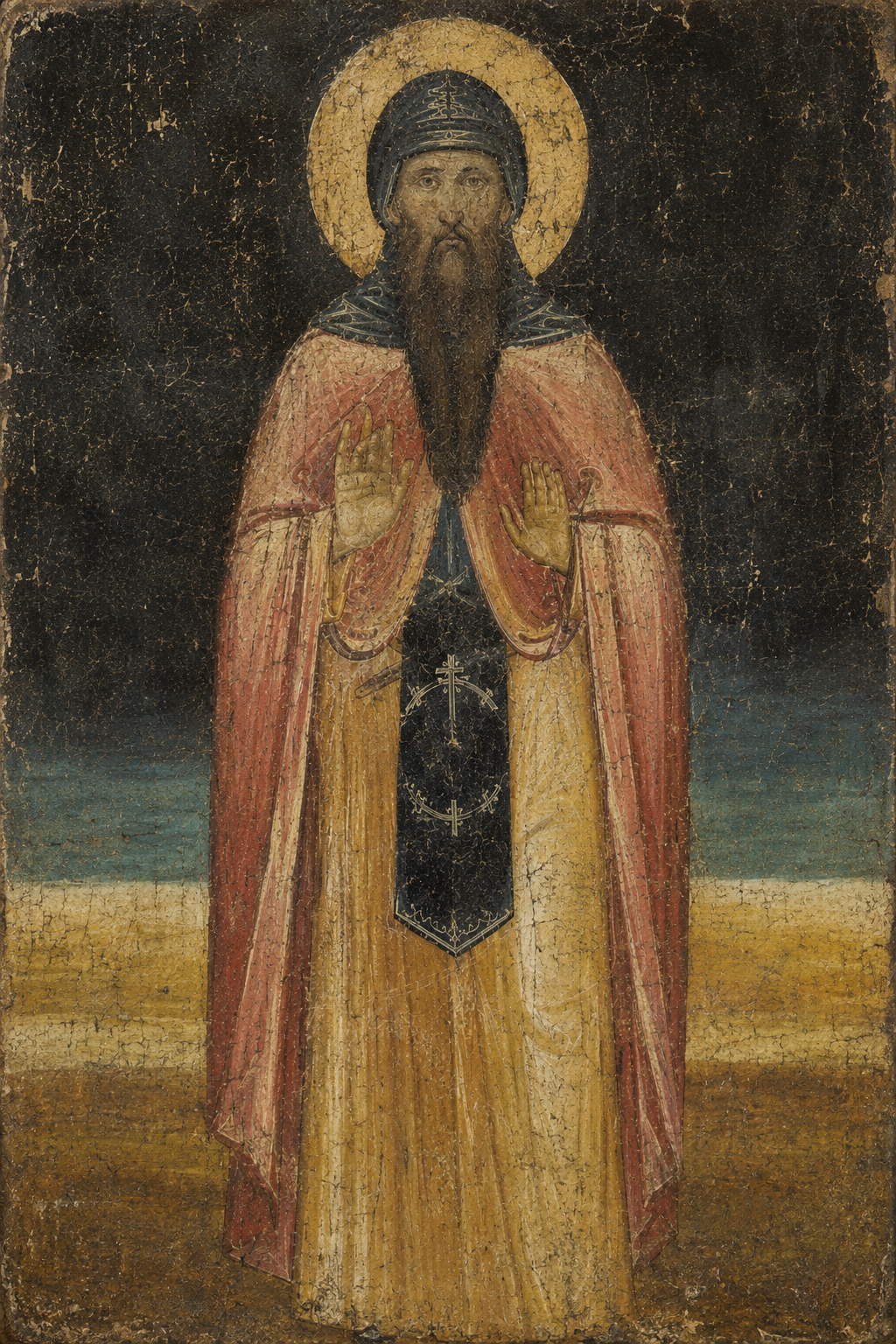
Saint Maximos the Hut-Burner: The Athonite Hermit Who Burned His Huts
Saint Maximos the Hut-Burner was a fourteenth-century Byzantine hermit of Mount Athos, remembered for burning his small shelters and for his visions of the Mother of God. His early Lives survive, but many details are tradition. This article separates the sources from the legends.
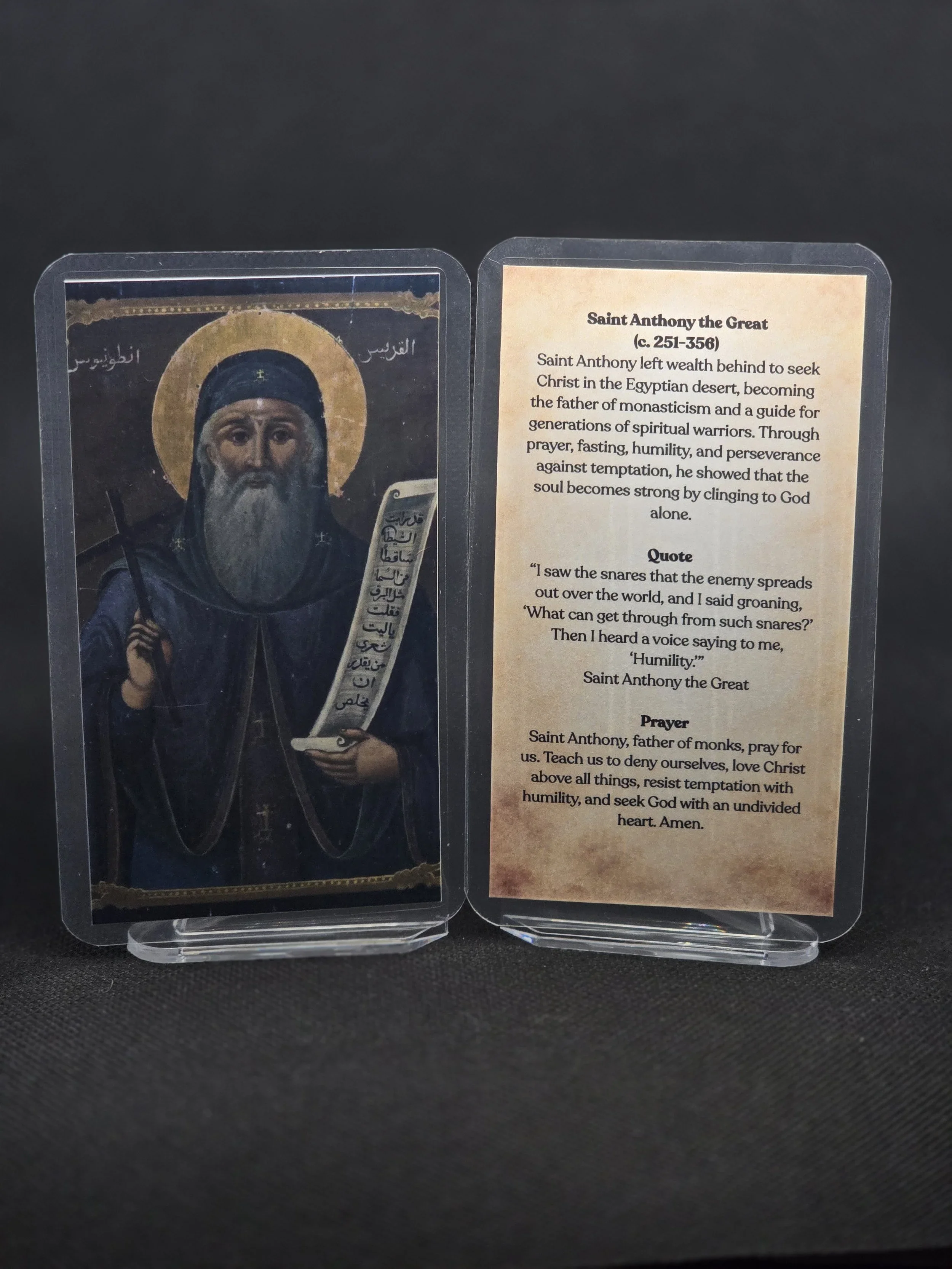
Saint Anthony the Great: Father of Monks and His Years Among the Tombs
Saint Anthony the Great was an Egyptian Christian ascetic of the third and fourth centuries, called the Father of Monks. Saint Athanasius wrote his Life, which describes his years living among tombs. This article explains what the sources say and where the tradition goes beyond them.
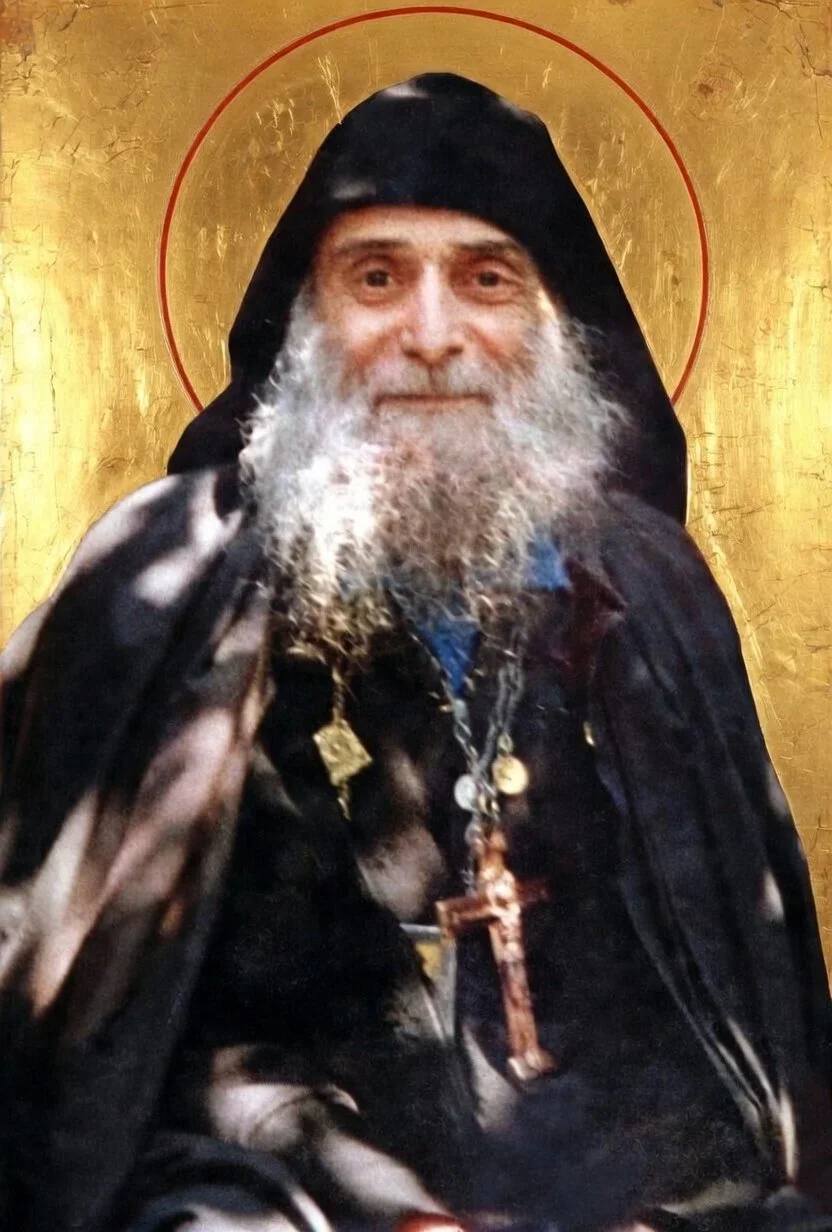
Saint Gabriel Urgebadze: Georgian Confessor and Fool for Christ of Samtavro
Saint Gabriel Urgebadze was a Georgian Orthodox hieromonk and archimandrite who lived under Soviet rule. He is remembered for burning a portrait of Lenin in 1965, for his years at Samtavro Monastery, and for his life as a fool for Christ. He was glorified by the Georgian Orthodox Church in 2012.
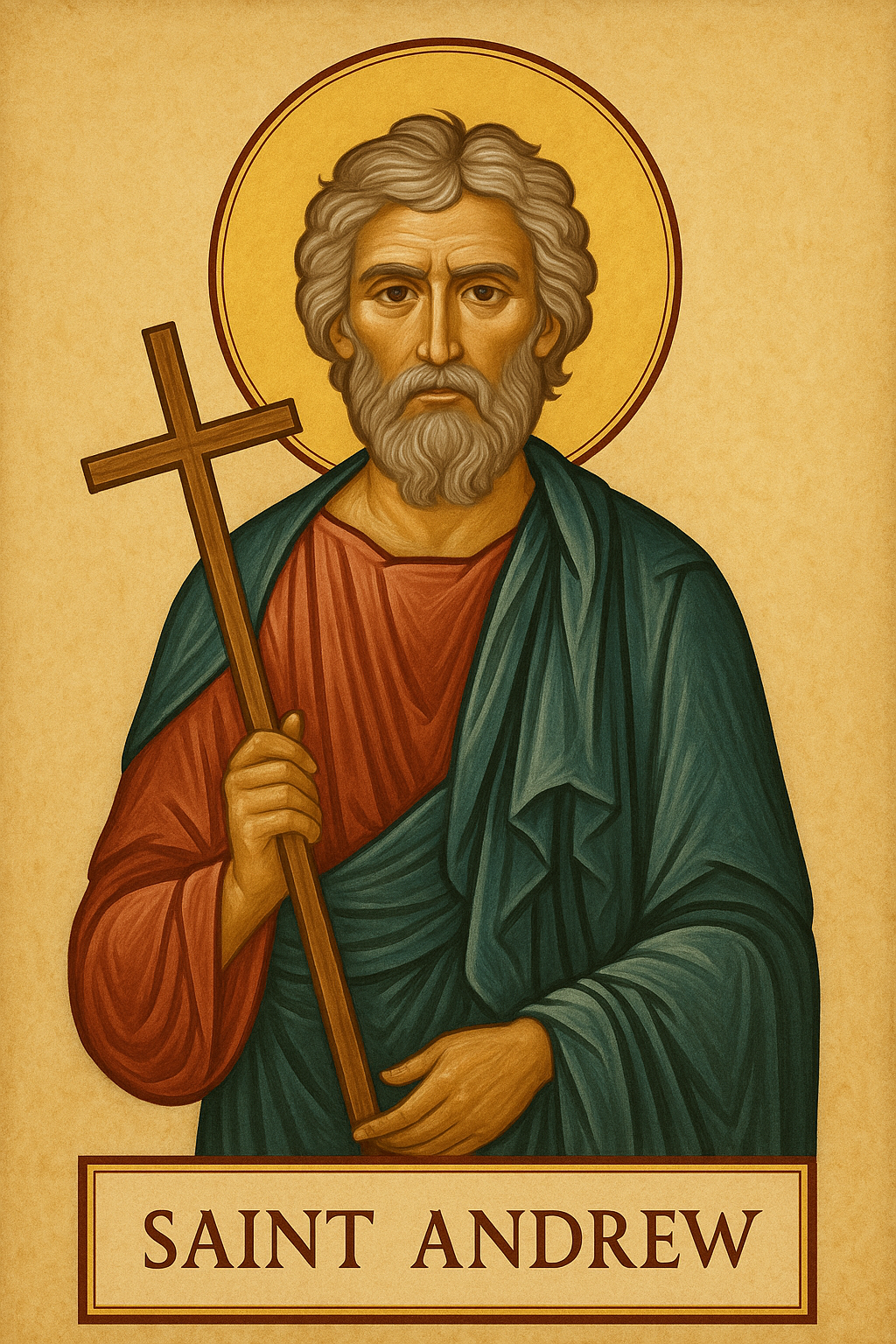
Saint Andrew the Apostle: The First-Called, Brother of Peter and Patron of Many Nations
Saint Andrew the Apostle was a Galilean fisherman and disciple of John the Baptist who brought his brother Peter to Jesus and is honored as the First-Called by Catholic and Orthodox Christians.
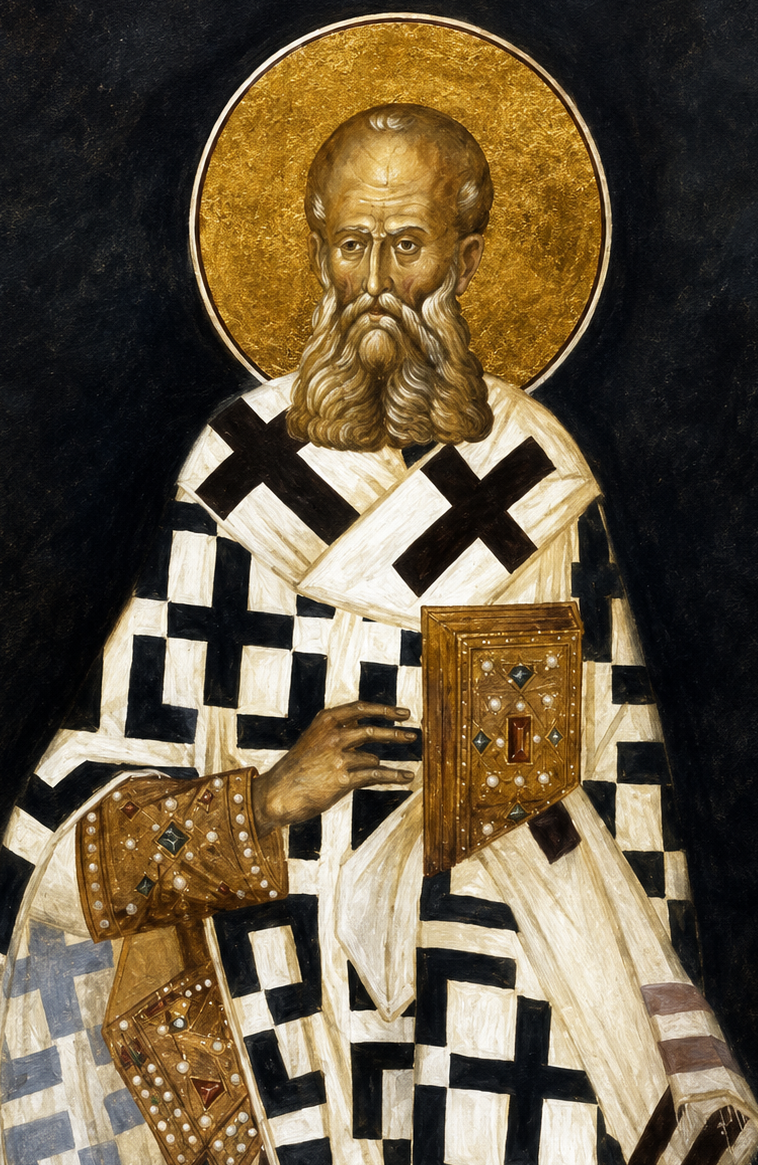
Saint Gregory the Theologian: Teacher of the Trinity and Bishop of Constantinople
Saint Gregory the Theologian was a fourth-century bishop, orator and poet who defended the divinity of the Son and the Holy Spirit and resigned from Constantinople for the sake of peace.
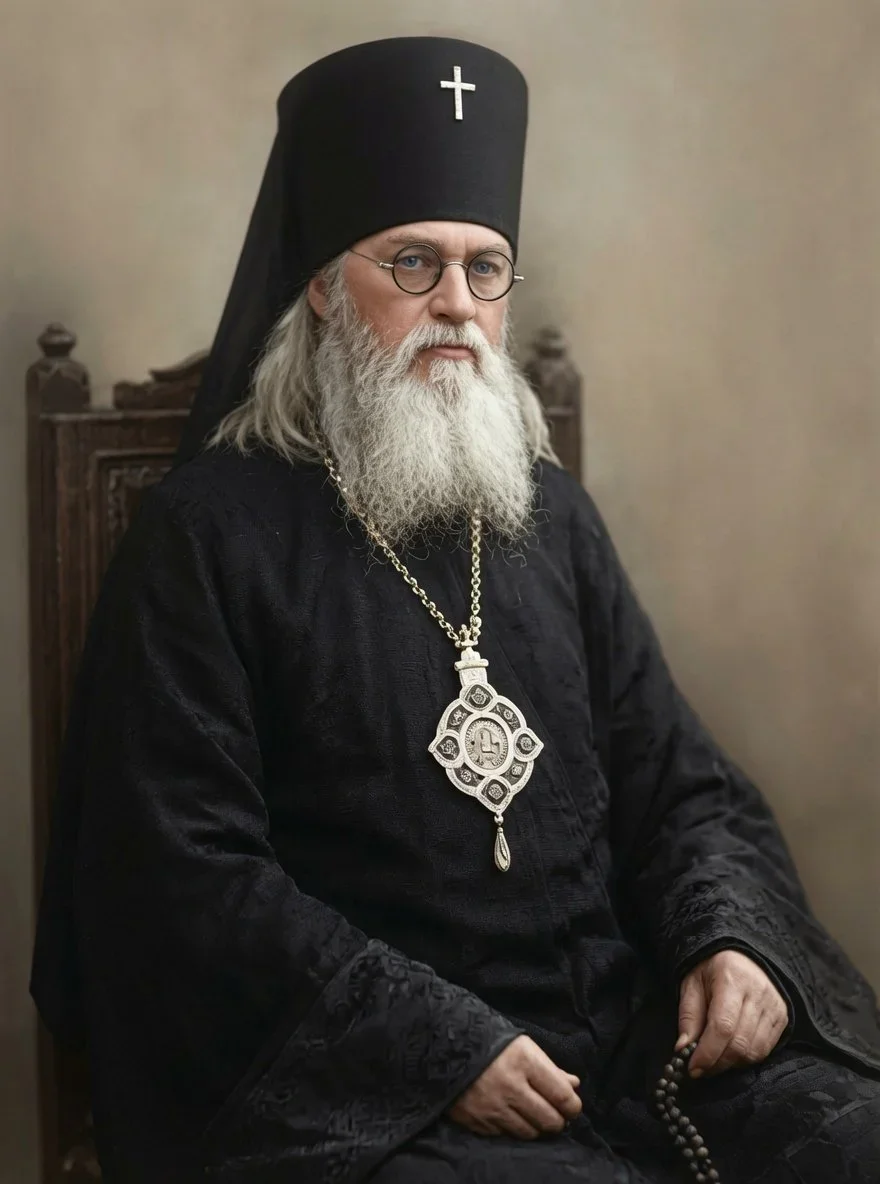
Saint Luke of Crimea: Surgeon, Archbishop and Confessor
A professor of surgery who became a bishop, endured years of Soviet prison and exile, and kept treating the sick until he went blind.
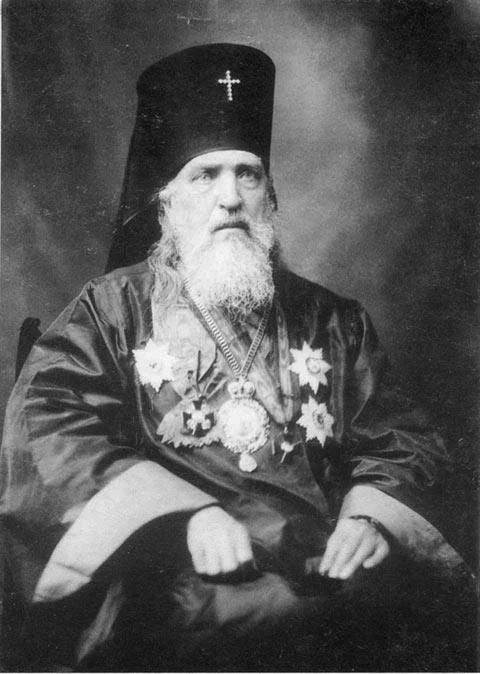
Saint Nicholas of Japan: Equal-to-the-Apostles and Enlightener of Japan
A Russian missionary who learned Japanese, translated the Scriptures and the liturgy, and built the Orthodox Church in Japan through the Meiji era.
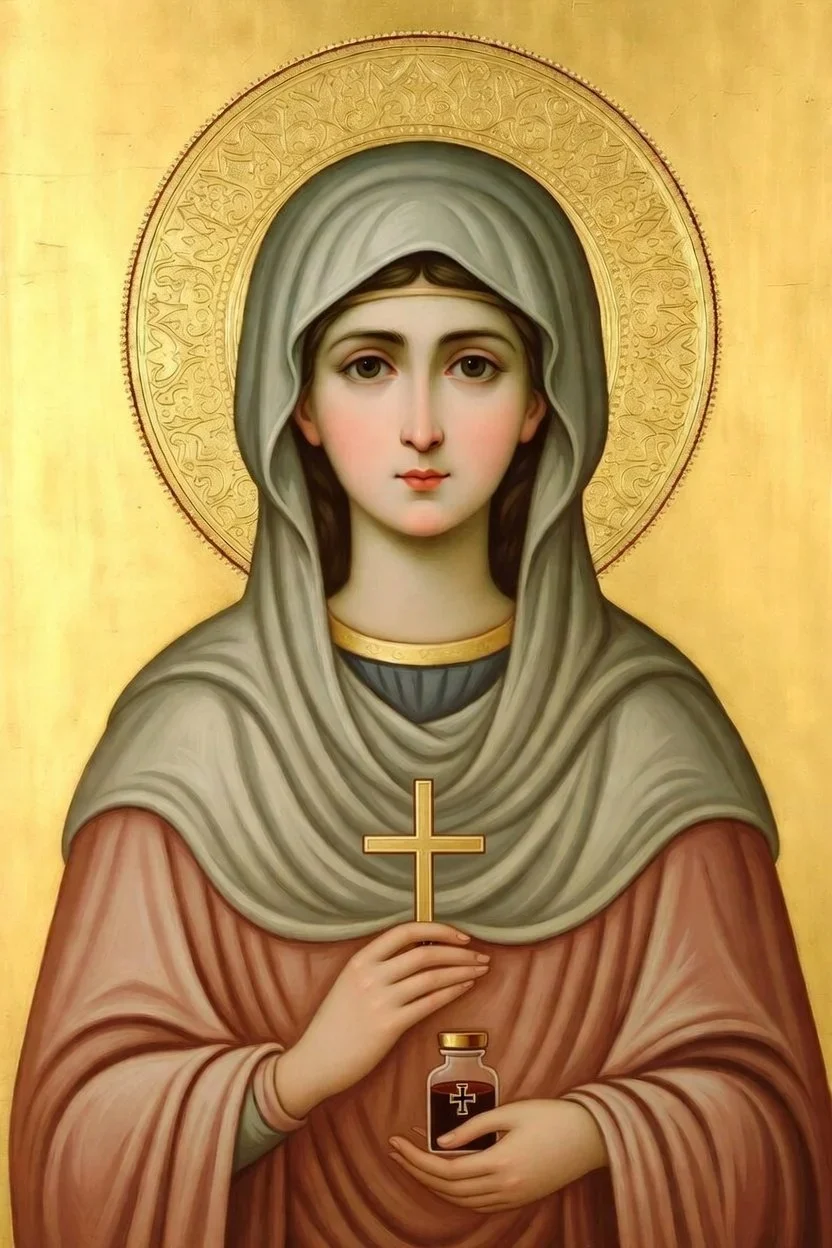
Saint Anastasia the Deliverer from Potions: Great Martyr of Sirmium
A Christian martyr of Sirmium, remembered in East and West, who is honored as a friend of prisoners and a healer of those harmed by poison.
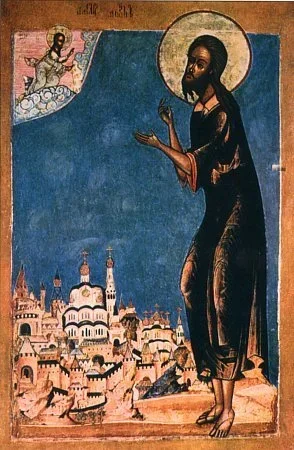
Saint Alexis the Man of God: Voluntary Pauper of Edessa and Rome
The anonymous beggar of Edessa who became the beloved Alexis, and a legend of poverty and hidden love that traveled from Syria to Constantinople and Rome.
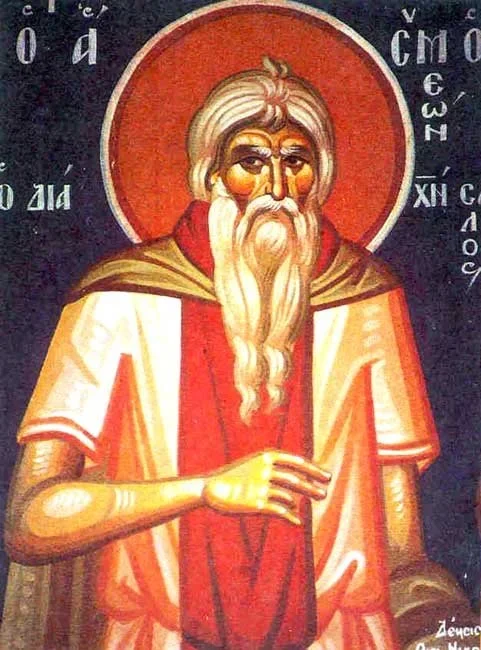
Saint Symeon the Fool of Emesa: Holy Fool and Ascetic of Syria
A desert ascetic who walked into a Syrian city as a fool so that no one would honor him, and whose Life shaped the whole tradition of holy foolishness.
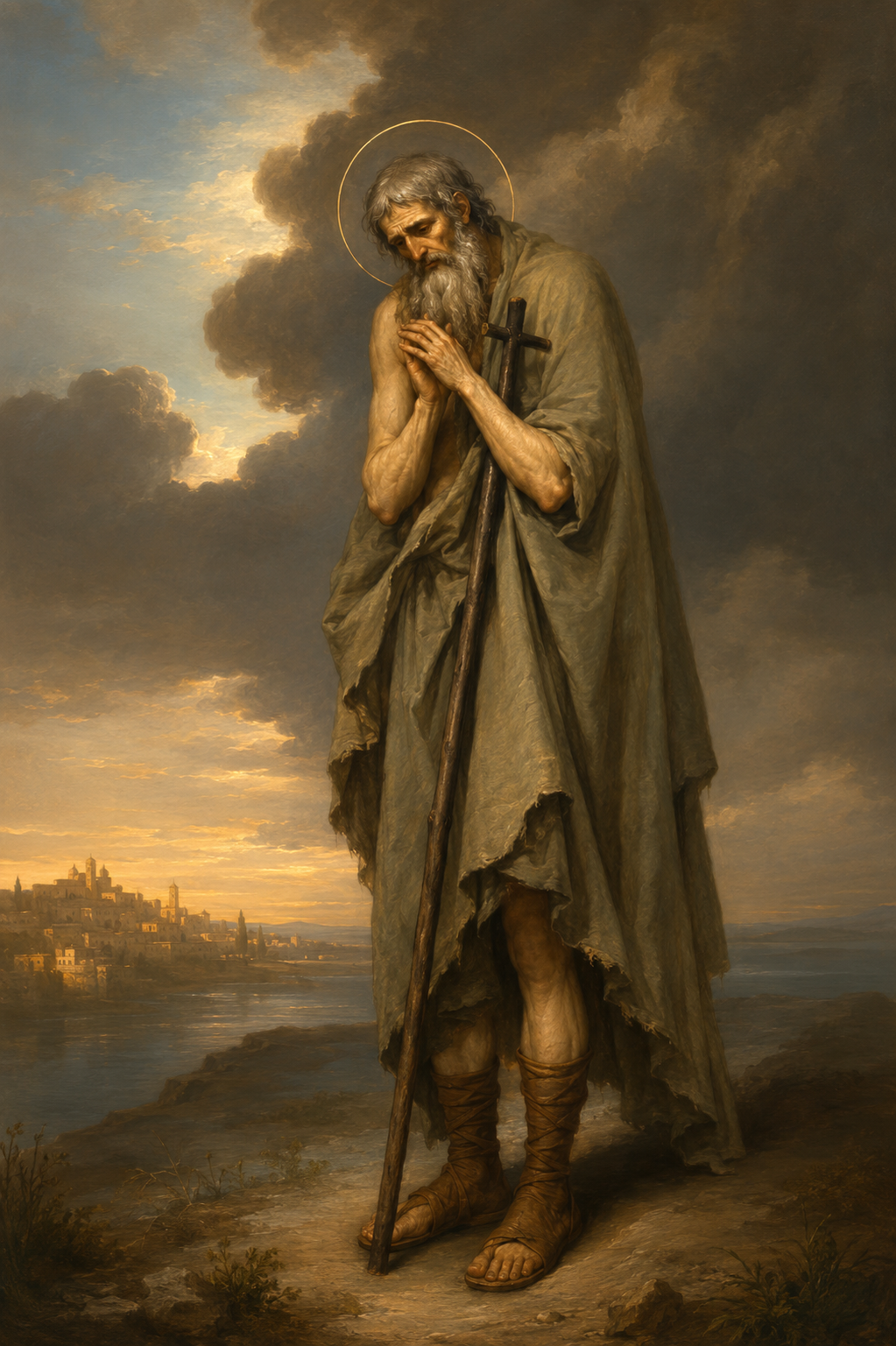
Saint Thomas the Fool of Syria: Monk and Holy Fool of Antioch
A sixth-century monk who hid his holiness behind feigned foolishness, and whose burial was remembered in Antioch for generations.
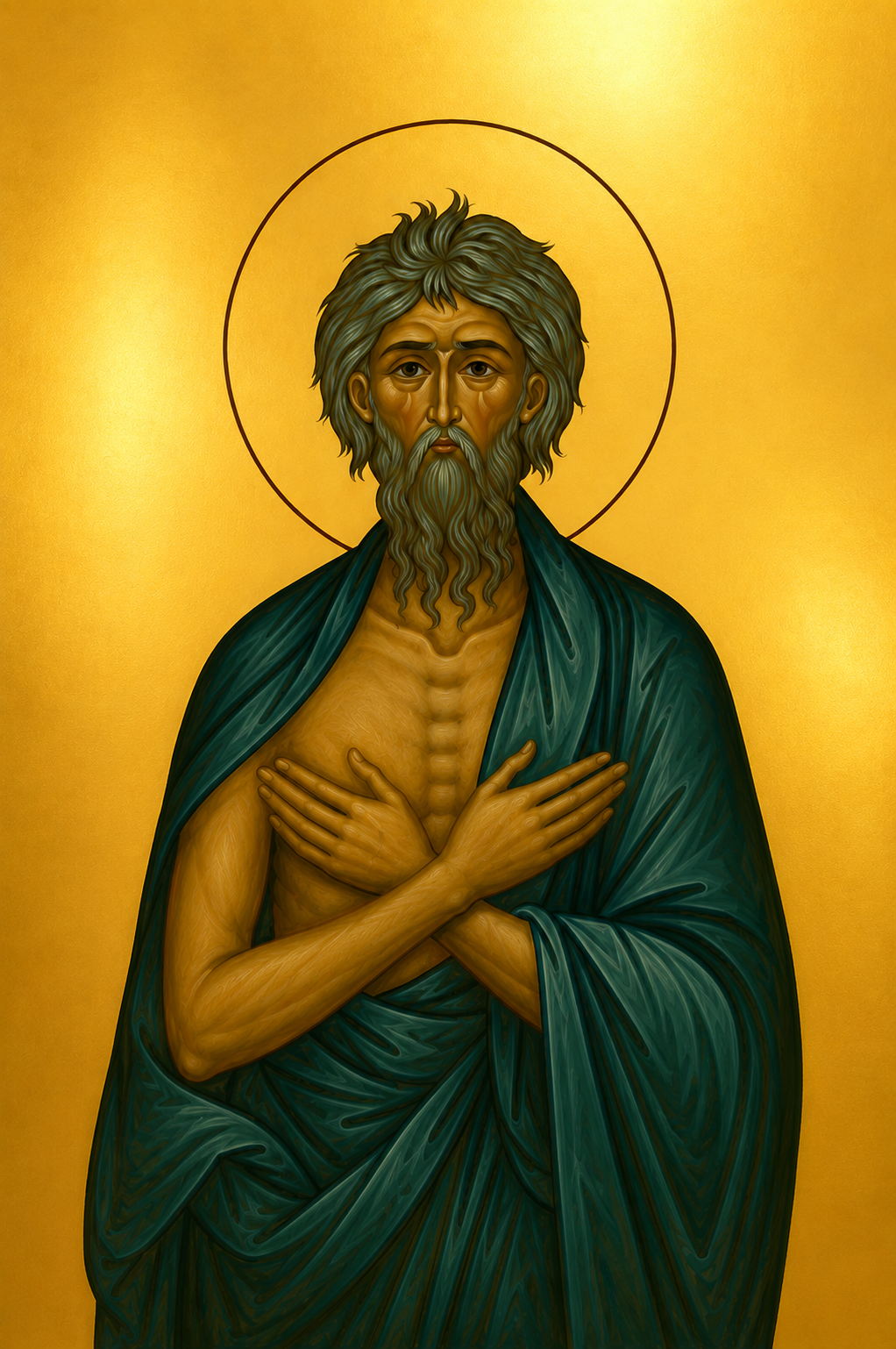
Saint Andrew the Fool for Christ of Constantinople: Holy Fool and Seer of Blachernae
A Scythian-born servant of Constantinople who became a holy fool, and whose Life lies behind the feast of the Protection of the Theotokos.
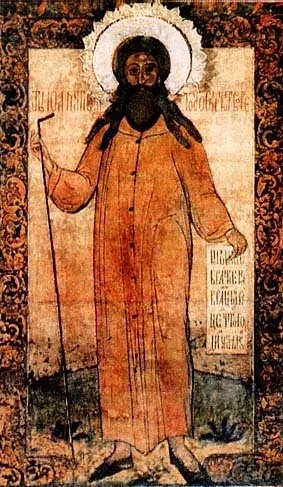
Saint John the Hairy of Rostov: Fool for Christ and Ascetic
A sixteenth-century holy fool of Rostov the Great whose origins are unknown and who is traditionally said to have died in 1580.
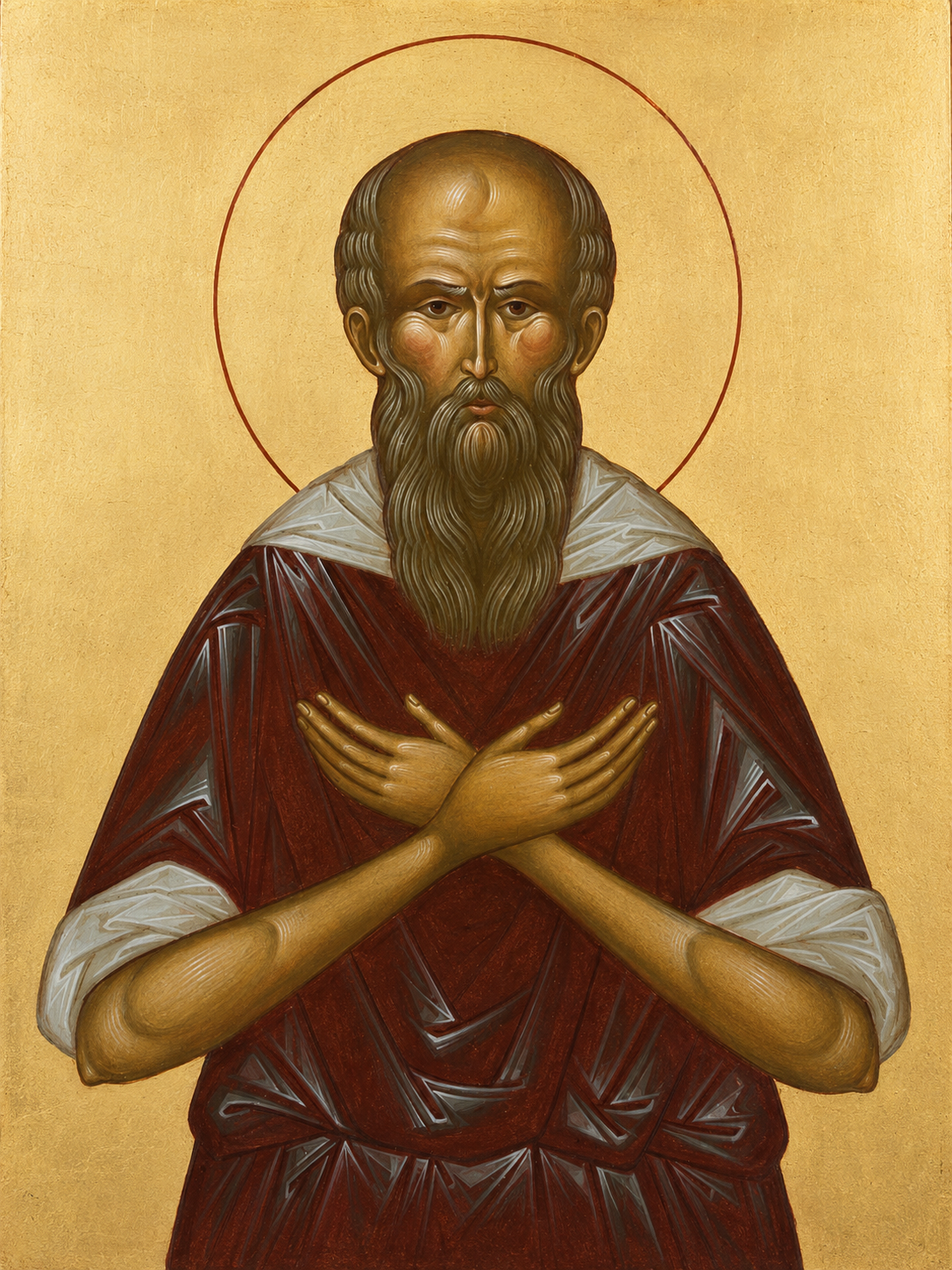
Saint Maximus of Totma: Priest, Fool for Christ and Wonderworker
A Russian priest of the Totma region who lived as a holy fool and died in 1650; locally glorified in 1715.
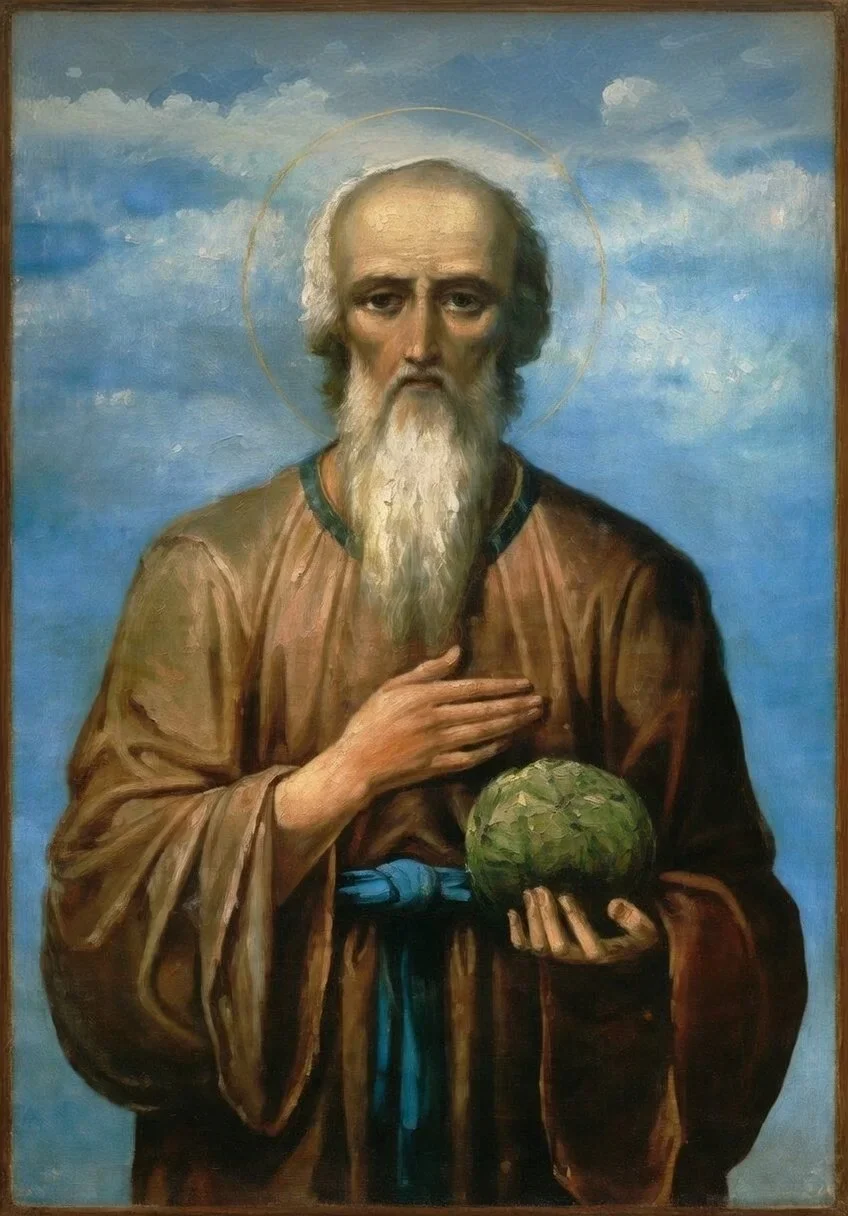
Saint Nicholas Kochanov of Novgorod: Fool for Christ and Wonderworker
A medieval Novgorod holy fool, traditionally from a wealthy family, who gave up honor and died about 1392.