Coptic Orthodox Church Beliefs: What Copts Believe, How They Worship, and Where the Faith Came From
Oriental Orthodoxy • The Church of Alexandria • Beliefs • Worship • Saints • History
Coptic Orthodox Church Beliefs: What Copts Believe, How They Worship, and Where the Faith Came From
Founded, by its own tradition, by Saint Mark in Alexandria around AD 42. Home of the Desert Fathers, the Catechetical School, and the Era of the Martyrs. Led today by the 118th Pope of Alexandria. This is what the Coptic Orthodox Church actually teaches, in plain language, with the history behind each belief.
The Coptic Orthodox Church: At a Glance
- The Church
- Coptic Orthodox Church of Alexandria • One of the Oriental Orthodox Churches • Holy See of Saint Mark
- Origins
- Founded, according to tradition, by Saint Mark the Evangelist in Alexandria, c. AD 42
- Current Pope
- Tawadros II, 118th Pope of Alexandria • Enthroned November 18, 2012 • Seat: Saint Mark’s Cathedral, Abbassia, Cairo
- Christology
- One incarnate nature of God the Word, fully divine and fully human (miaphysite) • Rejects both Monophysitism and Nestorianism
- Councils Accepted
- Nicaea (325) • Constantinople (381) • Ephesus (431) • Separated after Chalcedon (451)
- Sacraments
- Seven: Baptism, Chrismation, Eucharist, Repentance and Confession, Unction of the Sick, Matrimony, Priesthood
- Liturgies
- Saint Basil (most common) • Saint Gregory (great feasts) • Saint Cyril, the Liturgy of Saint Mark
- Daily Prayer
- The Agpeya, the Book of the Hours • Seven prayer hours, prayed facing east
- Fasting
- Roughly 210 to 240 days a year • Great Lent 55 days • Nativity Fast 43 days • Every Wednesday and Friday
- Calendar
- Coptic year 1743 (Anno Martyrum) began September 11, 2026 • Christmas on January 7
- Size
- Estimates range from about 4 to 5 million in Egypt (surveys) to 15 million in Egypt and 2 million abroad (Church claim, 2023)
- Language
- Coptic (Bohairic dialect) in the liturgy, alongside Arabic and the local language of each country
Who the Copts Are, and What This Church Is
The word Copt comes, through Arabic, from the Greek word for Egyptian. A Coptic Christian is, quite literally, an Egyptian Christian, and the Coptic Orthodox Church is the ancient Church of Egypt. It is also one of the oldest Christian communities in the world still worshiping in the place where it began. While much of the Mediterranean world has changed languages, empires, and religions several times over, this Church has kept its liturgy, its monasteries, its saints, and its calendar going for roughly two thousand years.
It belongs to the family called the Oriental Orthodox Churches: the Coptic, Ethiopian, Eritrean, Syriac Orthodox, Malankara Indian Orthodox, and Armenian Apostolic Churches. These Churches share the faith of the first three ecumenical councils and did not accept the Council of Chalcedon in 451. That is a different family from the Eastern Orthodox Churches (Greek, Russian, Serbian, Antiochian and others), and it is different again from the Coptic Catholic Church, which is in communion with Rome. If those three labels sound alike and you want them untangled, our article on Oriental versus Eastern Orthodoxy and the one on Coptic Catholic versus Coptic Orthodox are the companions to this one. The Armenian Apostolic Church is the nearest cousin in the family.
The Church is led by the Pope of Alexandria and Patriarch of the See of Saint Mark. Since November 18, 2012, that has been Pope Tawadros II, the 118th in the line. He was a pharmacist before he became a monk and priest, and he was chosen, as is the custom, when a blindfolded altar boy drew his name from a chalice on November 4, 2012, as Gulf News reported at the time. He is still active. In April 2026 he presided at the Easter liturgy at Saint Mark’s Cathedral in Cairo, in May he made a pastoral visit to Croatia, where about 600 Copts live, as the Croatian president’s office noted, and in July he consecrated a church in Alexandria dedicated to Saint Shenouda the Archimandrite.
How many Copts are there? The honest answer is that nobody agrees. The Pew Research Center could find no census or large survey supporting the common claim of 10 percent or more, and put Egyptian Christians at roughly 5 percent of the population. Other monitoring groups, summarized by Minority Rights Group, say at least 10 percent. Pope Tawadros II said in 2023 that the Church counts 15 million members in Egypt and 2 million abroad, and Egyptian censuses have not reported on religion since 2006, which is part of why the numbers stay contested. Whatever the right figure is, the Coptic Church is the largest Christian community in the Middle East and North Africa, as the reference summary of the Church puts it.

Book links on this page are Amazon affiliate links. If you buy through them we may earn a small commission at no extra cost to you.
Part II
Saint Mark and the Apostolic Roots
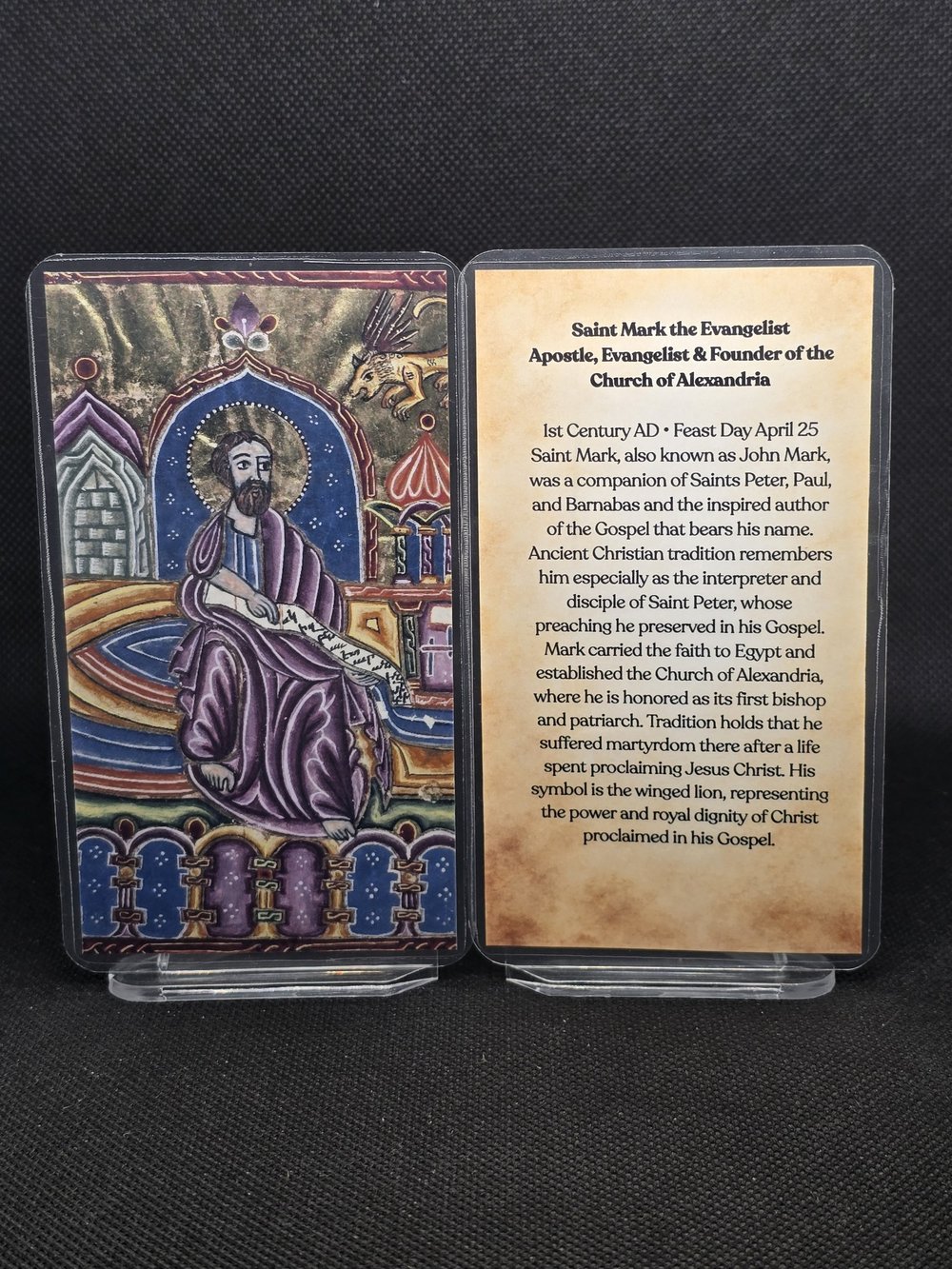
According to Coptic tradition, the Church was founded by Mark the Evangelist, a companion of the Apostles, in the middle of the first century, around AD 42. Alexandria was then one of the greatest cities in the world, with a vast library, a large Greek-speaking population, and a large Jewish community. Mark preached there, Coptic tradition says, and was martyred in the city. Every Coptic pope since is counted as his successor on the Holy Apostolic See of Saint Mark. That is why the Church sees itself as apostolic in the strict sense: its bishops trace their consecration back to an apostolic man, and its Pope still carries titles that go back to Alexandria’s earliest days.
Egypt also holds a special place in the Church’s memory because of the Holy Family. The Gospel of Matthew records that Joseph, Mary, and the infant Jesus fled into Egypt to escape Herod, and that they returned only after his death. The Coptic Church counts the Entrance into Egypt among its minor feasts and keeps a living memory of the places the Holy Family is said to have passed through. Copts read this against the Old Testament. The prophet Isaiah foretold a day when the Lord would be known in the land of Egypt.
Whatever one makes of every detail of Coptic tradition, the pattern is historically striking. Egypt was among the first lands the Gospel reached, and the Christian faith there was early, urban, learned, and deeply rooted among native Egyptians, not only among Greek-speaking settlers. Coptic is the last stage of the ancient Egyptian language, written in an alphabet built from Greek letters with a few extra signs taken from older Egyptian script. It was the language of ordinary Egyptian Christians for centuries and is still used in the liturgy.
Part III
Alexandria, Nicaea, and Athanasius
Alexandria gave the early Church something rare: a school. The Catechetical School of Alexandria is the oldest catechetical school in the world. Jerome records that Mark himself founded it. It became a leading center of the allegorical reading of Scripture, it worked to bring Greek learning and Christian faith into conversation, and it produced teachers whose influence reached far beyond Egypt. The school’s theological college was re-established in 1893 and now has campuses in Alexandria, Cairo, and several countries abroad.
It was also in Alexandria that the first great doctrinal crisis broke open. In the fourth century an Alexandrian priest named Arius taught that the Son was a creature, however exalted, and not truly God. The dispute spread across the Christian world. Pope Alexander of Alexandria proposed holding a council to answer it, and Emperor Constantine convened the Council of Nicaea in AD 325. The Nicene Creed came out of it. A few decades later, in 381, Pope Timothy I of Alexandria presided over the First Council of Constantinople, which completed the Creed by confirming the divinity of the Holy Spirit.
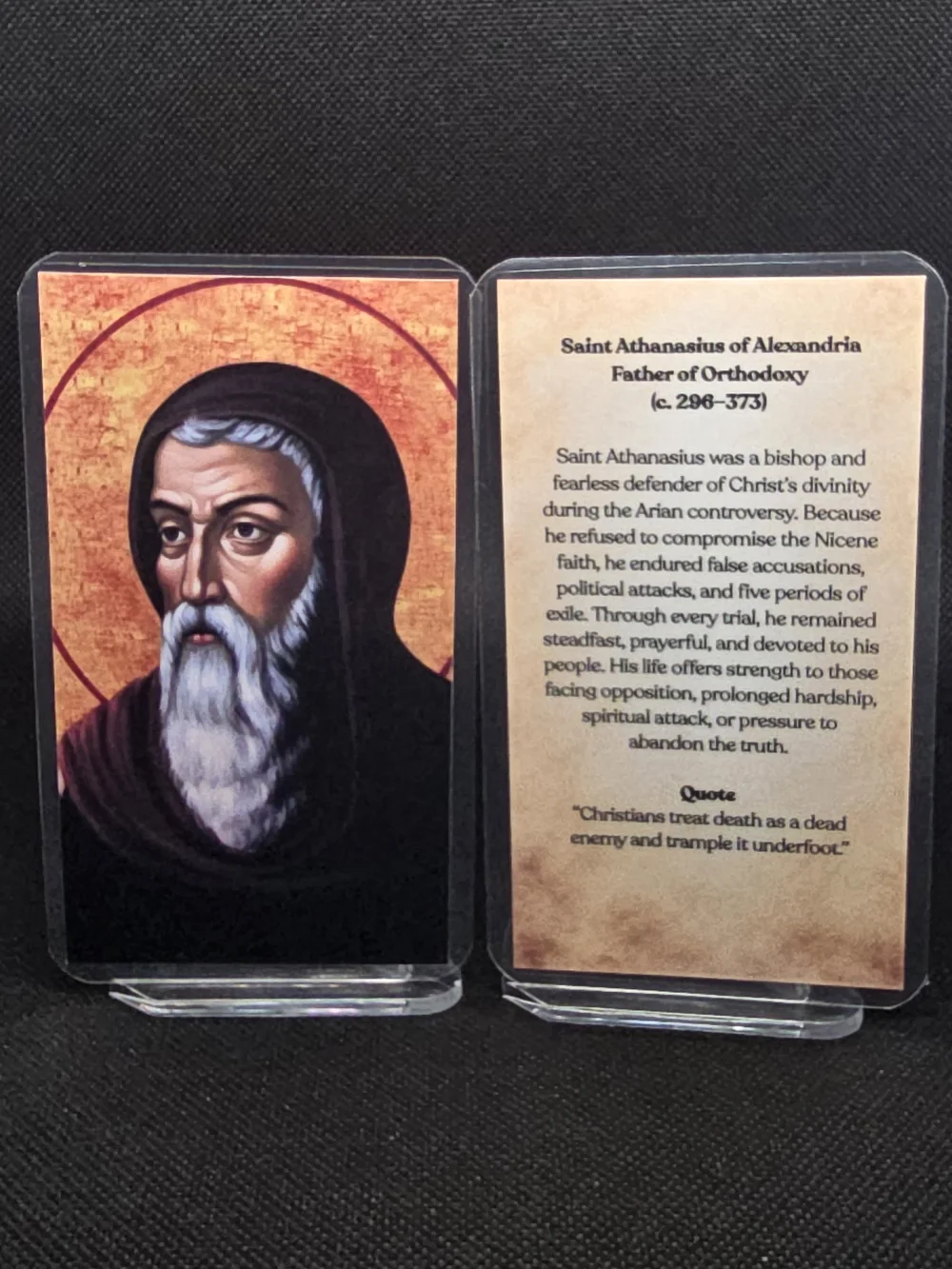
The man who carried the Nicene faith through the storm that followed was Athanasius, Alexander’s deacon and then his successor as Pope of Alexandria. He was exiled several times for refusing to compromise on the full divinity of Christ, and the Coptic Church calls him the Apostolic. When a Copt says the Creed, this is the history behind it: Egyptians argued it out, suffered for it, and wrote it down.

Part IV
Ephesus, Chalcedon, and the Great Division
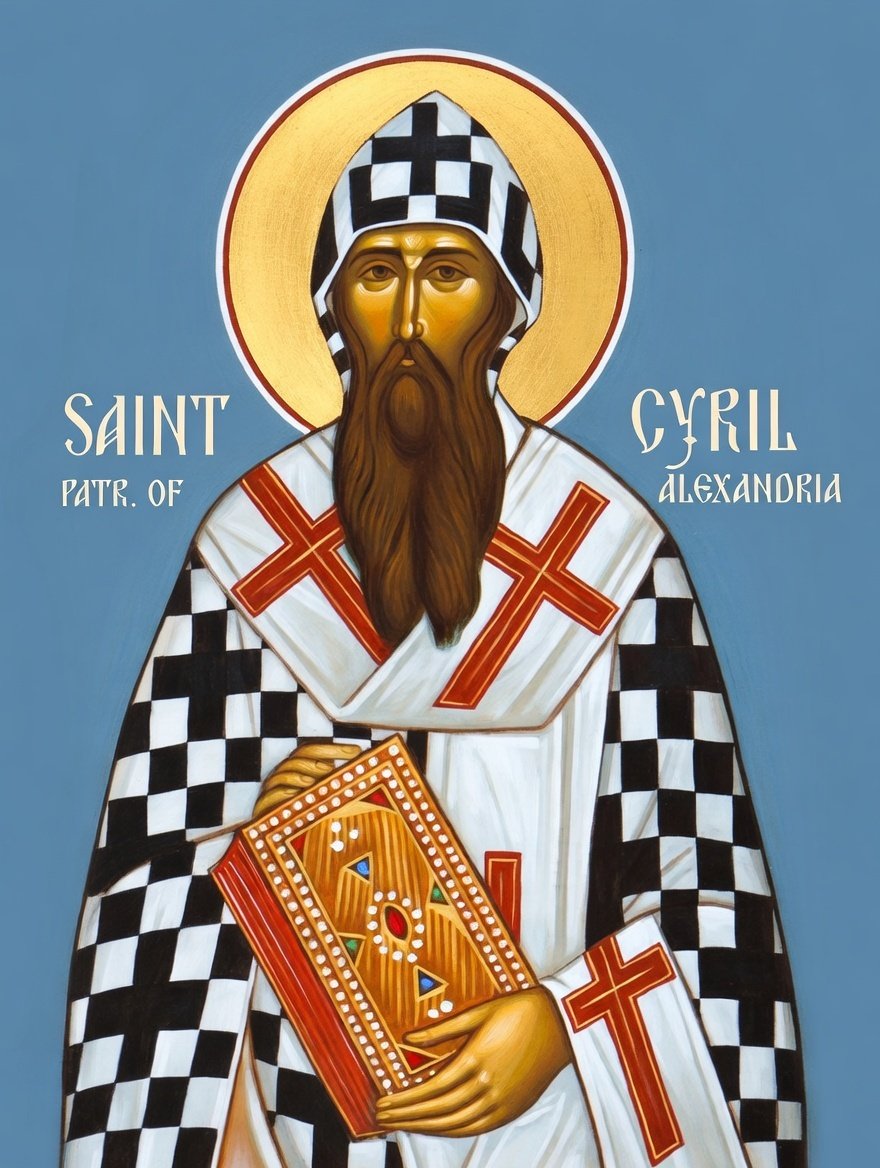
In the fifth century a new dispute arose over how, exactly, God and man are united in Christ. Nestorius, Patriarch of Constantinople, taught that God the Word dwelt in the man Jesus rather than being truly united to human nature, and he refused to call Mary the Mother of God. The Church of Alexandria answered through Cyril, who held that Christ is one Person, God the Word incarnate, and that Mary is truly the Theotokos, the God-bearer. The Council of Ephesus in 431 confirmed Cyril’s teaching and the title of Mary. Cyril’s phrase, one nature of God the Word incarnate, became the heart of Coptic Christology.
The next council went differently. In 451 Emperor Marcian convened the Council of Chalcedon to heal remaining divisions. Dioscorus, the Pope of Alexandria, had led the Second Council of Ephesus in 449 and held to Cyril’s formula. At Chalcedon he was disciplined and later exiled. The Coptic Orthodox understanding is that Dioscorus was removed over a question of procedure and imperial pressure, not because he was ever declared a heretic, and that Chalcedon’s language of “two natures” sounded too much like the Nestorian error Cyril had fought. That reading is disputed outside the Oriental Orthodox world, but it explains the Coptic position better than the usual shorthand that the Copts “rejected” Chalcedon.
From that point on, Alexandria had two patriarchs: the native Egyptian one, now called the Coptic Pope, and the imperial, or Melkite, one, now the Greek Orthodox Patriarch of Alexandria. Almost the whole Egyptian population stayed with the native Church. After the Arab conquest of Egypt in AD 639, the Church has lived under Muslim rule for nearly fourteen centuries. By the twelfth century Egypt had become a majority Muslim country, and the Copts a religious minority. Even so, the Church kept its patriarchate, its liturgy, and its monasteries. The Pope’s seat moved from Alexandria to Cairo under Pope Cyril II in the late eleventh century, and Saint Mark’s Cathedral in the Abbassia district is the center today.
| Question | Coptic Orthodox | Eastern Orthodox | Roman Catholic |
|---|---|---|---|
| Christ’s nature | One incarnate nature of God the Word, fully God and fully man (miaphysite) | Two natures in one Person (Chalcedon) | Two natures in one Person (Chalcedon) |
| Councils accepted | First three: Nicaea, Constantinople, Ephesus | Seven ecumenical councils | Twenty-one ecumenical councils |
| Church leadership | Pope of Alexandria heads this Church; governed with a Holy Synod; no claim of universal jurisdiction | Patriarchs in synod; the Ecumenical Patriarch is first among equals | Pope of Rome with universal jurisdiction; papal infallibility defined at Vatican I |
| The Holy Spirit in the Creed | Proceeds from the Father; no filioque | Proceeds from the Father; no filioque | Filioque used in the Latin rite |
| Purgatory | Not taught as a defined doctrine; prayers for the departed | No defined doctrine of purgatory; prayers for the departed | Defined doctrine |
| Calendar | Coptic calendar; Christmas on January 7 | Varies: Julian or Revised Julian | Gregorian |
| Clergy | Married men may be ordained priests; bishops are celibate monks | Married men may be ordained priests; bishops are celibate | Latin rite priests are generally celibate; Eastern Catholic churches have married priests |
Part V
What the Coptic Orthodox Church Teaches About Christ
If you want one idea that explains the Coptic Church’s theology, it is this: Jesus Christ is one Person, God the Word made flesh, and there is no moment at which His divinity and His humanity were separated. The Coptic formula, taken from Cyril of Alexandria, is that Christ has one nature of God the Word incarnate. The Church calls its teaching miaphysite, from the Greek mia physis, meaning “one nature.” Christ’s humanity is complete. He has a real human body, a real human soul, and a real human mind. The Church teaches that His divinity and humanity were united without mixing, without confusion, and without alteration.
Outsiders sometimes call the Copts Monophysites, as if they believed that Christ’s humanity was absorbed into His divinity. The Coptic Church rejects that. It regards Monophysitism as a heresy, and the more careful term for what Copts hold is miaphysite. In the Confession said by the priest before Holy Communion, the Church declares that the Body received is the very Body of the Lord, united to His divinity without mingling, confusion, or change. The faith is the same faith that has always said Christ is truly God and truly man. The disagreement with the Churches that accepted Chalcedon was about the wording and what the wording protected.
That is why the last half-century has been so hopeful. Pope Paul VI and Pope Shenouda III met in Rome on May 9 to 13, 1973, and signed a Joint Christological Declaration on May 10, 1973. It was the first meeting between a Bishop of Rome and a Coptic Pope in more than a thousand years, and it confessed together that Christ is perfect God and perfect man. Since the 1980s, theologians from the Oriental and Eastern Orthodox Churches have also been meeting, and they have concluded that many of the differences come from the two sides using different terms for the same reality. In 2001 the Coptic Orthodox and Greek Orthodox Patriarchates of Alexandria agreed to recognize each other’s baptisms and marriages.
Part VI
Trinity, Creed, Scripture, and Tradition
The Trinity. The Coptic Church confesses one God in three Persons, Father, Son, and Holy Spirit, of one substance and equal in glory. It prays the Nicene Creed as completed at Constantinople in 381. The Creed says the Holy Spirit proceeds from the Father, and the Coptic Church, like the Eastern Orthodox, does not add the Latin filioque (“and the Son”).
Scripture. The Church receives the Old and New Testaments as the inspired Word of God. Its Old Testament follows the Greek Septuagint tradition, which includes the books Catholics call deuterocanonical. The Divine Liturgy always includes readings from Paul’s letters, the Catholic Epistles, the Acts of the Apostles, a Psalm, and a Gospel. The Scriptures are never read apart from the Church’s life. For a comparison of how the different ancient Churches count their Bibles, see our guide to the Eastern Catholic and Orthodox Bibles. The Ethiopian Church, which was ruled from Alexandria for centuries, has a notably larger canon, covered in our article on the Ethiopian Bible.
Tradition and the Fathers. Copts hold that Scripture and Holy Tradition come from the same Spirit and cannot be played off against each other. Tradition includes the councils, the liturgies, the canons, and the writings of the Fathers, above all the Alexandrian Fathers: Athanasius, Cyril, and the great teachers of the Catechetical School. The Church also keeps the Synaxarium, a book of the lives of the saints for each day of the Coptic year, read in part at the Liturgy.
Salvation. Copts do not set faith against works. Salvation is God’s gift, received through faith, baptism, repentance, the sacraments, and a life of love and obedience within the Church. Humility and repentance run through all of it. Sin is a sickness that Christ heals, and the Church’s life of prayer, fasting, and confession is meant to be the treatment.
The departed and the last things. Copts pray for the departed and ask for the prayers of the saints. They look for the resurrection of the dead and the life of the age to come. They do not teach the Latin doctrine of purgatory. Churches face east, and Copts pray facing east, in expectation of the Second Coming of Christ.
Part VII
Mary, the Saints, and the Apparitions at Zeitoun
No Church honors the Virgin Mary more tenderly than the Coptic Church. She is the Theotokos, the Mother of God, a title Cyril defended at Ephesus. Her feasts fill the year. Before the feast of her Dormition and Assumption on August 22, Copts keep a 15-day fast, from August 7 to August 21. The Coptic hymn books include whole sets of hymns to her, the Theotokia. Copts ask her prayers daily, and they ask the saints as well. They understand the saints as living members of the one Church who pray for the rest of us, the same way any believer might ask a friend to pray.
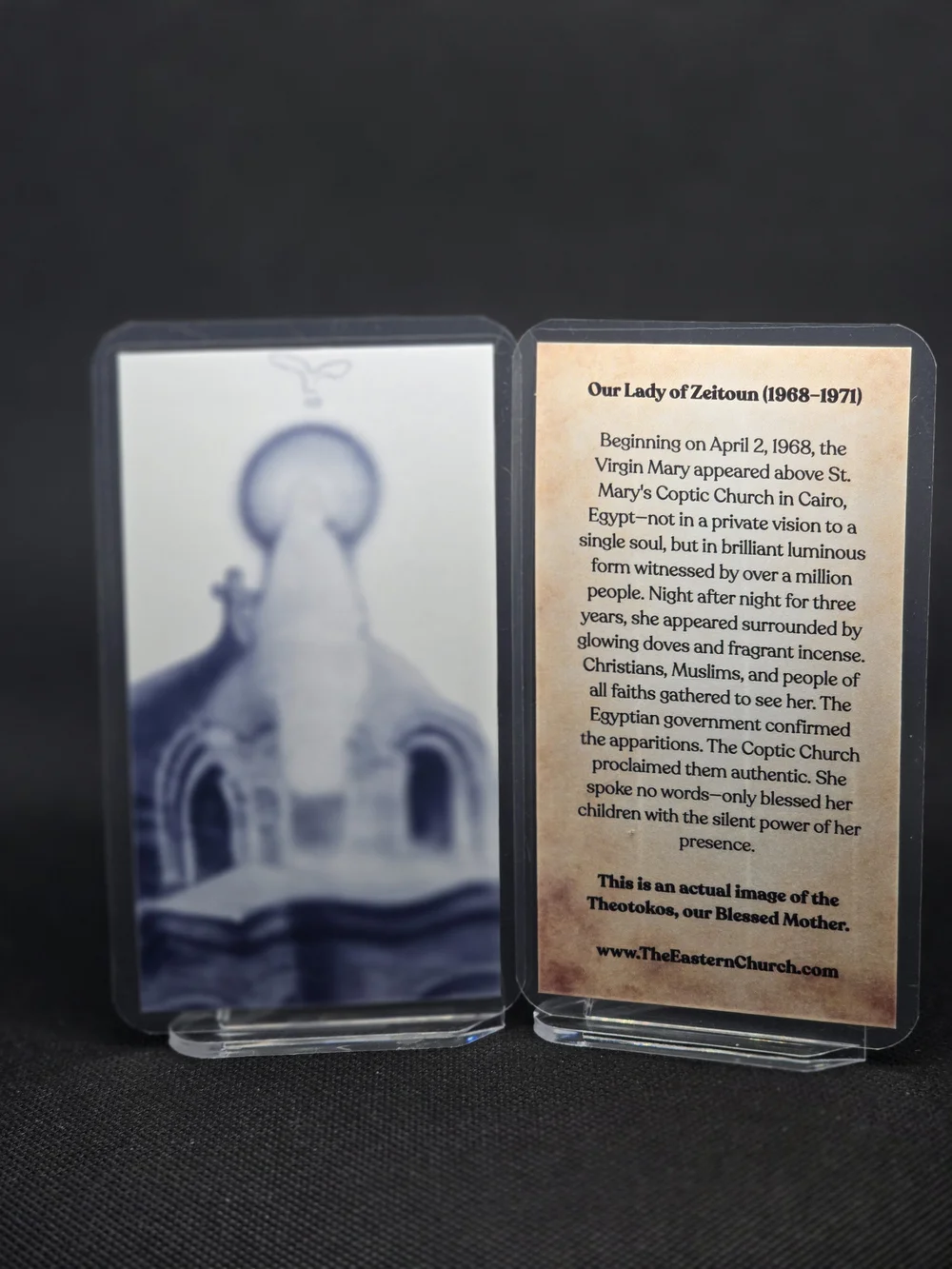
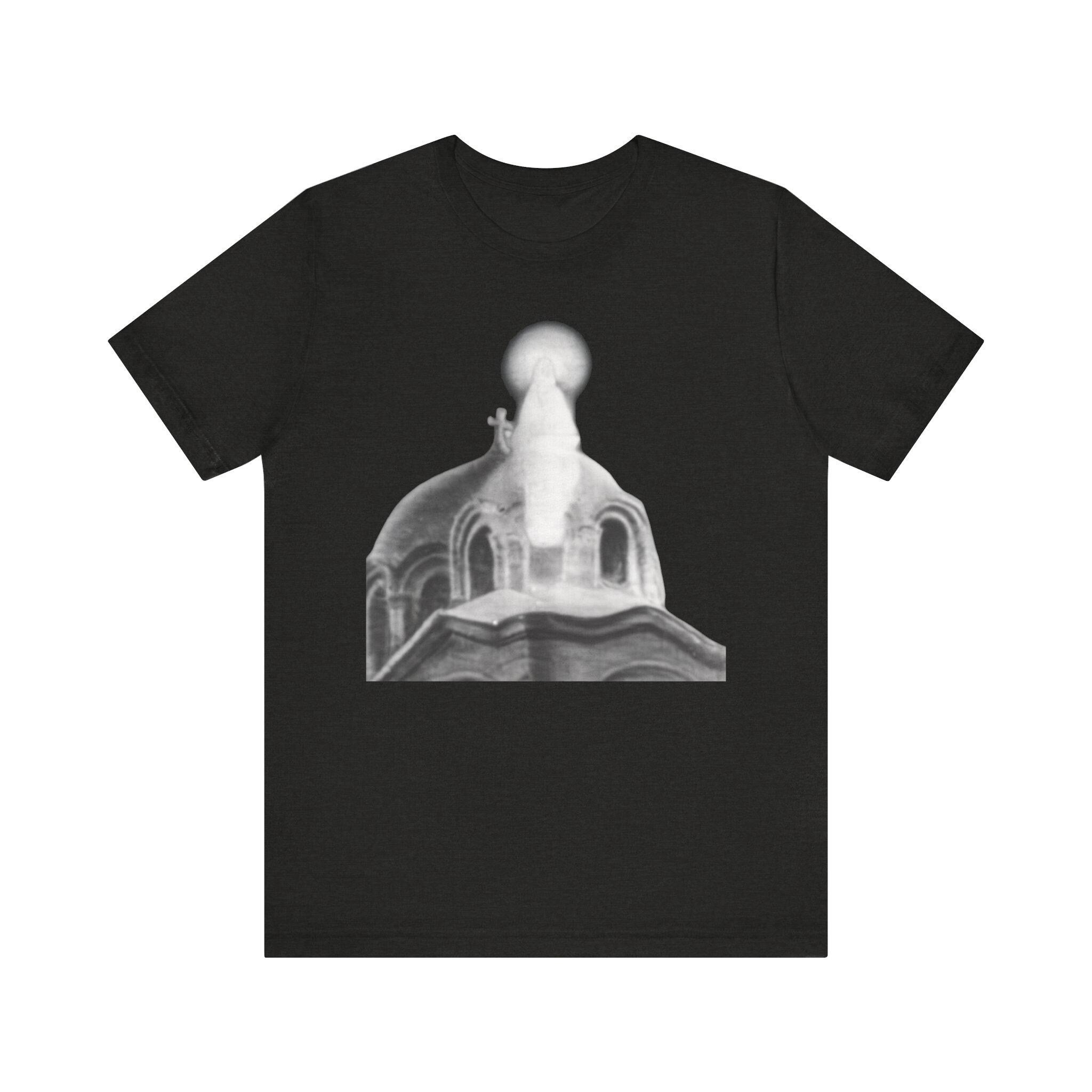
The most remarkable Marian event in modern Coptic life took place in Cairo. On the night of April 2, 1968, two Muslim mechanics working near Saint Mary’s Coptic Church in Zeitoun saw a woman in white standing on the church dome. Over the next three years, the Virgin Mary was reported to appear above the church again and again, often at night, silent, in light. Crowds of up to a quarter of a million people gathered, according to some accounts, and the apparitions were photographed and broadcast. Pope Kyrillos VI appointed a committee of bishops and priests, and the Coptic Orthodox Church formally confirmed the apparitions in early May 1968. The University of Dayton’s Marian Library and the reference account give the full chronology. No spoken messages were reported. Copts understood the apparitions as a sign of peace and a strengthening of faith, and the Church added a feast of the apparition to its calendar. Our full article on Our Lady of Zeitoun tells the whole story.
Part VIII
The Seven Sacraments
The Coptic Church celebrates seven sacraments, which it calls the Seven Mysteries. They are the ordinary way the Church’s life becomes real in a believer’s life.
1. Baptism
Baptism is the new birth. The Church baptizes infants and adults by triple immersion in the name of the Father, Son, and Holy Spirit. It teaches that baptism is the door into Christian life and forgives sin. It rests on the words of Christ.
“Except a man be born of water and of the Spirit, he cannot enter into the kingdom of God.” (John 3:5, KJV)
2. Chrismation
Immediately after baptism the newly baptized is anointed with the Holy Myron, the sacred oil consecrated by the Pope, and receives the gift of the Holy Spirit. In the Coptic tradition, baptism and chrismation go together, and infants are chrismated at their baptism.
3. The Eucharist
The Eucharist is the center of the Church’s life. The Church teaches that the bread and wine offered at the Liturgy become the true Body and Blood of Jesus Christ, received for the forgiveness of sins and eternal life. It rests on the words of Christ at the Last Supper and in John’s Gospel.
“Except ye eat the flesh of the Son of man, and drink his blood, ye have no life in you.” (John 6:53, KJV)
Communion is received by baptized members of the Church, and preparation matters. Copts fast from midnight, or for at least nine hours, before Communion. Married couples also abstain from marital relations during fasting seasons such as Great Lent.
4. Repentance and Confession
The Church teaches that Christ gave His Apostles the authority to forgive sins, and that the priest hears confession and gives absolution in His name. Copts have a spiritual father to whom they confess regularly. The goal is healing, not guilt.
“Whose soever sins ye remit, they are remitted unto them; and whose soever sins ye retain, they are retained.” (John 20:23, KJV)
5. Unction of the Sick
The sick are anointed with blessed oil by the priests, as the Apostle James describes: “Is any sick among you? let him call for the elders of the church; and let them pray over him, anointing him with oil in the name of the Lord” (James 5:14, KJV). The prayer is for healing of body and soul and the forgiveness of sins.
6. Matrimony
Marriage is a sacrament, a lifelong union of one man and one woman, blessed by the Church and entered with the prayers of the priest and the community. It is meant to be a small church, a place where children are taught to pray. This is one reason Coptic homes keep icons, Bibles, and prayer books close at hand.
7. Priesthood
The Church has three ordained orders: bishops, priests, and deacons. Bishops are chosen from among the monks and are celibate. Priests are ordinarily married men who married before ordination. We cover how the Church is governed in Part XV.
Part IX
The Divine Liturgy: How the Coptic Church Worships
Ask a Copt what the Church is, and the answer will often come back as the Liturgy. The Coptic Rite is an Alexandrian rite, one of the oldest liturgical traditions in Christianity. The Coptic Church uses three liturgies today, each named for a Father. The Liturgy of Saint Basil is prayed most of the year and is the one most visitors will hear. The Liturgy of Saint Gregory the Theologian is used on the great feasts and is addressed to Christ the Son. The Liturgy of Saint Cyril, also called the Liturgy of Saint Mark, is the oldest and the most Egyptian of the three. Only parts of it are in regular use today, and sources differ on how fully it is prayed. All three follow the same framework.
The service has three movements: the Offering of the Bread, which prepares the Lamb, the loaf that will be consecrated; the Liturgy of the Word, with its readings from Paul, the Catholic Epistles, the Acts, a Psalm, and the Gospel; and the Liturgy of the Faithful, which is the Eucharist itself, ending in Holy Communion and the dismissal. Morning and evening prayers, called the Raising of Incense, come before it. Nearly everything is sung. The Creed and the dismissal are the main exceptions. A full liturgy can run around three hours, and the services of Holy Week are longer.
The language is a mixture. The Church still chants in Coptic, the Bohairic dialect, with Greek words such as Kyrie eleison in common use, alongside Arabic in Egypt and the local language wherever Copts have settled. The service books carry Coptic and Arabic in parallel columns. The hymns are accompanied by cymbals and a triangle, a sound you will not mistake for any other Church’s music. Scholars debate how far the melodies go back toward ancient Egypt, but the Church itself treats the tradition as an inheritance that must be passed on intact.
The church building is oriented toward the east, the direction of the rising sun, a sign of Christ’s return. The sanctuary, called the haikal, is set apart from the nave by a screen hung with icons. Incense is used lavishly. Women cover their heads when praying, and many Copts remove their shoes for the Hours at home as a sign of reverence. If you visit, you will be welcome to stand and watch, but only baptized members of the Church receive Communion.
Part X
Daily Prayer and the Agpeya
Copts pray seven times a day. The practice rests on a line of Scripture: “Seven times a day do I praise thee because of thy righteous judgments” (Psalm 119:164, KJV). The prayers are gathered in the Agpeya, the Coptic Book of the Hours, which the reference article on the Agpeya describes as prayed at home by individuals and families as well as in church. Most Coptic children learn the Hours from their parents before they can read.
| Hour | Time | What it remembers |
|---|---|---|
| Prime (Morning Raising of Incense) | 6 a.m., on waking | The Incarnation and the Resurrection |
| Terce | 9 a.m. | Christ before Pilate, the Ascension, and the descent of the Holy Spirit at Pentecost |
| Sext | Noon | The Passion of Christ |
| None | 3 p.m. | The death of Christ on the Cross |
| Vespers (Evening Raising of Incense) | Sunset | Christ taken down from the Cross |
| Compline | 9 p.m., before bed | The burial of Christ and the Final Judgment |
| The Midnight Hour | Early morning before dawn | The Second Coming; three watches for Christ’s three prayers in Gethsemane |
Each Hour follows the same shape: the Lord’s Prayer, a prayer of thanksgiving, Psalm 51 (Psalm 50 in the Septuagint), other Psalms, a reading from the Gospel, litanies, the Kyrie eleison said forty-one times, closing prayers, and an absolution. The forty-one Kyrie eleisons recall the thirty-nine lashes Christ received, the crown of thorns, and the spear. Prostrations belong to the prayer: three in the name of the Trinity, and one at the end of each Psalm. The Agpeya also contains the Prayer of the Veil, prayed mostly by bishops, priests, and monks as an examination of conscience.
Before praying, Copts wash their hands and face and face east. Many hold a cross during the standing portions of the prayer, and women customarily cover their heads. The short Jesus Prayer, “Lord Jesus Christ, Son of God, have mercy on me, a sinner,” belongs to the same ancient desert tradition, and our beginner’s guide to the Jesus Prayer and the prayer rope and the article on an Orthodox prayer rule for beginners are good places to begin. A Coptic prayer corner usually holds a Bible, an Agpeya, an icon of Christ, an icon of the Virgin, and a few saints. The Desert Fathers are good company there.
Part XI
Fasting and the Coptic Church Year
Copts fast more than almost any other Christians. Between 210 and 240 days of the year are fast days, which means that Copts abstain from animal products for up to two-thirds of the year. Fasting is not a diet. It is understood as a way of making room for prayer, mercy, and repentance, and it is normally done under the guidance of a spiritual father. The fasts are tied to the feasts: every major feast is preceded by a fast.
| Fast | Length | Notes |
|---|---|---|
| Wednesdays and Fridays | Weekly, all year | Wednesday recalls the betrayal of Christ and Friday His crucifixion. Not kept during the 50 days after Easter. |
| Great Lent | 55 days | The longest fast of the year, leading to Holy Week and Easter. Strict abstention from animal products, including fish. |
| Fast of Nineveh | 3 days | Kept just before Great Lent, recalling Jonah and the repentance of Nineveh. |
| Nativity Fast | 43 days | From late November to Christmas Eve on January 6. Fish is allowed. Three of the days are traditionally kept in memory of the Mokattam miracle. |
| Apostles’ Fast | Varies | Begins in the weeks after Pentecost and ends on July 12, the commemoration of the apostles. Its length depends on the date of Easter. |
| Fast of the Virgin | 15 days | August 7 to August 21, before the feast of her Assumption on August 22. |
| Paramoun | Eve fasts | Strict fasts on the eves of the Nativity and Epiphany. |
The usual discipline is to eat nothing, and often to drink nothing, until evening, and then to eat a vegan meal. The details are worked out with a spiritual father. A readable overview of the fasting seasons is the Egyptian Streets explainer on Coptic fasting, and our article on how Eastern Christian fasting really works covers the practical side.
The Seven Major Feasts
The Coptic Church keeps seven major feasts: the Annunciation, the Nativity, the Epiphany, Palm Sunday, Easter, the Ascension, and Pentecost. There are also seven minor feasts, among them the Circumcision of Christ, the Entrance into Egypt, and the Transfiguration, together with many feasts of the Theotokos and of the martyrs.
The Calendar of the Martyrs
The Coptic calendar is a direct descendant of the ancient Egyptian civil calendar, with twelve months of thirty days and a short thirteenth month of five or six days. Its epoch is August 29, 284, the year Diocletian became emperor, and his reign was marked by tortures and mass executions of Christians, especially in Egypt. That is why Coptic years are counted Anno Martyrum, the Year of the Martyrs. The new year begins on the feast of Nayrouz, which falls on September 11 in most years. If you are reading this in autumn 2026, the Coptic year is 1743, and it began on September 11, 2026. The Coptic calendar article lays out the months and their Gregorian equivalents. Christmas falls on 29 Koiak, which is January 7 on the Gregorian calendar. Easter is calculated the way the Orthodox Churches calculate it.
Part XII
The Desert Fathers and the Gift of Egyptian Monasticism
If the Coptic Church had given the world nothing else, its monks would be enough. In the third and fourth centuries, thousands of Egyptians walked out of the cities and villages into the desert to pray, and what they started became Christian monasticism. Their sayings, their rules, and their lives shaped the Church from Ireland to Ethiopia. The Coptic Church is, in a real sense, the living continuation of that world: the monasteries are still there, the monks still pray, and the Church still draws its bishops and its Pope from the monastic ranks.
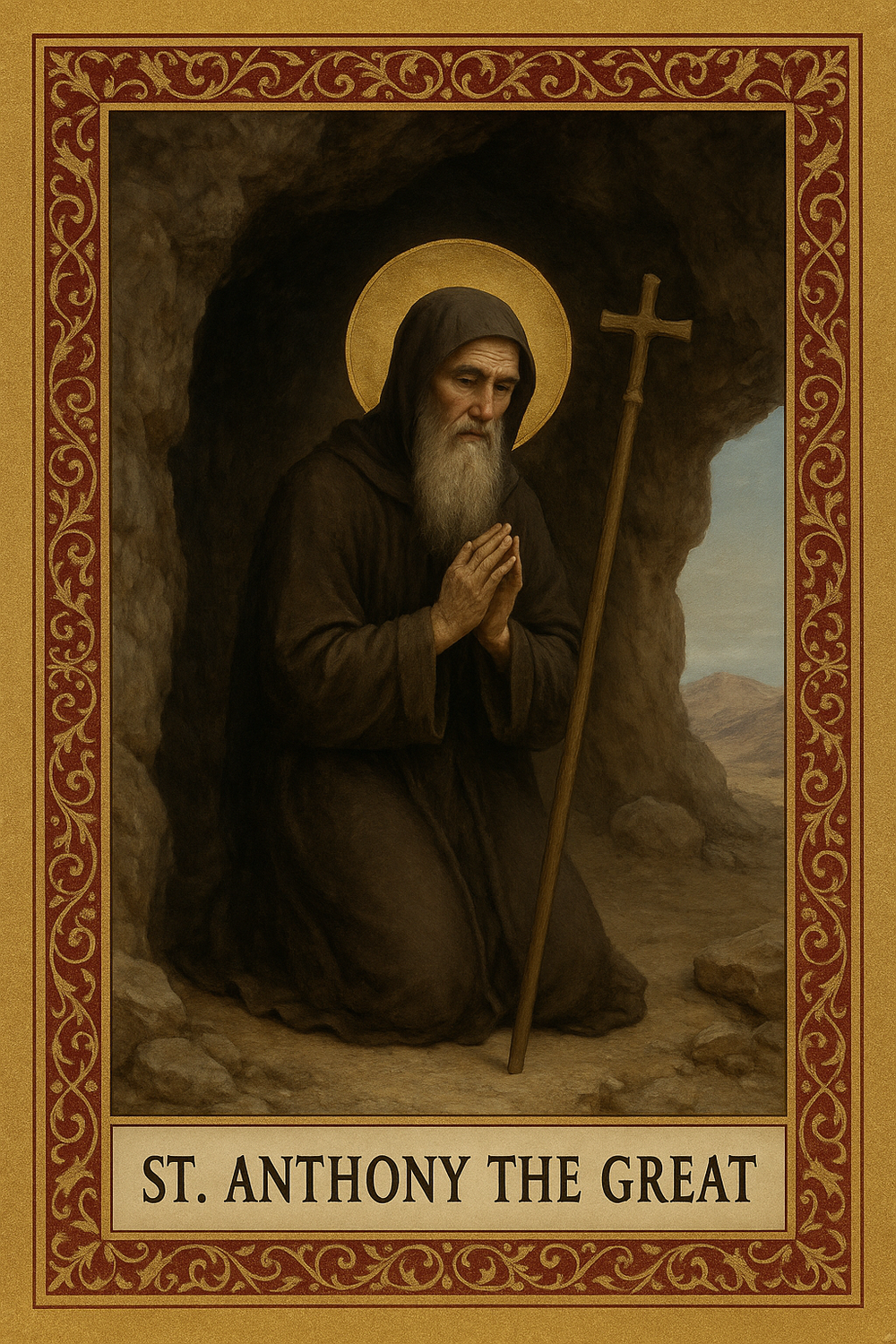
Anthony the Great. Anthony is called the father of monasticism. Born in Egypt around 251 according to Coptic tradition, he gave away his inheritance, withdrew into the desert, and spent decades in prayer and struggle. Athanasius wrote his Life, and the book carried the monastic ideal across the Roman world. Anthony is the model of the hermit, the solitary who fights the spiritual battle alone with God. For a full account of his life and sayings, see our biography of Saint Anthony the Great.
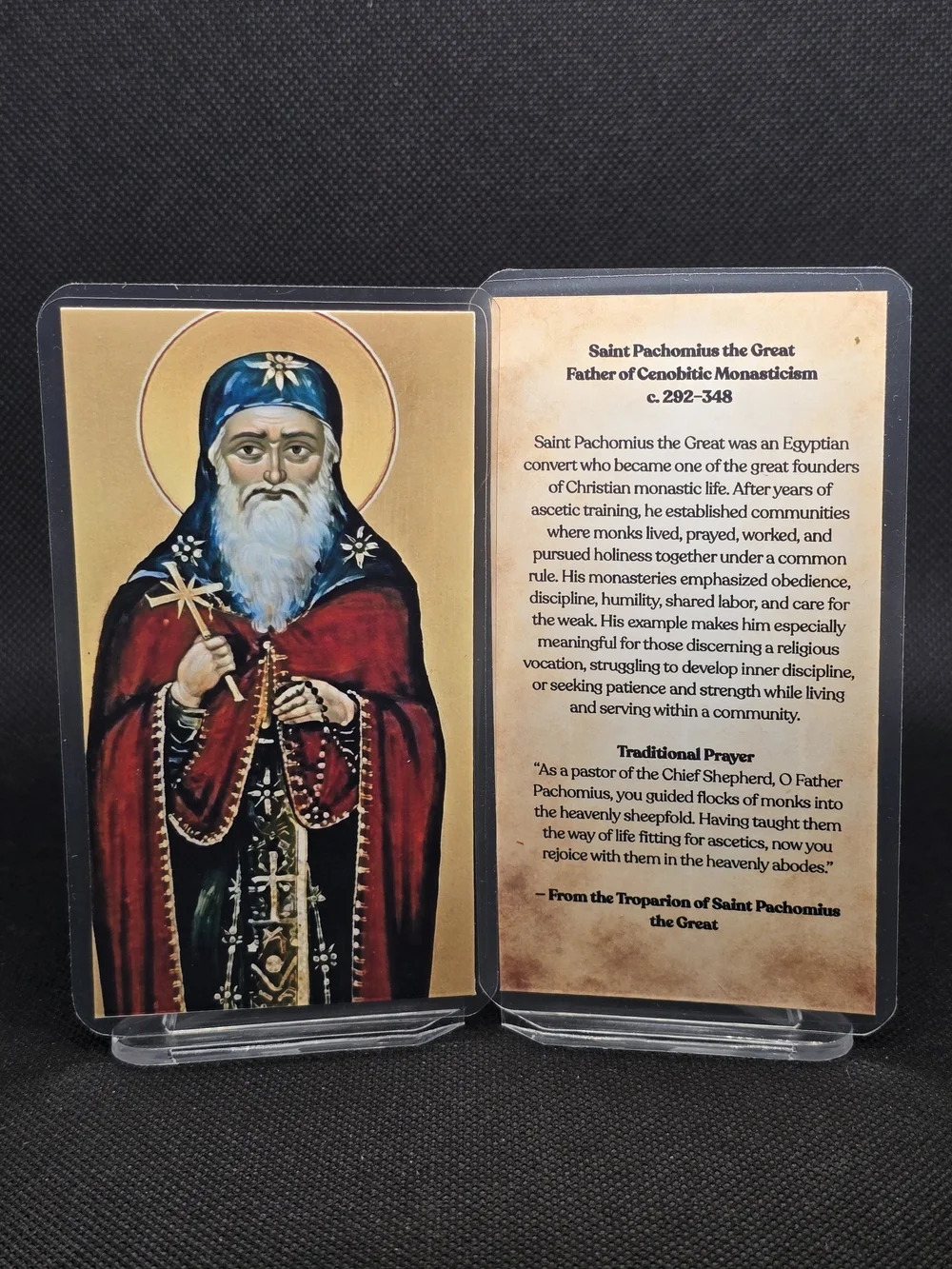
Pachomius and the common life. Not everyone could be a hermit. Pachomius, in Upper Egypt in the fourth century, gathered monks into shared communities with a common rule, common work, and common prayer. Where Anthony shows the solitary road, Pachomius shows the road of obedience in community. The Church also remembers Shenouda the Archimandrite, abbot of the White Monastery in Upper Egypt and the greatest writer in the Coptic language, and Bishoy, whose monastery still bears his name in Wadi El Natrun.
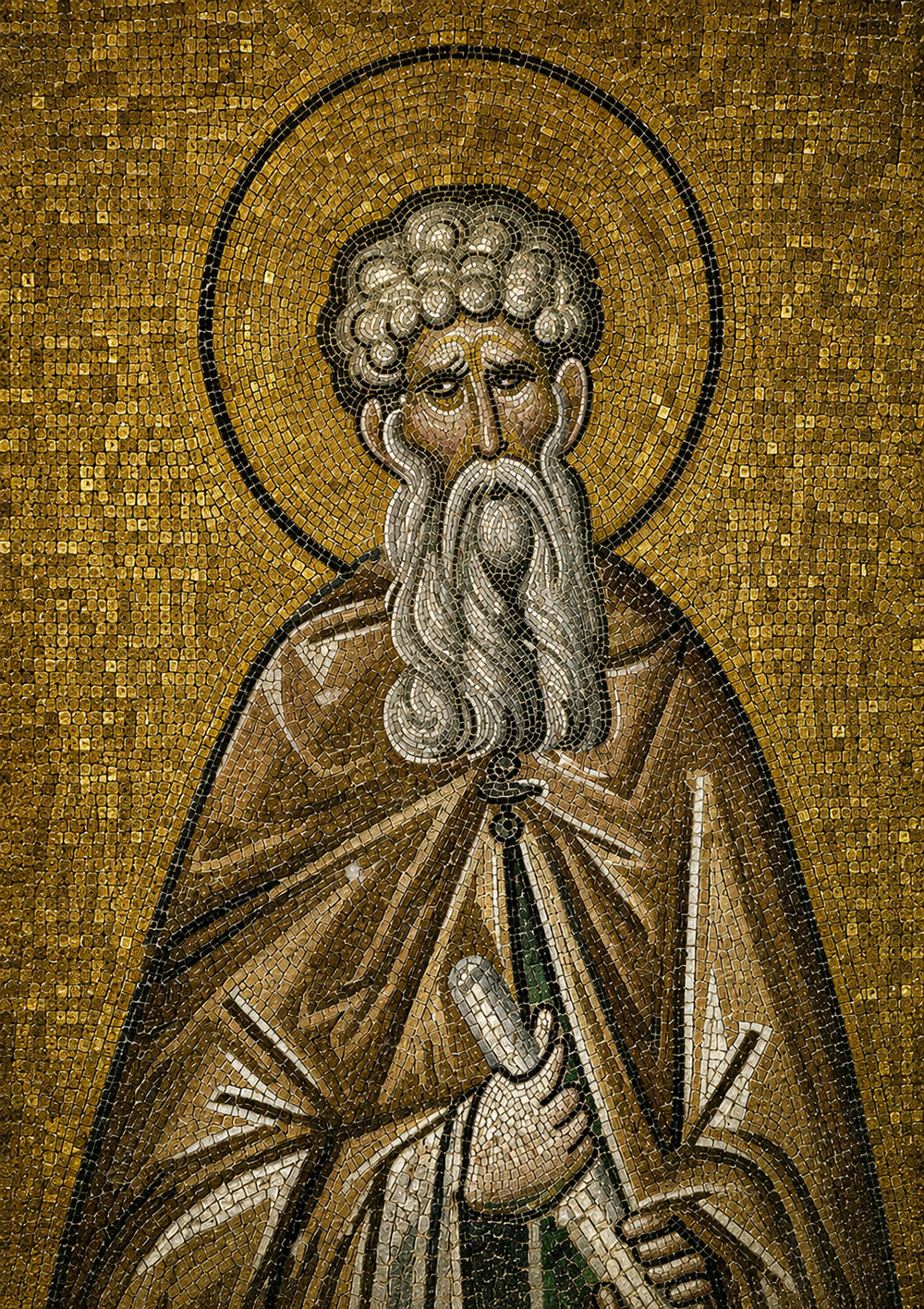
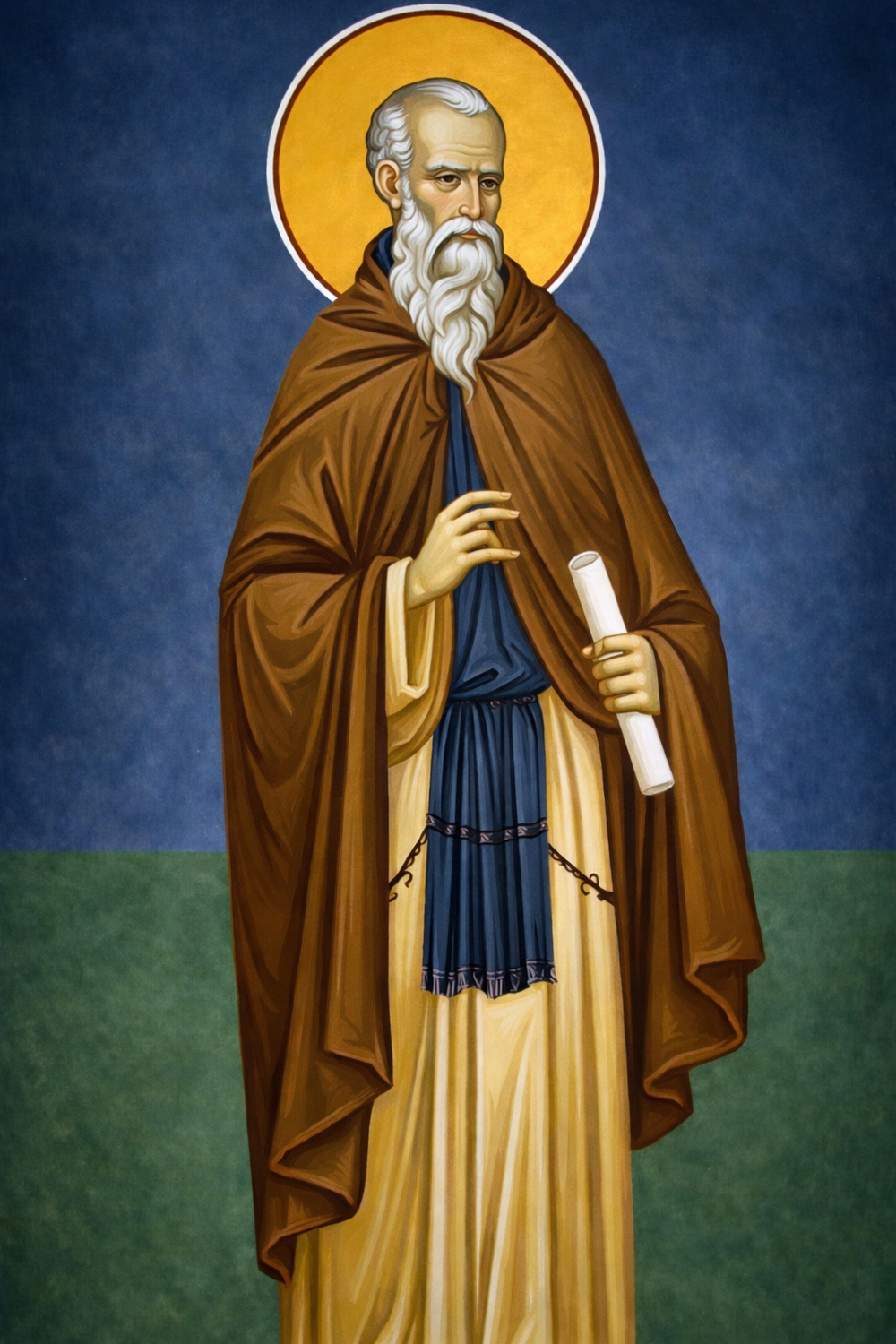
Anthony went into the desert alone. These three men built the communities that carried the monastic life to thousands. Carry their prayer cards with you.
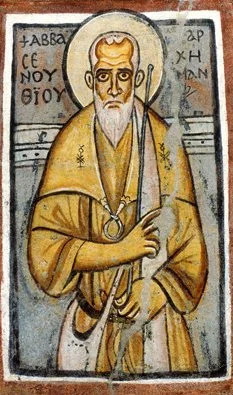
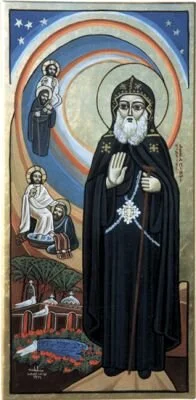
Scetis and Wadi El Natrun. The monastic desert of Scetis, in the Wadi El Natrun between Cairo and Alexandria, was founded by Macarius the Great. The Coptic Orthodox Church dates his life roughly from AD 300 to 390 and credits him with establishing the monastic community there around 340. By the end of the fourth century the desert held thousands of monks, and visitors included Rufinus, Melania the Elder, Evagrius Ponticus, Palladius, Jerome, and John Cassian, who carried what they saw back to the West. Four monasteries still stand in the valley, those of Saint Macarius, Saint Bishoy, the Syrians, and Baramous. Many popes of the Coptic Church came from the Monastery of Saint Macarius. Elsewhere in the Eastern Desert near the Red Sea stands the Monastery of Saint Anthony, and nearby the Monastery of Saint Paul, named for the first hermit.
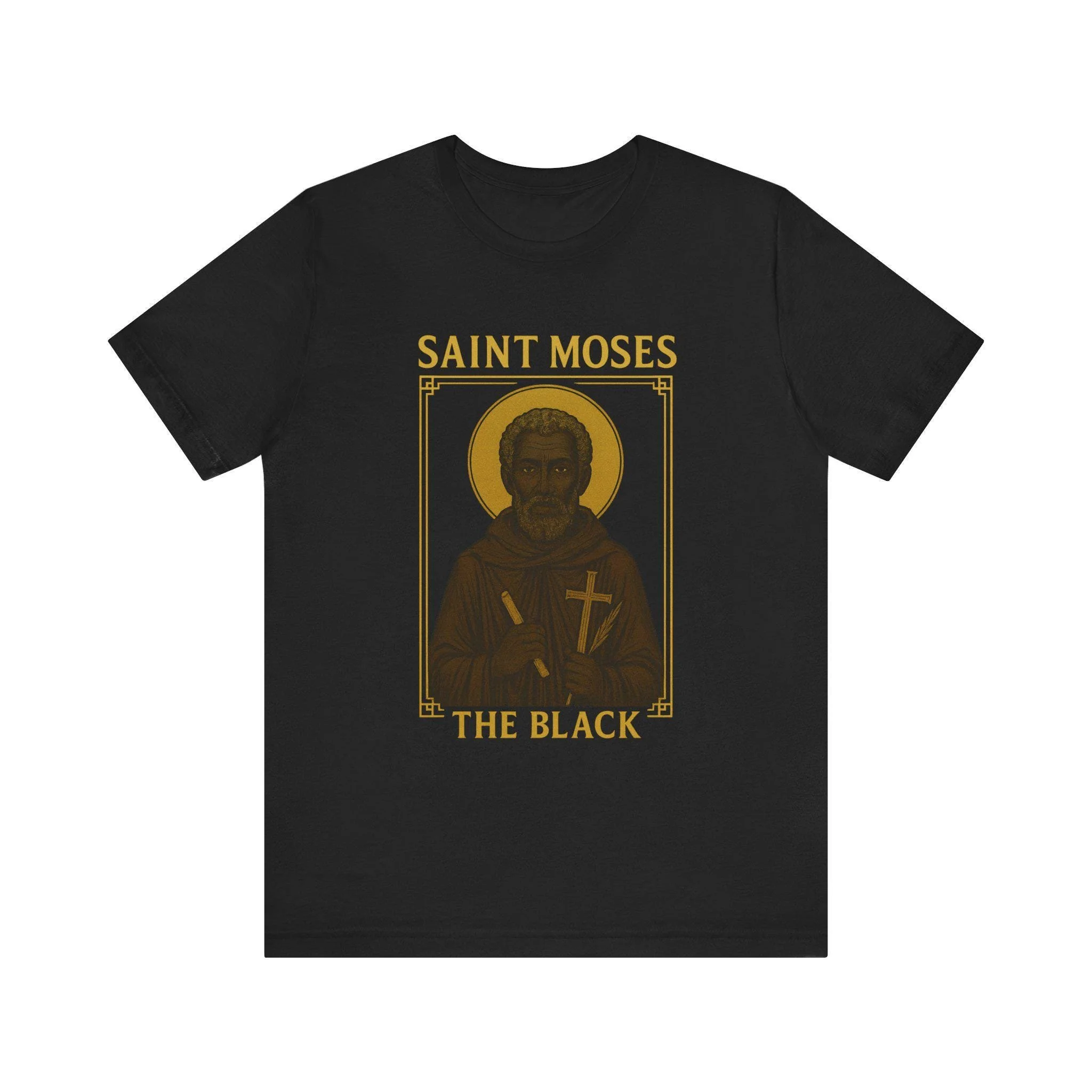
Moses the Black. Among the Desert Fathers, no story gives more hope than that of Moses the Black. He was a feared bandit and a man of violence, and he became a gentle monk of Scetis who is remembered for his forgiveness. The Coptic Church commemorates him in July. People struggling with anger, addiction, and the wreckage of their past have been praying to him for sixteen centuries. We tell his full story in our article on Saint Moses the Black.

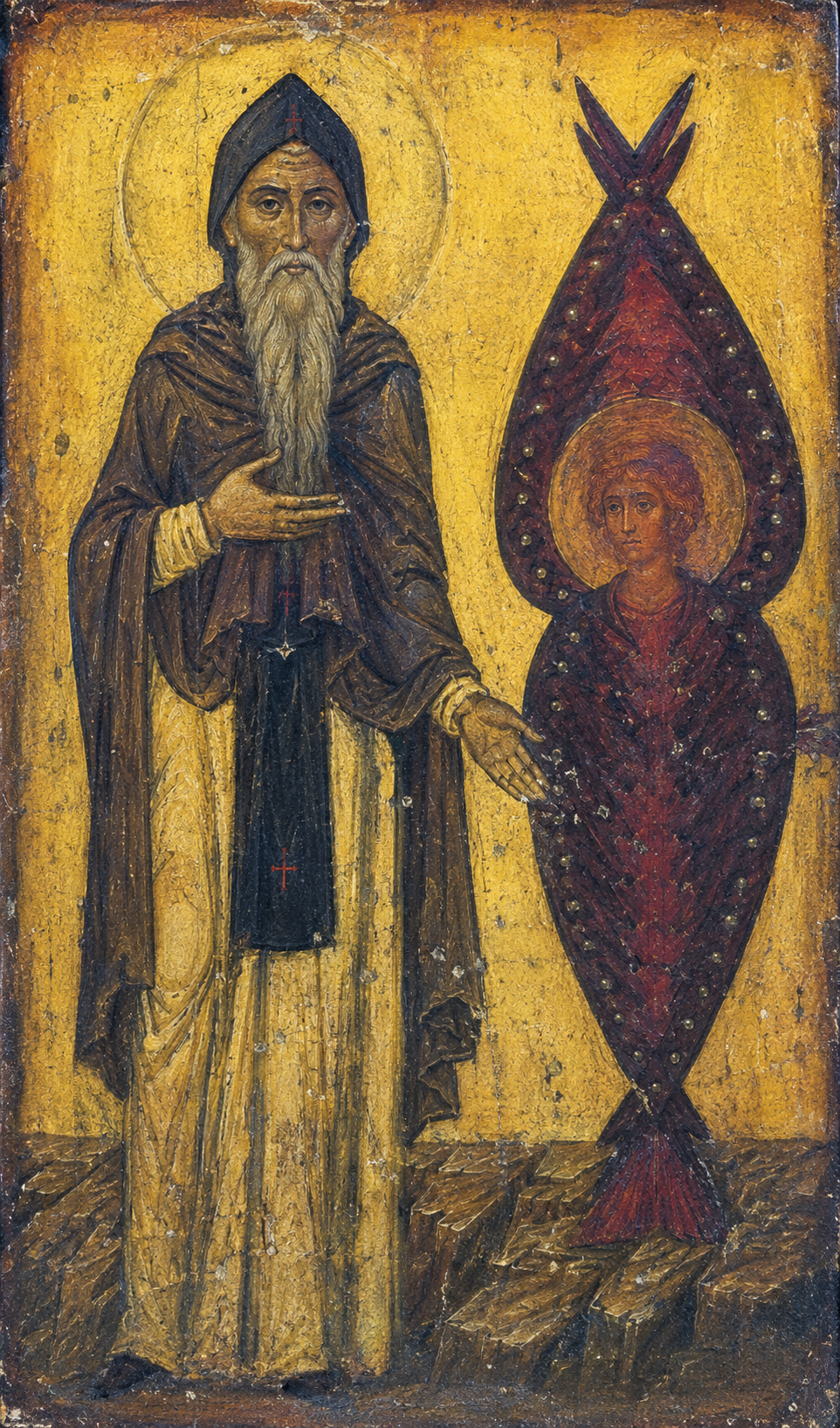
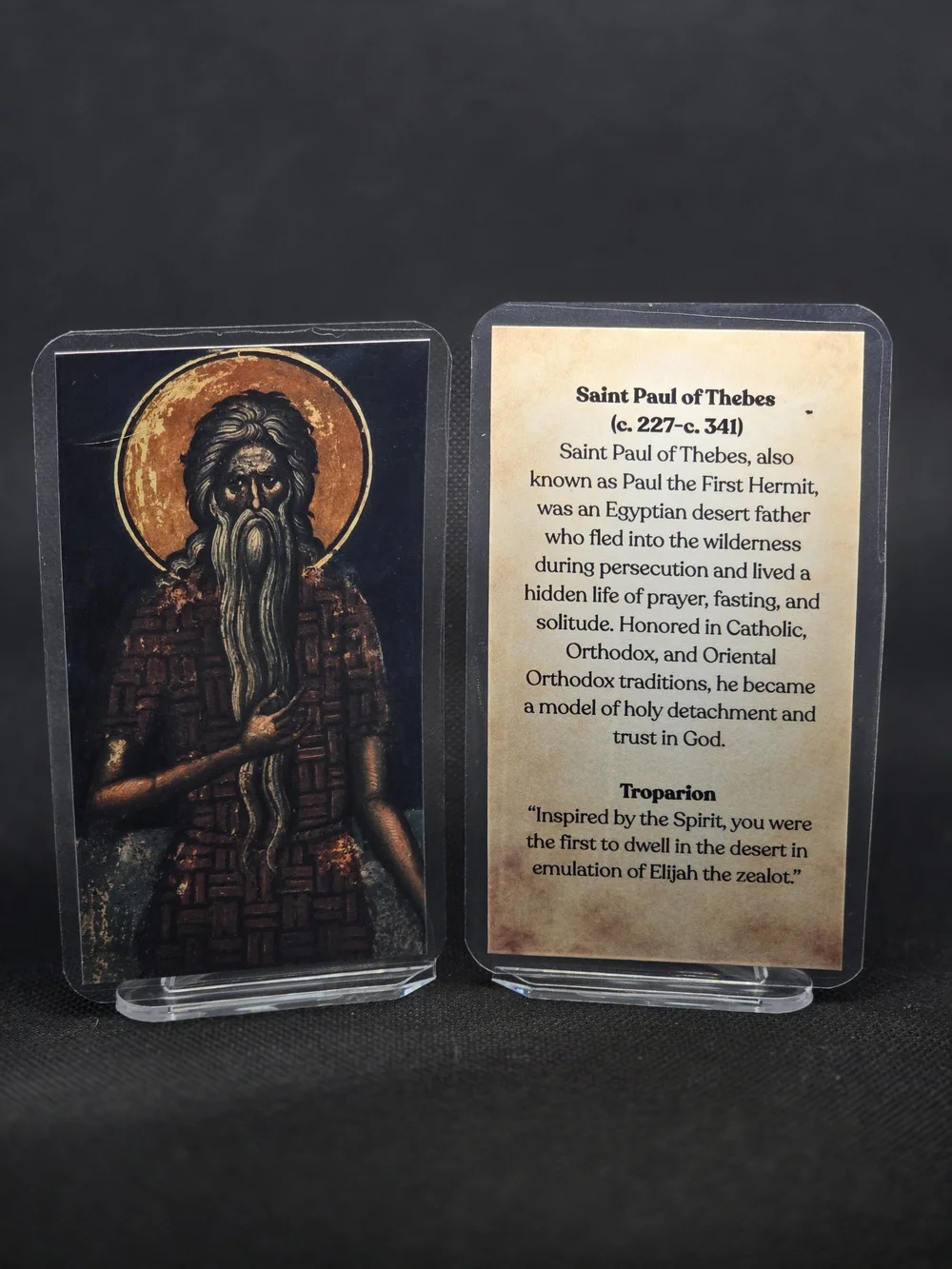
Voices from the sayings. The wisdom of the desert reached the rest of the Church through short sayings, collected in the Sayings of the Desert Fathers. Three of the great voices are Paul of Thebes, remembered as the first hermit, Arsenius, who left an imperial court to learn silence, and Poemen, one of the most quoted elders in the collection. Women were part of the desert too, and our article on the Desert Fathers and Mothers introduces the tradition as a whole. Abba Paul the Simple, Anthony’s farmer-disciple, shows how the desert teaches obedience.
Short sayings, hard lives, and a faith that survived on bread, water, and prayer. These three Desert Fathers are good company for a prayer corner.
Mary of Egypt. The desert also received sinners. Mary of Egypt, a woman of Alexandria who lived in public sin, was turned around in Jerusalem and spent decades alone in the wilderness in repentance. A priest-monk named Zosimas met her at the end of her life and brought her Holy Communion. Coptic and Byzantine Christians alike honor her, and the Byzantine Church reads her Life during Great Lent. Read her story in our biography of Saint Mary of Egypt.
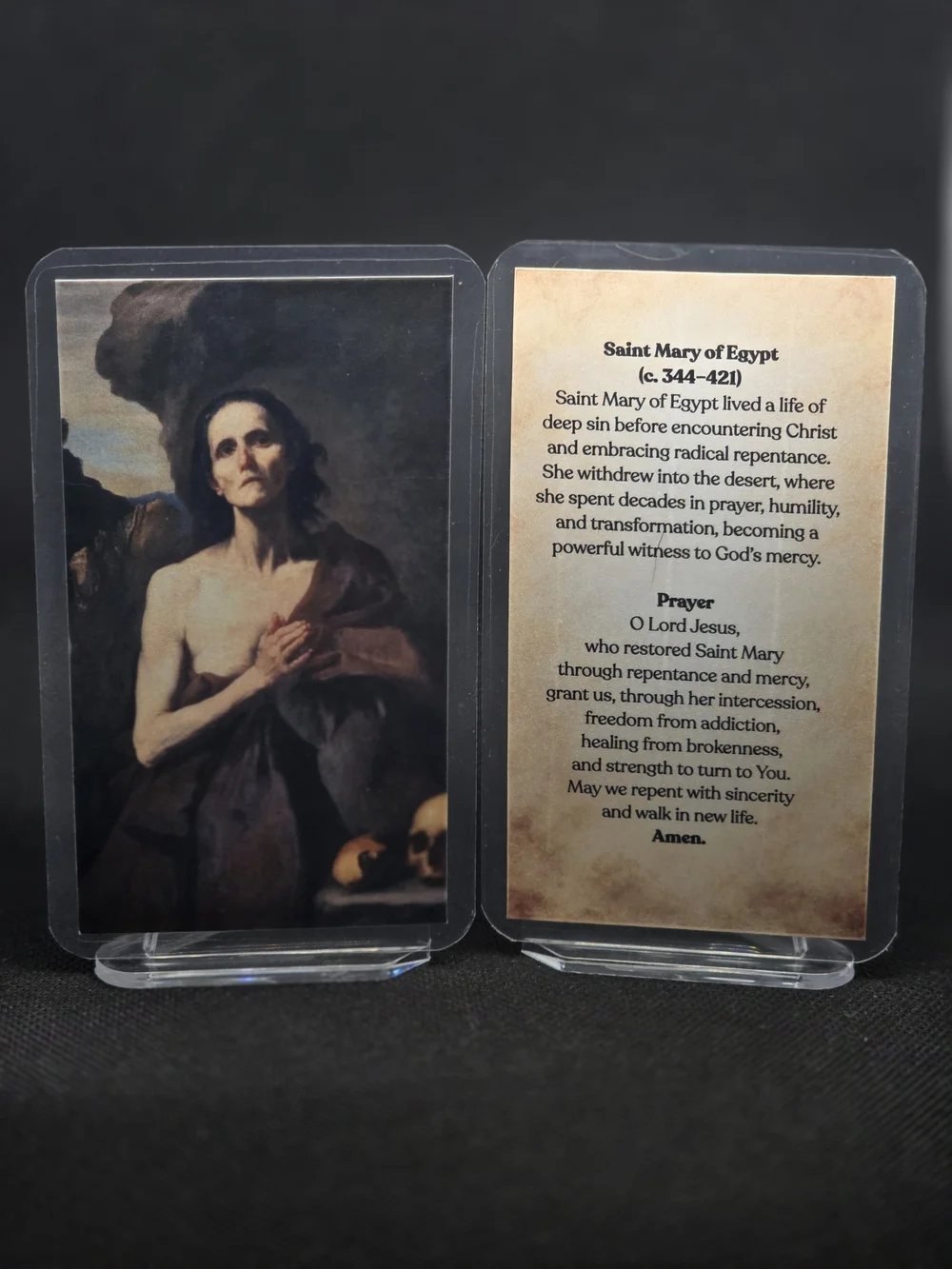
A farmer who learned obedience, a priest-monk who met a saint in the wilderness, and a curated set of sixteen cards for the desert fathers and saints of Egypt.
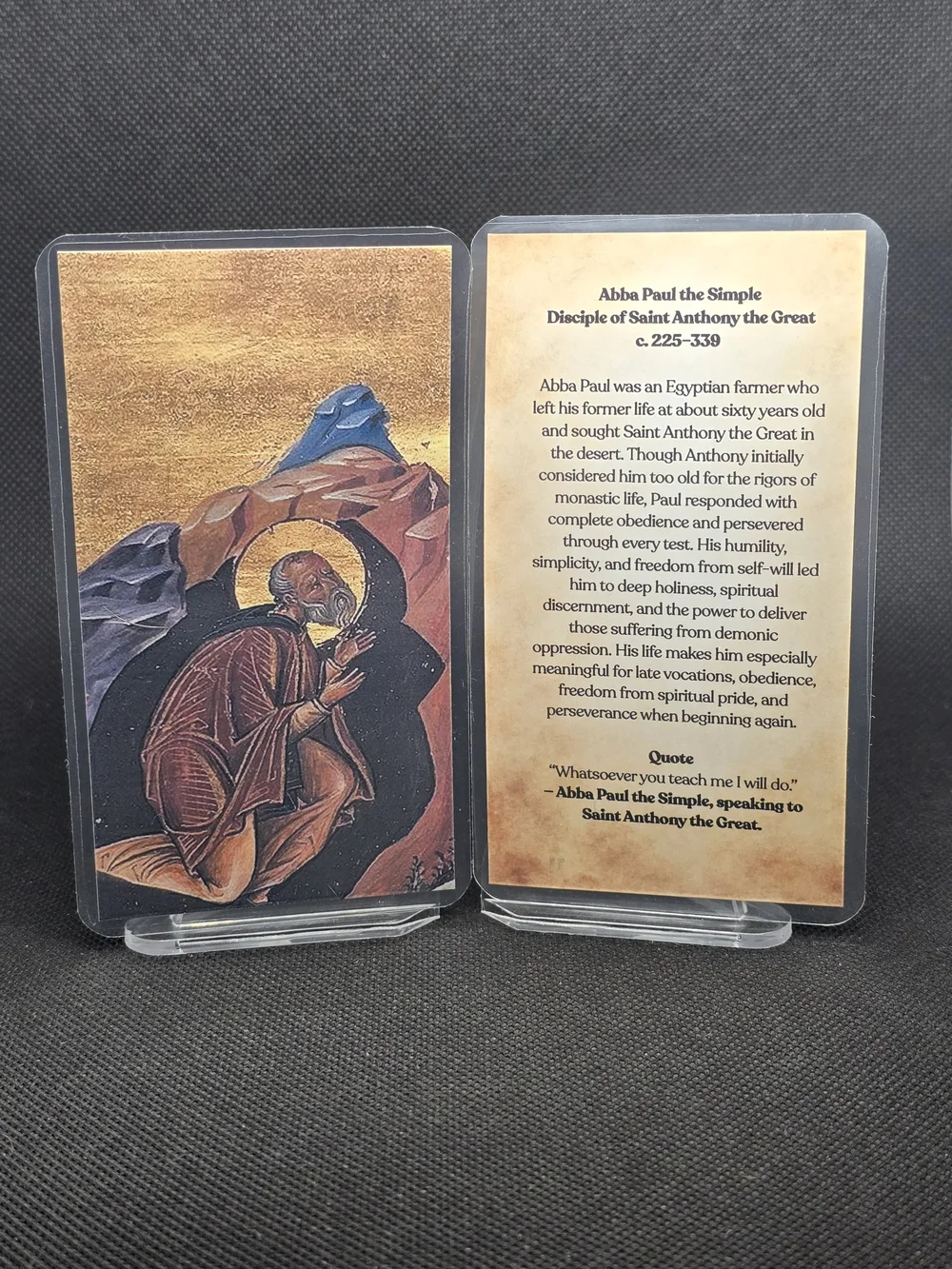
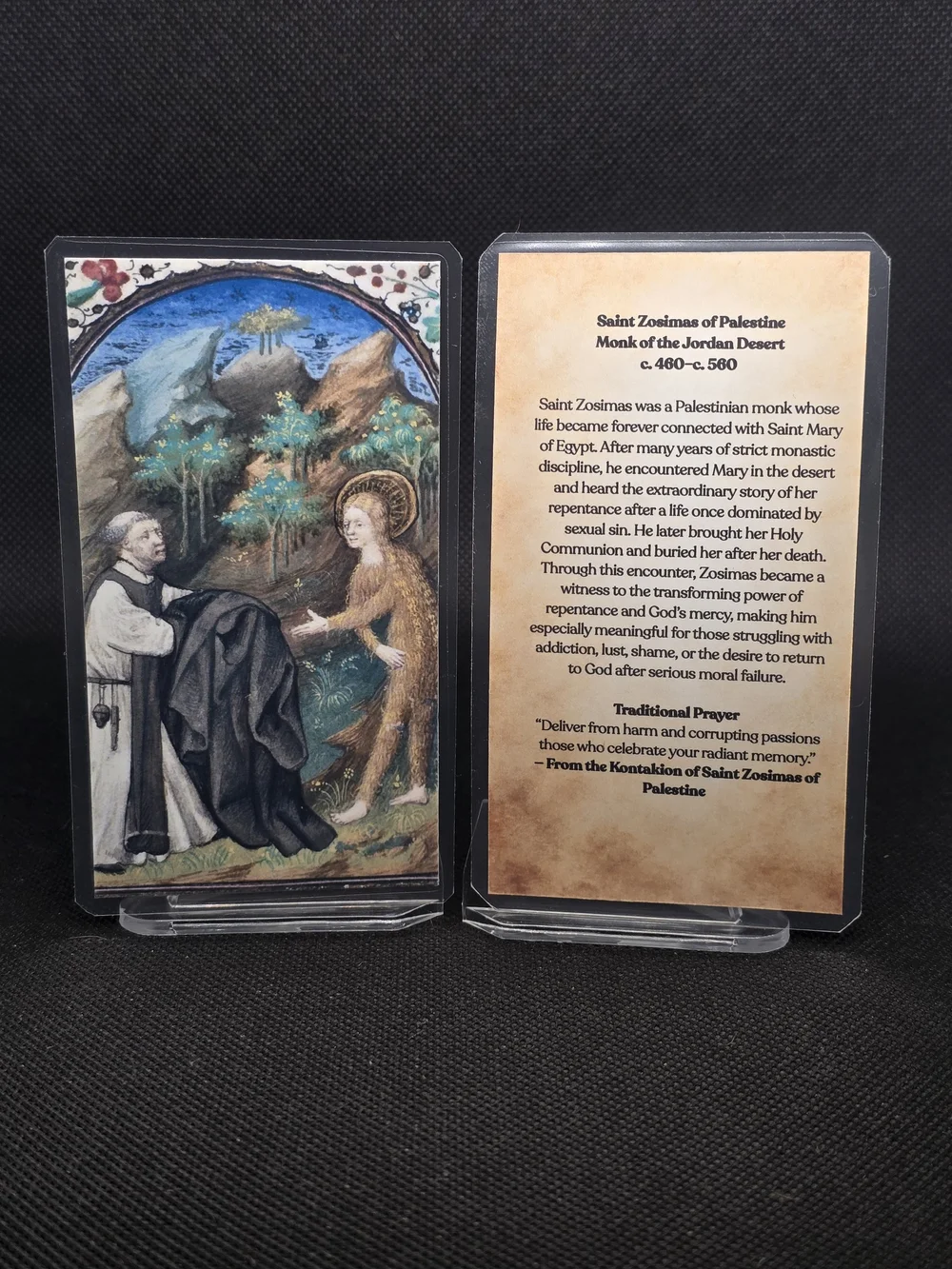
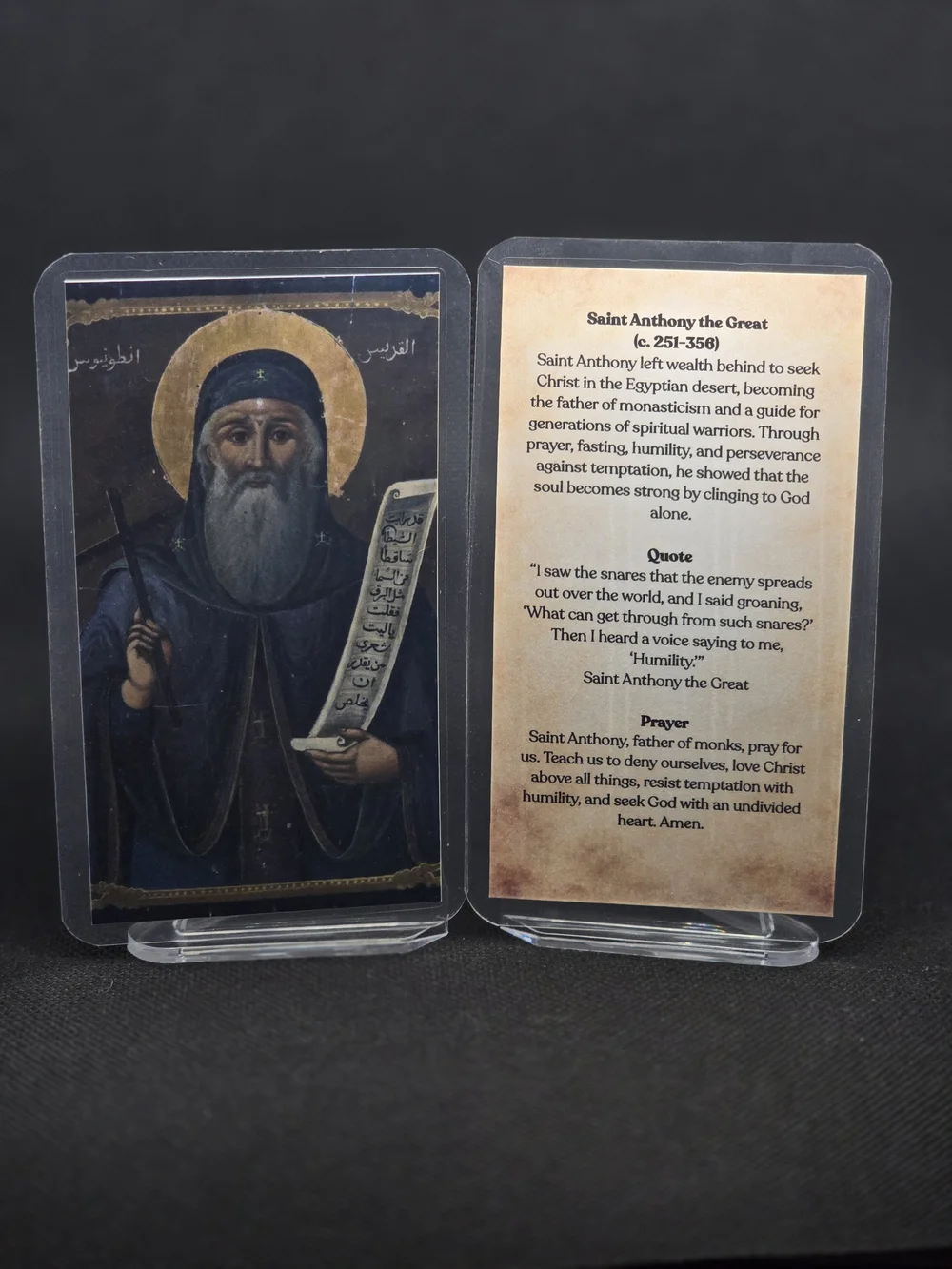
Egyptian monasticism is not only history. It is the source of the Coptic spiritual life: the Church’s love of fasting, silence, short prayers, repentance, and obedience to a spiritual father. Its monks become the Church’s bishops, and many lay Copts have a favorite monastery to visit on retreat. For Christians outside monasteries, the old question is how to bring the desert home. Our article on the hidden monk and monastic life in the world and the guide to hesychasm pick up where the desert leaves off.

Part XIII
The Church of the Martyrs
The Coptic Church calls itself the Church of the Martyrs, and its calendar says so. Coptic years are numbered from AD 284, the year Diocletian became emperor, because his reign saw terrible persecution of Christians, especially in Egypt. The Synaxarium, the Church’s book of the saints, is full of ordinary people who would not deny Christ: soldiers, women, children, married couples, and bishops. The Church’s memory of them is not distant. Every year it keeps their feasts, names its children after them, and builds its churches in their names.
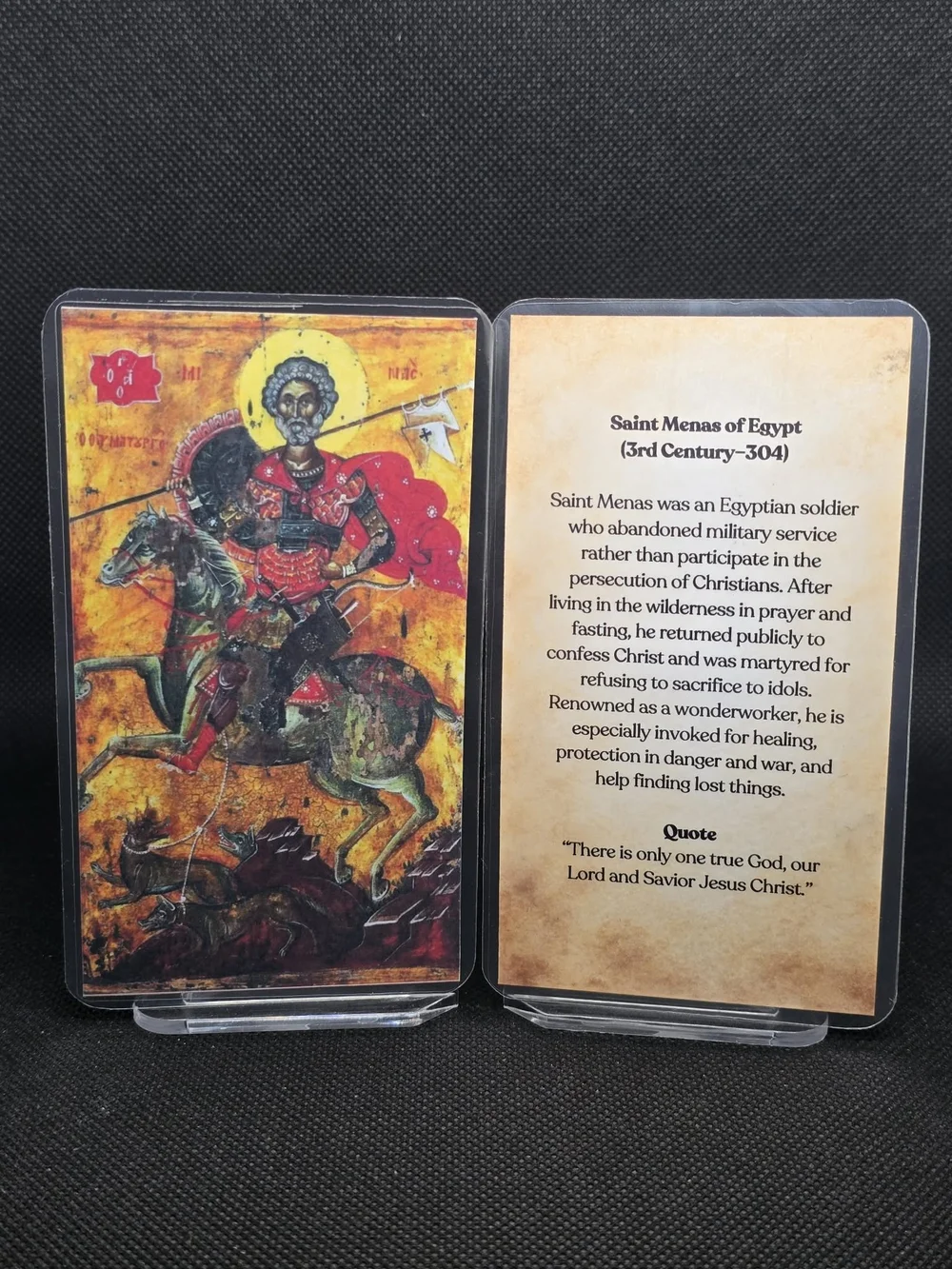
Menas. Menas was a soldier who was martyred under Diocletian, and the shrine built over his tomb at Abu Mena in the Egyptian desert became one of the great pilgrimage sites of the ancient world. Copts call him Mar Mina and ask him for healing, protection, and courage.
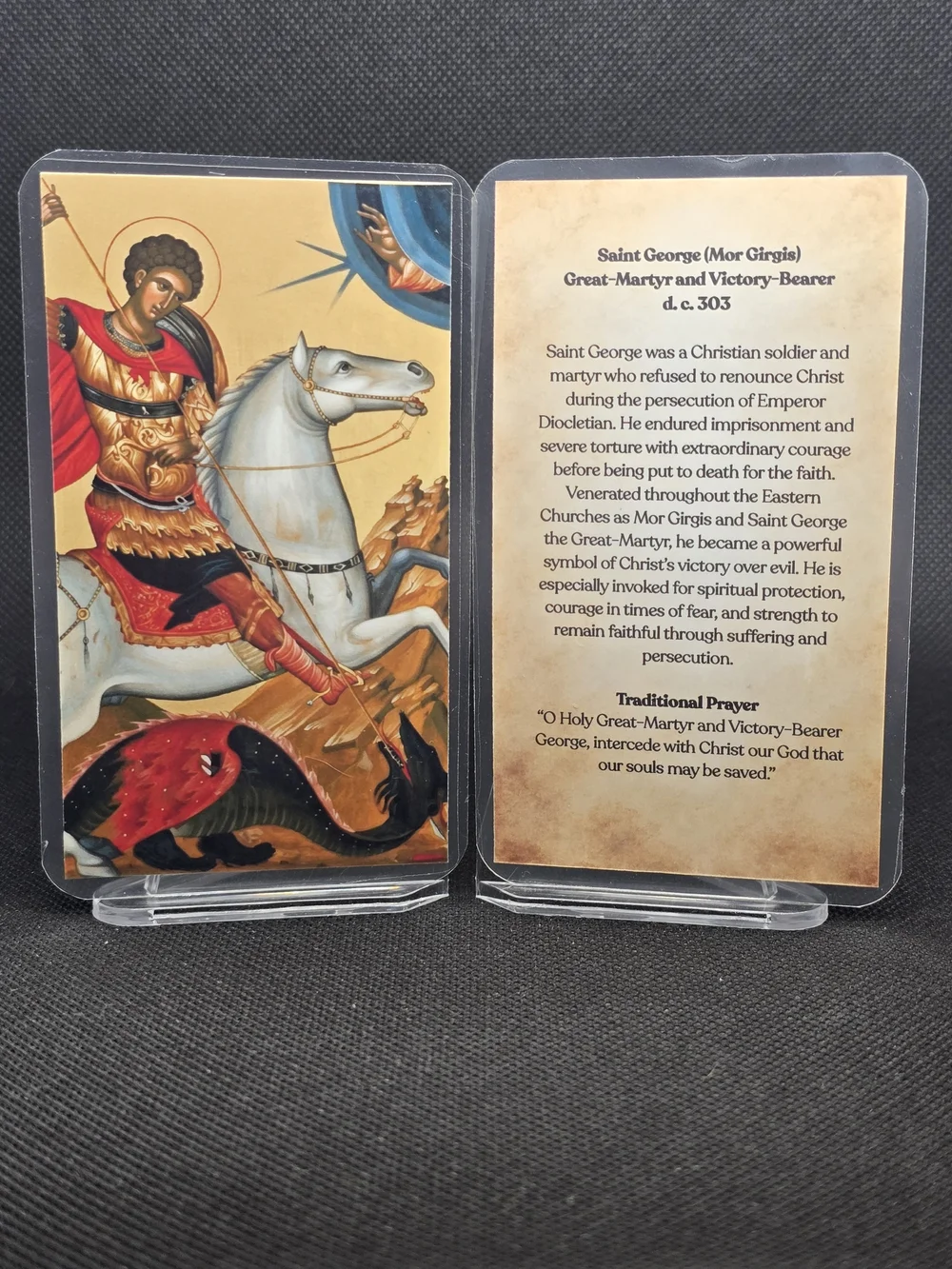
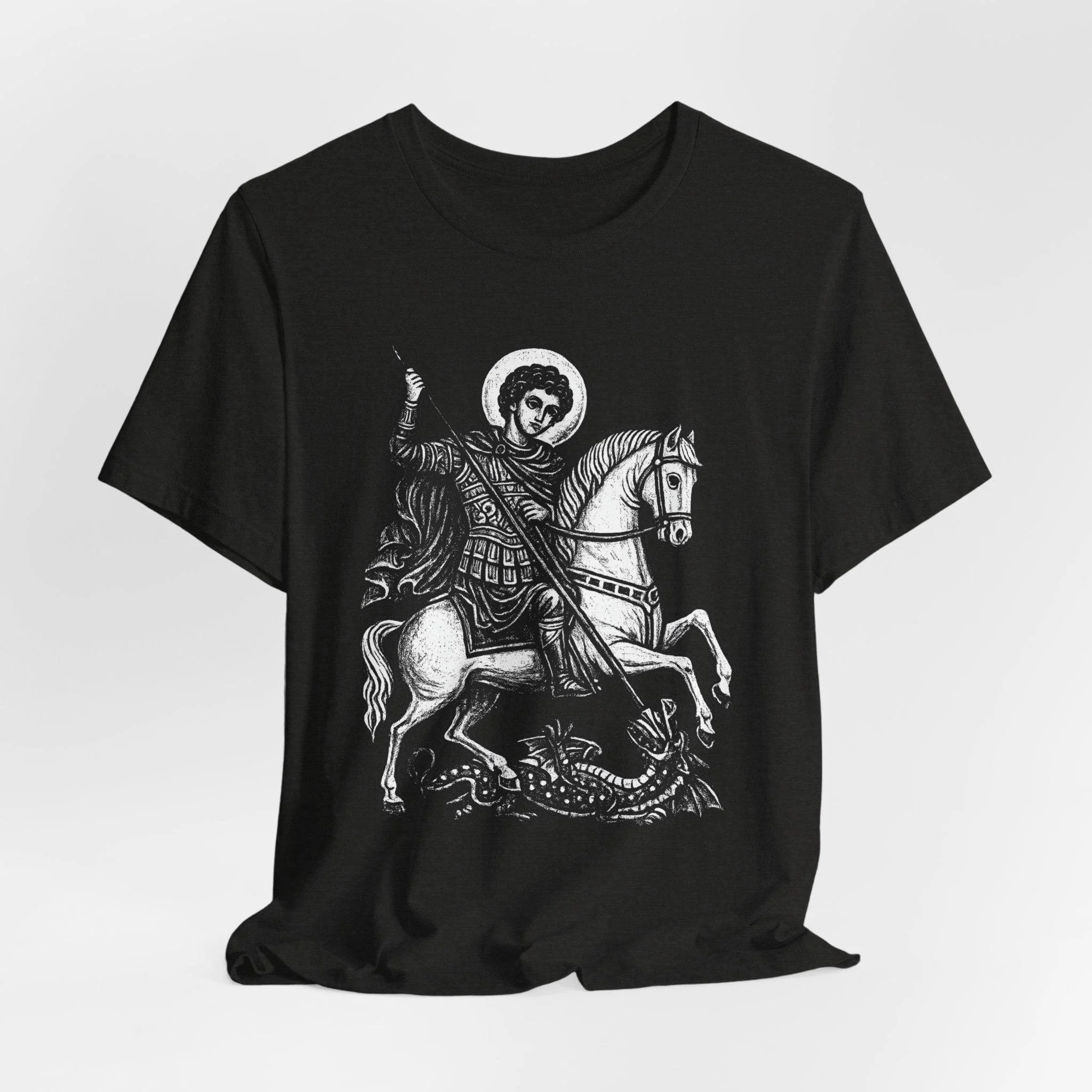
George. Mar Girgis is among the most beloved martyrs in Egypt. Coptic churches carry his image on horseback, a spear in his hand, over a fallen dragon. For many Copts he is among the first saints a child learns to love. Our article on the warrior saints of the Catholic and Orthodox traditions places him among the other soldier saints.
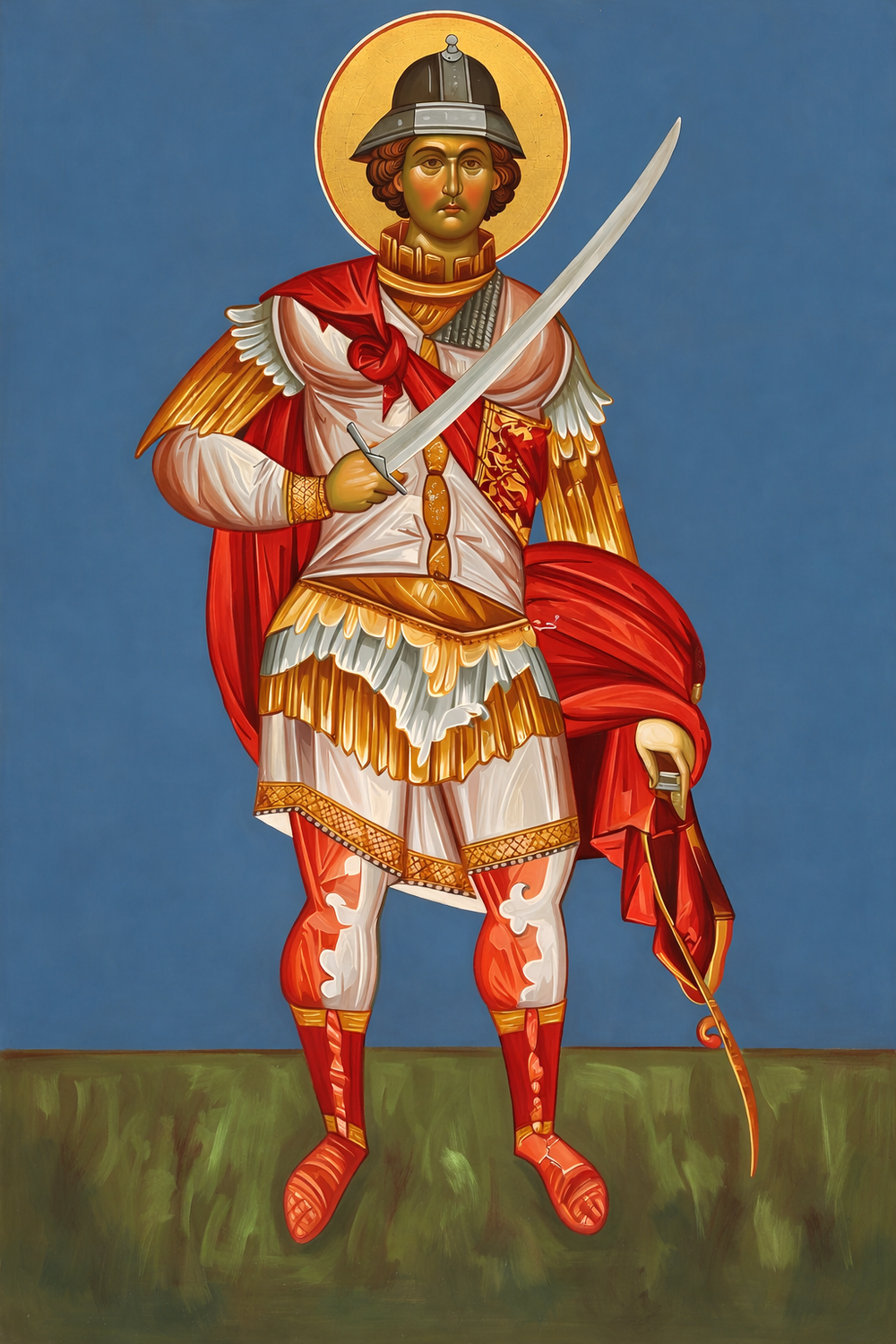
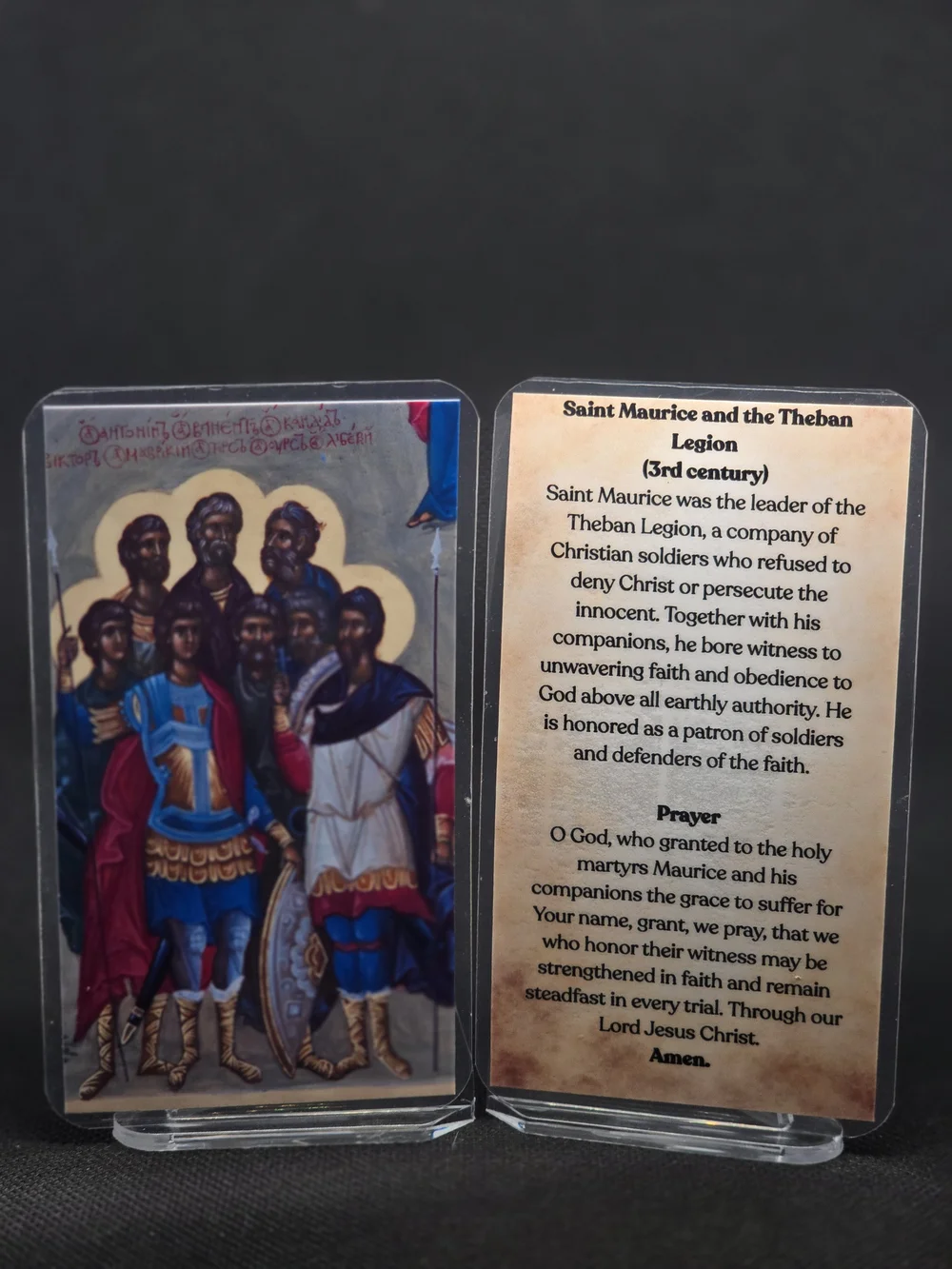
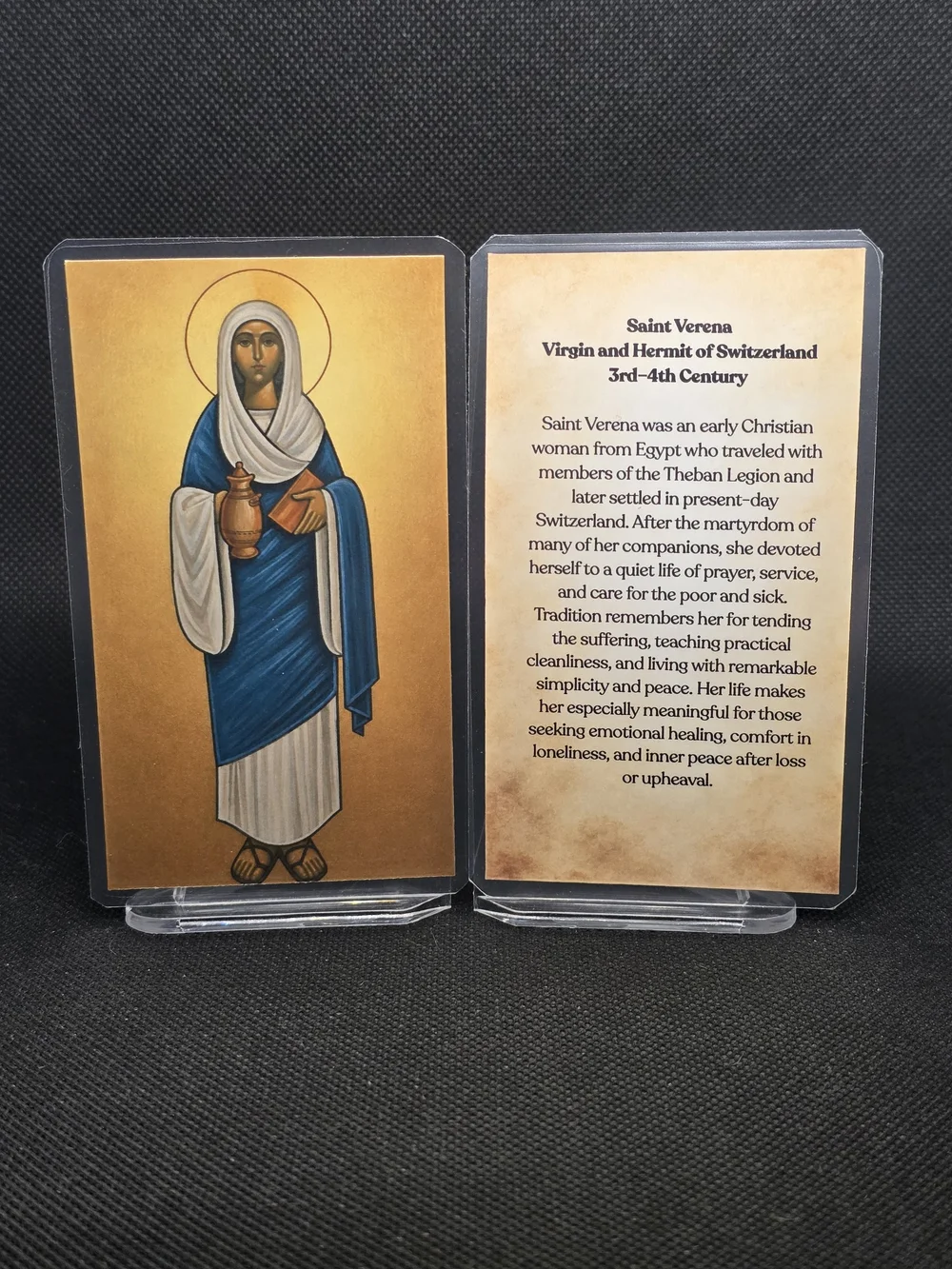
Soldier saints and the Theban Legion. Egypt gave the Church many soldier martyrs. Mercurius, called Abu Sefein, the father of the two swords, is honored by an ancient church in Coptic Cairo that bears his name. According to tradition, the Theban Legion was a Roman unit raised in Upper Egypt whose Christian soldiers refused to take part in persecution and were martyred under Maurice, their commander. Verena, remembered as an Egyptian woman who followed the legion to what is now Switzerland, lived there as a healer and hermit.
Men who would not betray their conscience, and a woman who carried Egypt’s faith far from home.
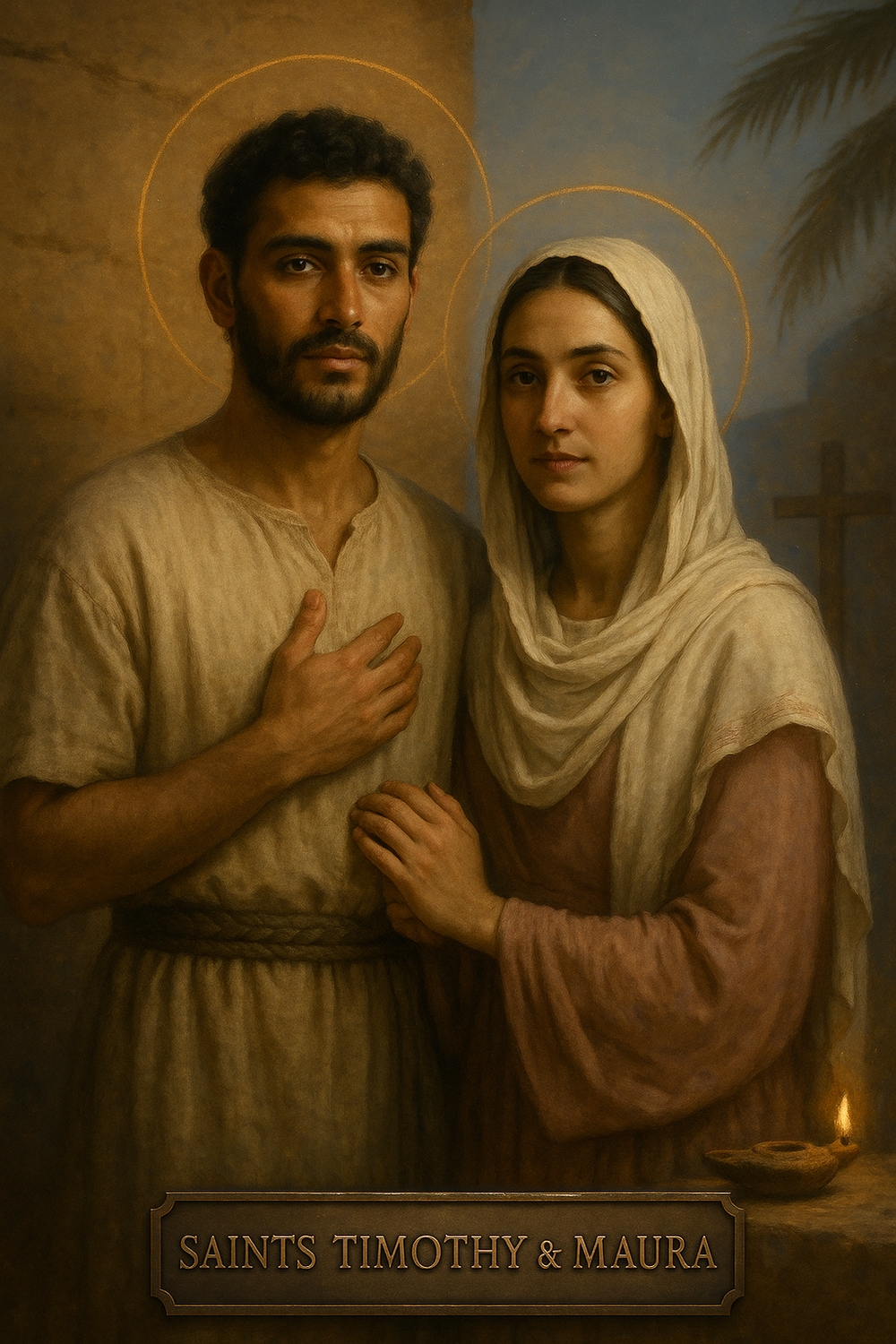
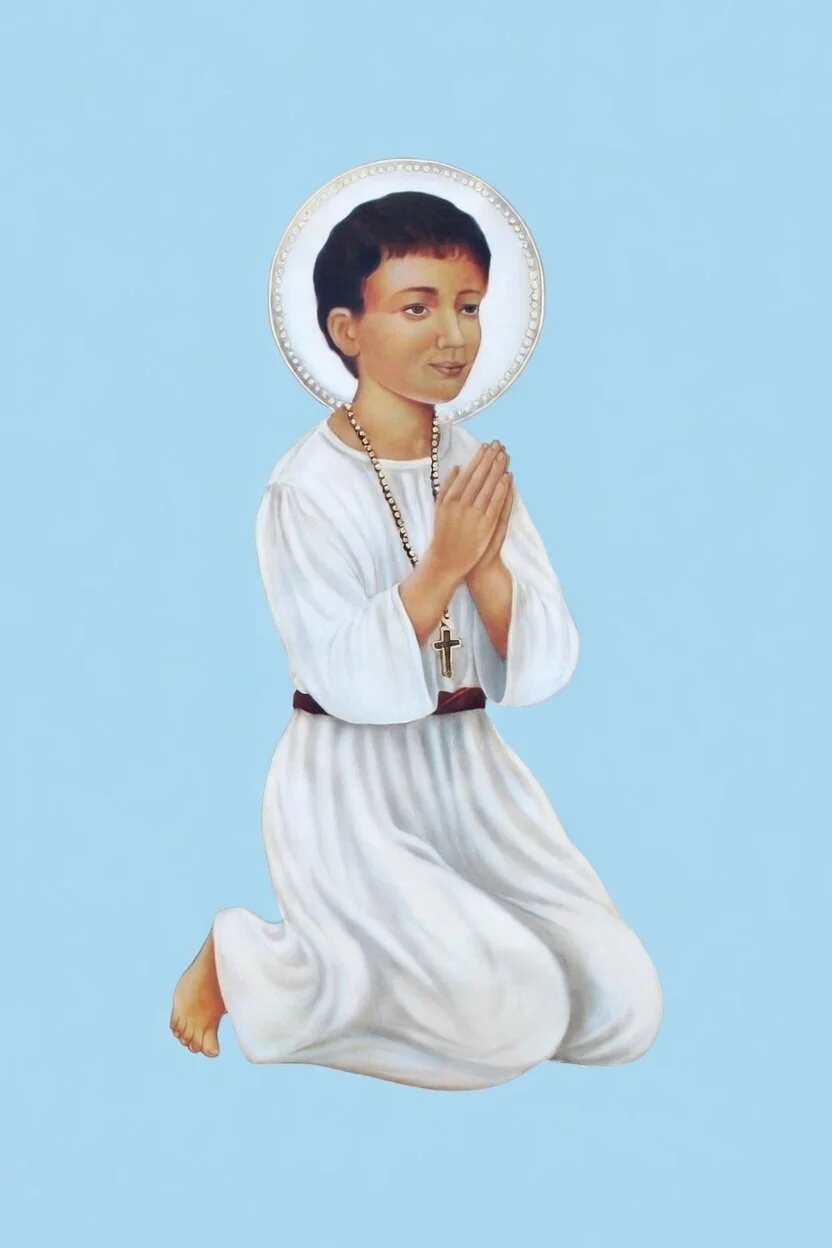
Married and young martyrs. Persecution did not spare households. Timothy and Maura were a newly married couple of Antinoë in Egypt who are remembered for encouraging each other to the end. Abanoub, a boy martyr of the Nile Delta, is commemorated every July, and Copts turn to him for the protection of children and for comfort in grief.
The Twenty-One Martyrs of Libya
The age of martyrs did not end with Diocletian. On February 15, 2015, twenty-one Christian workers, twenty of them Coptic Orthodox and one a Ghanaian, were beheaded on a beach near Sirte, Libya, by Islamic State militants. They were shown kneeling in orange jumpsuits, and many of them could be heard calling on the name of Jesus. Within about a week, Pope Tawadros II declared them saints and martyrs, and the Church now commemorates them on February 15.
On May 11, 2023, Pope Francis announced, with Pope Tawadros at his side, that the twenty-one would be entered in the Roman Martyrology and given the same feast day. Francis called it “a sign of the spiritual communion that unites our two churches,” as National Catholic Reporter recorded. A Vatican official described it as a first, since modern martyrs of another Church had not been inscribed in the Catholic liturgical calendar before. On February 15, 2024, an ecumenical prayer service was held at Saint Peter’s Basilica for their first commemoration, as Aleteia noted. For Coptic Orthodox and Catholics alike, it was a moment when old divisions seemed smaller than the shared witness.
Part XIV
The Miracle of Mokattam Mountain
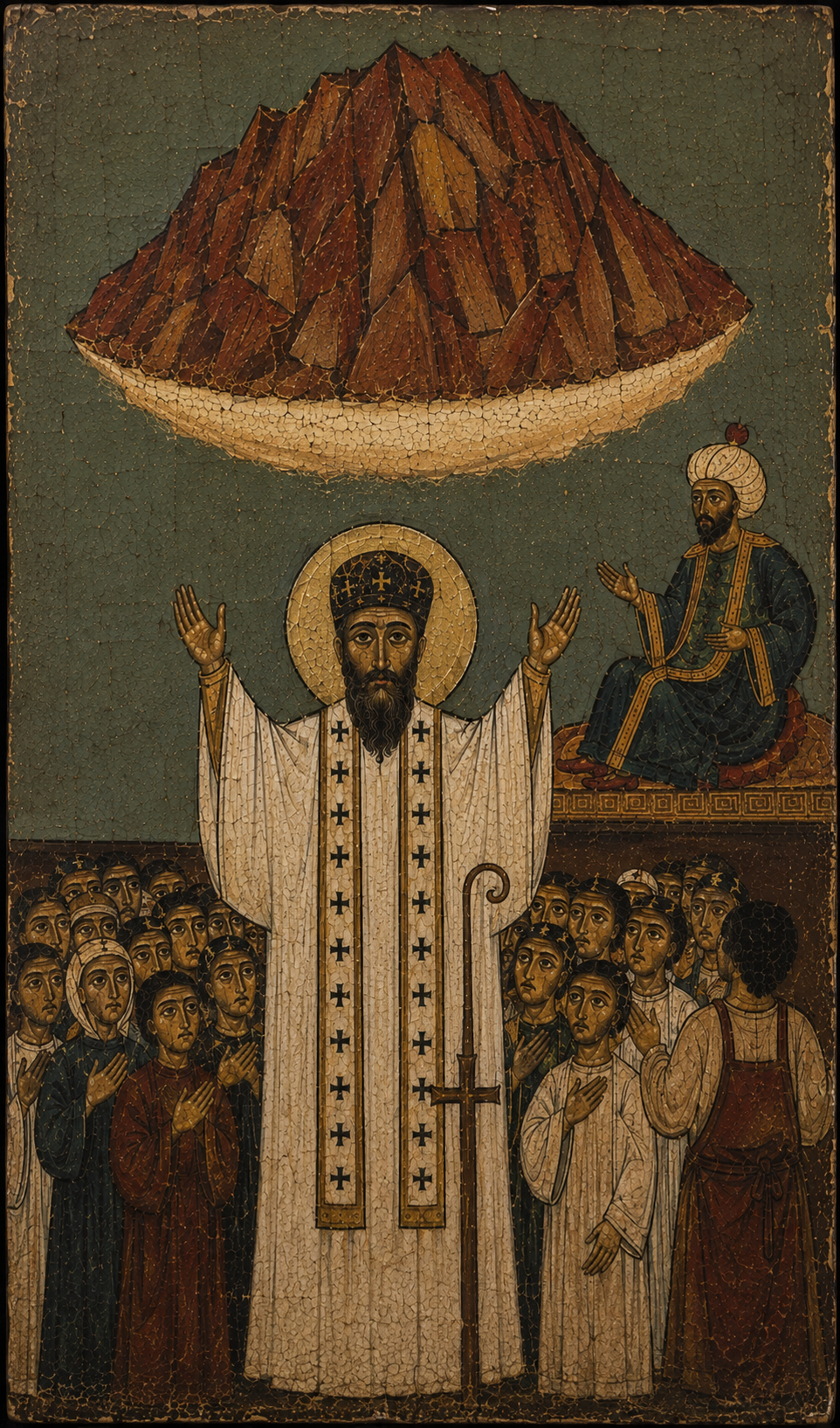
One story of Coptic faith belongs to every Copt’s memory. In the tenth century, under the Fatimid Caliph al-Mu’izz, a high-ranking vizier pointed out a verse in the Gospel to the Caliph. Christ had said that a person with faith the size of a mustard seed could tell a mountain to move.
“If ye have faith as a grain of mustard seed, ye shall say unto this mountain, Remove hence to yonder place; and it shall remove; and nothing shall be impossible unto you.” (Matthew 17:20, KJV)
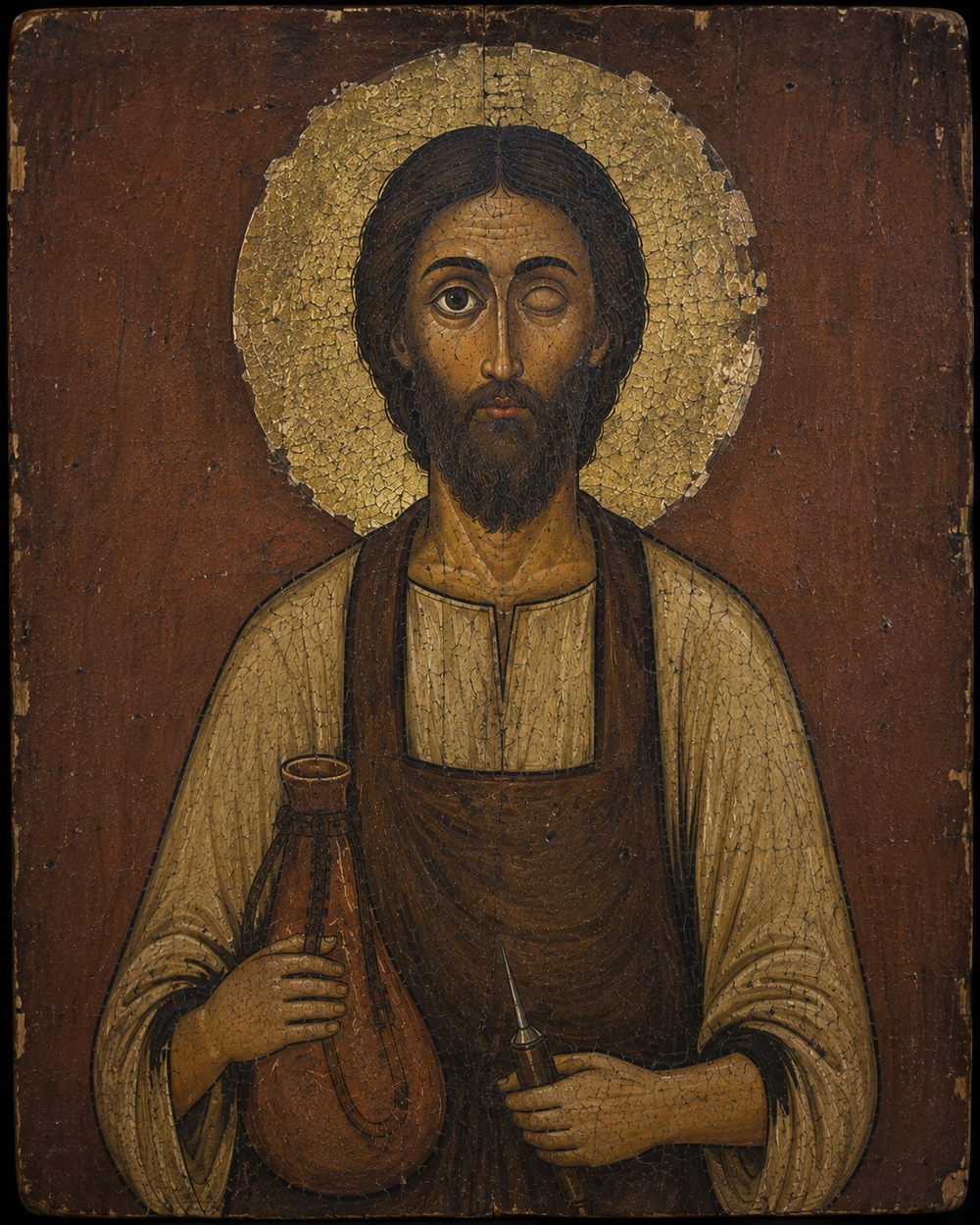
The Caliph challenged Pope Abraham the Syrian to prove the verse by moving Mokattam, the mountain on the eastern edge of Cairo. If he failed, the Copts would be put to the sword. The Pope asked for three days, and the whole Coptic community fasted and prayed. The Virgin Mary appeared to the Pope in a dream and told him to look for a one-eyed man carrying water. He was Simon the Tanner, a humble leatherworker who had plucked out his own eye, taking Christ’s words about the offending eye literally. Simon told the Pope to lead the people to the foot of the mountain, to cry out Lord, have mercy three times, and to make the sign of the Cross over the mountain each time. The mountain was lifted. When the Pope turned to thank Simon, he had vanished. The Caliph said that he recognized the correctness of the Coptic faith. Coptic tradition adds that al-Mu’izz was moved to convert, though that detail is much disputed.
The sources are mainly Coptic, including the Synaxarium entry and the OrthodoxWiki summary, and the chronology is debated. Al-Mu’izz reigned from 953 to 975, and Pope Abraham’s papacy is dated to about 975 to 978, so the exact date is uncertain. Coptic tradition places the miracle in the 970s. What is not in doubt is how deeply it entered Coptic memory: the Church’s Nativity Fast is 43 days long because three days were added in memory of the three days of fasting before the miracle. Today the Church of Saint Simon the Tanner is carved into the Mokattam hillside in Cairo, in the district of the Zabbaleen, the garbage collectors, whose community helped build it. Our long article on Saint Simon the Tanner and the Mokattam miracle tells the whole story.
Part XV
Popes, Bishops, and Priests: How the Church Is Governed
The Coptic Church is governed by its bishops in synod, with the Pope of Alexandria at their head. The full title is Pope of Alexandria and Patriarch of the See of Saint Mark. The Pope is the first among the bishops of this Church, but the Coptic Church does not claim that he holds universal jurisdiction over all Christians, as the Bishop of Rome does in the Catholic understanding. Decisions on faith and discipline belong to the Holy Synod, the assembly of the Church’s bishops.
Bishops are drawn from the monasteries and are celibate. So, ordinarily, is the Pope. That is the practical reason the monasteries matter so much to the Church’s life: the men who lead the Church have first spent years under a rule of prayer, fasting, and obedience. Parish priests are different. They are usually married men who were married before ordination, and they serve their congregations as pastors and confessors. Deacons, including boys and young men, serve at the altar and carry much of the sung liturgy.
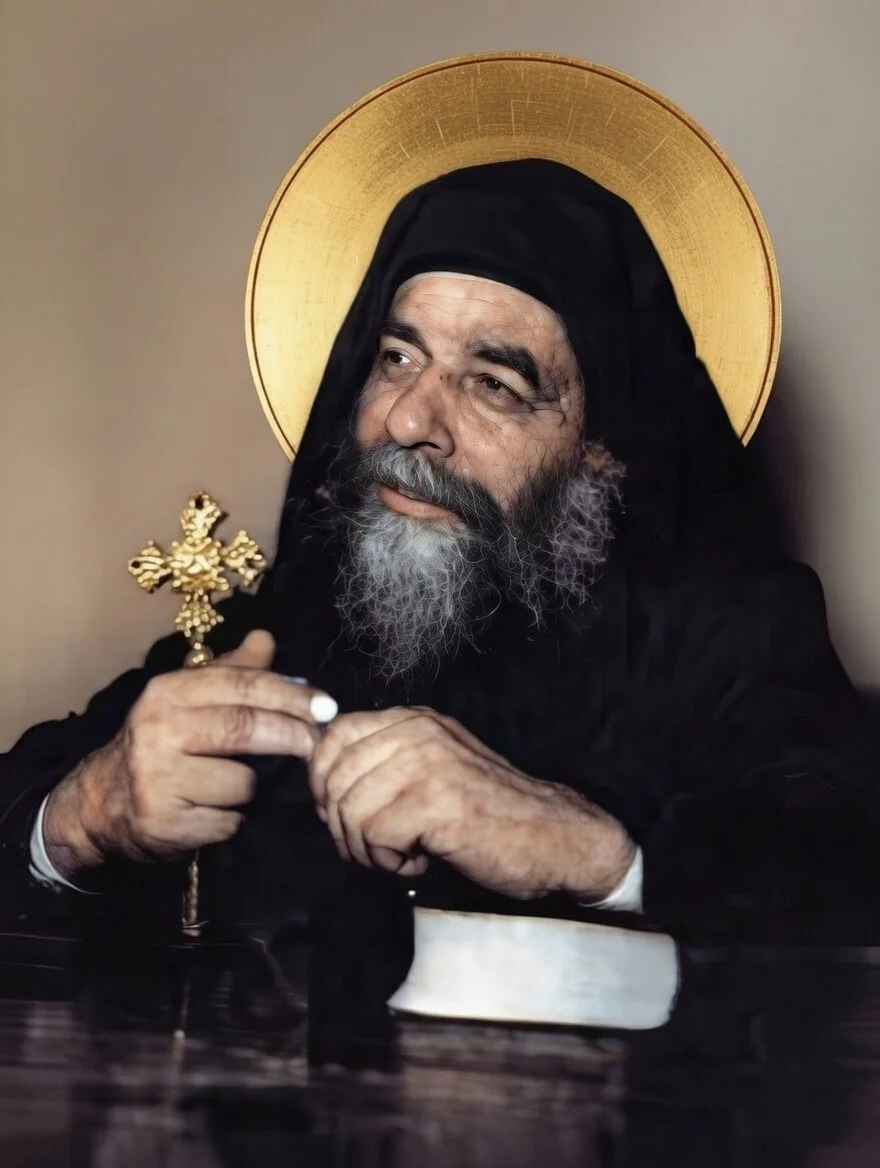
The way the Church chooses a Pope is unlike any other. A list of candidates is drawn up, and in the final stage the names of the three leading candidates are placed in a chalice on the altar. After prayer, a blindfolded child draws one name. Church leaders understand the drawing as a way of letting God make the final choice. That was how Tawadros II was chosen on November 4, 2012, before he was enthroned on November 18.
Recent history shows how much a single papacy can change the Church. Pope Cyril VI, who served from 1959 to 1971, was a monk and hermit before he was patriarch, and he is remembered as a man of prayer. In 1959 he crowned the first native patriarch of the Ethiopian Church, and that Church became self-governing. The Eritrean Orthodox Church followed in 1998. His successor, Pope Shenouda III, led the Church from 1971 until his death on March 17, 2012. Over those years the number of bishops grew from 26 to 117, and the Church built parishes across North America, Europe, and Australia.
Part XVI
The Coptic Orthodox Church and Other Churches
Because the Coptic Church stands outside the main Catholic and Eastern Orthodox structures, readers often ask where it fits. The short answer is that it is a full, ancient Church with valid sacraments and apostolic succession in its own understanding, in friendly dialogue with the others, and not in communion with any of them.
| Church | Relationship with the Coptic Orthodox Church | Key moment |
|---|---|---|
| Eastern Orthodox | Not in communion. Long theological dialogue, with agreement that many differences are about terminology. | 2001: Coptic and Greek Orthodox Patriarchates of Alexandria agree to recognize each other’s baptisms and marriages |
| Roman Catholic | Not in communion. Warm relations, with a shared Christological confession. | 1973: Joint Christological Declaration by Paul VI and Shenouda III. 2023: the Twenty-One Martyrs entered in the Roman Martyrology |
| Coptic Catholic | A separate Church in communion with Rome that shares the Coptic liturgical heritage. | See our comparison article below |
| Other Oriental Orthodox | Full communion in one family of Churches that accepted the first three councils. | Ethiopian autocephaly 1959; Eritrean 1998 |
The Coptic Catholic Church is the smallest and the least understood piece of this picture. It shares the Coptic Rite but accepts the authority of the Pope of Rome, and many readers search for its saints and traditions. Our articles on Coptic Catholic versus Coptic Orthodox and the Coptic Catholic saints explain it. The Ethiopian and Eritrean Churches are the daughters of Alexandria, and we compare them with their Catholic neighbors in Ethiopian Orthodox versus Ethiopian Catholic and the history of the Eritrean Catholic Church.
Many Protestant communities also live alongside the Coptic Church in Egypt, and the relationship has not always been easy. Copts tend to say that a faith received from the apostles and kept through persecution cannot be rebuilt from the Bible alone, while Protestants tend to say that Scripture must be the final test of any tradition. Those are real disagreements. They sit alongside a great deal of shared witness, especially among ordinary Christians who have suffered together.
Part XVII
The Coptic Church in Egypt and the Diaspora Today
Today the Coptic Church is a large minority in a Muslim-majority country. It has a patriarchal seat at Saint Mark’s Cathedral in Abbassia, a major new cathedral that opened in the New Administrative Capital in January 2019, and thousands of parishes in Egypt. It also has a global presence. Egyptians have settled in North America, Australia, and Europe over the last several decades, and the Church has followed them with parishes, monasteries, and dioceses. In many of those places the liturgy is now prayed in English, so that second- and third-generation Copts can keep the faith in their own language.
Life as a minority has not been simple. Copts have faced discrimination, church attacks, and violence in recent decades, and the Libyan martyrs of 2015 are only the best-known example. Even so, the Church has not turned inward. It runs schools, hospitals, and charities. It keeps its monasteries full and its Sunday schools busy. Surveys and church leaders disagree on how many Copts there are, as noted earlier, but the Church’s own sense of itself is clear. It believes it is the living continuation of the Church that Saint Mark planted, and that fidelity is worth the cost.
For outsiders, the most helpful attitude is probably the one the Copts themselves practice: patience and attention. The Church is not a museum. It is a community that prays seven times a day, fasts for much of the year, honors its martyrs by name, and passes all of it to its children. Visiting a Coptic liturgy, reading the Agpeya, or spending a few days at a monastery will teach more than any article can.
Part XVIII
Timeline of the Coptic Orthodox Church
- c. AD 42 • Saint Mark in AlexandriaAccording to Coptic tradition, Mark the Evangelist founds the Church of Alexandria.
- 284 • The Era of the MartyrsDiocletian becomes emperor. The Coptic calendar counts its years from this point.
- 325 • Council of NicaeaThe Nicene Creed is written, with Athanasius of Alexandria as its great defender.
- 381 • Council of ConstantinopleThe Creed is completed, confirming the divinity of the Holy Spirit.
- 431 • Council of EphesusCyril of Alexandria’s teaching is confirmed, and Mary is affirmed as Theotokos.
- 451 • Council of ChalcedonThe Church of Alexandria does not accept the Chalcedonian definition, and two patriarchates develop in Egypt.
- 639 • The Arab conquest of EgyptThe Coptic Church begins its long life under Muslim rule.
- 1078 to 1092 • The papal seat moves to CairoThis happens under Pope Cyril II.
- 1959 • Cyril VI and the Ethiopian ChurchPope Cyril VI crowns the first native patriarch of Ethiopia, and the Ethiopian Church becomes self-governing.
- 1968 • ZeitounThe Virgin Mary is reported to appear above Saint Mary’s Church in Cairo. The Church confirms the apparitions in May.
- 1971 • Pope Shenouda IIIHe leads the Church until March 17, 2012.
- 1973 • The Joint Christological DeclarationPaul VI and Shenouda III confess the same faith in Christ.
- 1998 • The Eritrean Orthodox ChurchEritrea becomes self-governing.
- 2001 • Baptism agreementThe Coptic and Greek Orthodox Patriarchates of Alexandria agree to recognize each other’s baptisms and marriages.
- 2012 • Pope Tawadros IIThe 118th Pope of Alexandria is chosen on November 4 and enthroned on November 18.
- 2015 • The Twenty-One MartyrsTwenty Copts and one Ghanaian are martyred in Libya on February 15.
- 2023 • The Roman MartyrologyPope Francis announces that the Twenty-One will be entered in the Roman Martyrology.
Part XIX
Prayers of the Coptic Church
The best way to understand a Church’s beliefs is to pray with it. These are short prayers that Copts pray daily, followed by an original prayer for the Coptic Church. They can be prayed standing and facing east, with a cross in the hand.
Holy God, Holy Mighty, Holy Immortal, who was born of the Virgin, have mercy on us.
Holy God, Holy Mighty, Holy Immortal, who was crucified for us, have mercy on us.
Holy God, Holy Mighty, Holy Immortal, who rose from the dead and ascended into Heaven, have mercy on us.
Glory be to the Father, and to the Son, and to the Holy Spirit, now and forever, and unto the ages of ages. Amen.
Prayed at the beginning of the Hours in the Agpeya and at the Liturgy. Wording varies slightly between service books.
Lord Jesus Christ, Son of God, have mercy on me, a sinner.
Lord, have mercy. Kyrie eleison. Lord, have mercy. Kyrie eleison. Lord, have mercy. Kyrie eleison.
The short prayers of the Desert Fathers. In the Agpeya, the Kyrie eleison is said forty-one times at the end of each Hour.
Lord Jesus Christ, true God and true man, we thank You for the Church You planted in Alexandria through the labor of Saint Mark. We thank You for Athanasius and Cyril, for Anthony and Pachomius, for the martyrs who would not deny You, and for every Coptic mother and father who handed on the faith to a child.
Keep Your Church faithful, humble, and brave. Strengthen Pope Tawadros and all the bishops, priests, deacons, and monks. Comfort those who suffer for Your Name. Give peace to Egypt, and bring Your people everywhere into the unity for which You prayed.
Through the prayers of the Virgin Mary, the Mother of God, and of all Your saints, have mercy on us and save us. To You be glory, with the Father and the Holy Spirit, now and forever. Amen.
Part XX
Books, Shirts, and Prayer Cards for Your Study
If this article has made you want to read more, the three books below are good places to go next. Wearing a saint is another way to keep one close, so we have also listed three shirts from our store, and the Coptic Christian Collection pulls the desert saints into a single set of handmade cards.
One book at a time. Start with the introduction if the Church is new to you, the history if you want depth, and the children’s book if you are teaching a child.
Book links on this page are Amazon affiliate links. If you buy through them we may earn a small commission at no extra cost to you.
Three designs for people who want to wear the saints of Egypt: the Virgin of Zeitoun, the Desert Father of second chances, and the great martyr on horseback.
The Church That Never Left Egypt
For two thousand years the Coptic Church has kept the same Creed, the same Liturgy, and the same desert. We hope this article has helped you meet it. Our Coptic Christian Collection is a good place to begin a prayer corner of your own.
Appendix